

International Exercise Recommendations in Older Adults (ICFSR): Expert Consensus Guidelines
Open accessThe DOI matches its Crossref record; 291 of the 294 references it cites were found in a registry or an index.
Abstract
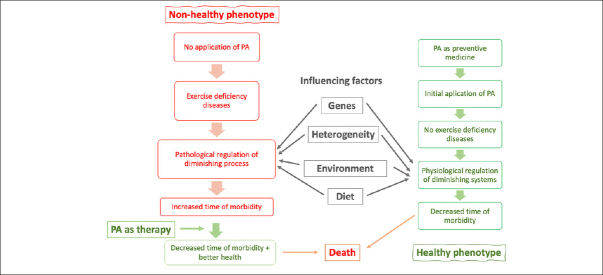
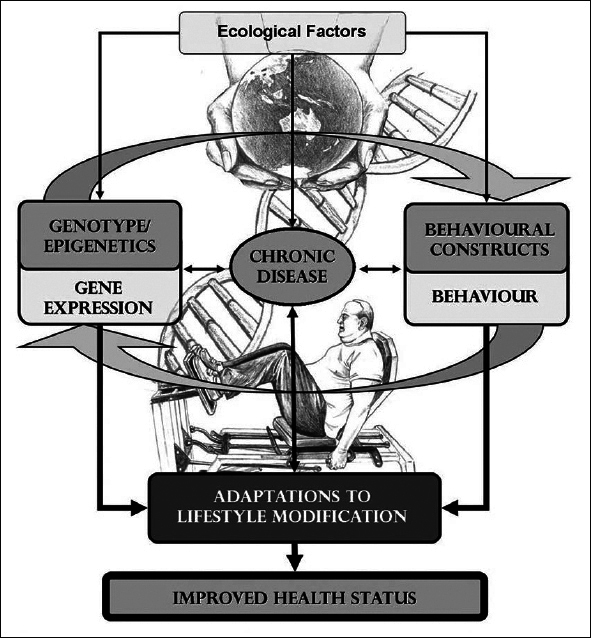
The human ageing process is universal, ubiquitous and inevitable. Every physiological function is being continuously diminished. There is a range between two distinct phenotypes of ageing, shaped by patterns of living - experiences and behaviours, and in particular by the presence or absence of physical activity (PA) and structured exercise (i.e., a sedentary lifestyle). Ageing and a sedentary lifestyle are associated with declines in muscle function and cardiorespiratory fitness, resulting in an impaired capacity to perform daily activities and maintain independent functioning. However, in the presence of adequate exercise/PA these changes in muscular and aerobic capacity with age are substantially attenuated. Additionally, both structured exercise and overall PA play important roles as preventive strategies for many chronic diseases, including cardiovascular disease, stroke, diabetes, osteoporosis, and obesity; improvement of mobility, mental health, and quality of life; and reduction in mortality, among other benefits. Notably, exercise intervention programmes improve the hallmarks of frailty (low body mass, strength, mobility, PA level, energy) and cognition, thus optimising functional capacity during ageing. In these pathological conditions exercise is used as a therapeutic agent and follows the precepts of identifying the cause of a disease and then using an agent in an evidence-based dose to eliminate or moderate the disease. Prescription of PA/structured exercise should therefore be based on the intended outcome (e.g., primary prevention, improvement in fitness or functional status or disease treatment), and individualised, adjusted and controlled like any other medical treatment. In addition, in line with other therapeutic agents, exercise shows a dose-response effect and can be individualised using different modalities, volumes and/or intensities as appropriate to the health state or medical condition. Importantly, exercise therapy is often directed at several physiological systems simultaneously, rather than targeted to a single outcome as is generally the case with pharmacological approaches to disease management. There are diseases for which exercise is an alternative to pharmacological treatment (such as depression), thus contributing to the goal of deprescribing of potentially inappropriate medications (PIMS). There are other conditions where no effective drug therapy is currently available (such as sarcopenia or dementia), where it may serve a primary role in prevention and treatment. Therefore, this consensus statement provides an evidence-based rationale for using exercise and PA for health promotion and disease prevention and treatment in older adults. Exercise prescription is discussed in terms of the specific modalities and doses that have been studied in randomised controlled trials for their effectiveness in attenuating physiological changes of ageing, disease prevention, and/or improvement of older adults with chronic disease and disability. Recommendations are proposed to bridge gaps in the current literature and to optimise the use of exercise/PA both as a preventative medicine and as a therapeutic agent.
Overview
The claims and statistics of this paper haven’t been checked yet.
Free: it reads the open-access text and checks the first 5 claims that cite a source we can check. Create a free account to check every claim.
Integrity signals
Registry
Cites
Statistics
Figures
Verification
Claims the paper makes
The claims and statistics of this paper haven’t been checked yet.
Free: it reads the open-access text and checks the first 5 claims that cite a source we can check. Create a free account to check every claim.
Claims other papers make about this one
Each is checked against this paper’s own text: does it say what the citing paper says it does?
The source backs part of the claim, not all of it — or backs it for a different population, condition or comparison.
In the citing paper
“Muscle power declines significantly with age, leading to an increased risk of physical impairment, falls, disability, and mortality [8,15].”
From Global consensus on optimal exercise recommendations for enhancing healthy longevity in older adults (ICFSR) (2025) · cites this paper as [15]
Experimental — accuracy not yet measuredThe source backs part of the claim, not all of it — or backs it for a different population, condition or comparison.
In the citing paper
“Although evidence indicates benefits for individuals ranging from robust to frail, including hospitalized older persons, power training remains underused in clinical practice [8,15,203].”
From Global consensus on optimal exercise recommendations for enhancing healthy longevity in older adults (ICFSR) (2025) · cites this paper as [15]
Experimental — accuracy not yet measuredThe source backs part of the claim, not all of it — or backs it for a different population, condition or comparison.
In the citing paper
“Aging-associated physiological changes, such as the loss of type II fast-twitch fibers and deficits in neural recruitment, can diminish power output in ways that traditional slow-velocity strength training does not address, such as the early onset of muscle force and the maximal rate of force development [15].”
From Global consensus on optimal exercise recommendations for enhancing healthy longevity in older adults (ICFSR) (2025) · cites this paper as [15]
Experimental — accuracy not yet measuredThe source backs part of the claim, not all of it — or backs it for a different population, condition or comparison.
In the citing paper
“It is also recommended that older adults participate in multicomponent exercise training, emphasizing functional balance and moderate-to-high intensity PRT at least three times per week to prevent falls [15].”
From Global consensus on optimal exercise recommendations for enhancing healthy longevity in older adults (ICFSR) (2025) · cites this paper as [15]
Experimental — accuracy not yet measuredThe source backs part of the claim, not all of it — or backs it for a different population, condition or comparison.
In the citing paper
“This cautious approach seems to stem from an unfounded fear of exercise-related injuries or the perceived risks of more vigorous activities for older adults, whereas, in reality, sedentariness is the lethal condition [15].”
From Global consensus on optimal exercise recommendations for enhancing healthy longevity in older adults (ICFSR) (2025) · cites this paper as [15]
Experimental — accuracy not yet measured
14 more claims about this paper
Create a free account to see every claim other papers make about this one.
Self-check
Percentages, sums and reported differences re-computed from the paper’s own numbers.
The self-check needs the paper’s full text.
Citations
Cites
Sarcopenia: revised European consensus on definition and diagnosis
Cruz-Jentoft, A. J., Bahat, G., Bauer, J., Boirie, Y., Bruyère, O., Cederholm, T., Cooper, C., Landi, F., Rolland, Y., Sayer, A. A., et al. (2019) · Age and Ageing · doi:10.1093/ageing/afy169 · Cited by 13,818 · cited 2×
“Sarcopenia (the loss of muscle mass, strength, and function with ageing) requires high-intensity resistance training for optimal adaptation, demonstrating the clear need to consider both modality and intensity when addressing this pervasive disease (29).”
Self-citationWorld Health Organization 2020 guidelines on physical activity and sedentary behaviour
Bull, F. C., Al-Ansari, S. S., Biddle, S., Borodulin, K., Buman, M. P., Cardon, G., Carty, C., Chaput, J.-P., Chastin, S., Chou, R., et al. (2020) · British Journal of Sports Medicine · doi:10.1136/bjsports-2020-102955 · Cited by 11,657
Tuomilehto, J., Lindström, J., Eriksson, J. G., Valle, T. T., Hämäläinen, H., Ilanne-Parikka, P., Keinänen-Kiukaanniemi, S., Laakso, M., Louheranta, A., Rastas, M., et al. (2001) · New England Journal of Medicine · doi:10.1056/nejm200105033441801 · Cited by 10,873 · cited 2×
“Based on findings from the Finnish Diabetes Study (171) and the Diabetes Prevention Program(DPP), among others (190, 191), diabetes is clearly preventable in high-risk obese adults with impaired glucose tolerance through diet and exercise intervention (192).”
The Physical Activity Guidelines for Americans
Piercy, K. L., Troiano, R. P., Ballard, R. M., Carlson, S. A., Fulton, J. E., Galuska, D. A., George, S. M., & Olson, R. D. (2018) · JAMA · doi:10.1001/jama.2018.14854 · Cited by 9,755
Garber, C. E., Blissmer, B., Deschenes, M. R., Franklin, B. A., Lamonte, M. J., Lee, I.-M., Nieman, D. C., & Swain, D. P. (2011) · Medicine & Science in Sports & Exercise · doi:10.1249/mss.0b013e318213fefb · Cited by 9,319 · cited 2×
“Exercise specialists can then use weights equivalent to 50, 60, 70, and then 80% of the 1 RM over the first four training days (i.e., 1 to 2 weeks).”
(1985) · Europe PMC (PubMed Central) · Cited by 9,143
Forouzanfar, M. H., Afshin, A., Alexander, L. T., Anderson, H. R., Bhutta, Z. A., Biryukov, S., Brauer, M., Burnett, R., Cercy, K., Charlson, F. J., et al. (2016) · The Lancet · doi:10.1016/s0140-6736(16)31679-8 · Cited by 7,698
Exercise and Physical Activity for Older Adults
Chodzko-Zajko, W. J., Proctor, D. N., Fiatarone Singh, M. A., Minson, C. T., Nigg, C. R., Salem, G. J., & Skinner, J. S. (2009) · Medicine & Science in Sports & Exercise · doi:10.1249/mss.0b013e3181a0c95c · Cited by 5,153
Self-citationStanaway, J. D., Afshin, A., Gakidou, E., Lim, S. S., Abate, D., Abate, K. H., Abbafati, C., Abbasi, N., Abbastabar, H., Abd-Allah, F., et al. (2018) · The Lancet · doi:10.1016/s0140-6736(18)32225-6 · Cited by 4,943 · cited 1×
“Estimates from 2017 indicate that not meeting PA recommendations is responsible for approximately 1.3 million deaths (17 deaths per 100,000 inhabitants) in individuals aged 25 years and over globally each year (41).”
Influential
Research works printed but not linked: 2
- World Health Organization. WHO guidelines on physical activity and sedentary behaviour. 2020. doi. 33369898
- Freiberger E Long-term effects of three multicomponent exercise interventions on physical performance and fall-related psychological outcomes in community-dwelling older adults: a randomized controlled trial J Am Geriatr Soc 60 3 2012 437 446 PubMed PMID: 22324753 10.1111/j.1532-5415.2011.03859.x 22324753 · DOI · Paper page
Cited by
Items 401–500 of 1,001
Gajdošová, L., Katrenčíková, B., Borbélyová, V., & Muchová, J. (2024) · Physiological Research · doi:10.33549/physiolres.935245 · Cited by 9
The association of sedentary time with sleep disturbances among the US population, 2005 to 2014
Li, S., Liu, H., Sun, L., Zhang, J., Wang, T., & Wang, J. (2024) · BMC Public Health · doi:10.1186/s12889-024-20114-7 · Cited by 9
“The research evidence confirmed that regular exercise and PA had a variety of health benefits for many chronic diseases, including cardiovascular disease, stroke, diabetes, osteoporosis, and obesity, mental health, reduction in mortality, and beneficial effects on sleep quality [44].”
BackgroundRibeiro, M. C. M., Gallian, D. M. C., Sass, S. D., & Ramos, L. R. (2023) · Movimento (Porto Alegre) · doi:10.22456/1982-8918.124048 · Cited by 9
Impact of Physical Performance on Haemodynamic and Cognitive Status in Romanian Older Adults
Aurelian, J., Zamfirescu, A., Aurelian, S. M., Mihalache, R., Gîdei, S. M., Gîță, C. D., Prada, A. G., Constantin, T. V., Nedelescu, M. M., & Oancea, C. (2025) · Romanian Journal of Military Medicine · doi:10.55453/rjmm.2025.128.1.8 · Cited by 9
Chen, Q., Zhou, J., Li, N., Liu, L., Li, Y., Long, W., Luo, Z., Liu, Y., & Xiao, S. (2025) · BMC Public Health · doi:10.1186/s12889-025-21281-x · Cited by 9
“In addition, our finding suggested that elderly hypertensive migratory individuals presented the highest scores in terms of As age increases, various systems of the body, including the cardiovascular system, may undergo degeneration [29].”
Liu, L., Wang, S., Ye, C., Cheng, D., & Dong, H. (2025) · Annals of Physical and Rehabilitation Medicine · doi:10.1016/j.rehab.2025.101952 · Cited by 10
EXERCISING IS ESSENTIAL FOR HEALTHY AGING
Benlidayı, İ. C. (2022) · Anti-Aging Eastern Europe · doi:10.56543/aaeeu.2022.1.2.09 · Cited by 9
Labata‐Lezaun, N., Rodríguez-Rodríguez, S., López-de–Celis, C., Rodríguez‐Sanz, J., Canet‐Vintró, M., Oviedo, G. R., González-Rueda, V., & Pérez‐Bellmunt, A. (2023) · Life · doi:10.3390/life13051193 · Cited by 9
“In addition, the latest international consensus on exercise in older adults [17] described MCT programs as beneficial strategies to improve balance among other domains [12,17].”
BackgroundAged gastrocnemius muscle of mice positively responds to a late onset adapted physical training
Cisterna, B., Lofaro, F. D., Lacavalla, M. A., Boschi, F., Malatesta, M., Quaglino, D., Zancanaro, C., & Boraldi, F. (2023) · Frontiers in Cell and Developmental Biology · doi:10.3389/fcell.2023.1273309 · Cited by 9
Kelley, G. A., Kelley, K. S., & Stauffer, B. L. (2024) · Science Progress · doi:10.1177/00368504241227088 · Cited by 8
“72 Similar international guidelines for older adults also exist, 73 as well as guidelines speci fi c to progressive resistance training in older adults.”
BackgroundAzimkhani, A., Kasraei, R., Sabeti, H., & A.Y.J.Almasoodi, A. Y. J. (2025) · Biological Research For Nursing · doi:10.1177/10998004251348605 · Cited by 9
“Guidelines recommend aerobic exercise, resistance exercise, and combined approaches as effective interventions (Bull et al., 2020; Izquierdo et al., 2021).”
Exercise as elixir to combat cardiovascular ageing
Feng, Z., Yuan, X., Yi, W., Gao, F., Sun, Y., & Zhang, X. (2025) · Ageing Research Reviews · doi:10.1016/j.arr.2025.102848 · Cited by 8
Keyser, E. D., Tambeur, J., Smedt, E. D., Schwab, L., Vrancken, D., Peersman, W., Annemans, L., Lieten, S., VELDE, D. V. D., VRIENDT, P. D., et al. (2025) · Ageing Research Reviews · doi:10.1016/j.arr.2025.102893 · Cited by 8
Impacts of sarcopenia and resistance exercise training on mitochondrial quality control proteins
Springer, C. B., Ogbara, O., Addison, O. R., Kuzmiak‐Glancy, S., & Prior, S. J. (2025) · The Journal of Frailty & Aging · doi:10.1016/j.tjfa.2025.100090 · Cited by 8
Waugh, M., White, R. L., Harris, C. B., & Merom, D. (2025) · BMC Geriatrics · doi:10.1186/s12877-025-06544-x · Cited by 8
“Compared to other recommended aerobic exercise for older people, like walking or recumbent cycling [5], group dancing presents additional, unique challenges [11].”
Qin, C., Hua, N., Wang, A., Yang, Y., Zhang, X., Chen, J., & Zhang, Q. (2025) · BMC Geriatrics · doi:10.1186/s12877-025-06686-y · Cited by 8
“Exercise prescription is normally issued by healthcare professionals (HCPs) like doctors, nurses, physical therapists or exercise specialists [11, 12] to recommend the type, intensity, frequency, and duration of exercise for individuals based on their health status and fitness level [10, 13].”
Luo, X., Zhang, M., Chen, L.-L., Wang, R., Lian, J., Yang, Z., Iozzo, R. V., Wang, J., Zhang, Y., & Bi, X. (2025) · Journal of Cachexia Sarcopenia and Muscle · doi:10.1002/jcsm.70144 · Cited by 9
Self-citationMorales-Cruz, C., & Ceccarelli, M. (2025) · Journal of Medical Devices · doi:10.1115/1.4070667 · Cited by 8
Soendenbroe, C., Andersen, J. L., Heisterberg, M. F., Kjær, M., & Mackey, A. L. (2026) · PLoS ONE · doi:10.1371/journal.pone.0338775 · Cited by 8
“HReT is universally recommended for increasing muscle mass and strength (American College of Sports [44]), and its role in preventing and treating age-related musculoskeletal ailments is acknowledged by researchers, clinicians and practitioners alike [45].”
Fernández-Garrido, J., Martin, E., Saez-Berlanga, Á., Gargallo, P., Gené‐Morales, J., Alix‐Fages, C., Jiménez‐Martínez, P., Caballero, O., Palmer, R. S., & Colado, J. C. (2026) · Experimental Gerontology · doi:10.1016/j.exger.2026.113122 · Cited by 10
Systematic review and meta-analysis of the effects of exercise in older adults with sarcopenia
Lucio, M. C. F., de Oliveira, R. G., de Almeida, L. I. M., & de Oliveira, L. C. (2026) · Scientific Reports · doi:10.1038/s41598-026-55850-w · Cited by 8
Application of a Social-Ecological Model to Study the Factors Associated With Sarcopenia
Shimamoto, J., Watanabe, J., & Kotani, K. (2022) · Cureus · doi:10.7759/cureus.25248 · Cited by 8
“As sedentary lifestyle does not simply mean exercise, promotion of use of stairs instead of elevators as an organizational approach can help improve the sedentary lifestyle [26].”
BackgroundHo, V., Chan, Y. H., & Merchant, R. A. (2023) · Frontiers in Public Health · doi:10.3389/fpubh.2022.1069970 · Cited by 8
Self-citationMetabolomic profiles associated with physical activity in White and African American adult men
Du, Y. N., Li, Y., Choi, B. Y., Fernadez, R., Su, K., Sharma, K., Qi, L., Yin, Z., Zhao, Q., Shen, H., et al. (2023) · PLoS ONE · doi:10.1371/journal.pone.0289077 · Cited by 8
Lenardt, M. H., Leta, P. R. G., Cechinel, C., Rodrigues, J. A. M., Betiolli, S. E., & Binotto, M. A. (2024) · Aquichan · doi:10.5294/aqui.2024.24.1.7 · Cited by 8
Hasanah, U., Rejeki, P. S., Wungu, C. D. K., Pranoto, A., Izzatunnisa, N., Rahmanto, I., & Halim, S. (2024) · Journal of Basic and Clinical Physiology and Pharmacology · doi:10.1515/jbcpp-2023-0150 · Cited by 9
Exercise for frailty research frontiers: a bibliometric analysis and systematic review
Xu, W., Zhao, X., Zeng, M., Wu, S., He, Y., & Zhou, M. (2024) · Frontiers in Medicine · doi:10.3389/fmed.2024.1341336 · Cited by 9
“Chronic inflammation, oxidative stress, impaired insulin signaling, and dysregulated glucose and lipid metabolism are shared pathophysiological mechanisms (62, 63).”
BackgroundDai, M.-L., Ting, B., Malau, I. A., Wu, S., Lin, C., Lin, P.-Y., & Chen, M.-H. (2024) · Healthcare · doi:10.3390/healthcare12151498 · Cited by 8
“Multiple exercise interventions are highly suitable for older adults, addressing their physiological, psychological, and social needs [8].”
BackgroundThe role of interleukin-10 in mitigating endoplasmic reticulum stress in aged mice through exercise
Marafon, B. B., Pinto, A. P., Neto, I. V. D. S., da Luz, C. M., Pauli, J. R., Cintra, D. E., Ropelle, E. R., Simabuco, F. M., de Moura, L. P., de Freitas, E. C., et al. (2024) · American Journal of Physiology-Endocrinology and Metabolism · doi:10.1152/ajpendo.00204.2024 · Cited by 8
Soria-Comes, T., Climent-Gregori, M., Maestu, I., Inchaurraga, I., Cuenca‐Martínez, F., Cauli, O., & Martínez‐Arnau, F. M. (2024) · Clinics and Practice · doi:10.3390/clinpract14050173 · Cited by 8
“Therefore, in this current study, we included patients with this profile, specifically those with cancer [27], in a multicomponent physical exercise programme based on global physical exercise guidelines (aerobic, strength, and balance [28,29].”
Sun, S., Chen, J., Zheng, M., Zhou, M., Xue, Y., Shen, Y., Hu, Y., Ni, K., Fan, Y., & Lv, B. (2024) · BMC Gastroenterology · doi:10.1186/s12876-024-03533-z · Cited by 8
“Physical exercise (PE) is a planned, organized, repeatable physical activity aimed at improving health or physical fitness [11].”
Ye, Y., Wu, K., Xu, F., Li, H., Li, X., Hu, P., & Cheng, H. (2024) · Journal of Neurology · doi:10.1007/s00415-024-12830-2 · Cited by 8
“Our meta-analysis revealed that exercise intervention improved both cognitive and physical functioning in VCI patients, corroborating expert consensus and previous research findings [59–61], and confirms the beneficial impact of exercise as a non-pharmacological therapy for VCI patients.”
Tian, H., Qiao, W., & Wen, X. (2025) · Journal of Nutrition · doi:10.1016/j.tjnut.2025.01.017 · Cited by 8
Yoshimura, Y., Nagano, F., Matsumoto, A., Shimazu, S., Shiraishi, A., Kido, Y., Bise, T., Hamada, T., & Yoneda, K. (2025) · Nutrients · doi:10.3390/nu17091599 · Cited by 8
Validation of Low-Cost IMUs for Telerehabilitation Exercises
Caramia, F., D’Angelantonio, E., Lucangeli, L., & Camomilla, V. (2025) · Sensors · doi:10.3390/s25103129 · Cited by 8
“The “REHACT” motor rehabilitation protocol was developed based on a literature review and following clinical guidelines [22,23].”
Preserved cerebellar functions despite structural degeneration in older adults
de Witte, A., Matthijs, A., Parrell, B., Mantini, D., Gooijers, J., & de Xivry, J. O. (2026) · eLife · doi:10.1101/2025.06.18.660418 · Cited by 8
Moradell, A., Fernández‐García, Á. I., Navarrete‐Villanueva, D., Pérez‐Gómez, J., Gesteiro, E., Ara, I., Casajús, J. A., Gómez‐Cabello, A., & Vicente‐Rodríguez, G. (2022) · European Journal of Sport Science · doi:10.1080/17461391.2022.2092426 · Cited by 8
“It seems to be the most effective exercise to prevent and treat some of the most important morbidities and adverse events that occur in older people, as described in the International Exercise Recommendations in Older Adults (ICFSR) (Izquierdo et al., 2021).”
BackgroundRodrigues, F. F., Teixeira, J. E., Monteiro, A. M., & Forte, P. M. (2023) · Applied Sciences · doi:10.3390/app13106163 · Cited by 8
Mendes, M., Correia, É. M., Vitorino, A., Rodrigues, J. D. J. F., Cid, L., Bento, T., Antunes, R., Monteiro, D., & Couto, N. (2023) · Sports · doi:10.3390/sports11080149 · Cited by 8
“International guidelines recommend that older adults with Alzheimer’s disease should engage in moderate-intensity aerobic exercise for at least 150 min per week, or 30 min per day, five days per week, and resistance training should also be included at least twice per week [35].”
BackgroundThe Role of Exercise in Mild Cognitive Impairment and Dementia
de Asteasu, M. L. S., & Izquierdo, M. (2023) · The journal of nutrition health & aging · doi:10.1007/s12603-023-2000-3 · Cited by 8
“Table 1 shows adapted exercise recommendations for older adults with cognitive decline (15, 16).”
InfluentialSelf-citationLu, Z., Signer, T., Sylvester, R., Gonzenbach, R. R., von Wyl, V., & Haag, C. (2023) · JMIR mhealth and uhealth · doi:10.2196/50729 · Cited by 8
“They require complex treatment and care, often involving multiple, interdisciplinary health care providers and a blend of pharmacological treatments, physical therapy, and lifestyle management [5-7].”
BackgroundSiaton, B. C., Hogans, B. B., Frey‐Law, L., Brown, L. M., Herndon, C. M., & Buenaver, L. F. (2024) · Frontiers in Pain Research · doi:10.3389/fpain.2024.1254792 · Cited by 8
Memelink, R. G., Hijlkema, A., Valentin, B., Streppel, M. T., Pasman, W. J., Wopereis, S., den Bosch, J. D. V., Tieland, M., Schoufour, J. D., Bautmans, I., et al. (2024) · Lifestyle Medicine · doi:10.1002/lim2.103 · Cited by 8
Acute Gastrointestinal Injury in Polytrauma: Special Attention to Elderly Patients
Zhang, C., Chang, T., Chen, D., Luo, J., Chen, S., Zhang, P., Lin, Z., Luo, J., Zhou, Q., Wang, W., et al. (2024) · International Journal of Medical Sciences · doi:10.7150/ijms.98997 · Cited by 8
“Of note, compared with young people, even low energy injuries can lead to severe polytrauma in elderly patients[15].”
BackgroundPark, S., Park, S.-K., & Jee, Y. (2023) · Journal of Exercise Rehabilitation · doi:10.12965/jer.2244512.256 · Cited by 9
Vaculíková, P., Paclíková, A., Kotková, M., Struhár, I., Balousová, D. N., & Rozsypal, R. (2023) · Studia sportiva · doi:10.5817/sts2022-2-13 · Cited by 8
Adliah, F., Rini, I., Natsir, W. S., & Sari, T. (2023) · JURNAL ILMIAH KESEHATAN SANDI HUSADA · doi:10.35816/jiskh.v12i1.858 · Cited by 8
The Physical Activity Vital Sign for Older Adults: Time for an Update
Schlicht, J. A., Wingood, M., Heled, Y., Weitzel, K. J., Rogers, M. E., & Seffens, P. R. (2024) · Journal of the American Medical Directors Association · doi:10.1016/j.jamda.2024.105020 · Cited by 8
Moratelli, J., Corrêa, C. L., Andrade, A., Lyra, V. B., & Guimarães, A. C. D. A. (2025) · Aging & Mental Health · doi:10.1080/13607863.2025.2496728 · Cited by 8
“Regular physical exercise contributes to decreased mortality rates and disease prevention (Izquierdo et al., 2021; Kraus et al., 2019).”
Marcourt, C., Rivera, C., Tuvikene, J., Langeard, A., Esvald, E., Cabrera-Cabrera, F., Timmusk, T., Temprado, J.-J., & Laurin, J. (2025) · GeroScience · doi:10.1007/s11357-025-01820-5 · Cited by 7
“However, HIIT should not be excluded from exercise regimens for older adults as it may complement the effects of MICT on cardiovascular fitness and cerebral energy metabolism [51].”
Ro, B., Castanhas, L. G., Crenshaw, F., Janczy, A. M., Swift, P., Song, Q., Zhou, X., Parker, J. G., & Roseguini, B. T. (2025) · Journal of Applied Physiology · doi:10.1152/japplphysiol.00285.2025 · Cited by 7
Lixandrão, M. E., Bamman, M. M., Lavin, K. M., Longobardi, I., Telles, G. D., VECHIN, F. C., Damas, F., Drummer, D. J., McAdam, J. S., Costa, L. A. R., et al. (2025) · Journal of Applied Physiology · doi:10.1152/japplphysiol.00052.2025 · Cited by 7
Efectos del entrenamiento de fuerza sobre la condición física funcional en el adulto mayor
García-García, J., Benavides-Rodríguez, L., & Ortega, J. A. F. (2025) · Retos · doi:10.47197/retos.v76.100103 · Cited by 7
Yuan, C., Zhou, T., Xx, C., Xie, S., Lu, X., & Liu, F. (2026) · European Journal of Preventive Cardiology · doi:10.1093/eurjpc/zwag054 · Cited by 7
de Sousa, M. K. F., Silva, R. D. M., Freire, Y. A., Souto, G. C., Câmara, M., Cabral, L. L. P., Macêdo, G. A. D., Costa, E. C., & Oliveira, R. S. (2023) · Frontiers in Physiology · doi:10.3389/fphys.2023.1096139 · Cited by 7
“4 min/day of MVPA, with 44% and 33% of them meeting current PA guidelines (Izquierdo et al., 2021).”
BackgroundWu, X., Zhang, T., Tu, Y., Deng, X., Sigen, A., Li, Y., Jing, X., Wei, L., Huang, N., Cheng, Y., et al. (2023) · BMC Neurology · doi:10.1186/s12883-023-03390-5 · Cited by 7
Zhu, W., Wang, F., Cao, Y., & Wu, Q. (2024) · Clinical Gerontologist · doi:10.1080/07317115.2024.2357583 · Cited by 7
“As we age, physiological functioning within the body changes (Izquierdo et al., 2021).”
Ishigaki, T., Misu, S., Miyashita, T., Matsumoto, D., Kamiya, M., Okamae, A., Ogawa, T., Ihira, H., Taniguchi, Y., Ohnuma, T., et al. (2024) · Journal of Aging and Physical Activity · doi:10.1123/japa.2023-0183 · Cited by 7
Rodrigues, F., Izquierdo, M., Monteiro, D., Jacinto, M., Matos, R., Amaro, N., Antunes, R., & Teixeira, D. (2024) · The Journal of Frailty & Aging · doi:10.14283/jfa.2024.68 · Cited by 7
Self-citationFerreira, R. Z., Souza-Gomes, A. F., Baldim, M. A. F., Alves, R. D. S., Carvalho, L. C., & Simão, A. P. (2024) · Journal of Bodywork and Movement Therapies · doi:10.1016/j.jbmt.2024.10.049 · Cited by 8
Domingues, L. B., Schneider, V. M., de Abreu, R. F., Carpes, L. D. O., & Ferrari, R. (2024) · International Journal of Environmental Research and Public Health · doi:10.3390/ijerph21111433 · Cited by 7
Sun, X., Liu, W., Li, L., Song, J., Gao, Y., Zhang, W., & Wu, X. (2024) · Innovation in Aging · doi:10.1093/geroni/igae109 · Cited by 7
Fonseca, N., Esteves, D., Marques, D. L., Faíl, L. B., Sousa, T., Pinto, M. P., Neiva, H. P., Izquierdo, M., & Marques, M. C. (2025) · Experimental Gerontology · doi:10.1016/j.exger.2025.112688 · Cited by 7
Self-citationDiño, M. J. S., Dion, K. W., Abadir, P. M., Budhathoki, C. B., Balbin, P. T., Malacas, M. K. G., Hernandez, R. P., Nicolas, J. J. G., Barcial-Espinosa, J., Himmelfarb, C. D., et al. (2025) · Nursing Reports · doi:10.3390/nursrep15020049 · Cited by 7
“The integration of HEPA programs is beneficial in the prevention and management of chronic conditions, particularly in situations where no effective drug therapy is available [12,18–20], and in the improvement in the frailty and functional capacity of aging individuals [4].”
InfluentialMaliqueo, S. A. G., Ojeda, Á. H., Jofré‐Saldía, E., Beltrán, H. C., Yeomans‐Cabrera, M., & Bravo, M. (2025) · Retos · doi:10.47197/retos.v65.110371 · Cited by 7
Liu, J., Zhou, D., Wu, N., Liu, J., & Wang, X. (2025) · BMC Geriatrics · doi:10.1186/s12877-025-05905-w · Cited by 8
“Compared with younger patients, older patients with lung cancer have their own characteristics, such as: comorbidities [8, 9], poor physical status, immune dysfunction, and decreased metabolic rate [10].”
Regulatory Landscapes of Muscle Satellite Cells: From Mechanism to Application
Lee, J., Yoon, S. H., Shim, K. S., & Tae, J. (2025) · International Journal of Stem Cells · doi:10.15283/ijsc25037 · Cited by 9
“Exercise has traditionally been utilized as a prevalent strategy for enhancing muscle function among elderly individuals (182).”
Yi, Q., Wang, W., Qi, Y., Yang, C., Sui, M., Meng, K., & Zhao, S. (2025) · PeerJ · doi:10.7717/peerj.19588 · Cited by 8
Ding, Y., Wan, Q., Kim, J.-C., Liu, W., & Ji, W. (2025) · Frontiers in Physiology · doi:10.3389/fphys.2025.1681184 · Cited by 7
Encuesta nacional de tendencias de fitness en España para 2026
Veiga, Ó. L., Palos, J. J., & Valcarce-Torrente, M. (2026) · Retos · doi:10.47197/retos.v76.117986 · Cited by 7
Monteiro, M. R. P., Aragão-Santos, J. C., Vasconcelos, A. B. S., de Resende–Neto, A. G., Chaves, L. M. D. S., Pantoja-Cardoso, A., Nogueira, A. C., Carnero-Díaz, Á., Marcos-Pardo, P. J., Corrêa, C. B., et al. (2022) · Sports · doi:10.3390/sports10100143 · Cited by 7
“In this view, physical exercise has been presented as one of the main tools to combat this deleterious process [3,4].”
BackgroundDance as an Intervention to Improve Physical and Cognitive Functioning in Older Adults
Blanco‐Rambo, E., Izquierdo, M., & Cadore, E. L. (2022) · The journal of nutrition health & aging · doi:10.1007/s12603-022-1873-x · Cited by 7
“…of muscle strength and power to prevent adverse events in the oldest-old, and the negative association between these physical capacities and mortality risk, dance interventions should be combined with resistance/power training to optimize neuromuscular and functional gains in this population (2).”
InfluentialSelf-citationWang, G., Zhang, L., Ji, T., Zhang, W., Peng, L., Shen, S., Liu, X., Shi, Y., Chen, X., Chen, Q., et al. (2023) · BMC Geriatrics · doi:10.1186/s12877-023-04117-4 · Cited by 8
“The exercise intervention plan will be based on the ICFSR (2021) recommendation [54], using the M-MobiLE exercise program and adjusting the exercise program and frequency guided by a rehabilitation physician.”
MethodFraga-Germade, E., Carballeira, E., & Iglesias‐Soler, E. (2023) · The Journal of Strength and Conditioning Research · doi:10.1519/jsc.0000000000004588 · Cited by 7
“The aging process is characterized by a progressive affection of the musculoskeletal system, which, at some point, will imply an impaired ability to perform daily living activities and, consequently, the loss of autonomy (20).”
BackgroundInfluentialMonteiro, M. R. P., Aragão-Santos, J. C., Vasconcelos, A. B. S., de Resende–Neto, A. G., de Almeida, A. F. S., Gobbo, L. A., Hermosilla-Perona, F., Elvar, J. R. H., Vecchio, F. B. D., Aidar, F. J., et al. (2024) · Healthcare · doi:10.3390/healthcare12090932 · Cited by 8
“Currently, training proposals that stimulate more than one physical capacity have been widely used, such as combined training (CT) and functional training (FT) [10,11].”
BackgroundReddy, R. S., Alshahrani, M. S., ALMohiza, M. A., Alkhamis, B. A., Tedla, J. S., Kakaraparthi, V. N., Koura, G. M., Mukherjee, D., Alnakhli, H. H., Ghulam, H. S. H., et al. (2024) · PeerJ · doi:10.7717/peerj.17630 · Cited by 7
“Taken together, these results underscore the importance of implementing targeted interventions to address these musculoskeletal issues within the diabetic population, ultimately leading to improved overall health and quality of life ( Izquierdo et al., 2021 ; Onder et al., 2015 ).”
BackgroundEjiri, M., Kawai, H., Imamura, K., Fujiwara, Y., Ihara, K., Hirano, H., & Obuchi, S. P. (2024) · Frontiers in Public Health · doi:10.3389/fpubh.2024.1344952 · Cited by 7
“It improves physical function and quality of life, prevents frailty and sarcopenia, reduces noncommunicable chronic diseases, and reduces all-cause and cause-specific mortality, such as cardiovascular disease and cancer (14–17).”
BackgroundResultHosoi, Y., Kawakami, M., Ito, D., Kamimoto, T., Kamimura, H., Kawaguchi, T., Terai, S., & Tsuji, T. (2025) · BMC Gastroenterology · doi:10.1186/s12876-025-03881-4 · Cited by 7
“Furthermore, each patient’s prescription of exercise therapy adheres to the FITT principles (Frequency, Intensity, Time, and Type of exercise), considering these four factors [21].”
da Silva, L. P., Moreira, N. B., Grando, R. Z., Bento, P. C. B., & Rodacki, A. L. F. (2022) · International Journal of Environmental Research and Public Health · doi:10.3390/ijerph191911909 · Cited by 7
“It has been suggested that sessions as short as 8 min [28] can be beneficial when they include both aerobic and resistance training [29].”
BackgroundBorges‐Machado, F., Teixeira, L., Carvalho, J., & Ribeiro, Ó. M. (2022) · Journal of Geriatric Psychiatry and Neurology · doi:10.1177/08919887221149152 · Cited by 8
Denche-Zamorano, Á. M., Salas-Gómez, D., Carlos‐Vivas, J., Barrios-Fernández, S., Merellano-Navarro, E., Collado‐Mateo, D., Olivares, P. R., & Adsuar, J. C. (2022) · Applied Sciences · doi:10.3390/app13010588 · Cited by 7
Maier, A. B., Chew, S. T. H., Goh, J., Koh, F. H.-X., & Tan, N. C. (2023) · The Journal of Frailty & Aging · doi:10.14283/jfa.2023.31 · Cited by 8
“In addition to the multiple metabolic and physiological aerobic benefits from RET, the improvement in muscle power in itself is important as it is a predictor of functional capacity, and hence may help prevent loss or decline in functional ability (59).”
BackgroundMiddle East Journal of Nursing
(2026) · doi:10.5742/mejn · Cited by 7
Merchant, R. A., Izquierdo, M., Woo, J., & Morley, J. E. (2022) · The Journal of Frailty & Aging · doi:10.14283/jfa.2022.61 · Cited by 7
“, low body mass, weakness, poor mobility, sedentariness, anergia) and cognition, thus optimising functional capacity (40-43).”
BackgroundSelf-citationQiu, R., & Gu, Y. (2023) · Aging Clinical and Experimental Research · doi:10.1007/s40520-023-02608-3 · Cited by 6
“On one hand, cognitive impairment can contribute to frailty by limiting an individual’s ability to perform daily activities, increasing the risk of falls, and reducing social engagement [58].”
İş, E. E., Aksu, S., Karamürsel, S., Ketenci, A., & Sindel, D. (2023) · Neurological Sciences · doi:10.1007/s10072-023-07248-z · Cited by 6
Zafer, A. M. I., Shanb, A. A., Alzahrani, M. A., Sharma, A., & Rizvi, M. R. (2024) · F1000Research · doi:10.12688/f1000research.146583.1 · Cited by 6
Niu, N., Hao, Y., Cui, Y., & Li, M. (2024) · Topics in Stroke Rehabilitation · doi:10.1080/10749357.2024.2377515 · Cited by 6
Yoon, D. H., Kim, J., & Lee, S.-U. (2024) · BMC Public Health · doi:10.1186/s12889-024-19922-8 · Cited by 6
Ars, J., Calderón‐Larrañaga, A., Beridze, G., Laukka, E. J., Farrés-Godayol, P., Pérez, L. M., Inzitari, M., & Welmer, A. (2024) · American Journal of Geriatric Psychiatry · doi:10.1016/j.jagp.2024.09.017 · Cited by 6
Ongoh, M., Abekah‐Carter, K., A-iyeh, E., & Agyemang‐Duah, W. (2024) · Journal of Health Population and Nutrition · doi:10.1186/s41043-024-00655-8 · Cited by 6
da Silveira, B., Farias, A. G. P., Brum, V., Karsten, M., & Matte, D. L. (2025) · Disability and Rehabilitation · doi:10.1080/09638288.2025.2460728 · Cited by 6
Hou, J., Wan, X., Li, M., & He, G. (2025) · International Journal of Nursing Sciences · doi:10.1016/j.ijnss.2025.02.005 · Cited by 6
“These interventions enhance muscle strength, coordination, and fl exibility [38].”
Xi, H., Du, L., Li, G., Zhang, S., Li, X., Lv, Y., Feng, L., & Yu, L. (2025) · Frontiers in Cardiovascular Medicine · doi:10.3389/fcvm.2025.1504632 · Cited by 6
Zhang, W., He, J., Wang, Y., Jin, H., & Wang, R. (2025) · Journal of Neuroimmunology · doi:10.1016/j.jneuroim.2025.578574 · Cited by 7
“Regular physical activity is particularly advantageous for mitigating cognitive impairment associated with neurodegenerative diseases (Izquierdo et al., 2021).”
Lin, S., Wang, F., Huang, M., Chen, J., Jiang, X., Li, Q., Yuan, Y., Huang, F., & Zhu, P. (2025) · Annals of Medicine · doi:10.1080/07853890.2025.2496409 · Cited by 6
“Firstly, exercise intervention can not only prevent cardiovascular diseases, diabetes, and obesity, but also improve muscle function, mental health, and quality of life, and reduce all-cause mortality [5].”
Xiao, Y., Xu, C., Zhang, L., & Ding, X. (2025) · Frontiers in Public Health · doi:10.3389/fpubh.2025.1546712 · Cited by 6
Albarrati, A., & Gale, N. (2025) · Current Issues in Molecular Biology · doi:10.3390/cimb47070561 · Cited by 6
“Supervised resistance exercise appears to increase muscle strength and functional capacity in the elderly with sarcopenia, though there are few definitive studies [105,106].”
Niu, L., Zhang, X., Ma, Y., & Fan, L. (2025) · International Journal for Equity in Health · doi:10.1186/s12939-025-02631-y · Cited by 8
“For older adults, physical activity not only helps improve physical fitness [27], manage chronic diseases [28] and enhance physical functioning [29], but also brings psychological benefits, such as improving emotional health [30], enhancing positive self-perceptions [31], decreasing the risk of…”
Rodrigues, P. S. M., Neto, A. R., Santo, L. A. D. E., Tribess, S., & Júnior, J. S. V. (2025) · International Journal of Environmental Research and Public Health · doi:10.3390/ijerph22101533 · Cited by 6
Metadata
- Authors
- Izquierdo, M., Merchant, R. A., Morley, J. E., Anker, S. D., Aprahamian, I., Arai, H., Aubertin-Leheudre, M., Bernabei, R., Cadore, E. L., Cesari, M., Chen, L.-K., de Souto Barreto, P., Duque, G., Ferrucci, L., Fielding, R. A., García-Hermoso, A., Gutiérrez-Robledo, L. M., Harridge, S. D. R., Kirk, B., Kritchevsky, S., Landi, F., Lazarus, N., Martin, F. C., Marzetti, E., Pahor, M., Ramírez-Vélez, R., Rodriguez-Mañas, L., Rolland, Y., Ruiz, J. G., Theou, O., Villareal, D. T., Waters, D. L., Won, C. W., Woo, J., Vellas, B., & Singh, M. F.
- Affiliations
- National University of Singapore (SG)
- Saint Louis University (US)
- Berlin-Brandenburger Centrum für Regenerative Therapien (DE)
- Faculdade de Medicina de Jundiaí (BR)
- National Center for Geriatrics and Gerontology (JP)
- Università Cattolica del Sacro Cuore (IT)
- Universidade Federal do Rio Grande do Sul (BR)
- University of Milan (IT)
- National Yang Ming Chiao Tung University (TW)
- The University of Melbourne (AU)
- National Institute on Aging (US)
- Tufts University (US)
- King's College London (GB)
- Wake Forest University (US)
- University of Florida Health (US)
- Université Toulouse III - Paul Sabatier (FR)
- University of Miami (US)
- Dalhousie University (CA)
- Baylor College of Medicine (US)
- University of Otago (NZ)
- Kyung Hee University (KR)
- Chinese University of Hong Kong (HK)
- Centre Hospitalier Universitaire de Toulouse (FR)
- The University of Sydney (AU)
- ORCID
- Merchant, R.A.
- Morley, J.E.
- Anker, S.D.
- Aprahamian, I.
- Arai, H.
- Bernabei, R.
- Cadore, E.L.
- Cesari, M.
- Chen, L.-K.
- Duque, G.
- Ferrucci, L.
- Fielding, R.A.
- Harridge, S.D.R.
- Kirk, B.
- Kritchevsky, S.
- Landi, F.
- Lazarus, N.
- Martin, F.C.
- Marzetti, E.
- Rolland, Y.
- Ruiz, J.G.
- Theou, O.
- Villareal, D.T.
- Waters, D.L.
- Won, C. Won
- Woo, J.
- Vellas, B.
- Singh, M. Fiatarone
- Venue
- The Journal of nutrition, health and aging
- Publisher
- Elsevier BV
- Published
- 2021-07
- Volume
- 25
- Issue
- 7
- Pages
- 824-853
- ISSN
- 1279-7707 (ISSN-L)
- PMC
- PMC12369211
- OpenAlex
- W3191864380
- Cited by
- 1,247
- References
- 294
- Citations by year
- 2026: 228 · 2025: 323 · 2024: 314 · 2023: 209 · 2022: 159 · 2021: 14
- FWCI
- 109.50
- Type
- journal article
- Language
- en
- Open access
- hybrid
- doi.org
- Licence
- cc-by
- www.elsevier.com/tdm/userlicense/1.0/ (tdm)
- www.elsevier.com/legal/tdmrep-license (tdm)
- creativecommons.org/licenses/by/4.0/ (vor, 29 d)
- Locations
- The journal of nutrition health & aging (publishedVersion, cc-by)
- PubMed Central (publishedVersion, cc-by)
- PubMed (publishedVersion)
- Academica-e (Universidad Pública de Navarra) (submittedVersion, cc-by)
- HAL (submittedVersion, cc-by)
- Minerva Access (University of Melbourne) (submittedVersion, cc-by)
- Research Portal (King's College London) (submittedVersion, other-oa)
- Funders
- Centro de Investigación Biomédica en Red Fragilidad y Envejecimiento Saludable
- National Institutes of Health
- Instituto de Salud Carlos III (CP18/0150)
- National Institute on Aging
- Topics
- Health Sciences › Medicine › Public Health, Environmental and Occupational Health › Physical Activity and Health
- Health Sciences › Medicine › Physiology (medical) › Cardiovascular and exercise physiology
- Health Sciences › Medicine › Geriatrics and Gerontology › Frailty in Older Adults
- Keywords
- older adults, physical activity, exercise modalities, exercise dose-response, sedentary lifestyle, frailty, sarcopenia, dementia, chronic disease prevention, functional capacity, exercise therapy, deprescribing, medication overuse, quality of life, mobility (physical function), cardiorespiratory fitness, muscle function, quality-adjusted life years, cost-effectiveness, health promotion
- MeSH terms
- Frailty, Aged, Aging, Exercise Therapy, Health Promotion, Humans, Phenotype, Quality of Life, Exercise, Sedentary Behavior
About these checks
Registry, retraction, Cites and statistics results are computed, not judged, with one exception: a printed reference that no index lists is read once by a model before it counts as a citation error. Claims are extracted by a model and kept only when their quote appears verbatim in the text; each cited source is then checked, with a model’s help, for whether it says what the claim relies on. Those verdicts can be wrong — read the claim’s quote and the cited source before relying on one.
Statistics and arithmetic are recomputed, not judged.
Confidence bands are shown only for fields calibrated on our annotated test set. None is calibrated yet, so no band is shown.
What counts as a claim ›How we measure confidence ›How we check this ›
Are you an author, or do you see a problem with this page? Request a review
Data sources
Bibliographic data: Semantic Scholar, OpenAlex, Crossref.
Contains information from the Semantic Scholar Academic Graph Datasets, made available under the ODC Attribution License (ODC-BY 1.0).
Semantic Scholar’s data is described in: Kinney, R., et al. (2023). The Semantic Scholar Open Data Platform. arXiv:2301.10140.
