

International Exercise Recommendations in Older Adults (ICFSR): Expert Consensus Guidelines
Open accessThe DOI matches its Crossref record; 291 of the 294 references it cites were found in a registry or an index.
Abstract
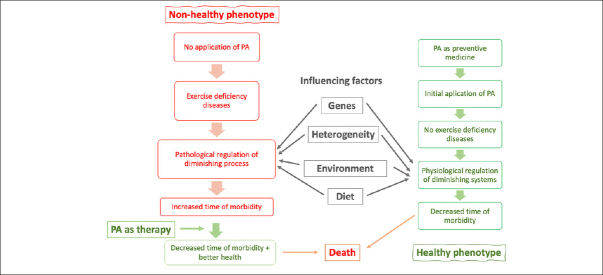
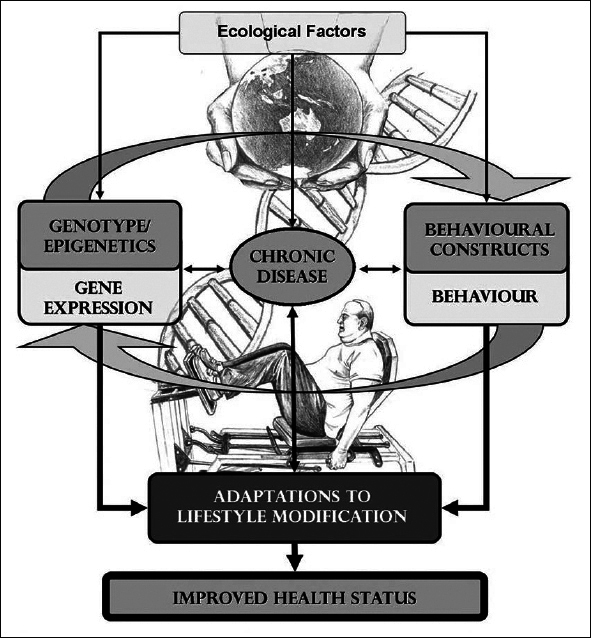
The human ageing process is universal, ubiquitous and inevitable. Every physiological function is being continuously diminished. There is a range between two distinct phenotypes of ageing, shaped by patterns of living - experiences and behaviours, and in particular by the presence or absence of physical activity (PA) and structured exercise (i.e., a sedentary lifestyle). Ageing and a sedentary lifestyle are associated with declines in muscle function and cardiorespiratory fitness, resulting in an impaired capacity to perform daily activities and maintain independent functioning. However, in the presence of adequate exercise/PA these changes in muscular and aerobic capacity with age are substantially attenuated. Additionally, both structured exercise and overall PA play important roles as preventive strategies for many chronic diseases, including cardiovascular disease, stroke, diabetes, osteoporosis, and obesity; improvement of mobility, mental health, and quality of life; and reduction in mortality, among other benefits. Notably, exercise intervention programmes improve the hallmarks of frailty (low body mass, strength, mobility, PA level, energy) and cognition, thus optimising functional capacity during ageing. In these pathological conditions exercise is used as a therapeutic agent and follows the precepts of identifying the cause of a disease and then using an agent in an evidence-based dose to eliminate or moderate the disease. Prescription of PA/structured exercise should therefore be based on the intended outcome (e.g., primary prevention, improvement in fitness or functional status or disease treatment), and individualised, adjusted and controlled like any other medical treatment. In addition, in line with other therapeutic agents, exercise shows a dose-response effect and can be individualised using different modalities, volumes and/or intensities as appropriate to the health state or medical condition. Importantly, exercise therapy is often directed at several physiological systems simultaneously, rather than targeted to a single outcome as is generally the case with pharmacological approaches to disease management. There are diseases for which exercise is an alternative to pharmacological treatment (such as depression), thus contributing to the goal of deprescribing of potentially inappropriate medications (PIMS). There are other conditions where no effective drug therapy is currently available (such as sarcopenia or dementia), where it may serve a primary role in prevention and treatment. Therefore, this consensus statement provides an evidence-based rationale for using exercise and PA for health promotion and disease prevention and treatment in older adults. Exercise prescription is discussed in terms of the specific modalities and doses that have been studied in randomised controlled trials for their effectiveness in attenuating physiological changes of ageing, disease prevention, and/or improvement of older adults with chronic disease and disability. Recommendations are proposed to bridge gaps in the current literature and to optimise the use of exercise/PA both as a preventative medicine and as a therapeutic agent.
Overview
The claims and statistics of this paper haven’t been checked yet.
Free: it reads the open-access text and checks the first 5 claims that cite a source we can check. Create a free account to check every claim.
Integrity signals
Registry
Cites
Statistics
Figures
Verification
Claims the paper makes
The claims and statistics of this paper haven’t been checked yet.
Free: it reads the open-access text and checks the first 5 claims that cite a source we can check. Create a free account to check every claim.
Claims other papers make about this one
Each is checked against this paper’s own text: does it say what the citing paper says it does?
The source backs part of the claim, not all of it — or backs it for a different population, condition or comparison.
In the citing paper
“Muscle power declines significantly with age, leading to an increased risk of physical impairment, falls, disability, and mortality [8,15].”
From Global consensus on optimal exercise recommendations for enhancing healthy longevity in older adults (ICFSR) (2025) · cites this paper as [15]
Experimental — accuracy not yet measuredThe source backs part of the claim, not all of it — or backs it for a different population, condition or comparison.
In the citing paper
“Although evidence indicates benefits for individuals ranging from robust to frail, including hospitalized older persons, power training remains underused in clinical practice [8,15,203].”
From Global consensus on optimal exercise recommendations for enhancing healthy longevity in older adults (ICFSR) (2025) · cites this paper as [15]
Experimental — accuracy not yet measuredThe source backs part of the claim, not all of it — or backs it for a different population, condition or comparison.
In the citing paper
“Aging-associated physiological changes, such as the loss of type II fast-twitch fibers and deficits in neural recruitment, can diminish power output in ways that traditional slow-velocity strength training does not address, such as the early onset of muscle force and the maximal rate of force development [15].”
From Global consensus on optimal exercise recommendations for enhancing healthy longevity in older adults (ICFSR) (2025) · cites this paper as [15]
Experimental — accuracy not yet measuredThe source backs part of the claim, not all of it — or backs it for a different population, condition or comparison.
In the citing paper
“It is also recommended that older adults participate in multicomponent exercise training, emphasizing functional balance and moderate-to-high intensity PRT at least three times per week to prevent falls [15].”
From Global consensus on optimal exercise recommendations for enhancing healthy longevity in older adults (ICFSR) (2025) · cites this paper as [15]
Experimental — accuracy not yet measuredThe source backs part of the claim, not all of it — or backs it for a different population, condition or comparison.
In the citing paper
“This cautious approach seems to stem from an unfounded fear of exercise-related injuries or the perceived risks of more vigorous activities for older adults, whereas, in reality, sedentariness is the lethal condition [15].”
From Global consensus on optimal exercise recommendations for enhancing healthy longevity in older adults (ICFSR) (2025) · cites this paper as [15]
Experimental — accuracy not yet measured
14 more claims about this paper
Create a free account to see every claim other papers make about this one.
Self-check
Percentages, sums and reported differences re-computed from the paper’s own numbers.
The self-check needs the paper’s full text.
Citations
Cites
Sarcopenia: revised European consensus on definition and diagnosis
Cruz-Jentoft, A. J., Bahat, G., Bauer, J., Boirie, Y., Bruyère, O., Cederholm, T., Cooper, C., Landi, F., Rolland, Y., Sayer, A. A., et al. (2019) · Age and Ageing · doi:10.1093/ageing/afy169 · Cited by 13,818 · cited 2×
“Sarcopenia (the loss of muscle mass, strength, and function with ageing) requires high-intensity resistance training for optimal adaptation, demonstrating the clear need to consider both modality and intensity when addressing this pervasive disease (29).”
Self-citationWorld Health Organization 2020 guidelines on physical activity and sedentary behaviour
Bull, F. C., Al-Ansari, S. S., Biddle, S., Borodulin, K., Buman, M. P., Cardon, G., Carty, C., Chaput, J.-P., Chastin, S., Chou, R., et al. (2020) · British Journal of Sports Medicine · doi:10.1136/bjsports-2020-102955 · Cited by 11,657
Tuomilehto, J., Lindström, J., Eriksson, J. G., Valle, T. T., Hämäläinen, H., Ilanne-Parikka, P., Keinänen-Kiukaanniemi, S., Laakso, M., Louheranta, A., Rastas, M., et al. (2001) · New England Journal of Medicine · doi:10.1056/nejm200105033441801 · Cited by 10,873 · cited 2×
“Based on findings from the Finnish Diabetes Study (171) and the Diabetes Prevention Program(DPP), among others (190, 191), diabetes is clearly preventable in high-risk obese adults with impaired glucose tolerance through diet and exercise intervention (192).”
The Physical Activity Guidelines for Americans
Piercy, K. L., Troiano, R. P., Ballard, R. M., Carlson, S. A., Fulton, J. E., Galuska, D. A., George, S. M., & Olson, R. D. (2018) · JAMA · doi:10.1001/jama.2018.14854 · Cited by 9,755
Garber, C. E., Blissmer, B., Deschenes, M. R., Franklin, B. A., Lamonte, M. J., Lee, I.-M., Nieman, D. C., & Swain, D. P. (2011) · Medicine & Science in Sports & Exercise · doi:10.1249/mss.0b013e318213fefb · Cited by 9,319 · cited 2×
“Exercise specialists can then use weights equivalent to 50, 60, 70, and then 80% of the 1 RM over the first four training days (i.e., 1 to 2 weeks).”
(1985) · Europe PMC (PubMed Central) · Cited by 9,143
Forouzanfar, M. H., Afshin, A., Alexander, L. T., Anderson, H. R., Bhutta, Z. A., Biryukov, S., Brauer, M., Burnett, R., Cercy, K., Charlson, F. J., et al. (2016) · The Lancet · doi:10.1016/s0140-6736(16)31679-8 · Cited by 7,698
Exercise and Physical Activity for Older Adults
Chodzko-Zajko, W. J., Proctor, D. N., Fiatarone Singh, M. A., Minson, C. T., Nigg, C. R., Salem, G. J., & Skinner, J. S. (2009) · Medicine & Science in Sports & Exercise · doi:10.1249/mss.0b013e3181a0c95c · Cited by 5,153
Self-citationStanaway, J. D., Afshin, A., Gakidou, E., Lim, S. S., Abate, D., Abate, K. H., Abbafati, C., Abbasi, N., Abbastabar, H., Abd-Allah, F., et al. (2018) · The Lancet · doi:10.1016/s0140-6736(18)32225-6 · Cited by 4,943 · cited 1×
“Estimates from 2017 indicate that not meeting PA recommendations is responsible for approximately 1.3 million deaths (17 deaths per 100,000 inhabitants) in individuals aged 25 years and over globally each year (41).”
Influential
Research works printed but not linked: 2
- World Health Organization. WHO guidelines on physical activity and sedentary behaviour. 2020. doi. 33369898
- Freiberger E Long-term effects of three multicomponent exercise interventions on physical performance and fall-related psychological outcomes in community-dwelling older adults: a randomized controlled trial J Am Geriatr Soc 60 3 2012 437 446 PubMed PMID: 22324753 10.1111/j.1532-5415.2011.03859.x 22324753 · DOI · Paper page
Cited by
Items 201–300 of 1,001
Chew, S. T. H., Nguyen, H. T. T., Joshi, S., Kamaruzzaman, S. B., Landi, F., Manuel, M. V., Moral, P. G., Muangpaisan, W., Nangia, V., Setiati, S., et al. (2023) · Archives of Gerontology and Geriatrics · doi:10.1016/j.archger.2023.105275 · Cited by 22
Self-citationSalinas, G. L. A., Guillén, P. L. C., León, A. M., Jiménez-Méndez, C., Lozano-Vicario, L., Martínez-Avial, M., & Díez‐Villanueva, P. (2024) · Journal of Clinical Medicine · doi:10.3390/jcm13071891 · Cited by 21
“Functional exercises such as squats or sitting and standing up from a chair are also recommended, increasing speed and weight [64].”
BackgroundChen, Y., Lan, Y., Zhao, A., Wang, Z., & Yang, L. (2024) · Scientific Reports · doi:10.1038/s41598-024-75894-0 · Cited by 22
Next Steps in Efforts to Address the Obesity Epidemic
Chusan, Y. A. C., Eneli, I., Hennessy, E., Pronk, N. P., & Economos, C. D. (2025) · Annual Review of Public Health · doi:10.1146/annurev-publhealth-060922-044108 · Cited by 21
Gender Differences in Body Composition in Pre-Frail Older Adults With Diabetes Mellitus
Merchant, R. A., Soong, J. T. Y., & Morley, J. E. (2022) · Frontiers in Endocrinology · doi:10.3389/fendo.2022.795594 · Cited by 22
Self-citationBody composition and fitness in elite Spanish children tennis players
Berdejo-del-Fresno, D., Vicente‐Rodríguez, G., González‐Ravé, J. M., MORENO, L. A. C., & Rey-López, J. P. (2010) · Journal of Human Sport and Exercise · doi:10.4100/jhse.2010.52.13 · Cited by 22
Jurado-Castro, J. M., Muñoz-López, M., Ledesma, A. S.-T., & Ranchal-Sanchez, A. (2022) · International Journal of Environmental Research and Public Health · doi:10.3390/ijerph191710510 · Cited by 20
“Furthermore, there is an expert consensus that the combination of sarcopenic obesity and loss of flexibility and balance is harmful to overall health, increasing the fragility of older people and, consequently, the risk of falls [55].”
BackgroundExercise, circadian rhythms, and muscle regeneration: a path to healthy aging
Su, Z., & Xiang, L. (2025) · Frontiers in Neuroscience · doi:10.3389/fnins.2025.1633835 · Cited by 20
RetractedFunctional Capacity of Tai Chi-Practicing Elderly People
Niño, A., Villa, G., & Collado, P. S. (2022) · International Journal of Environmental Research and Public Health · doi:10.3390/ijerph19042178 · Cited by 20
“Moreover, research demonstrated that regular physical activity is the only intervention that consistently improves functional health, maintains the energy balance and reduces the risk of lifestyle-related diseases, such as cardiometabolic diseases, obesity, and cerebrovascular diseases [8,9].”
BackgroundHudain, M. A., Kamaruddin, I., Hita, I. P. A. D., Pranata, D., & Ariestika, E. (2023) · JOURNAL SPORT AREA · doi:10.25299/sportarea.2023.vol8(2).11724 · Cited by 20
“Page | 262 a person's aerobic capacity, thereby accelerating fatigue during daily activities (Izquierdo et al., 2021).”
BackgroundTERKEŞ, N., Aksu, N. T., & Yamaç, S. U. (2023) · International Journal of Older People Nursing · doi:10.1111/opn.12564 · Cited by 20
Neto, P. D. F. V., dos Santos, L., Rodrigues, S. C., de Almeida, C. B., & Casotti, C. A. (2023) · Jornal Brasileiro de Psiquiatria · doi:10.1590/0047-2085000000410 · Cited by 20
“…possíveis impactos na qualidade de vida dos idosos e possivelmente na vida de seus fami-liares 62,63 , bem como maior utilização do sistema de saúde 64 , além de representar um problema de ordem social, princi-palmente quando se associa qualidade e autonomia de vida ao fenômeno da longevidade 54 .”
BackgroundMao, M., Mercer, V. S., Li, F., Gross, M. T., Blackburn, J. T., & Yu, B. (2024) · BMC Complementary Medicine and Therapies · doi:10.1186/s12906-024-04382-9 · Cited by 21
“Each session began with 15 min of light walking (60% – 65% of the maximal heart rate) [28, 29] The participants in the stretching exercise group completed 4 training sessions per week for 16 weeks under the supervision of professional coaches.”
MethodZhang, R., Cao, L., Wang, L., Wang, L., Wang, J., Xu, N., & Luo, J. (2024) · Ecological Indicators · doi:10.1016/j.ecolind.2024.112520 · Cited by 20
Bonilla, D. A., Stout, J. R., Candow, D. G., Jiménez‐García, J. D., Gómez-Miranda, L. M., Ortiz-Ortiz, M., Forbes, S. C., Ostojić, S. M., Vargas-Molina, S., & Kreider, R. B. (2024) · Frontiers in Physiology · doi:10.3389/fphys.2024.1496544 · Cited by 20
Feasibility and Safety of Whole-Body Electromyostimulation in Frail Older People—A Pilot Trial
Bloeckl, J., Raps, S., Weineck, M., Kob, R., Bertsch, T., KEMMLER, W. K., & Schoene, D. (2022) · Frontiers in Physiology · doi:10.3389/fphys.2022.856681 · Cited by 21
Li, M., Kor, P. P. K., Sui, Y.-F., & Liu, J. Y. W. (2023) · Experimental Gerontology · doi:10.1016/j.exger.2023.112128 · Cited by 22
Vidyanti, A. N., Rahmawati, F., Rahman, R. H., Prodjohardjono, A., & Gofir, A. (2025) · The Journal of Prevention of Alzheimer's Disease · doi:10.1016/j.tjpad.2024.100028 · Cited by 19
Impact of wearable-assisted walking on sarcopenia and body composition in older adults
Wu, C.-E. R., & Manga, Y. B. (2025) · BMC Geriatrics · doi:10.1186/s12877-025-06142-x · Cited by 20
Barazzoni, R., Sievenpiper, J. L., Genton, L., Kendall, C. W. C., Ballesteros-Pomar, M. D., Giosuè, A., Boirie, Y., Chiavaroli, L., Cederholm, T., Aas, A., et al. (2025) · Clinical Nutrition · doi:10.1016/j.clnu.2025.10.007 · Cited by 19
Martín-Rodríguez, A., Dalamitros, A. A., Madrigal-Cerezo, R., Sánchez-Conde, P., Clemente‐Suárez, V. J., & Tornero-Aguilera, J. F. (2025) · Geriatrics · doi:10.3390/geriatrics10060143 · Cited by 21
“Balancing intensity and safety is particularly important in older adults [250].”
Alshahrani, M. S., & Reddy, R. S. (2024) · Frontiers in Neurology · doi:10.3389/fneur.2024.1354444 · Cited by 19
“Chronic low back pain itself can lead to functional impairments, limiting an individual’s ability to perform daily activities and maintain balance during tasks such as walking or standing (39, 40).”
BackgroundFernández‐Rodríguez, R., Martínez‐Vizcaíno, V., Reina‐Gutiérrez, S., Bizzozero‐Peroni, B., Torres-Costoso, A. I., Rodríguez‐Gutiérrez, E., Goñi, V. D., & Cadenas‐Sánchez, C. (2024) · The World Journal of Men s Health · doi:10.5534/wjmh.230257 · Cited by 19
“The benefits of long-term, regular exercise in optimizing functional capacity in aging and improving overall health are well established [4,12,13].”
InfluentialMaranhão, D. C. M., Silva, J. D. D. A., Farah, B. Q., Beltrão, N. B., de Araújo, R. C., Cavalcante, B. R., & Pirauá, A. L. T. (2024) · Canadian Geriatrics Journal · doi:10.5770/cgj.27.705 · Cited by 20
Li, Y., Li, S., Weng, X., Yang, X., Bao, J., Liao, S., Xi, Y., Song, X., & Guo, G. (2025) · Experimental Gerontology · doi:10.1016/j.exger.2024.112670 · Cited by 20
Goodarzi, Z., Levy, A., Whitmore, C., Chan, T., Mojgani, J. S., Niculescu, I., Suthakaran, A., Flint, A. J., Gough, A., Grenier, S., et al. (2025) · International Psychogeriatrics · doi:10.1016/j.inpsyc.2025.100044 · Cited by 19
Multicomponent Exercise and Functional Fitness: Strategies for Fall Prevention in Aging Women
Schneider, A., Leite, L. B., Teixeira, J. E., Forte, P. M., Barbosa, T. M., & Monteiro, A. M. (2025) · Sports · doi:10.3390/sports13060159 · Cited by 20
“The multicomponent training program was developed based on international guidelines for exercise in adult and older populations [64].”
Zhuang, M., Jin, M., Lu, T., Lu, L., Ainsworth, B. E., Liu, Y., & Chen, N. (2022) · Frontiers in Physiology · doi:10.3389/fphys.2022.917525 · Cited by 18
“The International Exercise Recommendations in Older Adults (ICFSR): Expert Consensus Guidelines 2021 (Izquierdo et al., 2021) recommends that older people”
BackgroundMarques, R. L. D. S., Rezende, A. T. D. O., Junger, A. L., Noll, M. A., de Oliveira, C. M., & Silveira, É. A. (2022) · BMJ Open · doi:10.1136/bmjopen-2022-062566 · Cited by 18
Labata‐Lezaun, N., Canet‐Vintró, M., López-de–Celis, C., Rodríguez‐Sanz, J., Aiguadé, R., Cuadra-Llopart, L., Jovell, E., Bosch, J., & Pérez‐Bellmunt, A. (2022) · International Journal of Environmental Research and Public Health · doi:10.3390/ijerph20010222 · Cited by 18
“In fact, the latest international consensus on exercise in the older adults promotes the implementation of MCT programs as one of the best strategies for improving strength, balance and gait, as well as reducing falls [19].”
BackgroundHigh-velocity resistance training improves executive function in mobility-limited older adults
Feter, N., Schaun, G. Z., Smith, E. C., Cassuriaga, J., Alt, R., Redig, L., Alberton, C. L., Coombes, J. S., & Rombaldi, A. J. (2023) · Archives of Gerontology and Geriatrics · doi:10.1016/j.archger.2023.105081 · Cited by 19
Song, J. S., Seffrin, A., Yamada, Y., Kataoka, R., Hammert, W. B., Spitz, R. W., Wong, V., Kang, A., & Loenneke, J. P. (2023) · Physical Therapy in Sport · doi:10.1016/j.ptsp.2023.07.005 · Cited by 19
Functional Training and Dual-Task Training Improve the Executive Function of Older Women
Pantoja-Cardoso, A., Aragão-Santos, J. C., Santos, P. D. J., Dos-Santos, A. C., Silva, S. R., Lima, N. B. C., Vasconcelos, A. B. S., Fortes, L. D. S., & Silva‐Grigoletto, M. E. D. (2023) · Geriatrics · doi:10.3390/geriatrics8050083 · Cited by 18
“Multicomponent training has been particularly effective for the older population by stimulating brain areas such as the prefrontal cortex and dorsolateral cortex, besides promoting neurogenesis through increased brain-derived neurotrophic factor (BDNF) secretion by the skeletal muscle [18,21,22].”
BackgroundRodrigues, F. F., Jacinto, M., Antunes, R., Monteiro, D., Mendes, D., Matos, R. M. N., & Amaro, N. (2023) · Journal of Functional Morphology and Kinesiology · doi:10.3390/jfmk9010003 · Cited by 19
“By promoting physical activity among older adults, these programs help reduce the burden of chronic diseases, enhance functional capacity, and potentially decrease healthcare costs [6].”
BackgroundXin, W., Xu, D., Dou, Z., Jacques, A., Umbella, J., & Hill, A. (2024) · Annals of Rehabilitation Medicine · doi:10.5535/arm.23148 · Cited by 19
“Hence, effective interventions implemented by health systems that maintaining the physical fitness, functional ability, and reduce rising pressure on health care costs of older adults are important in the context of the ageing population [4,24,25].”
BackgroundStoodley, I. L., Berthon, B. S., Scott, H. A., Williams, E. J., Baines, P. J., Knox, H., Wood, S., Paradzayi, B., Cameron‐Smith, D., & Wood, L. G. (2024) · Nutrients · doi:10.3390/nu16091380 · Cited by 19
“…regular resistance training and 150 min moderate-intensity exercise per week (min · week − 1 ) as advised by World Health Organisation guidelines [23] and Australian Physical Activity Guidelines [24], have also been recommended by international experts to prevent and treat sarcopenia [25].”
MethodSari, A. P., Kurniawan, R., Selviani, I., Okilanda, A., Bafirman, B., Rifki, M. S., Setiawan, E., Effendi, R., Putra, R. A., Pavlović, R., et al. (2024) · Retos · doi:10.47197/retos.v56.106718 · Cited by 18
“Many of the elderly often do light exercise, namely Maumere gymnastics (Izquierdo et al., 2021).”
BackgroundSiqueira, V. A. A. A., Shigematsu, R., & Sebastião, É. (2024) · BMC Geriatrics · doi:10.1186/s12877-024-05187-8 · Cited by 18
de Araújo, C. G. S., Silva, C. G. D. S. E., Kunutsor, S. K., Franklin, B. A., Laukkanen, J. A., MYERS, J. N., Singh, M. A. F., Franca, J. F., & de Castro, C. L. B. (2024) · Scandinavian Journal of Medicine and Science in Sports · doi:10.1111/sms.14708 · Cited by 18
Self-citationXu, X., Zhang, G., Xia, Y., Xie, H., Ding, Z., Wang, H., Ma, Z., & Sun, T. (2024) · JMIR mhealth and uhealth · doi:10.2196/59610 · Cited by 18
Malkowski, O. S., Harvey, J., Townsend, N. P., Kelson, M. J., Foster, C. E., Western, M. J., AlKhatib, A. H., Bourassa, K. J., Burnett, H., Cajita, M., et al. (2025) · International Journal of Behavioral Nutrition and Physical Activity · doi:10.1186/s12966-025-01775-y · Cited by 18
“Regular physical activity, defined broadly as “any bodily movement produced by skeletal muscles that requires energy expenditure” [2], is associated with a range of psychosocial and health-related benefits [3].”
Nogueira, G., Fidélix, Y. L., Júnior, J. R. A. D. N., & de Oliveira, D. V. (2023) · Fisioterapia em Movimento · doi:10.1590/fm.2023.36118 · Cited by 19
Cadore, E. L., Izquierdo, M., Teodoro, J. L., Martínez‐Velilla, N., Zambom‐Ferraresi, F., Moriguchi, E. H., & Sáez de Asteasu, M. L. (2023) · Journal of Cachexia, Sarcopenia and Muscle · doi:10.1002/jcsm.13375 · Cited by 17
“26 This scenario is further exacerbated during acute hospitalization, as prolonged low-mobility episodes associated with bed rest lead to an increased risk of morbidity, disability and an exacerbated decline in muscle function, particularly in very old adults.”
BackgroundSelf-citationUrgent need for integrating physical exercise into geriatric medicine: a call to action
Izquierdo, M., & Fiatarone Singh, M. (2023) · British Journal of Sports Medicine · doi:10.1136/bjsports-2023-106912 · Cited by 17
Self-citationBandeira-Guimarães, M., Blanco-Rambo, E., Vieira, A. F., Sáez de Asteasu, M. L., Pinto, R. S., Izquierdo, M., & Cadore, E. L. (2023) · Sports Medicine - Open · doi:10.1186/s40798-023-00646-9 · Cited by 17
Self-citationTraining modalities for elder sarcopenic obesity: a systematic review and network meta-analysis
Qiu, H., Zheng, W., Zhou, X., Liu, Q., & Zhao, X. (2025) · Frontiers in Nutrition · doi:10.3389/fnut.2025.1537291 · Cited by 17
Chen, X., Wang, Y., Tang, C., Chen, H., Cui, L., Yu, X., & Wang, F. (2025) · Acta Psychologica · doi:10.1016/j.actpsy.2025.105068 · Cited by 17
Wang, B., Davies, T. B., Way, K. L., Tran, D., Davis, G. M., Singh, M. F., & Hackett, D. A. (2023) · Archives of Gerontology and Geriatrics · doi:10.1016/j.archger.2023.104954 · Cited by 17
Self-citationMarcos-Pardo, P. J., Vaquero‐Cristóbal, R., & Huber, G. (2023) · Retos · doi:10.47197/retos.v51.99638 · Cited by 18
“…Perez, 2010), prevent many chronic diseases, including cardiovascular diseases, stroke, diabetes, osteoporosis, obesity, mental health, and sarcopenia, improve strength and muscle mass, and help preserve bone mineral density loss, functional independence, vitality (Izquierdo et al., Nelson, 2003).”
BackgroundGait speed in older adults: exploring the impact of functional, physical and social factors
Virto, N., Río, X., Muñoz‐Pérez, I., Zorrilla, A. M., & García-Zapirain, B. (2024) · Retos · doi:10.47197/retos.v61.109902 · Cited by 17
“The most important consideration for exercise prescription is that it must be individualized, taking into account not only functional capacity and tolerance but also risk factors and medical history (Izquierdo et al., 2021; Izquierdo & Ca-dore, 2024).”
BackgroundInfluentialHernández-Martínez, J., Guzmán-Muñoz, E., Cid-Calfucura, I., Villalobos-Fuentes, F., Diaz-Saldaña, D., Alvarez-Martinez, I., Cerda, M. A. C., Herrera-Valenzuela, T., Branco, B. H. M., & Valdés-Badilla, P. A. (2024) · Life · doi:10.3390/life14111362 · Cited by 17
Cuevas-Lara, C., de Asteasu, M. L. S., Ramírez‐Vélez, R., Izquierdo, M., Zambom-Ferraresi, F., Antoñanzas-Valencia, C., Galbete, A., Zambom-Ferraresi, F., & Martínez‐Velilla, N. (2022) · Age and Ageing · doi:10.1093/ageing/afab247 · Cited by 18
Self-citationJungreitmayr, S., Kranzinger, C., Venek, V., & Ring‐Dimitriou, S. (2022) · Frontiers in Physiology · doi:10.3389/fphys.2022.821773 · Cited by 18
Falqueto, H., dos Santos, M. R., & Manfredi, L. H. (2022) · Frontiers in Physiology · doi:10.3389/fphys.2022.838526 · Cited by 18
Wan, X., Shen, J., & He, G. (2022) · The Journal of Frailty & Aging · doi:10.14283/jfa.2022.52 · Cited by 17
“International Exercise Recommendations in Older Adults (ICFSR) (29) indicated that exercise intervention programs can optimize functional capacity during ageing.”
BackgroundHuston, P. (2023) · Frontiers in Medicine · doi:10.3389/fmed.2023.1208326 · Cited by 17
Ferreira, R., Fernandes, N., Bico, C., Bonito, A., Moura, C., Sousa, L., Baixinho, C. L., & da Fonseca, C. J. V. (2023) · Journal of Functional Morphology and Kinesiology · doi:10.3390/jfmk8040163 · Cited by 17
“…have been adjusted to the capabilities of the older person, in line with international recommendations, i.e., taking into account different conditioning factors, such as health history, musculoskeletal limitations, functional capacity, tolerance to effort, and personal preferences [4].”
BackgroundResultInfluentialPergolizzi, J. V., Matera, J., & LeQuang, J. A. (2023) · Cureus · doi:10.7759/cureus.49909 · Cited by 18
Intracellular and extracellular redox signals during exercise and aging
Caporossi, D., Jackson, M. J., & Henríquez‐Olguín, C. (2025) · Free Radical Biology and Medicine · doi:10.1016/j.freeradbiomed.2025.10.283 · Cited by 17
Huang, H., Kuo, C., Lu, S.-H., Chen, S., Ho, T., & Lu, T. (2022) · Frontiers in Aging Neuroscience · doi:10.3389/fnagi.2022.961515 · Cited by 16
“Exercises such as walking, jogging, cycling, table tennis, resistance training, weight-bearing exercise, and Tai-Chi Chuan (TCC) are beneficial for older people to improve their general fitness and health (Martyn-St James and Carroll, 2008; Peterson et al., 2010; Oja et al., 2011; Kim et al., 2014; Ikenaga et al., 201…”
BackgroundPodstawski, R., Omelan, A. A., Borysławski, K., & Wąsik, J. (2023) · Frontiers in Physiology · doi:10.3389/fphys.2023.1198485 · Cited by 16
“Chronic illnesses such as diabetes, stroke, cardiovascular disease, chronic pulmonary disease, and hypertension are significantly more likely to cause clinical depression and mood disorders in the elderly than in the general population (Norwood. 2007; Hackett and Anderson, 2005; Chang-Quan Huang et al., 2010; Izquierd…”
BackgroundKong, J., Tian, C., & Zhu, L. (2023) · Journal of Orthopaedic Surgery and Research · doi:10.1186/s13018-023-04324-0 · Cited by 16
“Furthermore, the expert consensus guidelines of Izquierdo et al. argue that structured exercise is an important preventative strategy for chronic diseases including OP, and enhances functionality throughout the aging process [66].”
MethodRodríguez-Rodríguez, S., Canet‐Vintró, M., Wee, S. O., Rodríguez‐Sanz, J., López-de–Celis, C., Oviedo, G. R., Labata‐Lezaun, N., & Pérez‐Bellmunt, A. (2024) · Journal of Clinical Medicine · doi:10.3390/jcm13051301 · Cited by 16
Snigdha, A., Majumdar, V., Manjunath, N. K., & Jose, A. (2024) · GeroScience · doi:10.1007/s11357-024-01149-5 · Cited by 16
“As per the international exercise guidelines, we also find mention of yoga, under the recommendations for optimal ageing and maintenance of functional capacities in older adults with respect to their balance and gait-promoting effects [12].”
Jarden, M., Lindholm, S. T., Kaldan, G., Grønset, C. N., Larsen, R. F., Larsen, A. T. S., Engedal, M. S., Mikkelsen, M. K., Nielsen, D. L., Vinther, A., et al. (2024) · Cancers · doi:10.3390/cancers16172962 · Cited by 16
“…recommendations are available for clinical and research practices, such as the International exercise recommendations for older adults from 2021 [22], the American College of Sports Medicine (ACSM) exercise guidelines for older adults from 2009 [23], recommendations from 2015 for designing…”
MethodMugica-Errazquin, I., Irazusta, J., Kortajarena, M., Elosegi, S., Wu, B., Qi, X., Rodriguez‐Larrad, A., & Rezola‐Pardo, C. (2024) · Geriatric Nursing · doi:10.1016/j.gerinurse.2024.09.003 · Cited by 16
Li, N., Liu, C., Wang, N., Lin, S., Yuan, Y., Huang, F., & Zhu, P. (2024) · BMC Geriatrics · doi:10.1186/s12877-024-05523-y · Cited by 16
The impact of lifestyle factors across the life course on sarcopenia and physical frailty
Yang, D. Z., Kua, J., & Lim, W. S. (2025) · Current Opinion in Clinical Nutrition & Metabolic Care · doi:10.1097/mco.0000000000001111 · Cited by 16
“Recognizing that exercise and physical activity confer multiple health benefits, the WHO has put forth pathways via modulatory effects on mitochondrial dysfunction, inflammation, autophagy, oxidative stress and hormonal signalling [14,16].”
Qin, T., Wei, P., & Xie, Y. (2025) · PLoS ONE · doi:10.1371/journal.pone.0319389 · Cited by 16
“This willingness is mainly reflected in daily diet and exercise habits, as well as early physical examination and disease prevention, which directly promote their physical and mental health [56,57].”
Zhao, X.-D., Oh, S.-S., Zhang, Z., & Wang, C. (2025) · Frontiers in Public Health · doi:10.3389/fpubh.2025.1554195 · Cited by 16
Zheng, W., Su, H., Han, B., Chen, Z., Liu, X., Lv, Y., & Yu, L. (2025) · Life · doi:10.3390/life15060913 · Cited by 16
Coraci, D., Tognolo, L., Maccarone, M. C., Santilli, G., Ronconi, G., & Masiero, S. (2022) · Applied Sciences · doi:10.3390/app12188999 · Cited by 16
Chen, J., Liu, L., Chang, S., & Lu, C.-P. (2023) · Machine Learning with Applications · doi:10.1016/j.mlwa.2023.100494 · Cited by 16
Ayaz, E. Y., Dinçer, B., Mete, E., Benli, R. K., Cinbaz, G., Karacan, E., Cankül, A., & Mesçi, B. (2023) · Archives of Gerontology and Geriatrics · doi:10.1016/j.archger.2023.105281 · Cited by 16
Bellón, D., Rodríguez‐Ayllón, M., Solis‐Urra, P., Fernandez‐Gamez, B., Olvera‐Rojas, M., Coca‐Pulido, A., Toval, Á., Martín‐Fuentes, I., Bakker, E. A., Sclafani, A., et al. (2024) · International Journal of Clinical and Health Psychology · doi:10.1016/j.ijchp.2024.100450 · Cited by 16
“Muscular strength, defined as the maximal capacity of a muscle, or group of muscles, to exert a force under a given set of conditions, is a modifiable risk factor for mortality and disease incidence (García--Hermoso et al., 2018; Izquierdo et al., 2021).”
BackgroundBays-Moneo, A. B., Izquierdo, M., Antón, M. M., & Cadore, E. L. (2023) · The Journal of nutrition, health and aging · doi:10.1007/s12603-023-2002-1 · Cited by 15
“This demographic shift has impacted several sectors, including caregiving and health care, and has led to an increase in non-communicable chronic diseases, functional decline, and disability (2).”
Self-citationMulticomponent exercise with power training: A vital intervention for frail older adults
Izquierdo, M., & Cadore, E. L. (2024) · The Journal of nutrition, health and aging · doi:10.1016/j.jnha.2023.100008 · Cited by 15
“For power training, low-moderate loads (20 – 50% 1RM) and higher loads (70 (cid:1) 80% 1RM) elicit similar strength and power leg press gains [2].”
InfluentialSelf-citationRocha, J. N. D. S., Pereira-Monteiro, M. R., Vasconcelos, A. B. S., Pantoja-Cardoso, A., Aragão-Santos, J. C., & Da Silva-Grigoletto, M. E. (2024) · Archives of Gerontology and Geriatrics · doi:10.1016/j.archger.2023.105303 · Cited by 15
Power to prolong independence and healthy ageing in older adults
Izquierdo, M., & Cadore, E. L. (2024) · British Journal of Sports Medicine · doi:10.1136/bjsports-2023-107683 · Cited by 15
Self-citationCarpes, L. D. O., Domingues, L. B., Fuchs, S. C. P. C., & Ferrari, R. (2023) · Sports · doi:10.3390/sports11030058 · Cited by 15
“These findings are partially in accordance with the physical activity guidelines for adults [21] and for the treatment and management of hypertension [22], which recommend aerobic exercise as a first line of non-pharmacological treatment, followed by strength exercises to complete a physical training program.”
ResultSkeletal Muscle Transcriptome Alterations Related to Declining Physical Function in Older Mice
Graber, T. G., Maroto, R., Thompson, J. K., Widen, S. G., Man, Z., Pajski, M. L., & Rasmussen, B. B. (2023) · Journal of Ageing and Longevity · doi:10.3390/jal3020013 · Cited by 15
“Exercise in its many forms has been shown to improve or preserve physical function during aging [3,10,18,54–56].”
BackgroundTinôco, M. A., Nascimento, M. D. M., Marques, A., Gouveia, É. R., Miguel, S., Santos, F., & Ihle, A. (2023) · Sustainability · doi:10.3390/su152316314 · Cited by 15
Effects of Different Kinds of Physical Activity on Vascular Function
Saladini, F. (2023) · Journal of Clinical Medicine · doi:10.3390/jcm13010152 · Cited by 17
“These guidelines detail the intensity, frequency and types of exercises suitable for older people, including aerobic exercise as well as balance activities, in order to prevent cardiovascular disease, improve frailty and counteracting cognitive decline [65].”
BackgroundNi, Y., Li, S., Lv, X., Wang, Y., Xu, L., Xi, Y., Sun, Y., Bao, J., Liao, S., & Li, Y. (2024) · BMC Geriatrics · doi:10.1186/s12877-023-04596-5 · Cited by 15
Izquierdo‐Gómez, R., Martínez‐Gómez, D., Shields, N., Ortola-Vidal, M. D. R., Rodríguez‐Artalejo, F., & Cabanas‐Sánchez, V. (2024) · GeroScience · doi:10.1007/s11357-024-01072-9 · Cited by 15
de Asteasu, M. L. S., Martínez‐Velilla, N., Zambom-Ferraresi, F., Galbete, A., Ramírez‐Vélez, R., Cadore, E. L., Abizanda, P., Gómez‐Pavón, J., & Izquierdo, M. (2024) · Innovation in Aging · doi:10.1093/geroni/igae053 · Cited by 15
“Although the dose-response of resistance training is well-established in healthy older adults (18), the lack of investigation on this issue during acute hospitalization precludes understanding what exercise dose is necessary and optimal to prevent HAD, especially in older adults.”
BackgroundSelf-citationCarbone, J. W., Phillips, S. M., Weaver, C. M., Hughes, J. M., & Pasiakos, S. M. (2024) · Advances in Nutrition · doi:10.1016/j.advnut.2024.100347 · Cited by 15
Matsuzaki, R., Matsuoka, T., Nakanishi, K., Tani, A., Kakimoto, S., Kato, Y., Kawatani, T., Nakagawa, S., Baba, Y., Kobayashi, M., et al. (2025) · Experimental Gerontology · doi:10.1016/j.exger.2025.112720 · Cited by 16
Niu, L., Zhang, X., & Ma, Y. (2025) · Frontiers in Psychology · doi:10.3389/fpsyg.2025.1554741 · Cited by 15
Alkhamis, B. A., Elrefaey, B. H., ALMohiza, M. A., Alahmari, K. A., Alshahrani, M. S., Alnakhli, H. H., Koura, G. M., Mukherjee, D., Kardm, S. M., Alyazedi, F. M., et al. (2025) · Frontiers in Psychiatry · doi:10.3389/fpsyt.2025.1610894 · Cited by 15
Inoue, T., Takeuchi, I., Iida, Y., Takahashi, K., Nagano, F., Miyazaki, S., Shirado, K., Yoshimura, Y., Momosaki, R., Maeda, K., et al. (2022) · JMA Journal · doi:10.31662/jmaj.2021-0202 · Cited by 15
Saputra, M., Arsil, A., Ardo, O., Ahmed, M., Mortezo, A. L., & Tulyakul, S. (2024) · Retos · doi:10.47197/retos.v53.102478 · Cited by 15
Hadier, S. G., Ying-hai, L., Long, L., Hamdani, S. M. Z. H., Khurram, H., Hamdani, S. D., Danish, S. S., Fatima, S. U., & Guo, Y. (2024) · New Directions for Child and Adolescent Development · doi:10.1155/2024/9611010 · Cited by 15
Wu, J., Chen, B., Mao, Y., Li, S., Zhao, W., Meng, D., Hu, S. J., Wang, J., Yu, P., Zhang, C., et al. (2023) · Aging Medicine · doi:10.1002/agm2.12242 · Cited by 14
Multicomponent Training Improves the Quality of Life of Older Adults at Risk of Frailty
Moradell, A., Navarrete‐Villanueva, D., Fernández‐García, Á. I., Gusi, N., Pérez‐Gómez, J., González‐Gross, M., Ara, I., Casajús, J. A., Gómez‐Cabello, A., & Vicente‐Rodríguez, G. (2023) · Healthcare · doi:10.3390/healthcare11212844 · Cited by 15
“Exercise and, more specifically, multicomponent training (MCT) programs have been demonstrated as the most efficient interventions to prevent and reverse this state of frailty [10].”
BackgroundAlghannam, A. F., Alharbi, D. S., & Al-Hazzaa, H. M. (2024) · Saudi Journal of Medicine and Medical Sciences · doi:10.4103/sjmms.sjmms_54_23 · Cited by 14
“[52,53] After loading the muscle (such as exercise training and physical activity), dietary proteins are the most essential anabolic stimulus for skeletal muscle.”
BackgroundAbdullahi, A., Wong, T. W. L., & Ng, S. S. M. (2024) · Ageing Research Reviews · doi:10.1016/j.arr.2024.102284 · Cited by 14
Ahler, J. R., Busk, H., Holm, P. M., Bricca, A., Poulsen, D. V., Skou, S. T., & Tang, L. H. (2024) · Preventive Medicine · doi:10.1016/j.ypmed.2024.107966 · Cited by 14
Wang, H., Liang, Y., Wu, H., Shi, H., & Hou, R. (2024) · Archives of Gerontology and Geriatrics · doi:10.1016/j.archger.2024.105543 · Cited by 15
Ho, Y., Hou, X., Sun, F., Wong, S. H., & Zhang, X. (2024) · Nutrients · doi:10.3390/nu16183066 · Cited by 14
“The global-scale focus on health and physical fitness has intensified with our increasing understanding of their crucial roles in preventing disease, enhancing quality of life, and increasing longevity [1,2].”
Background
Metadata
- Authors
- Izquierdo, M., Merchant, R. A., Morley, J. E., Anker, S. D., Aprahamian, I., Arai, H., Aubertin-Leheudre, M., Bernabei, R., Cadore, E. L., Cesari, M., Chen, L.-K., de Souto Barreto, P., Duque, G., Ferrucci, L., Fielding, R. A., García-Hermoso, A., Gutiérrez-Robledo, L. M., Harridge, S. D. R., Kirk, B., Kritchevsky, S., Landi, F., Lazarus, N., Martin, F. C., Marzetti, E., Pahor, M., Ramírez-Vélez, R., Rodriguez-Mañas, L., Rolland, Y., Ruiz, J. G., Theou, O., Villareal, D. T., Waters, D. L., Won, C. W., Woo, J., Vellas, B., & Singh, M. F.
- Affiliations
- National University of Singapore (SG)
- Saint Louis University (US)
- Berlin-Brandenburger Centrum für Regenerative Therapien (DE)
- Faculdade de Medicina de Jundiaí (BR)
- National Center for Geriatrics and Gerontology (JP)
- Università Cattolica del Sacro Cuore (IT)
- Universidade Federal do Rio Grande do Sul (BR)
- University of Milan (IT)
- National Yang Ming Chiao Tung University (TW)
- The University of Melbourne (AU)
- National Institute on Aging (US)
- Tufts University (US)
- King's College London (GB)
- Wake Forest University (US)
- University of Florida Health (US)
- Université Toulouse III - Paul Sabatier (FR)
- University of Miami (US)
- Dalhousie University (CA)
- Baylor College of Medicine (US)
- University of Otago (NZ)
- Kyung Hee University (KR)
- Chinese University of Hong Kong (HK)
- Centre Hospitalier Universitaire de Toulouse (FR)
- The University of Sydney (AU)
- ORCID
- Merchant, R.A.
- Morley, J.E.
- Anker, S.D.
- Aprahamian, I.
- Arai, H.
- Bernabei, R.
- Cadore, E.L.
- Cesari, M.
- Chen, L.-K.
- Duque, G.
- Ferrucci, L.
- Fielding, R.A.
- Harridge, S.D.R.
- Kirk, B.
- Kritchevsky, S.
- Landi, F.
- Lazarus, N.
- Martin, F.C.
- Marzetti, E.
- Rolland, Y.
- Ruiz, J.G.
- Theou, O.
- Villareal, D.T.
- Waters, D.L.
- Won, C. Won
- Woo, J.
- Vellas, B.
- Singh, M. Fiatarone
- Venue
- The Journal of nutrition, health and aging
- Publisher
- Elsevier BV
- Published
- 2021-07
- Volume
- 25
- Issue
- 7
- Pages
- 824-853
- ISSN
- 1279-7707 (ISSN-L)
- PMC
- PMC12369211
- OpenAlex
- W3191864380
- Cited by
- 1,247
- References
- 294
- Citations by year
- 2026: 228 · 2025: 323 · 2024: 314 · 2023: 209 · 2022: 159 · 2021: 14
- FWCI
- 109.50
- Type
- journal article
- Language
- en
- Open access
- hybrid
- doi.org
- Licence
- cc-by
- www.elsevier.com/tdm/userlicense/1.0/ (tdm)
- www.elsevier.com/legal/tdmrep-license (tdm)
- creativecommons.org/licenses/by/4.0/ (vor, 29 d)
- Locations
- The journal of nutrition health & aging (publishedVersion, cc-by)
- PubMed Central (publishedVersion, cc-by)
- PubMed (publishedVersion)
- Academica-e (Universidad Pública de Navarra) (submittedVersion, cc-by)
- HAL (submittedVersion, cc-by)
- Minerva Access (University of Melbourne) (submittedVersion, cc-by)
- Research Portal (King's College London) (submittedVersion, other-oa)
- Funders
- Centro de Investigación Biomédica en Red Fragilidad y Envejecimiento Saludable
- National Institutes of Health
- Instituto de Salud Carlos III (CP18/0150)
- National Institute on Aging
- Topics
- Health Sciences › Medicine › Public Health, Environmental and Occupational Health › Physical Activity and Health
- Health Sciences › Medicine › Physiology (medical) › Cardiovascular and exercise physiology
- Health Sciences › Medicine › Geriatrics and Gerontology › Frailty in Older Adults
- Keywords
- older adults, physical activity, exercise modalities, exercise dose-response, sedentary lifestyle, frailty, sarcopenia, dementia, chronic disease prevention, functional capacity, exercise therapy, deprescribing, medication overuse, quality of life, mobility (physical function), cardiorespiratory fitness, muscle function, quality-adjusted life years, cost-effectiveness, health promotion
- MeSH terms
- Frailty, Aged, Aging, Exercise Therapy, Health Promotion, Humans, Phenotype, Quality of Life, Exercise, Sedentary Behavior
About these checks
Registry, retraction, Cites and statistics results are computed, not judged, with one exception: a printed reference that no index lists is read once by a model before it counts as a citation error. Claims are extracted by a model and kept only when their quote appears verbatim in the text; each cited source is then checked, with a model’s help, for whether it says what the claim relies on. Those verdicts can be wrong — read the claim’s quote and the cited source before relying on one.
Statistics and arithmetic are recomputed, not judged.
Confidence bands are shown only for fields calibrated on our annotated test set. None is calibrated yet, so no band is shown.
What counts as a claim ›How we measure confidence ›How we check this ›
Are you an author, or do you see a problem with this page? Request a review
Data sources
Bibliographic data: Semantic Scholar, OpenAlex, Crossref.
Contains information from the Semantic Scholar Academic Graph Datasets, made available under the ODC Attribution License (ODC-BY 1.0).
Semantic Scholar’s data is described in: Kinney, R., et al. (2023). The Semantic Scholar Open Data Platform. arXiv:2301.10140.
