

International Exercise Recommendations in Older Adults (ICFSR): Expert Consensus Guidelines
Open accessThe DOI matches its Crossref record; 291 of the 294 references it cites were found in a registry or an index.
Abstract
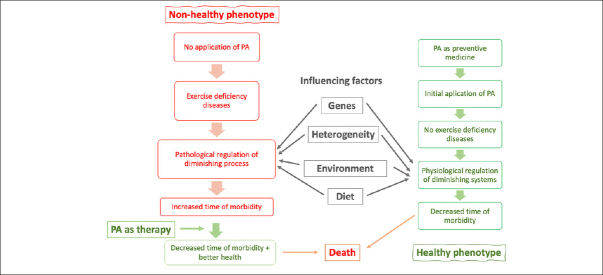
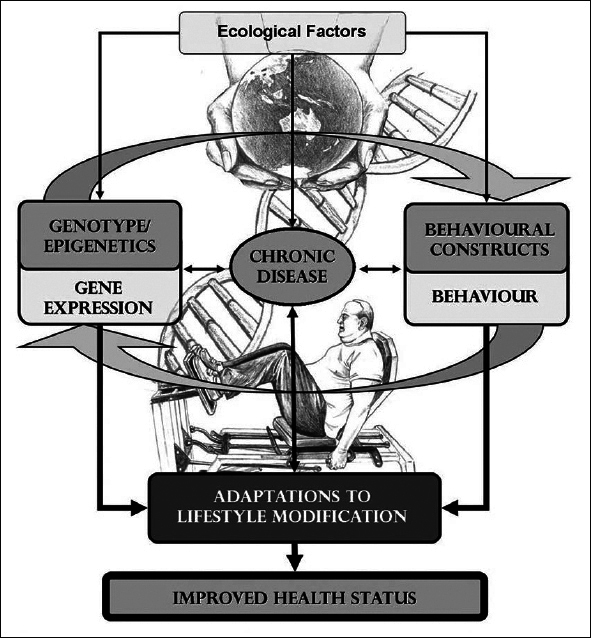
The human ageing process is universal, ubiquitous and inevitable. Every physiological function is being continuously diminished. There is a range between two distinct phenotypes of ageing, shaped by patterns of living - experiences and behaviours, and in particular by the presence or absence of physical activity (PA) and structured exercise (i.e., a sedentary lifestyle). Ageing and a sedentary lifestyle are associated with declines in muscle function and cardiorespiratory fitness, resulting in an impaired capacity to perform daily activities and maintain independent functioning. However, in the presence of adequate exercise/PA these changes in muscular and aerobic capacity with age are substantially attenuated. Additionally, both structured exercise and overall PA play important roles as preventive strategies for many chronic diseases, including cardiovascular disease, stroke, diabetes, osteoporosis, and obesity; improvement of mobility, mental health, and quality of life; and reduction in mortality, among other benefits. Notably, exercise intervention programmes improve the hallmarks of frailty (low body mass, strength, mobility, PA level, energy) and cognition, thus optimising functional capacity during ageing. In these pathological conditions exercise is used as a therapeutic agent and follows the precepts of identifying the cause of a disease and then using an agent in an evidence-based dose to eliminate or moderate the disease. Prescription of PA/structured exercise should therefore be based on the intended outcome (e.g., primary prevention, improvement in fitness or functional status or disease treatment), and individualised, adjusted and controlled like any other medical treatment. In addition, in line with other therapeutic agents, exercise shows a dose-response effect and can be individualised using different modalities, volumes and/or intensities as appropriate to the health state or medical condition. Importantly, exercise therapy is often directed at several physiological systems simultaneously, rather than targeted to a single outcome as is generally the case with pharmacological approaches to disease management. There are diseases for which exercise is an alternative to pharmacological treatment (such as depression), thus contributing to the goal of deprescribing of potentially inappropriate medications (PIMS). There are other conditions where no effective drug therapy is currently available (such as sarcopenia or dementia), where it may serve a primary role in prevention and treatment. Therefore, this consensus statement provides an evidence-based rationale for using exercise and PA for health promotion and disease prevention and treatment in older adults. Exercise prescription is discussed in terms of the specific modalities and doses that have been studied in randomised controlled trials for their effectiveness in attenuating physiological changes of ageing, disease prevention, and/or improvement of older adults with chronic disease and disability. Recommendations are proposed to bridge gaps in the current literature and to optimise the use of exercise/PA both as a preventative medicine and as a therapeutic agent.
Overview
The claims and statistics of this paper haven’t been checked yet.
Free: it reads the open-access text and checks the first 5 claims that cite a source we can check. Create a free account to check every claim.
Integrity signals
Registry
Cites
Statistics
Figures
Verification
Claims the paper makes
The claims and statistics of this paper haven’t been checked yet.
Free: it reads the open-access text and checks the first 5 claims that cite a source we can check. Create a free account to check every claim.
Claims other papers make about this one
Each is checked against this paper’s own text: does it say what the citing paper says it does?
The source backs part of the claim, not all of it — or backs it for a different population, condition or comparison.
In the citing paper
“Muscle power declines significantly with age, leading to an increased risk of physical impairment, falls, disability, and mortality [8,15].”
From Global consensus on optimal exercise recommendations for enhancing healthy longevity in older adults (ICFSR) (2025) · cites this paper as [15]
Experimental — accuracy not yet measuredThe source backs part of the claim, not all of it — or backs it for a different population, condition or comparison.
In the citing paper
“Although evidence indicates benefits for individuals ranging from robust to frail, including hospitalized older persons, power training remains underused in clinical practice [8,15,203].”
From Global consensus on optimal exercise recommendations for enhancing healthy longevity in older adults (ICFSR) (2025) · cites this paper as [15]
Experimental — accuracy not yet measuredThe source backs part of the claim, not all of it — or backs it for a different population, condition or comparison.
In the citing paper
“Aging-associated physiological changes, such as the loss of type II fast-twitch fibers and deficits in neural recruitment, can diminish power output in ways that traditional slow-velocity strength training does not address, such as the early onset of muscle force and the maximal rate of force development [15].”
From Global consensus on optimal exercise recommendations for enhancing healthy longevity in older adults (ICFSR) (2025) · cites this paper as [15]
Experimental — accuracy not yet measuredThe source backs part of the claim, not all of it — or backs it for a different population, condition or comparison.
In the citing paper
“It is also recommended that older adults participate in multicomponent exercise training, emphasizing functional balance and moderate-to-high intensity PRT at least three times per week to prevent falls [15].”
From Global consensus on optimal exercise recommendations for enhancing healthy longevity in older adults (ICFSR) (2025) · cites this paper as [15]
Experimental — accuracy not yet measuredThe source backs part of the claim, not all of it — or backs it for a different population, condition or comparison.
In the citing paper
“This cautious approach seems to stem from an unfounded fear of exercise-related injuries or the perceived risks of more vigorous activities for older adults, whereas, in reality, sedentariness is the lethal condition [15].”
From Global consensus on optimal exercise recommendations for enhancing healthy longevity in older adults (ICFSR) (2025) · cites this paper as [15]
Experimental — accuracy not yet measured
14 more claims about this paper
Create a free account to see every claim other papers make about this one.
Self-check
Percentages, sums and reported differences re-computed from the paper’s own numbers.
The self-check needs the paper’s full text.
Citations
Cites
Sarcopenia: revised European consensus on definition and diagnosis
Cruz-Jentoft, A. J., Bahat, G., Bauer, J., Boirie, Y., Bruyère, O., Cederholm, T., Cooper, C., Landi, F., Rolland, Y., Sayer, A. A., et al. (2019) · Age and Ageing · doi:10.1093/ageing/afy169 · Cited by 13,818 · cited 2×
“Sarcopenia (the loss of muscle mass, strength, and function with ageing) requires high-intensity resistance training for optimal adaptation, demonstrating the clear need to consider both modality and intensity when addressing this pervasive disease (29).”
Self-citationWorld Health Organization 2020 guidelines on physical activity and sedentary behaviour
Bull, F. C., Al-Ansari, S. S., Biddle, S., Borodulin, K., Buman, M. P., Cardon, G., Carty, C., Chaput, J.-P., Chastin, S., Chou, R., et al. (2020) · British Journal of Sports Medicine · doi:10.1136/bjsports-2020-102955 · Cited by 11,657
Tuomilehto, J., Lindström, J., Eriksson, J. G., Valle, T. T., Hämäläinen, H., Ilanne-Parikka, P., Keinänen-Kiukaanniemi, S., Laakso, M., Louheranta, A., Rastas, M., et al. (2001) · New England Journal of Medicine · doi:10.1056/nejm200105033441801 · Cited by 10,873 · cited 2×
“Based on findings from the Finnish Diabetes Study (171) and the Diabetes Prevention Program(DPP), among others (190, 191), diabetes is clearly preventable in high-risk obese adults with impaired glucose tolerance through diet and exercise intervention (192).”
The Physical Activity Guidelines for Americans
Piercy, K. L., Troiano, R. P., Ballard, R. M., Carlson, S. A., Fulton, J. E., Galuska, D. A., George, S. M., & Olson, R. D. (2018) · JAMA · doi:10.1001/jama.2018.14854 · Cited by 9,755
Garber, C. E., Blissmer, B., Deschenes, M. R., Franklin, B. A., Lamonte, M. J., Lee, I.-M., Nieman, D. C., & Swain, D. P. (2011) · Medicine & Science in Sports & Exercise · doi:10.1249/mss.0b013e318213fefb · Cited by 9,319 · cited 2×
“Exercise specialists can then use weights equivalent to 50, 60, 70, and then 80% of the 1 RM over the first four training days (i.e., 1 to 2 weeks).”
(1985) · Europe PMC (PubMed Central) · Cited by 9,143
Forouzanfar, M. H., Afshin, A., Alexander, L. T., Anderson, H. R., Bhutta, Z. A., Biryukov, S., Brauer, M., Burnett, R., Cercy, K., Charlson, F. J., et al. (2016) · The Lancet · doi:10.1016/s0140-6736(16)31679-8 · Cited by 7,698
Exercise and Physical Activity for Older Adults
Chodzko-Zajko, W. J., Proctor, D. N., Fiatarone Singh, M. A., Minson, C. T., Nigg, C. R., Salem, G. J., & Skinner, J. S. (2009) · Medicine & Science in Sports & Exercise · doi:10.1249/mss.0b013e3181a0c95c · Cited by 5,153
Self-citationStanaway, J. D., Afshin, A., Gakidou, E., Lim, S. S., Abate, D., Abate, K. H., Abbafati, C., Abbasi, N., Abbastabar, H., Abd-Allah, F., et al. (2018) · The Lancet · doi:10.1016/s0140-6736(18)32225-6 · Cited by 4,943 · cited 1×
“Estimates from 2017 indicate that not meeting PA recommendations is responsible for approximately 1.3 million deaths (17 deaths per 100,000 inhabitants) in individuals aged 25 years and over globally each year (41).”
Influential
Research works printed but not linked: 2
- World Health Organization. WHO guidelines on physical activity and sedentary behaviour. 2020. doi. 33369898
- Freiberger E Long-term effects of three multicomponent exercise interventions on physical performance and fall-related psychological outcomes in community-dwelling older adults: a randomized controlled trial J Am Geriatr Soc 60 3 2012 437 446 PubMed PMID: 22324753 10.1111/j.1532-5415.2011.03859.x 22324753 · DOI · Paper page
Cited by
Items 501–600 of 1,001
Functional Fitness of Low-Income Community-Dwelling Older Adults in Amazonian Brazilian
de Lima, A. B., Faber, M. A., Peralta, M., Vila, H., & Henriques‐Neto, D. (2025) · Healthcare · doi:10.3390/healthcare13202575 · Cited by 6
“Firstly, ageing is related to a decline in functional fitness, which is particularly evident in low-income elderly people, who may face additional difficulties in preserving their physical health [23].”
Yu, J., Wei, L., Li, P., & Zhang, S. (2025) · Journal of PeriAnesthesia Nursing · doi:10.1016/j.jopan.2025.08.010 · Cited by 6
Morrison, R. T., Mannion, L., & MacDonncha, C. (2026) · Systematic Reviews · doi:10.1186/s13643-025-03049-x · Cited by 6
“However, accumulating evidence has established exercise as one of the most effective non-pharmacological interventions for addressing this challenge, particularly when combined with nutritional and cognitive support in multi-component programmes [1].”
Andrade, L. S., Botton, C. E., Carvalho, M. T. X., Rodrigues, S. N., & Alberton, C. L. (2026) · Journal of Aging and Physical Activity · doi:10.1123/japa.2024-0182 · Cited by 6
Joppert, D., de Menezes, S. L. S., Joppert, B. B., Tavares, M. S., Brum, F. D. M., Ribeiro, E. D. F., Santos, F. S. D., de Moura, P. H., & Moreno, A. M. (2026) · Revista Multidisciplinar do Nordeste Mineiro · doi:10.66104/b7a18s58 · Cited by 10
Frailty syndrome in older adults: Research advances and management strategies
Yu, G., Hu, Y. M., Chen, R., Yang, Y., Hu, C. H., Yao, H., & Su, Y. (2026) · iScience · doi:10.1016/j.isci.2026.116264 · Cited by 6
A Computer Aided Technique for Classification of Patients with Diabetes
Mehreen, F., Rehman, A. U., Ali, T. M., Javaid, S., & Nawaz, A. (2022) · International Conference on Latest Trends in Electrical Engineering and Computing Technologies (INTELLECT) · doi:10.1109/intellect55495.2022.9969392 · Cited by 6
“Having diabetic disease means that the body either is not producing sufficient insulin or cannot utilize the insulin it makes as it ought to [4].”
BackgroundBarreto, P. D. S. (2023) · Journal of Aging Research and Lifestyle · doi:10.14283/jarlife.2023.5 · Cited by 6
Monteiro, M. R. P., Pantoja-Cardoso, A., de Resende–Neto, A. G., Vasconcelos, A. B. S., Camargo, E. A., Gobbo, L. A., Maté‐Muñoz, J. L., Elvar, J. R. H., Behm, D. G., & Silva‐Grigoletto, M. E. D. (2023) · Frontiers in Physiology · doi:10.3389/fphys.2023.1156088 · Cited by 6
“By keeping the characteristics of multicomponent training and presenting the need to consider high-specificity exercises, FT is more in line with recent positions in the literature (Da Silva-Grigoletto et al., 2020; Izquierdo et al., 2021).”
BackgroundResultGroen, W. G., Wattel, E., de Groot, A. J., Meiland, F. J. M., Hertogh, C. M. P. M., & Gerrits, K. H. L. (2023) · European Geriatric Medicine · doi:10.1007/s41999-023-00819-5 · Cited by 6
“…testing and training to existing recommendations of ACSM [7] and of the National Strength and Conditioning Association [5] and of Izqueirdo et al. [6], we find that there is no explicit mention of exercise testing to determine or monitor exercise intensity, but rather an implicit reference to 1RM…”
MethodChoi, N. G., Choi, B. Y., & Marti, C. N. (2024) · Gerontology and Geriatric Medicine · doi:10.1177/23337214241241397 · Cited by 7
“…and depression/ anxiety, PE’s positive effect on a wide range of health problems, functional improvement, fall and fall injury prevention, and dementia prevention (Choi et al., 2023; De la Rosa et al., 2020; Huang et al., 2022; Izquierdo et al., 2021; Rikkonen et al., 2023) need to be disseminated.”
BackgroundPhysical Fitness of the Older Adult Community Living in Leiria, Portugal
Rodrigues, F. F., Monteiro, D., Matos, R. M. N., Jacinto, M., Antunes, R., Gomes, P., & Amaro, N. (2024) · Epidemiologia · doi:10.3390/epidemiologia5030023 · Cited by 6
“Indeed, the benefits of physical activity on the various important quality of life indicators for the elderly are well documented [21,22].”
BackgroundCiolac, E. G., Babjaková, J., de Abreu, R. M., Mao, S., Qian, G., do Amaral, V. T., Wrzesiński, B., Ferron, A. J. T., Ossowski, Z. M., Francisqueti‐Ferron, F. V., et al. (2024) · Systematic Reviews · doi:10.1186/s13643-024-02644-8 · Cited by 6
“…activity through participation in structured exercise programs (mainly aerobic and resistance training programs) is a key recommendation in several guidelines for the prevention and treatment of CVD [13–15] and for the health promotion and prevention/treatment of disease in older adults [16].”
Backgroundde Araújo, C. G. S., & Tou, N. X. (2024) · Journal of Aging and Physical Activity · doi:10.1123/japa.2024-0111 · Cited by 6
“Given that there are currently no acceptable pharmacological treatments available to address age-related loss of muscle mass and function, physical activity or exercise interventions play a critical role in improving and maintaining musculoskeletal health in older adults (Izquierdo et al., 2021).”
BackgroundRoie, E. V., van Uffelen, J. G. Z., & Delecluse, C. (2024) · The Journal of Strength and Conditioning Research · doi:10.1519/jsc.0000000000005005 · Cited by 6
“However, to achieve optimal levels of adherence, experts suggest to start with a single exercise modality to allow the older adult to gradually adapt to the new exercise routine (5,20).”
Rauzi, M. R., Abbate, L. M., Churchill, L., Garbin, A. J., Forster, J. E., Christiansen, C. L., & Stevens‐Lapsley, J. E. (2025) · PM&R · doi:10.1002/pmrj.13299 · Cited by 6
Lee, M. J., Sung, J., & Kim, J. (2025) · Applied Sciences · doi:10.3390/app15020757 · Cited by 6
Yu, Y.-Y., Lai, H., Loh, C., Chen, L., & Hsiao, F. (2025) · Archives of Gerontology and Geriatrics · doi:10.1016/j.archger.2025.105878 · Cited by 6
Self-citationKang, D., & Park, J. (2025) · Life · doi:10.3390/life15050748 · Cited by 6
“This approach minimizes adverse events and optimizes rehabilitation outcomes, particularly for individuals with complex conditions such as post-stroke sarcopenia [15,18].”
Leonardo, P. S., Filho, A. S. S., Inácio, P. A., França, P. R. P., Aprigliano, V., Teixeira, F., Macedo, M. M., Fonseca, D. F., Lopes-Martins, P. S. L., Costa, G. D. C. T., et al. (2025) · Life · doi:10.3390/life15071111 · Cited by 6
Zhang, H., Sun, M., Hu, Z., Cao, Y., Hao, M., Li, Y., Li, J., Sun, X., Wang, X., & Jiang, X. (2022) · The journal of nutrition health & aging · doi:10.1007/s12603-022-1802-z · Cited by 6
Carbonell-Hernández, L., Ballester-Ferrer, J. A., Maciá, E. S., Bonete-López, B., Roldán, A., Cervelló, E. M., & Pastor, D. (2022) · International Journal of Environmental Research and Public Health · doi:10.3390/ijerph19159748 · Cited by 6
“However, the evidence promotes physical exercise to reduce cognitive impairment and even improve cognitive function during aging [4].”
BackgroundCardiorespiratory Benefits of Exercise
Wang, D., Qu, K., Yangm, M., Yang, X., Lu, A., & Ren, J. T. (2023) · IntechOpen eBooks · doi:10.5772/intechopen.107360 · Cited by 6
Everink, I. H. J., Grund, S., Benzinger, P., de Vries, A., Gordon, A. L., van Wijngaarden, J. P., Bauer, J. M., & Schols, J. M. G. A. (2023) · Journal of Clinical Medicine · doi:10.3390/jcm12082918 · Cited by 6
Morgan, A. R., Noguchi, K. S., Tang, A., Heisz, J. J., Thabane, L., & Richardson, J. A. (2023) · Journal of Aging and Physical Activity · doi:10.1123/japa.2022-0425 · Cited by 6
Relationship Between Height, Weight, Body Mass Index and Uric Acid in The Elderly Community
Nurhidayah, N., & Puspitosari, A. (2023) · Jurnal Penelitian Pendidikan IPA · doi:10.29303/jppipa.v9i11.5408 · Cited by 6
Junger, A. L., Romeiro, A. M. D. S., Noll, M. A., de Oliveira, C. M., & Silveira, É. A. (2023) · BMJ Open · doi:10.1136/bmjopen-2023-074420 · Cited by 6
Swales, B., Ryde, G. C., & Phillips, A. C. (2024) · Journal of Aging and Physical Activity · doi:10.1123/japa.2022-0170 · Cited by 6
“Correspondingly, physical activity interventions have been consistently shown to support healthy aging and preserve physical function, with the bene fi cial effects being well documented and compelling (Bangsbo et al., 2019; Izquierdo et al., 2021; Moreno-Agostino et al., 2020).”
Abordaje Integral de la Obesidad
Cuvi, N. J. T., Robayo, C. P. V., Saltos, K. Y. G., Marizande, F., Castillo-Mayorga, A. M., Jara, A. G. P., Sánchez, G. P. V., Arteaga, C., Bustillos-Ortiz, D. I., Bustillos, A., et al. (2024) · Editorial Grupo AEA eBooks · doi:10.55813/egaea.l.77 · Cited by 7
Pfeifer, L. O., Helal, L. C. A. S., Oliveira, N. L., & Umpierre, D. (2022) · Aging Clinical and Experimental Research · doi:10.1007/s40520-022-02274-x · Cited by 6
“There is a pathophysiological rationale to assume a decline in the functional capacity during the aging process, here assumed as a combination of 6WMT performance and handgrip test performance in the older adults, due to impairments in various physiological systems of the body [14].”
BackgroundLamberti, N., Manfredini, F., Babjaková, J., Gallé, F., Medijainen, K., Karatzaferi, C., Павлова, Ю., Netz, Y., & López‐Soto, P. J. (2022) · Medicine · doi:10.1097/md.0000000000031801 · Cited by 6
“We will screen any interventional study focused on the effect of any kind of PA. Interventions will include but will not be limited to physical activity interventions (defined as body movements that are produced by contraction of skeletal muscles and substantially increase energy expenditure), exercise training interv…”
BackgroundApples to apples? Discordant definitions still hinder evidence‐based treatments for sarcopenia
Coletta, G., Currier, B. S., & Phillips, S. M. (2023) · Journal of Cachexia Sarcopenia and Muscle · doi:10.1002/jcsm.13339 · Cited by 6
Editorial: Exercise for age-related musculoskeletal disorders
Chen, X., Chen, K., & Zou, J. (2023) · Frontiers in Public Health · doi:10.3389/fpubh.2023.1337093 · Cited by 6
Dino, M. J. S., Dion, K. W., Abadir, P. M., Budhathoki, C., Huang, C.-M., Ong, I., Vital, J. C., Cotter, V. T., Himmelfarb, C. R. D., & Davidson, P. M. (2024) · Health Informatics Journal · doi:10.1177/14604582241267793 · Cited by 5
“Systematic review fi ndings 23,24 and international expert consensus 21 served as references for designing an age-appropriate physical exercise program.”
Gibson, S. C. (2024) · Journal of Leisure Research · doi:10.1080/00222216.2023.2298517 · Cited by 5
“Figures of this magnitude suggest that maintaining and enhancing opportunities for physical activity for this cohort is becoming a public health concern (Izquierdo et al., 2021; Veitch et al., 2022).”
Delfa-de-la-Morena, J. M., Paes, P. P., Júnior, F. C., de Oliveira, D. S., Feitosa, R. C., de Oliveira, B. S. C., Mijarra-Murillo, J.-J., Moya, A. M., García-González, M., & Fernández, F. A. C. (2025) · Sports · doi:10.3390/sports13010019 · Cited by 5
“In this scenario, physical activity plays a fundamental role in modulating this interrelationship, being associated with quality of life in a directly proportional way and positively influencing the body’s physical and mental capacities [3].”
Nithisup, P., Manimmanakorn, A., Hamlin, M. J., Maneesai, P., Manimmanakorn, N., Khaengkhan, C., La-bantao, K., & Tantanasest, J. (2024) · Physical Activity and Nutrition · doi:10.20463/pan.2024.0028 · Cited by 5
Karapınar, M., & Kocaman, A. A. (2025) · Topics in Geriatric Rehabilitation · doi:10.1097/tgr.0000000000000466 · Cited by 5
Parafati, M., Shenoy, T. S., Thwin, Z., Parlavecchio, M., & Malany, S. (2025) · Medical Research Archives · doi:10.18103/mra.v13i4.6423 · Cited by 5
Human skeletal muscle-specific hypertrophy with exercise training and aging: a comprehensive review
Vincenty, C. S., Yoon, G., Rogers, K., Naruse, M., Trappe, S. W., & Trappe, T. A. (2025) · Journal of Applied Physiology · doi:10.1152/japplphysiol.00892.2024 · Cited by 5
Why Frailty Matters in Older People: Frailty Syndrome
Erken, N. (2025) · IntechOpen eBooks · doi:10.5772/intechopen.1011028 · Cited by 5
Intrinsic capacity and health-promoting lifestyle in older adults: a latent class analysis
Xu, C., Yu, J., Yang, L., Li, Y., & Ma, D. (2025) · Frontiers in Public Health · doi:10.3389/fpubh.2025.1634373 · Cited by 7
“Moreover, exercise can also improve frailty, enhance psychological well-being, and boost the quality of life (22).”
Huang, W.-Y., Pan, H.-W., & Wu, C.-E. R. (2025) · Brain Sciences · doi:10.3390/brainsci15080781 · Cited by 5
Courtay, A., Delaire, L., Humblot, J., Gilbert, T., Aubertin‐Leheudre, M., & Bonnefoy, M. (2025) · BMC Geriatrics · doi:10.1186/s12877-025-06257-1 · Cited by 5
“It is now well established that multicomponent exercise interventions are highly effective to improve several parameters such as gait and balance, and notably gait speed [19, 23].”
InfluentialSelf-citationJiang, J., Zheng, Y., Wang, R., Yang, H., Zang, S., Chatterjee, E., Li, G., Crețoiu, D., Zhao, C., & Xiao, J. (2025) · Chinese Medical Journal · doi:10.1097/cm9.0000000000003831 · Cited by 6
Esmaeili, M., & Vettukattil, R. (2025) · International Journal of Cardiology Cardiovascular Risk and Prevention · doi:10.1016/j.ijcrp.2025.200525 · Cited by 5
“The ICFSR expert [60] consensus recommends tailored exercise for older adults, focusing on aerobic, resistance, balance, and flexibility training to reduce chronic disease risks and improve mobility.”
Chen, J. Y., Jiang, T., Xu, Y. T., Li, Z., Ouyang, N., & Tang, G. H. (2025) · The FASEB Journal · doi:10.1096/fj.202500239r · Cited by 5
“Mechanical stimuli have also been shown to induce beneficial changes in bone density and strength in aged individuals and reduce the risk of osteoporotic fractures [19].”
Poon, E. T., Wong, P.-S., Kong, A. P. S., & Ali, A. (2025) · EClinicalMedicine · doi:10.1016/j.eclinm.2025.103606 · Cited by 5
Ordoñez‐Mora, L. T., Gómez-Gómez, J. F., Marquez-Bustamante, M., Rosero, I. D., Rivas-Tafurt, G. P., & Estela-Zape, J. L. (2025) · Healthcare · doi:10.3390/healthcare13222842 · Cited by 5
Hua, N., Zhang, X., Wu, F., Yang, Y., Zhang, Q., & Chen, J. (2025) · International Journal of Behavioral Nutrition and Physical Activity · doi:10.1186/s12966-025-01860-2 · Cited by 5
“According to WHO and other PA guidelines, the recommended PA level and intensity for older adults was not lower than that for younger adults [36, 37].”
Zhou, Q., Zhang, G., Sun, W., Cai, J., & Yu, L. (2025) · International Journal of Molecular Medicine · doi:10.3892/ijmm.2025.5715 · Cited by 5
Bagheri, N., Kargarfard, M., Bagheri, R., & Dutheil, F. (2025) · Nutrients · doi:10.3390/nu17243959 · Cited by 5
“Exercise interventions are widely recommended to mitigate the effects of aging and improve physical function [11–13].”
Yan, Y.-L., Yao, T.-Q., Gu, C.-H., Wang, X.-L., Yi, X., Quan, Y., & Luo, Y. (2025) · BMC Geriatrics · doi:10.1186/s12877-025-06672-4 · Cited by 5
“Exercise: Participants engaged in personalized aerobic and resistance exercises developed according to guidelines [21, 22]; and followed the principles of staging and gradual progression.”
Protein intake and its interaction with dietary patterns on clinical outcomes among older adults
Coelho-Júnior, H. J., & Marzetti, E. (2026) · npj Aging · doi:10.1038/s41514-026-00368-8 · Cited by 6
“Althoughthisprovidesavalidestimateofoverallactivity,evaluatingspeci fi c exercise types would be more relevant for physical function, especially considering the well-documented effects of resistance and power training 49 .”
Self-citationEFEITO DE PROGRAMAS DE EXERCÍCIOS FÍSICOS NA FUNCIONALIDADE DE IDOSOS PRÉ-FRÁGEIS E FRÁGEIS
Silva, B. A., da Silva, A. V., Melo, P. S., Brito, T. S. D. M., Lima, J. B., de Farias, M. R. C., Mendes, C. A. D. S., Costa, P. H. N. D., da Costa, E. C., Braga, W. K. V. D. L., et al. (2026) · Revista Multidisciplinar do Nordeste Mineiro · doi:10.66104/16j1sb22 · Cited by 5
Hong, C., Zhang, N., Sheng, J., Yao, S., Xu, J., Wang, Q., Li, J., Lu, Y., Chen, H., & Luo, Y. (2026) · Age and Ageing · doi:10.1093/ageing/afag111 · Cited by 5
Riebe, D. A., Magal, M., Kaminsky, L. A., Ross, R. R., Phillips, S. M., Alhassan, S., Arena, R. A., Behm, D. G., Camhi, S. M., Church, T. S., et al. (2026) · Medicine & Science in Sports & Exercise · doi:10.1249/mss.0000000000003997 · Cited by 5
Siegrist, M., Schaller, N., Weiß, M., Isaak, J., Schmid, V., Köppel, E., Weichenberger, M., Mende, E., Haller, B., & Halle, M. (2023) · BMC Geriatrics · doi:10.1186/s12877-023-04176-7 · Cited by 5
“…elements of our multimodal machine-based bestform-training programme, which is based on the recommendations of the Expert Consensus Guidelines of the International Conference of Frailty and Sarcopenia Research [57] It has been shown that exercise programmes may reduce the risk of falls [10, 58].”
MethodCarvalho, L. L., COSTA, N. D., Mansour, K. M. K., SIMONIS, J. G., TEIXEIRA, L., Gonçalves, D. P., REKZIEGEL, M. B., Possuelo, L. G., & Valim, A. R. D. M. (2023) · The Journal of Sports Medicine and Physical Fitness · doi:10.23736/s0022-4707.23.15205-4 · Cited by 5
Relationship between Eating Alone and Handgrip Strength in Korean Older Adults
Yoo, M. Y., Song, H. J., Park, K., Seo, Y., An, H.-J., Paek, Y., & Noh, H. (2024) · Nutrients · doi:10.3390/nu16050654 · Cited by 5
“Strength training included push-ups, sit-ups, pull-ups using bars, and lifting dumbbells or barbells [25].”
MethodEgg consumption and bone mass density among the elderly: A scoping review
Olagunju, M. T., Abodunrin, O. R., Omotoso, I. O., Adewole, I. E., Ola, O. M., Abel, C., & Akinsolu, F. T. (2024) · PLOS Global Public Health · doi:10.1371/journal.pgph.0002519 · Cited by 5
Elliott, J., & Green, J. (2024) · Aging and Health Research · doi:10.1016/j.ahr.2024.100204 · Cited by 5
“There is a substantial research literature on the importance of both physical activity and everyday mobility for quality of life at older age [1 – 5].”
BackgroundMeza-Valderrama, D., Sánchez‐Rodríguez, D., Curbelo, Y. G., Ramírez-Fuentes, C., Muñoz-Redondo, E., Morgado-Pérez, A., Agurto, N. O., Paola, F. G., & Marco, E. (2024) · Nutrients · doi:10.3390/nu16183053 · Cited by 5
“Available resources in each physical environment, functional status, and patient comorbidities can modify exercise intensity and tolerance [14], particularly in older patients [15].”
BackgroundBarretto, C. D., de Freitas, V. H., Miranda, B. S., Sales, M., Luz-Santos, C., da Fonseca, É. P., Pellicer, M. G., & Ferraz, D. D. (2024) · Journal of Bodywork and Movement Therapies · doi:10.1016/j.jbmt.2024.11.029 · Cited by 5
Coelho‐Júnior, H. J., Álvarez‐Bustos, A., Picca, A., Calvani, R., Rodriguez-Mañas, L., Landi, F., & Marzetti, E. (2024) · The journal of nutrition health & aging · doi:10.1016/j.jnha.2024.100423 · Cited by 5
“However,specificexerciseregimes(e.g., high intensity resistance training, power training) might be required to maintainorimproveSMPandASMinolderadults [42].”
Self-citationLeonel, L. D. S., Danielevicz, A., & Delevatti, R. S. (2025) · International Journal of Environmental Research and Public Health · doi:10.3390/ijerph22010106 · Cited by 5
“Aerobic training is widely recommended due to its demonstrated benefits on the health outcomes of adults and older adults [1] and as a predictor of reduced premature all-cause mortality [2].”
Vera, J., Morenas‐Aguilar, M. D., & García‐Ramos, A. (2025) · Applied Sciences · doi:10.3390/app15031396 · Cited by 5
“Nevertheless, exercise prescription should be individualized considering risk factors, medical history, musculoskeletal limitations, functional ability, tolerance, and personal preferences [109].”
Dorhout, B. G., Wezenbeek, N. L. W., de Groot, C. P. G. M., & Grootswagers, P. (2025) · JMIR Formative Research · doi:10.2196/54392 · Cited by 5
“The recommended lifestyle advice for treatment of sarcopenia consists of an increased dietary protein intake [8,9] and progressive resistance exercise [10,11].”
Cui, B., Yang, Z., & Sun, C. (2025) · Portal hypertension & cirrhosis · doi:10.1002/poh2.70006 · Cited by 5
Effects of Instability Resistance Training on Physical and Cognitive Function in Adults
Cavalcante, B. R., Falck, R. S., da Silva, D. T., Campos, I. R. A., Silva, M. S., Eckardt, N., Batista, G. A., Ferreira, F. M., Pirauá, A. L. T., de Souza, M. F., et al. (2025) · International Journal of Sports Medicine · doi:10.1055/a-2674-4030 · Cited by 5
Shodiqin, F. S. (2025) · Jurnal Kejaora (Kesehatan Jasmani dan Olah Raga) · doi:10.36526/kejaora.v10i1.5214 · Cited by 5
Zhang, G., Xia, Y., Li, X., Zhang, Y., Xu, X., & Sun, T. (2025) · Patient Preference and Adherence · doi:10.2147/ppa.s547361 · Cited by 5
Design and application of personalized exercise prescription for primary osteoporosis
Li, Y., Zhang, D., Fu, S., Liu, M., & Liu, H. (2023) · Medicine · doi:10.1097/md.0000000000032857 · Cited by 5
“[4,5] The development of an accurate and appropriate exercise prescription has been of great interest to medical staff and patients as a relatively economical, efficient, and safe treatment method in the clinical treatment of POP.”
BackgroundInfluentialAarden, J. J., Major, M. E., Aghina, C. M. W., van der Esch, M., Buurman, B. M., Engelbert, R., & van der Schaaf, M. (2023) · PLoS ONE · doi:10.1371/journal.pone.0283545 · Cited by 5
Encarnação, S., Fazolo, S. L., Pereira, F. S. T., Araújo, D. P. D. S., de Miranda, C. N., Pinto, B. W. F. D. C., Forte, P. M., Instituto Superior de Ciências Educativas do Douro (ISCE Douro), 4.-7. P., Teixeira, J. E., Barbosa, T. M., et al. (2023) · Montenegrin Journal of Sports Science and Medicine · doi:10.26773/mjssm.230303 · Cited by 5
Jylhä, M., Vesala, R., Turunen, K. M., Ngandu, T., Kivipelto, M., Havulinna, S., & Kulmala, J. (2024) · Gerontologia · doi:10.23989/gerontologia.130661 · Cited by 5
Valoración de la capacidad funcional y física en adultos mayores de una comunidad ecuatoriana.
Pumasunta, E. G. P., & López, V. I. E. (2024) · Reincisol · doi:10.59282/reincisol.v3(6)25-42 · Cited by 5
Effect Providing Brain Gym On Improving Cognitive Function In Elderly: Meta-Analysis
Setiawan, C., Sari, A. Y., & Wijayanti, A. A. (2025) · FISIO MU Physiotherapy Evidences · doi:10.23917/fisiomu.v6i2.8470 · Cited by 5
“The exercises are designed to be simple and require minimal equipment, making them suitable for daily practice (Izquierdo et al., 2021).”
Coelho‐Júnior, H. J. (2021) · Journal of the American Medical Directors Association · doi:10.1016/j.jamda.2021.10.003 · Cited by 5
Millet, G. P., & Chamari, K. (2023) · Frontiers in Sports and Active Living · doi:10.3389/fspor.2022.1072154 · Cited by 5
“, “healthy aging”) are no longer limited to aerobic exercise for cardiovascular maintenance but also integrate exercises dedicated to the neuromuscular function (84); e.”
Role of exercise in the prevention and treatment of metabolic syndrome
Bhat, S., & Balakrishnan, G. (2024) · Elsevier eBooks · doi:10.1016/b978-0-323-85732-1.00012-8 · Cited by 5
Benefits of Exercise for Older Adults
Sullivan, G. M. (2024) · Springer eBooks · doi:10.1007/978-3-031-52928-3_2 · Cited by 5
Editorial: Hypoxia as a therapeutic tool in search of healthy aging
Camacho-Cardeñosa, A., Burtscher, J., Burtscher, M., & Camacho-Cardeñosa, M. (2023) · Frontiers in Physiology · doi:10.3389/fphys.2022.1112129 · Cited by 5
“However, older adults rarely meet the recommended levels of physical activity (Troiano et al., 2008; Izquierdo et al., 2021), often due to physical inability.”
BackgroundPreserved cerebellar functions despite structural degeneration in older adultsPreprint
de Witte, A., Matthijs, A., Parrell, B., Mantini, D., Gooijers, J., & de Xivry, J. O. (2026) · eLife · doi:10.7554/elife.109440 · Cited by 5
“While extensive research has been dedicated to developing therapies and medications to mitigate or prevent these deficits ( Izquierdo et al., 2021 ; Wu et al., 2022 ), it is equally important to gain a deeper understanding of the specific contributions of individual mechanisms to motor behavior in…”
Lu, D., Zhang, W., & Tan, S. (2024) · Frontiers in Public Health · doi:10.3389/fpubh.2024.1478533 · Cited by 4
Bentlage, E., del Río, A., Ahmed, M. G. A. E., Gangas, P., Brach, M., Kurano, J. A., & Menéndez, J. M. (2025) · JMIR Formative Research · doi:10.2196/51831 · Cited by 4
“…home confinement reduced people’s total weekly PA time and intensity and increased daily sitting time in a health-threatening direction [6], as these factors increase one’s risk of mortality, obesity, sarcopenia, frailty, falls, functional impairments, and neurodegenerative diseases [7,8].”
Yang, X., Li, S., Xu, X., Guo, G., Song, X., Sun, Y., Shi, M., & Ren, C. (2025) · BMC Sports Science Medicine and Rehabilitation · doi:10.1186/s13102-025-01214-2 · Cited by 4
“This team adhered to the ICFSR guidelines to design an integrated training program tailored specifically for older adults in rural communities [21].”
Wantonoro, W., Imron, M. A., Nguyen, T. V., & Shyu, Y. L. (2025) · Scandinavian Journal of Caring Sciences · doi:10.1111/scs.70073 · Cited by 4
Cabral, A. M., Comachio, J., Castrillón, C. I. M., Roberts, K. E., Beckenkamp, P. R., Ho, E. K., Ferreira, M. L., Gordon, C. J., Lo, S., Bennell, K. L., et al. (2025) · BMJ Open · doi:10.1136/bmjopen-2024-098324 · Cited by 4
“59 The International Exercise Recommendations in Older Adults 59 was used, given that the prevalence of LBP has been shown to increase with age, peaking at approximately 85 years of age, as highlighted in the latest report of the Global Burden of Disease Report.”
Shen, J., Kang, Y., Zhang, C., Pang, J., Li, J., Shi, H., & Zhang, J. (2025) · BMC Geriatrics · doi:10.1186/s12877-025-06201-3 · Cited by 4
“Previous studies have demonstrated the protective effects of PLA on the health of older adults [30, 31].”
Rocha, K. P. D. M., Almeida, L. A., Andrade, N. D. L., Araújo, M. P. D., de Oliveira, A. L., de Albuquerque, M. E. O., de Oliveira, M. M., de Morais, E. B. L., Távora, R. C. D. O., Rosas, C., et al. (2025) · Nursing and Health Sciences · doi:10.1111/nhs.70234 · Cited by 4
“For these reasons, expert consensus guidelines recommend muscle-strengthening exercises to improve functional capacity and reduce frailty (Izquierdo et al. 2021), with successful outcomes reported in other settings (Lin et al. 2020).”
Direct Versus Indirect Submaximal VO2max Assessment in Masters Basketball Players
Dakule, K., Veseta, U., Arnis, V., Grinberga, K., Kalējs, O., & Tomsone, S. (2025) · Journal of Functional Morphology and Kinesiology · doi:10.3390/jfmk10040431 · Cited by 4
Fan, A., Zhang, J., & Ye, Q. (2025) · Frontiers in Endocrinology · doi:10.3389/fendo.2025.1706068 · Cited by 4
Fiechter, M., Pötzel, T., & Pfeifer, M. (2025) · Journal of Functional Morphology and Kinesiology · doi:10.3390/jfmk11010011 · Cited by 4
“However, for aged or disabled practitioners the following general training adaptations should be taken into consideration, as suggested in Table 4 [40].”
Determinants of Functional Dependency and Long-Term Care Needs Among Older Mexican Adults
Valdez-Avila, S. L., Aung, M. N., & Yuasa, M. (2026) · Healthcare · doi:10.3390/healthcare14030312 · Cited by 4
“Regular physical activity was associated with lower dependency levels, reinforcing evidence that physical activity contributes to physical resilience and delayed functional decline among older adults [43,44].”
Multimorbidity patterns and 15-year trajectories of physical performance: a population-based study
Palmese, F., Vetrano, D. L., Gregorio, C., Calderón‐Larrañaga, A., Welmer, A., Marengoni, A., Bedogni, G., Domenicali, M., & Triolo, F. (2026) · BMC Medicine · doi:10.1186/s12916-026-04828-6 · Cited by 5
Zhang, X., Yang, D., Chen, S., Wang, L., Li, X., Wang, Z., Meng, M., Li, X., Jiang, H., Hao, Y., et al. (2026) · Journal of Medical Internet Research · doi:10.2196/80827 · Cited by 4
“While the World Health Organization (WHO) and various countries’ guidelines recommend reducing sedentary time [17-19], promoting physical activity alone proves insufficient [20,21].”
Wang, H., Chang, Y., Wang, H., Diao, K., & Sun, S. (2026) · Nutrition & Metabolism · doi:10.1186/s12986-026-01120-5 · Cited by 6
“Therefore, reducing sedentary time and increasing physical activity has become an international consensus for improving vascular function and preventing atherosclerosis [12, 13].”
Tendências do Fitness em Portugal para 2026
Franco, S. C. A., Ramos, L., Vieira, I., Santos‐Rocha, R., Ramalho, F., & Simões, V. (2026) · Retos · doi:10.47197/retos.v79.118608 · Cited by 4
“Adicionalmente, estudos recentes, como o de Izquierdo et al. (2021), apresentam recomendações baseadas em evidência científica, reforçando a relevância do exercício físico estruturado para a saúde e qualidade de vida dos idosos.”
dos Santos, R. P., Paula, M. D. S., Nobre, E. S., Nilo, M. C. D. S. S., Delgado, L. B. D. C., Meira, R. L., das Neves, C. E., Ramos, N. S., dos Santos, L. L., & Bezerra, J. C. P. (2026) · Revista Tópicos · doi:10.70773/revistatopicos/790018310 · Cited by 5
Metadata
- Authors
- Izquierdo, M., Merchant, R. A., Morley, J. E., Anker, S. D., Aprahamian, I., Arai, H., Aubertin-Leheudre, M., Bernabei, R., Cadore, E. L., Cesari, M., Chen, L.-K., de Souto Barreto, P., Duque, G., Ferrucci, L., Fielding, R. A., García-Hermoso, A., Gutiérrez-Robledo, L. M., Harridge, S. D. R., Kirk, B., Kritchevsky, S., Landi, F., Lazarus, N., Martin, F. C., Marzetti, E., Pahor, M., Ramírez-Vélez, R., Rodriguez-Mañas, L., Rolland, Y., Ruiz, J. G., Theou, O., Villareal, D. T., Waters, D. L., Won, C. W., Woo, J., Vellas, B., & Singh, M. F.
- Affiliations
- National University of Singapore (SG)
- Saint Louis University (US)
- Berlin-Brandenburger Centrum für Regenerative Therapien (DE)
- Faculdade de Medicina de Jundiaí (BR)
- National Center for Geriatrics and Gerontology (JP)
- Università Cattolica del Sacro Cuore (IT)
- Universidade Federal do Rio Grande do Sul (BR)
- University of Milan (IT)
- National Yang Ming Chiao Tung University (TW)
- The University of Melbourne (AU)
- National Institute on Aging (US)
- Tufts University (US)
- King's College London (GB)
- Wake Forest University (US)
- University of Florida Health (US)
- Université Toulouse III - Paul Sabatier (FR)
- University of Miami (US)
- Dalhousie University (CA)
- Baylor College of Medicine (US)
- University of Otago (NZ)
- Kyung Hee University (KR)
- Chinese University of Hong Kong (HK)
- Centre Hospitalier Universitaire de Toulouse (FR)
- The University of Sydney (AU)
- ORCID
- Merchant, R.A.
- Morley, J.E.
- Anker, S.D.
- Aprahamian, I.
- Arai, H.
- Bernabei, R.
- Cadore, E.L.
- Cesari, M.
- Chen, L.-K.
- Duque, G.
- Ferrucci, L.
- Fielding, R.A.
- Harridge, S.D.R.
- Kirk, B.
- Kritchevsky, S.
- Landi, F.
- Lazarus, N.
- Martin, F.C.
- Marzetti, E.
- Rolland, Y.
- Ruiz, J.G.
- Theou, O.
- Villareal, D.T.
- Waters, D.L.
- Won, C. Won
- Woo, J.
- Vellas, B.
- Singh, M. Fiatarone
- Venue
- The Journal of nutrition, health and aging
- Publisher
- Elsevier BV
- Published
- 2021-07
- Volume
- 25
- Issue
- 7
- Pages
- 824-853
- ISSN
- 1279-7707 (ISSN-L)
- PMC
- PMC12369211
- OpenAlex
- W3191864380
- Cited by
- 1,247
- References
- 294
- Citations by year
- 2026: 228 · 2025: 323 · 2024: 314 · 2023: 209 · 2022: 159 · 2021: 14
- FWCI
- 109.50
- Type
- journal article
- Language
- en
- Open access
- hybrid
- doi.org
- Licence
- cc-by
- www.elsevier.com/tdm/userlicense/1.0/ (tdm)
- www.elsevier.com/legal/tdmrep-license (tdm)
- creativecommons.org/licenses/by/4.0/ (vor, 29 d)
- Locations
- The journal of nutrition health & aging (publishedVersion, cc-by)
- PubMed Central (publishedVersion, cc-by)
- PubMed (publishedVersion)
- Academica-e (Universidad Pública de Navarra) (submittedVersion, cc-by)
- HAL (submittedVersion, cc-by)
- Minerva Access (University of Melbourne) (submittedVersion, cc-by)
- Research Portal (King's College London) (submittedVersion, other-oa)
- Funders
- Centro de Investigación Biomédica en Red Fragilidad y Envejecimiento Saludable
- National Institutes of Health
- Instituto de Salud Carlos III (CP18/0150)
- National Institute on Aging
- Topics
- Health Sciences › Medicine › Public Health, Environmental and Occupational Health › Physical Activity and Health
- Health Sciences › Medicine › Physiology (medical) › Cardiovascular and exercise physiology
- Health Sciences › Medicine › Geriatrics and Gerontology › Frailty in Older Adults
- Keywords
- older adults, physical activity, exercise modalities, exercise dose-response, sedentary lifestyle, frailty, sarcopenia, dementia, chronic disease prevention, functional capacity, exercise therapy, deprescribing, medication overuse, quality of life, mobility (physical function), cardiorespiratory fitness, muscle function, quality-adjusted life years, cost-effectiveness, health promotion
- MeSH terms
- Frailty, Aged, Aging, Exercise Therapy, Health Promotion, Humans, Phenotype, Quality of Life, Exercise, Sedentary Behavior
About these checks
Registry, retraction, Cites and statistics results are computed, not judged, with one exception: a printed reference that no index lists is read once by a model before it counts as a citation error. Claims are extracted by a model and kept only when their quote appears verbatim in the text; each cited source is then checked, with a model’s help, for whether it says what the claim relies on. Those verdicts can be wrong — read the claim’s quote and the cited source before relying on one.
Statistics and arithmetic are recomputed, not judged.
Confidence bands are shown only for fields calibrated on our annotated test set. None is calibrated yet, so no band is shown.
What counts as a claim ›How we measure confidence ›How we check this ›
Are you an author, or do you see a problem with this page? Request a review
Data sources
Bibliographic data: Semantic Scholar, OpenAlex, Crossref.
Contains information from the Semantic Scholar Academic Graph Datasets, made available under the ODC Attribution License (ODC-BY 1.0).
Semantic Scholar’s data is described in: Kinney, R., et al. (2023). The Semantic Scholar Open Data Platform. arXiv:2301.10140.
