

International Exercise Recommendations in Older Adults (ICFSR): Expert Consensus Guidelines
Open accessThe DOI matches its Crossref record; 291 of the 294 references it cites were found in a registry or an index.
Abstract
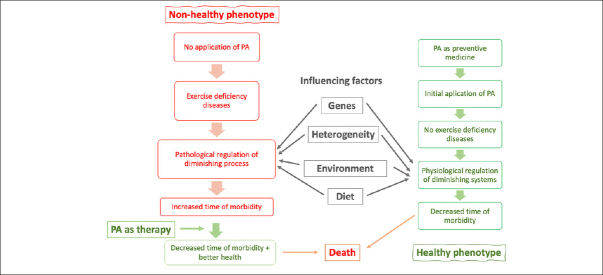
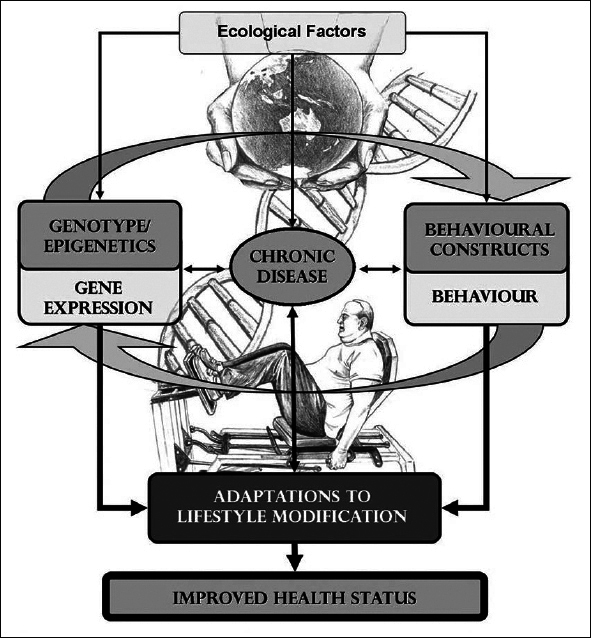
The human ageing process is universal, ubiquitous and inevitable. Every physiological function is being continuously diminished. There is a range between two distinct phenotypes of ageing, shaped by patterns of living - experiences and behaviours, and in particular by the presence or absence of physical activity (PA) and structured exercise (i.e., a sedentary lifestyle). Ageing and a sedentary lifestyle are associated with declines in muscle function and cardiorespiratory fitness, resulting in an impaired capacity to perform daily activities and maintain independent functioning. However, in the presence of adequate exercise/PA these changes in muscular and aerobic capacity with age are substantially attenuated. Additionally, both structured exercise and overall PA play important roles as preventive strategies for many chronic diseases, including cardiovascular disease, stroke, diabetes, osteoporosis, and obesity; improvement of mobility, mental health, and quality of life; and reduction in mortality, among other benefits. Notably, exercise intervention programmes improve the hallmarks of frailty (low body mass, strength, mobility, PA level, energy) and cognition, thus optimising functional capacity during ageing. In these pathological conditions exercise is used as a therapeutic agent and follows the precepts of identifying the cause of a disease and then using an agent in an evidence-based dose to eliminate or moderate the disease. Prescription of PA/structured exercise should therefore be based on the intended outcome (e.g., primary prevention, improvement in fitness or functional status or disease treatment), and individualised, adjusted and controlled like any other medical treatment. In addition, in line with other therapeutic agents, exercise shows a dose-response effect and can be individualised using different modalities, volumes and/or intensities as appropriate to the health state or medical condition. Importantly, exercise therapy is often directed at several physiological systems simultaneously, rather than targeted to a single outcome as is generally the case with pharmacological approaches to disease management. There are diseases for which exercise is an alternative to pharmacological treatment (such as depression), thus contributing to the goal of deprescribing of potentially inappropriate medications (PIMS). There are other conditions where no effective drug therapy is currently available (such as sarcopenia or dementia), where it may serve a primary role in prevention and treatment. Therefore, this consensus statement provides an evidence-based rationale for using exercise and PA for health promotion and disease prevention and treatment in older adults. Exercise prescription is discussed in terms of the specific modalities and doses that have been studied in randomised controlled trials for their effectiveness in attenuating physiological changes of ageing, disease prevention, and/or improvement of older adults with chronic disease and disability. Recommendations are proposed to bridge gaps in the current literature and to optimise the use of exercise/PA both as a preventative medicine and as a therapeutic agent.
Overview
The claims and statistics of this paper haven’t been checked yet.
Free: it reads the open-access text and checks the first 5 claims that cite a source we can check. Create a free account to check every claim.
Integrity signals
Registry
Cites
Statistics
Figures
Verification
Claims the paper makes
The claims and statistics of this paper haven’t been checked yet.
Free: it reads the open-access text and checks the first 5 claims that cite a source we can check. Create a free account to check every claim.
Claims other papers make about this one
Each is checked against this paper’s own text: does it say what the citing paper says it does?
The source backs part of the claim, not all of it — or backs it for a different population, condition or comparison.
In the citing paper
“Muscle power declines significantly with age, leading to an increased risk of physical impairment, falls, disability, and mortality [8,15].”
From Global consensus on optimal exercise recommendations for enhancing healthy longevity in older adults (ICFSR) (2025) · cites this paper as [15]
Experimental — accuracy not yet measuredThe source backs part of the claim, not all of it — or backs it for a different population, condition or comparison.
In the citing paper
“Although evidence indicates benefits for individuals ranging from robust to frail, including hospitalized older persons, power training remains underused in clinical practice [8,15,203].”
From Global consensus on optimal exercise recommendations for enhancing healthy longevity in older adults (ICFSR) (2025) · cites this paper as [15]
Experimental — accuracy not yet measuredThe source backs part of the claim, not all of it — or backs it for a different population, condition or comparison.
In the citing paper
“Aging-associated physiological changes, such as the loss of type II fast-twitch fibers and deficits in neural recruitment, can diminish power output in ways that traditional slow-velocity strength training does not address, such as the early onset of muscle force and the maximal rate of force development [15].”
From Global consensus on optimal exercise recommendations for enhancing healthy longevity in older adults (ICFSR) (2025) · cites this paper as [15]
Experimental — accuracy not yet measuredThe source backs part of the claim, not all of it — or backs it for a different population, condition or comparison.
In the citing paper
“It is also recommended that older adults participate in multicomponent exercise training, emphasizing functional balance and moderate-to-high intensity PRT at least three times per week to prevent falls [15].”
From Global consensus on optimal exercise recommendations for enhancing healthy longevity in older adults (ICFSR) (2025) · cites this paper as [15]
Experimental — accuracy not yet measuredThe source backs part of the claim, not all of it — or backs it for a different population, condition or comparison.
In the citing paper
“This cautious approach seems to stem from an unfounded fear of exercise-related injuries or the perceived risks of more vigorous activities for older adults, whereas, in reality, sedentariness is the lethal condition [15].”
From Global consensus on optimal exercise recommendations for enhancing healthy longevity in older adults (ICFSR) (2025) · cites this paper as [15]
Experimental — accuracy not yet measured
14 more claims about this paper
Create a free account to see every claim other papers make about this one.
Self-check
Percentages, sums and reported differences re-computed from the paper’s own numbers.
The self-check needs the paper’s full text.
Citations
Cites
Sarcopenia: revised European consensus on definition and diagnosis
Cruz-Jentoft, A. J., Bahat, G., Bauer, J., Boirie, Y., Bruyère, O., Cederholm, T., Cooper, C., Landi, F., Rolland, Y., Sayer, A. A., et al. (2019) · Age and Ageing · doi:10.1093/ageing/afy169 · Cited by 13,818 · cited 2×
“Sarcopenia (the loss of muscle mass, strength, and function with ageing) requires high-intensity resistance training for optimal adaptation, demonstrating the clear need to consider both modality and intensity when addressing this pervasive disease (29).”
Self-citationWorld Health Organization 2020 guidelines on physical activity and sedentary behaviour
Bull, F. C., Al-Ansari, S. S., Biddle, S., Borodulin, K., Buman, M. P., Cardon, G., Carty, C., Chaput, J.-P., Chastin, S., Chou, R., et al. (2020) · British Journal of Sports Medicine · doi:10.1136/bjsports-2020-102955 · Cited by 11,657
Tuomilehto, J., Lindström, J., Eriksson, J. G., Valle, T. T., Hämäläinen, H., Ilanne-Parikka, P., Keinänen-Kiukaanniemi, S., Laakso, M., Louheranta, A., Rastas, M., et al. (2001) · New England Journal of Medicine · doi:10.1056/nejm200105033441801 · Cited by 10,873 · cited 2×
“Based on findings from the Finnish Diabetes Study (171) and the Diabetes Prevention Program(DPP), among others (190, 191), diabetes is clearly preventable in high-risk obese adults with impaired glucose tolerance through diet and exercise intervention (192).”
The Physical Activity Guidelines for Americans
Piercy, K. L., Troiano, R. P., Ballard, R. M., Carlson, S. A., Fulton, J. E., Galuska, D. A., George, S. M., & Olson, R. D. (2018) · JAMA · doi:10.1001/jama.2018.14854 · Cited by 9,755
Garber, C. E., Blissmer, B., Deschenes, M. R., Franklin, B. A., Lamonte, M. J., Lee, I.-M., Nieman, D. C., & Swain, D. P. (2011) · Medicine & Science in Sports & Exercise · doi:10.1249/mss.0b013e318213fefb · Cited by 9,319 · cited 2×
“Exercise specialists can then use weights equivalent to 50, 60, 70, and then 80% of the 1 RM over the first four training days (i.e., 1 to 2 weeks).”
(1985) · Europe PMC (PubMed Central) · Cited by 9,143
Forouzanfar, M. H., Afshin, A., Alexander, L. T., Anderson, H. R., Bhutta, Z. A., Biryukov, S., Brauer, M., Burnett, R., Cercy, K., Charlson, F. J., et al. (2016) · The Lancet · doi:10.1016/s0140-6736(16)31679-8 · Cited by 7,698
Exercise and Physical Activity for Older Adults
Chodzko-Zajko, W. J., Proctor, D. N., Fiatarone Singh, M. A., Minson, C. T., Nigg, C. R., Salem, G. J., & Skinner, J. S. (2009) · Medicine & Science in Sports & Exercise · doi:10.1249/mss.0b013e3181a0c95c · Cited by 5,153
Self-citationStanaway, J. D., Afshin, A., Gakidou, E., Lim, S. S., Abate, D., Abate, K. H., Abbafati, C., Abbasi, N., Abbastabar, H., Abd-Allah, F., et al. (2018) · The Lancet · doi:10.1016/s0140-6736(18)32225-6 · Cited by 4,943 · cited 1×
“Estimates from 2017 indicate that not meeting PA recommendations is responsible for approximately 1.3 million deaths (17 deaths per 100,000 inhabitants) in individuals aged 25 years and over globally each year (41).”
Influential
Research works printed but not linked: 2
- World Health Organization. WHO guidelines on physical activity and sedentary behaviour. 2020. doi. 33369898
- Freiberger E Long-term effects of three multicomponent exercise interventions on physical performance and fall-related psychological outcomes in community-dwelling older adults: a randomized controlled trial J Am Geriatr Soc 60 3 2012 437 446 PubMed PMID: 22324753 10.1111/j.1532-5415.2011.03859.x 22324753 · DOI · Paper page
Cited by
Items 701–800 of 1,001
Clinically-validated technologies for older adults' quality of life self-management: vINCI ecosystem
Băjenaru, L., Marinescu, I. A., Dobre, C., Tomescu, M., & Herghelegiu, A. M. (2022) · International Conference on Electronics, Computers and Artificial Intelligence (ECAI) · doi:10.1109/ecai54874.2022.9847465 · Cited by 3
Linking Biomarkers with Causes, Lifestyle Factors, and Management of Sarcopenia
Papadopoulou, S. Κ., Voulgaridou, G., Papadimitriou, K., & Koidou, E. (2022) · Biomarkers in disease · doi:10.1007/978-3-030-81304-8_64-1 · Cited by 3
Conneely, M., Leahy, S., Trépel, D., Robinson, K., Boland, F., Moriarty, F., & Galvin, R. (2022) · Innovation in Aging · doi:10.1093/geroni/igac072 · Cited by 3
“While heterogeneity in aging exists (4), multimorbidity and a decline in physical function usually accompany the aging process (5,6).”
BackgroundBhattacharya, P. K., Deka, K., Barman, B., & Jamil, M. (2023) · Acta medica Lituanica · doi:10.15388/amed.2023.30.1.1 · Cited by 3
“A prescription of appropriately tailored basic exercises should be included in all healthcare recommendations in an effort to enhancefunctional independence, psychological well-being, and quality of life through the promotion of exercise for all elderly individuals of any age, whether fit or frail [46,47].”
BackgroundIs there enough evidence to prescribe exercise to older adults living in residential care?
Coelho, H. J., & Marzetti, E. (2023) · The Lancet Healthy Longevity · doi:10.1016/s2666-7568(23)00063-6 · Cited by 3
Self-citationPengaruh Pemberian Workplace Exercise terhadap Neck Pain pada Perajin Batik Tulis
Putri, G. A., Ayu, W. A. D. K., & Awanis, A. (2023) · FISIO MU Physiotherapy Evidences · doi:10.23917/fisiomu.v4i2.4981 · Cited by 3
Effect of Qigong Exercise on Balance in Healthy Elderly
Kusumadewi, J., Ambarwati, E., & Kesoema, T. A. (2023) · Indonesian Journal of Physical Medicine and Rehabilitation · doi:10.36803/indojpmr.v12i01.348 · Cited by 3
Obesity in the elderly: peculiarities of treatment in outpatient practice
Суплотова, Л. А., Alieva, O. O., Сергеевна, Д. Т., & Makarova, O. B. (2023) · Obesity and metabolism · doi:10.14341/omet12919 · Cited by 5
Zahari, Z., Azan, S. A. S., & Imran, N. F. A. (2023) · Malaysian Journal of Medicine and Health Sciences · doi:10.47836/mjmhs.19.4.43 · Cited by 4
Yu, T., Oguma, Y., Asakura, K., Takayama, M., Abe, Y., & Arai, Y. (2024) · Archives of Gerontology and Geriatrics Plus · doi:10.1016/j.aggp.2024.100038 · Cited by 3
Lee, S., Cheong, H.-K., Park, S., Park, S.-Y., & Oh, I. (2024) · Asia Pacific Journal of Public Health · doi:10.1177/10105395241256158 · Cited by 3
“27 A recent study on the participation of persons with disabilities in exercise reported that 40% of them exercised regularly.”
Identifying the motivation of older people to engage in various types of physical activity
Skaliy, A., Horbenko, O., Mulyk, K., Skaliy, T., & Abdula, N. (2024) · This bulletin of the Kamianets-Podilskyi National Ivan Ohiienko University Physical education Sport and Human Health · doi:10.32626/2309-8082.2024-29(2).91-97 · Cited by 3
Cai, Z., Quan, M., Huan, M., Sun, G., Herrmann, S. D., Ainsworth, B. E., & Chen, P. (2023) · International journal of exercise science · doi:10.70252/ytjz3278 · Cited by 3
Mišigoj-Duraković, M., Ostojić, L., Mijoč, V., Sorić, M., Babić, Z., Šimić, J., Ostojić, D., & Duraković, D. (2024) · Acta Clinica Croatica · doi:10.20471/acc.2024.63.01.21 · Cited by 3
Hartantri, W., Andriana, M., Andriati, A., Satyawati, R., Mikami, Y., & Melaniani, S. (2025) · Health sport rehabilitation · doi:10.58962/hsr.2025.11.1.56-69 · Cited by 3
Linking Biomarkers with Causes, Lifestyle Factors, and Management of Sarcopenia
Papadopoulou, S. Κ., Voulgaridou, G., Papadimitriou, K., & Koidou, E. (2022) · Biomarkers in disease · doi:10.1007/978-3-031-07389-2_64 · Cited by 3
Bauman, A. E. (2025) · The journal of nutrition health & aging · doi:10.1016/j.jnha.2024.100421 · Cited by 3
“Recently, recommendations have been developed using an international consensus process which emanated from the ICFSR (International Conference on Frailty and Sarcopenia Research) [5,6].”
Fraga-Germade, E. (2023) · RUC (Universidade Da Coruña) · Cited by 3
Sarkopenie – Ein geriatrisches Syndrom mit hoher Relevanz für die Gefäßchirurgie
Bauer, J. M., Benzinger, P., Bischoff, M. S., & Becker, C. (2022) · Gefässchirurgie · doi:10.1007/s00772-022-00938-6 · Cited by 2
Lee, S., Oh, C., Jung, Y., Park, S.-Y., & Oh, I. (2024) · Frontiers in Public Health · doi:10.3389/fpubh.2024.1394378 · Cited by 2
Diesel, M., Martini, V. D. M., Schmiegelow, I. T., de Sousa, C. A., Freitas, C. D. L. R., Gerage, A. M., & Delevatti, R. S. (2024) · International Journal of Environmental Research and Public Health · doi:10.3390/ijerph21121550 · Cited by 2
“Regarding the maintenance and improvement of physical fitness in older adults, combined training, which includes both strength and aerobic exercises, is well-supported in the literature [4,5].”
Zhong, W., Huang, W., Deng, H., Qiu, S., Yang, Q., & Jia, H. (2025) · BMC Complementary Medicine and Therapies · doi:10.1186/s12906-024-04732-7 · Cited by 2
Gambassi, B. B., Schwingel, P. A., Gomes, L. T., Rodrigues, C. S., da Silva, A. R. M., Filho, W. F. M., Leite, T. G., Chaves, L. F. C., & Ramírez‐Campillo, R. (2025) · Translational Journal of the American College of Sports Medicine · doi:10.1249/tjx.0000000000000293 · Cited by 2
Han, C., Zhang, D., Sun, W., Liu, J., Sun, R., & Gong, W. (2025) · Medicine · doi:10.1097/md.0000000000041572 · Cited by 2
“[4,9,10] Based on the benefits of cognitive training and physical exercise, an increasing number of studies have developed and used a new type of treatment strategy that combines cognitive training and physical exercise – cognitive-physical intervention (also known as cognitive-physical or…”
Li, C., Feng, K.-K., Xiang, X.-B., Gao, K.-Y., Zhang, W., Nie, Z.-Y., Zhao, D., Liao, W.-X., & Cao, G. (2025) · Journal of Orthopaedic Surgery and Research · doi:10.1186/s13018-025-05821-0 · Cited by 2
“As patients age, their physiological functions (particularly those of the cardiovascular and respiratory systems) tend to decline [25].”
Álvarez‐Bustos, A., Rodríguez‐Mañas, L., Marzetti, E., & Coelho‐Júnior, H. J. (2025) · Journal of Cachexia Sarcopenia and Muscle · doi:10.1002/jcsm.13856 · Cited by 2
“In contrast, resistance exercises can be performed in seated or lying positions, allowing for controlled internal and external loads to target specific muscle groups [3, 11, 12], while preserving or minimizing stimulation of other body parts affected by limitations or pain.”
Self-citationBuhl, S. F., Piccinini, I. M., Beck, A. M., Serena, A., Vach, W., & Caserotti, P. (2025) · Clinical Nutrition ESPEN · doi:10.1016/j.clnesp.2025.06.037 · Cited by 2
Multiple correspondence analysis on intensity of elderly sports participation in China
Zhu, L., Jiang, S., Zhao, C., Feng, Y., & Kang, J. (2025) · Scientific Reports · doi:10.1038/s41598-025-11562-1 · Cited by 2
“However, individual variability in aging necessitates tailored exercise programs to improve quality of life 8 .”
de Morais, D., Say, K. G., de Melo, M. L., Dias, A. L. O., Vassimon‐Barroso, V., Ponciano, J. R., Godoi, D., & Ansai, J. H. (2025) · Healthcare · doi:10.3390/healthcare13151814 · Cited by 2
“However, it is important to include gradual increases in the volume, intensity, and complexity of the physical exercises in the individual protocol [58].”
Martins, A. D., Brito, J. P., Fernandes, O., Gonçalves, B. V., Oliveira, R. F. S., & Batalha, N. M. P. (2025) · Scientific Reports · doi:10.1038/s41598-025-09095-8 · Cited by 2
“Consequently, discouraging older adults from maintaining or increasing their PA, or restricting their access to new exercise programs, raise important ethical concerns 9,10,26 .”
Wheelock, B., Grzywaczewski, M., Flannery, M., & Feairheller, D. L. (2025) · Journal of Vascular Diseases · doi:10.3390/jvd4030032 · Cited by 2
“Functional exercise includes movements that incorporate multiple joints, muscles, and ranges of motion and essentially improves activities of daily living [4].”
Lifestyle Interventions in Frailty
Millán-Domingo, F., & Viña, J. (2025) · Advances in experimental medicine and biology · doi:10.1007/978-3-031-88361-3_16 · Cited by 3
Ribeiro, D. N., de Assis, A. P., Pinto, A. P., Ropelle, E. R., Pauli, J., de Freitas, E. C., & da Silva, A. S. R. (2025) · Advanced Exercise and Health Science · doi:10.1016/j.aehs.2025.08.005 · Cited by 3
Ng, S. Y.-L., Wong, J. S.-H., Wang, G., Ha, J. L.-H., Cheung, J. P. Y., & Shea, G. K. (2025) · Journal of Neurosurgery Spine · doi:10.3171/2025.5.spine25215 · Cited by 2
Jehu, D. A., Patel, C., Soares, A., Waller, J. L., Carrick, R. M., Hergott, C., Young, L., Hall, W. J., Robinson‐Johnson, D., Allen, C., et al. (2025) · Journal of Alzheimer s Disease · doi:10.1177/13872877251378670 · Cited by 2
“To make the program more accessible, the physical therapist utilized dementia communication strategies, 58 such as demonstrating the exercises through mirroring to help participants replicate the movements and providing clear, simple instructions for each exercise, repeated multiple times.”
Subías-Perié, J., Navarrete‐Villanueva, D., Fernández‐García, Á. I., Moradell, A., Nalvaiz, J. T. A., Groessl, E. J., Ara, I., Vila‐Maldonado, S., Pérez‐Gómez, J., Gonzalez-Gross, M., et al. (2025) · Experimental Gerontology · doi:10.1016/j.exger.2025.112911 · Cited by 2
Upaya Penurunan Risiko Jatuh pada Lansia melalui Program OLORE
Sahar, J., Putri, Y. S. E., Simorangkir, D. S., Rekawati, E., & Silaswati, S. (2024) · Jurnal Penelitian Kesehatan "SUARA FORIKES" (Journal of Health Research "Forikes Voice") · doi:10.33846/sf16406 · Cited by 2
Liu, C., Hua, L., & Zhong, X. (2025) · Clinical Nutrition ESPEN · doi:10.1016/j.clnesp.2025.10.022 · Cited by 2
Freitag, C. W., Behrens, M., Bielitzki, R., Behrendt, T., Al-Nosairy, K. O., Stolle, F. H., Prabhakaran, G. T., Beyer, R., Djuloun, C. M., Thieme, H., et al. (2025) · BMC Geriatrics · doi:10.1186/s12877-025-06537-w · Cited by 2
“Aging is a continuous process resulting in, inter alia, skeletal muscle atrophy (sarcopenia) [1] and a reduction in neural drive to the muscles finally causing a decline in maximal and explosive muscle strength (dynapenia) [2, 3] and function.”
Tanioka, R., Onishi, K., Betriana, F., Bollos, L. A. C., Kwan, R. Y. C., Tang, A. C. Y., Zhao, Y., Mifune, Y., Mifune, K., & Tanioka, T. (2025) · Psychiatry International · doi:10.3390/psychiatryint6040136 · Cited by 2
“These premature changes limit their ability to perform ADL and IADL [51] and increase susceptibility to frailty and physical dependence [52].”
Geosocial inequalities in walking for leisure at older ages
Li, Y. (2025) · BMC Public Health · doi:10.1186/s12889-025-25545-4 · Cited by 2
Rodrigues, F. F., Pereira, B., Silva, E., Monteiro, D., & Antunes, R. (2025) · Experimental Gerontology · doi:10.1016/j.exger.2025.112985 · Cited by 2
Ferreira, S., Reis, M., Conde, M., & Martins, A. C. (2025) · International Journal of Environmental Research and Public Health · doi:10.3390/ijerph22121827 · Cited by 2
“In Europe, individuals aged 65 and over represent 19.7% of the total population, a figure projected to reach 30% by 2050 [1,6].”
InfluentialColado, J. C., Gené‐Morales, J., Chulvi‐Medrano, I., Babiloni-López, C., Murcia, J. A. M., & Saez-Berlanga, Á. (2026) · International Journal of Sports Physical Therapy · doi:10.26603/001c.147897 · Cited by 2
Waugh, M., White, R. L., Harris, C. B., & Merom, D. (2026) · Frontiers in Psychology · doi:10.3389/fpsyg.2025.1712057 · Cited by 2
Wu, L., Zhao, H., Zhang, X., Yuping, L. I. U., Chen, C., Meng, Q., Jiang, M., & Cheng, R. (2026) · International Urology and Nephrology · doi:10.1007/s11255-025-04988-z · Cited by 2
“Building on this foundation, this study further develops exercise frequency and duration recommendations (recommendations 27–33) by integrating exercise guidelines for frail elderly individuals [23] and the expert consensus on exercise rehabilitation for frail elderly patients [19].”
Hernandez-Martinez, J., Váldes-Badilla, P., Cid-Calfucura, I., VÁSQUEZ-CARRASCO, E., Marques, M. G. D. S., & Branco, B. H. M. (2026) · Journal of Clinical Medicine · doi:10.3390/jcm15020572 · Cited by 3
“Under these conditions, the total weekly training load is likely insufficient to generate the sustained caloric deficit required to elicit meaningful reductions in fat mass in older adults [36,37].”
Zheng, H., Li, D., Rentao, M. A., Huang, Z., Ding, Q., & Wang, S. (2026) · Frontiers in Public Health · doi:10.3389/fpubh.2025.1739530 · Cited by 2
Efectos del ejercicio físico en el perfil lipídico de adultos mayores
Suárez, D. P. M., Valderrama, M. A. C., González, E. P. R., Perdomo, G. T., Castaño, P. R. L., Rodríguez, C. Y. P., Garzón, D. F. H., Hernández, L. A. P., & Delgado, D. C. C. (2026) · Retos · doi:10.47197/retos.v76.117888 · Cited by 2
The Role of Motor Interventions in Improving the Quality of Life of the Elderly: A Systematic Review
Husein, M., Sukarmin, Y., Hasan, B., Kurdi, K., Suryadi, D., Nubatonis, J. D., & Dewantara, J. (2025) · Altius Jurnal Ilmu Olahraga dan Kesehatan · doi:10.36706/altius.v14i2.114 · Cited by 2
Dai, S., Yuan, S., Zhang, X., Zhong, X., & Jiang, C. (2026) · Journal of Integrative Neuroscience · doi:10.31083/jin42702 · Cited by 2
“An appropriate exercise load can not only mitigate the degradation of physiological function caused by aging, but also reduce the risk of various chronic diseases [53].”
Ding, K., Xiao, H., Li, X., Ma, Y., Fan, S., Liu, Y., & Chen, D. (2026) · Age and Ageing · doi:10.1093/ageing/afag041 · Cited by 2
de Melo, M. L., Pelicioni, P. H. S., Dias, A. L. O., de Sá, M. S., Maciel, L. T., Say, K. G., & Ansai, J. H. (2026) · Sage Open Aging · doi:10.1177/30495334261430961 · Cited by 2
“…intervention before starting it (Mikolaizak et al., 2022; Seppala et al, 2025) the challenge is to develop strategies to ensure continuous and lasting adherence to evidence-based interventions, rather than determining which exercises are most effective for fall prevention (Izquierdo et al., 2021).”
Song, S., Hwang, S., Kim, H.-Y., & Kim, J. (2026) · JMIR Aging · doi:10.2196/85611 · Cited by 2
“…a protective effect of moderate—but not intense—PA on pain aligns with recommendations for gradual, individualized exercise in older adults [81,82], though further research is needed to establish whether digital monitoring could help identify optimal activity ranges for personalized pain…”
Sepúlveda‐Loyola, W., Aguayo, J. C., Pasten, J. G., Cuyúl-Vásquez, I., Valenzuela‐Fuenzalida, J. J., & Carvalho, C. R. F. (2026) · Respiratory Medicine · doi:10.1016/j.rmed.2026.108799 · Cited by 2
Wang, H., Li, S., Cui, S., Wang, Y., Zhu, Y., Zhou, R., Zhong, Z., Zhang, X., Xiao, Z., Qin, Q., et al. (2026) · Frontiers in Psychology · doi:10.3389/fpsyg.2026.1727315 · Cited by 2
“…regulation; too high to burden the vulnerable musculoskeletal system or induce emotional rebound) undermines outcomes (Morss et al., 2004; Izquierdo et al., 2021), highlighting the need for further exploration of dosage ranges tailored to individual characteristics (Tang et al., 2024;…”
Vera, C. A. E., & Bonilla, M. V. C. (2026) · Ciencia y Educación · doi:10.5281/zenodo.19490189 · Cited by 2
Physical activity in older patients: Push your performance capacity to prevent and limit frailty!
Desgorces, F.-D., Gouelle, A., Moss, S., & Noirez, P. (2026) · European Journal of Internal Medicine · doi:10.1016/j.ejim.2026.106962 · Cited by 2
Kristiansen, J. B., Vissing, K., & Nielsen, J. L. (2026) · Frontiers in Physiology · doi:10.3389/fphys.2026.1740284 · Cited by 2
“This amount of RE volume exceeds standard exercise recommendations for older adults (Izquierdo et al., 2021) and may have contributed to the lack of age-related differences in MPS in 5 of the 8 RE studies (Brook et al., 2016; Lamon et al., 2016; Mayhew et al., 2009; Michie et al., 2024; Shef fi…”
Lee, H. S., KIM, I., Kim, J. G., & Kim, Y.-Y. (2026) · International Journal of Molecular Sciences · doi:10.3390/ijms27125204 · Cited by 2
“…for meaningful gains in strength, power, and hypertrophy, while designating multicomponent training (RT + aerobic + balance) as the superior prescription for concurrent sarcopenia and frailty management—providing evidence for the integrated prescription framework described in Section 4.4 [45].”
InfluentialLi, D., Chang, X., & Liao, A. (2026) · Frontiers in Public Health · doi:10.3389/fpubh.2026.1870262 · Cited by 2
“Regular physical activity is well-known for its health benefits, including improved cardiovascular health, lower risk of chronic diseases, and a significant reduction in all-cause mortality (2–7).”
Xu, J., Li, S., Yang, X., & Mao, D. (2026) · Experimental Gerontology · doi:10.1016/j.exger.2026.113264 · Cited by 2
Zhao, S., Kuo, C., Lenze, E. J., Wetherell, J. L., Haynes, L., Ahmad, P. E., Fortinsky, R. H., Kuchel, G. A., Harris, T., & Diniz, B. S. (2026) · Aging Cell · doi:10.1111/acel.70737 · Cited by 2
“Exercise and physical activity have long been established as a health-promoting intervention and widely recommended for primary and secondary prevention of many chronic medical conditions (Bull et al. 2020; Izquierdo et al. 2021).”
Cheng, H., Yeh, C., Wu, C., Chen, M. Y., Chang, Y., Tsai, H.-H., Chen, Z.-W., Lee, H.-C., Pan, H., Hsu, R.-Y., et al. (2026) · Journal of the Formosan Medical Association · doi:10.1016/j.jfma.2026.09.040 · Cited by 2
Graça, Á., Fonseca, H. S., Pina, F. L. C., Fiorillo, R. G., Mayhew, J. L., Gerage, A. M., de Oliveira, D. V., & do Nascimento, M. A. (2022) · Geriatrics Gerontology and Aging · doi:10.53886/gga.e0220013 · Cited by 2
Ismail, M. (2023) · Sustainability · doi:10.3390/su151410839 · Cited by 2
PROGRAMA DE EXERCÍCIOS NA REDUÇÃO DO IMPACTO DA OSTEOPOROSE NA SINDROME DA FRAGILIDADE
Rodrigues, A. C. M. A., Tinini, R. C. D. R., CRUZ, N., de Jesus, E. C. P., Durães, K. S. M., Souto, V. F., Maia, L. C., & Ribeiro, A. G. (2024) · Revista CPAQV - Centro de Pesquisas Avançadas em Qualidade de Vida · doi:10.36692/v16n1-3 · Cited by 2
Teljigović, S., Dalager, T., Nielsen, N. O., Holm, L., Ejvang, M. B., Sjøgaard, G., Søgaard, K., & Sandal, L. F. (2024) · BMJ Open · doi:10.1136/bmjopen-2023-075726 · Cited by 2
A systematic review of the cognitive functioning of natural environments
Nanda, S., Bagaria, O., Sharma, P. C., & Jain, K. (2024) · Multidisciplinary Reviews · doi:10.31893/multirev.2023ss038 · Cited by 2
Cassemiliano, G., Farche, A. C. S., Lee, S., Rossi, P. G., Message, L. B., dos Santos, T. R., Santos, V. R. D. S., & Takahashi, A. C. D. M. (2024) · Journal of Aging and Physical Activity · doi:10.1123/japa.2023-0333 · Cited by 2
Sakkas, G. K., Giannaki, C. D., Wilund, K. R., & Karatzaferi, C. (2024) · Current Opinion in Organ Transplantation · doi:10.1097/mot.0000000000001160 · Cited by 2
“This evidence-based research generated by exercise science researchers across the world has helped the medical community to see the benefits of active ageing [23].”
BackgroundPromoting social inclusion and quality of life in older adults through aerobic exercise programs
Ruiz, S. G. M., Quispe, A. E. V., Soto, G. F. F., Robalino, D. D. I., & Crespo, S. B. S. (2024) · Ibero-American Journal of Education & Society Research · doi:10.56183/iberoeds.v4is.663 · Cited by 2
“Because of this, it becomes difficult for the individual to interact in their context since it also affects abilities in different biological areas (Izquierdo et al., 2021).”
BackgroundPleticosic-Ramírez, Y., Velarde-Sotres, Á., Mecías‐Calvo, M., & Navarro-Patón, R. (2024) · Applied Sciences · doi:10.3390/app14156502 · Cited by 2
Rafat, S., & Srivastav, A. K. (2024) · Journal of Musculoskeletal Surgery and Research · doi:10.25259/jmsr_117_2024 · Cited by 2
de Oliveira, R. S., Borgonove, R. G., Miranda, M. L. D. J., & Laurentino, G. C. (2024) · Geriatrics Gerontology and Aging · doi:10.53886/gga.e0000075_en · Cited by 2
“8 Other studies have suggested that high-intensity strength training could overload the joints and cardiovascular system in most older adults, 9,10 which could limit its application in this population.”
BackgroundInfluentialJiang, Z., Jiang, S., Ren, X., Ji, X., Yu, H., & Zhao, Z. (2024) · American Journal of Health Promotion · doi:10.1177/08901171241288349 · Cited by 2
“32,34 This research offered several strengths.”
The effectiveness of aquatic and leisure facility advertising: an older adult perspective
Butson, M. L., Jeanes, R., & O’Connor, J. P. (2025) · Annals of Leisure Research · doi:10.1080/11745398.2025.2450774 · Cited by 2
“Compliance with the recommended PA guidelines is poor in the general population and even worse in older adults (Izquierdo et al. 2021; Nikitas et al. 2022).”
Zhang, S., Jie, M. S., Wen, X. K., Xu, H., & Lu, Y. (2025) · Medicina Clínica (English Edition) · doi:10.1016/j.medcli.2025.106908 · Cited by 2
Muñoz‐Gómez, E., Mollà‐Casanova, S., Sempere‐Rubio, N., Serra‐Añó, P., Aguilar‐Rodríguez, M., Moreno‐Segura, N., Chulvi‐Medrano, I., & Inglés, M. (2025) · Geriatric Nursing · doi:10.1016/j.gerinurse.2025.03.043 · Cited by 2
Tang, J. Y. ‐., Luo, H., Tse, M. A., Kwan, J. S. K., Leung, A. Y. M., Wong, T. B.-K. T., Lum, T. Y. S., & Wong, G. H. Y. (2025) · JMIR Aging · doi:10.2196/65636 · Cited by 2
“Results of the subgroup analysis by frailty status were summarized in Multimedia Appendices 7 and 8, whereas results of the subgroup analysis by gender were summarized in Multimedia Appendices 9 and 10.”
Trybulski, R., Clemente, F. M., Biolik, G., Wilk, M., & Kużdżał, A. (2025) · Biomedical Human Kinetics · doi:10.2478/bhk-2025-0018 · Cited by 2
“…capacity can reduce the risk of disability and improve long-term health outcomes, as it enables individuals to maintain a higher level of mobility and physical activity, which is associated with better glycemic con-trol, cardiovascular health, and overall longevity (Izquierdo et al., 2021).”
Functioning, disability and exercise in the elderly
Kostadinović, M., Dedovic, S., Milanović, F., Aksović, N., & Nikolić, D. (2022) · Srpski medicinski casopis Lekarske komore · doi:10.5937/smclk3-37528 · Cited by 2
How to Help My Older Patient With Obesity Lose Weight Safely When the Evidence Is Not Clear
Nowicki, K. N., Daugherty, J. E., Craven, K., & Kolasa, K. M. (2022) · Nutrition Today · doi:10.1097/nt.0000000000000568 · Cited by 2
Stability zone limit: a balance exercise intensity indicator for Kinect-based balance exergames
Dajime, P. F., & Zhang, Y. (2023) · International Conference on Consumer Electronics · doi:10.1109/icce56470.2023.10043545 · Cited by 2
“[6-8] However, the recommendation lacks a prescription for intensity because there is no consensus for balance exercise intensity among the experts.”
BackgroundDahonan-Cuyacot, J. B., Hussin, M. C., & Cordova, N. A. (2023) · International journal of Rural Development Environment and Health Research · doi:10.22161/ijreh.7.4.1 · Cited by 2
“Physically active adults in the Established Populations for Epidemiological Studies of the Elderly (EPESE) were more likely to survive to age 80 or beyond and had approximately half the risk of dying with disability than their sedentary peers (Izquierdo et al., 2021).”
Leino, M., Jyräkoski, T., Lehtinen, T., Aaltonen, J.-P., Herrnegger, S., Virkki, J., & Merilampi, S. L. (2023) · Lecture notes in computer science · doi:10.1007/978-3-031-49065-1_15 · Cited by 2
Maeneja, R., Ferreira, I. S., & Abreu, A. M. (2024) · Portuguese Journal of Public Health · doi:10.1159/000535272 · Cited by 3
“Further, in a recent study, Izquierdo et al. [24] explain that the ideal prescription of exercises for preventing or treating dementia has yet to be de fi ned.”
Jofré‐Saldía, E., Villalobos-Gorigoitía, Á., Giakoni-Ramírez, F., Astie, S., & Gea-García, G. M. (2023) · SPORT TK-Revista EuroAmericana de Ciencias del Deporte · doi:10.6018/sportk.570761 · Cited by 2
Das, S., Bagepally, B. S., Eerike, M., Cherian, J. J., Dasgupta, S., Mathews, G., & Rao, S. V. (2024) · Research on Aging · doi:10.1177/01640275241232392 · Cited by 2
“…shown that an inability to successfully complete a static balance test is associated with mortality in older patients having cancer (Pamoukdjian, et al., 2020), end-stage renal disease (Nastasi, et al., 2018), hip fracture (Izquierdo, et al., 2021), or other acute illnesses (Fox, et al., 1998).”
BackgroundThe Role of Exercise in the Treatment of Hypertension: Traditional Review
Bahar, A. N. (2024) · Turkiye Klinikleri Journal of Sports Sciences · doi:10.5336/sportsci.2023-98722 · Cited by 2
Development of a physical activity prescription course in a Doctor of Pharmacy program
Marsh, S. A. (2024) · AJP Advances in Physiology Education · doi:10.1152/advan.00173.2023 · Cited by 2
Blanco‐Rambo, E., Rubin, N., Bandeira‐Guimarães, M., Muraro, C. R., Marques, D. G., Fergutz, A., Dornelles, G., Dias, C. P., & Cadore, E. L. (2024) · Revista Brasileira de Atividade Física & Saúde · doi:10.12820/rbafs.29e0335 · Cited by 2
Self-citationGacek, M. K., Wójtowicz, A., Kosiba, G., Majer, M., Gradek, J., & Czerwińska‐Ledwig, O. (2024) · Menopause Review/Przegląd Menopauzalny · doi:10.5114/pm.2024.143478 · Cited by 2
“…for increasing health potential and preventing chronic diseases, including obesity and its complications, through, among others, improvement of energy balance and reduction of body mass, especially fat tissue, the mechanisms of which are indicated in the literature on the subject [3, 30, 31].”
BackgroundMasuda, Y., Kishimoto, N., Kuroda, E., Ogata, T., Misaki, S., Chimura, Y., Kikuchi, M., Yamada, C., Akira, K. U. B. O., & Nishizaki, Y. (2025) · Metabolic Syndrome and Related Disorders · doi:10.1089/met.2024.0195 · Cited by 2
Alegre-Tamariz, J., Runzer-Colmenares, F. M., Bermejo-Franco, A., Castel-Sánchez, M., Rico-Mena, P., & Parodi, J. F. (2025) · Geriatric Nursing · doi:10.1016/j.gerinurse.2024.12.040 · Cited by 2
Jehu, D. A., Bek, J., Bennett, C. G., & Hackney, M. E. (2025) · Frontiers in Psychology · doi:10.3389/fpsyg.2025.1500688 · Cited by 2
Poveda-López, S., Lillo‐Navarro, C., & Montilla‐Herrador, J. (2025) · Aging Clinical and Experimental Research · doi:10.1007/s40520-025-02954-4 · Cited by 2
Chen, Y., Huang, T., Li, Z., Wang, P., Cheng, Z., Xie, C., Zhang, Y., & Wang, K. (2025) · Journal of the American Medical Directors Association · doi:10.1016/j.jamda.2025.105516 · Cited by 2
Fasihi, L., Shahrbanian, S., & Jahangiri, M. (2025) · Physical Treatments - Specific Physical Therapy · doi:10.32598/ptj.15.1.641.2 · Cited by 2
Suwasti, A., Mubarak, H., Waluyo, Y., Sam, N., Mayasari, N., & Zainuddin, A. A. (2025) · doi:10.56984/8zg007d7oav · Cited by 2
Metadata
- Authors
- Izquierdo, M., Merchant, R. A., Morley, J. E., Anker, S. D., Aprahamian, I., Arai, H., Aubertin-Leheudre, M., Bernabei, R., Cadore, E. L., Cesari, M., Chen, L.-K., de Souto Barreto, P., Duque, G., Ferrucci, L., Fielding, R. A., García-Hermoso, A., Gutiérrez-Robledo, L. M., Harridge, S. D. R., Kirk, B., Kritchevsky, S., Landi, F., Lazarus, N., Martin, F. C., Marzetti, E., Pahor, M., Ramírez-Vélez, R., Rodriguez-Mañas, L., Rolland, Y., Ruiz, J. G., Theou, O., Villareal, D. T., Waters, D. L., Won, C. W., Woo, J., Vellas, B., & Singh, M. F.
- Affiliations
- National University of Singapore (SG)
- Saint Louis University (US)
- Berlin-Brandenburger Centrum für Regenerative Therapien (DE)
- Faculdade de Medicina de Jundiaí (BR)
- National Center for Geriatrics and Gerontology (JP)
- Università Cattolica del Sacro Cuore (IT)
- Universidade Federal do Rio Grande do Sul (BR)
- University of Milan (IT)
- National Yang Ming Chiao Tung University (TW)
- The University of Melbourne (AU)
- National Institute on Aging (US)
- Tufts University (US)
- King's College London (GB)
- Wake Forest University (US)
- University of Florida Health (US)
- Université Toulouse III - Paul Sabatier (FR)
- University of Miami (US)
- Dalhousie University (CA)
- Baylor College of Medicine (US)
- University of Otago (NZ)
- Kyung Hee University (KR)
- Chinese University of Hong Kong (HK)
- Centre Hospitalier Universitaire de Toulouse (FR)
- The University of Sydney (AU)
- ORCID
- Merchant, R.A.
- Morley, J.E.
- Anker, S.D.
- Aprahamian, I.
- Arai, H.
- Bernabei, R.
- Cadore, E.L.
- Cesari, M.
- Chen, L.-K.
- Duque, G.
- Ferrucci, L.
- Fielding, R.A.
- Harridge, S.D.R.
- Kirk, B.
- Kritchevsky, S.
- Landi, F.
- Lazarus, N.
- Martin, F.C.
- Marzetti, E.
- Rolland, Y.
- Ruiz, J.G.
- Theou, O.
- Villareal, D.T.
- Waters, D.L.
- Won, C. Won
- Woo, J.
- Vellas, B.
- Singh, M. Fiatarone
- Venue
- The Journal of nutrition, health and aging
- Publisher
- Elsevier BV
- Published
- 2021-07
- Volume
- 25
- Issue
- 7
- Pages
- 824-853
- ISSN
- 1279-7707 (ISSN-L)
- PMC
- PMC12369211
- OpenAlex
- W3191864380
- Cited by
- 1,247
- References
- 294
- Citations by year
- 2026: 228 · 2025: 323 · 2024: 314 · 2023: 209 · 2022: 159 · 2021: 14
- FWCI
- 109.50
- Type
- journal article
- Language
- en
- Open access
- hybrid
- doi.org
- Licence
- cc-by
- www.elsevier.com/tdm/userlicense/1.0/ (tdm)
- www.elsevier.com/legal/tdmrep-license (tdm)
- creativecommons.org/licenses/by/4.0/ (vor, 29 d)
- Locations
- The journal of nutrition health & aging (publishedVersion, cc-by)
- PubMed Central (publishedVersion, cc-by)
- PubMed (publishedVersion)
- Academica-e (Universidad Pública de Navarra) (submittedVersion, cc-by)
- HAL (submittedVersion, cc-by)
- Minerva Access (University of Melbourne) (submittedVersion, cc-by)
- Research Portal (King's College London) (submittedVersion, other-oa)
- Funders
- Centro de Investigación Biomédica en Red Fragilidad y Envejecimiento Saludable
- National Institutes of Health
- Instituto de Salud Carlos III (CP18/0150)
- National Institute on Aging
- Topics
- Health Sciences › Medicine › Public Health, Environmental and Occupational Health › Physical Activity and Health
- Health Sciences › Medicine › Physiology (medical) › Cardiovascular and exercise physiology
- Health Sciences › Medicine › Geriatrics and Gerontology › Frailty in Older Adults
- Keywords
- older adults, physical activity, exercise modalities, exercise dose-response, sedentary lifestyle, frailty, sarcopenia, dementia, chronic disease prevention, functional capacity, exercise therapy, deprescribing, medication overuse, quality of life, mobility (physical function), cardiorespiratory fitness, muscle function, quality-adjusted life years, cost-effectiveness, health promotion
- MeSH terms
- Frailty, Aged, Aging, Exercise Therapy, Health Promotion, Humans, Phenotype, Quality of Life, Exercise, Sedentary Behavior
About these checks
Registry, retraction, Cites and statistics results are computed, not judged, with one exception: a printed reference that no index lists is read once by a model before it counts as a citation error. Claims are extracted by a model and kept only when their quote appears verbatim in the text; each cited source is then checked, with a model’s help, for whether it says what the claim relies on. Those verdicts can be wrong — read the claim’s quote and the cited source before relying on one.
Statistics and arithmetic are recomputed, not judged.
Confidence bands are shown only for fields calibrated on our annotated test set. None is calibrated yet, so no band is shown.
What counts as a claim ›How we measure confidence ›How we check this ›
Are you an author, or do you see a problem with this page? Request a review
Data sources
Bibliographic data: Semantic Scholar, OpenAlex, Crossref.
Contains information from the Semantic Scholar Academic Graph Datasets, made available under the ODC Attribution License (ODC-BY 1.0).
Semantic Scholar’s data is described in: Kinney, R., et al. (2023). The Semantic Scholar Open Data Platform. arXiv:2301.10140.
