

International Exercise Recommendations in Older Adults (ICFSR): Expert Consensus Guidelines
Open accessThe DOI matches its Crossref record; 291 of the 294 references it cites were found in a registry or an index.
Abstract
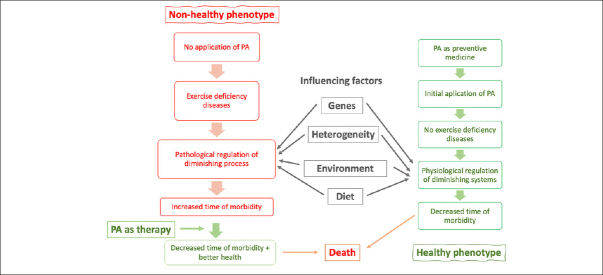
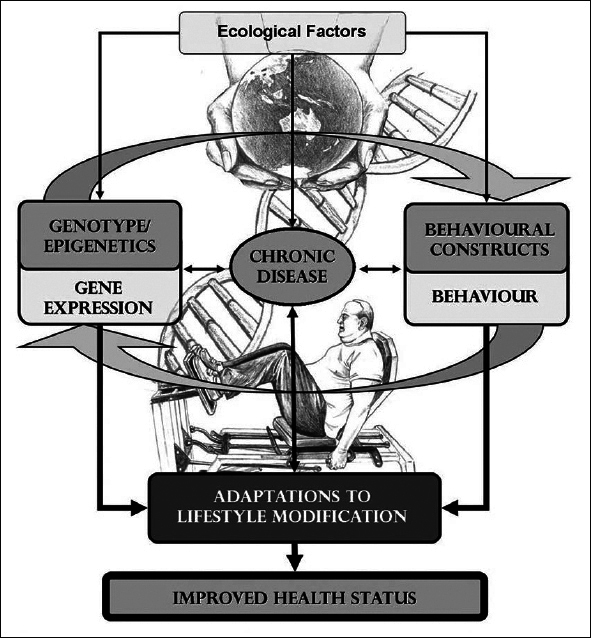
The human ageing process is universal, ubiquitous and inevitable. Every physiological function is being continuously diminished. There is a range between two distinct phenotypes of ageing, shaped by patterns of living - experiences and behaviours, and in particular by the presence or absence of physical activity (PA) and structured exercise (i.e., a sedentary lifestyle). Ageing and a sedentary lifestyle are associated with declines in muscle function and cardiorespiratory fitness, resulting in an impaired capacity to perform daily activities and maintain independent functioning. However, in the presence of adequate exercise/PA these changes in muscular and aerobic capacity with age are substantially attenuated. Additionally, both structured exercise and overall PA play important roles as preventive strategies for many chronic diseases, including cardiovascular disease, stroke, diabetes, osteoporosis, and obesity; improvement of mobility, mental health, and quality of life; and reduction in mortality, among other benefits. Notably, exercise intervention programmes improve the hallmarks of frailty (low body mass, strength, mobility, PA level, energy) and cognition, thus optimising functional capacity during ageing. In these pathological conditions exercise is used as a therapeutic agent and follows the precepts of identifying the cause of a disease and then using an agent in an evidence-based dose to eliminate or moderate the disease. Prescription of PA/structured exercise should therefore be based on the intended outcome (e.g., primary prevention, improvement in fitness or functional status or disease treatment), and individualised, adjusted and controlled like any other medical treatment. In addition, in line with other therapeutic agents, exercise shows a dose-response effect and can be individualised using different modalities, volumes and/or intensities as appropriate to the health state or medical condition. Importantly, exercise therapy is often directed at several physiological systems simultaneously, rather than targeted to a single outcome as is generally the case with pharmacological approaches to disease management. There are diseases for which exercise is an alternative to pharmacological treatment (such as depression), thus contributing to the goal of deprescribing of potentially inappropriate medications (PIMS). There are other conditions where no effective drug therapy is currently available (such as sarcopenia or dementia), where it may serve a primary role in prevention and treatment. Therefore, this consensus statement provides an evidence-based rationale for using exercise and PA for health promotion and disease prevention and treatment in older adults. Exercise prescription is discussed in terms of the specific modalities and doses that have been studied in randomised controlled trials for their effectiveness in attenuating physiological changes of ageing, disease prevention, and/or improvement of older adults with chronic disease and disability. Recommendations are proposed to bridge gaps in the current literature and to optimise the use of exercise/PA both as a preventative medicine and as a therapeutic agent.
Overview
The claims and statistics of this paper haven’t been checked yet.
Free: it reads the open-access text and checks the first 5 claims that cite a source we can check. Create a free account to check every claim.
Integrity signals
Registry
Cites
Statistics
Figures
Verification
Claims the paper makes
The claims and statistics of this paper haven’t been checked yet.
Free: it reads the open-access text and checks the first 5 claims that cite a source we can check. Create a free account to check every claim.
Claims other papers make about this one
Each is checked against this paper’s own text: does it say what the citing paper says it does?
The source backs part of the claim, not all of it — or backs it for a different population, condition or comparison.
In the citing paper
“Muscle power declines significantly with age, leading to an increased risk of physical impairment, falls, disability, and mortality [8,15].”
From Global consensus on optimal exercise recommendations for enhancing healthy longevity in older adults (ICFSR) (2025) · cites this paper as [15]
Experimental — accuracy not yet measuredThe source backs part of the claim, not all of it — or backs it for a different population, condition or comparison.
In the citing paper
“Although evidence indicates benefits for individuals ranging from robust to frail, including hospitalized older persons, power training remains underused in clinical practice [8,15,203].”
From Global consensus on optimal exercise recommendations for enhancing healthy longevity in older adults (ICFSR) (2025) · cites this paper as [15]
Experimental — accuracy not yet measuredThe source backs part of the claim, not all of it — or backs it for a different population, condition or comparison.
In the citing paper
“Aging-associated physiological changes, such as the loss of type II fast-twitch fibers and deficits in neural recruitment, can diminish power output in ways that traditional slow-velocity strength training does not address, such as the early onset of muscle force and the maximal rate of force development [15].”
From Global consensus on optimal exercise recommendations for enhancing healthy longevity in older adults (ICFSR) (2025) · cites this paper as [15]
Experimental — accuracy not yet measuredThe source backs part of the claim, not all of it — or backs it for a different population, condition or comparison.
In the citing paper
“It is also recommended that older adults participate in multicomponent exercise training, emphasizing functional balance and moderate-to-high intensity PRT at least three times per week to prevent falls [15].”
From Global consensus on optimal exercise recommendations for enhancing healthy longevity in older adults (ICFSR) (2025) · cites this paper as [15]
Experimental — accuracy not yet measuredThe source backs part of the claim, not all of it — or backs it for a different population, condition or comparison.
In the citing paper
“This cautious approach seems to stem from an unfounded fear of exercise-related injuries or the perceived risks of more vigorous activities for older adults, whereas, in reality, sedentariness is the lethal condition [15].”
From Global consensus on optimal exercise recommendations for enhancing healthy longevity in older adults (ICFSR) (2025) · cites this paper as [15]
Experimental — accuracy not yet measured
14 more claims about this paper
Create a free account to see every claim other papers make about this one.
Self-check
Percentages, sums and reported differences re-computed from the paper’s own numbers.
The self-check needs the paper’s full text.
Citations
Cites
Sarcopenia: revised European consensus on definition and diagnosis
Cruz-Jentoft, A. J., Bahat, G., Bauer, J., Boirie, Y., Bruyère, O., Cederholm, T., Cooper, C., Landi, F., Rolland, Y., Sayer, A. A., et al. (2019) · Age and Ageing · doi:10.1093/ageing/afy169 · Cited by 13,818 · cited 2×
“Sarcopenia (the loss of muscle mass, strength, and function with ageing) requires high-intensity resistance training for optimal adaptation, demonstrating the clear need to consider both modality and intensity when addressing this pervasive disease (29).”
Self-citationWorld Health Organization 2020 guidelines on physical activity and sedentary behaviour
Bull, F. C., Al-Ansari, S. S., Biddle, S., Borodulin, K., Buman, M. P., Cardon, G., Carty, C., Chaput, J.-P., Chastin, S., Chou, R., et al. (2020) · British Journal of Sports Medicine · doi:10.1136/bjsports-2020-102955 · Cited by 11,657
Tuomilehto, J., Lindström, J., Eriksson, J. G., Valle, T. T., Hämäläinen, H., Ilanne-Parikka, P., Keinänen-Kiukaanniemi, S., Laakso, M., Louheranta, A., Rastas, M., et al. (2001) · New England Journal of Medicine · doi:10.1056/nejm200105033441801 · Cited by 10,873 · cited 2×
“Based on findings from the Finnish Diabetes Study (171) and the Diabetes Prevention Program(DPP), among others (190, 191), diabetes is clearly preventable in high-risk obese adults with impaired glucose tolerance through diet and exercise intervention (192).”
The Physical Activity Guidelines for Americans
Piercy, K. L., Troiano, R. P., Ballard, R. M., Carlson, S. A., Fulton, J. E., Galuska, D. A., George, S. M., & Olson, R. D. (2018) · JAMA · doi:10.1001/jama.2018.14854 · Cited by 9,755
Garber, C. E., Blissmer, B., Deschenes, M. R., Franklin, B. A., Lamonte, M. J., Lee, I.-M., Nieman, D. C., & Swain, D. P. (2011) · Medicine & Science in Sports & Exercise · doi:10.1249/mss.0b013e318213fefb · Cited by 9,319 · cited 2×
“Exercise specialists can then use weights equivalent to 50, 60, 70, and then 80% of the 1 RM over the first four training days (i.e., 1 to 2 weeks).”
(1985) · Europe PMC (PubMed Central) · Cited by 9,143
Forouzanfar, M. H., Afshin, A., Alexander, L. T., Anderson, H. R., Bhutta, Z. A., Biryukov, S., Brauer, M., Burnett, R., Cercy, K., Charlson, F. J., et al. (2016) · The Lancet · doi:10.1016/s0140-6736(16)31679-8 · Cited by 7,698
Exercise and Physical Activity for Older Adults
Chodzko-Zajko, W. J., Proctor, D. N., Fiatarone Singh, M. A., Minson, C. T., Nigg, C. R., Salem, G. J., & Skinner, J. S. (2009) · Medicine & Science in Sports & Exercise · doi:10.1249/mss.0b013e3181a0c95c · Cited by 5,153
Self-citationStanaway, J. D., Afshin, A., Gakidou, E., Lim, S. S., Abate, D., Abate, K. H., Abbafati, C., Abbasi, N., Abbastabar, H., Abd-Allah, F., et al. (2018) · The Lancet · doi:10.1016/s0140-6736(18)32225-6 · Cited by 4,943 · cited 1×
“Estimates from 2017 indicate that not meeting PA recommendations is responsible for approximately 1.3 million deaths (17 deaths per 100,000 inhabitants) in individuals aged 25 years and over globally each year (41).”
Influential
Research works printed but not linked: 2
- World Health Organization. WHO guidelines on physical activity and sedentary behaviour. 2020. doi. 33369898
- Freiberger E Long-term effects of three multicomponent exercise interventions on physical performance and fall-related psychological outcomes in community-dwelling older adults: a randomized controlled trial J Am Geriatr Soc 60 3 2012 437 446 PubMed PMID: 22324753 10.1111/j.1532-5415.2011.03859.x 22324753 · DOI · Paper page
Cited by
Items 801–900 of 1,001
Crespo, G. P. H., Novillo, G. P., Umaquinga-Criollo, A. C., & Pérez, J. P. (2025) · Data & Metadata · doi:10.56294/dm2025766 · Cited by 2
The Role of Physical Activity in the Aging Proces
Sieradocha, K., Śledziewska, A. M., Cyrkler, M., Śluzek, N., & Karasiński, M. (2025) · Quality in Sport · doi:10.12775/qs.2025.41.60336 · Cited by 2
Martins, I. C., Inoue, L. H., & Santos, M. A. N. D. (2025) · LUMEN ET VIRTUS · doi:10.56238/levv16n49-027 · Cited by 2
de Victo, E. R., Pitta, R. M., Queiroga, L. D. L., Ferrari, G., Farías‐Valenzuela, C., Hernández, P. A. F., Kaufmann, O. G., & Wolosker, N. (2025) · Preventive Medicine · doi:10.1016/j.ypmed.2025.108352 · Cited by 2
Zilbershlag, Y., Zaltsman, S. L., & Been, E. (2025) · Health Promotion Practice · doi:10.1177/15248399251349463 · Cited by 2
Thompson, L. V. (2025) · Advances in experimental medicine and biology · doi:10.1007/978-3-031-88361-3_15 · Cited by 2
Effect of sleep quality on different aspects of executive function in older Iranians
Saei, R., Afshar, P. F., Gibson, R. H., & Alpass, F. (2025) · Australian Journal on Ageing · doi:10.1111/ajag.70092 · Cited by 2
Manuel, R. F. J., Kergoat, M., Buckinx, F., Stephanie, D. L., Beauchet, O., Brodeur, C., Andria, A. F., Tannou, T., & Aubertin‐Leheudre, M. (2025) · Age and Ageing · doi:10.1093/ageing/afaf294 · Cited by 2
“This adherence rate aligns with the literature on unsupervised exercise programs in older adults [6, 42, 43] and meets PA recommendations [44].”
Self-citationWang, Q., Chen, X., Chen, Y., Wang, W., Xiao, M., Chen, H., & Huang, M. (2025) · Archives of Physical Medicine and Rehabilitation · doi:10.1016/j.apmr.2025.11.003 · Cited by 2
Satria, B. I., Mastari, E. S., Nasution, F. I., Habib, M., & Salsabila, Z. (2025) · Media Pengabdian Kesehatan Indonesia · doi:10.62358/rvsj4037 · Cited by 2
Sarkopenie – was sollte der Orthopäde wissen?
Bauer, J. M., Grund, S., & Hauer, K. A. (2022) · Der Orthopäde · doi:10.1007/s00132-021-04211-8 · Cited by 2
Keogh, J., Henwood, T. R., Hetherington, S. A., Gardiner, P. A., Tuckett, A. G., Rouse, K., & Swinton, P. A. (2022) · Australian Journal on Ageing · doi:10.1111/ajag.13039 · Cited by 2
Progress in research of exercise intervention in inflammatory bowel disease
Sun, S., Chen, J., Zheng, M.-X., Fan, Y.-H., & Lv, B. (2024) · World Chinese Journal of Digestology · doi:10.11569/wcjd.v32.i5.339 · Cited by 2
Geriatric Medicine and Healthy Aging
Gouveia, É. R., de Gouveia, B. R. F. O., Marques, A., & Ihle, A. (2022) · IntechOpen eBooks · doi:10.5772/intechopen.98018 · Cited by 2
The Determinants of Active Aging for Improving Elderly Abilities
Palestin, B., Kholifah, S. N., & Arna, Y. D. (2022) · Asian Journal of Pharmaceutical Research and Development · doi:10.22270/ajprd.v10i6.1203 · Cited by 2
A Clinical Review of the Classification and Management of Prefrailty in Older Adults
Prevett, C., & Tang, A. (2023) · Topics in Geriatric Rehabilitation · doi:10.1097/tgr.0000000000000390 · Cited by 2
“Low-intensity programs may offer the minimally effective dose to drive positive adaptations in musculoskeletal health and capacity in prefrail older adults as long as progressive overload is maintained.(61) Examples of low-intensity exercise modalities include chair-based(37) or elastic band(39) exercise programs.”
BackgroundHandayani, D. R. S., Rosyita, H., Putri, D. A., Waluyo, I., & Subu, M. A. (2023) · International Journal of Social Service and Research · doi:10.46799/ijssr.v3i7.461 · Cited by 2
“IJSSR Page 1625 in particular, are at risk of experiencing various physical and mental health issues, such as decreased muscle mass, functional disorders, balance problems, sleep disturbances, and anxiety.(Izquierdo et al., 2021) Anxiety is one of the most common mental health problems experienced by the elderly, with…”
BackgroundNutrition in Conservative Kidney Management: From Evidence to Practice
Dawson, J., & McLean, C. (2023) · Seminars in Nephrology · doi:10.1016/j.semnephrol.2023.151399 · Cited by 2
Felsted, K. F., & Caserta, M. S. (2023) · International Journal of Environmental Research and Public Health · doi:10.3390/ijerph20156491 · Cited by 2
“There is a clear place for the healthcare system in healthy aging outcomes, and its role should be balanced with those self-care responsibilities individuals can assume for themselves within the environmental constraints in which they live [47].”
BackgroundGrenier, J. (2023) · MSK – Muskuloskelettale Physiotherapie · doi:10.1055/a-2107-6071 · Cited by 2
“[98] Izquierdo M, Merchant RA, Morley JE et al.”
BackgroundStrongman, C., Cavallerio, F., Timmis, M. A., & Morrison, A. (2023) · Frontiers in Clinical Diabetes and Healthcare · doi:10.3389/fcdhc.2023.1278597 · Cited by 2
“…on duration of activity, with no speci fi c time for activity being preferred more than others may relate to the aim for a ‘ person centered ’ approach, with some durations being more appropriate for those new to exercise or older, and others being more applicable to other demographics (31).”
BackgroundLeadbetter, B., Sénéchal, M., Seaman, K., & B̀ouchard, D. R. (2024) · Gerontology and Geriatric Medicine · doi:10.1177/23337214241232552 · Cited by 2
“Participants were encouraged to take a rest period between each set of 1 to 3 min as needed (Izquierdo et al., 2021).”
BackgroundMethodHealth and Performance through Sports at All Ages 2.0
Greco, G. (2024) · MDPI eBooks · doi:10.3390/books978-3-7258-0583-9 · Cited by 2
Makhtar, T. M. A. T., Rahim, M. Z. A., Dahlan, A., Shamsuddin, S., & Nawi, S. N. M. (2023) · Journal of Health and Translational Medicine · doi:10.22452/jummec.sp2023no2.30 · Cited by 2
Hubungan antara Aktivitas Fisik dengan Kualitas Tidur pada Komunitas Lansia Di Kota Malang
Sari, V. A., Yuliadarwati, N. M., & Wardojo, S. S. I. (2023) · NURSING UPDATE Jurnal Ilmiah Ilmu Keperawatan · doi:10.36089/nu.v14i1.1085 · Cited by 2
The body and movement in the elderly: towards a Lifelong Learning Approach
Cudicio, A., Graticola, A., & Agosti, V. (2023) · Journal of Inclusive Methodology and Technology in Learning and Teaching · doi:10.32043/jimtlt.v3i2.81 · Cited by 2
Ramírez‐Vélez, R., & Izquierdo, M. (2022) · Frontiers in Physiology · doi:10.3389/fphys.2021.831403 · Cited by 2
Self-citationSmoothing spline analysis of variance models: A new tool for the analysis of accelerometer dataPreprint
Xie, R., Chen, L., Park, J., Stout, J. R., & Thiamwong, L. (2023) · arXiv (Cornell University) · doi:10.48550/arxiv.2306.07513 · Cited by 2
“Additionally, physical activity can help manage pre-existing conditions like high blood pressure, arthritis, and osteoporosis [8].”
BackgroundSelf-citationCadore, E. L., & Izquierdo, M. (2024) · The journal of nutrition health & aging · doi:10.1016/j.jnha.2024.100267 · Cited by 2
“Older adults with low functionalcapacity,especiallythoseinstitutionalized,areassociatedwith increased public health expenditures compared to their healthier, non-institutionalized counterparts [3].”
Self-citationIteration and Co-design of a Physical Web Application for Outdoor Activities with Older AdultsPreprint
Badmos, F., Murphy, E., Ward, M., & Berry, D. (2025) · arXiv (Cornell University) · doi:10.48550/arxiv.2511.20659 · Cited by 2
Preserved cerebellar functions despite structural degeneration in older adultsPreprint
de Witte, A., Matthijs, A., Parrell, B., Mantini, D., Gooijers, J., & de Xivry, J. O. (2026) · eLife · doi:10.7554/elife.109440.1 · Cited by 2
Pilon, R., Matos-Santos, L., Matlez, M. P., Rodrigues, G., Amorim, F., Lattari, E., Farinatti, P., & Monteiro, W. (2024) · Journal of Strength & Conditioning Research · doi:10.1519/jsc.0000000000004683 · Cited by 1
“A differential of our study was the application of exercise bouts complying with the guidelines for health-oriented exercise for older subjects (1,15,16,22).”
BackgroundMethodLiu, A., Baldi, J. C., Woodfield, J. C., & Clifford, K. A. (2025) · Physiotherapy Theory and Practice · doi:10.1080/09593985.2025.2450609 · Cited by 1
“Due to the risks associated with frailty, and that HIIT efficacy has been demonstrated in predominantly low-risk populations, most studies prescribe moderate-intensity exercise for frail patients (Izquierdo et al., 2021).”
Gavanda, S., Eisenkolb, M., Held, S., Geisler, S., & Gehlert, S. (2024) · Translational Exercise Biomedicine · doi:10.1515/teb-2024-0015 · Cited by 1
“The maintenance of muscle mass and strength is crucial for supporting health, well-being, and physical performance throughout the lifespan [1 – 4].”
Usui, N., Nakata, J., Uehata, A., Kojima, S., Hisadome, H., Inatsu, A., Tsubaki, A., Saitoh, M., Ando, S., Kitayama, T., et al. (2024) · Physical Therapy · doi:10.1093/ptj/pzae147 · Cited by 1
Siqueira, V. A. A. A., Wilhelm, E. N., & Sebastião, É. (2024) · British Journal of Sports Medicine · doi:10.1136/bjsports-2024-109204 · Cited by 1
Xu, W., Xiang, Y., Liu, B., Yan, J., Zhang, T., Yu, W., Han, J., & Meng, S. (2025) · Frontiers in Cardiovascular Medicine · doi:10.3389/fcvm.2025.1459411 · Cited by 1
Chen, C., & Liao, D.-M. (2025) · 童綜合醫學雜誌 · doi:10.4103/etmj.etmj-d-25-00003 · Cited by 1
Morenas‐Aguilar, M. D., Hernández, C. G., Marcos‐Frutos, D., Koulieris, G. A., Ramos‐López, J. F., García‐Ramos, A., & Vera, J. (2025) · Graefe s Archive for Clinical and Experimental Ophthalmology · doi:10.1007/s00417-025-06994-4 · Cited by 1
“Regular physical exercise promotes different health benefits, including enhanced functional capacity in clinical populations [1 ].”
Okon, I. A., Aytar, E. C., Orie, N. N., Oka, V. O., Owu, D. U., Amadi, N. G., Bassey, E. K., Onuoha, O. G., Jacob, A. A., Ujong, G. O., et al. (2025) · European journal of medical research · doi:10.1186/s40001-025-03671-4 · Cited by 1
“Exercise is a structured, planned, and regular physical activity that aims at conditioning the body [37].”
Dai, D., Xie, F., Cui, J., Wang, S., Cai, J., Wang, G. Q., & Yao, F. (2026) · Journal of Global Health · doi:10.7189/jogh.16.04095 · Cited by 1
Bridging the gap: multi-omic insights into exercise responses in postmenopausal women
Aiyanna, R. K., Wang, S., Grolaux, R., Reisman, E. G., Jones, B., & Eynon, N. (2026) · American Journal of Physiology-Endocrinology and Metabolism · doi:10.1152/ajpendo.00172.2026 · Cited by 1
Multicomponent Physical Exercise Training in Multimorbid and Palliative Oldest Adults
Blasco-Lafarga, C., Sanchís-Soler, G., & Llorens, P. (2021) · International Journal of Environmental Research and Public Health · doi:10.3390/ijerph18178896 · Cited by 1
“These multicomponent programs aim specifically to improve both physical and cognitive function, and might be of great interest due to this mixed nature [33,34].”
BackgroundEffects of Physical Activity on Neurogenesis and Cognitive Function
Demirel, S. (2023) · doi:10.59287/pcshs.378 · Cited by 1
Korn, R., Mello, B., Sagawa, Y., & Soares, A. V. (2023) · Revista de Estudos Interdisciplinares · doi:10.56579/rei.v5i6.594 · Cited by 1
Canlı, U., & Prieto-González, P. (2023) · Human Movement · doi:10.5114/hm.2023.133923 · Cited by 1
Low to High Intensity Exercise dalam Menurunkan Kadar Gula Darah pada Pasien DM Tipe 2
Budiman, M. A., Pramukti, I., & Nursiswati, N. (2023) · Journal of Telenursing (JOTING) · doi:10.31539/joting.v5i2.7324 · Cited by 1
“Dalam penelitian ini didapatkan hasil bahwa adanya penurunan kadar glukosa dan HbA1c baik dalam kelompok HIT maupun LIT (Dieli-Conwright et al., 2021; Izquierdo et al., 2021).”
BackgroundPhysical Activity among Older People with Chronic Illnesses: A Cross-sectional Study
Alkhawaldeh, A., Abdalrahim, A., ALBashtawy, M., Suliman, M., Zamzam, S., Omari, O. A., Habeeb, M., Alkhawaldeh, H., & Dameery, K. A. (2024) · Jordan Journal of Nursing Research · doi:10.14525/jjnr.v3i1.06 · Cited by 1
Sebastião, É., Morgan, A. M., Pawelczyk, K., & Senefeld, J. W. (2024) · Kinesiology Review · doi:10.1123/kr.2023-0053 · Cited by 1
Saúde Pública e Saúde Coletiva: contribuições para o bem-estar da comunidade
Praxedes, M. F. D. S. (2024) · doi:10.22533/at.ed.157241103 · Cited by 1
Lohman, E., Alameri, M., Cakir, F., Chia, C. C., Shih, M., Mulay, O., Marceline, K., Jaisinghani, S., Bains, G. S., DeLeon, M., et al. (2024) · Physical therapy rehabilitation science · doi:10.14474/ptrs.2024.13.1.53 · Cited by 1
Busser, A., Fleury, S., Kadri, A., Mahmoud, O. H., & Richir, S. (2024) · Human Behavior and Emerging Technologies · doi:10.1155/2024/2109977 · Cited by 1
Ernandini, E., & Wiryaputra, J. A. (2024) · IntechOpen eBooks · doi:10.5772/intechopen.1005262 · Cited by 1
Exercise and Psychomotor Rehabilitation in a Patient with Alzheimer’s Disease: A Case Report
Martins, C. F., Soares, J., & Mota, M. P. (2024) · OBM Neurobiology · doi:10.21926/obm.neurobiol.2403235 · Cited by 1
Leonel, L. D. S., Wolin, I. A. V., de Oliveira, S. N., & Delevatti, R. S. (2024) · Sport Sciences for Health · doi:10.1007/s11332-024-01240-6 · Cited by 1
“These changes impair the functionality of middle-aged and elderly people and reinforce the importance of practicing activities that promote gains or maintain the functional capacity of these individuals [2], as was observed in our study for the 30-s chair-stand.”
Okafor, S. O., Onah, S. O., Obi-keguna, C. N., Ibeabuchi, O. E., Nwokoma, U. B., & Ayogu, K. C. (2024) · SOCIOLOGIA URBANA E RURALE · doi:10.3280/sur2024-134007 · Cited by 1
Askari, R., Azarniveh, M. S., Haghighi, A. H., Shahrabadi, H., & Gentil, P. (2024) · European Journal of Translational Myology · doi:10.4081/ejtm.2024.12761 · Cited by 1
Brummett, M., Oglesby, C., Barkus, S., Wheelock, N. M., & Tate, A. (2024) · Frontiers in Psychology · doi:10.3389/fpsyg.2024.1488903 · Cited by 1
“Low-intensity exercises can be considered any activity level performed below a perceived exertion of 55% of a person’s heart rate reserve (Izquierdo et al., 2021).”
BackgroundStarting Physical Activity From Scratch is Never Easy: Steps to Move Beyond “Inadequate Activity”
Criss, M. G., Irwin, K. E., & Wingood, M. (2024) · Topics in Geriatric Rehabilitation · doi:10.1097/tgr.0000000000000451 · Cited by 1
“Because PA guidelines recommend older adults perform weekly strength and balance activities, 33 Exercise Is Medicine (EIM) suggests adding a question about strength training, 30 and Wingood et al 19 have added a balance item to the PAVS.”
Physical activity to prevent older adult falls: an Aotearoa New Zealand approach
Vlietstra, L., Bryant, K. P., Hale, L. A., Dando, M., & Waters, D. L. (2025) · Revista Brasileira de Atividade Física & Saúde · doi:10.12820/rbafs.29e0366 · Cited by 1
Self-citationSilva, J. D. D. A., Maranhão, D. C. M., & Pirauá, A. L. T. (2024) · Fisioterapia e Pesquisa · doi:10.1590/1809-2950/e23007224en · Cited by 1
Vahedi, Z., Quinn, T., & Cavuoto, L. A. (2025) · Disability and Rehabilitation Assistive Technology · doi:10.1080/17483107.2025.2481440 · Cited by 1
“…at a rate between young adults and wheel-chair users. this could be attributed to the changing needs associated with functional declines with age [32]. in general, the limitations experienced by older adults appear to be less severe compared to those faced by wheelchair users. in addition to…”
Jbilou, J., Chowdhury, S. J., Frenette, J., Pinette-Drapeau, I., Comeau, E., Bouhtiauy, A., & Mekari, S. (2025) · Frontiers in Public Health · doi:10.3389/fpubh.2025.1498397 · Cited by 1
Avoiding Functional Decline and Minimizing the Effects of Frailty in Hospitalized Older Adults
Siegmund, L. A., & Siedlecki, S. L. (2025) · Clinical Nurse Specialist · doi:10.1097/nur.0000000000000896 · Cited by 1
Hirata, A., Sato, M., Fujiu‐Kurachi, M., Ishizaka, M., Sawaya, Y., Shiba, T., & Urano, T. (2025) · Folia Phoniatrica et Logopaedica · doi:10.1159/000546491 · Cited by 1
“Due to the paucity of intervention studies on THS exercise, this study used a protocol based on the International Exercise Recommendations in Older Adults (ICFSR) [31].”
Liu, L., Hou, R., Zhang, L., Qu, Z., & Tian, S. (2025) · European Geriatric Medicine · doi:10.1007/s41999-025-01235-7 · Cited by 1
“Following specific guidelines [24], the training load started at 40% MCTS and was progressively intensified.”
Qiu, F., Li, J., & Gan, L. (2025) · PeerJ · doi:10.7717/peerj.19348 · Cited by 1
“…emergence of non-responders across various exercise modes and the elevated prevalence of chronic diseases in older populations ( Guo et al., 2022 ; Izquierdo et al., 2021 ; Wang et al., 2020 ), comprehensive exercise-related assessments, screenings, and individualized exercise prescriptions…”
Mariotto, R. A., Felipe, D. F., da Silva, T. C., Júnior, J. R. A. D. N., & de Oliveira, D. V. (2025) · Geriatric Nursing · doi:10.1016/j.gerinurse.2025.103393 · Cited by 1
Full-Cycle Rehabilitation Management of Coronary Atherosclerotic Heart Disease in the Elderly
Dong, A. (2025) · Rehabilitation Medicine · doi:10.3724/sp.j.1329.2025.03001 · Cited by 1
Physical Activity Among Belizean Older Adults: A National Study
Borzekowski, D. L. G., Husaini, D. C., Powell, E. A., Chang, C.-S., Bernardez, V. M., & Reneau, K. (2025) · Activities Adaptation & Aging · doi:10.1080/01924788.2025.2518674 · Cited by 1
Çakmur, H. (2025) · IntechOpen eBooks · doi:10.5772/intechopen.1008034 · Cited by 1
Studer, M. (2025) · Journal of Rehabilitation Practices and Research · doi:10.33790/jrpr1100162 · Cited by 1
Patient Activation Impacts Exercise in Older Adults With Kidney Disease
Mirpuri, K. K., Roach, C., Woodall, E. M., Prigmore, H. L., Greevy, R. A., Wilkinson, T. J., Lightfoot, C. J., Bonnet, K. R., Cukor, D., Taylor, W. D., et al. (2025) · Kidney International Reports · doi:10.1016/j.ekir.2025.07.017 · Cited by 1
“37 In our study, increases in a participant’s activation score that are clinically meaningful in the literature 21,38 independently associated with a little over one-tenth of a day to over half an additional day of reported moderate-to-vigorous exercise per week.”
Domingues, W. J. R., Brandão, E. K. S. D. S., de Souza, L. C., Brandão, E. K. S. D. S., Silva, P. L. D. S. E., dos Santos, S. V. A., Campelo, P. R. D. S., dos Santos, N. J. N., & Simões, C. F. (2025) · Journal of Vascular Nursing · doi:10.1016/j.jvn.2025.08.001 · Cited by 1
Iliano, E., Cardon, G., & Latomme, J. (2025) · Journal of Aging and Physical Activity · doi:10.1123/japa.2024-0257 · Cited by 1
Yang, Y., Ku, E. J., Ko, S., Rhee, E.-J., Ihm, S., Choi, S. H., Lee, W., & Korean Society of Cardio-cerebrovascular Disease Prevention (2025) · The Korean Journal of Internal Medicine · doi:10.3904/kjim.2025.206 · Cited by 1
“Balance training significantly lowers fall rates, and multi-component activities reduce the risk of fall-related injuries [73].”
Subashi, B., Kamberi, F., Sinanaj, G., Prifti, V., Kokalla, E., & Lalo, R. (2025) · Journal of Ageing and Longevity · doi:10.3390/jal5030032 · Cited by 1
“In addition, the aging population has resulted in a rise in chronic diseases such as diabetes, hypertension, and obesity, as well as various mental health issues such as depression, which pose serious public health problems [4,5].”
Denche-Zamorano, Á. M., Adsuar, J. C., Barrios-Fernández, S., & Salas-Gómez, D. (2025) · Geriatrics · doi:10.3390/geriatrics10050125 · Cited by 1
Danhas, Y., & Prihartono, A. T. (2025) · RADINKA JOURNAL OF HEALTH SCIENCE · doi:10.56778/rjhs.v3i1.554 · Cited by 1
“Pekerjaan fisik yang berat tentunya akan membutuhkan kekuatan otot lebih besar dan memiliki risiko terhadap timbulnya keluhan kesehatan (Izquierdo et al., 2021); (Sisto & Evans, 2014) Gangguan otot rangka atau yang sering biasa dikenal dengan Muskuloskeletal disorders (MSDs) dapat ditimbulkan…”
da Silva, L. G., Bandeira‐Guimarães, M., Blanco‐Rambo, E., de Asteasu, M. L. S., Izquierdo, M., Machado, S. D. S., Silveira, F. D. S., da Silva, H. P., Marques, A. P. G., Lamp, J. D. S., et al. (2025) · Journal of Aging and Physical Activity · doi:10.1123/japa.2024-0403 · Cited by 1
Self-citationMartins, C. F., Carneiro, L. S. R. D. S. F., Figueiredo, C., & Mota, M. P. (2025) · Journal of Physical Activity and Health · doi:10.1123/jpah.2025-0066 · Cited by 1
Use of physical activity by occupational therapists and speech-language therapists in KwaZulu-Natal
Makaula, O., Msomi, N. L., & Ross, A. J. (2025) · South African Family Practice · doi:10.4102/safp.v67i1.6184 · Cited by 1
“25 Maximising the incorporation of PA into therapeutic procedures requires cooperation between caregivers and health care professionals, 26 with this study finding that introducing home visits into treatment methods can improve interdisciplinary teamwork.”
Tambeur, J., Keyser, E. D., Smedt, E. D., Vrancken, D., Annemans, L., Beckwée, D., Peersman, W., Lieten, S., VELDE, D. V. D., & VRIENDT, P. D. (2025) · BMC Medical Research Methodology · doi:10.1186/s12874-025-02657-4 · Cited by 1
“Multicomponent exercise interventions are the preferred intervention for frailty [6, 8].”
Optimizing Long Jump Ability: The Synergistic Effect of Leg Power, Balance, and Flexibility
Desman, M. A., Alnedral, A., Ridwan, M., Umar, U., & Ockta, Y. (2025) · Balneo and PRM Research Journal · doi:10.12680/balneo.2025.874 · Cited by 1
Hammami, N., Karoui, S., Khezami, M. A., Ceylan, H. İ., Dhahbi, W., Bahlouli, E., Jeddou, I. B., Dergaa, I., Lebib, S., Salah, F.-Z. B., et al. (2025) · Journal of Multidisciplinary Healthcare · doi:10.2147/jmdh.s530582 · Cited by 1
“36 The long-term impact of COVID-19 on healthcare systems and society at large is another area requiring ongoing research.”
Tou, N. X., Lau, L. K., Gao, J., Tang, J. Y., Guo, L., Munro, Y. L., Ding, Y. Y., & Ng, Y. S. (2025) · Journal of the American Medical Directors Association · doi:10.1016/j.jamda.2025.105917 · Cited by 1
da Silva, V. O. S., Thirupathi, A., Macedo, R. A. D. S., Santos, M. F., Borba, A. C. D. O., Gu, Y., Gomes, K. M., Delevatti, R. S., Silveira, P. C. L., & da Silva, L. A. (2025) · Clinics · doi:10.1016/j.clinsp.2025.100803 · Cited by 1
“16 However, adherence and long-term commitment to exercise programs remain challenges, with lack of time being a frequently cited barrier.”
Effort intensification and restoration in short-term HIIT predict strategic control in complex tasks
Zhao, Y., Qin, C., Zhang, Y., Shi, Y., & Wang, F. (2025) · Scientific Reports · doi:10.1038/s41598-025-21789-7 · Cited by 1
Pessoa, M., Reis, A. C. N., Carvalho, C., Teixeira, G. B., de Carvalho, Y. T., Costa, R. D. C. T., & Mendes, T. R. C. (2025) · Research Society and Development · doi:10.33448/rsd-v14i11.49859 · Cited by 1
Caramia, F., D’Angelantonio, E., Lucangeli, L., & Camomilla, V. (2025) · Biomechanics · doi:10.3390/biomechanics5040090 · Cited by 1
“For instance, so-called “open chain” exercises [20,21] are easy to perform and low-impact, yet still provide significant rehabilitative benefits.”
Active break program: an evidencebased review for the promotion of occupational health
Sant’Ana, W. V., & de Medeiros, A. S. (2025) · Revista Brasileira de Medicina do Trabalho · doi:10.47626/1679-4435-2025-1488 · Cited by 1
“16 Noormohammadpour et al. 17 investigated, in a single-blind RCT involving nurses with chronic low back pain, the effects of an 8-week multistep core stability exercise program consisting of weekly supervised sessions and home exercises.”
Hossain, K., Hossain, K. M. A., Sarker, S. N., Kabir, M. F., Hossain, M. Z., Jahan, S., Rahman, E., Sharna, S. Y., & Rikti, J. F. (2025) · Trials · doi:10.1186/s13063-025-09245-3 · Cited by 1
“Such situations have been demonstrated to decrease overall physical activity and performance, increase fall risk, and impede the ability to perform activities of daily living (ADLs), which may lead to poor quality of life [3, 6–10].”
Gambassi, B. B., Sousa, T. M. D. S., Chaves, L. F. C., Sotão, S. S., Bianco, R., Schwingel, P. A., & Mostarda, C. T. (2025) · Journal of Human Hypertension · doi:10.1038/s41371-025-01092-8 · Cited by 1
Huet, J., Rat, C., Renaux, C., Mayol, S., Costanza, S., Riche, V.-P., Deschamps, T., Caillet, P., & de Decker, L. (2025) · BMC Geriatrics · doi:10.1186/s12877-025-06781-0 · Cited by 1
“Nevertheless, the ICFSR consensus guidelines [35] suggest a linear effect of exercise on falls and health outcomes, suggesting that 14 sessions should still be beneficial and ethically acceptable.”
Cuyúl-Vásquez, I., Catalán-Medalla, O., Ponce‐Fuentes, F., Sepúlveda‐Loyola, W., Gutiérrez‐Espinoza, H., & Araya‐Quintanilla, F. (2025) · Journal of Back and Musculoskeletal Rehabilitation · doi:10.1177/10538127251400607 · Cited by 1
O efeito de um protocolo de exercício em idosos frágeis e pré-frágeis
Amaro, A. R. P., Alegria, N., Pereira, F., Miguel, S., Santos, O., & Alves, M. (2025) · RIAGE - Revista Ibero-Americana de Gerontologia · doi:10.61415/riage.410 · Cited by 1
Dynamic sarcopenia transitions in older Chinese: physical activity and cognitive insights
Li, Y., Tang, Y., Pan, W., & Heng-guo, S. (2025) · BMC Geriatrics · doi:10.1186/s12877-025-06752-5 · Cited by 1
“Concurrently, mild cognitive impairment (MCI), a prevalent cognitive condition among older adults, may interact with physical activity to shape sarcopenia’s trajectory, though the nature of this interplay remains largely uncharted [6].”
Sananta, P., Dradjat, R. S., Santoso, A. R. B., & Utomo, A. S. (2025) · International Journal of Research and Review · doi:10.52403/ijrr.20251251 · Cited by 1
Community Exercise Interventions for Elderly: Health Outcomes and Quality of Life Meta-Analysis
Indriani, I., Qadrijati, I., Kristiyanto, A., Prasetyawati, A. E., & Nasrulloh, A. (2025) · Proceeding of International Seminar and Workshop on Public Health Action · doi:10.60074/iswopha.v1i1.14082 · Cited by 1
“Socially supportive environments, such as group-based or intergenerational programs, can also reduce loneliness and strengthen self-efficacy (Nakada et al., 2024), contributing further to improvements in QoL (Chittrakul et al., 2020; Izquierdo et al., 2021).”
Li, D., Zhou, M., & Song, X. (2025) · PLoS ONE · doi:10.1371/journal.pone.0340216 · Cited by 1
“Research suggests that encouraging healthier lifestyles for older adults— such as regular PA and reducing SEB—can help prevent chronic diseases and reduce mortality [4].”
Metadata
- Authors
- Izquierdo, M., Merchant, R. A., Morley, J. E., Anker, S. D., Aprahamian, I., Arai, H., Aubertin-Leheudre, M., Bernabei, R., Cadore, E. L., Cesari, M., Chen, L.-K., de Souto Barreto, P., Duque, G., Ferrucci, L., Fielding, R. A., García-Hermoso, A., Gutiérrez-Robledo, L. M., Harridge, S. D. R., Kirk, B., Kritchevsky, S., Landi, F., Lazarus, N., Martin, F. C., Marzetti, E., Pahor, M., Ramírez-Vélez, R., Rodriguez-Mañas, L., Rolland, Y., Ruiz, J. G., Theou, O., Villareal, D. T., Waters, D. L., Won, C. W., Woo, J., Vellas, B., & Singh, M. F.
- Affiliations
- National University of Singapore (SG)
- Saint Louis University (US)
- Berlin-Brandenburger Centrum für Regenerative Therapien (DE)
- Faculdade de Medicina de Jundiaí (BR)
- National Center for Geriatrics and Gerontology (JP)
- Università Cattolica del Sacro Cuore (IT)
- Universidade Federal do Rio Grande do Sul (BR)
- University of Milan (IT)
- National Yang Ming Chiao Tung University (TW)
- The University of Melbourne (AU)
- National Institute on Aging (US)
- Tufts University (US)
- King's College London (GB)
- Wake Forest University (US)
- University of Florida Health (US)
- Université Toulouse III - Paul Sabatier (FR)
- University of Miami (US)
- Dalhousie University (CA)
- Baylor College of Medicine (US)
- University of Otago (NZ)
- Kyung Hee University (KR)
- Chinese University of Hong Kong (HK)
- Centre Hospitalier Universitaire de Toulouse (FR)
- The University of Sydney (AU)
- ORCID
- Merchant, R.A.
- Morley, J.E.
- Anker, S.D.
- Aprahamian, I.
- Arai, H.
- Bernabei, R.
- Cadore, E.L.
- Cesari, M.
- Chen, L.-K.
- Duque, G.
- Ferrucci, L.
- Fielding, R.A.
- Harridge, S.D.R.
- Kirk, B.
- Kritchevsky, S.
- Landi, F.
- Lazarus, N.
- Martin, F.C.
- Marzetti, E.
- Rolland, Y.
- Ruiz, J.G.
- Theou, O.
- Villareal, D.T.
- Waters, D.L.
- Won, C. Won
- Woo, J.
- Vellas, B.
- Singh, M. Fiatarone
- Venue
- The Journal of nutrition, health and aging
- Publisher
- Elsevier BV
- Published
- 2021-07
- Volume
- 25
- Issue
- 7
- Pages
- 824-853
- ISSN
- 1279-7707 (ISSN-L)
- PMC
- PMC12369211
- OpenAlex
- W3191864380
- Cited by
- 1,247
- References
- 294
- Citations by year
- 2026: 228 · 2025: 323 · 2024: 314 · 2023: 209 · 2022: 159 · 2021: 14
- FWCI
- 109.50
- Type
- journal article
- Language
- en
- Open access
- hybrid
- doi.org
- Licence
- cc-by
- www.elsevier.com/tdm/userlicense/1.0/ (tdm)
- www.elsevier.com/legal/tdmrep-license (tdm)
- creativecommons.org/licenses/by/4.0/ (vor, 29 d)
- Locations
- The journal of nutrition health & aging (publishedVersion, cc-by)
- PubMed Central (publishedVersion, cc-by)
- PubMed (publishedVersion)
- Academica-e (Universidad Pública de Navarra) (submittedVersion, cc-by)
- HAL (submittedVersion, cc-by)
- Minerva Access (University of Melbourne) (submittedVersion, cc-by)
- Research Portal (King's College London) (submittedVersion, other-oa)
- Funders
- Centro de Investigación Biomédica en Red Fragilidad y Envejecimiento Saludable
- National Institutes of Health
- Instituto de Salud Carlos III (CP18/0150)
- National Institute on Aging
- Topics
- Health Sciences › Medicine › Public Health, Environmental and Occupational Health › Physical Activity and Health
- Health Sciences › Medicine › Physiology (medical) › Cardiovascular and exercise physiology
- Health Sciences › Medicine › Geriatrics and Gerontology › Frailty in Older Adults
- Keywords
- older adults, physical activity, exercise modalities, exercise dose-response, sedentary lifestyle, frailty, sarcopenia, dementia, chronic disease prevention, functional capacity, exercise therapy, deprescribing, medication overuse, quality of life, mobility (physical function), cardiorespiratory fitness, muscle function, quality-adjusted life years, cost-effectiveness, health promotion
- MeSH terms
- Frailty, Aged, Aging, Exercise Therapy, Health Promotion, Humans, Phenotype, Quality of Life, Exercise, Sedentary Behavior
About these checks
Registry, retraction, Cites and statistics results are computed, not judged, with one exception: a printed reference that no index lists is read once by a model before it counts as a citation error. Claims are extracted by a model and kept only when their quote appears verbatim in the text; each cited source is then checked, with a model’s help, for whether it says what the claim relies on. Those verdicts can be wrong — read the claim’s quote and the cited source before relying on one.
Statistics and arithmetic are recomputed, not judged.
Confidence bands are shown only for fields calibrated on our annotated test set. None is calibrated yet, so no band is shown.
What counts as a claim ›How we measure confidence ›How we check this ›
Are you an author, or do you see a problem with this page? Request a review
Data sources
Bibliographic data: Semantic Scholar, OpenAlex, Crossref.
Contains information from the Semantic Scholar Academic Graph Datasets, made available under the ODC Attribution License (ODC-BY 1.0).
Semantic Scholar’s data is described in: Kinney, R., et al. (2023). The Semantic Scholar Open Data Platform. arXiv:2301.10140.
