

International Exercise Recommendations in Older Adults (ICFSR): Expert Consensus Guidelines
Open accessThe DOI matches its Crossref record; 291 of the 294 references it cites were found in a registry or an index.
Abstract
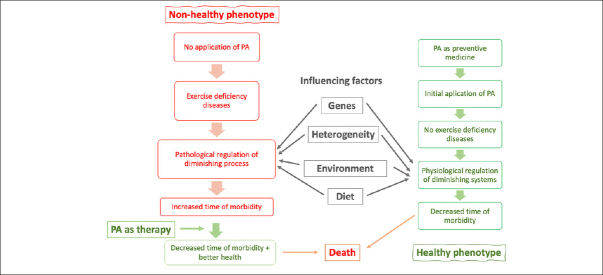
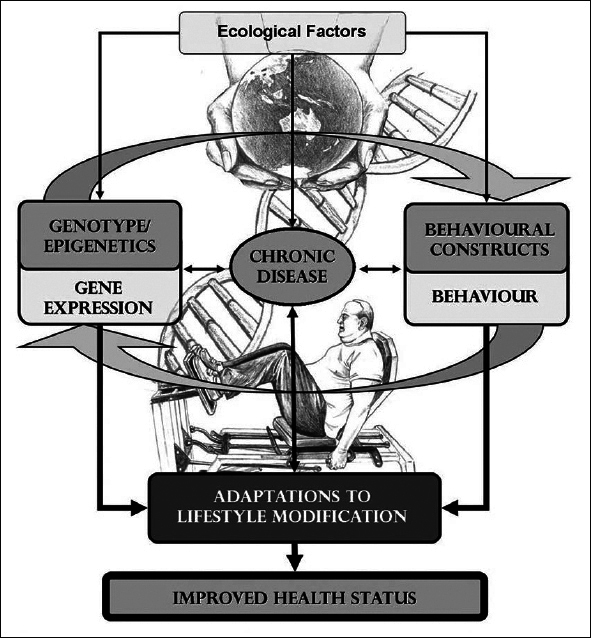
The human ageing process is universal, ubiquitous and inevitable. Every physiological function is being continuously diminished. There is a range between two distinct phenotypes of ageing, shaped by patterns of living - experiences and behaviours, and in particular by the presence or absence of physical activity (PA) and structured exercise (i.e., a sedentary lifestyle). Ageing and a sedentary lifestyle are associated with declines in muscle function and cardiorespiratory fitness, resulting in an impaired capacity to perform daily activities and maintain independent functioning. However, in the presence of adequate exercise/PA these changes in muscular and aerobic capacity with age are substantially attenuated. Additionally, both structured exercise and overall PA play important roles as preventive strategies for many chronic diseases, including cardiovascular disease, stroke, diabetes, osteoporosis, and obesity; improvement of mobility, mental health, and quality of life; and reduction in mortality, among other benefits. Notably, exercise intervention programmes improve the hallmarks of frailty (low body mass, strength, mobility, PA level, energy) and cognition, thus optimising functional capacity during ageing. In these pathological conditions exercise is used as a therapeutic agent and follows the precepts of identifying the cause of a disease and then using an agent in an evidence-based dose to eliminate or moderate the disease. Prescription of PA/structured exercise should therefore be based on the intended outcome (e.g., primary prevention, improvement in fitness or functional status or disease treatment), and individualised, adjusted and controlled like any other medical treatment. In addition, in line with other therapeutic agents, exercise shows a dose-response effect and can be individualised using different modalities, volumes and/or intensities as appropriate to the health state or medical condition. Importantly, exercise therapy is often directed at several physiological systems simultaneously, rather than targeted to a single outcome as is generally the case with pharmacological approaches to disease management. There are diseases for which exercise is an alternative to pharmacological treatment (such as depression), thus contributing to the goal of deprescribing of potentially inappropriate medications (PIMS). There are other conditions where no effective drug therapy is currently available (such as sarcopenia or dementia), where it may serve a primary role in prevention and treatment. Therefore, this consensus statement provides an evidence-based rationale for using exercise and PA for health promotion and disease prevention and treatment in older adults. Exercise prescription is discussed in terms of the specific modalities and doses that have been studied in randomised controlled trials for their effectiveness in attenuating physiological changes of ageing, disease prevention, and/or improvement of older adults with chronic disease and disability. Recommendations are proposed to bridge gaps in the current literature and to optimise the use of exercise/PA both as a preventative medicine and as a therapeutic agent.
Overview
The claims and statistics of this paper haven’t been checked yet.
Free: it reads the open-access text and checks the first 5 claims that cite a source we can check. Create a free account to check every claim.
Integrity signals
Registry
Cites
Statistics
Figures
Verification
Claims the paper makes
The claims and statistics of this paper haven’t been checked yet.
Free: it reads the open-access text and checks the first 5 claims that cite a source we can check. Create a free account to check every claim.
Claims other papers make about this one
Each is checked against this paper’s own text: does it say what the citing paper says it does?
The source backs part of the claim, not all of it — or backs it for a different population, condition or comparison.
In the citing paper
“Muscle power declines significantly with age, leading to an increased risk of physical impairment, falls, disability, and mortality [8,15].”
From Global consensus on optimal exercise recommendations for enhancing healthy longevity in older adults (ICFSR) (2025) · cites this paper as [15]
Experimental — accuracy not yet measuredThe source backs part of the claim, not all of it — or backs it for a different population, condition or comparison.
In the citing paper
“Although evidence indicates benefits for individuals ranging from robust to frail, including hospitalized older persons, power training remains underused in clinical practice [8,15,203].”
From Global consensus on optimal exercise recommendations for enhancing healthy longevity in older adults (ICFSR) (2025) · cites this paper as [15]
Experimental — accuracy not yet measuredThe source backs part of the claim, not all of it — or backs it for a different population, condition or comparison.
In the citing paper
“Aging-associated physiological changes, such as the loss of type II fast-twitch fibers and deficits in neural recruitment, can diminish power output in ways that traditional slow-velocity strength training does not address, such as the early onset of muscle force and the maximal rate of force development [15].”
From Global consensus on optimal exercise recommendations for enhancing healthy longevity in older adults (ICFSR) (2025) · cites this paper as [15]
Experimental — accuracy not yet measuredThe source backs part of the claim, not all of it — or backs it for a different population, condition or comparison.
In the citing paper
“It is also recommended that older adults participate in multicomponent exercise training, emphasizing functional balance and moderate-to-high intensity PRT at least three times per week to prevent falls [15].”
From Global consensus on optimal exercise recommendations for enhancing healthy longevity in older adults (ICFSR) (2025) · cites this paper as [15]
Experimental — accuracy not yet measuredThe source backs part of the claim, not all of it — or backs it for a different population, condition or comparison.
In the citing paper
“This cautious approach seems to stem from an unfounded fear of exercise-related injuries or the perceived risks of more vigorous activities for older adults, whereas, in reality, sedentariness is the lethal condition [15].”
From Global consensus on optimal exercise recommendations for enhancing healthy longevity in older adults (ICFSR) (2025) · cites this paper as [15]
Experimental — accuracy not yet measured
14 more claims about this paper
Create a free account to see every claim other papers make about this one.
Self-check
Percentages, sums and reported differences re-computed from the paper’s own numbers.
The self-check needs the paper’s full text.
Citations
Cites
Sarcopenia: revised European consensus on definition and diagnosis
Cruz-Jentoft, A. J., Bahat, G., Bauer, J., Boirie, Y., Bruyère, O., Cederholm, T., Cooper, C., Landi, F., Rolland, Y., Sayer, A. A., et al. (2019) · Age and Ageing · doi:10.1093/ageing/afy169 · Cited by 13,818 · cited 2×
“Sarcopenia (the loss of muscle mass, strength, and function with ageing) requires high-intensity resistance training for optimal adaptation, demonstrating the clear need to consider both modality and intensity when addressing this pervasive disease (29).”
Self-citationWorld Health Organization 2020 guidelines on physical activity and sedentary behaviour
Bull, F. C., Al-Ansari, S. S., Biddle, S., Borodulin, K., Buman, M. P., Cardon, G., Carty, C., Chaput, J.-P., Chastin, S., Chou, R., et al. (2020) · British Journal of Sports Medicine · doi:10.1136/bjsports-2020-102955 · Cited by 11,657
Tuomilehto, J., Lindström, J., Eriksson, J. G., Valle, T. T., Hämäläinen, H., Ilanne-Parikka, P., Keinänen-Kiukaanniemi, S., Laakso, M., Louheranta, A., Rastas, M., et al. (2001) · New England Journal of Medicine · doi:10.1056/nejm200105033441801 · Cited by 10,873 · cited 2×
“Based on findings from the Finnish Diabetes Study (171) and the Diabetes Prevention Program(DPP), among others (190, 191), diabetes is clearly preventable in high-risk obese adults with impaired glucose tolerance through diet and exercise intervention (192).”
The Physical Activity Guidelines for Americans
Piercy, K. L., Troiano, R. P., Ballard, R. M., Carlson, S. A., Fulton, J. E., Galuska, D. A., George, S. M., & Olson, R. D. (2018) · JAMA · doi:10.1001/jama.2018.14854 · Cited by 9,755
Garber, C. E., Blissmer, B., Deschenes, M. R., Franklin, B. A., Lamonte, M. J., Lee, I.-M., Nieman, D. C., & Swain, D. P. (2011) · Medicine & Science in Sports & Exercise · doi:10.1249/mss.0b013e318213fefb · Cited by 9,319 · cited 2×
“Exercise specialists can then use weights equivalent to 50, 60, 70, and then 80% of the 1 RM over the first four training days (i.e., 1 to 2 weeks).”
(1985) · Europe PMC (PubMed Central) · Cited by 9,143
Forouzanfar, M. H., Afshin, A., Alexander, L. T., Anderson, H. R., Bhutta, Z. A., Biryukov, S., Brauer, M., Burnett, R., Cercy, K., Charlson, F. J., et al. (2016) · The Lancet · doi:10.1016/s0140-6736(16)31679-8 · Cited by 7,698
Exercise and Physical Activity for Older Adults
Chodzko-Zajko, W. J., Proctor, D. N., Fiatarone Singh, M. A., Minson, C. T., Nigg, C. R., Salem, G. J., & Skinner, J. S. (2009) · Medicine & Science in Sports & Exercise · doi:10.1249/mss.0b013e3181a0c95c · Cited by 5,153
Self-citationStanaway, J. D., Afshin, A., Gakidou, E., Lim, S. S., Abate, D., Abate, K. H., Abbafati, C., Abbasi, N., Abbastabar, H., Abd-Allah, F., et al. (2018) · The Lancet · doi:10.1016/s0140-6736(18)32225-6 · Cited by 4,943 · cited 1×
“Estimates from 2017 indicate that not meeting PA recommendations is responsible for approximately 1.3 million deaths (17 deaths per 100,000 inhabitants) in individuals aged 25 years and over globally each year (41).”
Influential
Research works printed but not linked: 2
- World Health Organization. WHO guidelines on physical activity and sedentary behaviour. 2020. doi. 33369898
- Freiberger E Long-term effects of three multicomponent exercise interventions on physical performance and fall-related psychological outcomes in community-dwelling older adults: a randomized controlled trial J Am Geriatr Soc 60 3 2012 437 446 PubMed PMID: 22324753 10.1111/j.1532-5415.2011.03859.x 22324753 · DOI · Paper page
Cited by
World guidelines for falls prevention and management for older adults: a global initiative
Montero-Odasso, M., van der Velde, N., Martin, F. C., Petrovic, M., Tan, M. P., Ryg, J., Aguilar-Navarro, S., Alexander, N. B., Becker, C., Blain, H., et al. (2022) · Age and Ageing · doi:10.1093/ageing/afac205 · Cited by 1,756
“In people with more severe cognitive impairment, smaller group or individual supervision may be necessary [149, 150].”
Self-citationEl Assar, M., Álvarez-Bustos, A., Sosa, P., Angulo, J., & Rodríguez-Mañas, L. (2022) · International Journal of Molecular Sciences · doi:10.3390/ijms23158713 · Cited by 371
“Power exercise has been proposed as an effective intervention to improve cognitive, neuromuscular and physical function in older adults [174,175], and has been suggested for inclusion in the physical exercise recommendations for this population [176,177].”
BackgroundBernabei, R., Landi, F., Calvani, R., Cesari, M., Del Signore, S., Anker, S. D., Bejuit, R., Bordes, P., Cherubini, A., Cruz-Jentoft, A. J., et al. (2022) · BMJ · doi:10.1136/bmj-2021-068788 · Cited by 318
Self-citationOkamura, T., Tsukamoto, K., Arai, H., Fujioka, Y., Ishigaki, Y., Koba, S., Ohmura, H., Shoji, T., Yokote, K., Yoshida, H., et al. (2024) · Journal of Atherosclerosis and Thrombosis · doi:10.5551/jat.gl2022 · Cited by 302
Self-citationIzquierdo, M., de Souto Barreto, P., Arai, H., Bischoff-Ferrari, H. A., Cadore, E. L., Cesari, M., Chen, L.-K., Coen, P. M., Courneya, K. S., Duque, G., et al. (2025) · The Journal of nutrition, health and aging · doi:10.1016/j.jnha.2024.100401 · Cited by 273
Self-citationMeredith, S. J., Cox, N. J., Ibrahim, K., Higson, J., McNiff, J., Mitchell, S., Rutherford, M., Wijayendran, A., Shenkin, S. D., Kilgour, A. H. M., et al. (2023) · Age and Ageing · doi:10.1093/ageing/afad145 · Cited by 267
“With the known benefits, it is unsurprising that PA amongst older people is promoted [7, 11].”
Advances in muscle health and nutrition: A toolkit for healthcare professionals
Prado, C. M., Landi, F., Chew, S. T. H., Atherton, P. J., Molinger, J., Ruck, T., & Gonzalez, M. C. (2022) · Clinical Nutrition · doi:10.1016/j.clnu.2022.07.041 · Cited by 237
“1), which can be delivered by a multidisciplinary team [15,16].”
BackgroundSelf-citationAging, obesity, sarcopenia and the effect of diet and exercise intervention
Colleluori, G., & Villareal, D. T. (2021) · Experimental Gerontology · doi:10.1016/j.exger.2021.111561 · Cited by 201
Self-citationCohen, S. A., & Greaney, M. L. (2022) · Current Epidemiology Reports · doi:10.1007/s40471-022-00313-9 · Cited by 200
Coletta, G., & Phillips, S. M. (2023) · Ageing Research Reviews · doi:10.1016/j.arr.2023.101883 · Cited by 193
Dergaa, I., Ben Saad, H., El Omri, A., Glenn, J., Clark, C., Washif, J., Guelmami, N., Hammouda, O., Al-Horani, R., Reynoso-Sánchez, L., et al. (2024) · Biology of Sport · doi:10.5114/biolsport.2024.133661 · Cited by 130
“The model’s program incorporates flexibility exercises, beneficial in maintaining overall joint and muscle health [75].”
MethodCasas‐Herrero, Á., Sáez de Asteasu, M. L., Antón‐Rodrigo, I., Sánchez‐Sánchez, J. L., Montero‐Odasso, M., Marín‐Epelde, I., Ramón‐Espinoza, F., Zambom‐Ferraresi, F., Petidier‐Torregrosa, R., Elexpuru‐Estomba, J., et al. (2022) · Journal of Cachexia, Sarcopenia and Muscle · doi:10.1002/jcsm.12925 · Cited by 186
“literature, supporting exercise as a cornerstone for preserving functional status and muscle function in this population.(10,15,28) Contrastingly, physical inactivity is recog-”
BackgroundMethodSelf-citationDiet for the prevention and management of sarcopenia
Calvani, R., Picca, A., Coelho-Júnior, H. J., Tosato, M., Marzetti, E., & Landi, F. (2023) · Metabolism · doi:10.1016/j.metabol.2023.155637 · Cited by 141
Self-citationMerchant, R. A., Seetharaman, S. K., Au, L. S. Y., Wong, M. W. K., Wong, B., Tan, L. F., Chen, M. Z., Ng, S. E., Soong, J. T. Y., Hui, R. J. Y., et al. (2021) · Frontiers in Endocrinology · doi:10.3389/fendo.2021.765415 · Cited by 175
Self-citationValenzuela, P. L., Saco-Ledo, G., Morales, J. S., Gallardo-Gómez, D., Morales-Palomo, F., López-Ortiz, S., Rivas-Baeza, B., Castillo-García, A., Jiménez-Pavón, D., Santos-Lozano, A., et al. (2023) · The Lancet Healthy Longevity · doi:10.1016/s2666-7568(23)00057-0 · Cited by 173
Sarcopenia and Cognitive Decline in Older Adults: Targeting the Muscle–Brain Axis
Arosio, B., Calvani, R., Ferri, E., Coelho-Junior, H. J., Carandina, A., Campanelli, F., Ghiglieri, V., Marzetti, E., & Picca, A. (2023) · Nutrients · doi:10.3390/nu15081853 · Cited by 165
Self-citationDama, A., Shpati, K., Daliu, P., Dümür, Ş., Gorica, E., & Santini, A. (2024) · Nutrients · doi:10.3390/nu16040507 · Cited by 165
“…of metabolic disorders, addressing both Lifestyle interventions, including balanced diets and regular physical activity, have been shown to significantly reduce the impact of metabolic disorders, addressing both their symptoms and underlying causes [5]. their symptoms and underlying causes [5].”
BackgroundGarcia-Hermoso, A., López-Gil, J. F., Ramírez-Vélez, R., Alonso-Martínez, A. M., Izquierdo, M., & Ezzatvar, Y. (2023) · British Journal of Sports Medicine · doi:10.1136/bjsports-2022-106189 · Cited by 154
Self-citationProtein Intake and Sarcopenia in Older Adults: A Systematic Review and Meta-Analysis
Coelho-Junior, H., Calvani, R., Azzolino, D., Picca, A., Tosato, M., Landi, F., Cesari, M., & Marzetti, E. (2022) · International Journal of Environmental Research and Public Health · doi:10.3390/ijerph19148718 · Cited by 149
“[36] were not controlled for many covariables that might impact the association between protein intake and sarcopenia, including the practice of physical exercise [54,55], the presence of frailty [56], and oral health [57].”
BackgroundSelf-citationEditorial: Aging and chronic disease: public health challenge and education reform
Sun, X., & Li, X. (2023) · Frontiers in Public Health · doi:10.3389/fpubh.2023.1175898 · Cited by 149
Nadolsky, K., Garvey, W. T., Agarwal, M., Bonnecaze, A., Burguera, B., Chaplin, M. D., Griebeler, M. L., Harris, S. R., Schellinger, J. N., Simonetti, J., et al. (2025) · Endocrine Practice · doi:10.1016/j.eprac.2025.07.017 · Cited by 141
Healthy aging, early screening, and interventions for frailty in the elderly
Deng, Y., Zhang, K., Zhu, J., Hu, X., & Liao, R. (2023) · BioScience Trends · doi:10.5582/bst.2023.01204 · Cited by 135
Sarcopenia definition: Does it really matter? Implications for resistance training
Smith, C., Woessner, M. N., Sim, M., & Levinger, I. (2022) · Ageing Research Reviews · doi:10.1016/j.arr.2022.101617 · Cited by 100
Diabetes and cognitive function: An evidence-based current perspective
Sebastian, M. J., Khan, S. K. A., Pappachan, J. M., & Jeeyavudeen, M. S. (2023) · World Journal of Diabetes · doi:10.4239/wjd.v14.i2.92 · Cited by 128
Solís‐Navarro, L., Gismero, A., Fernández-Jané, C., Torres‐Castro, R., Solà-Madurell, M., Bergé, C., Pérez, L. M., Ars, J., Martín-Borràs, C., Vilaró, J., et al. (2022) · PubMed Central · doi:10.1093/ageing/afac243 · Cited by 126
“In this systematic review, most of the studies included multicomponent exercises complying with the recommendations of the clinical guidelines [48].”
Wong, M. Y. C., Ou, K.-L., Chung, P., Chui, K. Y. K., & Zhang, C. (2023) · Frontiers in Public Health · doi:10.3389/fpubh.2022.914548 · Cited by 134
Zhang, S., Zhen, K., Su, Q., Chen, Y., Lv, Y., & Yu, L. (2022) · International Journal of Environmental Research and Public Health · doi:10.3390/ijerph192315700 · Cited by 124
“Aerobic exercise has a dose-response relationship for health effects, and appropriate loading is the key to the health benefits of exercise [67].”
BackgroundChallenges and Advancements in the Health-Related Quality of Life of Older People
Rony, M. K. K., Parvin, M. R., Wahiduzzaman, M., Akter, K., & Ullah, M. (2024) · Advances in Public Health · doi:10.1155/2024/8839631 · Cited by 118
de Araújo, C. G. S., Silva, C. G. D. S. E., Laukkanen, J. A., Singh, M. F., Kunutsor, S. K., MYERS, J. N., Franca, J. F., & de Castro, C. L. B. (2022) · British Journal of Sports Medicine · doi:10.1136/bjsports-2021-105360 · Cited by 112
Self-citationSánchez-Sánchez, J. L., de Souto Barreto, P., Antón-Rodrigo, I., Ramón-Espinoza, F., Marín-Epelde, I., Sánchez-Latorre, M., Moral-Cuesta, D., & Casas-Herrero, Á. (2022) · Age and Ageing · doi:10.1093/ageing/afac303 · Cited by 106
“Therefore, in accordance with our findings and scarcely available evidence, Vivifrail individualised MCE program might be considered an effective intervention in the development and maintenance of IC at an older age, especially for those presenting with low IC reserves [23].”
BackgroundResultUstad, A., Logacjov, A., Trollebø, S. Ø., Thingstad, P., Vereijken, B., Bach, K., & Skjæret-Maroni, N. (2023) · Sensors · doi:10.3390/s23052368 · Cited by 100
“Although advanced age is generally associated with a gradual decline in muscle strength, aerobic capacity, balance, and flexibility [2–5], the onset of decline varies among older adults and is conditioned by several individual factors [5,6], most notably level of physical activity, which is well established as an impo…”
BackgroundMechanism and physical activities in bone-skeletal muscle crosstalk
Zhao, Z., Yan, K., Guan, Q., Guo, Q., & Zhao, C. (2024) · Frontiers in Endocrinology · doi:10.3389/fendo.2023.1287972 · Cited by 95
“Physical activity with proper intensity in older age is important to extend a healthy lifespan (2).”
BackgroundYang, X., Li, S., Xu, L., Liu, H., Li, Y., Song, X., Bao, J., Liao, S., Xi, Y., & Guo, G. (2024) · Experimental Gerontology · doi:10.1016/j.exger.2024.112604 · Cited by 92
“Multi-component exercise, incorporating endurance, strength, balance, and flexibility training (Izquierdo et al., 2021), demonstrates superior benefits over single-mode exercises in improving gait, balance, cardiore-spiratory function, and cognitive executive function.”
BackgroundBishop, D. J., Beck, B. R., Biddle, S., Denay, K. L., Ferri, A., Gibala, M. J., Headley, S., JONES, A. M., Jung, M. E., Lee, M. J.-C., et al. (2025) · Medicine & Science in Sports & Exercise · doi:10.1249/mss.0000000000003795 · Cited by 86
Labata-Lezaun, N., González-Rueda, V., Llurda-Almuzara, L., López-de-Celis, C., Rodríguez-Sanz, J., Bosch, J., Vicente-Rodríguez, G., Gorczakowska, D., Araluze-Arizti, P., & Pérez-Bellmunt, A. (2023) · Archives of Gerontology and Geriatrics · doi:10.1016/j.archger.2022.104838 · Cited by 62
Yamasaki, T. (2023) · Brain Sciences · doi:10.3390/brainsci13030521 · Cited by 81
“Various guidelines exist regarding the minimum physical activity level required to exert a positive impact on brain health and prevent dementia [10,19,30,31].”
BackgroundCacciatore, S., Calvani, R., Marzetti, E., Picca, A., Coelho‐Júnior, H. J., Martone, A. M., Massaro, C., Tosato, M., & Landi, F. (2023) · Nutrients · doi:10.3390/nu15041026 · Cited by 77
“An increasing number of studies have also highlighted the potential beneficial effects of high-speed resistance training [51,63].”
BackgroundSelf-citationBiomarkers of aging: from molecules and surrogates to physiology and function
Furrer, R., & Handschin, C. (2025) · Physiological Reviews · doi:10.1152/physrev.00045.2024 · Cited by 74
Toward precision interventions and metrics of inflammaging
Franceschi, C., Olivieri, F., Moskalev, A., Ivanchenko, M., & Santoro, A. (2025) · Nature Aging · doi:10.1038/s43587-025-00938-7 · Cited by 72
“Regular aerobic exercise reduces systemic inflammation, although its effectiveness depends on factors such as age, type, duration and intensity of training 69,107 .”
Izquierdo, M., & Fiatarone Singh, M. (2023) · Ageing Research Reviews · doi:10.1016/j.arr.2023.101940 · Cited by 70
Self-citationLi, G., You, Q., Hou, X., Zhang, S., Du, L., Lv, Y., & Yu, L. (2023) · Journal of Neurology · doi:10.1007/s00415-023-11649-7 · Cited by 70
“Previous study has shown that exercise has a dose–effect relationship with health, that an appropriate loading is the key to exercise for health [60], and that extra-long exercise does not provide health benefits and may even have negative effects on the organism.”
BackgroundRodrigo-Mallorca, D., Loaiza-Betancur, A. F., Monteagudo, P., Blasco-Lafarga, C., & Chulvi‐Medrano, I. (2021) · International Journal of Environmental Research and Public Health · doi:10.3390/ijerph182111441 · Cited by 72
“Of course, it has been previously proven that increasing strength and muscle mass benefits physical capacity in older adults [4,8], but future lines of research might include together strength testing some functional assessments, or even some specific motor tasks and challenges of daily living activities, to determine…”
Predictors of the Level of Physical Activity in Physically Active Older People
Parra-Rizo, M. A., Vásquez-Gómez, J., Álvarez, C., Díaz-Martínez, X., Troncoso-Pantoja, C., Leiva-Ordóñez, A. M., Zapata‐Lamana, R., & Cigarroa, I. (2022) · Behavioral Sciences · doi:10.3390/bs12090331 · Cited by 68
“Both strategies improve mobility, mental health, and quality of life; reduce mortality [3]; and increase muscle strength, mass, and function [4].”
BackgroundBishop, D. J., Beck, B. R., Biddle, S., Denay, K. L., Ferri, A., Gibala, M. J., Headley, S., Jones, A., Jung, M. E., Lee, M. J.-C., et al. (2024) · Journal of science and medicine in sport · doi:10.1016/j.jsams.2024.11.004 · Cited by 70
Markov, A., Hauser, L., & Chaabene, H. (2023) · Sports Medicine · doi:10.1007/s40279-022-01764-2 · Cited by 66
“power, cardiorespiratory endurance [CRE]) in older adults [22, 56, 57].”
BackgroundChew, S. T. H., Tey, S. L., Yalawar, M., Liu, Z., Baggs, G. E., How, C. H., Cheong, M., Chow, W. L., Low, Y. L., Huynh, D. T. T., et al. (2022) · BMC Geriatrics · doi:10.1186/s12877-022-03704-1 · Cited by 68
Konsep model latihan fisik pada sepakbola
Putra, S. K. K. P., Emral, E., Arsil, A., & Sin, T. H. (2023) · Jurnal EDUCATIO Jurnal Pendidikan Indonesia · doi:10.29210/1202323429 · Cited by 69
“Periode waktu antara dimulainya latihan dan selesai berfungsi sebagai waktu terbaik untuk berlatih (Izquierdo et al., 2021; Merleau-Ponty, 2019).”
BackgroundAdams, M., Gordt, K., Bongartz, M., Zimmermann, S., Seide, S., Braun, V., & Schwenk, M. (2023) · Sports Medicine - Open · doi:10.1186/s40798-023-00606-3 · Cited by 66
“Water-based exercise is recommended for older adults with balance impairment [81] and appears to be effective in improving balance in older adults [82] and individuals with neurological diseases [83, 84].”
BackgroundLi, M.-L., Zhang, F., Luo, H.-Y., Quan, Z.-W., Wang, Y.-F., Huang, L.-T., & Wang, J.-H. (2024) · The Journal of nutrition, health and aging · doi:10.1016/j.jnha.2024.100184 · Cited by 62
“This has proved to be most effective in improving functional capacityinfrail olderadults [61].”
Kerr, H. L., Krumm, K., Anderson, B., Christiani, A. J., Strait‐Bodey, L., Li, T., Irwin, B., Jiang, S., Rybachok, A., Chen, A. L., et al. (2024) · Journal of Clinical Investigation · doi:10.1172/jci172890 · Cited by 63
“Currently, exercise is the only recognized treatment for sarcopenia (4, 5), while nutritional supplementation (6, 7) and off-label pharmacological interventions (8, 9) have shown limited efficacy in improving muscle strength and physical function (10).”
Tan, V., Chen, C., & Merchant, R. A. (2022) · PLoS ONE · doi:10.1371/journal.pone.0277290 · Cited by 58
Self-citationExercise and Exercise Mimetics for the Treatment of Musculoskeletal Disorders
Cento, A. S., Leigheb, M., Caretti, G., & Penna, F. (2022) · Current Osteoporosis Reports · doi:10.1007/s11914-022-00739-6 · Cited by 57
Solís‐Navarro, L., Masot, O., Torres‐Castro, R., Otto‐Yáñez, M., Fernández-Jané, C., Solà-Madurell, M., Coda, A., Cyrus-Barker, E., Sitjà‐Rabert, M., & Pérez, L. M. (2023) · Clocks & Sleep · doi:10.3390/clockssleep5020014 · Cited by 57
Alzheimer’s Disease: Understanding Motor Impairments
Andrade-Guerrero, J., Martínez-Orozco, H., Villegas-Rojas, M. M., Santiago-Balmaseda, A., Delgado-Minjares, K. M., Pérez‐Segura, I., Baéz-Cortés, M. T., Toro-Colín, M. A. D., Guerra‐Crespo, M., Arias-Carrión, Ó., et al. (2024) · Brain Sciences · doi:10.3390/brainsci14111054 · Cited by 59
Seo, J. H., & Lee, Y. (2022) · BMC Geriatrics · doi:10.1186/s12877-022-02900-3 · Cited by 57
“The International Exercise Recommendations in Older Adults (ICFSR) consensus guidelines were developed in a study that evaluated PA and exercise for health promotion in older adults and provided various strategies based on intended outcomes for lifestyle integration [34].”
BackgroundExercise and exerkines: Mechanisms and roles in anti-aging and disease prevention
Lu, X., Chen, Y., Shi, Y., Shi, Y., Su, X., Chen, P., Wu, D., & Shi, H. (2025) · Experimental Gerontology · doi:10.1016/j.exger.2025.112685 · Cited by 57
“…in good health as well as for those with chronic conditions or syndromes, including resistance exercise, aerobic training, and balance training that can help older adults to prevent or mitigate geriatric syndromes including sarcopenia, falls, and cognitive impairment (Izquierdo et al., 2021).”
InfluentialMori, H., & Tokuda, Y. (2022) · The Journal of nutrition, health and aging · doi:10.1007/s12603-022-1853-1 · Cited by 43
“Resistance training (RT) intervention programs improve skeletal muscle mass and strength in older adults (5).”
BackgroundEffect of sport on health in people aged 60 years and older: a systematic review with meta-analysis
Oliveira, J. S., Gilbert, S. E., Pinheiro, M. B., Tiedemann, A., Macedo, L. D. B., Maia, L. B., Kwok, W. S., Hassett, L. M., & Sherrington, C. (2022) · British Journal of Sports Medicine · doi:10.1136/bjsports-2022-105820 · Cited by 55
Chia, F., Huang, W.-Y., Huang, H., & Wu, C.-E. (2023) · International Journal of Environmental Research and Public Health · doi:10.3390/ijerph20021628 · Cited by 53
Vazquez-Guajardo, M., Rivas, D., & Duque, G. (2024) · Canadian Journal of Cardiology · doi:10.1016/j.cjca.2024.01.005 · Cited by 55
Self-citationActividades preventivas en el mayor. Actualización PAPPS 2022
Benito, M. Á. A., Pliego, R. A. G., Baena-Díez, J. M., Iturbe, A. G., Herreros, Y. H., Alonso, M. D. C. D. H., Tapia, P. M., & Lesende, I. M. (2022) · Atención Primaria · doi:10.1016/j.aprim.2022.102438 · Cited by 53
Efeito do treinamento funcional na dor e capacidade funcional de mulheres idosas
Correa, L. D. P., Bento, T. P. F., Guariglia, D. A., Rodrigues, G. F., & Conti, M. H. S. D. (2022) · Fisioterapia em Movimento · doi:10.1590/fm.2022.35149 · Cited by 52
Jofré‐Saldía, E., Villalobos-Gorigoitía, Á., Cofré-Bolados, C., Ferrari, G., & Gea-García, G. M. (2023) · International Journal of Environmental Research and Public Health · doi:10.3390/ijerph20032755 · Cited by 51
“In this sense, it has been described that older adults with better physical function can perform their activities of daily living with more vigor, which is associated with a higher health-related quality of life [96].”
BackgroundTan, L. F., Chan, Y., Seetharaman, S. K., Anbarasan, D., Au, L. S. Y., Kwek, S. C., Chen, M. Z., Ng, S. E., Hui, R. J. Y., & Merchant, R. A. (2023) · The journal of nutrition health & aging · doi:10.1007/s12603-023-1928-7 · Cited by 52
“Since then, many studies have shown the benefits of multicomponent interventions in improving cognitive and physical function in community-dwelling pre-frail older adults (21, 37-39).”
BackgroundSelf-citationAn, J., Su, Z., & Meng, S. (2024) · Archives of Gerontology and Geriatrics · doi:10.1016/j.archger.2024.105530 · Cited by 52
Pérez‐Zepeda, M. U., Martínez‐Velilla, N., Kehler, D. S., Izquierdo, M., Rockwood, K. J., & Theou, O. (2022) · Age and Ageing · doi:10.1093/ageing/afac028 · Cited by 50
Self-citationGagesch, M., Wieczorek, M., Vellas, B. J., Kressig, R. W., Rizzoli, R., Kanis, J., Willett, W. C., Egli, A., Lang, W., Orav, E. J., et al. (2022) · The Journal of Frailty & Aging · doi:10.14283/jfa.2022.48 · Cited by 50
“Mechanistically, low physical activity has been associated with inflammaging and impaired mitochondrial function leading to reduced oxidative capacity linked to the development of sarcopenia and frailty (21-23).”
BackgroundSelf-citationHedge, E. T., Patterson, C. A., Mastrandrea, C. J., Sonjak, V., Hajj‐Boutros, G., Faust, A., Morais, J. A., & Hughson, R. L. (2022) · Frontiers in Physiology · doi:10.3389/fphys.2022.928313 · Cited by 49
“Aerobic and resistance exercises are strongly recommended for older adults in order to maximize aerobic fitness and reduce frailty (Izquierdo et al., 2021).”
BackgroundExercise-driven cellular autophagy: A bridge to systematic wellness
Zhou, X.-H., Luo, Y., & Yao, X. (2025) · Journal of Advanced Research · doi:10.1016/j.jare.2024.12.036 · Cited by 49
“Exercise is a well-established rehabilitation strategy with documented therapeutic benefits, particularly in systemic diseases where autophagy—a critical process for degrading damaged cellular components—is often impaired [166].”
Johnson, N. A., Sultana, R. N., Brown, W. J., Bauman, A. E., & Gill, T. (2021) · Journal of Science and Medicine in Sport · doi:10.1016/j.jsams.2021.07.009 · Cited by 47
Sarcopenia and type 2 diabetes: Pathophysiology and potential therapeutic lifestyle interventions
Marcotte‐Chénard, A., Oliveira, B., Little, J. P., & Candow, D. G. (2023) · Diabetes & Metabolic Syndrome Clinical Research & Reviews · doi:10.1016/j.dsx.2023.102835 · Cited by 47
Blaess, J., Geneton, S., Goepfert, T., Appenzeller, S., Bordier, G., Davergne, T., Fuentes-Silva, Y., Haglo, H. P., Hambly, K., Kinnett-Hopkins, D., et al. (2024) · RMD Open · doi:10.1136/rmdopen-2024-004171 · Cited by 47
“44 This raises the body and muscle temperature, facilitating optimal metabolic adjustments for more vigorous intensity exercises.”
BackgroundUnderstanding Cognitive Decline in Aging: Mechanisms and Mitigation Strategies – A Narrative Review
Jost, Z., & Kujach, S. (2025) · Clinical Interventions in Aging · doi:10.2147/cia.s510670 · Cited by 48
“114,115 In addition, many positions/recommendations for prescribing training programs can be found in literature, 116,117 but the specifics are not fully standardized.”
Ahn, J., & Kim, M. (2022) · Archives of Gerontology and Geriatrics · doi:10.1016/j.archger.2022.104855 · Cited by 50
May the Force Be with Youth: Foundational Strength for Lifelong Development
Faigenbaum, A. D., Ratamess, N. A., Kang, J., Bush, J. A., & Rebullido, T. R. (2023) · Current Sports Medicine Reports · doi:10.1249/jsr.0000000000001122 · Cited by 48
“Age-related declines in muscle strength and physical capacity have been linked to falls, disability, morbidity, and mortality (20).”
BackgroundGabyzon, M. E., Buxbaum, R., & Klein, R. (2021) · International Journal of Environmental Research and Public Health · doi:10.3390/ijerph182211809 · Cited by 46
“Increased aerobic capacity is related to health benefits such as longer lifespan, functional independence, psychological well-being, and quality of life [24,25].”
BackgroundReparaz-Escudero, I., Izquierdo, M., Bischoff-Ferrari, H. A., Martínez-Lage, P., & Sáez de Asteasu, M. L. (2024) · Ageing Research Reviews · doi:10.1016/j.arr.2024.102463 · Cited by 45
Self-citationLai, X., Zhu, H., Wu, Z. H., Chen, B., Jiang, Q., Du, H., & Huo, X. (2023) · Journal of Cachexia Sarcopenia and Muscle · doi:10.1002/jcsm.13359 · Cited by 47
Sedentary lifestyle and physical inactivity: A mutual interplay with early and overt frailty
Battista, F., Duregon, F., Vecchiato, M., Ermolao, A., & Neunhäeuserer, D. (2025) · Nutrition Metabolism and Cardiovascular Diseases · doi:10.1016/j.numecd.2025.103971 · Cited by 45
Shero, J. A., Lindholm, M. E., Sandri, M. F., & Stanford, K. I. (2025) · Circulation Research · doi:10.1161/circresaha.124.325614 · Cited by 45
Aldanyowi, S. N., & Aloraini, L. I. (2024) · Orthopedic Research and Reviews · doi:10.2147/orr.s460748 · Cited by 45
“63 Physical therapy to restore strength and range of motion stays vital but insufficient alone, as mental health services and social reintegration prove critical to overall healing and athlete self-Table perceptions 64 .”
BackgroundRadaelli, R., Rech, A., Molinari, T., Markarian, A. M., Πετροπούλου, Μ., Granacher, U., Hortobágyi, T., & López, P. (2024) · Sports Medicine · doi:10.1007/s40279-024-02123-z · Cited by 46
“Resistance training is recognised as a safe and effective intervention to counteract age-related declines in the nervous and musculoskeletal systems [9–11].”
Swan, L., Warters, A., & OʼSullivan, M. (2022) · The Journal of Frailty & Aging · doi:10.14283/jfa.2022.32 · Cited by 44
“Physical inactivity is a well-documented modifiable risk factor for sarcopenia (18, 43).”
BackgroundWaugh, M., Youdan, G., Casale, C. E., Balaban, R., Cross, E. S., & Merom, D. (2024) · PLoS ONE · doi:10.1371/journal.pone.0311889 · Cited by 43
“Many of these factors require progressive and individuated challenges to generate health benefits and are often dose dependent [4, 11, 26, 148, 149].”
InfluentialLifestyle modifications and non-pharmacological management in elderly hypertension
Tsai, H., Chuang, H., Liao, W.-H., Wang, Y.-J., Li, P., Wang, W., Liao, S., Yeh, C., Chen, P., Lai, T., et al. (2024) · Journal of the Formosan Medical Association · doi:10.1016/j.jfma.2024.10.022 · Cited by 43
Range of motion on increasing muscle strength in the elderly
Sujatmiko, S. (2025) · Nursing and Health Sciences Journal (NHSJ) · doi:10.53713/nhsj.v5i1.500 · Cited by 42
“The problem of decreased ROM and muscle strength in the elderly is not an isolated phenomenon but a global problem that affects millions of individuals (Izquierdo et al., 2021).”
Khalafi, M., Kheradmand, S., Maleki, A. H., Symonds, M. E., Rosenkranz, S. K., & Batrakoulis, A. (2025) · Healthcare · doi:10.3390/healthcare13070776 · Cited by 43
Li, A., Sun, Y. M., Li, M., Wang, D., & Ma, X. (2024) · PLoS ONE · doi:10.1371/journal.pone.0303372 · Cited by 42
Behrendt, T., Bielitzki, R., Behrens, M., Glazachev, O. S., & Schega, L. (2022) · Frontiers in Physiology · doi:10.3389/fphys.2022.899096 · Cited by 41
“This is consistent with existing recommendations for disease prevention and treatment in older adults, which propose a duration of 20–60 min and a frequency of 3–7 days per week for aerobic exercise sessions (Singh, 2002; Izquierdo et al., 2021).”
BackgroundMethodHealthy aging and chronic kidney disease
Merchant, R. A., & Vathsala, A. (2022) · Kidney Research and Clinical Practice · doi:10.23876/j.krcp.22.112 · Cited by 41
“Exercise is considered a poly-pill for primary prevention and a multitude of medical diagnoses, including frailty and dementia, where no cure is available [20].”
BackgroundSelf-citationArntz, F., Mkaouer, B., Markov, A., Schoenfeld, B. J., Moran, J., Ramírez‐Campillo, R., Behrens, M., Baumert, P., Erskine, R. M., Hauser, L., et al. (2022) · Frontiers in Physiology · doi:10.3389/fphys.2022.888464 · Cited by 40
“Plyometric jump training is a popular form of physical conditioning in both general (Moran et al., 2018; Izquierdo et al., 2021) and athletic populations (Ramirez-Campillo et al.”
BackgroundThe regulatory role of PI3K in ageing-related diseases
Liu, Y., Liu, Q., Zhang, Z., Yang, Y., Zhou, Y., Yan, H., Wang, X. L., Li, X., Zhao, J., Hu, J., et al. (2023) · Ageing Research Reviews · doi:10.1016/j.arr.2023.101963 · Cited by 41
Flores-Bello, C., Correa‐Muñoz, E., Sánchez-Rodríguez, M. A., & Mendoza-Núñez, V. M. (2024) · Geriatrics · doi:10.3390/geriatrics9010008 · Cited by 40
“The risks of physical exercise training, such as falls, injuries and cardiovascular decompensations, among others, were also not considered.”
BackgroundTendências do Fitness em Portugal para 2021
Franco, S. C. A., Santos‐Rocha, R., Ramalho, F., Simões, V., Isabel, V., & Ramos, L. (2021) · Cuadernos de Psicología del Deporte · doi:10.6018/cpd.467381 · Cited by 40
López, P., Rech, A., Πετροπούλου, Μ., Newton, R. U., Taaffe, D. R., Galvao, D. A., Turella, D. J. P., Freitas, S. R., & Radaelli, R. (2022) · The Journals of Gerontology Series A · doi:10.1093/gerona/glac230 · Cited by 41
“Recently, exercise guidelines have advocated high-velocity resistance exercise (defined as resistance exercise attempted to move the load as fast as possible during the concentric phase) as the most effective resistance exercise mode for improving physical function in older adults (23,24).”
BackgroundDu, Y., Xu, T., Yin, Z., Espinoza, S., Xie, Y., Gentry, C., Tian, Q., Zhao, L.-J., Shen, H., Luo, Z., et al. (2022) · BMC Public Health · doi:10.1186/s12889-022-13288-5 · Cited by 39
“Physical activity is any body movement that increases energy expenditure; exercise is a subcategory of physical activity which is planned, structured, repetitive, and focusing on improvement or maintenance of physical fitness [37].”
BackgroundGreca, S. L., Rapali, M., Ciaprini, G., Russo, L., Vinciguerra, G., & Giminiani, R. D. (2022) · International Journal of Environmental Research and Public Health · doi:10.3390/ijerph192416974 · Cited by 39
“The participants of Exp I and Exp II executed super‐ vised training programs similar to those conducted in fitness centers and reported in the practice guidelines [41].”
MethodLabata‐Lezaun, N., Llurda-Almuzara, L., González-Rueda, V., López-de–Celis, C., Cedeño-Bermúdez, S. A., Bañuelos-Pago, J., & Pérez‐Bellmunt, A. (2022) · Archives of Physical Medicine and Rehabilitation · doi:10.1016/j.apmr.2021.12.015 · Cited by 39
Evidence-based yet still challenging! Research on physical activity in old age
Brach, M., de Bruin, E. D., Levin, O., Hinrichs, T., Zijlstra, W., & Netz, Y. (2023) · European Review of Aging and Physical Activity · doi:10.1186/s11556-023-00318-3 · Cited by 39
“components, such as cardiorespiratory fitness, flexibility, balance, coordination, strength, and/or power [7, 8].”
BackgroundManagement of Sarcopenia in Primary Care Settings
Won, C. W. (2023) · Korean Journal of Family Medicine · doi:10.4082/kjfm.22.0224 · Cited by 39
Self-citation
Metadata
- Authors
- Izquierdo, M., Merchant, R. A., Morley, J. E., Anker, S. D., Aprahamian, I., Arai, H., Aubertin-Leheudre, M., Bernabei, R., Cadore, E. L., Cesari, M., Chen, L.-K., de Souto Barreto, P., Duque, G., Ferrucci, L., Fielding, R. A., García-Hermoso, A., Gutiérrez-Robledo, L. M., Harridge, S. D. R., Kirk, B., Kritchevsky, S., Landi, F., Lazarus, N., Martin, F. C., Marzetti, E., Pahor, M., Ramírez-Vélez, R., Rodriguez-Mañas, L., Rolland, Y., Ruiz, J. G., Theou, O., Villareal, D. T., Waters, D. L., Won, C. W., Woo, J., Vellas, B., & Singh, M. F.
- Affiliations
- National University of Singapore (SG)
- Saint Louis University (US)
- Berlin-Brandenburger Centrum für Regenerative Therapien (DE)
- Faculdade de Medicina de Jundiaí (BR)
- National Center for Geriatrics and Gerontology (JP)
- Università Cattolica del Sacro Cuore (IT)
- Universidade Federal do Rio Grande do Sul (BR)
- University of Milan (IT)
- National Yang Ming Chiao Tung University (TW)
- The University of Melbourne (AU)
- National Institute on Aging (US)
- Tufts University (US)
- King's College London (GB)
- Wake Forest University (US)
- University of Florida Health (US)
- Université Toulouse III - Paul Sabatier (FR)
- University of Miami (US)
- Dalhousie University (CA)
- Baylor College of Medicine (US)
- University of Otago (NZ)
- Kyung Hee University (KR)
- Chinese University of Hong Kong (HK)
- Centre Hospitalier Universitaire de Toulouse (FR)
- The University of Sydney (AU)
- ORCID
- Merchant, R.A.
- Morley, J.E.
- Anker, S.D.
- Aprahamian, I.
- Arai, H.
- Bernabei, R.
- Cadore, E.L.
- Cesari, M.
- Chen, L.-K.
- Duque, G.
- Ferrucci, L.
- Fielding, R.A.
- Harridge, S.D.R.
- Kirk, B.
- Kritchevsky, S.
- Landi, F.
- Lazarus, N.
- Martin, F.C.
- Marzetti, E.
- Rolland, Y.
- Ruiz, J.G.
- Theou, O.
- Villareal, D.T.
- Waters, D.L.
- Won, C. Won
- Woo, J.
- Vellas, B.
- Singh, M. Fiatarone
- Venue
- The Journal of nutrition, health and aging
- Publisher
- Elsevier BV
- Published
- 2021-07
- Volume
- 25
- Issue
- 7
- Pages
- 824-853
- ISSN
- 1279-7707 (ISSN-L)
- PMC
- PMC12369211
- OpenAlex
- W3191864380
- Cited by
- 1,247
- References
- 294
- Citations by year
- 2026: 228 · 2025: 323 · 2024: 314 · 2023: 209 · 2022: 159 · 2021: 14
- FWCI
- 109.50
- Type
- journal article
- Language
- en
- Open access
- hybrid
- doi.org
- Licence
- cc-by
- www.elsevier.com/tdm/userlicense/1.0/ (tdm)
- www.elsevier.com/legal/tdmrep-license (tdm)
- creativecommons.org/licenses/by/4.0/ (vor, 29 d)
- Locations
- The journal of nutrition health & aging (publishedVersion, cc-by)
- PubMed Central (publishedVersion, cc-by)
- PubMed (publishedVersion)
- Academica-e (Universidad Pública de Navarra) (submittedVersion, cc-by)
- HAL (submittedVersion, cc-by)
- Minerva Access (University of Melbourne) (submittedVersion, cc-by)
- Research Portal (King's College London) (submittedVersion, other-oa)
- Funders
- Centro de Investigación Biomédica en Red Fragilidad y Envejecimiento Saludable
- National Institutes of Health
- Instituto de Salud Carlos III (CP18/0150)
- National Institute on Aging
- Topics
- Health Sciences › Medicine › Public Health, Environmental and Occupational Health › Physical Activity and Health
- Health Sciences › Medicine › Physiology (medical) › Cardiovascular and exercise physiology
- Health Sciences › Medicine › Geriatrics and Gerontology › Frailty in Older Adults
- Keywords
- older adults, physical activity, exercise modalities, exercise dose-response, sedentary lifestyle, frailty, sarcopenia, dementia, chronic disease prevention, functional capacity, exercise therapy, deprescribing, medication overuse, quality of life, mobility (physical function), cardiorespiratory fitness, muscle function, quality-adjusted life years, cost-effectiveness, health promotion
- MeSH terms
- Frailty, Aged, Aging, Exercise Therapy, Health Promotion, Humans, Phenotype, Quality of Life, Exercise, Sedentary Behavior
About these checks
Registry, retraction, Cites and statistics results are computed, not judged, with one exception: a printed reference that no index lists is read once by a model before it counts as a citation error. Claims are extracted by a model and kept only when their quote appears verbatim in the text; each cited source is then checked, with a model’s help, for whether it says what the claim relies on. Those verdicts can be wrong — read the claim’s quote and the cited source before relying on one.
Statistics and arithmetic are recomputed, not judged.
Confidence bands are shown only for fields calibrated on our annotated test set. None is calibrated yet, so no band is shown.
What counts as a claim ›How we measure confidence ›How we check this ›
Are you an author, or do you see a problem with this page? Request a review
Data sources
Bibliographic data: Semantic Scholar, OpenAlex, Crossref.
Contains information from the Semantic Scholar Academic Graph Datasets, made available under the ODC Attribution License (ODC-BY 1.0).
Semantic Scholar’s data is described in: Kinney, R., et al. (2023). The Semantic Scholar Open Data Platform. arXiv:2301.10140.
