

International Exercise Recommendations in Older Adults (ICFSR): Expert Consensus Guidelines
Open accessThe DOI matches its Crossref record; 291 of the 294 references it cites were found in a registry or an index.
Abstract
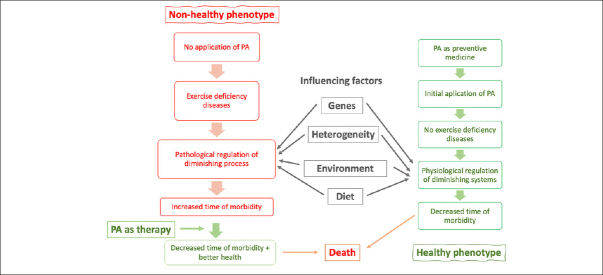
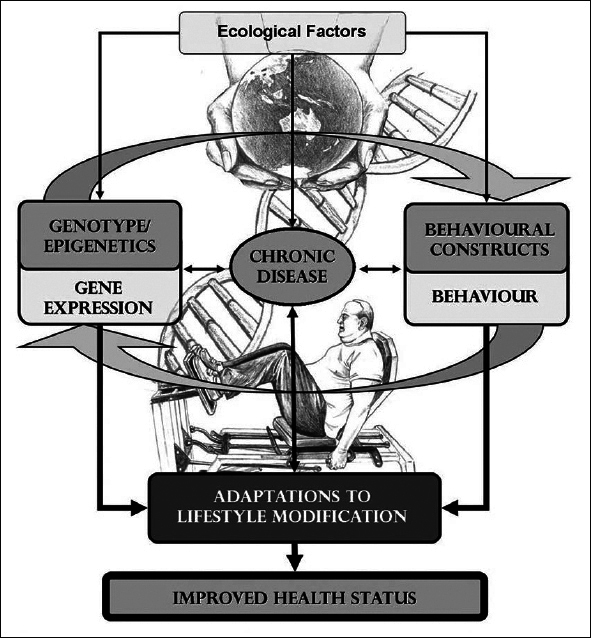
The human ageing process is universal, ubiquitous and inevitable. Every physiological function is being continuously diminished. There is a range between two distinct phenotypes of ageing, shaped by patterns of living - experiences and behaviours, and in particular by the presence or absence of physical activity (PA) and structured exercise (i.e., a sedentary lifestyle). Ageing and a sedentary lifestyle are associated with declines in muscle function and cardiorespiratory fitness, resulting in an impaired capacity to perform daily activities and maintain independent functioning. However, in the presence of adequate exercise/PA these changes in muscular and aerobic capacity with age are substantially attenuated. Additionally, both structured exercise and overall PA play important roles as preventive strategies for many chronic diseases, including cardiovascular disease, stroke, diabetes, osteoporosis, and obesity; improvement of mobility, mental health, and quality of life; and reduction in mortality, among other benefits. Notably, exercise intervention programmes improve the hallmarks of frailty (low body mass, strength, mobility, PA level, energy) and cognition, thus optimising functional capacity during ageing. In these pathological conditions exercise is used as a therapeutic agent and follows the precepts of identifying the cause of a disease and then using an agent in an evidence-based dose to eliminate or moderate the disease. Prescription of PA/structured exercise should therefore be based on the intended outcome (e.g., primary prevention, improvement in fitness or functional status or disease treatment), and individualised, adjusted and controlled like any other medical treatment. In addition, in line with other therapeutic agents, exercise shows a dose-response effect and can be individualised using different modalities, volumes and/or intensities as appropriate to the health state or medical condition. Importantly, exercise therapy is often directed at several physiological systems simultaneously, rather than targeted to a single outcome as is generally the case with pharmacological approaches to disease management. There are diseases for which exercise is an alternative to pharmacological treatment (such as depression), thus contributing to the goal of deprescribing of potentially inappropriate medications (PIMS). There are other conditions where no effective drug therapy is currently available (such as sarcopenia or dementia), where it may serve a primary role in prevention and treatment. Therefore, this consensus statement provides an evidence-based rationale for using exercise and PA for health promotion and disease prevention and treatment in older adults. Exercise prescription is discussed in terms of the specific modalities and doses that have been studied in randomised controlled trials for their effectiveness in attenuating physiological changes of ageing, disease prevention, and/or improvement of older adults with chronic disease and disability. Recommendations are proposed to bridge gaps in the current literature and to optimise the use of exercise/PA both as a preventative medicine and as a therapeutic agent.
Overview
The claims and statistics of this paper haven’t been checked yet.
Free: it reads the open-access text and checks the first 5 claims that cite a source we can check. Create a free account to check every claim.
Integrity signals
Registry
Cites
Statistics
Figures
Verification
Claims the paper makes
The claims and statistics of this paper haven’t been checked yet.
Free: it reads the open-access text and checks the first 5 claims that cite a source we can check. Create a free account to check every claim.
Claims other papers make about this one
Each is checked against this paper’s own text: does it say what the citing paper says it does?
The source backs part of the claim, not all of it — or backs it for a different population, condition or comparison.
In the citing paper
“Muscle power declines significantly with age, leading to an increased risk of physical impairment, falls, disability, and mortality [8,15].”
From Global consensus on optimal exercise recommendations for enhancing healthy longevity in older adults (ICFSR) (2025) · cites this paper as [15]
Experimental — accuracy not yet measuredThe source backs part of the claim, not all of it — or backs it for a different population, condition or comparison.
In the citing paper
“Although evidence indicates benefits for individuals ranging from robust to frail, including hospitalized older persons, power training remains underused in clinical practice [8,15,203].”
From Global consensus on optimal exercise recommendations for enhancing healthy longevity in older adults (ICFSR) (2025) · cites this paper as [15]
Experimental — accuracy not yet measuredThe source backs part of the claim, not all of it — or backs it for a different population, condition or comparison.
In the citing paper
“Aging-associated physiological changes, such as the loss of type II fast-twitch fibers and deficits in neural recruitment, can diminish power output in ways that traditional slow-velocity strength training does not address, such as the early onset of muscle force and the maximal rate of force development [15].”
From Global consensus on optimal exercise recommendations for enhancing healthy longevity in older adults (ICFSR) (2025) · cites this paper as [15]
Experimental — accuracy not yet measuredThe source backs part of the claim, not all of it — or backs it for a different population, condition or comparison.
In the citing paper
“It is also recommended that older adults participate in multicomponent exercise training, emphasizing functional balance and moderate-to-high intensity PRT at least three times per week to prevent falls [15].”
From Global consensus on optimal exercise recommendations for enhancing healthy longevity in older adults (ICFSR) (2025) · cites this paper as [15]
Experimental — accuracy not yet measuredThe source backs part of the claim, not all of it — or backs it for a different population, condition or comparison.
In the citing paper
“This cautious approach seems to stem from an unfounded fear of exercise-related injuries or the perceived risks of more vigorous activities for older adults, whereas, in reality, sedentariness is the lethal condition [15].”
From Global consensus on optimal exercise recommendations for enhancing healthy longevity in older adults (ICFSR) (2025) · cites this paper as [15]
Experimental — accuracy not yet measured
14 more claims about this paper
Create a free account to see every claim other papers make about this one.
Self-check
Percentages, sums and reported differences re-computed from the paper’s own numbers.
The self-check needs the paper’s full text.
Citations
Cites
Sarcopenia: revised European consensus on definition and diagnosis
Cruz-Jentoft, A. J., Bahat, G., Bauer, J., Boirie, Y., Bruyère, O., Cederholm, T., Cooper, C., Landi, F., Rolland, Y., Sayer, A. A., et al. (2019) · Age and Ageing · doi:10.1093/ageing/afy169 · Cited by 13,818 · cited 2×
“Sarcopenia (the loss of muscle mass, strength, and function with ageing) requires high-intensity resistance training for optimal adaptation, demonstrating the clear need to consider both modality and intensity when addressing this pervasive disease (29).”
Self-citationWorld Health Organization 2020 guidelines on physical activity and sedentary behaviour
Bull, F. C., Al-Ansari, S. S., Biddle, S., Borodulin, K., Buman, M. P., Cardon, G., Carty, C., Chaput, J.-P., Chastin, S., Chou, R., et al. (2020) · British Journal of Sports Medicine · doi:10.1136/bjsports-2020-102955 · Cited by 11,657
Tuomilehto, J., Lindström, J., Eriksson, J. G., Valle, T. T., Hämäläinen, H., Ilanne-Parikka, P., Keinänen-Kiukaanniemi, S., Laakso, M., Louheranta, A., Rastas, M., et al. (2001) · New England Journal of Medicine · doi:10.1056/nejm200105033441801 · Cited by 10,873 · cited 2×
“Based on findings from the Finnish Diabetes Study (171) and the Diabetes Prevention Program(DPP), among others (190, 191), diabetes is clearly preventable in high-risk obese adults with impaired glucose tolerance through diet and exercise intervention (192).”
The Physical Activity Guidelines for Americans
Piercy, K. L., Troiano, R. P., Ballard, R. M., Carlson, S. A., Fulton, J. E., Galuska, D. A., George, S. M., & Olson, R. D. (2018) · JAMA · doi:10.1001/jama.2018.14854 · Cited by 9,755
Garber, C. E., Blissmer, B., Deschenes, M. R., Franklin, B. A., Lamonte, M. J., Lee, I.-M., Nieman, D. C., & Swain, D. P. (2011) · Medicine & Science in Sports & Exercise · doi:10.1249/mss.0b013e318213fefb · Cited by 9,319 · cited 2×
“Exercise specialists can then use weights equivalent to 50, 60, 70, and then 80% of the 1 RM over the first four training days (i.e., 1 to 2 weeks).”
(1985) · Europe PMC (PubMed Central) · Cited by 9,143
Forouzanfar, M. H., Afshin, A., Alexander, L. T., Anderson, H. R., Bhutta, Z. A., Biryukov, S., Brauer, M., Burnett, R., Cercy, K., Charlson, F. J., et al. (2016) · The Lancet · doi:10.1016/s0140-6736(16)31679-8 · Cited by 7,698
Exercise and Physical Activity for Older Adults
Chodzko-Zajko, W. J., Proctor, D. N., Fiatarone Singh, M. A., Minson, C. T., Nigg, C. R., Salem, G. J., & Skinner, J. S. (2009) · Medicine & Science in Sports & Exercise · doi:10.1249/mss.0b013e3181a0c95c · Cited by 5,153
Self-citationStanaway, J. D., Afshin, A., Gakidou, E., Lim, S. S., Abate, D., Abate, K. H., Abbafati, C., Abbasi, N., Abbastabar, H., Abd-Allah, F., et al. (2018) · The Lancet · doi:10.1016/s0140-6736(18)32225-6 · Cited by 4,943 · cited 1×
“Estimates from 2017 indicate that not meeting PA recommendations is responsible for approximately 1.3 million deaths (17 deaths per 100,000 inhabitants) in individuals aged 25 years and over globally each year (41).”
Influential
Research works printed but not linked: 2
- World Health Organization. WHO guidelines on physical activity and sedentary behaviour. 2020. doi. 33369898
- Freiberger E Long-term effects of three multicomponent exercise interventions on physical performance and fall-related psychological outcomes in community-dwelling older adults: a randomized controlled trial J Am Geriatr Soc 60 3 2012 437 446 PubMed PMID: 22324753 10.1111/j.1532-5415.2011.03859.x 22324753 · DOI · Paper page
Cited by
Items 101–200 of 1,001
Radaelli, R., Trajano, G. S., Freitas, S. R., Izquierdo, M., Cadore, E. L., & Pinto, R. S. (2023) · Sports Medicine · doi:10.1007/s40279-022-01758-0 · Cited by 38
“Furthermore, because muscle power is an important predictor of functional capacity, strategies to develop skeletal muscle power in this population must be included in programs aiming to prevent or postpone functional limitations and subsequent disability [18].”
BackgroundInfluentialSelf-citationHetherington‐Rauth, M., Magalhães, J. P., Alcázar, J., Rosa, G. B., Correia, I. R., Ara, I., & Sardinha, L. B. (2022) · American Journal of Physical Medicine & Rehabilitation · doi:10.1097/phm.0000000000001945 · Cited by 39
“For older adults falling below the developed threshold values, multimodal exercise interventions, including a combination of aerobic, explosive resistance, balance, and flexibility training, can be prescribed to help counter further losses of muscle mass and maintain the strength and power required for performing dail…”
BackgroundLau, L. K., Tou, N. X., Jabbar, K. B. A., Tang, J. Y., Gao, J., Ding, Y. Y., & Ng, Y. S. (2023) · American Journal of Physical Medicine & Rehabilitation · doi:10.1097/phm.0000000000002246 · Cited by 39
“Given the heterogeneity of aging,(11) some have advocated for exercise prescription to be individualized and specific to certain older adult population.(5) One specific older adult population that is most likely to benefit from exercise interventions are those with frailty, a geriatric syndrome defined as “a clinical…”
BackgroundThe Interconnection Between Muscle and Bone: A Common Clinical Management Pathway
Smith, C., Sim, M., Via, J. D., Levinger, I., & Duque, G. (2023) · Calcified Tissue International · doi:10.1007/s00223-023-01146-4 · Cited by 39
“With appropriate training and supervision, PRT may also include certain exercises performed rapidly to improve muscle power, which is important for falls prevention [59, 71, 72].”
InfluentialSelf-citationChen, B., Li, M., Zhao, H., Liao, R., Lu, J., Tu, J., Zou, Y., Teng, X., Huang, Y., Liu, J., et al. (2023) · The journal of nutrition health & aging · doi:10.1007/s12603-023-2031-9 · Cited by 39
“Notably, disability is not the final state from which an individual can recover based on intervention, including exercise (8).”
The Impact of the COVID-19 Pandemic on Physical Activity, Function, and Quality of Life
Said, C. M., Batchelor, F., & Duque, G. (2022) · Clinics in Geriatric Medicine · doi:10.1016/j.cger.2022.04.003 · Cited by 38
“Recent guidelines from the World Health Organization recognize the importance of physical activity for all older people, including those with chronic health conditions and disabilities.(10,11)”
Self-citationOliveira, A., Fidalgo, A., Farinatti, P., & Monteiro, W. (2024) · Archives of Gerontology and Geriatrics · doi:10.1016/j.archger.2024.105451 · Cited by 36
Delaire, L., Courtay, A., Humblot, J., Aubertin‐Leheudre, M., Mourey, F., Racine, A. N., Gilbert, T., Niasse‐Sy, Z., & Bonnefoy, M. (2023) · Nutrients · doi:10.3390/nu15194100 · Cited by 37
“It Is generally admitted that exercise programs for older adults with frailty should include resistance (strength and power), endurance, balance and functional training; all of these types can be combined into multicomponent exercise training [21,27,42,43].”
BackgroundMethodInfluentialSelf-citationvan der Velde, N., Seppala, L. J., Herrero, Á. C., Annweiler, C., Jónsdóttir, A. B., Blain, H., Dionyssiotis, Y., Duque, S., Frith, J., Francis, B. N., et al. (2025) · European Geriatric Medicine · doi:10.1007/s41999-025-01206-y · Cited by 37
“Older adults at low risk for falls should be provided with education on fall prevention and exercise for general health [34], if interested (Fig.”
Self-citationPfeifer, L. O., Nardi, A. T. D., da Silva, L. X. N., Botton, C. E., do Nascimento, D. M., Teodoro, J. L., Schaan, B. D., & Umpierre, D. (2022) · Sports Medicine - Open · doi:10.1186/s40798-022-00422-1 · Cited by 39
“that, in response to exercise training, strength improvement might be associated with a lower age-related risk of frailty and sarcopenia [75].”
BackgroundYoussef, L., Granet, J., Marcangeli, V., Dulac, M., Hajj‐Boutros, G., Reynaud, O., Buckinx, F., Gaudreau, P., Morais, J. A., Mauriège, P., et al. (2022) · Healthcare · doi:10.3390/healthcare10071346 · Cited by 36
“Exercise training is recognized to provide major health benefits [4], and is considered an effective non-pharmacological strategy for older adults [5].”
BackgroundSelf-citationMerchant, R. A., Chan, Y. H., Anbarasan, D., & Aprahamian, I. (2023) · Brain Sciences · doi:10.3390/brainsci13060936 · Cited by 37
“Exercises which showed improvement in gait speed and handgrip strength also showed improvement in attention and cognition in community-dwelling older adults with MCR, further strengthening the intimate relationship between cognitive and physical function [18,59].”
BackgroundSelf-citationCaparrós-Manosalva, C., Garrido-Muñoz, N., Alvear-Constanzo, B., Sanzana-Laurié, S., Artigas-Arias, M., Alegría-Molina, A., Vidal-Seguel, N., Espinoza-Araneda, J., Huard, N., Pagnussat, A. S., et al. (2023) · Frontiers in Physiology · doi:10.3389/fphys.2023.1223069 · Cited by 37
“, 2019), recent research has shown that power and explosive strength training are also associated with an improvement in functional capacity reducing the incidence of falls in frail and institutionalized older people (Izquierdo et al., 2021).”
BackgroundCosta, V., Prati, J. M., Suassuna, A. D. O. B., Brito, T. S. S., da Rocha, T. F., & Gianlorenço, A. C. (2024) · Journal of Geriatric Psychiatry and Neurology · doi:10.1177/08919887241237223 · Cited by 35
“82 In general, most studies received adequate methodological quality ratings, bolstering our fi ndings.”
Amare, F., Alemu, Y., Enichalew, M., Demilie, Y., & Adamu, S. (2024) · BMC Sports Science Medicine and Rehabilitation · doi:10.1186/s13102-024-00982-7 · Cited by 37
“The current guidelines for managing adult obesity state that improving cardiometabolic health need regular multimodal exercise [18].”
BackgroundFrom molecular to physical function: The aging trajectory
Janssen, T., Lowisz, C. V., & Phillips, S. M. (2024) · Current Research in Physiology · doi:10.1016/j.crphys.2024.100138 · Cited by 35
“Guidance for the development of muscle (or at least to prevent its loss), enhancement of strength, and increased function has been comprehensively summarized (Izquierdo et al., 2021).”
Carretti, G., Manetti, M., & Marini, M. (2023) · Frontiers in Sports and Active Living · doi:10.3389/fspor.2023.1260942 · Cited by 35
Age-related and cancer-related sarcopenia: is there a difference?
Bozzetti, F. (2024) · Current Opinion in Clinical Nutrition & Metabolic Care · doi:10.1097/mco.0000000000001033 · Cited by 34
“[56], include activin [57], ActRIIB ligand, adre-nomedullin, GDF15, heat shock protein 70/90, miR21, parathyroid hormone-related protein, zinc alpha2 glycoprotein, and microRNAs .”
Moradell, A., Casajús, J. A., Moreno, L. A., & Vicente‐Rodríguez, G. (2025) · Nutrients · doi:10.3390/nu17030596 · Cited by 35
“Furthermore, specific exercise programs appear to be tailored to different aging scenarios in order to maximize their effects [17,18].”
InfluentialRodrigues, F. F., Amaro, N., Matos, R. M. N., Mendes, D., Monteiro, D., & Morouço, P. (2022) · Frontiers in Physiology · doi:10.3389/fphys.2022.1039131 · Cited by 34
“The specific benefits of an acute multicomponent exercise intervention consisting of muscular resistance, cardiorespiratory, balance, and agility exercises to attenuate the functional decline in older adults have been described in the literature (American College of Sports Medicine et al., 2009; Izquierdo et al., 2021…”
BackgroundMartínez-Velilla, N., Abizanda, P., Gómez-Pavón, J., Zambom-Ferraresi, F., Sáez de Asteasu, M. L., Fiatarone Singh, M., & Izquierdo, M. (2022) · JAMA Internal Medicine · doi:10.1001/jamainternmed.2021.7654 · Cited by 33
Self-citationHawley, S., Bell, Z. W., Huang, Y., Gibbs, J. C., & Churchward‐Venne, T. A. (2023) · Ageing Research Reviews · doi:10.1016/j.arr.2023.102023 · Cited by 33
Social isolation, loneliness, and mental health among older adults during COVID-19: a scoping review
Mushtaq, A., & Khan, M. A. (2023) · Journal of Gerontological Social Work · doi:10.1080/01634372.2023.2237076 · Cited by 34
Novel dietary strategies to manage sarcopenia
Cailleaux, P., Déchelotte, P., & Coëffier, M. (2024) · Current Opinion in Clinical Nutrition & Metabolic Care · doi:10.1097/mco.0000000000001023 · Cited by 33
Holland, C., Dravecz, N., Owens, L., Benedetto, A., Dias, I. H. K., Gow, A. J., & Broughton, S. J. (2024) · Ageing Research Reviews · doi:10.1016/j.arr.2024.102461 · Cited by 34
Schwartz, B. D., Liu, H., MacDonald, E. E., Mekari, S., & O'Brien, M. W. (2025) · GeroScience · doi:10.1007/s11357-024-01493-6 · Cited by 35
“…activity guidelines for older adults recommend accumulating at least 150 minutes of moderate-to-vigorous aerobic physical activity per week, muscle strengthening activities at least twice a week, physical activities that challenge balance, and several hours of light physical activity [12, 13].”
Revisiting skeletal myopathy and exercise training in heart failure: Emerging role of myokines
Ramírez‐Vélez, R., González, A., García‐Hermoso, A., Latasa, I., Izquierdo, M., & Díez, J. (2022) · Metabolism · doi:10.1016/j.metabol.2022.155348 · Cited by 33
Self-citationLi, P. W. C., Yu, D. S. F., Parco Ming-fai, S. I. U., Wong, S. C. K., & Chan, B. S. (2022) · Age and Ageing · doi:10.1093/ageing/afac213 · Cited by 32
Tai chi improves balance performance in healthy older adults: a systematic review and meta-analysis
Cui, Z., Xiong, J., Li, Z., & Yang, C. (2024) · Frontiers in Public Health · doi:10.3389/fpubh.2024.1443168 · Cited by 32
Liu, C.-J., Chang, W., Shin, Y. C., Hu, Y., & Morgan‐Daniel, J. (2024) · European Review of Aging and Physical Activity · doi:10.1186/s11556-024-00366-3 · Cited by 33
Carneiro, M. A. S., Franco, C. M. C., Silva, A. L., Castro-e-Souza, P., Kunevaliki, G., Izquierdo, M., Cyrino, E. S., & Padilha, C. S. (2021) · GeroScience · doi:10.1007/s11357-021-00446-7 · Cited by 33
Self-citationAssociation between dentition and frailty and cognitive function in community-dwelling older adults
Tan, L. F., Chan, Y. H., & Merchant, R. A. (2022) · BMC Geriatrics · doi:10.1186/s12877-022-03305-y · Cited by 32
“Frailty is reversible with targeted interventions such as nutrition, exercise, polypharmacy and oral health management [14, 15].”
BackgroundSelf-citationFernández‐García, Á. I., Moradell, A., Navarrete‐Villanueva, D., Subías-Perié, J., Pérez‐Gómez, J., Ara, I., González‐Gross, M., Casajús, J. A., Vicente‐Rodríguez, G., & Gómez‐Cabello, A. (2022) · International Journal of Environmental Research and Public Health · doi:10.3390/ijerph191912417 · Cited by 33
“Multicomponent Training Program: Eelder-Fit The technical content of the program is based on a specific literature review [15,35,36].”
BackgroundMethodMüller, H., Baumeister, J., Bardal, E. M., Vereijken, B., & Skjæret-Maroni, N. (2023) · Frontiers in Aging Neuroscience · doi:10.3389/fnagi.2023.1143859 · Cited by 33
“Earlier studies confirm that HR is not an adequate index of exercise intensity if participants take beta-blockers (Izquierdo et al., 2021; Jacobsen et al., 2021) since participants have a significantly lower resting HR and maximal HR with beta-blockers than without betablockers (Arena et al.”
BackgroundDiet and exercise in frailty and sarcopenia. Molecular aspects
Millan-Domingo, F., Garcia-Dominguez, E., Gambini, J., Olaso-Gonzalez, G., Viña, J., & Gomez-Cabrera, M. C. (2024) · Molecular Aspects of Medicine · doi:10.1016/j.mam.2024.101322 · Cited by 31
Heo, S.-J., & Jee, Y. (2023) · Archives of Gerontology and Geriatrics · doi:10.1016/j.archger.2023.105136 · Cited by 32
Prasertsri, P., Phoemsapthawee, J., Kuamsub, S., Poolpol, K., & Boonla, O. (2022) · Journal of Environmental and Public Health · doi:10.1155/2022/5942947 · Cited by 34
“In addition to continuous exercise, intermittent exercise is characterized by repeated short bouts of exercise separated by periods of rest [10], which may be more suited to older individuals with a sedentary lifestyle who are predisposed to a decline in aerobic capacity [11].”
BackgroundFrailty in kidney transplantation: a review on its evaluation, variation and long-term impact
Alfieri, C., Malvica, S., Cesari, M., Vettoretti, S., Benedetti, M., Cicero, E., Miglio, R., Caldiroli, L., Perna, A., Cervesato, A., et al. (2022) · Clinical Kidney Journal · doi:10.1093/ckj/sfac149 · Cited by 31
“observed in the general population [50].”
Self-citationDupont, J., Vercauteren, L., Amini, N., Lapauw, L., Schaepdryver, M. D., Poesen, K., Dedeyne, L., Verschueren, S., Tournoy, J., Koppo, K., et al. (2023) · Experimental Gerontology · doi:10.1016/j.exger.2023.112196 · Cited by 31
Qiu, B., Zhou, Y., Tao, X., Hou, X., Du, L., Lv, Y., & Yu, L. (2024) · Frontiers in Endocrinology · doi:10.3389/fendo.2024.1347399 · Cited by 32
“It is reported that the effects of exercise on health have a dose-response relationship, and that it is not more exercise that is bene fi cial, but rather the appropriate load that determines the health bene fi ts of exercise (83).”
BackgroundGlobal burden of disease related to tobacco products and trends projected: 1990–2021
Chen, Q., Zhang, C., Zhong, F., Huang, Y., Zeng, Y., & Zhang, S. (2025) · Addictive Behaviors · doi:10.1016/j.addbeh.2025.108391 · Cited by 30
Usability Study of a Multicomponent Exergame Training for Older Adults with Mobility Limitations
Thalmann, M., Ringli, L., Adcock, M., Swinnen, N., de Jong, J., Dumoulin, C. L., Guimar�ães, V., & de Bruin, E. D. (2021) · International Journal of Environmental Research and Public Health · doi:10.3390/ijerph182413422 · Cited by 30
“Individualized exercise interventions may slow down disability progression in older adults before it impacts quality of life [36,37].”
BackgroundPizarro-Mena, R. A., Durán‐Agüero, S., Parra-Soto, S. L., Vargas-Silva, F., Bello-Lepe, S., & Fuentes-Alburquenque, M. (2022) · International Journal of Environmental Research and Public Health · doi:10.3390/ijerph192315842 · Cited by 30
“, for depression due to a greater effect of PE compared to available drugs [3], in addition to facilitating the planning of time, necessary to improve health.”
BackgroundMethodResultInfluentialRodrigues, F. F., Jacinto, M., Figueiredo, N., Monteiro, A. M., & Forte, P. M. (2023) · Medicina · doi:10.3390/medicina59020371 · Cited by 30
“Researchers [12,18] of active aging argue that it begins long before people are “chronologically old.”
Backgroundde Oliveira, M. P. B., Moreira, R. D. F. C., Serrão, P. R. M. D. S., Noronha, M. A. D., Cezar, N. O. D. C., & de Andrade, L. P. (2022) · Disability and Rehabilitation · doi:10.1080/09638288.2022.2037744 · Cited by 29
L-Arginine Improves Cognitive Impairment in Hypertensive Frail Older Adults
Mone, P., Pansini, A., Jankauskas, S. S., Varzideh, F., Kansakar, U., Lombardi, A., Trimarco, V., Frullone, S., & Santulli, G. (2022) · Frontiers in Cardiovascular Medicine · doi:10.3389/fcvm.2022.868521 · Cited by 29
Ma, M., Peters, X. D., Zhang, L. M., Hornor, M. A., Christensen, K., Coleman, J., Finlayson, E. V. A., Flood, K. L., Katlic, M. R., Lagoo‐Deenadayalan, S. A., et al. (2023) · Journal of the American College of Surgeons · doi:10.1097/xcs.0000000000000723 · Cited by 29
Sáez de Asteasu, M. L., Cuevas-Lara, C., García-Hermoso, A., Ramírez-Vélez, R., Martínez-Velilla, N., Zambom-Ferraresi, F., Cadore, E. L., & Izquierdo, M. (2022) · Journal of Alzheimer's Disease · doi:10.3233/jad-220103 · Cited by 28
“Inadditiontofunctional benefits,exerciseinterventionshaveapositiveeffect onbrainhealthinolderadults[18],andseemto alsoprovidepotentialbenefitsondifferentcognitive domains(i.e.,visuospatialskills,orientation,work-ingmemory,memoryrecall,executivefunction,and…”
Self-citationTou, N. X., Goh, S. F., Harding, S. C., Tsao, M. A., Ng, T. P., & Wee, S. L. (2024) · European Review of Aging and Physical Activity · doi:10.1186/s11556-024-00363-6 · Cited by 29
“Given that poor muscle strength and frailty are both associated with falls [44, 49], higher intensity resistance training may be required to evoke noticeable improvements in frail older adults [11].”
BackgroundZhang, A., Wang, J., Wan, X., Zhang, Z., Zhao, S., Bai, S., Miao, Y., Yang, S., & Jiang, X. (2025) · JMIR mhealth and uhealth · doi:10.2196/60227 · Cited by 30
Iverson, G. L., & Terry, D. P. (2022) · Frontiers in Neurology · doi:10.3389/fneur.2021.812604 · Cited by 28
“Moreover, there is a strong rationale for using exercise and physical activity for health promotion, disease prevention, and treatment in older adults (76).”
BackgroundRelationship between diet quality and depression among Iranian older adults in Tehran
Chegini, M., Shirani, P., Omidvar, N., Eini‐Zinab, H., Pourebrahim, F., & Rezazadeh, A. (2022) · BMC Geriatrics · doi:10.1186/s12877-022-03380-1 · Cited by 28
“Background Ageing is an inevitable physiologic process of every living organism, that is associated with decreased homeostatic control, the ability to reconcile to environmental factors and the capacity for stress response [1, 2].”
BackgroundKuffel, R. L., Morin, R. T., Covinsky, K. E., Boscardin, W. J., Lohman, M. C., Li, Y., & Byers, A. L. (2023) · JAMA Psychiatry · doi:10.1001/jamapsychiatry.2022.5144 · Cited by 29
Higher resistance training volume offsets muscle hypertrophy nonresponsiveness in older individuals
Lixandrão, M. E., Bamman, M. M., VECHIN, F. C., Conceição, M. S., Telles, G. D., Longobardi, I., Damas, F., Lavin, K. M., Drummer, D. J., McAdam, J. S., et al. (2024) · Journal of Applied Physiology · doi:10.1152/japplphysiol.00670.2023 · Cited by 29
de Lima, A. P., Rogero, M. M., Viel, T. A., Garay-Malpartida, M., Aprahamian, I., & Ribeiro, S. M. L. (2021) · The journal of nutrition health & aging · doi:10.1007/s12603-021-1720-5 · Cited by 28
“A recently published international guideline on physical activity and exercise for older adults aims to facilitate the prescription of exercise by non-specialists according to several diseases or geriatric syndromes (131).”
BackgroundSelf-citationFosstveit, S. H., Lohne‐Seiler, H., Feron, J., Lucas, S. J. E., Ivarsson, A., & Berntsen, S. (2024) · Scandinavian Journal of Medicine and Science in Sports · doi:10.1111/sms.14573 · Cited by 27
Physical Activity and Exercise for Cardiorespiratory Health and Fitness in Chronic Kidney Disease
Gollie, J. M., Cohen, S. D., & Patel, S. S. (2022) · Reviews in Cardiovascular Medicine · doi:10.31083/j.rcm2308273 · Cited by 27
“Such approaches have been suggested for frail and sarcopenic populations in which a period of resistance exercise is necessary for the development of neuromuscular capacity prior to engaging in aerobic exercise [157,158].”
BackgroundPhysical exercise in liver diseases
Zhang, Y., Cao, C., Li, C., Witt, R. G., Huang, H., Tsung, A., & Zhang, H. (2024) · Hepatology · doi:10.1097/hep.0000000000000941 · Cited by 26
“[34] Resistance exercise models include weightlifting, [35] high-intensity interval exercise (HIIT), [36] and ladder climbing.”
Wu, S., Nan, J., Chang, J., Jiang, D., Cao, Z., Zhou, S., Feng, H., & Xiao, L. D. (2025) · Age and Ageing · doi:10.1093/ageing/afaf094 · Cited by 26
Exploration of Pathogenesis and Cutting-Edge Treatment Strategies of Sarcopenia: A Narrative Review
Yin, G., Liu, D., Xiao, Q., Huang, S., Li, L., Xie, B., Zhou, L., Qi, Y. P., & Liu, Y. (2025) · Clinical Interventions in Aging · doi:10.2147/cia.s517833 · Cited by 27
“149 Importantly, comprehensive exercise interventions incorporating progressive resistance training as a core component demonstrate consistent efficacy in improving muscle strength and physical function among older adults with both frailty and sarcopenia, with meta-analytic data confirming superior…”
Fang, J., Yan, W., Sun, X., & Chen, J. (2025) · Frontiers in Microbiology · doi:10.3389/fmicb.2025.1665551 · Cited by 27
“…exercise—such as brisk walking, cycling, or swimming at 50–70% of maximal heart rate for about 30–60 min per session, 3–5 times per week—is generally recommended to optimize gut microbial balance and promote SCFA production while minimizing potential adverse effects (Izquierdo et al., 2021).”
Dermott, E. J. M., Balshaw, T. G., Brooke-Wavell, K. S. F., Maden‐Wilkinson, T., & Folland, J. P. (2022) · European Journal of Applied Physiology · doi:10.1007/s00421-022-04947-x · Cited by 26
“While there has been increasing attention and some recent recommendations for older adults to engage in RT for power development (light/moderate loads moved quickly; Fragala et al. 2019; Izquierdo et al. 2021), government recommendations for older adults emphasise conventional RT for strength development, i.”
BackgroundExercise capacity in people with haemophilia: A systematic review
Cruz‐Montecinos, C., Núñez‐Cortés, R., Vasconcello‐Castillo, L., Solís‐Navarro, L., Carrasco‐Alonso, B., Calatayud, J., Pérez‐Alenda, S., & Torres‐Castro, R. (2022) · Haemophilia · doi:10.1111/hae.14646 · Cited by 26
Zhao, Y., Duan, Y., Feng, H., Nan, J., Li, X., Zhang, H., & Xiao, L. D. (2022) · Frontiers in Public Health · doi:10.3389/fpubh.2022.923767 · Cited by 26
Weight strategy in older adults with obesity: calorie restriction or not?
Colleluori, G., & Villareal, D. T. (2022) · Current Opinion in Clinical Nutrition & Metabolic Care · doi:10.1097/mco.0000000000000879 · Cited by 26
Self-citationda Silva, W. A., Martins, V. F., Haas, A. N., & Gonçalves, A. K. (2022) · International Journal of Environmental Research and Public Health · doi:10.3390/ijerph192114042 · Cited by 26
“Physical inactivity has been associated with cognitive decline, increased prevalence of chronic diseases, anxiety, and depression, and may also lead to a significant decline in functional capacity [3].”
BackgroundPapatsimpas, V., Vrouva, S., Papathanasiou, G., Papadopoulou, Μ., Bouzineki, C., Kanellopoulou, S., Moutafi, D., & Bakalidou, D. (2023) · Brain Sciences · doi:10.3390/brainsci13071112 · Cited by 27
“The resistance exercise included 2 sets of 10 exercises of 12 repetitions [55,57].”
BackgroundMethodInfluentialSong, Y., Sun, W., Wang, C., Tian, Y., Liu, H., & Jiang, Y. (2023) · Journal of Clinical Nursing · doi:10.1111/jocn.16853 · Cited by 26
Vieira, A. F., Santos, J. S., Costa, R. R., Cadore, E. L., & Macedo, R. C. O. (2022) · Sports Medicine · doi:10.1007/s40279-022-01704-0 · Cited by 25
“On the other hand, sedentary lifestyle while aging is a major risk factor for most chronic diseases as well as geriatric syndromes [3].”
BackgroundSelf-citationHansen, D., Cipriano, G., Milani, J. G. P. O., Milani, M., Gojevic, T., Machado, F. V. C., Kambič, T., Eijsvogels, T. M. H., Bonifazi, M., Dendale, P., et al. (2025) · Sports Medicine · doi:10.1007/s40279-025-02272-9 · Cited by 25
Marcos-Pardo, P. J., Espeso-García, A., Vaquero‐Cristóbal, R., Abelleira-Lamela, T., & González-Gálvez, N. (2024) · Healthcare · doi:10.3390/healthcare12070726 · Cited by 26
de Medeiros, C. S. P., Farias, L. B. A., Santana, M. C. D. L., Pacheco, T. B. F., Dantas, R. R., & Cavalcanti, F. A. D. C. (2024) · PLoS ONE · doi:10.1371/journal.pone.0306816 · Cited by 25
The weight-loss paradox in older adults: balancing fat loss with muscle preservation
Arslan, S., & Aydın, A. (2025) · Bulletin of the National Research Centre/Bulletin of the National Research Center · doi:10.1186/s42269-025-01374-8 · Cited by 25
“Resistance training (RT) is widely acknowledged as the most effective exercise modality for preserving and increasing muscle mass, strength, and physical function in older adults (Izquierdo et al. 2021; Brennan et al. 2022).”
Exercise attenuates the hallmarks of aging: Novel perspectives
Qiu, Y., Fernández‐Garcia, B., Lehmann, H. I., Li, G., Kroemer, G., López-Otín, C., & Xiao, J. (2025) · Journal of sport and health science/Journal of Sport and Health Science · doi:10.1016/j.jshs.2025.101108 · Cited by 24
“34,36,37 Importantly, exercise should be personalized for older individuals based on their specific conditions and desired outcomes.”
Alkhamis, B. A., Reddy, R. S., Alahmari, K. A., Alshahrani, M. S., Koura, G. M., Ali, O. I., Mukherjee, D., & Elrefaey, B. H. (2024) · PLoS ONE · doi:10.1371/journal.pone.0298625 · Cited by 24
“These results underscore the necessity for therapeutic strategies that prioritize muscle strengthening, balance training, and proprioceptive enhancement for individuals with Hip OA [41, 42].”
BackgroundWei, H., Liu, M., Wang, Z., Qu, W., Zhang, S., Zhang, B., Zhou, P., Long, Z., & Luan, X. (2024) · BMC Nursing · doi:10.1186/s12912-024-02408-8 · Cited by 24
“3 The stability of EI by the case-dropping bootstrapping [40], creating a vicious circle.”
BackgroundSubías-Perié, J., Navarrete‐Villanueva, D., Gómez‐Cabello, A., Vicente‐Rodríguez, G., & Casajús, J. A. (2022) · Experimental Gerontology · doi:10.1016/j.exger.2022.111713 · Cited by 24
Xu, L., Peng, A., Li, L., & Chen, L. (2023) · BMC Geriatrics · doi:10.1186/s12877-023-03737-0 · Cited by 24
Self-citationThe Management of Frailty: Barking Up the Wrong Tree
Cesari, M., Canevelli, M., Calvani, R., Aprahamian, I., Inzitari, M., & Marzetti, E. (2022) · The Journal of Frailty & Aging · doi:10.14283/jfa.2022.29 · Cited by 24
“We should be more aware that the prescription of physical activity and healthy diet is an important matter, potentially even more important than prescribing a pill because it more radically affects the individual’s living (26).”
BackgroundSelf-citationBridging the gap between strengthspan and lifespan
Faigenbaum, A. D., García‐Hermoso, A., MacDonald, J. P., Mortatti, A. L., & Rebullido, T. R. (2024) · British Journal of Sports Medicine · doi:10.1136/bjsports-2024-108357 · Cited by 24
Self-citationJiang, G., Tan, X., Zou, J., & Wu, X. (2024) · The Journal of Strength and Conditioning Research · doi:10.1519/jsc.0000000000004941 · Cited by 23
Kim, J., Yang, P., Park, B., Kang, T. S., Lim, S., Cho, S., Lee, S., Chung, Y. H., Lee, M., Kim, D., et al. (2022) · Frontiers in Cardiovascular Medicine · doi:10.3389/fcvm.2022.859277 · Cited by 23
Visser, D., Wattel, E., Gerrits, K. H. L., van der Wouden, J. C., Meiland, F. J. M., de Groot, A. J., Jansma, E. P., Hertogh, C. M. P. M., & Smit, E. B. (2022) · BMJ Open · doi:10.1136/bmjopen-2021-058056 · Cited by 24
The ABC-associated immunosenescence and lifestyle interventions in autoimmune disease
Ruan, P., Wang, S., Yang, M., & Wu, H. (2022) · Rheumatology and Immunology Research · doi:10.2478/rir-2022-0021 · Cited by 23
Wollesen, B., Herden, M., Lamberti, N., & Giannaki, C. D. (2024) · European Review of Aging and Physical Activity · doi:10.1186/s11556-024-00337-8 · Cited by 23
“…shown that gradually increasing the intensity of the exercises to levels between 70 and 80% of an individual’s one-repetition maximum (1RM) results in greater improvements in strength compared to training with lighter weights (less than 50% of 1RM) or moderate weights (less than 70% of 1RM) [23].”
BackgroundCui, J., Hao, Z., Tian, H., Yang, Y., Wang, J., & Lin, X. (2024) · Frontiers in Aging Neuroscience · doi:10.3389/fnagi.2024.1330063 · Cited by 24
Xue, J., Xi, H., Zheng, Y., Zhang, Q., & Kong, L. (2024) · Frontiers in Immunology · doi:10.3389/fimmu.2024.1385902 · Cited by 23
“The International Exercise Recommendations in Older Adults (ICFSR) recommends RT thrice weekly to promote muscle mass and performance in the older (54); RT should be performed as a long-term intervention lasting for a minimum of 12 weeks to achieve optimal effectiveness.”
MethodXu, C., Wang, Z., Liu, Y., Duan, K., & Guan, J. (2024) · Cell Biology and Toxicology · doi:10.1007/s10565-024-09877-2 · Cited by 23
“In the research on the treatment of DO, there is a growing focus on the application of GMNP E and EVs (Izquierdo et al. 2021).”
BackgroundImpact of dementia and mild cognitive impairment on bone health in older people
Curtis, E., Rosa, M. M., McEvoy, C. T., Ticinesi, A., Torre, C., Al‐Daghri, N. M., Alokail, M. S., Bałkowiec-Iskra, E., Bruyère, O., Burlet, N., et al. (2024) · Aging Clinical and Experimental Research · doi:10.1007/s40520-024-02871-y · Cited by 23
“A few years ago, the WHO and the International Conference on Frailty and Sarcopenia Research issued guidelines on PA and sedentary behaviour, with specific recommendations for older adults and those with chronic health conditions [166, 167].”
Self-citationLi, N., Wang, N., Xu, Y., Lin, S., Yuan, Y., Huang, F., & Zhu, P. (2025) · International Journal of Nursing Studies · doi:10.1016/j.ijnurstu.2025.105072 · Cited by 23
A Practice Guide for Physical Therapists Prescribing Physical Exercise for Older Adults
Baptista, F., Andias, R., Rocha, N. P., & Silva, A. G. (2024) · Journal of Aging and Physical Activity · doi:10.1123/japa.2023-0283 · Cited by 22
Exercise-Induced Biomarker Modulation in Sarcopenia: From Inflamm-Aging to Muscle Regeneration
Marmondi, F., Ferrando, V., Filipas, L., Codella, R., Ruggeri, P., Torre, A. L., Faelli, E. L., & Bonato, M. (2025) · Sports · doi:10.3390/sports13120444 · Cited by 23
“Among non-pharmacological strategies, resistance and multicomponent training are widely recommended as first-line approaches [16,33].”
Directed functional connectivity of the default-mode-network of young and older healthy subjects
Goelman, G., Dan, R., Bezdíček, O., Jech, R., & Ekstein, D. (2024) · Scientific Reports · doi:10.1038/s41598-024-54802-6 · Cited by 22
“This speculation is in line with a large body of research showing the advantages of physical activity for multiple illnesses and aging 36–38 , and with the evidence that the DMN is involved in these illnesses.”
ResultWu, S., Guo, Y., Cao, Z., Nan, J., Zhang, Q., Hu, M., Ning, H., Huang, W., Xiao, L. D., & Feng, H. (2024) · Archives of Gerontology and Geriatrics · doi:10.1016/j.archger.2024.105470 · Cited by 21
Jing, J., Zheng, Q., Dong, H., Wang, Y., Wang, P., Fan, D., & Xu, Z. (2025) · Frontiers in Physiology · doi:10.3389/fphys.2024.1488305 · Cited by 22
Aragão-Santos, J. C., Pantoja-Cardoso, A., Dos-Santos, A. C., Behm, D. G., de Moura, T. R., & Silva‐Grigoletto, M. E. D. (2023) · Archives of Gerontology and Geriatrics · doi:10.1016/j.archger.2023.105005 · Cited by 21
Data Informing Governing Body Resistance-Training Guidelines Exhibit Sex Bias: An Audit-Based Review
Pandit, A., Trần, T. B., Letton, M. E., Cowley, E. S., Gibbs, M. T., Wewege, M. A., & Hagstrom, A. D. (2023) · Sports Medicine · doi:10.1007/s40279-023-01878-1 · Cited by 23
“With the increasing participation in RT, there has been an expansion in the publication of consensus statements, with a particular emphasis on individual populations such as older adults [10, 11] and youth [12–18].”
BackgroundSarcopenia in end-stage liver disease and after liver transplantation
Leunis, S., Vandecruys, M., Craenenbroeck, A. H. V., Cornelissen, V., Bogaerts, S., Smet, S. D., & Monbaliu, D. R. L. (2023) · Acta gastro-enterologica belgica · doi:10.51821/86.2.11412 · Cited by 21
Sun, Y., Tian, Y., Cao, S., Li, L., Yu, W., Ding, Y., Wang, X., Kong, Y., Wang, X., Wang, H., et al. (2023) · BMJ Open · doi:10.1136/bmjopen-2023-071714 · Cited by 21
“33 All exercises will be performed under the supervision and guidance of well-trained family members and doctors.”
Background
Metadata
- Authors
- Izquierdo, M., Merchant, R. A., Morley, J. E., Anker, S. D., Aprahamian, I., Arai, H., Aubertin-Leheudre, M., Bernabei, R., Cadore, E. L., Cesari, M., Chen, L.-K., de Souto Barreto, P., Duque, G., Ferrucci, L., Fielding, R. A., García-Hermoso, A., Gutiérrez-Robledo, L. M., Harridge, S. D. R., Kirk, B., Kritchevsky, S., Landi, F., Lazarus, N., Martin, F. C., Marzetti, E., Pahor, M., Ramírez-Vélez, R., Rodriguez-Mañas, L., Rolland, Y., Ruiz, J. G., Theou, O., Villareal, D. T., Waters, D. L., Won, C. W., Woo, J., Vellas, B., & Singh, M. F.
- Affiliations
- National University of Singapore (SG)
- Saint Louis University (US)
- Berlin-Brandenburger Centrum für Regenerative Therapien (DE)
- Faculdade de Medicina de Jundiaí (BR)
- National Center for Geriatrics and Gerontology (JP)
- Università Cattolica del Sacro Cuore (IT)
- Universidade Federal do Rio Grande do Sul (BR)
- University of Milan (IT)
- National Yang Ming Chiao Tung University (TW)
- The University of Melbourne (AU)
- National Institute on Aging (US)
- Tufts University (US)
- King's College London (GB)
- Wake Forest University (US)
- University of Florida Health (US)
- Université Toulouse III - Paul Sabatier (FR)
- University of Miami (US)
- Dalhousie University (CA)
- Baylor College of Medicine (US)
- University of Otago (NZ)
- Kyung Hee University (KR)
- Chinese University of Hong Kong (HK)
- Centre Hospitalier Universitaire de Toulouse (FR)
- The University of Sydney (AU)
- ORCID
- Merchant, R.A.
- Morley, J.E.
- Anker, S.D.
- Aprahamian, I.
- Arai, H.
- Bernabei, R.
- Cadore, E.L.
- Cesari, M.
- Chen, L.-K.
- Duque, G.
- Ferrucci, L.
- Fielding, R.A.
- Harridge, S.D.R.
- Kirk, B.
- Kritchevsky, S.
- Landi, F.
- Lazarus, N.
- Martin, F.C.
- Marzetti, E.
- Rolland, Y.
- Ruiz, J.G.
- Theou, O.
- Villareal, D.T.
- Waters, D.L.
- Won, C. Won
- Woo, J.
- Vellas, B.
- Singh, M. Fiatarone
- Venue
- The Journal of nutrition, health and aging
- Publisher
- Elsevier BV
- Published
- 2021-07
- Volume
- 25
- Issue
- 7
- Pages
- 824-853
- ISSN
- 1279-7707 (ISSN-L)
- PMC
- PMC12369211
- OpenAlex
- W3191864380
- Cited by
- 1,247
- References
- 294
- Citations by year
- 2026: 228 · 2025: 323 · 2024: 314 · 2023: 209 · 2022: 159 · 2021: 14
- FWCI
- 109.50
- Type
- journal article
- Language
- en
- Open access
- hybrid
- doi.org
- Licence
- cc-by
- www.elsevier.com/tdm/userlicense/1.0/ (tdm)
- www.elsevier.com/legal/tdmrep-license (tdm)
- creativecommons.org/licenses/by/4.0/ (vor, 29 d)
- Locations
- The journal of nutrition health & aging (publishedVersion, cc-by)
- PubMed Central (publishedVersion, cc-by)
- PubMed (publishedVersion)
- Academica-e (Universidad Pública de Navarra) (submittedVersion, cc-by)
- HAL (submittedVersion, cc-by)
- Minerva Access (University of Melbourne) (submittedVersion, cc-by)
- Research Portal (King's College London) (submittedVersion, other-oa)
- Funders
- Centro de Investigación Biomédica en Red Fragilidad y Envejecimiento Saludable
- National Institutes of Health
- Instituto de Salud Carlos III (CP18/0150)
- National Institute on Aging
- Topics
- Health Sciences › Medicine › Public Health, Environmental and Occupational Health › Physical Activity and Health
- Health Sciences › Medicine › Physiology (medical) › Cardiovascular and exercise physiology
- Health Sciences › Medicine › Geriatrics and Gerontology › Frailty in Older Adults
- Keywords
- older adults, physical activity, exercise modalities, exercise dose-response, sedentary lifestyle, frailty, sarcopenia, dementia, chronic disease prevention, functional capacity, exercise therapy, deprescribing, medication overuse, quality of life, mobility (physical function), cardiorespiratory fitness, muscle function, quality-adjusted life years, cost-effectiveness, health promotion
- MeSH terms
- Frailty, Aged, Aging, Exercise Therapy, Health Promotion, Humans, Phenotype, Quality of Life, Exercise, Sedentary Behavior
About these checks
Registry, retraction, Cites and statistics results are computed, not judged, with one exception: a printed reference that no index lists is read once by a model before it counts as a citation error. Claims are extracted by a model and kept only when their quote appears verbatim in the text; each cited source is then checked, with a model’s help, for whether it says what the claim relies on. Those verdicts can be wrong — read the claim’s quote and the cited source before relying on one.
Statistics and arithmetic are recomputed, not judged.
Confidence bands are shown only for fields calibrated on our annotated test set. None is calibrated yet, so no band is shown.
What counts as a claim ›How we measure confidence ›How we check this ›
Are you an author, or do you see a problem with this page? Request a review
Data sources
Bibliographic data: Semantic Scholar, OpenAlex, Crossref.
Contains information from the Semantic Scholar Academic Graph Datasets, made available under the ODC Attribution License (ODC-BY 1.0).
Semantic Scholar’s data is described in: Kinney, R., et al. (2023). The Semantic Scholar Open Data Platform. arXiv:2301.10140.
