

New avenues for systematically inferring cell-cell communication: through single-cell transcriptomics data
Open accessThe DOI matches its Crossref record; 88 of the 88 references it cites were found in a registry or an index.
Abstract
For multicellular organisms, cell-cell communication is essential to numerous biological processes. Drawing upon the latest development of single-cell RNA-sequencing (scRNA-seq), high-resolution transcriptomic data have deepened our understanding of cellular phenotype heterogeneity and composition of complex tissues, which enables systematic cell-cell communication studies at a single-cell level. We first summarize a common workflow of cell-cell communication study using scRNA-seq data, which often includes data preparation, construction of communication networks, and result validation. Two common strategies taken to uncover cell-cell communications are reviewed, e.g., physically vicinal structure-based and ligand-receptor interaction-based one. To conclude, challenges and current applications of cell-cell communication studies at a single-cell resolution are discussed in details and future perspectives are proposed.
Overview
The claims and statistics of this paper haven’t been checked yet.
Free: it reads the open-access text and checks the first 5 claims that cite a source we can check. Create a free account to check every claim.
Integrity signals
Registry
Cites
Statistics
Figures
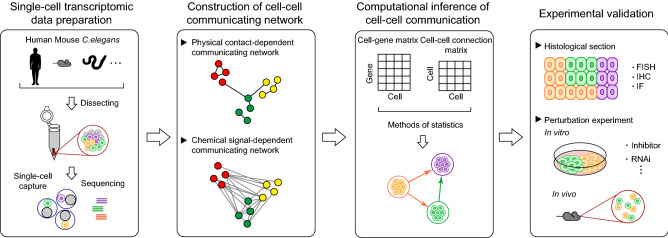
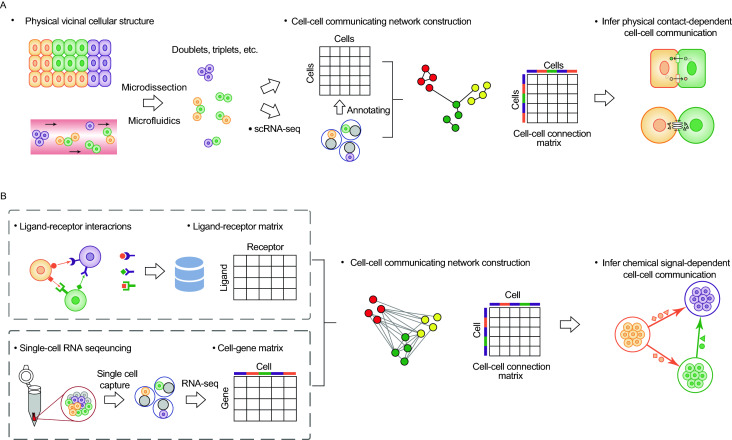
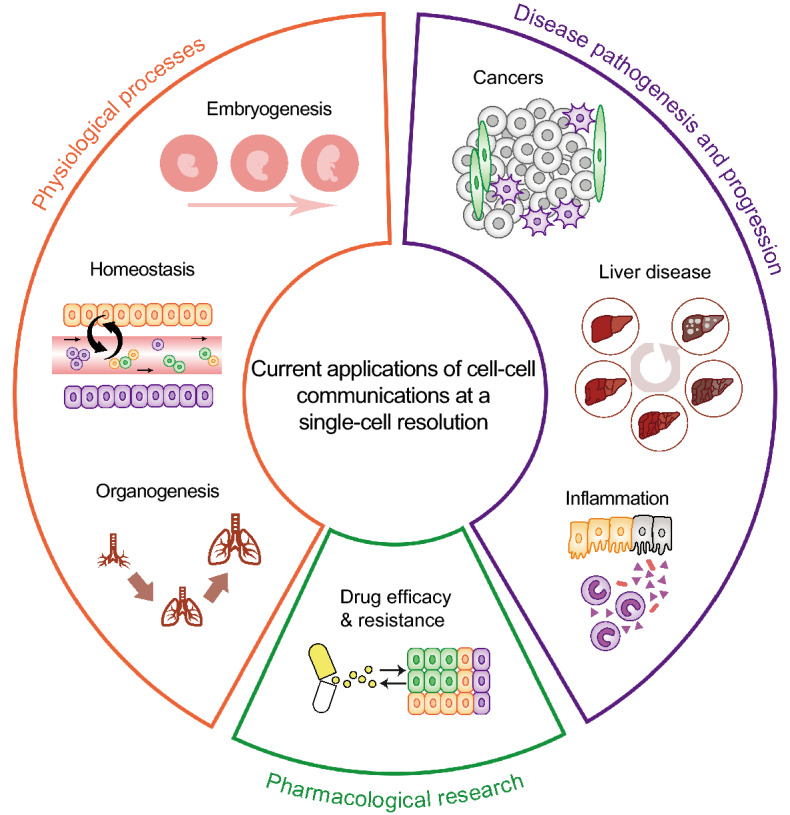
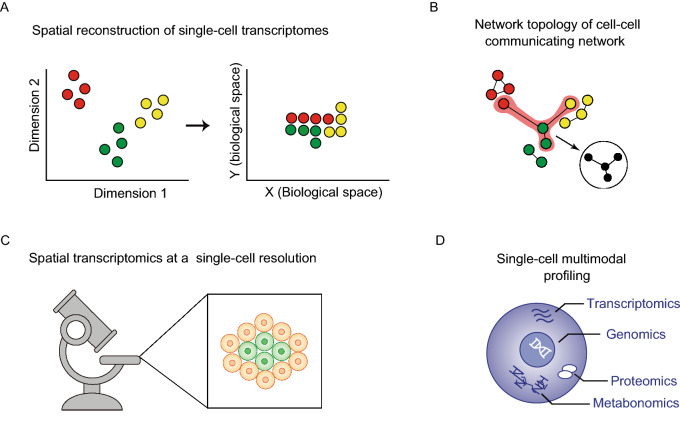
Verification
Claims the paper makes
The claims and statistics of this paper haven’t been checked yet.
Free: it reads the open-access text and checks the first 5 claims that cite a source we can check. Create a free account to check every claim.
Claims other papers make about this one
Each is checked against this paper’s own text: does it say what the citing paper says it does?
In the citing paper
“Yet, scRNA-seq data inherently contains gene expression information that could be used to infer such intercellular communications6,7.”
From Inference and analysis of cell-cell communication using CellChat (2021) · cites this paper as [6]
Self-check
Percentages, sums and reported differences re-computed from the paper’s own numbers.
The self-check needs the paper’s full text.
Citations
Cites
Network biology: understanding the cell's functional organization
Barabási, A.-L., & Oltvai, Z. N. (2004) · Nature Reviews Genetics · doi:10.1038/nrg1272 · Cited by 7,903 · cited 1×
“Analysis on network topology and features may help scientists predict system behavior (Albert et al., 2000; Barabasi and Oltvai 2004; Xue et al., 2020).”
BackgroundError and attack tolerance of complex networks
Albert, R., Jeong, H., & Barabási, A.-L. (2000) · Nature · doi:10.1038/35019019 · Cited by 7,534 · cited 1×
“Analysis on network topology and features may help scientists predict system behavior (Albert et al., 2000; Barabasi and Oltvai 2004; Xue et al., 2020).”
BackgroundMassively parallel digital transcriptional profiling of single cells
Zheng, G. X. Y., Terry, J. M., Belgrader, P., Ryvkin, P., Bent, Z. W., Wilson, R., Ziraldo, S. B., Wheeler, T. D., McDermott, G. P., Zhu, J., et al. (2017) · Nature Communications · doi:10.1038/ncomms14049 · Cited by 7,353 · cited 4×
“Brie fl y, during the data acquisition, the single-cell transcriptomic data of the specimen are collected through various scRNA-seq platforms, including the widely-used 10x Genomics (Zheng et al., 2017), as well as CEL-seq (Hashimshony et al., 2012), Smart-seq2 (Picelli et al., 2013), MARS-seq (Jaitin et al., 2014), et…”
InfluentialHighly parallel genome-wide expression profiling of individual cells using nanoliter droplets.
Macosko, E. Z., Basu, A., Satija, R., Nemesh, J., Shekhar, K., Goldman, M., Tirosh, I., Bialas, A. R., Kamitaki, N., Martersteck, E. M., et al. (2015) · Cell · doi:10.1016/j.cell.2015.05.002 · Cited by 7,110 · cited 2×
“…RNA sequencing (scRNA-seq) have enabled the simultaneous classi fi cation of thousands of cells in a single assay based on transcriptome pro fi ling (Macosko et al., 2015; Klein et al., 2015), which result in the characterization of several novel or rare cell-types that have been limitedly reported…”
MethodSpatial reconstruction of single-cell gene expression data
Satija, R., Farrell, J. A., Gennert, D., Schier, A. F., & Regev, A. (2015) · Nature Biotechnology · doi:10.1038/nbt.3192 · Cited by 7,055 · cited 1×
“Fortu-nately, spatial reconstruction of single-cell transcriptomes has attracted much attention recently and future improvements in this area may help address the limitations (Satija et al., 2015; Halpern et al., 2017; Nitzan et al., 2019).”
BackgroundError and attack tolerance of complex networks
Albert, R., Jeong, H., & Barabási, A.-Ĺ. (2000) · RePEc: Research Papers in Economics · Cited by 6,460
Aran, D., Looney, A. P., Liu, L., Wu, E., Fong, V., Hsu, A., Chak, S., Naikawadi, R. P., Wolters, P. J., Abate, A. R., et al. (2019) · Nature Immunology · doi:10.1038/s41590-018-0276-y · Cited by 4,984 · cited 2×
“The common practice is to identify cell types with the known cell markers based on the pre-computed cell clusters such as scCATCH (Shao et al., 2020), or to mark cells by comparing the similarity of single-cell expression pro fi les with reference database using Sin-gleR Aran et al. (2019) and scMap (Kiselev et al., 20…”
MethodDissecting the multicellular ecosystem of metastatic melanoma by single-cell RNA-seq
Tirosh, I., Izar, B., Prakadan, S. M., Wadsworth, M. H., Treacy, D., Trombetta, J. J., Rotem, A., Rodman, C., Lian, C., Murphy, G., et al. (2016) · Science · doi:10.1126/science.aad0501 · Cited by 4,944 · cited 2×
“…et al., 2018), and organogenesis (Cohen et al., 2018; Scott and Guilliams 2018), as well as disease pathogenesis and progression for cancers (Tirosh et al., 2016; Kumar et al., 2018), liver diseases (Xiong et al., 2019) and in fl ammation (Duan et al., 2018; Martin et al., 2019), and…”
BackgroundInsights into the regulation of protein abundance from proteomic and transcriptomic analyses
Vogel, C., & Marcotte, E. M. (2012) · Nature Reviews Genetics · doi:10.1038/nrg3185 · Cited by 4,195 · cited 1×
“…scRNA-seq techniques (Cao et al., 2017), it has been a common practice to use mRNA concentrations as proxies for the concentrations and activities of the corresponding proteins, assuming that gene expression levels are the main determinant of protein abundances (Vogel and Marcotte 2012).”
MethodEfremova, M., Vento-Tormo, M., Teichmann, S. A., & Vento-Tormo, R. (2020) · Nature Protocols · doi:10.1038/s41596-020-0292-x · Cited by 3,449 · cited 2×
“…(Ramilowski et al., 2015), which enables the use of scRNA-seq to construct cell-cell communicating network based on differentially expressed gene levels of ligands and receptors to infer potential cell-cell communications such as CellPhoneDB (Efremova et al., 2020) and SoptSC (Wang et al., 2019).”
BackgroundDroplet barcoding for single-cell transcriptomics applied to embryonic stem cells
Klein, A. M., Mazutis, L., Akartuna, I., Tallapragada, N., Veres, A., Li, V., Peshkin, L., Weitz, D. A., & Kirschner, M. W. (2015) · Cell · doi:10.1016/j.cell.2015.04.044 · Cited by 3,356 · cited 2×
“…have enabled the simultaneous classi fi cation of thousands of cells in a single assay based on transcriptome pro fi ling (Macosko et al., 2015; Klein et al., 2015), which result in the characterization of several novel or rare cell-types that have been limitedly reported (Grun et al.,…”
BackgroundSimultaneous epitope and transcriptome measurement in single cells
Stoeckius, M., Hafemeister, C., Stephenson, W., Houck-Loomis, B., Chattopadhyay, P. K., Swerdlow, H., Satija, R., & Smibert, P. (2017) · Nature Methods · doi:10.1038/nmeth.4380 · Cited by 3,098 · cited 2×
“For example, CITE-seq (Stoeckius et al., 2017) and REAP-seq (Peterson et al., 2017) have realized the simultaneous measurements of whole transcriptome of mRNA and proteins, while sci-CAR have enabled the measurements of whole transcriptome of mRNA and chromatin accessibility simultaneously (Cao et al., 2018).”
MethodSlide-seq: A scalable technology for measuring genome-wide expression at high spatial resolution
Rodriques, S. G., Stickels, R. R., Goeva, A., Martin, C. A., Murray, E., Vanderburg, C. R., Welch, J., Chen, L. M., Chen, F., & Macosko, E. Z. (2019) · Science · doi:10.1126/science.aaw1219 · Cited by 2,424 · cited 1×
“With the great advances in spatial transcriptomics-related techniques over the recent years (Wang et al. 2018; Eng et al., 2019; Rodriques et al., 2019), it is likely that future single-cell spatial position and single-cell transcriptome analysis will be able to simultaneously measure both the…”
BackgroundSmart-seq2 for sensitive full-length transcriptome profiling in single cells
Picelli, S., Björklund, Å. K., Faridani, O. R., Sagasser, S., Winberg, G., & Sandberg, R. (2013) · Nature Methods · doi:10.1038/nmeth.2639 · Cited by 2,358 · cited 3×
“Brie fl y, during the data acquisition, the single-cell transcriptomic data of the specimen are collected through various scRNA-seq platforms, including the widely-used 10x Genomics (Zheng et al., 2017), as well as CEL-seq (Hashimshony et al., 2012), Smart-seq2 (Picelli et al., 2013), MARS-seq (Jaitin et al., 2014), et…”
MethodSingle-cell reconstruction of the early maternal–fetal interface in humans
Vento-Tormo, R., Efremova, M., Botting, R. A., Turco, M. Y., Vento-Tormo, M., Meyer, K. B., Park, J.-E., Stephenson, E., Polański, K., Goncalves, A., et al. (2018) · Nature · doi:10.1038/s41586-018-0698-6 · Cited by 2,358 · cited 3×
“…communication network construction and analysis between cell types or cells, which present in the studies by Martin et al. (2019), Kumar et al. (2018), Vento-Tormo et al. (2018), Hu et al. (2019), Fernandez et al. (2019), Skelly et al. (2018), Wang et al. (2019) and Camp et al. (2017).”
BackgroundMethodMassively parallel single-cell RNA-seq for marker-free decomposition of tissues into cell types
Jaitin, D. A., Kenigsberg, E., Keren-Shaul, H., Elefant, N., Paul, F., Zaretsky, I., Mildner, A., Cohen, N., Jung, S., Tanay, A., et al. (2014) · Science · doi:10.1126/science.1247651 · Cited by 1,795 · cited 1×
“The dynamic communicating network formed through communication and cooperation between cells plays crucial roles in numerous biological processes (Petersen et al., 1999; Kirouac et al., 2009; Wang et al., 2013).”
BackgroundTranscriptome-scale super-resolved imaging in tissues by RNA seqFISH
Eng, C.-H. L., Lawson, M., Zhu, Q., Dries, R., Koulena, N., Takei, Y., Yun, J., Cronin, C., Karp, C., Yuan, G.-C., et al. (2019) · Nature · doi:10.1038/s41586-019-1049-y · Cited by 1,754 · cited 1×
“With the great advances in spatial transcriptomics-related techniques over the recent years (Wang et al. 2018; Eng et al., 2019; Rodriques et al., 2019), it is likely that future single-cell spatial position and single-cell transcriptome analysis will be able to simultaneously measure both the…”
BackgroundThree-dimensional intact-tissue sequencing of single-cell transcriptional states
Wang, X., Allen, W. E., Wright, M. A., Sylwestrak, E. L., Samusik, N., Vesuna, S., Evans, K., Liu, C., Ramakrishnan, C., Liu, J., et al. (2018) · Science · doi:10.1126/science.aat5691 · Cited by 1,620 · cited 1×
“With the great advances in spatial transcriptomics-related techniques over the recent years (Wang et al. 2018; Eng et al., 2019; Rodriques et al., 2019), it is likely that future single-cell spatial position and single-cell transcriptome analysis will be able to simultaneously measure both the…”
BackgroundCellMarker: a manually curated resource of cell markers in human and mouse
Zhang, X., Lan, Y., Xu, J., Quan, F., Zhao, E., Deng, C., Luo, T., Xu, L., Liao, G., Yan, M., et al. (2019) · Nucleic Acids Research · doi:10.1093/nar/gky900 · Cited by 1,524 · cited 1×
“After annotation of the cell identities with known cell makers (Zhang et al., 2019) or reference database, cell-cell communication between marked cells can be systematically determined using computational methods based on cell-cell communicating network analysis and further validated with in vitro…”
MethodIntegrative single-cell analysis
Stuart, T., & Satija, R. (2019) · Nature Reviews Genetics · doi:10.1038/s41576-019-0093-7 · Cited by 1,460 · cited 1×
“4D), aiming at the simultaneous pro fi ling on multiple types of molecule within a single cell (Stuart and Satija 2019; Zhu et al., 2020).”
BackgroundCao, J., Packer, J. S., Ramani, V., Cusanovich, D. A., Huynh, C., Daza, R., Qiu, X., Lee, C., Furlan, S. N., Steemers, F. J., et al. (2017) · doi:10.1101/104844 · Cited by 1,402
Bandura, D. R., Baranov, V. I., Ornatsky, O. I., Antonov, A., Kinach, R., Lou, X., Pavlov, S., Vorobiev, S., Dick, J. E., & Tanner, S. D. (2009) · Analytical Chemistry · doi:10.1021/ac901049w · Cited by 1,295 · cited 1×
“Aebersold 2018), single-cell mass cytometry (CyTOF) (Bandura et al., 2009), and single cell proteomics by mass spectrometry (SCoPE-MS) (Budnik et al., 2018).”
BackgroundSingle-cell messenger RNA sequencing reveals rare intestinal cell types
Grün, D., Lyubimova, A., Kester, L., Wiebrands, K., Basak, O., Sasaki, N., Clevers, H., & van Oudenaarden, A. (2015) · Nature · doi:10.1038/nature14966 · Cited by 1,234 · cited 1×
“…have enabled the simultaneous classi fi cation of thousands of cells in a single assay based on transcriptome pro fi ling (Macosko et al., 2015; Klein et al., 2015), which result in the characterization of several novel or rare cell-types that have been limitedly reported (Grun et al., 2015).”
BackgroundCEL-seq: single-cell RNA-seq by multiplexed linear amplification
Hashimshony, T., Wagner, F., Sher, N., & Yanai, I. (2012) · Cell Reports · doi:10.1016/j.celrep.2012.08.003 · Cited by 1,231 · cited 2×
“Brie fl y, during the data acquisition, the single-cell transcriptomic data of the specimen are collected through various scRNA-seq platforms, including the widely-used 10x Genomics (Zheng et al., 2017), as well as CEL-seq (Hashimshony et al., 2012), Smart-seq2 (Picelli et al., 2013), MARS-seq (Jaitin et al., 2014), et…”
MethodNeutrophils escort circulating tumour cells to enable cell cycle progression
Szczerba, B. M., Castro-Giner, F., Vetter, M., Krol, I., Gkountela, S., Landin, J., Scheidmann, M. C., Donato, C., Scherrer, R., Singer, J., et al. (2019) · Nature · doi:10.1038/s41586-019-0915-y · Cited by 1,225 · cited 2×
“Similarly, Szczerba et al. collected CTCs structures from patients with breast cancer using a micro fl uidic device and observed that some CTCs structures consisted of the CTCs and white blood cells (WBCs) by staining with known cell-surface markers (Szczerba et al., 2019).”
MethodSingle-cell spatial reconstruction reveals global division of labour in the mammalian liver
Halpern, K. B., Shenhav, R., Matcovitch-Natan, O., Tóth, B., Lemze, D., Golan, M., Massasa, E. E., Baydatch, S., Landen, S., Moor, A. E., et al. (2017) · Nature · doi:10.1038/nature21065 · Cited by 1,059 · cited 1×
“Fortu-nately, spatial reconstruction of single-cell transcriptomes has attracted much attention recently and future improvements in this area may help address the limitations (Satija et al., 2015; Halpern et al., 2017; Nitzan et al., 2019).”
BackgroundSingle-cell RNA-seq reveals dynamic paracrine control of cellular variation
Shalek, A. K., Satija, R., Shuga, J., Trombetta, J. J., Gennert, D., Lu, D., Chen, P., Gertner, R. S., Gaublomme, J. T., Yosef, N., et al. (2014) · Nature · doi:10.1038/nature13437 · Cited by 1,000 · cited 1×
“…scRNA-seq-based cell-cell communication studies can be applied to reveal the in-depth mechanisms as they can elucidate the signals that initiate the communication and how the communication is regulated and maintained underlying crucial biological processes (Shalek et al., 2014; Burns et al., 2015).”
BackgroundSingle-cell immune landscape of human atherosclerotic plaques
Fernandez, D. M., Rahman, A. H., Fernandez, N. F., Chudnovskiy, A., Amir, E.-A. D., Amadori, L., Khan, N. S., Wong, C. K., Shamailova, R., Hill, C. A., et al. (2019) · Nature Medicine · doi:10.1038/s41591-019-0590-4 · Cited by 970 · cited 1×
“…communication network construction and analysis between cell types or cells, which present in the studies by Martin et al. (2019), Kumar et al. (2018), Vento-Tormo et al. (2018), Hu et al. (2019), Fernandez et al. (2019), Skelly et al. (2018), Wang et al. (2019) and Camp et al. (2017).”
BackgroundJoint profiling of chromatin accessibility and gene expression in thousands of single cells
Cao, J., Cusanovich, D. A., Ramani, V., Aghamirzaie, D., Pliner, H. A., Hill, A. J., Daza, R. M., McFaline-Figueroa, J. L., Packer, J. S., Christiansen, L., et al. (2018) · Science · doi:10.1126/science.aau0730 · Cited by 938 · cited 2×
“…CITE-seq (Stoeckius et al., 2017) and REAP-seq (Peterson et al., 2017) have realized the simultaneous measurements of whole transcriptome of mRNA and proteins, while sci-CAR have enabled the measurements of whole transcriptome of mRNA and chromatin accessibility simultaneously (Cao et al., 2018).”
BackgroundMethodA draft network of ligand–receptor-mediated multicellular signalling in human
Ramilowski, J. A., Goldberg, T., Harshbarger, J., Kloppmann, E., Lizio, M., Satagopam, V. P., Itoh, M., Kawaji, H., Carninci, P., Rost, B., et al. (2015) · Nature Communications · doi:10.1038/ncomms8866 · Cited by 887 · cited 2×
“…results about chemical signals for decades, thousands of ligand-receptor interacting pairs have been de fi ned and validated experimentally (Ramilowski et al., 2015), which enables the use of scRNA-seq to construct cell-cell communicating network based on differentially expressed gene…”
BackgroundMethodMartin, J. C., Chang, C., Boschetti, G., Ungaro, R., Giri, M., Grout, J. A., Gettler, K., Chuang, L.-S., Nayar, S., Greenstein, A. J., et al. (2019) · Cell · doi:10.1016/j.cell.2019.08.008 · Cited by 872 · cited 4×
“…as disease pathogenesis and progression for cancers (Tirosh et al., 2016; Kumar et al., 2018), liver diseases (Xiong et al., 2019) and in fl ammation (Duan et al., 2018; Martin et al., 2019), and pharmacological research of pharmacological treatment and drug resistance (Martin et al., 2019) (Fig.”
BackgroundInfluentialMultiplexed quantification of proteins and transcripts in single cells
Peterson, V. M., Zhang, K. X., Kumar, N., Wong, J., Li, L., Wilson, D. C., Moore, R., McClanahan, T. K., Sadekova, S., & Klappenbach, J. A. (2017) · Nature Biotechnology · doi:10.1038/nbt.3973 · Cited by 832 · cited 3×
“, 2017) and REAP-seq (Peterson et al., 2017) have realized the simultaneous measurements of whole transcriptome of mRNA and proteins, while sci-CAR have enabled the measurements of whole transcriptome of mRNA and chromatin accessibility simultaneously (Cao et al.”
BackgroundMethodBudnik, B., Levy, E., Harmange, G., & Slavov, N. (2018) · Genome Biology · doi:10.1186/s13059-018-1547-5 · Cited by 832 · cited 2×
“Aebersold 2018), single-cell mass cytometry (CyTOF) (Bandura et al., 2009), and single cell proteomics by mass spectrometry (SCoPE-MS) (Budnik et al., 2018).”
BackgroundXiong, X., Kuang, H., Ansari, S., Liu, T., Gong, J., Wang, S., Zhao, X.-Y., Ji, Y., Li, C., Guo, L., et al. (2019) · Molecular Cell · doi:10.1016/j.molcel.2019.07.028 · Cited by 784 · cited 6×
“In addition, Xiong et al. applied scRNA-seq to liver cells and determined the hepatic stellate cells as the core origin of secreted stellakines during the development of NASH (Xiong et al., 2019).”
BackgroundInfluentialA single-cell resolution map of mouse hematopoietic stem and progenitor cell differentiation
Nestorowa, S., Hamey, F. K., Pijuan Sala, B., Diamanti, E., Shepherd, M., Laurenti, E., Wilson, N. K., Kent, D. G., & Göttgens, B. (2016) · Blood · doi:10.1182/blood-2016-05-716480 · Cited by 768 · cited 1×
“For example, megakaryocyte-erythroid progenitor cells from the bone marrow (Nestorowa et al., 2016), Lgr5 - positive stem cells from the intestine (Gao et al., 2018), and type I spiral ganglion neurons from the mouse brain (Shrestha et al., 2018).”
Backgroundscmap: projection of single-cell RNA-seq data across data sets
(2018) · doi:10.1038/nmeth.4644 · Cited by 735 · cited 1×
“…et al., 2020), or to mark cells by comparing the similarity of single-cell expression pro fi les with reference database using Sin-gleR Aran et al. (2019) and scMap (Kiselev et al., 2018), prepared for the subsequent the construction of cell-based or cell-type-based cell-cell communicating network.”
MethodKumar, V., Donthireddy, L., Marvel, D., Condamine, T., Wang, F., Lavilla-Alonso, S., Hashimoto, A., Vonteddu, P., Behera, R., Goins, M. A., et al. (2017) · Cancer Cell · doi:10.1016/j.ccell.2017.10.005 · Cited by 653 · cited 2×
“, 2013), while cancer-associated fibroblasts (CAFs) collaborate with tumor-associated macrophages (TAMs) in the tumor microenvironment to promote tumor progression (Kumar et al., 2017).”
BackgroundMultilineage communication regulates human liver bud development from pluripotency
Camp, J. G., Sekine, K., Gerber, T., Loeffler-Wirth, H., Binder, H., Gac, M., Kanton, S., Kageyama, J., Damm, G., Seehofer, D., et al. (2017) · Nature · doi:10.1038/nature22796 · Cited by 621 · cited 4×
“…communication network construction and analysis between cell types or cells, which present in the studies by Martin et al. (2019), Kumar et al. (2018), Vento-Tormo et al. (2018), Hu et al. (2019), Fernandez et al. (2019), Skelly et al. (2018), Wang et al. (2019) and Camp et al. (2017).”
BackgroundInfluentialZepp, J. A., Zacharias, W. J., Frank, D. B., Cavanaugh, C. A., Zhou, S., Morley, M. P., & Morrisey, E. E. (2017) · Cell · doi:10.1016/j.cell.2017.07.034 · Cited by 567 · cited 7×
“sequenced lung mesenchymal cells at a single-cell resolution and identified epithelial-mesenchymal communications critical for lung homeostasis and regeneration (Zepp et al., 2017).”
BackgroundMethodInfluentialSingle-Cell RNA-Seq Analysis Maps Development of Human Germline Cells and Gonadal Niche Interactions
Li, L., Dong, J., Yan, L., Yong, J., Liu, X., Hu, Y., Fan, X., Wu, X., Guo, H., Wang, X., et al. (2017) · Cell Stem Cell · doi:10.1016/j.stem.2017.03.007 · Cited by 561 · cited 4×
“What ’ s more, some scRNA-seq-based studies on cell-cell communication, e.g., Zhang et al. (2018), Zepp et al. (2017), Duan et al. (2018), Dong et al. (Li et al., 2017) and Rajbhandari et al. (2019), majorly rely on the prior knowledge to de fi ne potential cell-cell communication, wherein the mechanism underlying thes…”
BackgroundInfluentialSelf-citationSkelly, D. A., Squiers, G. T., McLellan, M. A., Bolisetty, M. T., Robson, P., Rosenthal, N. A., & Pinto, A. R. (2018) · Cell Reports · doi:10.1016/j.celrep.2017.12.072 · Cited by 560 · cited 3×
“…communication network construction and analysis between cell types or cells, which present in the studies by Martin et al. (2019), Kumar et al. (2018), Vento-Tormo et al. (2018), Hu et al. (2019), Fernandez et al. (2019), Skelly et al. (2018), Wang et al. (2019) and Camp et al. (2017).”
BackgroundTranscriptome Landscape of Human Folliculogenesis Reveals Oocyte and Granulosa Cell Interactions
Zhang, Y., Yan, Z., Qin, Q., Nisenblat, V., Chang, H.-M., Yu, Y., Wang, T., Lu, C., Yang, M., Yang, S., et al. (2018) · Molecular Cell · doi:10.1016/j.molcel.2018.10.029 · Cited by 485 · cited 3×
“evaluated the transcriptomes of the cells using scRNAseq and recapitulated the dynamic mechanism of transcriptional regulation between oocytes and GCs during folliculogenesis (Zhang et al., 2018).”
BackgroundMethodSensory neuron diversity in the inner ear is shaped by activity
Shrestha, B. R., Chia, C., Wu, L., Kujawa, S. G., Liberman, M. C., & Goodrich, L. V. (2018) · Cell · doi:10.1016/j.cell.2018.07.007 · Cited by 432 · cited 1×
“For example, megakaryocyte-erythroid progenitor cells from the bone marrow (Nestorowa et al., 2016), Lgr5 - positive stem cells from the intestine (Gao et al., 2018), and type I spiral ganglion neurons from the mouse brain (Shrestha et al., 2018).”
BackgroundKumar, M. P., Du, J., Lagoudas, G., Jiao, Y., Sawyer, A., Drummond, D. C., Lauffenburger, D. A., & Raue, A. (2018) · Cell Reports · doi:10.1016/j.celrep.2018.10.047 · Cited by 421 · cited 3×
“…function (Skelly et al., 2018), immune and non-immune cells during lung development (Zepp et al., 2017; Cohen et al., 2018), malignant and non-malignant cells of tumor microenvironment (Kumar et al., 2018), and nervous and immune cells against infection (Duan et al., 2018), etc. (Tables 1 – 3).”
BackgroundLung Single-Cell Signaling Interaction Map Reveals Basophil Role in Macrophage Imprinting
Cohen, M., Giladi, A., Gorki, A.-D., Solodkin, D. G., Zada, M., Hladik, A., Miklosi, A., Salame, T.-M., Halpern, K. B., David, E., et al. (2018) · Cell · doi:10.1016/j.cell.2018.09.009 · Cited by 421 · cited 4×
“…to related fi elds including physiological processes, such as embryogenesis (Li et al., 2017), homeostasis (Boisset et al., 2018), and organogenesis (Cohen et al., 2018; Scott and Guilliams 2018), as well as disease pathogenesis and progression for cancers (Tirosh et al., 2016; Kumar et al., 2018),…”
BackgroundInfluentialSingle-cell multimodal omics: the power of many
Zhu, C., Preissl, S., & Ren, B. (2020) · Nature Methods · doi:10.1038/s41592-019-0691-5 · Cited by 386 · cited 1×
“4D), aiming at the simultaneous pro fi ling on multiple types of molecule within a single cell (Stuart and Satija 2019; Zhu et al., 2020).”
BackgroundCell–cell adhesion and signalling
Braga, V. M. M. (2002) · Current Opinion in Cell Biology · doi:10.1016/s0955-0674(02)00373-3 · Cited by 331 · cited 1×
“Secreted signaling molecules play fundamental roles in chemical signal-dependent cell-cell communications for both physically vicinal cells and distant cells (Braga 2002).”
BackgroundCopy number variation is highly correlated with differential gene expression: a pan-cancer study
Shao, X., Lv, N., Liao, J., Long, J., Xue, R., Ai, N., Xu, D., & Fan, X. (2019) · BMC Medical Genetics · doi:10.1186/s12881-019-0909-5 · Cited by 320 · cited 1×
“Compared to genome and proteome, transcriptome analysis provides knowledge of the molecular linkages between genetic information and the proteome, leading to a comprehensive understanding of biological processes including the cell-cell communications (Song et al., 2019; Shao et al., 2019).”
BackgroundSelf-citationSequencing thousands of single-cell genomes with combinatorial indexing
Vitak, S. A., Torkenczy, K. A., Rosenkrantz, J. L., Fields, A. J., Christiansen, L., Wong, M. H., Carbone, L., Steemers, F. J., & Adey, A. (2017) · Nature Methods · doi:10.1038/nmeth.4154 · Cited by 294 · cited 1×
“Great progresses have been made on detection and analytic techniques for single-cell measurements of copy number variation, protein abundance and metabolic level, etc. (Vitak et al., 2017; Swaminathan et al., 2018; Collins and Aebersold 2018; Zhang and Vertes 2018).”
BackgroundscCATCH: Automatic Annotation on Cell Types of Clusters from Single-Cell RNA Sequencing Data
Shao, X., Liao, J., Lu, X., Xue, R., Ai, N., & Fan, X. (2020) · iScience · doi:10.1016/j.isci.2020.100882 · Cited by 286 · cited 1×
“The common practice is to identify cell types with the known cell markers based on the pre-computed cell clusters such as scCATCH (Shao et al., 2020), or to mark cells by comparing the similarity of single-cell expression pro fi les with reference database using Sin-gleR Aran et al. (2019) and scMap…”
MethodSelf-citationNitzan, M., Karaiskos, N., Friedman, N., & Rajewsky, N. (2019) · Nature · doi:10.1038/s41586-019-1773-3 · Cited by 284 · cited 1×
“Fortu-nately, spatial reconstruction of single-cell transcriptomes has attracted much attention recently and future improvements in this area may help address the limitations (Satija et al., 2015; Halpern et al., 2017; Nitzan et al., 2019).”
BackgroundRecent advances in microfluidic technologies for cell-to-cell interaction studies
Rothbauer, M., Zirath, H., & Ertl, P. (2018) · Lab on a Chip · doi:10.1039/c7lc00815e · Cited by 277 · cited 2×
“Besides, some microfluidics-based cell co-culture technology also emerges by detecting ligand-receptor interactions or cell migration to discover the dynamic cell-cell communication (Rothbauer et al., 2018).”
BackgroundSingle‐Cell Mass Spectrometry Approaches to Explore Cellular Heterogeneity
Zhang, L., & Vertes, A. (2018) · Angewandte Chemie International Edition · doi:10.1002/anie.201709719 · Cited by 276 · cited 2×
“Great progresses have been made on detection and analytic techniques for single-cell measurements of copy number variation, protein abundance and metabolic level, etc. (Vitak et al., 2017; Swaminathan et al., 2018; Collins and Aebersold 2018; Zhang and Vertes 2018).”
BackgroundSingle-cell RNA-Seq resolves cellular complexity in sensory organs from the neonatal inner ear
Burns, J. C., Kelly, M. C., Hoa, M., Morell, R. J., & Kelley, M. W. (2015) · Nature Communications · doi:10.1038/ncomms9557 · Cited by 253 · cited 1×
“…scRNA-seq-based cell-cell communication studies can be applied to reveal the in-depth mechanisms as they can elucidate the signals that initiate the communication and how the communication is regulated and maintained underlying crucial biological processes (Shalek et al., 2014; Burns et al., 2015).”
BackgroundA dream of single-cell proteomics
Marx, V. (2019) · Nature Methods · doi:10.1038/s41592-019-0540-6 · Cited by 249 · cited 2×
“Single-cell genomics and transcriptomics re fl ect the cellular genealogy and can track cells as they evolve and change through mutations (Marx 2019).”
BackgroundIntercellular Communication and Cell-Cell Adhesio n
Singer, S. J. (1992) · Science · doi:10.1126/science.1313187 · Cited by 243 · cited 1×
“Cell-cell communication, also known as cell-cell interaction, is an essential feature of multicellular organisms (Singer 1992).”
BackgroundMacrophages support pathological erythropoiesis in polycythemia vera and β-thalassemia
Ramos, P., Casu, C., Gardenghi, S., Breda, L., Crielaard, B. J., Guy, E., Marongiu, M. F., Gupta, R., Levine, R. L., Abdel-Wahab, O., et al. (2013) · Nature Medicine · doi:10.1038/nm.3126 · Cited by 227 · cited 2×
“Macrophages in the bone marrow are known to directly interact with erythroblasts in erythroblastic islands to facilitate their maturation (Ramos et al., 2013), while cancer-associated fibroblasts (CAFs) collaborate with tumor-associated macrophages (TAMs) in the tumor microenvironment to promote tumor progression (Kum…”
BackgroundHighly parallel single-molecule identification of proteins in zeptomole-scale mixtures
Swaminathan, J., Boulgakov, A. A., Hernandez, E. T., Bardo, A. M., Bachman, J. L., Marotta, J., Johnson, A. M., Anslyn, E. V., & Marcotte, E. M. (2018) · Nature Biotechnology · doi:10.1038/nbt.4278 · Cited by 218 · cited 2×
“Good examples are single-cell proteomic and metabolic techniques including parallel sequencing (Swaminathan et al., 2018; Collins and”
BackgroundMethodDuan, L., Zhang, X.-D., Miao, W.-Y., Sun, Y.-J., Xiong, G., Wu, Q., Li, G., Yang, P., Yu, H., Li, H., et al. (2018) · Neuron · doi:10.1016/j.neuron.2018.08.030 · Cited by 216 · cited 3×
“What ’ s more, some scRNA-seq-based studies on cell-cell communication, e.g., Zhang et al. (2018), Zepp et al. (2017), Duan et al. (2018), Dong et al. (Li et al., 2017) and Rajbhandari et al. (2019), majorly rely on the prior knowledge to de fi ne potential cell-cell communication, wherein the…”
BackgroundGao, S., Yan, L., Wang, R., Li, J., Yong, J., Zhou, X., Wei, Y., Wu, X., Wang, X., Fan, X., et al. (2018) · Nature Cell Biology · doi:10.1038/s41556-018-0105-4 · Cited by 213 · cited 1×
“For example, megakaryocyte-erythroid progenitor cells from the bone marrow (Nestorowa et al., 2016), Lgr5 - positive stem cells from the intestine (Gao et al., 2018), and type I spiral ganglion neurons from the mouse brain (Shrestha et al., 2018).”
BackgroundSelf-citationZhou, B., Liu, C., Xu, L., Yuan, Y., Zhao, J., Zhao, W., Chen, Y., Qiu, J., Meng, M., Zheng, Y., et al. (2021) · Hepatology · doi:10.1002/hep.31220 · Cited by 194
Single-cell multimodal profiling reveals cellular epigenetic heterogeneity
Cheow, L. F., Courtois, E. T., Tan, Y., Viswanathan, R., Xing, Q., Tan, R. Z., Tan, D. S. W., Robson, P., Loh, Y.-H., Quake, S. R., et al. (2016) · Nature Methods · doi:10.1038/nmeth.3961 · Cited by 192 · cited 1×
“Increasing evidence has demonstrated extensive cellular heterogeneity within a group cells and the existence of previously unknown cell types (Cheow et al., 2016).”
BackgroundRajbhandari, P., Arneson, D., Hart, S. K., Ahn, I. S., Diamante, G., Santos, L. C., Zaghari, N., Feng, A.-C., Thomas, B. J., Vergnes, L., et al. (2019) · eLife · doi:10.7554/elife.49501 · Cited by 174 · cited 2×
“…studies on cell-cell communication, e.g., Zhang et al. (2018), Zepp et al. (2017), Duan et al. (2018), Dong et al. (Li et al., 2017) and Rajbhandari et al. (2019), majorly rely on the prior knowledge to de fi ne potential cell-cell communication, wherein the mechanism underlying these…”
Background[Erythroblastic island, functional unity of bone marrow].
BESSIS, M. C. (1958) · PubMed · Cited by 170
Chapter 2 The Erythroblastic Island
Manwani, D., & Bieker, J. J. (2008) · Current Topics in Developmental Biology · doi:10.1016/s0070-2153(07)00002-6 · Cited by 168 · cited 1×
“Based on the substantial experiments, the mechanism and function underlying erythroblastic island have been fully elucidated gradually (Manwani and Bieker 2008).”
BackgroundMapping the physical network of cellular interactions
Boisset, J.-C., Vivié, J., Grün, D., Muraro, M. J., Lyubimova, A., & van Oudenaarden, A. (2018) · Nature Methods · doi:10.1038/s41592-018-0009-z · Cited by 161 · cited 4×
“Great efforts have been devoted to related fi elds including physiological processes, such as embryogenesis (Li et al., 2017), homeostasis (Boisset et al., 2018), and organogenesis (Cohen et al., 2018; Scott and Guilliams 2018), as well as disease pathogenesis and progression for cancers (Tirosh et…”
BackgroundMethodInfluentialThe Hormone-Induced Regulation of Contact-Dependent Cell-Cell Communication by Phosphorylation*
Stagg, R. B., & FLETCHER, W. H. (1990) · Endocrine Reviews · doi:10.1210/edrv-11-2-302 · Cited by 159 · cited 2×
“In multicellular organisms, cell function are often perturbed when neighboring cells dysfunction or are absent, which indicates the importance of physical contact-dependent communication during biological processes (Stagg and Fletcher 1990).”
BackgroundCell lineage and communication network inference via optimization for single-cell transcriptomics
Wang, S., Karikomi, M., MacLean, A. L., & Nie, Q. (2019) · Nucleic Acids Research · doi:10.1093/nar/gkz204 · Cited by 154 · cited 3×
“…communication network construction and analysis between cell types or cells, which present in the studies by Martin et al. (2019), Kumar et al. (2018), Vento-Tormo et al. (2018), Hu et al. (2019), Fernandez et al. (2019), Skelly et al. (2018), Wang et al. (2019) and Camp et al. (2017).”
BackgroundCell–cell interaction networks regulate blood stem and progenitor cell fate
Kirouac, D. C., Madlambayan, G. J., Yu, M., Sykes, E. A., Ito, C. Y., & Zandstra, P. W. (2009) · Molecular Systems Biology · doi:10.1038/msb.2009.49 · Cited by 135 · cited 1×
“The dynamic communicating network formed through communication and cooperation between cells plays crucial roles in numerous biological processes (Petersen et al., 1999; Kirouac et al., 2009; Wang et al., 2013).”
BackgroundHu, Y., Wang, X., Hu, B., Mao, Y., Chen, Y., Yan, L., Yong, J., Dong, J., Wei, Y., Wang, W., et al. (2019) · PLOS Biology · doi:10.1371/journal.pbio.3000365 · Cited by 128 · cited 4×
“…communication network construction and analysis between cell types or cells, which present in the studies by Martin et al. (2019), Kumar et al. (2018), Vento-Tormo et al. (2018), Hu et al. (2019), Fernandez et al. (2019), Skelly et al. (2018), Wang et al. (2019) and Camp et al. (2017).”
BackgroundMethodInfluentialCD4 T Cells Induce A Subset of MHCII-Expressing Microglia that Attenuates Alzheimer Pathology
Mittal, K., Eremenko, E., Berner, O., Elyahu, Y., Strominger, I., Apelblat, D., Nemirovsky, A., Spiegel, I., & Monsonego, A. (2019) · iScience · doi:10.1016/j.isci.2019.05.039 · Cited by 114 · cited 1×
“…the key genetic events (copy number variations (Pan et al., 2020), mutations (Zheng et al., 2019, etc.), genes (Zhou 2020), RNAs (miRNAs Xu et al. (2019), lncRNAs (Lin et al., 2019, etc.), proteins Shao et al. (2016), signaling pathways (Liao et al., 2018), or key cells (Mittal et al., 2019), etc.”
BackgroundLin, X., Spindler, T. J., Fonseca, M. A. D. S., Corona, R. I., Seo, J.-H., Dezem, F. S., Li, L., Lee, J. M., Long, H. W., Sellers, T. A., et al. (2019) · iScience · doi:10.1016/j.isci.2019.06.025 · Cited by 90 · cited 1×
“…the key genetic events (copy number variations (Pan et al., 2020), mutations (Zheng et al., 2019, etc.), genes (Zhou 2020), RNAs (miRNAs Xu et al. (2019), lncRNAs (Lin et al., 2019, etc.), proteins Shao et al. (2016), signaling pathways (Liao et al., 2018), or key cells (Mittal et al., 2019), etc.”
BackgroundPetersen, F., Bock, L., Flad, H., & Brandt, E. (1999) · Blood · doi:10.1182/blood.v94.12.4020 · Cited by 76
Cell communication across gap junctions: a historical perspective and current developments
Evans, W. H. (2015) · Biochemical Society Transactions · doi:10.1042/bst20150056 · Cited by 74 · cited 1×
“Whereas, it may be dif fi cult to identify contact-dependent communication via transmembrane proteins or gap junctions (Evans 2015) rather than ligand-receptor interactions.”
BackgroundSingle cell transcriptomics: moving towards multi-omics
Song, Y., Xu, X., Wang, W., Tian, T., Zhu, Z., & Yang, C. J. (2019) · The Analyst · doi:10.1039/c8an01852a · Cited by 61 · cited 1×
“Compared to genome and proteome, transcriptome analysis provides knowledge of the molecular linkages between genetic information and the proteome, leading to a comprehensive understanding of biological processes including the cell-cell communications (Song et al., 2019; Shao et al., 2019).”
BackgroundWang, X., Song, W., Kawazoe, N., & Chen, G. (2013) · Journal of Biomedical Materials Research Part A · doi:10.1002/jbm.a.34645 · Cited by 55 · cited 1×
“The dynamic communicating network formed through communication and cooperation between cells plays crucial roles in numerous biological processes (Petersen et al., 1999; Kirouac et al., 2009; Wang et al., 2013).”
BackgroundZheng, G., Jiang, C., Li, Y., Yang, D., Ma, Y., Zhang, B., Li, X., Zhang, P., Hu, X., Zhao, X., et al. (2019) · Protein & Cell · doi:10.1007/s13238-018-0563-2 · Cited by 48 · cited 1×
“…of pharmacological treatment and drug resistance by focusing on the key genetic events (copy number variations (Pan et al., 2020), mutations (Zheng et al., 2019, etc.), genes (Zhou 2020), RNAs (miRNAs Xu et al. (2019), lncRNAs (Lin et al., 2019, etc.), proteins Shao et al. (2016), signaling…”
BackgroundDetection of a High-Turnover Serotonin Circuit in the Mouse Brain Using Mass Spectrometry Imaging
Sugiyama, E., Guerrini, M. M., Honda, K., Hattori, Y., Abe, M., Källback, P., Andrén, P. E., Tanaka, K. F., Setou, M., Fagarasan, S., et al. (2019) · iScience · doi:10.1016/j.isci.2019.09.036 · Cited by 46 · cited 1×
“…of chemical signal-dependent cell-cell communications, single-cell proteomics can capture the direct abundance of signaling proteins, while single-cell metabonomics can examine the content of signaling metabolites such as hormone (Pfaff and Baum 2018), neurotransmitter (Sugiyama et al., 2019).”
BackgroundLiao, J., Cui, H., Huang, W., Shao, X., Song, Y., Liu, L., Ai, N., & Fan, X. (2018) · Journal of Ethnopharmacology · doi:10.1016/j.jep.2018.08.029 · Cited by 41 · cited 1×
“…the key genetic events (copy number variations (Pan et al., 2020), mutations (Zheng et al., 2019, etc.), genes (Zhou 2020), RNAs (miRNAs Xu et al. (2019), lncRNAs (Lin et al., 2019, etc.), proteins Shao et al. (2016), signaling pathways (Liao et al., 2018), or key cells (Mittal et al., 2019), etc.”
BackgroundSelf-citationUnraveling cell-to-cell signaling networks with chemical biology
Gartner, Z. J., Prescher, J. A., & Lavis, L. D. (2017) · Nature Chemical Biology · doi:10.1038/nchembio.2391 · Cited by 37 · cited 1×
“Communication between cells are partly mediated through secreted signaling molecules, such as cytokines and hormones (Si-card 1986; Gartner et al., 2017).”
BackgroundXue, R., Liao, J., Shao, X., Han, K., Long, J., Shao, L., Ai, N., & Fan, X. (2019) · Chemical Research in Toxicology · doi:10.1021/acs.chemrestox.9b00238 · Cited by 33 · cited 1×
“Analysis on network topology and features may help scientists predict system behavior (Albert et al., 2000; Barabasi and Oltvai 2004; Xue et al., 2020).”
BackgroundSelf-citationPfaff, D. W., & Baum, M. J. (2017) · Molecular and Cellular Endocrinology · doi:10.1016/j.mce.2017.10.018 · Cited by 32 · cited 1×
“…of chemical signal-dependent cell-cell communications, single-cell proteomics can capture the direct abundance of signaling proteins, while single-cell metabonomics can examine the content of signaling metabolites such as hormone (Pfaff and Baum 2018), neurotransmitter (Sugiyama et al., 2019).”
BackgroundShao, X., Ai, N., Xu, D., & Fan, X. (2016) · Spectrochimica Acta Part A Molecular and Biomolecular Spectroscopy · doi:10.1016/j.saa.2016.02.015 · Cited by 32 · cited 1×
“…the key genetic events (copy number variations (Pan et al., 2020), mutations (Zheng et al., 2019, etc.), genes (Zhou 2020), RNAs (miRNAs Xu et al. (2019), lncRNAs (Lin et al., 2019, etc.), proteins Shao et al. (2016), signaling pathways (Liao et al., 2018), or key cells (Mittal et al., 2019), etc.”
BackgroundSelf-citationA miRNA-HERC4 pathway promotes breast tumorigenesis by inactivating tumor suppressor LATS1
Xu, Y., Ji, K., Wu, M., Yao, K., Yao, K.-T., & Xu, Y. (2019) · Protein & Cell · doi:10.1007/s13238-019-0607-2 · Cited by 27 · cited 1×
“…focusing on the key genetic events (copy number variations (Pan et al., 2020), mutations (Zheng et al., 2019, etc.), genes (Zhou 2020), RNAs (miRNAs Xu et al. (2019), lncRNAs (Lin et al., 2019, etc.), proteins Shao et al. (2016), signaling pathways (Liao et al., 2018), or key cells (Mittal et al.,…”
Backgroundrs953413 Regulates Polyunsaturated Fatty Acid Metabolism by Modulating ELOVL2 Expression
Pan, G., Cavalli, M., Carlsson, B., Skrtic, S., Kumar, C., & Wadelius, C. (2020) · iScience · doi:10.1016/j.isci.2019.100808 · Cited by 26 · cited 1×
“…and pharmacological research of pharmacological treatment and drug resistance by focusing on the key genetic events (copy number variations (Pan et al., 2020), mutations (Zheng et al., 2019, etc.), genes (Zhou 2020), RNAs (miRNAs Xu et al. (2019), lncRNAs (Lin et al., 2019, etc.), proteins…”
BackgroundCollins, B. C., & Aebersold, R. H. (2018) · Nature Biotechnology · doi:10.1038/nbt.4288 · Cited by 17 · cited 1×
“Great progresses have been made on detection and analytic techniques for single-cell measurements of copy number variation, protein abundance and metabolic level, etc. (Vitak et al., 2017; Swaminathan et al., 2018; Collins and Aebersold 2018; Zhang and Vertes 2018).”
BackgroundTissue Unit-ed: Lung Cells Team up to Drive Alveolar Macrophage Development
Scott, C. L., & Guilliams, M. (2018) · Cell · doi:10.1016/j.cell.2018.10.031 · Cited by 14 · cited 2×
“…physiological processes, such as embryogenesis (Li et al., 2017), homeostasis (Boisset et al., 2018), and organogenesis (Cohen et al., 2018; Scott and Guilliams 2018), as well as disease pathogenesis and progression for cancers (Tirosh et al., 2016; Kumar et al., 2018), liver diseases…”
BackgroundHormones, neurosecretions, and growth factors as signal molecules for intercellular communication
Sicard, R. E. (1986) · Developmental & Comparative Immunology · doi:10.1016/0145-305x(86)90011-x · Cited by 4 · cited 1×
“Communication between cells are partly mediated through secreted signaling molecules, such as cytokines and hormones (Sicard 1986; Gartner et al., 2017).”
Background
Research works printed but not linked: 2
- Cao J Packer JS Ramani V Cusanovich DA Huynh C Daza R Qiu X Lee C Furlan SN Steemers FJ Comprehensive single-cell transcriptional profiling of a multicellular organism Science 2017 357 661 667 28818938 PMC5894354 · doi:10.1126/science.aam8940 · Paper page
- Zhang L Vertes A Single-cell mass spectrometry approaches to explore cellular heterogeneity Angew Chem Int Ed Engl 2018 57 4466 4477 29218763 · DOI · Paper page
Cited by
Inference and analysis of cell-cell communication using CellChat
Jin, S., Guerrero-Juarez, C. F., Zhang, L., Chang, I., Ramos, R., Kuan, C.-H., Myung, P., Plikus, M. V., & Nie, Q. (2021) · Nature Communications · doi:10.1038/s41467-021-21246-9 · Cited by 8,409
CellChat for systematic analysis of cell–cell communication from single-cell transcriptomics
Jin, S., Plikus, M. V., & Nie, Q. (2025) · Nature Protocols · doi:10.1038/s41596-024-01045-4 · Cited by 1,448
Deciphering cell–cell interactions and communication from gene expression
Armingol, E., Officer, A., Harismendy, O., & Lewis, N. E. (2021) · Nature Reviews Genetics · doi:10.1038/s41576-020-00292-x · Cited by 1,267
Cell-cell communication: New insights and clinical implications
Su, J., Song, Y., Zhu, Z., Huang, X., Fan, J., Qiao, J., & Mao, F. (2024) · Signal Transduction and Targeted Therapy · doi:10.1038/s41392-024-01888-z · Cited by 433
CellTalkDB: a manually curated database of ligand–receptor interactions in humans and mice
Shao, X., Liao, J., Li, C., Lu, X., Cheng, J., & Fan, X. (2021) · Briefings in Bioinformatics · doi:10.1093/bib/bbaa269 · Cited by 292
Self-citation
Metadata
- Authors
- Shao, X., Lu, X., Liao, J., Chen, H., & Fan, X.
- Venue
- Protein & Cell
- Publisher
- Oxford University Press (OUP)
- Published
- 2020-05-21
- Volume
- 11
- Issue
- 12
- Pages
- 866-880
- ISSN
- 1674-800X (ISSN-L)
- 1674-8018
- PMC
- PMC7719148
- OpenAlex
- W3026876979
- Cited by
- 159
- References
- 88
- FWCI
- 5.39
- Type
- journal article
- Language
- en
- Open access
- gold
- Licence
- creativecommons.org/licenses/by/4.0 (tdm)
- creativecommons.org/licenses/by/4.0 (vor)
About these checks
Registry, retraction, Cites and statistics results are computed, not judged, with one exception: a printed reference that no index lists is read once by a model before it counts as a citation error. Claims are extracted by a model and kept only when their quote appears verbatim in the text; each cited source is then checked, with a model’s help, for whether it says what the claim relies on. Those verdicts can be wrong — read the claim’s quote and the cited source before relying on one.
Statistics and arithmetic are recomputed, not judged.
Confidence bands are shown only for fields calibrated on our annotated test set. None is calibrated yet, so no band is shown.
What counts as a claim ›How we measure confidence ›How we check this ›
Are you an author, or do you see a problem with this page? Request a review
Data sources
Bibliographic data: Semantic Scholar, OpenAlex, Crossref.
Contains information from the Semantic Scholar Academic Graph Datasets, made available under the ODC Attribution License (ODC-BY 1.0).
Semantic Scholar’s data is described in: Kinney, R., et al. (2023). The Semantic Scholar Open Data Platform. arXiv:2301.10140.
