

Gut Microbiota and the Neuroendocrine System
Open accessThe DOI matches its Crossref record; 141 of the 142 references it cites were found in a registry or an index.
Abstract
The microbial ecosystem that inhabits the gastrointestinal tract of all mammals-the gut microbiota-has been in a symbiotic relationship with its hosts over many millennia. Thanks to modern technology, the myriad of functions that are controlled or modulated by the gut microbiota are beginning to unfold. One of the systems that is emerging to closely interact with the gut microbiota is the body's major neuroendocrine system that controls various body processes in response to stress, the hypothalamic-pituitary-adrenal (HPA) axis. This interaction is of pivotal importance; as various disorders of the microbiota-gut-brain axis are associated with dysregulation of the HPA axis. The present contribution describes the bidirectional communication between the gut microbiota and the HPA axis and delineates the potential underlying mechanisms. In this regard, it is important to note that the communication between the gut microbiota and the HPA axis is closely interrelated with other systems, such as the immune system, the intestinal barrier and blood-brain barrier, microbial metabolites, and gut hormones, as well as the sensory and autonomic nervous systems. These communication pathways will be exemplified through preclinical models of early life stress, beneficial roles of probiotics and prebiotics, evidence from germ-free mice, and antibiotic-induced modulation of the gut microbiota.
Overview
The claims and statistics of this paper haven’t been checked yet.
Free: it reads the open-access text and checks the first 5 claims that cite a source we can check. Create a free account to check every claim.
Integrity signals
Registry
Cites
Statistics
Figures
Verification
Claims the paper makes
The claims and statistics of this paper haven’t been checked yet.
Free: it reads the open-access text and checks the first 5 claims that cite a source we can check. Create a free account to check every claim.
Claims other papers make about this one
Each is checked against this paper’s own text: does it say what the citing paper says it does?
The source backs part of the claim, not all of it — or backs it for a different population, condition or comparison.
In the citing paper
“Similar to aging, dysbiosis has been associated with increased cortisol secretion, decreased negative feedback at the level of the hypothalamus, and changes in the circadian rhythm of cortisol release (113).”
From Signalling cognition: The gut microbiota and hypothalamic-pituitary-adrenal axis (2023) · cites this paper as [113]
Experimental — accuracy not yet measuredThe cited source says what the claim attributes to it.
In the citing paper
“This relationship, like the microbiota-gut-brain axis itself, is bidirectional -the microbiota can modulate stress-induced alterations in anxiety, memory, cognition and neuroinflammation (for reviews, see Cussotto et al., 2018;Farzi et al., 2018;Foster et al., 2017;Rea et al., 2016;Sherwin et al., 2016a).”
From The Microbiota-Gut-Brain Axis (2019) · cites this paper as Farzi et al., 2018
Self-check
Percentages, sums and reported differences re-computed from the paper’s own numbers.
The self-check needs the paper’s full text.
Citations
Cites
From inflammation to sickness and depression: when the immune system subjugates the brain
Dantzer, R., O'Connor, J. C., Freund, G. G., Johnson, R. W., & Kelley, K. W. (2008) · Nature Reviews Neuroscience · doi:10.1038/nrn2297 · Cited by 7,395 · cited 1×
“The nucleus of the solitary tract is of particular importance with regard to the gut– brain axis, as it receives visceral afferents from the vagus nerve and is activated by inflammatory challenges [37, 38].”
BackgroundEpigenetic programming by maternal behavior
Weaver, I. C. G., Cervoni, N., Champagne, F. A., D'Alessio, A. C., Sharma, S., Seckl, J. R., Dymov, S., Szyf, M., & Meaney, M. J. (2004) · Nature Neuroscience · doi:10.1038/nn1276 · Cited by 6,177
Commensal microbe-derived butyrate induces the differentiation of colonic regulatory T cells
Furusawa, Y., Obata, Y., Fukuda, S., Endo, T. A., Nakato, G., Takahashi, D., Nakanishi, Y., Uetake, C., Kato, K., Kato, T., et al. (2013) · Nature · doi:10.1038/nature12721 · Cited by 5,549
The gut microbiota shapes intestinal immune responses during health and disease
Round, J. L., & Mazmanian, S. K. (2009) · Nature Reviews Immunology · doi:10.1038/nri2515 · Cited by 5,029
Bravo, J. A., Forsythe, P., Chew, M. V., Escaravage, E., Savignac, H. M., Dinan, T. G., Bienenstock, J., & Cryan, J. F. (2011) · Proceedings of the National Academy of Sciences · doi:10.1073/pnas.1102999108 · Cited by 3,888 · cited 10×
“rhamnosus in BALB/c mice are not present in vagotimized mice, the vagus nerve is suggested to be a critical pathway of communication between probiotic signaling and the CNS [77].”
BackgroundInfluentialHost microbiota constantly control maturation and function of microglia in the CNS
Erny, D., Hrabě de Angelis, A. L., Jaitin, D., Wieghofer, P., Staszewski, O., David, E., Keren-Shaul, H., Mahlakoiv, T., Jakobshagen, K., Buch, T., et al. (2015) · Nature Neuroscience · doi:10.1038/nn.4030 · Cited by 3,569 · cited 7×
“As the behavioral effects in response to L. rhamnosus in BALB/c mice are not present in vagotimized mice, the vagus nerve is suggested to be a critical pathway of communication between probiotic signaling and the CNS [77].”
BackgroundInfluentialGut microbiota, metabolites and host immunity
Rooks, M. G., & Garrett, W. S. (2016) · Nature reviews. Immunology · doi:10.1038/nri.2016.42 · Cited by 3,409 · cited 1×
“YY (PYY) from intestinal enteroendocrine cells [56].”
Normal gut microbiota modulates brain development and behavior
Heijtz, R. D., Wang, S., Anuar, F., Qian, Y., Björkholm, B., Samuelsson, A., Hibberd, M. L., Forssberg, H., & Pettersson, S. (2011) · Proceedings of the National Academy of Sciences · doi:10.1073/pnas.1010529108 · Cited by 3,228 · cited 4×
“↑ synaptophysin + PSD-95 (striatum) [97]”
BackgroundInfluentialSudo, N., Chida, Y., Aiba, Y., Sonoda, J., Oyama, N., Yu, X., Kubo, C., & Koga, Y. (2004) · The Journal of Physiology · doi:10.1113/jphysiol.2004.063388 · Cited by 2,735 · cited 6×
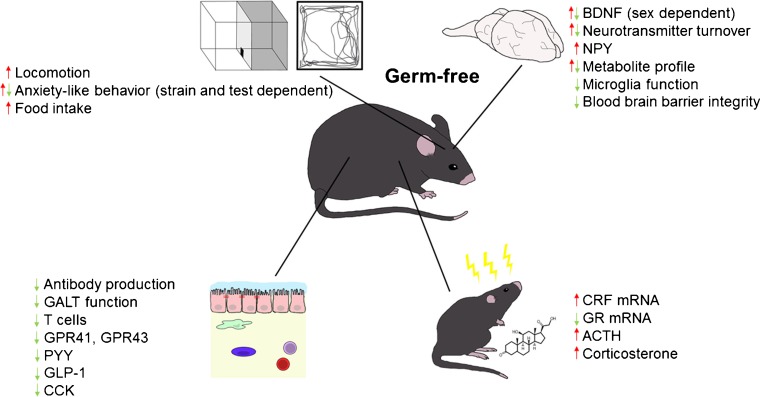
“Thus, GF mice have been demonstrated to have increased CRF expression, reduced GR expression in the cortex, and elevated plasma ACTH and corticosterone levels in response to restraint stress (Table 2) [93, 95].”
BackgroundInfluentialMetabolomics analysis reveals large effects of gut microflora on mammalian blood metabolites
Wikoff, W. R., Anfora, A. T., Liu, J., Schultz, P. G., Lesley, S. A., Peters, E. C., & Siuzdak, G. (2009) · Proceedings of the National Academy of Sciences · doi:10.1073/pnas.0812874106 · Cited by 2,677 · cited 2×
“bioactive indole-containing metabolites that derive from tryptophan is impaired, whereas the availability of tryptophan, which is a precursor of 5-HT, is increased [114].”
Background
Cited by
Items 201–300 of 509
Bazaz, M. R., Balasubramanian, R., Monroy‐Jaramillo, N., & Dandekar, M. P. (2021) · ACS Chemical Neuroscience · doi:10.1021/acschemneuro.1c00457 · Cited by 22
Wang, J., Liu, S., Xie, Y., & Xu, C. (2023) · Scientific Reports · doi:10.1038/s41598-023-35573-y · Cited by 23
Wang, Q., Zhao, Y.-X., Qin, X., & Tian, J. (2024) · Chinese Herbal Medicines · doi:10.1016/j.chmed.2023.12.003 · Cited by 22
“…to the intestinal barrier function and increased permeability, which causes the activation of the intestinal immune system, thereby affecting the central nervous system, which is considered to be a potential pathophysiological mechanism leading to major depressive disorder (Farzi et al., 2018).”
Importance of good hosting: reviewing the bi-directionality of the microbiome-gut-brain-axis
Costa, C. F. F. A., Ferreira‐Gomes, J., Barbosa, F., Sampaio‐Maia, B., & Burnet, P. W. J. (2024) · Frontiers in Neuroscience · doi:10.3389/fnins.2024.1386866 · Cited by 21
A Gut Feeling: The Importance of the Intestinal Microbiota in Psychiatric Disorders
Ochoa‐Repáraz, J., Ramelow, C. C., & Kasper, L. H. (2020) · Frontiers in Immunology · doi:10.3389/fimmu.2020.510113 · Cited by 24
Lin, A., Shih, C.-T., Chu, H.-F., Chen, C.-W., Cheng, Y.-T., Wu, C.-C., Yang, C. C. H., & Tsai, Y.-C. (2021) · Scientific Reports · doi:10.1038/s41598-021-95659-3 · Cited by 24
Epilepsy-associated comorbidities among adults: A plausible therapeutic role of gut microbiota
Arulsamy, A., & Shaikh, M. F. (2022) · Neurobiology of Disease · doi:10.1016/j.nbd.2022.105648 · Cited by 22
Li, J., Xu, Y., Sun, Z., Cai, Y., Wang, B., Zhang, M., Ban, Y., Hou, X., Hao, Y., Ouyang, Q., et al. (2021) · Scientific Reports · doi:10.1038/s41598-021-99252-6 · Cited by 20
The Impact of Alcohol-Induced Dysbiosis on Diseases and Disorders of the Central Nervous System
Liu, X., Vigorito, M., Huang, W., Khan, M. A. S., & Chang, S. L. (2021) · Journal of Neuroimmune Pharmacology · doi:10.1007/s11481-021-10033-4 · Cited by 22
“These changes can affect the brain by endocrine, neural, immune, and metabolic pathways through various mediators including hormones, neurotransmitters, cytokines, and short chain fatty acids (SCFAs), respectively (Farzi et al. 2018; Fulling et al. 2019).”
BackgroundCardelo, M. P., Corina, A., Leon‐Acuña, A., Quintana‐Navarro, G. M., Alcala-Diaz, J. F., Rangel-Zúñiga, O. A., Camargo, A., Conde, C., Carmona-Medialdea, C., Casas, J. A. V., et al. (2022) · Frontiers in Nutrition · doi:10.3389/fnut.2022.1037842 · Cited by 21
Male infertility risk and gut microbiota: a Mendelian randomization study
Fu, Z.-D., Wang, Y., & Yan, H. (2023) · Frontiers in Microbiology · doi:10.3389/fmicb.2023.1228693 · Cited by 20
“Gut flora is closely associated with the hypothalamic-pituitary-adrenal (HPA) axis, and the HPA regulates a series of physical processes to respond to external stresses (Foster and McVey Neufeld, 2013; Farzi et al., 2018).”
BackgroundA Review on the Protective Effects of Probiotics against Alzheimer’s Disease
Mishra, V., Yadav, D., Solanki, K. S., Koul, B., & Song, M. (2023) · Biology · doi:10.3390/biology13010008 · Cited by 22
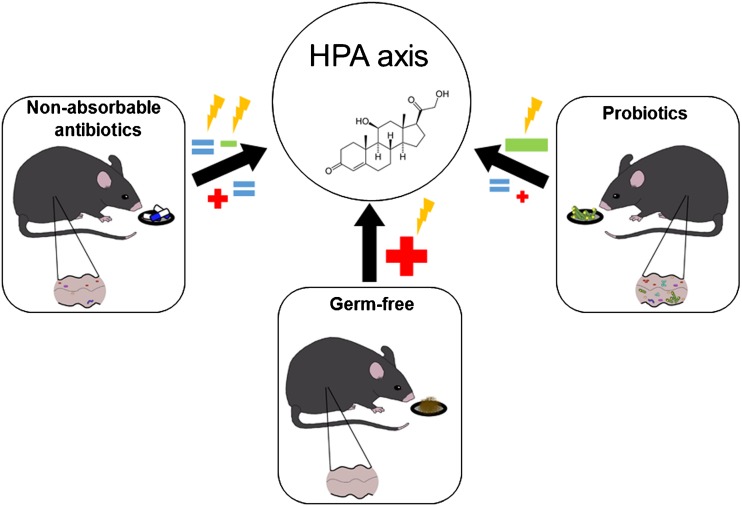
“It has been reported that administration of Lacto-bacillus rhamnosus reduces anxiety-like behavior and corticosterone levels in non-stressed mice [144].”
BackgroundIsaiah, S., Loots, D. T., Solomons, R., van der Kuip, M., van Furth, A. M., & Mason, S. (2020) · Frontiers in Neuroscience · doi:10.3389/fnins.2020.00296 · Cited by 22
Reprogramming human health through the microbiome and precision medicine
Bautista, J., Bazantes-Rodríguez, E., Cedeño, H., Anrango-Flores, C., Carrera-Cruz, F., Cisneros-Nieto, Z., & López‐Cortés, A. (2026) · Critical Reviews in Microbiology · doi:10.1080/1040841x.2026.2629269 · Cited by 19
“…in which altered microbial outputs intensify neuroinflam-matory tone while stress-related host physiology further selects for a dysbiotic ecosystem (Farzi et al. 2018; Rusch et al. 2023; Bautista et al., 2025; 2025; Bautista and lópez-cortés, 2025). consequently, the direction of causality can…”
Trofimova, I. N., & Gaykalova, A. A. (2021) · Frontiers in Psychology · doi:10.3389/fpsyg.2021.781631 · Cited by 20
When the microbiome helps the brain‐current evidence
Drljača, J., Milosevic, N. P., Milanović, M., Abenavoli, L., & Milić, N. (2023) · CNS Neuroscience & Therapeutics · doi:10.1111/cns.14076 · Cited by 21
Campanale, A., Inserra, A., & Comai, S. (2024) · Progress in Neuro-Psychopharmacology and Biological Psychiatry · doi:10.1016/j.pnpbp.2024.111058 · Cited by 20
“In reverse, the neurobiological and psychological improvements induced by psyche-delics in SMI may affect vagal nerve tone, the enteric environment, and stress responses (Bonaz et al., 2018; Farzi et al., 2018) thereby indirectly influencing GM communities.”
BackgroundLiu, M., Song, S., Chen, Q., Sun, J., Chu, W., Zhang, Y., & Ji, F. (2021) · Aging · doi:10.18632/aging.203193 · Cited by 20
Wang, H., Chen, Y., Zhao, A., Shen, Z., & Zhang, Y. (2026) · Frontiers in Pharmacology · doi:10.3389/fphar.2025.1709060 · Cited by 21
“The pathophysiological changes characterized by MDD involve a complex interplay among gut microbiota, immune responses, neuroactive substance metabolism, the HPA axis, the ANS, and Frontiers in Pharmacology frontiersin.org the ENS.”
InfluentialZhang, J., Zhou, Y., Mei, X., Yan, S., Mao, J. Y., Li, Y., Bian, Z., Li, L., Ji, D., Lu, T., et al. (2026) · Journal of Neuroinflammation · doi:10.1186/s12974-026-03763-w · Cited by 21
“Gut microbiota modulates CNS function, stress-related neuroendocrine responses, and HPA axis activity, while HPA activation conversely influences microbial composition and gut permeability [119–122].”
Xia, J., Chen, M., Shao, H., Chen, H., Zhu, S., Zhao, M., Luo, W., Yang, J., & Wu, S. (2023) · Frontiers in Bioscience-Landmark · doi:10.31083/j.fbl2812356 · Cited by 19
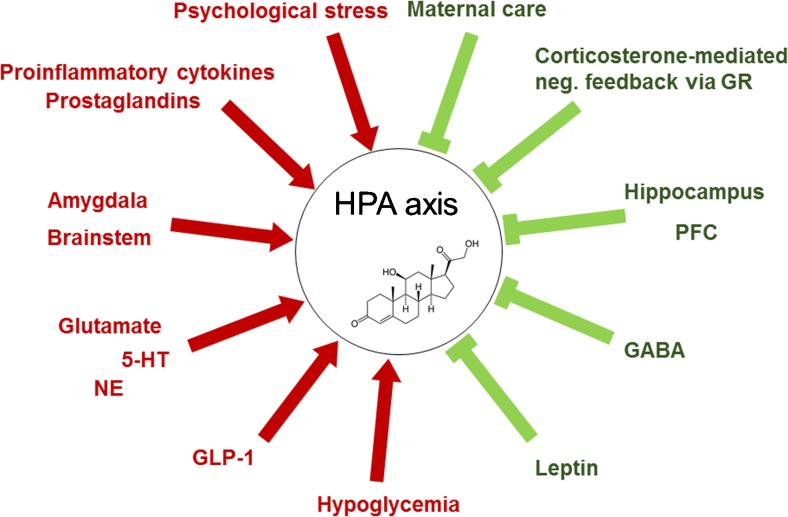
“…that gut microbiota can activate the HPA axis through microbial antigens, cytokines, and prostaglandins that cross the blood-brain barrier [170,171], and evidence suggests that various microbial species can affect the production of corticosterone in the ileum, thus influencing HPA axis…”
BackgroundLin, C., Zhou, W., Yi, Z., Tingting, T., Du, H., & Lichun, F. (2019) · Bulletin of Entomological Research · doi:10.1017/s0007485319000634 · Cited by 18
“, 2016), which is closely related to neural function (Farzi et al., 2018).”
BackgroundCentral and peripheral stress-induced epigenetic mechanisms of resilience
Dudek, K., Kaufmann, F. N., Lavoie, O., & Ménard, C. (2021) · Current Opinion in Psychiatry · doi:10.1097/yco.0000000000000664 · Cited by 23
“Alterations in butyrate levels influence stress responsiveness, anxiety-like behaviour and activation of the HPA axis [45].”
BackgroundMolina, B., Mastroianni, J., Suarez, E., Soni, B., Forsberg, E. M., & Finley, K. D. (2021) · Cells · doi:10.3390/cells10040900 · Cited by 18
“Complicating most human-based studies are compliance issues, leading to non-uniform administration and dosing regimens [28,30,33–35].”
Skillington, O., Mills, S., Gupta, A., Mayer, E. A., Gill, C. I. R., Rio, D. D., O’Riordan, K. J., Cryan, J. F., Ross, R. P., & Stanton, C. (2021) · Nutrition and Healthy Aging · doi:10.3233/nha-210129 · Cited by 18
Cheng, H.-W., Jiang, S., & Hu, J. (2019) · Oral Health by Using Probiotic Products · doi:10.5772/intechopen.86775 · Cited by 17
Borrego-Ruiz, A., & Borrego, J. J. (2025) · International Journal of Molecular Sciences · doi:10.3390/ijms26188849 · Cited by 22
Structural and functional neuroimaging of the effects of the gut microbiome
Montoro, R. A., Singh, A. P., & Yu, J. J. (2022) · European Radiology · doi:10.1007/s00330-021-08486-5 · Cited by 19
Portes, J., Bullón, B., Gallardo, I., Riejos, P. F., Quiles, J. L., Giampieri, F., & Bullón, P. (2023) · Journal of Dentistry · doi:10.1016/j.jdent.2023.104480 · Cited by 19
“It is known that cortisol is directly related to the host ´ s inflammatory response, suppressing its immune response, and its high levels also negatively affect blood pressure, glucose levels, and IR [70 – 72].”
BackgroundMicic, Polovina, S. P., Micic, D., & Μacut, D. (2023) · Acta Endocrinologica (Bucharest) · doi:10.4183/aeb.2023.234 · Cited by 18
Systematic Review and Meta-Analysis of Dietary Interventions and Microbiome in Phenylketonuria
Ubaldi, F., Frangella, C., Volpini, V., Fortugno, P., Valeriani, F., & Spica, V. R. (2023) · International Journal of Molecular Sciences · doi:10.3390/ijms242417428 · Cited by 18
Baseline gut microbiota profiles affect treatment response in patients with depression
Xie, Y., Zhu, H., Yuan, Y., Guan, X., Xie, Q., & Dong, Z. (2024) · Frontiers in Microbiology · doi:10.3389/fmicb.2024.1429116 · Cited by 17
β-Elemene Suppresses Obesity-Induced Imbalance in the Microbiota-Gut-Brain Axis
Zhou, Y., Qiu, W., Wang, Y., Wang, R., Takano, T., Li, X., Zhu, Z., Nakajima‐Adachi, H., Tanokura, M., Hachimura, S., et al. (2021) · Biomedicines · doi:10.3390/biomedicines9070704 · Cited by 18
LaGamma, E. F., Hu, F., Cruz, F. P., Bouchev, P., & Nankova, B. B. (2021) · Neurobiology of Stress · doi:10.1016/j.ynstr.2021.100376 · Cited by 17
“We again used a peripheral stress model of insulin-induced hypoglycemia but after antibiotic-induced gut microbiome alteration (Farzi et al., 2018).”
Hao, Y., Xu, Y., Ban, Y., Li, J., Wu, B., Ouyang, Q., Sun, Z., Zhang, M., Cai, Y., Wang, M., et al. (2022) · Frontiers in Cellular and Infection Microbiology · doi:10.3389/fcimb.2022.983027 · Cited by 20
“Changes in gut microbiome composition and function as a result of inflammation are markers of metabolic damage, and its metabolites, such as lipopolysaccharides and endotoxins, may reduce the integrity of cellular connections (Farzi et al., 2018).”
BackgroundDonadio, J. L. S., & Fabi, J. P. (2024) · Food & Function · doi:10.1039/d4fo01231c · Cited by 16
Chapter 4. Psychoneuroendocrinology
Sforzini, L., Weston, F. I., & Pariante, C. M. (2024) · American Psychiatric Association Publishing eBooks · doi:10.1176/appi.books.9781615375523.as04 · Cited by 16
Dai, W., Zhang, X., Jiang, X.-L., Zhang, Y., Chen, L.-K., Tian, W.-T., Zhou, X.-X., Sun, X., Huang, L., Gu, X., et al. (2024) · Mucosal Immunology · doi:10.1016/j.mucimm.2024.09.002 · Cited by 17
Bibi, A., Zhang, F., Shen, J., Din, A. U., & Xu, Y. (2025) · Frontiers in Neuroscience · doi:10.3389/fnins.2025.1478304 · Cited by 17
“Contrary to its effects on Bacteroides , ciprofloxacin increased Firmicutes abundance (Desbonnet et al., 2015; Farzi et al., 2018).”
Context‐dependent effects of glucocorticoids on the lizard gut microbiome
MacLeod, K. J., Kohl, K. D., Trevelline, B. K., & Langkilde, T. L. (2021) · Molecular Ecology · doi:10.1111/mec.16229 · Cited by 17
“Thus, the microbiome/stress physiology relationship is bidirectional (Farzi et al., 2018; Foster et al., 2017; Sudo et al., 2004).”
BackgroundQuality of Life in Adults with Metabolic Dysfunction-Associated Fatty Liver Disease
Hwang, T.-I., & Han, A. L. (2021) · International Journal of Environmental Research and Public Health · doi:10.3390/ijerph182413145 · Cited by 18
Intestinal microbiota modulates adrenomedullary response through Nod1 sensing in chromaffin cells
Xiang, C., Chen, P., Zhang, Q., Li, Y., Pan, Y., Xie, W., Sun, J., & Liu, Z. (2021) · iScience · doi:10.1016/j.isci.2021.102849 · Cited by 15
“It is emerging that the neuroendocrine system closely interacts with the gut microbiota (Farzi et al., 2018).”
BackgroundGiri, P., Hu, F., La Gamma, E. F., & Nankova, B. B. (2019) · Pediatric Research · doi:10.1038/s41390-018-0270-y · Cited by 15
Yuan, X., Chai, J., Xu, W., & Zhao, Y. (2024) · Probiotics and Antimicrobial Proteins · doi:10.1007/s12602-024-10326-z · Cited by 15
“Stress, including psychological or physiological factors, activates the HPA axis [114].”
Ahmed, I., Nijs, J., Vanroose, M., Vandeputte, D., Kindt, S., Elma, Ö., Hendrix, J., Huysmans, E., & Lahousse, A. (2025) · International Journal of Molecular Sciences · doi:10.3390/ijms27010114 · Cited by 13
“The hypothalamic–pituitary–adrenal (HPA) axis regulates stress responses and modulates the gut–brain axis through corticotropin-releasing hormone (CRH)- and adreno-corticotropic hormone (ACTH)-driven cortisol release [132–134].”
Ghuge, S., Rahman, Z., Bhale, N. A., Dikundwar, A. G., & Dandekar, M. P. (2023) · Pharmacology Biochemistry and Behavior · doi:10.1016/j.pbb.2023.173652 · Cited by 15
Dai, R., Huang, J., Cui, L., Sun, R., Qiu, X., Wang, Y., & Sun, Y. (2023) · Frontiers in Endocrinology · doi:10.3389/fendo.2023.1282694 · Cited by 15
“Some important factors have been declared to associate the intestinal microbiota with the hypothalamus, that is, microbial metabolites (20) and neurotransmitters (21), including dopamine, NE, serotonin, or GABA, which are vital for the regulation of gonadotropin release and sustainment of energy…”
BackgroundMamun, A. A., Geng, P., Wang, S., Shao, C., & Xiao, J. (2024) · Pharmacological Research · doi:10.1016/j.phrs.2024.107559 · Cited by 16
Hromádková, J., Suzuki, Y., Pletts, S., Pyo, J., Ma, T., Chen, Y., Steele, M. A., & Guan, L. L. (2020) · Journal of Dairy Science · doi:10.3168/jds.2019-17710 · Cited by 17
“Emerging evidence has revealed the relationship between gut bacteria and host neuroendocrine function in recent studies (Sandrini et al., 2015; Farzi et al., 2018), highlighting the effect of gut microbiota on the gut–brain axis.”
BackgroundArnold, A. R., Chassaing, B., Pearce, B. D., & Huhman, K. L. (2022) · Scientific Reports · doi:10.1038/s41598-022-13021-7 · Cited by 15
Malmuthuge, N., Howell, A., Arsic, N., Prysliak, T., Perez‐Casal, J., & Griebel, P. J. (2021) · Animal Microbiome · doi:10.1186/s42523-021-00123-2 · Cited by 18
Liu, M., Tang, L., Hu, C., Sun, B., Huang, Z., & Chen, L. (2021) · Ecotoxicology and Environmental Safety · doi:10.1016/j.ecoenv.2021.112107 · Cited by 15
Engineering a Cortisol Sensing Enteric Probiotic
Litteral, V., Migliozzi, R., Metzger, D., McPherson, C. J., & Saldanha, R. (2023) · ACS Biomaterials Science & Engineering · doi:10.1021/acsbiomaterials.2c01300 · Cited by 14
Abdelhamid, M., Jung, C., Zhou, C., Inoue, R., Chen, Y., Sento, Y., Hida, H., & Michikawa, M. (2024) · Nutrients · doi:10.3390/nu16040538 · Cited by 15
“Probiotics increase the production of some neurotrans-mitters, activate the formation of short-chain fatty acids, or modulate the production of inflammatory cytokines [18–20].”
BackgroundEx vivo and miniaturized in vitro models to study microbiota-gut-brain axis
Yata, V. K. (2024) · 3 Biotech · doi:10.1007/s13205-024-04126-z · Cited by 15
“Elevated levels of cortisone in the circulation may lead to the stress related effects including changes in intestinal permeability gut microbiota dysbiosis (Farzi et al. 2018).”
Gut microbiota manipulation to mitigate the toxicities of environmental pollutants
Chen, L., Ahmad, M., Li, J., Li, J., Yang, Z., & Hu, C. (2025) · Aquatic Toxicology · doi:10.1016/j.aquatox.2025.107425 · Cited by 15
Primate microbial endocrinology: An uncharted frontier
Benavidez, K. M., Iruri‐Tucker, A. A., Steiniche, T., & Wasserman, M. D. (2019) · American Journal of Primatology · doi:10.1002/ajp.23053 · Cited by 16
Mulak, A. (2019) · Expert Review of Neurotherapeutics · doi:10.1080/14737175.2020.1701437 · Cited by 14
Linking Puberty and the Gut Microbiome to the Pathogenesis of Neurodegenerative Disorders
Esposito, P., & Ismail, N. (2022) · Microorganisms · doi:10.3390/microorganisms10112163 · Cited by 14
“Growing evidence suggests that the gut microbiome can influence the maturation and reactivity of the HPA axis [10].”
BackgroundNiazi, M. K., Hassan, F., Tufail, T., Ismail, M. A., & Riaz, K. (2023) · Advanced Gut & Microbiome Research · doi:10.1155/2023/1566684 · Cited by 14
Lv, J.-J., Li, X., Wang, J.-B., Yang, X., Yin, M.-Y., & Yang, C.-H. (2024) · Scientific Reports · doi:10.1038/s41598-024-51520-x · Cited by 14
“Although further research is needed to fully elucidate the underlying mechanisms, it is plausible that certain microbial strains may exert differential effects on neurotransmitter systems, synaptic plasticity, and neurogenesis, each influencing specific cognitive abilities 50,51 .”
Rodrigues, L. E., Kishibe, M. M., Keller, R., Caetano, H. R. D. S., Rufino, M. N., Sanches, O. D. C., Giometti, I. C., Giuffrida, R., & Bremer‐Neto, H. (2021) · Veterinary World · doi:10.14202/vetworld.2021.1210-1219 · Cited by 17
The link between gut microbiota and multiple sclerosis from the perspective of barrier function
Ren, J., Niu, Z., Wang, J., Guo, J., Hao, H.-J., Gao, F., Liu, R., & Wang, Z. (2025) · Frontiers in Immunology · doi:10.3389/fimmu.2025.1652796 · Cited by 15
Leigh, S., Kaakoush, N. O., Escorihuela, R. M., Westbrook, R. F., & Morris, M. J. (2020) · Nutrition & Metabolism · doi:10.1186/s12986-020-00492-6 · Cited by 14
Neutrophils in the Focus: Impact on Neuroimmune Dynamics and the Gut–Brain Axis
Kršek, A., & Batičić, L. (2024) · Gastrointestinal Disorders · doi:10.3390/gidisord6030039 · Cited by 14
Mohiuddin, M., Asghar, T., Hameed, H., Din, A. M., Siddique, A., Younas, S., Din, M. M. U., & Ara, R. (2025) · World Journal of Microbiology and Biotechnology · doi:10.1007/s11274-025-04632-z · Cited by 15
“Alterations in intestinal permeability and immune response could theoretically play vital roles in the development of neuroendocrine dysfunction (Farzi et al. 2018). psychobiotics can target and treat anxiety and depression symptoms (Imran et al. 2025).”
Bibliometric Visualization Analysis of Microbiome-Gut-Brain Axis from 2004 to 2020
Wang, H., Long, T., You, J., Li, P., & Xu, Q. (2022) · Medical Science Monitor · doi:10.12659/msm.936037 · Cited by 13
Hughey, M. C., Warne, R. W., Dulmage, A., Reeve, R. E., Curtis, G. H., Whitfield, K., Schock, D. M., & Crespi, E. J. (2023) · Philosophical Transactions of the Royal Society B Biological Sciences · doi:10.1098/rstb.2022.0121 · Cited by 15
A reappraisal on amyloid cascade hypothesis: The role of chronic infection in Alzheimer’s disease
Phuna, Z. X., & Madhavan, P. (2023) · International Journal of Neuroscience · doi:10.1080/00207454.2022.2045290 · Cited by 12
“Vagal nerve [19] and stress-related hypothalamic-pituitary-adrenal (HPA) axis [20] are postulated to be the mechanisms behind the gut-brain axis.”
BackgroundResearch trends on the gut microbiota in endocrine metabolism: a thematic and bibliometric analysis
Doğan, D., & Çelik, T. (2024) · Frontiers in Cellular and Infection Microbiology · doi:10.3389/fcimb.2024.1371727 · Cited by 13
Ray, D., Bose, P., Mukherjee, S., Roy, S., & Kaity, S. (2025) · International Journal of Pharmaceutics · doi:10.1016/j.ijpharm.2025.125776 · Cited by 14
Zhang, L., Chen, K., Li, S., Liu, S. K., & Wang, Z. (2025) · Current Issues in Molecular Biology · doi:10.3390/cimb47121061 · Cited by 13
“Preclinical studies further demonstrate that specific probiotic strains can normalize HPA axis hyperactivity and enhance BDNF expression, thereby improving mood and cognitive function [152,153].”
Nishida, K., Sawada, D., Yasui, T., Kuwano, Y., & Rokutan, K. (2021) · Journal of Functional Foods · doi:10.1016/j.jff.2021.104426 · Cited by 13
Jantsch, J., Tassinari, I. D., Giovenardi, M., Bambini-Júnior, V., Guedes, R. P., & de Fraga, L. S. (2022) · Frontiers in Cell and Developmental Biology · doi:10.3389/fcell.2022.795384 · Cited by 12
“Moreover, diet-induced maternal dysbiosis has also been proposed to increase hypothalamus-pituitary-adrenal (HPA) axis activation (Farzi et al., 2018; Di Gesù et al., 2021), whilst the activation of the HPA axis has an established relationship with psychiatric disorders such as anxiety (Frankiensztajn et al.”
BackgroundYue, Y., Chen, Y., Liu, H., Xu, L.-S., Zhou, X., Ming, H., Chen, X., Chen, M., Lin, Y., Liu, L., et al. (2021) · Frontiers in Pharmacology · doi:10.3389/fphar.2021.766474 · Cited by 13
Calcaterra, V., Mameli, C., Rossi, V., Magenes, V. C., Massini, G., Perazzi, C., Verduci, E., & Zuccotti, G. (2022) · Minerva Pediatrics · doi:10.23736/s2724-5276.22.06873-2 · Cited by 12
Wang, Y., Xie, D., Ma, S., Shao, N., Zhang, X., & Wang, X. (2024) · Frontiers in Immunology · doi:10.3389/fimmu.2024.1347415 · Cited by 13
“After decades of research by scientists, they have demonstrated a strong connection between the gut and the brain in mechanisms such as neurons, neurotransmitters, hormones, and immune-mediated regulation (35, 36).”
BackgroundHu, L., Ye, W., Deng, Q., Wang, C., Luo, J., Huang, L., Fang, Z., Sun, L., & Gooneratne, R. (2024) · Nutrients · doi:10.3390/nu16121953 · Cited by 11
“SCFAs are biomarkers of depression and key communication substances between the gut and brain, which can alleviate depression through the hypothalamic–pituitary–adrenal axis (HPA), tryptophan pathway and inflammatory response pathway [21,27–29].”
BackgroundUsing lifestyle interventions and the gut microbiota to improve PTSD symptoms
Sugden, S. G., & Merlo, G. (2024) · Frontiers in Neuroscience · doi:10.3389/fnins.2024.1488841 · Cited by 12
“Furthermore, LPS has been shown to activate the hypothalamic pituitary adrenal axis (HPA) (Farzi et al., 2018).”
InfluentialUsing integrated meta-omics to appreciate the role of the gut microbiota in epilepsy
Boeri, L., Donnaloja, F., Campanile, M., Sardelli, L., Tunesi, M., Fusco, F., Giordano, C., & Albani, D. (2022) · Neurobiology of Disease · doi:10.1016/j.nbd.2022.105614 · Cited by 11
“It is documented that dysbiosis leads to hypothalamic pituitary adrenal (HPA) axis dysregulation (Farzi et al., 2018).”
Cornish, M. L., Mouritsen, O. G., & Critchley, A. T. (2019) · Journal of Oceanology and Limnology · doi:10.1007/s00343-019-8104-2 · Cited by 12
Cho, N. A., Nicolucci, A. C., Klančič, T., Wang, W., Sharkey, K. A., Mychasiuk, R., & Reimer, R. A. (2020) · Microorganisms · doi:10.3390/microorganisms8071085 · Cited by 12
“Our microglia analysis focused on the PVN, which is part of the hypothalamic-pituitary-adrenal (HPA) axis and is considered the major neuroendocrine system that regulates the body’s response to stress [80].”
BackgroundAcromegaly is associated with a distinct oral and gut microbiota
Şahin, S., Gündoğdu, A., Nalbantoglu, U., Kadıoğlu, P., Karaca, Z., Hacıoğlu, A., Urhan, M. E., Ünlühızarcı, K., Demir, A. N., Hora, M., et al. (2022) · Pituitary · doi:10.1007/s11102-022-01223-1 · Cited by 11
Li, K., Wang, S., Qu, W., Ahmed, A. A., Enneb, W., Obeidat, M. D., Liu, H., Dessie, T., Kim, I. H., Adam, S. Y., et al. (2024) · Frontiers in Pharmacology · doi:10.3389/fphar.2024.1419844 · Cited by 15
“…such as modulation of vagus nerve activity; and 3) immune system signaling, such as microglia-mediated effects or effects of circulating cytokines that can modify the activity of the hypothalamic – pituitary – adrenal (HPA) axis (Cenit et al., 2017; Farzi et al., 2018; Cryan et al., 2019).”
BackgroundWhat do Climate Change, Nutrition, and the Environment Have to do With Mental Health?
Sugden, S. G., & Merlo, G. (2024) · American Journal of Lifestyle Medicine · doi:10.1177/15598276241280245 · Cited by 10
“It is signi fi cant to note that dysbiosis can lead to dysregulated neuroimmune responses, 17,44 neuroin fl ammation, 45 and altercations within the neuroendocrine system.”
Liu, M., Fan, G., Meng, L., Yang, K., & Liu, H. (2024) · Journal of Zhejiang University SCIENCE B · doi:10.1631/jzus.b2300343 · Cited by 11
Amarasiri, R. P. G. S. K., Hyun, J., Lee, S.-W., Kim, J.-I., Lee, H., Ryu, B., & Jeon, Y. (2025) · International Immunopharmacology · doi:10.1016/j.intimp.2025.114207 · Cited by 10
Liu, T., Li, Y., Xiong, X., Lai, X., & Xu, X. (2025) · Frontiers in Immunology · doi:10.3389/fimmu.2025.1648800 · Cited by 12
“…can traverse the blood-brain barrier to activate the HPA axis, whereas certain microbial metabolites like short-chain fatty acids demonstrate the capacity to attenuate HPA axis responses; moreover, bacterial-derived neurotransmitters can directly interact with vagal afferent nerves (13 – 15).”
Role of gut dysbiosis in drug-resistant epilepsy: Pathogenesis and available therapeutic strategies
Khedpande, N., & Barve, K. H. (2024) · Brain Research · doi:10.1016/j.brainres.2024.149385 · Cited by 10
Birth by caesarean section and educational achievement in adolescents
Slykerman, R. F., Li, E., Shackleton, N., & Milne, B. J. (2020) · Australian and New Zealand Journal of Obstetrics and Gynaecology · doi:10.1111/ajo.13276 · Cited by 10
Short intense psychological stress induced by skydiving does not impair intestinal barrier function
Rubio, M., Eriksson, U., Brummer, R. J., & König, J. (2021) · PLoS ONE · doi:10.1371/journal.pone.0254280 · Cited by 10
Tvedt, T. H. A., Skaarud, K. J., Tjønnfjord, G. E., Gedde‐Dahl, T., Iversen, P. O., & Bruserud, Ø. (2019) · Transplantation and Cellular Therapy · doi:10.1016/j.bbmt.2019.10.005 · Cited by 10
The Interplay of Cross‐Organ Immune Regulation in Inflammation and Cancer
Dou, J., Jiang, J., Xue, Y., Jiang, X., Jiang, Y., Xiao, P., & Xu, J. (2025) · MedComm · doi:10.1002/mco2.70249 · Cited by 10
“The communication between the liver and the brain is mainly realized through the liver–brain axis, which is an information interaction system based on the circulatory system, vagus nerve [68], immune system [69], neuroendocrine system [70], and contains a variety of neuroactive substances.”
Wu, W., Meng, T., Han, L., Jin, F., Han, P., & Zhou, Y. (2025) · Frontiers in Pharmacology · doi:10.3389/fphar.2025.1630205 · Cited by 14
“Pro-in fl ammatory cytokines (e.g., IL-1, IL-6, and TNF-α ) and bacterial metabolites (e.g., lipopolysaccharides [LPS], SCFAs, and peptidoglycans) can activate the HPA axis (Farzi et al., 2018).”
Multi-organ-on-a-chip: Modeling strategy, method, and biomedical applications
Gao, X., Wang, T., Huang, W., Liu, C., Zhang, Z., Deng, Y., & Huang, J. (2025) · Biomicrofluidics · doi:10.1063/5.0282055 · Cited by 10
Ma, H., Gan, X., Zhao, J., Zhang, Y., Li, S., GuangHan, K., Wang, B., Zhang, P., Ma, X., Tian, H., et al. (2023) · Life Sciences in Space Research · doi:10.1016/j.lssr.2023.09.006 · Cited by 11
Ostrowska, M., Nowosad, K., Mikołuć, B., Szczerba, H., & Komoń‐Janczara, E. (2024) · Nutrients · doi:10.3390/nu16223915 · Cited by 9
Changes in Neurotransmission During Exercise
Cabral, D. F. (2025) · Springer eBooks · doi:10.1007/978-3-031-90034-1_6 · Cited by 12
Hu, K., Smedby, K. E., Sjölander, A., Montgomery, S., Valdimarsdóttir, U. A., Engstrand, L., Fang, F., & Fall, K. (2022) · Cancer Epidemiology Biomarkers & Prevention · doi:10.1158/1055-9965.epi-21-1095 · Cited by 10
The role of gut microbiota in adolescent depression: Insights from adverse childhood experiences
Bai, Y., Shu, C., Zhang, S., Gui, G., Zhang, R., Yu, S., Dong, C., Duan, R., Ai, X., Liu, R., et al. (2025) · Journal of Affective Disorders · doi:10.1016/j.jad.2025.120141 · Cited by 8
Metadata
- Authors
- Farzi, A., Fröhlich, E. E., & Holzer, P.
- Affiliations
- Medical University of Graz (AT)
- Corresponding author
- Farzi, Aitak
- Venue
- Neurotherapeutics
- Publisher
- Elsevier BV
- Published
- 2018-01
- Volume
- 15
- Issue
- 1
- Pages
- 5-22
- ISSN
- 1878-7479 (ISSN-L)
- PMC
- PMC5794709
- OpenAlex
- W2789690147
- Semantic Scholar
- 6963f59d54a21cd764832ea5d951b1b5358dff00
- Cited by
- 478
- References
- 142
- Citations by year
- 2026: 47 · 2025: 56 · 2024: 67 · 2023: 56 · 2022: 79 · 2021: 77 · 2020: 52 · 2019: 35 · 2018: 9
- FWCI
- 4.24
- Type
- journal article
- Language
- en
- Open access
- hybrid
- doi.org
- Licence
- cc-by
- www.elsevier.com/tdm/userlicense/1.0/ (tdm)
- www.elsevier.com/legal/tdmrep-license (tdm)
- creativecommons.org/licenses/by/4.0/ (vor, 26 d)
- Locations
- Neurotherapeutics (publishedVersion, cc-by)
- PubMed Central (publishedVersion, cc-by)
- PubMed (publishedVersion)
- Funders
- Austrian Science Fund (P23097-B18, P25912-B23, W1241-B18)
- Österreichische Forschungsförderungsgesellschaft
- Topics
- Life Sciences › Biochemistry, Genetics and Molecular Biology › Molecular Biology › Gut microbiota and health
- Health Sciences › Medicine › Gastroenterology › Gastrointestinal motility and disorders
- Life Sciences › Neuroscience › Behavioral Neuroscience › Stress Responses and Cortisol
- Keywords
- gut microbiota, neuroendocrine system, hypothalamic-pituitary-adrenal axis, microbiota-gut-brain axis, stress, immune system, intestinal barrier, blood-brain barrier, microbial metabolites, gastrointestinal hormones, autonomic nervous system, early life stress, probiotics, prebiotics, germ-free mice, antibiotic-induced dysbiosis
- MeSH terms
- Gastrointestinal Microbiome, Animals, Anti-Bacterial Agents, Gastrointestinal Hormones, Humans, Hypothalamo-Hypophyseal System, Pituitary-Adrenal System, Stress, Psychological, Mice, Dysbiosis
About these checks
Registry, retraction, Cites and statistics results are computed, not judged, with one exception: a printed reference that no index lists is read once by a model before it counts as a citation error. Claims are extracted by a model and kept only when their quote appears verbatim in the text; each cited source is then checked, with a model’s help, for whether it says what the claim relies on. Those verdicts can be wrong — read the claim’s quote and the cited source before relying on one.
Statistics and arithmetic are recomputed, not judged.
Confidence bands are shown only for fields calibrated on our annotated test set. None is calibrated yet, so no band is shown.
What counts as a claim ›How we measure confidence ›How we check this ›
Are you an author, or do you see a problem with this page? Request a review
Data sources
Bibliographic data: Semantic Scholar, OpenAlex, Crossref.
Contains information from the Semantic Scholar Academic Graph Datasets, made available under the ODC Attribution License (ODC-BY 1.0).
Semantic Scholar’s data is described in: Kinney, R., et al. (2023). The Semantic Scholar Open Data Platform. arXiv:2301.10140.
