

Axon Biology in ALS: Mechanisms of Axon Degeneration and Prospects for Therapy
Open accessThe DOI matches its Crossref record; 122 of the 122 references it cites were found in a registry or an index.
Abstract
This review addresses the longstanding debate over whether amyotrophic lateral sclerosis (ALS) is a 'dying back' or 'dying forward' disorder in the light of new gene identifications and the increased understanding of mechanisms of action for previously identified ALS genes. While the topological pattern of pathology in animal models, and more anecdotally in patients is indeed 'dying back', this review discusses how this fits with the fact that many of the major initiating events are thought to occur within the soma. It also discusses how widely varying ALS risk factors, including some impacting axons directly, may combine to drive a common pathway involving TAR DNA binding protein 43 (TDP-43) and neuromuscular junction (NMJ) denervation. The emerging association between sterile alpha and TIR motif-containing 1 (SARM1), a protein so far mostly associated with axon degeneration, and sporadic ALS is another major theme. The strengths and limitations of the current evidence supporting an association are considered, along with ways in which SARM1 could become activated in ALS. The final section addresses SARM1-based therapies along with the prospects for targeting other axonal steps in ALS pathogenesis.
Overview
The claims and statistics of this paper haven’t been checked yet.
Free: it reads the open-access text and checks the first 5 claims that cite a source we can check. Create a free account to check every claim.
Integrity signals
Registry
Cites
Statistics
Figures
Verification
Claims the paper makes
The claims and statistics of this paper haven’t been checked yet.
Free: it reads the open-access text and checks the first 5 claims that cite a source we can check. Create a free account to check every claim.
Claims other papers make about this one
Each is checked against this paper’s own text: does it say what the citing paper says it does?
The source backs part of the claim, not all of it — or backs it for a different population, condition or comparison.
In the citing paper
“Unlike other neurodegenerative diseases, ALS also results in pronounced disturbances in the axonal transport and cytoskeletal dynamics of motor neurons.194”
From Antiageing strategy for neurodegenerative diseases: from mechanisms to clinical advances (2025) · cites this paper as [194]
Experimental — accuracy not yet measured
Self-check
Percentages, sums and reported differences re-computed from the paper’s own numbers.
The self-check needs the paper’s full text.
Citations
Cites
Ubiquitinated TDP-43 in Frontotemporal Lobar Degeneration and Amyotrophic Lateral Sclerosis
Neumann, M., Sampathu, D. M., Kwong, L. K., Truax, A. C., Micsenyi, M. C., Chou, T. T., Bruce, J., Schuck, T., Grossman, M., Clark, C. M., et al. (2006) · Science · doi:10.1126/science.1134108 · Cited by 6,576 · cited 1×
“However, the near-ubiquitous presence of TDP-43 aggregates [82] suggests convergence of these varying initial causes onto one or a few central mechanisms.”
BackgroundRothstein, J. D., Dykes-Hoberg, M., Pardo, C. A., Bristol, L. A., Jin, L., Kuncl, R. W., Kanai, Y., Hediger, M. A., Wang, Y., Schielke, J. P., et al. (1996) · Neuron · doi:10.1016/s0896-6273(00)80086-0 · Cited by 2,534 · cited 1×
“Axonal transport also declines greatly with age [54], the biggest single risk factor in ALS, and loss of the glial glutamate transporter GLT1 in ALS [55] appears likely to impact axons more than the soma.”
BackgroundHardiman, O., Al-Chalabi, A., Chio, A., Corr, E. M., Logroscino, G., Robberecht, W., Shaw, P. J., Simmons, Z., & van den Berg, L. H. (2017) · Nature Reviews Disease Primers · doi:10.1038/nrdp.2017.71 · Cited by 1,414 · cited 1×
“Much less is known about environmental risks but some that have been proposed based on epidemiology studies are environmental toxins [78], strenuous exercise [79] and traumatic brain injury (TBI) [53], although better preclinical models are required to establish causation rather than reverse causation for TBI [80].”
BackgroundAmyotrophic lateral sclerosis is a distal axonopathy: evidence in mice and man
Fischer, L. R., Culver, D. G., Tennant, P., Davis, A. A., Wang, M., Castellano-Sanchez, A., Khan, J., Polak, M. A., & Glass, J. D. (2004) · Experimental Neurology · doi:10.1016/j.expneurol.2003.10.004 · Cited by 1,357 · cited 3×
“Denervation and sprouting can occur simultaneously in different parts of the same motor unit [26], and in one human early stage case NMJ denervation also preceded motor neuron loss [2].”
BackgroundThe C9orf72 repeat expansion disrupts nucleocytoplasmic transport.
Zhang, K., Donnelly, C. J., Haeusler, A. R., Grima, J. C., Machamer, J. B., Steinwald, P., Daley, E. L., Miller, S. J., Cunningham, K. M., Vidensky, S., et al. (2015) · Nature · doi:10.1038/nature14973 · Cited by 982 · cited 1×
“For example, the neurotoxicity of C9orf72 hexanucleotide repeat expansions, the most common known cause of familial ALS and a common risk factor for sporadic ALS, can be potently suppressed in Drosophila by RanGAP, a regulator of nuclear-cytoplasmic transport [42], and there is additional support for such a mechanism…”
BackgroundAxon degeneration mechanisms: Commonality amid diversity
Coleman, M. (2005) · Nature reviews. Neuroscience · doi:10.1038/nrn1788 · Cited by 819 · cited 1×
“3) [86], it may not be the only death signal that arises from cell body impairment.”
BackgroundSelf-citationdSarm/Sarm1 Is Required for Activation of an Injury-Induced Axon Death Pathway
Osterloh, J. M., Yang, J., Rooney, T. M., Fox, A. N., Adalbert, R., Powell, E. H., Sheehan, A. E., Avery, M. A., Hackett, R., Logan, M. A., et al. (2012) · Science · doi:10.1126/science.1223899 · Cited by 687 · cited 2×
“SARM1 is particularly well known for its profound effects in killing axons [3, 4].”
BackgroundSelf-citationALS-implicated protein TDP-43 sustains levels of STMN2, a mediator of motor neuron growth and repair
Klim, J. R., Williams, L. A., Limone, F., Guerra San Juan, I., Davis-Dusenbery, B. N., Mordes, D. A., Burberry, A., Steinbaugh, M. J., Gamage, K. K., Kirchner, R., et al. (2019) · Nature Neuroscience · doi:10.1038/s41593-018-0300-4 · Cited by 653 · cited 2×
“An ASO-based correction of the STMN2 premature termination defect downstream of TDP-43 [47, 48] could be one example, and such trials are in progress.”
BackgroundMelamed, Z., López-Erauskin, J., Baughn, M. W., Zhang, O., Drenner, K., Sun, Y., Freyermuth, F., McMahon, M. A., Beccari, M. S., Artates, J. W., et al. (2019) · Nature Neuroscience · doi:10.1038/s41593-018-0293-z · Cited by 635 · cited 2×
“An ASO-based correction of the STMN2 premature termination defect downstream of TDP-43 [47, 48] could be one example, and such trials are in progress.”
BackgroundEssuman, K., Summers, D. W., Sasaki, Y., Mao, X., DiAntonio, A., & Milbrandt, J. (2017) · Neuron · doi:10.1016/j.neuron.2017.02.022 · Cited by 619 · cited 1×
“It has multiple enzyme activities, including both the degradation and cyclisation of NAD and NADP, and base exchange activity that switches the nicotinamide of either coenzyme for another pyridine base [57, 58].”
BackgroundWallerian degeneration: an emerging axon death pathway linking injury and disease
Conforti, L., Gilley, J., & Coleman, M. P. (2014) · Nature Reviews Neuroscience · doi:10.1038/nrn3680 · Cited by 611 · cited 1×
“It is unknown whether such a spectrum influences the likelihood of axon degeneration in ALS although animal model data [93] support its involvement in many disorders of long axons including some forms of ALS and other motor neuron disorders [39, 85].”
ResultSelf-citationWallerian degeneration of injured axons and synapses is delayed by a Ube4b/Nmnat chimeric gene
Mack, T. G. A., Reiner, M., Beirowski, B., Mi, W., Emanuelli, M., Wagner, D., Thomson, D., Gillingwater, T., Court, F., Conforti, L., et al. (2001) · Nature Neuroscience · doi:10.1038/nn770 · Cited by 611 · cited 2×
“WLDS is a mutant gene encoding an NAD-synthesizing fusion protein with an ability to extend the survival of injured axons by tenfold [32].”
BackgroundSelf-citationPARALS Registry, van Rheenen, W., SLALOM Group, SLAP Registry, FALS Sequencing Consortium, SLAGEN Consortium, NNIPPS Study Group, Shatunov, A., Dekker, A. M., McLaughlin, R. L., et al. (2016) · Nature Genetics · doi:10.1038/ng.3622 · Cited by 571 · cited 3×
“The emerging links to SARM1, including the GWAS association of its chromosomal locus [73], suggest there could be a common SARM1dependent mechanism.”
BackgroundInfluentialA role for motoneuron subtype–selective ER stress in disease manifestations of FALS mice
Saxena, S., Cabuy, E., & Caroni, P. (2009) · Nature Neuroscience · doi:10.1038/nn.2297 · Cited by 567 · cited 1×
“In ALS, there is additional loss of axons beyond this usual age-related change, especially of fast, fatiguable axons [84].”
BackgroundA Kinesin Heavy Chain (KIF5A) Mutation in Hereditary Spastic Paraplegia (SPG10)
Reid, E., Kloos, M., Ashley-Koch, A., Hughes, L., Bevan, S., Svenson, I. K., Graham, F. L., Gaskell, P. C., Dearlove, A., Pericak-Vance, M. A., et al. (2002) · The American Journal of Human Genetics · doi:10.1086/344210 · Cited by 539 · cited 2×
“Intriguingly, there may be a degree of domain specificity regarding which KIF5A variant contributes to which disorder, with motor domain variants predominantly linked to HSP and CMT2 and tail (cargo-binding) domain variants to ALS and neonatal intractable myoclonus, although there are exceptions [99].”
BackgroundEndogenous Nmnat2 Is an Essential Survival Factor for Maintenance of Healthy Axons
Gilley, J., & Coleman, M. P. (2010) · PLoS Biology · doi:10.1371/journal.pbio.1000300 · Cited by 472 · cited 16×
“Vol.:(0123456789) Keywords Axon degeneration · Axonal transport · SARM1 · NMNAT2 · Programmed axon death · NAD”
BackgroundInfluentialSelf-citationFiglewicz, D. A., Krizus, A., Martinoli, M. G., Meininger, V., Dib, M., Rouleau, G. A., & Julien, J.-P. (1994) · Human Molecular Genetics · doi:10.1093/hmg/3.10.1757 · Cited by 468 · cited 1×
“For example, pathogenic variants of the anterograde and retrograde motors or associated proteins KIF5A and dynactin subunit 1 (DCTN1; p150Glued) both disrupt axonal transport [50, 51], and ALS-associated variants of the heavily phosphorylated repeat region of the heavy neurofilament subunit (NEFH) are likely to cause…”
BackgroundGould, T. W., Buss, R. R., Vinsant, S., Prevette, D., Sun, W., Knudson, C. M., Milligan, C. E., & Oppenheim, R. W. (2006) · The Journal of Neuroscience · doi:10.1523/jneurosci.2315-06.2006 · Cited by 396 · cited 1×
“Moreover, while soma loss in one animal model could be completely prevented by Bax deletion, denervation of NMJs, and symptoms, were only delayed [21].”
BackgroundSarm1-Mediated Axon Degeneration Requires Both SAM and TIR Interactions
Gerdts, J., Summers, D. W., Sasaki, Y., DiAntonio, A., & Milbrandt, J. (2013) · The Journal of Neuroscience · doi:10.1523/jneurosci.1197-13.2013 · Cited by 375 · cited 1×
“SARM1 is particularly well known for its profound effects in killing axons [3, 4].”
BackgroundMartin, M., Iyadurai, S. J., Gassman, A., Gindhart, J. G., Hays, T. S., & Saxton, W. M. (1999) · Molecular Biology of the Cell · doi:10.1091/mbc.10.11.3717 · Cited by 365 · cited 1×
“For example, pathogenic variants of the anterograde and retrograde motors or associated proteins KIF5A and dynactin subunit 1 (DCTN1; p150Glued) both disrupt axonal transport [50, 51], and ALS-associated variants of the heavily phosphorylated repeat region of the heavy neurofilament subunit (NEFH) are likely to cause…”
BackgroundSARM1 is a metabolic sensor activated by an increased NMN/NAD+ ratio to trigger axon degeneration
Figley, M. D., Gu, W., Nanson, J. D., Shi, Y., Sasaki, Y., Cunnea, K., Malde, A. K., Jia, X., Luo, Z., Saikot, F. K., et al. (2021) · Neuron · doi:10.1016/j.neuron.2021.02.009 · Cited by 324 · cited 6×
“This was first discovered by understanding the toxic action of the disused rodenticide vacor, which is metabolised by NAMPT to vacor mononucleotide (VMN), an NMN analogue that binds to the same site on the SARM1 inhibitory N-terminal ARM domain as NMN and activates SARM1 NADase activity even more potently [7].”
BackgroundMethodInfluentialAn estimate of amyotrophic lateral sclerosis heritability using twin data
Al-Chalabi, A., Fang, F., Hanby, M. F., Leigh, P. N., Shaw, C. E., Ye, W., & Rijsdijk, F. (2010) · Journal of Neurology, Neurosurgery & Psychiatry · doi:10.1136/jnnp.2010.207464 · Cited by 323 · cited 2×
“39% presumably reflecting a range of environmental risk factors [74].”
BackgroundProgrammed axon degeneration: from mouse to mechanism to medicine
Coleman, M. P., & Höke, A. (2020) · Nature Reviews Neuroscience · doi:10.1038/s41583-020-0269-3 · Cited by 321 · cited 15×
“Vol.:(0123456789) Keywords Axon degeneration · Axonal transport · SARM1 · NMNAT2 · Programmed axon death · NAD”
BackgroundInfluentialSelf-citationNicotinamide Riboside Opposes Type 2 Diabetes and Neuropathy in Mice
Trammell, S. A. J., Weidemann, B. J., Chadda, A., Yorek, M. S., Holmes, A., Coppey, L. J., Obrosov, A., Kardon, R. H., Yorek, M. A., & Brenner, C. (2016) · Scientific Reports · doi:10.1038/srep26933 · Cited by 301 · cited 1×
“In connection with this, there is now a substantial literature and wider public discussion of therapy and prevention of neurological disorders using precursors of NAD, such as nicotinamide (Nam) and its riboside (NR) or mononucleotide (NMN) [114, 115, 116].”
BackgroundTDP-43 gains function due to perturbed autoregulation in a Tardbp knock-in mouse model of ALS-FTD
White, M. A., Kim, E., Duffy, A., Adalbert, R., Phillips, B. U., Peters, O. M., Stephenson, J., Yang, S., Massenzio, F., Lin, Z., et al. (2018) · Nature Neuroscience · doi:10.1038/s41593-018-0113-5 · Cited by 271 · cited 1×
“Causative mutations in TDP-43 in many familial ALS cases, a protein whose aggregation also occurs in nearly all familial and sporadic cases, also alter its nuclear-cytoplasmic distribution and the processing and distribution of many associated RNAs [43] much of which occurs in the cell soma.”
BackgroundSelf-citationPrevention of vincristine-induced peripheral neuropathy by genetic deletion of SARM1 in mice
Geisler, S., Doan, R. A., Strickland, A., Huang, X., Milbrandt, J., & DiAntonio, A. (2016) · Brain · doi:10.1093/brain/aww251 · Cited by 270 · cited 2×
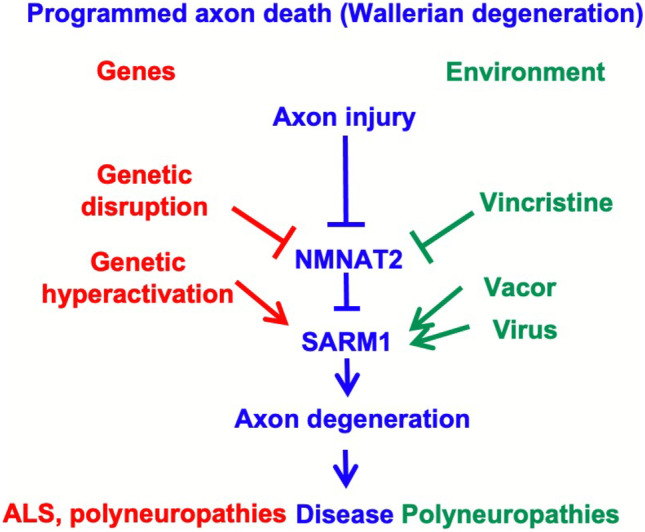
“Thus, loss of the main axonal NMNAT isoform, NMNAT2, a protein absolutely required for axon survival [63, 64] appears to be what provides the axonal specificity of degeneration after axon injury, or in axonal transport disorders [65, 66], or when NMNAT2 is genetically disrupted [64, 67, 68, 69], since NMNAT1 supplies…”
BackgroundA compensatory subpopulation of motor neurons in a mouse model of amyotrophic lateral sclerosis
Schaefer, A. M., Sanes, J. R., & Lichtman, J. W. (2005) · The Journal of Comparative Neurology · doi:10.1002/cne.20620 · Cited by 248 · cited 3×
“Denervation of neuromuscular junctions (NMJs) is particularly early [18] and this further complicates the assessment.”
BackgroundInfluentialdeF. Webster, H. (1962) · The Journal of Cell Biology · doi:10.1083/jcb.12.2.361 · Cited by 248 · cited 1×
“The most accurate measure of axon loss in peripheral nerve or ventral roots is electron microscopy, where a dying axon is defined by granular disintegration of the cytoskeleton and mitochondrial swelling [14].”
BackgroundFinn, J. T., Weil, M., Archer, F., Siman, R., Srinivasan, A., & Raff, M. C. (2000) · The Journal of Neuroscience · doi:10.1523/jneurosci.20-04-01333.2000 · Cited by 242 · cited 1×
“For example, induction of apoptosis in the soma of intact neurons causes caspase-dependent death to spread from the soma to the axon even though caspases do not seem to be involved in programmed axon death [87].”
BackgroundStein, R., Mori, N., Matthews, K., Lo, L.-C., & Anderson, D. J. (1988) · Neuron · doi:10.1016/0896-6273(88)90177-8 · Cited by 236 · cited 1×
“Recent studies show similar findings in STMN2 null mice, a protein that regulates microtubule stability and neurite outgrowth [27, 28], whose depletion occurs downstream of TDP-43 ablation [29].”
ResultHui, F., Tang, J., Williams, P. A., McGuinness, M. B., Hadoux, X., Casson, R. J., Coote, M., Trounce, I. A., Martin, K. R., van Wijngaarden, P., et al. (2020) · Clinical & Experimental Ophthalmology · doi:10.1111/ceo.13818 · Cited by 226 · cited 2×
“1 3 signs in clinical trials for some disorders [115].”
BackgroundFerri, A., Sanes, J. R., Coleman, M. P., Cunningham, J. M., & Kato, A. C. (2003) · Current Biology · doi:10.1016/s0960-9822(03)00206-9 · Cited by 221 · cited 4×
“For example, the progressive motor neuronopathy (pmn) mouse, which undergoes massive motor axon loss in the first weeks after weaning due to deficiency of a key protein for microtubule formation and axonal transport [38], has motor neuron loss that follows slightly after axon loss [39].”
BackgroundResultInfluentialSelf-citationShared Resistance to Aging and ALS in Neuromuscular Junctions of Specific Muscles
Valdez, G., Tapia, J. C., Lichtman, J. W., Fox, M. A., & Sanes, J. R. (2012) · PLoS ONE · doi:10.1371/journal.pone.0034640 · Cited by 216 · cited 3×
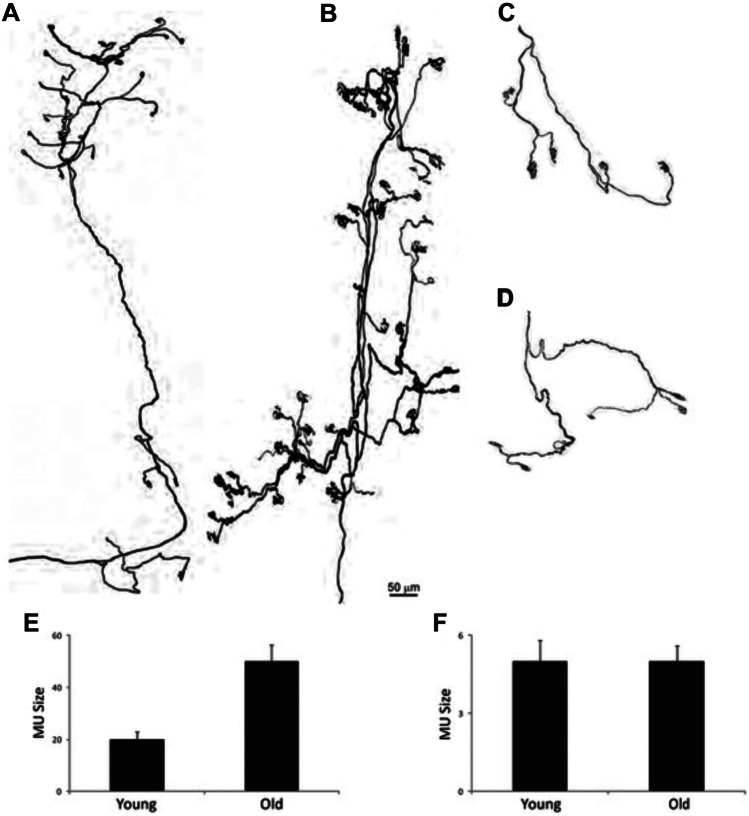
“This occurs because some axons are lost altogether and their surviving neighbors sprout to innervate the vacated postsynaptic targets [83] (Fig.”
BackgroundInfluentialNMNAT1 mutations cause Leber congenital amaurosis
Falk, M. J., Zhang, Q., Nakamaru-Ogiso, E., Kannabiran, C., Fonseca-Kelly, Z., Chakarova, C., Audo, I., Mackay, D. S., Zeitz, C., Borman, A. D., et al. (2012) · Nature Genetics · doi:10.1038/ng.2361 · Cited by 200 · cited 1×
“First, mutation of NMNAT1 in Leber’s congenital amaurosis type 9 (LCA9) causes retinal ganglion cell death [70].”
BackgroundThe debated toxic role of aggregated TDP-43 in amyotrophic lateral sclerosis: a resolution in sight?
Hergesheimer, R. C., Chami, A. A., de Assis, D. R., Vourc’h, P., Andres, C. R., Corcia, P., Lanznaster, D., & Blasco, H. (2019) · Brain · doi:10.1093/brain/awz078 · Cited by 200 · cited 1×
“Quantifying histopathology, such as TDP-43 aggregation, as a surrogate for cell death introduces even more uncertainty because aggregation does not necessarily mean death [20], even if it is likely these neurons are substantially compromised.”
BackgroundThe NAD+-mediated self-inhibition mechanism of pro-neurodegenerative SARM1
Jiang, Y., Liu, T., Lee, C.-H., Chang, Q., Yang, J., & Zhang, Z. (2020) · Nature · doi:10.1038/s41586-020-2862-z · Cited by 199 · cited 1×
“High levels of NAD oppose this activation by binding to the same site on its N-terminal inhibitory domain [59, 61, 62].”
BackgroundBendotti, C., Calvaresi, N., Chiveri, L., Prelle, A., Moggio, M., Braga, M., Silani, V., & De Biasi, S. (2001) · Journal of the Neurological Sciences · doi:10.1016/s0022-510x(01)00627-x · Cited by 191 · cited 2×
“1 3 transgenic mouse models of ALS show little or no improvement when programmed axon death is blocked, either at the NMNAT (WLDS) level or the SARM1 level [88, 89] despite some evidence that the soma is impaired very early in these models [41].”
BackgroundDeletion of Sarm1 gene is neuroprotective in two models of peripheral neuropathy
Turkiew, E., Falconer, D., Reed, N., & Höke, A. (2017) · Journal of the Peripheral Nervous System · doi:10.1111/jns.12219 · Cited by 179 · cited 1×
“Thus, loss of the main axonal NMNAT isoform, NMNAT2, a protein absolutely required for axon survival [63, 64] appears to be what provides the axonal specificity of degeneration after axon injury, or in axonal transport disorders [65, 66], or when NMNAT2 is genetically disrupted [64, 67, 68, 69], since NMNAT1 supplies…”
BackgroundZhao, Z. Y., Xie, X. J., Li, W. H., Liu, J., Chen, Z., Zhang, B., Li, T., Li, S. L., Lu, J. G., Zhang, L., et al. (2019) · iScience · doi:10.1016/j.isci.2019.05.001 · Cited by 178 · cited 3×
“NMN is an activator of SARM1 NADase [58, 59, 61], so its accumulation could drastically lower NAD, exactly the opposite of the intended therapeutic action and likely to lead to a harmful outcome.”
BackgroundVinsant, S., Mansfield, C., Jimenez‐Moreno, R., Moore, V. D. G., Yoshikawa, M., Hampton, T. G., Prevette, D., Caress, J., Oppenheim, R. W., & Milligan, C. (2013) · Brain and Behavior · doi:10.1002/brb3.142 · Cited by 172 · cited 1×
“While innervation of fast fatigable muscles is reduced by 40% by P30, motor neuron loss is limited to 20% even at P60 [24, 25].”
BackgroundAltman, T., Ionescu, A., Ibraheem, A., Priesmann, D., Gradus, T., Farberov, L., Alexandra, G., Shelestovich, N., Dafinca, R., Shomron, N., et al. (2021) · Nature Communications · doi:10.1038/s41467-021-27221-8 · Cited by 161 · cited 1×
“TDP-43 has a role in regulating local translation in axons [45] that influences the axonal transcriptome [105] and appears to have pathogenic potential [106].”
BackgroundA missense mutation in Tbce causes progressive motor neuronopathy in mice
Martin, N., Jaubert, J., Gounon, P., Salido, E., Haase, G., Szatanik, M., & Guénet, J.-L. (2002) · Nature Genetics · doi:10.1038/ng1016 · Cited by 159 · cited 1×
“For example, the progressive motor neuronopathy (pmn) mouse, which undergoes massive motor axon loss in the first weeks after weaning due to deficiency of a key protein for microtubule formation and axonal transport [38], has motor neuron loss that follows slightly after axon loss [39].”
BackgroundBosanac, T., Hughes, R. O., Engber, T., Devraj, R., Brearley, A., Danker, K., Young, K., Kopatz, J., Hermann, M., Berthemy, A., et al. (2021) · Brain · doi:10.1093/brain/awab184 · Cited by 151 · cited 1×
“Methods under investigation include inhibition [112], ASOs [113] or disruption of the SARM1 activation mechanism [61].”
MethodLack of TDP-43 abnormalities in mutant SOD1 transgenic mice shows disparity with ALS
Robertson, J., Sanelli, T. R., Xiao, S., Yang, W., Horne, P., Hammond, R. R., Pioro, E. P., & Strong, M. J. (2007) · Neuroscience Letters · doi:10.1016/j.neulet.2007.03.066 · Cited by 150 · cited 1×
“Some of the best data comes from SOD1 transgenic mice, although the unusual lack of TDP-43 aggregates in SOD1 cases suggests these represent only a small subset of human ALS [22].”
BackgroundSzretter, K. J., Samuel, M. A., Gilfillan, S., Fuchs, A., Colonna, M., & Diamond, M. S. (2009) · Journal of Virology · doi:10.1128/jvi.00836-09 · Cited by 150 · cited 2×
“Finally, the recent finding that zika virus causes SARM1dependent neuronal death [9], along with earlier indications of similar effects with both rabies and West Nile virus [10, 11], albeit so far by unknown mechanisms, raise the important question of whether endemic viruses could make an as-yet unrecognised contribut…”
BackgroundThe WldS gene delays axonal but not somatic degeneration in a rat glaucoma model
Beirowski, B., Babetto, E., Coleman, M. P., & Martin, K. R. (2008) · European Journal of Neuroscience · doi:10.1111/j.1460-9568.2008.06426.x · Cited by 135 · cited 1×
“Whereas some neuron types show the typical chromatolytic response to axon injury but survive [35], retinal ganglion cell neurons are one example of a CNS neuron population that does undergo apoptosis following optic nerve lesion [36].”
BackgroundSelf-citationBeirowski, B., Berek, L., Adalbert, R., Wagner, D. A., Grumme, D., Addicks, K., Ribchester, R. R., & Coleman, M. P. (2003) · Journal of Neuroscience Methods · doi:10.1016/j.jneumeth.2003.10.016 · Cited by 134 · cited 2×
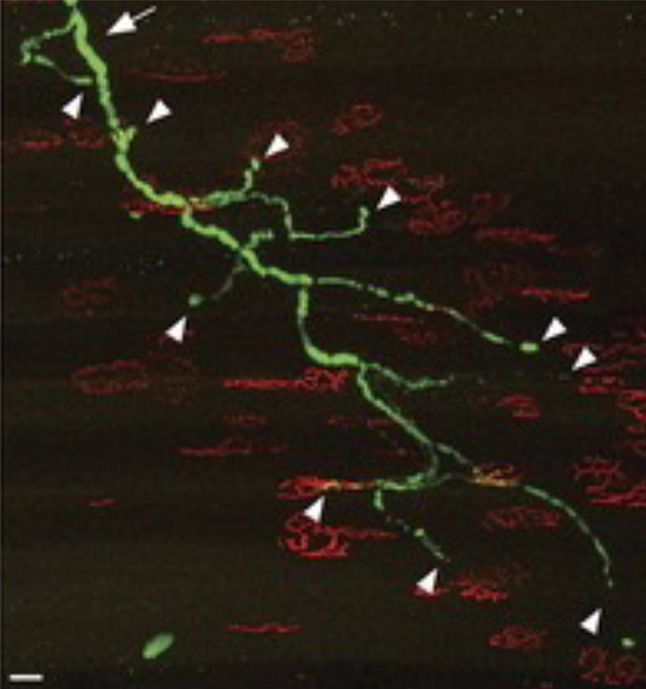
“Once the axon fragments [15] and myelin ovoids form, this is considered terminal.”
BackgroundSelf-citationLoss of Stathmin-2, a hallmark of TDP-43-associated ALS, causes motor neuropathy
Krus, K. L., Strickland, A. M., Yamada, Y., DeVault, L., Schmidt, R. E., Bloom, A. J., Milbrandt, J., & DiAntonio, A. (2022) · Cell Reports · doi:10.1016/j.celrep.2022.111001 · Cited by 130
NMNAT2:HSP90 Complex Mediates Proteostasis in Proteinopathies
Ali, Y. O., Allen, H. M., Yu, L., Li-Kroeger, D., Bakhshizadehmahmoudi, D., Hatcher, A., McCabe, C., Xu, J., Bjorklund, N., Taglialatela, G., et al. (2016) · PLOS Biology · doi:10.1371/journal.pbio.1002472 · Cited by 127 · cited 1×
“This is supported by the identification of naturally occurring harmful alleles (NMNAT2 LoF, SARM1 GoF) and protective alleles (SARM1 LoF and dominant negative) [5, 67, 68, 91], and by the wide range of NMNAT2 expression in humans [92].”
BackgroundMehta, A. R., Gregory, J. M., Dando, O., Carter, R. N., Burr, K., Nanda, J., Story, D., McDade, K., Smith, C., Morton, N. M., et al. (2021) · Acta Neuropathologica · doi:10.1007/s00401-020-02252-5 · Cited by 127 · cited 1×
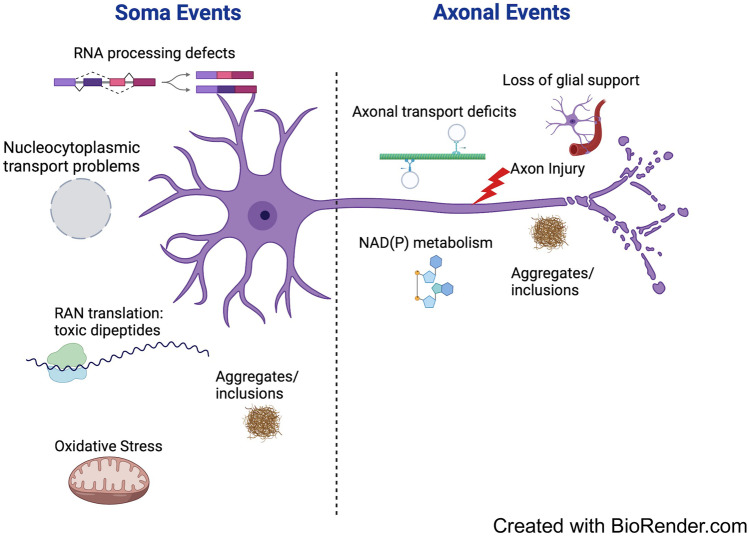
“Nevertheless, it is remarkably difficult to be sure whether even these events occur within the axon or whether they are secondary to changes in the soma, such as mitochondrial bioenergetic deficits [49].”
BackgroundSites of the NUDT9-H Domain Critical for ADP-ribose Activation of the Cation Channel TRPM2
Kühn, F. J. P., & Lückhoff, A. (2004) · Journal of Biological Chemistry · doi:10.1074/jbc.m407263200 · Cited by 122 · cited 1×
“Removal of one SARM1 product, cADPR, was not found to be protective, but the roles of other calcium modulating signals remain untested, including NaADP [59] and ADPR [60].”
BackgroundRescue of Peripheral and CNS Axon Defects in Mice Lacking NMNAT2
Gilley, J., Adalbert, R., Yu, G., & Coleman, M. P. (2013) · The Journal of Neuroscience · doi:10.1523/jneurosci.1534-13.2013 · Cited by 122 · cited 1×
“Thus, loss of the main axonal NMNAT isoform, NMNAT2, a protein absolutely required for axon survival [63, 64] appears to be what provides the axonal specificity of degeneration after axon injury, or in axonal transport disorders [65, 66], or when NMNAT2 is genetically disrupted [64, 67, 68, 69], since NMNAT1 supplies…”
BackgroundSelf-citationInhibition of Fast Axonal Transport by Pathogenic SOD1 Involves Activation of p38 MAP Kinase
Morfini, G. A., Bosco, D. A., Brown, H., Gatto, R., Kaminska, A., Song, Y., Molla, L., Baker, L., Marangoni, M. N., Berth, S., et al. (2013) · PLoS ONE · doi:10.1371/journal.pone.0065235 · Cited by 121 · cited 1×
“Possible methods include boosting fast axonal transport by inhibition of p38 MAPK [107], a strategy that has been effective in animal models [108], or by HDAC inhibition [109], or alternatively miRNA or ASO based strategies to influence local translation [110].”
MethodSarm1 Deletion, but Not Wld, Confers Lifelong Rescue in a Mouse Model of Severe Axonopathy
Gilley, J., Ribchester, R. R., & Coleman, M. P. (2017) · Cell Reports · doi:10.1016/j.celrep.2017.09.027 · Cited by 121 · cited 3×
“A similar situation arises in the absence of nerve injury, when Nmnat2−/− mice are rescued by WLDS, with NMJ denervation causing paralysis between 7 and 10 months of age [33].”
BackgroundSelf-citationDynamic neuromuscular remodeling precedes motor-unit loss in a mouse model of ALS
Martineau, É., Di Polo, A., Vande Velde, C., & Robitaille, R. (2018) · eLife · doi:10.7554/elife.41973 · Cited by 120
Mi, W. (2004) · Brain · doi:10.1093/brain/awh368 · Cited by 115 · cited 1×
“CNS axon survival is sometimes quantified by counting axonal swellings or spheroids [16].”
BackgroundConstitutively active SARM1 variants that induce neuropathy are enriched in ALS patients
Bloom, A. J., Mao, X., Strickland, A., Sasaki, Y., Milbrandt, J., & DiAntonio, A. (2022) · Molecular Neurodegeneration · doi:10.1186/s13024-021-00511-x · Cited by 115 · cited 1×
“Although this prodegenerative role and its regulation in axons was discovered using the experimental platform of axon injury, SARM1 can kill the neuronal soma directly too, for example when it is becomes constitutively active through gain-of-function (GoF) mutation [5, 6], or when it is activated by a toxin [7, 8].”
BackgroundMarinković, P., Reuter, M. S., Brill, M. S., Godinho, L., Kerschensteiner, M., & Misgeld, T. (2012) · Proceedings of the National Academy of Sciences · doi:10.1073/pnas.1200658109 · Cited by 113 · cited 1×
“Indeed, while early deficits of axonal transport have been reported in mouse SOD1 models [101], other studies have separated these from the causative steps in disease [102, 103].”
ResultReyes, N. A., Fisher, J. K., Austgen, K., VandenBerg, S., Huang, E. J., & Oakes, S. A. (2010) · Journal of Clinical Investigation · doi:10.1172/jci42986 · Cited by 113 · cited 1×
“DAPI or Nissl staining are commonly used to count live neurons, while propidium iodide or TUNEL staining give a measure of neurons that are dying or have been recently lost [19].”
The WldS gene modestly prolongs survival in the SOD1G93A fALS mouse
Fischer, L. R., Culver, D. G., Davis, A. A., Tennant, P., Wang, M., Coleman, M., Asress, S., Adalbert, R., Alexander, G. M., & Glass, J. D. (2005) · Neurobiology of Disease · doi:10.1016/j.nbd.2005.01.008 · Cited by 110 · cited 1×
“1 3 transgenic mouse models of ALS show little or no improvement when programmed axon death is blocked, either at the NMNAT (WLDS) level or the SARM1 level [88, 89] despite some evidence that the soma is impaired very early in these models [41].”
BackgroundSelf-citationBouldin, T. W., & Cavanagh, J. (1979) · PubMed · Cited by 108
Julian, T. H., Glascow, N., Barry, A. D. F., Moll, T., Harvey, C., Klimentidis, Y. C., Newell, M., Zhang, S., Snyder, M. P., Cooper-Knock, J., et al. (2021) · EBioMedicine · doi:10.1016/j.ebiom.2021.103397 · Cited by 106 · cited 1×
“Much less is known about environmental risks but some that have been proposed based on epidemiology studies are environmental toxins [78], strenuous exercise [79] and traumatic brain injury (TBI) [53], although better preclinical models are required to establish causation rather than reverse causation for TBI [80].”
BackgroundVinsant, S., Mansfield, C., Jimenez‐Moreno, R., Moore, V. D. G., Yoshikawa, M., Hampton, T. G., Prevette, D., Caress, J., Oppenheim, R. W., & Milligan, C. (2013) · Brain and Behavior · doi:10.1002/brb3.143 · Cited by 105 · cited 1×
“While innervation of fast fatigable muscles is reduced by 40% by P30, motor neuron loss is limited to 20% even at P60 [24, 25].”
BackgroundBriese, M., Saal-Bauernschubert, L., Lüningschrör, P., Moradi, M., Dombert, B., Surrey, V., Appenzeller, S., Deng, C., Jablonka, S., & Sendtner, M. (2020) · Acta Neuropathologica Communications · doi:10.1186/s40478-020-00987-6 · Cited by 105 · cited 1×
“TDP-43 has a role in regulating local translation in axons [45] that influences the axonal transcriptome [105] and appears to have pathogenic potential [106].”
BackgroundMechanisms of Axonal Spheroid Formation in Central Nervous System Wallerian Degeneration
Beirowski, B., Nógrádi, A., Babetto, E., Garcia-Alias, G., & Coleman, M. P. (2010) · Journal of Neuropathology & Experimental Neurology · doi:10.1097/nen.0b013e3181da84db · Cited by 104 · cited 1×
“However, it is not completely clear whether these axons are dead as swelling often occurs well before fragmentation [17].”
BackgroundSelf-citationAngeletti, C., Amici, A., Gilley, J., Loreto, A., Trapanotto, A. G., Antoniou, C., Merlini, E., Coleman, M. P., & Orsomando, G. (2022) · iScience · doi:10.1016/j.isci.2022.103812 · Cited by 103
Self-citationMilde, S., Adalbert, R., Elaman, M. H., & Coleman, M. P. (2015) · Neurobiology of Aging · doi:10.1016/j.neurobiolaging.2014.09.018 · Cited by 102 · cited 3×
“One key consideration, however, is whether these expanded arbors overreach themselves, and especially whether they can be supported into old age when NMNAT2 axonal transport declines [54].”
BackgroundSelf-citationALS-associated KIF5A mutations abolish autoinhibition resulting in a toxic gain of function
Baron, D. M., Fenton, A. R., Saez-Atienzar, S., Giampetruzzi, A., Sreeram, A., Shankaracharya, Keagle, P. J., Doocy, V. R., Smith, N. J., Danielson, E. W., et al. (2022) · Cell Reports · doi:10.1016/j.celrep.2022.110598 · Cited by 101 · cited 2×
“Taken together with evidence of KIF5A functional alteration by ALS-specific variants [50], it seems highly likely that patients with KIF5A variants activate axonintrinsic mechanisms contributing to the disorder.”
BackgroundAxonal transport deficit in a KIF5A –/– mouse model
Karle, K. N., Möckel, D., Reid, E., & Schöls, L. J. (2012) · Neurogenetics · doi:10.1007/s10048-012-0324-y · Cited by 100 · cited 1×
“Nevertheless, the phenotype of the null mice, and their neurons in primary culture [100] clearly indicate that KIF5A is essential for both axonal transport and the ability to sustain long axons.”
BackgroundInhibiting p38 MAPK alpha rescues axonal retrograde transport defects in a mouse model of ALS
Gibbs, K. L., Kalmar, B., Rhymes, E. R., Fellows, A. D., Ahmed, M., Whiting, P., Davies, C. H., Greensmith, L., & Schiavo, G. (2018) · Cell Death & Disease · doi:10.1038/s41419-018-0624-8 · Cited by 100 · cited 1×
“Possible methods include boosting fast axonal transport by inhibition of p38 MAPK [107], a strategy that has been effective in animal models [108], or by HDAC inhibition [109], or alternatively miRNA or ASO based strategies to influence local translation [110].”
MethodNon‐neuronal Cells in ALS: Role of Glial, Immune cells and Blood‐CNS Barriers
Puentes, F., Malaspina, A., van Noort, J. M., & Amor, S. (2016) · Brain Pathology · doi:10.1111/bpa.12352 · Cited by 98 · cited 1×
“NMJ denervation following STMN2 depletion is also independent of SARM1 [29], and glial-derived toxicity, or loss of glial support are further mechanisms that may contribute [90].”
BackgroundMorii, H., Shiraishi‐Yamaguchi, Y., & Mori, N. (2006) · Journal of Neurobiology · doi:10.1002/neu.20295 · Cited by 95 · cited 1×
“Recent studies show similar findings in STMN2 null mice, a protein that regulates microtubule stability and neurite outgrowth [27, 28], whose depletion occurs downstream of TDP-43 ablation [29].”
ResultSarm1 deletion suppresses TDP-43-linked motor neuron degeneration and cortical spine loss
White, M. A., Lin, Z., Kim, E., Henstridge, C. M., Peña‐Altamira, E., Hunt, C. K., Burchill, E., Callaghan, I., Loreto, A., Brown-Wright, H., et al. (2019) · Acta Neuropathologica Communications · doi:10.1186/s40478-019-0800-9 · Cited by 95 · cited 2×
“This was revealed using studies of axon transection [63] but it is also the case when axonal transport is impaired [39], protein synthesis is blocked in the soma [63] and when RNA metabolism is disrupted by TDP-43 mutation [85], since blocking the same pathway promotes axon survival in each case.”
BackgroundResultSelf-citationEnteroviral Infection: The Forgotten Link to Amyotrophic Lateral Sclerosis?
Xue, Y. C., Feuer, R., Cashman, N., & Luo, H. (2018) · Frontiers in Molecular Neuroscience · doi:10.3389/fnmol.2018.00063 · Cited by 94
TDP-43 transports ribosomal protein mRNA to regulate axonal local translation in neuronal axons
Nagano, S., Jinno, J., Abdelhamid, R. F., Jin, Y., Shibata, M., Watanabe, S., Hirokawa, S., Nishizawa, M., Sakimura, K., Onodera, O., et al. (2020) · Acta Neuropathologica · doi:10.1007/s00401-020-02205-y · Cited by 94 · cited 2×
“For example, C9orf72-derived arginine-containing dipeptide repeats, which are associated with its ALS mutation and remain a good candidate for the pathogenic mechanism, disrupt axonal transport [44], while TDP-43 also has a role in regulating axonal protein synthesis [45] and it pathogenic variants also disrupt axonal…”
BackgroundFumagalli, L., Young, F. L., Boeynaems, S., De Decker, M., Mehta, A. R., Swijsen, A., Fazal, R., Guo, W., Moisse, M., Beckers, J., et al. (2021) · Science Advances · doi:10.1126/sciadv.abg3013 · Cited by 94 · cited 1×
“For example, C9orf72-derived arginine-containing dipeptide repeats, which are associated with its ALS mutation and remain a good candidate for the pathogenic mechanism, disrupt axonal transport [44], while TDP-43 also has a role in regulating axonal protein synthesis [45] and it pathogenic variants also disrupt axonal…”
BackgroundGillingwater, T. H., Thomson, D., Mack, T. G. A., Soffin, E. M., Mattison, R. J., Coleman, M. P., & Ribchester, R. R. (2002) · The Journal of Physiology · doi:10.1113/jphysiol.2002.022343 · Cited by 91 · cited 6×
“A similar situation arises in the absence of nerve injury, when Nmnat2−/− mice are rescued by WLDS, with NMJ denervation causing paralysis between 7 and 10 months of age [33].”
BackgroundInfluentialSelf-citationSleigh, J. N., Tosolini, A. P., Gordon, D., Devoy, A., Fratta, P., Fisher, E. M. C., Talbot, K., & Schiavo, G. (2020) · Cell Reports · doi:10.1016/j.celrep.2020.02.078 · Cited by 91 · cited 3×
“For example, C9orf72-derived arginine-containing dipeptide repeats, which are associated with its ALS mutation and remain a good candidate for the pathogenic mechanism, disrupt axonal transport [44], while TDP-43 also has a role in regulating axonal protein synthesis [45] and it pathogenic variants also disrupt axonal…”
Background“NEUROAXONAL DYSTROPHY” OCCURRING IN AN EXPERIMENTAL, “DYING BACK” PROCESS IN THE RAT
BLAKEMORE, W. F., & CAVANAGH, J. B. (1969) · Brain · doi:10.1093/brain/92.4.789 · Cited by 87
Gilley, J., Jackson, O., Pipis, M., Estiar, M. A., Al‐Chalabi, A., Danzi, M. C., van Eijk, K. R., Goutman, S. A., Harms, M. B., Houlden, H., et al. (2021) · eLife · doi:10.7554/elife.70905 · Cited by 87 · cited 5×
“Although this prodegenerative role and its regulation in axons was discovered using the experimental platform of axon injury, SARM1 can kill the neuronal soma directly too, for example when it is becomes constitutively active through gain-of-function (GoF) mutation [5, 6], or when it is activated by a toxin [7, 8].”
BackgroundInfluentialSelf-citationThe Neglected Genes of ALS: Cytoskeletal Dynamics Impact Synaptic Degeneration in ALS
Castellanos‐Montiel, M. J., Chaineau, M., & Durcan, T. M. (2020) · Frontiers in Cellular Neuroscience · doi:10.3389/fncel.2020.594975 · Cited by 83 · cited 2×
“While axonal transport defects may contribute to disease in KIF5A cases, and potentially in others influencing cytoskeleton or motor proteins such as dynactin subunit 1 (DCTN1), neurofilament proteins (NF-L, NF-H), spastin (SPAST) and tubulin alpha 4a (TUBA4A) [94], the wider role of axonal transport deficits in ALS r…”
BackgroundUnraveling the complex interplay between genes, environment, and climate in ALS
Vasta, R., Chia, R., Traynor, B. J., & Chiò, A. (2022) · eBioMedicine · doi:10.1016/j.ebiom.2021.103795 · Cited by 82
Chandrasekaran, K., Choi, J., Arvas, M. I., Salimian, M., Singh, S., Xu, S., Gullapalli, R. P., Kristian, T., & Russell, J. W. (2020) · International Journal of Molecular Sciences · doi:10.3390/ijms21113756 · Cited by 81 · cited 1×
“In connection with this, there is now a substantial literature and wider public discussion of therapy and prevention of neurological disorders using precursors of NAD, such as nicotinamide (Nam) and its riboside (NR) or mononucleotide (NMN) [114, 115, 116].”
BackgroundSARM1 depletion rescues NMNAT1-dependent photoreceptor cell death and retinal degeneration
Sasaki, Y., Kakita, H., Kubota, S., Sene, A., Lee, T. J., Ban, N., Dong, Z., Lin, J. B., Boye, S. L., DiAntonio, A., et al. (2020) · eLife · doi:10.7554/elife.62027 · Cited by 77 · cited 4×
“Findings made using an Nmnat1−/− mouse model suggest this mechanism is SARM1-dependent [71].”
MethodInfluentialNeurotoxin-mediated potent activation of the axon degeneration regulator SARM1
Loreto, A., Angeletti, C., Gu, W., Osborne, A., Nieuwenhuis, B., Gilley, J., Arthur‐Farraj, P., Merlini, E., Amici, A., Luo, Z., et al. (2021) · eLife · doi:10.7554/elife.72823 · Cited by 73 · cited 5×
“This was first discovered by understanding the toxic action of the disused rodenticide vacor, which is metabolised by NAMPT to vacor mononucleotide (VMN), an NMN analogue that binds to the same site on the SARM1 inhibitory N-terminal ARM domain as NMN and activates SARM1 NADase activity even more potently [7].”
InfluentialSelf-citationHomozygous NMNAT2 mutation in sisters with polyneuropathy and erythromelalgia
Huppke, P., Wegener, E., Gilley, J., Angeletti, C. A., Kurth, I., Drenth, J. P. H., Stadelmann, C., Barrantes‐Freer, A., Brück, W., Thiele, H., et al. (2019) · Experimental Neurology · doi:10.1016/j.expneurol.2019.112958 · Cited by 72
Self-citationThe Dying Forward Hypothesis of ALS: Tracing Its History
Eisen, A. (2021) · Brain Sciences · doi:10.3390/brainsci11030300 · Cited by 70 · cited 1×
“One central theme of this review is the extent to which the longstanding debate over ‘dying back’ or ‘dying forward’ models of ALS [1, 2] relates to this simple model of a plant without water.”
BackgroundThe Neurotoxicity of the Rat Poison Vacor
LeWitt, P. A. (1980) · New England Journal of Medicine · doi:10.1056/nejm198001103020202 · Cited by 67
Lukacs, M., Gilley, J., Zhu, Y., Orsomando, G., Angeletti, C. A., Liu, J., Yang, X., Park, J., Hopkin, R. J., Coleman, M. P., et al. (2019) · Experimental Neurology · doi:10.1016/j.expneurol.2019.112961 · Cited by 67
Self-citationArthur‐Farraj, P., & Coleman, M. P. (2021) · Neurotherapeutics · doi:10.1007/s13311-021-01125-3 · Cited by 67 · cited 1×
“Finally, there are many proposed strategies to boost compensatory sprouting [117, 118] or longer-range axon regeneration [119].”
BackgroundSelf-citationA reassessment of whether cortical motor neurons die following spinal cord injury
Nielson, J. L., Strong, M. K., & Steward, O. (2011) · The Journal of Comparative Neurology · doi:10.1002/cne.22661 · Cited by 66 · cited 1×
“Current understanding of upper motor neuron survival after spinal cord injury is that most do survive without an intact axon [37].”
BackgroundVan Helleputte, L., Kater, M., Cook, D. P., Eykens, C., Rossaert, E., Haeck, W., Jaspers, T., Geens, N., Vanden Berghe, P., Gysemans, C., et al. (2018) · Neurobiology of Disease · doi:10.1016/j.nbd.2017.11.011 · Cited by 66 · cited 1×
“Possible methods include boosting fast axonal transport by inhibition of p38 MAPK [107], a strategy that has been effective in animal models [108], or by HDAC inhibition [109], or alternatively miRNA or ASO based strategies to influence local translation [110].”
MethodNovel role of SARM1 mediated axonal degeneration in the pathogenesis of rabies
Sundaramoorthy, V., Green, D., Locke, K., O’Brien, C., Dearnley, M., & Bingham, J. (2020) · PLoS Pathogens · doi:10.1371/journal.ppat.1008343 · Cited by 66 · cited 2×
“Finally, the recent finding that zika virus causes SARM1dependent neuronal death [9], along with earlier indications of similar effects with both rabies and West Nile virus [10, 11], albeit so far by unknown mechanisms, raise the important question of whether endemic viruses could make an as-yet unrecognised contribut…”
BackgroundRiva, N., Gentile, F., Cerri, F., Gallia, F., Podini, P., Dina, G., Falzone, Y., Fazio, R., Lunetta, C., Calvo, A., et al. (2021) · Brain · doi:10.1093/brain/awab285 · Cited by 66 · cited 1×
“One reflection of this could be that the appearance of aggregates of RNA binding protein TDP-43 in axons precedes their degeneration in patients [104].”
BackgroundPeters, O. M., Lewis, E. A., Osterloh, J. M., Weiss, A., Salameh, J. S., Metterville, J., Brown, R. H., & Freeman, M. R. (2018) · Human Molecular Genetics · doi:10.1093/hmg/ddy260 · Cited by 65 · cited 1×
“1 3 transgenic mouse models of ALS show little or no improvement when programmed axon death is blocked, either at the NMNAT (WLDS) level or the SARM1 level [88, 89] despite some evidence that the soma is impaired very early in these models [41].”
BackgroundAxonal regeneration and sprouting as a potential therapeutic target for nervous system disorders
Marshall, K. L., & Farah, M. H. (2021) · Neural Regeneration Research · doi:10.4103/1673-5374.308077 · Cited by 65 · cited 1×
“Finally, there are many proposed strategies to boost compensatory sprouting [117, 118] or longer-range axon regeneration [119].”
BackgroundDuis, J., Dean, S., Applegate, C., Harper, A., Xiao, R., He, W., Dollar, J. D., Sun, L. R., Waberski, M. B., Crawford, T. O., et al. (2016) · Annals of Neurology · doi:10.1002/ana.24744 · Cited by 64 · cited 1×
“Among these, the anterograde axonal transport motor KIF5A stands out as a risk factor for the survival of long axons in multiple disorders, including hereditary spastic paraplegia (HSP) [95], CharcotMarie-Tooth (CMT) disease Type 2 [96], adult onset distal SMA [97], and possibly neonatal intractable myoclonus [98], al…”
BackgroundMoon, L. D. F. (2018) · Developmental Neurobiology · doi:10.1002/dneu.22625 · Cited by 64
Low levels of NMNAT2 compromise axon development and survival
Gilley, J., Mayer, P. R., Yu, G., & Coleman, M. P. (2019) · Human Molecular Genetics · doi:10.1093/hmg/ddy356 · Cited by 62 · cited 1×
“Thus, loss of the main axonal NMNAT isoform, NMNAT2, a protein absolutely required for axon survival [63, 64] appears to be what provides the axonal specificity of degeneration after axon injury, or in axonal transport disorders [65, 66], or when NMNAT2 is genetically disrupted [64, 67, 68, 69], since NMNAT1 supplies…”
BackgroundSelf-citationTBCE Mutations Cause Early-Onset Progressive Encephalopathy with Distal Spinal Muscular Atrophy
Sferra, A., Baillat, G., Rizza, T., Barresi, S., Flex, E., Tasca, G. A., D’Amico, A., Bellacchio, E., Ciolfi, A., Caputo, V., et al. (2016) · The American Journal of Human Genetics · doi:10.1016/j.ajhg.2016.08.006 · Cited by 58 · cited 1×
“While pmn is not itself a model for any known form of ALS, the human ortholog of the affected gene is biallelically mutated in a rare form of distal spinal muscular atrophy with encephalitis [40], so it has been associated with motor neuron loss in humans too.”
BackgroundHead Injury and Amyotrophic Lateral Sclerosis: A Meta-Analysis
Liu, G., Ou, S., Cui, H., Li, X., Yin, Z., Gu, D., & Wang, Z. (2021) · Neuroepidemiology · doi:10.1159/000510987 · Cited by 58 · cited 2×
“Finally, axons are known to be highly vulnerable to proposed environmental risk factors for sporadic ALS, such as traumatic brain injury [53].”
BackgroundZhu, Y.-B., & Sheng, Z.-H. (2011) · Journal of Biological Chemistry · doi:10.1074/jbc.m111.237818 · Cited by 56 · cited 1×
“Indeed, while early deficits of axonal transport have been reported in mouse SOD1 models [101], other studies have separated these from the causative steps in disease [102, 103].”
ResultNeurotoxins subvert the allosteric activation mechanism of SARM1 to induce neuronal loss
Wu, T., Zhu, J., Strickland, A. M., Ko, K. W., Sasaki, Y., Dingwall, C. B., Yamada, Y., Figley, M. D., Mao, X. R., Neiner, A., et al. (2021) · Cell Reports · doi:10.1016/j.celrep.2021.109872 · Cited by 47
Gould, S. A., Gilley, J., Ling, K., Jafar‐Nejad, P., Rigo, F., & Coleman, M. P. (2021) · Cell Reports · doi:10.1016/j.celrep.2021.110108 · Cited by 39 · cited 1×
“Methods under investigation include inhibition [112], ASOs [113] or disruption of the SARM1 activation mechanism [61].”
Self-citationNam, D. E., Yoo, D. H., Choi, S. S., Choi, B., & Chung, K. W. (2017) · Genes & Genomics · doi:10.1007/s13258-017-0612-x · Cited by 37 · cited 1×
“Among these, the anterograde axonal transport motor KIF5A stands out as a risk factor for the survival of long axons in multiple disorders, including hereditary spastic paraplegia (HSP) [95], CharcotMarie-Tooth (CMT) disease Type 2 [96], adult onset distal SMA [97], and possibly neonatal intractable myoclonus [98], al…”
BackgroundIn the Right Place at the Right Time: miRNAs as Key Regulators in Developing Axons
Corradi, E., & Baudet, M. (2020) · International Journal of Molecular Sciences · doi:10.3390/ijms21228726 · Cited by 37 · cited 1×
“Possible methods include boosting fast axonal transport by inhibition of p38 MAPK [107], a strategy that has been effective in animal models [108], or by HDAC inhibition [109], or alternatively miRNA or ASO based strategies to influence local translation [110].”
MethodAdalbert, R., Nógrádi, A., Szabó, A., & Coleman, M. P. (2006) · European Journal of Neuroscience · doi:10.1111/j.1460-9568.2006.05103.x · Cited by 33 · cited 2×
“As WLDS has been shown to rescue only axons directly, not the soma [34], this together with the temporal sequence strongly suggests that loss of the soma in pmn mice is secondary to axon loss.”
BackgroundSelf-citationIntramuscular Delivery of Gene Therapy for Targeting the Nervous System
Tosolini, A. P., & Sleigh, J. N. (2020) · Frontiers in Molecular Neuroscience · doi:10.3389/fnmol.2020.00129 · Cited by 32 · cited 1×
“Intramuscular delivery of viral vectors for gene therapy could be an effective way to deliver such therapies to distal motor axons, in addition to delivering therapies to the soma via retrograde axonal transport [111].”
BackgroundBellmann, J., Monette, A., Tripathy, V., Sójka, A., Abo-Rady, M., Janosch, A., Bhatnagar, R., Bickle, M., Mouland, A. J., & Sterneckert, J. L. (2019) · Frontiers in Cellular Neuroscience · doi:10.3389/fncel.2019.00480 · Cited by 30
Impact of traumatic brain injury on amyotrophic lateral sclerosis: from bedside to bench
Franz, C. K., Joshi, D., Daley, E. L., Grant, R. A., Dalamagkas, K., Leung, A., Finan, J. D., & Kiskinis, E. (2019) · Journal of Neurophysiology · doi:10.1152/jn.00572.2018 · Cited by 26 · cited 1×
“Much less is known about environmental risks but some that have been proposed based on epidemiology studies are environmental toxins [78], strenuous exercise [79] and traumatic brain injury (TBI) [53], although better preclinical models are required to establish causation rather than reverse causation for TBI [80].”
BackgroundGenotype-phenotype correlations of KIF5A stalk domain variants
de Boer, E. M. J., van Rheenen, W., Goedee, H. S., Kamsteeg, E., Brilstra, E. H., Veldink, J. H., van den Berg, L. H., & van Es, M. A. (2021) · Amyotrophic Lateral Sclerosis and Frontotemporal Degeneration · doi:10.1080/21678421.2021.1907412 · Cited by 23 · cited 1×
“Intriguingly, there may be a degree of domain specificity regarding which KIF5A variant contributes to which disorder, with motor domain variants predominantly linked to HSP and CMT2 and tail (cargo-binding) domain variants to ALS and neonatal intractable myoclonus, although there are exceptions [99].”
BackgroundNeurotoxin-mediated --potent activation of the axon degeneration regulator SARM1.
Loreto, A., Angeletti, C., Gu, W., Osborne, A., Nieuwenhuis, B., Gilley, J., Merlini, E., Arthur‐Farraj, P., Amici, A., Luo, Z., et al. (2021) · Apollo (University of Cambridge) · doi:10.17863/cam.79086 · Cited by 20
Self-citationSARM1 Depletion Slows Axon Degeneration in a CNS Model of Neurotropic Viral Infection
Crawford, C. L., Antoniou, C., Komarek, L., Schultz, V., Donald, C. L., Montague, P., Barnett, S. C., Linington, C., Willison, H. J., Kohl, A., et al. (2022) · Frontiers in Molecular Neuroscience · doi:10.3389/fnmol.2022.860410 · Cited by 19 · cited 2×
“Finally, the recent finding that zika virus causes SARM1dependent neuronal death [9], along with earlier indications of similar effects with both rabies and West Nile virus [10, 11], albeit so far by unknown mechanisms, raise the important question of whether endemic viruses could make an as-yet unrecognised contribut…”
BackgroundSelf-citationALS-Like Disorder in Three HIV-Positive Patients: Case Series
Satin, Z., & Bayat, E. (2021) · Case Reports in Neurology · doi:10.1159/000511203 · Cited by 16 · cited 1×
“At present, this can be only speculative, but since an environmental component in sporadic ALS of around 40% needs to be accounted for [74], and since some viruses including rabies and zika have indeed been associated with ALS risk and motor neuron death [75, 76, 77], it will be important to consider.”
BackgroundImaging Net Retrograde Axonal Transport In Vivo: A Physiological Biomarker
Lee, P., Kennedy, Z., Wang, Y., Lu, Y., Cefaliello, C., Uyan, Ö., Song, C., Godinho, B. M. D. C., Xu, Z., Rusckowski, M., et al. (2022) · Annals of Neurology · doi:10.1002/ana.26329 · Cited by 16 · cited 1×
“Indeed, while early deficits of axonal transport have been reported in mouse SOD1 models [101], other studies have separated these from the causative steps in disease [102, 103].”
ResultLoss of Stathmin-2, a hallmark of TDP-43-associated ALS, causes motor neuropathyPreprint
Krus, K. L., Strickland, A. M., Yamada, Y., et al. (2022) · bioRxiv (Cold Spring Harbor Laboratory) · doi:10.1101/2022.03.13.484188 · Cited by 13 · cited 4×
“The early denervation of NMJs in mice lacking TDP-43 target STMN2 [29] could represent one mechanism by which TDP-43 influences the survival of axonal compartments directly.”
BackgroundResultInfluentialAdemi, M., Yang, X., Coleman, M. P., & Gilley, J. (2022) · Scientific Reports · doi:10.1038/s41598-022-18052-8 · Cited by 11 · cited 1×
“This is supported by the identification of naturally occurring harmful alleles (NMNAT2 LoF, SARM1 GoF) and protective alleles (SARM1 LoF and dominant negative) [5, 67, 68, 91], and by the wide range of NMNAT2 expression in humans [92].”
BackgroundSelf-citationPharmacological BACE Inhibition Improves Axonal Regeneration in Nerve Injury and Disease Models
Tallon, C., Marshall, K. L., Kennedy, M. E., Hyde, L. A., & Farah, M. H. (2020) · Neurotherapeutics · doi:10.1007/s13311-020-00852-3 · Cited by 10
Confocal Microendoscopy of Neuromuscular Synapses in Living Mice
Blanco, G., & Ribchester, R. R. (2012) · Current Protocols in Mouse Biology · doi:10.1002/9780470942390.mo110144 · Cited by 6 · cited 1×
“1 3 data directly in humans and have biomarker potential too [30].”
BackgroundArthur‐Farraj, P., & Coleman, M. P. (2021) · Neurotherapeutics · doi:10.1007/s13311-021-01162-y · Cited by 4
Self-citationReply: Adult-onset distal spinal muscular atrophy: a new phenotype associated with KIF5A mutations
Brenner, D., Rosenbohm, A., Yilmaz, R., Müller, K., Grehl, T., Petri, S., Meyer, T., Großkreutz, J., Weydt, P., Ruf, W. P., et al. (2019) · Brain · doi:10.1093/brain/awz306 · Cited by 1 · cited 1×
“Among these, the anterograde axonal transport motor KIF5A stands out as a risk factor for the survival of long axons in multiple disorders, including hereditary spastic paraplegia (HSP) [95], CharcotMarie-Tooth (CMT) disease Type 2 [96], adult onset distal SMA [97], and possibly neonatal intractable myoclonus [98], al…”
BackgroundYamada, Y., Strickland, A. M., Sasaki, Y., Bloom, A. J., DiAntonio, A., & Milbrandt, J. (2022) · bioRxiv (Cold Spring Harbor Laboratory) · doi:10.1101/2022.05.17.492364 · Cited by 1
Cited by
Antiageing strategy for neurodegenerative diseases: from mechanisms to clinical advances
Jiang, Q., Liu, J., Huang, S., Wang, X.-Y., Chen, X., Liu, G.-H., Ye, K., Song, W., Masters, C. L., Wang, J., et al. (2025) · Signal Transduction and Targeted Therapy · doi:10.1038/s41392-025-02145-7 · Cited by 165
Regulated cell death and its role in Alzheimer’s disease and amyotrophic lateral sclerosis
Thal, D. R., Gawor, K., & Moonen, S. (2024) · Acta Neuropathologica · doi:10.1007/s00401-024-02722-0 · Cited by 51
“Multiple pathological processes, of which some seem to predominantly affect either the soma or the axon, likely converge in protein aggregation and ultimately motor neuron death [44].”
Synaptic Dysfunction and Plasticity in Amyotrophic Lateral Sclerosis
Gulino, R. (2023) · International Journal of Molecular Sciences · doi:10.3390/ijms24054613 · Cited by 43
Sensory neuropathy in amyotrophic lateral sclerosis: a systematic review
Bombaci, A., Lupica, A., Pozzi, F. E., Remoli, G., Manera, U., & Stefano, V. D. (2023) · Journal of Neurology · doi:10.1007/s00415-023-11954-1 · Cited by 43
“While in small fibers a length-dependent degeneration similar to that recognized in second motor neurons can be hypothesized [46], in large sensory fibers an acute or subacute inflammatory process could be involved.”
BackgroundDLK-dependent axonal mitochondrial fission drives degeneration after axotomy
Gómez-Deza, J., Nebiyou, M., Alkaslasi, M. R., Nadal-Nicolás, F. M., Somasundaram, P., Slavutsky, A. L., Li, W., Ward, M. E., Watkins, T. A., & Pichon, C. E. L. (2024) · Nature Communications · doi:10.1038/s41467-024-54982-9 · Cited by 16
“It has been suggested that dying back axon degeneration overlaps with Wallerian degeneration 61 , but this remains unclear 62 .”
Metadata
- Authors
- Coleman, M. P.
- Affiliations
- University of Cambridge (GB)
- Corresponding author
- Coleman, Michael P.
- ORCID
- Coleman, Michael P.
- Venue
- Neurotherapeutics
- Publisher
- Elsevier BV
- Published
- 2022-07
- Volume
- 19
- Issue
- 4
- Pages
- 1133-1144
- ISSN
- 1878-7479 (ISSN-L)
- PMC
- PMC9587191
- OpenAlex
- W4303453393
- Cited by
- 33
- References
- 121
- Citations by year
- 2026: 6 · 2025: 12 · 2024: 10 · 2023: 4 · 2022: 1
- FWCI
- 0.97
- Type
- journal article
- Language
- en
- Open access
- hybrid
- doi.org
- Licence
- cc-by
- www.elsevier.com/tdm/userlicense/1.0/ (tdm)
- www.elsevier.com/legal/tdmrep-license (tdm)
- creativecommons.org/licenses/by/4.0/ (vor, 98 d)
- Locations
- Neurotherapeutics (publishedVersion, cc-by)
- PubMed Central (publishedVersion, cc-by)
- PubMed (publishedVersion)
- Apollo (University of Cambridge) (submittedVersion, cc-by)
- Apollo
- Funders
- John and Lucille Van Geest Foundation
- Robert Packard Center for ALS Research, Johns Hopkins University
- Topics
- Health Sciences › Medicine › Clinical Neurology › Amyotrophic Lateral Sclerosis Research
- Life Sciences › Neuroscience › Cellular and Molecular Neuroscience › Hereditary Neurological Disorders
- Life Sciences › Neuroscience › Cellular and Molecular Neuroscience › Alzheimer's disease research and treatments
- Keywords
- amyotrophic lateral sclerosis, axonal degeneration, dying back, TDP-43, neuromuscular junction denervation, SARM1, axonopathy, ALS risk factors, ALS pathogenesis
- MeSH terms
- Amyotrophic Lateral Sclerosis, Animals, Axons, Biology, Cytoskeletal Proteins, DNA-Binding Proteins, Armadillo Domain Proteins
About these checks
Registry, retraction, Cites and statistics results are computed, not judged, with one exception: a printed reference that no index lists is read once by a model before it counts as a citation error. Claims are extracted by a model and kept only when their quote appears verbatim in the text; each cited source is then checked, with a model’s help, for whether it says what the claim relies on. Those verdicts can be wrong — read the claim’s quote and the cited source before relying on one.
Statistics and arithmetic are recomputed, not judged.
Confidence bands are shown only for fields calibrated on our annotated test set. None is calibrated yet, so no band is shown.
What counts as a claim ›How we measure confidence ›How we check this ›
Are you an author, or do you see a problem with this page? Request a review
Data sources
Bibliographic data: Semantic Scholar, OpenAlex, Crossref.
Contains information from the Semantic Scholar Academic Graph Datasets, made available under the ODC Attribution License (ODC-BY 1.0).
Semantic Scholar’s data is described in: Kinney, R., et al. (2023). The Semantic Scholar Open Data Platform. arXiv:2301.10140.
