

Top or Middle? Up or Down? Toward a Standard Lexicon for Protein Top-Down and Allied Mass Spectrometry Approaches
Open accessThe DOI matches its Crossref record; 77 of the 77 references it cites were found in a registry or an index.
Abstract
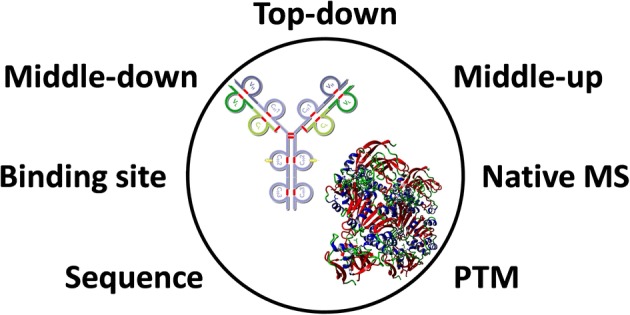
In recent years, there has been increasing interest in top-down mass spectrometry (TDMS) approaches for protein analysis, driven both by technological advancements and efforts such as those by the multinational Consortium for Top-Down Proteomics (CTDP). Today, diverse sample preparation and ionization methods are employed to facilitate TDMS analysis of denatured and native proteins and their complexes. The goals of these studies vary, ranging from protein and proteoform identification, to determination of the binding site of a (non)covalently-bound ligand, and in some cases even with the aim to study the higher order structure of proteins and complexes. Currently, however, no widely accepted terminology exists to precisely and unambiguously distinguish between the different types of TDMS experiments that can be performed. Instead, ad hoc developed terminology is often used, which potentially complicates communication of top-down and allied methods and their results. In this communication, we consider the different types of top-down (or top-down-related) MS experiments that have been performed and reported, and define distinct categories based on the protocol used and type(s) of information that can be obtained. We also consider the different possible conventions for distinguishing between middle- and top-down MS, based on both sample preparation and precursor ion mass. We believe that the proposed framework presented here will prove helpful for researchers to communicate about TDMS and will be an important step toward harmonizing and standardizing this growing field. Graphical Abstract.
Overview
The claims and statistics of this paper haven’t been checked yet.
Free: it reads the open-access text and checks the first 5 claims that cite a source we can check. Create a free account to check every claim.
Integrity signals
Registry
Cites
Statistics
Figures
Verification
Claims the paper makes
The claims and statistics of this paper haven’t been checked yet.
Free: it reads the open-access text and checks the first 5 claims that cite a source we can check. Create a free account to check every claim.
Claims other papers make about this one
Each is checked against this paper’s own text: does it say what the citing paper says it does?
The cited source says what the claim attributes to it.
In the citing paper
“Efficient sequencing can be combined with obtaining information on noncovalent complex stoichiometry through MSn (n = 3 or more) analysis of complexes ionised under non-denaturing conditions.”
From Higher-order structural characterisation of native proteins and complexes by top-down mass spectrometry (2020) · cites this paper as [17]
The check wasn’t confident either way, so it gives no verdict — never disputed.
In the citing paper
“Han et al. demonstrated the high separation efficiency of PEI coated capillaries for the analysis of protein complexes and Pyrococcus furiosus proteins via TDMS59,60.”
From Recent trends of capillary electrophoresis‐mass spectrometry in proteomics research (2019) · cites this paper as [59]
Experimental — accuracy not yet measuredIn the citing paper
“Interestingly, addition of organic solvents (e.g., propan-2-ol) to an acidic BGE enhances the separation efficiency and MS detection, as demonstrated by Yates group in a top-down analysis of Pyrococcus furiosus proteins using a sheathless interface59.”
From Recent trends of capillary electrophoresis‐mass spectrometry in proteomics research (2019) · cites this paper as [59]
Self-check
Percentages, sums and reported differences re-computed from the paper’s own numbers.
The self-check needs the paper’s full text.
Citations
Cites
Proteoform: a single term describing protein complexity
The Consortium for Top Down Proteomics, Smith, L. M., & Kelleher, N. L. (2013) · Nature Methods · doi:10.1038/nmeth.2369 · Cited by 1,528
Top Down versus Bottom Up Protein Characterization by Tandem High-Resolution Mass Spectrometry
Kelleher, N. L., Lin, H. Y., Valaskovic, G. A., Aaserud, D. J., Fridriksson, E. K., & McLafferty, F. W. (1999) · Journal of the American Chemical Society · doi:10.1021/ja973655h · Cited by 605 · cited 2×
“As a side note, the first publication that proposed the Btop-down^ nomenclature also demonstrated the benefits of employing limited digestion to complement standard bottom-up data [26].”
BackgroundNative Mass Spectrometry: What is in the Name?
Leney, A. C., & Heck, A. J. R. (2017) · Journal of the American Society for Mass Spectrometry · doi:10.1007/s13361-016-1545-3 · Cited by 602
Senko, M. W., Beu, S. C., & McLaffertycor, F. W. (1995) · Journal of the American Society for Mass Spectrometry · doi:10.1016/1044-0305(95)00017-8 · Cited by 451 · cited 1×
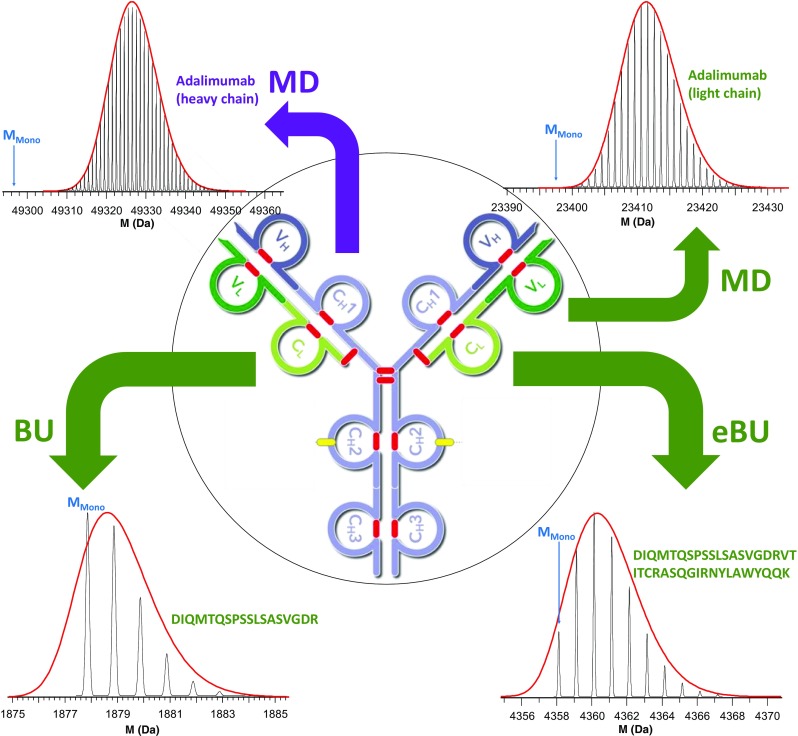
“As depicted in Figure 3, however, the monoisotopic peak is usually too low in intensity to be observed, potentially complicating data analysis [71].”
BackgroundActivated Ion Electron Capture Dissociation for Mass Spectral Sequencing of Larger (42 kDa) Proteins
Horn, D. M., Ge, Y., & McLafferty, F. W. (2000) · Analytical Chemistry · doi:10.1021/ac000494i · Cited by 333
Breuker, K., Oh, H., Horn, D. M., Cerda, B. A., & McLafferty, F. W. (2002) · Journal of the American Chemical Society · doi:10.1021/ja012267j · Cited by 324 · cited 1×
“In addition to probing the Bnative^ state of the protein, probing of the gas-phase structure(s) after unfolding and refolding of the protein has also been performed [41, 52], as well as varying the level of gas-phase activation to generate a Bmelting curve^ (i.”
BackgroundPhotodissociation mass spectrometry: new tools for characterization of biological molecules
Brodbelt, J. S. (2014) · Chem. Soc. Rev. · doi:10.1039/c3cs60444f · Cited by 322 · cited 1×
“, electron-based dissociation [4] and ultraviolet photodissociation [5]) and high-resolution MS (a requirement for the analysis of complex, crowded product ion spectra) have allowed TDMS and even its large-scale application, top-down proteomics, to become more mainstream, as evidenced by the recent establishment of th…”
BackgroundMass spectrometry for structural characterization of therapeutic antibodies
Zhang, Z., Pan, H., & Chen, X. (2009) · Mass Spectrometry Reviews · doi:10.1002/mas.20190 · Cited by 316
Loo, J. A., Edmonds, C. G., & Smith, R. D. (1990) · Science · doi:10.1126/science.2326633 · Cited by 300
Self-citationLi, H., Nguyen, H. H., Ogorzalek Loo, R. R., Campuzano, I. D. G., & Loo, J. A. (2018) · Nature Chemistry · doi:10.1038/nchem.2908 · Cited by 249
Self-citationNative ion mobility-mass spectrometry and related methods in structural biology
Konijnenberg, A., Butterer, A., & Sobott, F. (2013) · Biochimica et Biophysica Acta (BBA) - Proteins and Proteomics · doi:10.1016/j.bbapap.2012.11.013 · Cited by 245 · cited 3×
“, time-of-flight and extended-mass-range ion cyclotron resonance (ICR) and Orbitrap Fourier transform mass spectrometry (FTMS) [2, 3].”
BackgroundAquilina, J. A., Benesch, J. L. P., Bateman, O. A., Slingsby, C., & Robinson, C. V. (2003) · Proceedings of the National Academy of Sciences · doi:10.1073/pnas.1932958100 · Cited by 243 · cited 1×
“Additionally, the remaining, charge-stripped complex will be shifted to higher m/z, which has been exploited in the past for separation of overlapping signals from a polydisperse complex [18, 19].”
Collision induced unfolding of isolated proteins in the gas phase: past, present, and future
Dixit, S. M., Polasky, D. A., & Ruotolo, B. T. (2018) · Current Opinion in Chemical Biology · doi:10.1016/j.cbpa.2017.11.010 · Cited by 235 · cited 1×
“If this is performed in conjunction with, and prior to, ion mobility measurements, this type of collision-induced unfolding (CIU) experiment can provide valuable insight into (changes in) the stability of various elements of protein structure in the gas phase [17].”
BackgroundTop-Down ESI-ECD-FT-ICR Mass Spectrometry Localizes Noncovalent Protein-Ligand Binding Sites
Xie, Y., Zhang, J., Yin, S., & Loo, J. A. (2006) · Journal of the American Chemical Society · doi:10.1021/ja063197p · Cited by 200
Self-citationHorn, D. M., Breuker, K., Frank, A. J., & McLafferty, F. W. (2001) · Journal of the American Chemical Society · doi:10.1021/ja003143u · Cited by 178
Fornelli, L., Ayoub, D., Aizikov, K., Beck, A., & Tsybin, Y. O. (2014) · Analytical Chemistry · doi:10.1021/ac4036857 · Cited by 177
Self-citationBelov, M. E., Damoc, E., Denisov, E., Compton, P. D., Horning, S., Makarov, A. A., & Kelleher, N. L. (2013) · Analytical Chemistry · doi:10.1021/ac4029328 · Cited by 175 · cited 1×
“The utility of this method for large protein complexes with monomer isolation has been demonstrated by Kelleher and colleagues [36, 37].”
MethodNonergodic and conformational control of the electron capture dissociation of protein cations
Breuker, K., Oh, H., Lin, C., Carpenter, B. K., & McLafferty, F. W. (2004) · Proceedings of the National Academy of Sciences · doi:10.1073/pnas.0406095101 · Cited by 170
High-fidelity mass analysis unveils heterogeneity in intact ribosomal particles
van de Waterbeemd, M., Fort, K. L., Boll, D., Reinhardt-Szyba, M., Routh, A., Makarov, A., & Heck, A. J. R. (2017) · Nature Methods · doi:10.1038/nmeth.4147 · Cited by 168 · cited 3×
“, time-of-flight and extended-mass-range ion cyclotron resonance (ICR) and Orbitrap Fourier transform mass spectrometry (FTMS) [2, 3].”
BackgroundZhang, H., Cui, W., Wen, J., Blankenship, R. E., & Gross, M. L. (2011) · Analytical Chemistry · doi:10.1021/ac200695d · Cited by 160
Alternate Dissociation Pathways Identified in Charge-Reduced Protein Complex Ions
Pagel, K., Hyung, S.-J., Ruotolo, B. T., & Robinson, C. V. (2010) · Analytical Chemistry · doi:10.1021/ac101121r · Cited by 156 · cited 1×
“*This includes cases in which folded subunits or complexes are ejected from a precursor complex, as has been reported in surface-induced dissociation experiments [15], as well as in CID of charge-reduced complexes [16] F.”
BackgroundGas-Phase Coordination Properties of Zn2+, Cu2+, Ni2+, and Co2+ with Histidine-Containing Peptides
Hu, P., & Loo, J. A. (1995) · Journal of the American Chemical Society · doi:10.1021/ja00150a032 · Cited by 146 · cited 1×
“While it has long been established that CID of peptidemetal complexes often results in b/y fragments that carry the metal ion [64, 65], side-by-side comparisons with Bsofter^ activation methods such as ECD have rarely been performed [56].”
Self-citationHaller, P. D. V., Donohoe, S., Goodlett, D. R., Aebersold, R., & Watts, J. D. (2001) · PROTEOMICS · doi:10.1002/1615-9861(200108)1:8<1010::aid-prot1010>3.0.co;2-l · Cited by 139
Surface Induced Dissociation: Dissecting Noncovalent Protein Complexes in the Gas phase
Zhou, M., & Wysocki, V. H. (2014) · Accounts of Chemical Research · doi:10.1021/ar400223t · Cited by 136 · cited 2×
“Another important dissociation method used in complex-up MS is surface-induced dissociation (SID), which can result in ejection of subcomplexes that remain noncovalently bound, providing information on subunit connectivity in the original (larger) complex [15, 20, 21].”
BackgroundMethodZhang, H., Cui, W., Wen, J., Blankenship, R. E., & Gross, M. L. (2010) · Journal of the American Society for Mass Spectrometry · doi:10.1016/j.jasms.2010.08.006 · Cited by 121
Loo, J. A., Hu, P., & Smith, R. (1994) · Journal of the American Society for Mass Spectrometry · doi:10.1016/1044-0305(94)80014-6 · Cited by 119 · cited 1×
“While it has long been established that CID of peptidemetal complexes often results in b/y fragments that carry the metal ion [64, 65], side-by-side comparisons with Bsofter^ activation methods such as ECD have rarely been performed [56].”
Self-citationLy, T., & Julian, R. R. (2010) · Journal of the American Chemical Society · doi:10.1021/ja910665d · Cited by 118 · cited 1×
“Radical-directed dissociation can be used as an alternative approach and primarily yields information on spatial proximity between cleavage sites and the site where the radical is generated [54].”
BackgroundLi, H., Wolff, J. J., Van Orden, S. L., & Loo, J. A. (2014) · Analytical Chemistry · doi:10.1021/ac4033214 · Cited by 118
Self-citationStiving, A. Q., VanAernum, Z. L., Büsch, F., Harvey, S. R., Sarni, S. H., & Wysocki, V. H. (2018) · Analytical Chemistry · doi:10.1021/acs.analchem.8b05071 · Cited by 117 · cited 1×
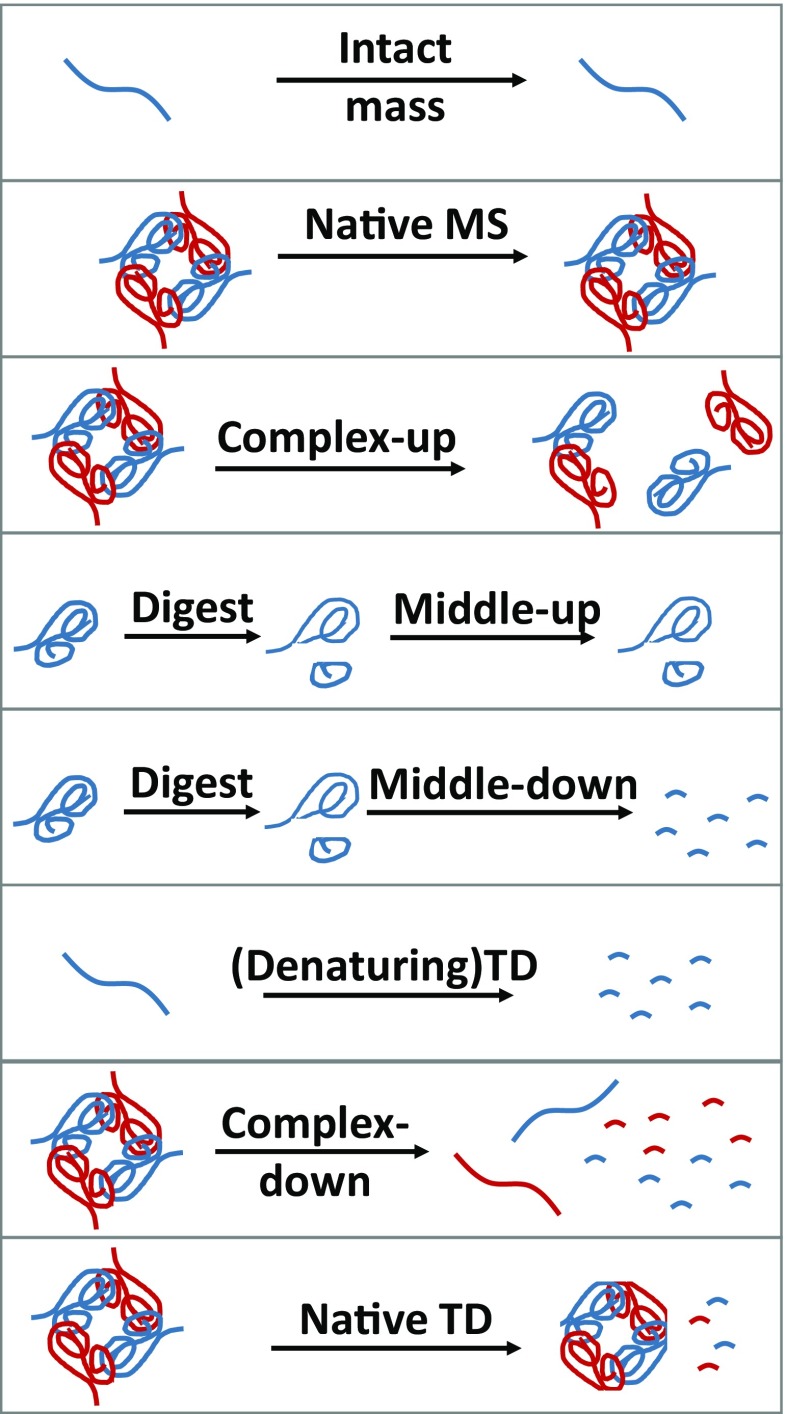
“The term Bcomplex-down^ has been proposed by Wysocki and colleagues for experiments in which a complex is broken down into subunits and then further into covalent fragments [35].”
BackgroundChevreux, G., Tilly, N., & Bihoreau, N. (2011) · Analytical Biochemistry · doi:10.1016/j.ab.2011.04.030 · Cited by 112 · cited 1×
“For example, for studies of mAbs, IdeS [68, 69], and GingisKHAN [70] allow cleavage in the lower and upper hinge region, respectively.”
BackgroundHartinger, C. G., Tsybin, Y. O., Fuchser, J., & Dyson, P. J. (2007) · Inorganic Chemistry · doi:10.1021/ic702236m · Cited by 112 · cited 1×
“Native top-down can also be used to determine the binding site(s) of noncovalent ligands, for example drugs, metal ions, and other small molecules such as spermine or 18-crown-6 [55–59] (identification of covalent binding sites is more efficiently performed using dTD methods [60, 61]).”
BackgroundSelf-citationBreuker, K., & McLafferty, F. W. (2003) · Angewandte Chemie International Edition · doi:10.1002/anie.200351705 · Cited by 112 · cited 1×
“fact that the cytochrome c dimer was disassembled in the gas phase, the observed fragmentation pattern revealed that backbone cleavage occurred while the protein was in a folded state [7].”
BackgroundLermyte, F., Valkenborg, D., Loo, J. A., & Sobott, F. (2018) · Mass Spectrometry Reviews · doi:10.1002/mas.21560 · Cited by 103 · cited 2×
“, electron-based dissociation [4] and ultraviolet photodissociation [5]) and high-resolution MS (a requirement for the analysis of complex, crowded product ion spectra) have allowed TDMS and even its large-scale application, top-down proteomics, to become more mainstream, as evidenced by the recent establishment of th…”
BackgroundSelf-citationLedvina, A. R., McAlister, G. C., Gardner, M. W., Smith, S. I., Madsen, J. A., Schwartz, J. C., Stafford, G. C., Syka, J. E. P., Brodbelt, J. S., & Coon, J. J. (2009) · Angewandte Chemie International Edition · doi:10.1002/anie.200903557 · Cited by 101 · cited 1×
“For example, activated-ion ECD or ETD experiments are typically carried out using denatured proteins [22, 23].”
BackgroundThe first pilot project of the consortium for top‐down proteomics: A status report
Dang, X., Scotcher, J., Wu, S., Chu, R. K., Tolić, N., Ntai, I., Thomas, P. M., Fellers, R. T., Early, B. P., Zheng, Y., et al. (2014) · PROTEOMICS · doi:10.1002/pmic.201300438 · Cited by 100 · cited 3×
“A good recent example of the application of this type of experiment in the context of top-down proteomics is provided by the first pilot project of the CTDP in 2014, in which 74 proteoforms of histone H4 were identified using dTDMS [6].”
BackgroundMethodKelleher, N. L., Taylor, S. V., Grannis, D., Kinsland, C., Chiu, H., Begley, T. P., & Mclafferty, F. W. (1998) · Protein Science · doi:10.1002/pro.5560070815 · Cited by 100
Lermyte, F., Konijnenberg, A., Williams, J. P., Brown, J. M., Valkenborg, D., & Sobott, F. (2014) · Journal of the American Society for Mass Spectrometry · doi:10.1007/s13361-013-0798-3 · Cited by 86 · cited 1×
“While both ionization and backbone cleavage in nTD are necessarily performed in a way that maintains higher order structure, in some studies ions were subsequently subjected to a limited (not sufficient to cause formation of b and y fragments) level of collisional activation to promote fragment release (somewhat simil…”
BackgroundSelf-citationMelani, R. D., Skinner, O. S., Fornelli, L., Domont, G. B., Compton, P. D., & Kelleher, N. L. (2016) · Molecular & Cellular Proteomics · doi:10.1074/mcp.m115.056523 · Cited by 85 · cited 1×
“The utility of this method for large protein complexes with monomer isolation has been demonstrated by Kelleher and colleagues [36, 37].”
MethodCammarata, M. B., & Brodbelt, J. S. (2015) · Chemical Science · doi:10.1039/c4sc03200d · Cited by 84
Cammarata, M. B., Thyer, R., Rosenberg, J., Ellington, A., & Brodbelt, J. S. (2015) · Journal of the American Chemical Society · doi:10.1021/jacs.5b04628 · Cited by 83
Salt Bridge Rearrangement (SaBRe) Explains the Dissociation Behavior of Noncovalent Complexes
Loo, R. R. O., & Loo, J. A. (2016) · Journal of the American Society for Mass Spectrometry · doi:10.1007/s13361-016-1375-3 · Cited by 82 · cited 1×
“Subsequently, as in a complex-up experiment, vibrational activation ejects a relatively highly charged monomer, a process that is commonly assumed (although alternative mechanisms have been suggested [33]) to involve unfolding of the ejected monomer and (to a large extent) annihilation of higher order structure.”
BackgroundSelf-citationBreuker, K., & McLafferty, F. W. (2005) · Angewandte Chemie International Edition · doi:10.1002/anie.200500668 · Cited by 80
Lermyte, F., Williams, J. P., Brown, J. M., Martin, E. M., & Sobott, F. (2015) · Journal of the American Society for Mass Spectrometry · doi:10.1007/s13361-015-1124-z · Cited by 71 · cited 1×
“Additionally, the remaining, charge-stripped complex will be shifted to higher m/z, which has been exploited in the past for separation of overlapping signals from a polydisperse complex [18, 19].”
BackgroundSelf-citationWongkongkathep, P., Han, J. Y., Choi, T. S., Yin, S., Kim, H. I., & Loo, J. A. (2018) · Journal of the American Society for Mass Spectrometry · doi:10.1007/s13361-018-2002-2 · Cited by 71 · cited 1×
“While it has long been established that CID of peptidemetal complexes often results in b/y fragments that carry the metal ion [64, 65], side-by-side comparisons with Bsofter^ activation methods such as ECD have rarely been performed [56].”
Self-citationSequencing Larger Intact Proteins (30-70 kDa) with Activated Ion Electron Transfer Dissociation
Riley, N. M., Westphall, M. S., & Coon, J. J. (2018) · Journal of the American Society for Mass Spectrometry · doi:10.1007/s13361-017-1808-7 · Cited by 70 · cited 1×
“For example, activated-ion ECD or ETD experiments are typically carried out using denatured proteins [22, 23].”
BackgroundBoyne, M. T., Garcia, B. A., Li, M., Zamdborg, L., Wenger, C. D., Babai, S., & Kelleher, N. L. (2009) · Journal of Proteome Research · doi:10.1021/pr800635m · Cited by 67 · cited 1×
“This term was first coined in 2009 [72], although the general concept predates this publication by a number of years [26, 73].”
BackgroundLermyte, F., & Sobott, F. (2015) · PROTEOMICS · doi:10.1002/pmic.201400516 · Cited by 64 · cited 1×
“While both ionization and backbone cleavage in nTD are necessarily performed in a way that maintains higher order structure, in some studies ions were subsequently subjected to a limited (not sufficient to cause formation of b and y fragments) level of collisional activation to promote fragment release (somewhat simil…”
Self-citationSong, Y., Nelp, M. T., Bandarian, V., & Wysocki, V. H. (2015) · ACS Central Science · doi:10.1021/acscentsci.5b00251 · Cited by 62 · cited 1×
“Another important dissociation method used in complex-up MS is surface-induced dissociation (SID), which can result in ejection of subcomplexes that remain noncovalently bound, providing information on subunit connectivity in the original (larger) complex [15, 20, 21].”
Methodvan der Burgt, Y. E. M., Kilgour, D. P. A., Tsybin, Y. O., Srzentić, K., Fornelli, L., Beck, A., Wuhrer, M., & Nicolardi, S. (2018) · Analytical Chemistry · doi:10.1021/acs.analchem.8b04515 · Cited by 62 · cited 1×
“Ionization and dissociation of intact proteins using MALDI in-source decay can be classified as a dTDMS experiment as well [31, 32].”
BackgroundSelf-citationTop-Down MALDI-In-Source Decay-FTICR Mass Spectrometry of Isotopically Resolved Proteins
Nicolardi, S., Switzar, L., Deelder, A. M., Palmblad, M., & van der Burgt, Y. E. M. (2015) · Analytical Chemistry · doi:10.1021/ac504708y · Cited by 61 · cited 1×
“Ionization and dissociation of intact proteins using MALDI in-source decay can be classified as a dTDMS experiment as well [31, 32].”
BackgroundToward efficient analysis of <70 kDa proteins with 100% sequence coverage
Forbes, A. J., Mazur, M. T., Patel, H. M., Walsh, C. T., & Kelleher, N. L. (2001) · PROTEOMICS · doi:10.1002/1615-9861(200108)1:8<927::aid-prot927>3.0.co;2-t · Cited by 61
Warnke, S., von Helden, G., & Pagel, K. (2015) · PROTEOMICS · doi:10.1002/pmic.201400480 · Cited by 60
Laskay, Ü. A., Lobas, A. A., Srzentić, K., Gorshkov, M. V., & Tsybin, Y. O. (2013) · Journal of Proteome Research · doi:10.1021/pr400522h · Cited by 58 · cited 2×
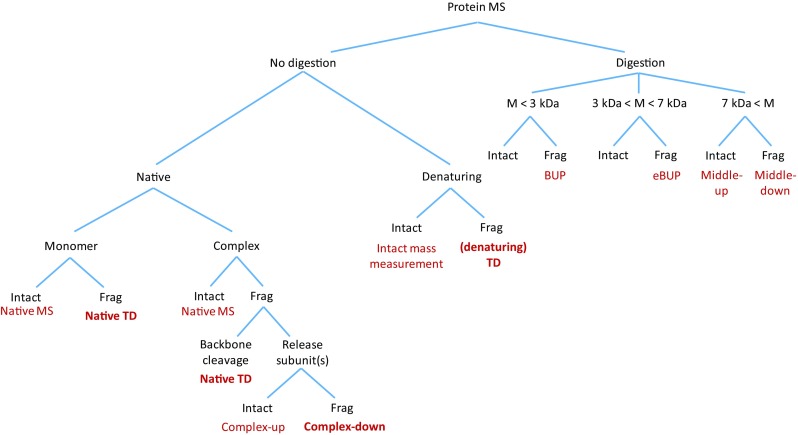
“Following existing literature on this subject, we propose that Bbottom-up^ be the default term for precursors below 3 kDa, Bextended bottom-up^ for precursors between 3 and 7 kDa, and middle-down if the precursor mass exceeds 7 kDa [74].”
BackgroundMethodSelf-citationSrzentić, K., Nagornov, K. O., Fornelli, L., Lobas, A. A., Ayoub, D., Kozhinov, A. N., Gasilova, N., Menin, L., Beck, A., Gorshkov, M. V., et al. (2018) · Analytical Chemistry · doi:10.1021/acs.analchem.8b02398 · Cited by 57
Self-citationNshanian, M., Lantz, C., Wongkongkathep, P., Schrader, T., Klärner, F.-G., Blümke, A., Despres, C., Ehrmann, M., Smet-Nocca, C., Bitan, G., et al. (2019) · Journal of the American Society for Mass Spectrometry · doi:10.1007/s13361-018-2027-6 · Cited by 56
Self-citationProForma: A Standard Proteoform Notation
LeDuc, R. D., Schwämmle, V., Shortreed, M. R., Cesnik, A. J., Solntsev, S. K., Shaw, J. B., Martin, M. J., Vizcaino, J. A., Alpi, E., Danis, P., et al. (2018) · Journal of Proteome Research · doi:10.1021/acs.jproteome.7b00851 · Cited by 52 · cited 1×
“Our hope is that this work, like the unambiguous definition of the term Bproteoform^ in 2013 [13] and the recent introduction of the ProForma notation [14], will be an important step toward the full regularization of the top-down field.”
MethodSelf-citationMeier, S. M., Tsybin, Y. O., Dyson, P. J., Keppler, B. K., & Hartinger, C. G. (2011) · Analytical and Bioanalytical Chemistry · doi:10.1007/s00216-011-5523-0 · Cited by 45 · cited 1×
“Native top-down can also be used to determine the binding site(s) of noncovalent ligands, for example drugs, metal ions, and other small molecules such as spermine or 18-crown-6 [55–59] (identification of covalent binding sites is more efficiently performed using dTD methods [60, 61]).”
BackgroundSelf-citationCook, S. L., & Jackson, G. P. (2011) · Journal of the American Society for Mass Spectrometry · doi:10.1007/s13361-011-0123-y · Cited by 45
The use of ECD/ETD to identify the site of electrostatic interaction in noncovalent complexes
Jackson, S. N., Dutta, S. M., & Woods, A. S. (2008) · Journal of the American Society for Mass Spectrometry · doi:10.1016/j.jasms.2008.08.021 · Cited by 42 · cited 1×
“Experiments to map a protein/protein or peptide/protein interface with native topdown methods should also be grouped into this category [62, 63].”
BackgroundClarke, D. J., Murray, E., Hupp, T., Mackay, C. L., & Langridge-Smith, P. R. R. (2011) · Journal of the American Society for Mass Spectrometry · doi:10.1007/s13361-011-0155-3 · Cited by 42 · cited 1×
“Experiments to map a protein/protein or peptide/protein interface with native topdown methods should also be grouped into this category [62, 63].”
BackgroundSchennach, M., & Breuker, K. (2014) · Angewandte Chemie International Edition · doi:10.1002/anie.201306838 · Cited by 37 · cited 1×
“In addition to probing the Bnative^ state of the protein, probing of the gas-phase structure(s) after unfolding and refolding of the protein has also been performed [41, 52], as well as varying the level of gas-phase activation to generate a Bmelting curve^ (i.”
BackgroundWang, J. S.-H., Whitehead, S. N., & Yeung, K. K. ‐. (2018) · Journal of the American Society for Mass Spectrometry · doi:10.1007/s13361-018-1896-z · Cited by 34 · cited 1×
“native (electrospray) ionization of monomeric proteins and noncovalent assemblies (although reports of ionization of intact peptide oligomers and protein complexes using MALDI have recently been published [38, 39]).”
Cui, W., Zhang, H., Blankenship, R. E., & Gross, M. L. (2015) · Protein Science · doi:10.1002/pro.2712 · Cited by 33
Extended bottom-up proteomics with secreted aspartic protease Sap9
Laskay, Ü. A., Srzentić, K., Monod, M., & Tsybin, Y. O. (2014) · Journal of Proteomics · doi:10.1016/j.jprot.2014.07.035 · Cited by 33 · cited 1×
“However, we note that it is not always easy to draw the line between bottom-up and middle-down experiments, and Bextended bottom-up^ has been proposed as a term for peptides that fall in the intermediate mass range [74, 75].”
BackgroundSelf-citationDoes deamidation cause protein unfolding? A top‐down tandem mass spectrometry study
Soulby, A., Heal, J. W., Barrow, M. P., Römer, R. A., & O’Connor, P. B. (2015) · Protein Science · doi:10.1002/pro.2659 · Cited by 33 · cited 1×
“, plot of fragment intensity versus laser power or pre-activation energy) [53].”
BackgroundSelf-citationLiquid Native MALDI Mass Spectrometry for the Detection of Protein-Protein Complexes
Beaufour, M., Ginguené, D., Meur, R. A. L., Castaing, B., & Cadène, M. (2018) · Journal of the American Society for Mass Spectrometry · doi:10.1007/s13361-018-2015-x · Cited by 33 · cited 1×
“native (electrospray) ionization of monomeric proteins and noncovalent assemblies (although reports of ionization of intact peptide oligomers and protein complexes using MALDI have recently been published [38, 39]).”
Photodissociation of non-covalent peptide-crown ether complexes
Wilson, J. J., Kirkovits, G. J., Sessler, J. L., & Brodbelt, J. S. (2007) · Journal of the American Society for Mass Spectrometry · doi:10.1016/j.jasms.2007.10.024 · Cited by 32
Autopiquer - a Robust and Reliable Peak Detection Algorithm for Mass Spectrometry
Kilgour, D. P. A., Hughes, S., Kilgour, S. L., Mackay, C. L., Palmblad, M., Tran, B. Q., Goo, Y. A., Ernst, R. K., Clarke, D. J., & Goodlett, D. R. (2016) · Journal of the American Society for Mass Spectrometry · doi:10.1007/s13361-016-1549-z · Cited by 30
Moelleken, J., Endesfelder, M., Gassner, C., Lingke, S., Tomaschek, S., Tyshchuk, O., Lorenz, S. H., Reiff, U., & Mølhøj, M. (2017) · mAbs · doi:10.1080/19420862.2017.1364325 · Cited by 28 · cited 1×
“For example, for studies of mAbs, IdeS [68, 69], and GingisKHAN [70] allow cleavage in the lower and upper hinge region, respectively.”
Zhang, Y., Cui, W., Wecksler, A. T., Zhang, H., Molina, P., Deperalta, G., & Gross, M. L. (2016) · Journal of the American Society for Mass Spectrometry · doi:10.1007/s13361-016-1398-9 · Cited by 27
Zhou, M., Yan, J., Romano, C. A., Tebo, B. M., Wysocki, V. H., & Paša-Tolić, L. (2018) · Journal of the American Society for Mass Spectrometry · doi:10.1007/s13361-017-1882-x · Cited by 27 · cited 1×
“Another important dissociation method used in complex-up MS is surface-induced dissociation (SID), which can result in ejection of subcomplexes that remain noncovalently bound, providing information on subunit connectivity in the original (larger) complex [15, 20, 21].”
MethodGöth, M., Lermyte, F., Schmitt, X. J., Warnke, S., von Helden, G., Sobott, F., & Pagel, K. (2016) · The Analyst · doi:10.1039/c6an01377e · Cited by 21
Self-citationNative Electron Capture Dissociation Maps to Iron-Binding Channels in Horse Spleen Ferritin
Skinner, O. S., McAnally, M. O., Van Duyne, R. P., Schatz, G. C., Breuker, K., Compton, P. D., & Kelleher, N. L. (2017) · Analytical Chemistry · doi:10.1021/acs.analchem.7b01581 · Cited by 20
Chemical-Mediated Digestion: An Alternative Realm for Middle-down Proteomics?
Srzentić, K., Zhurov, K. O., Lobas, A. A., Nikitin, G. F., Fornelli, L., Gorshkov, M. V., & Tsybin, Y. O. (2018) · Journal of Proteome Research · doi:10.1021/acs.jproteome.7b00834 · Cited by 20 · cited 1×
“, disulfide bond reduction or cyanogen bromide digestion to cleave C-terminal to methionine residues) [67], by stopping proteolytic digestion after a limited amount of F.”
Self-citationApplication of Tandem Two-Dimensional Mass Spectrometry for Top-Down Deep Sequencing of Calmodulin
Floris, F., Chiron, L., Lynch, A. M., Barrow, M. P., Delsuc, M., & O’Connor, P. B. (2018) · Journal of the American Society for Mass Spectrometry · doi:10.1007/s13361-018-1978-y · Cited by 17 · cited 1×
“BDeep sequencing^ using two-dimensional MS with FTICR MS is a recently developed method that has shown promise to enhance cleavage coverage in dTDMS [29, 30].”
MethodSelf-citationTop-Down Deep Sequencing of Ubiquitin Using Two-Dimensional Mass Spectrometry
Floris, F., Chiron, L., Lynch, A. M., Barrow, M. P., Delsuc, M., & O’Connor, P. B. (2018) · Analytical Chemistry · doi:10.1021/acs.analchem.8b00500 · Cited by 15 · cited 1×
“BDeep sequencing^ using two-dimensional MS with FTICR MS is a recently developed method that has shown promise to enhance cleavage coverage in dTDMS [29, 30].”
Self-citationMrzic, A., Lermyte, F., Vu, T. N., Valkenborg, D., & Laukens, K. (2017) · Rapid Communications in Mass Spectrometry · doi:10.1002/rcm.7910 · Cited by 5 · cited 1×
“The latter option has the downside of possibly creating ambiguity in assigning a highly charged monomer to a particular precursor complex, although during data processing, ions appearing only under harsh insource conditions can be linked to CID products formed after isolating precursors that appear under gentle source…”
Self-citation
Cited by
Kafader, J. O., Melani, R. D., Durbin, K. R., Ikwuagwu, B., Early, B. P., Fellers, R. T., Beu, S. C., Zabrouskov, V., Makarov, A. A., Maze, J. T., et al. (2020) · Nature Methods · doi:10.1038/s41592-020-0764-5 · Cited by 197
Roberts, D. S., Loo, J. A., Tsybin, Y. O., Liu, X., Wu, S., Chamot-Rooke, J., Agar, J. N., Paša-Tolić, L., Smith, L. M., & Ge, Y. (2024) · Nature Reviews Methods Primers · doi:10.1038/s43586-024-00318-2 · Cited by 161
Self-citationTherapeutic Fc‐fusion proteins: Current analytical strategies
Duivelshof, B. L., Murisier, A., Camperi, J., Fekete, S., Beck, A., Guillarme, D., & D’Atri, V. (2020) · Journal of Separation Science · doi:10.1002/jssc.202000765 · Cited by 168
Top-down proteomics: challenges, innovations, and applications in basic and clinical research
Brown, K. A., Melby, J. A., Roberts, D. S., & Ge, Y. (2020) · Expert Review of Proteomics · doi:10.1080/14789450.2020.1855982 · Cited by 152
“Traditionally, proteomics is performed in the denatured mode to study the primary protein sequence [39].”
BackgroundZhou, M., Lantz, C., Brown, K. A., Ge, Y., Paša-Tolić, L., Loo, J. A., & Lermyte, F. (2020) · Chemical Science · doi:10.1039/d0sc04392c · Cited by 146
Self-citation
Metadata
- Authors
- Lermyte, F., Tsybin, Y. O., O’Connor, P. B., & Loo, J. A.
- Affiliations
- University of Warwick (GB)
- Spectroswiss (Switzerland) (CH)
- University of California, Los Angeles (US)
- Corresponding author
- Lermyte, Frederik
- Venue
- Journal of the American Society for Mass Spectrometry
- Publisher
- American Chemical Society (ACS)
- Published
- 2019-05-09
- Volume
- 30
- Issue
- 7
- Pages
- 1149-1157
- ISSN
- 1044-0305 (ISSN-L)
- PMC
- PMC6591204
- OpenAlex
- W2944518634
- Cited by
- 132
- References
- 76
- Citations by year
- 2026: 10 · 2025: 14 · 2024: 12 · 2023: 22 · 2022: 18 · 2021: 24 · 2020: 19 · 2019: 13
- FWCI
- 7.35
- Type
- journal article
- Language
- en
- Open access
- green
- www.ncbi.nlm.nih.gov
- Licence
- cc-by
- creativecommons.org/licenses/by/4.0 (tdm)
- Locations
- Journal of the American Society for Mass Spectrometry (publishedVersion)
- PubMed Central (publishedVersion, cc-by)
- PubMed (publishedVersion)
- Warwick Research Archive Portal (University of Warwick) (submittedVersion)
- Funders
- Engineering and Physical Sciences Research Council (EP/N033191/1)
- National Institutes of Health (R01GM103479)
- Topics
- Physical Sciences › Chemistry › Spectroscopy › Advanced Proteomics Techniques and Applications
- Physical Sciences › Chemistry › Spectroscopy › Mass Spectrometry Techniques and Applications
- Life Sciences › Biochemistry, Genetics and Molecular Biology › Molecular Biology › Metabolomics and Mass Spectrometry Studies
- Keywords
- top-down mass spectrometry, middle-down mass spectrometry, standard terminology, protein analysis, proteoforms, protein complexes, sample preparation, ionization methods, protein higher-order structure, ligand binding sites
- MeSH terms
- Amino Acid Sequence, Animals, Binding Sites, Humans, Models, Molecular, Protein Denaturation, Proteins, Mass Spectrometry, Proteomics
About these checks
Registry, retraction, Cites and statistics results are computed, not judged, with one exception: a printed reference that no index lists is read once by a model before it counts as a citation error. Claims are extracted by a model and kept only when their quote appears verbatim in the text; each cited source is then checked, with a model’s help, for whether it says what the claim relies on. Those verdicts can be wrong — read the claim’s quote and the cited source before relying on one.
Statistics and arithmetic are recomputed, not judged.
Confidence bands are shown only for fields calibrated on our annotated test set. None is calibrated yet, so no band is shown.
What counts as a claim ›How we measure confidence ›How we check this ›
Are you an author, or do you see a problem with this page? Request a review
Data sources
Bibliographic data: Semantic Scholar, OpenAlex, Crossref.
Contains information from the Semantic Scholar Academic Graph Datasets, made available under the ODC Attribution License (ODC-BY 1.0).
Semantic Scholar’s data is described in: Kinney, R., et al. (2023). The Semantic Scholar Open Data Platform. arXiv:2301.10140.
