

The DOI matches its Crossref record; 120 of the 129 references it cites were found in a registry or an index.
Nutritional Strategies to Modulate Intracellular and Extracellular Buffering Capacity During High-Intensity Exercise
Open accessAbstract
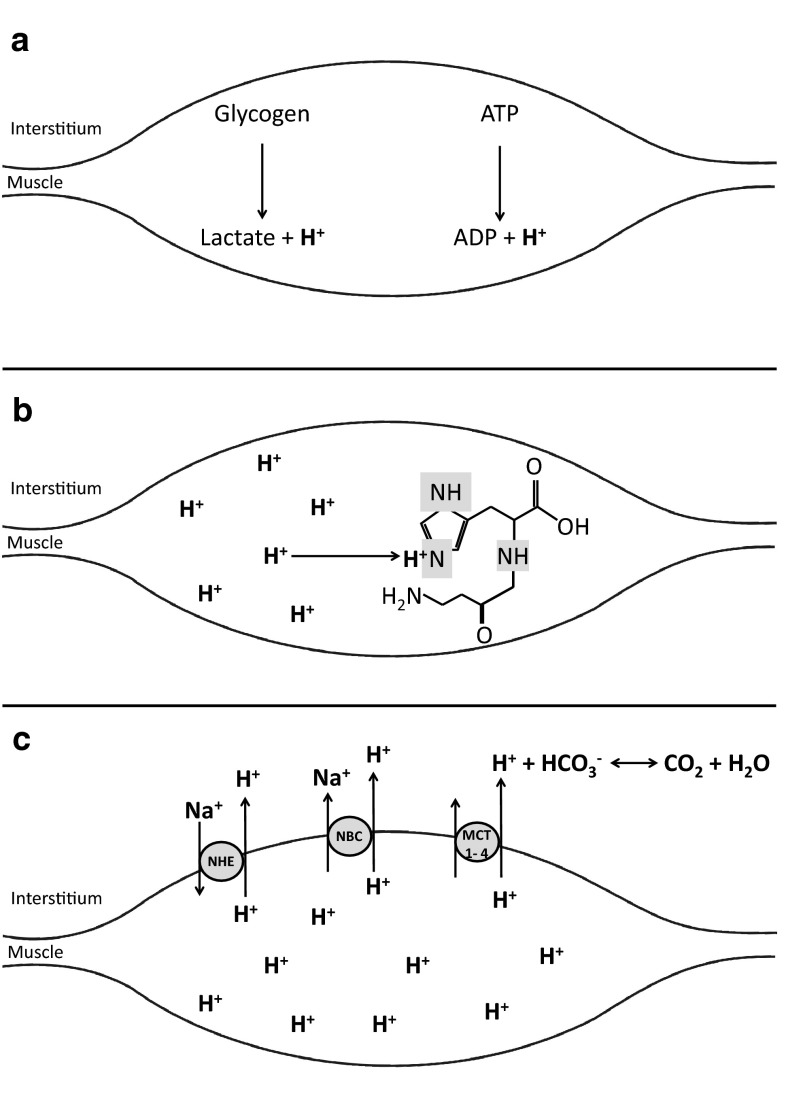
Intramuscular acidosis is a contributing factor to fatigue during high-intensity exercise. Many nutritional strategies aiming to increase intra- and extracellular buffering capacity have been investigated. Among these, supplementation of beta-alanine (~3-6.4 g/day for 4 weeks or longer), the rate-limiting factor to the intramuscular synthesis of carnosine (i.e. an intracellular buffer), has been shown to result in positive effects on exercise performance in which acidosis is a contributing factor to fatigue. Furthermore, sodium bicarbonate, sodium citrate and sodium/calcium lactate supplementation have been employed in an attempt to increase the extracellular buffering capacity. Although all attempts have increased blood bicarbonate concentrations, evidence indicates that sodium bicarbonate (0.3 g/kg body mass) is the most effective in improving high-intensity exercise performance. The evidence supporting the ergogenic effects of sodium citrate and lactate remain weak. These nutritional strategies are not without side effects, as gastrointestinal distress is often associated with the effective doses of sodium bicarbonate, sodium citrate and calcium lactate. Similarly, paresthesia (i.e. tingling sensation of the skin) is currently the only known side effect associated with beta-alanine supplementation, and it is caused by the acute elevation in plasma beta-alanine concentration after a single dose of beta-alanine. Finally, the co-supplementation of beta-alanine and sodium bicarbonate may result in additive ergogenic gains during high-intensity exercise, although studies are required to investigate this combination in a wide range of sports.
Overview
The claims and statistics of this paper haven’t been checked yet.
Run the check — free, no account needed. It reads the open-access text and checks the sources it cites.
Integrity signals
Registry
Cites
Statistics
Figures
Verification
Claims the paper makes
The claims and statistics of this paper haven’t been checked yet.
Run the check — free, no account needed. It reads the open-access text and checks the sources it cites.
Claims other papers make about this one
Each is checked against this paper’s own text: does it say what the citing paper says it does?
The source backs part of the claim, not all of it — or backs it for a different population, condition or comparison.
In the citing paper
“One possible explanation for this finding is that power is more related to glycolytic metabolism and is limited by H+ accumulation (Lancha Junior et al., 2015; Lopes-Silva et al., 2019).”
From Acute enteric-coated sodium bicarbonate has negligible effect on anaerobic performance but affects metabolomics and attenuates the gastrointestinal response (2022) · cites this paper as Lancha Junior et al., 2015
Experimental — accuracy not yet measured
Self-check
Percentages, sums and reported differences re-computed from the paper’s own numbers.
The self-check needs the paper’s full text.
Citations
Cites
Cellular mechanisms of muscle fatigue
Fitts, R. H. (1994) · Physiological Reviews · doi:10.1152/physrev.1994.74.1.49 · Cited by 1,537 · cited 1×
“These changes include substrate depletion [1] and metabolite accumulation and are accompanied by muscular fatigue [2].”
BackgroundBiochemistry of exercise-induced metabolic acidosis
Robergs, R. A., Ghiasvand, F., & Parker, D. (2004) · American Journal of Physiology-Regulatory, Integrative and Comparative Physiology · doi:10.1152/ajpregu.00114.2004 · Cited by 1,304
Aristoy, M., & Toldrá, F. (1916) · Botanical Gazette · doi:10.1007/978-94-011-2262-7 · Cited by 1,265
Fabiato, A., & Fabiato, F. (1978) · Journal of Physiology · doi:10.1113/jphysiol.1978.sp012231 · Cited by 1,168
Human muscle metabolism during intermittent maximal exercise
Gaitanos, G. C., Williams, C., Boobis, L. H., & Brooks, S. (1993) · Journal of Applied Physiology · doi:10.1152/jappl.1993.75.2.712 · Cited by 967 · cited 1×
“These changes include substrate depletion [1] and metabolite accumulation and are accompanied by muscular fatigue [2].”
BackgroundExercise Type and Intensity in Relation to Coronary Heart Disease in Men
Tanasescu, M. (2002) · JAMA · doi:10.1001/jama.288.16.1994 · Cited by 928
Validity, Reliability and Sensitivity of Measures of Sporting Performance
Currell, K., & Jeukendrup, A. E. (2008) · Sports Medicine · doi:10.2165/00007256-200838040-00003 · Cited by 786 · cited 1×
“10 % [121].”
Harris, R. C., Tallon, M. J., Dunnett, M., Boobis, L., Coakley, J., Kim, H. J., Fallowfield, J. L., Hill, C. A., Sale, C., & Wise, J. A. (2006) · Amino Acids · doi:10.1007/s00726-006-0299-9 · Cited by 534 · cited 8×
“beta-alanine level [31].”
BackgroundInfluentialDynamics and consequences of potassium shifts in skeletal muscle and heart during exercise.
Sejersted, O., & Sjøgaard, G. (2000) · Physiological Reviews · doi:10.1152/physrev.2000.80.4.1411 · Cited by 526 · cited 1×
“[4], decreased release/uptake of calcium ions (Ca) from/ to the sarcoplasmic reticulum [5], the depletion of energy substrates, and the accumulation of metabolites within the muscle cell [6].”
BackgroundThe lactate shuttle during exercise and recovery.
Brooks, G. A. (1986) · Medicine & Science in Sports & Exercise · doi:10.1249/00005768-198606000-00019 · Cited by 464 · cited 1×
“In both reactions, there is a net consumption of H, which could indirectly spare blood bicarbonate and increase blood pH [113, 119], increasing lactate and H efflux from the muscle, therefore decreasing intramuscular H concentration [79, 80].”
BackgroundHill, C. A., Harris, R. C., Kim, H. J., Harris, B. D., Sale, C., Boobis, L. H., Kim, C. K., & Wise, J. A. (2007) · Amino Acids · doi:10.1007/s00726-006-0364-4 · Cited by 445 · cited 5×
“Importantly, the consistency of beta-alanine supplementation to improve exercise performance has been shown across individuals within the same exercise test [46, 54, 64].”
BackgroundInfluentialBlood and muscle pH after maximal exercise in man
Hermansen, L., & Osnes, J. B. (1972) · Journal of Applied Physiology · doi:10.1152/jappl.1972.32.3.304 · Cited by 335 · cited 1×
“However, it is important to highlight several individual studies, particularly those employing multiple bouts of supramaximal exercise, since exercise of this type may elicit higher muscle acidosis than continuous supramaximal exercise [85, 86].”
BackgroundDerave, W., Özdemir, M. S., Harris, R. C., Pottier, A., Reyngoudt, H., Koppo, K., Wise, J. A., & Achten, E. (2007) · Journal of Applied Physiology · doi:10.1152/japplphysiol.00397.2007 · Cited by 324 · cited 2×
“This has gained some support from indirect evidence in studies with well-trained athletes who supplemented with betaalanine and showed no improvements in performance [48, 50, 59, 60].”
BackgroundResultBiomarkers of peripheral muscle fatigue during exercise
Finsterer, J. (2012) · BMC Musculoskeletal Disorders · doi:10.1186/1471-2474-13-218 · Cited by 314 · cited 1×
“Metabolite accumulation has long been considered one of the factors contributing to reduced exercise performance and capacity with the accumulation of hydrogen ions (H), which causes acidification in the muscle, associated with muscle fatigue [2, 3, 7–10].”
BackgroundLactate-proton cotransport in skeletal muscle
Juel, C. (1997) · Physiological Reviews · doi:10.1152/physrev.1997.77.2.321 · Cited by 313 · cited 1×
“The human body contains well-regulated mechanisms to maintain the intracellular and extracellular pH within the physiological range, including intracellular buffers, extracellular buffers, dynamic buffering systems, as well as respiratory and renal mechanisms for pH regulation [18, 19].”
BackgroundEffects of β-alanine supplementation on exercise performance: a meta-analysis
Hobson, R. M., Saunders, B., Ball, G., Harris, R. C., & Sale, C. (2012) · Amino Acids · doi:10.1007/s00726-011-1200-z · Cited by 305 · cited 3×
“This has led to a number of original investigations on a variety of supplements, including betaalanine, sodium bicarbonate, sodium citrate, sodium and calcium lactate, with several narrative, systematic and meta-analytic reviews published on these topics [21–27].”
BackgroundResultSelf-citationIndividual response to exercise training - a statistical perspective
Hecksteden, A., Kraushaar, J., Scharhag-Rosenberger, F., Theisen, D., Senn, S., & Meyer, T. (2015) · Journal of Applied Physiology · doi:10.1152/japplphysiol.00714.2014 · Cited by 289 · cited 1×
“This is likely due to a high degree of inter-individual variability, which may have masked the true magnitude of effect in studies employing a solitary intervention trial [124].”
BackgroundEffect of PH on muscle glycolysis during exercise.
Sutton, J., Jones, N., & Toews, C. (1981) · Clinical science · doi:10.1042/cs0610331 · Cited by 285 · cited 1×
“Nonetheless, there is evidence to support the following roles of muscle acidosis in fatigue development: (1) competition of H with Ca ions for the troponin binding site, impairing the ability of the contractile machinery to effectively operate [14, 15]; (2) inhibition of phosphorylcreatine resynthesis [16]; and (3) in…”
BackgroundEffects of Acute Alkalosis and Acidosis on Performance: A Meta-Analysis
Carr, A. J., Hopkins, W. G., & Gore, C. J. (2011) · Sports Medicine · doi:10.2165/11591440-000000000-00000 · Cited by 277 · cited 1×
“[22] showed that sodium bicarbonate was effective at improving a 1-min all-out bout by 1.”
BackgroundDonaldson, S. K. B., Hermansen, L., & Bolles, L. L. (1978) · Pflügers Archiv - European Journal of Physiology · doi:10.1007/bf00585248 · Cited by 275 · cited 1×
“Nonetheless, there is evidence to support the following roles of muscle acidosis in fatigue development: (1) competition of H with Ca ions for the troponin binding site, impairing the ability of the contractile machinery to effectively operate [14, 15]; (2) inhibition of phosphorylcreatine resynthesis [16]; and (3) in…”
BackgroundMechanisms of itch evoked by β-alanine
Liu, Q., Sikand, P., Ma, C., Tang, Z.-X., Han, L., Li, Z., Sun, S., LaMotte, R., & Dong, X.-Z. (2012) · Journal of Neuroscience · doi:10.1523/jneurosci.3509-12.2012 · Cited by 272
Mohr, T., Andersen, J. L., Biering-Sørensen, F., Galbo, H., Bangsbo, J., Wagner, A., & Kjaer, M. (1997) · Spinal Cord · doi:10.1038/sj.sc.3100343 · Cited by 263
Kent-braun, J., Fitts, R. H., & Christie, A. (2012) · Comprehensive Physiology · doi:10.1002/j.2040-4603.2012.tb00427.x · Cited by 263 · cited 1×
“Metabolite accumulation has long been considered one of the factors contributing to reduced exercise performance and capacity with the accumulation of hydrogen ions (H), which causes acidification in the muscle, associated with muscle fatigue [2, 3, 7–10].”
BackgroundHipkiss, A. R., Michaelis, J., & Syrris, P. (1995) · FEBS Letters · doi:10.1016/0014-5793(95)00849-5 · Cited by 222
Mainwood, G. W., & Worsley‐Brown, P. (1975) · The Journal of Physiology · doi:10.1113/jphysiol.1975.sp011040 · Cited by 212
The effects of training intensity on muscle buffer capacity in females
Edge, J., Bishop, D., & Goodman, C. (2005) · European Journal of Applied Physiology · doi:10.1007/s00421-005-0068-6 · Cited by 210 · cited 1×
“Some doubt has been raised concerning the efficacy of b-alanine on athletes since sprint-trained individuals have been shown to have an elevated buffering capacity compared with their non-trained and endurance-trained counterparts [65, 66].”
BackgroundSahlin, K. (1992) · Sports Medicine · doi:10.2165/00007256-199213020-00005 · Cited by 201 · cited 1×
“Exercise-induced muscle fatigue, defined as the inability of the skeletal muscle to maintain a particular tension or a given exercise intensity [3], has been a focal point of research for many decades.”
BackgroundBuffering capacity of deproteinized human vastus lateralis muscle.
Parkhouse, W., Mckenzie, D., Hochachka, P., & Ovalle, W. K. (1985) · Journal of applied physiology · doi:10.1152/jappl.1985.58.1.14 · Cited by 200 · cited 2×
“Incidence and severity of symptoms differ between individuals [65] and may also be influenced by dose, as McNaughton [76] reported increased gastrointestinal disturbance in all participants consuming doses above”
BackgroundMolecular Identification of Carnosine Synthase as ATP-grasp Domain-containing Protein 1 (ATPGD1)*
Drożak, J., Veiga-da-Cunha, M., Vertommen, D., Stroobant, V., & Schaftingen, E. V. (2010) · Journal of Biological Chemistry · doi:10.1074/jbc.m109.095505 · Cited by 188 · cited 1×
“by the enzyme carnosine synthase [32, 33].”
Sahlin, K., Harris, R. C., & Hultman, E. (1975) · Biochemical Journal · doi:10.1042/bj1520173 · Cited by 187 · cited 1×
“Nonetheless, there is evidence to support the following roles of muscle acidosis in fatigue development: (1) competition of H with Ca ions for the troponin binding site, impairing the ability of the contractile machinery to effectively operate [14, 15]; (2) inhibition of phosphorylcreatine resynthesis [16]; and (3) in…”
BackgroundAcid-Base Balance during Repeated Bouts of Exercise: Influence of HCO3
COSTILL, D. L., VERSTAPPEN, F. T. J., Kuipers, H., Janssen, E., & Fink, W. (1984) · International Journal of Sports Medicine · doi:10.1055/s-2008-1025910 · Cited by 186 · cited 1×
“5 following high-intensity exercise to exhaustion [11–13].”
Important role of muscle carnosine in rowing performance
Baguet, A., Bourgois, J., Vanhee, L., Achten, E., & Derave, W. (2010) · Journal of Applied Physiology · doi:10.1152/japplphysiol.00141.2010 · Cited by 182 · cited 1×
“Indeed, there is now a growing body of evidence to support the effective use of beta-alanine among the elite athletic populations; athletes involved in 100- and 200-m freestyle swimming [67], 2000-m rowing [68–70] and 800-m running [55].”
BackgroundErgogenic Effects of Sodium Bicarbonate
McNaughton, L. R., Siegler, J. C., & Midgley, A. W. (2008) · Current Sports Medicine Reports · doi:10.1249/jsr.0b013e31817ef530 · Cited by 170 · cited 1×
“This has led to a number of original investigations on a variety of supplements, including betaalanine, sodium bicarbonate, sodium citrate, sodium and calcium lactate, with several narrative, systematic and meta-analytic reviews published on these topics [21–27].”
BackgroundMessonnier, L., Kristensen, M., Juel, C., & Denis, C. (2007) · Journal of applied physiology · doi:10.1152/japplphysiol.00691.2006 · Cited by 164 · cited 1×
“Metabolite accumulation has long been considered one of the factors contributing to reduced exercise performance and capacity with the accumulation of hydrogen ions (H), which causes acidification in the muscle, associated with muscle fatigue [2, 3, 7–10].”
BackgroundKendrick, I. P., Harris, R. C., Kim, H. J., Kim, C. K., Dang, V. H., Lam, T. Q., Bui, T. T., Smith, M., & Wise, J. A. (2008) · Amino Acids · doi:10.1007/s00726-007-0008-3 · Cited by 163 · cited 1×
“There is clear evidence that exercises shorter than 60 s are unaffected by beta-alanine [48–50].”
BackgroundIwanaga, T., Takebe, K., Kato, I., Karaki, S.-I., & Kuwahara, A. (2006) · Biomedical research · doi:10.2220/biomedres.27.243 · Cited by 161 · cited 1×
“No side effects were reported in other studies [105, 115].”
ResultEffects of Sodium Bicarbonate Ingestion on Anaerobic Performance: A Meta-Analytic Review
Matson, L. G., & Tran, Z. V. (1993) · International Journal of Sport Nutrition · doi:10.1123/ijsn.3.1.2 · Cited by 159
Effects of induced metabolic alkalosis on prolonged intermittent-sprint performance
BISHOP, D., & CLAUDIUS, B. (2005) · Medicine & Science in Sports & Exercise · doi:10.1249/01.mss.0000161803.44656.3c · Cited by 155 · cited 1×
“Studies using multiple bouts of highintensity exercise have consistently shown performance improvements in excess of 8 % [57, 87, 88].”
BackgroundCarnosine: from exercise performance to health
Sale, C., Artioli, G. G., Gualano, B., Saunders, B., Hobson, R. M., & Harris, R. C. (2013) · Amino Acids · doi:10.1007/s00726-013-1476-2 · Cited by 142 · cited 1×
“This has led to a number of original investigations on a variety of supplements, including betaalanine, sodium bicarbonate, sodium citrate, sodium and calcium lactate, with several narrative, systematic and meta-analytic reviews published on these topics [21–27].”
BackgroundSelf-citationBeta-alanine improves sprint performance in endurance cycling.
van Thienen, R., van Proeyen, K., Eynde, B. V., Puype, J., Lefere, T., & Hespel, P. (2009) · Medicine & Science in Sports & Exercise · doi:10.1249/mss.0b013e31818db708 · Cited by 138 · cited 1×
“on prolonged cycling time trial performance [53, 62], which is in line with the role of carnosine as an intramuscular buffer since fatigue during exercise of this duration is not associated with increasing acidosis.”
BackgroundRegulation of pH in human skeletal muscle: adaptations to physical activity
Juel, C. (2008) · Acta Physiologica · doi:10.1111/j.1748-1716.2008.01840.x · Cited by 134 · cited 1×
“In the blood, the chemical buffering system is primarily composed of bicarbonate (HCO3 ), which has the ability to bind H [20].”
BackgroundSodium bicarbonate and sodium citrate: ergogenic aids?
Requena, B., Zabala, M., Padial, P., & Feriche, B. (2005) · The Journal of Strength and Conditioning Research · doi:10.1519/13733.1 · Cited by 129 · cited 1×
“The increase in blood pH through sodium citrate supplementation facilitates a greater efflux of H and lactate from the active muscles via monocarboxylate transporter proteins that carry monocarboxylates across the cell membrane [100].”
BackgroundAdditive effects of beta-alanine and sodium bicarbonate on upper-body intermittent performance
Tobias, G., Benatti, F. B., de Salles Painelli, V., Roschel, H., Gualano, B., Sale, C., Harris, R. C., Lancha, A. H., & Artioli, G. G. (2013) · Amino Acids · doi:10.1007/s00726-013-1495-z · Cited by 129 · cited 4×
“Studies using multiple bouts of highintensity exercise have consistently shown performance improvements in excess of 8 % [57, 87, 88].”
BackgroundInfluentialSelf-citationEffect of two β-alanine dosing protocols on muscle carnosine synthesis and washout
Stellingwerff, T., Anwander, H., Egger, A., Buehler, T., Kreis, R., Décombaz, J., & Boesch, C. (2011) · Amino Acids · doi:10.1007/s00726-011-1054-4 · Cited by 125
Does sodium-bicarbonate ingestion improve simulated judo performance?
Artioli, G., Gualano, B., Coelho, D., Benatti, F., Gailey, A. W., & Lancha, A. (2007) · International Journal of Sport Nutrition & Exercise Metabolism · doi:10.1123/ijsnem.17.2.206 · Cited by 125 · cited 1×
“In order to gain further insight into this emerging supplement, our research group investigated the acute effects of two different dosages of calcium lactate (150 and 300 mg/kg BM) on high-intensity intermittent performance in the form of three upper-body arm-crank bouts (this protocol has previously been shown to be…”
BackgroundSelf-citationPractical Recommendations for Coaches and Athletes
Peart, D. J., Siegler, J. C., & Vince, R. V. (2012) · The Journal of Strength and Conditioning Research · doi:10.1519/jsc.0b013e3182576f3d · Cited by 124 · cited 1×
“This has led to a number of original investigations on a variety of supplements, including betaalanine, sodium bicarbonate, sodium citrate, sodium and calcium lactate, with several narrative, systematic and meta-analytic reviews published on these topics [21–27].”
BackgroundDutka, T. L., Lamboley, C., McKenna, M. J., Murphy, R. M., & Lamb, G. D. (2012) · Journal of applied physiology · doi:10.1152/japplphysiol.01331.2011 · Cited by 123 · cited 1×
“increased calcium release and reuptake from the sarcoplasmic reticulum), and excitation-contraction coupling [37, 39].”
BackgroundParoder, V., Spencer, S. R., Paroder, M., Arango, D., Schwartz, S., Mariadason, J., Augenlicht, L., Eskandari, S., & Carrasco, N. (2006) · Proceedings of the National Academy of Sciences of the United States of America · doi:10.1073/pnas.0602365103 · Cited by 123 · cited 2×
“The lactate ingested is absorbed preferentially at the jejunum, through the sodium-coupled intestinal lactate transporter (sMCT), also known as the SLC5A8 [114–116].”
BackgroundEffect of slow-release β-alanine tablets on absorption kinetics and paresthesia
Décombaz, J., Beaumont, M., Vuichoud, J., Bouisset, F., & Stellingwerff, T. (2012) · Amino Acids · doi:10.1007/s00726-011-1169-7 · Cited by 122
Effects of Ingestion of Bicarbonate, Citrate, Lactate, and Chloride on Sprint Running
VAN MONTFOORT, M. C. E., VAN DIEREN, L., HOPKINS, W. G., & SHEARMAN, J. P. (2004) · Medicine & Science in Sports & Exercise · doi:10.1249/01.mss.0000132378.73975.25 · Cited by 121 · cited 5×
“The effects of sodium citrate on exercise have been well documented, with numerous original investigations assessing its ergogenic capacity [97–112].”
BackgroundResultInfluentialBicarbonate ingestion: Effects of dosage on 60 s cycle ergometry
McNaughton, L. R. (1992) · Journal of Sports Sciences · doi:10.1080/02640419208729940 · Cited by 120 · cited 6×
“Incidence and severity of symptoms differ between individuals [65] and may also be influenced by dose, as McNaughton [76] reported increased gastrointestinal disturbance in all participants consuming doses above”
BackgroundInfluentialEffect of Carnosine on Excitation–Contraction Coupling in Mechanically-Skinned Rat Skeletal Muscle
Dutka, T. L., & Lamb, G. (2004) · Journal of Muscle Research and Cell Motility · doi:10.1023/b:jure.0000038265.37022.c5 · Cited by 111 · cited 2×
“Several physiological functions have been attributed to carnosine in skeletal muscle, including antioxidant activity [36] and protection against protein glycation and carbonylation [37, 38].”
BackgroundStout, J. R., Cramer, J. T., Mielke, M. M., OʼKroy, J. A., Torok, D. J., & Zoeller, R. F. (2006) · The Journal of Strength and Conditioning Research · doi:10.1519/r-19655.1 · Cited by 110 · cited 2×
“Several studies have shown the efficacy of increased muscle carnosine content through beta-alanine supplementation on high-intensity exercises lasting 1–4 min; exercise performance and capacity have been improved in a variety of cycling [46, 51–54], running [55, 56], and repeated-bout upper- and lower-body protocols […”
BackgroundEffect of β-alanine plus sodium bicarbonate on high-intensity cycling capacity.
Sale, C., Saunders, B., Hudson, S., Wise, J., Harris, R., & Sunderland, C. D. (2011) · Medicine & Science in Sports & Exercise · doi:10.1249/mss.0b013e3182188501 · Cited by 110
Self-citationSodium Bicarbonate Improves Swimming Performance
Lindh, A., Peyrebrune, M., Ingham, S., Bailey, D., & Folland, J. (2008) · International Journal of Sports Medicine · doi:10.1055/s-2007-989228 · Cited by 109 · cited 1×
“In addition, there is evidence to suggest that sodium bicarbonate is also beneficial to sport-specific performance in a variety of disciplines where the metabolic demands are predominantly anaerobic, such as judo, swimming, boxing and water polo [89–92].”
BackgroundKnuth, S., Dave, H., Peters, J., & Fitts, R. (2006) · The Journal of Physiology · doi:10.1113/jphysiol.2006.106732 · Cited by 108
Tanokura, M., Tasumi, M., & Miyazawa, T. (1976) · Biopolymers · doi:10.1002/bip.1976.360150215 · Cited by 108 · cited 1×
“83 [41, 42], making carnosine an obligatory physicochemical buffer.”
BackgroundPURIFICATION AND CHARACTERIZATION OF CARNOSINE SYNTHETASE FROM MOUSE OLFACTORY BULBS
Horinishi, H., Grillo, M., & Margolis, F. L. (1978) · Journal of Neurochemistry · doi:10.1111/j.1471-4159.1978.tb00127.x · Cited by 106 · cited 1×
“3 mmol/L) [43, 44].”
Antioxidative properties of histidine-containing dipeptides from skeletal muscles of vertebrates.
Boldyrev, A., Dupin, A., Pindel, E., & Severin, S. (1988) · Comparative biochemistry and physiology. B, Comparative biochemistry · doi:10.1016/0305-0491(88)90218-0 · Cited by 106 · cited 1×
“Several physiological functions have been attributed to carnosine in skeletal muscle, including antioxidant activity [36] and protection against protein glycation and carbonylation [37, 38].”
BackgroundBeta-alanine supplementation, muscle carnosine and exercise performance
Blancquaert, L., Everaert, I., & Derave, W. (2015) · Current Opinion in Clinical Nutrition and Metabolic Care · doi:10.1097/mco.0000000000000127 · Cited by 106 · cited 1×
“This has led to a number of original investigations on a variety of supplements, including betaalanine, sodium bicarbonate, sodium citrate, sodium and calcium lactate, with several narrative, systematic and meta-analytic reviews published on these topics [21–27].”
BackgroundSodium Bicarbonate and High-Intensity-Cycling Capacity: Variability in Responses
Saunders, B., Sale, C., Harris, R. C., & Sunderland, C. (2014) · International Journal of Sports Physiology and Performance · doi:10.1123/ijspp.2013-0295 · Cited by 105 · cited 3×
“[84] showed a large inter-individual ergogenic response to sodium bicarbonate while also highlighting the negative impact that the associated side effects can have on performance.”
BackgroundInfluentialSelf-citationEffects of Sodium Bicarbonate Ingestion on Prolonged Intermittent Exercise
Price, M., MOSS, P., & RANCE, S. (2003) · Medicine & Science in Sports & Exercise · doi:10.1249/01.mss.0000079067.46555.3c · Cited by 100 · cited 1×
“Studies using multiple bouts of highintensity exercise have consistently shown performance improvements in excess of 8 % [57, 87, 88].”
BackgroundSodium Bicarbonate Ingestion and Boxing Performance
Siegler, J., & Hirscher, K. (2010) · Journal of Strength and Conditioning Research · doi:10.1519/jsc.0b013e3181a392b2 · Cited by 93 · cited 1×
“In addition, there is evidence to suggest that sodium bicarbonate is also beneficial to sport-specific performance in a variety of disciplines where the metabolic demands are predominantly anaerobic, such as judo, swimming, boxing and water polo [89–92].”
BackgroundMuscle metabolism during isometric exercise performed at constant force.
Ahlborg, B., Bergström, J., Ekelund, L., Guarnieri, G., Harris, R., Hultman, E., & Nordesjö, L. (1972) · Journal of applied physiology · doi:10.1152/jappl.1972.33.2.224 · Cited by 88 · cited 1×
“5 following high-intensity exercise to exhaustion [11–13].”
Aydın, A., Kucukgergin, C., Özdemirler-Erata, G., Koçak-Toker, N., & Uysal, M. (2010) · Biogerontology (Dordrecht) · doi:10.1007/s10522-009-9232-4 · Cited by 87 · cited 1×
“Carnosine is a cytoplasmic dipeptide abundantly found in excitable tissues, such as skeletal muscle [31], heart [34] and in some brain regions [35], although the highest concentrations of carnosine in humans are found in skeletal muscle.”
BackgroundRepeated bouts of sprint running after induced alkalosis
Gaitanos, G. C., Nevill, M. E., Brooks, S., & Williams, C. (1991) · Journal of Sports Sciences · doi:10.1080/02640419108729896 · Cited by 81 · cited 1×
“Sodium bicarbonate supplementation has consistently caused blood alkalosis [12, 77, 78] accompanied by an increase in blood bicarbonate concentrations (for a review, see Carr et al.”
BackgroundMaximal Exercise Tolerance After Induced Alkalosis
Katz, A., COSTILL, D. L., King, D. S., Hargreaves, M., & Fink, W. (1984) · International Journal of Sports Medicine · doi:10.1055/s-2008-1025890 · Cited by 79 · cited 1×
“Bicarbonate is a blood buffer that plays an important role in maintaining both extracellular and intracellular pH, despite its inability to permeate the sarcolemma [12, 74].”
BackgroundPainelli, V. D. S., Roschel, H., de Jesus, F. D., Sale, C., Harris, R., Solis, M., Benatti, F., Gualano, B., Lancha, A., & Artioli, G. (2013) · Applied physiology, nutrition, and metabolism = Physiologie appliquee, nutrition et metabolisme · doi:10.1139/apnm-2012-0286 · Cited by 78
Self-citationLactate and H+ uptake in inactive muscles during intense exercise in man.
Bangsbo, J., Aagaard, T., Olsen, M., Kiens, B., Turcotte, L., & Richter, E. A. (1995) · Journal of Physiology · doi:10.1113/jphysiol.1995.sp020960 · Cited by 77 · cited 1×
“As a consequence of increased blood pH and HCO3 , there is a parallel increase in the intracellular/extracellular gradient of H, enhancing the activity of the lactate/H cotransporters [79–81], ultimately leading to a greater efflux of H and lactate out of the active muscles and into the circulation, where they are buf…”
BackgroundLactate oxidation in human skeletal muscle mitochondria
Jacobs, R. A., Meinild, A., Nordsborg, N. B., & Lundby, C. (2013) · American Journal of Physiology-Endocrinology and Metabolism · doi:10.1152/ajpendo.00476.2012 · Cited by 77 · cited 1×
“Once in the bloodstream, it can be taken up by several tissues, including skeletal muscle, where it is oxidised [117].”
BackgroundAshikawa, I., & Itoh, K. (1979) · doi:10.1002/bip.1979.360180804 · Cited by 76 · cited 1×
“83 [41, 42], making carnosine an obligatory physicochemical buffer.”
BackgroundThe sarcolemmal lactate transporter: transmembrane determinants of lactate flux.
Roth, D. (1991) · Medicine & Science in Sports & Exercise · doi:10.1249/00005768-199108000-00007 · Cited by 74 · cited 1×
“As a consequence of increased blood pH and HCO3 , there is a parallel increase in the intracellular/extracellular gradient of H, enhancing the activity of the lactate/H cotransporters [79–81], ultimately leading to a greater efflux of H and lactate out of the active muscles and into the circulation, where they are buf…”
BackgroundEffect of Combined β-Alanine and SodiumBicarbonate Supplementation on Cycling Performance
Bellinger, P., Howe, S., Shing, C. M., & Fell, J. W. (2012) · Medicine & Science in Sports & Exercise · doi:10.1249/mss.0b013e31824cc08d · Cited by 74
Sodium citrate and anaerobic performance: implications of dosage
McNaughton, L. R. (1990) · European Journal of Applied Physiology · doi:10.1007/bf00236058 · Cited by 72 · cited 1×
“5 g/kg BM sodium citrate, with all incidences occurring within the first 60 min post-ingestion [103].”
BackgroundKern, B. D., & Robinson, T. L. (2011) · The Journal of Strength and Conditioning Research · doi:10.1519/jsc.0b013e3181e741cf · Cited by 69
Dunnett, M., & Harris, R. (1997) · Journal of Chromatography B: Biomedical Sciences and Applications · doi:10.1016/s0378-4347(97)88054-1 · Cited by 69 · cited 1×
“Moreover, plasma and intramuscular concentrations of L-histidine are substantially higher than beta-alanine [45].”
BackgroundEffect of Beta-Alanine With and Without Sodium Bicarbonate on 2,000-m Rowing Performance
Hobson, R. M., Harris, R. C., Martin, D., Smith, P., Macklin, B., Gualano, B., & Sale, C. (2013) · International Journal of Sport Nutrition and Exercise Metabolism · doi:10.1123/ijsnem.23.5.480 · Cited by 68 · cited 1×
“Indeed, there is now a growing body of evidence to support the effective use of beta-alanine among the elite athletic populations; athletes involved in 100- and 200-m freestyle swimming [67], 2000-m rowing [68–70] and 800-m running [55].”
BackgroundÖöpik, V., Saaremets, I., Medijainen, L., Karelson, K., Janson, T., & Timpmann, S. (2003) · British Journal of Sports Medicine · doi:10.1136/bjsm.37.6.485 · Cited by 65 · cited 1×
“5 g/kg did improve 3000-m running performance in male and female athletes [107] and 5000-m running performance in well-trained college runners [108].”
BackgroundParry-billings, M., & Maclaren, D. (2004) · European Journal of Applied Physiology and Occupational Physiology · doi:10.1007/bf00421648 · Cited by 65 · cited 2×
“3 g/kg BM sodium citrate on a variety of exercise protocols [97, 98, 102].”
BackgroundSolis, M., Cooper, S., Hobson, R., Artioli, G., Otaduy, M., Roschel, H., Robertson, J., Martin, D., Painelli, V., Harris, R., et al. (2015) · PLoS ONE · doi:10.1371/journal.pone.0123857 · Cited by 64 · cited 1×
“Carnosine is a cytoplasmic dipeptide abundantly found in excitable tissues, such as skeletal muscle [31], heart [34] and in some brain regions [35], although the highest concentrations of carnosine in humans are found in skeletal muscle.”
BackgroundSelf-citationEffect of Beta Alanine and Sodium Bicarbonate Supplementation on Repeated-Sprint Performance
Ducker, K., Dawson, B., & Wallman, K. (2013) · Journal of Strength and Conditioning Research · doi:10.1519/jsc.0b013e31828fd310 · Cited by 59 · cited 1×
“No beneficial effects were shown on repeated bouts of\10 s in duration [96, 123].”
BackgroundSaunders, B., Sale, C., Harris, R. C., & Sunderland, C. D. (2014) · International Journal of Sport Nutrition and Exercise Metabolism · doi:10.1123/ijsnem.2013-0102 · Cited by 58
Self-citationSodium citrate ingestion and its effects on maximal anaerobic exercise of different durations
McNaughton, L. R., & Cedaro, R. (1992) · European Journal of Applied Physiology · doi:10.1007/bf00376437 · Cited by 56 · cited 3×
“In order to recover this equilibrium, a decrease of H in plasma occurs as well as a resultant increase in HCO3 , enhancing the extracellular buffering capacity [99].”
Backgroundβ-alanine supplementation improves YoYo intermittent recovery test performance
Saunders, B., Sunderland, C., Harris, R. C., & Sale, C. (2012) · Journal of the International Society of Sports Nutrition · doi:10.1186/1550-2783-9-39 · Cited by 54
Self-citationNg, R., & Marshall, F. D. (1978) · Journal of Neurochemistry · doi:10.1111/j.1471-4159.1978.tb07051.x · Cited by 54 · cited 1×
“3 mmol/L) [43, 44].”
The effects of alkaline treatment on short‐term maximal exercise
Inbar, O., Rotstein, A., Jacobs, I., Kaiser, P., Dlin, R., & Dotan, R. (1983) · Journal of Sports Sciences · doi:10.1080/02640418308729666 · Cited by 53
The effect of bicarbonate concentration on fatigue and recovery in isolated rat diaphragm muscle.
Mainwood, G. W., & Cechetto, D. (1980) · Canadian Journal of Physiology and Pharmacology · doi:10.1139/y80-103 · Cited by 52 · cited 1×
“In both reactions, there is a net consumption of H, which could indirectly spare blood bicarbonate and increase blood pH [113, 119], increasing lactate and H efflux from the muscle, therefore decreasing intramuscular H concentration [79, 80].”
BackgroundDanaher, J., Gerber, T., Wellard, R. M., & Stathis, C. G. (2014) · European Journal of Applied Physiology · doi:10.1007/s00421-014-2895-9 · Cited by 47
Effects of induced alkalosis on simulated match performance in elite female water polo players.
Tan, F., Polglaze, T., Cox, G., Dawson, B., Mujika, I., & Clark, S. (2010) · International Journal of Sport Nutrition & Exercise Metabolism · doi:10.1123/ijsnem.20.3.198 · Cited by 47 · cited 1×
“In addition, there is evidence to suggest that sodium bicarbonate is also beneficial to sport-specific performance in a variety of disciplines where the metabolic demands are predominantly anaerobic, such as judo, swimming, boxing and water polo [89–92].”
BackgroundSodium Citrate Ingestion Enhances 30 km Cycling Performance
Potteiger, J., Nickei, G. L., Webster, M., Haub, M., & Palmer, R. J. (1996) · International Journal of Sports Medicine · doi:10.1055/s-2007-972800 · Cited by 47 · cited 1×
“[101] showed peak values of pH and HCO3 - in blood 100–120 min following the ingestion of 0.”
BackgroundPainelli, V. D. S., Saunders, B., Sale, C., Harris, R. C., Solis, M. Y., Roschel, H., Gualano, B., Artioli, G. G., & Lancha, A. H. (2014) · Amino Acids · doi:10.1007/s00726-014-1678-2 · Cited by 47 · cited 3×
“Both groups showed a similar improvement in total work done (*3 %) following supplementation [58], indicating that beta-alanine is equally efficient in untrained and athletic populations.”
BackgroundResultSelf-citationChung, W., Shaw, G., Anderson, M. E., Pyne, D., Saunders, P., Bishop, D., & Burke, L. (2012) · Nutrients · doi:10.3390/nu4101441 · Cited by 46
Linossier, M., Dormois, D., Br�g�re, P., GEYSSANT, A., & Denis, C. (1997) · European Journal of Applied Physiology · doi:10.1007/s004210050211 · Cited by 43 · cited 2×
“The effects of sodium citrate on exercise have been well documented, with numerous original investigations assessing its ergogenic capacity [97–112].”
BackgroundFavero, S. D., Roschel, H., Solis, M., Hayashi, A. P., Artioli, G., Otaduy, M., Benatti, F., Harris, R., Wise, J., Leite, C., et al. (2011) · Amino Acids · doi:10.1007/s00726-011-1190-x · Cited by 42 · cited 1×
“In light of the current evidence suggesting no major side effects other than paraesthesia during supplementation of 2–16 weeks in duration [46, 47, 73], athletes can safely”
BackgroundSelf-citationMultiday acute sodium bicarbonate intake improves endurance capacity and reduces acidosis in men
Mueller, S. M., Gehrig, S. M., Frese, S., Wagner, C. A., Boutellier, U., & Toigo, M. (2013) · Journal of the International Society of Sports Nutrition · doi:10.1186/1550-2783-10-16 · Cited by 42 · cited 1×
“Several strategies have been adopted in order to minimise the discomfort associated with acute sodium bicarbonate supplementation, including multiday ingestion [94], chronic administration [95] and split-dose protocols [54, 96].”
MethodSchabort, E. J., Wilson, G. R., & Noakes, T. D. (2000) · European Journal of Applied Physiology · doi:10.1007/s004210000264 · Cited by 41 · cited 2×
“The effects of sodium citrate on exercise have been well documented, with numerous original investigations assessing its ergogenic capacity [97–112].”
BackgroundChung, W., Baguet, A., Bex, T., Bishop, D., & Derave, W. (2014) · International Journal of Sport Nutrition & Exercise Metabolism · doi:10.1123/ijsnem.2013-0125 · Cited by 41
Effect of beta-alanine supplementation on 2000-m rowing-ergometer performance.
Ducker, K., Dawson, B., & Wallman, K. (2013) · International Journal of Sport Nutrition & Exercise Metabolism · doi:10.1123/ijsnem.23.4.336 · Cited by 40
Effect of Beta-Alanine Supplementation on 800-m Running Performance
Ducker, K. J., DAWSON, B. T., & Wallman, K. E. (2013) · International Journal of Sport Nutrition and Exercise Metabolism · doi:10.1123/ijsnem.23.6.554 · Cited by 37 · cited 2×
“Several studies have shown the efficacy of increased muscle carnosine content through beta-alanine supplementation on high-intensity exercises lasting 1–4 min; exercise performance and capacity have been improved in a variety of cycling [46, 51–54], running [55, 56], and repeated-bout upper- and lower-body protocols […”
BackgroundHowe, S. T., Bellinger, P., Driller, M., Shing, C., & Fell, J. (2013) · International Journal of Sport Nutrition & Exercise Metabolism · doi:10.1123/ijsnem.23.6.562 · Cited by 37
NADH content in type I and type II human muscle fibres after dynamic exercise.
Ren, J.-M., Henriksson, J., Katz, A., & Sahlin, K. (1988) · Biochemical Journal · doi:10.1042/bj2510183 · Cited by 36 · cited 1×
“As a consequence of increased blood pH and HCO3 , there is a parallel increase in the intracellular/extracellular gradient of H, enhancing the activity of the lactate/H cotransporters [79–81], ultimately leading to a greater efflux of H and lactate out of the active muscles and into the circulation, where they are buf…”
BackgroundThe effect of citrate loading on exercise performance, acid-base balance and metabolism
Kowalchuk, J. M., Maltais, S. A., Yamaji, K., & Hughson, R. L. (1989) · European Journal of Applied Physiology · doi:10.1007/bf02332219 · Cited by 36 · cited 2×
“3 g/kg BM sodium citrate on a variety of exercise protocols [97, 98, 102].”
BackgroundHannah, R., Stannard, R. L., Minshull, C., Artioli, G., Harris, R., & Sale, C. (2015) · Journal of applied physiology · doi:10.1152/japplphysiol.00991.2014 · Cited by 33
Self-citationConversion of Specifically 14C-Labeled Lactate and Pyruvate to Glucose in Man
Hostetler, K. Y., Williams, H. R., Shreeve, W. W., & Landau, B. R. (1969) · Journal of Biological Chemistry · doi:10.1016/s0021-9258(18)94368-1 · Cited by 33 · cited 1×
“Alternatively, lactate can be taken up by hepatocytes, where it is converted into glucose [118].”
BackgroundLeg muscle pH following sprint running.
Costill, D., Barnett, A., Sharp, R., Fink, W., & Katz, A. (1983) · Medicine & Science in Sports & Exercise · doi:10.1249/00005768-198304000-00013 · Cited by 32 · cited 2×
“Sodium bicarbonate supplementation has consistently caused blood alkalosis [12, 77, 78] accompanied by an increase in blood bicarbonate concentrations (for a review, see Carr et al.”
BackgroundMorris, D. M., Shafer, R., Fairbrother, K. R., & Woodall, M. W. (2011) · International Journal of Sport Nutrition and Exercise Metabolism · doi:10.1123/ijsnem.21.4.311 · Cited by 29 · cited 4×
“Lactate supplementation has been suggested as a strategy capable of increasing extracellular buffering capacity [105, 113].”
BackgroundMethodInfluentialBelfry, G. R., Raymer, G. H., Marsh, G. D., Paterson, D. H., Thompson, R. T., & Thomas, S. G. (2012) · Journal of Applied Physiology · doi:10.1152/japplphysiol.01059.2011 · Cited by 27 · cited 2×
“Repeated-bout high-intensity exercise may induce a greater severity of muscle acidosis, particularly in the latter bouts [86], leading to several studies that have investigated the effects of co-supplementation of beta-alanine and sodium bicarbonate on exercise of this type.”
BackgroundReliability of a high-intensity cycling capacity test
Saunders, B., Sale, C., Harris, R. C., Morris, J. G., & Sunderland, C. D. (2012) · Journal of science and medicine in sport · doi:10.1016/j.jsams.2012.07.004 · Cited by 26
Self-citationCox, G. R., & Jenkins, D. G. (1994) · Journal of Sports Sciences · doi:10.1080/02640419408732197 · Cited by 25 · cited 1×
“Furthermore, sodium citrate was equally unable to improve repeated 60-s sprints in moderately active males [111].”
BackgroundEffect of induced alkalosis on physical work capacity during arm and leg exercise
Robertson, R. J., Falkel, J. E., DRASH, A. L., Swank, A. M., Metz, K. F., SPUNGEN, S. A., & LeBOEUF, J. R. (1987) · Ergonomics · doi:10.1080/00140138708969674 · Cited by 24 · cited 1×
“performance test, which results in even greater acidosis than leg cycling exercises [122], and theoretically would make our protocol more sensitive to detect the effects of calcium lactate ingestion on performance.”
BackgroundÖöpik, V., Saaremets, I., Timpmann, S., Medijainen, L., & Karelson, K. (2004) · Canadian Journal of Applied Physiology · doi:10.1139/h04-044 · Cited by 22 · cited 2×
“However, further research from this group has yielded contrasting evidence with no effect of an equivalent dose on 5-km time trial in trained male runners [109] or 1500-m performance in trained female middledistance runners [110] following 0.”
BackgroundResultAn Investigation into the Effects of Sodium Citrate Ingestion on High-Intensity Exercise Performance
van Someren, K. A., Fulcher, K., McCarthy, J. P., Moore, J. P., Horgan, G., & Langford, R. M. (1998) · International Journal of Sport Nutrition · doi:10.1123/ijsn.8.4.356 · Cited by 19 · cited 3×
“3 g/kg BM sodium citrate on a variety of exercise protocols [97, 98, 102].”
BackgroundPainelli, V. D. S., da Silva, R. P., de Oliveira, O. M., de Oliveira, L. F., Benatti, F. B., Rabelo, T., Guilherme, J. P. L. F., Lancha, A. H., & Artioli, G. G. (2014) · International Journal of Sport Nutrition and Exercise Metabolism · doi:10.1123/ijsnem.2013-0191 · Cited by 19 · cited 3×
“The only reported side effects from sodium/calcium lactate supplementation resulted from a recent study conducted in our laboratory [120].”
BackgroundResultInfluentialSelf-citationIs There a Physiologic Basis for Creatine Use in Children and Adolescents?
UNNITHAN, V. B., VEEHOF, S. H. E., VELLA, C. A., & KERN, M. (2001) · Journal of Strength and Conditioning Research · doi:10.1519/00124278-200111000-00021 · Cited by 18
Carnosinase activity of human gastrointestinal mucosa.
Sadikali, F., Darwish, R., & Watson, W. (1975) · Gut · doi:10.1136/gut.16.8.585 · Cited by 18 · cited 1×
“Alternative synthesis from pathways in the gut [29] and kidney [30] might also account for some endogenous production of beta-alanine, although the very low fasting concentrations in blood [31] suggest that endogenous synthesis is rather low and does not constitute a significant source of beta-alanine for the tissues.”
BackgroundBuffering and H+ ion dynamics in muscle tissues.
Heisler, N. (2004) · Respiratory Physiology & Neurobiology · doi:10.1016/j.resp.2004.06.019 · Cited by 16 · cited 1×
“The human body contains well-regulated mechanisms to maintain the intracellular and extracellular pH within the physiological range, including intracellular buffers, extracellular buffers, dynamic buffering systems, as well as respiratory and renal mechanisms for pH regulation [18, 19].”
BackgroundAbsorption of Lactic Acid from an Isolated Intestinal Segment in the Intact Rat
Heller, M. D., & Kern, F. (1968) · Proceedings of the Society for Experimental Biology and Medicine. Society for Experimental Biology and Medicine · doi:10.3181/00379727-127-32882 · Cited by 15 · cited 2×
“The lactate ingested is absorbed preferentially at the jejunum, through the sodium-coupled intestinal lactate transporter (sMCT), also known as the SLC5A8 [114–116].”
BackgroundEffects of Oral Lactate Consumption on Metabolism and Exercise Performance
Morris, D. (2012) · Current Sports Medicine Reports · doi:10.1249/jsr.0b013e31825da992 · Cited by 14 · cited 1×
“This has led to a number of original investigations on a variety of supplements, including betaalanine, sodium bicarbonate, sodium citrate, sodium and calcium lactate, with several narrative, systematic and meta-analytic reviews published on these topics [21–27].”
BackgroundBreitkreutz, J., Gan, T. G., Schneider, B., & Kalisch, P. (2007) · Journal of Pharmacy and Pharmacology · doi:10.1211/jpp.59.1.0008 · Cited by 10 · cited 1×
“Ingestion of sodium bicarbonate results in the release of HCO3 - within the stomach, which is swiftly neutralised by the H found in the stomach’s gastric juice, which leads to increased CO2 production, and may cause abdominal pain, flatulence, nausea, diarrhoea and even vomiting [93].”
BackgroundRole of intracellular calcium in fatigue in single skeletal muscle fibers isolated from the rat
Hirano, H., Takahashi, E., Doi, K., & Watanabe, Y. (2000) · Pathophysiology · doi:10.1016/s0928-4680(99)00029-2 · Cited by 4 · cited 1×
“[4], decreased release/uptake of calcium ions (Ca) from/ to the sarcoplasmic reticulum [5], the depletion of energy substrates, and the accumulation of metabolites within the muscle cell [6].”
Background
Research works printed but not linked: 8
- Fritzon P, Efskind J. The effect of dietary 2-acetylaminofluorene on the uracil-degrading enzymes in rat liver. Cancer Res. 1965;25:703–7.
- Hayaishi O, Nishizuka Y, Tatibana M, et al. Enzymatic studies on the metabolism of beta-alanine. J Biol Chem. 1961;236:781–90. · DOI
- Kalyankar GD, Meister A. Enzymatic synthesis of carnosine and related beta-alanyl and gamma-aminobutyryl peptides. J Biol Chem. 1959;234:3210–8. · DOI
- Stout JR, Cramer JT, Zoeller RF, et al. Effects of beta-alanine supplementation on the onset of neuromuscular fatigue and ventilatory threshold in women. Amino Acids. 2007;32:381–6. · DOI
- McNaughton L, Thompson D. Acute versus chronic sodium bicarbonate ingestion and anaerobic work and power output. J Sports Med Phys Fitness. 2001;41:456–62.
- Tiryaki GR, Atterbom HA. The effects of sodium bicarbonate and sodium citrate on 600 m running time of trained females. J Sports Med Phys Fitness. 1995;35:194–8.
- Shave R, Whyte G, Siemann A, et al. The effects of sodium citrate ingestion on 3,000-meter time-trial performance. J Strength Cond Res. 2001;15:230–4.
- Oöpik V, Timpmann S, Kadak K, et al. The effects of sodium citrate ingestion on metabolism and 1500-m racing time in trained female runners. J Sports Sci Med. 2008;7:125–31.
Cited by
Sorted by citations
IOC Consensus Statement: Dietary Supplements and the High-performance Athlete
Maughan, R. J., Burke, L. M., Dvorak, J., Larson-Meyer, D. E., Peeling, P., Phillips, S. M., Rawson, E. S., Walsh, N. P., Garthe, I., Geyer, H., et al. (2018) · British Journal of Sports Medicine · doi:10.1136/bjsports-2018-099027 · Cited by 1,004
IOC Consensus Statement: Dietary Supplements and the High-Performance Athlete
Maughan, R. J., Burke, L. M., Dvorak, J., Larson-Meyer, D. E., Peeling, P., Phillips, S. M., Rawson, E. S., Walsh, N. P., Garthe, I., Geyer, H., et al. (2018) · International Journal of Sport Nutrition and Exercise Metabolism · doi:10.1123/ijsnem.2018-0020 · Cited by 540
“Mechanism Acts as an extracellular (blood) buffer, aiding intracellular pH regulation by raising the extracellular pH, and HCO3concentrations (Katz et al., 1984; Lancha Junior et al., 2015).”
BackgroundInfluentialEvidence-based supplements for the enhancement of athletic performance
Peeling, P., Binnie, M. J., Goods, P. S. R., Sim, M., & Burke, L. M. (2018) · International Journal of Sport Nutrition and Exercise Metabolism · doi:10.1123/ijsnem.2017-0343 · Cited by 225
“Beta-alanine is the rate-limiting precursor to carnosine, an endogenous intracellular (muscle) buffer, and one of the immediate defenses against the accumulation of protons in the contracting musculature during exercise (Lancha Junior et al., 2015).”
BackgroundGrgic, J., Pedisic, Z., Saunders, B., Artioli, G. G., Schoenfeld, B. J., McKenna, M. J., Bishop, D. J., Kreider, R. B., Stout, J. R., Kalman, D. S., et al. (2021) · Journal of the International Society of Sports Nutrition · doi:10.1186/s12970-021-00458-w · Cited by 138
Self-citationPeeling, P., Castell, L. M., Derave, W., de Hon, O., & Burke, L. M. (2019) · International Journal of Sport Nutrition and Exercise Metabolism · doi:10.1123/ijsnem.2018-0271 · Cited by 116
“(cid:129) Interactions with the concurrent use of other performance supplements require consideration; at present, this has been investigated in relation to use with caffeine with unclear results (Burke, 2017). β -Alanine β -Alanineis arate-limiting precursor tocarnosine,an endogenous intracellular (muscle) pH buffer…”
Background
Metadata
- Authors
- Lancha Junior, A. H., de Salles Painelli, V., Saunders, B., & Artioli, G. G.
- Affiliations
- Universidade de São Paulo (BR)
- Corresponding author
- Saunders, Bryan
- Venue
- Sports Medicine
- Published
- 2015-11
- Volume
- 45
- Issue
- S1
- Pages
- 71-81
- ISSN
- 0112-1642 (ISSN-L)
- 1179-2035
- PMC
- PMC4672007
- OpenAlex
- W2140700167
- Cited by
- 167
- References
- 129
- Citations by year
- 2026: 15 · 2025: 9 · 2024: 22 · 2023: 12 · 2022: 18 · 2021: 27 · 2020: 24 · 2019: 17 · 2018: 14 · 2017: 5 · 2016: 4
- FWCI
- 0.94
- Type
- journal article
- Language
- en
- Open access
- hybrid
- doi.org
- Locations
- Sports Medicine (publishedVersion, cc-by)
- Europe PMC (PubMed Central) (publishedVersion, cc-by)
- PubMed Central (publishedVersion, cc-by)
- PubMed (publishedVersion)
- Nottingham Trent University's Institutional Repository (Nottingham Trent Repository) (submittedVersion)
- Funders
- PepsiCo
- Fundação de Amparo à Pesquisa do Estado de São Paulo (2014/, 14/11948-8, 2013/04806-0, 2011/17059-2)
- Gran Sasso Science Institute
- Topics
- Health Sciences › Medicine › Physiology (medical) › Biochemical effects in animals
- Health Sciences › Nursing › Nutrition and Dietetics › Muscle metabolism and nutrition
- Health Sciences › Medicine › Orthopedics and Sports Medicine › Sports Performance and Training
- Keywords
- high-intensity exercise, buffering capacity, beta-alanine, carnosine, sodium bicarbonate supplementation, sodium citrate, calcium lactate, exercise performance, fatigue, gastrointestinal distress, paresthesia, co-supplementation
- MeSH terms
- Sodium Citrate, Acidosis, Citrates, Energy Metabolism, Humans, Hydrogen-Ion Concentration, Intracellular Fluid, Lactates, beta-Alanine, Exercise, Calcium Compounds, Sodium Bicarbonate, Muscle, Skeletal, Muscle Fatigue, Sodium Lactate, Dietary Supplements, Extracellular Fluid
About these checks
Registry, retraction, Cites and statistics results are computed, not judged, with one exception: a printed reference that no index lists is read once by a model before it counts as a citation error. Claims are extracted by a model and kept only when their quote appears verbatim in the text; each cited source is then checked, with a model’s help, for whether it says what the claim relies on. Those verdicts can be wrong — read the claim’s quote and the cited source before relying on one.
Statistics and arithmetic are recomputed, not judged.
Confidence bands are shown only for fields calibrated on our annotated test set. None is calibrated yet, so no band is shown.
What counts as a claim ›How we measure confidence ›How we check this ›
Are you an author, or do you see a problem with this page? Request a review
