

Thyroid diseases and bone health
Open accessThe DOI matches its Crossref record; 92 of the 92 references it cites were found in a registry or an index; 37 of the 75 sources its claims cite were checked for support.
Abstract
Thyroid hormones are essential for skeletal development and are important regulators of bone maintenance in adults. Childhood hypothyroidism causes delayed skeletal development, retarded linear growth and impaired bone mineral accrual. Epiphyseal dysgenesis is evidenced by classic features of stippled epiphyses on X-ray. In severe cases, post-natal growth arrest results in a complex skeletal dysplasia. Thyroid hormone replacement stimulates catch-up growth and bone maturation, but recovery may be incomplete dependent on the duration and severity of hypothyroidism prior to treatment. A severe phenotype characteristic of hypothyroidism occurs in children with resistance to thyroid hormone due to mutations affecting THRA encoding thyroid hormone receptor α (TRα). Discovery of this rare condition recapitulated animal studies demonstrating that TRα mediates thyroid hormone action in the skeleton. In adults, thyrotoxicosis is well known to cause severe osteoporosis and fracture, but cases are rare because of prompt diagnosis and treatment. Recent data, however, indicate that subclinical hyperthyroidism is associated with low bone mineral density (BMD) and an increased risk of fracture. Population studies have also shown that variation in thyroid status within the reference range in post-menopausal women is associated with altered BMD and fracture risk. Thus, thyroid status at the upper end of the euthyroid reference range is associated with low BMD and increased risk of osteoporotic fragility fracture. Overall, extensive data demonstrate that euthyroid status is required for normal post-natal growth and bone mineral accrual, and is fundamental for maintenance of adult bone structure and strength.
Overview
CoChat Summary
TL;DR
This review summarizes how thyroid hormones regulate skeletal development and adult bone maintenance, with hypothyroidism and hyperthyroidism having opposing effects in children and excess thyroid hormone promoting bone loss in adults. It concludes that euthyroid status is required for normal growth and bone mineral accrual and that thyroid status at the upper end of the euthyroid reference range is associated with lower BMD and increased fragility fracture risk.
Key findings
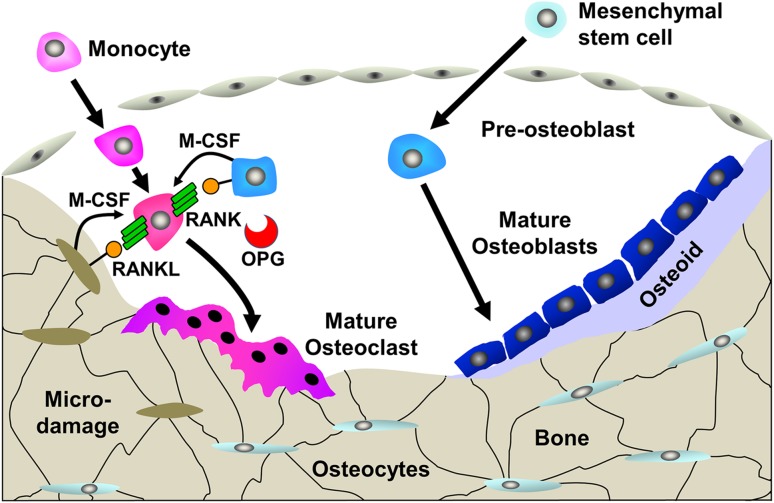
- In adults, hyperthyroidism causes high bone turnover with increased resorption and formation, shortened remodeling time, and net loss of approximately 10% of bone per remodeling cycle; severe osteoporosis from untreated thyrotoxicosis is now rare because of early diagnosis and treatment.
- In an individual participant meta-analysis of 70,298 subjects from 13 prospective cohort studies (762,401 person-years), subclinical hypothyroidism was not associated with fracture, whereas TSH <0.01 mU/L was associated with 2-fold increased hip fracture risk and 3.5-fold increased spine fracture risk.
- In a meta-analysis of 56,835 subjects (2,565 hip fractures) from 12 prospective cohort studies (659,059 person-years), lower TSH and higher fT4 within the reference range were associated with 22–25% increased risk of hip fracture; in the OPENTHYRO register cohort (222,138 normal-TSH plus 9,217 low-TSH individuals, 7.5 years), each SD decrease in TSH increased hip fracture risk (HR 1.45, p<0.001) and major osteoporotic fracture risk (HR 1.32, p<0.001).
- In post-menopausal women on suppressive T4, meta-analyses showed BMD reduced by 7% at the lumbar spine (CI 4–10%) and 5% at the femur (CI 2–8%), with no prospective fracture data; pre-menopausal women showed no effect on BMD. RTHα is described in 15 THRA mutations in 11 codons affecting 29 individuals from 16 families.
Methods
- Narrative review of published human and mouse literature on thyroid disease and bone, including large individual participant meta-analyses and register-based cohorts; no new primary data are presented.
- The review synthesizes studies of childhood and adult hypothyroidism/hyperthyroidism, subclinical thyroid disease, euthyroid reference-range variation, TSH suppression therapy for thyroid cancer, and genetic disorders of thyroid function (TSHB, TSHR, THRA, THRB).
- Main analysis is qualitative synthesis; no systematic search strategy, inclusion criteria, or formal quality assessment is stated in the text.
Limitations
- The paper states that overall interpretation of adult studies is limited by heterogeneous study design, confounding factors, lack of power, and differing end-point analyses.
- The paper states that there are no good clinical data demonstrating skeletal consequences of hypothyroidism in adults; no fracture data are available for pre-menopausal women on suppressive T4; no prospective fracture data are available for post-menopausal women on suppressive T4; and RTHβ skeletal descriptions are variable and largely restricted to case reports or case series.
- Evident from the text: this is a narrative review without a described systematic search or quality appraisal, so the synthesis may be selective; the paper also notes that targeted prospective clinical trials are still needed.
Model-written summary. Check it against the paper before relying on it.
Integrity signals
Registry
Cites
Statistics
Figures
Verification
Claims the paper makes
15 Valid · 1 Not valid · 11 Not checked · 5 Own results and interpretations
The cited sources support only part of this claim — read each source’s verdict below.
In the paper
“Affected children and adults had a similar spectrum of abnormalities characteristic of the skeletal dysplasia and variable response to T4 treatment reported in individuals with mutations affecting TRα1 alone.”
§ Thyroid diseases and bone health > Skeletal consequences of genetic disorders of thyroid function > Mutations affecting thyroid hormone receptors
What the sources say
- Not checked — no full text of the sourcecites [67] Demir K van Gucht AL Buyukinan M Catli G Ayhan Y Nijat Bas V Dundar B Ozkan B Meima ME Edward Visser W Peeters RP Visser TJ Diverse genotypes and phenotypes of three novel thyroid hormone receptor alpha mutations J Clin Endocrinol Metab 2016 27144938 source
- Partly supportedcites [69] Moran C Agostini M Visser WE Schoenmakers E Schoenmakers N Offiah AC Poole K Rajanayagam O Lyons G Halsall D Gurnell M Chrysis D Efthymiadou A Buchanan C Aylwin S Chatterjee KK Resistance to thyroid hormone caused by a mutation in thyroid hormone receptor (TR)alpha1 and TRalpha2: clinical, biochemical, and genetic analyses of three related patients Lancet Diabetes Endocrinol 2014 2 8 619 626 10.1016/S2213-8587(14)70111-1 24969835 PMC5989926 sourceExperimental — accuracy not yet measured
The Abstract Findings and Discussion (pages not available in our copy) describe similar clinical and radiological features in this family and earlier TRα1-only cases. The Results section, “Response to thyroxine therapy,” reports improvement across the three affected patients, with differences among treatment measures. It does not establish that their variable T4 response was similar to the response in TRα1-only cases. (LLM, conf=0.83)
- Could not verifycites [72] van Gucht AL Meima ME Zwaveling-Soonawala N Visser WE Fliers E Wennink JM Henny C Visser TJ Peeters RP van Trotsenburg AS Resistance to thyroid hormone alpha in an 18-month-old girl: clinical, therapeutic, and molecular characteristics Thyroid 2016 26 3 338 346 10.1089/thy.2015.0463 26782358 sourceExperimental — accuracy not yet measured
Searches for skeletal dysplasia, variable T4 response, and comparisons with TRα1-only mutations found no matching full-text passage in our copy. The returned material was labeled Abstract and describes improvement in one girl, but does not establish variable responses across affected children and adults or the claimed comparison. (LLM, conf=0.68)
- Supportedcites [76] Moran C Agostini M McGowan A Schoenmakers E Fairall L Lyons G Rajanayagam O Watson L Offiah A Barton J Price S Schwabe J Chatterjee K Contrasting phenotypes in resistance to thyroid hormone alpha correlate with divergent properties of thyroid hormone receptor alpha1 mutant proteins Thyroid 2017 27 7 973 982 10.1089/thy.2017.0157 28471274 PMC5561448 source
The Introduction identifies the two patients’ mutations as affecting both TRα1 and TRα2. The Results (Response to T4 therapy) report improvement in P1 but little growth response in P2, while the Discussion reports no discernible added phenotype from TRα2 in these patients and compares their treatment responses with those reported for other TRα defects. Page numbers are unavailable in our copy. (LLM, conf=0.86)
plainstates an association- Asserted: passes — The authors put it forward as true.
- Checkable: passes — It can be checked against evidence.
- Load-bearing: unclear — It is unclear whether the paper’s conclusions depend on it.
- Based: passes — The paper gives a reason why it holds.
The sources with a verdict support this claim; the rest weren’t checked yet, have no full text we could read, or their verdicts aren’t rated yet.
In the paper
“Population studies have also shown that variation in thyroid status within the reference range in post-menopausal women is associated with altered BMD and fracture risk.”
§ Thyroid diseases and bone health > Abstract
What the sources say
- Not checked — no full text of the sourcecites [40] Murphy E Gluer CC Reid DM Felsenberg D Roux C Eastell R Williams GR Thyroid function within the upper normal range is associated with reduced bone mineral density and an increased risk of nonvertebral fractures in healthy euthyroid postmenopausal women J Clin Endocrinol Metab 2010 95 7 3173 3181 10.1210/jc.2009-2630 20410228 source
- Not checked — no full text of the sourcecites [41] Grimnes G Emaus N Joakimsen RM Figenschau Y Jorde R The relationship between serum TSH and bone mineral density in men and postmenopausal women: the Tromso study Thyroid 2008 18 11 1147 1155 10.1089/thy.2008.0158 18925834 source
- Not checked — no full text of the sourcecites [42] Hwangbo Y Kim JH Kim SW Park YJ Park DJ Kim SY Shin CS Cho NH High-normal free thyroxine levels are associated with low trabecular bone scores in euthyroid postmenopausal women Osteoporos Int 2015 26252978 source
- Not checked — no full text of the sourcecites [43] Kim DJ Khang YH Koh JM Shong YK Kim GS Low normal TSH levels are associated with low bone mineral density in healthy postmenopausal women Clin Endocrinol (Oxf) 2006 64 1 86 90 10.1111/j.1365-2265.2005.02422.x 16402934 source
- Not checked — no full text of the sourcecites [44] Lin JD Pei D Hsia TL Wu CZ Wang K Chang YL Hsu CH Chen YL Chen KW Tang SH The relationship between thyroid function and bone mineral density in euthyroid healthy subjects in Taiwan Endocr Res 2011 36 1 1 8 10.3109/07435800.2010.514877 21226562 source
- Not checked — no full text of the sourcecites [45] Mazziotti G Porcelli T Patelli I Vescovi PP Giustina A Serum TSH values and risk of vertebral fractures in euthyroid post-menopausal women with low bone mineral density Bone 2010 46 3 747 751 10.1016/j.bone.2009.10.031 19892039 source
- Not checked — no full text of the sourcecites [46] Morris MS The association between serum thyroid-stimulating hormone in its reference range and bone status in postmenopausal American women Bone 2007 40 4 1128 1134 10.1016/j.bone.2006.12.001 17236836 source
- Not checked — no full text of the sourcecites [47] Noh HM Park YS Lee J Lee W A cross-sectional study to examine the correlation between serum TSH levels and the osteoporosis of the lumbar spine in healthy women with normal thyroid function Osteoporos Int 2015 26 3 997 1003 10.1007/s00198-014-2906-z 25253541 source
- Supportedcites [48] Roef G Lapauw B Goemaere S Zmierczak H Fiers T Kaufman JM Taes Y Thyroid hormone status within the physiological range affects bone mass and density in healthy men at the age of peak bone mass Eur J Endocrinol 2011 164 6 1027 1034 10.1530/EJE-10-1113 21393448 source
The Introduction reports a study of variation in normal-range thyroid status, bone mineral density and fracture susceptibility in postmenopausal women. The Discussion further reports an association between higher thyroid hormone levels and reduced BMD in that population. This paper reports those findings rather than studying postmenopausal women itself. (LLM, conf=0.91)
- Not checked — no full text of the sourcecites [49] Svare A Nilsen TI Asvold BO Forsmo S Schei B Bjoro T Langhammer A Does thyroid function influence fracture risk? Prospective data from the HUNT2 study, Norway Eur J Endocrinol 2013 169 6 845 852 10.1530/EJE-13-0546 24031093 source
plainstates an association- Asserted: passes — The authors put it forward as true.
- Checkable: passes — It can be checked against evidence.
- Load-bearing: passes — The paper’s conclusions depend on it.
- Based: passes — The paper gives a reason why it holds.
The cited sources support only part of this claim — read each source’s verdict below.
In the paper
“Affected children and adults had a similar spectrum of abnormalities characteristic of the skeletal dysplasia and variable response to T4 treatment reported in individuals with mutations affecting TRα1 alone.”
§ Thyroid diseases and bone health > Skeletal consequences of genetic disorders of thyroid function > Mutations affecting thyroid hormone receptors
What the sources say
- Not checked — no full text of the sourcecites [67] Demir K van Gucht AL Buyukinan M Catli G Ayhan Y Nijat Bas V Dundar B Ozkan B Meima ME Edward Visser W Peeters RP Visser TJ Diverse genotypes and phenotypes of three novel thyroid hormone receptor alpha mutations J Clin Endocrinol Metab 2016 27144938 source
- Supportedcites [69] Moran C Agostini M Visser WE Schoenmakers E Schoenmakers N Offiah AC Poole K Rajanayagam O Lyons G Halsall D Gurnell M Chrysis D Efthymiadou A Buchanan C Aylwin S Chatterjee KK Resistance to thyroid hormone caused by a mutation in thyroid hormone receptor (TR)alpha1 and TRalpha2: clinical, biochemical, and genetic analyses of three related patients Lancet Diabetes Endocrinol 2014 2 8 619 626 10.1016/S2213-8587(14)70111-1 24969835 PMC5989926 source
The Results (Clinical Investigation; page unavailable) report a thickened skull vault in all three affected family members. The Findings and Discussion state that their radiological and clinical features were similar to those of previously reported cases with TRα1 defects alone, despite their mutation affecting both TRα1 and TRα2. (LLM, conf=0.88)
- Could not verifycites [72] van Gucht AL Meima ME Zwaveling-Soonawala N Visser WE Fliers E Wennink JM Henny C Visser TJ Peeters RP van Trotsenburg AS Resistance to thyroid hormone alpha in an 18-month-old girl: clinical, therapeutic, and molecular characteristics Thyroid 2016 26 3 338 346 10.1089/thy.2015.0463 26782358 sourceExperimental — accuracy not yet measured
No passage from our indexed copy addresses whether mutations affecting both TRα1 and TRα2 produce skeletal abnormalities similar to those seen with TRα1-only mutations. Searches for TRα2, skeletal dysplasia, and related terms returned no relevant passage; the only returned text was bibliographic metadata (labelled Abstract, no page). (LLM, conf=0.72)
- Partly supportedcites [76] Moran C Agostini M McGowan A Schoenmakers E Fairall L Lyons G Rajanayagam O Watson L Offiah A Barton J Price S Schwabe J Chatterjee K Contrasting phenotypes in resistance to thyroid hormone alpha correlate with divergent properties of thyroid hormone receptor alpha1 mutant proteins Thyroid 2017 27 7 973 982 10.1089/thy.2017.0157 28471274 PMC5561448 sourceExperimental — accuracy not yet measured
The Discussion (page unavailable) says mutations affecting both TRα1 and TRα2 generally produced no discernible additional phenotype, supporting a broadly similar clinical picture, but notes one case with unusual skeletal features. It describes skeletal dysplasia in one of its two adolescent patients; it does not establish a similar spectrum of skeletal-dysplasia abnormalities across affected children and adults compared with people whose mutations affect TRα1 alone. (LLM, conf=0.83)
plain- Asserted: passes — The authors put it forward as true.
- Checkable: passes — It can be checked against evidence.
- Load-bearing: unclear — It is unclear whether the paper’s conclusions depend on it.
- Based: passes — The paper gives a reason why it holds.
The cited sources support only part of this claim — read each source’s verdict below.
In the paper
“Overall, subclinical hyperthyroidism was associated with bone loss and fracture, particularly in individuals with endogenous disease [28].”
§ Thyroid diseases and bone health > Skeletal consequences of thyroid disease in adults > Subclinical thyroid disease
What the sources say
- Partly supportedcites [28] Blum MR Bauer DC Collet TH Fink HA Cappola AR da Costa BR Wirth CD Peeters RP Asvold BO den Elzen WP Luben RN Imaizumi M Bremner AP Gogakos A Eastell R Kearney PM Strotmeyer ES Wallace ER Hoff M Ceresini G Rivadeneira F Uitterlinden AG Stott DJ Westendorp RG Khaw KT Langhammer A Ferrucci L Gussekloo J Williams GR Walsh JP Juni P Aujesky D Rodondi N Thyroid Studies Collaboration Subclinical thyroid dysfunction and fracture risk: a meta-analysis JAMA 2015 313 20 2055 2065 10.1001/jama.2015.5161 26010634 PMC4729304 sourceExperimental — accuracy not yet measured
The Conclusions report increased fracture risk with subclinical hyperthyroidism, particularly in people with endogenous disease. The paper does not establish the claimed association with bone loss: its introduction says subclinical dysfunction could be associated with bone loss, and the Discussion describes bone loss as a possible mechanism rather than a measured outcome. (LLM, conf=0.87)
plainstates an association- Asserted: passes — The authors put it forward as true.
- Checkable: passes — It can be checked against evidence.
- Load-bearing: passes — The paper’s conclusions depend on it.
- Based: passes — The paper gives a reason why it holds.
- Partly supported
The sources with a verdict support this claim; the rest weren’t checked yet, have no full text we could read, or their verdicts aren’t rated yet.
In the paper
“More recently, THRA mutations affecting both TRα1 and TRα2 have been described [67, 69, 72, 76].”
§ Thyroid diseases and bone health > Skeletal consequences of genetic disorders of thyroid function > Mutations affecting thyroid hormone receptors
What the sources say
- Not checked — no full text of the sourcecites [67] Demir K van Gucht AL Buyukinan M Catli G Ayhan Y Nijat Bas V Dundar B Ozkan B Meima ME Edward Visser W Peeters RP Visser TJ Diverse genotypes and phenotypes of three novel thyroid hormone receptor alpha mutations J Clin Endocrinol Metab 2016 27144938 source
- Supportedcites [69] Moran C Agostini M Visser WE Schoenmakers E Schoenmakers N Offiah AC Poole K Rajanayagam O Lyons G Halsall D Gurnell M Chrysis D Efthymiadou A Buchanan C Aylwin S Chatterjee KK Resistance to thyroid hormone caused by a mutation in thyroid hormone receptor (TR)alpha1 and TRalpha2: clinical, biochemical, and genetic analyses of three related patients Lancet Diabetes Endocrinol 2014 2 8 619 626 10.1016/S2213-8587(14)70111-1 24969835 PMC5989926 source
The Molecular Genetic Studies section reports a THRA substitution in the sequence common to TRα1 and TRα2. The Introduction explicitly describes this family's defect as resulting in mutation of both proteins. (LLM, conf=0.95)
- Could not verifycites [72] van Gucht AL Meima ME Zwaveling-Soonawala N Visser WE Fliers E Wennink JM Henny C Visser TJ Peeters RP van Trotsenburg AS Resistance to thyroid hormone alpha in an 18-month-old girl: clinical, therapeutic, and molecular characteristics Thyroid 2016 26 3 338 346 10.1089/thy.2015.0463 26782358 sourceExperimental — accuracy not yet measured
No passage from our copy addresses whether the reported THRA mutation affects both TRα1 and TRα2. Searches for the two isoforms, THRA mutations, and receptor-alpha splice variants returned no relevant passage. (LLM, conf=0.70)
- Supportedcites [76] Moran C Agostini M McGowan A Schoenmakers E Fairall L Lyons G Rajanayagam O Watson L Offiah A Barton J Price S Schwabe J Chatterjee K Contrasting phenotypes in resistance to thyroid hormone alpha correlate with divergent properties of thyroid hormone receptor alpha1 mutant proteins Thyroid 2017 27 7 973 982 10.1089/thy.2017.0157 28471274 PMC5561448 source
The Results (Molecular genetic studies) report two THRA missense mutations involving both TRα1 and TRα2. The Introduction likewise describes both mutations as involving the two proteins, directly supporting the cited claim. (LLM, conf=0.94)
plain- Asserted: passes — The authors put it forward as true.
- Checkable: passes — It can be checked against evidence.
- Load-bearing: unclear — It is unclear whether the paper’s conclusions depend on it.
- Based: passes — The paper gives a reason why it holds.
12 more claims · 7 with their cited sources checked
Create a free account to see all 32 claims and every source verdict.
- It may state two separate claims as one. 15
Claims other papers make about this one
Each is checked against this paper’s own text: does it say what the citing paper says it does?
The source backs part of the claim, not all of it — or backs it for a different population, condition or comparison.
In the citing paper
“and osteoporosis (61).”
From Liothyronine and Desiccated Thyroid Extract in the Treatment of Hypothyroidism (2020) · cites this paper as [61]
Experimental — accuracy not yet measuredThe cited source says what the claim attributes to it.
In the citing paper
“Thyroid hormones have profound effects on the skeletal development and bone maintenance, affecting not only the function of osteoclasts and osteoblasts but also participating in the regulation of bone metabolism [3–5].”
From Effects of levothyroxine therapy on bone and mineral metabolism in hypothyroidism: a systematic review and meta-analysis (2025) · cites this paper as [4]
In the citing paper
“Since thyroid hormones have major effects on bone remodeling, LT4 overtreatment may increase bone turnover with higher bone resorption than formation, resulting in progressive bone loss (189).”
Self-check
Percentages, sums and reported differences re-computed from the paper’s own numbers.
Self-check results appear here once an independent check has confirmed them.
Cited works that were retracted
Works this paper cites that were later retracted, from the retraction notices publishers deposit. Major when the notice came out before this paper was published.
A note, not an issue: for example, a cited work that was retracted only after this paper was published, which its authors could not have known.
In the paper
“Yang R, Yao L, Fang Y, Sun J, Guo T, Yang K, Tian L (2017) The relationship between subclinical thyroid dysfunction and the risk of fracture or low bone mineral density: a systematic review and meta-analysis of cohort studies. J Bone Miner Metab. doi: 10.1007/s00774-017-0828-5”
Cited work 10.1007/s00774-017-0828-5 · retracted 2019-08-02 · notice 10.1007/s00774-019-01037-5 · this paper published 2017-08-29
Citations
Cites
1 retracted
Yang, R., Yao, L., Fang, Y., Sun, J., Guo, T., Yang, K., & Tian, L. (2017) · Journal of Bone and Mineral Metabolism · doi:10.1007/s00774-017-0828-5 · Cited by 40
RetractedDevelopmental regulation of the growth plate
Kronenberg, H. M. (2003) · Nature · doi:10.1038/nature01657 · Cited by 2,849 · cited 1×
“They ultimately undergo apoptosis and release growth factors and cytokines that stimulate vascular invasion and the migration of osteoblasts and osteoclasts, which model and mineralize the developing bone during growth [4].”
BackgroundLong-term impact of initial surgical and medical therapy on papillary and follicular thyroid cancer
Mazzaferri, E. L., & Jhiang, S. M. (1994) · The American Journal of Medicine · doi:10.1016/0002-9343(94)90321-2 · Cited by 2,635 · cited 1×
“Treatment has been shown to reduce recurrence and diseasespecific mortality in retrospective studies [53, 54], whilst a prospective non-randomized study demonstrated that a lesser degree of TSH suppression is an independent predictor of disease progression in patients at high-risk of recurrent disease [55].”
BackgroundBonewald, L. F. (2011) · Journal of Bone and Mineral Research · doi:10.1002/jbmr.320 · Cited by 2,287 · cited 1×
“1 3 osteoblasts within a coordinated cycle of bone resorption and formation [7].”
BackgroundBianco, A. C., Salvatore, D., Gereben, B., Berry, M. J., & Larsen, P. R. (2002) · Endocrine Reviews · doi:10.1210/edrv.23.1.0455 · Cited by 1,853 · cited 2×
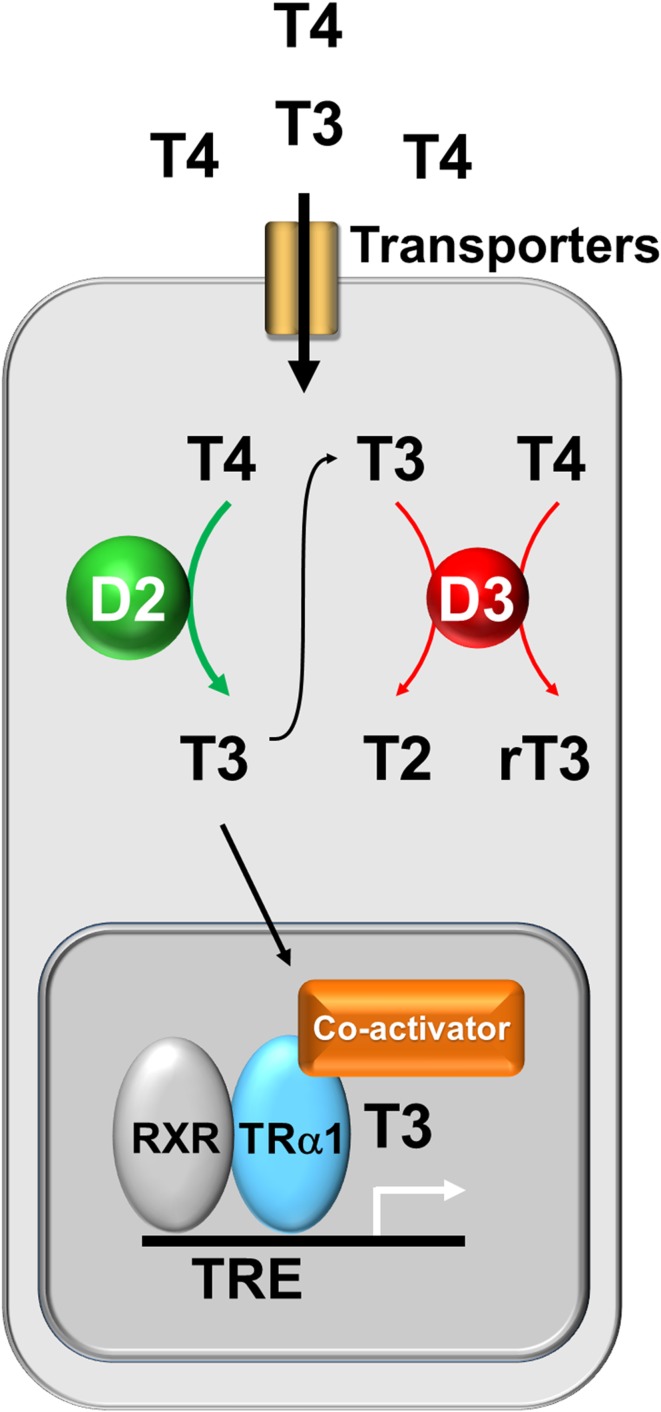
“1 3 regulates the intracellular supply of the active hormone, T3 [9, 13].”
BackgroundCellular and molecular mechanisms of bone remodeling
Raggatt, L. J., & Partridge, N. C. (2010) · Journal of Biological Chemistry · doi:10.1074/jbc.r109.041087 · Cited by 1,402
Mechanisms of thyroid hormone action
Brent, G. A. (2012) · Journal of Clinical Investigation · doi:10.1172/jci60047 · Cited by 1,244 · cited 1×
“TRs function as hormone-dependent transcription factors that repress target gene expression in the absence of hormone and stimulate gene transcription in response to T3 binding [14].”
BackgroundGenetic Control of Bone Formation
Karsenty, G., Kronenberg, H. M., & Settembre, C. (2009) · Annual Review of Cell and Developmental Biology · doi:10.1146/annurev.cellbio.042308.113308 · Cited by 667 · cited 1×
“Long bones and vertebrae, by contrast, form on an intermediary cartilage template by endochondral ossification after mesenchyme precursors differentiate to chondrocytes [3].”
BackgroundREFETOFF, S., DEWIND, L. T., & DEGROOT, L. J. (1967) · The Journal of Clinical Endocrinology & Metabolism · doi:10.1210/jcem-27-2-279 · Cited by 568
Role of Thyroid Hormones in Skeletal Development and Bone Maintenance
Bassett, J. H. D., & Williams, G. R. (2016) · Endocrine Reviews · doi:10.1210/er.2015-1106 · Cited by 540 · cited 10×
“Overall, post-menopausal women on suppressive doses of T4 may be at risk of bone loss and osteoporosis [1].”
BackgroundResultSelf-citation
Cited by
Items 201–276 of 276
Changes in Bone Metabolism in Juvenile Hyperthyroidism
Shakhlo, M. (2021) · American Journal of Medicine and Medical Sciences
Osteopatías fragilizantes endocrinas
Rochoux, Q., & Marcelli, C. (2021) · EMC - Aparato Locomotor · doi:10.1016/s1286-935x(21)45565-6
Zutinic, A., Roelfsema, F., Pijl, H., Ballieux, B. E. P. B., Westendorp, R. G. J., Blauw, G. J., & van Heemst, D. (2021) · Aging · doi:10.18632/aging.203511
“Based on these observations, it has been suggested that in addition to thyroid hormone, TSH may have a role in other tissues that the thyroid gland, including bone tissue [12–14].”
Wood, C. L., Cole, M., Donaldson, M., Dunger, D. B., Wood, R., Morrison, N., Jns, M., Shs., P., & Cheetham, T. D. (2021) · Yearbook of pediatric endocrinology · doi:10.1530/ey.18.3.12
Clinical Assessment and Systemic Manifestations of Hypothyroidism
Tonacchera, M., & Chiovato, L. (2022) · doi:10.1093/med/9780198870197.003.0067
Garla, V. V., Cardozo, L. L. Y., & Lien, L. F. (2018) · Springer eBooks · doi:10.1007/978-3-319-99079-8_2
Pizzorno, L. (2020) · Elsevier eBooks · doi:10.1016/b978-0-323-43044-9.00203-x
Raccah-Tebeka, B., & Plu‐Bureau, G. (2019) · Elsevier eBooks · doi:10.1016/b978-2-294-74372-6.00034-5
Muratova, S. (2021) · Research Square · doi:10.21203/rs.3.rs-160165/v1
“Subclinical hyperthyroidism is also associated with low BMD and an increased risk of fractures [24].”
Background(2018) · American Research Journal of Pediatrics · doi:10.21694/2577-5952.18001
Thyrotoxicosis; Systemic Manifestations
Marcocci, C., & Cetani, F. (2016) · Elsevier eBooks · doi:10.1016/b978-0-12-801238-3.96034-3
Martins, C. D. S. (2022) · Digital Library of Theses and Dissertations (Universidade de São Paulo) · doi:10.11606/t.17.2022.tde-09052022-093801
Мінеральна щільність та метаболізм кісткової тканини у разі тиреотоксикозу
Стойка, В. В. (2022) · Науковий вісник Ужгородського університету Серія Медицина · doi:10.32782/2415-8127.2022.65.8
Alsayed, E. F. (2022) · Cureus · doi:10.7759/cureus.31145
“It is worth mentioning that the association between hyperthyroidism and osteoporosis is well-established [3,4].”
BackgroundDiagnóstico y estrategias terapéuticas de la Enfermedad de Graves Basedow
Chicaiza, E. G. S., & Perugachi, J. D. C. N. (2023) · Ciencia Latina Revista Científica Multidisciplinar · doi:10.37811/cl_rcm.v7i1.15478
Tian, J., Chen, S.-M., Nie, J., Xu, L., Xiao, J., Li, Y., & Liang, Z. (2023) · International Journal of Diabetes in Developing Countries · doi:10.1007/s13410-023-01182-8
“2 FT3 and FT4 concentrations between the three groups 16].”
AS TIREOIDOPATIAS AFETAM O DESEMPENHO DE JOVENS ATLETAS?
Martins, R., Franco, M. E., Oliveira, L. S. A., & Prado, R. P. (2022) · Editora Científica Digital eBooks · doi:10.37885/230312471
Borges, F. D. S. S., Cavalcante, F. P., Brilhante, F. D. F., Portela, J. G., Costa, L. F. L. D., Fernandes, L. M. C., Fontenele, L. A., Diniz, M. A. N., Sousa, M. D. D. A., Fonseca, M. C. S. D., et al. (2022) · Editora Científica Digital eBooks · doi:10.37885/978-65-5360-320-2
Chaulin, A. M., Grigoryeva, J., Smirnova, E. A., Suvorova, G. N., Duplyakov, D. V., & Vankov, V. (2023) · Archiv Euromedica · doi:10.35630/2023/13/4.807
“According to a number of morphological studies, hypothyroidism causes significant structural changes in the organs and tissues of the cardiovascular system [7-14], the skin and its derivatives [15, 16], the musculoskeletal system [17, 18], and the reproductive system [19, 20].”
BackgroundZhao, H., Shi, D., Wang, G., Ruan, Y., Feng, X., Jia, C., Wang, Q., & Dong, X. (2023) · Therapeutic Advances in Chronic Disease · doi:10.1177/20406223231195627
Endocrinological Conditions and Orthodontic Treatment
Chatzigianni, A. (2023) · Wiley eBooks · doi:10.1002/9781119870081.ch5
Biochemische Marker des Knochenstoffwechsels im Blickwinkel knochenrelevanter Erkrankungen
Dimai, H. P., & Obermayer-Pietsch, B. M. (2023) · Osteologie/Osteology · doi:10.1055/a-2189-6143
“Histomorphometrische Untersuchungen zeigen jedoch, dass der Knochenumsatz bei Personen mit Hypothyreose vermindert ist, und dies zu einer prolon-gierten (sekundären) Mineralisation führt [46].”
BackgroundYang, S., Guo, J., Zhai, W., Xie, Y., & Jia, Y. (2023) · Research Square · doi:10.21203/rs.3.rs-3754489/v1
Recurrent impending thyroid storm in a girl with Graves’ disease: a case report
Novina, N., Putri, N. H., Pramudani, N., & Faisal, F. (2023) · Paediatrica Indonesiana · doi:10.14238/pi63.6.2023.517-20
Hipotireoidismo e osteoporose como fatores de risco para o desenvolvimento de fraturas ósseas
Carvalhedo, F. M. G. S., LOPES, G. H., RIZZO, C. M., Silva, A. C. R., & Hanna, E. (2024) · Cuadernos de Educación y Desarrollo · doi:10.55905/cuadv16n2-ed.esp.269
Distal Tibial Intra-Articular Ilizarov Failed Fixation
Nesbitt, P., & Harwood, P. J. (2024) · Springer eBooks · doi:10.1007/978-3-031-39692-2_35
Üstay, Ö., Ertörer, M. E., Selek, A., Yılmaz, M., Apaydın, T., Yalın, G. Y., Salman, S., Sezer, H., Deyneli, O., Ersoy, C., et al. (2024) · Akademisyen Kitabevi eBooks · doi:10.37609/akya.2879 · Cited by 1
Langdahl, B. L., & Grove‐Laugesen, D. (2024) · Elsevier eBooks · doi:10.1016/b978-0-443-13825-6.00080-7
Galina, J. M., Miller, S. D., Schauer, K. T., Harte, L. M., & Ferrick, M. R. (2024) · Cureus · doi:10.7759/cureus.73214
Watanabe, Y., & Weiss, R. E. (2024) · Elsevier eBooks · doi:10.1016/b978-0-443-13825-6.00006-6
Impact of Assisted Reproductive Technology on Thyroid Function: A Prospective Cohort StudyPreprint
Yiyuan, Z., Zhou, W., Lan, T., Wei, H., Wan, W., Chen, Z., & Cui, L. (2024) · SSRN Electronic Journal · doi:10.2139/ssrn.5048725
Hyperthyroidism: a review of the African American population
Onwughalu, C. J., Kolapo-Raheem, I., Akinfisoye, T. E., Olayinka, O., Rodrigues, K. D., Ekanem, I. I., & Ajibola, O. G. (2025) · Discover Medicine · doi:10.1007/s44337-025-00219-7
Systemic manifestations of hypothyroidism
Pignata, L., Tonacchera, M., & Chiovato, L. (2025) · Elsevier eBooks · doi:10.1016/b978-0-443-13825-6.00206-5
Anand, Y., & Chamakeri, P. H. (2025) · International Journal of Orthopaedics Sciences · doi:10.22271/ortho.2025.v11.i1b.3712
In Vivo Studies of the Effect of Nano-Indian Costus on Thyroid Gland Injury
Majeed, N. F., Ali, A. H., Mazhir, S. N., & Abdullah, H. M. (2025) · International Journal of Nanoscience · doi:10.1142/s0219581x25500024
Effect of L-thyroxine on bone biomechanical and morphometric parameters in rats
Aydoğdu, S., Kök, R. R., & Beşoluk, K. (2025) · BMC Veterinary Research · doi:10.1186/s12917-025-04816-7
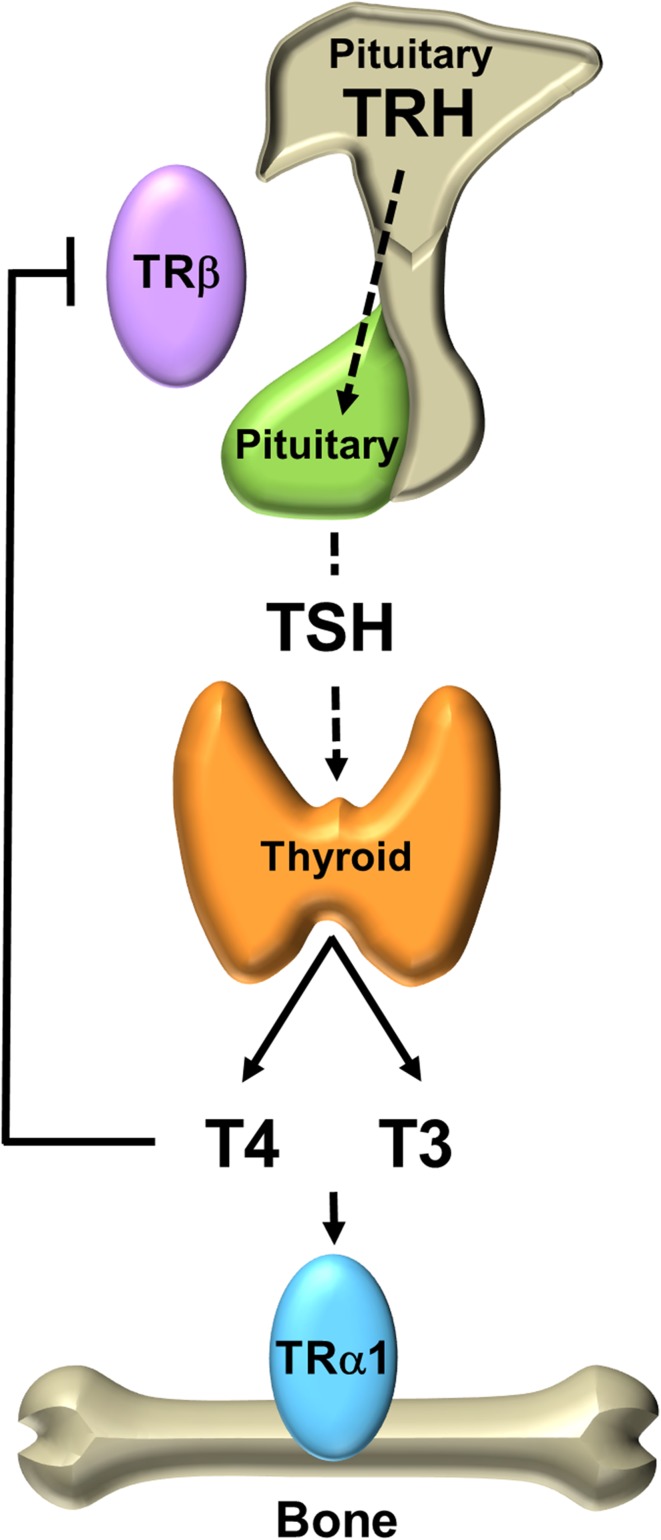
“The hypothalamic-pituitary-thyroid axis plays an essential role in skeletal development and the acquisition of bone mineralization, strength, and mass [11–13].”
Zhao, B., Zhong, Q., & Liu, X. (2025) · Medicine · doi:10.1097/md.0000000000042856
“Pertinent literature [57–60] suggests that the effect of hyperthyroidism on osteoporosis is primarily witnessed in adults, whereby an escalation in thyroxine levels induces a higher rate of bone degradation than new bone formation, thereby augmenting bone loss.”
Normocalcemia and Normal Thyroid Function in a Severe Vitamin D–Deficient Population
Yazdani, O., Haeri, M. R., & Niayesh‐Mehr, R. (2025) · Advanced Biomedical Research · doi:10.4103/abr.abr_7_23
“[13] On the other hand, thyroid hormones guarantee the integration of the skeletal system [14,15] and affect serum calcium levels.”
Assessment of periostin in postmenopausal thyroid patients: A prospective case-control study
Gupta, A. K., Faruqui, S., & Jha, A. N. (2025) · Endocrine and Metabolic Science · doi:10.1016/j.endmts.2025.100270
Thyroid dysfunction and osteoporosis: A two-sample bidirectional Mendelian randomization study
Zhu, M., Wang, Y., Liang, Y., Wang, X., Zhang, J., Wang, D., & Yang, M. (2025) · Medicine · doi:10.1097/md.0000000000044779
“[28,29] While current studies have predominantly focused on the impact of hyperthyroidism on the risk of OP development, fewer investigations have explored whether hypothyroidism influences the risk of OP development and whether a causal relationship exists between the 2.”
CONGENITAL HYPOTHYROIDISM AS CAUSE OF SHORT STATURE IN A 17-YEAR-OLD ZAMBIAN FEMALE – A CASE REPORT.
Miyato, D. K., Mwanamwampula, S. J., Mapiki, O., Akombwa, M., Kabengele, C., Zulu, C., & M’hango, H. (2024) · Medical Journal of Zambia · doi:10.55320/mjz.51.3.587
Han, S.-K., Kim, J.-H., Han, Y., Kim, S.-J., Jin, H., & Lee, W.-Y. (2025) · International Journal of Molecular Sciences · doi:10.3390/ijms26199789
Prise en charge des patients présentant des pathologies médicales en orthodontie
Kol, E., & Ven, M. L. (2025) · EMC - Orthopédie dentofaciale · doi:10.1016/s1624-6381(25)49767-8
Nair, N. S., Bhatt, K., Roychoudhury, A., Bhutia, O., Yadav, R., Bhalla, A. S., & Mishra, D. (2025) · The Traumaxilla · doi:10.1177/26323273251385912
“19,20 A pathologic fracture was observed in one patient.”
Diabetes, Thyroid, and Bone Fragility: A Dangerous Triangle
Gazzaruso, C., & Coppola, A. (2025) · Springer eBooks · doi:10.1007/978-3-032-01700-0_2
Pisano, S., & Cusini, C. (2025) · Springer eBooks · doi:10.1007/978-3-032-01700-0_12
Immune Involvement in the Development and Maintenance of Oral and Craniofacial Bones
Ono, T. (2025) · Advances in experimental medicine and biology · doi:10.1007/978-3-032-03176-1_25 · Cited by 1
Zhou, Y., Chou, Y.-C., Hung, Y., & Chang, Y.-J. (2025) · Gerontology · doi:10.1159/000549726
“Given the intricate relationship between TSH levels and bone metabolism [7, 34], future investigations are required to elucidate the interplay among TSH dysregulation, bone mineral density, and dental integrity.”
Deng, T., Zhang, W., Zhang, Y., Zhang, M., Huan, Z., Yu, C., Zhang, X., Wang, Y., & Xu, J. (2021) · Figshare · doi:10.6084/m9.figshare.14228503
Ni, Y., Balakumar, P., Islam, T., Haque, S. E., Shahriar, H., Sarwar, G., Ahmed, A., Liu, C., Pierce, B. L., Sargis, R. M., et al. (2026) · Environmental Health · doi:10.1186/s12940-025-01261-9
“Elevated thyroid hormone levels in early life have been linked to altered growth trajectories, including reduced adult stature [23].”
Rodrigues, J. F., Macedo, D. R., de Paulo, L. F. B., Barbosa, G. L. D. R., Silva, A. L. F. E., Soares, C. J., & Soares, P. B. F. (2026) · Oral Surgery Oral Medicine Oral Pathology and Oral Radiology · doi:10.1016/j.oooo.2025.12.016
Hypothyroidism and Peri-Implantitis: A Hidden Risk
Bharti, N., Chauhan, S. S., Yadav, S., & Gupta, G. (2026) · International Journal For Multidisciplinary Research · doi:10.36948/ijfmr.2026.v08i01.66855
An, S., Jeon, J. C., Park, B., Kim, D. E., Park, N., & Kim, S. Y. (2026) · Sex- and Gender-Specific Biomedicine · doi:10.65400/sgbm.2026.1.1.74
Hypothyroidism–Etiologies, Evaluation, and Emergency Care
Cimino-Fiallos, N., & Hurt, B. R. (2026) · Endocrinology and Metabolism Clinics of North America · doi:10.1016/j.ecl.2025.02.015
Lack of difference in thyroid hormone profile between offspring conceived naturally and through ART
Zhang, Y., Sun, Y., Lan, T., Huang, W., Wan, W., Cui, L., Zhou, W., & Chen, Z. (2026) · Human Reproduction Open · doi:10.1093/hropen/hoag009
“Thyroid hormone disorders in childhood have been shown to affect growth and development, as well as nervous system development (Stathatos, 2012; Waung et al. , 2012; Williams and Bassett, 2018; Schneider Aguirre and Fuqua, 2019; Giannocco et al. , 2021).”
Advances in the management of osteopenia: a case series
Nordio, M., & Baldelli, R. (2026) · Journal of Medical Case Reports · doi:10.1186/s13256-025-05816-9
“Indeed, thyroid hormones play a central role in skeletal development regulating growth, bone mass, and maturation, and are important regulators of bone maintenance in adults [7].”
Yamaya, A. C., Ward, L. S., Cury, A. N., Scalissi, N. M., Silva, C. F., Santos, L. M., & Padovani, R. D. P. (2026) · Research Square · doi:10.21203/rs.3.rs-8767986/v1
Chen, Z., Liu, H., Wang, X., Du, H., Chai, X., Li, M., Lian, X., Li, N., & Xia, W. (2026) · Archives of Osteoporosis · doi:10.1007/s11657-026-01676-y
“Skeletal phenotypes in RTH, frequently associated with gene mutations in THRB , and representing another etiology of SITSH, remain incon-sistently characterized, possibly owing to its rarity [26, 27].”
Starling, A. P., Li, X., Ames, J., Barrett, E. S., Bastain, T. M., Buß, C., Dabelea, D., Dunlop, A. W., Ferrara, A., Hedderson, M. M., et al. (2026) · Environmental Research · doi:10.1016/j.envres.2026.124229
Current status of hypothyroidism control in Guangzhou area, China: a cross-sectional survey
Chen, B., Wang, S., Huang, Y.-L., Liu, D., Chen, R., Zhang, H., Wang, W., Zhou, Q., Lie, L., Ran, J., et al. (2026) · BMC Endocrine Disorders · doi:10.1186/s12902-026-02214-0
“Hypothyroidism suppression therapy can disrupt normal bone metabolism, leading to an increased risk of osteoporosis and fractures [16, 17].”
Thyroid and osteoporosis: Pathophysiology, clinical consequences, and management
Ghosh, A., & Sanjeev, K. N. (2026) · Thyroid Research and Practice · doi:10.4103/trp.trp_28_25
Recommendations for prevention of iodine deficiency during pregnancy and breastfeeding in France
Caron, P. J., Stoupa, A., Mégier, C., Morio, B., Moulin, P., Coutant, R., Teissier, M., & Luton, D. (2026) · Archives de Pédiatrie · doi:10.1016/j.ando.2026.102580
Thakur, R. K., Dhakal, R., Joshi, G., Bista, P., Khadka, A., Khanal, S., Acharya, A., Gautam, S., Lamichhane, A., & Bhatt, M. P. (2026) · Journal of Manmohan Memorial Institute of Health Sciences · doi:10.3126/jmmihs.v11i1.94806
“Moreover, long-term high-dose thyroxine therapy, especially in thyroid cancer management requiring TSH suppression, can further compromise skeletal integrity 5 .”
Salerno, M., Vigone, M. C., Cassio, A., Cavarzere, P., Cherubini, V., Faienza, M. F., Gastaldi, R., Tuli, G., Wasniewska, M. G., & Olivieri, A. (2026) · Endocrine · doi:10.1007/s12020-026-04656-x
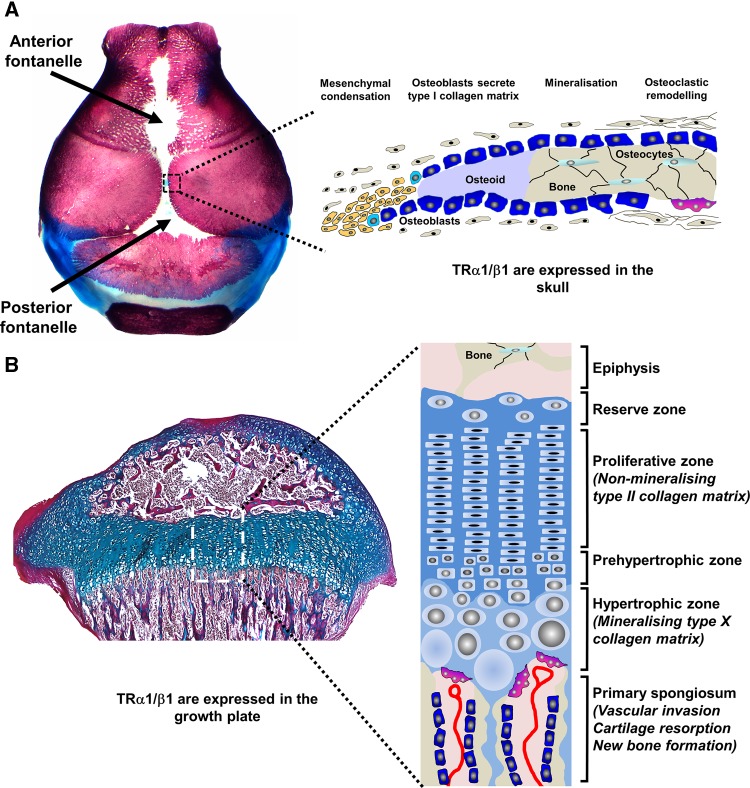
“Thyroid hormones play a central role in regulating longitudinal bone growth by directly influencing chondrocyte proliferation, hypertrophic differentiation, and extracellular matrix remodeling within the growth plate, processes essential for normal endochondral ossification [ 134].”
Макконен, К. Ф., Määttä, J. A., Ivaska, K. K., Patyra, K., Melnyk, V., Linnossuo, V., Ojala, J. O., Ravi, R., Jaeschke, H., Undeutsch, H. J., et al. (2026) · Thyroid · doi:10.1177/10507256261463218
“24 Despite minimal effects on linear growth, craniofacial changes were evident.”
Polat, E., Arkalı, G., Acısu, T. C., Yiğit, O., Çay, M., & Dogan, R. (2026) · Revista Mvz Córdoba · doi:10.21897/rmvz.3953
Meng, G., Bing, Y., Liu, Y., Zhou, Z., Li, Y., Han, Y., & Jiang, Y. (2026) · Frontiers in Endocrinology · doi:10.3389/fendo.2026.1845121
“The biological actions of T3 in bone are primarily mediated through thyroid hormone receptor alpha-1 (TR a 1), the predominant receptor isoform expressed in osteoblasts and chondrocytes (34).”
Yang, Y., Tian, G., Li, S., Guo, Z., Bai, L., Tao, S., & Lv, H. (2026) · Hormone and Metabolic Research · doi:10.1055/a-2920-5112
Sari, D. B., Monteiro, S. K., Khatri, N. A., & Sanford, C. G. (2026) · Foot & Ankle Orthopaedics · doi:10.1177/24730114261472895
“3,7,8 In the context of operatively treated ankle fractures, such alterations may not necessarily produce early wound problems but may instead interfere with the gradual process of osseous consolidation and the restoration of stable load sharing across fixation constructs.”
Vaishnav, J., & Balakrishnan, S. (2026) · Zoology · doi:10.1016/j.zool.2026.126349
Caron, V., Bonnycastle, K., Rio, A., Chiniara, L., Henderson, M., Vliet, G. V., Tremblay, A., & Magne, F. (2026) · Thyroid · doi:10.1177/10507256261490862
“3,6,10,14,37,38 Structure-guided studies identi fi ed synthetic ligands such as ES08 that can overcome transcriptional repression by mutant TR a more effectively than T3, supporting the development of mutation-speci fi c therapies for RTH a .”
Amer, B., Haidarah, A., Alam, A., & Kamrul-Hasan, A. B. M. (2026) · Endocrine Practice · doi:10.1016/j.eprac.2026.09.118
Prolonged untreated congenital hypothyroidism presenting as apparent epiphyseal dysplasia
Kaudinya, S., Sethi, A., Nitesh, K., Singh, R., & Shubham, S. (2026) · BMJ Case Reports · doi:10.1136/bcr-2026-276485
Food intolerance/malabsorption in Hashimoto’s thyroiditis
Schnedl, W. J., Michaelis, S., Schenk, M., Enko, D., & Holasek, S. J. (2026) · Clinics · doi:10.1016/j.clinsp.2026.101168
“32 Although no connection of cartilage thickness with Hashimoto's thyroiditis was recognized.”
Martin, B., Kuiper, J. R., Braun, J. M., Calafat, A. M., Chen, A., Cecil, K. M., Lanphear, B. P., Ospina, M., Xu, Y., Wasserman, H. M., et al. (2026) · Environment & Health · doi:10.1021/envhealth.6c00532
Metadata
- Authors
- Williams, G. R., & Bassett, J. H. D.
- Affiliations
- Imperial College London (GB)
- Corresponding author
- Williams, G. R.
- Venue
- Journal of Endocrinological Investigation
- Published
- 2017-08-29
- Volume
- 41
- Issue
- 1
- Pages
- 99-109
- ISSN
- 0391-4097 (ISSN-L)
- 1720-8386
- PMC
- PMC5754375
- OpenAlex
- W2752632293
- Semantic Scholar
- 7b574fb9da63eb26bb422cf80784f5083ed98f39
- Cited by
- 276
- References
- 92
- Citations by year
- 2026: 32 · 2025: 35 · 2024: 34 · 2023: 34 · 2022: 36 · 2021: 30 · 2020: 29 · 2019: 26 · 2018: 15 · 2017: 1
- FWCI
- 13.18
- Type
- journal article
- Language
- en
- Open access
- hybrid
- doi.org
- Locations
- Journal of Endocrinological Investigation (publishedVersion, cc-by)
- PubMed (publishedVersion)
- Europe PMC (PubMed Central) (submittedVersion, cc-by)
- PubMed Central (submittedVersion, cc-by)
- Spiral (Imperial College London) (submittedVersion, cc-by)
- Funders
- Wellcome Trust (101123, 110141, 110140)
- Horizon 2020 Framework Programme (666869)
- Topics
- Health Sciences › Medicine › Endocrinology, Diabetes and Metabolism › Thyroid Disorders and Treatments
- Health Sciences › Medicine › Orthopedics and Sports Medicine › Bone health and osteoporosis research
- Life Sciences › Biochemistry, Genetics and Molecular Biology › Molecular Biology › Bone Metabolism and Diseases
- Keywords
- thyroid dysfunction, bone health, hypothyroidism, childhood hypothyroidism, growth arrest, thyroid hormone replacement, thyroid hormone resistance, thyroid hormone receptor alpha, thyrotoxicosis, osteoporosis, subclinical hyperthyroidism, osteopenia, fracture risk, postmenopausal women, bone mineral accrual, skeletal development
- MeSH terms
- Bone and Bones, Humans, Hypothyroidism, Mutation, Osteoporosis, Receptors, Thyroid Hormone, Thyroid Hormones, Thyrotoxicosis, Fractures, Bone
About these checks
Registry, retraction, Cites and statistics results are computed, not judged, with one exception: a printed reference that no index lists is read once by a model before it counts as a citation error. Claims are extracted by a model and kept only when their quote appears verbatim in the text; each cited source is then checked, with a model’s help, for whether it says what the claim relies on. Those verdicts can be wrong — read the claim’s quote and the cited source before relying on one.
The claim verdicts this report counts are experimental: their accuracy is not yet measured.
A language model drew the claims from the paper on 2026-10-27, under version 3 of the claim definition (model deepseek-v4.1-flash, prompt extract-v3).
A second model labelled each claim on 2026-10-27 (model jev-1.13-20260917, definition revision gold-guideline-v0.2).
Cited sources are checked with a language model’s help (gpt-6-sol).
Statistics and arithmetic are recomputed, not judged.
Confidence bands are shown only for fields calibrated on our annotated test set. None is calibrated yet, so no band is shown.
What counts as a claim ›How we measure confidence ›How we check this ›
Are you an author, or do you see a problem with this page? Request a review
Data sources
Bibliographic data: Semantic Scholar, OpenAlex, Crossref.
Contains information from the Semantic Scholar Academic Graph Datasets, made available under the ODC Attribution License (ODC-BY 1.0).
Semantic Scholar’s data is described in: Kinney, R., et al. (2023). The Semantic Scholar Open Data Platform. arXiv:2301.10140.
