

Feature dimensionality reduction: a review
Open accessThe DOI matches its Crossref record; 142 of the 142 references it cites were found in a registry or an index.
Abstract
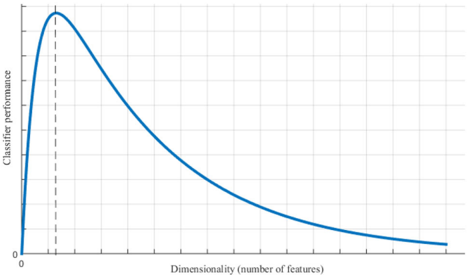
As basic research, it has also received increasing attention from people that the “curse of dimensionality” will lead to increase the cost of data storage and computing; it also influences the efficiency and accuracy of dealing with problems. Feature dimensionality reduction as a key link in the process of pattern recognition has become one hot and difficulty spot in the field of pattern recognition, machine learning and data mining. It is one of the most challenging research fields, which has been favored by most of the scholars’ attention. How to implement “low loss” in the process of feature dimension reduction, keep the nature of the original data, find out the best mapping and get the optimal low dimensional data are the keys aims of the research. In this paper, two-dimensionality reduction methods, feature selection and feature extraction, are introduced; the current mainstream dimensionality reduction algorithms are analyzed, including the method for small sample and method based on deep learning. For each algorithm, examples of their application are given and the advantages and disadvantages of these methods are evaluated.
Overview
The claims and statistics of this paper haven’t been checked yet.
Free: it reads the open-access text and checks the first 5 claims that cite a source we can check. Create a free account to check every claim.
Integrity signals
Registry
Cites
Statistics
Figures

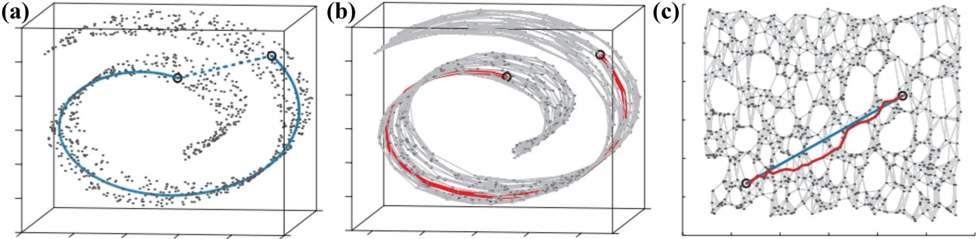
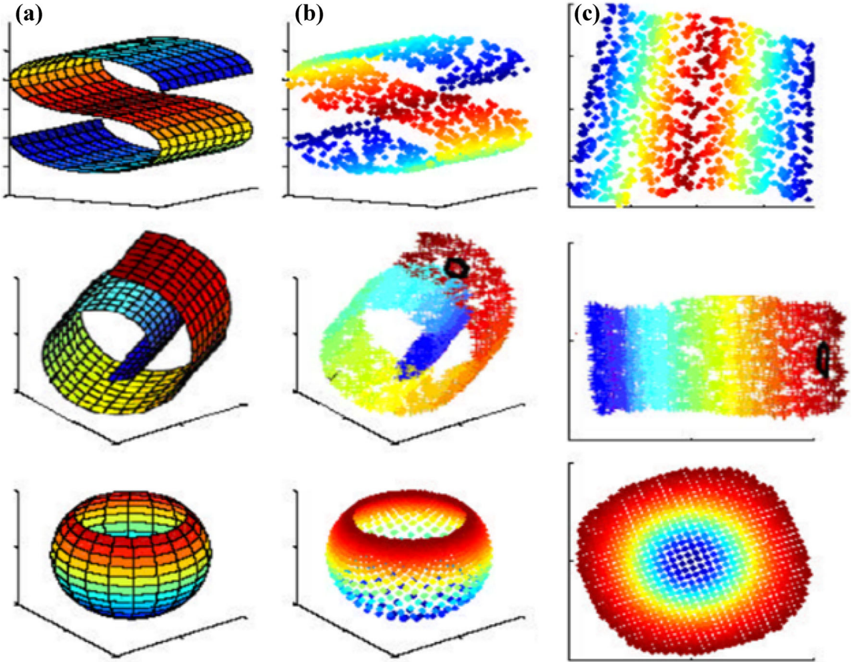
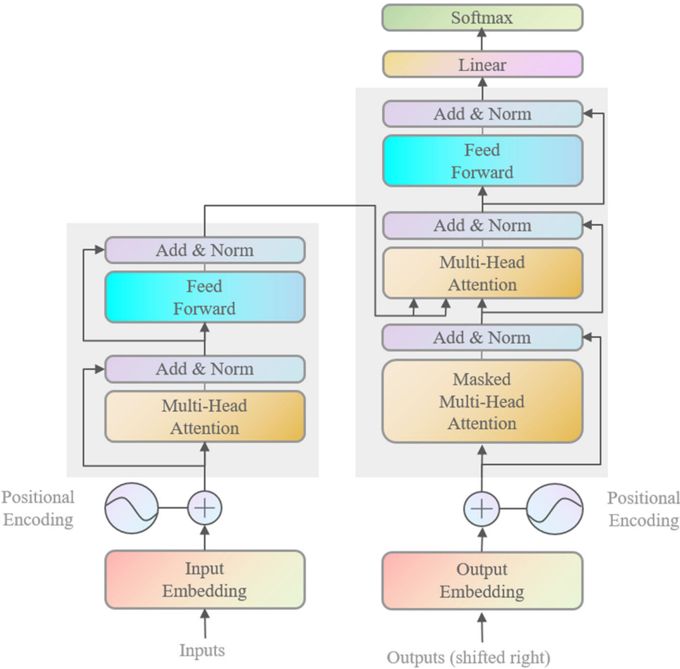
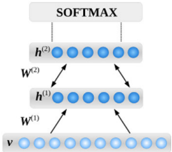
Verification
Claims the paper makes
The claims and statistics of this paper haven’t been checked yet.
Free: it reads the open-access text and checks the first 5 claims that cite a source we can check. Create a free account to check every claim.
Self-check
Percentages, sums and reported differences re-computed from the paper’s own numbers.
The self-check needs the paper’s full text.
Citations
Cites
Deep Residual Learning for Image Recognition
He, K., Zhang, X., Ren, S., & Sun, J. (2016) · 2016 IEEE Conference on Computer Vision and Pattern Recognition (CVPR) · doi:10.1109/cvpr.2016.90 · Cited by 235,474 · cited 1×
“lution and pooling layers to extract high-level semantic information [136].”
BackgroundA Mathematical Theory of Communication
Shannon, C. E. (1948) · Bell System Technical Journal · doi:10.1002/j.1538-7305.1948.tb01338.x · Cited by 88,486
LeCun, Y., Bengio, Y., & Hinton, G. (2015) · Nature · doi:10.1038/nature14539 · Cited by 84,126
Regression shrinkage and selection via the lasso
Tibshirani, R. (1996) · Journal of the Royal Statistical Society Series B: Statistical Methodology · doi:10.1111/j.2517-6161.1996.tb02080.x · Cited by 51,482 · cited 1×
“The least absolute shrinkage and selection operator (Lasso) is also a compression estimation method with reducing feature quantity as the core [116].”
MethodHe, K., Gkioxari, G., Dollar, P., & Girshick, R. (2017) · 2017 IEEE International Conference on Computer Vision (ICCV) · doi:10.1109/iccv.2017.322 · Cited by 29,137
Learning Phrase Representations using RNN Encoder–Decoder for Statistical Machine Translation
Cho, K., van Merrienboer, B., Gulcehre, C., Bahdanau, D., Bougares, F., Schwenk, H., & Bengio, Y. (2014) · Proceedings of the 2014 Conference on Empirical Methods in Natural Language Processing (EMNLP) · doi:10.3115/v1/d14-1179 · Cited by 25,545 · cited 1×
“designed a new RNN Encoder-Decoder, containing two recurrent neural networks [147].”
MethodReducing the dimensionality of data with neural networks
Hinton, G. E., & Salakhutdinov, R. R. (2006) · Science · doi:10.1126/science.1127647 · Cited by 20,928
Deep learning in neural networks: an overview
Schmidhuber, J. (2015) · Neural Networks · doi:10.1016/j.neunet.2014.09.003 · Cited by 18,570 · cited 1×
“It will also promote the further development of deep learning [171–173].”
BackgroundA fast learning algorithm for deep belief nets
Hinton, G. E., Osindero, S., & Teh, Y.-W. (2006) · Neural Computation · doi:10.1162/neco.2006.18.7.1527 · Cited by 16,336 · cited 1×
“In 2006, Hinton pointed out that the difficulty of deep learning network training can be solved by “layer-by-layer initial-ization” [127, 128].”
BackgroundLearning Internal Representations by Error Propagation
Rumelhart, D. E., Hinton, G. E., & Williams, R. J. (1985) · doi:10.21236/ada164453 · Cited by 16,172
Research works printed but not linked: 35
- Cunningham JP, Ghahramani Z (2015) Linear dimensionality reduction: survey, insights, and generalizations. J Mach Learn Res 16:2859-2900
- Hu J (2008) Survey on feature dimension reduction for high- dimensional data. Appl Res Comput 25(9):2601-2606
- Welch WJ (1982) Branch-and-bound search for experimental designs based on D optimality and other criteria. Technometrics 24(1):41-48
- Wang JH et al (2016) Analysis of imbalanced weather data based on branch-and-bound approach. Appl Res Comput 33(6):1648-1652
- Mao Y et al (2007) Survey for study of feature selection algo- rithms. Moshi Shibie yu Rengong Zhineng/Pattern Recogn Artif Intell 20(2):211-218
- Zhang HB, Sun GY (1999) Tabu search algorithm for feature selection. Acta Autom Sin 25(4):457-466
- Zhang X (1998) Dynamic programming method for feature selec- tion. Acta Autom Sin 24:680-684
- Fujarewicz K, Wiench M (2003) Selecting differentially expressed genes for colon tumor classification. Int J Appl Math Comput Sci 13:327-335
- Qiang LI et al (2005) Online palmprint identification based on improved 2D PCA. Acta Electron Sin 33(10):1886-1889
- Huang QH, Wang S, Liu Z (2007) Improved algorithm of image feature extraction based on independent component analysis. Opto-Electron Eng 1:121-125
- Chen Y et al (2018) Application of singular value decomposition algorithm to dimension-reduced clustering analysis of daily load profiles. Automat Electr Power Syst 42(3):105-111
- Mika S et al (1999) Fisher discriminant analysis with kernels. In: Neural networks for signal processing IX: Proceedings of the 1999 IEEE signal processing society workshop (cat. no. 98th8468). IEEE
- ShiZhong L, XiaoJun J, SuLei Z (1999) The application study of entropy analysis method in feature extraction. J North China Inst Technol 20(3):278-281
- Ding S, Jin F, Wang X (2005) Information feature compression algorithm based on SCEC. Mini-micro Syst 26(7):1202-1205
- Zhang J, Zhang B, Jiang X-Z (2000) Analyses of feature extraction methods based on wavelet transform. Signal Process 16(2):156-162
- Yin FP (2012) Based on improved LLE and FSVM method in face recognition of application. Sci Technol Eng 12(34):9390-9395 100.
- He X, Niyogi P (2003) Locality preserving projections. Adv Neu- ral Inf Process Syst 16:153-160 104.
- Shen Z-H, Pan Y-H, Wang S (2008) A supervised locality pre- serving projection algorithm for dimensionality reduction. Pattern Recogn Artif Intell 21(2):233-239 109.
- Zhan YB (2011) Research on manifold learning theories, methods and applications. Ph.D. thesis of University of Defence Technol- ogy 111.
- Ding S et al (2004) New PCA feature compression algorithm based on information theory. Mini-micro Syst 25(4):694-697 112.
- Ding S, Jin F, Wang J (2003) Information feature analysis and selection of orthogonal transformation. Acta Geodaetica Et Car- togr Sin 32(1):73-77 113.
- Huang R (2007) A margin based feature extraction algorithm for the small sample size problem. Chin J Comput 30(7):1173-1178 122.
- Lu J et al (2020) Learning from very few samples: a survey. arXiv preprint arXiv:2009.02653 123. · arXiv
- Wang Y et al (2020) Generalizing from a few examples: A survey on few-shot learning. ACM Comput Sur (CSUR) 53(3):1-34 124.
- Yi S, Wang X, Tang X (2014) Deep learning face representation by joint identification-verification. Adv Neural Inf Process Syst 27 131.
- Wen W et al (2016) Learning structured sparsity in deep neural networks. Adv Neural Inf Process Syst 29:2074-2082 132.
- Yu K et al (2013) Deep learning: yesterday, today, and tomorrow. J Comput Res Dev 50(9):1799-1804 133.
- Ren S et al (2015) Faster r-cnn: Towards real-time object detec- tion with region proposal networks. Adv Neural Inf Process Syst 28:91-99 138.
- Cui L et al (2020) Context-aware block net for small object detec- tion. IEEE Trans Cybern (Early access), pp 1-14 141.
- Jozefowicz R, Zaremba W, Sutskever I (2015) An empirical exploration of recurrent network architectures. In: International conference on machine learning. PMLR, pp 2342-2350 145.
- Koutnik J et al (2014) A clockwork rnn. In: International confer- ence on machine learning. PMLR, pp 1863-1871 147.
- Ergen T, Mirza AH, Kozat SS (2019) Energy-efficient LSTM net- works for online learning. IEEE Trans Neural Netw Learn Syst 99:1-13 149.
- Vaswani A et al (2017) Attention is all you need. In: Advances in neural information processing systems, pp 5998-6008 150.
- Hinton GE, Salakhutdinov RR (2006) Reducing the dimension- ality of data with neural networks. Science 313(5786):504-507 156. · DOI · Paper page
- Lee DH (2013) Pseudo-label: The simple and efficient semi- supervised learning method for deep neural networks. In Work- shop on challenges in representation learning, ICML 3(2):896 165.
Cited by
Items 101–200 of 892
A comprehensive multivariate approach for GxE interaction analysis in early maturing rice varieties
Anshori, M. F., Musa, Y., Farid, M., Jayadi, M. E. I. R., Padjung, R., Kaimuddin, K., Huang, Y. C., Casimero, M. C., Bogayong, I., Suwarno, W. B., et al. (2024) · Frontiers in Plant Science · doi:10.3389/fpls.2024.1462981 · Cited by 24
“This makes the character unimportant in in fl uencing the variety of dimensions so that the character can be eliminated in the evaluation process (Nayak et al., 2018; Rocha et al., 2018; Tavakol and Wetzel, 2020; Jia et al., 2022).”
BackgroundSelf-Normalizing Foundation Model for Enhanced Multi-Omics Data Analysis in OncologyPreprint
Waqas, A., Tripathi, A. G., Ahmed, S., Mukund, A., Farooq, H., Johnson, J., Stewart, P., Naeini, M., Schabath, M. B., & Rasool, G. (2024) · SSRN Electronic Journal · doi:10.2139/ssrn.5055163 · Cited by 23
Geng, Y., Li, Y., & Deng, C. (2024) · Biomimetics · doi:10.3390/biomimetics9080501 · Cited by 21
“Extensive and intricate data encompass a significant volume of valuable information, as well as redundant and irrelevant information [3], which increases computational and storage costs [4,5], reduces classification performance and efficiency [6], and decreases data performance [7].”
BackgroundTowards Explainable Fusion and Balanced Learning in Multimodal Sentiment Analysis
Luo, M., Jiang, Y., & Mai, S. (2025) · ACM International Conference on Multimedia (ACM MM) · doi:10.1145/3746027.3755591 · Cited by 30
Feature importance‐based interpretation of UMAP‐visualized polymer space
Ehiro, T. (2023) · Molecular Informatics · doi:10.1002/minf.202300061 · Cited by 21
Lu, M.-K., Ge, M., Liu, Z., & Ding, T. (2024) · IEEE Transactions on Automation Science and Engineering · doi:10.1109/tase.2024.3401456 · Cited by 20
Choi, Y., & Joe, I. (2024) · Electronics · doi:10.3390/electronics13193946 · Cited by 20
Sun, Y., Bao-li, W., Dong, H., Zhu, J., Ren, N., Ma, J., & You, S. (2024) · Water Research · doi:10.1016/j.watres.2024.123039 · Cited by 20
Exploring unsupervised feature extraction algorithms: tackling high dimensionality in small datasets
Niu, H., McCallum, G. B., Chang, A. B., Khan, K., & Azam, S. (2025) · Scientific Reports · doi:10.1038/s41598-025-07725-9 · Cited by 19
“Identifying PCs allows the original data to be projected into a lower-dimensional subspace that retains the most critical information while reducing the number of variables 37,38 .”
InfluentialEnhancing artistic style classification through a novel ArtFusionNet framework
Liang, S., Pan, L., Mohammadzadeh, F., Khishe, M., Kh, T. I., Shambour, Q., & Ghazal, T. M. (2025) · Scientific Reports · doi:10.1038/s41598-025-20087-6 · Cited by 18
“This low-dimensional 1 × 1 convolution reduces the number of input feature channels for computational efficiency, thus constraint the feature representation consistency across channels before tokenization 30 .”
Combs, K., Lu, H., & Bihl, T. (2023) · Algorithms · doi:10.3390/a16030146 · Cited by 26
“Dimensionality reduction (assumed to encompass feature selection (see [36–38]) and extraction (see [39])) are often used to represent the “raw” data using “features,” [39,40].”
BackgroundMethodInfluentialClinical Decision Support System Used in Spinal Disorders: Scoping Review
Toh, Z. A., Berg, B., Han, Q., Hey, H. W. D., Pikkarainen, M. A., Grotle, M., & He, H. G. (2024) · Journal of Medical Internet Research · doi:10.2196/53951 · Cited by 21
“Techniques such as recursive feature elimination, principal component analysis, factor analysis, and multidimensional scaling can be used to identify key predictors [73].”
Exploring Ant Colony Optimization for Feature Selection: A Comprehensive Review
Hashemi, A., & Dowlatshahi, M. B. (2024) · Springer tracts in nature-inspired computing · doi:10.1007/978-981-99-7227-2_3 · Cited by 19
CTWheatNet: Accurate detection model of wheat ears in field
Guan, Y., Pan, J., Fan, Q., Yang, L., Yin, X., & Jia, W. (2024) · Computers and Electronics in Agriculture · doi:10.1016/j.compag.2024.109272 · Cited by 19
Self-citationAgeh, O. M., Dasore, A., Hashim, N., Shamsudin, R., Man, H. C., & Ali, M. M. (2024) · Computers and Electronics in Agriculture · doi:10.1016/j.compag.2024.109348 · Cited by 19
On the Intersection of Signal Processing and Machine Learning: A Use Case-Driven Analysis ApproachPreprint
Aburakhia, S., Shami, A. A., & Karagiannidis, G. K. (2024) · doi:10.36227/techrxiv.171177312.27398605/v1 · Cited by 23
Condition monitoring and diagnostic of hydropower units based on machine learning techniques
Jad, S., Desforges, X., Medjaher, K., Villard, P.-Y., & Caussidéry, C. (2025) · Renewable Energy · doi:10.1016/j.renene.2025.123210 · Cited by 18
Qi, Z., Wang, Y., Liu, Z., Chao, Z., Dong, Z., & Wang, H. (2026) · Engineering Applications of Artificial Intelligence · doi:10.1016/j.engappai.2026.113789 · Cited by 18
Chraibi, E., de Boissieu, F., Barbier, N., Luque, S. S., & Féret, J. (2022) · International Journal of Applied Earth Observation and Geoinformation · doi:10.1016/j.jag.2022.102884 · Cited by 24
Chen, X., Guan, J., Xu, Y., Chen, Z., Sun, W., Chen, H., Lu, N., & Guo, J. (2023) · Structures · doi:10.1016/j.istruc.2023.105134 · Cited by 20
FCOS-EAM: An accurate segmentation method for overlapping green fruits
Jia, W., Cao, K., Liu, M., Lu, Y., Ji, Z., Liu, G., Yin, X., & Ge, X. (2024) · Computers and Electronics in Agriculture · doi:10.1016/j.compag.2024.109392 · Cited by 20
“The traditional segmentation methods mainly include threshold-based segmentation methods, which extract the color, texture and other features of the fruit from different color spaces (Jia, et al., 2020; Jia, et al., 2022a; Li, et al., 2019).”
Self-citationA Survey on Privacy Attacks Against Digital Twin Systems in AI-Robotics
Fernandez, I. A., Neupane, S., Chakraborty, T., Mitra, S., Mittal, S., Pillai, N., Chen, J., & Rahimi, S. (2024) · IEEE International Conference on Collaboration and Internet Computing (CIC) · doi:10.1109/cic62241.2024.00019 · Cited by 21
“The latter allows for Dimensionality Reduction (DR) [123] and data compression [124].”
Multi-objective deep learning: Taxonomy and survey of the state of the art
Peitz, S., & Hotegni, S. S. (2025) · Machine Learning with Applications · doi:10.1016/j.mlwa.2025.100700 · Cited by 30
On Dimension Reduction of Hyperspectral Images
Race, B. R., & Wittman, T. (2023) · IEEE International Geoscience and Remote Sensing Symposium (IGARSS) · doi:10.1109/igarss52108.2023.10281535 · Cited by 18
“Detailed surveys of DR techniques for general data analysis can be found in [1] and [2].”
BackgroundPredicting cardiotoxicity in drug development: A deep learning approach
Liu, K., Cui, H., Yu, X., Li, W., & Han, W. (2025) · Journal of Pharmaceutical Analysis · doi:10.1016/j.jpha.2025.101263 · Cited by 18
“Each Transformer encoder contains a multihead self-attention mechanism and a feedforward neural network, with each input feature dimension [52] set to 2048 to match the molecular fi ngerprint feature dimensions.”
Mineral Prospectivity Modeling of Graphite Deposits and Occurrences in Canada
Zhang, S. E., Lawley, C. J. M., Bourdeau, J. E., Parsa, M., Cumani, R., & Thompson, A. (2025) · Natural Resources Research · doi:10.1007/s11053-024-10451-0 · Cited by 17
“The selection of feature space dimensions modulates the amount of information contained in the features (but also noise, see Zhang et al., 2024a) and the extent of the curse of dimensionality by controlling data density in the feature space (Jia et al., 2022; Ma´rquez, 2022).”
A survey on feature selection techniques for biomedical data: Methods and applications
Chen, Y., Ding, W., Hua, Q., Yang, J., Zhou, T., & Fu, F. (2025) · Neurocomputing · doi:10.1016/j.neucom.2025.132534 · Cited by 20
Pulmonary Hypertension Detection Non-Invasively at Point-of-Care Using a Machine-Learned Algorithm
Nemati, N., Burton, T., Fathieh, F., Gillins, H. R., Shadforth, I., Ramchandani, S., & Bridges, C. R. (2024) · Diagnostics · doi:10.3390/diagnostics14090897 · Cited by 17
“While there are many methods for dimensionality reduction available in the literature, there is not a specific one applicable to all model types [17].”
MethodMonitoring soil nutrients using machine learning based on UAV hyperspectral remote sensing
Liu, K., Wang, Y., Peng, Z., Xu, X., Liu, J., Song, Y., Di, H., & Hua, D. (2024) · International Journal of Remote Sensing · doi:10.1080/01431161.2024.2371618 · Cited by 17
“Machine learning can automatically select data features, reduce dimensions, retain important information, effectively eliminate redundant and irrelevant features, and reduce computing resource consumption (Jia et al. 2022; Mendes Junior et al. 2020; Velliangiri, Alagumuthukrishnan, and Joseph 2019).”
Kumari, T. A., & Mishra, S. (2024) · Egyptian Informatics Journal · doi:10.1016/j.eij.2024.100520 · Cited by 21
Wu, Y., Lu, C.-Y., Wu, K., Gao, W., Yang, N., & Lin, J. (2025) · Global Ecology and Conservation · doi:10.1016/j.gecco.2025.e03408 · Cited by 27
Bórnea, Y. P., Vitor, A. L. O., Goedtel, A., Castoldi, M. F., de Souza, W. A., & Barbara, G. V. (2025) · Applied Acoustics · doi:10.1016/j.apacoust.2025.110627 · Cited by 21
Lee, J. U., & Kim, H. J. (2025) · BioChip Journal · doi:10.1007/s13206-025-00229-8 · Cited by 18
“Additionally, the amount of data required for optimizing ML models grows exponentially as the dimensions of data increase, which is called the “curse of dimen-sionality” [46].”
Alshammari, A. H., Bencsik, G., & Ali, A. H. (2026) · Algorithms · doi:10.3390/a19010037 · Cited by 20
Detection of disturbances and cyber-attacks in smart grids using explainable machine learning
Farsi, M., Alwateer, M. M., Alsaedi, S. A., AlSahafi, A. I., Balaha, H. M., Aboelnaga, M. M., Badawy, M., & Elhosseini, M. A. (2026) · Scientific Reports · doi:10.1038/s41598-026-35449-x · Cited by 21
“Four feature selection methods were employed to reduce dimensionality while preserving informative features; four feature selection methods were later optimized to identify the most effective technique for classifying power system disturbances and cyber-attacks 39 .”
Mallinger, K., Raubitzek, S., Neubauer, T., & Lade, S. J. (2024) · Current Opinion in Environmental Sustainability · doi:10.1016/j.cosust.2024.101429 · Cited by 16
Mercier, M., Pepi, C., Pavia, G. C., BENEDICTIS, A. D., Rossi‐Espagnet, M. C., Pirani, G., Vigevano, F., Marras, C. E., Specchio, N., & Palma, L. D. (2024) · Scientific Reports · doi:10.1038/s41598-024-60622-5 · Cited by 16
“In addition, the ANN with a high number of EEG features may be influenced by the relatively low number of patients 34 .”
BackgroundHolgado-Apaza, L. A., Ulloa-Gallardo, N. J., Aragón-Navarrete, R.-N., Riva-Ruiz, R., Odagawa-Aragon, N. K., Castellon-Apaza, D. D., Vargas, E. E. C., Saravia, F. H. V., Alvarez-Rozas, T. P., & Quispe-Layme, M. (2024) · Sustainability · doi:10.3390/su16177532 · Cited by 17
“The three most commonly used feature selection methods are filter-based methods, wrapper-based meth-ods, and embedded methods [106–108].”
Li, R., Cao, Y., Shu, Y., Guo, J., Shi, B., Yu, J., Di, Y., Zuo, Q., & Tian, H. (2024) · Scientific Reports · doi:10.1038/s41598-024-77310-z · Cited by 16
“Efficient feature extraction also accelerates the federated learning process by allowing clients to quickly identify and use important features locally, minimizing the transmission of unnecessary data 26–28 .”
BackgroundKılıç, K., Atacak, İ., & Doğru, İ. A. (2025) · Engineering Science and Technology an International Journal · doi:10.1016/j.jestch.2024.101945 · Cited by 21
Design strategies for electrochromic displays
Shin, D., Lee, J. J., Pyo, H., Lee, S., Kang, H., Kim, H., & Moon, C. W. (2025) · Journal of the Korean Ceramic Society · doi:10.1007/s43207-025-00509-x · Cited by 17
Sharma, R., Mahanti, G. K., Panda, G., Rath, A., Dash, S., Mallik, S., & Zhao, Z. (2023) · Scientific Reports · doi:10.1038/s41598-023-46865-8 · Cited by 21
Multi-objective Optimization for Feature Selection: A Review
Dowlatshahi, M. B., & Hashemi, A. (2024) · Springer tracts in nature-inspired computing · doi:10.1007/978-981-97-0353-1_8 · Cited by 16
Machine Learning for Custom-Designed Light Emitters in Biomedicine
Afolabi, S. O., Скорб, Е. В., & Shityakov, S. (2025) · Engineering materials · doi:10.1007/978-3-031-88731-4_11 · Cited by 17
Almadhoun, M. B., & Aboobaider, B. M. (2025) · JMIR Bioinformatics and Biotechnology · doi:10.2196/70621 · Cited by 16
“Additionally, PCA reduced the number of variables, simplifying the model and making it more computationally efficient [18].”
Thar, A. S., Laitrakun, S., Somnuake, P., Deepaisarn, S., Opaprakasit, P., Athikulwongse, K., Yamaguchi, M., & Gulyanon, S. (2025) · Marine Pollution Bulletin · doi:10.1016/j.marpolbul.2025.118548 · Cited by 16
Riazi, M., Karimi, M., Eslamian, S., & Samani, M. R. (2023) · Earth Science Informatics · doi:10.1007/s12145-023-00951-7 · Cited by 15
“In the SFS method, consecutive attributes are added to the empty set of attributes, and this procedure continues until a predefined number of features (K features) are selected.”
MethodInfluentialBahloul, O., Tebbi, F. Z., Lekouara, L., & Bekhouche, H. (2023) · Heliyon · doi:10.1016/j.heliyon.2023.e18673 · Cited by 15
Chatter detection in simulated machining data: a simple refined approach to vibration data
Alberts, M., John, S. S., Jared, B. H., Karandikar, J. M., Khojandi, A., Schmitz, T. L., & Coble, J. B. (2024) · The International Journal of Advanced Manufacturing Technology · doi:10.1007/s00170-024-13590-z · Cited by 16
Moshrefi, A., & Nabki, F. (2024) · Applied Sciences · doi:10.3390/app14156397 · Cited by 15
Provincial localization framework for SDGs in China: Enhancing support for sustainable governance
Song, W., Cao, S., Du, M., Lu, L., Guo, H., Wang, S., Liu, Y., & Li, X. (2025) · Applied Geography · doi:10.1016/j.apgeog.2024.103505 · Cited by 15
Privacy preservation techniques through data lifecycle: A comprehensive literature survey
Madhusudhanan, S., & Jose, A. C. (2025) · Computers & Security · doi:10.1016/j.cose.2025.104473 · Cited by 17
Biłozor, A., Cieślak, I., Czyża, S., Szuniewicz, K., & Bajerowski, T. (2024) · Sustainability · doi:10.3390/su16072923 · Cited by 15
A comprehensive review of traffic prediction: From traditional machine learning to AutoML
Khatiriolyaee, M., Yang, L., & Pazzi, R. W. (2025) · Neurocomputing · doi:10.1016/j.neucom.2025.132148 · Cited by 18
Gant, T. W., Boxall, A., Burgwinkel, D., Jeddi, M. Z., Djidrovski, I., Friedrichs, S., Hardy, B. J., Härtung, T., Holland, D., Karwath, A., et al. (2026) · Archives of Toxicology · doi:10.1007/s00204-025-04286-8 · Cited by 14
“Visualisation of the large feature data for exploration can also be achieved using nonlinear dimension reduction to 2 or 3D dimensions to allow plotting using standard visualisation tools (e.g. Jia et al. (2022)).”
Jiao, N. (2023) · Multimedia Tools and Applications · doi:10.1007/s11042-023-17613-x · Cited by 17
Jeon, G., Keum, H., Lee, H., Oh, K., & Choi, J.-H. (2024) · Spectrochimica Acta Part B Atomic Spectroscopy · doi:10.1016/j.sab.2024.106857 · Cited by 14
Zhang, X., Jiang, S., Wei, J., Wu, C., Xia, X., Wang, X., Zheng, N., & Xing, J. (2024) · Journal of Hydrology · doi:10.1016/j.jhydrol.2024.131540 · Cited by 15
Alsaffar, A. M., Nouri-Baygi, M., & Zolbanin, H. M. (2024) · Algorithms · doi:10.3390/a17120550 · Cited by 16
Barakati, K., Liu, Y., Nelson, C. T., Ziatdinov, M. A., Zhang, X., Takeuchi, I., & Kalinin, S. V. (2025) · Advanced Materials · doi:10.1002/adma.202418927 · Cited by 15
Technical methods of national security supervision: Grain storage security as an example
Jianyao, Y., Zhang, Q., Ge, L., & Chen, J. (2022) · Journal of Safety Science and Resilience · doi:10.1016/j.jnlssr.2022.09.004 · Cited by 14
Fall Detection Algorithm Based on Inertial Sensor and Hierarchical Decision
Zheng, L., Zhao, J. M., Dong, F., Huang, Z., & Zhong, D. (2022) · Sensors · doi:10.3390/s23010107 · Cited by 14
“The growth and update speed of datasets is accelerating, and the data are developing towards higher levels of high-dimensionality and unstructuredness [19].”
BackgroundMultimodal Cancellable Biometric Template Protection and Person Verification in Transformed Domain
Rachapalli, D. R., Dondeti, V., & Kalluri, H. K. (2024) · IEEE Access · doi:10.1109/access.2024.3501368 · Cited by 13
“Generally, PCA [36] is the best statistical data analysis technique compared to Linear Discriminant Analysis (LDA) [37] for smaller sample datasets to decrease the higher-dimensional data to lower-dimensional data to select the most prominent features required for the authentication process without…”
Long, Y., Dai, B., Chang, C., Upreti, N., Li, W., Zheng, L., Zhuang, S., Huang, T. J., & Zhang, D. (2025) · Science Advances · doi:10.1126/sciadv.adt3505 · Cited by 13
“The neural networks can be optimized to save computing resources and reduce computation time by pruning less important weights and reducing the dimensionality of the image features ( 43 , 44 ).”
Leveraging pre-trained computer vision models for accurate classification of meat freshness
Hidalgo, M. M., Lima, R. C. D., Fernandes, E. A. D. N., Bacchi, M. A., & Sarriés, G. A. (2025) · Food Chemistry · doi:10.1016/j.foodchem.2025.146430 · Cited by 13
Hadraoui, H. E., Laayati, O., Maghraoui, A. E., Sabani, E., Zegrari, M., & Chebak, A. (2023) · International Conference on Electrical, Computer, Communications and Mechatronics Engineering (ICECCME) · doi:10.1109/iceccme57830.2023.10253328 · Cited by 14
Lin, S., Zhu, Q., Liao, K., Lai, X., & Guo, C. (2023) · CATENA · doi:10.1016/j.catena.2023.107656 · Cited by 13
Soft sensor based rapid detection of trace chlorine dioxide (ClO2) concentration in water
Chhabra, H., Jesubalan, N. G., & Rathore, A. S. (2023) · Water Research · doi:10.1016/j.watres.2023.120231 · Cited by 12
Label‐Free Blood Typing by Raman Spectroscopy and Artificial Intelligence
Jensen, E. A., Serhatlıoğlu, M., Uyanik, C., Hansen, A. T., Puthusserypady, S. K., Dziegiel, M. H., & Kristensen, A. (2023) · Advanced Materials Technologies · doi:10.1002/admt.202301462 · Cited by 15
Big data analytics for photovoltaic and electric vehicle management in sustainable grid integration
Choumal, A., Rizwan, M., & Jha, S. (2025) · Journal of Renewable and Sustainable Energy · doi:10.1063/5.0249951 · Cited by 12
Deep learning framework for mapping nitrate pollution in coastal aquifers under land use pressure
Chahid, M., Messari, J. E. S. E., Hilal, I., Abdi, N., Ali, T., Chakrabortty, R., Faqeih, K. Y., Alamri, S. M., Alamery, E. R., Tariq, A., et al. (2025) · Scientific Reports · doi:10.1038/s41598-025-18996-7 · Cited by 12
Zhang, Y., Yu, J., Song, H., & Yang, M. (2023) · Journal of Chemical Information and Modeling · doi:10.1021/acs.jcim.3c00892 · Cited by 14
Distinguishing Kidney Tumor Types Using Radiomics Features and Deep Features
Magherini, R., Servi, M., Volpe, Y., Campi, R., & Buonamici, F. (2024) · IEEE Access · doi:10.1109/access.2024.3412655 · Cited by 14
“…– manual or automated – of the area of interest within each slice under consideration; (3) feature extraction using specific algorithms; and (4) feature post-processing comprising one or more of the existing feature processing techniques, e.g., feature harmonization, selection, and reduction [39].”
MethodSilva, J. L., Fernandes, R., & Lopes, N. (2024) · Systems · doi:10.3390/systems12070243 · Cited by 12
Mehrabi, A., Morphew, J., Araabi, B. N., Memarian, N., & Memarian, H. (2024) · Information · doi:10.3390/info15100590 · Cited by 17
A stochastic approximation approach to fixed instance selection
Yeo, G. F. A., Akman, D., Hudson, I. L., & Chan, J. (2023) · Information Sciences · doi:10.1016/j.ins.2023.01.090 · Cited by 11
Exploring the Role of Dimensionality Reduction in Enhancing Machine Learning Algorithm Performance
Mutinda, J. K., & Langat, A. K. (2024) · Asian Journal of Research in Computer Science · doi:10.9734/ajrcos/2024/v17i5445 · Cited by 11
Julkaew, S., Wongsirichot, T., Damkliang, K., & Sangthawan, P. (2024) · Journal of International Medical Research · doi:10.1177/03000605241232519 · Cited by 11
“19–22 Among these techniques, SelectKBest stands out for its efficacy in isolating the most informative features by assessing their statistical relevance, using metrics such as v 2 , mutual information, or analysis of variance F-value.”
MethodGu, Z., Shen, Y., Wang, Z., Jiang, Y., Chun, H., & Li, P. (2024) · IEEE Transactions on Industrial Informatics · doi:10.1109/tii.2024.3384597 · Cited by 11
“According to (14), the newly obtained high-dimensional vector sequence is represented as In [27], a detailed explanation that high-dimensional data generally contain hidden low-dimensional manifold information is provided.”
BackgroundThakur, A., Kumar, A., Mishra, S., Behera, S. K., Sethi, J., Sahu, S. S., & Swain, S. K. (2024) · SN Computer Science · doi:10.1007/s42979-024-02999-8 · Cited by 11
“Additionally, textual data often converts to high-dimensional vectors predominantly filled with zeros, presenting efficiency and computational challenges [6].”
A survey of recent machine learning techniques for stock prediction methodologies
Vishwakarma, V. K., & Bhosale, N. P. (2024) · Neural Computing and Applications · doi:10.1007/s00521-024-10867-y · Cited by 11
High-precision identification transgenic sugarcane using active terahertz low-frequency excitation
Tu, S. C., Song, Z., Pang, S., He, Q., Su, J., Zhang, C., Xiao, H., Wang, J., Liu, X., Zhang, W., et al. (2025) · Industrial Crops and Products · doi:10.1016/j.indcrop.2025.120621 · Cited by 11
Tu, Q., Li, M., Sun, Z., Niu, H., Zhao, L., Wang, Y., Sun, L., Liu, Y., Zhu, Y., & Zhao, G. (2025) · Analytical and Bioanalytical Chemistry · doi:10.1007/s00216-025-05816-0 · Cited by 12
“This process removes unnecessary information while retaining the most distinctive and informative features, thereby simplifying the data structure and reducing dimensionality [18].”
Hashemi, A., Dowlatshahi, M. B., Farshidi, S., & Moradi, P. (2025) · The Journal of Supercomputing · doi:10.1007/s11227-025-07316-5 · Cited by 11
Precise metabolic dependencies of cancer through deep learning and validations
Wu, T., Zhao, X., Zhang, Y., Qiu, D., Diao, K., Xu, D., Wang, W., Xiong, X., Li, X., & Liu, X. (2025) · Cell Reports · doi:10.1016/j.celrep.2025.115945 · Cited by 11
A recommender system for occupational hygiene services using natural language processing
Barrera, N., Torres, R., Rodríguez, J., Espinosa, O., Avellaneda, S., & Ramírez, J. (2023) · Healthcare Analytics · doi:10.1016/j.health.2023.100148 · Cited by 11
Rajpal, D., & Garg, A. R. (2023) · Journal of Engineering and Applied Science · doi:10.1186/s44147-023-00252-2 · Cited by 11
“Optimizing the size of the feature vector can lead to a low-classification-cost solution [24] in the following terms.”
BackgroundGhobadi, F., Charmchi, A. S. T., & Kang, D. (2023) · Sustainability · doi:10.3390/su152215761 · Cited by 11
Fei, W. (2024) · Computers & Electrical Engineering · doi:10.1016/j.compeleceng.2024.109105 · Cited by 13
Mathematical Application in AI: An Emerging Area
Pranjal, Awasthi, A., Chaturvedi, A., Misra, M. K., & Shukla, V. (2024) · IEEE International Students' Conference on Electrical, Electronics and Computer Science (SCEECS) · doi:10.1109/sceecs61402.2024.10482117 · Cited by 11
“This outputs in a 2D data dimension as opposed to a 3D one, but the original data remains unchanged[10].”
BackgroundMethodData reduction for SVM training using density-based border identification
Shalaby, M., Farouk, M., & Khater, H. (2024) · PLoS ONE · doi:10.1371/journal.pone.0300641 · Cited by 13
Oshternian, S. R., Loipfinger, S., Bhattacharya, A., & Fehrmann, R. S. N. (2024) · BMC Bioinformatics · doi:10.1186/s12859-024-05795-6 · Cited by 11
“Dimensionality reduction methods can effectively mitigate overfitting of predictive models by reducing the complexity of input data, eliminating noise and irrelevant information, and focusing on the most informative aspects [25, 26].”
BackgroundMethodEnsemble Filter-Wrapper Text Feature Selection Methods for Text Classification
Ige, O. P., & Gan, K. H. (2024) · Computer Modeling in Engineering & Sciences · doi:10.32604/cmes.2024.053373 · Cited by 14
Iqbal, A., & Siddiqi, T. A. (2025) · Environmental and Ecological Statistics · doi:10.1007/s10651-024-00642-6 · Cited by 16
Giabbanelli, P. J., Tawfik, A. A., & Wang, B. (2022) · Journal of Research on Technology in Education · doi:10.1080/15391523.2022.2119449 · Cited by 14
“This technique is used for dimensionality reduction, as it automatically finds the most relevant set of features in a dataset (Jia et al., 2022; Zebari et al., 2020).”
MethodLee, J., Hung, Y., Chou, K.-Y., Lee, C.-Y., Lin, S., Tsai, Y.-H., Lai, W.-Y., Shao, Y., Hsu, C., Hsu, C., et al. (2022) · Frontiers in Medicine · doi:10.3389/fmed.2022.1008855 · Cited by 11
“To attenuate the risk of overfitting and promote the performance, we applied the recursive feature elimination with cross-validation (RFECV) and leaveone-out methods in this study (36, 37).”
MethodPerformance Evaluation of Machine Learning Algorithms in Reduced Dimensional Spaces
Atluri, V., Heidary, K., & Bland, J. (2024) · Journal of Cyber Security · doi:10.32604/jcs.2024.051196 · Cited by 10
Wang, J., Zhao, Y., Wang, W., & Wu, Z. (2024) · The Journal of Supercomputing · doi:10.1007/s11227-024-06793-4 · Cited by 14
Brlek, P., Bulić, L., Mršić, L., Sokač, M., Brenner, E., Matišić, V., Skelin, A., Bach‐Rojecky, L., & Primorac, D. (2025) · International Journal of Molecular Sciences · doi:10.3390/ijms26020589 · Cited by 11
Yaseen, Z. M., Al-Hetari, M., & Ali, U. (2025) · Archives of Computational Methods in Engineering · doi:10.1007/s11831-025-10433-2 · Cited by 16
Metadata
- Authors
- Jia, W., Sun, M., Lian, J., & Hou, S.
- Affiliations
- Shandong Normal University (CN)
- Shandong Management University (CN)
- Corresponding author
- Jia, Weikuan
- Hou, Sujuan
- Venue
- Complex & Intelligent Systems
- Published
- 2022-01-21
- Volume
- 8
- Issue
- 3
- Pages
- 2663-2693
- ISSN
- 2198-6053 (ISSN-L)
- 2199-4536
- OpenAlex
- W4206095984
- Cited by
- 797
- References
- 134
- Citations by year
- 2026: 155 · 2025: 256 · 2024: 242 · 2023: 122 · 2022: 22
- FWCI
- 52.59
- Type
- journal article
- Language
- en
- Open access
- gold
- doi.org
- Licence
- cc-by
- creativecommons.org/licenses/by/4.0 (tdm)
- creativecommons.org/licenses/by/4.0 (vor)
- Locations
- Complex & Intelligent Systems (publishedVersion, cc-by)
- Funders
- National Natural Science Foundation of China (62072289)
- Natural Science Foundation of Shandong Province (ZR2020MF076, ZR2020MF133)
- Focus on Research and Development Plan in Shandong Province (2019GNC106115)
- Topics
- Physical Sciences › Computer Science › Computer Vision and Pattern Recognition › Face and Expression Recognition
- Physical Sciences › Mathematics › Statistics and Probability › Statistical Methods and Applications
- Physical Sciences › Computer Science › Artificial Intelligence › Stochastic Gradient Optimization Techniques
- Keywords
- dimensionality reduction, curse of dimensionality, feature selection, feature extraction, pattern recognition
About these checks
Registry, retraction, Cites and statistics results are computed, not judged, with one exception: a printed reference that no index lists is read once by a model before it counts as a citation error. Claims are extracted by a model and kept only when their quote appears verbatim in the text; each cited source is then checked, with a model’s help, for whether it says what the claim relies on. Those verdicts can be wrong — read the claim’s quote and the cited source before relying on one.
Statistics and arithmetic are recomputed, not judged.
Confidence bands are shown only for fields calibrated on our annotated test set. None is calibrated yet, so no band is shown.
What counts as a claim ›How we measure confidence ›How we check this ›
Are you an author, or do you see a problem with this page? Request a review
Data sources
Bibliographic data: Semantic Scholar, OpenAlex, Crossref.
Contains information from the Semantic Scholar Academic Graph Datasets, made available under the ODC Attribution License (ODC-BY 1.0).
Semantic Scholar’s data is described in: Kinney, R., et al. (2023). The Semantic Scholar Open Data Platform. arXiv:2301.10140.
