

Feature dimensionality reduction: a review
Open accessThe DOI matches its Crossref record; 142 of the 142 references it cites were found in a registry or an index.
Abstract
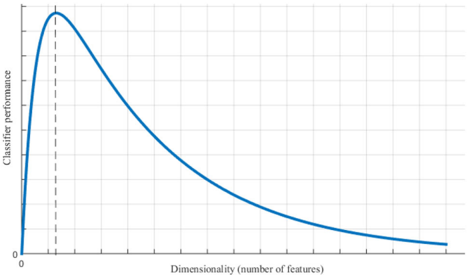
As basic research, it has also received increasing attention from people that the “curse of dimensionality” will lead to increase the cost of data storage and computing; it also influences the efficiency and accuracy of dealing with problems. Feature dimensionality reduction as a key link in the process of pattern recognition has become one hot and difficulty spot in the field of pattern recognition, machine learning and data mining. It is one of the most challenging research fields, which has been favored by most of the scholars’ attention. How to implement “low loss” in the process of feature dimension reduction, keep the nature of the original data, find out the best mapping and get the optimal low dimensional data are the keys aims of the research. In this paper, two-dimensionality reduction methods, feature selection and feature extraction, are introduced; the current mainstream dimensionality reduction algorithms are analyzed, including the method for small sample and method based on deep learning. For each algorithm, examples of their application are given and the advantages and disadvantages of these methods are evaluated.
Overview
The claims and statistics of this paper haven’t been checked yet.
Free: it reads the open-access text and checks the first 5 claims that cite a source we can check. Create a free account to check every claim.
Integrity signals
Registry
Cites
Statistics
Figures

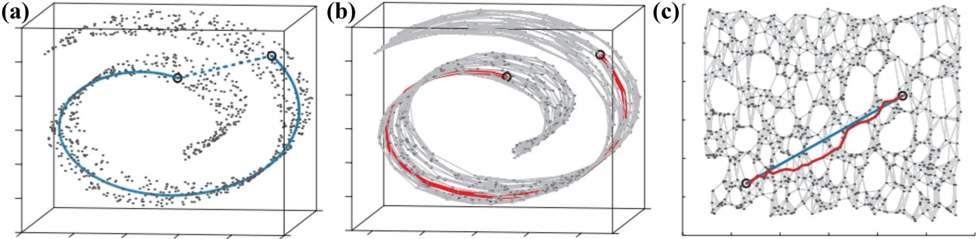
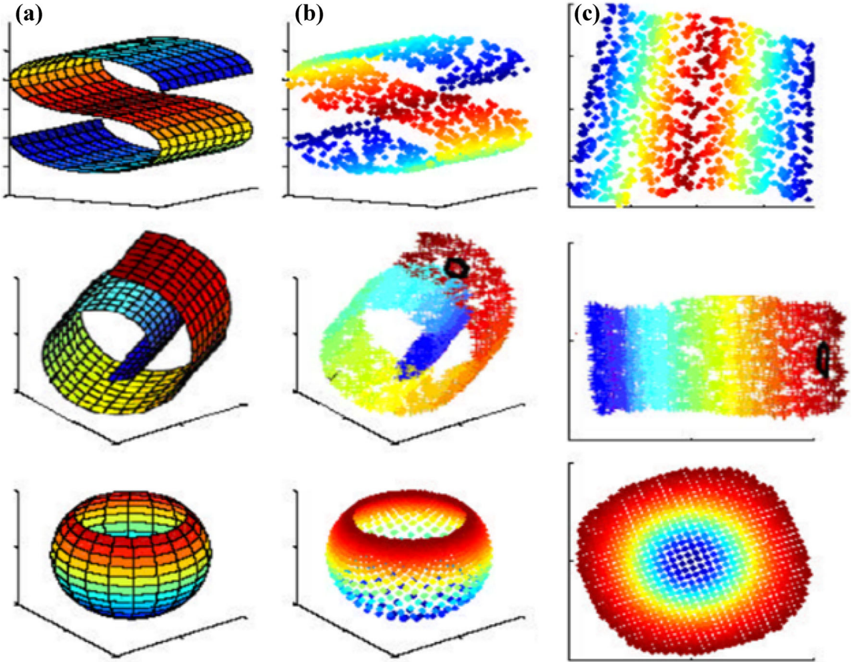
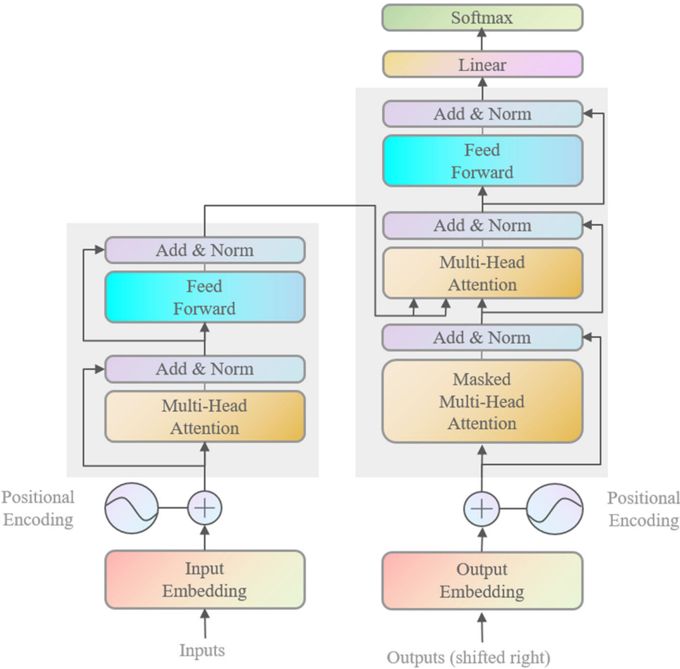
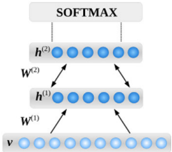
Verification
Claims the paper makes
The claims and statistics of this paper haven’t been checked yet.
Free: it reads the open-access text and checks the first 5 claims that cite a source we can check. Create a free account to check every claim.
Self-check
Percentages, sums and reported differences re-computed from the paper’s own numbers.
The self-check needs the paper’s full text.
Citations
Cites
Deep Residual Learning for Image Recognition
He, K., Zhang, X., Ren, S., & Sun, J. (2016) · 2016 IEEE Conference on Computer Vision and Pattern Recognition (CVPR) · doi:10.1109/cvpr.2016.90 · Cited by 235,474 · cited 1×
“lution and pooling layers to extract high-level semantic information [136].”
BackgroundA Mathematical Theory of Communication
Shannon, C. E. (1948) · Bell System Technical Journal · doi:10.1002/j.1538-7305.1948.tb01338.x · Cited by 88,486
LeCun, Y., Bengio, Y., & Hinton, G. (2015) · Nature · doi:10.1038/nature14539 · Cited by 84,126
Regression shrinkage and selection via the lasso
Tibshirani, R. (1996) · Journal of the Royal Statistical Society Series B: Statistical Methodology · doi:10.1111/j.2517-6161.1996.tb02080.x · Cited by 51,482 · cited 1×
“The least absolute shrinkage and selection operator (Lasso) is also a compression estimation method with reducing feature quantity as the core [116].”
MethodHe, K., Gkioxari, G., Dollar, P., & Girshick, R. (2017) · 2017 IEEE International Conference on Computer Vision (ICCV) · doi:10.1109/iccv.2017.322 · Cited by 29,137
Learning Phrase Representations using RNN Encoder–Decoder for Statistical Machine Translation
Cho, K., van Merrienboer, B., Gulcehre, C., Bahdanau, D., Bougares, F., Schwenk, H., & Bengio, Y. (2014) · Proceedings of the 2014 Conference on Empirical Methods in Natural Language Processing (EMNLP) · doi:10.3115/v1/d14-1179 · Cited by 25,545 · cited 1×
“designed a new RNN Encoder-Decoder, containing two recurrent neural networks [147].”
MethodReducing the dimensionality of data with neural networks
Hinton, G. E., & Salakhutdinov, R. R. (2006) · Science · doi:10.1126/science.1127647 · Cited by 20,928
Deep learning in neural networks: an overview
Schmidhuber, J. (2015) · Neural Networks · doi:10.1016/j.neunet.2014.09.003 · Cited by 18,570 · cited 1×
“It will also promote the further development of deep learning [171–173].”
BackgroundA fast learning algorithm for deep belief nets
Hinton, G. E., Osindero, S., & Teh, Y.-W. (2006) · Neural Computation · doi:10.1162/neco.2006.18.7.1527 · Cited by 16,336 · cited 1×
“In 2006, Hinton pointed out that the difficulty of deep learning network training can be solved by “layer-by-layer initial-ization” [127, 128].”
BackgroundLearning Internal Representations by Error Propagation
Rumelhart, D. E., Hinton, G. E., & Williams, R. J. (1985) · doi:10.21236/ada164453 · Cited by 16,172
Research works printed but not linked: 35
- Cunningham JP, Ghahramani Z (2015) Linear dimensionality reduction: survey, insights, and generalizations. J Mach Learn Res 16:2859-2900
- Hu J (2008) Survey on feature dimension reduction for high- dimensional data. Appl Res Comput 25(9):2601-2606
- Welch WJ (1982) Branch-and-bound search for experimental designs based on D optimality and other criteria. Technometrics 24(1):41-48
- Wang JH et al (2016) Analysis of imbalanced weather data based on branch-and-bound approach. Appl Res Comput 33(6):1648-1652
- Mao Y et al (2007) Survey for study of feature selection algo- rithms. Moshi Shibie yu Rengong Zhineng/Pattern Recogn Artif Intell 20(2):211-218
- Zhang HB, Sun GY (1999) Tabu search algorithm for feature selection. Acta Autom Sin 25(4):457-466
- Zhang X (1998) Dynamic programming method for feature selec- tion. Acta Autom Sin 24:680-684
- Fujarewicz K, Wiench M (2003) Selecting differentially expressed genes for colon tumor classification. Int J Appl Math Comput Sci 13:327-335
- Qiang LI et al (2005) Online palmprint identification based on improved 2D PCA. Acta Electron Sin 33(10):1886-1889
- Huang QH, Wang S, Liu Z (2007) Improved algorithm of image feature extraction based on independent component analysis. Opto-Electron Eng 1:121-125
- Chen Y et al (2018) Application of singular value decomposition algorithm to dimension-reduced clustering analysis of daily load profiles. Automat Electr Power Syst 42(3):105-111
- Mika S et al (1999) Fisher discriminant analysis with kernels. In: Neural networks for signal processing IX: Proceedings of the 1999 IEEE signal processing society workshop (cat. no. 98th8468). IEEE
- ShiZhong L, XiaoJun J, SuLei Z (1999) The application study of entropy analysis method in feature extraction. J North China Inst Technol 20(3):278-281
- Ding S, Jin F, Wang X (2005) Information feature compression algorithm based on SCEC. Mini-micro Syst 26(7):1202-1205
- Zhang J, Zhang B, Jiang X-Z (2000) Analyses of feature extraction methods based on wavelet transform. Signal Process 16(2):156-162
- Yin FP (2012) Based on improved LLE and FSVM method in face recognition of application. Sci Technol Eng 12(34):9390-9395 100.
- He X, Niyogi P (2003) Locality preserving projections. Adv Neu- ral Inf Process Syst 16:153-160 104.
- Shen Z-H, Pan Y-H, Wang S (2008) A supervised locality pre- serving projection algorithm for dimensionality reduction. Pattern Recogn Artif Intell 21(2):233-239 109.
- Zhan YB (2011) Research on manifold learning theories, methods and applications. Ph.D. thesis of University of Defence Technol- ogy 111.
- Ding S et al (2004) New PCA feature compression algorithm based on information theory. Mini-micro Syst 25(4):694-697 112.
- Ding S, Jin F, Wang J (2003) Information feature analysis and selection of orthogonal transformation. Acta Geodaetica Et Car- togr Sin 32(1):73-77 113.
- Huang R (2007) A margin based feature extraction algorithm for the small sample size problem. Chin J Comput 30(7):1173-1178 122.
- Lu J et al (2020) Learning from very few samples: a survey. arXiv preprint arXiv:2009.02653 123. · arXiv
- Wang Y et al (2020) Generalizing from a few examples: A survey on few-shot learning. ACM Comput Sur (CSUR) 53(3):1-34 124.
- Yi S, Wang X, Tang X (2014) Deep learning face representation by joint identification-verification. Adv Neural Inf Process Syst 27 131.
- Wen W et al (2016) Learning structured sparsity in deep neural networks. Adv Neural Inf Process Syst 29:2074-2082 132.
- Yu K et al (2013) Deep learning: yesterday, today, and tomorrow. J Comput Res Dev 50(9):1799-1804 133.
- Ren S et al (2015) Faster r-cnn: Towards real-time object detec- tion with region proposal networks. Adv Neural Inf Process Syst 28:91-99 138.
- Cui L et al (2020) Context-aware block net for small object detec- tion. IEEE Trans Cybern (Early access), pp 1-14 141.
- Jozefowicz R, Zaremba W, Sutskever I (2015) An empirical exploration of recurrent network architectures. In: International conference on machine learning. PMLR, pp 2342-2350 145.
- Koutnik J et al (2014) A clockwork rnn. In: International confer- ence on machine learning. PMLR, pp 1863-1871 147.
- Ergen T, Mirza AH, Kozat SS (2019) Energy-efficient LSTM net- works for online learning. IEEE Trans Neural Netw Learn Syst 99:1-13 149.
- Vaswani A et al (2017) Attention is all you need. In: Advances in neural information processing systems, pp 5998-6008 150.
- Hinton GE, Salakhutdinov RR (2006) Reducing the dimension- ality of data with neural networks. Science 313(5786):504-507 156. · DOI · Paper page
- Lee DH (2013) Pseudo-label: The simple and efficient semi- supervised learning method for deep neural networks. In Work- shop on challenges in representation learning, ICML 3(2):896 165.
Cited by
Items 301–400 of 892
Automatic Identification of Facial Tics Using Selfie-Video
Loewenstern, Y., Benaroya-Milshtein, N., Belelovsky, K., & Bar‐Gad, I. (2024) · IEEE Journal of Biomedical and Health Informatics · doi:10.1109/jbhi.2024.3488285 · Cited by 5
Xu, X., Chen, H., Zhang, C., Duan, Y., & Wang, G. (2024) · Aerospace · doi:10.3390/aerospace11120984 · Cited by 5
Das, N., Sadhukhan, B., Ghosh, C., Chowdhury, A., & Chakrabarti, S. (2025) · SN Computer Science · doi:10.1007/s42979-024-03617-3 · Cited by 7
Biru, D., Gessesse, B., & Abebe, G. (2025) · Environmental Challenges · doi:10.1016/j.envc.2025.101113 · Cited by 7
Pan, X., Zhang, L., Ruan, M., Zhang, Z., & Li, Y. (2025) · Computers & Industrial Engineering · doi:10.1016/j.cie.2025.111479 · Cited by 5
Rustam, F., Jurcut, A. D., & Salauddin, M. (2025) · IEEE Access · doi:10.1109/access.2025.3598996 · Cited by 5
“This dimensionality reduction improves both efficiency and model performance [41].”
Spatiotemporal Graph Learning on Urban Environments
Li, H., Hou, L., Cui, J., Wang, Y., Tao, Y., Wang, H., Savic, D. A., Wang, A., & Ren, N. (2026) · Environmental Science & Technology · doi:10.1021/acs.est.5c12640 · Cited by 5
The Use of Machine Learning in Aluminum and Magnesium Matrix Composites: A Review
Aydın, F., & Duru, A. (2026) · Archives of Computational Methods in Engineering · doi:10.1007/s11831-026-10511-z · Cited by 7
Li, J., Wang, X., & Zhang, T. (2024) · IET Intelligent Transport Systems · doi:10.1049/itr2.12584 · Cited by 5
Guo, J., Li, T., Wan, Z., Li, J., & Xiao, Y. (2024) · Applied Numerical Mathematics · doi:10.1016/j.apnum.2024.10.015 · Cited by 5
COSMO: COmpressed Sensing for Models and Logging Optimization in MCU Performance Screening
Bellarmino, N., Cantoro, R., Fosson, S. M., Huch, M., Kilian, T., Schlichtmann, U., & Squillero, G. (2024) · IEEE Transactions on Computers · doi:10.1109/tc.2024.3500378 · Cited by 6
“Principal Component Analysis (PCA) is a popular technique for FE [10].”
InfluentialSynergizing Human and Machine: Innovations in Knowledge Discovery and Management
Asrifan, A., Rusmayadi, R., Hasmawaty, H., Nirwana, N., Sivaraja, S., & Dewi, A. C. (2024) · Advances in environmental engineering and green technologies book series · doi:10.4018/979-8-3693-9879-1.ch010 · Cited by 6
Label synchronization strategies for hybrid federated learning
Rosero, R. L., Silva, C., Ribeiro, B., Albisser, M., Brutsche, M., & Chao, M. A. (2024) · Reliability Engineering & System Safety · doi:10.1016/j.ress.2024.110751 · Cited by 5
Prabowo, W. A. E., Akrom, M., Rustad, S., Sutojo, T., Dipojono, H. K., Maezono, R., & Rusydi, F. (2025) · Results in Surfaces and Interfaces · doi:10.1016/j.rsurfi.2025.100505 · Cited by 8
Farhan, A., & Wang, Y. (2025) · Mass Spectrometry · doi:10.5702/massspectrometry.a0175 · Cited by 6
Oliveira, M. F., Batista, D. B., Soares, T. F., Henriques, C. A., Luna, A. S., & Pinto, L. (2025) · Food Control · doi:10.1016/j.foodcont.2025.111748 · Cited by 7
Bhagtani, K., Yadav, A. K. S., Xiang, Z., Bestagini, P., & Delp, E. J. (2023) · Asilomar Conference on Signals, Systems and Computers (ACSSC) · doi:10.1109/ieeeconf59524.2023.10476982 · Cited by 6
“We use this projection block for dimensionality reduction because it was shown that processing and visualizing data representations requires less computation and memory in low-dimensional space [25].”
MethodGuan, Y., Pan, J., Fan, Q., Yang, L., Xu, L., & Jia, W. (2024) · Agriculture · doi:10.3390/agriculture14060899 · Cited by 5
Self-citationA novel dimensionality reduction method based on flow model
Guo, J., Li, F., Yu, Z., & Chen, L. (2024) · Neurocomputing · doi:10.1016/j.neucom.2024.128066 · Cited by 7
Chen, Z., Zhang, W., Li, S., Zhu, K., & Chen, H. (2024) · IEEE Access · doi:10.1109/access.2024.3480978 · Cited by 5
“The proposed method had higher accuracy [13].”
Zhang, L., Sheng, Y., Yang, J., Hu, Z., & Peng, B. (2024) · Scientific Reports · doi:10.1038/s41598-024-82981-9 · Cited by 6
From Data to Defense: How Ontology Fuels AI in Cyber Threat Detection
Dash, S., Şeker, H., & Shahpasand, M. (2024) · International Conference on Advances in Artificial Intelligence (ICAAI) · doi:10.1145/3704137.3704176 · Cited by 5
Lam, N. F. D., Cai, J., & Ng, K. H. (2025) · Physical and Engineering Sciences in Medicine · doi:10.1007/s13246-025-01535-z · Cited by 5
Bonifaz, A. P., Syed, S., Kassel, M., McKenzie, G. W., Shah, V. M., Forry, B. M., Gaskins, J., Sowards, K. T., Avula, T. B., Masters, A. H., et al. (2025) · PLoS ONE · doi:10.1371/journal.pone.0312208 · Cited by 5
Yang, Y., Tang, J., Ma, L., Wu, F., & Guan, X. (2025) · BMC Medical Informatics and Decision Making · doi:10.1186/s12911-025-03052-1 · Cited by 6
“Feature selection was found to be crucial for optimizing model performance by identifying the most relevant variables and eliminating noise, thereby reducing overfitting and improving model interpretability [33].”
Bhattacharjee, A., Dey, J., & Kumari, P. (2022) · Healthcare Analytics · doi:10.1016/j.health.2022.100108 · Cited by 6
Radha, H. M., Hassan, A. K. A., & Al-Timemy, A. H. (2022) · ARO-The Scientific Journal of Koya University · doi:10.14500/aro.11064 · Cited by 5
Cui, B., & Huang, P. (2024) · Journal of Building Engineering · doi:10.1016/j.jobe.2024.111119 · Cited by 5
Multiresolution Evaluation of Contourlet Transform for the Diagnosis of Skin CancerPreprint
Sikkander, A. R. M., Lakshmi, V. V., Theivanathan, G., & Radhakrishnan, K. (2024) · Research Square · doi:10.21203/rs.3.rs-4778827/v1 · Cited by 8
Bjerregaard-Michelsen, S., Poulsen, L. Ø., Bjerrum, A., Bøgsted, M., & Vesteghem, C. (2025) · ESMO Real World Data and Digital Oncology · doi:10.1016/j.esmorw.2025.100146 · Cited by 4
Zubasti, P., Patricio, M. A., Berlanga, A., & Molina, J. M. (2025) · International Journal of Neural Systems · doi:10.1142/s012906572550042x · Cited by 4
Xu, H., Lin, B., & Liu, L. (2025) · Journal of Computational Methods in Sciences and Engineering · doi:10.1177/14727978251348637 · Cited by 5
ShotAdpt: Few-Shot Early Prediction of Battery Cycle Life With Adaptive Feature Reduction
Sun, X., Zhao, C., Yang, S., Wang, G., & Yu, H. (2025) · IEEE Transactions on Transportation Electrification · doi:10.1109/tte.2025.3596992 · Cited by 4
“Their feature reduction [22] is performed via feature selection [23] to enhance prediction performance.”
InfluentialDecoding global precipitation processes and particle evolution using unsupervised learning
King, F., Pettersen, C., Dolan, B. A., Shates, J., & Posselt, D. J. (2025) · Science Advances · doi:10.1126/sciadv.adu0162 · Cited by 5
“Dimensionality reduction is an effective technique for simplifying complex, multidimensional datasets to reveal underlying latent features ( 35 – 37 ).”
Liu, Z., Decheng, W. A. N., Zhang, X., Chen, J., Wang, S., & Wang, Y. (2025) · Ocean Engineering · doi:10.1016/j.oceaneng.2025.124112 · Cited by 4
Biological feature-based machine learning in histopathological images: a systematic review
Treillard, S., Schwob, R., Mouysset, S., Brousset, P., Cussat‐Blanc, S., & Franchet, C. (2026) · Journal of Pathology Informatics · doi:10.1016/j.jpi.2025.100539 · Cited by 4
Lan, Y., Corbally, R., Bono, F., Tirelli, D., & Malekjafarian, A. (2026) · Mechanical Systems and Signal Processing · doi:10.1016/j.ymssp.2026.113949 · Cited by 4
ORBIS: An AI-Enabled Architecture for Scaling Online Deliberation
Anastasiou, L., Elguendouze, S., Efstathiou, I., Mariani, I., Cabrio, E., Villata, S., Karacapilidis, N. I., Concilio, G., Rizzo, F., Greco, S., et al. (2026) · Springer eBooks · doi:10.1007/978-3-032-12344-2_5 · Cited by 4
Dual Geometry Margin Optimization for Coupled-Noisy Robust Ensemble Learning
Wang, Z., He, G., Wang, J., Zhang, R., Tang, L., Wang, R., & Nie, F. (2026) · IEEE Transactions on Pattern Analysis and Machine Intelligence · doi:10.1109/tpami.2026.3679394 · Cited by 4
“Common methods include noise filtering [32], [33], dimensionality reduction [34], [35], and robust preprocessing techniques to mitigate the impact of noisy features [36], [37].”
Review of wafer defect detection in semiconductor manufacturing: Algorithms, systems, and data
Li, J., Zhang, X., Liang, X., Yin, G., Yan, L., & Wei, S. (2026) · Journal of Intelligent Manufacturing · doi:10.1007/s10845-026-02845-z · Cited by 4
Data Driven Dimensionality Reduction to Improve Modeling Performance✱
Chung, J., de Prado, M. L., Simon, H. D., & Wu, K. J. (2023) · International Conference on Scientific and Statistical Database Management · doi:10.1145/3603719.3603744 · Cited by 4
“There are many dimensionality reduction techniques [13, 20, 26, 31, 41].”
BackgroundZhang, X., Dong, C., Liu, H., Meng, X., Luo, C., Han, Y., & Ai, H. (2024) · Remote Sensing · doi:10.3390/rs16030565 · Cited by 4
Forward Selection of Relevant Factors by Means of MDR-EFE Method
Bulinski, A. V. (2024) · Mathematics · doi:10.3390/math12060831 · Cited by 4
Wang, G.-F., & Shen, L. (2024) · BMC Bioinformatics · doi:10.1186/s12859-024-05797-4 · Cited by 4
“The large dimension makes the dimensionality reduction of the data before clustering a typical practice [22].”
BackgroundFeature evaluation for myoelectric pattern recognition of multiple nearby reaching targets
Davarinia, F., & Maleki, A. (2024) · Medical Engineering & Physics · doi:10.1016/j.medengphy.2024.104198 · Cited by 4
DoS Attack Detection Using Feature Selection with Information Gain and ML Classification
Dicholkar, S. V., & Nirmal, J. H. (2024) · doi:10.1109/icait61638.2024.10690842 · Cited by 4
“Moreover, feature selection minimizes model complexity and prevents overfitting, making it a crucial step in the pre-processing of data for these kinds of datasets [3 – 5].”
MethodLi, H., Qiao, S., & Sun, Y. (2024) · Physics of Fluids · doi:10.1063/5.0237910 · Cited by 4
Bovo, M., Agrusti, M., Ozella, L., Forte, C., Torreggiani, D., & Tassinari, P. (2024) · Computers and Electronics in Agriculture · doi:10.1016/j.compag.2024.109860 · Cited by 4
The parameter-feature-based transfer learning for mixed gas monitoring under small datasets
Xia, X., Chen, X., Zhuo, J., Wang, X., Peng, X., Wu, P., & Chu, J. (2025) · Sensors and Actuators B Chemical · doi:10.1016/j.snb.2025.137975 · Cited by 4
Louie, R., Tai, T. S., & Liem, R. P. (2025) · Journal of the Air Transport Research Society · doi:10.1016/j.jatrs.2025.100072 · Cited by 4
Tree density has been underestimated in the mountainous regions of Northeast China
Song, Y., Xie, W., Wu, F., Cui, X., Yan, X., Song, S., Ren, J., Bai, H., Zhang, Y., Pang, W., et al. (2025) · Ecological Indicators · doi:10.1016/j.ecolind.2025.113655 · Cited by 4
Zeng, W., Peng, Z., Chen, Y., & Du, S. (2025) · IEEE Journal of Biomedical and Health Informatics · doi:10.1109/jbhi.2025.3580944 · Cited by 5
Deepfake Detection Using CNN-Based Architecture
Kapoor, K., Singh, S. P., Aggarwal, G., & Sharma, M. (2025) · International Conference on Educational Technology Management (ICETM) · doi:10.1109/icetm63734.2025.11051404 · Cited by 4
PhishGuard: A Hybrid Ensemble Framework for Detecting Malicious URLs
Mathew, J., Nair, L. S., Menon, H. P., & Asmi, P. (2025) · International Conference on Computing Methodologies and Communication (ICCMC) · doi:10.1109/iccmc65190.2025.11140768 · Cited by 4
“Di-mensionality reduction and well-designed feature engineering are required because research suggests that similar accuracy levels can be achieved with a more condensed and carefully prepared subset of features [9].”
Fadhil, M., Zulkarnain, Z., Zulkarnaini, Z., & Juliansyah, R. (2025) · BAILEO JURNAL SOSIAL HUMANIORA · doi:10.30598/baileofisipvol3iss1pp49-66 · Cited by 4
Quality‐Diversity Methods for the Modern Data Scientist
Stock, M., Hauwermeiren, D. V., Baets, B. D., Taelman, S., Marzougui, D., & Haeverbeke, M. V. (2025) · Wiley Interdisciplinary Reviews Computational Statistics · doi:10.1002/wics.70047 · Cited by 4
Zhang, Y., Liu, J., & Liu, J. (2025) · Communications Biology · doi:10.1038/s42003-025-09411-y · Cited by 5
“Conversely, the ,makingtherepresentation robusttovariationsandthusaidinginquickandef fi cientcategorization 23,24 .”
MONITORING DATA AGGREGATION OF DYNAMIC SYSTEMS USING INFORMATION TECHNOLOGIES
Shevchenko, D., Ugryumov, M., & Artiukh, S. V. (2023) · Innovative technologies and scientific solutions for industries · doi:10.30837/itssi.2023.23.123 · Cited by 4
Interclass boundary preservation (IBP): a data reduction algorithm
Fuangkhon, P. (2023) · International Journal of Information Technology · doi:10.1007/s41870-023-01275-x · Cited by 4
“Data compression [29], dimensionality reduction [31, 43], and numerosity reduction [23] can reduce memory consumption.”
BackgroundNayak, R., & Jaidhar, C. D. (2023) · SN Computer Science · doi:10.1007/s42979-023-01911-0 · Cited by 4
“PCA [25] is a technique for exploratory data analysis used for feature extraction.”
MethodOtieno, H. O., Mwangama, J., & Malila, B. (2023) · IEEE AFRICON · doi:10.1109/africon55910.2023.10293351 · Cited by 4
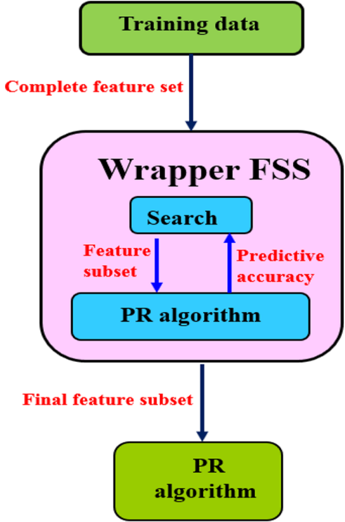
“We recommend wrapper feature selection algorithms that incorporate the feature selection process into a learning algorithm and the performance of the prediction is viewed as an objective function [18].”
BackgroundMethodBaek, S., Kim, B. S., & Lee, Y. (2024) · The International Journal of Advanced Manufacturing Technology · doi:10.1007/s00170-024-13522-x · Cited by 4
Ismail, A. M., Hamid, S. H. A., Sani, A. A., & Daud, N. N. (2024) · PLoS ONE · doi:10.1371/journal.pone.0299585 · Cited by 4
“Nonetheless, reducing the dimensionality of a dataset did not often improve the accuracy of software defects prediction [38, 39].”
Enhancing The Quality of College Decisions Through Decision Tree and Random Forest Models
Jabir, S. R., Azis, H., & Mansyur, S. H. (2024) · Journal of Embedded Systems Security and Intelligent Systems · doi:10.59562/jessi.v5i1.1225 · Cited by 4
“This method involves choosing a subset of data to be utilized in constructing a model [18].”
MethodG-EEGCS: Graph-based optimum electroencephalogram channel selection
Abdullah, A., Faye, I., Yusoff, M. Z., & Belhouari, S. B. (2024) · Biomedical Signal Processing and Control · doi:10.1016/j.bspc.2024.106763 · Cited by 5
Fotouhi, M., Shahbandi, A., Mehr, F. S. K., Shahla, M. M., Nouredini, S. M., Kankam, S. B., Khorasanizadeh, M., & Chambless, L. B. (2024) · Neurosurgical Review · doi:10.1007/s10143-024-03060-1 · Cited by 4
Cao, H., Yan, B., Dong, L., & Yuan, X. (2024) · Sensors · doi:10.3390/s24247879 · Cited by 4
“With the continuous development of science and technology, the volume of data is increasing exponentially, which creates “the curse of dimensionality” [1].”
Wang, Y., Liu, Y., Cao, Z., & Zhang, D. (2024) · Journal of Hydroinformatics · doi:10.2166/hydro.2024.386 · Cited by 4
Arizmendi, C., Pinto, J., Arboleda, A., & González, H. (2024) · International Journal of Online and Biomedical Engineering (iJOE) · doi:10.3991/ijoe.v20i16.52895 · Cited by 5
Jiya, E. A., & Oluwafemi, I. B. (2025) · Scientific African · doi:10.1016/j.sciaf.2025.e02564 · Cited by 4
Pseudo-Labeling Domain Adaptation Using Multi-Model Learning
Tomita, V. A. K., & Marcacini, R. M. (2025) · IEEE Access · doi:10.1109/access.2025.3547813 · Cited by 5
“Achieving clarity in how data points relate across domains is crucial for improving model performance, which is where dimensionality reduction techniques can play a decisive role [12], [13], [14].”
Jia, W., Ferragina, A., van Ruth, S. M., & Koidis, A. (2025) · Journal of Food Composition and Analysis · doi:10.1016/j.jfca.2025.107457 · Cited by 4
Self-citationChangqing, Z., Liao, L., Chen, G., & Chao, H. (2025) · Sensors · doi:10.3390/s25082368 · Cited by 4
“Additionally, Jia et al. [14] reviewed dimensionality reduction, feature selection, and extraction methods for small datasets, while Tang et al. [15] analyzed compression methods for 3D brain image data, evaluating effectiveness, interpretability, efficiency, and scalability, and identifying open…”
Rajab, S., & Quadri, S. M. K. (2025) · International Journal of Information Technology · doi:10.1007/s41870-025-02584-z · Cited by 4
Speech Emotion Classification: A Survey of the State-of-the-Art
Akinpelu, S. A., & Viriri, S. (2023) · Lecture notes of the Institute for Computer Sciences, Social Informatics and Telecommunications Engineering · doi:10.1007/978-3-031-25271-6_24 · Cited by 4
Quantifying the diversity of multiple time series with an ordinal symbolic approach
Zunino, L., & Soriano, M. C. (2023) · Physical review. E · doi:10.1103/physreve.108.065302 · Cited by 4
Genomic data integration tutorial, a plant case study
Mardoc, E., Sow, M. D., Dejean, S., & Salse, J. (2024) · BMC Genomics · doi:10.1186/s12864-023-09833-0 · Cited by 5
A Fusion Dimension Reduction Method for the Features of Surface Electromyographic Signals
Ma, L., Tao, Q., Zhang, X., & Chen, Q. (2024) · IEEE Transactions on Neural Systems and Rehabilitation Engineering · doi:10.1109/tnsre.2024.3485186 · Cited by 4
“Therefore, the good dimensionality reduction methods will directly improve the speed and accuracy of follow-up processing work [30].”
MethodMetagenomics and Machine Learning-Based Precision Medicine Approaches for Autoimmune DiseasesPreprint
Zehrh, I., Habiba, U., Picco, M. R., Bashir, S. H., Rehman, U. A., Haider, O., & Khoso, S. (2023) · Preprints.org · doi:10.20944/preprints202304.0209.v2 · Cited by 4
A Distributed Information Granulation Method for Time Series Clustering
Mu, Y., Liu, T., Zhang, W., Guo, H., Wang, L., & Liu, X. (2025) · Concurrency and Computation Practice and Experience · doi:10.1002/cpe.8395 · Cited by 3
“To overcome the data characteristics problems, dimensionality reduction is a meaningful choice [29].”
Nikolay, S., Tahzima, R., Massart, S., & Soyeurt, H. (2025) · IEEE Journal of Biomedical and Health Informatics · doi:10.1109/jbhi.2025.3558846 · Cited by 3
Multi-Objective Feature Selection: Reviewing Decades of Research
Takramian, A., Nouri-Moghaddam, B., Mirzaei, A., Mikaeilvand, N., Gudakahriz, S. J., & Hoseini, F. (2025) · International Conference on Web Research (ICWR) · doi:10.1109/icwr65219.2025.11006227 · Cited by 3
“These problems can have serious affects in real world uses such as cancer detection where the life of a patient relies on the model’s decision [1], [2], [3] By selecting a subset of features from original ones in dataset, FS shows advantage of performance optimization and classification accuracy…”
Cunningham, R. D., Patterson, V., Cawood, E., Botes, G. F., & Marantos, E. (2025) · Journal of Chemical Information and Modeling · doi:10.1021/acs.jcim.5c00667 · Cited by 3
Leveraging Feature Extraction to Perform Time-Efficient Selection for Machine Learning Applications
Coelho, D., Madureira, A. M., Pereira, I. F., Gonçalves, R., Nicola, S., César, I., & de Oliveira, D. A. (2025) · Applied Sciences · doi:10.3390/app15158196 · Cited by 3
“Some relevant techniques in this area include the following [14,29,30]: While these techniques are primarily used for feature extraction, some variants or applications may also utilize them to inform a feature selection process.”
Mu, X., Huang, Z., Li, K., Zhang, H., Wang, X., Fan, Y., Zhang, K., & Zhou, F. (2025) · Knowledge-Based Systems · doi:10.1016/j.knosys.2025.114690 · Cited by 3
Data augmentation for machine learning assisted pesticide detection from SERS
Alampara, T. S., Jayachandran, A., Bhat, S. R., Thirunavukkuarasu, S., & Poulose, A. (2025) · Spectrochimica Acta Part A Molecular and Biomolecular Spectroscopy · doi:10.1016/j.saa.2025.127090 · Cited by 3
Guo, X., Zhang, D., Zhou, W., Zhu, R., Xie, X.-C., Du, F., & Chen, X. (2025) · Journal of Rock Mechanics and Geotechnical Engineering · doi:10.1016/j.jrmge.2025.09.018 · Cited by 3
He, K., Wang, C., & Zheng, Q. (2025) · Water · doi:10.3390/w17243534 · Cited by 3
Decoding the infrared spectrum of size-fractionated graphene oxide with machine learning
Filatov, D. M., Mikheev, I. V., & Proskurnin, М. А. (2025) · Diamond and Related Materials · doi:10.1016/j.diamond.2025.113196 · Cited by 4
Ram, B., Lai, K. K., & Xiao, F. (2026) · Journal of Intelligent Information Systems · doi:10.1007/s10844-026-01026-x · Cited by 3
“It also functions as an effective tech - nique for data dimensionality reduction (Jia et al., 2022).”
Loss of competitive strength in European conifer species under climate change
Grünig, M., Rammer, W., Baumann, M., Albrich, K., André, F., Augustynczik, A. L. D., Bohn, F. J., Bouwman, M., Bugmann, H. K. M., Collalti, A., et al. (2026) · Communications Earth & Environment · doi:10.1038/s43247-026-03582-0 · Cited by 4
Chaitra, H. V., Sivaganesh, Kumar, C. V. S. S. M., SHARATHCHANDRA, R. G., Narayanan, P., & Nidamanuri, . R. (2026) · Advances in Space Research · doi:10.1016/j.asr.2026.03.018 · Cited by 4
AboElsaad, M. Y., Farouk, M., & Khater, H. (2026) · Scientific Reports · doi:10.1038/s41598-026-40062-z · Cited by 3
Data-driven approaches for functional ceramics
Qin, J., Zhang, F., Ma, M., Li, Y., & Liu, Z. (2026) · Materials Science and Engineering R Reports · doi:10.1016/j.mser.2026.101213 · Cited by 3
Okasha, S. H., & Zaher, H. (2026) · Communications in Statistics - Simulation and Computation · doi:10.1080/03610918.2026.2660146 · Cited by 3
Malik, S., Madankumar, C., Al-Nussairi, A. K. J., Umirov, O., khan, S., Naveed, Q. N., Islam, S., Smerat, A., & Ayele, M. E. (2026) · International Journal of Computational Intelligence Systems · doi:10.1007/s44196-026-01316-w · Cited by 3
“Feature selection methods have been widely explored to reduce data dimensionality and improve classifier per - formance [12].”
Neighborhood preserving embedding with autoencoder
Ran, R., Wang, J., Fang, B., & Yang, W. (2023) · Digital Signal Processing · doi:10.1016/j.dsp.2023.104331 · Cited by 3
Patil, N. V., & Biradar, R. V. (2023) · International Conference on Evolutionary Algorithms and Soft Computing Techniques (EASCT) · doi:10.1109/easct59475.2023.10393526 · Cited by 3
“W utilized DAA for anomaly detection in X-ray images, highlighting its adaptability in medical image analysis [8].”
MethodA fault diagnosis method based on label-wise density-domain space learning
Su, S., Hou, Y., Zhu, Y., & Zhang, Z. (2024) · Measurement Science and Technology · doi:10.1088/1361-6501/ad2ada · Cited by 3
Kumar, A., Singh, C., & Sachan, M. K. (2024) · Biomedical Signal Processing and Control · doi:10.1016/j.bspc.2024.106157 · Cited by 3
Metadata
- Authors
- Jia, W., Sun, M., Lian, J., & Hou, S.
- Affiliations
- Shandong Normal University (CN)
- Shandong Management University (CN)
- Corresponding author
- Jia, Weikuan
- Hou, Sujuan
- Venue
- Complex & Intelligent Systems
- Published
- 2022-01-21
- Volume
- 8
- Issue
- 3
- Pages
- 2663-2693
- ISSN
- 2198-6053 (ISSN-L)
- 2199-4536
- OpenAlex
- W4206095984
- Cited by
- 797
- References
- 134
- Citations by year
- 2026: 155 · 2025: 256 · 2024: 242 · 2023: 122 · 2022: 22
- FWCI
- 52.59
- Type
- journal article
- Language
- en
- Open access
- gold
- doi.org
- Licence
- cc-by
- creativecommons.org/licenses/by/4.0 (tdm)
- creativecommons.org/licenses/by/4.0 (vor)
- Locations
- Complex & Intelligent Systems (publishedVersion, cc-by)
- Funders
- National Natural Science Foundation of China (62072289)
- Natural Science Foundation of Shandong Province (ZR2020MF076, ZR2020MF133)
- Focus on Research and Development Plan in Shandong Province (2019GNC106115)
- Topics
- Physical Sciences › Computer Science › Computer Vision and Pattern Recognition › Face and Expression Recognition
- Physical Sciences › Mathematics › Statistics and Probability › Statistical Methods and Applications
- Physical Sciences › Computer Science › Artificial Intelligence › Stochastic Gradient Optimization Techniques
- Keywords
- dimensionality reduction, curse of dimensionality, feature selection, feature extraction, pattern recognition
About these checks
Registry, retraction, Cites and statistics results are computed, not judged, with one exception: a printed reference that no index lists is read once by a model before it counts as a citation error. Claims are extracted by a model and kept only when their quote appears verbatim in the text; each cited source is then checked, with a model’s help, for whether it says what the claim relies on. Those verdicts can be wrong — read the claim’s quote and the cited source before relying on one.
Statistics and arithmetic are recomputed, not judged.
Confidence bands are shown only for fields calibrated on our annotated test set. None is calibrated yet, so no band is shown.
What counts as a claim ›How we measure confidence ›How we check this ›
Are you an author, or do you see a problem with this page? Request a review
Data sources
Bibliographic data: Semantic Scholar, OpenAlex, Crossref.
Contains information from the Semantic Scholar Academic Graph Datasets, made available under the ODC Attribution License (ODC-BY 1.0).
Semantic Scholar’s data is described in: Kinney, R., et al. (2023). The Semantic Scholar Open Data Platform. arXiv:2301.10140.
