

Feature dimensionality reduction: a review
Open accessThe DOI matches its Crossref record; 142 of the 142 references it cites were found in a registry or an index.
Abstract
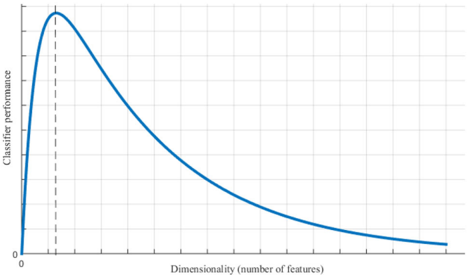
As basic research, it has also received increasing attention from people that the “curse of dimensionality” will lead to increase the cost of data storage and computing; it also influences the efficiency and accuracy of dealing with problems. Feature dimensionality reduction as a key link in the process of pattern recognition has become one hot and difficulty spot in the field of pattern recognition, machine learning and data mining. It is one of the most challenging research fields, which has been favored by most of the scholars’ attention. How to implement “low loss” in the process of feature dimension reduction, keep the nature of the original data, find out the best mapping and get the optimal low dimensional data are the keys aims of the research. In this paper, two-dimensionality reduction methods, feature selection and feature extraction, are introduced; the current mainstream dimensionality reduction algorithms are analyzed, including the method for small sample and method based on deep learning. For each algorithm, examples of their application are given and the advantages and disadvantages of these methods are evaluated.
Overview
The claims and statistics of this paper haven’t been checked yet.
Free: it reads the open-access text and checks the first 5 claims that cite a source we can check. Create a free account to check every claim.
Integrity signals
Registry
Cites
Statistics
Figures

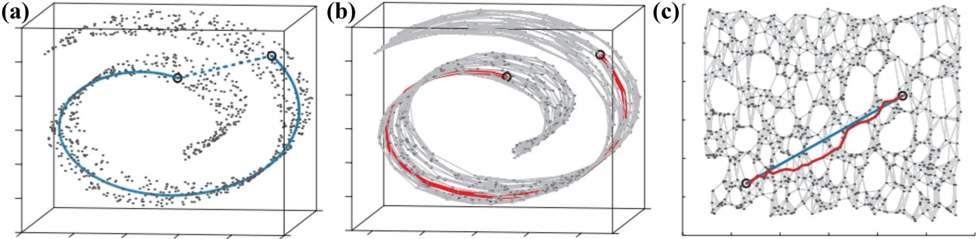
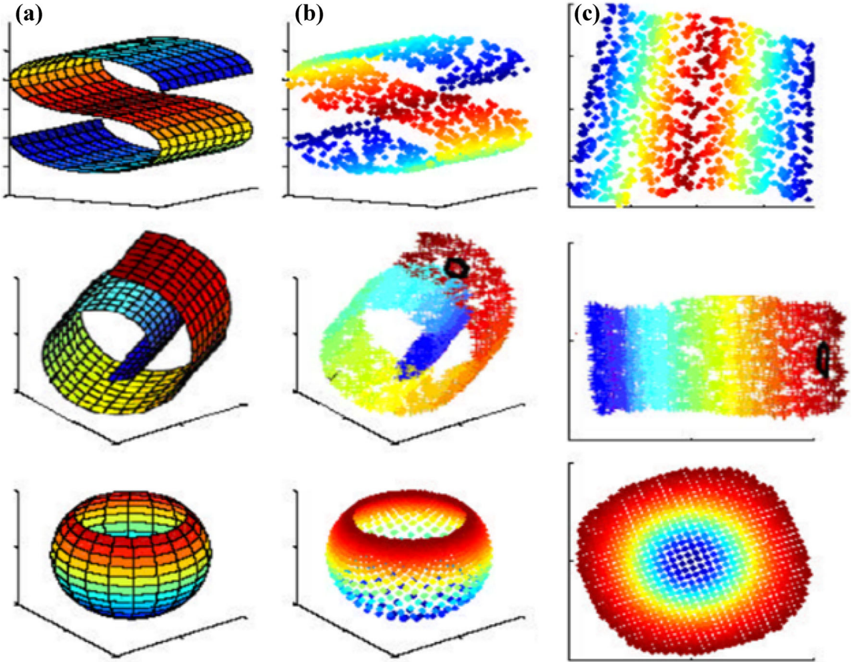
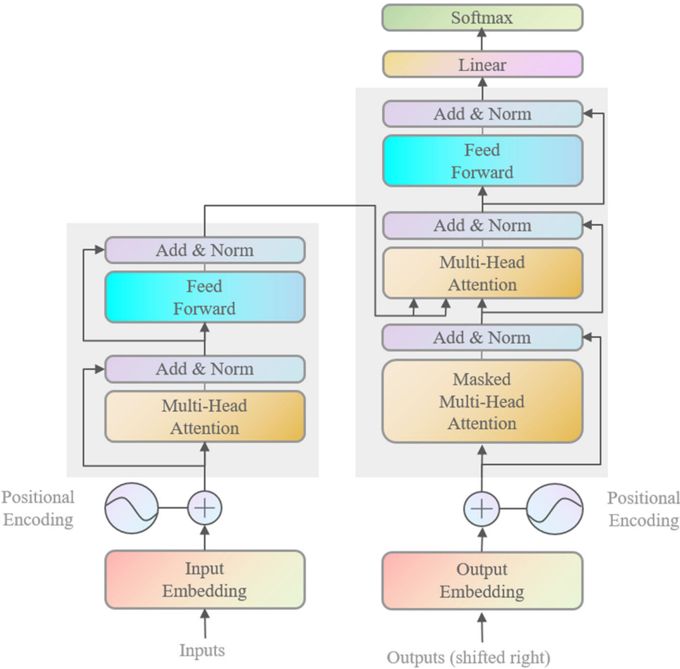
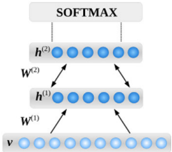
Verification
Claims the paper makes
The claims and statistics of this paper haven’t been checked yet.
Free: it reads the open-access text and checks the first 5 claims that cite a source we can check. Create a free account to check every claim.
Self-check
Percentages, sums and reported differences re-computed from the paper’s own numbers.
The self-check needs the paper’s full text.
Citations
Cites
Deep Residual Learning for Image Recognition
He, K., Zhang, X., Ren, S., & Sun, J. (2016) · 2016 IEEE Conference on Computer Vision and Pattern Recognition (CVPR) · doi:10.1109/cvpr.2016.90 · Cited by 235,474 · cited 1×
“lution and pooling layers to extract high-level semantic information [136].”
BackgroundA Mathematical Theory of Communication
Shannon, C. E. (1948) · Bell System Technical Journal · doi:10.1002/j.1538-7305.1948.tb01338.x · Cited by 88,486
LeCun, Y., Bengio, Y., & Hinton, G. (2015) · Nature · doi:10.1038/nature14539 · Cited by 84,126
Regression shrinkage and selection via the lasso
Tibshirani, R. (1996) · Journal of the Royal Statistical Society Series B: Statistical Methodology · doi:10.1111/j.2517-6161.1996.tb02080.x · Cited by 51,482 · cited 1×
“The least absolute shrinkage and selection operator (Lasso) is also a compression estimation method with reducing feature quantity as the core [116].”
MethodHe, K., Gkioxari, G., Dollar, P., & Girshick, R. (2017) · 2017 IEEE International Conference on Computer Vision (ICCV) · doi:10.1109/iccv.2017.322 · Cited by 29,137
Learning Phrase Representations using RNN Encoder–Decoder for Statistical Machine Translation
Cho, K., van Merrienboer, B., Gulcehre, C., Bahdanau, D., Bougares, F., Schwenk, H., & Bengio, Y. (2014) · Proceedings of the 2014 Conference on Empirical Methods in Natural Language Processing (EMNLP) · doi:10.3115/v1/d14-1179 · Cited by 25,545 · cited 1×
“designed a new RNN Encoder-Decoder, containing two recurrent neural networks [147].”
MethodReducing the dimensionality of data with neural networks
Hinton, G. E., & Salakhutdinov, R. R. (2006) · Science · doi:10.1126/science.1127647 · Cited by 20,928
Deep learning in neural networks: an overview
Schmidhuber, J. (2015) · Neural Networks · doi:10.1016/j.neunet.2014.09.003 · Cited by 18,570 · cited 1×
“It will also promote the further development of deep learning [171–173].”
BackgroundA fast learning algorithm for deep belief nets
Hinton, G. E., Osindero, S., & Teh, Y.-W. (2006) · Neural Computation · doi:10.1162/neco.2006.18.7.1527 · Cited by 16,336 · cited 1×
“In 2006, Hinton pointed out that the difficulty of deep learning network training can be solved by “layer-by-layer initial-ization” [127, 128].”
BackgroundLearning Internal Representations by Error Propagation
Rumelhart, D. E., Hinton, G. E., & Williams, R. J. (1985) · doi:10.21236/ada164453 · Cited by 16,172
Research works printed but not linked: 35
- Cunningham JP, Ghahramani Z (2015) Linear dimensionality reduction: survey, insights, and generalizations. J Mach Learn Res 16:2859-2900
- Hu J (2008) Survey on feature dimension reduction for high- dimensional data. Appl Res Comput 25(9):2601-2606
- Welch WJ (1982) Branch-and-bound search for experimental designs based on D optimality and other criteria. Technometrics 24(1):41-48
- Wang JH et al (2016) Analysis of imbalanced weather data based on branch-and-bound approach. Appl Res Comput 33(6):1648-1652
- Mao Y et al (2007) Survey for study of feature selection algo- rithms. Moshi Shibie yu Rengong Zhineng/Pattern Recogn Artif Intell 20(2):211-218
- Zhang HB, Sun GY (1999) Tabu search algorithm for feature selection. Acta Autom Sin 25(4):457-466
- Zhang X (1998) Dynamic programming method for feature selec- tion. Acta Autom Sin 24:680-684
- Fujarewicz K, Wiench M (2003) Selecting differentially expressed genes for colon tumor classification. Int J Appl Math Comput Sci 13:327-335
- Qiang LI et al (2005) Online palmprint identification based on improved 2D PCA. Acta Electron Sin 33(10):1886-1889
- Huang QH, Wang S, Liu Z (2007) Improved algorithm of image feature extraction based on independent component analysis. Opto-Electron Eng 1:121-125
- Chen Y et al (2018) Application of singular value decomposition algorithm to dimension-reduced clustering analysis of daily load profiles. Automat Electr Power Syst 42(3):105-111
- Mika S et al (1999) Fisher discriminant analysis with kernels. In: Neural networks for signal processing IX: Proceedings of the 1999 IEEE signal processing society workshop (cat. no. 98th8468). IEEE
- ShiZhong L, XiaoJun J, SuLei Z (1999) The application study of entropy analysis method in feature extraction. J North China Inst Technol 20(3):278-281
- Ding S, Jin F, Wang X (2005) Information feature compression algorithm based on SCEC. Mini-micro Syst 26(7):1202-1205
- Zhang J, Zhang B, Jiang X-Z (2000) Analyses of feature extraction methods based on wavelet transform. Signal Process 16(2):156-162
- Yin FP (2012) Based on improved LLE and FSVM method in face recognition of application. Sci Technol Eng 12(34):9390-9395 100.
- He X, Niyogi P (2003) Locality preserving projections. Adv Neu- ral Inf Process Syst 16:153-160 104.
- Shen Z-H, Pan Y-H, Wang S (2008) A supervised locality pre- serving projection algorithm for dimensionality reduction. Pattern Recogn Artif Intell 21(2):233-239 109.
- Zhan YB (2011) Research on manifold learning theories, methods and applications. Ph.D. thesis of University of Defence Technol- ogy 111.
- Ding S et al (2004) New PCA feature compression algorithm based on information theory. Mini-micro Syst 25(4):694-697 112.
- Ding S, Jin F, Wang J (2003) Information feature analysis and selection of orthogonal transformation. Acta Geodaetica Et Car- togr Sin 32(1):73-77 113.
- Huang R (2007) A margin based feature extraction algorithm for the small sample size problem. Chin J Comput 30(7):1173-1178 122.
- Lu J et al (2020) Learning from very few samples: a survey. arXiv preprint arXiv:2009.02653 123. · arXiv
- Wang Y et al (2020) Generalizing from a few examples: A survey on few-shot learning. ACM Comput Sur (CSUR) 53(3):1-34 124.
- Yi S, Wang X, Tang X (2014) Deep learning face representation by joint identification-verification. Adv Neural Inf Process Syst 27 131.
- Wen W et al (2016) Learning structured sparsity in deep neural networks. Adv Neural Inf Process Syst 29:2074-2082 132.
- Yu K et al (2013) Deep learning: yesterday, today, and tomorrow. J Comput Res Dev 50(9):1799-1804 133.
- Ren S et al (2015) Faster r-cnn: Towards real-time object detec- tion with region proposal networks. Adv Neural Inf Process Syst 28:91-99 138.
- Cui L et al (2020) Context-aware block net for small object detec- tion. IEEE Trans Cybern (Early access), pp 1-14 141.
- Jozefowicz R, Zaremba W, Sutskever I (2015) An empirical exploration of recurrent network architectures. In: International conference on machine learning. PMLR, pp 2342-2350 145.
- Koutnik J et al (2014) A clockwork rnn. In: International confer- ence on machine learning. PMLR, pp 1863-1871 147.
- Ergen T, Mirza AH, Kozat SS (2019) Energy-efficient LSTM net- works for online learning. IEEE Trans Neural Netw Learn Syst 99:1-13 149.
- Vaswani A et al (2017) Attention is all you need. In: Advances in neural information processing systems, pp 5998-6008 150.
- Hinton GE, Salakhutdinov RR (2006) Reducing the dimension- ality of data with neural networks. Science 313(5786):504-507 156. · DOI · Paper page
- Lee DH (2013) Pseudo-label: The simple and efficient semi- supervised learning method for deep neural networks. In Work- shop on challenges in representation learning, ICML 3(2):896 165.
Cited by
Items 201–300 of 892
Advances in the Application of Machine Learning in Composite Materials
Shi, J., Gao, Y., Lu, Z., & Hu, W. (2026) · Applied Composite Materials · doi:10.1007/s10443-025-10415-4 · Cited by 11
Advancing nanomedicine with machine learning: predicting protein corona and nano-bio interactions
Canchola, A., Li, K., Chen, K., Ukbamichael, A., Wang, X., & Chou, W. (2026) · Nanomedicine · doi:10.1080/17435889.2026.2661385 · Cited by 12
“…such as proteomics, dimensionality reduction techniques, including principal component analysis (PCA), linear discriminant analysis (LDA), or uniform manifold approximation and projection (UMAP), may also be used to summarize correlated features or facilitate exploratory visualization [44].”
Bhattacharya, A., Fon, E. A., Dagher, A., Iturria‐Medina, Y., Stratton, J. A., Savignac, C., Stanley, J., Hodgson, L. M., Hammou, B. A., Bennett, D. A. A., et al. (2026) · GigaScience · doi:10.1093/gigascience/giag059 · Cited by 10
“This step reduced the ambient gene space dimensionality, which is beneficial for any high-dimensional analysis [ 134 , 135 ].”
Wang, T., Zhang, L., Zhang, F., & Lu, Y. (2023) · Applied Thermal Engineering · doi:10.1016/j.applthermaleng.2023.120676 · Cited by 10
Feature gene selection based on fuzzy neighborhood joint entropy
Wang, Y., Sun, M., Long, L., Liu, J., & Ren, Y. (2023) · Complex & Intelligent Systems · doi:10.1007/s40747-023-01138-9 · Cited by 10
Self-citationThe Morphological Differentiation and Evolutionary Origins of Artemia in China
Pang, H., Zheng, K., Wang, W., Zheng, M., Zhang, Y., & Zhang, D. (2024) · Diversity · doi:10.3390/d16030144 · Cited by 10
Lu, T., Fan, J., You, S., Adiraju, A., Guo, Y., Talbi, M., Jaradat, H., & Kanoun, O. (2025) · Emergent Materials · doi:10.1007/s42247-025-01279-2 · Cited by 10
“By contrast, LDA assumes equal within-class covariance and linear separability, which may be suboptimal for gradual physiological transitions [85 ].”
Sakthipriya, N., Govindasamy, V., & Akila, V. (2023) · International Conference on Paradigm Shifts in Communications Embedded Systems, Machine Learning and Signal Processing (PCEMS) · doi:10.1109/pcems58491.2023.10136065 · Cited by 10
“The PCA approach is extremely feasible in theory and in practice, as long as the data is incorporated within a global linear or nearly linear low-dimensional space [9].”
MethodFreytes, C. Y., Mayrand, R. P., Sawada, L. O., Liang, T. Y., Curiel, R. E., Burke, S. L., Loewenstein, D., Duara, R., & Adjouadi, M. (2023) · Intelligent Methods, Systems, and Applications (IMSA) · doi:10.1109/imsa58542.2023.10217660 · Cited by 10
“In order to alleviate the computational stress of both the dimensionality and quality of input data, researchers employ feature optimization to include only the most pertinent information [12], [13].”
Zhao, L., Zhang, Y., Luo, X., Zhang, Y., Cheung, Y., & Li, K. (2023) · IEEE International Conference on Bioinformatics and Biomedicine (BIBM) · doi:10.1109/bibm58861.2023.10386030 · Cited by 10
Mu, Y., Dai, T., Fan, J., & Cheng, Y. (2024) · Journal of Molecular Liquids · doi:10.1016/j.molliq.2024.126194 · Cited by 9
Dhingra, H., & Shetty, R. (2025) · IEEE Access · doi:10.1109/access.2025.3567081 · Cited by 10
“High-dimensional datasets often contain redundant or highly correlated features, which can increase computational complexity and negatively affect model performance [51].”
Machine Learning Integration in Optical Sensing: Trends, Challenges, and Biomedical Applications
Bansal, K., Kaur, B., Boddu, S., Kumar, S., & Marques, C. (2025) · IEEE Sensors Reviews · doi:10.1109/sr.2025.3603142 · Cited by 11
“Dimensionality reduction algorithms [28], such as principal component analysis (PCA), t-distributed stochastic neighbor embedding (t-SNE), and autoencoders (AEs), are another type of UL technique that reduces the number of features while retaining significant information.”
Adaptive granular-ball based density peak clustering
Zhang, X., Xu, L., & Jia, W. (2025) · Neurocomputing · doi:10.1016/j.neucom.2025.131458 · Cited by 9
Self-citationGroundwater science in the age of AI: emerging paradigms and challenges
Rahman, M., Raihan, A., Rahman, S. M., Hossain, M. A., Benaafi, M., & Aljundi, I. H. (2025) · Advances in Space Research · doi:10.1016/j.asr.2025.11.099 · Cited by 10
Machine Learning-Enabled 5G and 6G Networks: Methods, Challenges, and Opportunities
Owais, M., & Shongwe, T. C. (2026) · Applied Sciences · doi:10.3390/app16042071 · Cited by 12
Qiu, Z., Wu, Z., Zhang, L., Song, Y., & Liu, J. (2022) · IET Generation Transmission & Distribution · doi:10.1049/gtd2.12635 · Cited by 9
Olaniyi, E. O., Lu, Y., Zhang, X., Sukumaran, A. T., Thames, H. T., & Pokhrel, D. (2024) · Food Analytical Methods · doi:10.1007/s12161-024-02605-w · Cited by 9
“The raw deep features extracted by the pre-trained models were of high dimensionality, containing redundant information that may negatively impact on model performance (Jia et al. 2022).”
An Enhanced Model of Whale Optimization Algorithm and K-nearest Neighbors for Malware Detection
(2024) · International journal of intelligent engineering and systems · doi:10.22266/ijies2024.0630.47 · Cited by 9
MalRed: An innovative approach for detecting malware using the red channel analysis of color images
Shah, S. S. H., Jamil, N., Khan, A. U. R., Sidek, L. M., Alturki, N. M., & Zain, Z. M. (2024) · Egyptian Informatics Journal · doi:10.1016/j.eij.2024.100478 · Cited by 13
Feature Bagging with Nested Rotations (FBNR) for anomaly detection in multivariate time series
Iliopoulos, A., Violos, J., Diou, C., & Varlamis, I. (2024) · Future Generation Computer Systems · doi:10.1016/j.future.2024.107545 · Cited by 9
Bortey, L., Edwards, D. J., Roberts, C. J., & Rillie, I. (2024) · Smart and Sustainable Built Environment · doi:10.1108/sasbe-08-2024-0316 · Cited by 9
Zaben, M. M., Abido, M. A., Worku, M. Y., & Hassan, M. A. E. (2024) · IEEE Access · doi:10.1109/access.2024.3486786 · Cited by 9
“Such training datasets have many features and are frequently referred to as high-dimensional data; they often contain a great deal of redundant information, including related or duplicate features [5].”
BackgroundMethodInfluentialGarg, N., & Dwivedi, P. (2024) · SN Computer Science · doi:10.1007/s42979-024-03397-w · Cited by 9
“Jia et al. [22] focused on feature extraction and selection for nonlinear high-dimensional models.”
DeepFusionSent: A novel feature fusion approach for deep learning-enhanced sentiment classification
Thakkar, A., & Pandya, D. (2025) · Information Fusion · doi:10.1016/j.inffus.2025.103000 · Cited by 9
Yao, A., Huang, C. L., Zhang, W., Dong, C., Lu, M., Mao, J., Liu, X., & Li, X. (2025) · Complex & Intelligent Systems · doi:10.1007/s40747-025-01786-z · Cited by 9
Efficient pulse shape discrimination using scalogram image masking and decision tree
Abdelhakim, A. M., & El‐Shazly, E. H. (2023) · Nuclear Instruments and Methods in Physics Research Section A Accelerators Spectrometers Detectors and Associated Equipment · doi:10.1016/j.nima.2023.168140 · Cited by 9
NSOFS: a non-dominated sorting-based online feature selection algorithm
Hashemi, A., Pajoohan, M.-R., & Dowlatshahi, M. B. (2023) · Neural Computing and Applications · doi:10.1007/s00521-023-09089-5 · Cited by 9
Mitigating Overfitting in Extreme Learning Machine Classifier Through Dropout Regularization
Al-nagashi, F. A. K. Q., Rahim, N. A., Shukor, S. A. A., & Hamid, M. H. A. (2024) · Applied Mathematics and Computational Intelligence (AMCI) · doi:10.58915/amci.v13ino.1.561 · Cited by 12
“…capture noise, leading to increased variance and poor generalization to unseen data [4]. iii) High Dimensionality: High-dimensional feature spaces aggravate the curse of dimensionality in small datasets, exacerbating sparsity issues and hindering the model's ability to discern salient features [5].”
BackgroundRecognition of drill string vibration state based on WGAN-div and CNN-IWPSO-SVM
Qu, F., Liao, H., Lu, M., Niu, W., & Shi, F. (2024) · Geoenergy Science and Engineering · doi:10.1016/j.geoen.2024.213342 · Cited by 9
Vali, A., Comai, S., & Matteucci, M. (2024) · Remote Sensing · doi:10.3390/rs16142561 · Cited by 11
Saraiva, L. F., Junior, A. G. B., Costa, A. L., Sigoli, F. A., Lima, S. A. M., & Pires, A. M. (2025) · Chemistry of Materials · doi:10.1021/acs.chemmater.4c03173 · Cited by 8
Zhang, X., Bi, P., Zhou, Q., Liu, L., Ren, L., & Luo, Y. (2025) · Computers and Electronics in Agriculture · doi:10.1016/j.compag.2025.110461 · Cited by 8
A Nonlinear Surrogate-Based Finite Element Model Updating Approach for Prestressed Concrete Bridges
Schnellenbach‐Held, M., Sprenger, B., & Otto, M. (2025) · Structural Engineering International · doi:10.1080/10168664.2025.2487431 · Cited by 10
Liu, L., Ji, X., Duan, B., Li, Y., Xing, H., Wang, B., & Li, D. (2025) · Environmental Geochemistry and Health · doi:10.1007/s10653-025-02642-2 · Cited by 8
“Additionally, advanced feature selection and dimensionality reduction techniques will be employed to eliminate redundant or weakly correlated variables, ensuring that the model focuses on key features (Jia et al., 2022).”
Nag, A. (2025) · International Journal of Global Business and Competitiveness · doi:10.1007/s42943-025-00125-w · Cited by 8
“Model validation through data splitting, accuracy assessment, and cross-validation ensures robustness and generalizability (Jia et al., 2022).”
Huang, L., Zuo, Y., Guo, C., Wang, B., & Tian, K. (2025) · Progress in Aerospace Sciences · doi:10.1016/j.paerosci.2025.101145 · Cited by 9
Eda, J., Mohaidat, T., Niloy, S. I., Niu, Z., Khan, M. R. K., & Khalil, K. (2025) · Applied Soft Computing · doi:10.1016/j.asoc.2025.114429 · Cited by 11
Amirhajloo, S., Gheysari, M., Shayannejad, M., & Shirvani, M. (2023) · European Journal of Agronomy · doi:10.1016/j.eja.2023.126980 · Cited by 8
Predicting Rate Constants of Alkane Cracking Reactions Using Machine Learning
Zhang, Y., Xia, M., Song, H., & Yang, M. (2024) · The Journal of Physical Chemistry A · doi:10.1021/acs.jpca.4c00912 · Cited by 8
AI@ALS Workshop Report: Machine Learning Needs at the Advanced Light Source
Parkinson, D. Y., Chávez, T., Choudhary, M., English, D., Hao, G., Hellert, T., Leemann, S., Nemšák, S., Rotenberg, E., Taylor, A. L., et al. (2024) · Synchrotron Radiation News · doi:10.1080/08940886.2024.2391258 · Cited by 9
Application of machine learning for predicting G9a inhibitors
Ivanova, M. L., Russo, N., Djaid, N. T., & Nikolić, K. (2024) · Digital Discovery · doi:10.1039/d4dd00101j · Cited by 8
Saranya, S., & Poonguzhali, S. (2024) · Computers in Biology and Medicine · doi:10.1016/j.compbiomed.2024.109142 · Cited by 8
Wildfire Identification Based on an Improved MobileNetV3-Small Model
Shi, G.-X., Wang, Y., Yang, Z., Guo, Y., & Zhang, Z. (2024) · Forests · doi:10.3390/f15111975 · Cited by 8
Nie, Y., Xian, C., Luo, J., Zhang, J., Wang, Y., & Li, C. (2024) · Geoenergy Science and Engineering · doi:10.1016/j.geoen.2024.213545 · Cited by 8
Deep neural hashing for content-based medical image retrieval: A survey
Manna, A., Sista, R., & Sheet, D. (2025) · Computers in Biology and Medicine · doi:10.1016/j.compbiomed.2025.110547 · Cited by 9
Prity, F. S., Nath, N., Nath, A., & Uddin, K. M. A. (2023) · Network Modeling Analysis in Health Informatics and Bioinformatics · doi:10.1007/s13721-023-00423-4 · Cited by 10
“Noise and various insignificant data act as disruptors during classification, with amplified features for a few perceptions (Jia et al. 2022).”
BackgroundDerbas, M., Jaquemod, A., Frömel-Frybort, S., Güzel, K., Moehring, H.-C., & Riegler, M. (2023) · CIRP journal of manufacturing science and technology · doi:10.1016/j.cirpj.2023.09.003 · Cited by 8
MultiBEATS: Blocks of eigenvalues algorithm for multivariate time series dimensionality reduction
González-Vidal, A., Ibarra, A. M., & Skármeta, A. (2023) · Information Fusion · doi:10.1016/j.inffus.2023.102159 · Cited by 9
Mehmood, A., Hu, Y., & Khan, S. H. (2025) · arXiv (Cornell University) · doi:10.48550/arxiv.2503.15008 · Cited by 9
Onyeama, J. (2023) · arXiv (Cornell University) · doi:10.13140/rg.2.2.34726.74562 · Cited by 8
Poswell, B., & Barnard, A. S. (2025) · ACS Nano · doi:10.1021/acsnano.5c00239 · Cited by 7
Zhang, L., Yuan, Y., Yan, S., Cao, H., & Du, T. (2025) · Energies · doi:10.3390/en18102465 · Cited by 8
Ocviani, R., Mustakim, M., Rusliyawati, Muharrom, M., Ahmad, I., & Sepriano, S. (2023) · International Conference on Cybernetics and Intelligent System (ICORIS) · doi:10.1109/icoris60118.2023.10352284 · Cited by 7
Enhancing image retrieval through entropy-based deep metric learning
Rahbar, K., & Taheri, F. (2024) · Multimedia Tools and Applications · doi:10.1007/s11042-024-19296-4 · Cited by 7
Syauqi, A., Allamyradov, A., Quintana, C., Nagulapati, V. M., Brigljević, B., & Lim, H. (2024) · Industrial & Engineering Chemistry Research · doi:10.1021/acs.iecr.4c01643 · Cited by 7
Wu, W., Peng, W. J., Liu, Y., Liu, J., Li, X., Zhang, D., & Sun, J. (2025) · Journal of Manufacturing Processes · doi:10.1016/j.jmapro.2025.03.091 · Cited by 8
Low Complexity Preprocessing Approach for Wireless Physical Layer Secret Key Extraction Based on PCA
Soni, A. K., Upadhyay, R., & Kumar, A. (2022) · Wireless Personal Communications · doi:10.1007/s11277-022-09689-9 · Cited by 7
“Dimensionality reduction is a technique in which the data set is reduced to some specific set of featured data components, which represents the entire data set and reduces data redundancy [14].”
MethodFault diagnosis of rotating machinery via multi-structure fusion discriminative projection
Su, S., Zhang, Z., Zhu, Y., & Hou, Y. (2023) · Measurement Science and Technology · doi:10.1088/1361-6501/acdaeb · Cited by 7
“Various algorithms have emerged based on this basic framework of GE model, such as Xu et al [20] proposed marginal Fisher analysis (MFA) by constructing internal structure graph and penalty graph, which enhances the data discriminative performance while making full use of the sample label information; Luo et al [21] p…”
MethodVerdonck, J., Boeck, K. D., Willocx, M., Lapon, J., & Naessens, V. (2023) · International Conference on Availability, Reliability and Security (ARES) · doi:10.1145/3600160.3600168 · Cited by 7
“Other research within the machine learning domain [21] has shown that machine learning models often benefit from dimension reduction and balancing, which are also often the result of applying generalizations and balanced sampling to the data.”
BackgroundResearch on river water quality evaluation based on the GA-PP and improved fuzzy model
Huo, Z., Zha, X., Chu, Y., Lu, M., & Zhang, S. (2023) · Water Science & Technology · doi:10.2166/wst.2023.303 · Cited by 7
Barreto, T. D. O., Veras, N. V. R., Cardoso, P. H., Fernandes, F. R. D. S., Medeiros, L. P. D. S., Bezerra, M. V., de Andrade, F. M. Q., Pinheiro, C. D. O., Sánchez-Gendriz, I., Caldeira-Silva, G. J. P., et al. (2023) · Frontiers in Artificial Intelligence · doi:10.3389/frai.2023.1290022 · Cited by 8
“It is imperative to note that feature selection strategies are encompassed within the overarching strategy known as dimensionality reduction, which concurrently includes a subset of methodologies recognized in academic literature as feature extraction (Jia et al., 2022).”
BackgroundMethodEnsemble clustering: A practical tutorial
Gao, C. X., Wang, S., Zhu, Y., Ziou, M., Teo, S. M., Smith, C. L., Chiu, D. S., Talhouk, A., Wang, M., Yu, W., et al. (2026) · Behavior Research Methods · doi:10.3758/s13428-026-03158-y · Cited by 7
“…scaling (MDS ), t-distributed stochastic neighbour embedding (t-SNE), nonnegative matrix factorisation (NMF) , and uniform manifold approximation and projection (UMAP) ; see detailed comparisons of these models elsewhere (Ayesha et al., 2020; Jia et al., 2022; Van Der Maaten et al., 2009).”
Hafiz, R., & Saeed, S. (2024) · PLoS ONE · doi:10.1371/journal.pone.0295643 · Cited by 7
Baek, S. (2024) · The International Journal of Advanced Manufacturing Technology · doi:10.1007/s00170-024-13709-2 · Cited by 7
Recognition of Upper Limb Movements Based on Hybrid EEG and EMG Signals for Human-Robot Interaction
Rada, H. M., Hassan, A. K. A., & Al-Timemy, A. H. (2023) · Iraqi Journal of Computer Communication Control and System Engineering · doi:10.33103/uot.ijccce.23.2.14 · Cited by 7
Experimental design issues associated with classifications of hyperspectral sensing data
Nansen, C., Lee, H., & Mesgaran, M. B. (2025) · Precision Agriculture · doi:10.1007/s11119-025-10276-8 · Cited by 6
“…outcomes, (5) the exacerbation of challenges associated with unbalanced datasets, and (6) the obscured interpretation of hyperspectral sensing data, especially when nonlinear dimensionality reduction methods are used (Maaten et al., 2009; Jia et al., 2022; Zebari et al., 2020; Ayesha et al., 2020).”
Alharbi, A. H., El‐kenawy, E. M., Rizk, F. H., Gaber, K. S., Khafaga, D. S., & Eid, M. M. (2025) · Energy Reports · doi:10.1016/j.egyr.2025.11.104 · Cited by 6
Alsuhaibani, A., Akram, T., & Akram, A. (2025) · Ain Shams Engineering Journal · doi:10.1016/j.asej.2025.103887 · Cited by 8
Feature reduction in federated learning for intrusion detection in IoT networks
Nguyen, T. D., Alazab, A., Khraisat, A., & Jan, T. (2026) · Cybersecurity · doi:10.1186/s42400-025-00509-8 · Cited by 6
“Generally, this process is categorized into three methods as follows (Jia et al. 2022; For federated environments, where central data aggregation is impractical, each participant computes the relevance of their data features locally and transmits this information to a central server.”
Siswantoro, J., Wijaya, J. N., Prasetyo, V. R., & Arwoko, H. (2026) · Expert Systems with Applications · doi:10.1016/j.eswa.2026.132277 · Cited by 6
Demirhan, H. (2024) · Journal of Financial Risk Management · doi:10.4236/jfrm.2024.131001 · Cited by 10
EEG-Based Methods for Diagnosing Color Vision Deficiency: A Comprehensive Review
AlEssa, G. N., & Alzahrani, S. I. (2024) · Applied Sciences · doi:10.3390/app14177579 · Cited by 6
Ruf, V., Dinc, Y., Küchemann, S., Berndt, M., Steinert, S., Kugelmann, D., Bortfeldt, J. F., Schreiber, J., Fischer, M. R., & Kühn, J. (2024) · Physical Review Physics Education Research · doi:10.1103/physrevphyseducres.20.020138 · Cited by 6
Jiang, W., Li, C., & Xiao, H. (2025) · Ecological Informatics · doi:10.1016/j.ecoinf.2025.103016 · Cited by 7
Li, X., Kong, D., Li, X., Chen, X., & Zhu, Y. (2025) · Measurement · doi:10.1016/j.measurement.2025.117043 · Cited by 8
Romphuchaiyapruek, K., & Wattanawongpitak, S. (2025) · Eng—Advances in Engineering · doi:10.3390/eng6040064 · Cited by 6
Nondestructive analytical techniques as a tool for detecting herbal medicines: a review
He, S., Zuo, Z., Yang, S., & Wang, Y. (2025) · Applied Spectroscopy Reviews · doi:10.1080/05704928.2025.2500368 · Cited by 6
“…extraction generates a feature space with fewer dimensions by transforming the original feature space, including Principal component analysis (PCA), Linear discriminant analysis (LDA), Factor analysis (FA), etc. [101] The feature extraction methods are also constantly developing and improving.”
GSSX: golden-section-based symbolic representation for reducing time series dimensionality
Anjali, A., Singh, V., & Kumar, J. (2025) · International Journal of Data Science and Analytics · doi:10.1007/s41060-025-00780-5 · Cited by 6
“Recent reviews, like [4], stress the value of feature dimensionality reduction in tackling these issues and its contribution to enhancing data quality and computational efficiency.”
Das, R., Tamang, B., Bhattarai, A., & Najar, I. N. (2025) · The Microbe · doi:10.1016/j.microb.2025.100390 · Cited by 8
Anshori, M. F., Purwoko, B. S., Carsono, N., Dewi, I. S., Suwarno, W. B., Ardie, S. W., Bahrun, A. H., BAHARUDDIN, A. K., Khaerani, P. I., Ali, Z., et al. (2025) · Frontiers in Sustainable Food Systems · doi:10.3389/fsufs.2025.1659331 · Cited by 6
Gutiérrez, E. I. D. A., Quesada, C., DeFraites, E., Harper, D. J., & Mandavia, A. D. (2025) · Schizophrenia Bulletin · doi:10.1093/schbul/sbaf125 · Cited by 6
Velmurugan, S., Waheeda, S., Kulanthaivel, L., & Subbaraj, G. K. (2025) · World Academy of Sciences Journal · doi:10.3892/wasj.2025.403 · Cited by 8
Application of deep learning in fMRI-based human brain parcellation: a review
Li, Y., Chen, X., Ling, Q., He, Z., & Liu, A. (2023) · Measurement Science and Technology · doi:10.1088/1361-6501/ad14e2 · Cited by 7
Yu, N., Deng, F., Lin, Y., & Zhao, L. (2023) · International Conference on Intelligent Informatics and Biomedical Sciences (ICIIBMS) · doi:10.1109/iciibms60103.2023.10347787 · Cited by 7
“Principal component analysis (PCA), linear discriminant analysis (LDA), and independent component analysis (ICA) are popular dimensionality reduction techniques[4].”
Computational Techniques in PET/CT Image Processing for Breast Cancer: A Systematic Mapping Review
Carrasco, K., Tomalá, L., Meza, E. R., Meza-Bolaños, D., & Montalvan, W. R. (2024) · ACM Computing Surveys · doi:10.1145/3648359 · Cited by 7
Almuhaya, B., Saha, B., & Bazel, M. A. (2024) · ASU International Conference in Emerging Technologies for Sustainability and Intelligent Systems (ICETSIS) · doi:10.1109/icetsis61505.2024.10459674 · Cited by 6
“ICA: ICA, representing a nonlinear dimensionality reduction technique, has been strategically employed in brain tumor detection to disentangle the underlying data sources [29], [30].”
MethodGondhalekar, R., & Chattamvelli, R. (2024) · Defence Science Journal · doi:10.14429/dsj.74.18953 · Cited by 7
Transfer learning to predict part quality for injection molding with recycled materials
Chen, J.-C., & Huang, M. (2024) · The International Journal of Advanced Manufacturing Technology · doi:10.1007/s00170-024-14688-0 · Cited by 6
Prediction and analysis of response behavior of concrete face rockfill dam in cold region
Lu, Z., Zhou, G., Ding, Y., & Li, D. (2024) · Structures · doi:10.1016/j.istruc.2024.107732 · Cited by 7
Enriched Vitiligo Detection using ML and DL Approaches
Pawar, P., & Khan, R. A. H. (2024) · International Conference on Sustainable Expert Systems (ICSES) · doi:10.1109/icses63445.2024.10763103 · Cited by 6
“Feature selection process may include filter method [21], embedded method [22] or dimensionality reduction [23].”
Machine learning-based prediction for airflow velocity in unpressured water-conveyance tunnels
Qian, S., Meng, X., Li, P., Huang, B., Xu, H., & Feng, J. (2025) · Physics of Fluids · doi:10.1063/5.0249542 · Cited by 6
Patient Mortality Prediction and Analysis of Health Cloud Data Using a Deep Neural Network
Alourani, A., Tariq, K., Tahir, M., & Sardaraz, M. (2023) · Applied Sciences · doi:10.3390/app13042391 · Cited by 6
Robinson, D. W., Avestruz, C., & Gnedin, N. Y. (2023) · Monthly Notices of the Royal Astronomical Society · doi:10.1093/mnras/stad3880 · Cited by 6
Analysis and Benchmarking of feature reduction for classification under computational constraints
Subasi, O., Ghosh, S., Manzano, J., Palmer, B. J., & Márquez, A. (2024) · Machine Learning Science and Technology · doi:10.1088/2632-2153/ad3726 · Cited by 7
Autoencoded Image Compression for Secure and Fast Transmission
Naveen, A. K., Thunga, S., Murki, A., Kalale, M. A., & Anil, S. (2024) · IEEE International Conference on Computer Vision and Machine Intelligence (CVMI) · doi:10.1109/cvmi61877.2024.10781629 · Cited by 6
Pickering, A., Martinez Balvanera, S., Jones, K. E., & Hedwig, D. (2025) · Remote Sensing in Ecology and Conservation · doi:10.1002/rse2.70008 · Cited by 5
Hoang, M. T., Nguyen, N. V., Pham, T. A. T., Nguyen, T. T., Dang-Minh, T., & Nguyen, H. N. (2024) · International Journal of Computers Communications & Control · doi:10.15837/ijccc.2024.5.6767 · Cited by 5
Baier, D., Krüger, A., Wagner, T., Tiemann, M., & Weinberger, C. (2024) · Chemosensors · doi:10.3390/chemosensors12090178 · Cited by 5
Özpolat, Z., Yıldırım, Ö., & Karabatak, M. (2024) · Balkan Journal of Electrical and Computer Engineering · doi:10.17694/bajece.1475896 · Cited by 5
Metadata
- Authors
- Jia, W., Sun, M., Lian, J., & Hou, S.
- Affiliations
- Shandong Normal University (CN)
- Shandong Management University (CN)
- Corresponding author
- Jia, Weikuan
- Hou, Sujuan
- Venue
- Complex & Intelligent Systems
- Published
- 2022-01-21
- Volume
- 8
- Issue
- 3
- Pages
- 2663-2693
- ISSN
- 2198-6053 (ISSN-L)
- 2199-4536
- OpenAlex
- W4206095984
- Cited by
- 797
- References
- 134
- Citations by year
- 2026: 155 · 2025: 256 · 2024: 242 · 2023: 122 · 2022: 22
- FWCI
- 52.59
- Type
- journal article
- Language
- en
- Open access
- gold
- doi.org
- Licence
- cc-by
- creativecommons.org/licenses/by/4.0 (tdm)
- creativecommons.org/licenses/by/4.0 (vor)
- Locations
- Complex & Intelligent Systems (publishedVersion, cc-by)
- Funders
- National Natural Science Foundation of China (62072289)
- Natural Science Foundation of Shandong Province (ZR2020MF076, ZR2020MF133)
- Focus on Research and Development Plan in Shandong Province (2019GNC106115)
- Topics
- Physical Sciences › Computer Science › Computer Vision and Pattern Recognition › Face and Expression Recognition
- Physical Sciences › Mathematics › Statistics and Probability › Statistical Methods and Applications
- Physical Sciences › Computer Science › Artificial Intelligence › Stochastic Gradient Optimization Techniques
- Keywords
- dimensionality reduction, curse of dimensionality, feature selection, feature extraction, pattern recognition
About these checks
Registry, retraction, Cites and statistics results are computed, not judged, with one exception: a printed reference that no index lists is read once by a model before it counts as a citation error. Claims are extracted by a model and kept only when their quote appears verbatim in the text; each cited source is then checked, with a model’s help, for whether it says what the claim relies on. Those verdicts can be wrong — read the claim’s quote and the cited source before relying on one.
Statistics and arithmetic are recomputed, not judged.
Confidence bands are shown only for fields calibrated on our annotated test set. None is calibrated yet, so no band is shown.
What counts as a claim ›How we measure confidence ›How we check this ›
Are you an author, or do you see a problem with this page? Request a review
Data sources
Bibliographic data: Semantic Scholar, OpenAlex, Crossref.
Contains information from the Semantic Scholar Academic Graph Datasets, made available under the ODC Attribution License (ODC-BY 1.0).
Semantic Scholar’s data is described in: Kinney, R., et al. (2023). The Semantic Scholar Open Data Platform. arXiv:2301.10140.
