

AI-Based Modeling: Techniques, Applications and Research Issues Towards Automation, Intelligent and Smart Systems
Open accessPublished version of a preprint
The DOI matches its Crossref record; 116 of the 116 references it cites were found in a registry or an index.
Abstract
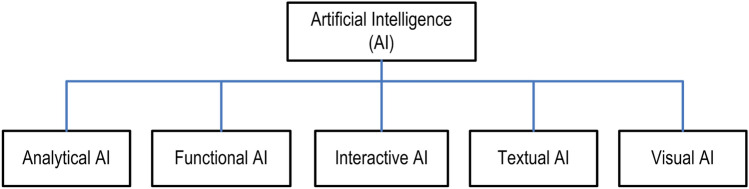
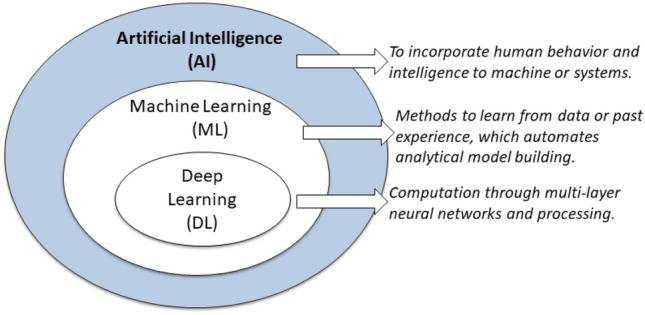
Artificial intelligence (AI) is a leading technology of the current age of the Fourth Industrial Revolution (Industry 4.0 or 4IR), with the capability of incorporating human behavior and intelligence into machines or systems. Thus, AI-based modeling is the key to build automated, intelligent, and smart systems according to today’s needs. To solve real-world issues, various types of AI such as analytical, functional, interactive, textual, and visual AI can be applied to enhance the intelligence and capabilities of an application. However, developing an effective AI model is a challenging task due to the dynamic nature and variation in real-world problems and data. In this paper, we present a comprehensive view on “AI-based Modeling” with the principles and capabilities of potential AI techniques that can play an important role in developing intelligent and smart systems in various real-world application areas including business, finance, healthcare, agriculture, smart cities, cybersecurity and many more. We also emphasize and highlight the research issues within the scope of our study. Overall, the goal of this paper is to provide a broad overview of AI-based modeling that can be used as a reference guide by academics and industry people as well as decision-makers in various real-world scenarios and application domains.
Overview
The claims and statistics of this paper haven’t been checked yet.
Free: it reads the open-access text and checks the first 5 claims that cite a source we can check. Create a free account to check every claim.
Integrity signals
Registry
Cites
Statistics
Figures
Verification
Claims the paper makes
The claims and statistics of this paper haven’t been checked yet.
Free: it reads the open-access text and checks the first 5 claims that cite a source we can check. Create a free account to check every claim.
Self-check
Percentages, sums and reported differences re-computed from the paper’s own numbers.
The self-check needs the paper’s full text.
Citations
Cites
1 retracted
Hybrid genetic algorithm and a fuzzy logic classifier for heart disease diagnosis
Reddy, G. T., Reddy, M. P. K., Lakshmanna, K., Rajput, D. S., Kaluri, R., & Srivastava, G. (2020) · Evolutionary Intelligence · doi:10.1007/s12065-019-00327-1 · Cited by 404 · cited 1×
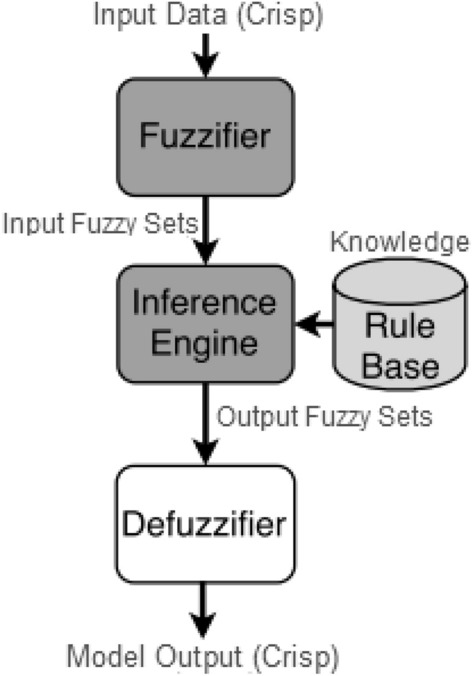
“Reddy et al. [74], for example, use a fuzzy logic classifier for heart disease detection, with the derived rules from fuzzy classifiers being optimized using an adaptive genetic algorithm.”
MethodRetractedBreiman, L. (2001) · Machine Learning · doi:10.1023/a:1010933404324 · Cited by 133,538 · cited 1×
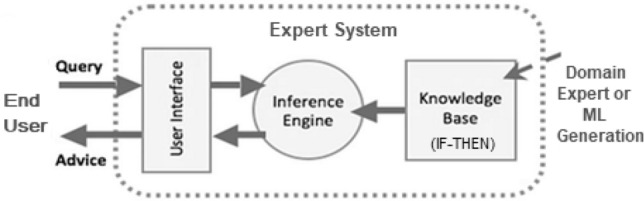
“…[4], Support vector machines [46], Decision Trees - ID3 [71], C4.5 [72], CART [15], BehavDT [84], IntrudTree [82], Ensemble learning, Random Forest [14], Linear regression [36], Support vector regression [46], etc. [81] are the popular techniques that can be used to solve various supervised…”
MethodScikit-learn: Machine Learning in Python
Pedregosa, F., Varoquaux, G., Gramfort, A., Michel, V., Thirion, B., Grisel, O., Blondel, M., Müller, A., Nothman, J., Louppe, G., et al. (2012) · arXiv · doi:10.48550/arxiv.1201.0490 · Cited by 71,016
Gradient-based learning applied to document recognition
Lecun, Y., Bottou, L., Bengio, Y., & Haffner, P. (1998) · Proceedings of the IEEE · doi:10.1109/5.726791 · Cited by 58,805 · cited 2×
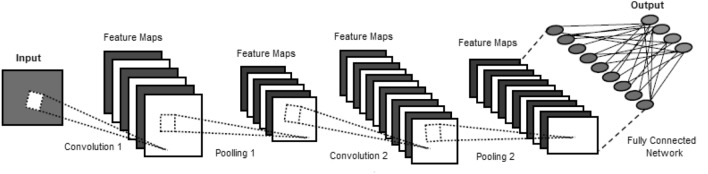
“Convolutional neural networks (CNN or ConvNet) [53, 80] have recently demonstrated considerable promise in a variety of computer vision tasks, including classification, object detection, and scene analysis.”
BackgroundData mining: concepts and techniques
(2012) · Choice Reviews Online · doi:10.5860/choice.49-3305 · Cited by 28,531
Data Mining: Practical Machine Learning Tools and Techniques
(2011) · Elsevier eBooks · doi:10.1016/c2009-0-19715-5 · Cited by 25,437
(1967) · Cited by 23,719
Classification and Regression Trees.
Gordon, A. D., Breiman, L., Friedman, J. H., Olshen, R. A., & Stone, C. J. (1984) · Biometrics · doi:10.2307/2530946 · Cited by 23,522
(1992) · Cited by 23,431
Quinlan, J. R. (1986) · Machine Learning · doi:10.1007/bf00116251 · Cited by 21,439 · cited 2×
“Navies Bayes [42], K-nearest neighbors [4], Support vector machines [46], Decision Trees - ID3 [71], C4.”
Method
Research works printed but not linked: 5
- Dupond S. A thorough review on the current advance of neural network structures. Annu Rev Control. 2019;14:200–30.
- Goodfellow I, Bengio Y, Courville A, Bengio Y. Deep learning, vol. 1. Cambridge: MIT press; 2016.
- Russell S, Norvig P. Artificial intelligence: a modern approach, global edition 4th. Foundations. 2021;19:23.
- Sarker IH, Colman A, Han J, Watters P. Context-aware machine learning and mobile data analytics: automated rule-based services with intelligent decision-making. Berlin: Springer; 2022.
- Thorvald Sorensen. method of establishing groups of equal amplitude in plant sociology based on similarity of species. Biol Skr. 1948;5:20.
Cited by
Items 601–700 of 1,001
Advantages, Problems and Challenges in the Application of AI Technologies in School Education
Glushkova, T. A., & Malinova, A. (2023) · E-learning · doi:10.34916/el.2023.15.04 · Cited by 4
An AI-based prosthesis framework fostering an adaptive amputee healthcare service
Patiniott, N., Borg, J. C., Francalanza, E., Zammit, J. P., Vella, P. C., Gatt, A., & Paetzold-Byhain, K. (2024) · Proceedings of the Design Society · doi:10.1017/pds.2024.221 · Cited by 4
“The adProLiSS Intelligent Knowledge Base System ( aIKBS ) is then able to access the accumulation of key data (now referred to as facts) and compare the current facts to the predefined facts stored within the Knowledge Base ( KB ) (Sarker, 2022).”
BackgroundMethodADEIKA, B., Abiodun, P. O., & Owolabi, O. A. (2024) · ASEE Annual Conference & Exposition · doi:10.18260/1-2--48175 · Cited by 7
Fardan, S., Hamdan, A., & Kanan, M. A. (2024) · Studies in systems, decision and control · doi:10.1007/978-3-031-62102-4_75 · Cited by 4
Career Counselling using AI in the field of IT Industry in Dynamic Environment
Chandrol, A., Awasthi, M., Sharma, D., Kansal, M., Sharma, K., & Goel, A. (2024) · International Conference on Computational Intelligence for Green and Sustainable Technologies (ICCIGST) · doi:10.1109/iccigst60741.2024.10717518 · Cited by 4
“Philosophically speaking, AI has the potential to effectively manage the enormous web of interconnected individuals, companies, states, and nations, as well as help people live more fulfilled lives with less effort[1].”
BackgroundAdvancing Industry 5.0: An Extensive Review of AI Integration
Idamia, S., & Benseddik, H. (2024) · Studies in systems, decision and control · doi:10.1007/978-3-031-70996-8_1 · Cited by 4
Kasinidou, M., Kleanthous, S., & Otterbacher, J. (2024) · ACM Virtual Global Computing Education Conference (SIGCSE Virtual) · doi:10.1145/3649165.3690113 · Cited by 5
Imani, E., Dawood, H., Dawood, N. N., & Occhipinti, A. (2024) · Journal of Information Technology in Construction · doi:10.36680/j.itcon.2024.057 · Cited by 5
“NLP is a multidisciplinary field that combines computer science, linguistics, and statistics to enable machines to process and understand human language (Sarker, 2022).”
Bernabé, M. D. C. T., Cumbreras, M. Á. G., & López, L. A. U. (2024) · Revista Tecnológica - ESPOL · doi:10.37815/rte.v36n2.1219 · Cited by 4
“(Ding et al. 2023; Huertas-Tato, Martin, y Camacho 2022; Martinez-Rico, Araujo, and Martinez-Romo 2024; Sarker 2021, 2022; Sellami, Sadat, and Beluith 2018).”
An introduction to Bayesian geospatial analysis using a Bayesian multilevel model case study
Tu, W., Yu, L., & Tu, J. (2025) · Annals of GIS · doi:10.1080/19475683.2025.2451230 · Cited by 4
“The advent of large language AI models like ChatGPT and the rapid development of cyberinfrastructure are disrupting the status quo of learning and application of geospatial models (Lo 2023; Sarker 2022; Shook et al. 2019).”
Robust design of damping controller for power system with snake optimization algorithm
Agrawal, N., Mahapatra, S., & Khan, F. A. (2025) · International Journal of Systems Assurance Engineering and Management · doi:10.1007/s13198-025-02708-5 · Cited by 6
“…et al. 2021), membership functions (Touil et al. 2021), IPSO (Latif et al. 2022), STTA (Thu and Lin 2021), disturbance rejection control (Tan and Xu 2021), AOA-FFNN (Aribowo et al. 2021b), HGSOA (Ekinci et al. 2021), AI-based techniques (Sarker 2022), evolutionary algorithms (Anderer et al. 2023).”
ChatGPT: Percepción en estudiantes de Trabajo Social de universidades públicas
Sullo, A. E. H., & Vidal, E. (2024) · Revista Educación y Sociedad · doi:10.53940/reys.v5i9.197 · Cited by 4
Reliable Process Tracking Under Incomplete Event Logs Using Timed Genetic-Inductive Process Mining
Effendi, Y. A., & Kim, M. (2025) · Systems · doi:10.3390/systems13040229 · Cited by 4
Pushpakumara, T. D. C., & Ahsan, F. J. (2025) · International Journal of Innovative Science and Research Technology · doi:10.38124/ijisrt/25mar1490 · Cited by 5
Impact of Artificial Intelligence on SEO and Online Visibility
Elkhatibi, Y., & BOUSSEDRA, F. (2025) · IGI Global eBooks · doi:10.4018/979-8-3693-9561-5.ch008 · Cited by 5
Advancing Decision-Making: AI-Driven Optimization Models for Complex Systems
Sihotang, H. T., Sihotang, J., Simbolon, A. P. H., Panjaitan, F. S., & Simbolon, R. S. (2024) · International Journal of Basic and Applied Science · doi:10.35335/ijobas.v13i3.581 · Cited by 4
“Here is the detailed explanation[31]: Advancing Decision-Making: AI-Driven Optimization Models for Complex Systems (Hengki Tamando Sihotang, et al) The steps I took to develop the mathematical model were based on the principles of model development in complex systems and AI-based research according…”
Navigating Ethical Dilemmas in AI-Powered Translation: Challenges and Solutions
Asrifan, A. (2025) · Advances in computational intelligence and robotics book series · doi:10.4018/979-8-3373-0060-3.ch012 · Cited by 5
Dewasiri, N. J., & Choudhary, M. (2025) · Emerald Group Publishing Limited eBooks · doi:10.1108/978-1-83662-368-720251008 · Cited by 4
Omar, M. A., Gomaa, I. I., Moubarak, H. M. R., & Sabry, S. H. (2025) · Journal of financial reporting & accounting · doi:10.1108/jfra-11-2024-0891 · Cited by 5
Rakhmanovich, I. U., Husayn, S. O., Hasan, M. Z., Samudro, E. G., & Vij, P. (2025) · International Conference on Computational Innovations and Engineering Sustainability (ICCIES) · doi:10.1109/iccies63851.2025.11033048 · Cited by 4
“Artificial intelligence-powered industrial finance analytics sharpen investment choices based on robust reinforcement learning, deep learning, and machine learning strategies [5].”
Zhao, Y., Wu, W., & Zhang, H. (2025) · Information Communication & Society · doi:10.1080/1369118x.2025.2539296 · Cited by 4
“It begins with AI-enhanced 2D and 3D modelling (Lin & Wang, 2010) and progresses to AI-driven or actor-driven processes (Sarker, 2022).”
Miñón, R., Díaz-de-Arcaya, J., Torre-Bastida, A. I., López-de-Armentia, J., Zárate, G., Bonilla, L., Garcia-Perez, A., & Aguirre-Usandizaga, J. (2025) · Journal of Cloud Computing Advances Systems and Applications · doi:10.1186/s13677-025-00761-w · Cited by 5
Industry 4.0 in commercial airlines: a bibliometric analysis
Omido, N., Luke, R., Mageto, J., & Ombati, T. O. (2025) · Frontiers in Future Transportation · doi:10.3389/ffutr.2025.1630011 · Cited by 5
“AI is a fi eld of science that focuses on creating computer systems that can think, learn, and act like humans, enabling businesses to automate processes, make decisions, and provide insights that would otherwise be impossible (Sarker, 2022).”
AI‐Driven Adaptive Security for Sensor Networks: Next‐Generation Firewalls for Attack Detection
Meegammana, N. W., & Fernando, H. (2025) · International Journal of Distributed Sensor Networks · doi:10.1155/dsn/5973480 · Cited by 4
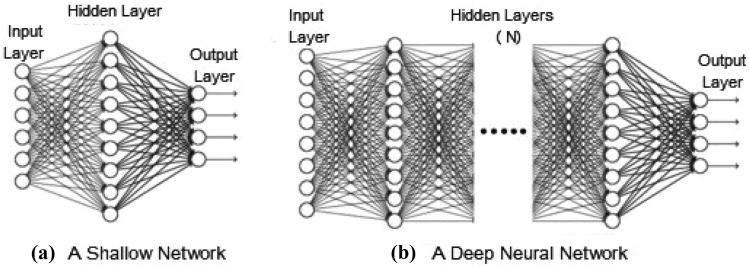
“Deep models, consisting of multiple hidden layers, capture hierarchical structures but demand greater computational resources [16].”
AI Odyssey: Designing and Evaluating a Board Game for Family-Based AI Literacy
Ding, L., & Holland, S. (2025) · International Journal of Serious Games · doi:10.17083/dnza4k90 · Cited by 5
“…an AI-enabled system is that the former usually uses rule-L based programming that follows certain steps to accomplish a task, whereas the latter is more adaptive and intelligent in a way that can predict the next steps, adjust to new inputs, and optimize decisions based on patterns in data [17].”
Social work in the digital age: Towards adopting artificial intelligence in social work
Molala, T. S. (2025) · International Social Work · doi:10.1177/00208728251383134 · Cited by 6
From machine learning to digital twin integration for livestock production and research
Abdelrahman, M., Issa, S., Ali, M. E., Alotaibi, J., & Alshanbari, F. A. (2026) · Frontiers in Veterinary Science · doi:10.3389/fvets.2026.1744053 · Cited by 4
“…led to the Precision Livestock Farming (PLF) approach, which incorporates Information and Communication Technologies (ICT) to enhance agricultural practices, reduce costs, and increase production, significantly contributing to the industrial revolution, referred to as Industry 4.0 and 5.0 (16–18).”
InfluentialAutomated Study Plan Generator using Rule-based and Knapsack Problem
Mustapa, M. A., Salahuddin, L. B., & Hashim, U. R. (2022) · International Journal of Advanced Computer Science and Applications · doi:10.14569/ijacsa.2022.0130847 · Cited by 4
“It is a subfield of AI that collects data automatically without the assistance of a human expert to solve problems that normally necessitate human intelligence [7, 8].”
BackgroundTenório, K. (2023) · Koli Calling International Conference on Computing Education Research · doi:10.1145/3631802.3631842 · Cited by 6
“These systems have emerged as one of the most prominent technologies in various fields, for instance, medicine, education, law, and journalism [14].”
BackgroundPrivacy and data protection challenges in industry 4.0: An AI-driven perspective
Tanisha, J., Rajesh, P., Singh, R. G., Adhip, K., Stuti, K., & Ajitha, D. (2024) · World Journal of Advanced Engineering Technology and Sciences · doi:10.30574/wjaets.2024.12.2.0287 · Cited by 6
“With the advancements in quantum computing, there is a possibility of significantly enhancing the performance of machine learning and AI [113].”
BackgroundYou, S., Dong, C., Huang, B., Fu, L., Zhang, Y., Han, L., Rong, X., Jin, Y., Yi, D., Yang, H., et al. (2024) · Biomedical Signal Processing and Control · doi:10.1016/j.bspc.2024.107108 · Cited by 4
David, L. O., Aigbavboa, C. O., Nwulu, N. I., & Adepoju, O. O. (2024) · Green energy and technology · doi:10.1007/978-3-031-72833-4_9 · Cited by 4
Applicability of machine learning methods for classifying lightweight pigs in commercial conditions
Salgado-López, P., Casellas, J., Diaz, I. D. P. S., Rathje, T., Gasa, J., & Solà‐Oriol, D. (2024) · Translational Animal Science · doi:10.1093/tas/txae171 · Cited by 4
Dost, B. Ö. (2025) · Nevşehir Hacı Bektaş Veli Üniversitesi SBE Dergisi · doi:10.30783/nevsosbilen.1613514 · Cited by 4
Artificial intelligence-based design of assemblies in the FreeCAD software
Wdowik, R., & Bełzo, A. (2025) · Technologia i Automatyzacja Montażu · doi:10.7862/tiam.2025.1.6 · Cited by 4
What is the role of large language models in the management of urolithiasis?: a review
Ateş, T., Tamkaç, N., Sukur, I. H., & Ok, F. (2025) · Urolithiasis · doi:10.1007/s00240-025-01761-w · Cited by 5
Mirawati, I., Rahmawan, D., & Sharipudin, M.-N. S. (2025) · MediaTor (Jurnal Komunikasi) · doi:10.29313/mediator.v18i1.6816 · Cited by 5
Judijanto, L., Caroline, C., & Muh. Dzihab Aminudin, S. (2025) · Jurnal Ilmiah Edukatif/JURNAL ILMIAH EDUKATIF · doi:10.37567/jie.v11i1.3521 · Cited by 19
“Kesenjangan pendidikan ini tidak hanya berdampak pada individu yang terkena dampak langsung, tetapi juga memiliki konsekuensi jangka panjang bagi pembangunan sosial dan ekonomi suatu negara (Sarker, 2022).”
Solar Irradiation and Wind Speed Forecasting Based on Regression Machine Learning Models
Amoura, Y., Torres, S., Lima, J., & Pereira, A. I. (2023) · Lecture notes in networks and systems · doi:10.1007/978-3-031-27499-2_4 · Cited by 4
Integrating Artificial Intelligence and Blockchain Technology for Enhanced US Homeland Security
Rele, M., Patil, D., & Boujoudar, Y. (2023) · Intelligent Cybersecurity Conference (ICSC) · doi:10.1109/icsc60084.2023.10349994 · Cited by 9
“Machine learning techniques that may be trained on large datasets to uncover patterns and anomalies enable automatic threat detection and identification [24].”
BackgroundBouchentouf, A. A., Yahiaoui, L., & Ziad, I. (2024) · Results in Control and Optimization · doi:10.1016/j.rico.2024.100427 · Cited by 4
Bashabsheh, M. (2024) · International Journal of Electrical and Electronics Engineering · doi:10.14445/23488379/ijeee-v11i5p112 · Cited by 4
“It is vital to understand that programs, machines, and models developed by computer scientists, engineers, and cognitive scientists do not possess human intelligence; rather, they exhibit intelligent behavior [1].”
Artificial Intelligence in Remanufacturing Contexts: Current Status and Future Opportunities
Simone, V. D., Luisi, G., Macchiaroli, R., Fruggiero, F., & Miranda, S. (2024) · Lecture notes in mechanical engineering · doi:10.1007/978-3-031-52649-7_2 · Cited by 5
Kerkütlüoğlu, M., Kaya, E., & Gökmen, R. (2024) · Cureus · doi:10.7759/cureus.71472 · Cited by 7
“The term "artificial intelligence" refers to a cross-disciplinary field that combines computer science and linguistics with the goal of developing machines that possess the ability to execute tasks that typically necessitate human intelligence [14].”
Smart Learning Ecosystems: Crafting a Blueprint for AI and IoT in Education
Kaur, S. (2025) · Journal of Information Systems Engineering & Management · doi:10.52783/jisem.v10i21s.3373 · Cited by 4
The Impact of Artificial Intelligence on Employment: A Panel Data Analysis for Selected Countries
Çetin, C. N., & Kutlu, E. (2025) · Ekonomi Politika ve Finans Arastirmalari Dergisi · doi:10.30784/epfad.1621455 · Cited by 4
Miiro, E., Kato, I., Nantege, Z., Ssendi, S., & Bassajjalaba, K. (2025) · Journal of Flood Risk Management · doi:10.1111/jfr3.70039 · Cited by 5
“This fundamental form of machine learning uses labeled data to train algorithms and forecast outcomes (Jin 2020; Sarker 2022).”
Towards a smarter education system: an investigation into ML and DL for information retrieval
Sengupta, S., & Chakrabarti, S. (2025) · Multimedia Tools and Applications · doi:10.1007/s11042-025-20656-x · Cited by 5
Distribution Automation: A Level-Layer Framework for Implementation in Smart Grid
Mohammadi, M. M., Fereidunian, A., Shariatkhah, M., Shahi, E., Choobkar, S., & Mozaffari, A. (2024) · Smart Grid Conference · doi:10.1109/sgc64640.2024.10983272 · Cited by 3
Mqaqa, V. S. (2024) · IEEE International Smart Cities Conference (ISC2) · doi:10.1109/isc260477.2024.11004275 · Cited by 3
“AI is a field of study that develops machines and computer programs capable of performing tasks that typically require human intelligence [1].”
Design of a Low-Power Analog Integrated Deep Convolutional Neural Network
Foufas, Z., Alimisis, V., & Sotiriadis, P. P. (2025) · IEEE Transactions on Very Large Scale Integration (VLSI) Systems · doi:10.1109/tvlsi.2025.3573045 · Cited by 3
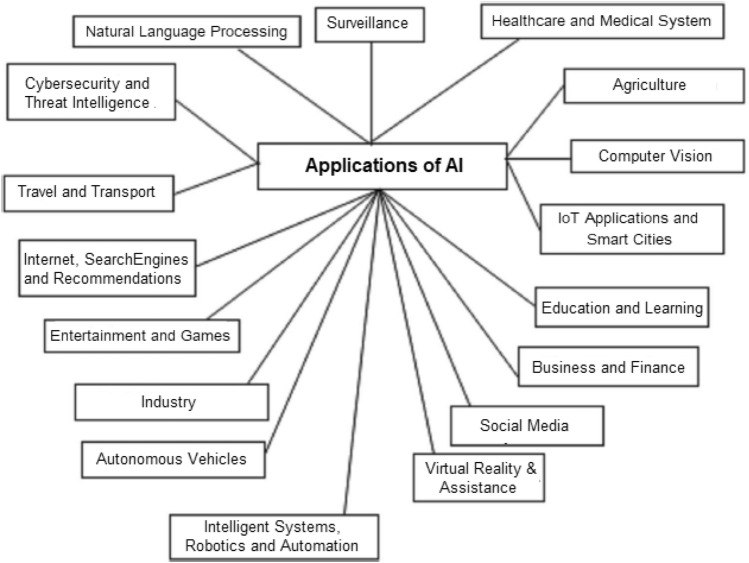
“The applications of these technologies range from natural language processing to healthcare, finance, and more, emphasizing the capability of AI in solving intricate problems [3].”
Computational intelligence in rock engineering management systems
Lenji, A. R., Mehmandari, T. A., Ranjbar, S., Tee, K. F., & Fahimifar, A. (2025) · Elsevier eBooks · doi:10.1016/b978-0-443-23663-1.00001-x · Cited by 3
Gruber, E. N., Zlatec, L. G., & Biočina, S. M. (2025) · Psychiatria Danubina · doi:10.24869/psyd.2025.141 · Cited by 4
The impact of AI on the development of cognitive competence in gifted youth
Черненко, В., & Лисенко, Т. В. (2025) · Journal of Physics Conference Series · doi:10.1088/1742-6596/3105/1/012018 · Cited by 3
Asad, M. M., & Memon, I. U. (2025) · Information Discovery and Delivery · doi:10.1108/idd-09-2024-0128 · Cited by 6
Usha, G. V., Nadar, B., Almalki, S. A., Bhagat, T. V., & Gowdar, I. M. (2025) · F1000Research · doi:10.12688/f1000research.173028.1 · Cited by 6
AI characteristics and competitive advantage: the moderating role of resource allocation
Jabbouri, R., Issa, H., & Truong, Y. (2025) · International Journal of Entrepreneurial Behaviour & Research · doi:10.1108/ijebr-08-2024-0814 · Cited by 3
Phiri, L., Olwal, T. O., & Mathonsi, T. E. (2025) · Energies · doi:10.3390/en18246481 · Cited by 4
Zhang, Z., Chen, Y., Wang, S., Chen, G., Wang, M., Pan, Y., & Li, E. (2025) · BMC Biology · doi:10.1186/s12915-025-02469-4 · Cited by 3
“Deep learning models typically require large-scale data-sets for effective training [42, 43].”
Lecturers’ pathways to integrating artificial intelligence in business and economics curricula
Nowiński, W., Haddoud, M. Y., & Issa, J. (2025) · Entrepreneurial Business and Economics Review · doi:10.15678/eber.2025.130407 · Cited by 3
“Artificial intelligence (AI) is a field that combines the science and engineering of creating intelligent systems and machines (Sarker, 2022).”
Artificial intelligence integration in materials science
Abu-Shams, M. (2026) · Discover Applied Sciences · doi:10.1007/s42452-026-08249-1 · Cited by 4
Sun, W., Yin, Z., Chen, Y., Sun, W., Weng, S., & Wang, Y. (2026) · Asia Pacific Journal of Tourism Research · doi:10.1080/10941665.2026.2620378 · Cited by 4
“In addition, implementing AI technologies requires careful consideration of challenges such as data privacy, algorithmic bias, and ethical concerns associated with AI-enabled decisions (Korteling et al., 2021; Sarker, 2022).”
How data and the digital technologies are shaping the data economy for agrifood systems
Wolfert, J., Verdouw, C., & Piot‐Lepetit, I. (2026) · Elsevier eBooks · doi:10.1016/b978-0-443-33508-2.00009-8 · Cited by 4
Escolano, V. J. C., Yee, Y. M., Hernandez, A. A., Saflor, C. S., Nang, D. V., & Lagman, A. C. (2026) · Technologies · doi:10.3390/technologies14030182 · Cited by 3
“AI refers to computational systems capable of performing tasks that typically require human cognitive abilities, including learning, reasoning, and decision-making [8].”
Rosnitschek, T., Walschewski, J., Grohmann, P. R., Eckardt, S., Stonis, M., Alber-Laukant, B., & Tremmel, S. (2026) · Computer-Aided Design · doi:10.1016/j.cad.2026.104065 · Cited by 3
Circadian Misalignment and Inflammasome Dynamics: A Molecular Bridge Between Sleep and Inflammation
Thangarajan, R., Rammohan, S., Ghosh, M., Teja, S. A., Bakthavatchalam, P., Swagatika, S., Das, S., Giri, A., & Chakraborty, S. (2026) · Chronobiology in Medicine · doi:10.33069/cim.2025.0068 · Cited by 4
“This could lead to new mechanistic insights into how temporal misalignment might increase basal inflammasome priming or systemic cytokine release [81].”
Inchingolo, A. M., Marinelli, G., Calò, F., Ciocia, C., Rizzo, A., Inchingolo, F., Tartaglia, G. M., FABBRO, M. D., Palermo, A., Venere, D. D., et al. (2026) · Oral Radiology · doi:10.1007/s11282-026-00912-y · Cited by 3
Svetlanova, S., Iskakova, B., Makhanbetkulova, D., Blaževičienė, A., Nazarova, L., Aitambayeva, N., Narymbayeva, N., Sydykova, B., Abdirova, T., & Qumar, A. B. (2026) · Frontiers in Digital Health · doi:10.3389/fdgth.2026.1756338 · Cited by 3
“Over recent decades, AI technologies have been increasingly integrated into diverse industries, including healthcare, where they are now viewed as essential tools for advancing clinical practice and improving health outcomes (1, 2).”
Perlmutter, J. W., & Joseph, M. (2025) · Education and human development · doi:10.5772/intechopen.1014025 · Cited by 3
Carl, T. B., Hoff, V. V. ‘., Haas, J., Cabral, P., & Akinyemi, F. O. (2026) · Ecosystem Services · doi:10.1016/j.ecoser.2026.101871 · Cited by 3
“Transparency can be improved through comprehensive metadata documentation that clearly describes data provenance, preprocessing steps, assumptions, and known limitations, thereby enhancing interpretability and user trust (Sarker, 2022).”
Almuhammadi, S., AlBaluchi, H., & Alawida, M. (2026) · Journal of Transportation Security · doi:10.1007/s12198-026-00355-w · Cited by 3
“AI and ML models usually learn patterns from large datasets, generate outputs, and interact directly with users (Sarker 2021 , 2022; Maadi et al. 2021).”
Othengrafen, F., Sievers, L., & Frankl, M. (2026) · International Journal of Urban Sustainable Development · doi:10.1080/19463138.2026.2686016 · Cited by 3
Iram, T., Ahmad, Z., AlWadi, B. M., Iftikhar, H., & Mustamil, N. M. (2026) · Journal of Hospitality and Tourism Technology · doi:10.1108/jhtt-06-2025-0461 · Cited by 3
Das, B., Kumar, P., & Bandyopadhyay, T. K. (2026) · Composites Part B Engineering · doi:10.1016/j.compositesb.2026.114116 · Cited by 4
Case-Based Reasoning and Computer Vision for Cybersecurity: A Short Review
Tchomté, N. D., Tchakounté, F., & Abbo, I. (2024) · Advances in information security, privacy, and ethics book series · doi:10.4018/978-1-6684-8127-1.ch002 · Cited by 3
Ceci N’Est Pas Une Publication: The Art of AI-Generated Research Papers
Zolezzi, D. (2024) · International Journal of Emerging Technologies in Learning (iJET) · doi:10.3991/ijet.v19i05.48261 · Cited by 4
AI for Enhanced Drone Capabilities in Industry 5.0
Suresh, S., Velmurugan, D., Priya, E. L. D., & Selvapriya, R. (2024) · Advances in computational intelligence and robotics book series · doi:10.4018/979-8-3693-2093-8.ch006 · Cited by 3
Yaro, N. S. A., Sutanto, M. H., Habib, N. Z., Usman, A., Tanjung, L. E., Bello, M. S., Noor, A., Birniwa, A. H., & Jagaba, A. H. (2024) · Sustainability · doi:10.3390/su16167078 · Cited by 3
“These innovations include several artificial intelligence and machine learning strategies that can learn from data patterns and make predictions without explicit programming [22,23].”
BackgroundSentiment Analysis of Roman Urdu Text Using Machine Learning Techniques
Malik, M., & Ghous, H. (2023) · Innovative Computing Review · doi:10.32350/icr.32.05 · Cited by 3
“Currently, Artificial Intelligence (AI) techniques, such as Machine Learning (ML), Data Mining (DM), and Deep Learning (DL) are the most effective strategies [3].”
BackgroundDiningrat, D. S., Febriyossa, A., Suryanto, E. D., Maulana, B., Sari, A. N., Asmin, A., Nainggolan, T. B., Hasibuan, A. A. U., & Rambe, K. U. (2024) · Journal of Physics Conference Series · doi:10.1088/1742-6596/2908/1/012001 · Cited by 3
“Plant diseases can be identified, and plant growth can be controlled as two examples of applications in agriculture [17].”
Nawari, A. N., Zahir, J., Kumar, S., Ocampo, L., Opara, O. A., Ahmad, H., Crawford, B., & Feeley, B. T. (2025) · Journal of Orthopaedic Experience & Innovation · doi:10.60118/001c.124070 · Cited by 5
The Influence of Generative AI on work-life balance among female software professionals in Sri Lanka
Upeksha, S., Samarasinghe, D. G. S. P., Sanochana, M., Samarathunga, S. S., Rajamanthri, L., Samarakkody, T., & Aluthwala, C. (2025) · International Conference on Advanced Research in Computing (ICARC) · doi:10.1109/icarc64760.2025.10963119 · Cited by 3
“The application of AI in various industries is seen to improve their productivity, enabling the automation process and development [10].”
Simone, V. D., Pasquale, V. D., Calabrese, J., Miranda, S., & Iannone, R. (2025) · Machines · doi:10.3390/machines13070602 · Cited by 3
“Three categories of ML can be distinguished based on how the models learn from the data: supervised, unsupervised, and reinforcement learning techniques [15].”
Pandey, A. (2025) · Advances in computational intelligence and robotics book series · doi:10.4018/979-8-3373-0923-1.ch015 · Cited by 3
Patra, N., Sharma, S., Ray, N., & Bera, D. (2026) · Discover Artificial Intelligence · doi:10.1007/s44163-025-00792-x · Cited by 3
“The major issue with such AI-based search results is the authenticity of the information [36].”
Interweaving Narratives: The Role of AI in Enhancing Consumer Engagement Through Storytelling
Dogra, P., & Dogra, A. K. (2025) · Advances in marketing, customer relationship management, and e-services book series · doi:10.4018/979-8-3693-8588-3.ch013 · Cited by 7
AI-Based Use-Pattern Generative Hybrid Spaces for Indoor and Outdoor Activities
Allam, S. Z. (2023) · Learning and Technology Conference (L&T) · doi:10.1109/lt58159.2023.10092345 · Cited by 3
A New Effective Strategy for User Association in Heterogeneous Networks
Aziz, L., Gourari, A. E., & Achki, S. (2023) · International Journal of Sensors Wireless Communications and Control · doi:10.2174/2210327913666230601153113 · Cited by 3
Cancer Detection: A Review Using Fuzzy Based Learning System
Patira, R., & Gupta, Y. K. (2023) · International Conference on Intelligent Computing and Research Trends (ICRT) · doi:10.1109/icrt57042.2023.10146631 · Cited by 3
“Various types of artificial issues [7] Functional AI: It scans a huge amount of data and searches for patterns and dependencies.”
BackgroundUnleashing the Power of OpenAI in Shaping the Future of Cancer Research
Abdullah, R. M., Masseh, H. D. I., Salihi, A. B., & Faraj, B. M. (2023) · BioMed Target Journal · doi:10.59786/bmtj.112 · Cited by 3
Artificial Intelligence and the Medicine of the Future
Woodman, R. J., & Mangoni, A. A. (2023) · Practical issues in geriatrics · doi:10.1007/978-3-031-32246-4_12 · Cited by 5
Wójcik, M., Kościukiewicz, W., Baran, M., Kajdanowicz, T. J., & Gonczarek, A. (2023) · Proceedings of the conference - Association for Computational Linguistics. Meeting · doi:10.18653/v1/2023.acl-industry.51 · Cited by 3
Maulana, M. A., & Goeritno, A. (2022) · Transmisi: Jurnal Ilmiah Teknik Elektro · doi:10.14710/transmisi.24.4.153-161 · Cited by 3
3D printed models and Artificial Intelligence: A review of their impact in robotic surgery training
Amadi, S. M., Mao, J., Zhu, Z., Wang, X., Xu, X., Ma, L., & Wang, Z. (2023) · Intelligent Surgery · doi:10.1016/j.isurg.2023.08.002 · Cited by 3
Wairisal, P. L. (2023) · Jurnal Penelitian Pendidikan IPA · doi:10.29303/jppipa.v9i8.4944 · Cited by 3
Ahmed, I., & Yadav, D. P. K. (2023) · International Journal of Computing and Digital Systems · doi:10.12785/ijcds/1401101 · Cited by 3
AcneCheck: An Acne Severity Grading in Teledermatology Through Computer Vision
Samonte, M. J. C., Borja, J. A., Delariarte, L. M. A., & Ebanen, J. A. A. (2023) · International Conference on Software Technology and Engineering · doi:10.1109/icste61649.2023.00027 · Cited by 5
Q-Learning Based Network Access Policy Management for Zero Trust Security in IIoT
Singh, A., Dhanaraj, R. K., Sharma, A. K., Balusamy, B., Sharma, G., & Agrawal, S. (2023) · International Conference on Electrical, Electronics, Communication and Computers (ELEXCOM) · doi:10.1109/elexcom58812.2023.10370294 · Cited by 4
“(Sarker, 2022) in the proposed paper mentioned different types of artificial intelligence associated with different types of real-world problems.”
BackgroundInfluentialWidjonarko, W., Utomo, W. M., Omar, S., Baskara, F. R., & Rosyadi, M. (2024) · International Journal of Power Electronics and Drive Systems/International Journal of Electrical and Computer Engineering · doi:10.11591/ijece.v14i2.pp1437-1447 · Cited by 3
“Control algorithms have been derived from mathematical control theory and artificial intelligence (AI) in several research investigations [15]–[17].”
MethodChen, Y., Sangaiah, A. K., & Lin, Y. (2024) · Annals of Operations Research · doi:10.1007/s10479-024-05882-0 · Cited by 3
“…constructive references as follows: (1) AI-based machine learning modeling techniques for overcoming real-life problems: According to the study of Sarker (2022), a comprehensive review of the principles and capabilities of “AI-based modeling” has an important role in developing an intelligent…”
Metadata
- Authors
- Sarker, I. H.
- Affiliations
- Chittagong University of Engineering & Technology (BD)
- Corresponding author
- Sarker, Iqbal H.
- ORCID
- Sarker, Iqbal H.
- Venue
- SN Computer Science
- Published
- 2022-02-10
- Volume
- 3
- Issue
- 2
- Pages
- 158-158
- ISSN
- 2661-8907 (ISSN-L)
- 2662-995X
- PMC
- PMC8830986
- OpenAlex
- W4225716729
- Cited by
- 1,208
- References
- 115
- Citations by year
- 2026: 228 · 2025: 395 · 2024: 361 · 2023: 184 · 2022: 39
- FWCI
- 17.11
- Type
- journal article
- Language
- en
- Open access
- hybrid
- doi.org
- Licence
- cc-by
- creativecommons.org/licenses/by/4.0 (tdm)
- creativecommons.org/licenses/by/4.0 (vor)
- Locations
- SN Computer Science (publishedVersion, cc-by)
- Preprints.org (acceptedVersion, cc-by)
- PubMed Central (publishedVersion, cc-by)
- PubMed (publishedVersion)
- Funders
- Swinburne University of Technology
- Topics
- Physical Sciences › Computer Science › Artificial Intelligence › Artificial Intelligence Applications
- Physical Sciences › Computer Science › Information Systems › Internet of Things and AI
- Social Sciences › Decision Sciences › Management Science and Operations Research › Impact of AI and Big Data on Business and Society
- Keywords
- artificial intelligence techniques, intelligent systems, automation, Industry 4.0, interactive AI, artificial intelligence in business, artificial intelligence in finance, artificial intelligence in healthcare, smart cities, cybersecurity
About these checks
Registry, retraction, Cites and statistics results are computed, not judged, with one exception: a printed reference that no index lists is read once by a model before it counts as a citation error. Claims are extracted by a model and kept only when their quote appears verbatim in the text; each cited source is then checked, with a model’s help, for whether it says what the claim relies on. Those verdicts can be wrong — read the claim’s quote and the cited source before relying on one.
Statistics and arithmetic are recomputed, not judged.
Confidence bands are shown only for fields calibrated on our annotated test set. None is calibrated yet, so no band is shown.
What counts as a claim ›How we measure confidence ›How we check this ›
Are you an author, or do you see a problem with this page? Request a review
Data sources
Bibliographic data: Semantic Scholar, OpenAlex, Crossref.
Contains information from the Semantic Scholar Academic Graph Datasets, made available under the ODC Attribution License (ODC-BY 1.0).
Semantic Scholar’s data is described in: Kinney, R., et al. (2023). The Semantic Scholar Open Data Platform. arXiv:2301.10140.
