

AI-Based Modeling: Techniques, Applications and Research Issues Towards Automation, Intelligent and Smart Systems
Open accessPublished version of a preprint
The DOI matches its Crossref record; 116 of the 116 references it cites were found in a registry or an index.
Abstract
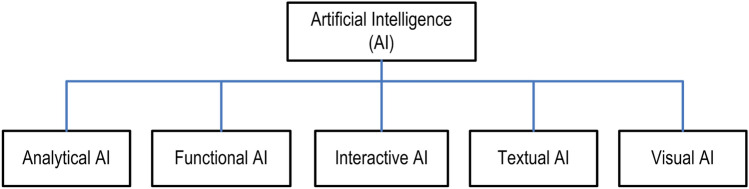
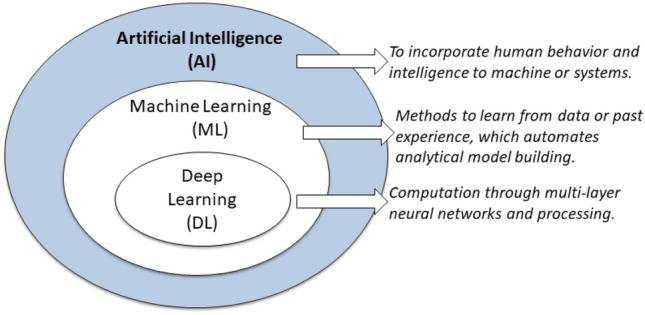
Artificial intelligence (AI) is a leading technology of the current age of the Fourth Industrial Revolution (Industry 4.0 or 4IR), with the capability of incorporating human behavior and intelligence into machines or systems. Thus, AI-based modeling is the key to build automated, intelligent, and smart systems according to today’s needs. To solve real-world issues, various types of AI such as analytical, functional, interactive, textual, and visual AI can be applied to enhance the intelligence and capabilities of an application. However, developing an effective AI model is a challenging task due to the dynamic nature and variation in real-world problems and data. In this paper, we present a comprehensive view on “AI-based Modeling” with the principles and capabilities of potential AI techniques that can play an important role in developing intelligent and smart systems in various real-world application areas including business, finance, healthcare, agriculture, smart cities, cybersecurity and many more. We also emphasize and highlight the research issues within the scope of our study. Overall, the goal of this paper is to provide a broad overview of AI-based modeling that can be used as a reference guide by academics and industry people as well as decision-makers in various real-world scenarios and application domains.
Overview
The claims and statistics of this paper haven’t been checked yet.
Free: it reads the open-access text and checks the first 5 claims that cite a source we can check. Create a free account to check every claim.
Integrity signals
Registry
Cites
Statistics
Figures
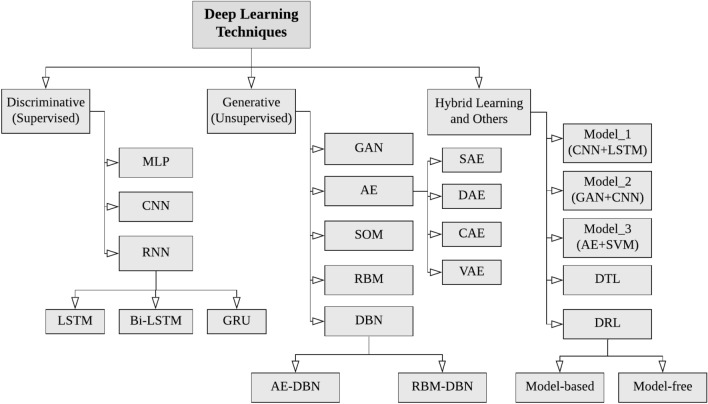
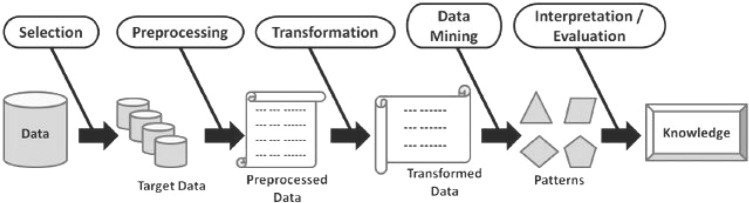
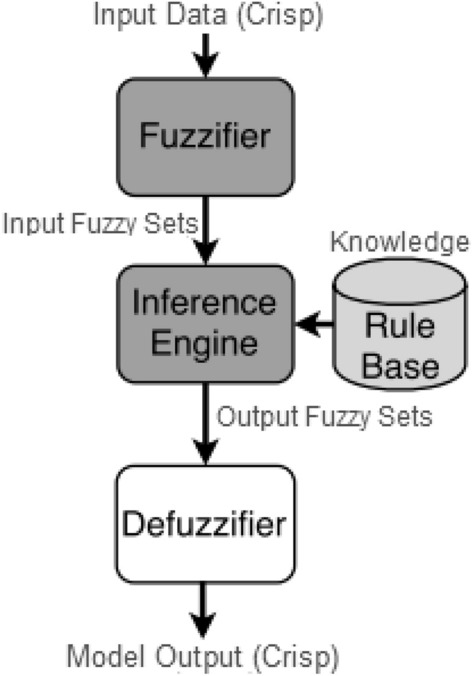
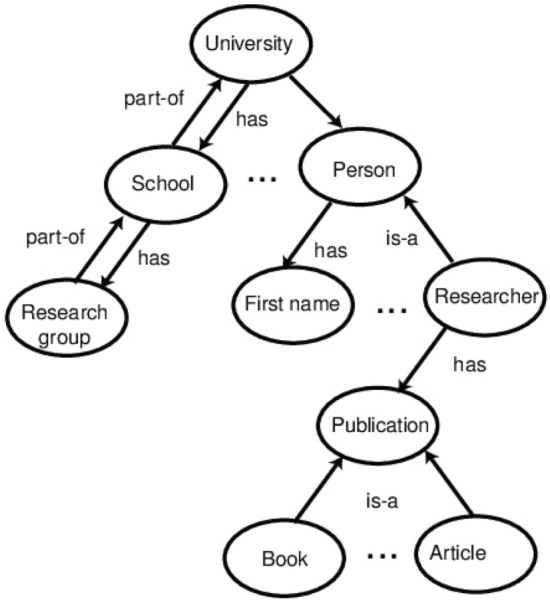
Verification
Claims the paper makes
The claims and statistics of this paper haven’t been checked yet.
Free: it reads the open-access text and checks the first 5 claims that cite a source we can check. Create a free account to check every claim.
Self-check
Percentages, sums and reported differences re-computed from the paper’s own numbers.
The self-check needs the paper’s full text.
Citations
Cites
1 retracted
Hybrid genetic algorithm and a fuzzy logic classifier for heart disease diagnosis
Reddy, G. T., Reddy, M. P. K., Lakshmanna, K., Rajput, D. S., Kaluri, R., & Srivastava, G. (2020) · Evolutionary Intelligence · doi:10.1007/s12065-019-00327-1 · Cited by 404 · cited 1×
“Reddy et al. [74], for example, use a fuzzy logic classifier for heart disease detection, with the derived rules from fuzzy classifiers being optimized using an adaptive genetic algorithm.”
MethodRetractedBreiman, L. (2001) · Machine Learning · doi:10.1023/a:1010933404324 · Cited by 133,538 · cited 1×
“…[4], Support vector machines [46], Decision Trees - ID3 [71], C4.5 [72], CART [15], BehavDT [84], IntrudTree [82], Ensemble learning, Random Forest [14], Linear regression [36], Support vector regression [46], etc. [81] are the popular techniques that can be used to solve various supervised…”
MethodScikit-learn: Machine Learning in Python
Pedregosa, F., Varoquaux, G., Gramfort, A., Michel, V., Thirion, B., Grisel, O., Blondel, M., Müller, A., Nothman, J., Louppe, G., et al. (2012) · arXiv · doi:10.48550/arxiv.1201.0490 · Cited by 71,016
Gradient-based learning applied to document recognition
Lecun, Y., Bottou, L., Bengio, Y., & Haffner, P. (1998) · Proceedings of the IEEE · doi:10.1109/5.726791 · Cited by 58,805 · cited 2×
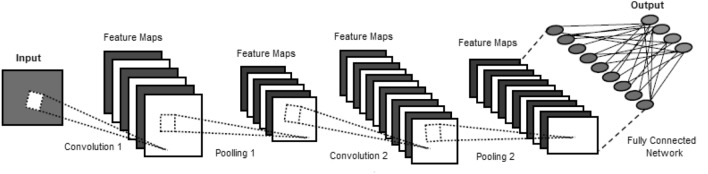
“Convolutional neural networks (CNN or ConvNet) [53, 80] have recently demonstrated considerable promise in a variety of computer vision tasks, including classification, object detection, and scene analysis.”
BackgroundData mining: concepts and techniques
(2012) · Choice Reviews Online · doi:10.5860/choice.49-3305 · Cited by 28,531
Data Mining: Practical Machine Learning Tools and Techniques
(2011) · Elsevier eBooks · doi:10.1016/c2009-0-19715-5 · Cited by 25,437
(1967) · Cited by 23,719
Classification and Regression Trees.
Gordon, A. D., Breiman, L., Friedman, J. H., Olshen, R. A., & Stone, C. J. (1984) · Biometrics · doi:10.2307/2530946 · Cited by 23,522
(1992) · Cited by 23,431
Quinlan, J. R. (1986) · Machine Learning · doi:10.1007/bf00116251 · Cited by 21,439 · cited 2×
“Navies Bayes [42], K-nearest neighbors [4], Support vector machines [46], Decision Trees - ID3 [71], C4.”
Method
Research works printed but not linked: 5
- Dupond S. A thorough review on the current advance of neural network structures. Annu Rev Control. 2019;14:200–30.
- Goodfellow I, Bengio Y, Courville A, Bengio Y. Deep learning, vol. 1. Cambridge: MIT press; 2016.
- Russell S, Norvig P. Artificial intelligence: a modern approach, global edition 4th. Foundations. 2021;19:23.
- Sarker IH, Colman A, Han J, Watters P. Context-aware machine learning and mobile data analytics: automated rule-based services with intelligent decision-making. Berlin: Springer; 2022.
- Thorvald Sorensen. method of establishing groups of equal amplitude in plant sociology based on similarity of species. Biol Skr. 1948;5:20.
Cited by
Items 401–500 of 1,001
Large language models for improving cancer diagnosis and management in primary health care settings
Andrew, A., & Tizzard, E. (2024) · Journal of Medicine Surgery and Public Health · doi:10.1016/j.glmedi.2024.100157 · Cited by 13
Optimizing AI-Assisted Code GenerationPreprint
Torka, S., & Albayrak, Ş. (2024) · arXiv (Cornell University) · doi:10.48550/arxiv.2412.10953 · Cited by 14
“On the economic side, the use of such AI techniques improves the efficiency and quality of software-intensive projects [96] and accelerates business processes, leading to higher productivity and profitability for companies [78].”
Peddinti, S. R., Katragadda, S., Pandey, B. K., & Tanikonda, A. (2025) · SSRN Electronic Journal · doi:10.2139/ssrn.5119925 · Cited by 24
Adewuyi, O. B., & Krishnamurthy, S. (2024) · Mathematics · doi:10.3390/math12193008 · Cited by 10
Establishing an AI-Based Framework for Strategic Decision Support in Higher Education Administration
Zhang, J., Goyal, S. B., Rajawat, A. S., & Shaari, R. B. (2024) · Lecture notes in networks and systems · doi:10.1007/978-981-97-6726-7_27 · Cited by 10
AL-Rawas, M., Qader, O. A. J. A., Othman, N. H., Ismail, N. H., Mamat, R., Halim, M. S., Abdullah, J. Y., & Noorani, T. Y. (2025) · Scientific Reports · doi:10.1038/s41598-025-95387-y · Cited by 13
Ramesh, D., Manickavel, P., Ghosh, S., & Bhat, M. (2025) · Journal of Clinical and Experimental Hepatology · doi:10.1016/j.jceh.2025.102611 · Cited by 11
Nwaichi, P. I., Ridzuan, N. B., Nwaichi, E. O., Umunnawuike, C., Nyah, F., Abutu, D., Money, B., & Agi, A. (2025) · Circular Economy and Sustainability · doi:10.1007/s43615-025-00684-3 · Cited by 12
Abdulmuhsin, A. A., Hussein, H. S., Rehman, S. U., Bhat, M. A., & Dbesan, A. H. (2025) · International Journal of Energy Sector Management · doi:10.1108/ijesm-01-2025-0031 · Cited by 16
Artificial intelligence, IoT, and solar PV-integrated home energy management systems: A review
Rokonuzzaman, M., Mishu, M. K., Yap, B. K., Nur-E-Alam, M., Rahman, K. S., Islam, A., Pasupuleti, J., & Amin, N. (2026) · Results in Engineering · doi:10.1016/j.rineng.2025.108954 · Cited by 21
Felizzato, G., Bagnulo, E., Tapparo, G., Botta, G., Cordero, C. E. I., Liberto, E., & Caratti, A. (2026) · Journal of Chromatography A · doi:10.1016/j.chroma.2026.467176 · Cited by 14
“Artificial Intelligence (AI) is a branch of computer science that focuses on the design and development of systems capable of performing tasks that normally require human abilities [1].”
Application of AI Technology in Program Management
Badmus, O. F. (2023) · Journal of Engineering Research and Reports · doi:10.9734/jerr/2023/v25i8958 · Cited by 12
“This improvement increases client happiness and reduces expenses [11].”
Use of Generative AI Tools to Facilitate Personalized Learning in the Flipped Classroom
Zhen, H., & Yahaya, W. A. J. W. (2024) · Advances in educational technologies and instructional design book series · doi:10.4018/979-8-3693-1351-0.ch016 · Cited by 11
Online performance and proactive maintenance assessment of data driven prediction models
Shen, Y., Wang, T., & Song, Z. (2024) · Journal of Intelligent Manufacturing · doi:10.1007/s10845-024-02357-8 · Cited by 10
“These methods improve the model’s generalization ability by different learning strategies (Chen & He, 2011; Krawczyk et al., 2017; Kusiak, 2023; Li et al., 2019; Sarker, 2022; Zhang et al., 2019; Zheng et al., 2022).”
Vidanage, K., Noor, N. M. M., & Sathsara, S. (2024) · International Journal of Information Technology · doi:10.1007/s41870-024-01900-3 · Cited by 11
“…I nvo l v i ng do m a i n s p ec i a li s t s a nd t ec h s p ec i a li s t s ov e r a ti m e f o r d a t a c o ll ec ti on a nd v a li d a ti on i s v e r y c o s tl y P e rf o r m a n ce no t gu a r a n t ee d [ 31– 33 ] H u m a n c ogn iti on do e s no t r e fl ec t a li n ea r b e h a v i o r .”
Ethical Implications in AI-Based Health Care Decision Making: A Critical Analysis
Kumar, A., & Upadhyay, U. (2024) · AI in Precision Oncology · doi:10.1089/aipo.2024.0007 · Cited by 11
“10,11 The literature reveals numerous studies showcasing the successful integration of AI in diverse medical specialties, from radiology and pathology to genomics and personalized medicine.”
Application of AI Technologies in STEAM School Education
Glushkova, T. A., & Malinova, A. (2024) · International Journal of Research in E-learning · doi:10.31261/ijrel.2024.10.1.01 · Cited by 12
Yaroğlu, A. C. (2024) · Kybernetes · doi:10.1108/k-09-2024-2379 · Cited by 13
AI-enhanced subsea maintenance for improved safety and efficiency: Exploring strategic approaches
Sofoluwe, O. O., Ochulor, O. J., Ukato, A., & Jambol, D. D. (2024) · International Journal of Science and Research Archive · doi:10.30574/ijsra.2024.12.1.0766 · Cited by 32
Terwilliger, E., Bcharah, G., Bcharah, H., Bcharah, E., Richardson, C., & Scheffler, P. (2024) · Cureus · doi:10.7759/cureus.64204 · Cited by 9
Blockchain and AI-Based Threat Detection for Enhanced Security in Financial Networks
Singh, K., & Sevukamoorthy, L. (2023) · IEEE Technology & Engineering Management Conference - Asia Pacific (TEMSCON-ASPAC) · doi:10.1109/temscon-aspac59527.2023.10531316 · Cited by 9
“A comprehensive overview of AI-based modelling can serve as a reference guide to academics, industry professionals, and decision-makers in a variety of real-world scenarios and application domains like finance [25].”
BackgroundTyshchuk, V. (2023) · International Comparative Jurisprudence · doi:10.13165/.icj.2024.06.005 · Cited by 15
A New Classification Model Using a Decision Tree Generated from Hyperplanes in Dimensional Space
Luna-Benoso, B., Martínez-Perales, J. C., Morales-Rodríguez, Ú. S., Flores-Carapia, R., & Silva-García, V. M. (2024) · Applied Artificial Intelligence · doi:10.1080/08839514.2024.2426377 · Cited by 10
“There is a wide variety of computational models to solve tasks of supervised learning, including K-Nearest Neighbors (K-NN), Naive Bayes, Support Vector Machine (SVM), Decision Trees, Random Forest, Artificial Neural Networks (ANNs), Linear Regression, Nonlinear Regression, and Support Vector Regression (Sarker 2022),…”
Smrke, U., Rehberger, A., Plohl, N., & Mlakar, I. (2025) · Applied Sciences · doi:10.3390/app15041937 · Cited by 14
Sediqi, S., Sui, J., & Li, G. (2025) · Journal of Hydrology · doi:10.1016/j.jhydrol.2025.133257 · Cited by 9
Aalavanthar, A., Famila, S., Sundaramurthy, S., Cirillo, S., Solimando, G., & Polese, G. (2025) · PeerJ Computer Science · doi:10.7717/peerj-cs.2922 · Cited by 12
Nzeako, T. R., Elendu, C., Echefu, G. C., Olanisa, O., Kiladejo, A., & Bob-Manuel, E. D. (2025) · Annals of Medicine and Surgery · doi:10.1097/ms9.0000000000003602 · Cited by 11
“Furthermore, ensemble learning methods combining patient history, imaging data, and hemodynamic parameters have attained up to 87% predictive accuracy, offering real-time decision support during procedures [ 7 ] .”
InfluentialManaging Transparency Fairness Accountability in AI for Sustainable Human Resource Management
Setiawati, R., Kusmara, A., & Kuusk, T. (2025) · International Conference on Creative Communication and Innovative Technology (ICCIT) · doi:10.1109/iccit65724.2025.11166968 · Cited by 19
Let’s Get Phygital: The Bright and Dark Sides of Generative AI for Phygital Customer Experience
Lim, W. M. (2025) · Journal of Strategic Marketing · doi:10.1080/0965254x.2025.2595087 · Cited by 9
Nourildean, S. W., Mefteh, W., & Frihida, A. (2025) · International Journal of Data Science and Analytics · doi:10.1007/s41060-025-00980-z · Cited by 9
“Machine learning algorithms can handle high nonlinear and dimensional data in addition to learn complex patterns from large volumes of data making them more suitable for complex IDS [38, 40].”
InfluentialAnalysis of Intrusion Detection in Cyber Attacks using Machine Learning Neural Networks
Amutha, S., Maheswari, G. U., & S, N. S. (2023) · International Conference on Sustainable Communication Networks and Application (ICSCNA) · doi:10.1109/icscna58489.2023.10370174 · Cited by 11
Ahmadzadeh, B., Patey, C., Hurley, O., KNIGHT, J. C., Norman, P., Farrell, A., Czarnuch, S. M., & Asghari, S. (2024) · JMIR Research Protocols · doi:10.2196/52612 · Cited by 11
“Different forms of AI, including analytical, functional, interactive, textual, and visual AI, can be used to improve an application’s intelligence and capabilities to solve problems in the real world [5].”
Hou, N. (2024) · International Journal of Information Systems and Supply Chain Management · doi:10.4018/ijisscm.341801 · Cited by 9
“Visitors should be able to experience the cultural and historical qualities of a beautiful region via wireless communication and entertainment services, so tourists can help support these scenic areas financially, and thus help them grow (Sarker, 2022).”
BackgroundRecommendation System: A transformative Artificial Intelligence Tool for E-commerce
Gupta, C. P., & Kumar, V. V. R. (2024) · International Conference on Informatics and Computational Sciences (ICICoS) · doi:10.1109/icicos62600.2024.10636825 · Cited by 11
“According to the author at [2], many types of AI can be utilized to increase an application's intelligence and skills in order to solve problems in the real world.”
BackgroundLoor-Torres, R., Wu, Y., Cabezas, E., Borras-Osorio, M., Toro-Tobón, D., Duran, M., Zahidy, M. A., Chavez, M. M., Jacome, C. S., Fan, J. W., et al. (2024) · Endocrine Practice · doi:10.1016/j.eprac.2024.08.008 · Cited by 9
Indrasiri, P. L., Kashyap, B., & Pathirana, P. N. (2025) · International Journal of Machine Learning and Cybernetics · doi:10.1007/s13042-025-02613-0 · Cited by 11
“Data plays a crucial role in numerous applications, and the growing number of artificial intelligence (AI) models based on big data continue to profoundly impact almost every aspect of modern society [1, 2].”
A Vision of the Future: Harnessing Artificial Intelligence for Strategic Social Marketing
Evans, W. D., Bardus, M., & French, J. (2024) · Businesses · doi:10.3390/businesses4020013 · Cited by 8
“These are the core areas of research in AI [20,21].”
BackgroundExploring Artificial Intelligence and Data Science-Based Security and its Scope in IoT Use Cases
Shaik, A., Unhelkar, B., & Chakrabarti, P. (2025) · International Journal of Computational and Experimental Science and Engineering · doi:10.22399/ijcesen.869 · Cited by 8
“Sarker et al. [42] provided an extensive overview of AI-based modeling, exploring various techniques and applications in diverse fields.”
Balel, Y., & Sağtaş, K. (2025) · BMC Oral Health · doi:10.1186/s12903-025-05932-4 · Cited by 8
“With the advancement of coding and software, automation has become possible in many systems [21, 22].”
Sartor, F., Rosito, S. A., Raimo, M., Beato, M., & Bertollo, M. (2025) · Psychology of sport and exercise · doi:10.1016/j.psychsport.2025.102977 · Cited by 8
Aljoumaa, H., Al-Shrouf, L., & Jelali, M. (2025) · Machine Learning and Knowledge Extraction · doi:10.3390/make7040155 · Cited by 8
Sharma, K., Bhatt, U., & Soni, V. (2026) · Journal of Plant Diseases and Protection · doi:10.1007/s10343-026-01334-w · Cited by 10
“AI encompasses a range of computational approaches designed to simulate human intelligence and extract meaningful patterns from complex datasets (Sarker et al. 2022).”
AL-Bukhaiti, K., Yanhui, L., Shichun, Z., & Han, D. (2023) · Practice Periodical on Structural Design and Construction · doi:10.1061/ppscfx.sceng-1421 · Cited by 8
Use of ChatGPT in health: benefits, hazards, and recommendations
Çiftçi, N., Sarman, A., Yıldız, M., & Çiftci, K. (2024) · Public Health · doi:10.1016/j.puhe.2023.12.032 · Cited by 8
Gowdar, I. M., Alateeq, A. A., Alnawfal, A. M. A., Alharbi, A. F. A., Alhabshan, A. M. S., Aldawsari, S. A., & AlHarbi, N. A. H. (2024) · Journal of Pharmacy And Bioallied Sciences · doi:10.4103/jpbs.jpbs_188_24 · Cited by 11
“[2] If AI is compared to the brain, then machine learning is the process through which AI gains new cognitive abilities, and deep learning is the most effective self‑training system now available.”
Mohapatra, A., Mohanty, P., Pattnaik, M., & Padhan, S. (2024) · Physiotherapy - The Journal of Indian Association of Physiotherapists · doi:10.4103/pjiap.pjiap_89_24 · Cited by 21
Design of Adaptive Fuzzy Modeling Based on Evolutionary Optimization Algorithms: A Comparative Study
Soliman, M., Abdel-Nasser, M., Tahhan, Z. A., & Abido, M. A. (2024) · Arabian Journal for Science and Engineering · doi:10.1007/s13369-024-09814-9 · Cited by 8
“These include but are not limited to, engineering [4, 5], finance [6], healthcare industry [7], and urban planning [8].”
Yadav, B. (2024) · Advances in healthcare information systems and administration book series · doi:10.4018/979-8-3693-6577-9.ch010 · Cited by 11
Mahapatra, C. (2025) · Bladder · doi:10.14440/bladder.2024.0054 · Cited by 8
“12 In healthcare, AI has gained momentum as a transformative technology that can revolutionize diagnostics, treatment planning, patient monitoring, and even administrative processes.”
Njuu, K. T., Runyoro, A.-A. K., & Dida, M. A. (2025) · Future Transportation · doi:10.3390/futuretransp5020045 · Cited by 8
Village 5.0: Enabling Technologies and its Applications in Development of Smart Village
Singh, K. B., Sengar, N., Das, D., & Misra, S. C. (2022) · IEEE International Symposium on Smart Electronic Systems (iSES) · doi:10.1109/ises54909.2022.00122 · Cited by 13
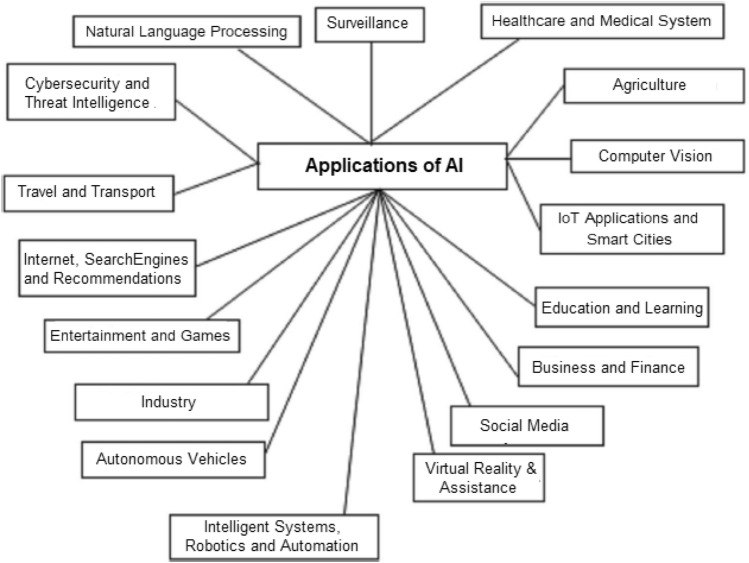
“AI is now applicable in a wide variety of areas such as AI in healthcare [14], AI in agriculture [15], AI in robotics [16], AI in autonomous vehicles [17], AI in services [18], AI in education [19], AI in automation [20] and many more.”
BackgroundThe End of Management Consulting as We Know it?
Sayyadi, M., Collina, L., & Provitera, M. J. (2023) · Management Consulting Journal · doi:10.2478/mcj-2023-0009 · Cited by 8
Optimizing AI for Mobile Malware Detection by Self-Built-Dataset GAN Oversampling and LGBM
Dayan, O., Wolf, L., Wang, F., & Harel, Y. (2023) · IEEE International Conference on Cyber Security and Resilience (CSR) · doi:10.1109/csr57506.2023.10224927 · Cited by 8
Coadaptation Between Smart Technologies and Older Adults Over Time: Protocol for a Scoping Review
Kokorelias, K. M., Grigorovich, A., Harris, M. T., Rehman, U., Ritchie, L., Levy, A., Denecke, K., & McMurray, J. (2023) · JMIR Research Protocols · doi:10.2196/51129 · Cited by 9
“These systems leverage technology to enhance functionality, automation, and interactivity [12] and are increasingly viewed as tools that expand both capability and capacity to support older adults, many of whom live with multiple chronic conditions and age in their homes [13].”
BackgroundNorena-Chávez, D. (2023) · Journal of Infrastructure Policy and Development · doi:10.24294/jipd.v7i2.2255 · Cited by 9
Lakkimsetti, M., Devella, S. G., Patel, K. B., Dhandibhotla, S., Kaur, J., Mathew, M., Kataria, J., Nallani, M., Farwa, U. E., Patel, T. D., et al. (2024) · Cureus · doi:10.7759/cureus.58400 · Cited by 12
Uddin, M. R., Sovon, M. S. I., Mondal, S., Ahmed, S., Al-Mizan, M. A., Aktar, F., & Amran, M. S. (2025) · SSRN Electronic Journal · doi:10.2139/ssrn.5505018 · Cited by 8
Barbhuiya, S., & Das, B. B. (2025) · Springer tracts in civil engineering · doi:10.1007/978-981-97-8975-7_2 · Cited by 12
Industry 5.0 and Artificial Intelligence
Priya, B., Sharma, V., & Sharma, R. (2025) · Wiley eBooks · doi:10.1002/9781394197798.ch7 · Cited by 7
Application of neural architecture search in lithology identification
Zhang, Y., Xiao, H., Du, M., Liu, Q., Tao, J., Luo, Y., Li, P., & Tan, J. (2025) · Journal of Petroleum Exploration and Production Technology · doi:10.1007/s13202-025-02039-y · Cited by 9
“More broadly, AI techniques—from CatBoost and random forests to convolutional and Long Short-Term Memory (LSTM) networks—drive automation and deci - sion-making in manufacturing, smart cities, healthcare, and beyond (Sarker 2022 ; Rashid and Kausik 2024 ).”
Sebuyoya, R., & O’Neil, G. D. (2025) · Current Opinion in Electrochemistry · doi:10.1016/j.coelec.2025.101772 · Cited by 12
Pergantis, P., Georgiou, K., Bardis, N. G., Skianis, C. A., & Drigas, A. S. (2026) · Children · doi:10.3390/children13020161 · Cited by 8
Al-Khamees, H. A. A., Smadi, A. A., Alsmadi, M. K., ALKannad, A. A., Abugabah, A., Almusfar, L. A., & AlThani, B. (2026) · Intelligent Systems with Applications · doi:10.1016/j.iswa.2026.200631 · Cited by 10
Lin, C. Y. C. (2026) · Human Resource Development Quarterly · doi:10.1002/hrdq.70012 · Cited by 8
Integrating Artificial Intelligence for Sustainable Development: A Fuzzy Decision-Making Approach
Bouraima, M. B. (2026) · Spectrum of Operational Research. · doi:10.31181/sor202776 · Cited by 7
Attribute-specific Cyberbullying Detection Using Artificial Intelligence
Orelaja, A., Ejiofor, C., Sarpong, S., Imakuh, S., Bassey, C., Opara, I., Tettey, J. N. A., & Akinola, O. A. (2024) · Journal of Electronic & Information Systems · doi:10.30564/jeis.v6i1.6206 · Cited by 9
“Artificial intelligence (AI) is a field of computer science that aims to create machines or systems that can perform tasks that require human intelligence, such as reasoning, learning, and decision-making [6] .”
BackgroundAnalyst’s Perception on the Use of AI-based Tools in the Software Development Life Cycle
Giffari, R., Ridho, M. M., Sensuse, D. I., Hidayat, D. S., & Purwaningsih, E. H. (2024) · Jurnal Sistem Informasi · doi:10.21609/jsi.v20i1.1399 · Cited by 11
Mazurkiewicz, D., Sobecki, P., Żabiński, T., & Piecuch, G. (2024) · Expert Systems with Applications · doi:10.1016/j.eswa.2024.123945 · Cited by 8
DTXG-RF-based Intrusion Detection System for Artificial IoT Cyber Attacks
Nourildean, S. W., Mefteh, W., & Frihida, A. (2025) · Engineering Technology & Applied Science Research · doi:10.48084/etasr.9464 · Cited by 7
The critical importance of non-technical skills in developing surgical teams in the digital era
Rehman, U., Sarwar, M. S., Jarvis, S., Oeppen, R. S., & Brennan, P. A. (2025) · Surgery (Oxford) · doi:10.1016/j.mpsur.2025.01.005 · Cited by 8
Advanced AI-ML Techniques for Predictive Maintenance and Process Automation in Manufacturing Systems
Researcher, I., Keskar, A., Jain, S., & Researcher, I. (2022) · International Journal of Innovative Research in Computer and Communication Engineering · doi:10.15680/ijircce.2022.1001001 · Cited by 10
Stremmel, W., & Weiskirchen, R. (2025) · Metabolism and Target Organ Damage · doi:10.20517/mtod.2024.138 · Cited by 8
Maher, B., Jiménez-Delgado, A., de-Gracia-Soriano, P., & Nemroudi, R. (2025) · Heritage · doi:10.3390/heritage8040139 · Cited by 8
“This research will utilize ChatGPT, an AI-based tool developed by OpenAI, a non-profit research organization dedicated to advancing and guiding artificial intelligence technologies [26], a tool that claims to be capable of automatically generating original texts [27].”
Bridging Gaps: AI-Driven Accessibility in Language Education
Asrifan, A., Shafa, S., Pratiwi, W. R., Bahri, A., Siregar, S. R., & Ingilan, S. S. (2025) · Advances in computational intelligence and robotics book series · doi:10.4018/979-8-3693-7260-9.ch006 · Cited by 7
Li, Y., Harris, M. J., Dawod, A. Y., & Lawanna, T. (2025) · IEEE Access · doi:10.1109/access.2025.3568834 · Cited by 8
“At the core is Artificial Intelligence (AI), which entails creating intelligent systems to carry out activities that normally require for human intelligence [35].”
The use of artificial intelligence in damage assessment of historical buildings
Ararat, M. B., & Yenice, T. K. (2025) · Frontiers of Architectural Research · doi:10.1016/j.foar.2025.06.008 · Cited by 9
Development of an artificial intelligence framework to combat tax noncompliance in Botswana
Munjeyi, E., & Schutte, D. (2025) · Acta Commercii · doi:10.4102/ac.v25i1.1379 · Cited by 10
“Furthermore, the creation of AI tools that operate offline or with minimal connectivity addresses infrastructural limitations in resource-constrained environments, demonstrating responsiveness to institutional needs for practical and accessible solutions (Sarker 2022).”
Should we adopt a prognosis-based approach to unexplained infertility?
Shingshetty, L., Maheshwari, A., McLernon, D. J., & Bhattacharya, S. (2022) · Human Reproduction Open · doi:10.1093/hropen/hoac046 · Cited by 9
“Machine learning approaches may also be at risk of bias—especially with models based on smaller datasets (Andaur Navarro et al., 2021)—and all models need to be validated before they can be used in clinical practice (Linardatos et al., 2021; Sarker, 2022).”
Impediments of Cognitive System Engineering in Machine-Human Modeling
Fayaz, F. A., Malik, A., Batra, I., Gardezi, A. A., Ansarullah, S. I., Ahmad, S., Alqahtani, M. A., & Shafiq, M. (2022) · Computers, materials & continua/Computers, materials & continua (Print) · doi:10.32604/cmc.2023.032998 · Cited by 7
Applications of Artificial Intelligence (AI) in Cannabis Industries: In Vitro Plant Tissue Culture
Malabadi, R. B., Nethravathi, T. L., Kolkar, K. P., CHALANNAVAR, R. K., Mudigoudra, B. S., Abdi, G., & Baijnath, H. (2023) · International Journal of Research and Innovation in Applied Science · doi:10.51584/ijrias.2023.8703 · Cited by 7
A survey of AI-based robotic process automation for businesses and organizations
Da, N. T., Le, H.-S., Nguyen, T.-D.-N., Lam, H.-T., Tran, T.-A., & Tran, Q.-T. (2023) · Science and Technology Development Journal · doi:10.32508/stdj.v26i3.4091 · Cited by 10
A Comprehensive Overview of Artificial Intelligence-Based Classification Techniques
Kaur, M. (2024) · International Journal of Science and Research Archive · doi:10.30574/ijsra.2024.11.2.0387 · Cited by 7
Yapay Zekâ Destekli Sohbet Robotları ile Tatil Rotası Belirleme: Karşılaştırmalı Bir Analiz
Çiçekdağı, M. (2024) · Çatalhöyük Uluslararası Turizm ve Sosyal Araştırmalar Dergisi · doi:10.58455/cutsad.1470842 · Cited by 7
Blockchain and IOT Devices: A Futuristic Approach for Digital and Smart Supply Chain
Jain, B., Ghosal, I., Chotia, A., & Jayarathne, P. G. S. A. (2024) · Financial Mathematics and Fintech · doi:10.1007/978-3-031-47324-1_5 · Cited by 7
Khawaldeh, A. M. (2024) · International Journal for the Semiotics of Law - Revue internationale de Sémiotique juridique · doi:10.1007/s11196-024-10199-z · Cited by 7
Effects of AI-Generated Misinformation and Disinformation on the Economy
KARAŞ, Z. (2024) · Düzce Üniversitesi Bilim ve Teknoloji Dergisi · doi:10.29130/dubited.1537268 · Cited by 12
AI evolution and its role in transforming the automation of commercial activities
Lukash, M., Chuprun, Y., Лисак, О. І., Husakovskyi, A., & Ганганов, К. Є. (2025) · LatIA · doi:10.62486/latia2025344 · Cited by 7
Adaptive Application Security Testing with AI Automation
Paidy, P. (2023) · International Journal of AI BigData Computational and Management Studies · doi:10.63282/3050-9416.ijaibdcms-v4i1p106 · Cited by 9
Ersöz, B., Öter, A., Berktaş, Z., Bülbül, H. İ., Bartolomeo, A. D., Sağıroğlu, Ş., & Orhan, E. O. (2025) · FlatChem · doi:10.1016/j.flatc.2025.100847 · Cited by 6
Lab-to-Field Generalization Gap: Assessment of Transfer Learning for Bearing Fault Detection
Iunusova, E., & Archenti, A. (2025) · Applied Sciences · doi:10.3390/app15126804 · Cited by 6
Revisiting the Interlink between Artificial Intelligence, Market Competition, and Consumer Behaviour
GUNAWAN, W. B. (2025) · JAMI Jurnal Ahli Muda Indonesia · doi:10.46510/jami.v6i1.356 · Cited by 6
Porkodi, S., Tantravahi, V. V. P. K., & Tabash, B. K. H. (2025) · International journal of production management and engineering · doi:10.4995/ijpme.2025.22632 · Cited by 8
(2025) · Journal of Logistics Informatics and Service Science · doi:10.33168/jliss.2025.0408 · Cited by 9
Jamaludin, N. J., Abdullah, A. F., Muhadi, N. A., & Wayayok, A. (2025) · Journal of Atmospheric and Solar-Terrestrial Physics · doi:10.1016/j.jastp.2025.106618 · Cited by 8
Large Language Model-Based Autonomous Agent for Prognostics and Health Management
Cha, M., Yoon, S.-I., Kim, S., Kang, D., Nam, K., Lee, T., & Kim, J.-Y. (2025) · Machines · doi:10.3390/machines13090831 · Cited by 9
Mansour, M. M., Lafta, A. M., Salman, A. M., & Salman, H. S. (2025) · Vokasi UNESA Bulletin of Engineering, Technology and Applied Science · doi:10.26740/vubeta.v2i2.38200 · Cited by 6
(2023) · Journal of System and Management Sciences · doi:10.33168/jsms.2023.0333 · Cited by 8
“Nowadays, the implementation of AI can be carried out in various forms and is widely used to create automated, thoughtful, and intelligent systems based on users' needs (Sarker, 2022).”
ChatGPT Versus National Eligibility cum Entrance Test for Postgraduate (NEET PG)
Paul, S., Govindaraj, S., & Jk, J. (2024) · Cureus · doi:10.7759/cureus.63048 · Cited by 6
Introduction to Hyperautomation
Darwish, D. A. M. (2024) · Advances in business information systems and analytics book series · doi:10.4018/979-8-3693-3354-9.ch001 · Cited by 6
Artificial intelligence generates proficient Spanish obstetrics and gynecology counseling templates
Solmonovich, R. L., Kouba, I., Quezada, O., Rodríguez-Ayala, G., Rojas, V., Bonilla, K., Espino, K., & Bracero, L. A. (2024) · AJOG Global Reports · doi:10.1016/j.xagr.2024.100400 · Cited by 6
Metadata
- Authors
- Sarker, I. H.
- Affiliations
- Chittagong University of Engineering & Technology (BD)
- Corresponding author
- Sarker, Iqbal H.
- ORCID
- Sarker, Iqbal H.
- Venue
- SN Computer Science
- Published
- 2022-02-10
- Volume
- 3
- Issue
- 2
- Pages
- 158-158
- ISSN
- 2661-8907 (ISSN-L)
- 2662-995X
- PMC
- PMC8830986
- OpenAlex
- W4225716729
- Cited by
- 1,208
- References
- 115
- Citations by year
- 2026: 228 · 2025: 395 · 2024: 361 · 2023: 184 · 2022: 39
- FWCI
- 17.11
- Type
- journal article
- Language
- en
- Open access
- hybrid
- doi.org
- Licence
- cc-by
- creativecommons.org/licenses/by/4.0 (tdm)
- creativecommons.org/licenses/by/4.0 (vor)
- Locations
- SN Computer Science (publishedVersion, cc-by)
- Preprints.org (acceptedVersion, cc-by)
- PubMed Central (publishedVersion, cc-by)
- PubMed (publishedVersion)
- Funders
- Swinburne University of Technology
- Topics
- Physical Sciences › Computer Science › Artificial Intelligence › Artificial Intelligence Applications
- Physical Sciences › Computer Science › Information Systems › Internet of Things and AI
- Social Sciences › Decision Sciences › Management Science and Operations Research › Impact of AI and Big Data on Business and Society
- Keywords
- artificial intelligence techniques, intelligent systems, automation, Industry 4.0, interactive AI, artificial intelligence in business, artificial intelligence in finance, artificial intelligence in healthcare, smart cities, cybersecurity
About these checks
Registry, retraction, Cites and statistics results are computed, not judged, with one exception: a printed reference that no index lists is read once by a model before it counts as a citation error. Claims are extracted by a model and kept only when their quote appears verbatim in the text; each cited source is then checked, with a model’s help, for whether it says what the claim relies on. Those verdicts can be wrong — read the claim’s quote and the cited source before relying on one.
Statistics and arithmetic are recomputed, not judged.
Confidence bands are shown only for fields calibrated on our annotated test set. None is calibrated yet, so no band is shown.
What counts as a claim ›How we measure confidence ›How we check this ›
Are you an author, or do you see a problem with this page? Request a review
Data sources
Bibliographic data: Semantic Scholar, OpenAlex, Crossref.
Contains information from the Semantic Scholar Academic Graph Datasets, made available under the ODC Attribution License (ODC-BY 1.0).
Semantic Scholar’s data is described in: Kinney, R., et al. (2023). The Semantic Scholar Open Data Platform. arXiv:2301.10140.
