

AI-Based Modeling: Techniques, Applications and Research Issues Towards Automation, Intelligent and Smart Systems
Open accessPublished version of a preprint
The DOI matches its Crossref record; 116 of the 116 references it cites were found in a registry or an index.
Abstract
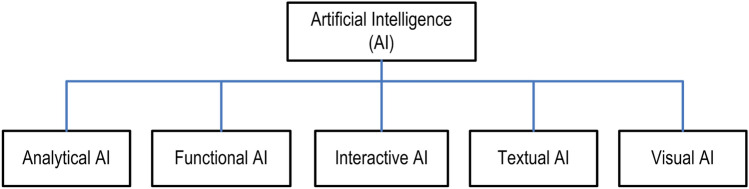
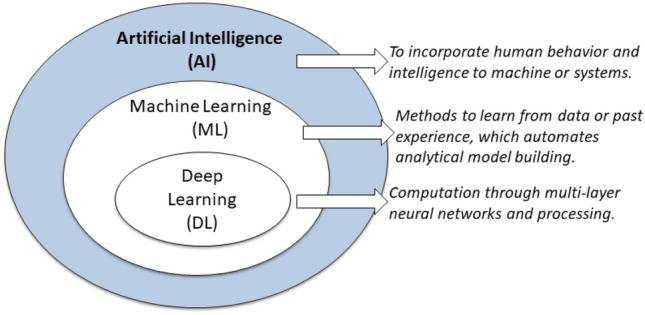
Artificial intelligence (AI) is a leading technology of the current age of the Fourth Industrial Revolution (Industry 4.0 or 4IR), with the capability of incorporating human behavior and intelligence into machines or systems. Thus, AI-based modeling is the key to build automated, intelligent, and smart systems according to today’s needs. To solve real-world issues, various types of AI such as analytical, functional, interactive, textual, and visual AI can be applied to enhance the intelligence and capabilities of an application. However, developing an effective AI model is a challenging task due to the dynamic nature and variation in real-world problems and data. In this paper, we present a comprehensive view on “AI-based Modeling” with the principles and capabilities of potential AI techniques that can play an important role in developing intelligent and smart systems in various real-world application areas including business, finance, healthcare, agriculture, smart cities, cybersecurity and many more. We also emphasize and highlight the research issues within the scope of our study. Overall, the goal of this paper is to provide a broad overview of AI-based modeling that can be used as a reference guide by academics and industry people as well as decision-makers in various real-world scenarios and application domains.
Overview
The claims and statistics of this paper haven’t been checked yet.
Free: it reads the open-access text and checks the first 5 claims that cite a source we can check. Create a free account to check every claim.
Integrity signals
Registry
Cites
Statistics
Figures
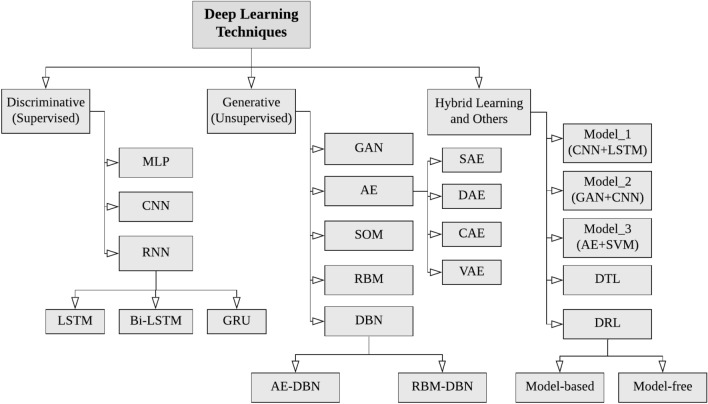
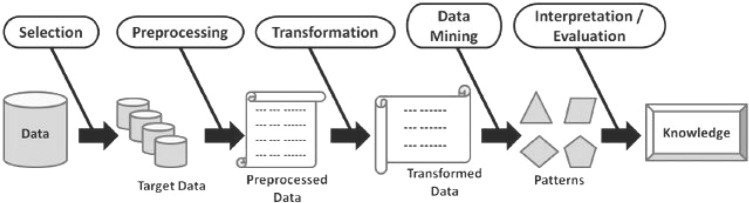
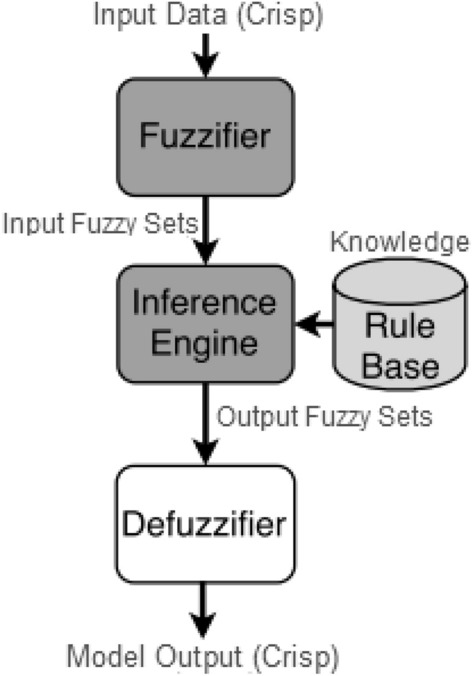
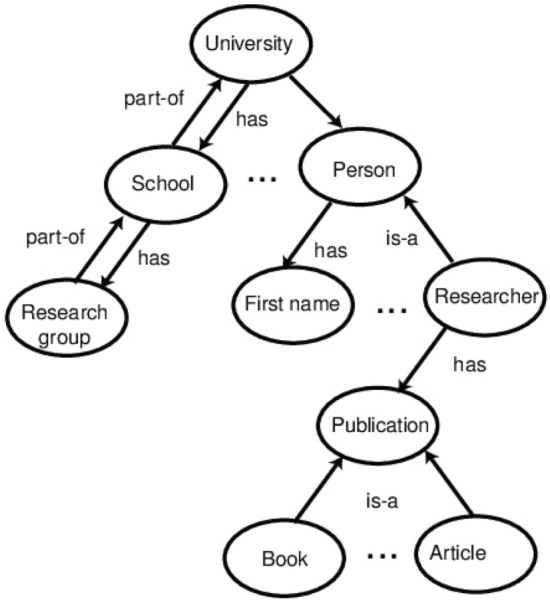
Verification
Claims the paper makes
The claims and statistics of this paper haven’t been checked yet.
Free: it reads the open-access text and checks the first 5 claims that cite a source we can check. Create a free account to check every claim.
Self-check
Percentages, sums and reported differences re-computed from the paper’s own numbers.
The self-check needs the paper’s full text.
Citations
Cites
1 retracted
Hybrid genetic algorithm and a fuzzy logic classifier for heart disease diagnosis
Reddy, G. T., Reddy, M. P. K., Lakshmanna, K., Rajput, D. S., Kaluri, R., & Srivastava, G. (2020) · Evolutionary Intelligence · doi:10.1007/s12065-019-00327-1 · Cited by 404 · cited 1×
“Reddy et al. [74], for example, use a fuzzy logic classifier for heart disease detection, with the derived rules from fuzzy classifiers being optimized using an adaptive genetic algorithm.”
MethodRetractedBreiman, L. (2001) · Machine Learning · doi:10.1023/a:1010933404324 · Cited by 133,538 · cited 1×
“…[4], Support vector machines [46], Decision Trees - ID3 [71], C4.5 [72], CART [15], BehavDT [84], IntrudTree [82], Ensemble learning, Random Forest [14], Linear regression [36], Support vector regression [46], etc. [81] are the popular techniques that can be used to solve various supervised…”
MethodScikit-learn: Machine Learning in Python
Pedregosa, F., Varoquaux, G., Gramfort, A., Michel, V., Thirion, B., Grisel, O., Blondel, M., Müller, A., Nothman, J., Louppe, G., et al. (2012) · arXiv · doi:10.48550/arxiv.1201.0490 · Cited by 71,016
Gradient-based learning applied to document recognition
Lecun, Y., Bottou, L., Bengio, Y., & Haffner, P. (1998) · Proceedings of the IEEE · doi:10.1109/5.726791 · Cited by 58,805 · cited 2×
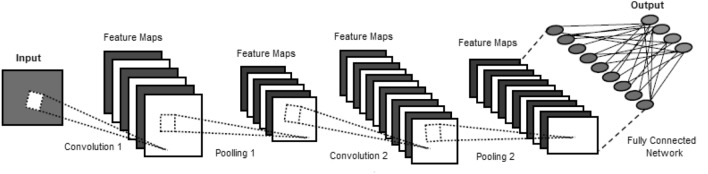
“Convolutional neural networks (CNN or ConvNet) [53, 80] have recently demonstrated considerable promise in a variety of computer vision tasks, including classification, object detection, and scene analysis.”
BackgroundData mining: concepts and techniques
(2012) · Choice Reviews Online · doi:10.5860/choice.49-3305 · Cited by 28,531
Data Mining: Practical Machine Learning Tools and Techniques
(2011) · Elsevier eBooks · doi:10.1016/c2009-0-19715-5 · Cited by 25,437
(1967) · Cited by 23,719
Classification and Regression Trees.
Gordon, A. D., Breiman, L., Friedman, J. H., Olshen, R. A., & Stone, C. J. (1984) · Biometrics · doi:10.2307/2530946 · Cited by 23,522
(1992) · Cited by 23,431
Quinlan, J. R. (1986) · Machine Learning · doi:10.1007/bf00116251 · Cited by 21,439 · cited 2×
“Navies Bayes [42], K-nearest neighbors [4], Support vector machines [46], Decision Trees - ID3 [71], C4.”
Method
Research works printed but not linked: 5
- Dupond S. A thorough review on the current advance of neural network structures. Annu Rev Control. 2019;14:200–30.
- Goodfellow I, Bengio Y, Courville A, Bengio Y. Deep learning, vol. 1. Cambridge: MIT press; 2016.
- Russell S, Norvig P. Artificial intelligence: a modern approach, global edition 4th. Foundations. 2021;19:23.
- Sarker IH, Colman A, Han J, Watters P. Context-aware machine learning and mobile data analytics: automated rule-based services with intelligent decision-making. Berlin: Springer; 2022.
- Thorvald Sorensen. method of establishing groups of equal amplitude in plant sociology based on similarity of species. Biol Skr. 1948;5:20.
Cited by
Items 801–900 of 1,001
Chaalal, H., Chemrak, M. A., & Khatemi, F. (2024) · STUDIES IN ENGINEERING AND EXACT SCIENCES · doi:10.54021/seesv5n2-347 · Cited by 4
Application and Innovation of Artificial Intelligence in Forensic Medicine
Qi, M., Zhou, D., & Yu, X. (2024) · Computer and Information Science · doi:10.5539/cis.v17n2p52 · Cited by 2
“Today, artificial intelligence can be regarded as a domain-specific modeling tool (Sarker, 2022).”
BackgroundLuo, N. (2024) · Pakistan Journal of Life and Social Sciences (PJLSS) · doi:10.57239/pjlss-2024-22.2.001196 · Cited by 2
Reddy, G. S., Rizvi, H. A., Kochhar, H. K., Shaikh, A., Udhayakumar, R., & Dhanraj, J. A. (2024) · International Conference on Contemporary Computing and Informatics (IC3I) · doi:10.1109/ic3i61595.2024.10828612 · Cited by 2
Emotion recogntion using EEG signals for health care monitoring
Haritha, M., Kumar, R., & Sai, Y. P. (2025) · AIP conference proceedings · doi:10.1063/5.0243808 · Cited by 2
Real-Time Robbery Detection in Public Transport Using Audio Recordings and Deep Learning
Jalili, L. D., Espejel-Cabrera, J., Castilla, J. S. R., & Cervantes, J. (2025) · SN Computer Science · doi:10.1007/s42979-025-03903-8 · Cited by 3
Malaise of Artificial Intelligence in Education: A Reflective Stance
Ansari, A. N., Panjwani, F., Ahmad, S., & Bhutta, S. M. (2025) · Advances in computational intelligence and robotics book series · doi:10.4018/979-8-3693-7873-1.ch013 · Cited by 3
Hand gesture recognition using deep learning techniques
Bavatharini, Sundar, G. N., Narmadha, D., & Abraham, J. (2025) · AIP conference proceedings · doi:10.1063/5.0269067 · Cited by 2
Petrov, I., Chikurtev, D., & Krusteva, A. (2025) · Conference on Electrical Machines, Drives and Power Systems (ELMA) · doi:10.1109/elma65795.2025.11083516 · Cited by 2
Stręk, A., Dudzik, M., & Machniewicz, T. (2025) · Materials · doi:10.3390/ma18194492 · Cited by 3
“There is a wide variety of AI methods used in modelling [57,58], among which, the following techniques of machine learning are applied in modelling the behaviour of metal foams and sponges: artificial neural networks (ANNs, NNs) [59,60], convolutional neural networks (CNNs) [61,62], decision trees…”
Advancing Education through AI: The Role of ChatGPT as Virtual Tutors in the Future of Learning
Graefen, B., & Fazal, N. (2023) · Annals of Pharmacy Education Safety and Public Health Advocacy · doi:10.51847/luftksf1zo · Cited by 2
Nikentari, L. A., Kristianto, H., Yuliatun, L., Haedar, A., & Irawan, P. L. T. (2025) · International Emergency Nursing · doi:10.1016/j.ienj.2025.101700 · Cited by 2
Machine learning and nanoparticles for enhancing condensate recovery in gas condensate reservoirs
Akbari, A., Seifi, F., Kazemzadeh, Y., & Ahmadi, S. (2025) · The Canadian Journal of Chemical Engineering · doi:10.1002/cjce.70119 · Cited by 2
Wanping, Y., Aslam, N., & Saeed, R. (2025) · Energy & Environment · doi:10.1177/0958305x251375955 · Cited by 3
Transformasi Profesi Akuntan di Era Artificial Intelligence (AI) : Systematic Literature Review
Bon, S. F., & Arthana, I. K. (2025) · Jurnal Riset Akuntansi (JUARA) · doi:10.36733/juara.v15i1.11030 · Cited by 3
The "economic cross" model as a tool for building a digital model of the regional industry complex
Timokhin, D. V. (2022) · Procedia Computer Science · doi:10.1016/j.procs.2022.11.137 · Cited by 2
Smart Systems and Services by Artificial Intelligence Algorithms
Saxena, E., Shoran, P., & Yadav, M. (2023) · Advances in environmental engineering and green technologies book series · doi:10.4018/978-1-6684-6413-7.ch015 · Cited by 2
The Role of Artificial Intelligence in Marketing Analytics
-, Z. N., Kun, Z., -, Z. C., & -, A. G. (2023) · International Journal For Multidisciplinary Research · doi:10.36948/ijfmr.2023.v05i04.4956 · Cited by 2
“The integration of artificial intelligence (AI) in marketing analytics carries noteworthy ramifications for enterprises, such as enhanced customer segmentation, heightened personalization, and augmented targeting efficacy (Sarker, 2022).”
BackgroundAn overview on Pharmaceutical Software
(2023) · International Research Journal of Modernization in Engineering Technology and Science · doi:10.56726/irjmets47081 · Cited by 2
Automated and intelligent system for World Health Organization data forecasting
Soares, F., & de Freitas, H. C. (2023) · Expert Systems · doi:10.1111/exsy.13521 · Cited by 2
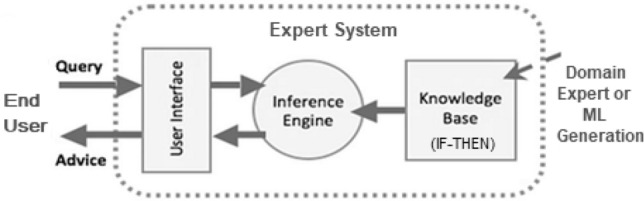
“All of these techniques can be important for developing expert systems in several real-world application areas, including healthcare (Sarker, 2022).”
BackgroundÖlgen, B., & Cucuzzella, C. (2024) · Frontiers of artificial intelligence, ethics and multidisciplinary applications. · doi:10.1007/978-981-99-9836-4_26 · Cited by 2
Scientific Knowledge Database to Support Cybersickness Detection and Prevention
França, M., Amaral, Â., Rosa, F. D. F., & Bonacin, R. (2024) · Lecture notes in computer science · doi:10.1007/978-3-031-61041-7_12 · Cited by 2
Kemothi, S., Jayakumar, S. S., Kolaventi, S. S., Satapathy, P., Sudheer, K., Ahluwalia, G., & Kataria, A. (2024) · Seminars in Medical Writing and Education · doi:10.56294/mw2024506 · Cited by 2
AI-Based Prediction Models for Network Security Attacks: A Comparative StudyPreprint
Sharma, B., & Hooda, S. (2023) · SSRN Electronic Journal · doi:10.2139/ssrn.4638515 · Cited by 4
Enhancing Industrial Automation through Efficient Technology Management in SocietyPreprint
Aithal, P. S. (2024) · SSRN Electronic Journal · doi:10.2139/ssrn.4674882 · Cited by 2
A Systematic Review of Communication Augmented by Human Intelligence and Artificial Intelligence
Ahmad, A., & Prasad, P. V. S. (2023) · Advances in environmental engineering and green technologies book series · doi:10.4018/979-8-3693-0892-9.ch001 · Cited by 1
Dijital İllüstrasyon Uygulamalarında Kinetik Evrensel Bilinç
Uslu, Y. (2023) · Özgür Yayınları eBooks · doi:10.58830/ozgur.pub345.c1510 · Cited by 2
The Opportunities Given by ChatGPT to Health Science Education
Akgün, B. M. (2023) · Journal of studies in advanced technologies. · doi:10.5281/zenodo.10444932 · Cited by 1
Geospatial and Forecasting on Twitter Crime-A Review of Research
Narmadha Devi., A. S., Sivakumar, K., Kumari, V. S., Selvi, G. V., Ponmaniraj, S., & Nanthini, S. (2023) · International Conference on Intelligent Computing and Control for Engineering and Business Systems (ICCEBS) · doi:10.1109/iccebs58601.2023.10448754 · Cited by 1
Li, Y. (2024) · Journal of Electrical Systems · doi:10.52783/jes.1704 · Cited by 1
Research on the Development of Inclusive Finance in Hong Kong: A Fintech Perspective
Xiangshan, C. (2024) · International Journal of Economics and Finance · doi:10.5539/ijef.v16n5p28 · Cited by 2
Wang, Q. (2024) · Journal of Electrical Systems · doi:10.52783/jes.3104 · Cited by 1
Naranjo‐Castañeda, C., Coello, C. A. C., & Juaristi, E. (2024) · ARKIVOC · doi:10.24820/ark.5550190.p012.195 · Cited by 2
Unveiling the Metaverse: A Deep Dive Into the Influence of Artificial Intelligence and Data Science
Asrifan, A., & Dewi, A. C. (2024) · Advances in computer and electrical engineering book series · doi:10.4018/979-8-3693-5762-0.ch003 · Cited by 1
CORR ® Curriculum—Orthopaedic Education: Artificial Intelligence and Surgical Assessment
Dougherty, P. J., & Andreatta, P. (2024) · Clinical Orthopaedics and Related Research · doi:10.1097/corr.0000000000003235 · Cited by 1
“AI will only work if these explicit performance standards are established by surgeons who are currently credentialed as experts in their given specialty scope of practice [2, 14].”
AI in Business and Finance: A Micro-to-Macro Perspective on Its Impact
Shehzadi, A., Amjad, M. S., Anwar, M. N., Satti, F. A., & Fraz, M. M. (2024) · Archives of Business Research · doi:10.14738/abr.1210.17781 · Cited by 1
Socio Connect: Bridging Citizens and Government Initiatives with Intelligent Systems
Palaniappan, S. (2024) · Journal of Electrical Systems · doi:10.52783/jes.6663 · Cited by 1
“Traditional methods of information dissemination have proven insufficient to bridge this gap, highlighting the need for a more inclusive and user-friendly approach [3][4].”
BackgroundTang, V., Wong, L., Lam, H. Y., & Tang, Y. M. (2024) · International Conference on Decision Science & Management (ICDSM) · doi:10.1145/3686081.3686126 · Cited by 2
“Sarker [8] further segmented AI technologies into five functionalities that handle analytical, functional, interactive, textual, and visual matter.”
Menon, S., Patel, R., & Musuku, S. R. (2024) · Academic Medicine & Surgery · doi:10.62186/001c.126332 · Cited by 3
AI-Driven Innovations in Pedagogical and Andragogical Approaches: A Case Study Analysis
Asrifan, A., Shafa, S., Octaberlina, L. R., Ersyad, Z. M., Hermansyah, S., & Amri, N. A. (2024) · Advances in educational technologies and instructional design book series · doi:10.4018/979-8-3693-6130-6.ch009 · Cited by 3
AI Applications in the Configuration and Calibration of Industrial Machines
Calado, J. S., Ferreira, J. C., Mendonça, J. P., & Jardim‐Gonçalves, R. (2024) · IEEE International Conference on Engineering, Technology and Innovation (ICE/ITMC) · doi:10.1109/ice/itmc61926.2024.10794282 · Cited by 1
“AI technologies encompass a broad range of techniques, including machine learning, deep learning, and predictive analytics, which enable machines to learn from data, adapt to changing conditions, and make autonomous decisions [7].”
Integrating Policy, Governance, and Law in Regulating AI for Sustainable Environmental Protection
Sahu, S., Mallick, N., & Patnaik, S. (2025) · Practice, progress, and proficiency in sustainability · doi:10.4018/979-8-3693-8684-2.ch007 · Cited by 1
Datenmanagement 4.0: Künstliche Intelligenz als Treiber für innovative Forschungsinformationssysteme
Azeroual, O., Störl, U., Rothfritz, L., Schöpfel, J., Herb, U., & Borges, G. (2025) · Information - Wissenschaft & Praxis · doi:10.1515/iwp-2024-2048 · Cited by 1
Forecasting Model for Danube River Water Temperature Using Artificial Neural Networks
Ionescu, C. S., Opriș, I., Nistoran, D. E. G., & Baciu, C.-A. (2025) · Hydrology · doi:10.3390/hydrology12020021 · Cited by 1
Qasemy, H. E. (2025) · Westcliff International Journal of Applied Research · doi:10.47670/wuwijar20251heq · Cited by 1
“AI comes in various forms; analytical, functional, interactive, textual, and visual (Sarker, 2022).”
Synthetic Image Data Generation via Rendering Techniques for Training AI-Based Instance Segmentation
Kho, D. Y. C., Sazali, N., Ishak, I., & Ghani, S. A. C. (2024) · Journal of Advanced Research in Applied Sciences and Engineering Technology · doi:10.37934/araset.53.1.237248 · Cited by 1
Yapay Zekâ Destekli Karar Destek Sistemleri ve Yönetim Bilişim Sistemlerine Entegrasyonu
Sinap, V. (2025) · Özgür Yayınları eBooks · doi:10.58830/ozgur.pub700.c2985 · Cited by 3
Kayusi, F., Chavula, P., Juma, L., & Mishra, R. (2023) · LatIA · doi:10.62486/latia202582 · Cited by 1
Multilevel Modeling of Training Needs in Artificial Intelligence
Distefano, V., Maggio, S., & Iaco, S. D. (2025) · Social Indicators Research · doi:10.1007/s11205-025-03544-7 · Cited by 1
“…of the energy systems and decreasing the costs (Olabi et al., 2023), in the business process for enabling making smarter and faster decisions (Sarker, 2022), in customer relationship management, where Chatterjee et al. (2021) developed and examined how AI-based customer relationship…”
Khalid, N. W., & Abdullah, W. D. (2025) · AIP conference proceedings · doi:10.1063/5.0270866 · Cited by 1
Aldmour, R. (2025) · Journal of Lifestyle and SDGs Review · doi:10.47172/2965-730x.sdgsreview.v5.n05.pe06197 · Cited by 1
Taslim, U., Raza, H., Iftikhar, K., & Aslam, M. F. (2025) · Advance Journal of Econometrics and Finance · doi:10.63075/gkatmh29 · Cited by 1
Decentralized AI: Leveraging Blockchain for Trustworthy Machine Learning Models
Sudhakar, K. V. S. (2025) · Journal of Informatics Education and Research · doi:10.52783/jier.v5i2.2753 · Cited by 1
Reforming Organization Development Through AI: Strategies for Improved Processes and Performance
Khera, P., Sharma, M., & Kumar, A. (2025) · Advances in human resources management and organizational development book series · doi:10.4018/979-8-3693-3960-2.ch016 · Cited by 1
An Ontological Model for Artificial Reasoning
Klioui, Y., Frendi, M., Charrel, P., & Si-Mohammed, M. (2025) · International Journal of Online and Biomedical Engineering (iJOE) · doi:10.3991/ijoe.v21i07.54361 · Cited by 1
Feasibility study of Google’s teachable machine for object classification
Taufiq, A. J., Hayat, L., & Susiyadi, S. (2025) · AIP conference proceedings · doi:10.1063/5.0258508 · Cited by 1
Azeroual, O., & Störl, U. (2025) · Smart innovation, systems and technologies · doi:10.1007/978-981-96-1206-2_25 · Cited by 1
Long, T. T., & Hoa, N. X. (2025) · Asian Journal of Law and Economics · doi:10.1515/ajle-2025-0023 · Cited by 1
The Role of Artificial Intelligence in Energy Optimization and Efficiency
Parikh, S. (2025) · Journal of Energy and Power Engineering · doi:10.17265/1934-8975/2025.03.001 · Cited by 1
The use of artificial intelligence in paediatric postgraduate medical education: A scoping review
Nadarajah, A., Malekzadeh, G., & Ratnapalan, S. (2025) · Paediatrics & Child Health · doi:10.1093/pch/pxaf054 · Cited by 2
Security challenges in smart IoT systems and their solutions
Kesavan, E., & Senduru, S. (2025) · i-manager s Journal on Information Technology · doi:10.26634/jit.14.2.22000 · Cited by 1
Role of AI in Decision‐Making – A Comprehensive Study
Vashisht, R., Deshmukh, S., & Arya, A. (2025) · Wiley eBooks · doi:10.1002/9781394275311.ch3 · Cited by 1
Loboda, Y. G., Trofymenko, O., Манаков, С. Ю., & Hura, V. I. (2025) · INFORMATICS AND MATHEMATICAL METHODS IN SIMULATION · doi:10.15276/imms.v15.no1.126 · Cited by 1
Unveiling the Visual World Through AI‐Powered Computer Vision
Shishodia, S. K., Sharma, S., Khan, E., & Babu, L. (2025) · Wiley eBooks · doi:10.1002/9781394302734.ch22 · Cited by 1
Artificial Intelligence at HR Departments: The Dangers and Opportunities
Jaworek, M., & Stuss, M. M. (2025) · International Journal of Contemporary Management · doi:10.2478/ijcm-2025-0002 · Cited by 1
“Artificial intelligence may, therefore, be seen as a new way of programming computers to teach them to think the way that humans do (Fenwick & Molnar, 2022; Sarker, 2022).”
Revuri, N., La, Q. D., Faltas, M., Pryor, F., Aradhya, S., & Kahlam, J. S. (2025) · Cureus · doi:10.7759/cureus.89743 · Cited by 5
“The algorithms used by AI models extract information from data patterns to generate conclusions, which will receive thorough examination throughout this review [18].”
State-Space Type-2 Fuzzy Adaptive Identification Approach Based on Evolving Data Clustering
Torres, L. M. M., & Serra, G. L. D. O. (2025) · Journal of Control Automation and Electrical Systems · doi:10.1007/s40313-025-01200-6 · Cited by 1
“…swarm optimization (PSO) (Cerini & Aglietti, 2023; Pereira et al., 2023), and hybrid approaches such as neuro-fuzzy networks (Li et al., 2024; Liu et al., 2023; Rodríguez-Flores et al., 2023) have emerged as effective tools for addressing such complexities (Joksimovic et al., 2023; Sarker, 2022).”
Chatterjee, J., Chatterjee, S., Gillett, E., Kovalenko, N., Fan, D., & Landes, C. F. (2025) · Chemical & Biomedical Imaging · doi:10.1021/cbmi.5c00057 · Cited by 1
Artificial Intelligence in Benign Prostatic Hyperplasia
Murad, L., Bouhadana, D., Hamouda, A., Arezki, A., Layne, E., Ganjavi, C., Cacciamani, G. E., Glaser, A. P., Helfand, B. T., & Zorn, K. C. (2025) · Urologic Clinics of North America · doi:10.1016/j.ucl.2025.07.005 · Cited by 1
A process model and evaluation for developing course materials for computing curriculum using AI
(2025) · Issues in Information Systems · doi:10.48009/2_iis_131 · Cited by 1
Badreldin, H. A., & Almosnid, N. M. (2025) · The SCAPE Journal for Multidisciplinary Research and Development · doi:10.4103/sjmr.sjmr_7_25 · Cited by 1
Revolutionizing Healthcare: AI-driven Innovations in Drug Development and Personalized Medicine
Jaitawat, D. P. S., Chauhan, S. B., Jain, C., & Singh, I. (2025) · Current pharmacogenomics and personalized medicine (Online)/Current pharmacogenomics and personalized medicine · doi:10.2174/0118756921395626250905121219 · Cited by 1
Düz, B. (2025) · Celal Bayar Üniversitesi Sosyal Bilimler Dergisi · doi:10.18026/cbayarsos.1668714 · Cited by 1
Vakili, B., Ahmad, A., & Zolfaghari, M. (2025) · Journal of Educational Evaluation for Health Professions · doi:10.3352/jeehp.2025.22.30 · Cited by 2
“These systems function by processing large volumes of data, detecting patterns, and applying algorithms to make predictions, execute decisions, or perform actions [2,3].”
573 Sustainable intelligence: ethical issues in the evolution of intelligent systems
Sharma, A., Rani, S., & Sharma, A. (2025) · De Gruyter eBooks · doi:10.1515/9783111612034-003 · Cited by 1
Umetna inteligenca na področju kadrovskega managementa
Urh, M., & Jereb, E. (2025) · doi:10.18690/um.fov.7.2025.2 · Cited by 1
Sobhy, S. M., Ahmed, S. F., Taha, M. F., Hashem, Q. M., & Altuwalah, A. S. (2025) · World Journal of Dentistry · doi:10.5005/jp-journals-10015-2613 · Cited by 1
Artificial Intelligence and Bioinformatics in the Malignant Progression of Gastric Cancer
Matsuoka, T., & Yashiro, M. (2025) · Applied Sciences · doi:10.3390/app152011092 · Cited by 2
AI-Driven Software Testing and Validation in Cloud Computing
Kushala, K., Induru, V., Kolli, Y. K., Ramar, V. A., Radhakrishnan, P., & Pushpakumar, R. (2025) · Advances in computational intelligence and robotics book series · doi:10.4018/979-8-3373-7503-8.ch008 · Cited by 1
Future Trends and Emerging Possibilities in AI
Kaur, S., Bansal, S., & Sharma, A. (2025) · Emerald Group Publishing Limited eBooks · doi:10.1108/978-1-83608-298-920251008 · Cited by 1
Prospects of Artificial Intelligence for Cloud-Integrated Intelligent Transportation Systems
Sandeep, A., Reddy, R., Makkithaya, K., Mahadeva, R., & Kurunathan, H. (2025) · International Conference on Future Internet of Things and Cloud (FiCloud) · doi:10.1109/ficloud66139.2025.00079 · Cited by 1
Machine learning: Techniques, applications, and metrics for enhanced vehicle performance
Ferhath, A. A. (2025) · Journal of Process Management New Technologies · doi:10.5937/jpmnt13-58995 · Cited by 1
AIlingo: Contextual Language Learning with Artificial Intelligence in Real-World Contexts
Lu, T., Bhatnagar, S., van Geenen, N., Miao, Y., Zhang, Z., Saeed, A., & Hu, J. (2024) · International Symposium of Chinese CHI (Chinese CHI) · doi:10.1145/3758871.3758962 · Cited by 1
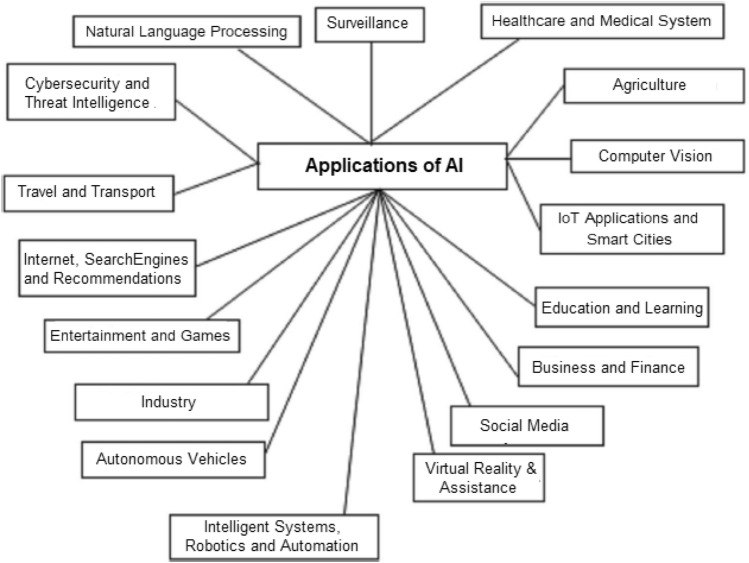
“A thorough examination of AI technologies has highlighted that AI-based modelings possess the potential to augment the intelligence and functionality of real-world applications; AI-based solutions can be more extensively utilized in real-world applications for language learning [42].”
Afrizal, N. S., Yusof, K. A., Muhamad, L. H., Hamid, N. S. A., Abdullah, M. B., Rahman, M. A. A., Mashohor, S., & Masashi, H. (2025) · Computers, materials & continua/Computers, materials & continua (Print) · doi:10.32604/cmc.2025.066421 · Cited by 1
“In the contemporary landscape, artificial intelligence (AI) has emerged as the preferred approach for modeling complex processes, driven by the availability of extensive datasets [12].”
The Role of AI in Advancing Scientific Research from Hypothesis to Publication
Mohammad, A. F., Ahmed, W. K., Almekhlafi, A. G., Alzahmi, S., Al-Marzouqi, A. H., Alrabaee, S., & Zaneldin, E. K. (2025) · IEEE International Conference on Application of Information and Communication Technologies (AICT) · doi:10.1109/aict67988.2025.11268778 · Cited by 2
Puspa, S. D., Riyono, J., Pujiastuti, C. E., Putri, D. N. N., & Putri, A. L. R. (2025) · Jurnal Pengabdian Masyarakat dan aplikasi Teknologi · doi:10.31284/j.adipati.2025.v4i2.7910 · Cited by 1
“Sistem-sistem ini dirancang untuk belajar dan beradaptasi dengan lingkungan, sehingga AI memiliki potensi yang signifikan dan memberikan dampak yang substansial (Sarker, 2022).”
Deep learning neural networks-based traffic predictors for V2X communication networks
Saady, M. M., Zaini, H. G., Essai, M. H., El_Rahman, S. A., Omer, O. A., Abdellah, A. R., & Elnazer, S. (2025) · Frontiers in Artificial Intelligence · doi:10.3389/frai.2025.1701951 · Cited by 1
“As the number of devices rises, so does the flow of information, making the network more difficult to manage and operate (Abdellah et al., 2022a; Sarker, 2022).”
Nutrient and Dissolved Oxygen (DO) Estimation Using Remote Sensing Techniques: A Literature Review
Dimoudi, A., Domenikiotis, C., Vafidis, D., Mallinis, G., & Neofitou, N. (2025) · Remote Sensing · doi:10.3390/rs17244044 · Cited by 2
“In recent years, AI methods, such as ML and NNs, have been increasingly applied in various real-world application areas [47], including, among others, ocean color remote sensing [15,16].”
Tang, J., & Fan, S. (2025) · Australian Journal of Electrical & Electronics Engineering · doi:10.1080/1448837x.2025.2563384 · Cited by 1
Is AI really valuable for European companies? The market impact of AI project announcements
Grebe, L., Santos, B., & Schiereck, D. (2025) · Critical Perspectives on International Business · doi:10.1108/cpoib-12-2024-0171 · Cited by 2
Implications and utility of artificial intelligence in clinical spine surgical practice
Weinberg, J., Bonamer, J. P., Kelhofer, N. C., Jawad-Makki, M. A., Zuckerbraun, R., Gonzalez, C., Ramanathan, R., Lee, J. Y., Spitnale, M. J., & Wawrose, R. A. (2025) · Seminars in Spine Surgery · doi:10.1016/j.semss.2025.101239 · Cited by 1
A Virtual Tutor Based on Integration of LLM with a Cognitive Architecture
Dolgikh, A. A., Khabarov, D., & Samsonovich, A. V. (2026) · Studies in computational intelligence · doi:10.1007/978-3-032-13977-1_11 · Cited by 1
Artificial Intelligent: An Effective Tool for Knowledge Management in Higher Education
Bimol, S., & Meetei, M. I. (2026) · Lecture notes in networks and systems · doi:10.1007/978-3-032-13003-7_24 · Cited by 1
Inteligencia artificial en el proceso empresarial sostenible de emprendedores peruanos
Rodríguez, R. F., Plácido, J. M. M., & Llerena, S. J. M. (2026) · Revista Venezolana de Gerencia · doi:10.52080/rvgluz.31.113.12 · Cited by 1
The Ethics of Using Artificial Intelligence in Language Research
DEMİR, B., & Aydın, S. (2026) · Advances in computational intelligence and robotics book series · doi:10.4018/979-8-3373-3000-6.ch016 · Cited by 1
Artificial neural network-based pump operation policy models for energy cost minimisation
Zheng, L., Wu, W., Simpson, A. R., & Wang, Y. (2026) · Engineering Applications of Artificial Intelligence · doi:10.1016/j.engappai.2026.113874 · Cited by 1
El-Ghalayini, Y. (2025) · 美中公共管理 · doi:10.17265/1548-6591/2025.02.001 · Cited by 1
“Therefore, the most suitable and mechanisms will suitable and efficient framework of regulation is the one that is flexible and adaptive (Sarker, 2022).”
Bajrami, E., Idrizi, F., & Ismaili, S. (2026) · International Journal of Information Technology and Computer Science · doi:10.5815/ijitcs.2026.01.03 · Cited by 1
“This research emphasizes the use of RL, a machine learning paradigm that has shown great promise for tasks requiring dynamic and iterative decision-making [4].”
Yar, M. A. E., Ahmad, H. I., Ali, M., Hashir, Q., & Ahmad, A. (2026) · Journal of Saidu Medical College · doi:10.52206/jsmc.2026.16.1.1318 · Cited by 1
Heart Disease Prediction Using Hybrid Random Forest and Linear Model
Khan, Z. I., Anwar, S., & Sikandar, G. (2023) · International Journal of Emerging Engineering and Technology · doi:10.57041/ijeet.v2i1.895 · Cited by 1
“The hybrid paradigm integrates electronic health records, genetic profiles, lifestyle data, and medical imaging to assess CVD risk holistically and individually [20, 26-30].”
Metadata
- Authors
- Sarker, I. H.
- Affiliations
- Chittagong University of Engineering & Technology (BD)
- Corresponding author
- Sarker, Iqbal H.
- ORCID
- Sarker, Iqbal H.
- Venue
- SN Computer Science
- Published
- 2022-02-10
- Volume
- 3
- Issue
- 2
- Pages
- 158-158
- ISSN
- 2661-8907 (ISSN-L)
- 2662-995X
- PMC
- PMC8830986
- OpenAlex
- W4225716729
- Cited by
- 1,208
- References
- 115
- Citations by year
- 2026: 228 · 2025: 395 · 2024: 361 · 2023: 184 · 2022: 39
- FWCI
- 17.11
- Type
- journal article
- Language
- en
- Open access
- hybrid
- doi.org
- Licence
- cc-by
- creativecommons.org/licenses/by/4.0 (tdm)
- creativecommons.org/licenses/by/4.0 (vor)
- Locations
- SN Computer Science (publishedVersion, cc-by)
- Preprints.org (acceptedVersion, cc-by)
- PubMed Central (publishedVersion, cc-by)
- PubMed (publishedVersion)
- Funders
- Swinburne University of Technology
- Topics
- Physical Sciences › Computer Science › Artificial Intelligence › Artificial Intelligence Applications
- Physical Sciences › Computer Science › Information Systems › Internet of Things and AI
- Social Sciences › Decision Sciences › Management Science and Operations Research › Impact of AI and Big Data on Business and Society
- Keywords
- artificial intelligence techniques, intelligent systems, automation, Industry 4.0, interactive AI, artificial intelligence in business, artificial intelligence in finance, artificial intelligence in healthcare, smart cities, cybersecurity
About these checks
Registry, retraction, Cites and statistics results are computed, not judged, with one exception: a printed reference that no index lists is read once by a model before it counts as a citation error. Claims are extracted by a model and kept only when their quote appears verbatim in the text; each cited source is then checked, with a model’s help, for whether it says what the claim relies on. Those verdicts can be wrong — read the claim’s quote and the cited source before relying on one.
Statistics and arithmetic are recomputed, not judged.
Confidence bands are shown only for fields calibrated on our annotated test set. None is calibrated yet, so no band is shown.
What counts as a claim ›How we measure confidence ›How we check this ›
Are you an author, or do you see a problem with this page? Request a review
Data sources
Bibliographic data: Semantic Scholar, OpenAlex, Crossref.
Contains information from the Semantic Scholar Academic Graph Datasets, made available under the ODC Attribution License (ODC-BY 1.0).
Semantic Scholar’s data is described in: Kinney, R., et al. (2023). The Semantic Scholar Open Data Platform. arXiv:2301.10140.
