

Environmental effects of stratospheric ozone depletion, UV radiation, and interactions with climate change: UNEP Environmental Effects Assessment Panel, Update 2021
Open accessThe DOI matches its Crossref record; 229 of the 229 references it cites were found in a registry or an index.
Abstract
The Environmental Effects Assessment Panel of the Montreal Protocol under the United Nations Environment Programme evaluates effects on the environment and human health that arise from changes in the stratospheric ozone layer and concomitant variations in ultraviolet (UV) radiation at the Earth’s surface. The current update is based on scientific advances that have accumulated since our last assessment (Photochem and Photobiol Sci 20(1):1–67, 2021). We also discuss how climate change affects stratospheric ozone depletion and ultraviolet radiation, and how stratospheric ozone depletion affects climate change. The resulting interlinking effects of stratospheric ozone depletion, UV radiation, and climate change are assessed in terms of air quality, carbon sinks, ecosystems, human health, and natural and synthetic materials. We further highlight potential impacts on the biosphere from extreme climate events that are occurring with increasing frequency as a consequence of climate change. These and other interactive effects are examined with respect to the benefits that the Montreal Protocol and its Amendments are providing to life on Earth by controlling the production of various substances that contribute to both stratospheric ozone depletion and climate change.
Overview
The claims and statistics of this paper haven’t been checked yet.
Free: it reads the open-access text and checks the first 5 claims that cite a source we can check. Create a free account to check every claim.
Integrity signals
Registry
Cites
Statistics
Figures
Verification
Claims the paper makes
The claims and statistics of this paper haven’t been checked yet.
Free: it reads the open-access text and checks the first 5 claims that cite a source we can check. Create a free account to check every claim.
Claims other papers make about this one
Each is checked against this paper’s own text: does it say what the citing paper says it does?
The source backs part of the claim, not all of it — or backs it for a different population, condition or comparison.
In the citing paper
“Photodegradation by shortwave radiation (UV-B, UV-A, and blue light) has been identified as a ubiquitous contributing driver of litter decomposition and carbon cycling over the Earth’s biomes [138, 200].”
From Environmental consequences of interacting effects of changes in stratospheric ozone, ultraviolet radiation, and climate: UNEP Environmental Effects Assessment Panel, Update 2024 (2025) · cites this paper as [200]
Experimental — accuracy not yet measured
Self-check
Percentages, sums and reported differences re-computed from the paper’s own numbers.
The self-check needs the paper’s full text.
Citations
Cites
Climate Change 2007: The Physical Science Basis.
Schiavon, S., & Zecchin, R. (2007) · eScholarship (California Digital Library) · Cited by 16,994
Plasticenta: First evidence of microplastics in human placenta
Ragusa, A., Svelato, A., Santacroce, C., Catalano, P., Notarstefano, V., Carnevali, O., Papa, F., Rongioletti, M. C. A., Baiocco, F., Draghi, S., et al. (2021) · Environment International · doi:10.1016/j.envint.2020.106274 · Cited by 3,474 · cited 1×
“In the first study, 12 polypropylene (PP) particles, 5–10 μm in size, were found in four placentae from vaginal deliveries [161].”
Environmental exposure to microplastics: An overview on possible human health effects
Prata, J. C., da Costa, J. P., Lopes, I., Duarte, A. C., & Rocha-Santos, T. (2020) · Science of The Total Environment · doi:10.1016/j.scitotenv.2019.134455 · Cited by 2,690 · cited 1×
“Photodegradation of plastics by solar UV radiation is primarily responsible for the generation of secondary microand nanoplastics [164], which are taken up by humans via inhalation, ingestion, and dermal contact [165, 166].”
The shared socio-economic pathway (SSP) greenhouse gas concentrations and their extensions to 2500
Meinshausen, M., Nicholls, Z. R. J., Lewis, J., Gidden, M. J., Vogel, E., Freund, M., Beyerle, U., Gessner, C., Nauels, A., Bauer, N., et al. (2020) · Geoscientific Model Development · doi:10.5194/gmd-13-3571-2020 · Cited by 1,815 · cited 6×
“In addition to protecting the biosphere from harmful increases in UV radiation, the Montreal Protocol is helping to reduce global warming as many ODSs are also potent GHGs [61].”
InfluentialPresence of airborne microplastics in human lung tissue
Amato-Lourenço, L. F., Carvalho-Oliveira, R., Júnior, G. R., dos Santos Galvão, L., Ando, R. A., & Mauad, T. (2021) · Journal of Hazardous Materials · doi:10.1016/j.jhazmat.2021.126124 · Cited by 1,329 · cited 2×
“Inhaled microplastics and microfibres detected in lung tissue [166] may potentially access systemic circulation [168], resulting in adverse effects.”
Current Contributions of Organofluorine Compounds to the Agrochemical Industry
Ogawa, Y., Tokunaga, E., Kobayashi, O., Hirai, K., & Shibata, N. (2020) · iScience · doi:10.1016/j.isci.2020.101467 · Cited by 1,253
Emergence of Nanoplastic in the Environment and Possible Impact on Human Health
Lehner, R., Weder, C., Petri-Fink, A., & Rothen-Rutishauser, B. (2019) · Environmental Science & Technology · doi:10.1021/acs.est.8b05512 · Cited by 1,242 · cited 1×
“Inhaled microplastics and microfibres detected in lung tissue [166] may potentially access systemic circulation [168], resulting in adverse effects.”
SOLAR UV IRRADIATION AND THE GROWTH AND DEVELOPMENT OF HIGHER PLANTS
Caldwell, M. M. (1971) · Photophysiology · doi:10.1016/b978-0-12-282606-1.50010-6 · Cited by 1,088 · cited 2×
“However, these estimates have large uncertainties and should be viewed with caution because the “generalised plant damage action spectrum” [63] used in the calculations does not account for the variety of plant responses across species and ecosystems.”
BackgroundMethodImpact of Microplastics and Nanoplastics on Human Health
Yee, M. S.-L., Hii, L.-W., Looi, C. K., Lim, W.-M., Wong, S.-F., Kok, Y.-Y., Tan, B.-K., Wong, C.-Y., & Leong, C.-O. (2021) · Nanomaterials · doi:10.3390/nano11020496 · Cited by 1,031 · cited 1×
“Photodegradation of plastics by solar UV radiation is primarily responsible for the generation of secondary microand nanoplastics [164], which are taken up by humans via inhalation, ingestion, and dermal contact [165, 166].”
Entrenas Castillo, M., Entrenas Costa, L. M., Vaquero Barrios, J. M., Alcalá Díaz, J. F., López Miranda, J., Bouillon, R., & Quesada Gomez, J. M. (2020) · The Journal of Steroid Biochemistry and Molecular Biology · doi:10.1016/j.jsbmb.2020.105751 · Cited by 732
Increasing probability of record-shattering climate extremes
Fischer, E. M., Sippel, S., & Knutti, R. (2021) · Nature Climate Change · doi:10.1038/s41558-021-01092-9 · Cited by 694
Climate change is increasing the likelihood of extreme autumn wildfire conditions across California
Goss, M., Swain, D. L., Abatzoglou, J. T., Sarhadi, A., Kolden, C. A., Williams, A. P., & Diffenbaugh, N. S. (2020) · Environmental Research Letters · doi:10.1088/1748-9326/ab83a7 · Cited by 642
Microfibers in oceanic surface waters: a global characterization
Suaria, G., Achtypi, A., Perold, V., Lee, J. R., Pierucci, A., Bornman, T. G., Aliani, S., & Ryan, P. G. (2020) · Science Advances · doi:10.1126/sciadv.aay8493 · Cited by 528 · cited 3×
“By contrast, microfibres sampled in industrial wastewater [186], in organisms [187, 188], algal biomass [189] or in the bottom sediment [190, 191], in both freshwater [187, 189–191] and marine environments [185, 188], show a high load of microfibres made of synthetic polymers.”
Murai, I. H., Fernandes, A. L., Sales, L. P., Pinto, A. J., Goessler, K. F., Duran, C. S. C., Silva, C. B. R., Franco, A. S., Macedo, M. B., Dalmolin, H. H. H., et al. (2021) · JAMA · doi:10.1001/jama.2020.26848 · Cited by 528 · cited 1×
“A gold-standard double-blind placebo-controlled RCT of 200,000 IU of vitamin D 3 in 240 patients hospitalised with moderate to severe COVID-19 disease did not find effects on length of stay or in-hospital mortality [232].”
The Southern Annular Mode: Variability, trends, and climate impacts across the Southern Hemisphere
Fogt, R. L., & Marshall, G. J. (2020) · WIREs Climate Change · doi:10.1002/wcc.652 · Cited by 525
Detection of Microplastic in Human Placenta and Meconium in a Clinical Setting
Braun, T., Ehrlich, L., Henrich, W., Koeppel, S., Lomako, I., Schwabl, P., & Liebmann, B. (2021) · Pharmaceutics · doi:10.3390/pharmaceutics13070921 · Cited by 511 · cited 1×
“Recent studies have detected microplastic contaminants in human placental and lung tissue [62-64], although the implications for human health are not yet clear.”
Gago, J., Carretero, O., Filgueiras, A. V., & Viñas, L. (2018) · Marine Pollution Bulletin · doi:10.1016/j.marpolbul.2017.11.070 · Cited by 503
Recent Progress in Graphene/Polymer Nanocomposites
Sun, X., Huang, C., Wang, L., Liang, L., Cheng, Y., Fei, W., & Li, Y. (2021) · Advanced Materials · doi:10.1002/adma.202001105 · Cited by 490 · cited 1×
“Graphene and reduced graphene oxides (RGO) are especially popular nanoscale inorganic fillers used in composites due to their exceptional electrical, mechanical and anti-microbial characteristics [176, 177].”
Fournier, S. B., D’Errico, J. N., Adler, D. S., Kollontzi, S., Goedken, M. J., Fabris, L., Yurkow, E. J., & Stapleton, P. A. (2020) · Particle and Fibre Toxicology · doi:10.1186/s12989-020-00385-9 · Cited by 482
De Falco, F., Cocca, M., Avella, M., & Thompson, R. C. (2020) · Environmental Science & Technology · doi:10.1021/acs.est.9b06892 · Cited by 452
Airborne microplastics in indoor and outdoor environments of a coastal city in Eastern China
Liao, Z., Ji, X., Ma, Y., Lv, B., Huang, W., Zhu, X., Fang, M., Wang, Q., Wang, X., Dahlgren, R., et al. (2021) · Journal of Hazardous Materials · doi:10.1016/j.jhazmat.2021.126007 · Cited by 440 · cited 1×
“Air-borne levels of microplastics (predominantly smaller than 100 µm in size) of 224 ± 70 particles/m 3 and 101 ± 47 particles/m 3 have been found in urban and rural air, respectively [167].”
Self-citationRozema, J., Björn, L. O., Bornman, J. F., Gaberščik, A., Häder, D.-P., Trošt, T., Germ, M., Klisch, M., Gröniger, A., Sinha, R. P., et al. (2002) · Journal of Photochemistry and Photobiology B: Biology · doi:10.1016/s1011-1344(01)00269-x · Cited by 428
Self-citationBallaré, C. L., Caldwell, M. M., Flint, S. D., Robinson, S. A., & Bornman, J. F. (2011) · Photochemical & Photobiological Sciences · doi:10.1039/c0pp90035d · Cited by 402 · cited 1×
“Furthermore, experiments (summarised by Ballaré et al. [64]) have not yet established whether the assumed sensitivity of plants to increases in UV-B radiation (i.e. a 3% reduction in biomass for every 10% increase in UV-B radiation for the “reference” scenario considered by Young et al. [62]) can…”
MethodSelf-citationHashemi, H., Pakzad, R., Yekta, A., Aghamirsalim, M., Pakbin, M., Ramin, S., & Khabazkhoob, M. (2020) · Eye · doi:10.1038/s41433-020-0806-3 · Cited by 395 · cited 1×
“In people aged over 60 years, the prevalence of these cataract types was 31% and 25%, respectively [215], but there was considerable variability between regions.”
The ecological role of climate extremes: current understanding and future prospects
Smith, M. D. (2011) · Journal of Ecology · doi:10.1111/j.1365-2745.2011.01833.x · Cited by 385 · cited 1×
“5 An extreme climate event has been defined as “an episode or occurrence in which a statistically rare or unusual climatic period alters ecosystem structure and ⁄or function well outside the bounds of what is considered typical or normal variability” [70]; or similarly, according to the IPCC, “if the value of a variab…”
Solar ultraviolet radiation in a changing climate
Williamson, C. E., Zepp, R. G., Lucas, R. M., Madronich, S., Austin, A. T., Ballaré, C. L., Norval, M., Sulzberger, B., Bais, A. F., McKenzie, R. L., et al. (2014) · Nature Climate Change · doi:10.1038/nclimate2225 · Cited by 379
Self-citationThe impact of multifactorial stress combination on plant growth and survival
Zandalinas, S. I., Sengupta, S., Fritschi, F. B., Azad, R. K., Nechushtai, R., & Mittler, R. (2021) · New Phytologist · doi:10.1111/nph.17232 · Cited by 364 · cited 1×
“Combinations of excessive UV radiation and other potential stresses can have detrimental effects on plant growth and survival, even though each individual stressor may only have a small effect [87].”
Microplastic pollution in water and sediment in a textile industrial area
Deng, H., Wei, R., Luo, W., Hu, L., Li, B., Di, Y., & Shi, H. (2020) · Environmental Pollution · doi:10.1016/j.envpol.2019.113658 · Cited by 356 · cited 1×
“By contrast, microfibres sampled in industrial wastewater [186], in organisms [187, 188], algal biomass [189] or in the bottom sediment [190, 191], in both freshwater [187, 189–191] and marine environments [185, 188], show a high load of microfibres made of synthetic polymers.”
Extreme weather and climate events in northern areas: A review
Walsh, J. E., Ballinger, T. J., Euskirchen, E. S., Hanna, E., Mård, J., Overland, J. E., Tangen, H., & Vihma, T. (2020) · Earth-Science Reviews · doi:10.1016/j.earscirev.2020.103324 · Cited by 351 · cited 2×
“Moreover, ECEs are superimposed upon ongoing trends of increasing global temperatures and atmospheric CO2 concentrations, as well as changes in other environmental factors [81], which have the potential to adversely affect many organisms.”
Bais, A. F., Lucas, R. M., Bornman, J. F., Williamson, C. E., Sulzberger, B., Austin, A. T., Wilson, S. R., Andrady, A. L., Bernhard, G., McKenzie, R. L., et al. (2018) · Photochemical & Photobiological Sciences · doi:10.1039/c7pp90043k · Cited by 350
Self-citationMicroplastic fibres from synthetic textiles: Environmental degradation and additive chemical content
Sait, S. T. L., Sørensen, L., Kubowicz, S., Vike-Jonas, K., Gonzalez, S. V., Asimakopoulos, A. G., & Booth, A. M. (2021) · Environmental Pollution · doi:10.1016/j.envpol.2020.115745 · Cited by 344 · cited 3×
“Lab-oratory-accelerated weathering of PET and nylon (PA) fibres, the most used fibres, yield high levels of micro-fibres [201, 202].”
Scalable aesthetic transparent wood for energy efficient buildings
Mi, R., Chen, C., Keplinger, T., Pei, Y., He, S., Liu, D., Li, J., Dai, J., Hitz, E., Yang, B., et al. (2020) · Nature Communications · doi:10.1038/s41467-020-17513-w · Cited by 336 · cited 2×
“In an innovative technology, the lignin fraction of wood was partially removed and a synthetic [169] or biopolymer [170, 171]”
Summertime increases in upper-ocean stratification and mixed-layer depth
Sallée, J.-B., Pellichero, V., Akhoudas, C., Pauthenet, E., Vignes, L., Schmidtko, S., Garabato, A. N., Sutherland, P., & Kuusela, M. (2021) · Nature · doi:10.1038/s41586-021-03303-x · Cited by 333 · cited 2×
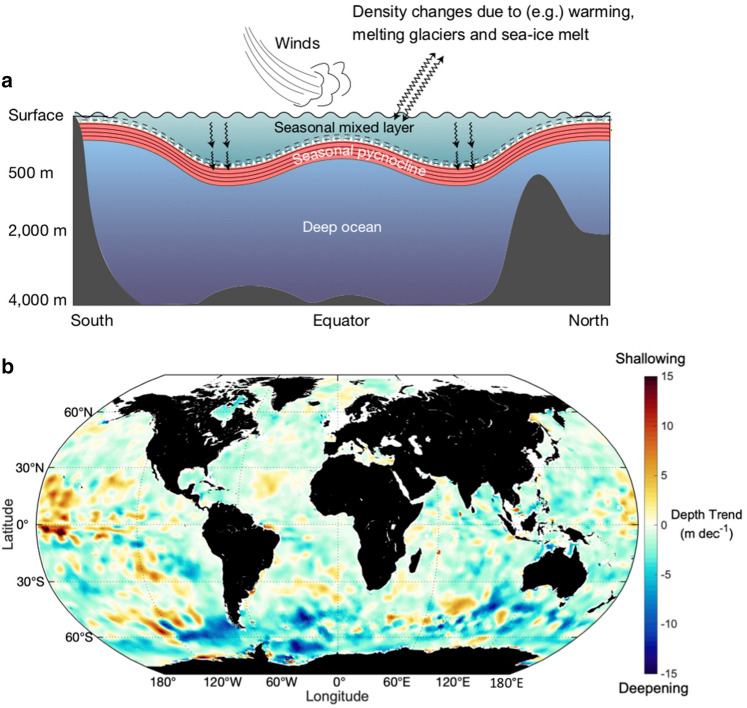
“White indicates areas of zero or non-significant trends (modified from [154]) MLD [154].”
Winter melt trends portend widespread declines in snow water resources
Musselman, K. N., Addor, N., Vano, J. A., & Molotch, N. P. (2021) · Nature Climate Change · doi:10.1038/s41558-021-01014-9 · Cited by 331 · cited 1×
“Notable recent examples of ECEs include catastrophic floods, record-breaking snowstorms and droughts, heat waves, more frequent intense cyclones/ hurricanes, rapid snow/ice-melt, and devastating wildfires [71–76].”
Rastogi, A., Bhansali, A., Khare, N., Suri, V., Yaddanapudi, N., Sachdeva, N., Puri, G. D., & Malhotra, P. (2022) · Postgraduate Medical Journal · doi:10.1136/postgradmedj-2020-139065 · Cited by 317 · cited 1×
“Two of these found that vitamin D was beneficial, but they were small and methodological issues call their findings into question [230, 231].”
Modelling regional responses by marine pelagic ecosystems to global climate change
Boyd, P. W., & Doney, S. C. (2002) · Geophysical Research Letters · doi:10.1029/2001gl014130 · Cited by 313 · cited 1×
“The deepening is contrary to earlier predictions that warming due to climate change should lead to shallower MLDs (e.g. [ 155]).”
ResultLawrence, Z. D., Perlwitz, J., Butler, A. H., Manney, G. L., Newman, P. A., Lee, S. H., & Nash, E. R. (2020) · Journal of Geophysical Research: Atmospheres · doi:10.1029/2020jd033271 · Cited by 313 · cited 13×
“Hence, anthropogenic climate change [27] has the potential to partially counteract the positive effects of the Montreal Protocol on the Arctic ozone layer.”
BackgroundInfluentialThe Sensitivity of Polar Ozone Depletion to Proposed Geoengineering Schemes
Tilmes, S., Müller, R., & Salawitch, R. (2008) · Science · doi:10.1126/science.1153966 · Cited by 298
Re‐interpreting plant morphological responses to UV‐Bradiation
ROBSON, T. M., KLEM, K., URBAN, O., & JANSEN, M. A. K. (2015) · Plant, Cell & Environment · doi:10.1111/pce.12374 · Cited by 298 · cited 1×
“changes in their structure or form) [68].”
Self-citationSinglet Oxygen Quantum Yields in Environmental Waters
Ossola, R., Jönsson, O. M., Moor, K., & McNeill, K. (2021) · Chemical Reviews · doi:10.1021/acs.chemrev.0c00781 · Cited by 287 · cited 1×
“A review of apparent singlet oxygen quantum yields, a parameter needed to model indirect pho-todegradation, found a systematic overestimation of values in the literature that were measured with broadband radiation [145].”
Self-citationSørensen, L., Groven, A. S., Hovsbakken, I. A., Del Puerto, O., Krause, D. F., Sarno, A., & Booth, A. M. (2021) · Science of The Total Environment · doi:10.1016/j.scitotenv.2020.143170 · Cited by 278 · cited 2×
“Laboratory-accelerated weathering of PET and nylon (PA) fibres, the most used fibres, yield high levels of microfibres [201, 202].”
Lu, D., Sha, S., Luo, J., Huang, Z., & Zhang Jackie, X. (2020) · Journal of Hazardous Materials · doi:10.1016/j.jhazmat.2019.121963 · Cited by 275 · cited 1×
“The formation of SOA can also be affected by TFA, which has recently been shown to enhance the formation of dimethylamine-sulphuric acid particles (up to two orders of magnitude under certain atmospheric conditions) [51, 52].”
Palacios-Mateo, C., van der Meer, Y., & Seide, G. (2021) · Environmental Sciences Europe · doi:10.1186/s12302-020-00447-x · Cited by 249
Seasonality and uncertainty in global COVID-19 growth rates
Merow, C., & Urban, M. C. (2020) · Proceedings of the National Academy of Sciences · doi:10.1073/pnas.2008590117 · Cited by 247 · cited 1×
“In another study, using global weather and infection data up to April 2020, ambient UV radiation, temperature, humidity, and the proportion of elderly in the population collectively explained 17% of the variability in the growth rate of SARS-CoV-2 positivity [224].”
Day, T. A. (1993) · Oecologia · doi:10.1007/bf00317439 · Cited by 234 · cited 1×
“For example, Young et al. [62] did not consider that plants have protective mechanisms against high amounts of UV radiation by synthesising UV-absorbing compounds [65–67], nor that they can develop adaptive morphological features (i.e. changes in their structure or form) [68].”
BackgroundManney, G. L., Livesey, N. J., Santee, M. L., Froidevaux, L., Lambert, A., Lawrence, Z. D., Millán, L. F., Neu, J. L., Read, W. G., Schwartz, M. J., et al. (2020) · Geophysical Research Letters · doi:10.1029/2020gl089063 · Cited by 233 · cited 1×
“As predicted by this study, the exceptionally large ozone depletion that occurred in March–April 2020 [1, 17, 18] affected springtime weather in the Northern Hemisphere.”
Neale, R. E., Barnes, P. W., Robson, T. M., Neale, P. J., Williamson, C. E., Zepp, R. G., Wilson, S. R., Madronich, S., Andrady, A. L., Heikkilä, A. M., et al. (2021) · Photochemical & Photobiological Sciences · doi:10.1007/s43630-020-00001-x · Cited by 225 · cited 2×
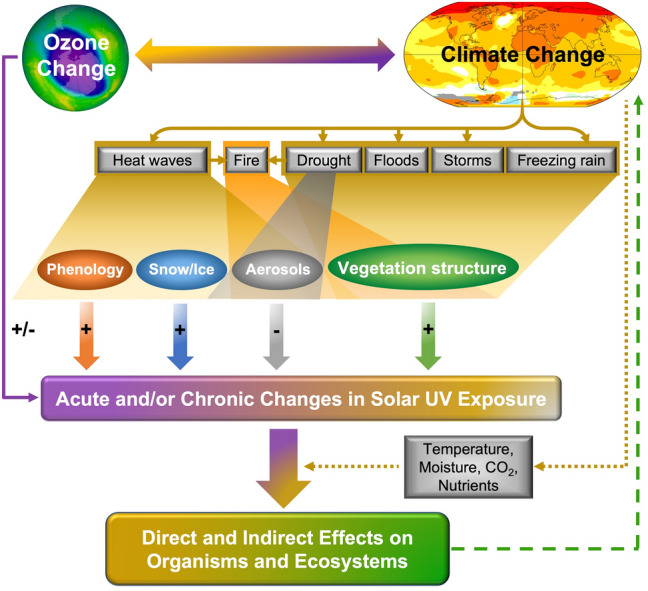
“The summary findings highlighted in this Update, together with those described in our full Update Assessment [1], reveal the diversity of ways that changes in stratospheric ozone, UV radiation and climate interact to influence human health and the environment.”
Self-citationSolomon, K. R., Velders, G. J. M., Wilson, S. R., Madronich, S., Longstreth, J., Aucamp, P. J., & Bornman, J. F. (2016) · Journal of Toxicology and Environmental Health, Part B · doi:10.1080/10937404.2016.1175981 · Cited by 213 · cited 3×
“TFA has natural geochemical sources [53], is widely used in industry and research laboratories, and is a by-product of the synthesis and degradation of fluorinated and perfluorinated compounds (PFCs).”
InfluentialSelf-citationOzone—climate interactions and effects on solar ultraviolet radiation
Bais, A. F., Bernhard, G., McKenzie, R. L., Aucamp, P. J., Young, P. J., Ilyas, M., Jöckel, P., & Deushi, M. (2019) · Photochemical & Photobiological Sciences · doi:10.1039/c8pp90059k · Cited by 206 · cited 1×
“3 The effects of air quality measures implemented in Mexico City may help to project changes in UV radiation for regions that are currently still affected by heavy smog, such as South and East Asia [33, 34].”
Self-citationAvio, C. G., Pittura, L., d’Errico, G., Abel, S., Amorello, S., Marino, G., Gorbi, S., & Regoli, F. (2020) · Environmental Pollution · doi:10.1016/j.envpol.2019.113766 · Cited by 204 · cited 1×
“By contrast, microfibres sampled in industrial wastewater [186], in organisms [187, 188], algal biomass [189] or in the bottom sediment [190, 191], in both freshwater [187, 189–191] and marine environments [185, 188], show a high load of microfibres made of synthetic polymers.”
Miyazaki, K., Bowman, K., Sekiya, T., Takigawa, M., Neu, J. L., Sudo, K., Osterman, G., & Eskes, H. (2021) · Science Advances · doi:10.1126/sciadv.abf7460 · Cited by 201
Bornman, J. F., Barnes, P. W., Robson, T. M., Robinson, S. A., Jansen, M. A. K., Ballaré, C. L., & Flint, S. D. (2019) · Photochemical & Photobiological Sciences · doi:10.1039/c8pp90061b · Cited by 197 · cited 3×
“…variables (e.g. temperature, moisture availability) can have detrimental effects on bio-diversity, GHG emissions [1, 82, 83], carbon storage [81], ecological resilience, productivity of forests and crops, and lead to species replacement and potential deterioration of ecosystem functioning [84].”
BackgroundSelf-citationMarine Photochemistry of Organic Matter
Mopper, K., Kieber, D. J., & Stubbins, A. (2015) · Biogeochemistry of Marine Dissolved Organic Matter · doi:10.1016/b978-0-12-405940-5.00008-x · Cited by 185
Improved Constraints on Global Methane Emissions and Sinks Using δ13C‐CH4
Lan, X., Basu, S., Schwietzke, S., Bruhwiler, L. M. P., Dlugokencky, E. J., Michel, S. E., Sherwood, O. A., Tans, P. P., Thoning, K., Etiope, G., et al. (2021) · Global Biogeochemical Cycles · doi:10.1029/2021gb007000 · Cited by 185 · cited 1×
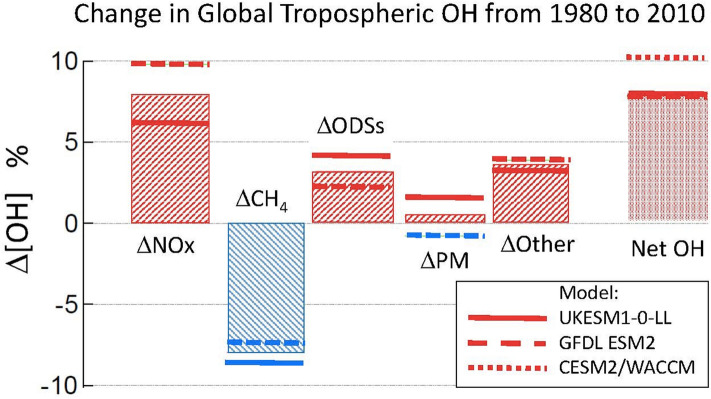
“Modified from Stevenson et al. [36] decrease in the concentration of OH, as had been previously postulated, but is more likely to have been driven by increasing emissions of CH 4 [38].”
BackgroundStratospheric drivers of extreme events at the Earth’s surface
Domeisen, D. I. V., & Butler, A. H. (2020) · Communications Earth & Environment · doi:10.1038/s43247-020-00060-z · Cited by 176 · cited 8×
“There is also concern that changes in atmospheric circulation patterns may lead to more sustained periods of cold winter and spring temperatures from mid-latitudes to Polar Regions [19], which could delay growth and reproduction until later in the year, thereby increasing the exposure to UV radiation of young leaves a…”
InfluentialNear‐Complete Local Reduction of Arctic Stratospheric Ozone by Severe Chemical Loss in Spring 2020
Wohltmann, I., von der Gathen, P., Lehmann, R., Maturilli, M., Deckelmann, H., Manney, G. L., Davies, J., Tarasick, D., Jepsen, N., Kivi, R., et al. (2020) · Geophysical Research Letters · doi:10.1029/2020gl089547 · Cited by 174 · cited 1×
“Such large year-to-year variations in Arctic ozone depletion, which are driven by differences in meteorological conditions, are expected to continue for as long as concentrations of ozone-depleting substances (ODSs) remain elevated [24].”
Zhou, H., Zhou, L., & Ma, K. (2020) · Science of The Total Environment · doi:10.1016/j.scitotenv.2020.140329 · Cited by 171 · cited 1×
“By contrast, microfibres sampled in industrial wastewater [186], in organisms [187, 188], algal biomass [189] or in the bottom sediment [190, 191], in both freshwater [187, 189–191] and marine environments [185, 188], show a high load of microfibres made of synthetic polymers.”
Williamson, C. E., Neale, P. J., Hylander, S., Rose, K. C., Figueroa, F. L., Robinson, S. A., Häder, D.-P., Wä, S.-Å., & Worrest, R. C. (2019) · Photochemical & Photobiological Sciences · doi:10.1039/c8pp90062k · Cited by 169 · cited 1×
“For more details on the interaction of UV, MLD and surface winds, see discussions in Williamson et al. [157] and Neale et al. [1].”
BackgroundSelf-citationZhang, W., Zeng, W., Jiang, A., He, Z., Shen, X., Dong, X., Feng, J., & Lu, H. (2021) · Cancer Medicine · doi:10.1002/cam4.4046 · Cited by 167 · cited 1×
“3 million malignant melanomas globally [203].”
High Performance, Fully Bio‐Based, and Optically Transparent Wood Biocomposites
Montanari, C., Ogawa, Y., Olsén, P., & Berglund, L. A. (2021) · Advanced Science · doi:10.1002/advs.202100559 · Cited by 166 · cited 1×
“With good thermal stability, up to 315 °C, TWCs can be designed to filter out UV-B radiation and have potential applications in smart building technology, especially in smart windows [172, 173].”
Zhang, L., Sun, H., Wang, Q., Chen, H., Yao, Y., Zhao, Z., & Alder, A. C. (2019) · Science of The Total Environment · doi:10.1016/j.scitotenv.2018.10.443 · Cited by 165 · cited 1×
“Uptake and translocation of TFA by plants from soil has been demonstrated [60], but whether the TFA in beer and infusions was formed from pesticides used in fields or from breakdown of replacements for ODS in the atmosphere is uncertain.”
BackgroundSelf-citationTrends in global tropospheric hydroxyl radical and methane lifetime since 1850 from AerChemMIP
Stevenson, D. S., Zhao, A., Naik, V., O'Connor, F. M., Tilmes, S., Zeng, G., Murray, L. T., Collins, W. J., Griffiths, P. T., Shim, S., et al. (2020) · Atmospheric Chemistry and Physics · doi:10.5194/acp-20-12905-2020 · Cited by 159
Global nitrous acid emissions and levels of regional oxidants enhanced by wildfires
Theys, N., Volkamer, R., Müller, J., Zarzana, K. J., Kille, N., Clarisse, L., Smedt, I. D., Lerot, C., Finkenzeller, H., Hendrick, F., et al. (2020) · Nature Geoscience · doi:10.1038/s41561-020-0637-7 · Cited by 159 · cited 1×
“Wildfires also enhance precursors of OH, particularly nitrous acid (HNO2) [40].”
Liu, J., Liang, J., Ding, J., Zhang, G., Zeng, X., Yang, Q., Zhu, B., & Gao, W. (2021) · Environment, Development and Sustainability · doi:10.1007/s10668-020-01173-3 · Cited by 158 · cited 1×
“Textile production processes [192–195] that involve abrasion [196] and electric dryers [197] as well as domestic laundering of clothes [198–200] mechanically generate microfibres in wastewater that reaches the ocean.”
The 2019 Southern Hemisphere Stratospheric Polar Vortex Weakening and Its Impacts
Lim, E.-P., Hendon, H. H., Butler, A. H., Thompson, D. W. J., Lawrence, Z. D., Scaife, A. A., Shepherd, T. G., Polichtchouk, I., Nakamura, H., Kobayashi, C., et al. (2021) · Bulletin of the American Meteorological Society · doi:10.1175/bams-d-20-0112.1 · Cited by 158 · cited 1×
“Additional studies [9-11] have reinforced the link between the uncommonly weak Antarctic vortex in 2019 and the ensuing dry weather in the Southern Hemisphere.”
BackgroundRole of meteorological factors in the transmission of SARS-CoV-2 in the United States
Ma, Y., Pei, S., Shaman, J. L., Dubrow, R., & Chen, K. (2021) · Nature Communications · doi:10.1038/s41467-021-23866-7 · Cited by 158 · cited 1×
“1 3 an ecological study of over 19 million COVID-19 cases in 2,669 United States counties over 9 months, there was an almost linear inverse association between the SARS-CoV-2 reproduction number (Rt) and ambient UV radiation, but only when UV radiation exceeded 100 kJm−2 per day [223].”
Dalla Fontana, G., Mossotti, R., & Montarsolo, A. (2020) · Environmental Pollution · doi:10.1016/j.envpol.2020.113960 · Cited by 154
Ecological responses to variation in seasonal snow cover
Slatyer, R., Umbers, K. D. L., & Arnold, P. A. (2021) · Conservation Biology · doi:10.1111/cobi.13727 · Cited by 153 · cited 2×
“Reduced snow cover also permits more heat to be absorbed by the ground or low-lying vegetation in early spring, exacerbating the effects of warmer temperatures, melting permafrost and potentially leading to drier soils in the summer [86, 89].”
BackgroundGlobal evidence for ultraviolet radiation decreasing COVID-19 growth rates
Carleton, T. A., Cornetet, J., Huybers, P., Meng, K. C., & Proctor, J. (2020) · Proceedings of the National Academy of Sciences · doi:10.1073/pnas.2012370118 · Cited by 148 · cited 1×
“1 million COVID-19 cases in the early stages of the pandemic (up to mid-April 2020) from 3,235 geospatial units covering 173 countries across five continents found that higher surface UV radiation intensities lowered SARS-CoV-2 positivity growth rates [225].”
Epidemiology of cutaneous melanoma and keratinocyte cancer in white populations 1943–2036
Garbe, C., Keim, U., Gandini, S., Amaral, T., Katalinic, A., Hollezcek, B., Martus, P., Flatz, L., Leiter, U., & Whiteman, D. (2021) · European Journal of Cancer · doi:10.1016/j.ejca.2021.04.029 · Cited by 146 · cited 1×
“There has been a linear increase in the first two populations, but in New Zealand incidence has stabilised since the late 1990s [211], consistent with previous published reports.”
The origin of microplastic fiber in polyester textiles: The textile production process matters
Cai, Y., Mitrano, D. M., Heuberger, M., Hufenus, R., & Nowack, B. (2020) · Journal of Cleaner Production · doi:10.1016/j.jclepro.2020.121970 · Cited by 145 · cited 1×
“Textile production processes [192–195] that involve abrasion [196] and electric dryers [197] as well as domestic laundering of clothes [198–200] mechanically generate microfibres in wastewater that reaches the ocean.”
Flexible transparent wood prepared from poplar veneer and polyvinyl alcohol
Rao, A. N. S., Nagarajappa, G. B., Nair, S. V., Anish, M. C., & Pandey, K. K. (2019) · Composites Science and Technology · doi:10.1016/j.compscitech.2019.107719 · Cited by 142 · cited 1×
“One innovative technology involves replacing the lignin fraction of wood with synthetic or biopolymers to obtain highly transparent wood composites [65-67] with the aim to improve UV stabilisation of building materials and reduce the demand for valuable timber species.”
Self-citationRapid change in East Antarctic terrestrial vegetation in response to regional drying
Robinson, S. A., King, D. H., Bramley-Alves, J., Waterman, M. J., Ashcroft, M. B., Wasley, J., Turnbull, J. D., Miller, R. E., Ryan-Colton, E., Benny, T., et al. (2018) · Nature Climate Change · doi:10.1038/s41558-018-0280-0 · Cited by 140
Self-citationOverland, J. E., & Wang, M. (2021) · International Journal of Climatology · doi:10.1002/joc.6850 · Cited by 137 · cited 1×
“For example, monthly air temperature anomalies of + 6 °C were observed over Siberia from January through May 2020 [21].”
Exposure to Ultraviolet Radiation in the Modulation of Human Diseases
Hart, P. H., Norval, M., Byrne, S. N., & Rhodes, L. E. (2019) · Annual Review of Pathology: Mechanisms of Disease · doi:10.1146/annurev-pathmechdis-012418-012809 · Cited by 135 · cited 1×
“UV radiation-induced immune suppression is hypothesised to explain the association between increased exposure to UV radiation and reduced disease activity in autoimmune diseases such as multiple sclerosis (MS) [218].”
Self-citationPeller, J., Nevers, M. B., Byappanahalli, M., Nelson, C., Ganesh Babu, B., Evans, M. A., Kostelnik, E., Keller, M., Johnston, J., & Shidler, S. (2021) · Environmental Pollution · doi:10.1016/j.envpol.2021.116695 · Cited by 133 · cited 1×
“By contrast, microfibres sampled in industrial wastewater [186], in organisms [187, 188], algal biomass [189] or in the bottom sediment [190, 191], in both freshwater [187, 189–191] and marine environments [185, 188], show a high load of microfibres made of synthetic polymers.”
Editorial: the 2019/20 Black Summer bushfires
Davey, S. M., & Sarre, A. (2020) · Australian Forestry · doi:10.1080/00049158.2020.1769899 · Cited by 128 · cited 4×
“For example, as a result of extreme wildfires in southeast Australia during 2019/2020, the annual mean burden of CO exceeded values of previous years (2001–2018) by 4-to 59-fold for this region [39].”
InfluentialDetectable Increases in Sequential Flood‐Heatwave Events Across China During 1961–2018
Chen, Y., Liao, Z., Shi, Y., Tian, Y., & Zhai, P. (2021) · Geophysical Research Letters · doi:10.1029/2021gl092549 · Cited by 127
Lu, Z., Challis, J. K., & Wong, C. S. (2015) · Environmental Science & Technology Letters · doi:10.1021/acs.estlett.5b00136 · Cited by 123 · cited 1×
“For example, UV-B radiation induces the photolysis or breakdown of neonicotinoid insecticides, which are commonly applied to agricultural crops [141]; and wastewater treatments can maximise exposure to solar radiation in the field [142, 143] or through the use of novel photocatalysts [144].”
Kärkkäinen, N., & Sillanpää, M. (2020) · Environmental Science and Pollution Research · doi:10.1007/s11356-020-11988-2 · Cited by 123
Formation of Fiber Fragments during Abrasion of Polyester Textiles
Cai, Y., Mitrano, D. M., Hufenus, R., & Nowack, B. (2021) · Environmental Science & Technology · doi:10.1021/acs.est.1c00650 · Cited by 120 · cited 1×
“Textile production processes [192–195] that involve abrasion [196] and electric dryers [197] as well as domestic laundering of clothes [198–200] mechanically generate microfibres in wastewater that reaches the ocean.”
Uncertainty and the basis for confidence in solar geoengineering research
Kravitz, B., & MacMartin, D. G. (2020) · Nature Reviews Earth & Environment · doi:10.1038/s43017-019-0004-7 · Cited by 119 · cited 1×
“Modelling studies indicate that, in addition to changes in climate, SRM could cause ozone depletion (mainly in Polar Regions) and ozone enhancements (mainly in the tropics and mid-latitudes) [113–115].”
Potential ecological impacts of climate intervention by reflecting sunlight to cool Earth
Zarnetske, P. L., Gurevitch, J., Franklin, J., Groffman, P. M., Harrison, C. S., Hellmann, J. J., Hoffman, F. M., Kothari, S., Robock, A., Tilmes, S., et al. (2021) · Proceedings of the National Academy of Sciences · doi:10.1073/pnas.1921854118 · Cited by 119
The Atmospheric Drivers of the Major Saharan Dust Storm in June 2020
Francis, D., Fonseca, R., Nelli, N., Cuesta, J., Weston, M., Evan, A. T., & Temimi, M. (2020) · Geophysical Research Letters · doi:10.1029/2020gl090102 · Cited by 117
Zheng, G., Sedlacek, A. J., Aiken, A. C., Feng, Y., Watson, T. B., Raveh-Rubin, S., Uin, J., Lewis, E. R., & Wang, J. (2020) · Environment International · doi:10.1016/j.envint.2020.105680 · Cited by 116 · cited 1×
“Notably, changes in air quality resulting from fires and droughts can occur well beyond the location of these events [32, 110, 111].”
Zepp, R. G., Erickson, D. J., PAUL, N. D., & Sulzberger, B. (2011) · Photochemical & Photobiological Sciences · doi:10.1039/c0pp90037k · Cited by 115 · cited 1×
“Work assessed in our earlier Quadrennial Assessments showed that UV radiation is involved in the photomineralisation of DOM to ammonium, a process called “photoammonification” [112, 127, 128].”
BackgroundSelf-citationThe United States National Science Foundation's Polar Network for monitoring ultraviolet radiation
Booth, C. R., Lucas, T. B., Morrow, J. H., Weiler, C., & Penhale, P. A. (1994) · Antarctic research series · doi:10.1029/ar062p0017 · Cited by 114 · cited 1×
“Up to 2009, the instruments were part of the NSF UV monitoring network [18] and they are now a node in the NOAA Antarctic UV Monitoring Network (https://www.”
BackgroundArctic sea-ice loss intensifies aerosol transport to the Tibetan Plateau
Li, F., Wan, X., Wang, H., Orsolini, Y., Cong, Z., Gao, Y., & Kang, S. (2020) · Nature Climate Change · doi:10.1038/s41558-020-0881-2 · Cited by 113
The direct and indirect effects of extreme climate events on insects
Filazzola, A., Matter, S. F., & MacIvor, J. S. (2021) · The Science of The Total Environment · doi:10.1016/j.scitotenv.2021.145161 · Cited by 113
Interactive effects of ozone depletion and climate change on biogeochemical cycles
Zepp, R. G., Callaghan, T. V., & Erickson, D. J. (2003) · Photochemical & Photobiological Sciences · doi:10.1039/b211154n · Cited by 109
Self-citationMemon, A., Bannister, P. G., Rogers, I., Sundin, J., Al‐Ayadhy, B., James, P. W., & McNally, R. (2021) · The Lancet Regional Health - Europe · doi:10.1016/j.lanepe.2021.100024 · Cited by 108
Highly transparent graphene oxide/cellulose composite film bearing ultraviolet shielding property
Zhang, X., Song, L. Y., Wang, Z., Wang, Y., Wan, L., & Yao, J. (2019) · International Journal of Biological Macromolecules · doi:10.1016/j.ijbiomac.2019.12.241 · Cited by 107 · cited 1×
“Similarly, a 2 μm thick cellulose film with a graphene oxide loading of 2% was visually transparent but still filtered out more than 54% of solar UV-B radiation [181].”
Martínez Silva, P., & Nanny, M. A. (2020) · Water · doi:10.3390/w12041210 · Cited by 106 · cited 1×
“By contrast, microfibres sampled in industrial wastewater [186], in organisms [187, 188], algal biomass [189] or in the bottom sediment [190, 191], in both freshwater [187, 189–191] and marine environments [185, 188], show a high load of microfibres made of synthetic polymers.”
Electric clothes dryers: An underestimated source of microfiber pollution
Kapp, K. J., & Miller, R. Z. (2020) · PLOS ONE · doi:10.1371/journal.pone.0239165 · Cited by 106 · cited 1×
“Textile production processes [192–195] that involve abrasion [196] and electric dryers [197] as well as domestic laundering of clothes [198–200] mechanically generate microfibres in wastewater that reaches the ocean.”
The 2019/2020 summer of Antarctic heatwaves
Robinson, S. A., Klekociuk, A. R., King, D. H., Pizarro Rojas, M., Zúñiga, G. E., & Bergstrom, D. M. (2020) · Global Change Biology · doi:10.1111/gcb.15083 · Cited by 102 · cited 1×
“In Antarctica, interaction between stratospheric ozone change and the strength of the dynamical coupling from the stratosphere may be partially responsible at a regional scale for trends in surface temperature and precipitation, placing the stability of these fragile ecosystems at risk [96–101].”
Self-citationRecent developments for antimicrobial applications of graphene-based polymeric composites: A review
Fatima, N., Qazi, U. Y., Mansha, A., Bhatti, I. A., Javaid, R., Abbas, Q., Nadeem, N., Rehan, Z. A., Noreen, S., & Zahid, M. (2021) · Journal of Industrial and Engineering Chemistry · doi:10.1016/j.jiec.2021.04.050 · Cited by 102 · cited 1×
“Graphene and reduced graphene oxides (RGO) are especially popular nanoscale inorganic fillers used in composites due to their exceptional electrical, mechanical and anti-microbial characteristics [176, 177].”
The Montreal Protocol protects the terrestrial carbon sink
Young, P. J., Harper, A., Huntingford, C., PAUL, N. D., Morgenstern, O., Newman, P. A., Oman, L. D., Madronich, S., & García, R. R. (2021) · Nature · doi:10.1038/s41586-021-03737-3 · Cited by 102 · cited 20×
“Hence, anthropogenic climate change [27] has the potential to partially counteract the positive effects of the Montreal Protocol on the Arctic ozone layer.”
InfluentialSelf-citationClimate change favours large seasonal loss of Arctic ozone
von der Gathen, P., Kivi, R., Wohltmann, I., Salawitch, R. J., & Rex, M. (2021) · Nature Communications · doi:10.1038/s41467-021-24089-6 · Cited by 100 · cited 18×
“Hence, anthropogenic climate change [27] has the potential to partially counteract the positive effects of the Montreal Protocol on the Arctic ozone layer.”
InfluentialZambrano, M. C., Pawlak, J. J., Daystar, J., Ankeny, M., & Venditti, R. A. (2021) · Marine Pollution Bulletin · doi:10.1016/j.marpolbul.2021.112030 · Cited by 99
Emerging cancer incidence trends in Canada: The growing burden of young adult cancers
Heer, E. V., Harper, A. S., Sung, H., Jemal, A., & Fidler-Benaoudia, M. M. (2020) · Cancer · doi:10.1002/cncr.33050 · Cited by 98 · cited 1×
“In Canada [204], Italy [205], and England [206] there is evidence that the incidence of melanoma is stabilising in younger age groups.”
Methyl Chloroform Continues to Constrain the Hydroxyl (OH) Variability in the Troposphere
Patra, P. K., Krol, M. C., Prinn, R. G., Takigawa, M., Mühle, J., Montzka, S. A., Lal, S., Yamashita, Y., Naus, S., Chandra, N., et al. (2021) · Journal of Geophysical Research: Atmospheres · doi:10.1029/2020jd033862 · Cited by 98 · cited 1×
“In contrast, estimates of concentrations of OH based on observed changes in the amounts of chemicals primarily removed from the atmosphere by OH, have generally indicated a decrease since around 2000 [37].”
BackgroundBernhard, G., Booth, C. R., & Ehramjian, J. C. (2004) · Journal of Geophysical Research: Atmospheres · doi:10.1029/2004jd004937 · Cited by 96 · cited 1×
“Consistent data processing methods were applied for all years [14, 15].”
Self-citationWang, Q., Pieristè, M., Liu, C., Kenta, T., Robson, T. M., & Kurokawa, H. (2021) · New Phytologist · doi:10.1111/nph.17022 · Cited by 91 · cited 2×
“In dryland ecosystems, litter is left on the ground in the dry season but burial can reduce exposure [119], while in temperate forests litter becomes exposed when gaps form in the canopy [117].”
Self-citationDirect and longer-term carbon emissions from arctic-boreal fires: A short review of recent advances
Veraverbeke, S., Delcourt, C. J. F., Kukavskaya, E., Mack, M., Walker, X., Hessilt, T., Rogers, B., & Scholten, R. C. (2021) · Current Opinion in Environmental Science & Health · doi:10.1016/j.coesh.2021.100277 · Cited by 91
Reduction in surface climate change achieved by the 1987 Montreal Protocol
Goyal, R., England, M. H., Sen Gupta, A., & Jucker, M. (2019) · Environmental Research Letters · doi:10.1088/1748-9326/ab4874 · Cited by 86 · cited 5×
“In addition to protecting the biosphere from harmful increases in UV radiation, the Montreal Protocol is helping to reduce global warming as many ODSs are also potent GHGs [61].”
InfluentialSunlight exposure exerts immunomodulatory effects to reduce multiple sclerosis severity
Ostkamp, P., Salmen, A., Pignolet, B., Görlich, D., Andlauer, T. F. M., Schulte‐Mecklenbeck, A., González‐Escamilla, G., Bucciarelli, F., Gennero, I., Breuer, J., et al. (2020) · Proceedings of the National Academy of Sciences · doi:10.1073/pnas.2018457118 · Cited by 86
Flerlage, H., Velders, G. J. M., & de Boer, J. (2021) · Chemosphere · doi:10.1016/j.chemosphere.2021.131208 · Cited by 86 · cited 1×
“Further reports of the detection of TFA in surface waters have been published recently [48, 56, 57].”
Photostable transparent wood composite functionalized with an UV-absorber
Bisht, P., Pandey, K. K., & Barshilia, H. C. (2021) · Polymer Degradation and Stability · doi:10.1016/j.polymdegradstab.2021.109600 · Cited by 85 · cited 2×
“However, even with the chromophoric lignin fraction partially removed, TWCs still undergo some photo-discolouration and degradation on extended exposure to solar UV radiation [174, 175].”
Self-citationThe sudden stratospheric warming in January 2021
Lu, Q., Rao, J., Liang, Z., Guo, D., Luo, J., Liu, S., Wang, C., & Wang, T. (2021) · Environmental Research Letters · doi:10.1088/1748-9326/ac12f4 · Cited by 85 · cited 2×
“For example, monthly air temperature anomalies of + 6 °C were observed over Siberia from January through May 2020 [21].”
Evidence of protective role of Ultraviolet-B (UVB) radiation in reducing COVID-19 deaths
Moozhipurath, R. K., Kraft, L., & Skiera, B. (2020) · Scientific Reports · doi:10.1038/s41598-020-74825-z · Cited by 83 · cited 1×
“Similarly, in an analysis of data from 152 countries, a one unit increase in the UV index was associated with 1.2% lower growth rate in the cumulative number of deaths [228].”
InfluentialVollmer, M. K., Reimann, S., Hill, M., & Brunner, D. (2015) · Environmental Science & Technology · doi:10.1021/es505123x · Cited by 81 · cited 1×
“Ambient concentrations of HFO-1234yf and HCFO-1233zd(E) have been measured in central Europe at urban, semi-urban, and remote sites from 2011 onwards [44, 45].”
Antarctic Moss Biflavonoids Show High Antioxidant and Ultraviolet-Screening Activity
Waterman, M. J., Nugraha, A. S., Hendra, R., Ball, G. E., Robinson, S. A., & Keller, P. A. (2017) · Journal of Natural Products · doi:10.1021/acs.jnatprod.7b00085 · Cited by 81 · cited 1×
“For example, Young et al. [62] did not consider that plants have protective mechanisms against high amounts of UV radiation by synthesising UV-absorbing compounds [65–67], nor that they can develop adaptive morphological features (i.e. changes in their structure or form) [68].”
Self-citationDOM degradation by light and microbes along the Yukon River-coastal ocean continuum
Grunert, B., Tzortziou, M. A., Neale, P. J., Menendez, A., & Hernes, P. J. (2021) · Scientific Reports · doi:10.1038/s41598-021-89327-9 · Cited by 81
Self-citationSangüesa‐Barreda, G., Filippo, A. D., Piovesan, G., Rozas, V., Fiore, L. D., García‐Hidalgo, M., García‐Cervigón, A. I., Muñoz‐Garachana, D., Baliva, M., & Olano, J. M. (2021) · The Science of The Total Environment · doi:10.1016/j.scitotenv.2021.145860 · Cited by 78 · cited 1×
“phenology), and ECEs that change temperature over a sustained period (heat or cold waves), have high potential to disrupt phenology [85, 86].”
Rammer, W., Braziunas, K. H., Hansen, W. D., Ratajczak, Z., Westerling, A. L., Turner, M. G., & Seidl, R. (2021) · Global Change Biology · doi:10.1111/gcb.15726 · Cited by 78 · cited 1×
“However, recovery of ecosystems from these ECEs will depend on the scale and frequency of these events, with regeneration often failing to occur following the most severe events [106].”
Springtime arctic ozone depletion forces northern hemisphere climate anomalies
Friedel, M., Chiodo, G., Stenke, A., Domeisen, D. I. V., Fueglistaler, S., Anet, J. G., & Peter, T. (2022) · Nature Geoscience · doi:10.1038/s41561-022-00974-7 · Cited by 77
A comprehensive systematic review of photocatalytic degradation of pesticides using nano TiO2
Hadei, M., Mesdaghinia, A., Nabizadeh, R., Mahvi, A. H., Rabbani, S., & Naddafi, K. (2021) · Environmental Science and Pollution Research · doi:10.1007/s11356-021-12576-8 · Cited by 76 · cited 1×
“For example, UV-B radiation induces the photolysis or breakdown of neonicotinoid insecticides, which are commonly applied to agricultural crops [141]; and wastewater treatments can maximise exposure to solar radiation in the field [142, 143] or through the use of novel photocatalysts [144].”
Williamson, C. E., Madronich, S., Lal, A., Zepp, R. G., Lucas, R. M., Overholt, E. P., Rose, K. C., Schladow, S. G., & Lee-Taylor, J. (2017) · Scientific Reports · doi:10.1038/s41598-017-13392-2 · Cited by 74 · cited 1×
“This can be beneficial for water-borne parasites and their vectors by reducing exposure to disinfecting UV-B radiation and longer wavelengths of solar radiation [150].”
Self-citationThe Contribution of Methane Photoproduction to the Oceanic Methane Paradox
Li, Y., Fichot, C. G., Geng, L., Scarratt, M., & Xie, H. (2020) · Geophysical Research Letters · doi:10.1029/2020gl088362 · Cited by 74 · cited 1×
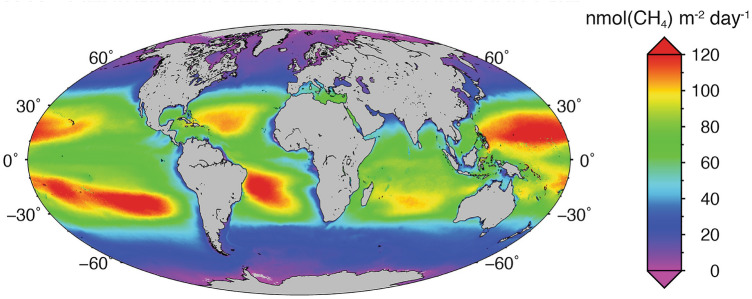
“These emissions are far lower in coastal, sub-polar and polar regions, where the considerably lower reactivity of terrestrially derived DOM dampens the process [51].”
BackgroundA Review on Graphene’s Light Stabilizing Effects for Reduced Photodegradation of Polymers
Karimi, S., Helal, E., Gutiérrez, G., Moghimian, N., Madinehei, M., David, É., Samara, M., & Demarquette, N. R. (2020) · Crystals · doi:10.3390/cryst11010003 · Cited by 73 · cited 2×
“In nanocomposites, graphene and RGO also impart UV stability to the polymer matrix at a low volume fraction [178].”
Fire Occurrences and Greenhouse Gas Emissions from Deforestation in the Brazilian Amazon
Silva, C. A., Santilli, G., Sano, E. E., & Laneve, G. (2021) · Remote Sensing · doi:10.3390/rs13030376 · Cited by 71
All-biobased transparent-wood: A new approach and its environmental-friendly packaging application
Hải, L. V., Muthoka, R. M., Panicker, P. S., Agumba, D. O., Pham, D. H., & Kim, J. (2021) · Carbohydrate Polymers · doi:10.1016/j.carbpol.2021.118012 · Cited by 71
Sulzberger, B., Austin, A. T., Cory, R. M., Zepp, R. G., & Paul, N. D. (2019) · Photochemical & Photobiological Sciences · doi:10.1039/c8pp90063a · Cited by 70 · cited 4×
“These atmospheric changes are likely to modify photosynthesis and light-driven development in plants, as well as litter decomposition and emissions of GHGs from ecosystems [112] not directly impacted by the extreme events.”
BackgroundInfluentialSelf-citationPurola, P. K. M., Nättinen, J. E., Ojamo, M., Koskinen, S. V. P., Rissanen, H. A., Sainio, P., & Uusitalo, H. M. T. (2021) · Quality of Life Research · doi:10.1007/s11136-021-02817-1 · Cited by 69 · cited 1×
“In Finland, the incidence of cataract from 2000 to 2011 was 1% per year in people aged 30 years and over [216].”
BackgroundWilson, S. R., Madronich, S., Longstreth, J. D., & Solomon, K. R. (2019) · Photochemical & Photobiological Sciences · doi:10.1039/c8pp90064g · Cited by 68 · cited 2×
“Human health benefits resulting from the decrease in air pollution [32] outweigh risks—such as the potential increase in skin cancer incidence—stemming from the gradual return of UV radiation intensities to more natural levels prevailing at unpolluted areas.”
Self-citationEffects of cellulose nanofibrils/graphene oxide hybrid nanofiller in PVA nanocomposites
Jia, Y., Hu, C., Shi, P., Xu, Q., Zhu, W., & Liu, R. (2020) · International Journal of Biological Macromolecules · doi:10.1016/j.ijbiomac.2020.06.013 · Cited by 65 · cited 1×
“For instance, a 5 wt% nanofiller mix of nano-cellulose/graphene (ratios of 2:1 to 16:1) in poly(vinyl alcohol) yielded a film that screened out 90% of solar UV radiation, with a 278% higher modulus (a measure of the stiffness of the material), and 59% lower water absorption, relative to the control [179].”
Guo, M., Li, X., Song, C., Liu, G., & Zhou, Y. (2019) · Environmental Pollution · doi:10.1016/j.envpol.2019.113679 · Cited by 64 · cited 1×
“Not only DOM [130], but also suspended sediments [125] and river margins are subject to periodic flooding [131], releasing phosphate upon UV irradiation.”
Holland, R., Khan, M. A. H., Driscoll, I., Chhantyal-Pun, R., Derwent, R. G., Taatjes, C. A., Orr-Ewing, A. J., Percival, C. J., & Shallcross, D. E. (2021) · ACS Earth and Space Chemistry · doi:10.1021/acsearthspacechem.0c00355 · Cited by 64 · cited 2×
“Models indicate that a direct replacement of HFC-134a with HFO1234yf in refrigeration applications will increase the associated global TFA burden from an annual 65 to 2220 tonnes formed from an equivalent emission of HFO-1234yf (based on emissions in 2015) [48].”
Allesson, L., Koehler, B., Thrane, J., Andersen, T., & Hessen, D. O. (2020) · Limnology and Oceanography · doi:10.1002/lno.11594 · Cited by 62
Andersen, J. K., Andreassen, L. M., Baker, E. H., Ballinger, T. J., Berner, L. T., Bernhard, G. H., Bhatt, U. S., Bjerke, J. W., Box, J. E., Britt, L., et al. (2020) · Bulletin of the American Meteorological Society · doi:10.1175/bams-d-20-0086.1 · Cited by 62
Self-citationChiappero, M. S., Malanca, F. E., Argüello, G. A., Wooldridge, S. T., Hurley, M. D., Ball, J. C., Wallington, T. J., Waterland, R. L., & Buck, R. C. (2006) · The Journal of Physical Chemistry A · doi:10.1021/jp064262k · Cited by 60 · cited 1×
“The dominant removal pathway for CF3CHO is photolysis (lifetime around one day) [50].”
Snowmelt control on spring hydrology declines as the vernal window lengthens
Grogan, D., Burakowski, E. A., & Contosta, A. R. (2020) · Environmental Research Letters · doi:10.1088/1748-9326/abbd00 · Cited by 60 · cited 1×
“Reduced snow cover also permits more heat to be absorbed by the ground or low-lying vegetation in early spring, exacerbating the effects of warmer temperatures, melting permafrost and potentially leading to drier soils in the summer [86, 89].”
Scheurer, M., & Nödler, K. (2021) · Food Chemistry · doi:10.1016/j.foodchem.2021.129304 · Cited by 59 · cited 1×
“TFA has also been detected in beer, tea, and other herbal infusions [59].”
On the Environmental Determinants of COVID‐19 Seasonality
Choi, Y., Tuel, A., & Eltahir, E. A. B. (2021) · GeoHealth · doi:10.1029/2021gh000413 · Cited by 59 · cited 1×
“Finally, in an analysis of data from 5 countries with different climate conditions and constant social controls of SARS-CoV-2 over the analysis period, low UV radiation was associated with higher viral spread [226].”
MethodCherrie, M. P. C., Clemens, T. L., Colandrea, C., Feng, Z., Webb, D. J., Dibben, C. J. L., & Weller, R. (2021) · British Journal of Dermatology · doi:10.1111/bjd.20093 · Cited by 59 · cited 1×
“An analysis of mortality rates across areas of the United States, England, and Italy found ~ 30% reduction in the mortality rate ratio for every 100 kJ m−2 increase in mean daily UV-A radiation [227].”
How Frequent Are Antarctic Sudden Stratospheric Warmings in Present and Future Climate?
Jucker, M., Reichler, T., & Waugh, D. W. (2021) · Geophysical Research Letters · doi:10.1029/2021gl093215 · Cited by 59 · cited 2×
“However, stratospheric warming events, such as that observed in 2019, are less likely in a future climate [6] as increasing concentrations of green-house gases (GHG) will cool the stratosphere.”
BackgroundNitrogen Fixation in a Changing Arctic Ocean: An Overlooked Source of Nitrogen?
von Friesen, L. W., & Riemann, L. (2020) · Frontiers in Microbiology · doi:10.3389/fmicb.2020.596426 · Cited by 55
Knightes, C. D., Ambrose, R. B., Avant, B., Han, Y., Acrey, B., Bouchard, D. C., Zepp, R., & Wool, T. (2019) · Environmental Modelling & Software · doi:10.1016/j.envsoft.2018.10.012 · Cited by 52
Self-citationThe January 2021 sudden stratospheric warming
Lee, S. H. (2021) · Weather · doi:10.1002/wea.3966 · Cited by 50 · cited 1×
“The unprecedented depletion of Arctic ozone in the spring of 2020 contrasts with the 2020/2021 boreal winter, when a major stratospheric warming in January [22, 23] limited overall ozone loss.”
Höglund, M., Garemark, J., Nero, M., Willhammar, T., Popov, S., & Berglund, L. A. (2021) · Chemistry of Materials · doi:10.1021/acs.chemmater.1c00806 · Cited by 50 · cited 1×
“With good thermal stability, up to 315 °C, TWCs can be designed to filter out UV-B radiation and have potential applications in smart building technology, especially in smart windows [172, 173].”
Effect of irradiance spectra on the photoinduced toxicity of three polycyclic aromatic hydrocarbons
Diamond, S. A., Mount, D. R., Burkhard, L. P., Ankley, G. T., Makynen, E. A., & Leonard, E. N. (2000) · Environmental Toxicology and Chemistry · doi:10.1002/etc.5620190522 · Cited by 49 · cited 1×
“While both UV-A and UV-B radiation amplify toxicity, UV-A radiation is responsible for most of the effects of solar UV radiation on PAH toxicity [158].”
Crafa, A., Cannarella, R., Condorelli, R. A., Mongioì, L. M., Barbagallo, F., Aversa, A., Vignera, S. L., & Calogero, A. E. (2021) · EClinicalMedicine · doi:10.1016/j.eclinm.2021.100967 · Cited by 49 · cited 1×
“concentrations of serum 25(OH)D than those who tested negative (mean difference (MD) 10 nmol/L) [229].”
Cheng, F., He, J., Li, C., Lu, Y. J., Zhang, Y., & Qu, J. (2021) · Journal of Hazardous Materials · doi:10.1016/j.jhazmat.2021.125842 · Cited by 48 · cited 1×
“For instance, recent research indicates increased toxicity of decabromodi-phenyl ether (BDE 209) solutions during photodegradation [149].”
Trifluoroacetic acid deposition from emissions of HFO-1234yf in India, China, and the Middle East
David, L. M., Barth, M., Höglund-Isaksson, L., Purohit, P., Velders, G. J. M., Glaser, S., & Ravishankara, A. R. (2021) · Atmospheric Chemistry and Physics · doi:10.5194/acp-21-14833-2021 · Cited by 48
Estimation of carbon dioxide emissions from the megafires of Australia in 2019–2020
Shiraishi, T., & Hirata, R. (2021) · Scientific Reports · doi:10.1038/s41598-021-87721-x · Cited by 47 · cited 1×
“temperature, moisture availability) can have detrimental effects on biodiversity, GHG emissions [1, 82, 83], carbon storage [81], ecological resilience, productivity of forests and crops, and lead to species replacement and potential deterioration of ecosystem functioning [84].”
Smoke from regional wildfires alters lake ecology
Scordo, F., Chandra, S., Suenaga, E., Kelson, S. J., Culpepper, J., Scaff, L., Tromboni, F., Caldwell, T. J., Seitz, C., Fiorenza, J. E., et al. (2021) · Scientific Reports · doi:10.1038/s41598-021-89926-6 · Cited by 46 · cited 1×
“Increased abundance of aerosols resulting from wildfire smoke and the dust and plant volatile compounds released during droughts can decrease the amount of UV radiation and change the spectral composition of sunlight received by organisms at ground level [109].”
Self-citationMetabolism overrides photo‐oxidation in CO2 dynamics of Arctic permafrost streams
Rocher‐Ros, G., Harms, T. K., Sponseller, R. A., Väisänen, M., Mörth, C., & Giesler, R. (2020) · Limnology and Oceanography · doi:10.1002/lno.11564 · Cited by 44 · cited 1×
“rivers because data have been modelled with a gas transfer velocity typical of lakes, an assumption that recent studies proved inaccurate [136].”
Shi, H., Zhang, J., Zhao, B., Xia, X., Hu, B., Chen, H., Wei, J., Liu, M., Bian, Y., Fu, D., et al. (2021) · Geophysical Research Letters · doi:10.1029/2020gl091105 · Cited by 44 · cited 1×
“A consequence was an increase in surface solar radiation regionally and, thus, an increased rate of UV-induced photolysis of ozone and NO 2 [42, 43], which enhanced production of OH.”
BackgroundSignificant Contribution of Severe Ozone Loss to the Siberian‐Arctic Surface Warming in Spring 2020
Xia, Y., Hu, Y., Huang, Y., Zhao, C., Xie, F., & Yang, Y. (2021) · Geophysical Research Letters · doi:10.1029/2021gl092509 · Cited by 44 · cited 1×
“Furthermore, loss of ozone modified the stability of the upper troposphere in the Siberian sector of the Arctic, leading to more high-level clouds that enhance downwelling longwave (thermal) radiation [20].”
BackgroundKwiatkowska, M., Ahmed, S., Ardern‐Jones, M. R., Bhatti, L. A., Bleiker, T. O., Gavin, A., Hussain, S., Huws, D., Irvine, L., Langan, S., et al. (2021) · Skin Health and Disease · doi:10.1002/ski2.61 · Cited by 44
Atmospheric Chemistry of n-CxF2x+1CHO (x = 1, 2, 3, 4): Fate of n-CxF2x+1C(O) Radicals
Hurley, M. D., Ball, J. C., Wallington, T. J., Sulbaek Andersen, M. P., Nielsen, O. J., Ellis, D. A., Martin, J. W., & Mabury, S. A. (2006) · The Journal of Physical Chemistry A · doi:10.1021/jp064029m · Cited by 43 · cited 1×
“The oxidation products of the HFOs and HCFOs are, in general, similar to those occurring from degradation of the HFCs and HCFCs, and include carbonyl compounds that have the potential to yield trifluoracetic acid (TFA), through hydrolysis or via secondary photochemistry [47].”
Self-citationVitamin D Status Across Age Groups in Turkey: Results of 108,742 Samples from a Single Laboratory
Mutlu, G. Y., Aksu, E. D., Bereket, A., & Hatun, Ş. (2020) · Journal of Clinical Research in Pediatric Endocrinology · doi:10.4274/jcrpe.galenos.2019.2019.0097 · Cited by 43 · cited 1×
“A national study in Turkey between 2011 and 2016 found that 55% of people had a serum 25 hydroxy vitamin D (25(OH)D) concentration less than 50 nmol/L (classified as deficient by the United States Endocrine Society), and 27% were severely deficient [221].”
Hendon, H. H., Lim, E., & Abhik, S. (2020) · Journal of Geophysical Research Atmospheres · doi:10.1029/2020jd032952 · Cited by 43
Microfiber Content in Freshwater Mussels from Rural Tributaries of the Saint John River, Canada
Doucet, C. V., Labaj, A. L., & Kurek, J. (2021) · Water Air & Soil Pollution · doi:10.1007/s11270-020-04958-4 · Cited by 43
Nalven, S. G., Ward, C. P., Payet, J. P., Cory, R. M., Kling, G. W., Sharpton, T. J., Sullivan, C. M., & Crump, B. C. (2020) · Environmental Microbiology · doi:10.1111/1462-2920.15121 · Cited by 42 · cited 2×
“New insights into the mechanism of photofacilitation show that reactions induced by UV radiation are similar to those catalysed by the enzymes involved in the microbial degradation of DOM (e.g. decarboxylation) [134].”
Mathon, B., Ferréol, M., Coquery, M., Choubert, J. M., Chovelon, J., & Miège, C. (2020) · Journal of Hazardous Materials · doi:10.1016/j.jhazmat.2020.124801 · Cited by 42 · cited 1×
“Photodegradation is a key mechanism by which organic contaminants in the environment are removed [139].”
Liu, L., Yu, F., Tu, K., Yang, Z., & Zhang, X. (2021) · Atmospheric Chemistry and Physics · doi:10.5194/acp-21-6221-2021 · Cited by 41 · cited 1×
“The formation of SOA can also be affected by TFA, which has recently been shown to enhance the formation of dimethylamine-sulphuric acid particles (up to two orders of magnitude under certain atmospheric conditions) [51, 52].”
The role of methane in projections of 21st century stratospheric water vapour
Revell, L. E., Stenke, A., Rozanov, E., Ball, W. T., Loßow, S., & Peter, T. (2016) · Atmospheric chemistry and physics · doi:10.5194/acp-16-13067-2016 · Cited by 40 · cited 1×
“This response would be even greater if concentrations of stratospheric water vapour continue to rise during the twenty-first century as a result of anthropogenically driven increases in atmospheric concentrations of methane (CH4), which is oxidised in the stratosphere to water vapour [29].”
Berenstecher, P., Araujo, P. I., & Austin, A. T. (2021) · Journal of Ecology · doi:10.1111/1365-2745.13688 · Cited by 40 · cited 2×
“In dryland ecosystems, litter is left on the ground in the dry season but burial can reduce exposure [119], while in temperate forests litter becomes exposed when gaps form in the canopy [117].”
Misiak, M., Goodall-Copestake, W. P., Sparks, T. H., WORLAND, M. R., Boddy, L., Magan, N., Convey, P., HOPKINS, D. W., & Newsham, K. K. (2020) · Global Change Biology · doi:10.1111/gcb.15456 · Cited by 39
Laurion, I., Massicotte, P., Mazoyer, F., Negandhi, K., & Mladenov, N. (2020) · Limnology and Oceanography · doi:10.1002/lno.11634 · Cited by 38
Wang, Q., Robson, T. M., Pieristè, M., Oguro, M., Oguchi, R., Murai, Y., & Kurokawa, H. (2020) · Journal of Ecology · doi:10.1111/1365-2745.13384 · Cited by 37 · cited 1×
“including UV-B radiation, by increasing their accumulation of protective pigments [104, 105].”
Self-citationZepp, R. G., Ruggiero, E., Acrey, B., Davis, M. J. B., Han, C., Hsieh, H.-S., Vilsmeier, K., Wohlleben, W., & Sahle‐Demessie, E. (2020) · Environmental Science Nano · doi:10.1039/c9en01360a · Cited by 37 · cited 1×
“A concern with their high-volume use in composites, however, is the potential release of nanoparticles due to weathering, especially under humid conditions [182, 183], during their use or disposal.”
Self-citationTrends of UV Radiation in Antarctica
Bernhard, G., & Stierle, S. (2020) · Atmosphere · doi:10.3390/atmos11080795 · Cited by 37 · cited 1×
“Consistent data processing methods were applied for all years [19,20].”
Self-citationUV index values and trends in Santiago, Chile (33.5°S) based on ground and satellite data
Cabrera, S., Ipiña, A., Damiani, A., Cordero, R. R., & Piacentini, R. D. (2012) · Journal of Photochemistry and Photobiology B: Biology · doi:10.1016/j.jphotobiol.2012.06.013 · Cited by 36 · cited 1×
“[35]) that the UVI at the surface of heavily polluted areas cannot be reliably estimated from satellite observations, emphasising the importance of ground-based measurements.”
Goodwin, D. G., Lai, T., Lyu, Y., Lu, C. Y., Campos, A., Reipa, V., Nguyen, T., & Sung, L. (2020) · NanoImpact · doi:10.1016/j.impact.2020.100249 · Cited by 36 · cited 1×
“A concern with their high-volume use in composites, however, is the potential release of nanoparticles due to weathering, especially under humid conditions [182, 183], during their use or disposal.”
The influence of aerosols on the NO2 photolysis rate in a suburban site in North China
Zhao, S., Hu, B., Liu, H., Du, C., Xia, X., & Wang, Y. (2021) · The Science of The Total Environment · doi:10.1016/j.scitotenv.2020.144788 · Cited by 36 · cited 1×
“A consequence was an increase in surface solar radiation regionally and, thus, an increased rate of UV-induced photolysis of ozone and NO 2 [42, 43], which enhanced production of OH.”
Effect of UV Radiation on Optical Properties and Hardness of Transparent Wood
Wachter, I., Štefko, T., Rantuch, P., Martinka, J., & Pastierová, A. (2021) · Polymers · doi:10.3390/polym13132067 · Cited by 36 · cited 1×
“However, even with the chromophoric lignin fraction partially removed, TWCs still undergo some photo-discolouration and degradation on extended exposure to solar UV radiation [174, 175].”
Lv, K., Gao, W., Meng, L., Xue, Q., Tian, H., Wang, Y., & Jiang, G. (2020) · Journal of Hazardous Materials · doi:10.1016/j.jhazmat.2020.122354 · Cited by 33 · cited 2×
“For example, indirect photodegradation can transform some per-and polyfluoroalkyl substances (PFAS) into perfluorocarboxylic acids (PFCAs), which are considerably more persistent than PFAS [54, 147].”
Ivanciu, I., Matthes, K., Wahl, S., Harlaß, J., & Biastoch, A. (2021) · Atmospheric chemistry and physics · doi:10.5194/acp-21-5777-2021 · Cited by 33 · cited 1×
“Additionally, ozone loss in early spring enhanced the strength and persistence of the vortex later in the year [9].”
Antarctica and the Southern Ocean
Abrahamsen, E. P., Barreira, S., Bitz, C. M., Butler, A. H., Clem, K. R., Colwell, S. R., Coy, L., de Laat, J., du Plessis, M., Fogt, R. L., et al. (2020) · Bulletin of the American Meteorological Society · doi:10.1175/bams-d-20-0090.1 · Cited by 32
Mindlin, J., Shepherd, T. G., Vera, C. S., & Osman, M. (2021) · Geophysical Research Letters · doi:10.1029/2021gl092568 · Cited by 32 · cited 2×
“…Southern Hemisphere, with some regions projected to get drier and others wetter, will be more affected by future increases in the concentration of GHGs and warming of the tropical upper troposphere than by stratospheric ozone recovery resulting from the implementation of the Montreal Protocol [7].”
BackgroundSpatial co‐localisation of extreme weather events: a clear and present danger
Dodd, R. J., Chadwick, D. R., Harris, I., Hines, A., Hollis, D., Economou, T., Gwynn‐Jones, D., Scullion, J., Robinson, D. A., & Jones, D. L. (2020) · Ecology Letters · doi:10.1111/ele.13620 · Cited by 31 · cited 1×
“All of these ECEs can have widespread, severe and long-term impacts on ecosystem stability and biodiversity [e.g. 77 –80] and provide little opportunity for adaptation or mitigation measures [27].”
Signatures of an abiotic decomposition pathway in temperate forest leaf litter
Keiser, A. D., Warren, R. J., Filley, T. R., & Bradford, M. A. (2021) · Biogeochemistry · doi:10.1007/s10533-021-00777-9 · Cited by 31 · cited 2×
“Furthermore, it has been demonstrated that exposure to solar radiation of terrestrial leaf litter in a temporary dry stream increased cellulose and lignin content [122], while in other instances UV radiation results in a net loss of cellulose and lignin [121].”
Kwon, H., Choi, H., Kim, B., Kim, S., & Kim, S. (2020) · Environmental Research Letters · doi:10.1088/1748-9326/ab9d3d · Cited by 30 · cited 1×
“In Polar Regions, variability and trends in the downward coupling from the stratosphere to the troposphere have contributed to changes in climate patterns on seasonal and interannual time scales [4, 7, 94, 95].”
Comparative sensitivity of the early life stages of a coral to heavy fuel oil and UV radiation
Nordborg, F. M., Brinkman, D. L., Ricardo, G. F., Agustí, S., & Negri, A. P. (2021) · The Science of The Total Environment · doi:10.1016/j.scitotenv.2021.146676 · Cited by 30 · cited 1×
“3-fold, including the early life stages such as the gametes, developing embryos, and planula larvae (the free-swimming dispersal stage) of the species Acropora millepora [160].”
Ozone‐Forced Southern Annular Mode During Antarctic Stratospheric Warming Events
Jucker, M., & Goyal, R. (2022) · Geophysical Research Letters · doi:10.1029/2021gl095270 · Cited by 30 · cited 1×
“Additional studies [9-11] have reinforced the link between the uncommonly weak Antarctic vortex in 2019 and the ensuing dry weather in the Southern Hemisphere.”
BackgroundShaw, C. L., Hall, S. R., Overholt, E. P., Cáceres, C. E., Williamson, C. E., & Duffy, M. A. (2020) · Ecology · doi:10.1002/ecy.3168 · Cited by 29 · cited 1×
“Lakes with lower transparency tend to have larger and longer epidemics of both bacterial and fungal parasites of the widely distributed zooplankton grazer Daphnia [151].”
Self-citationIndicators of Antarctic ozone depletion: 1979 to 2019
Bodeker, G. E., & Kremser, S. (2021) · Atmospheric chemistry and physics · doi:10.5194/acp-21-5289-2021 · Cited by 29
Legacy of Summer Drought on Autumnal Leaf Litter Processing in a Temporary Mediterranean Stream
Mora‐Gómez, J., Boix, D., Duarte, S., Cássio, F., Pascoal, C., Elosegi, A., & Romaní, A. M. (2019) · Ecosystems · doi:10.1007/s10021-019-00451-0 · Cited by 28 · cited 1×
“Furthermore, it has been demonstrated that exposure to solar radiation of terrestrial leaf litter in a temporary dry stream increased cellulose and lignin content [122], while in other instances UV radiation results in a net loss of cellulose and lignin [121].”
Zhang, C., Chen, M., Liu, G., Huang, G., Wang, Y., Yang, S., & Xu, X. (2019) · Environmental and Experimental Botany · doi:10.1016/j.envexpbot.2019.103903 · Cited by 27 · cited 1×
“Exposure to UV radiation can stimulate acclimation responses resulting in cross-protection that reduces the negative effects of water stress in many plants [90–92], albeit it can also produce cross-sensitivity in some species [93].”
Interseasonal Connections between the Timing of the Stratospheric Final Warming and Arctic Sea Ice
Kelleher, M. E., Ayarzagüena, B., & Screen, J. A. (2019) · Journal of Climate · doi:10.1175/jcli-d-19-0064.1 · Cited by 27 · cited 1×
“In Polar Regions, variability and trends in the downward coupling from the stratosphere to the troposphere have contributed to changes in climate patterns on seasonal and interannual time scales [4, 7, 94, 95].”
Bernhard, G., Booth, C. R., & Ehramjian, J. C. (2010) · Springer eBooks · doi:10.1007/978-3-642-03313-1_3 · Cited by 26 · cited 1×
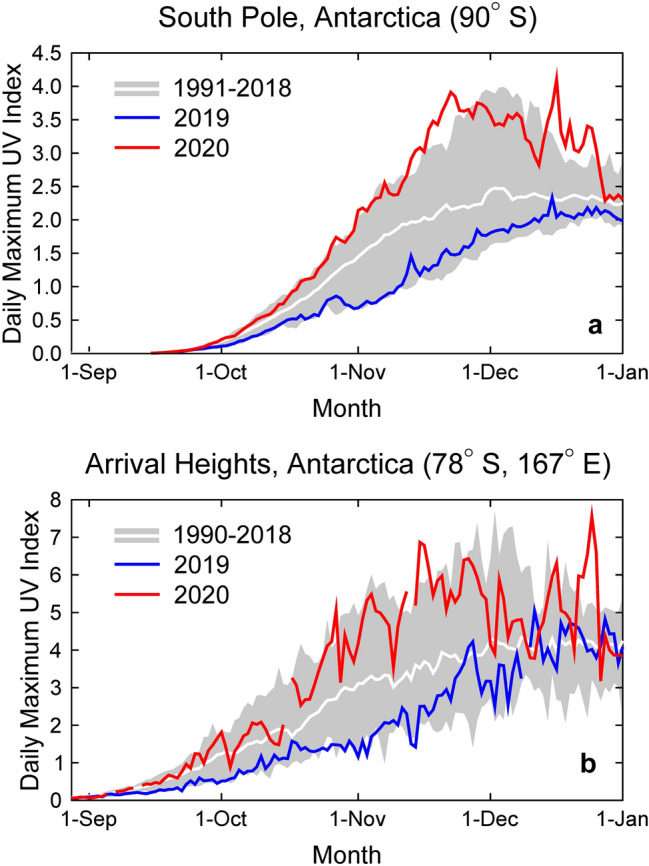
“The UVI values measured at Marambio were amongst the highest recorded during the last 30 years in Antarctica and are comparable with summertime UVI maxima at subtropical sites such as San Diego (32° N) [11].”
Self-citationBucchi, L., Mancini, S., Crocetti, E., Maso, L. D., Baldacchini, F., Vattiato, R., Giuliani, O., Ravaioli, A., Caldarella, A., Carrozzi, G., et al. (2020) · International Journal of Cancer · doi:10.1002/ijc.33259 · Cited by 26 · cited 1×
“However, there is evidence that the incidence of melanoma has stabilised in some countries (New Zealand), while declining in other countries (Canada, Italy, and England), at least in younger age groups [23-26].”
Gagné, K. R., Ewers, S. C., Murphy, C. J., Daanen, R. P., Anthony, K. W., & Guerard, J. J. (2020) · Environmental Science Processes & Impacts · doi:10.1039/d0em00097c · Cited by 25 · cited 1×
“As global warming accelerates the melting of the cryo-sphere, further evidence has accumulated on the role of pho-tofacilitation in Arctic surface waters [132–134].”
BackgroundEkwealor, J. T. B., Clark, T. A., Dautermann, O., Russell, A., Ebrahimi, S., Stark, L. R., Niyogi, K., & Mishler, B. D. (2021) · Journal of Experimental Botany · doi:10.1093/jxb/erab051 · Cited by 25 · cited 1×
“Exposure to UV radiation can stimulate acclimation responses resulting in cross-protection that reduces the negative effects of water stress in many plants [90–92], albeit it can also produce cross-sensitivity in some species [93].”
Liszkay, G., Kiss, Z., Gyulai, R., Oláh, J., Holló, P., Emri, G., Csejtei, A., Kenessey, I., Benedek, A., Polányi, Z., et al. (2021) · Frontiers in Oncology · doi:10.3389/fonc.2020.612459 · Cited by 25 · cited 1×
“In Eastern Europe, studies from Lithuania (1991–2015) and Ukraine (2002–2013) reported increased incidence of melanoma in all age groups [208, 209], but there is evidence of a recent decline in incidence in Hungary [210].”
Antarctica and the Southern Ocean
Stammerjohn, S. E., Scambos, T. A., Adusumilli, S., Barreira, S., Bernhard, G., Bozkurt, D., Bushinsky, S. M., Clem, K. R., Colwell, S. R., Coy, L., et al. (2021) · Bulletin of the American Meteorological Society · doi:10.1175/bams-d-21-0081.1 · Cited by 25
Self-citationThe Carbon Cycle and Hurricanes in the United States between 1900 and 2011
Dahal, D., Liu, S., & Oeding, J. (2014) · Scientific Reports · doi:10.1038/srep05197 · Cited by 24 · cited 5×
“In addition to protecting the biosphere from harmful increases in UV radiation, the Montreal Protocol is helping to reduce global warming as many ODSs are also potent GHGs [61].”
InfluentialResponse of Surface Ultraviolet and Visible Radiation to Stratospheric SO2 Injections
Madronich, S., Tilmes, S., Kravitz, B., MacMartin, D. G., & Richter, J. H. (2018) · Atmosphere · doi:10.3390/atmos9110432 · Cited by 24 · cited 1×
“Modelling studies indicate that, in addition to changes in climate, SRM would cause ozone depletion in polar regions and increased ozone in the tropics and mid-latitudes [47-49].”
Self-citationWatermann, L. Y., Hock, M., Blake, C., & Erfmeier, A. (2019) · Biological Invasions · doi:10.1007/s10530-019-02173-9 · Cited by 24 · cited 1×
“For example, the plants that colonise open habitats and tolerate high UV radiation may include more introduced and fewer specialised or endemic species [107, 108] which may, in turn, have negative consequences for biodiversity.”
Gao, J., Chen, Z.-M., Wang, C., Fang, F., Huang, J.-J., & Guo, J. (2020) · The Science of The Total Environment · doi:10.1016/j.scitotenv.2020.139912 · Cited by 24
Kennard, D. K., Matlaga, D. P., Sharpe, J. M., King, C., Alonso‐Rodríguez, A. M., Reed, S. C., Cavaleri, M. A., & Wood, T. E. (2020) · Ecology and Evolution · doi:10.1002/ece3.6589 · Cited by 24
Rueter, K., Jones, A. P., Siafarikas, A., Chivers, P., Prescott, S. L., & Palmer, D. J. (2021) · International Journal of Environmental Research and Public Health · doi:10.3390/ijerph18105429 · Cited by 24 · cited 1×
“In a study of 109 Australian infants, increased exposure to UV radiation was associated with reduced risk of eczema development, independent of vitamin D [220].”
Emissions, degradation and impact of HFO-1234ze from China PU foam industry
Wang, Y., Wang, Z., Sun, M. H., Guo, J., & Zhang, J. (2021) · The Science of The Total Environment · doi:10.1016/j.scitotenv.2021.146631 · Cited by 22 · cited 1×
“Concentrations were generally greater than those of the longer chain perfluorinated compounds, ranging from 100 to ca 500 µg kg −1 , with the largest values from samples taken in the north-east and south-west of China [58].”
Robson, T. M., & Aphalo, P. J. (2019) · Photochemical & Photobiological Sciences · doi:10.1039/c9pp00197b · Cited by 21
Self-citationTan, A. G., Tham, Y. C., Chee, M. L., Mitchell, P., Cumming, R. G., Sabanayagam, C., Wong, T. Y., Wang, J. J., & Cheng, C. (2020) · Clinical and Experimental Ophthalmology · doi:10.1111/ceo.13757 · Cited by 20 · cited 1×
“In the Singapore Malay Eye Study, ~ 14% of people aged ≥ 40 years developed a nuclear and ~ 14% a cortical cataract over a 6-year period [217].”
Yari, H., Mahdavian, M., Ramezanzadeh, B., & Mahmudzadeh, M. (2021) · Progress in Organic Coatings · doi:10.1016/j.porgcoat.2021.106212 · Cited by 20 · cited 1×
“RGO provided efficient UV shielding at a volume fraction of 3% in polyurethane coatings [180].”
Knuesting, J., Brinkmann, M. C., Silva, B., Schorsch, M., Bendix, J., Beck, E., & Scheibe, R. (2018) · PLOS ONE · doi:10.1371/journal.pone.0202255 · Cited by 19 · cited 1×
“For example, the plants that colonise open habitats and tolerate high UV radiation may include more introduced and fewer specialised or endemic species [107, 108] which may, in turn, have negative consequences for biodiversity.”
Invasive and in situ squamous cell carcinoma of the skin: a nationwide study in Iceland
Aðalsteinsson, J. A., Olafsdottir, E., Ratner, D., Waldman, R. A., Feng, H., Ungar, J. P., Silverberg, J. I., Kristjansson, A. K., Jonasson, J. G., & Tryggvadóttír, L. (2021) · British Journal of Dermatology · doi:10.1111/bjd.19879 · Cited by 19 · cited 1×
“For example, in Iceland, age-standardised incidence rates of SCC tripled in males and increased by more than 40-fold in females between 1981 and 2017 [212].”
Research works printed but not linked: 3
- IPCC (2019). Summary for Policymakers. In: Climate Change and Land: an IPCC special report on climate change, desertification, land degradation, sustainable land management, food security, and greenhouse gas fluxes in terrestrial ecosystems. In J. S. P.R. Shukla, E. Calvo Buendia, V. Masson-Delmotte, H.- O. Pörtner, D. C. Roberts, P. Zhai, R. Slade, S. Connors, R. van Diemen, M. Ferrat, E. Haughey, S. Luz, S. Neogi, M. Pathak, J. Petzold, J. Portugal Pereira, P. Vyas, E. Huntley, K. Kissick, M. Belkacemi, J. Malley (Ed.). Geneva, Switzerland.
- Chekir N Tassalit D Mellal M Benhabiles O Sahraoui N Technology, Fixed bed reactor performance for herbicide degradation under solar radiation European Journal of Engineering Science and Technology 2020 3 1 38 43 10.3342/ejest.v3i1.159 · doi:10.3342/ejest.v3i1.159
- Hoegh-Guldberg, O., Cai, R., Poloczanska, E. S., Brewer, P. G., Sundby, S., Hilmi, K., Fabry, V. J., & S. Jung (2014). The ocean. In V. R. Barros, C. B. Field, D. J. Dokken, M. D. Mastrandrea, K. J. Mach, T. E. Bilir, et al. (Eds.), Climate Change 2014: Impacts, Adaptation, and Vulnerability. Part B: Regional Aspects. Contribution of Working Group II to the Fifth Assessment Report of the Intergovernmental Panel on Climate Change (pp. 1655–1731). Cambridge, United Kingdom: Cambridge University Press.
Cited by
Andrady, A. L., Barnes, P. W., Bornman, J. F., Gouin, T., Madronich, S., White, C. C., Zepp, R. G., & Jansen, M. A. K. (2022) · Science of The Total Environment · doi:10.1016/j.scitotenv.2022.158022 · Cited by 422
“…changes in terrestrial solar UVR with ongoing and potential future changes in the stratospheric ozone layer and in the global climate, (Bais et al., 2019; Barnes et al., 2022), it is relevant to ask how these changes will impact the photo-assisted fragmentation of plastics in the environment.”
BackgroundSelf-citationThe effects of exposure to solar radiation on human health
Neale, R. E., Lucas, R. M., Byrne, S. N., Hollestein, L., Rhodes, L. E., Yazar, S., Young, A. R., Berwick, M., Ireland, R. A., & Olsen, C. M. (2023) · Photochemical & Photobiological Sciences · doi:10.1007/s43630-023-00375-8 · Cited by 162
Self-citationStratospheric ozone, UV radiation, and climate interactions
Bernhard, G. H., Bais, A. F., Aucamp, P. J., Klekociuk, A. R., Liley, J. B., & McKenzie, R. L. (2023) · Photochemical & Photobiological Sciences · doi:10.1007/s43630-023-00371-y · Cited by 138
Self-citationBarnes, P. W., Robson, T. M., Zepp, R. G., Bornman, J. F., Jansen, M. A. K., Ossola, R., Wang, Q.-W., Robinson, S. A., Foereid, B., Klekociuk, A. R., et al. (2023) · Photochemical & Photobiological Sciences · doi:10.1007/s43630-023-00376-7 · Cited by 113
“Other relevant contributions of the Montreal Protocol are related to pollution and contamination (SDG 3: Good health and well-being ), and climate change ( SGD 13: Climate action ).”
BackgroundMethodInfluentialSelf-citationPeng, M., Liu, Y., Khan, A., Ahmed, B., Sarker, S. K., Ghadi, Y. Y., Bhatti, U. A., Al‐Razgan, M., & Ali, Y. A. (2024) · Big Data Research · doi:10.1016/j.bdr.2024.100448 · Cited by 119
Metadata
- Authors
- Barnes, P. W., Robson, T. M., Neale, P. J., Williamson, C. E., Zepp, R. G., Madronich, S., Wilson, S. R., Andrady, A. L., Heikkilä, A. M., Bernhard, G. H., Bais, A. F., Neale, R. E., Bornman, J. F., Jansen, M. A. K., Klekociuk, A. R., Martinez-Abaigar, J., Robinson, S. A., Wang, Q.-W., Banaszak, A. T., Häder, D.-P., Hylander, S., Rose, K. C., Wängberg, S.-Å., Foereid, B., Hou, W.-C., Ossola, R., Paul, N. D., Ukpebor, J. E., Andersen, M. P. S., Longstreth, J., Schikowski, T., Solomon, K. R., Sulzberger, B., Bruckman, L. S., Pandey, K. K., White, C. C., Zhu, L., Zhu, M., Aucamp, P. J., Liley, J. B., McKenzie, R. L., Berwick, M., Byrne, S. N., Hollestein, L. M., Lucas, R. M., Olsen, C. M., Rhodes, L. E., Yazar, S., & Young, A. R.
- Affiliations
- Loyola University New Orleans (US)
- University of Helsinki (FI)
- Smithsonian Environmental Research Center (US)
- Miami University (US)
- Environmental Protection Agency (US)
- NSF National Center for Atmospheric Research (US)
- University of Wollongong (AU)
- North Carolina State University (US)
- Finnish Meteorological Institute (FI)
- Biospherical Instruments (United States) (US)
- Aristotle University of Thessaloniki (GR)
- Murdoch University (AU)
- University College Cork (IE)
- Australian Antarctic Division (AU)
- Chinese Academy of Sciences (CN)
- Universidad Nacional Autónoma de México (MX)
- Friedrich-Alexander-Universität Erlangen-Nürnberg (DE)
- Linnaeus University (SE)
- Rensselaer Polytechnic Institute (US)
- University of Gothenburg (SE)
- Norwegian Institute of Bioeconomy Research (NO)
- National Cheng Kung University (TW)
- ETH Zurich (CH)
- Lancaster University (GB)
- University of Benin (NG)
- University of Copenhagen (DK)
- Leibniz Institute of Environmental Medicine (DE)
- University of Guelph (CA)
- Swiss Federal Institute of Aquatic Science and Technology (CH)
- Case Western Reserve University (US)
- Institute of Wood Science and Technology (IN)
- Donghua University (CN)
- National Institute of Water and Atmospheric Research (NZ)
- University of New Mexico (US)
- The University of Sydney (AU)
- Erasmus MC Cancer Institute (NL)
- Australian National University (AU)
- QIMR Berghofer Medical Research Institute (AU)
- University of Manchester (GB)
- Garvan Institute of Medical Research (AU)
- King's College London (GB)
- Corresponding author
- Bornman, J. F.
- Hylander, S.
- ORCID
- Barnes, P. W.
- Robson, T. M.
- Neale, P. J.
- Williamson, C. E.
- Zepp, R. G.
- Madronich, S.
- Wilson, S. R.
- Andrady, A. L.
- Heikkilä, A. M.
- Bernhard, G. H.
- Bais, A. F.
- Neale, R. E.
- Bornman, J. F.
- Jansen, M. A. K.
- Klekociuk, A. R.
- Martinez-Abaigar, J.
- Robinson, S. A.
- Wang, Q.-W.
- Banaszak, A. T.
- Häder, D.-P.
- Hylander, S.
- Rose, K. C.
- Wängberg, S.-Å.
- Foereid, B.
- Hou, W.-C.
- Ossola, R.
- Paul, N. D.
- Ukpebor, J. E.
- Andersen, M. P. S.
- Longstreth, J.
- Schikowski, T.
- Solomon, K. R.
- Sulzberger, B.
- Bruckman, L. S.
- Pandey, K. K.
- White, C. C.
- Zhu, L.
- Zhu, M.
- Aucamp, P. J.
- Liley, J. B.
- McKenzie, R. L.
- Berwick, M.
- Byrne, S. N.
- Hollestein, L. M.
- Lucas, R. M.
- Olsen, C. M.
- Rhodes, L. E.
- Yazar, S.
- Young, A. R.
- Venue
- Photochemical & Photobiological Sciences
- Published
- 2022-02-21
- Volume
- 21
- Issue
- 3
- Pages
- 275-301
- ISSN
- 1474-905X (ISSN-L)
- 1474-9092
- PMC
- PMC8860140
- OpenAlex
- W4213095676
- Cited by
- 121
- References
- 228
- Citations by year
- 2026: 19 · 2025: 34 · 2024: 27 · 2023: 34 · 2022: 6
- FWCI
- 9.67
- Type
- journal article
- Language
- en
- Open access
- hybrid
- doi.org
- Licence
- cc-by
- creativecommons.org/licenses/by/4.0 (tdm)
- creativecommons.org/licenses/by/4.0 (vor)
- Locations
- Photochemical & Photobiological Sciences (publishedVersion, cc-by)
- PubMed Central (publishedVersion, cc-by)
- PubMed (publishedVersion)
- Research at the University of Copenhagen (University of Copenhagen) (publishedVersion, cc-by)
- EUR Research Repository (Erasmus University Rotterdam) (publishedVersion, cc-by)
- ANU Open Research (Australian National University) (submittedVersion, cc-by)
- DORA Eawag (Swiss Federal Institute of Aquatic Science and Technology (Eawag)) (submittedVersion, other-oa)
- Murdoch University Research Portal (submittedVersion)
- Scholarly Commons @ Case Western Reserve University (submittedVersion, cc-by)
- Research Online (University of Wollongong) (submittedVersion)
- EUR Research Repository (Erasmus University Rotterdam) (submittedVersion, cc-by)
- Diva portal (Dalarna University Library) (submittedVersion, other-oa)
- Lancaster EPrints (Lancaster University) (submittedVersion)
- Figshare (submittedVersion)
- Työväentutkimus Vuosikirja (submittedVersion)
- Research Portal (King's College London) (submittedVersion, other-oa)
- NORA - Norwegian Open Research Archives (submittedVersion, other-oa)
- RIUR (Universidad de La Rioja) (submittedVersion, other-oa)
- Research Explorer (The University of Manchester) (submittedVersion)
- Repository for Publications and Research Data (ETH Zurich) (submittedVersion, cc-by)
- ETH Zürich Research Collection (cc-by)
- Greater South Information System
- Funders
- Linnaeus University
- Topics
- Physical Sciences › Earth and Planetary Sciences › Atmospheric Science › Atmospheric Ozone and Climate
- Physical Sciences › Environmental Science › Global and Planetary Change › Climate Change and Environmental Impact
- Physical Sciences › Earth and Planetary Sciences › Atmospheric Science › Atmospheric chemistry and aerosols
- Keywords
- stratospheric ozone depletion, ultraviolet radiation, climate change, Montreal Protocol, ozone layer, air quality, carbon sink, ecosystems, human health, climate extremes, ozone-climate interactions
- MeSH terms
- Humans, Ozone, Ultraviolet Rays, Ecosystem, Climate Change, Stratospheric Ozone, Ozone Depletion
About these checks
Registry, retraction, Cites and statistics results are computed, not judged, with one exception: a printed reference that no index lists is read once by a model before it counts as a citation error. Claims are extracted by a model and kept only when their quote appears verbatim in the text; each cited source is then checked, with a model’s help, for whether it says what the claim relies on. Those verdicts can be wrong — read the claim’s quote and the cited source before relying on one.
Statistics and arithmetic are recomputed, not judged.
Confidence bands are shown only for fields calibrated on our annotated test set. None is calibrated yet, so no band is shown.
What counts as a claim ›How we measure confidence ›How we check this ›
Are you an author, or do you see a problem with this page? Request a review
Data sources
Bibliographic data: Semantic Scholar, OpenAlex, Crossref.
Contains information from the Semantic Scholar Academic Graph Datasets, made available under the ODC Attribution License (ODC-BY 1.0).
Semantic Scholar’s data is described in: Kinney, R., et al. (2023). The Semantic Scholar Open Data Platform. arXiv:2301.10140.
