

The DOI matches its Crossref record; 87 of the 87 references it cites were found in a registry or an index.
Exosomes as therapeutic drug carriers and delivery vehicles across biological membranes: current perspectives and future challenges
Open accessAbstract
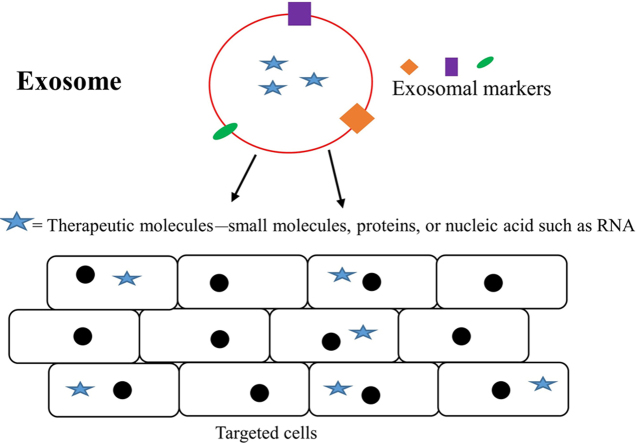
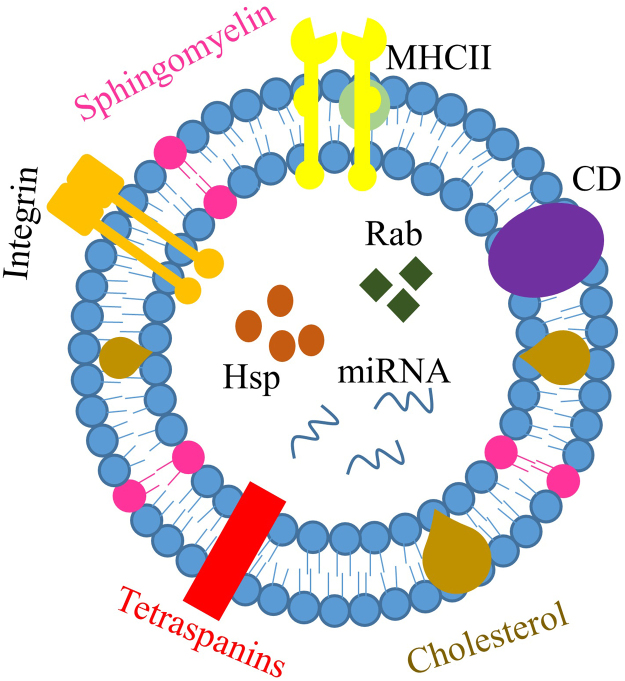
Exosomes are small intracellular membrane-based vesicles with different compositions that are involved in several biological and pathological processes. The exploitation of exosomes as drug delivery vehicles offers important advantages compared to other nanoparticulate drug delivery systems such as liposomes and polymeric nanoparticles; exosomes are non-immunogenic in nature due to similar composition as body׳s own cells. In this article, the origin and structure of exosomes as well as their biological functions are outlined. We will then focus on specific applications of exosomes as drug delivery systems in pharmaceutical drug development. An overview of the advantages and challenges faced when using exosomes as a pharmaceutical drug delivery vehicles will also be discussed.
Overview
The claims and statistics of this paper haven’t been checked yet.
Run the check — free, no account needed. It reads the open-access text and checks the sources it cites.
Integrity signals
Registry
Cites
Statistics
Figures
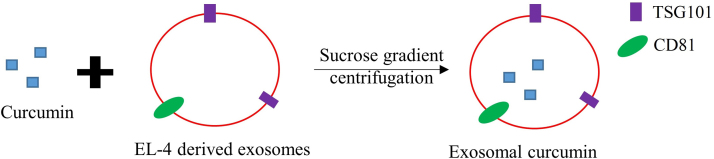
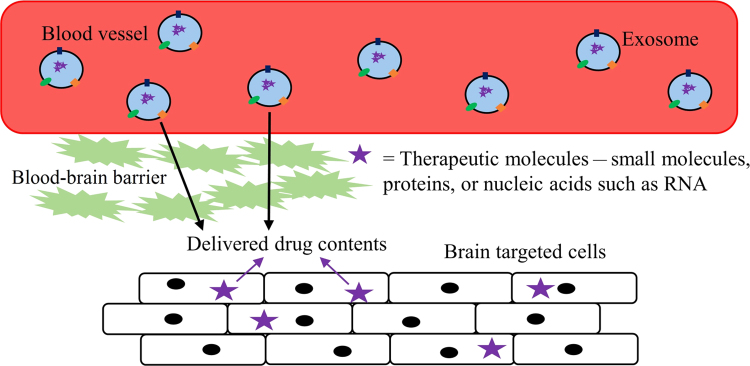
Verification
Claims the paper makes
The claims and statistics of this paper haven’t been checked yet.
Run the check — free, no account needed. It reads the open-access text and checks the sources it cites.
Claims other papers make about this one
Each is checked against this paper’s own text: does it say what the citing paper says it does?
The cited source doesn’t support the claim as written.
In the citing paper
“In contrast to implanted cells, exosomes are inherently non-immunogenic, signifying that they do not trigger an immune rejection response following implantation, thereby significantly enhancing the safety of the treatment [14].”
From Hydrogel scaffold encapsulating MSC-Exos and ZIF-8 promotes bone regeneration via coordinating osteogenesis and immunomodulation (2025) · cites this paper as [14]
Checked by a reasoning model — may be wrong.
Experimental — accuracy not yet measuredThe source backs part of the claim, not all of it — or backs it for a different population, condition or comparison.
In the citing paper
“Exosomes have been used to deliver small molecules, proteins, and nucleic acids to the brain due to their nonimmunogenic nature; however, there still exist many challenges in the isolation methods, cargo loading procedure, in vivo toxicity, and pharmacokinetics (7, 13).”
From Neurotransmitter-derived lipidoids (NT-lipidoids) for enhanced brain delivery through intravenous injection (2020) · cites this paper as [13]
Experimental — accuracy not yet measuredThe source backs part of the claim, not all of it — or backs it for a different population, condition or comparison.
In the citing paper
“Importantly, the engineered exosomes could cross the multiple layers of the blood-brain-barrier (BBB) and target cancer cells within the brain tissue (40, 65–68).”
From Potential Therapeutic Effects of Exosomes Packed With a miR-21-Sponge Construct in a Rat Model of Glioblastoma (2019) · cites this paper as [40]
Experimental — accuracy not yet measuredThe cited source says what the claim attributes to it.
In the citing paper
“Exosomes have been used to deliver small molecules, proteins, and nucleic acids to the brain due to their nonimmunogenic nature; however, there still exist many challenges in the isolation methods, cargo loading procedure, in vivo toxicity, and pharmacokinetics (7, 13).”
From Neurotransmitter-derived lipidoids (NT-lipidoids) for enhanced brain delivery through intravenous injection (2020) · cites this paper as [13]
Self-check
Percentages, sums and reported differences re-computed from the paper’s own numbers.
The self-check needs the paper’s full text.
Citations
Cites
1 retracted
Rana, S., Yue, S., Stadel, D., & Zöller, M. (2012) · The International Journal of Biochemistry & Cell Biology · doi:10.1016/j.biocel.2012.06.018 · Cited by 688
RetractedBartel (2004) · doi:10.1016/s0092-8674(04)00045-5 · Cited by 34,714
MicroRNAs: Target Recognition and Regulatory Functions
Bartel, D. P. (2009) · Cell · doi:10.1016/j.cell.2009.01.002 · Cited by 20,068
Valadi, H., Ekström, K., Bossios, A., Sjöstrand, M., Lee, J. J., & Lötvall, J. O. (2007) · Nature Cell Biology · doi:10.1038/ncb1596 · Cited by 12,834
Bioavailability of curcumin: Problems and promises
Anand, P., Kunnumakkara, A. B., Newman, R. A., & Aggarwal, B. B. (2007) · Molecular Pharmaceutics · doi:10.1021/mp700113r · Cited by 5,543
Skog, J., Würdinger, T., van Rijn, S., Meijer, D. H., Gainche, L., Curry, W. T., Carter, B. S., Krichevsky, A. M., & Breakefield, X. O. (2008) · Nature Cell Biology · doi:10.1038/ncb1800 · Cited by 5,001
Delivery of siRNA to the mouse brain by systemic injection of targeted exosomes
Alvarez-Erviti, L., Seow, Y., Yin, H., Betts, C., Lakhal, S., & Wood, M. J. A. (2011) · Nature Biotechnology · doi:10.1038/nbt.1807 · Cited by 4,930
Johnstone, R. M., Adam, M., Hammond, J. R., Orr, L., & Turbide, C. (1987) · Journal of Biological Chemistry · doi:10.1016/s0021-9258(18)48095-7 · Cited by 2,931
Advances and Challenges of Liposome Assisted Drug Delivery
Sercombe, L., Veerati, T., Moheimani, F., Wu, S. Y., Sood, A. K., & Hua, S. (2015) · Frontiers in Pharmacology · doi:10.3389/fphar.2015.00286 · Cited by 2,672
Exosomes – vesicular carriers for intercellular communication
Simons, M., & Raposo, G. (2009) · Current Opinion in Cell Biology · doi:10.1016/j.ceb.2009.03.007 · Cited by 2,410
Zitvogel, L., Régnault, A., Lozier, A., Wolfers, J., Flament, C., Tenza, D., Ricciardi‐Castagnoli, P., Raposo, G., & Amigorena, S. (1998) · Nature Medicine · doi:10.1038/nm0598-594 · Cited by 2,266
Aggarwal, B. B., & Harikumar, K. B. (2008) · The International Journal of Biochemistry & Cell Biology · doi:10.1016/j.biocel.2008.06.010 · Cited by 2,139
Exosomes as drug delivery vehicles for Parkinson’s disease therapy
Haney, M. J., Klyachko, N. L., Zhao, Y., Gupta, R., Plotnikova, E. G., He, Z., Patel, T., Piroyan, A., Sokolsky, M., Kabanov, A. V., et al. (2015) · Journal of Controlled Release · doi:10.1016/j.jconrel.2015.03.033 · Cited by 2,009
Drug Transport across the Blood–Brain Barrier
Pardridge, W. M. (2012) · Journal of Cerebral Blood Flow & Metabolism · doi:10.1038/jcbfm.2012.126 · Cited by 1,994
Vlassov, A. V., Magdaleno, S. M., Setterquist, R. A., & Conrad, R. (2012) · Biochimica et Biophysica Acta (BBA) - General Subjects · doi:10.1016/j.bbagen.2012.03.017 · Cited by 1,979
Tian, Y., Li, S., Song, J., Ji, T., Zhu, M., Anderson, G. J., Wei, J., & Nie, G. (2013) · Biomaterials · doi:10.1016/j.biomaterials.2013.11.083 · Cited by 1,841
Biogenesis and secretion of exosomes
Kowal, J., Tkach, M., & Théry, C. (2014) · Current Opinion in Cell Biology · doi:10.1016/j.ceb.2014.05.004 · Cited by 1,781
Systemically Injected Exosomes Targeted to EGFR Deliver Antitumor MicroRNA to Breast Cancer Cells
Ohno, S.-I., Takanashi, M., Sudo, K., Ueda, S., Ishikawa, A., Matsuyama, N., Fujita, K., Mizutani, T., Ohgi, T., Ochiya, T., et al. (2013) · Molecular Therapy · doi:10.1038/mt.2012.180 · Cited by 1,666
Microenvironmental pH Is a Key Factor for Exosome Traffic in Tumor Cells
Parolini, I., Federici, C., Raggi, C., Lugini, L., Palleschi, S., Milito, A. D., Coscia, C., Iessi, E., Logozzi, M., Molinari, A., et al. (2009) · Journal of Biological Chemistry · doi:10.1074/jbc.m109.041152 · Cited by 1,614
Sun, D., Zhuang, X., Xiang, X., Liu, Y., Zhang, S., Liu, C., Barnes, S., Grizzle, W. E., Miller, D., & Zhang, H. (2010) · Molecular Therapy · doi:10.1038/mt.2010.105 · Cited by 1,579
Colombo, M., Moita, C. F., van Niel, G., Kowal, J., Vigneron, J., Benaroch, P., Manel, N., Moita, L. F., Théry, C., & Raposo, G. (2013) · Journal of Cell Science · doi:10.1242/jcs.128868 · Cited by 1,534
Heijnen, H. F. G., Schiel, A. E., Fijnheer, R., Geuze, H. J., & Sixma, J. J. (1999) · Blood · doi:10.1182/blood.v94.11.3791 · Cited by 1,488
Transition metals, ferritin, glutathione, and ascorbic acid in parkinsonian brains
Riederer, P., Sofic, E., Rausch, W., Schmidt, B., Reynolds, G. P., Jellinger, K., & Youdim, M. B. H. (1989) · Journal of Neurochemistry · doi:10.1111/j.1471-4159.1989.tb09150.x · Cited by 1,383
Phase II Trial of Curcumin in Patients with Advanced Pancreatic Cancer
Dhillon, N., Aggarwal, B. B., Newman, R. A., Wolff, R. A., Kunnumakkara, A. B., Abbruzzese, J. L., Ng, C. S., Badmaev, V., & Kurzrock, R. (2008) · Clinical Cancer Research · doi:10.1158/1078-0432.ccr-08-0024 · Cited by 1,357
Receptor downregulation and multivesicular-body sorting
Katzmann, D. J., Odorizzi, G., & Emr, S. D. (2002) · Nature Reviews Molecular Cell Biology · doi:10.1038/nrm973 · Cited by 1,201
Curcumin and cancer: An “old-age” disease with an “age-old” solution
Anand, P., Sundaram, C., Jhurani, S., Kunnumakkara, A. B., & Aggarwal, B. B. (2008) · Cancer Letters · doi:10.1016/j.canlet.2008.03.025 · Cited by 1,134
Endocytosis, intracellular sorting, and processing of exosomes by dendritic cells
Morelli, A. E., Larregina, A. T., Shufesky, W. J., Sullivan, M. L. G., Stolz, D. B., Papworth, G. D., Zahorchak, A. F., Logar, A., Wang, Z., Watkins, S. C., et al. (2004) · Blood · doi:10.1182/blood-2004-03-0824 · Cited by 1,075
Exosome: from internal vesicle of the multivesicular body to intercellular signaling device
Denzer, K., Kleijmeer, M. J., Heijnen, H. F. G., Stoorvogel, W., & Geuze, H. J. (2000) · Journal of Cell Science · doi:10.1242/jcs.113.19.3365 · Cited by 1,067
Using exosomes, naturally-equipped nanocarriers, for drug delivery
Batrakova, E. V., & Kim, M. S. (2015) · Journal of Controlled Release · doi:10.1016/j.jconrel.2015.07.030 · Cited by 1,041
Active Wnt proteins are secreted on exosomes
Gross, J. C., Chaudhary, V., Bartscherer, K., & Boutros, M. (2012) · Nature Cell Biology · doi:10.1038/ncb2574 · Cited by 1,025
Yang, T., Martin, P. B., Fogarty, B., Brown, A. H., Schurman, K., Phipps, R. J., Yin, V. P., Lockman, P. R., & Bai, S. (2015) · Pharmaceutical Research · doi:10.1007/s11095-014-1593-y · Cited by 980
Indirect activation of naïve CD4+ T cells by dendritic cell–derived exosomes
Théry, C., Duban, L., Segura, É., Véron, P., Lantz, O. J., & Amigorena, S. (2002) · Nature Immunology · doi:10.1038/ni854 · Cited by 961
van Niel, G., Charrin, S., Simoes, S., Romao, M., Rochin, L., Saftig, P., Marks, M. S., Rubinstein, E., & Raposo, G. (2011) · Developmental Cell · doi:10.1016/j.devcel.2011.08.019 · Cited by 950
Kucharzewska, P., Christianson, H. C., Welch, J. E., Svensson, K. J., Fredlund, E., Ringnér, M., Mörgelin, M., Bourseau-Guilmain, E., Bengzon, J., & Belting, M. (2013) · Proceedings of the National Academy of Sciences · doi:10.1073/pnas.1220998110 · Cited by 939
Cancer Exosomes Trigger Fibroblast to Myofibroblast Differentiation
Webber, J. P., Steadman, R., Mason, M. D., Tabi, Z., & Clayton, A. (2010) · Cancer Research · doi:10.1158/0008-5472.can-10-1722 · Cited by 899
Exosomes: endosomal-derived vesicles shipping extracellular messages
Février, B., & Raposo, G. (2004) · Current Opinion in Cell Biology · doi:10.1016/j.ceb.2004.06.003 · Cited by 881
The Epidermal Growth Factor Receptor and Its Inhibition in Cancer Therapy
Woodburn, J. R. (1999) · Pharmacology & Therapeutics · doi:10.1016/s0163-7258(98)00045-x · Cited by 834
Circulating microparticles: pathophysiology and clinical implications
Piccin, A., Murphy, W. G., & Smith, O. P. (2006) · Blood Reviews · doi:10.1016/j.blre.2006.09.001 · Cited by 799
Prostate cancer-derived urine exosomes: a novel approach to biomarkers for prostate cancer
Nilsson, J. A., Skog, J., Nordstrand, A., Baranov, V. I., Mincheva‐Nilsson, L., Breakefield, X. O., & Widmark, A. (2009) · British Journal of Cancer · doi:10.1038/sj.bjc.6605058 · Cited by 786
Curcumin and Cancer Cells: How Many Ways Can Curry Kill Tumor Cells Selectively?
Ravindran, J., Prasad, S., & Aggarwal, B. B. (2009) · The AAPS Journal · doi:10.1208/s12248-009-9128-x · Cited by 779
Plasma exosomes can deliver exogenous short interfering RNA to monocytes and lymphocytes
Wahlgren, J., Karlson, T. D. L., Brisslert, M., Sani, F. V., Telemo, E., Sunnerhagen, P., & Valadi, H. (2012) · Nucleic Acids Research · doi:10.1093/nar/gks463 · Cited by 727
Production and characterization of clinical grade exosomes derived from dendritic cells
Lamparski, H., Mehta-Damani, A., Yao, J.-Y., Patel, S., Hsu, D., Ruegg, C. L., & Pecq, J. L. (2002) · Journal of Immunological Methods · doi:10.1016/s0022-1759(02)00330-7 · Cited by 701
Exosome lipidomics unravels lipid sorting at the level of multivesicular bodies
Subra, C., Laulagnier, K., Perret, B., & Record, M. (2006) · Biochimie · doi:10.1016/j.biochi.2006.10.014 · Cited by 660
Methods of isolating extracellular vesicles impact down-stream analyses of their cargoes
Taylor, D. D., & Shah, S. (2015) · Methods · doi:10.1016/j.ymeth.2015.02.019 · Cited by 659
Wu, D., Teismann, P., Tieu, K., Vila, M., Jackson-Lewis, V. R., Ischiropoulos, H., & Przedborski, S. (2003) · Proceedings of the National Academy of Sciences · doi:10.1073/pnas.0937239100 · Cited by 634
Toro, J. D., Herschlik, L., Waldner, C., & Mongini, C. (2015) · Frontiers in Immunology · doi:10.3389/fimmu.2015.00203 · Cited by 632
Exosome Secretion Is Enhanced by Invadopodia and Drives Invasive Behavior
Hoshino, D., Kirkbride, K. C., Costello, K., Clark, E. S., Sinha, S., Grega‐Larson, N. E., Tyska, M. J., & Weaver, A. M. (2013) · Cell Reports · doi:10.1016/j.celrep.2013.10.050 · Cited by 561
Exosomes for drug delivery—A novel application for the mesenchymal stem cell
Lai, R. C., Yeo, R. W. Y., Tan, K. H., & Lim, S. K. (2013) · Biotechnology Advances · doi:10.1016/j.biotechadv.2012.08.008 · Cited by 546
Exosome mimetics: a novel class of drug delivery systems
Schiffelers, R. M., Kooijmans, S. A. A., Vader, P., van Dommelen, & van Solinge, W. W. (2012) · International Journal of Nanomedicine · doi:10.2147/ijn.s29661 · Cited by 531
Protein sorting into multivesicular endosomes
Raiborg, C., Rusten, T. E., & Stenmark, H. (2003) · Current Opinion in Cell Biology · doi:10.1016/s0955-0674(03)00080-2 · Cited by 500
Exosomes are natural carriers of exogenous siRNA to human cells in vitro
Shtam, T. A., Kovalev, R. A., Varfolomeeva, E. Y., Makarov, E. M., Kil, Y. V., & Filatov, M. V. (2013) · Cell Communication and Signaling · doi:10.1186/1478-811x-11-88 · Cited by 499
Turturici, G., Tinnirello, R., Sconzo, G., & Geraci, F. (2014) · American Journal of Physiology-Cell Physiology · doi:10.1152/ajpcell.00228.2013 · Cited by 483
Brain Peroxidase and Catalase in Parkinson Disease
Ambani, L. M., Woert, M. H. V., & Murphy, S. (1975) · Archives of Neurology · doi:10.1001/archneur.1975.00490440064010 · Cited by 404
Signaling Pathways in Exosomes Biogenesis, Secretion and Fate
Urbanelli, L., Magini, A., Buratta, S., Brozzi, A., Sagini, K., Polchi, A., Tancini, B., & Emiliani, C. (2013) · Genes · doi:10.3390/genes4020152 · Cited by 372
Preformed albumin corona, a protective coating for nanoparticles based drug delivery system
Peng, Q., Zhang, S., Yang, Q., Zhang, T., Wei, X.-Q., Jiang, L., Zhang, C.-L., Chen, Q.-M., Zhang, Z.-R., & Lin, Y.-F. (2013) · Biomaterials · doi:10.1016/j.biomaterials.2013.07.102 · Cited by 366
Exosomal Tumor MicroRNA Modulates Premetastatic Organ Cells
Rana, S., Malinowska, K., & Zöller, M. (2013) · Neoplasia · doi:10.1593/neo.122010 · Cited by 353
Exosomes: Mediators of Neurodegeneration, Neuroprotection and Therapeutics
Kalani, A., Tyagi, A. A., & Tyagi, N. (2013) · Molecular Neurobiology · doi:10.1007/s12035-013-8544-1 · Cited by 341
Oxidative stress and antioxidant therapy in Parkinson's disease
Ebadi, M., Srinivasan, S. K., & Baxi, M. D. (1996) · Progress in Neurobiology · doi:10.1016/0301-0082(95)00029-1 · Cited by 337
Johnstone, R. M., Mathew, A., Mason, A. B., & Teng, K. (1991) · Journal of Cellular Physiology · doi:10.1002/jcp.1041470105 · Cited by 300
The Exosome ‐ A Naturally Secreted Nanoparticle and its Application to Wound Healing
Rani, S., & Ritter, T. (2015) · Advanced Materials · doi:10.1002/adma.201504009 · Cited by 295
Polyethylene glycol–superoxide dismutase, a conjugate in search of exploitation
Veronese, F. M., Caliceti, P., Schiavon, O., & Sergi, M. (2002) · Advanced Drug Delivery Reviews · doi:10.1016/s0169-409x(02)00029-7 · Cited by 274
Exosome secretion of dendritic cells is regulated by Hrs, an ESCRT-0 protein
Tamai, K., Tanaka, N., Nakano, T., Kakazu, E., Kondo, Y., Inoue, J., Shiina, M., Fukushima, K., Hoshino, T., Sano, K., et al. (2010) · Biochemical and Biophysical Research Communications · doi:10.1016/j.bbrc.2010.07.083 · Cited by 269
Exosomes as a Nanodelivery System: a Key to the Future of Neuromedicine?
Aryani, A., & Denecke, B. (2014) · Molecular Neurobiology · doi:10.1007/s12035-014-9054-5 · Cited by 242
Claudin-containing exosomes in the peripheral circulation of women with ovarian cancer
Li, J., Sherman‐Baust, C. A., Tsai-Turton, M., Bristow, R. E., Roden, R. B. S., & Morin, P. J. (2009) · BMC Cancer · doi:10.1186/1471-2407-9-244 · Cited by 241
PLD2 is enriched on exosomes and its activity is correlated to the release of exosomes
Laulagnier, K., Grand, D., Dujardin, A., Hamdi, S. M., Vincent-Schneider, H., Lankar, D., Salles, J., Bonnerot, C., Perret, B., & Record, M. (2004) · FEBS Letters · doi:10.1016/j.febslet.2004.06.082 · Cited by 238
Abrami, L., Brandi, L., Moayeri, M., Brown, M. J., Krantz, B. A., Leppla, S. H., & van der Goot, F. G. (2013) · Cell Reports · doi:10.1016/j.celrep.2013.10.019 · Cited by 233
Intracellular and Extracellular MicroRNAs in Breast Cancer
Corcoran, C., Friel, A. M., Duffy, M. J., Crown, J. P., & O’Driscoll, L. (2010) · Clinical Chemistry · doi:10.1373/clinchem.2010.150730 · Cited by 231
Autoantigens are translocated into small apoptotic bodies during early stages of apoptosis
Schiller, M. R., Bekeredjian‐Ding, I., Heyder, P., Blank, N., Ho, A. D., & Lorenz, H.-M. (2007) · Cell Death and Differentiation · doi:10.1038/sj.cdd.4402239 · Cited by 210
Merging the best of both worlds: hybrid lipid-enveloped matrix nanocomposites in drug delivery
Raemdonck, K., Braeckmans, K., Demeester, J., & Smedt, S. C. D. (2013) · Chemical Society Reviews · doi:10.1039/c3cs60299k · Cited by 192
Revisiting the road to the discovery of exosomes
Johnstone, R. M. (2005) · Blood Cells Molecules and Diseases · doi:10.1016/j.bcmd.2005.03.002 · Cited by 190
Exosomes as nanocarriers for immunotherapy of cancer and inflammatory diseases
Tran, T.-H., Mattheolabakis, G., Aldawsari, H. M., & Amiji, M. M. (2015) · Clinical Immunology · doi:10.1016/j.clim.2015.03.021 · Cited by 189
Functions and application of exosomes.
Qin, J., & Xu, Q. R. (2014) · PubMed · Cited by 182
Petersen, K. E., Manangón, E., Hood, J. L., Wickline, S. A., Fernández, D. P., Johnson, W. P., & Gale, B. K. (2014) · Analytical and Bioanalytical Chemistry · doi:10.1007/s00216-014-8040-0 · Cited by 176
Dvorak, H. F. (1987) · Human Pathology · doi:10.1016/s0046-8177(87)80010-2 · Cited by 169
Is nanotechnology a boon for oral drug delivery?
Agrawal, U., Sharma, R. K., Gupta, M., & Vyas, S. P. (2014) · Drug Discovery Today · doi:10.1016/j.drudis.2014.04.011 · Cited by 149
Li, C., Zhang, J., Yu-Jiao, Z. U., Shu-Fang, N. I. E., Cao, J., Qian, W. A. N. G., Nie, S., Deng, Z., Xie, M., & Wang, S. F. (2015) · Chinese Journal of Natural Medicines · doi:10.1016/s1875-5364(15)30061-3 · Cited by 134
Microparticles, thrombosis and cancer
Aharon, A., & Brenner, B. (2009) · Best Practice & Research Clinical Haematology · doi:10.1016/j.beha.2008.11.002 · Cited by 122
Microenvironmental influences of apoptosis in vivo and in vitro
Gregory, C. D., & Pound, J. D. (2010) · APOPTOSIS · doi:10.1007/s10495-010-0485-9 · Cited by 103
Erythrocyte antioxidant enzymes in Parkinson's disease.
Abraham, S., Soundararajan, C. C., Vivekanandhan, S., & Behari, M. (2005) · PubMed · Cited by 101
Simpson, R. J., & Mathivanan, S. (2012) · Journal of Proteomics & Bioinformatics · doi:10.4172/jpb.10000e10 · Cited by 90
He, J., Banizs, A. B., Huang, T., Dryden, K. A., Berr, S. S., Stone, J. R., Nakamoto, R. K., & Shi, W. (2014) · International Journal of Nanomedicine · doi:10.2147/ijn.s64267 · Cited by 86
Exosomes: The Trojan horses of neurodegeneration
Ghidoni, R., Benussi, L., & Binetti, G. G. (2008) · Medical Hypotheses · doi:10.1016/j.mehy.2007.12.003 · Cited by 65
Brain and tissue distribution of polyethylene glycol-conjugated superoxide dismutase in rats.
Yoshida, K., Burton, G. F., McKinney, J. S., Young, H. F., & Ellis, E. F. (1992) · Stroke · doi:10.1161/01.str.23.6.865 · Cited by 57
Short interfering RNA therapeutics: nanocarriers, prospects and limitations
Mehrotra, N., & Tripathi, R. M. (2015) · IET Nanobiotechnology · doi:10.1049/iet-nbt.2015.0018 · Cited by 42
FUNCTIONS AND APPLICATIONS OF EXOSOMES
Qin, J., & Xu, Q. R. (2014) · Cited by 28
Role of human RAD51 recombinase in the cycle checkpoint and survival of a cell
Shtam, T. A., Varfolomeeva, E. Y., Semenova, E. V., & Filatov, M. V. (2008) · Cell and Tissue Biology · doi:10.1134/s1990519x08050027 · Cited by 8
[Human RAD51 recombinase: the role in the cell cycle checkpoint and cellular survival].
Shtam, T. A., Varfolomeeva, I. I., Semenova, E. V., & Filatov, M. V. (2008) · PubMed · Cited by 6
Cited by
Sorted by citations
The exosome journey: from biogenesis to uptake and intracellular signalling
Gurung, S., Perocheau, D. P. B., Touramanidou, L., & Baruteau, J. (2021) · Cell Communication and Signaling · doi:10.1186/s12964-021-00730-1 · Cited by 1,912
Extracellular vesicles in cancer — implications for future improvements in cancer care
Xu, R., Rai, A., Chen, M., Suwakulsiri, W., Greening, D. W., & Simpson, R. J. (2018) · Nature Reviews Clinical Oncology · doi:10.1038/s41571-018-0036-9 · Cited by 1,472
Isolation of Extracellular Vesicles: General Methodologies and Latest Trends
Konoshenko, M. Y., Lekchnov, E. A., Vlassov, A. V., & Laktionov, P. P. (2018) · BioMed Research International · doi:10.1155/2018/8545347 · Cited by 1,302
Exosomes: key players in cancer and potential therapeutic strategy
Dai, J., Su, Y., Zhong, S., Cong, L., Liu, B., Yang, J., Tao, Y., He, Z., Chen, C., & Jiang, Y. (2020) · Signal Transduction and Targeted Therapy · doi:10.1038/s41392-020-00261-0 · Cited by 1,186
Nanomaterials for In Vivo Imaging
Smith, B. R., & Gambhir, S. S. (2017) · Chemical Reviews · doi:10.1021/acs.chemrev.6b00073 · Cited by 1,084
Metadata
- Authors
- Ha, D., Yang, N., & Nadithe, V.
- Affiliations
- Manchester University (US)
- Corresponding author
- Nadithe, Venkatareddy
- ORCID
- Yang, Ningning
- Venue
- Acta Pharmaceutica Sinica B
- Publisher
- Elsevier BV
- Published
- 2016-07
- Volume
- 6
- Issue
- 4
- Pages
- 287-296
- ISSN
- 2211-3835 (ISSN-L)
- PMC
- PMC4951582
- OpenAlex
- W2295603197
- Cited by
- 1,346
- References
- 87
- Citations by year
- 2026: 86 · 2025: 137 · 2024: 169 · 2023: 135 · 2022: 160 · 2021: 204 · 2020: 172 · 2019: 137 · 2018: 86 · 2017: 52 · 2016: 7
- FWCI
- 8.40
- Type
- journal article
- Language
- en
- Open access
- gold
- doi.org
- Licence
- Locations
- Acta Pharmaceutica Sinica B (publishedVersion, cc-by-nc-nd)
- Europe PMC (PubMed Central) (publishedVersion, cc-by-nc-nd)
- PubMed Central (publishedVersion, cc-by-nc-nd)
- PubMed (publishedVersion)
- DOAJ (DOAJ: Directory of Open Access Journals) (submittedVersion, cc-by-sa)
- Topics
- Life Sciences › Biochemistry, Genetics and Molecular Biology › Molecular Biology › Extracellular vesicles in disease
- Physical Sciences › Materials Science › Biomaterials › Nanoparticle-Based Drug Delivery
- Life Sciences › Biochemistry, Genetics and Molecular Biology › Molecular Biology › RNA Interference and Gene Delivery
- Keywords
- exosomes, drug carriers, membrane crossing, non-immunogenicity, drug development
About these checks
Registry, retraction, Cites and statistics results are computed, not judged, with one exception: a printed reference that no index lists is read once by a model before it counts as a citation error. Claims are extracted by a model and kept only when their quote appears verbatim in the text; each cited source is then checked, with a model’s help, for whether it says what the claim relies on. Those verdicts can be wrong — read the claim’s quote and the cited source before relying on one.
Statistics and arithmetic are recomputed, not judged.
Confidence bands are shown only for fields calibrated on our annotated test set. None is calibrated yet, so no band is shown.
What counts as a claim ›How we measure confidence ›How we check this ›
Are you an author, or do you see a problem with this page? Request a review
