

The DOI matches its Crossref record; 163 of the 168 references it cites were found in a registry or an index.
The anatomy of apathy: A neurocognitive framework for amotivated behaviour
Open accessAbstract
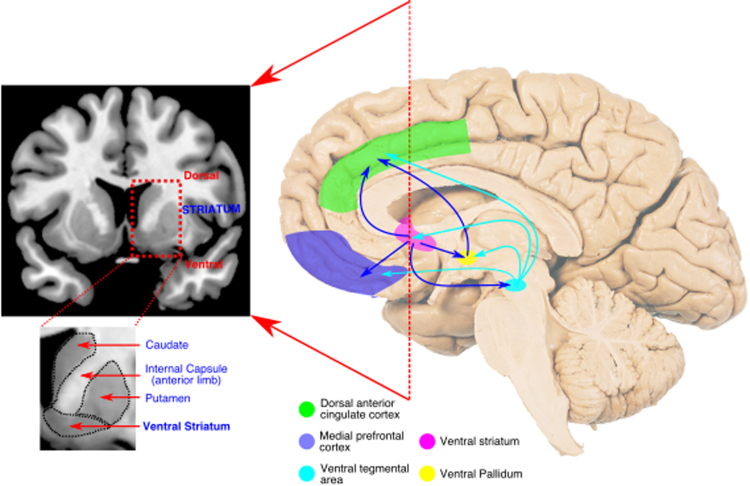
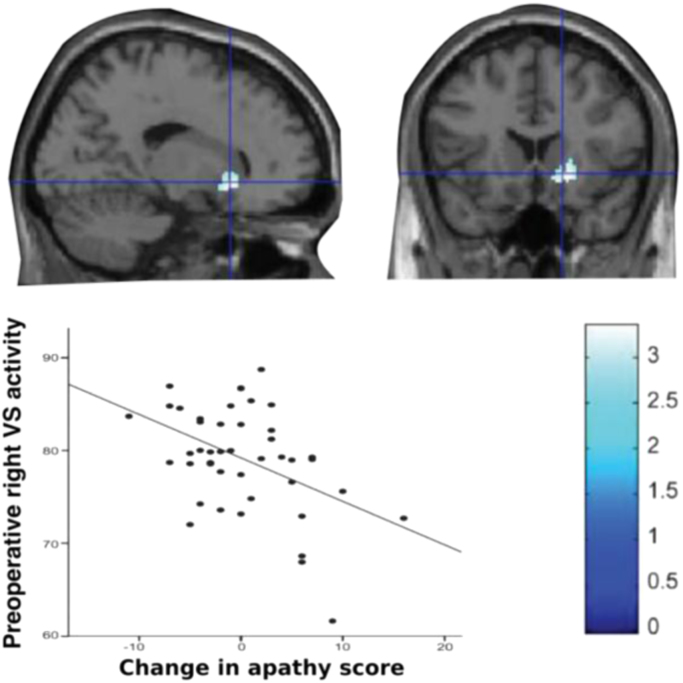
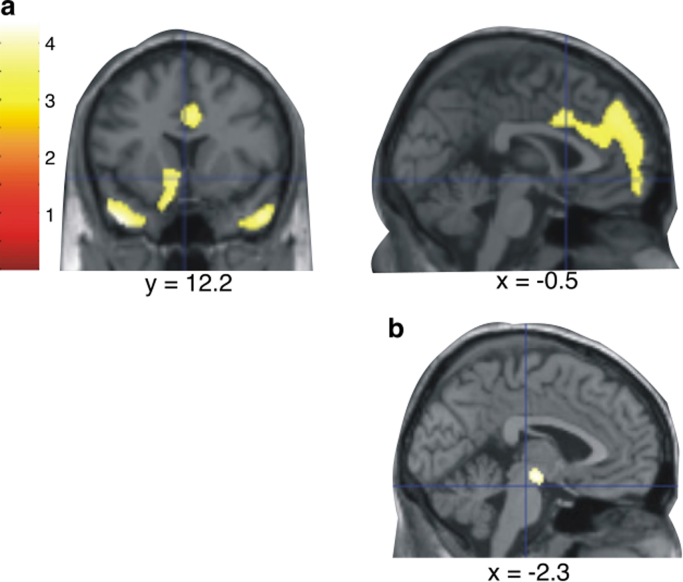
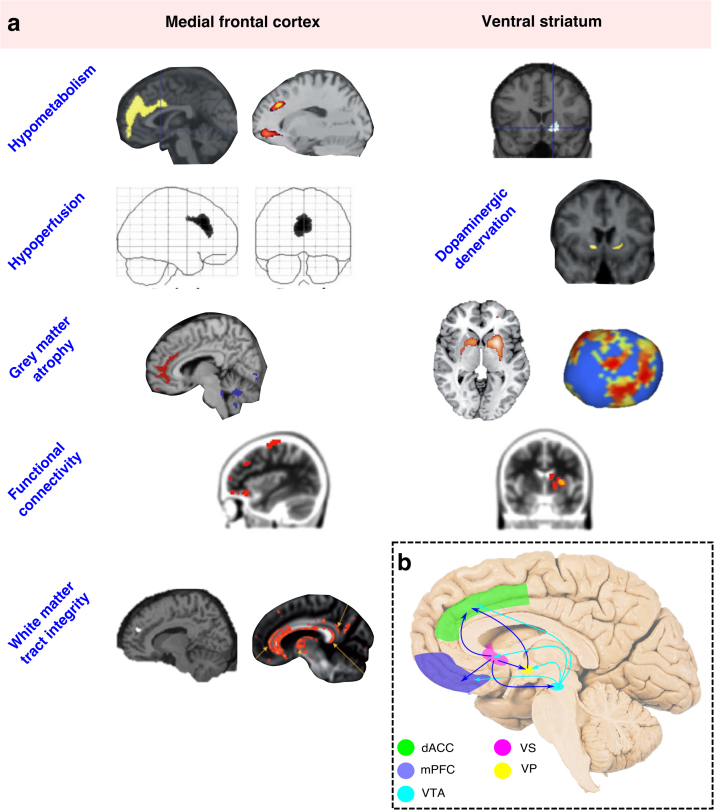
Apathy is a debilitating syndrome associated with many neurological disorders, including several common neurodegenerative diseases such as Parkinson's disease and Alzheimer's disease, and focal lesion syndromes such as stroke. Here, we review neuroimaging studies to identify anatomical correlates of apathy, across brain disorders. Our analysis reveals that apathy is strongly associated with disruption particularly of dorsal anterior cingulate cortex (dACC), ventral striatum (VS) and connected brain regions. Remarkably, these changes are consistent across clinical disorders and imaging modalities. Review of the neuroimaging findings allows us to develop a neurocognitive framework to consider potential mechanisms underlying apathy. According to this perspective, an interconnected group of brain regions - with dACC and VS at its core - plays a crucial role in normal motivated behaviour. Specifically we argue that motivated behaviour requires a willingness to work, to keep working, and to learn what is worth working for. We propose that deficits in any one or more of these processes can lead to the clinical syndrome of apathy, and outline specific approaches to test this hypothesis. A richer neurobiological understanding of the mechanisms underlying apathy should ultimately facilitate development of effective therapies for this disabling condition.
Overview
The claims and statistics of this paper haven’t been checked yet.
Run the check — free, no account needed. It reads the open-access text and checks the sources it cites.
Integrity signals
Registry
Cites
Statistics
Figures
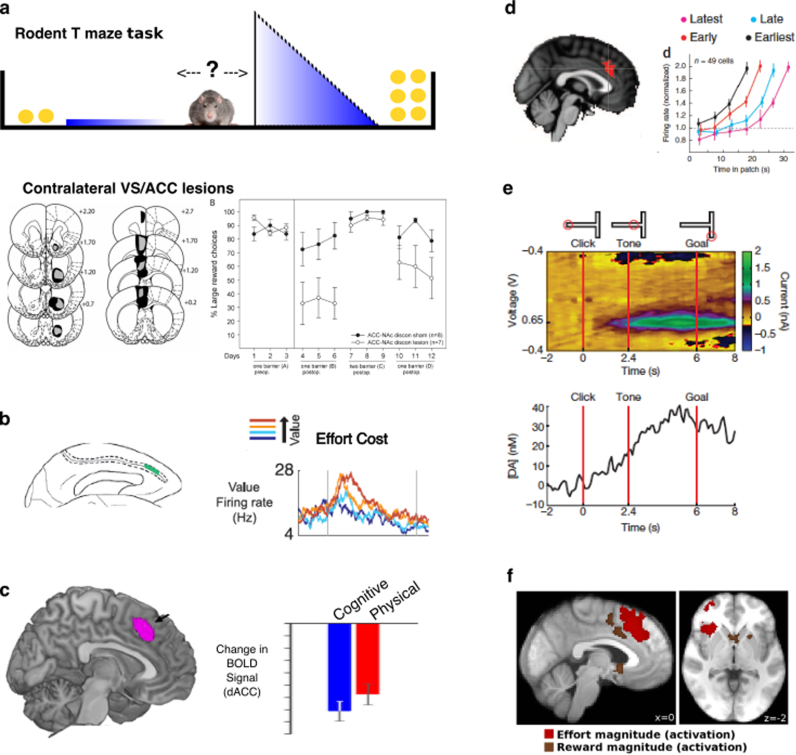
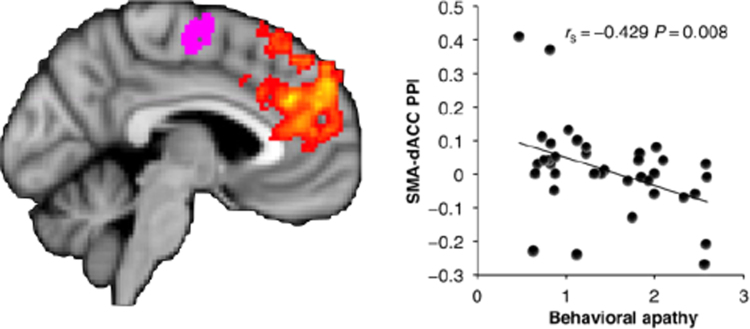
Verification
Claims the paper makes
The claims and statistics of this paper haven’t been checked yet.
Run the check — free, no account needed. It reads the open-access text and checks the sources it cites.
Claims other papers make about this one
Each is checked against this paper’s own text: does it say what the citing paper says it does?
The cited source says what the claim attributes to it.
In the citing paper
“In addition, apathy is a well-recognized feature of strokes affecting similar portions of the medial frontal cortex (Kang & Kim, 2008; Le Heron et al., 2018) and the medial and anterior thalamus (Carrera & Bogousslavsky, 2006; Krause et al., 2012; Serra et al., 2013) respectively.”
From The cingulum bundle: Anatomy, function, and dysfunction (2018) · cites this paper as Le Heron et al., 2018
The cited source says what the claim attributes to it.
In the citing paper
“Across differing underlying pathologies and neuroimaging methods, the anterior cingulate cortex, orbital frontal cortex, and medial thalamus exhibit some of the most robust changes associated with apathy (Le Heron et al., 2018).”
From The cingulum bundle: Anatomy, function, and dysfunction (2018) · cites this paper as Le Heron et al., 2018
Self-check
Percentages, sums and reported differences re-computed from the paper’s own numbers.
The self-check needs the paper’s full text.
Citations
Cites
(2022) · La Revue du praticien · doi:10.1093/ageing/afgi30 · Cited by 15,809 · cited 1×
“Research using SPECT has consistently demonstrated that reduced perfusion in ACC and OFC – as well as frontopolar and DLPFC regions in some studies – is associated with apathy in AD (Benoit et al., 2004; Craig et al., 1996; Lanctôt et al., 2007; Migneco et al., 2001; Robert et al., 2006).”
ResultKalia, L. V., & Lang, A. E. (2015) · The Lancet · doi:10.1016/s0140-6736(14)61393-3 · Cited by 6,184
Optimal foraging, the marginal value theorem
Charnov, E. L. (1976) · Theoretical Population Biology · doi:10.1016/0040-5809(76)90040-x · Cited by 5,374
Functional architecture of basal ganglia circuits: neural substrates of parallel processing
Alexander, G. E., & Crutcher, M. D. (1990) · Trends in Neurosciences · doi:10.1016/0166-2236(90)90107-l · Cited by 4,131
Contributions of anterior cingulate cortex to behaviour
Devinsky, O., Morrell, M. J., & Vogt, B. A. (1995) · Brain · doi:10.1093/brain/118.1.279 · Cited by 3,377
Anterior Cingulate Cortex, Error Detection, and the Online Monitoring of Performance
Carter, C. S., Braver, T. S., Barch, D. M., Botvinick, M. M., Noll, D., & Cohen, J. D. (1998) · Science · doi:10.1126/science.280.5364.747 · Cited by 3,273
The expected value of control: an integrative theory of anterior cingulate cortex function
Shenhav, A., Botvinick, M. M., & Cohen, J. D. (2013) · Neuron · doi:10.1016/j.neuron.2013.07.007 · Cited by 2,321
Berridge, K. C., & Kringelbach, M. L. (2015) · Neuron · doi:10.1016/j.neuron.2015.02.018 · Cited by 1,730 · cited 1×
“Subcortically, basal ganglia lesions, particularly those involving the caudate nucleus or nucleus accumbens, are associated with the development of apathy (Bhatia and Marsden, 1994; Gerace et al., 2013; Maeda et al., 2012; Phillips et al., 1987).”
BackgroundReconsidering anhedonia in depression: Lessons from translational neuroscience
Treadway, M. T., & Zald, D. H. (2011) · Neuroscience & Biobehavioral Reviews · doi:10.1016/j.neubiorev.2010.06.006 · Cited by 1,579
Temporal difference models and reward-related learning in the human brain
O'Doherty, J. P., Dayan, P., Friston, K., Critchley, H., & Dolan, R. J. (2003) · Neuron · doi:10.1016/s0896-6273(03)00169-7 · Cited by 1,522
Research works printed but not linked: 1
- Mori, 2006, Principles of diffusion tensor imaging and its applications to basic neuroscience research, Neuron, 51, 527, 10.1016/j.neuron.2006.08.012 · DOI · Paper page
Cited by
Sorted by citations
Items 101–200 of 351
Associations, overlaps and dissociations between apathy and fatigue
Daumas, L., Corbel, C., Zory, R., Corveleyn, X., Fabre, R., Robert, P. H., & Manera, V. (2022) · Scientific Reports · doi:10.1038/s41598-022-11071-5 · Cited by 23
Pluck, G. C., Mancero, P. C. B., Encalada, P. A. O., Alcivar, A. M. U., Gavilánez, C. E. M., & Chacon, P. (2019) · Trends in Neuroscience and Education · doi:10.1016/j.tine.2019.100124 · Cited by 29
“The role of this circuit in motivation, and as a pathology of motivation, is frequently observed in clinical studies [40, 43, 94], but its role in motivation is also supported by”
BackgroundUnmet Needs in Pharmacological Treatment of Apathy in Alzheimer’s Disease: A Systematic Review
Theleritis, C. G., Siarkos, K., & Politis, A. M. (2019) · Frontiers in Pharmacology · doi:10.3389/fphar.2019.01108 · Cited by 20
“Indeed, apathy is correlated with neuronal loss, higher tangle counts, white matter hyperintensities, and hypoperfusion in regions involved in frontal–subcortical networks (Theleritis et al., 2014; Le Heron et al., 2018).”
Virtual Group Music Therapy for Apathy in Parkinson’s Disease: A Pilot Study
Shah-Zamora, D., Anderson, S. A., Barton, B., & Fleisher, J. (2023) · Journal of Geriatric Psychiatry and Neurology · doi:10.1177/08919887231176755 · Cited by 17
Neural representations of vicarious rewards are linked to interoception and prosocial behaviour
Contreras-Huerta, L. S., Coll, M., Bird, G., Yu, H., Prosser, A. M. B., Lockwood, P. L., Murphy, J., Crockett, M. J., & Apps, M. A. J. (2023) · NeuroImage · doi:10.1016/j.neuroimage.2023.119881 · Cited by 26
Self-citationGarofalo, E., Iavarone, A., Chieffi, S., Mazzi, M. C., Gamboz, N., Ambra, F. I., Sannino, M., Galeone, F., Esposito, S., Ronga, B., et al. (2020) · Neurological Sciences · doi:10.1007/s10072-020-04631-y · Cited by 17
“In line with some neurological observations, apathy may occur after traumatic brain injury involving prefrontal and basal ganglia territories [2, 4, 5].”
BackgroundKuroda, Y., Matsuzaki, K., Wakatsuki, H., Shido, O., Harauma, A., Moriguchi, T., Sugimoto, H., Yamaguchi, S., YOSHINO, K., & Hashimoto, M. (2019) · Journal of Nutritional Science and Vitaminology · doi:10.3177/jnsv.65.s80 · Cited by 20
A survey on the prevalence of apathy in elderly people referred to specialized memory centers
Manera, V., Fabre, R., Stella, F., Loureiro, J., Agüera-Ortiz, L., López-Álvarez, J., Hanon, C., Hoertel, N., Aalten, P., Ramakers, I., et al. (2019) · International Journal of Geriatric Psychiatry · doi:10.1002/gps.5125 · Cited by 17
Ulugut, H., Trieu, C., Groot, C., van ’t Hooft, J. J., Tijms, B. M., Scheltens, P., Ossenkoppele, R., Barkhof, F., van den Heuvel, O. A., & Pijnenburg, Y. A. L. (2023) · Biological Psychiatry · doi:10.1016/j.biopsych.2022.05.028 · Cited by 16
The subjective evaluation of task switch cues is related to voluntary task switching
Vermeylen, L., Braem, S., Notebaert, W., & Ruitenberg, M. F. L. (2022) · Cognition · doi:10.1016/j.cognition.2022.105063 · Cited by 21
Validation of the self-rated Dimensional Apathy Scale in community stroke survivors.
Myhre, P., Radakovic, R., & Ford, C. (2021) · Journal of Neurological Sciences · doi:10.1016/j.jns.2021.120103 · Cited by 16
“Moreover, there are reported to be distinct subtypes of apathy affecting initiation, executive functioning and emotional neutrality [16], [17].”
BackgroundWakasugi, N., & Hanakawa, T. (2021) · Frontiers in Systems Neuroscience · doi:10.3389/fnsys.2021.777706 · Cited by 17
“The PCC is related to internally-directed thinking and helps allocate attention efficiently in collaboration with the ECN (Leech et al., 2011).”
BackgroundInfluentialBeyond language impairment: Profiles of apathy in primary progressive aphasia
Quang, H., Wong, S., Husain, M., Piguet, O., Hodges, J. R., Irish, M., & Kumfor, F. (2021) · Cortex · doi:10.1016/j.cortex.2021.02.028 · Cited by 19
Self-citationStructural Brain Differences Between Cognitively Impaired Patients With and Without Apathy
Chan, N. K., Gerretsen, P., Chakravarty, M. M., Blumberger, D. M., Caravaggio, F., Brown, E. E., & Graff‐Guerrero, A. (2020) · American Journal of Geriatric Psychiatry · doi:10.1016/j.jagp.2020.12.008 · Cited by 19
“Le Heron et al. 5,6 hypothesize that frontostriatal circuits including brain regions such as the ventromedial prefrontal cortex, anterior cingulate cortex, striatum, and supplementary motor area/posterior mid-cingulate cortex are involved in the generation of goal-directed behaviours, while de fi…”
Neurotoxicity of poly(propylene imine) glycodendrimers
Franiak-Pietryga, I., Ziemba, B., Sikorska, H., Jander, M., Appelhans, D., Bryszewska, M., & Borowiec, M. (2020) · Drug and chemical toxicology (New York, N.Y. 1978) · doi:10.1080/01480545.2020.1843472 · Cited by 16
Behavioural changes in frontotemporal dementia and their cognitive and neuroanatomical correlates
Rouse, M., Husain, M., Garrard, P., Patterson, K., Rowe, J., & Ralph, M. L. (2024) · medRxiv · doi:10.1093/brain/awaf061 · Cited by 15
Self-citationZhu, C. W., Schneider, L. S., Elder, G. A., Soleimani, L., Grossman, H., Aloysi, A., Schimming, C., & Sano, M. (2024) · The American journal of geriatric psychiatry · doi:10.1016/j.jagp.2024.06.005 · Cited by 15
Eggins, P., Wong, S., Wei, G., Hodges, J. R., Husain, M., Piguet, O., Irish, M., & Kumfor, F. (2022) · Cortex · doi:10.1016/j.cortex.2022.05.012 · Cited by 20
Self-citationGodefroy, V., Batrancourt, B., Charron, S., Bouzigues, A., Bendetowicz, D., Carle, G., Rametti‐Lacroux, A., Bombois, S., Cognat, E., Migliaccio, R., et al. (2022) · Brain Structure and Function · doi:10.1007/s00429-022-02519-5 · Cited by 15
Setiadi, T. M., Martens, S., Opmeer, E. M., Marsman, J.-B. C., Tumati, S., Reesink, F. E., Deyn, P. P. D., Aleman, A., & Ćurĉić‐Blake, B. (2021) · NeuroImage Clinical · doi:10.1016/j.nicl.2021.102567 · Cited by 24
Behavioral disorders in dementia with Lewy bodies: old and new knowledge
Jellinger, K. A. (2024) · Journal of Neural Transmission · doi:10.1007/s00702-024-02823-w · Cited by 15
“Apathy is strongly associated with disruption of the dorsal cingulate cortex, ventral striatum and connected brain regions, with dorsal cingulate cortex and ventral striatum playing a crucial role in normal motivated behavior (Le Heron et al. 2018).”
Oberlin, L. E., Victoria, L. W., Ilieva, I. P., Dunlop, K., Hoptman, M. J., Avari, J., Alexopoulos, G. S., & Gunning, F. M. (2022) · JAMA Network Open · doi:10.1001/jamanetworkopen.2022.24142 · Cited by 24
Gray Matter Vulnerabilities Predict Longitudinal Development of Apathy in Huntington's Disease
Paepe, A. E. D., Ara, A., García-Gorro, C., Martínez-Horta, S., Pèrez-Pèrez, J., Kulisevsky, J., Rodríguez-Dechicha, N., Vaquer, I., Subirà, S., Calopa, M., et al. (2021) · Movement Disorders · doi:10.1002/mds.28638 · Cited by 14
“Specifically, across both structural and functional modalities, neural correlates have been shown to include the medial orbitofrontal cortex, supplementary motor area, cingulate, caudate, and ventral striatum, or connectivity between such regions,(17-20) with a disputed involvement of the thalamus.(12,47) This complex…”
BackgroundGoal Setting Improves Cognitive Performance in a Randomized Trial of Chronic Stroke Survivors
Fishman, K. N., Ashbaugh, A. R., & Swartz, R. H. (2021) · Stroke · doi:10.1161/strokeaha.120.032131 · Cited by 14
Spalletta, G., Iorio, M., Vecchio, D., Piras, F., Ciullo, V., Banaj, N., Sensi, S. L., Gianni, W., Assogna, F., Caltagirone, C., et al. (2020) · Journal of Personalized Medicine · doi:10.3390/jpm10040172 · Cited by 15
Resting-state fMRI analysis in apathetic Alzheimer's disease
Büyükgök, D., Bayraktaroğlu, Z., Buker, H. S., Kulaksizoglu, M. I. B., & Gurvit, H. I. (2020) · Diagnostic and Interventional Radiology · doi:10.5152/dir.2019.19445 · Cited by 18
“various neuropsychiatric disorders, including AD (10).”
BackgroundLang, S., Ismail, Z., Kibreab, M., Kathol, I., Sarna, J., & Monchi, O. (2020) · Human Brain Mapping · doi:10.1002/hbm.25084 · Cited by 14
Angelopoulou, E., Bougea, A., Hatzimanolis, A., Stefanis, L., Scarmeas, N., & Papageorgiou, S. (2024) · Medicina · doi:10.3390/medicina60010115 · Cited by 13
“…is implicated in several cognitive and behavioral functions, such as cognitive control, expression of fear, behavioral adaptation, and reward-based decision-making [101,102], while the striatal-dorsal anterior cingulate pathway plays a critical pathophysiological role in apathy in PD [103].”
BackgroundTowards therapeutic electrophysiological neurofeedback in Parkinson's disease
Matzilevich, E. U., Daniel, P. L., & Little, S. J. (2024) · Parkinsonism & Related Disorders · doi:10.1016/j.parkreldis.2024.106010 · Cited by 17
Apathy in Patients With Cerebral Amyloid Angiopathy
Chokesuwattanaskul, A., Zotin, M. C. Z., Schoemaker, D., Sveikata, L., Gurol, M. E., Greenberg, S. M., & Viswanathan, A. (2023) · Neurology · doi:10.1212/wnl.0000000000207200 · Cited by 16
Role of serotonin in modulation of decision-making in Parkinson’s disease
Nobis, L., Maio, M. R., Saleh, Y., Manohar, S., Kienast, A., McGann, E., & Husain, M. (2023) · Journal of Psychopharmacology · doi:10.1177/02698811221144636 · Cited by 16
“Email: Masud.Husain@ndcn.ox.ac.uk needs to be exerted to obtain a reward (Le Heron et al., 2017; Pagonabarraga et al., 2015).”
BackgroundSelf-citationFrequency and Pathophysiology of Apathy in Huntington Disease: A Systematic Review and Meta-Analysis
Zadegan, S. A., Coco, H. M., Reddy, K. S., Anderson, K. M., Teixeira, A. L., & Furr-Stimming, E. E. (2022) · Journal of Neuropsychiatry · doi:10.1176/appi.neuropsych.20220033 · Cited by 16
Sleep Restriction Reduces Cognitive but Not Physical Motivation
Jurgelis, M., Boardman, J. M., Coxon, J. P., Drummond, S. P. A., & Chong, T. T. ‐. (2022) · Nature and Science of Sleep · doi:10.2147/nss.s368335 · Cited by 19
Hocking, J., Oster, C., Maeder, A. J., & Lange, B. S. (2022) · JBI Evidence Synthesis · doi:10.11124/jbies-22-00025 · Cited by 16
The New Zealand Parkinson's progression programme
MacAskill, M. R., Pitcher, T. L., Melzer, T. R., Myall, D. J., Horne, K., Shoorangiz, R., Almuqbel, M. M., Livingston, L., Grenfell, S., Pascoe, M. J., et al. (2022) · Journal of the Royal Society of New Zealand · doi:10.1080/03036758.2022.2111448 · Cited by 16
“We have developed a cognitive framework for understanding apathy grounded in the neuroscience of cost – bene fi t decision making: broadly, we systematically manipulate and dissociate rewards and costs to measure how they are weighed as people act to pursue goals (Le Heron et al. 2018).”
BackgroundMethodThe apathy, gait impairment, and executive dysfunction (AGED) triad vascular variant
Hachinski, V., Finger, E., Pieruccini-Faria, F., & Montero-Odasso, M. (2022) · Alzheimer's & Dementia · doi:10.1002/alz.12637 · Cited by 13
Resting-State Functional Connectivity Signatures of Apathy in Community-Living Older Adults
Jang, J. Y., Han, S. D., Yew, B., Blanken, A. E., Dutt, S., Li, Y., Ho, J. K., Gaubert, A., & Nation, D. A. (2021) · Frontiers in Aging Neuroscience · doi:10.3389/fnagi.2021.691710 · Cited by 12
Hussain, M., Iudicello, J., Morgan, E., Kamat, R., Heaton, R., & Grant, I. (2021) · Addictive Behaviors Reports · doi:10.1016/j.abrep.2020.100331 · Cited by 13
Caravaggio, F., Fervaha, G., Iwata, Y., Plitman, E., Chung, J., Nakajima, S., Mar, W., Gerretsen, P., Kim, J., Chakravarty, M., et al. (2017) · International Journal of Geriatric Psychiatry · doi:10.1002/gps.4818 · Cited by 13
“Examination of the VS as a substrate for amotivation in schizophrenia is particularly relevant given its proposed role in regulating motivated behaviour.(10,13) To our knowledge, only 1 study by Roth and colleagues has specifically explored this relationship.”
BackgroundLafond-Brina, G., Pham, B., & Bonnefond, A. (2023) · Cerebral Cortex · doi:10.1093/cercor/bhad074 · Cited by 12
Aubignat, M., Roussel, M., Aarabi, A., Lamy, C., Andriuta, D., Tasseel‐Ponche, S., Makki, M., Godefroy, O., Godefroy, O., Roussel, M., et al. (2023) · Cortex · doi:10.1016/j.cortex.2022.12.012 · Cited by 12
Miao, D., Zhou, X., Wu, X., Chen, C., & Tian, L. (2022) · Frontiers in Psychology · doi:10.3389/fpsyg.2022.980954 · Cited by 10
Timing of selective basal ganglia white matter loss in premanifest Huntington’s disease
Zeun, P., McColgan, P., Dhollander, T., Gregory, S., Johnson, E. B., Papoutsi, M., Nair, A., Scahill, R. I., Rees, G. E., Tabrizi, S. J., et al. (2022) · NeuroImage Clinical · doi:10.1016/j.nicl.2021.102927 · Cited by 19
“Apathy scores from the Baltimore Apathy and Irritability scale (Chatterjee et al., 2005) were selected for limbic cortico-striatal tracts given the well described relationship between degeneration or injury in these tracts and apathy across numerous conditions (Le Heron et al., 2018).”
BackgroundMethodOpportunity cost determines free-operant action initiation latency and predicts apathy
Nair, A., Niyogi, R. K., Shang, F., Tabrizi, S., Rees, G., & Rutledge, R. (2021) · Psychological Medicine · doi:10.1017/s0033291721003469 · Cited by 12
“…and hard-to-treat neuropsychiatric symptom found in a range of neuropsychiatric disorders such as schizophrenia, depression, Parkinson ’ disease (PD), Alzheimer ’ disease (AD) and Huntington ’ disease (HD) (Husain & Roiser, 2018; Krishnamoorthy & Craufurd, 2011; Le Heron, Apps, & Husain, 2018).”
BackgroundAbnormal Spontaneous Neural Activity in Parkinson’s Disease With “pure” Apathy
Sun, H.-T., Hu, J.-B., Chen, J., Wang, X.-Y., Wang, X., Pan, P., & Liu, C.-F. (2020) · Frontiers in Neuroscience · doi:10.3389/fnins.2020.00830 · Cited by 12
“The nucleus accumbens, a part of the ventral striatum (also called the limbic striatum), is a critical node of the mesocorticolimbic system that is implicated in reward processing and as playing a key role in normal motivated behavior (Le Heron et al., 2018).”
BackgroundInfluentialSalamone, J. D., & Correa, M. (2018) · Current Opinion in Behavioral Sciences · doi:10.1016/j.cobeha.2018.01.026 · Cited by 17
Heron, C. L., Horne, K., Macaskill, M., Livingstone, L., Melzer, T., Myall, D. J., Pitcher, T., Dalrymple-Alford, J., Anderson, T. J., & Harrison, S. D. L. (2024) · Neurology · doi:10.1212/wnl.0000000000209301 · Cited by 11
Preferences for seeking effort or reward information bias the willingness to work
Müller, T., Husain, M., & Apps, M. A. J. (2022) · Scientific Reports · doi:10.1038/s41598-022-21917-7 · Cited by 15
Self-citationHendel, R. K., Hellem, M. N. N., Hjermind, L. E., Nielsen, J. E., & Vogel, A. (2022) · Journal of the International Neuropsychological Society · doi:10.1017/s1355617722000364 · Cited by 14
“The investigation of apathy involves a focus on the different cognitive processes implicated in goal-directed behavior such as selection of action based on evaluation of reward value and effort, planning and execution, outcome evaluation, and learning (Ernst & Paulus, 2005; Le Heron et al., 2018).”
BackgroundMethodPupillary response in reward processing in adults with major depressive disorder in remission
Guath, M., Willfors, C., Avdic, H. B., Nordgren, A., & Kleberg, J. L. (2022) · Journal of the International Neuropsychological Society · doi:10.1017/s1355617722000224 · Cited by 13
“In healthy individuals, reward processing is linked to a group of interacting brain mechanisms including the ventral striatum and the medial frontal cortex (Admon & Pizzagalli, 2015; Le Heron et al., 2018; Schultz, 2007).”
BackgroundPrefrontal hyperactivation during dual-task walking related to apathy symptoms in older individuals
Talamonti, D., Dupuy, E. G., Boudaa, S., Vincent, T. L., Fraser, S., Nigam, A., Lesage, F., Belleville, S., Gagnon, C., & Bherer, L. (2022) · PLoS ONE · doi:10.1371/journal.pone.0266553 · Cited by 10
“Apathy is defined as diminished motivation, reduced goal-directed behavior and emotional responsiveness [1] that occurs in a variety of neurological and psychiatric conditions [2], and PLOS ONE”
BackgroundGe, X., Initiative, A. D. N., Qiao, Y., Choi, J., Raman, R., Ringman, J. M., & Shi, Y. (2022) · Journal of Alzheimer s Disease · doi:10.3233/jad-215555 · Cited by 14
Effort Mobilization and Healthy Aging
Hess, T. M., Freund, A. M., & Tobler, P. N. (2021) · The Journals of Gerontology Series B · doi:10.1093/geronb/gbab030 · Cited by 16
The neural correlates of apathy in schizophrenia: An exploratory investigation
Caravaggio, F., Fervaha, G., Menon, M., Remington, G., Graff-Guerrero, A., & Gerretsen, P. (2017) · Neuropsychologia · doi:10.1016/j.neuropsychologia.2017.10.027 · Cited by 11
Totuk, O., & Şahin, Ş. (2025) · Behavioural Neurology · doi:10.1155/bn/3788122 · Cited by 10
Behavioral disorders in Parkinson disease: current view
Jellinger, K. (2024) · Journal of neural transmission · doi:10.1007/s00702-024-02846-3 · Cited by 10
“…subcortical structures, including anterior cingulate, medial orbitofrontal cortex and ventral striatum, which are under influence of mesolimbic projections (Le Heron et al. 2019) or with disruption of dorsal cingulate cortex, ventral striatum, and connected brain regions (Le Heron et al. 2018a).”
Examining resilience to Alzheimer’s disease through the lens of monoaminergic neuromodulator systems
Crawford, J. L., & Berry, A. S. (2024) · Trends in Neurosciences · doi:10.1016/j.tins.2024.09.004 · Cited by 11
A Systematic Review of Pharmacological Interventions for Apathy in Aging Neurocognitive Disorders
Theleritis, C. G., Siarkos, K., Politis, A. A., Smyrnis, N., Papageorgiou, C., & Politis, A. M. (2023) · Brain Sciences · doi:10.3390/brainsci13071061 · Cited by 12
Medial prefrontal transcranial alternating current stimulation for apathy in Huntington's disease
Davis, M.-C., Hill, A., Fitzgerald, P., Bailey, N., Sullivan, C., Stout, J. C., & Hoy, K. (2022) · medRxiv · doi:10.1101/2022.08.29.22279310 · Cited by 10
Reconciling psychological and neuroscientific accounts of reduced motivation in aging
Soutschek, A., Bagaïni, A., Hare, T. A., & Tobler, P. N. (2021) · Social Cognitive and Affective Neuroscience · doi:10.1093/scan/nsab101 · Cited by 14
Reward sensitivity and action in Parkinson’s disease patients with and without apathy
Muhammed, K., Yehuda, M. B., Drew, D., Manohar, S., & Husain, M. (2021) · Brain Communications · doi:10.1093/braincomms/fcab022 · Cited by 10
Self-citationUnderstanding disrupted motivation in Parkinson’s disease through a value-based decision-making lens
Heron, C. J. L., Morris, L., & Manohar, S. (2025) · Trends in Neurosciences · doi:10.1016/j.tins.2025.02.008 · Cited by 10
Decision cost hypersensitivity underlies Huntington’s disease apathy
Morris, L., Horne, K., Manohar, S., Paermentier, L., Buchanan, C. M., MacAskill, M. R., Myall, D. J., Apps, M. A. J., Roxburgh, R. H., Anderson, T., et al. (2024) · Brain · doi:10.1093/brain/awae296 · Cited by 8
“19,20 Additionally, bilateral amygdala atrophy is highly associated with apathy in people with HD, in whom white matter tracts connecting the amygdala with frontal regions are also often compromised.”
Self-citationDavis, M. C., Fitzgerald, P., Bailey, N., Sullivan, C., Stout, J., Hill, A., & Hoy, K. (2023) · Brain Research · doi:10.2139/ssrn.4317564 · Cited by 9
Barber, T., Muhammed, K., Drew, D., Bradley, K., McGowan, D., Klein, J., Manohar, S., Hu, M., & Husain, M. (2022) · Brain : a journal of neurology · doi:10.1093/brain/awac430 · Cited by 9
“The mesolimbic dopaminergic pathway, projecting from the ventral tegmental area to the ventral striatum, has a more important mechanistic role than the nigro-striatal pathway in the evaluation and processing of reward.(21,22) Although the mesolimbic pathway is known to be affected by Parkinsonian neurodegeneration,(23…”
BackgroundSelf-citationAnalysis of Influencing Factors of Apathy in Patients with Parkinson’s Disease
Luo, R.-R., Qi, Y., He, J.-Q., Zheng, X., Ren, W., & Chang, Y. (2022) · Brain Science · doi:10.3390/brainsci12101343 · Cited by 9
“Neuroanatomy suggests that executive dysfunction in patients with PD is primarily associated with abnormalities in the frontal-striatal pathway, while decreased midbrain dopaminergic levels and abnormalities in norepinephrinergic and cholinergic in terms of neurotransmitters are also thought to be associated with exec…”
ResultSteinmann, L. A., Dohm, K., Goltermann, J., Richter, M. F., Enneking, V., Lippitz, M., Repple, J., Mauritz, M., Dannlowski, U., & Opel, N. (2022) · Journal of Psychiatry and Neuroscience · doi:10.1503/jpn.210180 · Cited by 14
Hong, C. M., Kim, D., Ahn, B., Seo, J.-G., & Ryu, H. (2022) · Journal of Integrative Neuroscience · doi:10.31083/j.jin2103074 · Cited by 11
“One study reported that the ventral striatum, dorsal anterior cingulate cortex, and connective regions of the brain are involved in apathy [30].”
BackgroundAltunkaya, S., Huang, S., Hsu, Y., Yang, J., Lin, C.-Y. E., Kuo, L., & Tu, M.-C. (2022) · Frontiers in Aging Neuroscience · doi:10.3389/fnagi.2021.717037 · Cited by 9
“…within the subcortical structures compared to patients with AD (Tu et al., 2017a, 2021), the "disconnection syndrome" has been hypothesized to play an important role in apathy formation among those burdened by cerebral vascular pathology (Tu et al., 2017a; Le Heron et al., 2018; Tay et al., 2019).”
BackgroundTinaz, S., Elfil, M., Kamel, S., Aravala, S. S., Louis, E. D., & Sinha, R. (2020) · Clinical Parkinsonism & Related Disorders · doi:10.1016/j.prdoa.2020.100051 · Cited by 12
“The NGSES and SRS scores of our cohort showed significant positive correlations with the functional connectivity between the dACC and rAI.”
BackgroundInfluentialApathy is not associated with reduced ventral striatal volume in patients with schizophrenia.
Burrer, A., Caravaggio, F., Manoliu, A., Plitman, E., Gütter, K., Habermeyer, B., Stämpfli, P., Abivardi, A., Schmidt, A., Borgwardt, S., et al. (2020) · Schizophrenia Research · doi:10.1101/2020.02.07.20019943 · Cited by 9
Asthenia, mental fatigue and cognitive dysfunction
Titova, N., Bezdolny, Y. N., & Катунина, Е. А. (2023) · S S Korsakov Journal of Neurology and Psychiatry · doi:10.17116/jnevro202312305138 · Cited by 10
Apathy Associated with Alzheimer's Disease
Wu, D., Zhang, B., Chang, Y., & Huang, S.-M. (2024) · Current Alzheimer Research · doi:10.2174/0115672050350970241216072400 · Cited by 10
“3 ) [63].”
Tumor location is associated with mood dysfunction in patients with diffuse glioma
van Genderen, M. N. G., Belgers, V., Niers, J. M., Douw, L., Röttgering, J. G., Gorter, M., Blom, M. E., Barkhof, F., Klein, M., Eijgelaar, R. S., et al. (2024) · Nature Mental Health · doi:10.1038/s44220-024-00275-5 · Cited by 11
“Indeed, the fornix, which in our study was related to severe depressive symptoms, has previously been associated with apathy 60–62 .”
Quang, H., Wearne, T. A., Filipčíková, M., Pham, N., Nguyen, N., & McDonald, S. (2023) · Neuropsychology Review · doi:10.1007/s11065-023-09620-4 · Cited by 8
Hoy, C. W., de Hemptinne, C., Wang, S. S., Harmer, C., Apps, M. A. J., Husain, M., Starr, P., & Little, S. (2023) · bioRxiv · doi:10.1101/2023.12.05.570285 · Cited by 8
“Force exertion was completed at the end of the session to avoid fatigue and movement confounds 17,20 .”
BackgroundMethodSelf-citationRoy, J.-C., Desmidt, T., Dam, S., Miréa-Grivel, I., Weyl, L., Bannier, É., Barantin, L., Drapier, D., Batail, J.-M. V., David, R., et al. (2023) · Journal of Psychiatry and Neuroscience · doi:10.1503/jpn.230008 · Cited by 8
“Following current models of apathy, 14 we defined a subconnectome network of 38 nodes using the same parcellation by selecting the medial regions of all the networks and the orbito-affective network.”
InfluentialValidation study of the apathy motivation index in French adults
Corveleyn, X., Corbel, C., Fabre, R., Zeghari, R., Dujardin, K., Robert, P. H., & Manera, V. (2023) · Frontiers in Psychology · doi:10.3389/fpsyg.2023.1252965 · Cited by 6
Manca, R., Jones, S. A., & Venneri, A. (2022) · Brain Sciences · doi:10.3390/brainsci12101383 · Cited by 8
A Qualitative Examination of Apathy and Physical Activity in Huntington’s and Parkinson’s Disease
Atkins, K. J., Friel, C. P., Andrews, S. C., Chong, T. T. ‐., Stout, J. C., & Quinn, L. (2022) · Neurodegenerative Disease Management · doi:10.2217/nmt-2021-0047 · Cited by 10
Bray, M. J. C., Bryant, B. R., Esagoff, A. I., Richey, L. N., Rodriguez, C. P., Krieg, A. D., McCullough, G., Tsai, J., Tobolowsky, W., Jahed, S., et al. (2022) · Alzheimer s & Dementia Translational Research & Clinical Interventions · doi:10.1002/trc2.12364 · Cited by 8
Mario, A., Leccisotti, I., Claudia, M. M., Bellomo, A., Panza, F., Tommaso, C., & Madia, L. (2025) · Biomedicine & Pharmacotherapy · doi:10.1016/j.biopha.2025.118199 · Cited by 6
Xeni, F., Marangoni, C., & Jackson, M. G. (2024) · Neuropsychopharmacology · doi:10.1038/s41386-024-01899-y · Cited by 9
Geffen, T., Hardikar, S., Smallwood, J., Kaliuzhna, M., Carruzzo, F., Böge, K., Zierhut, M. M., Gutwinski, S., Katthagen, T., Kaiser, S., et al. (2024) · Schizophrenia Bulletin · doi:10.1093/schbul/sbae052 · Cited by 10
Kaushik, K., de Kort, A. D., van Dort, R., van der Zwet, R. G. J., Siegerink, B., Voigt, S., van Zwet, E. V., van der Plas, M. C., Koemans, E., Rasing, I., et al. (2024) · Alzheimer's Research & Therapy · doi:10.1186/s13195-024-01445-4 · Cited by 7
Specific mechanisms underlying executive and emotional apathy: A phenotyping study
Lafond-Brina, G., Pham, B., & Bonnefond, A. (2024) · Journal of Psychiatric Research · doi:10.1016/j.jpsychires.2024.02.022 · Cited by 9
Effort-based decision making and motivational deficits in stroke patients
Abdoust, M. E., Knecht, S., Masud Husain, B., Heron, C. J. L., Jocham, G., & Studer, B. (2024) · Brain and Cognition · doi:10.1016/j.bandc.2023.106123 · Cited by 7
Self-citationA Cognitive‐Behavioral Model of Apathy in Parkinson’s Disease
Plant, O., Kienast, A., Drew, D. S., Slavkova, E. D., Muhammed, K., Kennerley, H., & Masud Husain, B. (2024) · Parkinson s Disease · doi:10.1155/2024/2820257 · Cited by 7
Self-citationMougias, M., Beratis, I., Moustaka, K., Alexopoulos, P., & Assimakopoulos, K. (2023) · Geriatrics · doi:10.3390/geriatrics8020038 · Cited by 7
Culbreth, A. J., Dershwitz, S. D., Barch, D. M., & Moran, E. K. (2023) · Biological Psychiatry Cognitive Neuroscience and Neuroimaging · doi:10.1016/j.bpsc.2023.02.003 · Cited by 12
The struggle of apathy in dementia
Dening, T., Baber, W., Chang, M., & Yates, J. (2021) · Aging & Mental Health · doi:10.1080/13607863.2021.2008309 · Cited by 7
“…and imaging research shows a relationship with various neural processes and an association with pathology in certain brain regions, such as the dorsal anterior cingulate cortex and the ventral striatum (Le Heron et al., 2018), which is consistent across different disorders associated with apathy.”
BackgroundQuang, H., Sin, K., Kumfor, F., & McDonald, S. (2021) · Journal of the International Neuropsychological Society · doi:10.1017/s135561772100031x · Cited by 10
Delorme, C., Adanyeguh, I. M., Bendetowicz, D., Ber, I. L., Ponchel, A., Kas, A., Habert, M., & Mochel, F. (2020) · European Journal of Neurology · doi:10.1111/ene.14465 · Cited by 5
Apathy, effort-based decisions and brain integrity in Alzheimer’s and Parkinson’s disease
Morris, L.-A., Suzuki, H., Lee, S., Jin, Z., Chen, B. B., Marin, A., Huey, E., Gazes, Y., Heilbronner, S., Heron, C. L., et al. (2025) · Brain : a journal of neurology · doi:10.1093/brain/awaf393 · Cited by 6
“29 Thus, both fields of evidence provide support for examination of these brain regions in a priori hypothesis-driven examination of structural and functional associations with apathy and effort-based decision-making task performance.”
Neurometabolic predictors of mental effort in the frontal cortex
Barakat, A., Brochard, J., Pessiglione, M., Godin, J., Cuenoud, B. M., Xin, L., Clairis, N., & Sandi, C. (2025) · Translational Psychiatry · doi:10.1038/s41398-025-03554-6 · Cited by 10
“Moreover, a pronounced aversion to effort exertion is a key symptom in various brain pathologies [2, 6].”
Almazán, J. L., Cortes-Flores, E., Ramírez-Olvera, A., Palomero-Rivero, M., Camacho-Concha, N., Guerra-Crespo, M., Prieto, G. A., Pérez-Martínez, L., & Pedraza-Alva, G. (2025) · Brain, behavior, and immunity · doi:10.1016/j.bbi.2025.06.019 · Cited by 6
Li, X., Man, I. S., Shao, R., Zhao, X., Wu, S., Liu, Z., & Lin, K.-G. (2025) · Journal of Affective Disorders · doi:10.1016/j.jad.2025.119561 · Cited by 6
Fronto-motor circuits linked to effort-based decision-making and apathy in healthy subjects
Derosière, G., Vassiliadis, P., Dricot, L., Dessain, Q., Delinte, N., Zénon, A., & Duqué, J. (2025) · Communications Biology · doi:10.1038/s42003-025-08780-8 · Cited by 9
“…with altered white matter connectivity between fronto-BG structures 17,25 – 27 , though the direc-tionofthesechanges – whetherincreasesordecreases – variesacrossstudies, likely re fl ecting heterogeneity in apathy severity, study populations, or the speci fi ccircuitsexamined(seeref.40,forreview).”
Okitsu, M., Fujita, M., Moriya, Y., Kotajima‐Murakami, H., Ide, S., Kojima, R., Sekiyama, K., Takahashi, K., & Ikeda, K. (2024) · International Journal of Molecular Sciences · doi:10.3390/ijms25147993 · Cited by 6
“Although social apathy has not been investigated sufficiently in previous work, the anterior cingulate cortex (ACC) and PFC have been suggested to play a role in processing social information and social interaction [15–17].”
BackgroundApathy and Physical Activity: A Systematic Review and Meta-AnalysisPreprint
Farajzadeh, A., Hébert, A., Lahart, I. M., Bilodeau, M., & Boisgontier, M. P. (2024) · medRxiv · doi:10.1101/2024.05.01.24306712 · Cited by 8
Metadata
- Authors
- Le Heron, C., Apps., M. A. J., & Husain, M.
- Venue
- Neuropsychologia
- Publisher
- Elsevier BV
- Published
- 2018-09
- Volume
- 118
- Issue
- Pt B
- Pages
- 54-67
- ISSN
- 0028-3932 (ISSN-L)
- PMC
- PMC6200857
- OpenAlex
- W2726746745
- Cited by
- 380
- References
- 168
- Citations by year
- 2026: 44 · 2025: 43 · 2024: 55 · 2023: 48 · 2022: 55 · 2021: 50 · 2020: 38 · 2019: 20 · 2018: 21
- FWCI
- 13.34
- Type
- journal article
- Language
- en
- Open access
- hybrid
- doi.org
- Locations
- Neuropsychologia (publishedVersion, cc-by)
- Europe PMC (PubMed Central) (publishedVersion, cc-by)
- PubMed Central (publishedVersion, cc-by)
- PubMed (publishedVersion)
- University of Birmingham Research Portal (University of Birmingham) (submittedVersion)
- Funders
- University of Oxford Christopher Welch Scholarship in Biological Sciences
- University of Oxford Clarendon Scholarship
- Green Templeton College Partnership award (GAF1415_CB2_ MSD_758342)
- Biotechnology and Biological Sciences Research Council AFL Fellowship (BB/M013596/1)
- Wellcome Trust (098282)
- Topics
- Life Sciences › Neuroscience › Cognitive Neuroscience › Neural and Behavioral Psychology Studies
- Life Sciences › Neuroscience › Cellular and Molecular Neuroscience › Neurotransmitter Receptor Influence on Behavior
- Health Sciences › Medicine › Psychiatry and Mental health › Dementia and Cognitive Impairment Research
- Keywords
- apathy, motivated behavior, dorsal anterior cingulate cortex, ventral striatum, neurodegenerative diseases, Parkinson's disease, Alzheimer's disease, stroke, neuroimaging correlates, willingness to work
- MeSH terms
- Brain, Brain Mapping, Humans, Motivation, Apathy, Neuroimaging
About these checks
Registry, retraction, Cites and statistics results are computed, not judged, with one exception: a printed reference that no index lists is read once by a model before it counts as a citation error. Claims are extracted by a model and kept only when their quote appears verbatim in the text; each cited source is then checked, with a model’s help, for whether it says what the claim relies on. Those verdicts can be wrong — read the claim’s quote and the cited source before relying on one.
Statistics and arithmetic are recomputed, not judged.
Confidence bands are shown only for fields calibrated on our annotated test set. None is calibrated yet, so no band is shown.
What counts as a claim ›How we measure confidence ›How we check this ›
Are you an author, or do you see a problem with this page? Request a review
