

Global impact of the first year of COVID-19 vaccination: a mathematical modelling study
Open accessThe DOI matches its Crossref record; 23 of the 26 references it cites were found in a registry or an index; 4 of the 8 sources its claims cite were checked for support.
Abstract
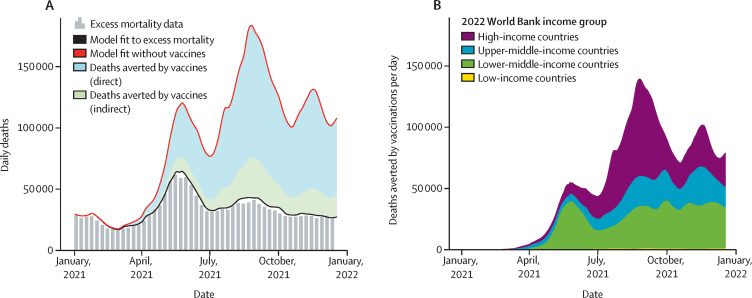
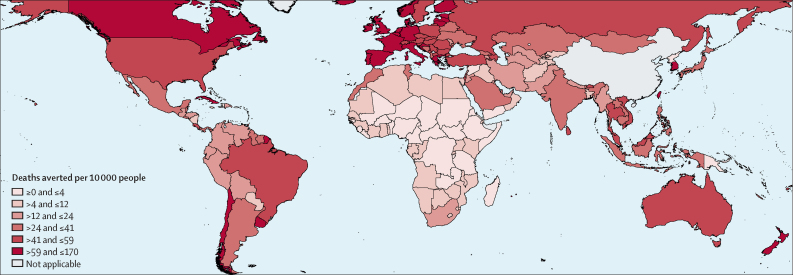
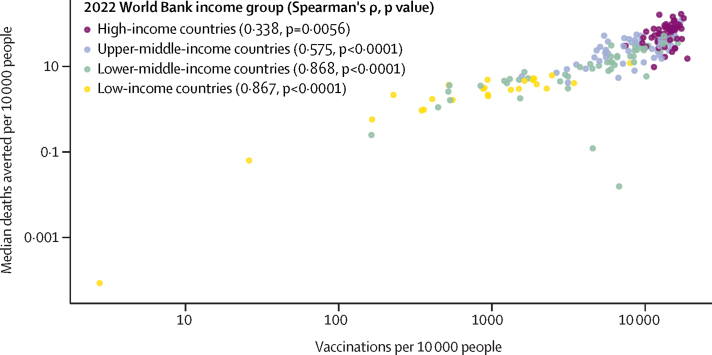
BACKGROUND: The first COVID-19 vaccine outside a clinical trial setting was administered on Dec 8, 2020. To ensure global vaccine equity, vaccine targets were set by the COVID-19 Vaccines Global Access (COVAX) Facility and WHO. However, due to vaccine shortfalls, these targets were not achieved by the end of 2021. We aimed to quantify the global impact of the first year of COVID-19 vaccination programmes. METHODS: A mathematical model of COVID-19 transmission and vaccination was separately fit to reported COVID-19 mortality and all-cause excess mortality in 185 countries and territories. The impact of COVID-19 vaccination programmes was determined by estimating the additional lives lost if no vaccines had been distributed. We also estimated the additional deaths that would have been averted had the vaccination coverage targets of 20% set by COVAX and 40% set by WHO been achieved by the end of 2021. FINDINGS: Based on official reported COVID-19 deaths, we estimated that vaccinations prevented 14·4 million (95% credible interval [Crl] 13·7-15·9) deaths from COVID-19 in 185 countries and territories between Dec 8, 2020, and Dec 8, 2021. This estimate rose to 19·8 million (95% Crl 19·1-20·4) deaths from COVID-19 averted when we used excess deaths as an estimate of the true extent of the pandemic, representing a global reduction of 63% in total deaths (19·8 million of 31·4 million) during the first year of COVID-19 vaccination. In COVAX Advance Market Commitment countries, we estimated that 41% of excess mortality (7·4 million [95% Crl 6·8-7·7] of 17·9 million deaths) was averted. In low-income countries, we estimated that an additional 45% (95% CrI 42-49) of deaths could have been averted had the 20% vaccination coverage target set by COVAX been met by each country, and that an additional 111% (105-118) of deaths could have been averted had the 40% target set by WHO been met by each country by the end of 2021. INTERPRETATION: COVID-19 vaccination has substantially altered the course of the pandemic, saving tens of millions of lives globally. However, inadequate access to vaccines in low-income countries has limited the impact in these settings, reinforcing the need for global vaccine equity and coverage. FUNDING: Schmidt Science Fellowship in partnership with the Rhodes Trust; WHO; UK Medical Research Council; Gavi, the Vaccine Alliance; Bill & Melinda Gates Foundation; National Institute for Health Research; and Community Jameel.
Overview
CoChat Summary
## TL;DR
This mathematical modelling study estimated that COVID-19 vaccination averted 14.4 million deaths based on reported deaths, or 19.8 million deaths when excess mortality was used, across 185 countries and territories during Dec 8, 2020–Dec 8, 2021. The paper argues that vaccine inequity limited impact in low-income settings and that reaching COVAX/WHO coverage targets could have saved substantially more lives.
## Key findings
- Using officially reported COVID-19 deaths, vaccination prevented 14.4 million deaths (95% CrI 13.7–15.9) in 185 countries and territories over the first year of vaccination.
- Using excess mortality, vaccination averted 19.8 million deaths (95% CrI 19.1–20.4), corresponding to a 63% reduction in total deaths (19.8 million of 31.4 million) during that year.
- In COVAX AMC countries, vaccinations averted 7.4 million deaths (95% CrI 6.8–7.7), representing 41% of estimated excess mortality (7.4 million of 17.9 million).
- If the WHO 40% target had been met in every country by the end of 2021, an additional 599,300 deaths (95% CrI 577,700–622,400) could have been averted; in low-income countries, meeting the COVAX 20% target could have averted an additional 45% of deaths, and the WHO 40% target an additional 111% of deaths.
## Methods
- The authors fit a previously published age-structured SEIRS transmission model with vaccination to reported COVID-19 mortality and to all-cause excess mortality in 185 countries and territories (excluding China), using country-level demography, mixing patterns, health-care capacity, and vaccination rollout data.
- Vaccination effects were modelled as protection against infection, severe disease, and onward transmission; the model also explicitly represented the delta variant and vaccine efficacy by country based on likely vaccine types used.
- They estimated deaths averted by comparing the fitted observed scenario against counterfactual scenarios with no vaccines, and with vaccines distributed to meet COVAX 20% and WHO 40% coverage targets by Dec 8, 2021, using Bayesian fitting with Metropolis-Hastings MCMC and 100 draws for uncertainty.
## Limitations
- The paper states that impact estimates were limited by uncertainty in excess mortality, gaps in genomic surveillance, and lack of detailed vaccination data for many countries; key inputs had to rely on working assumptions about vaccine type, rollout, and variant spread.
- The authors explicitly note a limitation of the COVAX/WHO target analysis: the targets were meant for the end of 2021, while the modelling endpoint was Dec 8, 2021, so some countries may have been closer to target by year-end than the model captured.
- Evident from the text: the counterfactual did not adjust for how governments or populations might have responded without vaccines, nor for possible changes in mobility, non-pharmaceutical interventions, or viral evolution, so the estimated deaths averted are model-dependent.
Model-written summary. Check it against the paper before relying on it.
Integrity signals
Registry
Cites
Statistics
Figures
Verification
Claims the paper makes
2 Valid · 2 Not valid · 4 Not checked · 48 Own results and interpretations
The cited sources that could be checked couldn’t confirm or dispute this claim.
In the paper
“In this analysis, we consequently focused on fitting to all-cause excess mortality, which provides a more complete description of the pandemic.15”
§ Global impact of the first year of COVID-19 vaccination: a mathematical modelling study > Discussion
What the sources say
- Could not verifycites [15] WHO Global excess deaths associated with COVID-19, January 2020–December 2021 https://www.who.int/data/stories/global-excess-deaths-associated-with-covid-19-january-2020-december-2021 May, 2022 sourceExperimental — accuracy not yet measured
The Methods (Statistical analysis) and Results examine hospital admission and emergency care attendance among people with delta versus alpha infections. The Discussion addresses limitations of those hospital-care data, but does not assess all-cause excess mortality or say that fitting to it gives a more complete description of the pandemic. Searches for “all-cause excess mortality” and “excess deaths” found no supporting passage; page numbers were not available in our copy. (LLM, conf=0.76)
plainstates a cause- Asserted: passes — The authors put it forward as true.
- Checkable: passes — It can be checked against evidence.
- Load-bearing: passes — The paper’s conclusions depend on it.
- Based: passes — The paper gives a reason why it holds.
- Could not verify
Every source the paper cites for this claim was checked and supports it.
In the paper
“Under-ascertainment of COVID-19 mortality is a known issue that has hindered our understanding of the pandemic.23”
§ Global impact of the first year of COVID-19 vaccination: a mathematical modelling study > Discussion
What the sources say
- Supportedcites [23] Whittaker C Walker PGT Alhaffar M Under-reporting of deaths limits our understanding of true burden of COVID-19 BMJ 375 2021 n2239 34642172 source
In “Renewed case for vaccine equity” (page unavailable), the paper calls it a myth that high-income countries were harder hit and shows that accounting for under-reporting changes the estimated share of COVID-19 mortality borne by low- and middle-income countries. This supports the claim that under-ascertainment has obscured understanding of the pandemic’s mortality burden. (LLM, conf=0.86)
boostedstates a cause- Asserted: passes — The authors put it forward as true.
- Checkable: passes — It can be checked against evidence.
- Load-bearing: passes — The paper’s conclusions depend on it.
- Based: passes — The paper gives a reason why it holds.
- Supported
The cited sources that could be checked couldn’t confirm or dispute this claim.
In the paper
“Our impact estimates were also limited by the inherent uncertainty in model-based estimates of excess mortality.13”
§ Global impact of the first year of COVID-19 vaccination: a mathematical modelling study > Discussion
What the sources say
- Could not verifycites [13] The Economist The pandemic's true death toll The Economist Nov 2, 2021 https://www.economist.com/graphic-detail/coronavirus-excess-deaths-estimates sourceExperimental — accuracy not yet measured
The Discussion describes limitations of estimates of vaccine effects on transmission, including testing behavior and previous infection status. A search for excess mortality, model-based mortality estimates, and deaths found no passage addressing uncertainty in excess-mortality estimates. Page numbers were not available in our copy. (LLM, conf=0.76)
plain- Asserted: passes — The authors put it forward as true.
- Checkable: passes — It can be checked against evidence.
- Load-bearing: unclear — It is unclear whether the paper’s conclusions depend on it.
- Based: passes — The paper gives a reason why it holds.
- Could not verify
The cited sources support only part of this claim — read each source’s verdict below.
In the paper
“Importantly, these estimates based on official reported COVID-19 deaths represent the lower bound of deaths averted at the global level due to the considerable levels of under-reporting of COVID-19 mortality documented worldwide.23”
§ Global impact of the first year of COVID-19 vaccination: a mathematical modelling study > Methods > Excess mortality and COVID-19 mortality data
What the sources say
- Partly supportedcites [23] Whittaker C Walker PGT Alhaffar M Under-reporting of deaths limits our understanding of true burden of COVID-19 BMJ 375 2021 n2239 34642172 sourceExperimental — accuracy not yet measured
In “Renewed case for vaccine equity” (page not provided), the paper says that under-reporting affects reported COVID-19 mortality and that excess-mortality estimates suggest a higher share of deaths in low- and middle-income countries. It also reports estimates of deaths that further vaccination could avert in those countries. It does not say that estimates based on officially reported deaths are a lower bound for deaths averted globally. (LLM, conf=0.83)
plainstates a cause- Asserted: passes — The authors put it forward as true.
- Checkable: passes — It can be checked against evidence.
- Load-bearing: passes — The paper’s conclusions depend on it.
- Based: passes — The paper gives a reason why it holds.
- Partly supported
A result the paper reports from its own data — it cites no other source for it, so there is none to check. The quote shows it is in the paper.
In the paper
“Notably, our model fits were unable to recreate excess mortality death tolls in recent epidemic waves in Iraq and Sudan because of the depletion of the susceptible population.”
§ Global impact of the first year of COVID-19 vaccination: a mathematical modelling study > Discussion
plainstates a cause- Asserted: passes — The authors put it forward as true.
- Checkable: passes — It can be checked against evidence.
- Load-bearing: unclear — It is unclear whether the paper’s conclusions depend on it.
- Based: passes — The paper gives a reason why it holds.
32 more claims
Create a free account to see all 56 claims and to verify the 3 references still open.
- It may state two separate claims as one. 14
- Probably not a substantial claim. 6
Claims other papers make about this one
Each is checked against this paper’s own text: does it say what the citing paper says it does?
The cited source says what the claim attributes to it.
In the citing paper
“Global COVID-19 vaccination programmes are estimated to have prevented 19.8 million deaths worldwide during the first year of roll-out(12)”
Citations
Cites
Estimated transmissibility and impact of SARS-CoV-2 lineage B.1.1.7 in England
Davies, N. G., Abbott, S., Barnard, R. C., Jarvis, C. I., Kucharski, A. J., Munday, J. D., Pearson, C. A. B., Russell, T. W., Tully, D. C., Washburne, A. D., et al. (2021) · Science · doi:10.1126/science.abg3055 · Cited by 2,581 · cited 1×
“20,21 Any epidemiological differences associated with previous variants were assumed to be reflected by their effects on mortality, 22 which were subsequently captured by the estimated R t trend.”
Estimated transmissibility and impact of SARS-CoV-2 lineage B.1.1.7 in England
Davies, N. G., Abbott, S., Barnard, R. C., Jarvis, C. I., Kucharski, A. J., Munday, J. D., Pearson, C. A. B., Russell, T. W., Tully, D. C., Washburne, A. D., et al. (2020) · doi:10.1101/2020.12.24.20248822 · Cited by 2,557
Wang, H., Paulson, K. R., Pease, S. A., Watson, S., Comfort, H., Zheng, P., Aravkin, A. Y., Bisignano, C., Barber, R. M., Alam, T., et al. (2022) · The Lancet · doi:10.1016/s0140-6736(21)02796-3 · Cited by 2,069
Wouters, O. J., Shadlen, K. C., Salcher-Konrad, M., Pollard, A. J., Larson, H. J., Teerawattananon, Y., & Jit, M. (2021) · The Lancet · doi:10.1016/s0140-6736(21)00306-8 · Cited by 1,288
Walker, P. G. T., Whittaker, C., Watson, O. J., Baguelin, M., Winskill, P., Hamlet, A., Djafaara, B. A., Cucunubá, Z., Olivera Mesa, D., Green, W., et al. (2020) · Science · doi:10.1126/science.abc0035 · Cited by 993
Self-citationTwohig, K. A., Nyberg, T., Zaidi, A., Thelwall, S., Sinnathamby, M. A., Aliabadi, S., Seaman, S. R., Harris, R. J., Hope, R., Lopez-Bernal, J., et al. (2022) · The Lancet Infectious Diseases · doi:10.1016/s1473-3099(21)00475-8 · Cited by 803 · cited 1×
“20,21 Any epidemiological differences associated with previous variants were assumed to be reflected by their effects on mortality, 22 which were subsequently captured by the estimated R t trend.”
Karlinsky, A., & Kobak, D. (2021) · eLife · doi:10.7554/elife.69336 · Cited by 772 · cited 1×
“11 Robust vital registration systems do not exist in many parts of the world, with WHO estimating that 40% of global deaths that occurred in 2020 were unregistered, 12 and therefore data on excess mortality are not available for every country.”
Understanding COVID-19 vaccine hesitancy
Machingaidze, S., & Wiysonge, C. S. (2021) · Nature Medicine · doi:10.1038/s41591-021-01459-7 · Cited by 590 · cited 1×
“7 This considerable heterogeneity in vaccination coverage has resulted in continued reliance on non-pharmaceutical interventions for pandemic management in some countries 8 but concomitantly enabled other nations to relax interventions as a route out of the pandemic.”
Twohig, K. A., Nyberg, T., Zaidi, A., Thelwall, S., Sinnathamby, M., Aliabadi, S., Seaman, S. R., Harris, R., Hope, R., Bernal, J. L., et al. (2021) · Northumbria Research Link (Northumbria University) · doi:10.17863/cam.76294 · Cited by 514
Effect of Covid-19 Vaccination on Transmission of Alpha and Delta Variants
Eyre, D. W., Taylor, D., Purver, M., Chapman, D., Fowler, T., Pouwels, K. B., Walker, A. S., & Peto, T. E. A. (2022) · New England Journal of Medicine · doi:10.1056/nejmoa2116597 · Cited by 464 · cited 2×
“19 We inferred vaccine efficacy for each country on the basis of vaccine types known to be predominantly used in each country.”
Cited by
Items 101–200 of 1,777
Shurtleff, V. W., Layton, M. E., Parish, C. A., Perkins, J. J., Schreier, J. D., Wang, Y., Adam, G. C., Álvarez, N., Bahmanjah, S., Bahnck-Teets, C., et al. (2024) · Journal of Medicinal Chemistry · doi:10.1021/acs.jmedchem.3c02248 · Cited by 33
The importance of immunization as a public health instrument
Sáfadi, M. A. P. (2022) · Jornal de Pediatria · doi:10.1016/j.jped.2022.12.003 · Cited by 30
Parvin, N., Mandal, T. K., & Joo, S. (2024) · Pharmaceutics · doi:10.3390/pharmaceutics16111366 · Cited by 41
Return on Investment of the COVID-19 Vaccination Campaign in New York City
Sah, P., VILCHES, T. N., Moghadas, S. M., Pandey, A., Gondi, S., Schneider, E. C., Singer, J., Chokshi, D. A., & Galvani, A. P. (2022) · JAMA Network Open · doi:10.1001/jamanetworkopen.2022.43127 · Cited by 30
A stochastic SIRD model with imperfect immunity for the evaluation of epidemics
Papageorgiou, V. Ε., & Tsaklidis, G. M. (2023) · Applied Mathematical Modelling · doi:10.1016/j.apm.2023.08.011 · Cited by 30
Lee, K., Lee, H., Kwon, R., Shin, Y. H., Yeo, S. G., Lee, Y. J., Kim, M. S., Choi, Y., Papadopoulos, N. G., Rahmati, M., et al. (2023) · Allergy · doi:10.1111/all.15968 · Cited by 29
Update on inborn errors of immunity
IJspeert, H., Edwards, E. S. J., O’Hehir, R. E., Dalm, V. A. S. H., & van Zelm, M. C. (2024) · Journal of Allergy and Clinical Immunology · doi:10.1016/j.jaci.2024.12.1075 · Cited by 40
Nanoparticles of natural product-derived medicines: Beyond the pandemic
Herdiana, Y. (2025) · Heliyon · doi:10.1016/j.heliyon.2025.e42739 · Cited by 31
“Vaccines have dramatically reduced deaths worldwide [41], but unequal distribution has limited their impact in poorer countries.”
Miguel, L. A., Lopez, E., Sanders, K. C., Skinner, N. A., Johnston, J. S., Vosburg, K. B., Díaz, A. K., & Diamond‐Smith, N. (2022) · BMJ Open · doi:10.1136/bmjopen-2022-066365 · Cited by 30
Applications of Social Media and Digital Technologies in COVID-19 Vaccination: Scoping Review
Zang, S., Zhang, X., Xing, Y., Chen, J., Lin, L. K., & Hou, Z. (2023) · Journal of Medical Internet Research · doi:10.2196/40057 · Cited by 37
“During the first year of global vaccination efforts, COVID-19 vaccines are estimated to have saved 19.8 million lives [14].”
InfluentialPraveen, S. V., Lorenz, J. M., Ittamalla, R., et al. (2022) · Vaccines · doi:10.3390/vaccines10111929 · Cited by 28
Nanoparticles and cytokine response
Nasrullah, M., Sundaram, D. N. M., Claerhout, J., Ha, K., Demirkaya, E., & Uludağ, H. (2023) · Frontiers in Bioengineering and Biotechnology · doi:10.3389/fbioe.2023.1243651 · Cited by 36
“The siRNA-based drug Vutrisiran, to treat the rare genetic disease polyneuropathy of hereditary transthyretinmediated amyloidosis (Mullard, 2022) and the mRNA-based COVID-19 vaccines (Watson et al., 2022) are leading examples of nucleic acid therapies.”
BackgroundCheng, C., Aruchunan, E., & Aziz, N. (2025) · Scientific Reports · doi:10.1038/s41598-025-85440-1 · Cited by 37
“The parameter β denotes the transmission rate of the disease, σ is the rate at which exposed individuals become infectious, γ is the recovery rate, ϵ is the vaccination rate, causing vaccinated individuals to become susceptible again 50 .”
Branch Unit Distribution Matters for Gene Delivery
Li, Y., He, Z., Wang, X., Li, Z., Johnson, M., Foley, R., Sigen, A., Lyu, J., & Wang, W. (2023) · ACS Macro Letters · doi:10.1021/acsmacrolett.3c00152 · Cited by 29
How manufacturing won or lost the COVID-19 vaccine race
King, M. L. (2024) · Vaccine · doi:10.1016/j.vaccine.2023.12.031 · Cited by 31
“It is estimated that this impressive response prevented approximately 20 million deaths [3,4].”
BackgroundMethodDeclercq, J., Gerlo, S., Nevel, S. V., Ruyck, N. D., Holtappels, G., Delesie, L. M., Tobback, E., Lammens, I., Gerebtsov, N., Sedeyn, K., et al. (2024) · Science Translational Medicine · doi:10.1126/scitranslmed.adn2364 · Cited by 31
“Vaccines are an effective tool in the battle against respiratory viruses, reducing morbidity and mortality associated with diseases caused by these pathogens ( 1 ).”
BackgroundOng, I. Z., Kolson, D. L., & Schindler, M. K. (2023) · Biomedicines · doi:10.3390/biomedicines11020377 · Cited by 32
Matveeva, O. V., & Shabalina, S. A. (2023) · Frontiers in Immunology · doi:10.3389/fimmu.2023.1151311 · Cited by 31
“Similar observations have been described in detail in the research publications (19, 29).”
Development of Vaccines against Emerging Mosquito-Vectored Arbovirus Infections
Principi, N., & Esposito, S. (2024) · Vaccines · doi:10.3390/vaccines12010087 · Cited by 31
“Immunization is considered the most effective approach to preventing and controlling viral infections, as the recent COVID-19 pandemic has clearly demonstrated [14].”
BackgroundImmunological and Antigenic Signatures Associated with Chronic Illnesses after COVID-19 VaccinationPreprint
Bhattacharjee, B., Lu, P., Monteiro, V. S., Tabachnikova, A., Wang, K., Hooper, W. B., Bastos, V. C., Greene, K., Sawano, M., Guirgis, C., et al. (2025) · medRxiv · doi:10.1101/2025.02.18.25322379 · Cited by 55
Subedi, S., Filho, W. L., & Adedeji, A. (2023) · Journal of Public Health · doi:10.1007/s10389-023-02109-7 · Cited by 26
Changing epidemiology of COVID-19: potential future impact on vaccines and vaccination strategies
Ulrichs, T., Rolland, M., Wu, J., Nunes, M. C., Guerche‐Séblain, C. E., & Chit, A. (2024) · Expert Review of Vaccines · doi:10.1080/14760584.2024.2346589 · Cited by 30
“As of the 26 th of November 2023, nearly 13.6 billion doses of COVID-19 vaccines have been administered [1]— saving tens of millions of lives globally and substantially altering the course of the pandemic [3].”
InfluentialConsiderations for mRNA Product Development, Regulation and Deployment Across the Lifecycle
Skerritt, J. H. (2025) · Vaccines · doi:10.3390/vaccines13050473 · Cited by 35
“The COVID-19 vaccines have been estimated as saving almost 20 million lives in their first year of administration [179].”
COVID-19 vaccination for children aged 5–11 years
Ladhani, S. N. (2022) · The Lancet · doi:10.1016/s0140-6736(22)01245-4 · Cited by 33
The multiple roles of nsp6 in the molecular pathogenesis of SARS-CoV-2
Bills, C. J., Xie, X., & Shi, P. (2023) · Antiviral Research · doi:10.1016/j.antiviral.2023.105590 · Cited by 30
Arabi, M., Al-Najjar, Y. A., Sharma, O., Kamal, I., Javed, A., Gohil, H., Paul, P., Al-Khalifa, A. M., Laws, S., & Zakaria, D. (2023) · BMC Infectious Diseases · doi:10.1186/s12879-023-08328-3 · Cited by 27
“Despite initial concerns of various adverse events stemming from accelerated production and distribution of the various SARS-CoV-2 vaccines [66–69], they have undoubtedly been the most effective shield against this pandemic [70–72], estimated to have prevented 20 million deaths in the first year of roll-out alone [73].”
BackgroundDallan, B., Proietto, D., Laurentis, M. D., Gallerani, E., Martino, M., Ghisellini, S., Zurlo, A., Volpato, S., Govoni, B., Borghesi, M., et al. (2024) · Nature Aging · doi:10.1038/s43587-024-00644-w · Cited by 32
Curman, P., Kridin, K., Zirpel, H., Hernandez, G., Akyuz, M., Thaçi, D., Schmidt, E., & Ludwig, R. J. (2024) · Journal of the American Academy of Dermatology · doi:10.1016/j.jaad.2024.10.063 · Cited by 26
Sabu, J. M., Zahid, I., Jacob, N., Alele, F. O., & Malau‐Aduli, B. S. (2022) · Vaccines · doi:10.3390/vaccines10111880 · Cited by 24
“A key preventive health measure that has been paramount in reducing infection, morbidity and mortality has been the uptake of SARS-CoV-2 vaccines [11].”
BackgroundHaq, I. U., Krukiewicz, K., Yahya, G., Haq, M. U., Maryam, S., Mosbah, R., Saber, S., & Alrouji, M. (2023) · International Journal of Molecular Sciences · doi:10.3390/ijms24021536 · Cited by 29
“Effective vaccines against COVID-19 were designed and achieved remarkable feedback on COVID-19 transmission, hospitalization, and mortality [11].”
BackgroundCastellanos, M. M., Gressard, H., Li, X., Magagnoli, C., Moriconi, A., Stranges, D., Strodiot, L., Soto, M., Zwierzyna, M., & Campa, C. (2023) · Vaccines · doi:10.3390/vaccines11071153 · Cited by 32
“It is well known that the COVID-19 vaccination has substantially impacted the course of the pandemic, saving tens of millions of lives globally [1].”
BackgroundHogan, A. B., Wu, S. L., Toor, J., Mesa, D. O., Doohan, P., Watson, O. J., Winskill, P., Charles, G. D., Barnsley, G., Riley, E. M., et al. (2023) · PLoS Medicine · doi:10.1371/journal.pmed.1004195 · Cited by 29
“…development and delivery of vaccines to protect against Severe Acute Respiratory Syndrome Coronavirus 2 (SARS-CoV-2) infection and Coronavirus Disease 2019 (COVID-19) dramatically altered the course of the pandemic, saving an estimated 19.8 million lives in the first year of vaccination alone [1].”
BackgroundMethodInfluentialSelf-citationUnderstanding the mechanisms for COVID-19 vaccine’s protection against infection and severe disease
Yang, H., Xie, Y., & Li, C. (2023) · Expert Review of Vaccines · doi:10.1080/14760584.2023.2174529 · Cited by 26
“The COVID-19 vaccines have been estimated to have prevented death in approximately 20 million people in the first year of use since its launch on 8 December 2020 [3].”
BackgroundMitigating the effects of climate change on human health with vaccines and vaccinations
Kim, C. L., Agampodi, S. B., Marks, F., Kim, J. H., & Excler, J. (2023) · Frontiers in Public Health · doi:10.3389/fpubh.2023.1252910 · Cited by 33
Korosec, C. S., Dick, D. W., Moyles, I. R., & Watmough, J. (2024) · Scientific Reports · doi:10.1038/s41598-024-58811-3 · Cited by 33
“Mass vaccination remains the most effective means to prevent severity of infection and reduce the chances of hospitalization or death [1, 2].”
Impact of the 100 days mission for vaccines on COVID-19: a mathematical modelling study
Barnsley, G., Mesa, D. O., Hogan, A. B., Winskill, P., Torkelson, A. A., Walker, D. G., Ghani, A. C., & Watson, O. J. (2024) · The Lancet Global Health · doi:10.1016/s2214-109x(24)00286-9 · Cited by 29
Self-citationGlobal burden of vaccine-associated Guillain-Barré syndrome over 170 countries from 1967 to 2023
Jeong, Y. D., Park, S., Lee, S., Jang, W., Park, J., Lee, K., Lee, J., Kang, J., Udeh, R., Rahmati, M., et al. (2024) · Scientific Reports · doi:10.1038/s41598-024-74729-2 · Cited by 31
COVID-19 mortality rate determinants in selected Eastern European countries
Sobczak, M., & Pawliczak, R. (2022) · BMC Public Health · doi:10.1186/s12889-022-14567-x · Cited by 31
Haider, N., Hasan, M. N., Guitián, J., Khan, R. A., McCoy, D., Ntoumi, F., Dar, O. A., Ansumana, R., Uddin, M. J., Zumla, A. I., et al. (2023) · IJID Regions · doi:10.1016/j.ijregi.2023.01.011 · Cited by 26
Seguí, R., Cañas-Cañas, R., Mohedo, J. C., Benavent-Cervera, J. V., Fernández-Garrido, J., Juárez‐Vela, R., Pellín-Carcelén, A., Caballero, V. G., & Andreu-Férnández, V. (2023) · The Science of The Total Environment · doi:10.1016/j.scitotenv.2023.163935 · Cited by 24
“Some researchers have used 14-day CI and wastewater SARS-CoV-2 concentrations to develop mathematical (Joseph-Duran et al., 2022; McMahan et al., 2021; Watson et al., 2022) or machine learning modeling (Aberi et al., 2021; Li et al., 2021a; Vallejo et al., 2020; Zhu et al., 2022).”
Ibuprofen, other NSAIDs and COVID-19: a narrative review
Laughey, W. F., Lodhi, I., Pennick, G., Smart, L., Sanni, O., Sandhu, S., & Charlesworth, B. R. (2023) · Inflammopharmacology · doi:10.1007/s10787-023-01309-7 · Cited by 28
“The rapid availability of the COVID-19 vaccine substantially altered the course of the pandemic (Watson et al. 2022).”
BackgroundPallari, C. T., Achilleos, S., Quattrocchi, A., Gabel, J., Critselis, E., Athanasiadou, M., Haghighi, M. R. R., Papatheodorou, S., Liu, T., Artemiou, A., et al. (2024) · BMJ Global Health · doi:10.1136/bmjgh-2023-013018 · Cited by 24
Preparation for the next pandemic: challenges in strengthening surveillance
Chiu, K. H., Sridhar, S., & Yuen, K. (2023) · Emerging Microbes & Infections · doi:10.1080/22221751.2023.2240441 · Cited by 31
“SARS-CoV-2 is infectious prior to the onset of symptoms and around 30%–60% of patients with COVID-19 are asymptomatic, posting difficulty in controlling the spread of SARS-CoV-2 in the community [40].”
BackgroundInfluentialThe immune response as a double‐edged sword: The lesson learnt during the COVID ‐19 pandemic
Agrati, C., Carsetti, R., Bordoni, V., Sacchi, A., Quintarelli, C., Locatelli, F., Ippolito, G., & Capobianchi, M. R. (2022) · Immunology · doi:10.1111/imm.13564 · Cited by 24
Targeting SARS-CoV-2 and host cell receptor interactions
Lim, S. P. (2022) · Antiviral Research · doi:10.1016/j.antiviral.2022.105514 · Cited by 28
Effect of the COVID-19 pandemic on the pediatric infectious disease landscape
Shmueli, M., Lendner, I., & Ben‐Shimol, S. (2023) · European Journal of Pediatrics · doi:10.1007/s00431-023-05210-x · Cited by 26
Bansal, A. (2023) · Frontiers in Immunology · doi:10.3389/fimmu.2023.1306025 · Cited by 28
Ashmore, P., & Sherwood, E. J. (2023) · Journal of Antimicrobial Chemotherapy · doi:10.1093/jac/dkad311 · Cited by 28
“35”
Mucosal antibody responses to SARS-CoV-2 booster vaccination and breakthrough infection
Bhavsar, D., Singh, G., Sano, K., Gleason, C., Srivastava, K., PARIS Study Group, Carreño, J. M., Simon, V. R., Krammer, F., Oostenink, A., et al. (2023) · mBio · doi:10.1128/mbio.02280-23 · Cited by 22
Miyazawa, K., Liu, Y., & Bazzazi, H. (2024) · Frontiers in Nanotechnology · doi:10.3389/fnano.2024.1330406 · Cited by 26
Aarstad, J., & Kvitastein, O. A. (2023) · Asian Pacific Journal of Health Sciences · doi:10.21276/apjhs.2023.10.1.6 · Cited by 26
COVID-19 mRNA Vaccination and 4-Year All-Cause Mortality Among Adults Aged 18 to 59 Years in France
Semenzato, L., Vu, S. L., Botton, J., Bertrand, M., Jabagi, M.-J., Drouin, J., Cuenot, F., Olié, V., Dray‐Spira, R., Weill, A., et al. (2025) · JAMA Network Open · doi:10.1001/jamanetworkopen.2025.46822 · Cited by 35
COVID vaccine hoarding might have cost more than a million lives
Ledford, H. K. (2022) · Nature · doi:10.1038/d41586-022-03529-3 · Cited by 22
Kenna, P. M., Broadfield, L. A., Willems, A., Masyn, S., Pattery, T., & Draghia, R. (2023) · Expert Review of Vaccines · doi:10.1080/14760584.2023.2184091 · Cited by 22
“These collaborations have allowed for successful large-scale vaccination campaigns to be implemented in response to disease outbreaks in many countries upon the availability of vaccines [3,4].”
BackgroundMonkeypox Post-COVID-19: Knowledge, Worrying, and Vaccine Adoption in the Arabic General Population
Swed, S., Bohsas, H., Alibrahim, H., Rakab, A., Hafez, W., Sawaf, B., Rais, M. A., Motawei, A. S., Aljabali, A. S., Shoib, S., et al. (2023) · Vaccines · doi:10.3390/vaccines11040759 · Cited by 22
Tang, L., Wang, F., Rodewald, L. E., Wang, X., Liu, S., Liu, Q., Wang, X., Wu, D., Li, M., Zhang, Q., et al. (2023) · The Journal of Infectious Diseases · doi:10.1093/infdis/jiad090 · Cited by 23
“8 million COVID-19 deaths (exclusive of deaths averted in China) [2].”
BackgroundThe evolution of COVID-19 vaccine hesitancy in Sub-Saharan Africa: evidence from panel survey data
Wollburg, P. R., Markhof, Y. V., Kanyanda, S. S. E., & Zezza, A. (2023) · BMC Proceedings · doi:10.1186/s12919-023-00266-x · Cited by 25
“On December 8, 2020, the first COVID-19 vaccine outside a clinical trial was administered [1].”
BackgroundClairon, Q., Prague, M., Planas, D., Bruel, T., Hocqueloux, L., Prazuck, T., Schwartz, O., Thiébaut, R., & Guedj, J. (2023) · PLoS Computational Biology · doi:10.1371/journal.pcbi.1011282 · Cited by 29
“The latter requires intensive in vitro measurements, but it provides a much more accurate description of the level of protection present in the sera of Covid-19 vaccine recipients [17, 18].”
BackgroundInfluentialLee, S., Jo, H., Lee, H., Lee, H., Lee, J., Kim, H. J., Kang, J., Jacob, L., Smith, L., Rahmati, M., et al. (2024) · Journal of Medical Virology · doi:10.1002/jmv.29693 · Cited by 24
“17,18 The Institutional Review Boards of Kyung Hee University Medical Center and the Uppsala Monitoring Center (WHO Collaborating Center) approved the use of confidential and electronically processed patient data.”
BackgroundCOVID-19 clinical presentation, management, and epidemiology: a concise compendium
Maison, D. P., Tasissa, H., Deitchman, A. N., Peluso, M. J., Deng, Y., Miller, F. D., Henrich, T. J., & Gerschenson, M. (2025) · Frontiers in Public Health · doi:10.3389/fpubh.2025.1498445 · Cited by 36
The need and challenges for development of vaccines against emerging infectious diseases
Clemens, S. A. C., & Clemens, R. L. (2022) · Jornal de Pediatria · doi:10.1016/j.jped.2022.11.002 · Cited by 24
COVID-19Base v3: Update of the knowledgebase for drugs and biomedical entities linked to COVID-19
Basit, S. A., Qureshi, R., Musleh, S., Guler, R., Rahman, M. S., Biswas, K. H., & Alam, T. (2023) · Frontiers in Public Health · doi:10.3389/fpubh.2023.1125917 · Cited by 23
The relationship between COVID-19 vaccines and increased blood pressure: A word of caution
Buso, G., Rosei, C. A., & Muiesan, M. L. (2023) · European Journal of Internal Medicine · doi:10.1016/j.ejim.2023.03.002 · Cited by 25
“COVID-19 vaccines substantially changed the course of the pandemic, saving millions of lives on a global scale [1].”
Vaccine-induced immune thrombotic thrombocytopenia: what do we know hitherto?
Roytenberg, R., García‐Sastre, A., & Li, W. (2023) · Frontiers in Medicine · doi:10.3389/fmed.2023.1155727 · Cited by 23
Guan, Y., Puenpatom, A., Johnson, M. G., Zhang, Y., Zhao, Y., Surber, J., Weinberg, A. B., Brotons, C., Kozlov, R. S., Lopez, R., et al. (2023) · Clinical Infectious Diseases · doi:10.1093/cid/ciad409 · Cited by 27
“…variants and the increase in preexisting immunity from vaccination and/or prior SARS-CoV-2 infection have resulted in lower overall rates of hospitalization and mortality [19–21], emphasizing the importance of symptom data in informing the treatment benefits of new SARS-CoV-2 therapeutics.”
BackgroundStructural Sexism and Preventive Health Care Use in the United States
Dore, E. C., Shrivastava, S., & Homan, P. (2023) · Journal of Health and Social Behavior · doi:10.1177/00221465231194043 · Cited by 35
Challenges of vaccination information system implementation: A systematic literature review
Rahmadhan, M. A. W. P., & Handayani, P. W. (2023) · Human Vaccines & Immunotherapeutics · doi:10.1080/21645515.2023.2257054 · Cited by 30
“8 Therefore, in most countries in Europe, vaccination is actively recommended by public health authorities.”
BackgroundTherapeutic tactics for targeting B lymphocytes in autoimmunity and cancer
Wemlinger, S. M., & Cambier, J. C. (2023) · European Journal of Immunology · doi:10.1002/eji.202249947 · Cited by 24
“For example, in 2021 COVID-19 vaccines prevented an estimated 14.4–19.8 million deaths, representing a 63% reduction in global mortality due to infection with SARS-CoV-2 [3].”
BackgroundInfluentialComparing reactogenicity of COVID-19 vaccine boosters: a systematic review and meta-analysis
Ramos, A. S. F., Liu-Sanchez, C., Rose, T. B., Smith, D. A. B., Thorn, N., Galiza, E. P., Miah, T., Pearce, J., Hultin, C., Cosgrove, C., et al. (2024) · Expert Review of Vaccines · doi:10.1080/14760584.2024.2315089 · Cited by 24
“The rapid development and deployment of effective vaccines is estimated to have prevented 20 million deaths in their first year [2].”
Rossouw, C., Ryan, F. J., & Lynn, D. J. (2024) · FEBS Journal · doi:10.1111/febs.17241 · Cited by 26
Reddy, Y. V., Ray, P., & Chakraborty, P. (2024) · Oxford University Press eBooks · doi:10.1093/9780198934288.003.0011 · Cited by 21
What Lessons can Be Learned From the Management of the COVID-19 Pandemic?
Quinn, G. A., Connolly, R., ÓhAiseadha, C. O., Hynds, P. D., Bagus, P., Brown, R. B., Cáceres, C. F., Craig, C. E. H., Connolly, M., Domingo, J. L., et al. (2025) · International Journal of Public Health · doi:10.3389/ijph.2025.1607727 · Cited by 27
“Meanwhile, most of the studies that retrospectively evaluated COVID-19 policies as relatively successful [7, 10, 12, 55 – 59] in reducing the spread of COVID-19 did so using so-called “ counterfactual scenarios ” .”
InfluentialDeveloping the next-generation of adenoviral vector vaccines
Sampson, A., Hlaváč, M., Gillman, A. C. T., Douradinha, B. G., & Gilbert, S. C. (2025) · Human Vaccines & Immunotherapeutics · doi:10.1080/21645515.2025.2514356 · Cited by 30
“65 52 Vaccine induced thrombocytopaenia and thrombosis, or VITT, is characterized by systemic thrombosis (classically central venous sinous thromboses) with low platelet counts arising 5–30 days after vaccination.”
COVID-19 Vaccine Effectiveness Against Progression to In-Hospital Mortality in Zambia, 2021–2022
Chanda, D. M., Hines, J. Z., Itoh, M., Fwoloshi, S., Minchella, P. A., Zyambo, K., Sivile, S., Kampamba, D., Chirwa, B., Chanda, R., et al. (2022) · Open Forum Infectious Diseases · doi:10.1093/ofid/ofac469 · Cited by 19
Using a health belief model to assess COVID-19 vaccine intention and hesitancy in Jakarta, Indonesia
Hidayana, I., Amir, S., Pelupessy, D. C., & Rahvenia, Z. (2022) · PLOS Global Public Health · doi:10.1371/journal.pgph.0000934 · Cited by 20
Lim, J. Y., & Moon, K.-K. (2023) · International Journal of Environmental Research and Public Health · doi:10.3390/ijerph20054459 · Cited by 28
“However, although a significant number of countries have over 80% full vaccination (having two doses or more), many low-income countries, particularly in Africa, have had difficulty obtaining and administering vaccines, and some developed countries such as the United States experience strong opposition to vaccination…”
BackgroundCOVID-19 Vaccination in the WHO African Region: Progress Made in 2022 and Factors Associated
Mboussou, F., Farham, B. L., Nsasiirwe, S., Atagbaza, A., Oyaole, D. R., Atuhebwe, P. L., Alegana, V. A., Osei-Sarpong, F., Bwaka, A. M., Paluku, G. K., et al. (2023) · Vaccines · doi:10.3390/vaccines11051010 · Cited by 23
“The first COVID-19 vaccine was delivered outside of a clinical trial setting on 8 December 2020, in the United Kingdom [5].”
BackgroundDeterminants of COVID-19 Vaccine Uptake in The Netherlands: A Nationwide Registry-Based Study
Pijpers, J., van Roon, A. M., van Roekel, C., Labuschagne, L. J. E., Smagge, B. A., Ferreira, J. A., de Melker, H. E., & Hahné, S. J. M. (2023) · Vaccines · doi:10.3390/vaccines11091409 · Cited by 27
“Studies have indicated the beneficial impact of COVID-19 vaccination on public health in terms of large numbers of averted deaths and hospitalisations [2-4].”
BackgroundGene-Editing and RNA Interference in Treating Hepatitis B: A Review
Kasianchuk, N., Dobrowolska, K., Harkava, S., Bretcan, A., Zarębska‐Michaluk, D., Jaroszewicz, J., Flisiak, R., & Rzymski, P. (2023) · Viruses · doi:10.3390/v15122395 · Cited by 27
Yang, G., Wang, Y., Chan, K. C., Mui, K. W., Flemmig, T. F., Ng, S. T., Chao, C. Y. H., & Fu, S. C. (2024) · Building Simulation · doi:10.1007/s12273-024-1159-9 · Cited by 21
“Due to the high population densities in human society, highly infectious diseases can easily pose severe health threats to humans and cause incalculable economic losses to countries, as evidenced by COVID-19 which caused 18 million of deaths at the end of 2021 (Watson et al. 2022).”
Parvin, N., Joo, S., Jung, J. H., & Mandal, T. K. (2025) · Actuators · doi:10.3390/act14060257 · Cited by 23
Getachew, T., Lami, M., Eyeberu, A., Balis, B., Debella, A., Eshetu, B., Degefa, M., Mesfin, S., Negash, A., Bekele, H., et al. (2022) · Frontiers in Public Health · doi:10.3389/fpubh.2022.957721 · Cited by 25
“The finding from previous and recent studies are showing that COVID-19 vaccination has substantially altered the course of the pandemic, saving tens of millions of lives globally (27).”
ResultEffect of Vaccination against SARS-CoV-2 on Long COVID-19: A Narrative Review
Tofarides, A. G., Christaki, E., Milionis, H. J., & Nikolopoulos, G. K. (2022) · Life · doi:10.3390/life12122057 · Cited by 23
COVID-19 Vaccines: How Efficient and Equitable Was the Initial Vaccination Process?
Das, J. K., Chee, H.-Y., Lakhani, S., Khan, M. H., Islam, M., Muhammad, S., & Bhutta, Z. A. (2022) · Vaccines · doi:10.3390/vaccines11010011 · Cited by 23
“Toward the end of 2021, reports estimated that greater than half the global population had received at least the first dose of the COVID-19 vaccine [5,6].”
BackgroundJäckle, S., & Timmis, J. K. (2023) · Microbial Biotechnology · doi:10.1111/1751-7915.14210 · Cited by 25
Ojo, T. O., Ojo, A. O., Olajumoke Elizabeth, O. J. O., et al. (2023) · Archives of Public Health · doi:10.1186/s13690-023-01107-1 · Cited by 19
“The COVID-19 vaccines have saved over 19 million lives across 185 countries thus reducing global deaths from COVID-19 by 63% [16].”
Backgroundvan den Ouweland, F., Charpentier, N., Türeci, Ö., Rizzi, R., Mensa, F., Lindemann, C., & Pather, S. (2024) · Human Vaccines & Immunotherapeutics · doi:10.1080/21645515.2024.2315659 · Cited by 27
Kung, Y.-A., Chuang, C.-H., Chen, Y.-C., Yang, H.-P., Li, H.-C., Chen, C., Janapatla, R. P., Chen, C.-J., Shih, S., & Chiu, C. (2024) · Journal of the Formosan Medical Association · doi:10.1016/j.jfma.2024.08.021 · Cited by 26
Rescigno, M., Agrati, C., Salvarani, C., Giannarelli, D., Costantini, M., Mantovani, A., Massafra, R., Zinzani, P. L., Morrone, A., Notari, S., et al. (2023) · Frontiers in Immunology · doi:10.3389/fimmu.2023.1104124 · Cited by 17
“4 millions of deaths avoided globally (Watson et al., 2022).”
Afreh, O., Angwaawie, P., Attivor, E., Boateng, L., Brackstone, K., Head, M., Manyeh, A. K., & Vidzro, G. A. A. (2023) · Vaccine · doi:10.1016/j.vaccine.2023.02.024 · Cited by 21
“Over 12 billion doses of a COVID-19 vaccine have been administered as of 30 July 2022 [3], and the evidence base is clear that this huge immunisation rollout has already averted millions of deaths [4].”
Santaniello, A., Perruolo, G., Cristiano, S., Agognon, A. L., Cabaro, S., Amato, A., Dipineto, L., Borrelli, L., Formisano, P., Fioretti, A., et al. (2023) · Microorganisms · doi:10.3390/microorganisms11020514 · Cited by 19
Roe, T. L., Brady, T. M., Schuko, N., Nguyen, A., Beloor, J., Guest, J. D., Aksyuk, A. A., Tuffy, K. M., Zhang, T., Streicher, K. L., et al. (2023) · Microbiology Spectrum · doi:10.1128/spectrum.00333-23 · Cited by 23
Kubra, K. T., & Ali, R. (2023) · Modeling Earth Systems and Environment · doi:10.1007/s40808-023-01747-w · Cited by 19
Akbulut, S., Boz, G., Özer, A., Şahin, T. T., & Çolak, C. (2023) · Vaccines · doi:10.3390/vaccines11040779 · Cited by 23
Shaw, R. H., Greenland, M., Stuart, A. S. V., Aley, P. K., Andrews, N. J., Cameron, J. C., Charlton, S., Clutterbuck, E., Collins, A. M., Darton, T. C., et al. (2023) · Journal of Infection · doi:10.1016/j.jinf.2023.03.027 · Cited by 16
“Several COVID vaccines based on different technologies, have received both full and emergency authorisation licensure and have been used to save tens of millions of lives worldwide.(1) While some technologies, such as adjuvanted protein have been well-studied and widely used in other vaccines, the complete immunologic…”
Wei, R., Zhang, Y., Gao, S., Brown, B. J., Hu, S., & Link, B. G. (2023) · Health & Place · doi:10.1016/j.healthplace.2023.103031 · Cited by 19
“Declared by the World Health Organization (WHO) as a pandemic on March 11, 2020, the coronavirus 2019, or COVID-19, has swept the world and raised global awareness of the threat that current and future pandemics hold for human populations (Altindiş and Ghafour, 2021; Cascella et al., 2022; Watson et al., 2022).”
BackgroundCOVID-19 vaccines and the pandemic: lessons learnt for other neglected diseases and future threats
Hotez, P. J., Gilbert, S. C., Saville, M. K., Privor-Dumm, L. A., Karim, S. S. A., Thompson, D., Excler, J., & Kim, J. H. (2023) · BMJ Global Health · doi:10.1136/bmjgh-2023-011883 · Cited by 22
Sobierajski, T., Rzymski, P., & Wanke-Rytt, M. (2023) · Vaccines · doi:10.3390/vaccines11061069 · Cited by 21
“8 million deaths were averted by the COVID-19 vaccination in 2021 alone [5].”
BackgroundProfile of Katalin Karikó and Drew Weissman: 2023 Nobel laureates in Physiology or Medicine
Krammer, F., & Palese, P. (2024) · Proceedings of the National Academy of Sciences · doi:10.1073/pnas.2400423121 · Cited by 22
Woo, H. G., Kim, H. J., Park, J., Lee, J., Lee, H., Kim, M. S., Koyanagi, A., Smith, L., Rahmati, M., Yeo, S. G., et al. (2024) · Journal of Medical Virology · doi:10.1002/jmv.29591 · Cited by 19
“9 10 – 12 However, some AEs of vaccination, including MS, have been reported.”
Background
Metadata
- Authors
- Watson, O. J., Barnsley, G., Toor, J., Hogan, A. B., Winskill, P., & Ghani, A. C.
- Affiliations
- Imperial College London (GB)
- Corresponding author
- Watson, Oliver J
- Venue
- The Lancet Infectious Diseases
- Publisher
- Elsevier BV
- Published
- 2022-09
- Volume
- 22
- Issue
- 9
- Pages
- 1293-1302
- ISSN
- 1473-3099 (ISSN-L)
- PMC
- PMC9225255
- OpenAlex
- W4283395367
- Semantic Scholar
- e048be45c9e0900c299d78c2cb327ce9afd77467
- Cited by
- 1,769
- References
- 26
- Citations by year
- 2026: 165 · 2025: 341 · 2024: 533 · 2023: 578 · 2022: 150
- FWCI
- 237.54
- Type
- journal article
- Language
- en
- Update notices
- erratum (2023-10-01)
- Open access
- hybrid
- doi.org
- Licence
- cc-by
- www.elsevier.com/tdm/userlicense/1.0/ (tdm)
- www.elsevier.com/legal/tdmrep-license (tdm)
- creativecommons.org/licenses/by/4.0/ (vor)
- Locations
- The Lancet Infectious Diseases (publishedVersion, cc-by)
- PubMed Central (publishedVersion, cc-by)
- PubMed (publishedVersion)
- LSHTM Research Online (London School of Hygiene and Tropical Medicine) (acceptedVersion)
- Spiral (Imperial College London) (submittedVersion, other-oa)
- Funders
- Bill and Melinda Gates Foundation
- GAVI Alliance
- National Institute for Health and Care Research
- Imperial College London
- Medical Research Council (MR/R015600/1, MC_PC_19012)
- Topics
- Physical Sciences › Mathematics › Modeling and Simulation › COVID-19 epidemiological studies
- Health Sciences › Medicine › Infectious Diseases › SARS-CoV-2 and COVID-19 Research
- Social Sciences › Health › Vaccine Coverage and Hesitancy
- Keywords
- COVID-19 vaccination, vaccine impact, COVID-19 mortality, excess mortality, mortality averted, COVAX, vaccine equity, low-income countries, mathematical transmission model, global health equity, SARS-CoV-2, advance market commitments
- MeSH terms
- COVID-19, COVID-19 Vaccines, Humans, Models, Theoretical, Vaccination, Vaccines, Global Health
About these checks
Registry, retraction, Cites and statistics results are computed, not judged, with one exception: a printed reference that no index lists is read once by a model before it counts as a citation error. Claims are extracted by a model and kept only when their quote appears verbatim in the text; each cited source is then checked, with a model’s help, for whether it says what the claim relies on. Those verdicts can be wrong — read the claim’s quote and the cited source before relying on one.
The claim verdicts this report counts are experimental: their accuracy is not yet measured.
A language model drew the claims from the paper on 2026-10-10, under version 3 of the claim definition (model deepseek-v4.1-flash, prompt extract-v3).
A second model labelled each claim on 2026-10-10 (model jev-1.13-20260917, definition revision gold-guideline-v0.2).
Cited sources are checked with a language model’s help (gpt-6-sol).
Statistics and arithmetic are recomputed, not judged.
Confidence bands are shown only for fields calibrated on our annotated test set. None is calibrated yet, so no band is shown.
What counts as a claim ›How we measure confidence ›How we check this ›
Are you an author, or do you see a problem with this page? Request a review
Data sources
Bibliographic data: Semantic Scholar, OpenAlex, Crossref.
Contains information from the Semantic Scholar Academic Graph Datasets, made available under the ODC Attribution License (ODC-BY 1.0).
Semantic Scholar’s data is described in: Kinney, R., et al. (2023). The Semantic Scholar Open Data Platform. arXiv:2301.10140.
