

Global impact of the first year of COVID-19 vaccination: a mathematical modelling study
Open accessThe DOI matches its Crossref record; 23 of the 26 references it cites were found in a registry or an index; 4 of the 8 sources its claims cite were checked for support.
Abstract
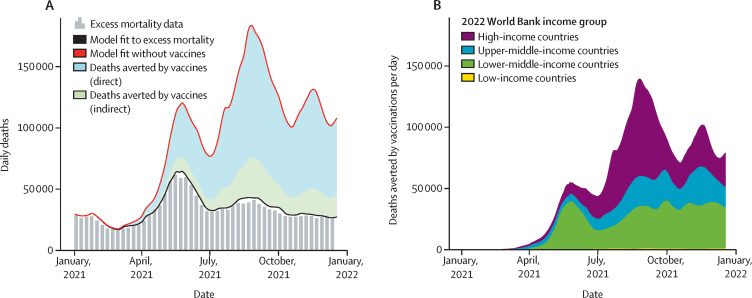
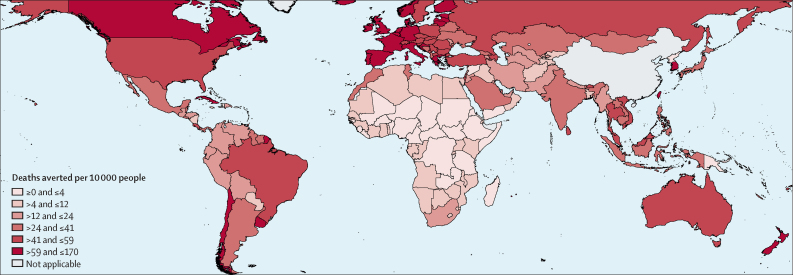
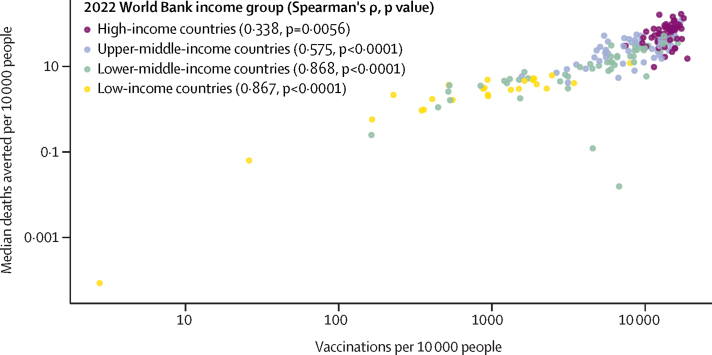
BACKGROUND: The first COVID-19 vaccine outside a clinical trial setting was administered on Dec 8, 2020. To ensure global vaccine equity, vaccine targets were set by the COVID-19 Vaccines Global Access (COVAX) Facility and WHO. However, due to vaccine shortfalls, these targets were not achieved by the end of 2021. We aimed to quantify the global impact of the first year of COVID-19 vaccination programmes. METHODS: A mathematical model of COVID-19 transmission and vaccination was separately fit to reported COVID-19 mortality and all-cause excess mortality in 185 countries and territories. The impact of COVID-19 vaccination programmes was determined by estimating the additional lives lost if no vaccines had been distributed. We also estimated the additional deaths that would have been averted had the vaccination coverage targets of 20% set by COVAX and 40% set by WHO been achieved by the end of 2021. FINDINGS: Based on official reported COVID-19 deaths, we estimated that vaccinations prevented 14·4 million (95% credible interval [Crl] 13·7-15·9) deaths from COVID-19 in 185 countries and territories between Dec 8, 2020, and Dec 8, 2021. This estimate rose to 19·8 million (95% Crl 19·1-20·4) deaths from COVID-19 averted when we used excess deaths as an estimate of the true extent of the pandemic, representing a global reduction of 63% in total deaths (19·8 million of 31·4 million) during the first year of COVID-19 vaccination. In COVAX Advance Market Commitment countries, we estimated that 41% of excess mortality (7·4 million [95% Crl 6·8-7·7] of 17·9 million deaths) was averted. In low-income countries, we estimated that an additional 45% (95% CrI 42-49) of deaths could have been averted had the 20% vaccination coverage target set by COVAX been met by each country, and that an additional 111% (105-118) of deaths could have been averted had the 40% target set by WHO been met by each country by the end of 2021. INTERPRETATION: COVID-19 vaccination has substantially altered the course of the pandemic, saving tens of millions of lives globally. However, inadequate access to vaccines in low-income countries has limited the impact in these settings, reinforcing the need for global vaccine equity and coverage. FUNDING: Schmidt Science Fellowship in partnership with the Rhodes Trust; WHO; UK Medical Research Council; Gavi, the Vaccine Alliance; Bill & Melinda Gates Foundation; National Institute for Health Research; and Community Jameel.
Overview
CoChat Summary
## TL;DR
This mathematical modelling study estimated that COVID-19 vaccination averted 14.4 million deaths based on reported deaths, or 19.8 million deaths when excess mortality was used, across 185 countries and territories during Dec 8, 2020–Dec 8, 2021. The paper argues that vaccine inequity limited impact in low-income settings and that reaching COVAX/WHO coverage targets could have saved substantially more lives.
## Key findings
- Using officially reported COVID-19 deaths, vaccination prevented 14.4 million deaths (95% CrI 13.7–15.9) in 185 countries and territories over the first year of vaccination.
- Using excess mortality, vaccination averted 19.8 million deaths (95% CrI 19.1–20.4), corresponding to a 63% reduction in total deaths (19.8 million of 31.4 million) during that year.
- In COVAX AMC countries, vaccinations averted 7.4 million deaths (95% CrI 6.8–7.7), representing 41% of estimated excess mortality (7.4 million of 17.9 million).
- If the WHO 40% target had been met in every country by the end of 2021, an additional 599,300 deaths (95% CrI 577,700–622,400) could have been averted; in low-income countries, meeting the COVAX 20% target could have averted an additional 45% of deaths, and the WHO 40% target an additional 111% of deaths.
## Methods
- The authors fit a previously published age-structured SEIRS transmission model with vaccination to reported COVID-19 mortality and to all-cause excess mortality in 185 countries and territories (excluding China), using country-level demography, mixing patterns, health-care capacity, and vaccination rollout data.
- Vaccination effects were modelled as protection against infection, severe disease, and onward transmission; the model also explicitly represented the delta variant and vaccine efficacy by country based on likely vaccine types used.
- They estimated deaths averted by comparing the fitted observed scenario against counterfactual scenarios with no vaccines, and with vaccines distributed to meet COVAX 20% and WHO 40% coverage targets by Dec 8, 2021, using Bayesian fitting with Metropolis-Hastings MCMC and 100 draws for uncertainty.
## Limitations
- The paper states that impact estimates were limited by uncertainty in excess mortality, gaps in genomic surveillance, and lack of detailed vaccination data for many countries; key inputs had to rely on working assumptions about vaccine type, rollout, and variant spread.
- The authors explicitly note a limitation of the COVAX/WHO target analysis: the targets were meant for the end of 2021, while the modelling endpoint was Dec 8, 2021, so some countries may have been closer to target by year-end than the model captured.
- Evident from the text: the counterfactual did not adjust for how governments or populations might have responded without vaccines, nor for possible changes in mobility, non-pharmaceutical interventions, or viral evolution, so the estimated deaths averted are model-dependent.
Model-written summary. Check it against the paper before relying on it.
Integrity signals
Registry
Cites
Statistics
Figures
Verification
Claims the paper makes
2 Valid · 2 Not valid · 4 Not checked · 48 Own results and interpretations
The cited sources that could be checked couldn’t confirm or dispute this claim.
In the paper
“In this analysis, we consequently focused on fitting to all-cause excess mortality, which provides a more complete description of the pandemic.15”
§ Global impact of the first year of COVID-19 vaccination: a mathematical modelling study > Discussion
What the sources say
- Could not verifycites [15] WHO Global excess deaths associated with COVID-19, January 2020–December 2021 https://www.who.int/data/stories/global-excess-deaths-associated-with-covid-19-january-2020-december-2021 May, 2022 sourceExperimental — accuracy not yet measured
The Methods (Statistical analysis) and Results examine hospital admission and emergency care attendance among people with delta versus alpha infections. The Discussion addresses limitations of those hospital-care data, but does not assess all-cause excess mortality or say that fitting to it gives a more complete description of the pandemic. Searches for “all-cause excess mortality” and “excess deaths” found no supporting passage; page numbers were not available in our copy. (LLM, conf=0.76)
plainstates a cause- Asserted: passes — The authors put it forward as true.
- Checkable: passes — It can be checked against evidence.
- Load-bearing: passes — The paper’s conclusions depend on it.
- Based: passes — The paper gives a reason why it holds.
- Could not verify
Every source the paper cites for this claim was checked and supports it.
In the paper
“Under-ascertainment of COVID-19 mortality is a known issue that has hindered our understanding of the pandemic.23”
§ Global impact of the first year of COVID-19 vaccination: a mathematical modelling study > Discussion
What the sources say
- Supportedcites [23] Whittaker C Walker PGT Alhaffar M Under-reporting of deaths limits our understanding of true burden of COVID-19 BMJ 375 2021 n2239 34642172 source
In “Renewed case for vaccine equity” (page unavailable), the paper calls it a myth that high-income countries were harder hit and shows that accounting for under-reporting changes the estimated share of COVID-19 mortality borne by low- and middle-income countries. This supports the claim that under-ascertainment has obscured understanding of the pandemic’s mortality burden. (LLM, conf=0.86)
boostedstates a cause- Asserted: passes — The authors put it forward as true.
- Checkable: passes — It can be checked against evidence.
- Load-bearing: passes — The paper’s conclusions depend on it.
- Based: passes — The paper gives a reason why it holds.
- Supported
The cited sources that could be checked couldn’t confirm or dispute this claim.
In the paper
“Our impact estimates were also limited by the inherent uncertainty in model-based estimates of excess mortality.13”
§ Global impact of the first year of COVID-19 vaccination: a mathematical modelling study > Discussion
What the sources say
- Could not verifycites [13] The Economist The pandemic's true death toll The Economist Nov 2, 2021 https://www.economist.com/graphic-detail/coronavirus-excess-deaths-estimates sourceExperimental — accuracy not yet measured
The Discussion describes limitations of estimates of vaccine effects on transmission, including testing behavior and previous infection status. A search for excess mortality, model-based mortality estimates, and deaths found no passage addressing uncertainty in excess-mortality estimates. Page numbers were not available in our copy. (LLM, conf=0.76)
plain- Asserted: passes — The authors put it forward as true.
- Checkable: passes — It can be checked against evidence.
- Load-bearing: unclear — It is unclear whether the paper’s conclusions depend on it.
- Based: passes — The paper gives a reason why it holds.
- Could not verify
The cited sources support only part of this claim — read each source’s verdict below.
In the paper
“Importantly, these estimates based on official reported COVID-19 deaths represent the lower bound of deaths averted at the global level due to the considerable levels of under-reporting of COVID-19 mortality documented worldwide.23”
§ Global impact of the first year of COVID-19 vaccination: a mathematical modelling study > Methods > Excess mortality and COVID-19 mortality data
What the sources say
- Partly supportedcites [23] Whittaker C Walker PGT Alhaffar M Under-reporting of deaths limits our understanding of true burden of COVID-19 BMJ 375 2021 n2239 34642172 sourceExperimental — accuracy not yet measured
In “Renewed case for vaccine equity” (page not provided), the paper says that under-reporting affects reported COVID-19 mortality and that excess-mortality estimates suggest a higher share of deaths in low- and middle-income countries. It also reports estimates of deaths that further vaccination could avert in those countries. It does not say that estimates based on officially reported deaths are a lower bound for deaths averted globally. (LLM, conf=0.83)
plainstates a cause- Asserted: passes — The authors put it forward as true.
- Checkable: passes — It can be checked against evidence.
- Load-bearing: passes — The paper’s conclusions depend on it.
- Based: passes — The paper gives a reason why it holds.
- Partly supported
A result the paper reports from its own data — it cites no other source for it, so there is none to check. The quote shows it is in the paper.
In the paper
“Notably, our model fits were unable to recreate excess mortality death tolls in recent epidemic waves in Iraq and Sudan because of the depletion of the susceptible population.”
§ Global impact of the first year of COVID-19 vaccination: a mathematical modelling study > Discussion
plainstates a cause- Asserted: passes — The authors put it forward as true.
- Checkable: passes — It can be checked against evidence.
- Load-bearing: unclear — It is unclear whether the paper’s conclusions depend on it.
- Based: passes — The paper gives a reason why it holds.
32 more claims
Create a free account to see all 56 claims and to verify the 3 references still open.
- It may state two separate claims as one. 14
- Probably not a substantial claim. 6
Claims other papers make about this one
Each is checked against this paper’s own text: does it say what the citing paper says it does?
The cited source says what the claim attributes to it.
In the citing paper
“Global COVID-19 vaccination programmes are estimated to have prevented 19.8 million deaths worldwide during the first year of roll-out(12)”
Citations
Cites
Estimated transmissibility and impact of SARS-CoV-2 lineage B.1.1.7 in England
Davies, N. G., Abbott, S., Barnard, R. C., Jarvis, C. I., Kucharski, A. J., Munday, J. D., Pearson, C. A. B., Russell, T. W., Tully, D. C., Washburne, A. D., et al. (2021) · Science · doi:10.1126/science.abg3055 · Cited by 2,581 · cited 1×
“20,21 Any epidemiological differences associated with previous variants were assumed to be reflected by their effects on mortality, 22 which were subsequently captured by the estimated R t trend.”
Estimated transmissibility and impact of SARS-CoV-2 lineage B.1.1.7 in England
Davies, N. G., Abbott, S., Barnard, R. C., Jarvis, C. I., Kucharski, A. J., Munday, J. D., Pearson, C. A. B., Russell, T. W., Tully, D. C., Washburne, A. D., et al. (2020) · doi:10.1101/2020.12.24.20248822 · Cited by 2,557
Wang, H., Paulson, K. R., Pease, S. A., Watson, S., Comfort, H., Zheng, P., Aravkin, A. Y., Bisignano, C., Barber, R. M., Alam, T., et al. (2022) · The Lancet · doi:10.1016/s0140-6736(21)02796-3 · Cited by 2,069
Wouters, O. J., Shadlen, K. C., Salcher-Konrad, M., Pollard, A. J., Larson, H. J., Teerawattananon, Y., & Jit, M. (2021) · The Lancet · doi:10.1016/s0140-6736(21)00306-8 · Cited by 1,288
Walker, P. G. T., Whittaker, C., Watson, O. J., Baguelin, M., Winskill, P., Hamlet, A., Djafaara, B. A., Cucunubá, Z., Olivera Mesa, D., Green, W., et al. (2020) · Science · doi:10.1126/science.abc0035 · Cited by 993
Self-citationTwohig, K. A., Nyberg, T., Zaidi, A., Thelwall, S., Sinnathamby, M. A., Aliabadi, S., Seaman, S. R., Harris, R. J., Hope, R., Lopez-Bernal, J., et al. (2022) · The Lancet Infectious Diseases · doi:10.1016/s1473-3099(21)00475-8 · Cited by 803 · cited 1×
“20,21 Any epidemiological differences associated with previous variants were assumed to be reflected by their effects on mortality, 22 which were subsequently captured by the estimated R t trend.”
Karlinsky, A., & Kobak, D. (2021) · eLife · doi:10.7554/elife.69336 · Cited by 772 · cited 1×
“11 Robust vital registration systems do not exist in many parts of the world, with WHO estimating that 40% of global deaths that occurred in 2020 were unregistered, 12 and therefore data on excess mortality are not available for every country.”
Understanding COVID-19 vaccine hesitancy
Machingaidze, S., & Wiysonge, C. S. (2021) · Nature Medicine · doi:10.1038/s41591-021-01459-7 · Cited by 590 · cited 1×
“7 This considerable heterogeneity in vaccination coverage has resulted in continued reliance on non-pharmaceutical interventions for pandemic management in some countries 8 but concomitantly enabled other nations to relax interventions as a route out of the pandemic.”
Twohig, K. A., Nyberg, T., Zaidi, A., Thelwall, S., Sinnathamby, M., Aliabadi, S., Seaman, S. R., Harris, R., Hope, R., Bernal, J. L., et al. (2021) · Northumbria Research Link (Northumbria University) · doi:10.17863/cam.76294 · Cited by 514
Effect of Covid-19 Vaccination on Transmission of Alpha and Delta Variants
Eyre, D. W., Taylor, D., Purver, M., Chapman, D., Fowler, T., Pouwels, K. B., Walker, A. S., & Peto, T. E. A. (2022) · New England Journal of Medicine · doi:10.1056/nejmoa2116597 · Cited by 464 · cited 2×
“19 We inferred vaccine efficacy for each country on the basis of vaccine types known to be predominantly used in each country.”
Cited by
Items 201–300 of 1,777
Original COVID-19 priming regimen impacts the immunogenicity of bivalent BA.1 and BA.5 boosters
Zaeck, L. M., Tan, N. H., Rietdijk, W. J. R., Geers, D., Sablerolles, R. S. G., Bogers, S., van Dijk, L. L. A., Gommers, L., van Leeuwen, L. P. M., Rugebregt, S., et al. (2024) · Nature Communications · doi:10.1038/s41467-024-48414-x · Cited by 18
Brown, D., Barrera, A., Ibañez, L., Budassi, I., Murphy, B., Shrestha, P., Salomon-Ballada, S., Kriscovich, J., & Torrente, F. M. (2024) · Nature Human Behaviour · doi:10.1038/s41562-024-01985-7 · Cited by 28
Lives saved by COVID ‐19 vaccines
(2022) · Journal of Paediatrics and Child Health · doi:10.1111/jpc.16213 · Cited by 17
Characterizing viral samples using machine learning for Raman and absorption spectroscopy
Boodaghidizaji, M., Athalye, S. M., Thakur, S., Esmaili, E., Verma, M. S., & Ardekani, A. M. (2022) · MicrobiologyOpen · doi:10.1002/mbo3.1336 · Cited by 15
Petito, E., Franco, L., Falcinelli, E., Guglielmini, G., Conti, C., Vaudo, G., Paliani, U., Becattini, C., Mencacci, A., Tondi, F., et al. (2023) · British Journal of Haematology · doi:10.1111/bjh.18726 · Cited by 17
“Kidney failure 1 (7) 3 (11) 0 (0) ns ns ns”
The global COVID-19 vaccine surplus: tackling expiring stockpiles
Quan, N. K., Anh, N. L. M., & Taylor-Robinson, A. W. (2023) · Infectious Diseases of Poverty · doi:10.1186/s40249-023-01070-7 · Cited by 18
“The global vaccination campaign is estimated to have saved nearly 20 million deaths in the first year alone and successfully reduced the rate of infection of COVID-19 [10].”
BackgroundSARS-CoV-2 vaccine-induced antibodies protect against Omicron breakthrough infection
Baerends, E. A. M., Hvidt, A. K., Reekie, J., Søgaard, O. S., Stærke, N. B., Raben, D., Nielsen, H. I., Petersen, K. T., Juhl, M. R., Johansen, I. S., et al. (2023) · iScience · doi:10.1016/j.isci.2023.107621 · Cited by 17
“Global administration of expeditiously developed vaccines has been of significant importance in controlling the health impact of the pandemic.(1) The SARS-CoV-2 Omicron variant (B.”
BackgroundPostural orthostatic tachycardia syndrome after COVID-19 vaccination
Teodorescu, D. L., Kote, A., Reaso, J. N., Rosenberg, C., Liu, X., Kwan, A. C., Cheng, S. C., & Chen, P. (2023) · Heart Rhythm · doi:10.1016/j.hrthm.2023.09.012 · Cited by 18
Odak, I., Riemann, L., Sandrock, I., Cossmann, A., Ramos, G. M., Hammerschmidt, S. I., Ritter, C., Friedrichsen, M., Hassan, A., Dopfer-Jablonka, A., et al. (2024) · eBioMedicine · doi:10.1016/j.ebiom.2023.104947 · Cited by 17
Du, H., Saiyed, S., & Gardner, L. (2024) · BMC Public Health · doi:10.1186/s12889-024-17790-w · Cited by 23
Papageorgiou, V. Ε., & Tsaklidis, G. M. (2024) · Mathematical Methods in the Applied Sciences · doi:10.1002/mma.9934 · Cited by 23
Mühlemann, B., Trimpert, J., Walper, F., Schmidt, M. L., Jansen, J., Schroeder, S., Jeworowski, L. M., Beheim-Schwarzbach, J., Bleicker, T., Niemeyer, D., et al. (2024) · Proceedings of the National Academy of Sciences · doi:10.1073/pnas.2310917121 · Cited by 17
“The provision of vaccines greatly reduced infection fatality rates and disease burden (2).”
BackgroundFactors Associated with Not Receiving a Booster Dose of COVID-19 Vaccine in Peru
Bendezú-Quispe, G., Caira‐Chuquineyra, B., Fernandez‐Guzman, D., Urrunaga‐Pastor, D., Herrera‐Añazco, P., & Benites-Zapata, V. A. (2022) · Vaccines · doi:10.3390/vaccines10081183 · Cited by 25
“as of May 2022, more than 11 billion doses of the COVID-19 vaccine have been administered worldwide [1], and it is described that COVID-19 vaccines saved nearly 20 million lives worldwide during the first year they were introduced [4].”
BackgroundGlobal pandemic preparedness: learning from the COVID-19 vaccine development and distribution
Agampodi, S. B., Mogeni, O. D., Chandler, R. E., Pansuriya, M., Kim, J. H., & Excler, J. (2024) · Expert Review of Vaccines · doi:10.1080/14760584.2024.2395546 · Cited by 20
Hong, H., Eom, E., Lee, H., Choi, S., Choi, B., & Kim, J. K. (2024) · Nature Communications · doi:10.1038/s41467-024-53095-7 · Cited by 25
Soifer, M., Nguyen, N. V., Leite, R., Fernandes, J., & Kodati, S. (2022) · Vaccines · doi:10.3390/vaccines10111776 · Cited by 17
“Since then, other vaccines with different compositions have been widely utilized around the world, and the efforts have reduced the morbidity and mortality effectively caused by the COVID-19 virus [4,5].”
BackgroundThe emerging pandemic recent: SARS-CoV-2
Cha, Y., Jung, W., Seo, M., & Rahmati, M. (2023) · Life Cycle · doi:10.54724/lc.2023.e2 · Cited by 17
A stochastic agent-based model to evaluate COVID-19 transmission influenced by human mobility
Chen, K., Jiang, X., Li, Y., & Zhou, R. (2023) · Nonlinear Dynamics · doi:10.1007/s11071-023-08489-5 · Cited by 19
Taucher, C., Lazarus, R., Dellago, H., Maurer, G., Weisova, P., Ramljak, I. C., Dubischar, K. L., Lilja, A., Eder-Lingelbach, S., Hochreiter, R., et al. (2023) · Journal of Infection · doi:10.1016/j.jinf.2023.06.022 · Cited by 18
Gasparello, J., Marzaro, G., Papi, C., Gentili, V., Rizzo, R., Zurlo, M., Scapoli, C., Finotti, A., & Gambari, R. (2023) · International Journal of Molecular Medicine · doi:10.3892/ijmm.2023.5279 · Cited by 18
Curcio, R., Poli, G., Fabi, C., Sugoni, C., Pasticci, M. B., Ferranti, R., Rossi, M., Folletti, I., Sanesi, L., Santoni, E., et al. (2023) · International Journal of Molecular Sciences · doi:10.3390/ijms241713037 · Cited by 20
“Despite global vaccination led to a drastic decrease in the number of deaths and hospitalizations [2], many infected patients faced incomplete recovery of health status and with persistence of longterm symptoms [3].”
BackgroundMachado, A. V., Ferreira, W. E., Vitória, M., Júnior, H. M. M., Jardim, L. L., Menezes, M. A. C., Santos, R. P. D. O., Vargas, F. L., & Pereira, E. J. (2023) · Ciência & Saúde Coletiva · doi:10.1590/1413-812320232810.10102023 · Cited by 61
Plumb, I. D., Hagen, M. B., Wiegand, R. E., Dumyati, G. K., Myers, C., Harland, K. K., Krishnadasan, A., James-Gist, J., Abedi, G. R., Fleming-Dutra, K. E., et al. (2023) · Vaccine · doi:10.1016/j.vaccine.2023.10.072 · Cited by 18
“Indirect protection of others has been estimated to prevent substantial mortality at the global scale [1], and may be vital in protecting individuals who are at elevated risk of severe outcomes.”
BackgroundLessons from COVID-19 for behavioural and communication interventions to enhance vaccine uptake
Lewandowsky, S., Schmid, P., Habersaat, K. B., Nielsen, S. M., Seale, H., Betsch, C., BOHM, R. M., Geiger, M., Craig, B. J., Sunstein, C. R., et al. (2023) · Communications Psychology · doi:10.1038/s44271-023-00036-7 · Cited by 19
Kemerley, A., Gupta, A., Thirunavukkarasu, M., Maloney, M., Burgwardt, S., & Maulik, N. (2024) · Current Issues in Molecular Biology · doi:10.3390/cimb46030124 · Cited by 20
“The unprecedented rapid development of COVID-19 vaccinations was a remarkable accomplishment for the biomedical community and was estimated to have saved 20 million lives during the first year of global deployment [99,100].”
BackgroundChandler, R. E., Balakrishnan, M. R., Brasseur, D. J., Bryan, P. T., Espié, E., Hartmann, K., Jouquelet‐Royer, C., Milligan, J., Nesbitt, L., Pal, S. N., et al. (2024) · BMJ Global Health · doi:10.1136/bmjgh-2023-014544 · Cited by 17
NANOSPRESSO: toward personalized, locally produced nucleic acid nanomedicines
Sentí, M. E., Ceccaldi, A., Luciani, M., Saber, N., Schürmann, P. J. L., Geerlings, M. W., Hölig, P., de Beer, J., Hannus, M., Campbell, F., et al. (2025) · Frontiers in Science · doi:10.3389/fsci.2025.1458636 · Cited by 19
Guillain-Barré syndrome and COVID-19 vaccines: focus on adenoviral vectors
Rzymski, P. (2023) · Frontiers in Immunology · doi:10.3389/fimmu.2023.1183258 · Cited by 20
The impact of national income and vaccine hesitancy on country-level COVID-19 vaccine uptake
Moradpour, J., Shajarizadeh, A., Carter, J., Chit, A., & Grootendorst, P. V. (2023) · PLoS ONE · doi:10.1371/journal.pone.0293184 · Cited by 18
“The rapid roll-out of vaccines has thus markedly reduced the mortality and morbidity burden of the COVID-19 pandemic [5].”
BackgroundJennewein, M. F., Schultz, M. D., Beaver, S., Battisti, P., Bakken, J., Hanson, D. J., Akther, J., Zhou, F., Mohamath, R., Singh, J., et al. (2025) · Molecular Therapy · doi:10.1016/j.ymthe.2025.04.007 · Cited by 25
Khalilpoor, S., Kamran, M. A., & Solimanpur, M. (2025) · Transportation Research Part E Logistics and Transportation Review · doi:10.1016/j.tre.2025.104168 · Cited by 23
Scientific Integrity Requires Publishing Rebuttals and Retracting Problematic Papers
Barrière, J., Frank, F., Besançon, L., Samuel, A., Saada, V., Billy, E., Al-Ahmad, A. J., Seitz‐Polski, B., & Robert, J. (2022) · Stem Cell Reviews and Reports · doi:10.1007/s12015-022-10465-2 · Cited by 17
Noto, A., Joo, V., Mancarella, A., Suffiotti, M., Pellaton, C., Fenwick, C. W., Perreau, M., & Pantaleo, G. (2022) · Viruses · doi:10.3390/v14122665 · Cited by 14
“5 million deaths due to COVID-19 have been reported globally since the first vaccine was administered [4].”
BackgroundTorres, P., Saldaña, A. S., Gil-Sánchez, A., Peralta, S., Solana, M. J., Bakkioui, S., González‐Mingot, C., Quibus, L., Ruiz‐Fernández, E., Murillo, E. S. P., et al. (2023) · Journal of Neurology · doi:10.1007/s00415-023-11575-8 · Cited by 16
“4 million) in one year, albeit with considerable differences between high-income and low-income countries [7].”
BackgroundAdams, K., Riddles, J. J., Rowley, E. A. K., Grannis, S. J., Gaglani, M., FIREMAN, B. H., Hartmann, E., Naleway, A. L., Stenehjem, E. A., Hughes, A., et al. (2023) · The Lancet Regional Health - Americas · doi:10.1016/j.lana.2023.100530 · Cited by 21
Mendoza‐Cano, O., Trujillo, X., Huerta, M., Ríos‐Silva, M., Guzmán-Esquivel, J., Lugo-Radillo, A., Benites-Godínez, V., Bricio‐Barrios, J. A., Cárdenas-Rojas, M. I., Ríos-Bracamontes, E. F., et al. (2023) · Vaccines · doi:10.3390/vaccines11081294 · Cited by 15
“The significant negative correlation between all-cause excess mortality and COVID-19 vaccination coverage highlights the importance of widespread vaccination campaigns in reducing overall mortality [18].”
BackgroundMaughan‐Brown, B., Eyal, K. C., Njozela, L., & Buttenheim, A. M. (2023) · BMJ Global Health · doi:10.1136/bmjgh-2023-012433 · Cited by 16
Anticoli, S., Dorrucci, M., Iessi, E., Chiarotti, F., Prinzio, R. R. D., Vinci, M. R., Zaffina, S., Puro, V., Colavita, F., Mizzoni, K., et al. (2023) · Human Vaccines & Immunotherapeutics · doi:10.1080/21645515.2023.2273697 · Cited by 17
Challenges in Emerging Vaccines and Future Promising Candidates against SARS‐CoV‐2 Variants
Ghildiyal, T., Rai, N., Rawat, J. M., Singh, M., Anand, J., Pant, G., Kumar, G., & Shidiki, A. (2024) · Journal of Immunology Research · doi:10.1155/2024/9125398 · Cited by 18
Mayer, L., Weskamm, L. M., Fathi, A., Kono, M., Heidepriem, J., Krähling, V., Mellinghoff, S. C., Ly, M. L., Friedrich, M., Hardtke, S., et al. (2024) · npj Vaccines · doi:10.1038/s41541-023-00801-z · Cited by 19
Ligeti, A. S., Oroszi, B., Luca, C., Bilics, E., Agoston, J., Röst, G., & Koltai, J. (2024) · BMC Public Health · doi:10.1186/s12889-024-19267-2 · Cited by 14
“It has, probably resulted in a high number of deaths, many of which could have been saved if people had followed vaccination recommendations [1].”
BackgroundImproving vaccine equity by increasing vaccine thermostability
Hare, J., Hesselink, R., Bongers, A., et al. (2024) · Science Translational Medicine · doi:10.1126/scitranslmed.adm7471 · Cited by 15
Deterministic optimal control compartmental model for COVID-19 infection
Afful, B. A., Safo, G. A., Marri, D., Okyere, E., Ohemeng, M. O., & Kessie, J. A. (2025) · Modeling Earth Systems and Environment · doi:10.1007/s40808-024-02183-0 · Cited by 20
Liang, C., Qian, J., & Liu, L. (2022) · Biosafety and Health · doi:10.1016/j.bsheal.2022.11.001 · Cited by 22
Save lives in the next pandemic: ensure vaccine equity now
Carlson, C. J., Becker, D. J., Happi, C. T., et al. (2024) · Nature · doi:10.1038/d41586-024-00545-3 · Cited by 15
Townsley, H., Gahir, J., Russell, T., Greenwood, D., Carr, E. J., Dyke, M., Adams, L., Miah, M., Clayton, B., Smith, C., et al. (2024) · PLoS ONE · doi:10.1371/journal.pone.0294897 · Cited by 18
The Impact of the Global COVID-19 Vaccination Campaign on All-Cause Mortality
Agrawal, V., Sood, N., & Whaley, C. (2023) · National Bureau of Economic Research · doi:10.3386/w31812 · Cited by 20
Biswas, R., Roy, A., Kayal, T., Basu, S., Ghosh, S., Ramaiah, S., & Anbarasu, A. (2026) · Human Vaccines & Immunotherapeutics · doi:10.1080/21645515.2026.2626088 · Cited by 19
“42 However, sustaining a high coverage rate is a key challenge.”
Galanis, P., Katsiroumpa, A., Sourtzi, P., Siskou, O. C., Konstantakopoulou, O., Katsoulas, T. A., & Καϊτελίδου, Δ. (2022) · Vaccines · doi:10.3390/vaccines11010062 · Cited by 14
“For instance, estimations show that vaccines prevent almost 20 million deaths from COVID-19 worldwide in one year [4].”
Herting, A., Jahnke-Triankowski, J., Harberts, A., Schaub, G., Lütgehetmann, M., Ruether, D. F., Fischer, L., Addo, M. M., Lohse, A. W., Wiesch, J. S. Z., et al. (2023) · Viruses · doi:10.3390/v15020297 · Cited by 15
“4 million deaths worldwide between December 2020 and December 2021 [7].”
BackgroundNoahsen, P., Faber, L. L., Isidor, S., Fonager, J., Rasmussen, M., & Hansen, H. L. (2023) · Eurosurveillance · doi:10.2807/1560-7917.es.2023.28.29.2200767 · Cited by 15
“A recent mathematical modelling study has shown that vaccinations have more than halved the potential global death toll because of COVID-19 [30].”
BackgroundPouliasi, I. I., Hadjikou, A., Kouvari, K., & Heraclides, A. (2023) · Vaccines · doi:10.3390/vaccines11081301 · Cited by 17
“However, this has not been adequate, and the phenomenon of vaccine hesitancy has resulted in thousands of preventable deaths during the three-year duration of the pandemic [6,7].”
BackgroundWoelfel, S., Dütschler, J., König, M., Dulovic, A., Graf, N., Junker, D., Oikonomou, V., Krieger, C., Truniger, S., Franke, A., et al. (2023) · Alimentary Pharmacology & Therapeutics · doi:10.1111/apt.17661 · Cited by 15
Malireddi, R. K. S., Bynigeri, R. R., Mall, R., Connelly, J. P., Pruett‐Miller, S. M., & Kanneganti, T. (2023) · Communications Biology · doi:10.1038/s42003-023-05414-9 · Cited by 18
Sheehan, J., Ardizzone, C. M., Khanna, M., Trauth, A. J., Hagensee, M. E., & Ramsay, A. J. (2023) · Vaccines · doi:10.3390/vaccines11111720 · Cited by 18
Gashti, A. B., Agbayani, G., Hrapovic, S., Nassoury, N., Coulombe, N., Dudani, R., Harrison, B. A., Akache, B., Gilbert, R., & Chahal, P. S. (2023) · Vaccine · doi:10.1016/j.vaccine.2023.11.048 · Cited by 15
Ganser, I., Buckeridge, D. L., Heffernan, J. M., Prague, M., & Thiébaut, R. (2024) · Epidemics · doi:10.1016/j.epidem.2024.100744 · Cited by 18
Respiratory delivered vaccines: Current status and perspectives in rational formulation design
Wu, L., Xu, W., Jiang, H., Yang, M., & Cun, D. (2024) · Acta Pharmaceutica Sinica B · doi:10.1016/j.apsb.2024.08.026 · Cited by 20
Petu, A., Masresha, B., Wiysonge, C. S., Mwenda, J. M., Nyarko, K., Bwaka, A. M., Wanyoike, S. W., Mboussou, F., Impouma, B., Usman, A., et al. (2025) · BMJ Global Health · doi:10.1136/bmjgh-2024-017982 · Cited by 14
Schadeberg, A., Ford, E., Wieczorek, A. M., Gammage, L. C., López‐Acosta, M., Bušelić, I., Dermastia, T. T., Fontela, M., Galobart, C., Monferrer, N. L., et al. (2022) · ICES Journal of Marine Science · doi:10.1093/icesjms/fsac167 · Cited by 17
The impact of COVID-19 vaccination campaign in Hong Kong SAR China and Singapore
Yu, B., Li, Q., Chen, J., & He, D. (2022) · Infectious Disease Modelling · doi:10.1016/j.idm.2022.12.004 · Cited by 18
Maaske, J., Sproule, S., Falsey, A. R., Sobieszczyk, M. E., Luetkemeyer, A. F., Paulsen, G. C., Riddler, S. A., Robb, M. L., Rolle, C.-P., Sha, B. E., et al. (2023) · Frontiers in Immunology · doi:10.3389/fimmu.2022.1062067 · Cited by 17
“Vaccination has drastically reduced the global mortality and morbidity burden of coronavirus disease 2019 (COVID-19) (1, 2), yet global circulation of severe acute respiratory syndrome coronavirus 2 (SARS-CoV-2) remains high (3).”
BackgroundSayed, A. M., Ibrahim, A. H., Tajuddeen, N., Seibel, J., Bodem, J., Geiger, N., Striffler, K., Bringmann, G., & Abdelmohsen, U. R. (2023) · European Journal of Medicinal Chemistry · doi:10.1016/j.ejmech.2023.115226 · Cited by 18
“5 million deaths up till November 2022 [1,2].”
COVID‐19 retreats and world recovers: A silver lining in the dark cloud
Bisen, A. C., Agrawal, S., Sanap, S. N., Kumar, H. G. R., Kumar, N., Gupta, R., & Bhatta, R. S. (2023) · Health care science · doi:10.1002/hcs2.57 · Cited by 18
“However, inadequate access to vaccines in low ‐ income countries has limited the impact in these settings, reinforcing the need for global vaccine equity and coverage [65].”
BackgroundEffective Vaccination and Education Strategies for Emerging Infectious Diseases Such as COVID-19
Wie, S., Jung, J., & Kim, W. J. (2023) · Journal of Korean Medical Science · doi:10.3346/jkms.2023.38.e371 · Cited by 17
Huang, L., Eiden, A. L., He, L., Annan, A., Wang, S., Wang, J., Manion, F. J., Wang, X., Du, J., & Yao, L. (2024) · JMIR Medical Informatics · doi:10.2196/57164 · Cited by 17
“Vaccine is an essential public health intervention that has saved millions of lives and achieved a substantial global reduction in cases, hospitalizations, and health care costs associated with vaccine-preventable diseases (VPDs) [1-3].”
BackgroundDanz, H., Dauner, A. L., Sharma, S., Babiceanu, M., Clark, N., Ontiveros, R. J., Amezquita, R. A., Zhilin-Roth, A., Reyes, E., Khoo, C., et al. (2025) · npj Vaccines · doi:10.1038/s41541-025-01263-1 · Cited by 16
Heparin Inhibits SARS-CoV-2 Replication in Human Nasal Epithelial Cells
Lee, L., Suryadinata, R., McCafferty, C., Ignjatović, V., Purcell, D. F. J., Robinson, P. J., Morton, C. J., Parker, M. W., Anderson, G. P., Monagle, P., et al. (2022) · Viruses · doi:10.3390/v14122620 · Cited by 16
Optimal time for COVID-19 vaccination in rituximab-treated dermatologic patients
Seree-aphinan, C., Ratanapokasatit, Y., Suchonwanit, P., Rattanakaemakorn, P., O-charoen, P., Pisitkun, P., Suangtamai, T., Setthaudom, C., Chirasuthat, S., & Chanprapaph, K. (2023) · Frontiers in Immunology · doi:10.3389/fimmu.2023.1138765 · Cited by 13
Sarkar, P., Banerjee, S., Saha, S. A., Mitra, P., & Sarkar, S. (2023) · Scientific Reports · doi:10.1038/s41598-023-30815-5 · Cited by 14
Ruatta, S., Gori, D. N. P., Fló, M., Lorenzelli, F., Perelmuter, K., Alberca, L. N., Bellera, C. L., Medeiros, A., López, G. V., Ingold, M., et al. (2023) · Frontiers in Pharmacology · doi:10.3389/fphar.2023.1193282 · Cited by 13
COVID-19 transmission dynamics and the impact of vaccination: modelling, analysis and simulations
Malinzi, J., Juma, V. O., Madubueze, C. E., Mwaonanji, J., Nkem, G. N., Mwakilama, E. P., Mupedza, T. V., Chiteri, V. N., Bakare, E. A., Moyo, I. L., et al. (2023) · Royal Society Open Science · doi:10.1098/rsos.221656 · Cited by 14
True prevalence of long COVID in children: a narrative review
Esposito, S., Deolmi, M., Ramundo, G., Puntoni, M., Caminiti, C., & Principi, N. (2023) · Frontiers in Microbiology · doi:10.3389/fmicb.2023.1225952 · Cited by 17
“They have significantly modified the course of pandemic, through the reduction in the number of new SARS-CoV-2 infections, COVID-19 cases, outpatient visits, emergency department admissions, hospitalizations and deaths (Watson et al., 2022).”
Continued mitigation needed to minimise the high health burden from COVID-19 in Aotearoa New Zealand
Wilson, N., Baker, M. G., Kvalsvig, A., Plank, M. J., Geoghegan, J. L., Wall, T., Tukuitonga, C., Summers, J. A., Bennett, J., Kerr, J. R., et al. (2023) · New Zealand Medical Journal · doi:10.26635/6965.6247 · Cited by 22
Ghafari, M., Hosseinpour, S., Zavareh, M. S. R., Dascalu, S., Rostamian, S., Aramesh, K., Madani, K., & Kordasti, S. Y. (2023) · BMC Medicine · doi:10.1186/s12916-023-03127-8 · Cited by 15
“We selected candidate model countries with comparable income levels and predominant vaccine types to Iran, particularly those that mainly used inactivated virus vaccines such as the BBIBP-CorV vaccine by Sinopharm, as documented in the UNICEF COVID-19 Vaccine Market Dashboard [3, 29].”
BackgroundMethodInfluentialHuman fetal tissue is critical for biomedical research
Brumbaugh, J., Aguado, B. A., Lysaght, T., & Goldstein, L. S. B. (2023) · Stem Cell Reports · doi:10.1016/j.stemcr.2023.10.008 · Cited by 14
Vaccination against COVID-19 — risks and benefits in children
Munro, A. P. S., Jones, C. E., & Faust, S. N. (2024) · European Journal of Pediatrics · doi:10.1007/s00431-023-05380-8 · Cited by 18
Ombelet, S., Castanares‐Zapatero, D., Desimpel, F., Hulstaert, F., Stordeur, S., & Roberfroid, D. (2024) · Journal of Medical Virology · doi:10.1002/jmv.29434 · Cited by 13
Frost fighters: unveiling the potential of microbial antifreeze proteins in biotech innovation
Lopes, J. C., Kinasz, C. T., Luiz, A. M. C., Kreusch, M., & Duarte, R. T. D. (2024) · Journal of Applied Microbiology · doi:10.1093/jambio/lxae140 · Cited by 16
Is there still hope for the prophylactic hepatitis C vaccine? A review of different approaches
Rzymski, P., Jibril, A. T., Rahmah, L., Abarikwu, S. O., Hashem, F., Lawati, A. A., Morrison, F. M. M., Marquez, L. P., Mohamed, K., Khan, A., et al. (2024) · Journal of Medical Virology · doi:10.1002/jmv.29900 · Cited by 17
“145 The success of mRNA vaccines for COVID ‐ 19 has renewed interest and investment in applying this technology to prevent other infectious diseases.”
Early mathematical models of COVID-19 vaccination in high-income countries: a systematic review
Burch, E., Khan, S. A., Stone, J., Asgharzadeh, A., Dawe, J., Ward, Z., Brooks‐Pollock, E., & Christensen, H. (2024) · Public Health · doi:10.1016/j.puhe.2024.07.029 · Cited by 15
Alderman, J. E., Charalambides, M., Sachdeva, G. S., Laws, E., Palmer, J., Lee, E., Menon, V., Malik, Q., Vadera, S., Calvert, M., et al. (2024) · The Lancet Digital Health · doi:10.1016/s2589-7500(24)00146-8 · Cited by 17
Kovalchik, K. A., Hamelin, D. J., Kubiniok, P., Bourdin, B., Mostefai, F., Poujol, R., Paré, B., Simpson, S. M., Sidney, J., Bonneil, É., et al. (2024) · Nature Communications · doi:10.1038/s41467-024-54734-9 · Cited by 16
Micheletto, C., Aliberti, S., Andreoni, M., Blasi, F., Marco, F. D., Matteo, R. D., Gabutti, G., Harari, S. A., Gentile, I., Parrella, R., et al. (2025) · Respiration · doi:10.1159/000544919 · Cited by 22
García, H. A. V., Adu, P., Harrigan, S. P., et al. (2022) · International Journal of Infectious Diseases · doi:10.1016/j.ijid.2022.12.001 · Cited by 13
“[7] Watson OJ, Barnsley G, Toor J, Hogan AB, Winskill P, Ghani AC.”
BackgroundVITO, A. D., Colpani, A., Saderi, L., Puci, M. V., Zauli, B., Meloni, M. C., Fois, M., Bitti, A., Castri, C. D., Fiore, V., et al. (2023) · Life · doi:10.3390/life13010183 · Cited by 13
COVID-19 vaccines and a perspective on Africa
Mantovani, A., Rescigno, M., Forni, G., Tognon, F., Putoto, G., Ictho, J., & Lochoro, P. (2023) · Trends in Immunology · doi:10.1016/j.it.2023.01.005 · Cited by 14
“8 million between December 2020 and December 2021) [5].”
BackgroundQuantifying the impact of SARS-CoV-2 temporal vaccination trends and disparities on disease control
Larsen, S. L., Shin, I., Joseph, J., West, H., Anorga, R., Mena, G. E., Mahmud, A. S., & Martinez, P. P. (2023) · Science Advances · doi:10.1126/sciadv.adh9920 · Cited by 17
“Global vaccination has been estimated to have averted at least 14 million deaths [12], but there has been unequal distribution of the global vaccine supply between high-income countries and low- and middle-income countries [13, 14].”
BackgroundFederico, L., Malone, B., Tennøe, S., Chaban, V., Osen, J. R., Gainullin, M., Smorodina, E., Kared, H., Akbar, R., Greiff, V., et al. (2023) · Frontiers in Immunology · doi:10.3389/fimmu.2023.1265044 · Cited by 19
Recognition and cleavage of human tRNA methyltransferase TRMT1 by the SARS-CoV-2 main protease
D'Oliviera, A., Dai, X., Mottaghinia, S., Olson, S., Geissler, E. P., Etienne, L., Zhang, Y., & Mugridge, J. S. (2025) · eLife · doi:10.7554/elife.91168.3 · Cited by 13
Harnessing antiviral RNAi therapeutics for pandemic viruses: SARS-CoV-2 and HIV
Bowden-Reid, E., Moles, E., Kelleher, A. D., & Ahlenstiel, C. (2025) · Drug Delivery and Translational Research · doi:10.1007/s13346-025-01788-x · Cited by 16
Lin, Y., Huang, Z., Xu, X., Wei, D., Alias, H., Hu, Z., & Wong, L. P. (2022) · Human Vaccines & Immunotherapeutics · doi:10.1080/21645515.2022.2126667 · Cited by 12
Tuite, A. R., Ng, V., Ximenes, R., Diener, A., Rafferty, E., Ogden, N. H., & Tunis, M. C. (2023) · Canada Communicable Disease Report · doi:10.14745/ccdr.v49i06a03 · Cited by 13
Modeling the Within-Host Dynamics of SARS-CoV-2 Infection Based on Antiviral Treatment
Song, T., Wang, Y., Gu, X., & Qiao, S. (2023) · Mathematics · doi:10.3390/math11163485 · Cited by 14
The impact of Covid-19 vaccination in Aotearoa New Zealand: A modelling study
Datta, S., Vattiato, G., Maclaren, O. J., Hua, N., Sporle, A. A., & Plank, M. J. (2024) · Vaccine · doi:10.1016/j.vaccine.2024.01.101 · Cited by 17
Kirk, N. M., Liang, Y., & Ly, H. (2024) · Virulence · doi:10.1080/21505594.2024.2316438 · Cited by 15
“It is estimated that in the first year of immunization, COVID-19 vaccines reduced the total number of deaths worldwide by CONTACT Hinh Ly hly@umn.edu 63% [23].”
BackgroundBhatia, S. N., & Dahlman, J. E. (2024) · Proceedings of the National Academy of Sciences · doi:10.1073/pnas.2315789121 · Cited by 12
Parental hesitancy toward children vaccination: a multi-country psychometric and predictive study
Nia, H. S., She, L., Allen, K., Marôco, J. P., Kaur, H., Arslan, G., Görgülü, Ö., Osborne, J. W., Rahmatpour, P., & Fomani, F. K. (2024) · BMC Public Health · doi:10.1186/s12889-024-18806-1 · Cited by 15
“The minimum sample size for conducting the Confirmatory Factor Analysis (CFA) was based on the criteria of [1] bias of parameters estimates < 10%; [2] 95% confidence intervals coverage > 91%; and [3] statistical power > 80% [27].”
BackgroundMethodInfluentialKar, B., & Jenamani, M. (2024) · International Journal of Production Economics · doi:10.1016/j.ijpe.2024.109282 · Cited by 12
Vaccine failure mode determines population-level impact of vaccination campaigns during epidemics
Lee, D., Nande, A., Anderson, T. L., Levy, M. Z., & Hill, A. L. (2025) · Journal of The Royal Society Interface · doi:10.1098/rsif.2024.0689 · Cited by 15
“In the first year of vaccine administration alone, an estimated 14 million lives were saved due to vaccination [5].”
Metadata
- Authors
- Watson, O. J., Barnsley, G., Toor, J., Hogan, A. B., Winskill, P., & Ghani, A. C.
- Affiliations
- Imperial College London (GB)
- Corresponding author
- Watson, Oliver J
- Venue
- The Lancet Infectious Diseases
- Publisher
- Elsevier BV
- Published
- 2022-09
- Volume
- 22
- Issue
- 9
- Pages
- 1293-1302
- ISSN
- 1473-3099 (ISSN-L)
- PMC
- PMC9225255
- OpenAlex
- W4283395367
- Semantic Scholar
- e048be45c9e0900c299d78c2cb327ce9afd77467
- Cited by
- 1,769
- References
- 26
- Citations by year
- 2026: 165 · 2025: 341 · 2024: 533 · 2023: 578 · 2022: 150
- FWCI
- 237.54
- Type
- journal article
- Language
- en
- Update notices
- erratum (2023-10-01)
- Open access
- hybrid
- doi.org
- Licence
- cc-by
- www.elsevier.com/tdm/userlicense/1.0/ (tdm)
- www.elsevier.com/legal/tdmrep-license (tdm)
- creativecommons.org/licenses/by/4.0/ (vor)
- Locations
- The Lancet Infectious Diseases (publishedVersion, cc-by)
- PubMed Central (publishedVersion, cc-by)
- PubMed (publishedVersion)
- LSHTM Research Online (London School of Hygiene and Tropical Medicine) (acceptedVersion)
- Spiral (Imperial College London) (submittedVersion, other-oa)
- Funders
- Bill and Melinda Gates Foundation
- GAVI Alliance
- National Institute for Health and Care Research
- Imperial College London
- Medical Research Council (MR/R015600/1, MC_PC_19012)
- Topics
- Physical Sciences › Mathematics › Modeling and Simulation › COVID-19 epidemiological studies
- Health Sciences › Medicine › Infectious Diseases › SARS-CoV-2 and COVID-19 Research
- Social Sciences › Health › Vaccine Coverage and Hesitancy
- Keywords
- COVID-19 vaccination, vaccine impact, COVID-19 mortality, excess mortality, mortality averted, COVAX, vaccine equity, low-income countries, mathematical transmission model, global health equity, SARS-CoV-2, advance market commitments
- MeSH terms
- COVID-19, COVID-19 Vaccines, Humans, Models, Theoretical, Vaccination, Vaccines, Global Health
About these checks
Registry, retraction, Cites and statistics results are computed, not judged, with one exception: a printed reference that no index lists is read once by a model before it counts as a citation error. Claims are extracted by a model and kept only when their quote appears verbatim in the text; each cited source is then checked, with a model’s help, for whether it says what the claim relies on. Those verdicts can be wrong — read the claim’s quote and the cited source before relying on one.
The claim verdicts this report counts are experimental: their accuracy is not yet measured.
A language model drew the claims from the paper on 2026-10-10, under version 3 of the claim definition (model deepseek-v4.1-flash, prompt extract-v3).
A second model labelled each claim on 2026-10-10 (model jev-1.13-20260917, definition revision gold-guideline-v0.2).
Cited sources are checked with a language model’s help (gpt-6-sol).
Statistics and arithmetic are recomputed, not judged.
Confidence bands are shown only for fields calibrated on our annotated test set. None is calibrated yet, so no band is shown.
What counts as a claim ›How we measure confidence ›How we check this ›
Are you an author, or do you see a problem with this page? Request a review
Data sources
Bibliographic data: Semantic Scholar, OpenAlex, Crossref.
Contains information from the Semantic Scholar Academic Graph Datasets, made available under the ODC Attribution License (ODC-BY 1.0).
Semantic Scholar’s data is described in: Kinney, R., et al. (2023). The Semantic Scholar Open Data Platform. arXiv:2301.10140.
