

Global, regional, and national burden of Alzheimer's disease and other dementias, 1990–2016: a systematic analysis for the Global Burden of Disease Study 2016
Open accessThe DOI matches its Crossref record; 42 of the 42 references it cites were found in a registry or an index.
Abstract
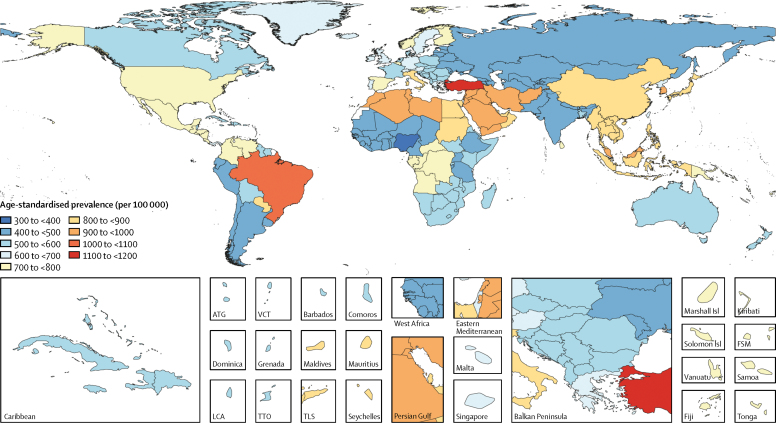
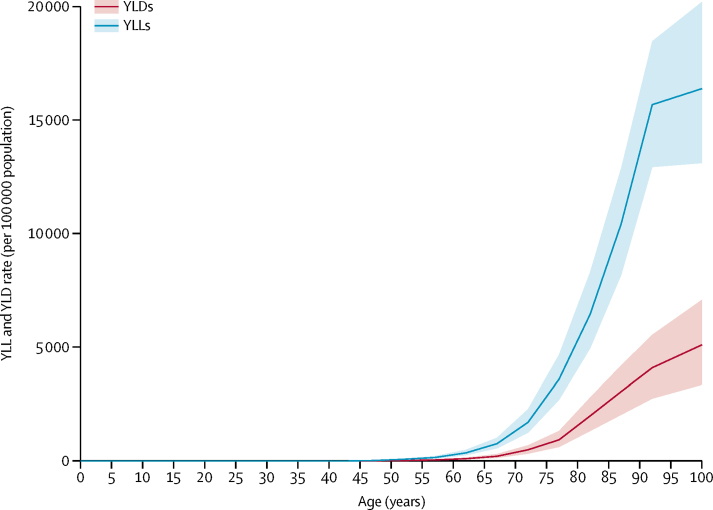
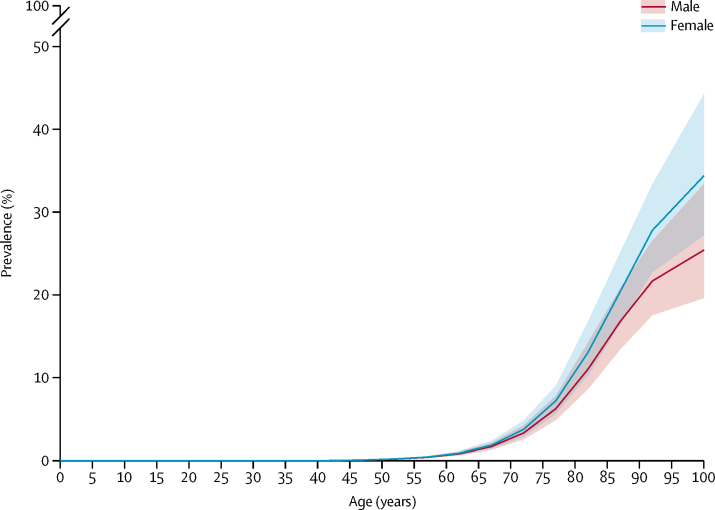
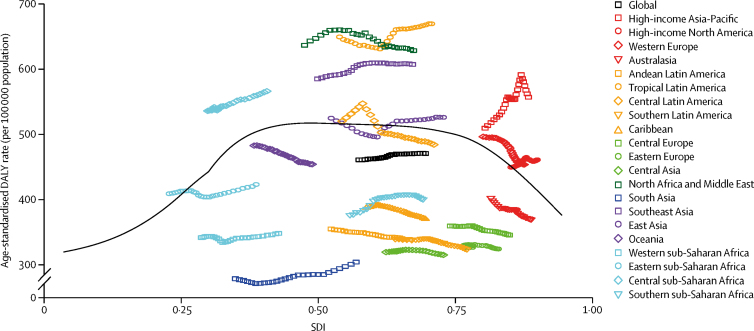
BACKGROUND: The number of individuals living with dementia is increasing, negatively affecting families, communities, and health-care systems around the world. A successful response to these challenges requires an accurate understanding of the dementia disease burden. We aimed to present the first detailed analysis of the global prevalence, mortality, and overall burden of dementia as captured by the Global Burden of Diseases, Injuries, and Risk Factors (GBD) Study 2016, and highlight the most important messages for clinicians and neurologists. METHODS: GBD 2016 obtained data on dementia from vital registration systems, published scientific literature and surveys, and data from health-service encounters on deaths, excess mortality, prevalence, and incidence from 195 countries and territories from 1990 to 2016, through systematic review and additional data-seeking efforts. To correct for differences in cause of death coding across time and locations, we modelled mortality due to dementia using prevalence data and estimates of excess mortality derived from countries that were most likely to code deaths to dementia relative to prevalence. Data were analysed by standardised methods to estimate deaths, prevalence, years of life lost (YLLs), years of life lived with disability (YLDs), and disability-adjusted life-years (DALYs; computed as the sum of YLLs and YLDs), and the fractions of these metrics that were attributable to four risk factors that met GBD criteria for assessment (high body-mass index [BMI], high fasting plasma glucose, smoking, and a diet high in sugar-sweetened beverages). FINDINGS: In 2016, the global number of individuals who lived with dementia was 43·8 million (95% uncertainty interval [UI] 37·8-51·0), increased from 20.2 million (17·4-23·5) in 1990. This increase of 117% (95% UI 114-121) contrasted with a minor increase in age-standardised prevalence of 1·7% (1·0-2·4), from 701 cases (95% UI 602-815) per 100 000 population in 1990 to 712 cases (614-828) per 100 000 population in 2016. More women than men had dementia in 2016 (27·0 million, 95% UI 23·3-31·4, vs 16.8 million, 14.4-19.6), and dementia was the fifth leading cause of death globally, accounting for 2·4 million (95% UI 2·1-2·8) deaths. Overall, 28·8 million (95% UI 24·5-34·0) DALYs were attributed to dementia; 6·4 million (95% UI 3·4-10·5) of these could be attributed to the modifiable GBD risk factors of high BMI, high fasting plasma glucose, smoking, and a high intake of sugar-sweetened beverages. INTERPRETATION: The global number of people living with dementia more than doubled from 1990 to 2016, mainly due to increases in population ageing and growth. Although differences in coding for causes of death and the heterogeneity in case-ascertainment methods constitute major challenges to the estimation of the burden of dementia, future analyses should improve on the methods for the correction of these biases. Until breakthroughs are made in prevention or curative treatment, dementia will constitute an increasing challenge to health-care systems worldwide. FUNDING: Bill & Melinda Gates Foundation.
Overview
The claims and statistics of this paper haven’t been checked yet.
Free: it reads the open-access text and checks the first 5 claims that cite a source we can check. Create a free account to check every claim.
Integrity signals
Registry
Cites
Statistics
Figures
Verification
Claims the paper makes
The claims and statistics of this paper haven’t been checked yet.
Free: it reads the open-access text and checks the first 5 claims that cite a source we can check. Create a free account to check every claim.
Claims other papers make about this one
Each is checked against this paper’s own text: does it say what the citing paper says it does?
The cited source says what the claim attributes to it.
In the citing paper
“Trends in age-standardised death rates (3·6%) for dementia increased slightly between 1990–2016, with pronounced increases in the USA and Japan and decreases in western Europe and central Latin America.4”
From Dementia prevention, intervention, and care: 2020 report of the Lancet Commission (2020) · cites this paper as [4]
Experimental — accuracy not yet measuredThe check wasn’t confident either way, so it gives no verdict — never disputed.
In the citing paper
“Alzheimer’s disease (AD) is the most common cause of dementia worldwide1”
From Multimodal deep learning for Alzheimer's disease dementia assessment (2022) · cites this paper as [1]
Experimental — accuracy not yet measured
Self-check
Percentages, sums and reported differences re-computed from the paper’s own numbers.
The self-check needs the paper’s full text.
Citations
Cites
Diagnostic and Statistical Manual of Mental Disorders
Williams, J. B. W., & First, M. (2013) · Encyclopedia of Social Work · doi:10.1093/acrefore/9780199975839.013.104 · Cited by 109,519
Vos, T., Abajobir, A. A., Abate, K. H., Abbafati, C., Abbas, K. M., Abd-Allah, F., Abdulkader, R. S., Abdulle, A. M., Abebo, T. A., Abera, S. F., et al. (2017) · The Lancet · doi:10.1016/s0140-6736(17)32154-2 · Cited by 13,220
Self-citationSperling, R. A., Aisen, P. S., Beckett, L. A., Bennett, D. A., Craft, S., Fagan, A. M., Iwatsubo, T., Jack, C. R., Kaye, J., Montine, T. J., et al. (2011) · Alzheimer's & Dementia · doi:10.1016/j.jalz.2011.03.003 · Cited by 7,155
Self-citationA New Clinical Scale for the Staging of Dementia
Hughes, C. P., Berg, L., Danziger, W., Coben, L. A., & Martin, R. L. (1982) · British Journal of Psychiatry · doi:10.1192/bjp.140.6.566 · Cited by 7,056
Dementia prevention, intervention, and care
Livingston, G., Sommerlad, A., Orgeta, V., Costafreda, S. G., Huntley, J., Ames, D., Ballard, C., Banerjee, S., Burns, A., Cohen-Mansfield, J., et al. (2017) · The Lancet · doi:10.1016/s0140-6736(17)31363-6 · Cited by 6,072
Global prevalence of dementia: a Delphi consensus study
Ferri, C. P., Prince, M., Brayne, C., Brodaty, H., Fratiglioni, L., Ganguli, M., Hall, K., Hasegawa, K., Hendrie, H., Huang, Y., et al. (2005) · The Lancet · doi:10.1016/s0140-6736(05)67889-0 · Cited by 5,332
Self-citationThe global prevalence of dementia: a systematic review and metaanalysis.
Prince, M., Bryce, R., Albanese, E., Wimo, A., Ribeiro, W., & Ferri, C. P. (2013) · Alzheimer's & Dementia · doi:10.1016/j.jalz.2012.11.007 · Cited by 4,941
Naghavi, M., Abajobir, A. A., Abbafati, C., Abbas, K. M., Abd-Allah, F., Abera, S. F., Aboyans, V., Adetokunboh, O., Afshin, A., Agrawal, A., et al. (2017) · The Lancet · doi:10.1016/s0140-6736(17)32152-9 · Cited by 4,821
Self-citationKyu, H. H., Abate, D., Abate, K. H., Abay, S. M., Abbafati, C., Abbasi, N., Abbastabar, H., Abd-Allah, F., Abdela, J., Abdelalim, A., et al. (2018) · The Lancet · doi:10.1016/s0140-6736(18)32335-3 · Cited by 4,081
Self-citation
Research works printed but not linked: 3
- Wu Y-T Beiser AS Breteler MMB The changing prevalence and incidence of dementia over time—current evidence Nat Rev Neurol 13 2017 327 28497805 · DOI · Paper page
- Satizabal CL Beiser AS Chouraki V Chêne G Dufouil C Seshadri S Incidence of dementia over three decades in the Framingham Heart Study N Engl J Med 374 2016 523 532 26863354 PMC4943081 · DOI · Paper page
- Flaxman AD Vos T Murray CJL An integrative metaregression framework for descriptive epidemiology 2015 University of Washington Press Seattle https://books.google.com/books?id=2676pwAACAAJ
Cited by
Items 901–1,000 of 1,006
Tiwari, R. K., Moin, A., Rizvi, S. M. D., Shahid, S. M. A., & Bajpai, P. (2021) · Metabolic Brain Disease · doi:10.1007/s11011-021-00696-6 · Cited by 20
“The Global burden of Disease (GBD) 2016 report estimated an approximate increase of 117% in the total number of AD patients from 20.2 million in 1990 to 43.8 million in 2016, thereby clearly indicating the urge to develop new therapeutic candidates against the disease (Nichols et al. 2019).”
BackgroundInfluentialMenghani, Y. R., Bhattad, D. M., Chandak, K. K., Taksande, J., & Umekar, M. J. (2021) · International Journal of Pharmacognosy and Life Science · doi:10.33545/27072827.2021.v2.i1a.23 · Cited by 23
Esgunoglu, L., Jennings, A., Connole, E. S., Murphy, K. J., & Minihane, A. M. (2021) · British Journal Of Nutrition · doi:10.1017/s0007114521002567 · Cited by 21
“of independence and disability in older age, has doubled between 1990 to 2016, reaching 50 million worldwide (1) .”
BackgroundScarth, M., Rissanen, I. L., Scholten, R. J. P. M., & Geerlings, M. I. (2021) · Journal of Alzheimer s Disease · doi:10.3233/jad-210218 · Cited by 19
Couple and family interventions for high mortality health conditions: A strategic review (2010–2019)
Lamson, A. L. S., Hodgson, J., Pratt, K. J., Mendenhall, T. J., Wong, A. G., Sesemann, E. M., Brown, B. J., Taylor, E. S., Williams‐Reade, J., Blocker, D. J., et al. (2021) · Journal of Marital and Family Therapy · doi:10.1111/jmft.12564 · Cited by 22
Ali, F., & Tan, S. C. (2022) · International Journal of Lifelong Education · doi:10.1080/02601370.2021.2015635 · Cited by 21
“There is also an expected increase in health burden, including the dramatic rise of Alzheimer’s disease across many societies (Nichols et al., 2019).”
BackgroundSexton, C. E., Solis, M., Aharon‐Peretz, J., Alexopoulos, P., Apostolova, L. G., Bayen, É., Birkenhager, B., Cappa, S. F., Constantinidou, F., Fortea, J., et al. (2022) · Alzheimer s & Dementia · doi:10.1002/alz.12588 · Cited by 21
Self-citationTrehalose-Based Nucleolipids as Nanocarriers for Autophagy Modulation: An In Vitro Study
Cunha, A., Gaubert, A., Verget, J., Thiolat, M.-L., Barthélémy, P., Latxague, L., & Dehay, B. (2022) · Pharmaceutics · doi:10.3390/pharmaceutics14040857 · Cited by 18
“Parkinson’s disease (PD) is the second most common NDD after Alzheimer’s disease [1].”
BackgroundTemporal and Sex-Linked Protein Expression Dynamics in a Familial Model of Alzheimer’s Disease
Lopes, F. B. T. P., Schlatzer, D., Wang, R., Li, X., Feng, E., Koyutürk, M., Qi, X., & Chance, M. R. (2022) · Molecular & Cellular Proteomics · doi:10.1016/j.mcpro.2022.100280 · Cited by 17
Cheyuo, C., Germann, J., Yamamoto, K., Vetkas, A., Loh, A., Sarica, C., Milano, V., Zemmar, A., Flouty, O. E., Harmsen, I. E., et al. (2022) · Translational Psychiatry · doi:10.1038/s41398-022-02246-9 · Cited by 22
Zhu, J., Liang, Q., He, S., Wang, C., Lin, X., Wu, D., Lin, G., & Wang, Z. (2023) · Frontiers in Pharmacology · doi:10.3389/fphar.2022.1109400 · Cited by 23
Ranking the risk factors for Alzheimer’s disease; findings from the UK Biobank study
Allwright, M., Mundell, H. D., McCorkindale, A. N., Lindley, R. I., Austin, P. J., Guennewig, B., & Sutherland, G. T. (2023) · Aging Brain · doi:10.1016/j.nbas.2023.100081 · Cited by 22
“Alzheimer’s disease (AD) is the most common form of dementia affecting over 50 million people worldwide [1] sents major social, economic and policy challenges.”
BackgroundYeh, T., Clifton, L., Collister, J. A., Liu, X., Hunter, D. J., & Littlejohns, T. J. (2023) · Alzheimer s Research & Therapy · doi:10.1186/s13195-023-01248-z · Cited by 20
“The prevalence of both diseases continues to rise in the rapidly aging global population [3, 4].”
BackgroundPredicting amyloid PET positivity using plasma p‐tau181 and other blood‐based biomarkers
Kwon, H. S., Lee, E., Kim, H., Park, S., Park, H., Jeong, J. H., Koh, S., Choi, S. H., & Lee, J. (2023) · Alzheimer s & Dementia Diagnosis Assessment & Disease Monitoring · doi:10.1002/dad2.12502 · Cited by 22
Chen, H., Yu, X., Yin, Y., Shan, E., Xing, Y., Min, M., Ding, Y.-P., Yang, F., & Li, X. (2023) · BMC Geriatrics · doi:10.1186/s12877-023-04507-8 · Cited by 21
“The prevalence of AD increases slowed after 80 years, which could be owing to the high prevalence in the oldest ages [60].”
BackgroundStimmel, M. B., Orkaby, A. R., Ayers, E. I., Verghese, J., Nsubayi, C. K., & Weiss, E. F. (2024) · Journal of the American Geriatrics Society · doi:10.1111/jgs.18705 · Cited by 23
Wang, L., Li, M., Liu, B., Zheng, R., Zhang, X., & Yu, S. (2024) · Brain Research Bulletin · doi:10.1016/j.brainresbull.2024.110953 · Cited by 19
“The cognitive impairment caused by vascular conditions is known as the second leading cause of dementia, the prevalence of which is increasing annually and is expected to triple by 2050 (Collaborators, 2019, 2022; Xu et al., 2022).”
Meaning-making of dementia caregiving: A systematic review of qualitative studies
Chen, S., LOU, V. W. Q., Leung, R., & Yu, D. S. F. (2024) · International Journal of Nursing Studies · doi:10.1016/j.ijnurstu.2024.104848 · Cited by 24
Jiang, Y., Man, Q., Liu, Z., Wang, Y., Suo, C., Li, J., Dong, Q., Cui, M., & Chen, X. (2020) · Environmental Research · doi:10.1016/j.envres.2020.109183 · Cited by 18
Self-citationImai, H., Hirai, T., Kumazawa, R., Nakagawa, S., Yonezawa, A., Matsubara, K., & Nakao, H. (2020) · PLoS ONE · doi:10.1371/journal.pone.0231226 · Cited by 16
Chetia, P., Mazumder, M. K., Mahanta, S., De, B., & Choudhury, M. D. (2020) · Medical Hypotheses · doi:10.1016/j.mehy.2020.109839 · Cited by 18
Beyond the Obvious: Smoking and Respiratory Infection Implications on Alzheimer's Disease
Wadhwa, R., Paudel, K. R., Mehta, M., Shukla, S. D., Sunkara, K., Prasher, P., Panth, N., Goyal, R., Chellappan, D. K., Gupta, G., et al. (2020) · CNS & Neurological Disorders - Drug Targets · doi:10.2174/1871527319999200817112427 · Cited by 17
Guo, X., Liu, Y., Morgan, D., & Zhao, L. (2020) · Aging and Disease · doi:10.14336/ad.2020.0201 · Cited by 18
“huge economic costs and social burden worldwide [1].”
BackgroundDefective Lysosomal Lipid Catabolism as a Common Pathogenic Mechanism for Dementia
Lee, J. Y., Marian, O. C., & Don, A. S. (2021) · NeuroMolecular Medicine · doi:10.1007/s12017-021-08644-4 · Cited by 20
Talbot, L., Thomas, M. M., Bauman, A. E., Manera, K., & Smith, B. J. (2021) · Journal of Alzheimer s Disease · doi:10.3233/jad-210317 · Cited by 19
Shang, X., Zhu, Z., Wang, W., & He, M. (2021) · American Journal of Ophthalmology · doi:10.1016/j.ajo.2021.03.021 · Cited by 22
Vonk, J. M. J., Greving, J. P., Gudnason, V. G., Launer, L. J., & Geerlings, M. I. (2021) · European Journal of Epidemiology · doi:10.1007/s10654-021-00785-x · Cited by 19
Is Aducanumab for LMICs? Promises and Challenges
Gunawardena, I. P. C., Retinasamy, T., & Shaikh, M. F. (2021) · Brain Sciences · doi:10.3390/brainsci11111547 · Cited by 19
“Evidence suggests that dementias, including AD, are more prevalent among women than men [8,9].”
BackgroundSelf-citationArifi, M. N. A. (2020) · Saudi Pharmaceutical Journal · doi:10.1016/j.jsps.2020.06.011 · Cited by 20
“According to recently published systematic analysis for the Global Burden of AD in 2016 revealed that 43 8 million individuals have dementia, among those More women than men had dementia (Nichols et al., 2019).”
Kojima, Y., Yamada, S., Kamijima, K., Kogushi, K., & Ikeda, S. (2024) · BMC Psychiatry · doi:10.1186/s12888-024-06000-x · Cited by 26
“In contrast, the proportions of male and female caregivers were similar among care-givers of patients with Alzheimer’s disease/dementia [28, 42], which could be attributed to the higher prevalence of Alzheimer’s disease/dementia in females than in males [44].”
ResultMenopause age and type and dementia risk: a pooled analysis of 233 802 women
Dobson, A. J., Xu, Z., Wilson, L. F., Chung, H., Sandin, S., van der Schouw, Y. T., Demakakos, P., Weiderpass, E., & Mishra, G. D. (2024) · Age and Ageing · doi:10.1093/ageing/afae254 · Cited by 22
Fu, H., Huang, H., Liao, S., & Dai, Z. (2025) · Frontiers in Aging Neuroscience · doi:10.3389/fnagi.2025.1637029 · Cited by 24
Aaltonen, M. S., Adam, S. E., Martin-Matthews, A., Sakamoto, M., Strumpf, E., & McGrail, K. M. (2020) · Journal of the American Medical Directors Association · doi:10.1016/j.jamda.2020.11.030 · Cited by 23
Estimating premorbid intelligence in people living with dementia: a systematic review
Overman, M. J., Leeworthy, S., & Welsh, T. J. (2021) · International Psychogeriatrics · doi:10.1017/s1041610221000302 · Cited by 20
“Dementia is a highly prevalent neurodegenerative disorder and a leading global cause of disability and mortality (Vos et al. , 2017; Nichols et al. , 2019).”
Pereira, M. L., de Vasconcelos, T. H. F., de Oliveira, A. A. R., Campagnolo, S. B., Figueiredo, S. D. O., Guimarães, A. F. B. C., Barbosa, M. T., de Miranda, L. F. J. R., Caramelli, P., & de Souza, L. C. (2021) · Dementia & Neuropsychologia · doi:10.1590/1980-57642021dn15-010009 · Cited by 16
Etiology of Dementia in Thai Patients
Dharmasaroja, P. A., Assanasen, J., Pongpakdee, S., Jaisin, K., Lolekha, P., Phanasathit, M., Cheewakriengkrai, L., Chotipanich, C., Witoonpanich, P., Pitiyarn, S., et al. (2021) · Dementia and Geriatric Cognitive Disorders Extra · doi:10.1159/000515676 · Cited by 20
Saragih, I. D., Tonapa, S. I., Lin, C.-J., & Lee, B. (2021) · International Journal of Nursing Studies · doi:10.1016/j.ijnurstu.2021.104012 · Cited by 16
Doshi, K., Henderson, S. L., Fan, Q., Wong, K. F., & Lim, J. (2021) · Journal of Alzheimer s Disease · doi:10.3233/jad-215035 · Cited by 20
Wang, X., Li, J., Wang, Y.-S., Yu, C.-C., He, C., Huang, Z., Jiang, T., Hao, Q., & Kong, L.-H. (2021) · Iranian Journal of Public Health · doi:10.18502/ijph.v50i12.7924 · Cited by 22
“And because of that, AD has become one of the most important medical and social problems in the world under the trend of global aging (4, 5).”
BackgroundSelf-citationHao, L., Jia, J., Xing, Y., & Han, Y. (2022) · Brain and Behavior · doi:10.1002/brb3.2709 · Cited by 20
“…Disease International, 2016), and the number of patients with dementia in China accounts for approximately 25% of the entire population (GBD 2016 Dementia Collaborators, 2019), creating a huge challenge for policy makers, health-care professionals, and family members (Jia et al., 2020).”
BackgroundLow Bone Mineral Density With Risk of Dementia: A Prospective Cohort Study
Zhang, X., Hsu, W. W. Q., Sing, C., Li, G. H., Tan, K. C. B., Kung, A. W. C., Wong, J. S. H., Wong, I. C. K., & Cheung, C. (2022) · Journal of the American Medical Directors Association · doi:10.1016/j.jamda.2022.07.012 · Cited by 19
Hu, R., Lai, B., Ma, W., Zhang, Y., Deng, Y., Liu, L., Lv, Z., Chan, C., Zhang, F., & Tao, Q. (2022) · BMC Geriatrics · doi:10.1186/s12877-022-03417-5 · Cited by 23
“According to the Global Burden of Disease Study 2016 [2], there were 43.”
MethodWeerasekera, A., Ion‐Mărgineanu, A., Green, C., Mody, M., & Nolan, G. P. (2022) · Human Brain Mapping · doi:10.1002/hbm.26100 · Cited by 18
“Given the current demographic trends reflecting an aging society and an increasing incidence and burden of neurodegenerative diseases such as Alzheimer's disease and Parkinson's disease (Nichols et al., 2019), a closer look at subcortical changes in age-related cognitive decline may help shed light on the etiologies o…”
BackgroundChen, N., Cao, J., Zhang, W., Chen, Y., & Xu, L. (2022) · BMJ Open · doi:10.1136/bmjopen-2022-065125 · Cited by 19
Liu, Q., Wang, F., Tan, L., Liu, L., Cheng, H., & Hu, X. (2023) · Frontiers in Psychiatry · doi:10.3389/fpsyt.2023.1072066 · Cited by 20
Li, F., Yan, Y., Zheng, L., Wang, C., Guan, X., Hong, S., & Guo, H. (2023) · BMC Geriatrics · doi:10.1186/s12877-023-03761-0 · Cited by 21
“of disability adjusted life years (DALYs) due to dementia, which brought huge burdens to the society and healthcare system [3].”
BackgroundDinesh, D., Shao, Q., Palnati, M., McDannold, S. E., Zhang, Q., Monfared, A. A. T., Jasuja, G. K., Davila, H. W., Xia, W., Moo, L. R., et al. (2023) · Alzheimer s & Dementia · doi:10.1002/alz.13071 · Cited by 18
The controversial effect of smoking and nicotine in SARS-CoV-2 infection
Salehi, Z., Gh, B. F. N. M., Nourian, Y. H., Jamalkandi, S. A., & Ghanei, M. (2023) · Allergy Asthma and Clinical Immunology · doi:10.1186/s13223-023-00797-0 · Cited by 24
“Alzheimer’s disease Alzheimer’s disease is the most common progressive neurodegenerative disease, which accounts for 60 to 80% of the world’s 47 million dementia cases [197].”
BackgroundEffect of Tooth Loss on Cognitive Function among Older Adults in Singapore
Kiuchi, S., Cooray, U., Aida, J., Osaka, K., Chan, A. W.-M., Malhotra, R., & Peres, M. A. (2023) · Journal of Dental Research · doi:10.1177/00220345231172109 · Cited by 21
“Causal effects are defined by shifting the exposure as a deterministic function of the observed level of exposure (Díaz et al. 2021; Ikeda et al. 2022; Nugent and Balzer 2023).”
BackgroundAge-related pathophysiological alterations in molecular stress markers and key modulators of hypoxia
Pinky, P., Neha, N., Salman, M., Kumar, P., Khan, M. A., Jamal, A., & Parvez, S. (2023) · Ageing Research Reviews · doi:10.1016/j.arr.2023.102022 · Cited by 16
Teruel-Hernández, E., Pina, J. A. L., Souto-Camba, S., Báez‐Suárez, A., Medina-Ramírez, R., & Gómez‐Conesa, A. (2023) · International Journal of Environmental Research and Public Health · doi:10.3390/ijerph20217027 · Cited by 20
Prospects of antidiabetic drugs in the treatment of neurodegenerative disease
Hu, L., Wang, W., Chen, X., Bai, G., Ma, L., Yang, X., Shu, Q., & Li, X. (2024) · Brain‐X · doi:10.1002/brx2.52 · Cited by 20
Relationship between Pain and Dementia: The Mediating Effect of Depression among Chinese Elderly
Duan, W., Huang, J. H., Huang, Q., & Dong, B. (2024) · Actas Españolas de Psiquiatría · doi:10.62641/aep.v52i2.1530 · Cited by 16
“The increase in the age and number of populations is expected to increase the prevalence of dementia, exerting significant adverse effects on families, societies, and healthcare systems world-wide [10,11].”
BackgroundLong, C., Li, Z., Feng, H., Jiang, Y., Pu, Y., Tao, J., & Yue, R. (2024) · Frontiers in Aging Neuroscience · doi:10.3389/fnagi.2024.1465457 · Cited by 21
A deep learning approach for non-invasive Alzheimer’s monitoring using microwave radar data
Farhatullah, Chen, X., Zeng, D., Ullah, R., Nawaz, R., Xu, J., & Arslan, T. (2024) · Neural Networks · doi:10.1016/j.neunet.2024.106778 · Cited by 18
“Dementia is the fifth primary cause of global mortality, a figure that increased from 20.2 million in 1990 to 43.8 million in 2016, based on clinical records (Nichols et al., 2019).”
InfluentialBohlken, J., Jacob, L., & Kostev, K. (2019) · Journal of Alzheimer s Disease · doi:10.3233/jad-190362 · Cited by 18
Huntingtin Levels are Elevated in Hippocampal Post-Mortem Samples of Alzheimer’s Disease Brain
Axenhus, M., Winblad, B. G., Tjernberg, L. O., & Schedin‐Weiss, S. (2020) · Current Alzheimer Research · doi:10.2174/1567205017666201203125622 · Cited by 16
Shang, X., Scott, D. S., Chan, R. K., Zhang, L., & He, M. (2021) · The Journals of Gerontology Series A · doi:10.1093/gerona/glab096 · Cited by 21
“8 million in 2016 (3), with China accounting for approximately one-quarter (4).”
BackgroundHuman Pluripotent Stem-Cell-Derived Models as a Missing Link in Drug Discovery and Development
Lin, X., Tang, J., & Lou, Y. (2021) · Pharmaceuticals · doi:10.3390/ph14060525 · Cited by 18
“AD is a common cause of elderly dementia, affecting over 40 million patients all around the world [87].”
BackgroundSalivary Heme Oxygenase-1: A Potential Biomarker for Central Neurodegeneration
Galindez, J. M., Juwara, L., Cressatti, M., Gornitsky, M., Velly, A. M., & Schipper, H. M. (2021) · Journal of Central Nervous System Disease · doi:10.1177/11795735211029114 · Cited by 18
Ju, C., Wong, I. C. K., Lau, W. C. Y., Man, K. K. C., Brauer, R., Ma, T., Alsharif, A. A., Alwafi, H. H., Lau, K. K., Chan, E. W., et al. (2021) · European Journal of Neurology · doi:10.1111/ene.15053 · Cited by 19
“The estimates of the national prevalence of dementia within the study period were obtained from the Global Burden of Diseases, Injuries, and Risk Factors Study [28].”
MethodMamun, A. A., Pidaný, F., Hulcová, D., Maříková, J., Kučera, T., Schmidt, M., Catapano, M. C., Hrabinová, M., Jun, D., Múčková, Ľ., et al. (2021) · International Journal of Molecular Sciences · doi:10.3390/ijms22158308 · Cited by 18
“AD currently affects over 50 million people worldwide and is estimated to nearly triple by 2050 [2].”
BackgroundChen, S.-D., Zhang, W., Li, Y., Liu, Y., Huang, Y., Deng, Y., Wu, B., Suckling, J., Rolls, E. T., Feng, J., et al. (2022) · Biological Psychiatry · doi:10.1016/j.biopsych.2022.08.002 · Cited by 19
Chin-Chan, M., Cobos-Puc, L. E., Alvarado-Cruz, I., Bayar, M., & Ermolaeva, M. (2019) · JBIC Journal of Biological Inorganic Chemistry · doi:10.1007/s00775-019-01739-1 · Cited by 18
Relationship between physical activities and mental health in older people: a bibliometric analysis
Zhang, Y., Zhou, M., Yin, Z., Zhuang, W., & Wang, Y. (2024) · Frontiers in Psychiatry · doi:10.3389/fpsyt.2024.1424745 · Cited by 22
Self-citationLight-based gamma entrainment with novel invisible spectral flicker stimuli
Hansen, L. S., Carstensen, M. S., Henney, M. A., Nguyen, N. M., Thorning‐Schmidt, M. W., Broeng, J., Petersen, P. M., & Andersen, T. (2024) · Scientific Reports · doi:10.1038/s41598-024-75448-4 · Cited by 20
Biswas, R., Capuano, A. W., Mehta, R. I., Barnes, L. L., Bennett, D., & Arvanitakis, Z. (2025) · Diabetes/Metabolism Research and Reviews · doi:10.1002/dmrr.70032 · Cited by 18
Self-citationAssociations between Ultrafine Particles and Incident Dementia in Older Adults
Zhu, Q., Deng, Y.-L., Liu, Y., & Steenland, K. (2025) · Environmental Science & Technology · doi:10.1021/acs.est.4c10574 · Cited by 21
Xu, C., Jiang, C., Liu, X., Shi, W., Bai, J., Mubarik, S., & Wang, F. (2025) · International Journal for Equity in Health · doi:10.1186/s12939-025-02530-2 · Cited by 21
“Unlike previous GBD estimates [20, 21], high FPG became the most important attributable risk factor for ADOD, especially in high SDI region.”
Li, J., & Li, J. (2025) · International Journal of Surgery · doi:10.1097/js9.0000000000002628 · Cited by 23
Hajare, S., & Kulkarni, Y. A. (2025) · Brain Research · doi:10.1016/j.brainres.2025.149975 · Cited by 19
Ferreira, T. R., Lopes, L. C., Motter, F. R., & Bergamaschi, C. D. C. (2021) · Medicine · doi:10.1097/md.0000000000025015 · Cited by 20
Cross-species metabolomic analysis of tau- and DDT-related toxicity
Kalia, V., Niedzwiecki, M. M., Bradner, J. M., Lau, F. K., Anderson, F. L., Bucher, M. L., Manz, K. E., Schlotter, A. P., Fuentes, Z. C., Pennell, K. D., et al. (2022) · PNAS Nexus · doi:10.1093/pnasnexus/pgac050 · Cited by 17
“While aging is the strongest risk factor of AD, evidence of risk factors for dementias show that lifestyle choices and the environment may modify disease onset and alter the projected prevalence (8).”
BackgroundBliss, E., Wong, R. H. X., Howe, P. R. C., & Mills, D. E. (2022) · Frontiers in Aging Neuroscience · doi:10.3389/fnagi.2022.892343 · Cited by 22
“The Yale Physical Activity Survey (Dipietro et al., 1993), the Exercise and Sports Science Australia Adult Pre-exercise Screening System (Norton and Norton, 2011), and a customized health and wellbeing screen were used to determine whether participants met the inclusion and/or exclusion criteria, as well as their phys…”
MethodZhang, Z., Hu, J., Zhu, H., Chen, Q., Koh, K., Chen, H., & Xu, X. (2022) · Sensors and Actuators B Chemical · doi:10.1016/j.snb.2022.132015 · Cited by 16
Zia, Q., Rehman, M. T., Hashmi, M. A., Siddiqui, S., Dukhyil, A. B., Ahmed, M. Z., Jamal, A., Banawas, S., Almalki, S. G., Owais, M., et al. (2022) · Frontiers in Neuroscience · doi:10.3389/fnins.2022.915122 · Cited by 16
“AD and other forms of dementia are ranked as the 7th leading cause of death globally according to the World Health Organization (WHO) (WHO Fact Sheet, 2020), with 40–50 million individuals currently living with dementia (Nichols et al., 2019).”
BackgroundSex and gender differences in dementia
Salwierz, P., Davenport, C., Sumra, V., Iulita, M. F., Ferretti, M. T., & Tartaglia, M. C. (2022) · International review of neurobiology · doi:10.1016/bs.irn.2022.07.002 · Cited by 17
Alzheimer’s disease: Pathophysiology and dental pulp stem cells therapeutic prospects
Xiong, W., Liu, Y., Zhou, H., Jing, S., He, Y., & Ye, Q. (2022) · Frontiers in Cell and Developmental Biology · doi:10.3389/fcell.2022.999024 · Cited by 18
“Moreover, driven by both increased life expectancy and declining fertility, the number of AD patients will continue to increase in the future (Lutz et al., 2008; Collaborators and G.B.D.D., 2019).”
BackgroundCognitive Advantage of Bilingualism Over Monolingualism in Older Adults: A Meta-Analysis
Chen, S., Lin, Y., Zuo, S., Wang, Z., Liang, J., Jiang, Z., Xu, Y. Q., Wang, P., Jing, X., & Lü, L. (2022) · Current Alzheimer Research · doi:10.2174/1567205019666220920092234 · Cited by 18
Observational studies in Alzheimer disease: bridging preclinical studies and clinical trials
Brenowitz, W. D., & Yaffe, K. S. (2022) · Nature Reviews Neurology · doi:10.1038/s41582-022-00733-7 · Cited by 18
Siqueira, J. D. A., Lopes, A. A. D. S., Godtsfriedt, C. E. S., Justina, M. D. D., de Paiva, K. M., d’Orsi, E., & Rech, C. R. (2022) · Frontiers in Aging · doi:10.3389/fragi.2022.915292 · Cited by 21
“4% to 117% in the prevalence of cognitive impairment, affecting up to 152 million older adults (Nichols et al., 2019).”
BackgroundTimmermans, E. J., Leeuwis, A. E., Bots, M. L., van Alphen, J. L., Biessels, G. J., Rocca, H. B., Kappelle, L. J., van Rossum, A. C., van Osch, M. J. P., & Vaartjes, I. C. H. (2022) · Health & Place · doi:10.1016/j.healthplace.2022.102956 · Cited by 16
Agudelo‐Botero, M., Giraldo‐Rodríguez, L., & Rojas-Russell, M. E. (2022) · The Journal of Prevention of Alzheimer s Disease · doi:10.14283/jpad.2022.92 · Cited by 20
Brück, C. C., Wolters, F. J., Ikram, M. A., & de Kok, I. M. C. M. (2023) · Alzheimer s & Dementia · doi:10.1002/alz.13019 · Cited by 21
Lourenco, M. V., Borelli, W. V., Duran-Aniotz, C. A., Zimmer, E. R., & de Castro, S. S. (2023) · Alzheimer s & Dementia Translational Research & Clinical Interventions · doi:10.1002/trc2.12378 · Cited by 19
Lyu, D., Lyu, X., Huang, L. T., & Fang, B. (2023) · Ageing Research Reviews · doi:10.1016/j.arr.2023.101959 · Cited by 15
Rivas-Campo, Y., Aibar‐Almazán, A., Afanador-Restrepo, D. F., García-Garro, P. A., Vega-Ávila, G. C., Rodríguez-López, C., Castellote‐Caballero, Y., Carcelén‐Fraile, M. D. C., & Lerma, L. L. (2023) · Life · doi:10.3390/life13051224 · Cited by 24
Language Impairment in Vascular Dementia: A Clinical Review
Macoir, J. (2023) · Journal of Geriatric Psychiatry and Neurology · doi:10.1177/08919887231195225 · Cited by 22
AI‐based assessments of speech and language impairments in dementia
Parsapoor, M. (2023) · Alzheimer s & Dementia · doi:10.1002/alz.13395 · Cited by 19
Tang, X., Peng, J., Huang, S., Xu, H., Wang, P., Jiang, J., Zhang, W., Shi, X., Shi, L., Zhong, X., et al. (2023) · Journal of Cancer Research and Clinical Oncology · doi:10.1007/s00432-023-05395-6 · Cited by 17
Liu, X., Wang, G., & Cao, Y. (2024) · Geriatric Nursing · doi:10.1016/j.gerinurse.2024.01.003 · Cited by 15
Zhao, T., & Jia, J.-P. (2024) · CNS Neuroscience & Therapeutics · doi:10.1111/cns.14581 · Cited by 15
Mechanisms with network pharmacology approach of Ginsenosides in Alzheimer's disease
He, S., Shi, J., Chai, H., Ma, L., Pei, H., Zhang, P., Shi, D., & Li, H. (2024) · Heliyon · doi:10.1016/j.heliyon.2024.e26642 · Cited by 21
Cognitive effects of focal neuromodulation in neurological and psychiatric disorders
Wiseman, M., Sewell, I. J., Nestor, S. M., Giacobbe, P., Hamani, C., Lipsman, N., & Rabin, J. S. (2024) · Nature Reviews Psychology · doi:10.1038/s44159-024-00291-3 · Cited by 18
“Alzheimer disease is the most common type of dementia 24 .”
Pecher, H., Storch, M., Beyer, F., Witte, A. V., Baasner, C.-F., Schönknecht, P. O. D., & Weise, C. M. (2024) · NeuroImage Clinical · doi:10.1016/j.nicl.2024.103687 · Cited by 19
“Alzheimer ’ s dementia (AD) is the most common neurodegenerative dementia with high socioeconomic relevance (Reitz et al. 2011; Prince et al. 2013; Nichols et al. 2019).”
Alzheimer’s disease diagnosis by 3D-SEConvNeXt
Hu, Z., Wang, Y., & Xiao, L. (2025) · Journal Of Big Data · doi:10.1186/s40537-025-01088-8 · Cited by 22
“Reports indicate that the annual cost of managing AD in China exceeds 1 trillion yuan, while total expenditures on healthcare, long-term care, and end-of-life services for dementia patients aged 65 and above in the United States amount to 355 billion US dollars [5–7].”
Self-citationLi, J., Gao, F., Ma, S., Zhang, Y.-T. Y., Zhang, J., Guan, F., & Yao, M. (2020) · Journal of Tissue Engineering and Regenerative Medicine · doi:10.1002/term.3098 · Cited by 15
“…in an array of sensory-motor dysfunctions, severely impact both the physiological and psychological health of patients, as well as pose significant socioeconomic burdens (Ahuja et al., 2017; Gu, Yue, Leong, Nugraha, & Tan, 2010; Nichols et al., 2019; Rubiano, Carney, Chesnut, & Puyana, 2015).”
BackgroundYu, Z.-W., Li, X., Wang, Y., Fu, Y., & Gao, X. (2020) · Journal of Alzheimer s Disease · doi:10.3233/jad-200332 · Cited by 18
Self-citationGarcía‐Ribas, G., García-Arcelay, E., Montoya, A., & Mauriño, J. (2020) · Patient Preference and Adherence · doi:10.2147/ppa.s282147 · Cited by 17
Updating the biological interest of 'Valeriana officinalis'
Sánchez, M., González‐Burgos, E., Peinado, I. I., & Gómez-Serranillos, M. P. (2021) · Mediterranean Botany · doi:10.5209/mbot.70280 · Cited by 20
Metadata
- Authors
- Nichols, E., Szoeke, C. E. I., Vollset, S. E., Abbasi, N., Abd-Allah, F., Abdela, J., Aichour, M. T. E., Akinyemi, R. O., Alahdab, F., Asgedom, S. W., Awasthi, A., Barker-Collo, S. L., Baune, B. T., Béjot, Y., Belachew, A. B., Bennett, D. A., Biadgo, B., Bijani, A., Bin Sayeed, M. S., Brayne, C., Carpenter, D. O., Carvalho, F., Catalá-López, F., Cerin, E., Choi, J.-Y. J., Dang, A. K., Degefa, M. G., Djalalinia, S., Dubey, M., Duken, E. E., Edvardsson, D., Endres, M., Eskandarieh, S., Faro, A., Farzadfar, F., Fereshtehnejad, S.-M., Fernandes, E., Filip, I., Fischer, F., Gebre, A. K., Geremew, D., Ghasemi-Kasman, M., Gnedovskaya, E. V., Gupta, R., Hachinski, V., Hagos, T. B., Hamidi, S., Hankey, G. J., Haro, J. M., Hay, S. I., Irvani, S. S. N., Jha, R. P., Jonas, J. B., Kalani, R., Karch, A., Kasaeian, A., Khader, Y. S., Khalil, I. A., Khan, E. A., Khanna, T., Khoja, T. A. M., Khubchandani, J., Kisa, A., Kissimova-Skarbek, K., Kivimäki, M., Koyanagi, A., Krohn, K. J., Logroscino, G., Lorkowski, S., Majdan, M., Malekzadeh, R., März, W., Massano, J., Mengistu, G., Meretoja, A., Mohammadi, M., Mohammadi-Khanaposhtani, M., Mokdad, A. H., Mondello, S., Moradi, G., Nagel, G., Naghavi, M., Naik, G., Nguyen, L. H., Nguyen, T. H., Nirayo, Y. L., Nixon, M. R., Ofori-Asenso, R., Ogbo, F. A., Olagunju, A. T., Owolabi, M. O., Panda-Jonas, S., Passos, V. M. D. A., Pereira, D. M., Pinilla-Monsalve, G. D., Piradov, M. A., Pond, C. D., Poustchi, H., Qorbani, M., Radfar, A., Reiner, R. C., Robinson, S. R., Roshandel, G., Rostami, A., Russ, T. C., Sachdev, P. S., Safari, H., Safiri, S., Sahathevan, R., Salimi, Y., Satpathy, M., Sawhney, M., Saylan, M., Sepanlou, S. G., Shafieesabet, A., Shaikh, M. A., Sahraian, M. A., Shigematsu, M., Shiri, R., Shiue, I., Silva, J. P., Smith, M., Sobhani, S., Stein, D. J., Tabarés-Seisdedos, R., Tovani-Palone, M. R., Tran, B. X., Tran, T. T., Tsegay, A. T., Ullah, I., Venketasubramanian, N., Vlassov, V., Wang, Y.-P., Weiss, J., Westerman, R., Wijeratne, T., Wyper, G. M. A., Yano, Y., Yimer, E. M., Yonemoto, N., Yousefifard, M., Zaidi, Z., Zare, Z., Vos, T., Feigin, V. L., & Murray, C. J. L.
- Affiliations
- University of Washington (US)
- Mekelle University (ET)
- Public Health Foundation of India (IN)
- Institute for Health Metrics and Evaluation (US)
- Higher National Veterinary School (DZ)
- Digestive Disease Research Institute (IR)
- Corresponding author
- Nichols, Emma
- ORCID
- Nichols, Emma
- Szoeke, Cassandra E I
- Abbasi, Nooshin
- Abd-Allah, Foad
- Abdela, Jemal
- Akinyemi, Rufus O
- Alahdab, Fares
- Asgedom, Solomon W
- Awasthi, Ashish
- Barker-Collo, Suzanne L
- Béjot, Yannick
- Belachew, Abate B
- Bennett, Derrick A.
- Biadgo, Belete
- Bijani, Ali
- Brayne, Carol
- Carpenter, David O
- Carvalho, Félix
- Catalá-López, Ferrán
- Cerin, Ester
- Dang, Anh Kim
- Degefa, Meaza G
- Djalalinia, Shirin
- Dubey, Manisha
- Endres, Matthias
- Eskandarieh, Sharareh
- Farzadfar, Farshad
- Fereshtehnejad, Seyed-Mohammad
- Fernandes, Eduarda
- Filip, Irina
- Fischer, Florian
- Gebre, Abadi K
- Geremew, Demeke
- Gnedovskaya, Elena V.
- Gupta, Rajeev
- Hachinski, Vladimir
- Hamidi, Samer
- Hankey, Graeme J.
- Haro, Josep M
- Hay, Simon I
- Irvani, Seyed Sina N
- Jha, Ravi P
- Jonas, Jost B.
- Karch, André
- Kasaeian, Amir
- Khader, Yousef Saleh
- Khan, Ejaz Ahmad
- Khubchandani, Jagdish
- Koyanagi, Ai
- Logroscino, Giancarlo
- Malekzadeh, Reza
- März, Winfried
- Massano, João
- Meretoja, Atte
- Mokdad, Ali H
- Mondello, Stefania
- Moradi, Ghobad
- Nagel, Gabriele
- Naghavi, Mohsen
- Naik, Gurudatta
- Nguyen, Long H
- Nguyen, Trang H
- Ogbo, Felix A
- Olagunju, Andrew T
- Owolabi, Mayowa O
- Passos, Valéria M de Azeredo
- Pereira, David M.
- Pinilla-Monsalve, Gabriel D
- Qorbani, Mostafa
- Radfar, Amir
- Reiner, Robert C
- Robinson, Stephen R
- Roshandel, Gholamreza
- Rostami, Ali
- Russ, Tom C
- Sachdev, Perminder S
- Safari, Hosein
- Safiri, Saeid
- Sahathevan, Ramesh
- Salimi, Yahya
- Satpathy, Maheswar
- Sepanlou, Sadaf G.
- Shafieesabet, Azadeh
- Sahraian, Mohammad Ali
- Shiri, Rahman
- Shiue, Ivy
- Silva, João P
- Stein, Dan J
- Tran, Bach X
- Tran, Tung Thanh
- Ullah, Irfan
- Venketasubramanian, Narayanaswamy
- Vlassov, Vasily
- Wang, Yuan-Pang
- Weiss, Jordan
- Westerman, Ronny
- Wijeratne, Tissa
- Wyper, Grant M.A.
- Yano, Yuichiro
- Yimer, Ebrahim M
- Yonemoto, Naohiro
- Yousefifard, Mahmoud
- Zaidi, Zoubida
- Vos, Theo
- Feigin, Valery L.
- Murray, Christopher J L
- Venue
- The Lancet Neurology
- Publisher
- Elsevier BV
- Published
- 2019-01
- Volume
- 18
- Issue
- 1
- Pages
- 88-106
- ISSN
- 1474-4422 (ISSN-L)
- PMC
- PMC6291454
- OpenAlex
- W2903517662
- Semantic Scholar
- 5eb19d1951890e3eb933f261fcbdf31c0df3f5aa
- Cited by
- 2,412
- References
- 42
- Citations by year
- 2026: 159 · 2025: 287 · 2024: 296 · 2023: 347 · 2022: 434 · 2021: 453 · 2020: 340 · 2019: 93
- FWCI
- 173.29
- Type
- journal article
- Language
- en
- Open access
- hybrid
- doi.org
- Licence
- cc-by
- www.elsevier.com/tdm/userlicense/1.0/ (tdm)
- www.elsevier.com/legal/tdmrep-license (tdm)
- creativecommons.org/licenses/by/4.0/ (vor)
- Locations
- The Lancet Neurology (publishedVersion, cc-by)
- Europe PMC (PubMed Central) (publishedVersion, other-oa)
- PubMed Central (publishedVersion, cc-by)
- PubMed (publishedVersion)
- LA Referencia (Red Federada de Repositorios Institucionales de Publicaciones Científicas) (publishedVersion, cc-by-nc-nd)
- Edinburgh Research Explorer (University of Edinburgh) (publishedVersion, cc-by)
- ANU Open Research (Australian National University) (submittedVersion, cc-by)
- Minerva Access (University of Melbourne) (submittedVersion, cc-by)
- Apollo (University of Cambridge) (submittedVersion, cc-by)
- UWA Profiles and Research Repository (UWA) (submittedVersion, cc-by)
- Homo Politicus (Academy of Humanities and Economics in Lodz) (submittedVersion, cc-by-nc-nd)
- Jagiellonian University Repository (Jagiellonian University) (submittedVersion, cc-by-nc-nd)
- DiVA at Umeå University (Umeå University) (submittedVersion, other-oa)
- RMIT Research Repository (RMIT University Library) (submittedVersion, other-oa)
- Dipòsit Digital de la Universitat de Barcelona (Universitat de Barcelona) (submittedVersion, cc-by-nc-nd)
- LA Referencia (Red Federada de Repositorios Institucionales de Publicaciones Científicas) (submittedVersion, cc-by-nc)
- UCL Discovery (University College London) (submittedVersion)
- Figshare (submittedVersion, cc-by)
- Työväentutkimus Vuosikirja (submittedVersion)
- HZI (Helmholtz Centre for Infection Research) (submittedVersion, cc-by-nc-sa)
- Publikationen an der Universität Bielefeld (Universität Bielefeld) (submittedVersion)
- CINECA IRIS Institutional Research Information System (University of Bari Aldo Moro) (submittedVersion, other-oa)
- Repository of Digital Objects for Teaching Research and Culture (University of Valencia) (submittedVersion, other-oa)
- NOVA (University of Newcastle Australia) (submittedVersion, cc-by)
- Apollo (cc-by)
- Funders
- European Commission (POCI/01/0145/FEDER/007265)
- University of Edinburgh
- Australian Research Council (CP13/00150, FT3 140100085, PI15/00862)
- Department of Science and Technology, Ministry of Science and Technology, India
- European Regional Development Fund
- Fuel Cell Technologies Program
- Generalitat Valenciana (PI17/00719)
- Ministério da Educação e Ciência (PT2020 UID/QUI/50006/2013, UID/MULTI/04378/2013)
- Instituto de Salud Carlos III
- National Institutes of Health
- Fundação para a Ciência e a Tecnologia
- Ministerio de Educación, Cultura y Deporte
- Topics
- Health Sciences › Medicine › Psychiatry and Mental health › Dementia and Cognitive Impairment Research
- Health Sciences › Medicine › Public Health, Environmental and Occupational Health › Global Health and Epidemiology
- Health Sciences › Medicine › Psychiatry and Mental health › Mental Health Treatment and Access
- Keywords
- Alzheimer's disease, dementia, disease burden, dementia prevalence, dementia mortality, years of life lost, years lived with disability, disability-adjusted life years, excess mortality, risk factors, body mass index, fasting blood glucose, smoking, sugar-sweetened beverages, global burden of disease, age-standardized prevalence, sex differences in dementia
- MeSH terms
- Global Burden of Disease, Adult, Age Factors, Aged, Aged, 80 and over, Alzheimer Disease, Dementia, Female, Humans, Life Expectancy, Male, Middle Aged, Risk Factors, Sex Factors, Incidence, Prevalence, Age Distribution, Quality-Adjusted Life Years
About these checks
Registry, retraction, Cites and statistics results are computed, not judged, with one exception: a printed reference that no index lists is read once by a model before it counts as a citation error. Claims are extracted by a model and kept only when their quote appears verbatim in the text; each cited source is then checked, with a model’s help, for whether it says what the claim relies on. Those verdicts can be wrong — read the claim’s quote and the cited source before relying on one.
Statistics and arithmetic are recomputed, not judged.
Confidence bands are shown only for fields calibrated on our annotated test set. None is calibrated yet, so no band is shown.
What counts as a claim ›How we measure confidence ›How we check this ›
Are you an author, or do you see a problem with this page? Request a review
Data sources
Bibliographic data: Semantic Scholar, OpenAlex, Crossref.
Contains information from the Semantic Scholar Academic Graph Datasets, made available under the ODC Attribution License (ODC-BY 1.0).
Semantic Scholar’s data is described in: Kinney, R., et al. (2023). The Semantic Scholar Open Data Platform. arXiv:2301.10140.
