

Global, regional, and national burden of Alzheimer's disease and other dementias, 1990–2016: a systematic analysis for the Global Burden of Disease Study 2016
Open accessThe DOI matches its Crossref record; 42 of the 42 references it cites were found in a registry or an index.
Abstract
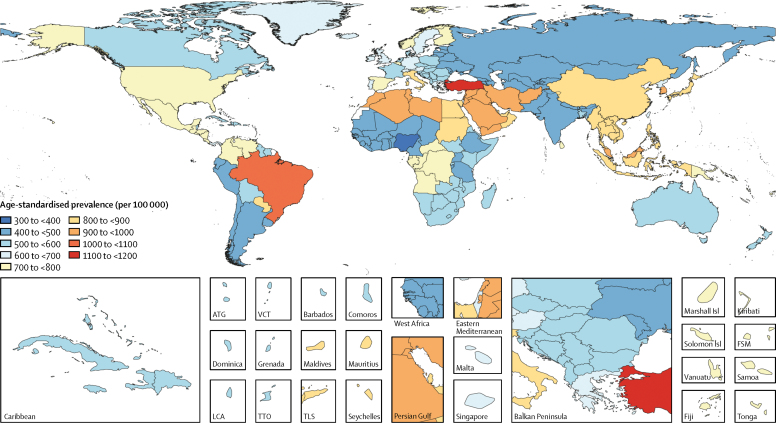
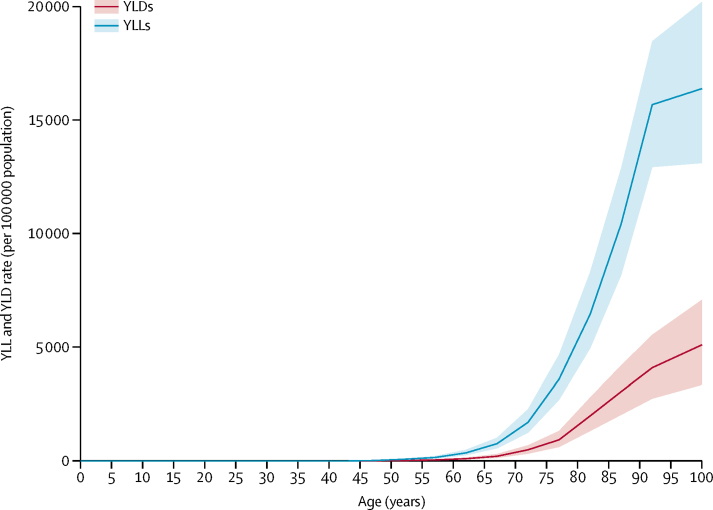
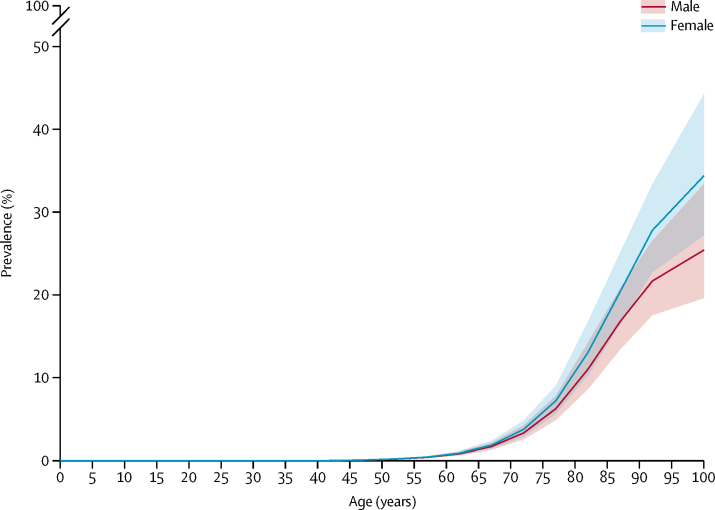
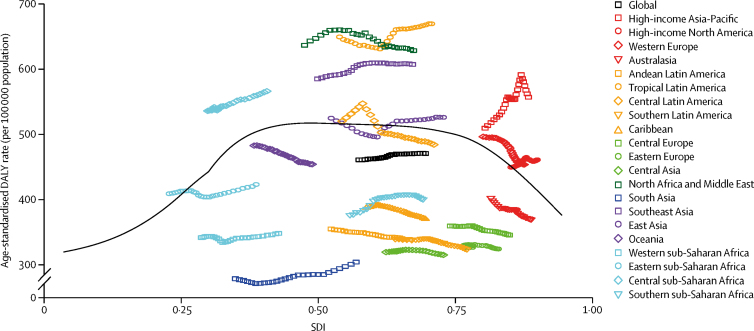
BACKGROUND: The number of individuals living with dementia is increasing, negatively affecting families, communities, and health-care systems around the world. A successful response to these challenges requires an accurate understanding of the dementia disease burden. We aimed to present the first detailed analysis of the global prevalence, mortality, and overall burden of dementia as captured by the Global Burden of Diseases, Injuries, and Risk Factors (GBD) Study 2016, and highlight the most important messages for clinicians and neurologists. METHODS: GBD 2016 obtained data on dementia from vital registration systems, published scientific literature and surveys, and data from health-service encounters on deaths, excess mortality, prevalence, and incidence from 195 countries and territories from 1990 to 2016, through systematic review and additional data-seeking efforts. To correct for differences in cause of death coding across time and locations, we modelled mortality due to dementia using prevalence data and estimates of excess mortality derived from countries that were most likely to code deaths to dementia relative to prevalence. Data were analysed by standardised methods to estimate deaths, prevalence, years of life lost (YLLs), years of life lived with disability (YLDs), and disability-adjusted life-years (DALYs; computed as the sum of YLLs and YLDs), and the fractions of these metrics that were attributable to four risk factors that met GBD criteria for assessment (high body-mass index [BMI], high fasting plasma glucose, smoking, and a diet high in sugar-sweetened beverages). FINDINGS: In 2016, the global number of individuals who lived with dementia was 43·8 million (95% uncertainty interval [UI] 37·8-51·0), increased from 20.2 million (17·4-23·5) in 1990. This increase of 117% (95% UI 114-121) contrasted with a minor increase in age-standardised prevalence of 1·7% (1·0-2·4), from 701 cases (95% UI 602-815) per 100 000 population in 1990 to 712 cases (614-828) per 100 000 population in 2016. More women than men had dementia in 2016 (27·0 million, 95% UI 23·3-31·4, vs 16.8 million, 14.4-19.6), and dementia was the fifth leading cause of death globally, accounting for 2·4 million (95% UI 2·1-2·8) deaths. Overall, 28·8 million (95% UI 24·5-34·0) DALYs were attributed to dementia; 6·4 million (95% UI 3·4-10·5) of these could be attributed to the modifiable GBD risk factors of high BMI, high fasting plasma glucose, smoking, and a high intake of sugar-sweetened beverages. INTERPRETATION: The global number of people living with dementia more than doubled from 1990 to 2016, mainly due to increases in population ageing and growth. Although differences in coding for causes of death and the heterogeneity in case-ascertainment methods constitute major challenges to the estimation of the burden of dementia, future analyses should improve on the methods for the correction of these biases. Until breakthroughs are made in prevention or curative treatment, dementia will constitute an increasing challenge to health-care systems worldwide. FUNDING: Bill & Melinda Gates Foundation.
Overview
The claims and statistics of this paper haven’t been checked yet.
Free: it reads the open-access text and checks the first 5 claims that cite a source we can check. Create a free account to check every claim.
Integrity signals
Registry
Cites
Statistics
Figures
Verification
Claims the paper makes
The claims and statistics of this paper haven’t been checked yet.
Free: it reads the open-access text and checks the first 5 claims that cite a source we can check. Create a free account to check every claim.
Claims other papers make about this one
Each is checked against this paper’s own text: does it say what the citing paper says it does?
The cited source says what the claim attributes to it.
In the citing paper
“Trends in age-standardised death rates (3·6%) for dementia increased slightly between 1990–2016, with pronounced increases in the USA and Japan and decreases in western Europe and central Latin America.4”
From Dementia prevention, intervention, and care: 2020 report of the Lancet Commission (2020) · cites this paper as [4]
Experimental — accuracy not yet measuredThe check wasn’t confident either way, so it gives no verdict — never disputed.
In the citing paper
“Alzheimer’s disease (AD) is the most common cause of dementia worldwide1”
From Multimodal deep learning for Alzheimer's disease dementia assessment (2022) · cites this paper as [1]
Experimental — accuracy not yet measured
Self-check
Percentages, sums and reported differences re-computed from the paper’s own numbers.
The self-check needs the paper’s full text.
Citations
Cites
Diagnostic and Statistical Manual of Mental Disorders
Williams, J. B. W., & First, M. (2013) · Encyclopedia of Social Work · doi:10.1093/acrefore/9780199975839.013.104 · Cited by 109,519
Vos, T., Abajobir, A. A., Abate, K. H., Abbafati, C., Abbas, K. M., Abd-Allah, F., Abdulkader, R. S., Abdulle, A. M., Abebo, T. A., Abera, S. F., et al. (2017) · The Lancet · doi:10.1016/s0140-6736(17)32154-2 · Cited by 13,220
Self-citationSperling, R. A., Aisen, P. S., Beckett, L. A., Bennett, D. A., Craft, S., Fagan, A. M., Iwatsubo, T., Jack, C. R., Kaye, J., Montine, T. J., et al. (2011) · Alzheimer's & Dementia · doi:10.1016/j.jalz.2011.03.003 · Cited by 7,155
Self-citationA New Clinical Scale for the Staging of Dementia
Hughes, C. P., Berg, L., Danziger, W., Coben, L. A., & Martin, R. L. (1982) · British Journal of Psychiatry · doi:10.1192/bjp.140.6.566 · Cited by 7,056
Dementia prevention, intervention, and care
Livingston, G., Sommerlad, A., Orgeta, V., Costafreda, S. G., Huntley, J., Ames, D., Ballard, C., Banerjee, S., Burns, A., Cohen-Mansfield, J., et al. (2017) · The Lancet · doi:10.1016/s0140-6736(17)31363-6 · Cited by 6,072
Global prevalence of dementia: a Delphi consensus study
Ferri, C. P., Prince, M., Brayne, C., Brodaty, H., Fratiglioni, L., Ganguli, M., Hall, K., Hasegawa, K., Hendrie, H., Huang, Y., et al. (2005) · The Lancet · doi:10.1016/s0140-6736(05)67889-0 · Cited by 5,332
Self-citationThe global prevalence of dementia: a systematic review and metaanalysis.
Prince, M., Bryce, R., Albanese, E., Wimo, A., Ribeiro, W., & Ferri, C. P. (2013) · Alzheimer's & Dementia · doi:10.1016/j.jalz.2012.11.007 · Cited by 4,941
Naghavi, M., Abajobir, A. A., Abbafati, C., Abbas, K. M., Abd-Allah, F., Abera, S. F., Aboyans, V., Adetokunboh, O., Afshin, A., Agrawal, A., et al. (2017) · The Lancet · doi:10.1016/s0140-6736(17)32152-9 · Cited by 4,821
Self-citationKyu, H. H., Abate, D., Abate, K. H., Abay, S. M., Abbafati, C., Abbasi, N., Abbastabar, H., Abd-Allah, F., Abdela, J., Abdelalim, A., et al. (2018) · The Lancet · doi:10.1016/s0140-6736(18)32335-3 · Cited by 4,081
Self-citation
Research works printed but not linked: 3
- Wu Y-T Beiser AS Breteler MMB The changing prevalence and incidence of dementia over time—current evidence Nat Rev Neurol 13 2017 327 28497805 · DOI · Paper page
- Satizabal CL Beiser AS Chouraki V Chêne G Dufouil C Seshadri S Incidence of dementia over three decades in the Framingham Heart Study N Engl J Med 374 2016 523 532 26863354 PMC4943081 · DOI · Paper page
- Flaxman AD Vos T Murray CJL An integrative metaregression framework for descriptive epidemiology 2015 University of Washington Press Seattle https://books.google.com/books?id=2676pwAACAAJ
Cited by
Dementia prevention, intervention, and care: 2020 report of the Lancet Commission
Livingston, G., Huntley, J., Sommerlad, A., Ames, D., Ballard, C., Banerjee, S., Brayne, C., Burns, A., Cohen-Mansfield, J., Cooper, C., et al. (2020) · The Lancet · doi:10.1016/s0140-6736(20)30367-6 · Cited by 10,430
Self-citationRetractedHeart Disease and Stroke Statistics—2023 Update: A Report From the American Heart Association
Tsao, C. W., Aday, A. W., Almarzooq, Z. I., Anderson, C. A. M., Arora, P., Avery, C. L., Baker-Smith, C. M., Beaton, A. Z., Boehme, A. K., Buxton, A. E., et al. (2023) · Circulation · doi:10.1161/cir.0000000000001123 · Cited by 8,300
Self-citationFeigin, V. L., Nichols, E., Alam, T., Bannick, M. S., Beghi, E., Blake, N., Culpepper, W. J., Dorsey, E. R., Elbaz, A., Ellenbogen, R. G., et al. (2019) · The Lancet Neurology · doi:10.1016/s1474-4422(18)30499-x · Cited by 5,644
Self-citationNichols, E., Steinmetz, J. D., Vollset, S. E., Fukutaki, K., Chalek, J., Abd-Allah, F., Abdoli, A., Abualhasan, A., Abu-Gharbieh, E., Akram, T. T., et al. (2022) · The Lancet Public Health · doi:10.1016/s2468-2667(21)00249-8 · Cited by 5,575
“10 Additionally, evidence has emerged supporting the importance of potentially modifiable risk factors for dementia.”
InfluentialSelf-citationMancia, G., Kreutz, R., Brunström, M., Burnier, M., Grassi, G., Januszewicz, A., Muiesan, M. L., Tsioufis, K., Agabiti-Rosei, E., Algharably, E. A. E., et al. (2023) · Journal of Hypertension · doi:10.1097/hjh.0000000000003480 · Cited by 3,473
Martin, S. S., Aday, A. W., Almarzooq, Z. I., Anderson, C. A. M., Arora, P., Avery, C. L., Baker-Smith, C. M., Barone Gibbs, B., Beaton, A. Z., Boehme, A. K., et al. (2024) · Circulation · doi:10.1161/cir.0000000000001209 · Cited by 2,800
Self-citationJia, L., Du, Y., Chu, L., Zhang, Z., Li, F., Lyu, D., Li, Y., Li, Y., Zhu, M., Jiao, H., et al. (2020) · The Lancet Public Health · doi:10.1016/s2468-2667(20)30185-7 · Cited by 1,829
The Lancet women and cardiovascular disease Commission: reducing the global burden by 2030
Vogel, B., Acevedo, M., Appelman, Y., Bairey Merz, C. N., Chieffo, A., Figtree, G. A., Guerrero, M., Kunadian, V., Lam, C. S. P., Maas, A. H. E. M., et al. (2021) · The Lancet · doi:10.1016/s0140-6736(21)00684-x · Cited by 1,488
Parkinson disease-associated cognitive impairment
Aarsland, D., Batzu, L., Halliday, G. M., Geurtsen, G. J., Ballard, C., Ray Chaudhuri, K., & Weintraub, D. (2021) · Nature Reviews Disease Primers · doi:10.1038/s41572-021-00280-3 · Cited by 1,371
The global burden of neurological disorders: translating evidence into policy
Feigin, V. L., Vos, T., Nichols, E., Owolabi, M. O., Carroll, W. M., Dichgans, M., Deuschl, G., Parmar, P., Brainin, M., & Murray, C. (2020) · The Lancet Neurology · doi:10.1016/s1474-4422(19)30411-9 · Cited by 1,303
Self-citationBiomarkers for neurodegenerative diseases
Hansson, O. (2021) · Nature Medicine · doi:10.1038/s41591-021-01382-x · Cited by 1,159
Martin, S. S., Aday, A. W., Allen, N. B., Almarzooq, Z. I., Anderson, C. A. M., Arora, P., Avery, C. L., Baker-Smith, C. M., Bansal, N., Beaton, A. Z., et al. (2025) · Circulation · doi:10.1161/cir.0000000000001303 · Cited by 1,080
Simpson, D. S. A., & Oliver, P. L. (2020) · Antioxidants · doi:10.3390/antiox9080743 · Cited by 1,044
“Sporadic, late-onset Alzheimer’s disease (AD) is the most common neurodegenerative disease with an estimated over 50 million cases globally as of 2019 and perhaps the best example of chronic neurodegeneration [106,107].”
BackgroundGlobal estimates on the number of persons across the Alzheimer's disease continuum
Gustavsson, A., Norton, N., Fast, T., Frölich, L., Georges, J., Holzapfel, D., Kirabali, T., Krolak‐Salmon, P., Rossini, P. M., Ferretti, M. T., et al. (2023) · Alzheimer's & Dementia · doi:10.1002/alz.12694 · Cited by 895
Dementia in China: epidemiology, clinical management, and research advances
Jia, L., Quan, M., Fu, Y., Zhao, T., Li, Y., Wei, C., Tang, Y., Qin, Q., Wang, F., Qiao, Y., et al. (2020) · The Lancet Neurology · doi:10.1016/s1474-4422(19)30290-x · Cited by 875
The Epidemiology of Alzheimer's Disease Modifiable Risk Factors and Prevention
Zhang, X.-X., Tian, Y., Wang, Z.-T., Ma, Y.-H., Tan, L., & Yu, J.-T. (2021) · The Journal of Prevention of Alzheimer's Disease · doi:10.14283/jpad.2021.15 · Cited by 789
“Particularly, age-specific global prevalence in women was 1.17 times larger than in men and the age-standardized mortality rate of women was also higher than men, suggesting the longer lifespan was not the only determinant of the women dominance (8).”
InfluentialGlobal, regional, and national burden of Alzheimer's disease and other dementias, 1990–2019
Li, X., Feng, X., Sun, X., Hou, N., Han, F., & Liu, Y. (2022) · Frontiers in Aging Neuroscience · doi:10.3389/fnagi.2022.937486 · Cited by 703
Alzheimer’s Disease: Epidemiology and Clinical Progression
Tahami Monfared, A. A., Byrnes, M. J., White, L. A., & Zhang, Q. (2022) · Neurology and Therapy · doi:10.1007/s40120-022-00338-8 · Cited by 629
“4% of all deaths attributable to dementia in 2016 [31].”
BackgroundBurden of Neurological Disorders Across the US From 1990-2017: A Global Burden of Disease Study
Collaborators, G. 2. U. N. D., Feigin, V. L., Vos, T., Alahdab, F., Amit, A. M. L., Bärnighausen, T. W., Beghi, E., Beheshti, M., Chavan, P. P., Criqui, M. H., et al. (2021) · JAMA Neurology · doi:10.1001/jamaneurol.2020.4152 · Cited by 622
Self-citationManly, J. J., Jones, R. N., Langa, K. M., Ryan, L. H., Levine, D. A., McCammon, R., Heeringa, S. G., & Weir, D. (2022) · JAMA Neurology · doi:10.1001/jamaneurol.2022.3543 · Cited by 560
The Prevalence of Dementia: A Systematic Review and Meta-Analysis
Cao, Q., Tan, C.-C., Xu, W., Hu, H., Cao, X.-P., Dong, Q., Tan, L., & Yu, J.-T. (2020) · Journal of Alzheimer’s Disease · doi:10.3233/jad-191092 · Cited by 556
Role of gut-brain axis, gut microbial composition, and probiotic intervention in Alzheimer's disease
Kesika, P., Suganthy, N., Sivamaruthi, B. S., & Chaiyasut, C. (2021) · Life Sciences · doi:10.1016/j.lfs.2020.118627 · Cited by 479
Type 2 diabetes and cognitive dysfunction–towards effective management of both comorbidities
Srikanth, V., Sinclair, A. J., Hill-Briggs, F., Moran, C., & Biessels, G. J. (2020) · The Lancet Diabetes & Endocrinology · doi:10.1016/s2213-8587(20)30118-2 · Cited by 465
Barthélemy, N. R., Salvadó, G., Schindler, S. E., He, Y., Janelidze, S., Collij, L. E., Saef, B., Henson, R. L., Chen, C. D., Gordon, B. A., et al. (2024) · Nature Medicine · doi:10.1038/s41591-024-02869-z · Cited by 448
Multimodal deep learning for Alzheimer's disease dementia assessment
Qiu, S., Miller, M. I., Joshi, P. S., Lee, J. C., Xue, C., Ni, Y., Wang, Y., De Anda-Duran, I., Hwang, P. H., Cramer, J. A., et al. (2022) · Nature Communications · doi:10.1038/s41467-022-31037-5 · Cited by 420
Self-citationGlobal Prevalence of Young-Onset Dementia: A Systematic Review and Meta-analysis
Hendriks, S., Peetoom, K., Bakker, C., van der Flier, W. M., Papma, J. M., Koopmans, R., Verhey, F. R. J., de Vugt, M., Köhler, S., Young-Onset Dementia Epidemiology Study Group, et al. (2021) · JAMA Neurology · doi:10.1001/jamaneurol.2021.2161 · Cited by 409
Ou, Y.-N., Tan, C.-C., Shen, X.-N., Xu, W., Hou, X.-H., Dong, Q., Tan, L., & Yu, J.-T. (2020) · Hypertension · doi:10.1161/hypertensionaha.120.14993 · Cited by 402
Ronaldson, P. T., & Davis, T. P. (2020) · Journal of Cerebral Blood Flow & Metabolism · doi:10.1177/0271678x20951995 · Cited by 392
“Alzheimer’s disease and associated dementias are an escalating global health challenge as evidenced by 40–50 million people living with dementia worldwide.(138) The pathological features of Alzheimer’s disease are neurofibrillary tangles and the formation of neurite plaques that may be focal or diffuse.”
BackgroundActive Aging and Public Health: Evidence, Implications, and Opportunities
Dogra, S., Dunstan, D. W., Sugiyama, T., Stathi, A., Gardiner, P. A., & Owen, N. (2022) · Annual Review of Public Health · doi:10.1146/annurev-publhealth-052620-091107 · Cited by 334
“The number of people living with dementia increased from 20.2 million in 1990 to 43.8 million in 2016 (101).”
BackgroundInfluentialAlzheimer’s Disease: An Updated Overview of Its Genetics
Andrade-Guerrero, J., Santiago-Balmaseda, A., Jeronimo-Aguilar, P., Vargas-Rodríguez, I., Cadena-Suárez, A. R., Sánchez-Garibay, C., Pozo-Molina, G., Méndez-Catalá, C. F., Cardenas-Aguayo, M.-D.-C., Diaz-Cintra, S., et al. (2023) · International Journal of Molecular Sciences · doi:10.3390/ijms24043754 · Cited by 336
Blood phospho-tau in Alzheimer disease: analysis, interpretation, and clinical utility
Karikari, T. K., Ashton, N. J., Brinkmalm, G., Brum, W. S., Benedet, A. L., Montoliu-Gaya, L., Lantero-Rodriguez, J., Pascoal, T. A., Suárez-Calvet, M., Rosa-Neto, P., et al. (2022) · Nature Reviews Neurology · doi:10.1038/s41582-022-00665-2 · Cited by 329
Developing the ATX(N) classification for use across the Alzheimer disease continuum
Hampel, H., Cummings, J., Blennow, K., Gao, P., Jack, C. R., & Vergallo, A. (2021) · Nature Reviews Neurology · doi:10.1038/s41582-021-00520-w · Cited by 327
The clinical promise of biomarkers of synapse damage or loss in Alzheimer’s disease
the Synaptic Health Endpoints Working Group, Colom-Cadena, M., Spires-Jones, T., Zetterberg, H., Blennow, K., Caggiano, A., DeKosky, S. T., Fillit, H., Harrison, J. E., Schneider, L. S., et al. (2020) · Alzheimer's Research & Therapy · doi:10.1186/s13195-020-00588-4 · Cited by 328
Preventing dementia by preventing stroke: The Berlin Manifesto
Hachinski, V., Einhäupl, K., Ganten, D., Alladi, S., Brayne, C., Stephan, B. C. M., Sweeney, M. D., Zlokovic, B., Iturria‐Medina, Y., Iadecola, C., et al. (2019) · Alzheimer's & Dementia · doi:10.1016/j.jalz.2019.06.001 · Cited by 313
Self-citationDing, C., Wu, Y., Chen, X., Chen, Y., Wu, Z., Lin, Z., Kang, D., Fang, W., & Chen, F. (2022) · Frontiers in Public Health · doi:10.3389/fpubh.2022.952161 · Cited by 311
Zhu, J., Cui, Y., Zhang, J., Yan, R., Su, D., Zhao, D., Wang, A., & Feng, T. (2024) · The Lancet Healthy Longevity · doi:10.1016/s2666-7568(24)00094-1 · Cited by 299
The amyloid cascade hypothesis: an updated critical review
Kepp, K. P., Robakis, N. K., Høilund-Carlsen, P. F., Sensi, S. L., & Vissel, B. (2023) · Brain · doi:10.1093/brain/awad159 · Cited by 284
Vossel, K., Ranasinghe, K. G., Beagle, A. J., La, A., Ah Pook, K., Castro, M., Mizuiri, D., Honma, S. M., Venkateswaran, N., Koestler, M., et al. (2021) · JAMA Neurology · doi:10.1001/jamaneurol.2021.3310 · Cited by 271
Palaniappan, L. P., Allen, N. B., Almarzooq, Z. I., Anderson, C. A. M., Arora, P., Avery, C. L., Baker-Smith, C. M., Bansal, N., Currie, M. E., Earlie, R. S., et al. (2026) · Circulation · doi:10.1161/cir.0000000000001412 · Cited by 242
Innate Immune Cell Death in Neuroinflammation and Alzheimer’s Disease
Rajesh, Y., & Kanneganti, T.-D. (2022) · Cells · doi:10.3390/cells11121885 · Cited by 262
“Alzheimer’s disease (AD) is a debilitating disease affecting approximately 44 million people worldwide [1].”
BackgroundJiang, H., Cao, P., Xu, M., Yang, J., & Zaiane, O. (2020) · Computers in Biology and Medicine · doi:10.1016/j.compbiomed.2020.104096 · Cited by 249
Meghdadi, A. H., Stevanović Karić, M., McConnell, M., Rupp, G., Richard, C., Hamilton, J., Salat, D., & Berka, C. (2021) · PLOS ONE · doi:10.1371/journal.pone.0244180 · Cited by 229
“Worldwide, the prevalence of Alzheimer’s disease (AD) is rapidly increasing [1,2] with no approved disease modifying treatment [3].”
BackgroundExposure to polystyrene microplastics impairs hippocampus-dependent learning and memory in mice
Lee, C.-W., Hsu, L.-F., Wu, I.-L., Wang, Y.-L., Chen, W.-C., Liu, Y.-J., Yang, L.-T., Tan, C.-L., Luo, Y.-H., Wang, C.-C., et al. (2022) · Journal of Hazardous Materials · doi:10.1016/j.jhazmat.2022.128431 · Cited by 225
Self-citationOxidative Stress and Dementia in Alzheimer’s Patients: Effects of Synbiotic Supplementation
Ton, A. M. M., Campagnaro, B. P., Alves, G. A., Aires, R., Côco, L. Z., Arpini, C. M., Guerra e Oliveira, T., Campos-Toimil, M., Meyrelles, S. S., Pereira, T. M. C., et al. (2020) · Oxidative Medicine and Cellular Longevity · doi:10.1155/2020/2638703 · Cited by 217
Combination Drug Therapy for the Management of Alzheimer’s Disease
Kabir, M. T., Uddin, M. S., Mamun, A. A., Jeandet, P., Aleya, L., Mansouri, R. A., Ashraf, G. M., Mathew, B., Bin-Jumah, M. N., & Abdel-Daim, M. M. (2020) · International Journal of Molecular Sciences · doi:10.3390/ijms21093272 · Cited by 217
Park, J.-C., Jang, S.-Y., Lee, D., Lee, J., Kang, U., Chang, H., Kim, H. J., Han, S.-H., Seo, J., Choi, M., et al. (2021) · Nature Communications · doi:10.1038/s41467-020-20440-5 · Cited by 211
El-Hayek, Y. H., Wiley, R. E., Khoury, C. P., Daya, R. P., Ballard, C., Evans, A. R., Karran, M., Molinuevo, J. L., Norton, M., & Atri, A. (2019) · Journal of Alzheimer's Disease · doi:10.3233/jad-190426 · Cited by 216
“dency among older adults worldwide [1], having a significant impact not only on individuals but also on their families, communities, and societies.”
BackgroundVagus nerve stimulation in brain diseases: Therapeutic applications and biological mechanisms
Wang, Y., Zhan, G., Cai, Z., Jiao, B., Zhao, Y., Li, S., & Luo, A. (2021) · Neuroscience & Biobehavioral Reviews · doi:10.1016/j.neubiorev.2021.04.018 · Cited by 206
Self-citationBiomarker-based staging of Alzheimer disease: rationale and clinical applications
Therriault, J., Schindler, S. E., Salvadó, G., Pascoal, T. A., Benedet, A. L., Ashton, N. J., Karikari, T. K., Apostolova, L., Murray, M. E., Verberk, I., et al. (2024) · Nature Reviews Neurology · doi:10.1038/s41582-024-00942-2 · Cited by 197
“Alzheimer disease (AD) is a progressive neurodegenerative disease and is the primary cause of dementia worldwide, contributing substantially to global mortality and morbidity 1 .”
You’ve got male: Sex and the microbiota-gut-brain axis across the lifespan
Jaggar, M., Rea, K., Spichak, S., Dinan, T. G., & Cryan, J. F. (2020) · Frontiers in Neuroendocrinology · doi:10.1016/j.yfrne.2019.100815 · Cited by 200
Sipilä, P. N., Heikkilä, N., Lindbohm, J. V., Hakulinen, C., Vahtera, J., Elovainio, M., Suominen, S., Väänänen, A., Koskinen, A., Nyberg, S. T., et al. (2021) · The Lancet Infectious Diseases · doi:10.1016/s1473-3099(21)00144-4 · Cited by 197
Self-citationProbiotics for Alzheimer’s Disease: A Systematic Review
Naomi, R., Embong, H., Othman, F., Ghazi, H. F., Maruthey, N., & Bahari, H. (2021) · Nutrients · doi:10.3390/nu14010020 · Cited by 194
“8 million people worldwide suffered from AD in 2016 [9].”
BackgroundProteostasis Failure in Neurodegenerative Diseases: Focus on Oxidative Stress
Höhn, A., Tramutola, A., & Cascella, R. (2020) · Oxidative Medicine and Cellular Longevity · doi:10.1155/2020/5497046 · Cited by 192
“AD is the most prevalent neurodegenerative disease, and the global number of people living with AD and other dementias has more than doubled from 1990 to 2016, mainly due to increases in population aging and growth [105].”
BackgroundBenefits of exercise training on cerebrovascular and cognitive function in ageing
Bliss, E. S., Wong, R. H., Howe, P. R., & Mills, D. E. (2021) · Journal of Cerebral Blood Flow & Metabolism · doi:10.1177/0271678x20957807 · Cited by 191
“Introduction The current worldwide incidence of dementia is more than 50 million people and is expected to treble in the next 30 years.(1,2) Dementia is associated with adverse changes in cerebrovascular structure and function, which contribute to a decline in cognition.”
BackgroundRahman, A., Jackson, H., Hristov, H., Isaacson, R. S., Saif, N., Shetty, T., Etingin, O., Henchcliffe, C., Brinton, R. D., & Mosconi, L. (2019) · Frontiers in Aging Neuroscience · doi:10.3389/fnagi.2019.00315 · Cited by 187
Nagpal, R., Neth, B. J., Wang, S., Mishra, S. P., Craft, S., & Yadav, H. (2020) · eBioMedicine · doi:10.1016/j.ebiom.2020.102950 · Cited by 188
Long-term Effects of Cholinesterase Inhibitors on Cognitive Decline and Mortality
Xu, H., Garcia-Ptacek, S., Jönsson, L., Wimo, A., Nordström, P., & Eriksdotter, M. (2021) · Neurology · doi:10.1212/wnl.0000000000011832 · Cited by 182
“The acetylcholinesterase inhibitors (ChEIs) and the NMDA receptor antagonist memantine are hitherto the only specific pharmacologic treatments approved for Alzheimer dementia, the most common type of dementia.(1) Although their benefit appears to be modest,(2,3) a significant body of evidence supports their effectiven…”
BackgroundSingh, G., Sharma, M., Kumar, G. A., Rao, N. G., Prasad, K., Mathur, P., Pandian, J. D., Steinmetz, J. D., Biswas, A., Pal, P. K., et al. (2021) · The Lancet Global Health · doi:10.1016/s2214-109x(21)00164-9 · Cited by 179
Self-citationAntidiabetic agents as a novel treatment for Alzheimer’s and Parkinson’s disease
Nowell, J., Blunt, E., Gupta, D., & Edison, P. (2023) · Ageing Research Reviews · doi:10.1016/j.arr.2023.101979 · Cited by 179
“AD is responsible for roughly 60 – 70% of dementia cases internationally (World Health Organisation, 2020), with a global prevalence of around 50 million cases (Collaborators, 2019a).”
BackgroundNovel Therapeutic Approaches for Alzheimer’s Disease: An Updated Review
Yu, T.-W., Lane, H.-Y., & Lin, C.-H. (2021) · International Journal of Molecular Sciences · doi:10.3390/ijms22158208 · Cited by 176
Menopause and cognitive impairment: A narrative review of current knowledge
Conde, D. M., Verdade, R. C., Valadares, A. L. R., Mella, L. F. B., Pedro, A. O., & Costa-Paiva, L. (2021) · World Journal of Psychiatry · doi:10.5498/wjp.v11.i8.412 · Cited by 173
Changing demography and the challenge of dementia in India
Ravindranath, V., & Sundarakumar, J. S. (2021) · Nature Reviews Neurology · doi:10.1038/s41582-021-00565-x · Cited by 172
Collaborators, G. 2. (2021) · Alzheimer's & Dementia: Translational Research & Clinical Interventions · doi:10.1002/trc2.12200 · Cited by 176
The Association between Vision Impairment and Incidence of Dementia and Cognitive Impairment
Shang, X., Zhu, Z., Wang, W., Ha, J., & He, M. (2021) · Ophthalmology · doi:10.1016/j.ophtha.2020.12.029 · Cited by 174
Koo, J., Lim, C., & Oh, K. T. (2024) · International Journal of Nanomedicine · doi:10.2147/ijn.s439181 · Cited by 174
Global ageing: successes, challenges and opportunities
Mitchell, E., & Walker, R. (2020) · British Journal of Hospital Medicine · doi:10.12968/hmed.2019.0377 · Cited by 171
Schaffert, L.-N., & Carter, W. G. (2020) · Brain Sciences · doi:10.3390/brainsci10040232 · Cited by 169
Malik, R., Georgakis, M. K., Neitzel, J., Rannikmäe, K., Ewers, M., Seshadri, S., Sudlow, C. L. M., & Dichgans, M. (2021) · Alzheimer's & Dementia · doi:10.1002/alz.12320 · Cited by 167
“69 years from the UK Biobank (UKB), who were followed for a period of up to 12 years, we aimed to (1) determine associations of the baseline LS7 score, as well as its biological and lifestyle subscores with incident all-cause dementia; (2) identify linear and non-linear relationships between individual vascular risk f…”
MethodEpidemiology of neurological diseases in older adults
Dumurgier, J., & Tzourio, C. (2020) · Revue Neurologique · doi:10.1016/j.neurol.2020.01.356 · Cited by 167
Smith, R. G., Pishva, E., Shireby, G., Smith, A. R., Roubroeks, J. A. Y., Hannon, E., Wheildon, G., Mastroeni, D., Gasparoni, G., Riemenschneider, M., et al. (2021) · Nature Communications · doi:10.1038/s41467-021-23243-4 · Cited by 168
Self-citationRahimi Darehbagh, R., Seyedoshohadaei, S. A., Ramezani, R., & Rezaei, N. (2024) · European Journal of Medical Research · doi:10.1186/s40001-024-01987-1 · Cited by 167
Innate immune activation in neurodegenerative diseases
Castro-Gomez, S., & Heneka, M. T. (2024) · Immunity · doi:10.1016/j.immuni.2024.03.010 · Cited by 162
You, Y., Muraoka, S., Jedrychowski, M. P., Hu, J., McQuade, A. K., Young‐Pearse, T., Aslebagh, R., Shaffer, S. A., Gygi, S. P., Blurton‐Jones, M., et al. (2022) · Journal of Extracellular Vesicles · doi:10.1002/jev2.12183 · Cited by 161
Su, W.-M., Gu, X.-J., Dou, M., Duan, Q.-Q., Jiang, Z., Yin, K.-F., Cai, W.-C., Cao, B., Wang, Y., & Chen, Y.-P. (2023) · Journal of Neurology, Neurosurgery & Psychiatry · doi:10.1136/jnnp-2023-331142 · Cited by 161
Self-citationThe NLRP3 inflammasome triggers sterile neuroinflammation and Alzheimer’s disease
Milner, M. T., Maddugoda, M., Götz, J., Burgener, S. S., & Schroder, K. (2021) · Current Opinion in Immunology · doi:10.1016/j.coi.2020.10.011 · Cited by 161
Iwagami, M., Qizilbash, N., Gregson, J., Douglas, I., Johnson, M., Pearce, N., Evans, S., & Pocock, S. (2021) · The Lancet Healthy Longevity · doi:10.1016/s2666-7568(21)00150-1 · Cited by 161
Time to test antibacterial therapy in Alzheimer’s disease
Panza, F., Lozupone, M., Solfrizzi, V., Watling, M., & Imbimbo, B. P. (2019) · Brain · doi:10.1093/brain/awz244 · Cited by 161
Lobanov-Rostovsky, S., He, Q., Chen, Y., Liu, Y., Wu, Y., Liu, Y., Venkatraman, T., French, E., Curry, N., Hemmings, N., et al. (2023) · BMC Public Health · doi:10.1186/s12889-023-15583-1 · Cited by 160
“Functional impairment and disability at older ages may be caused by one or more chronic diseases, including Alzheimer’s disease and related dementias (ADRD), which accounted for about 10% (ADRD estimate: 10·4 million) in China in 2016 [34].”
BackgroundHypertension and Cognitive Impairment: A Review of Mechanisms and Key Concepts
Canavan, M., & O'Donnell, M. J. (2022) · Frontiers in Neurology · doi:10.3389/fneur.2022.821135 · Cited by 159
Lanctôt, K. L., Hahn‐Pedersen, J. H., Eichinger, C. S., Freeman, C. S., Clark, A., Tarazona, L. R. S., & Cummings, J. L. (2023) · The Journal of Prevention of Alzheimer s Disease · doi:10.14283/jpad.2023.61 · Cited by 189
Resveratrol Derivatives as Potential Treatments for Alzheimer’s and Parkinson’s Disease
Arbo, B. D., André-Miral, C., Nasre-Nasser, R. G., Schimith, L. E., Santos, M. G., Costa-Silva, D., Muccillo-Baisch, A. L., & Hort, M. A. (2020) · Frontiers in Aging Neuroscience · doi:10.3389/fnagi.2020.00103 · Cited by 154
“8 million people were living with dementia, of which approximately 60% were due to AD, varying depending on the country and study methodology (Erkkinen et al., 2018; Nichols et al., 2019).”
BackgroundColorectal cancer. Radiologic staging.
Rf, T. (1997) · PubMed · Cited by 152
Saleh, R. N. M., Hornberger, M., Ritchie, C. W., & Minihane, A. M. (2023) · Alzheimer's Research & Therapy · doi:10.1186/s13195-022-01121-5 · Cited by 148
“cases in women cannot simply be explained by greater life expectancy [2, 4, 5].”
BackgroundLi, H., Li, C., Wang, A., Qi, Y., Feng, W., Hou, C., Tao, L., Liu, X., Li, X., Wang, W., et al. (2020) · Alzheimer s Research & Therapy · doi:10.1186/s13195-020-00691-6 · Cited by 165
“As the global population is aging, the number of individuals with cognitive impairment or dementia has dramatically increased both in China and internationally [2-4].”
BackgroundCano, A., Sánchez-López, E., Ettcheto, M., López-Machado, A., Espina, M., Souto, E. B., Galindo, R., Camins, A., García, M. L., & Turowski, P. (2020) · Nanomedicine · doi:10.2217/nnm-2019-0443 · Cited by 144
Gupta, V. B., Chitranshi, N., den Haan, J., Mirzaei, M., You, Y., Lim, J. K. H., Basavarajappa, D. K., Godinez, A., Angelantonio, S. D., Sachdev, P. S., et al. (2020) · Progress in Retinal and Eye Research · doi:10.1016/j.preteyeres.2020.100899 · Cited by 160
Self-citationFactors associated with healthy aging in Latin American populations
Santamaria-Garcia, H., Sainz-Ballesteros, A., Hernandez, H., Moguilner, S., Maito, M., Ochoa-Rosales, C., Corley, M., Valcour, V., Miranda, J. J., Lawlor, B., et al. (2023) · Nature Medicine · doi:10.1038/s41591-023-02495-1 · Cited by 141
Fang, J., Zhang, P., Wang, Q., Chiang, C.-W., Zhou, Y., Hou, Y., Xu, J., Chen, R., Zhang, B., Lewis, S. J., et al. (2022) · Alzheimer's Research & Therapy · doi:10.1186/s13195-021-00951-z · Cited by 140
Dorninger, F., Forss-Petter, S., Wimmer, I., & Berger, J. (2020) · Neurobiology of Disease · doi:10.1016/j.nbd.2020.105061 · Cited by 139
Canine Cognitive Dysfunction and Alzheimer’s Disease – Two Facets of the Same Disease?
Mihevc, S. P., & Majdič, G. (2019) · Frontiers in Neuroscience · doi:10.3389/fnins.2019.00604 · Cited by 168
Iron and Ferroptosis as Therapeutic Targets in Alzheimer's Disease
Gleason, A. J., & Bush, A. I. (2020) · Neurotherapeutics · doi:10.1007/s13311-020-00954-y · Cited by 143
Amyloid-β: a potential link between epilepsy and cognitive decline
Romoli, M., Sen, A., Parnetti, L., Calabresi, P., & Costa, C. (2021) · Nature Reviews Neurology · doi:10.1038/s41582-021-00505-9 · Cited by 154
PLGA-Based Nanoparticles for Neuroprotective Drug Delivery in Neurodegenerative Diseases
Cunha, A., Gaubert, A., Latxague, L., & Dehay, B. (2021) · Pharmaceutics · doi:10.3390/pharmaceutics13071042 · Cited by 142
“AD 511–690 [5] Memory impairment, changes in thinking, judgment, language, behavioral changes, etc.”
Ben Hassen, C., Fayosse, A., Landré, B., Raggi, M., Bloomberg, M., Sabia, S., & Singh-Manoux, A. (2022) · BMJ · doi:10.1136/bmj-2021-068005 · Cited by 127
Global quantitative analysis of the human brain proteome and phosphoproteome in Alzheimer’s disease
Ping, L., Kundinger, S. R., Duong, D. M., Yin, L., Gearing, M., Lah, J. J., Levey, A. I., & Seyfried, N. T. (2020) · Scientific Data · doi:10.1038/s41597-020-00650-8 · Cited by 127
Brandão, P., Marques, C. S., Burke, A. J., & Piñeiro, M. (2020) · European Journal of Medicinal Chemistry · doi:10.1016/j.ejmech.2020.113102 · Cited by 138
The role of amyloid oligomers in neurodegenerative pathologies
Wells, C., Brennan, S. E., Keon, M., & Ooi, L. (2021) · International Journal of Biological Macromolecules · doi:10.1016/j.ijbiomac.2021.03.113 · Cited by 139
Reproductive factors and the risk of incident dementia: A cohort study of UK Biobank participants
Gong, J., Harris, K., Peters, S. A. E., & Woodward, M. (2022) · PLoS Medicine · doi:10.1371/journal.pmed.1003955 · Cited by 140
“The age-standardised global prevalence and death rates for dementia were estimated to be higher in women than men [3].”
BackgroundThe Alzheimer’s disease drug development landscape
van Bokhoven, P., de Wilde, A., Vermunt, L., Leferink, P. S., Heetveld, S., Cummings, J., Scheltens, P., & Vijverberg, E. G. B. (2021) · Alzheimer's Research & Therapy · doi:10.1186/s13195-021-00927-z · Cited by 123
Microglia in Alzheimer’s Disease in the Context of Tau Pathology
Perea, J. R., Bolós, M., & Avila, J. (2020) · Biomolecules · doi:10.3390/biom10101439 · Cited by 123
“86 trillion, a burden that may cause health care systems to collapse [2,3].”
Background
Metadata
- Authors
- Nichols, E., Szoeke, C. E. I., Vollset, S. E., Abbasi, N., Abd-Allah, F., Abdela, J., Aichour, M. T. E., Akinyemi, R. O., Alahdab, F., Asgedom, S. W., Awasthi, A., Barker-Collo, S. L., Baune, B. T., Béjot, Y., Belachew, A. B., Bennett, D. A., Biadgo, B., Bijani, A., Bin Sayeed, M. S., Brayne, C., Carpenter, D. O., Carvalho, F., Catalá-López, F., Cerin, E., Choi, J.-Y. J., Dang, A. K., Degefa, M. G., Djalalinia, S., Dubey, M., Duken, E. E., Edvardsson, D., Endres, M., Eskandarieh, S., Faro, A., Farzadfar, F., Fereshtehnejad, S.-M., Fernandes, E., Filip, I., Fischer, F., Gebre, A. K., Geremew, D., Ghasemi-Kasman, M., Gnedovskaya, E. V., Gupta, R., Hachinski, V., Hagos, T. B., Hamidi, S., Hankey, G. J., Haro, J. M., Hay, S. I., Irvani, S. S. N., Jha, R. P., Jonas, J. B., Kalani, R., Karch, A., Kasaeian, A., Khader, Y. S., Khalil, I. A., Khan, E. A., Khanna, T., Khoja, T. A. M., Khubchandani, J., Kisa, A., Kissimova-Skarbek, K., Kivimäki, M., Koyanagi, A., Krohn, K. J., Logroscino, G., Lorkowski, S., Majdan, M., Malekzadeh, R., März, W., Massano, J., Mengistu, G., Meretoja, A., Mohammadi, M., Mohammadi-Khanaposhtani, M., Mokdad, A. H., Mondello, S., Moradi, G., Nagel, G., Naghavi, M., Naik, G., Nguyen, L. H., Nguyen, T. H., Nirayo, Y. L., Nixon, M. R., Ofori-Asenso, R., Ogbo, F. A., Olagunju, A. T., Owolabi, M. O., Panda-Jonas, S., Passos, V. M. D. A., Pereira, D. M., Pinilla-Monsalve, G. D., Piradov, M. A., Pond, C. D., Poustchi, H., Qorbani, M., Radfar, A., Reiner, R. C., Robinson, S. R., Roshandel, G., Rostami, A., Russ, T. C., Sachdev, P. S., Safari, H., Safiri, S., Sahathevan, R., Salimi, Y., Satpathy, M., Sawhney, M., Saylan, M., Sepanlou, S. G., Shafieesabet, A., Shaikh, M. A., Sahraian, M. A., Shigematsu, M., Shiri, R., Shiue, I., Silva, J. P., Smith, M., Sobhani, S., Stein, D. J., Tabarés-Seisdedos, R., Tovani-Palone, M. R., Tran, B. X., Tran, T. T., Tsegay, A. T., Ullah, I., Venketasubramanian, N., Vlassov, V., Wang, Y.-P., Weiss, J., Westerman, R., Wijeratne, T., Wyper, G. M. A., Yano, Y., Yimer, E. M., Yonemoto, N., Yousefifard, M., Zaidi, Z., Zare, Z., Vos, T., Feigin, V. L., & Murray, C. J. L.
- Affiliations
- University of Washington (US)
- Mekelle University (ET)
- Public Health Foundation of India (IN)
- Institute for Health Metrics and Evaluation (US)
- Higher National Veterinary School (DZ)
- Digestive Disease Research Institute (IR)
- Corresponding author
- Nichols, Emma
- ORCID
- Nichols, Emma
- Szoeke, Cassandra E I
- Abbasi, Nooshin
- Abd-Allah, Foad
- Abdela, Jemal
- Akinyemi, Rufus O
- Alahdab, Fares
- Asgedom, Solomon W
- Awasthi, Ashish
- Barker-Collo, Suzanne L
- Béjot, Yannick
- Belachew, Abate B
- Bennett, Derrick A.
- Biadgo, Belete
- Bijani, Ali
- Brayne, Carol
- Carpenter, David O
- Carvalho, Félix
- Catalá-López, Ferrán
- Cerin, Ester
- Dang, Anh Kim
- Degefa, Meaza G
- Djalalinia, Shirin
- Dubey, Manisha
- Endres, Matthias
- Eskandarieh, Sharareh
- Farzadfar, Farshad
- Fereshtehnejad, Seyed-Mohammad
- Fernandes, Eduarda
- Filip, Irina
- Fischer, Florian
- Gebre, Abadi K
- Geremew, Demeke
- Gnedovskaya, Elena V.
- Gupta, Rajeev
- Hachinski, Vladimir
- Hamidi, Samer
- Hankey, Graeme J.
- Haro, Josep M
- Hay, Simon I
- Irvani, Seyed Sina N
- Jha, Ravi P
- Jonas, Jost B.
- Karch, André
- Kasaeian, Amir
- Khader, Yousef Saleh
- Khan, Ejaz Ahmad
- Khubchandani, Jagdish
- Koyanagi, Ai
- Logroscino, Giancarlo
- Malekzadeh, Reza
- März, Winfried
- Massano, João
- Meretoja, Atte
- Mokdad, Ali H
- Mondello, Stefania
- Moradi, Ghobad
- Nagel, Gabriele
- Naghavi, Mohsen
- Naik, Gurudatta
- Nguyen, Long H
- Nguyen, Trang H
- Ogbo, Felix A
- Olagunju, Andrew T
- Owolabi, Mayowa O
- Passos, Valéria M de Azeredo
- Pereira, David M.
- Pinilla-Monsalve, Gabriel D
- Qorbani, Mostafa
- Radfar, Amir
- Reiner, Robert C
- Robinson, Stephen R
- Roshandel, Gholamreza
- Rostami, Ali
- Russ, Tom C
- Sachdev, Perminder S
- Safari, Hosein
- Safiri, Saeid
- Sahathevan, Ramesh
- Salimi, Yahya
- Satpathy, Maheswar
- Sepanlou, Sadaf G.
- Shafieesabet, Azadeh
- Sahraian, Mohammad Ali
- Shiri, Rahman
- Shiue, Ivy
- Silva, João P
- Stein, Dan J
- Tran, Bach X
- Tran, Tung Thanh
- Ullah, Irfan
- Venketasubramanian, Narayanaswamy
- Vlassov, Vasily
- Wang, Yuan-Pang
- Weiss, Jordan
- Westerman, Ronny
- Wijeratne, Tissa
- Wyper, Grant M.A.
- Yano, Yuichiro
- Yimer, Ebrahim M
- Yonemoto, Naohiro
- Yousefifard, Mahmoud
- Zaidi, Zoubida
- Vos, Theo
- Feigin, Valery L.
- Murray, Christopher J L
- Venue
- The Lancet Neurology
- Publisher
- Elsevier BV
- Published
- 2019-01
- Volume
- 18
- Issue
- 1
- Pages
- 88-106
- ISSN
- 1474-4422 (ISSN-L)
- PMC
- PMC6291454
- OpenAlex
- W2903517662
- Semantic Scholar
- 5eb19d1951890e3eb933f261fcbdf31c0df3f5aa
- Cited by
- 2,412
- References
- 42
- Citations by year
- 2026: 159 · 2025: 287 · 2024: 296 · 2023: 347 · 2022: 434 · 2021: 453 · 2020: 340 · 2019: 93
- FWCI
- 173.29
- Type
- journal article
- Language
- en
- Open access
- hybrid
- doi.org
- Licence
- cc-by
- www.elsevier.com/tdm/userlicense/1.0/ (tdm)
- www.elsevier.com/legal/tdmrep-license (tdm)
- creativecommons.org/licenses/by/4.0/ (vor)
- Locations
- The Lancet Neurology (publishedVersion, cc-by)
- Europe PMC (PubMed Central) (publishedVersion, other-oa)
- PubMed Central (publishedVersion, cc-by)
- PubMed (publishedVersion)
- LA Referencia (Red Federada de Repositorios Institucionales de Publicaciones Científicas) (publishedVersion, cc-by-nc-nd)
- Edinburgh Research Explorer (University of Edinburgh) (publishedVersion, cc-by)
- ANU Open Research (Australian National University) (submittedVersion, cc-by)
- Minerva Access (University of Melbourne) (submittedVersion, cc-by)
- Apollo (University of Cambridge) (submittedVersion, cc-by)
- UWA Profiles and Research Repository (UWA) (submittedVersion, cc-by)
- Homo Politicus (Academy of Humanities and Economics in Lodz) (submittedVersion, cc-by-nc-nd)
- Jagiellonian University Repository (Jagiellonian University) (submittedVersion, cc-by-nc-nd)
- DiVA at Umeå University (Umeå University) (submittedVersion, other-oa)
- RMIT Research Repository (RMIT University Library) (submittedVersion, other-oa)
- Dipòsit Digital de la Universitat de Barcelona (Universitat de Barcelona) (submittedVersion, cc-by-nc-nd)
- LA Referencia (Red Federada de Repositorios Institucionales de Publicaciones Científicas) (submittedVersion, cc-by-nc)
- UCL Discovery (University College London) (submittedVersion)
- Figshare (submittedVersion, cc-by)
- Työväentutkimus Vuosikirja (submittedVersion)
- HZI (Helmholtz Centre for Infection Research) (submittedVersion, cc-by-nc-sa)
- Publikationen an der Universität Bielefeld (Universität Bielefeld) (submittedVersion)
- CINECA IRIS Institutional Research Information System (University of Bari Aldo Moro) (submittedVersion, other-oa)
- Repository of Digital Objects for Teaching Research and Culture (University of Valencia) (submittedVersion, other-oa)
- NOVA (University of Newcastle Australia) (submittedVersion, cc-by)
- Apollo (cc-by)
- Funders
- European Commission (POCI/01/0145/FEDER/007265)
- University of Edinburgh
- Australian Research Council (CP13/00150, FT3 140100085, PI15/00862)
- Department of Science and Technology, Ministry of Science and Technology, India
- European Regional Development Fund
- Fuel Cell Technologies Program
- Generalitat Valenciana (PI17/00719)
- Ministério da Educação e Ciência (PT2020 UID/QUI/50006/2013, UID/MULTI/04378/2013)
- Instituto de Salud Carlos III
- National Institutes of Health
- Fundação para a Ciência e a Tecnologia
- Ministerio de Educación, Cultura y Deporte
- Topics
- Health Sciences › Medicine › Psychiatry and Mental health › Dementia and Cognitive Impairment Research
- Health Sciences › Medicine › Public Health, Environmental and Occupational Health › Global Health and Epidemiology
- Health Sciences › Medicine › Psychiatry and Mental health › Mental Health Treatment and Access
- Keywords
- Alzheimer's disease, dementia, disease burden, dementia prevalence, dementia mortality, years of life lost, years lived with disability, disability-adjusted life years, excess mortality, risk factors, body mass index, fasting blood glucose, smoking, sugar-sweetened beverages, global burden of disease, age-standardized prevalence, sex differences in dementia
- MeSH terms
- Global Burden of Disease, Adult, Age Factors, Aged, Aged, 80 and over, Alzheimer Disease, Dementia, Female, Humans, Life Expectancy, Male, Middle Aged, Risk Factors, Sex Factors, Incidence, Prevalence, Age Distribution, Quality-Adjusted Life Years
About these checks
Registry, retraction, Cites and statistics results are computed, not judged, with one exception: a printed reference that no index lists is read once by a model before it counts as a citation error. Claims are extracted by a model and kept only when their quote appears verbatim in the text; each cited source is then checked, with a model’s help, for whether it says what the claim relies on. Those verdicts can be wrong — read the claim’s quote and the cited source before relying on one.
Statistics and arithmetic are recomputed, not judged.
Confidence bands are shown only for fields calibrated on our annotated test set. None is calibrated yet, so no band is shown.
What counts as a claim ›How we measure confidence ›How we check this ›
Are you an author, or do you see a problem with this page? Request a review
Data sources
Bibliographic data: Semantic Scholar, OpenAlex, Crossref.
Contains information from the Semantic Scholar Academic Graph Datasets, made available under the ODC Attribution License (ODC-BY 1.0).
Semantic Scholar’s data is described in: Kinney, R., et al. (2023). The Semantic Scholar Open Data Platform. arXiv:2301.10140.
