

Global, regional, and national burden of Alzheimer's disease and other dementias, 1990–2016: a systematic analysis for the Global Burden of Disease Study 2016
Open accessThe DOI matches its Crossref record; 42 of the 42 references it cites were found in a registry or an index.
Abstract
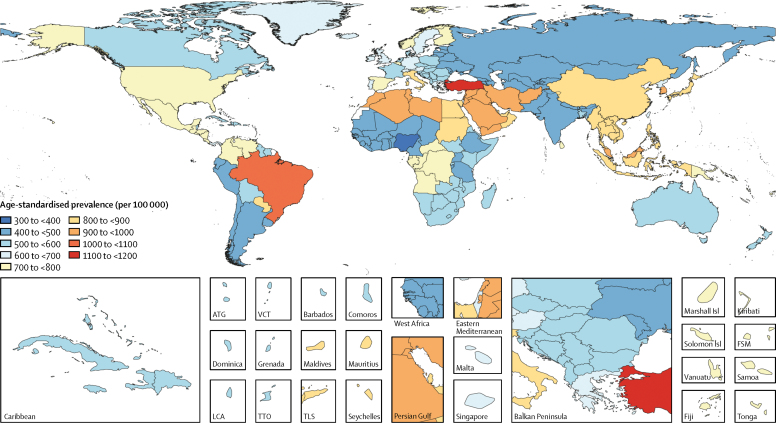
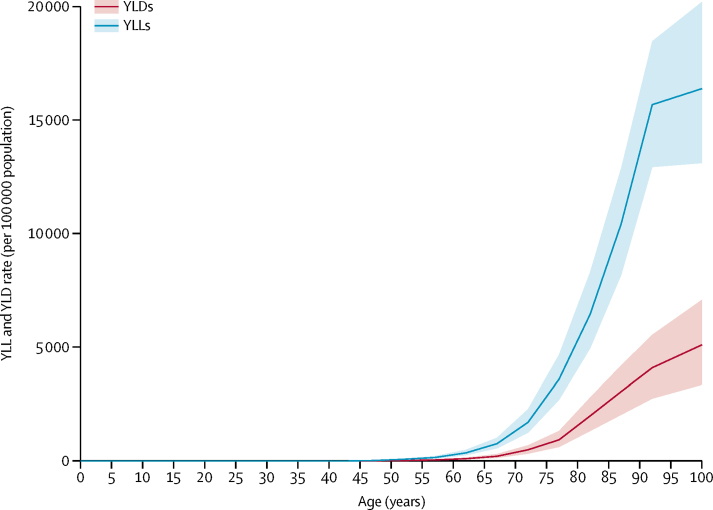
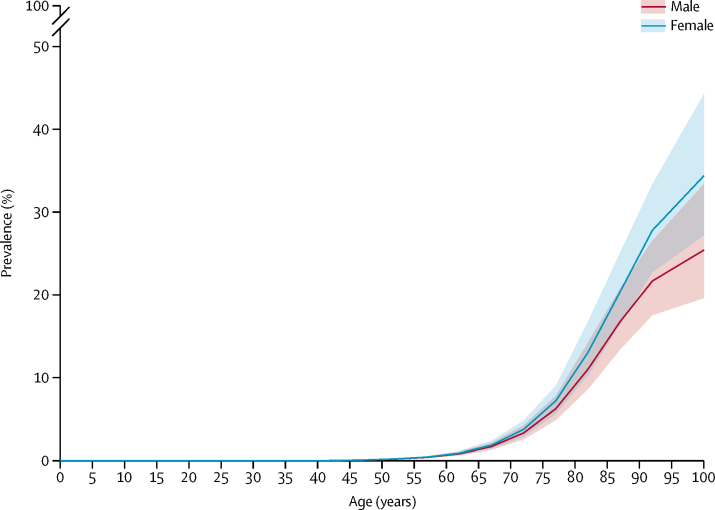
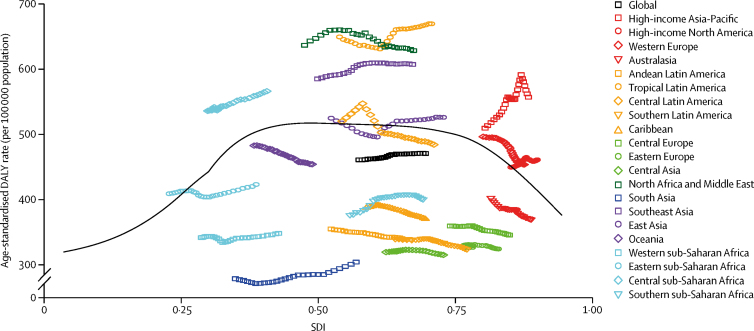
BACKGROUND: The number of individuals living with dementia is increasing, negatively affecting families, communities, and health-care systems around the world. A successful response to these challenges requires an accurate understanding of the dementia disease burden. We aimed to present the first detailed analysis of the global prevalence, mortality, and overall burden of dementia as captured by the Global Burden of Diseases, Injuries, and Risk Factors (GBD) Study 2016, and highlight the most important messages for clinicians and neurologists. METHODS: GBD 2016 obtained data on dementia from vital registration systems, published scientific literature and surveys, and data from health-service encounters on deaths, excess mortality, prevalence, and incidence from 195 countries and territories from 1990 to 2016, through systematic review and additional data-seeking efforts. To correct for differences in cause of death coding across time and locations, we modelled mortality due to dementia using prevalence data and estimates of excess mortality derived from countries that were most likely to code deaths to dementia relative to prevalence. Data were analysed by standardised methods to estimate deaths, prevalence, years of life lost (YLLs), years of life lived with disability (YLDs), and disability-adjusted life-years (DALYs; computed as the sum of YLLs and YLDs), and the fractions of these metrics that were attributable to four risk factors that met GBD criteria for assessment (high body-mass index [BMI], high fasting plasma glucose, smoking, and a diet high in sugar-sweetened beverages). FINDINGS: In 2016, the global number of individuals who lived with dementia was 43·8 million (95% uncertainty interval [UI] 37·8-51·0), increased from 20.2 million (17·4-23·5) in 1990. This increase of 117% (95% UI 114-121) contrasted with a minor increase in age-standardised prevalence of 1·7% (1·0-2·4), from 701 cases (95% UI 602-815) per 100 000 population in 1990 to 712 cases (614-828) per 100 000 population in 2016. More women than men had dementia in 2016 (27·0 million, 95% UI 23·3-31·4, vs 16.8 million, 14.4-19.6), and dementia was the fifth leading cause of death globally, accounting for 2·4 million (95% UI 2·1-2·8) deaths. Overall, 28·8 million (95% UI 24·5-34·0) DALYs were attributed to dementia; 6·4 million (95% UI 3·4-10·5) of these could be attributed to the modifiable GBD risk factors of high BMI, high fasting plasma glucose, smoking, and a high intake of sugar-sweetened beverages. INTERPRETATION: The global number of people living with dementia more than doubled from 1990 to 2016, mainly due to increases in population ageing and growth. Although differences in coding for causes of death and the heterogeneity in case-ascertainment methods constitute major challenges to the estimation of the burden of dementia, future analyses should improve on the methods for the correction of these biases. Until breakthroughs are made in prevention or curative treatment, dementia will constitute an increasing challenge to health-care systems worldwide. FUNDING: Bill & Melinda Gates Foundation.
Overview
The claims and statistics of this paper haven’t been checked yet.
Free: it reads the open-access text and checks the first 5 claims that cite a source we can check. Create a free account to check every claim.
Integrity signals
Registry
Cites
Statistics
Figures
Verification
Claims the paper makes
The claims and statistics of this paper haven’t been checked yet.
Free: it reads the open-access text and checks the first 5 claims that cite a source we can check. Create a free account to check every claim.
Claims other papers make about this one
Each is checked against this paper’s own text: does it say what the citing paper says it does?
The cited source says what the claim attributes to it.
In the citing paper
“Trends in age-standardised death rates (3·6%) for dementia increased slightly between 1990–2016, with pronounced increases in the USA and Japan and decreases in western Europe and central Latin America.4”
From Dementia prevention, intervention, and care: 2020 report of the Lancet Commission (2020) · cites this paper as [4]
Experimental — accuracy not yet measuredThe check wasn’t confident either way, so it gives no verdict — never disputed.
In the citing paper
“Alzheimer’s disease (AD) is the most common cause of dementia worldwide1”
From Multimodal deep learning for Alzheimer's disease dementia assessment (2022) · cites this paper as [1]
Experimental — accuracy not yet measured
Self-check
Percentages, sums and reported differences re-computed from the paper’s own numbers.
The self-check needs the paper’s full text.
Citations
Cites
Diagnostic and Statistical Manual of Mental Disorders
Williams, J. B. W., & First, M. (2013) · Encyclopedia of Social Work · doi:10.1093/acrefore/9780199975839.013.104 · Cited by 109,519
Vos, T., Abajobir, A. A., Abate, K. H., Abbafati, C., Abbas, K. M., Abd-Allah, F., Abdulkader, R. S., Abdulle, A. M., Abebo, T. A., Abera, S. F., et al. (2017) · The Lancet · doi:10.1016/s0140-6736(17)32154-2 · Cited by 13,220
Self-citationSperling, R. A., Aisen, P. S., Beckett, L. A., Bennett, D. A., Craft, S., Fagan, A. M., Iwatsubo, T., Jack, C. R., Kaye, J., Montine, T. J., et al. (2011) · Alzheimer's & Dementia · doi:10.1016/j.jalz.2011.03.003 · Cited by 7,155
Self-citationA New Clinical Scale for the Staging of Dementia
Hughes, C. P., Berg, L., Danziger, W., Coben, L. A., & Martin, R. L. (1982) · British Journal of Psychiatry · doi:10.1192/bjp.140.6.566 · Cited by 7,056
Dementia prevention, intervention, and care
Livingston, G., Sommerlad, A., Orgeta, V., Costafreda, S. G., Huntley, J., Ames, D., Ballard, C., Banerjee, S., Burns, A., Cohen-Mansfield, J., et al. (2017) · The Lancet · doi:10.1016/s0140-6736(17)31363-6 · Cited by 6,072
Global prevalence of dementia: a Delphi consensus study
Ferri, C. P., Prince, M., Brayne, C., Brodaty, H., Fratiglioni, L., Ganguli, M., Hall, K., Hasegawa, K., Hendrie, H., Huang, Y., et al. (2005) · The Lancet · doi:10.1016/s0140-6736(05)67889-0 · Cited by 5,332
Self-citationThe global prevalence of dementia: a systematic review and metaanalysis.
Prince, M., Bryce, R., Albanese, E., Wimo, A., Ribeiro, W., & Ferri, C. P. (2013) · Alzheimer's & Dementia · doi:10.1016/j.jalz.2012.11.007 · Cited by 4,941
Naghavi, M., Abajobir, A. A., Abbafati, C., Abbas, K. M., Abd-Allah, F., Abera, S. F., Aboyans, V., Adetokunboh, O., Afshin, A., Agrawal, A., et al. (2017) · The Lancet · doi:10.1016/s0140-6736(17)32152-9 · Cited by 4,821
Self-citationKyu, H. H., Abate, D., Abate, K. H., Abay, S. M., Abbafati, C., Abbasi, N., Abbastabar, H., Abd-Allah, F., Abdela, J., Abdelalim, A., et al. (2018) · The Lancet · doi:10.1016/s0140-6736(18)32335-3 · Cited by 4,081
Self-citation
Research works printed but not linked: 3
- Wu Y-T Beiser AS Breteler MMB The changing prevalence and incidence of dementia over time—current evidence Nat Rev Neurol 13 2017 327 28497805 · DOI · Paper page
- Satizabal CL Beiser AS Chouraki V Chêne G Dufouil C Seshadri S Incidence of dementia over three decades in the Framingham Heart Study N Engl J Med 374 2016 523 532 26863354 PMC4943081 · DOI · Paper page
- Flaxman AD Vos T Murray CJL An integrative metaregression framework for descriptive epidemiology 2015 University of Washington Press Seattle https://books.google.com/books?id=2676pwAACAAJ
Cited by
Items 401–500 of 1,006
Keenan, T. D., Agrón, E., Mares, J. A., Clemons, T. E., van Asten, F., Swaroop, A., Chew, E. Y., & Groups, F. T. A. A. A. R. (2020) · Alzheimer's & Dementia · doi:10.1002/alz.12077 · Cited by 41
Lau, J. H., Abdin, E., Jeyagurunathan, A., Seow, E., Ng, L. L., Vaingankar, J. A., Chong, S. A., & Subramaniam, M. (2021) · BMC Geriatrics · doi:10.1186/s12877-021-02014-2 · Cited by 46
Xie, K., Qin, Q., Long, Z., Yang, Y., Peng, C., Xi, C., Li, L., Wu, Z., Daria, V., Zhao, Y., et al. (2021) · Frontiers in Cell and Developmental Biology · doi:10.3389/fcell.2021.602887 · Cited by 40
“Evidence has shown that changes in metabolites are significant early indicators of diseases (Nicholson et al., 2008).”
BackgroundEndocannabinoid Modulation in Neurodegenerative Diseases: In Pursuit of Certainty
Vasincu, A., Rusu, R.-N., Ababei, D. C., Larion, M., Bild, W., Stanciu, G. D., Solcan, C., & Bild, V. (2022) · Biology · doi:10.3390/biology11030440 · Cited by 56
“0 million individuals living with neurodegenerative disorders, which were responsible for 272,644 deaths [3].”
BackgroundBacterial pneumonia and subsequent dementia risk: A nationwide cohort study
Chu, C., Liang, C., Tsai, S., Bai, Y., Su, T., Chen, T., & Chen, M. (2022) · Brain Behavior and Immunity · doi:10.1016/j.bbi.2022.04.002 · Cited by 43
Su, Z., Bentley, B. L., McDonnell, D., Aḥmad, J., He, J., Shi, F., Takeuchi, K., Cheshmehzangi, A., & da Veiga, C. P. (2022) · Journal of Medical Internet Research · doi:10.2196/30503 · Cited by 49
“However, in light of the fast development of AI technologies and the ever-expanding dementia population [79-81], it is safe to assume there will be similar or more advanced 6G and AI-powered frameworks that would enable “limited-mobility-yet-unlimited-opportunities” for people with dementia in the future.”
BackgroundAgger, M. P., Danielsen, E. R., Carstensen, M. S., Nguyen, N. M., Horning, M., Henney, M. A., Jensen, C. B. R., Baandrup, A. O., Kjær, T. W., Madsen, K. H., et al. (2023) · Journal of Alzheimer s Disease · doi:10.3233/jad-221238 · Cited by 44
Maintenance of mitochondrial homeostasis for Alzheimer's disease: Strategies and challenges
Han, Y., Liu, D., Cheng, Y., Ji, Q., Liu, M., Zhang, B., & Zhou, S. (2023) · Redox Biology · doi:10.1016/j.redox.2023.102734 · Cited by 48
Huang, Z., Zhang, L., Dou, Y., Liu, X., Song, S., Jiang, H., & Fan, C. (2024) · Analytical Chemistry · doi:10.1021/acs.analchem.4c01278 · Cited by 43
Khunt, D., Shrivas, M., Polaka, S., Gondaliya, P., & Misra, M. (2020) · AAPS PharmSciTech · doi:10.1208/s12249-019-1585-7 · Cited by 49
“Amyloid beta (1-42), Tween 80, Tween 20, Tween 60, and Transcutol-P® were procured from Sigma-”
MethodDeep Brain Stimulation for Alzheimer’s Disease: Tackling Circuit Dysfunction
Lam, J., Lee, J., Liu, C. Y., Lozano, A. M., & Lee, D. J. (2020) · Neuromodulation Technology at the Neural Interface · doi:10.1111/ner.13305 · Cited by 46
Luo, A., Ning, P., Lu, H., Huang, H., Shen, Q., Zhang, D., Xu, F., Yang, L. J., & Xu, Y. (2022) · Journal of Alzheimer s Disease · doi:10.3233/jad-220180 · Cited by 45
Implementing post diagnostic dementia care in primary care: a mixed-methods systematic review
Frost, R., Rait, G., Aw, S., Brunskill, G., Wilcock, J., Robinson, L., Knapp, M., Hogan, N., Harrison Dening, K., Allan, L., et al. (2021) · Aging & Mental Health · doi:10.1080/13607863.2020.1818182 · Cited by 39
“Approximately 43.8 million people worldwide are living with dementia (Nichols et al., 2019), and this is rising with increasing longevity.”
BackgroundInfluentialPatel, P., & Oremus, M. (2022) · The Gerontologist · doi:10.1093/geront/gnac041 · Cited by 49
2023 China Alzheimer’s disease: facts and figures
Xiao, J., Li, J., Wang, J., Zhang, X., Wang, C., Peng, G., Hu, H., Liu, H., Liu, J., Shen, L., et al. (2023) · Human Brain · doi:10.37819/hb.3.1771 · Cited by 47
No association between proton pump inhibitor use and risk of dementia: Evidence from a meta‐analysis
Hussain, S., Singh, A., Zameer, S., Jamali, M. C., Baxi, H., Rahman, S. O., Alam, M. M., Altamish, M., Singh, A. K., Anil, D., et al. (2019) · Journal of Gastroenterology and Hepatology · doi:10.1111/jgh.14789 · Cited by 47
Greener neighbourhoods, better memory? A longitudinal study
Astell‐Burt, T., & Feng, X. (2020) · Health & Place · doi:10.1016/j.healthplace.2020.102393 · Cited by 42
Bajaj, S., Jain, S., Vyas, P., Bawa, S., & Vohora, D. (2021) · Brain Research Bulletin · doi:10.1016/j.brainresbull.2021.06.022 · Cited by 44
Teng, Z., Feng, J., Qi, Q., Dong, Y., Xiao, Y., Xie, X., Meng, N., Chen, H.-F., Zhang, W., & Lv, P. (2021) · Frontiers in Aging Neuroscience · doi:10.3389/fnagi.2021.773797 · Cited by 40
“The mechanisms include ameliorating oxidative stress, inhibiting inflammation, mediating nutrient-sensing pathway and enhancing autophagy, although the relationships among these mechanisms are complex and not yet fully understood (Gorgich et al., 2021; Hu et al., 2021; Kodali et al., 2021).”
BackgroundIqbal, K., Hasanain, M., Ahmed, J., Iqbal, A., Rathore, S. S., Monis, A., Baig, M. D., & Haq, Z. G. U. (2021) · Journal of the American Medical Directors Association · doi:10.1016/j.jamda.2021.11.035 · Cited by 40
Neuropharmacology of Organoselenium Compounds in Mental Disorders and Degenerative Diseases
Birmann, P. T., Casaril, A. M., Abenante, L., Penteado, F., Brüning, C. A., Savegnago, L., & Lenardao, E. J. (2022) · Current Medicinal Chemistry · doi:10.2174/0929867329666220615124412 · Cited by 42
Loss of LAMP5 interneurons drives neuronal network dysfunction in Alzheimer’s disease
Deng, Y., Bi, M., Delerue, F., Forrest, S. L., Chan, G., van der Hoven, J., van Hummel, A., Feiten, A., Lee, S., Martínez-Valbuena, I., et al. (2022) · Acta Neuropathologica · doi:10.1007/s00401-022-02457-w · Cited by 40
Ohno, S., Chen, Y., Sakamaki, H., Matsumaru, N., Yoshino, M., & Tsukamoto, K. (2021) · Journal of Medical Economics · doi:10.1080/13696998.2021.1880801 · Cited by 38
Uchida, K. (2022) · Cells · doi:10.3390/cells11050919 · Cited by 39
Lu, K., Liu, T., Wu, X., Zhong, J., Ou, Z., & Wu, W.-J. (2023) · British Journal Of Nutrition · doi:10.1017/s0007114523000740 · Cited by 41
“Before breakthroughs are made in prevention or treatment, low cognitive performance will pose an increasing challenge to the health care system around the world (6) .”
BackgroundMulligan, M. D., Murphy, R., Reddin, C., Judge, C., Ferguson, J., Alvarez-Iglesias, A., McGrath, E. R., & O’Donnell, M. J. (2023) · eClinicalMedicine · doi:10.1016/j.eclinm.2023.102012 · Cited by 40
Zamanian, M. Y., Soltani, A., Khodarahmi, Z., Alameri, A. A., Alwan, A. M. R., Ramírez‐Coronel, A. A., Obaid, R. F., Abosaooda, M., Heidari, M., Golmohammadi, M., et al. (2023) · Fundamental and Clinical Pharmacology · doi:10.1111/fcp.12926 · Cited by 47
“A growing worldwide burden and elderly demographics make neurological disorders (NLDs) a serious global health concern [1, 2].”
BackgroundA task force for diagnosis and treatment of people with Alzheimer’s disease in Latin America
Lopera, F. J., Custodio, N., Rico-Restrepo, M., Allegri, R., Barrientos, J. D., Batres, E. G., Calandri, I. L., Moscoso, C., Caramelli, P., Quiroz, J. C. D., et al. (2023) · Frontiers in Neurology · doi:10.3389/fneur.2023.1198869 · Cited by 47
“The effect of the protector mutation in weakening the ApoE-HSPG bond and reducing the dissemination of the tau protein could have therapeutic potential (9, 134).”
BackgroundFeast, A. R., White, N., Candy, B., Kupeli, N., & Sampson, E. L. (2020) · International Journal of Geriatric Psychiatry · doi:10.1002/gps.5280 · Cited by 49
Abrogation of type-I interferon signalling alters the microglial response to Aβ1–42
Moore, Z., Mobilio, F., Walker, F. R., Taylor, J. M., & Crack, P. J. (2020) · Scientific Reports · doi:10.1038/s41598-020-59917-0 · Cited by 45
Huo, Z., Lin, J., Bat, B. K. K., Chan, J. Y. C., Tsoi, K. K. F., & Yip, B. H. K. (2021) · Age and Ageing · doi:10.1093/ageing/afab005 · Cited by 41
Motoric Cognitive Risk Syndrome: Prevalence and Cognitive Performance
Márquez, I., Garcia-Cifuentes, E. R., Ramirez‐Velandia, F., Iragorri, A. M., Saavedra, A. M., Borda, M. G., Osuna, M. M., Ailshire, J., & Cano, C. A. (2021) · The Lancet Regional Health - Americas · doi:10.1016/j.lana.2021.100162 · Cited by 45
Ziziphi Spinosae Semen: A Natural Herb Resource for Treating Neurological Disorders
Zhang, M., Liu, J., Zhang, Y., & Xie, J. (2022) · Current Topics in Medicinal Chemistry · doi:10.2174/1568026622666220516113210 · Cited by 42
Lin, M., Ma, C., Zhu, J., Gao, J., Huang, L. C., Huang, J., Liu, Z., Tao, J., & Chen, L. (2022) · Ageing Research Reviews · doi:10.1016/j.arr.2022.101776 · Cited by 41
Heat Exposure and Dementia-Related Mortality in China
Gao, Y., Lin, L., Yin, P., Kan, H., Chen, R., & Zhou, M. (2024) · JAMA Network Open · doi:10.1001/jamanetworkopen.2024.19250 · Cited by 41
Systemic inflammatory markers in ageing, Alzheimer's disease and other dementias
Cai, H., Zhao, T., Pang, Y., Fu, X., Ren, Z., Quan, S., & Jia, L. (2024) · Brain · doi:10.1093/brain/awae230 · Cited by 47
Lu, H., Zhang, J., Liang, Y., Qiao, Y., Yang, C., He, X., Wang, W., Zhao, S., Wei, D., Li, H., et al. (2020) · Pharmacological Research · doi:10.1016/j.phrs.2020.104773 · Cited by 42
Yi, M., Zhang, C., Zhang, Z., Yi, P., Xu, P., Huang, J., & Peng, W. (2020) · Oxidative Medicine and Cellular Longevity · doi:10.1155/2020/5243453 · Cited by 39
“t[2] t[1] t[1] t[2] t[3] Scores (PCA) Positive–ion mode R2X = 0.”
BackgroundKhalid, S., Sambamoorthi, U., & Innes, K. E. (2020) · International Journal of Environmental Research and Public Health · doi:10.3390/ijerph17155454 · Cited by 42
“ADRD is also a significant contributor to mortality and number of life years lived with disability [3,4].”
BackgroundNovel therapeutic strategies for Alzheimer’s disease targeting brain cholesterol homeostasis
Samant, N. P., & Gupta, G. L. (2020) · European Journal of Neuroscience · doi:10.1111/ejn.14949 · Cited by 40
Dementia Literacy and Willingness to Dementia Screening
Aihara, Y., & Maeda, K. (2020) · International Journal of Environmental Research and Public Health · doi:10.3390/ijerph17218134 · Cited by 39
Amro, Z., Yool, A. J., & Collins-Praino, L. E. (2021) · Brain, Behavior, & Immunity - Health · doi:10.1016/j.bbih.2021.100242 · Cited by 36
Rejc, L., Gómez-Vallejo, V., Joya, A., Moreno, O., Egimendia, A., Castellnou, P., Ríos-Anglada, X., Cossío, U., Baz, Z., Passannante, R., et al. (2021) · Theranostics · doi:10.7150/thno.54589 · Cited by 35
“It is one of the major causes of death globally and the second cause of death among the population over 70, affecting 13 million worldwide, the number expected to increase to more than 100 million by 2050 [1].”
BackgroundBallin, M., & Nordström, P. (2021) · Journal of Internal Medicine · doi:10.1111/joim.13353 · Cited by 47
Current druggable targets for therapeutic control of Alzheimer's disease
Gupta, G. L., & Samant, N. P. (2021) · Contemporary Clinical Trials · doi:10.1016/j.cct.2021.106549 · Cited by 41
Membrane lipid raft homeostasis is directly linked to neurodegeneration
Moll, T., Marshall, J. N. G., Soni, N., Zhang, S., Cooper‐Knock, J., & Shaw, P. J. (2021) · Essays in Biochemistry · doi:10.1042/ebc20210026 · Cited by 44
Ruiz‐Pérez, G., Esteban, S. R. D. M., Marqués, S., Aparicio, N., Grande, M. T., Benito‐Cuesta, I., Martínez-Relimpio, A. M., Arnanz, M. A., Tolón, R. M., Posada-Ayala, M., et al. (2021) · Journal of Neuroinflammation · doi:10.1186/s12974-021-02276-y · Cited by 42
Epigenetic clocks in neurodegenerative diseases: a systematic review
Yang, T., Xiao, Y., Cheng, Y., Huang, J., Wei, Q., Li, C., & Shang, H. (2023) · Journal of Neurology Neurosurgery & Psychiatry · doi:10.1136/jnnp-2022-330931 · Cited by 44
Richardson, K., Mattishent, K., Loke, Y. K., Steel, N., Fox, C., Grossi, C. M., Bennett, K., Maidment, I., Boustani, M., Matthews, F. E., et al. (2019) · American Journal of Epidemiology · doi:10.1093/aje/kwz073 · Cited by 36
Self-citationFeter, N., Leite, J. S., Caputo, E. L., Cardoso, R. K., & Rombaldi, A. J. (2021) · Revista Brasileira de Epidemiologia · doi:10.1590/1980-549720210018 · Cited by 57
Healthcare services relaxing natural selection may contribute to increase of dementia incidence
You, W., Henneberg, R. J., & Henneberg, M. (2022) · Scientific Reports · doi:10.1038/s41598-022-12678-4 · Cited by 44
He, P., Zhou, C., Ye, Z., Liu, M., Zhang, Y., Wu, Q., Zhang, Y., Yang, S., Gan, X., & Qin, X. (2023) · Alzheimer s Research & Therapy · doi:10.1186/s13195-022-01158-6 · Cited by 42
“Introduction Dementia is a major public health concern, posing a substantial burden on patients, their carers, and national healthcare systems [1, 2].”
BackgroundCarpi, M., Fernandes, M., Mercuri, N. B., & Liguori, C. (2023) · Journal of Alzheimer s Disease · doi:10.3233/jad-230933 · Cited by 45
Dei, A., Micheli, M. M., Aldigeri, R., Gardini, S., Pellegrini, F. F., Perini, M., Messa, G., Antonini, M., Spigoni, V., Cinquegrani, G., et al. (2024) · Journal of Endocrinological Investigation · doi:10.1007/s40618-024-02320-7 · Cited by 48
“AD has a global overall prevalence of 3.9% in people ≥ 60 years [2] with over 43.8 million people suffering from AD, and this estimate is projected to double by 2050, mainly due to population aging [2].”
BackgroundInfluentialBadhwar, A., Hirschberg, Y., Valle‐Tamayo, N., Iulita, M. F., Udeh‐Momoh, C. T., Matton, A., Tarawneh, R. M., Rissman, R. A., Ledreux, A., Winston, C. N., et al. (2024) · Alzheimer s & Dementia · doi:10.1002/alz.13823 · Cited by 38
Su, M., Wang, T., Zou, C., Cao, K., & Liu, F. (2024) · Ibrain · doi:10.1002/ibra.12181 · Cited by 42
Abdelkader, N. F., El‐Latif, A. M. A., & Khattab, M. M. (2020) · Life Sciences · doi:10.1016/j.lfs.2020.117388 · Cited by 40
Fong, Z. H., Tan, S. H., Mahendran, R., Kua, E. H., & Chee, T. T. (2020) · Aging & Mental Health · doi:10.1080/13607863.2020.1786802 · Cited by 44
“With the global burden of dementia on the rise (Nichols et al., 2019), secondary prevention of dementia, such as identifying at-risk individuals with MCI for early intervention to prevent further disease progression, remains a priority (Livingston et al., 2017; Shah et al., 2016).”
Backgroundde Lima, J. D., Teixeira, I. A., Silva, F. D. O., & Deslandes, A. C. (2020) · IBRO Reports · doi:10.1016/j.ibror.2020.07.008 · Cited by 40
Brain metabolism in tau and amyloid mouse models of Alzheimer's disease: An MRI study
Wei, Z., Xu, J., Chen, L., Hirschler, L., Barbier, E., Li, T., Wong, P. C., & Lu, H. (2021) · NMR in Biomedicine · doi:10.1002/nbm.4568 · Cited by 36
Ma, J., Yang, Y., Wan, Y., Shen, C., & Qiu, P. (2021) · PLoS ONE · doi:10.1371/journal.pone.0256297 · Cited by 42
Bailey, R. L., Dog, T. L., Smith‐Ryan, A. E., Das, S. K., Baker, F. C., Madak‐Erdogan, Z., Hammond, B. R., Sesso, H. D., Eapen, A. K., Mitmesser, S. H., et al. (2022) · Journal of Nutrition · doi:10.1093/jn/nxac059 · Cited by 45
García-Martín, V., de Hoyos-Alonso, M. C., Ariza-Cardiel, G., Delgado-Puebla, R., García-Domingo, P., Hernández-Melo, E., Torres, J. L. D. H.-D., & del Cura-González, I. (2022) · BMC Geriatrics · doi:10.1186/s12877-022-02762-9 · Cited by 46
“Background Dementia is a process that causes disability and dependency in the elderly, generating significant burdens on caregivers and a high cost for society that varies based on country and disease severity [1].”
BackgroundSodium-glucose cotransporter 2 inhibitors and neurological disorders: a scoping review
Tharmaraja, T., Ho, J. S. Y., Sia, C., Lim, N.-A., Chong, Y. F. V., Lim, A. Y. L., Rathakrishnan, R., Yeo, L. L. L., Sharma, V. K., & Tan, B. Y. (2022) · Therapeutic Advances in Chronic Disease · doi:10.1177/20406223221086996 · Cited by 42
Investigating the association between cancer and dementia risk: a longitudinal cohort study
Zhang, D., Ou, Y., Liu, Y., Ma, Y., Tan, L., Feng, J., Cheng, W., & Yu, J. (2022) · Alzheimer s Research & Therapy · doi:10.1186/s13195-022-01090-9 · Cited by 37
Adair, T., Temple, J., Anstey, K. J., & López, A. D. (2022) · American Journal of Epidemiology · doi:10.1093/aje/kwac047 · Cited by 41
Xu, W., Bai, Q., Dong, Q., Guo, M., & Cui, M. (2022) · Frontiers in Cellular Neuroscience · doi:10.3389/fncel.2022.870674 · Cited by 44
Neurodegeneration and inflammation crosstalk: Therapeutic targets and perspectives
Mohamed, W. M. Y., Kumar, J., Alghamdi, B. S. A., Wadan, A.-H. S., & Yamashita, T. (2022) · IBRO Neuroscience Reports · doi:10.1016/j.ibneur.2022.12.003 · Cited by 42
Neighborhood greenspace and cognition: The cardiovascular health study
Godina, S., Rosso, A. L., Hirsch, J. A., Besser, L. M., Lovasi, G. S., Donovan, G. H., Garg, P. K., Platt, J. M., Fitzpatrick, A. L., López, O. L., et al. (2023) · Health & Place · doi:10.1016/j.healthplace.2022.102960 · Cited by 39
Non-invasive Biomarkers for Early Detection of Alzheimer’s Disease: a New-Age Perspective
Chimthanawala, N. M. A., Haria, A., & Sathaye, S. S. (2023) · Molecular Neurobiology · doi:10.1007/s12035-023-03578-3 · Cited by 48
“It is concerning to learn that there are now 43.8 million dementia cases worldwide, a tremendous increase from 20.3 million in 1990 [2].”
InfluentialBlood-brain barrier pathology in cerebral small vessel disease
Jia, R., Guardia, G. S., & Kiliaan, A. J. (2023) · Neural Regeneration Research · doi:10.4103/1673-5374.385864 · Cited by 47
Zhao, K., Chen, P., Alexander‐Bloch, A. F., Wei, Y., Dyrba, M., Yang, F., Kang, X., Wang, D., Fan, D., Shan, Y., et al. (2023) · EClinicalMedicine · doi:10.1016/j.eclinm.2023.102276 · Cited by 43
“To investigate whether IBRAIN is speci fi c for AD, we conducted the analysis for AD vs. non-AD participants classi fi cation.”
InfluentialRudroff, T., Rainio, O., & Klén, R. (2024) · Neurological Sciences · doi:10.1007/s10072-024-07649-8 · Cited by 55
“AD is the most common form of dementia and poses a significant public health challenge, with a rapidly increasing prevalence due to an aging global population [2].”
BackgroundPerson-centered dementia care in acute hospital wards—The influence of staff knowledge and attitudes
Scerri, A., Innes, A., & Scerri, C. (2019) · Geriatric Nursing · doi:10.1016/j.gerinurse.2019.09.001 · Cited by 42
Soo, S. K., Rudich, P. D., Traa, A., Harris-Gauthier, N., Shields, H. J., & Raamsdonk, J. M. V. (2020) · Mechanisms of Ageing and Development · doi:10.1016/j.mad.2020.111297 · Cited by 41
Physical activity and risk of Alzheimer disease: A 2-sample mendelian randomization study
Baumeister, S. E., Karch, A., Bahls, M., Teumer, A., Leitzmann, M. F., & Baurecht, H. (2020) · Neurology · doi:10.1212/wnl.0000000000010013 · Cited by 40
Self-citationChen, L.-Y., Lin, H., Wu, W., Chen, Y., Chen, C., Kao, J., You, S., Chou, Y., & Sun, C. (2020) · International Journal of Environmental Research and Public Health · doi:10.3390/ijerph17218271 · Cited by 39
Huang, L., Zhang, Y., Wang, Y., & Lan, Y. (2021) · Journal of Alzheimer s Disease · doi:10.3233/jad-201037 · Cited by 39
“In2016, more than 43 million people had been diagnosed with dementia globally, making it the fifth leading cause of death [4].”
Self-citationBrini, S., Hodkinson, A., Davies, A. K., Hirani, S. P., Gathercole, R. L., Howard, R. J., & Newman, S. P. (2021) · Aging & Mental Health · doi:10.1080/13607863.2021.1881758 · Cited by 42
“8 million people living with dementia in 2016 worldwide (Nichols et al., 2019) with 115.”
BackgroundInfluentialA novel age-informed approach for genetic association analysis in Alzheimer’s disease
Initiative, F. T. A. D. N., Le Guen, Y., Belloy, M. E., Napolioni, V., Eger, S. J., Kennedy, G., Tao, R., He, Z., & Greicius, M. D. (2021) · Alzheimer's Research & Therapy · doi:10.1186/s13195-021-00808-5 · Cited by 35
Patel, R., Kaur, K., & Singh, S. (2021) · Inflammopharmacology · doi:10.1007/s10787-021-00843-6 · Cited by 43
Powell, D. S., Brenowitz, W. D., Yaffe, K. S., Armstrong, N. M., Reed, N. S., Lin, F. R., Gross, A. L., & Deal, J. A. (2021) · The Journals of Gerontology Series B · doi:10.1093/geronb/gbab194 · Cited by 40
Nguyen, L. D., Chau, R. K., & Krichevsky, A. M. (2021) · Genes · doi:10.3390/genes12122005 · Cited by 37
Self-citationKirvalidze, M., Hodkinson, A., Storman, D., Fairchild, T. J., Bała, M. M., Beridze, G., Zuriaga, A., Brudasca, N. I., & Brini, S. (2022) · Neuroscience & Biobehavioral Reviews · doi:10.1016/j.neubiorev.2022.104551 · Cited by 43
Colizzi, M., Bortoletto, R., Colli, C., Bonomo, E., Pagliaro, D., Maso, E., Gennaro, G. D., & Balestrieri, M. (2022) · Frontiers in Psychiatry · doi:10.3389/fpsyt.2022.1038122 · Cited by 41
Exploring the Causal Relationship Between Telomere Biology and Alzheimer’s Disease
Kuan, X.-Y., Fauzi, N. S. A., Ng, K. Y., & Bakhtiar, A. (2023) · Molecular Neurobiology · doi:10.1007/s12035-023-03337-4 · Cited by 38
“Given the current prevalence, AD is considered to be one of the leading causes of dependence and disability [6].”
BackgroundMaran, J. J., Adesina, M. M., Green, C. R., Kwakowsky, A., & Mugisho, O. O. (2023) · Ageing Research Reviews · doi:10.1016/j.arr.2023.101954 · Cited by 40
Froelich, L., Lladó, A., Khandker, R. K., Pedrós, M., Black, C. M., Sánchez Díaz, E. J., Chekani, F., & Ambegaonkar, B. (2021) · Journal of Alzheimer s Disease Reports · doi:10.3233/adr-210025 · Cited by 34
Childhood adversity and cognitive impairment in later life
Xiang, X., Cho, J., Sun, Y., & Wang, X. (2022) · Frontiers in Psychology · doi:10.3389/fpsyg.2022.935254 · Cited by 38
“Cognitive impairment and dementia are leading causes of disability and death worldwide and are a global health challenge in the context of rapid population aging (Nichols et al., 2019).”
BackgroundThe Drosophila blood-brain barrier emerges as a model for understanding human brain diseases
Contreras, E. G., & Klämbt, C. (2023) · Neurobiology of Disease · doi:10.1016/j.nbd.2023.106071 · Cited by 37
Shahidi, R., Baradaran, M., Asgarzadeh, A., Bagherieh, S., Tajabadi, Z., Farhadi, A., Korani, S. S., Khalafi, M., Shobeiri, P., Sadeghsalehi, H., et al. (2023) · Aging Clinical and Experimental Research · doi:10.1007/s40520-023-02565-x · Cited by 39
Ou, Y., Zhang, Y., Li, Y., Huang, S., Zhang, W., Deng, Y., Wu, B., Tan, L., Dong, Q., Pan, A., et al. (2023) · GeroScience · doi:10.1007/s11357-023-00994-0 · Cited by 45
Gut-brain axis and Alzheimer's disease: Therapeutic interventions and strategies
Singh, H., Chopra, C., Singh, H., Malgotra, V., Wani, A. K., Dhanjal, D. S., Sharma, I., Nepovimová, E., Alomar, S. Y., Singh, R., et al. (2023) · Journal of Functional Foods · doi:10.1016/j.jff.2023.105915 · Cited by 44
New Insights into the Molecular Bases of Familial Alzheimer’s Disease
D’Argenio, V., & Sarnataro, D. (2020) · Journal of Personalized Medicine · doi:10.3390/jpm10020026 · Cited by 45
“This more than doubled from 1990 to 2016 [1].”
BackgroundGuest, F. L., Rahmoune, H., & Guest, P. C. (2020) · Advances in Experimental Medicine and Biology · doi:10.1007/978-3-030-42667-5_8 · Cited by 34
Dehury, B., Tang, N., Mehra, R., Blundell, T. L., & Kepp, K. P. (2020) · RSC Advances · doi:10.1039/d0ra04683c · Cited by 34
Dulewicz, M., Kulczyńska‐Przybik, A., & Mroczko, B. (2020) · International Journal of Molecular Sciences · doi:10.3390/ijms21218335 · Cited by 35
The plasminogen activating system in the pathogenesis of Alzheimer’s disease
Yepes, M. (2021) · Neural Regeneration Research · doi:10.4103/1673-5374.308076 · Cited by 34
“Familial encephalopathy with neuroserpin inclusion bodies Neuroserpin is a member of the SERPIN gene family originally identified as an axonally secreted protein (Osterwalder et al., 1996) in neurons of the central and peripheral nervous system (Hastings et al., 1997).”
BackgroundKhalid, S., Sambamoorthi, U., Umer, A., Lilly, C. L., Gross, D. K., & Innes, K. E. (2021) · Journal of Aging and Health · doi:10.1177/08982643211036219 · Cited by 45
“Email: Sarasanic@gmail.com and sk0055@mix.wvu.edu enormous economic burden both in the United States and elsewhere (Nichols et al., 2019; Takizawa et al., 2015); for example, in the United States the total Medicare and Medicaid spending toward ADRD care in the fiscal year 2021 has been estimated at…”
BackgroundAutomated text‐level semantic markers of Alzheimer's disease
Sanz, C., Carrillo, F., Slachevsky, A., Forno, G., Tempini, M. L. G., Villagra, R., Ibáñez, A. M., Tagliazucchi, E., & García, A. M. (2022) · Alzheimer s & Dementia Diagnosis Assessment & Disease Monitoring · doi:10.1002/dad2.12276 · Cited by 45
“requiring participants to describe (1) their daily routine and (2) main”
Background
Metadata
- Authors
- Nichols, E., Szoeke, C. E. I., Vollset, S. E., Abbasi, N., Abd-Allah, F., Abdela, J., Aichour, M. T. E., Akinyemi, R. O., Alahdab, F., Asgedom, S. W., Awasthi, A., Barker-Collo, S. L., Baune, B. T., Béjot, Y., Belachew, A. B., Bennett, D. A., Biadgo, B., Bijani, A., Bin Sayeed, M. S., Brayne, C., Carpenter, D. O., Carvalho, F., Catalá-López, F., Cerin, E., Choi, J.-Y. J., Dang, A. K., Degefa, M. G., Djalalinia, S., Dubey, M., Duken, E. E., Edvardsson, D., Endres, M., Eskandarieh, S., Faro, A., Farzadfar, F., Fereshtehnejad, S.-M., Fernandes, E., Filip, I., Fischer, F., Gebre, A. K., Geremew, D., Ghasemi-Kasman, M., Gnedovskaya, E. V., Gupta, R., Hachinski, V., Hagos, T. B., Hamidi, S., Hankey, G. J., Haro, J. M., Hay, S. I., Irvani, S. S. N., Jha, R. P., Jonas, J. B., Kalani, R., Karch, A., Kasaeian, A., Khader, Y. S., Khalil, I. A., Khan, E. A., Khanna, T., Khoja, T. A. M., Khubchandani, J., Kisa, A., Kissimova-Skarbek, K., Kivimäki, M., Koyanagi, A., Krohn, K. J., Logroscino, G., Lorkowski, S., Majdan, M., Malekzadeh, R., März, W., Massano, J., Mengistu, G., Meretoja, A., Mohammadi, M., Mohammadi-Khanaposhtani, M., Mokdad, A. H., Mondello, S., Moradi, G., Nagel, G., Naghavi, M., Naik, G., Nguyen, L. H., Nguyen, T. H., Nirayo, Y. L., Nixon, M. R., Ofori-Asenso, R., Ogbo, F. A., Olagunju, A. T., Owolabi, M. O., Panda-Jonas, S., Passos, V. M. D. A., Pereira, D. M., Pinilla-Monsalve, G. D., Piradov, M. A., Pond, C. D., Poustchi, H., Qorbani, M., Radfar, A., Reiner, R. C., Robinson, S. R., Roshandel, G., Rostami, A., Russ, T. C., Sachdev, P. S., Safari, H., Safiri, S., Sahathevan, R., Salimi, Y., Satpathy, M., Sawhney, M., Saylan, M., Sepanlou, S. G., Shafieesabet, A., Shaikh, M. A., Sahraian, M. A., Shigematsu, M., Shiri, R., Shiue, I., Silva, J. P., Smith, M., Sobhani, S., Stein, D. J., Tabarés-Seisdedos, R., Tovani-Palone, M. R., Tran, B. X., Tran, T. T., Tsegay, A. T., Ullah, I., Venketasubramanian, N., Vlassov, V., Wang, Y.-P., Weiss, J., Westerman, R., Wijeratne, T., Wyper, G. M. A., Yano, Y., Yimer, E. M., Yonemoto, N., Yousefifard, M., Zaidi, Z., Zare, Z., Vos, T., Feigin, V. L., & Murray, C. J. L.
- Affiliations
- University of Washington (US)
- Mekelle University (ET)
- Public Health Foundation of India (IN)
- Institute for Health Metrics and Evaluation (US)
- Higher National Veterinary School (DZ)
- Digestive Disease Research Institute (IR)
- Corresponding author
- Nichols, Emma
- ORCID
- Nichols, Emma
- Szoeke, Cassandra E I
- Abbasi, Nooshin
- Abd-Allah, Foad
- Abdela, Jemal
- Akinyemi, Rufus O
- Alahdab, Fares
- Asgedom, Solomon W
- Awasthi, Ashish
- Barker-Collo, Suzanne L
- Béjot, Yannick
- Belachew, Abate B
- Bennett, Derrick A.
- Biadgo, Belete
- Bijani, Ali
- Brayne, Carol
- Carpenter, David O
- Carvalho, Félix
- Catalá-López, Ferrán
- Cerin, Ester
- Dang, Anh Kim
- Degefa, Meaza G
- Djalalinia, Shirin
- Dubey, Manisha
- Endres, Matthias
- Eskandarieh, Sharareh
- Farzadfar, Farshad
- Fereshtehnejad, Seyed-Mohammad
- Fernandes, Eduarda
- Filip, Irina
- Fischer, Florian
- Gebre, Abadi K
- Geremew, Demeke
- Gnedovskaya, Elena V.
- Gupta, Rajeev
- Hachinski, Vladimir
- Hamidi, Samer
- Hankey, Graeme J.
- Haro, Josep M
- Hay, Simon I
- Irvani, Seyed Sina N
- Jha, Ravi P
- Jonas, Jost B.
- Karch, André
- Kasaeian, Amir
- Khader, Yousef Saleh
- Khan, Ejaz Ahmad
- Khubchandani, Jagdish
- Koyanagi, Ai
- Logroscino, Giancarlo
- Malekzadeh, Reza
- März, Winfried
- Massano, João
- Meretoja, Atte
- Mokdad, Ali H
- Mondello, Stefania
- Moradi, Ghobad
- Nagel, Gabriele
- Naghavi, Mohsen
- Naik, Gurudatta
- Nguyen, Long H
- Nguyen, Trang H
- Ogbo, Felix A
- Olagunju, Andrew T
- Owolabi, Mayowa O
- Passos, Valéria M de Azeredo
- Pereira, David M.
- Pinilla-Monsalve, Gabriel D
- Qorbani, Mostafa
- Radfar, Amir
- Reiner, Robert C
- Robinson, Stephen R
- Roshandel, Gholamreza
- Rostami, Ali
- Russ, Tom C
- Sachdev, Perminder S
- Safari, Hosein
- Safiri, Saeid
- Sahathevan, Ramesh
- Salimi, Yahya
- Satpathy, Maheswar
- Sepanlou, Sadaf G.
- Shafieesabet, Azadeh
- Sahraian, Mohammad Ali
- Shiri, Rahman
- Shiue, Ivy
- Silva, João P
- Stein, Dan J
- Tran, Bach X
- Tran, Tung Thanh
- Ullah, Irfan
- Venketasubramanian, Narayanaswamy
- Vlassov, Vasily
- Wang, Yuan-Pang
- Weiss, Jordan
- Westerman, Ronny
- Wijeratne, Tissa
- Wyper, Grant M.A.
- Yano, Yuichiro
- Yimer, Ebrahim M
- Yonemoto, Naohiro
- Yousefifard, Mahmoud
- Zaidi, Zoubida
- Vos, Theo
- Feigin, Valery L.
- Murray, Christopher J L
- Venue
- The Lancet Neurology
- Publisher
- Elsevier BV
- Published
- 2019-01
- Volume
- 18
- Issue
- 1
- Pages
- 88-106
- ISSN
- 1474-4422 (ISSN-L)
- PMC
- PMC6291454
- OpenAlex
- W2903517662
- Semantic Scholar
- 5eb19d1951890e3eb933f261fcbdf31c0df3f5aa
- Cited by
- 2,412
- References
- 42
- Citations by year
- 2026: 159 · 2025: 287 · 2024: 296 · 2023: 347 · 2022: 434 · 2021: 453 · 2020: 340 · 2019: 93
- FWCI
- 173.29
- Type
- journal article
- Language
- en
- Open access
- hybrid
- doi.org
- Licence
- cc-by
- www.elsevier.com/tdm/userlicense/1.0/ (tdm)
- www.elsevier.com/legal/tdmrep-license (tdm)
- creativecommons.org/licenses/by/4.0/ (vor)
- Locations
- The Lancet Neurology (publishedVersion, cc-by)
- Europe PMC (PubMed Central) (publishedVersion, other-oa)
- PubMed Central (publishedVersion, cc-by)
- PubMed (publishedVersion)
- LA Referencia (Red Federada de Repositorios Institucionales de Publicaciones Científicas) (publishedVersion, cc-by-nc-nd)
- Edinburgh Research Explorer (University of Edinburgh) (publishedVersion, cc-by)
- ANU Open Research (Australian National University) (submittedVersion, cc-by)
- Minerva Access (University of Melbourne) (submittedVersion, cc-by)
- Apollo (University of Cambridge) (submittedVersion, cc-by)
- UWA Profiles and Research Repository (UWA) (submittedVersion, cc-by)
- Homo Politicus (Academy of Humanities and Economics in Lodz) (submittedVersion, cc-by-nc-nd)
- Jagiellonian University Repository (Jagiellonian University) (submittedVersion, cc-by-nc-nd)
- DiVA at Umeå University (Umeå University) (submittedVersion, other-oa)
- RMIT Research Repository (RMIT University Library) (submittedVersion, other-oa)
- Dipòsit Digital de la Universitat de Barcelona (Universitat de Barcelona) (submittedVersion, cc-by-nc-nd)
- LA Referencia (Red Federada de Repositorios Institucionales de Publicaciones Científicas) (submittedVersion, cc-by-nc)
- UCL Discovery (University College London) (submittedVersion)
- Figshare (submittedVersion, cc-by)
- Työväentutkimus Vuosikirja (submittedVersion)
- HZI (Helmholtz Centre for Infection Research) (submittedVersion, cc-by-nc-sa)
- Publikationen an der Universität Bielefeld (Universität Bielefeld) (submittedVersion)
- CINECA IRIS Institutional Research Information System (University of Bari Aldo Moro) (submittedVersion, other-oa)
- Repository of Digital Objects for Teaching Research and Culture (University of Valencia) (submittedVersion, other-oa)
- NOVA (University of Newcastle Australia) (submittedVersion, cc-by)
- Apollo (cc-by)
- Funders
- European Commission (POCI/01/0145/FEDER/007265)
- University of Edinburgh
- Australian Research Council (CP13/00150, FT3 140100085, PI15/00862)
- Department of Science and Technology, Ministry of Science and Technology, India
- European Regional Development Fund
- Fuel Cell Technologies Program
- Generalitat Valenciana (PI17/00719)
- Ministério da Educação e Ciência (PT2020 UID/QUI/50006/2013, UID/MULTI/04378/2013)
- Instituto de Salud Carlos III
- National Institutes of Health
- Fundação para a Ciência e a Tecnologia
- Ministerio de Educación, Cultura y Deporte
- Topics
- Health Sciences › Medicine › Psychiatry and Mental health › Dementia and Cognitive Impairment Research
- Health Sciences › Medicine › Public Health, Environmental and Occupational Health › Global Health and Epidemiology
- Health Sciences › Medicine › Psychiatry and Mental health › Mental Health Treatment and Access
- Keywords
- Alzheimer's disease, dementia, disease burden, dementia prevalence, dementia mortality, years of life lost, years lived with disability, disability-adjusted life years, excess mortality, risk factors, body mass index, fasting blood glucose, smoking, sugar-sweetened beverages, global burden of disease, age-standardized prevalence, sex differences in dementia
- MeSH terms
- Global Burden of Disease, Adult, Age Factors, Aged, Aged, 80 and over, Alzheimer Disease, Dementia, Female, Humans, Life Expectancy, Male, Middle Aged, Risk Factors, Sex Factors, Incidence, Prevalence, Age Distribution, Quality-Adjusted Life Years
About these checks
Registry, retraction, Cites and statistics results are computed, not judged, with one exception: a printed reference that no index lists is read once by a model before it counts as a citation error. Claims are extracted by a model and kept only when their quote appears verbatim in the text; each cited source is then checked, with a model’s help, for whether it says what the claim relies on. Those verdicts can be wrong — read the claim’s quote and the cited source before relying on one.
Statistics and arithmetic are recomputed, not judged.
Confidence bands are shown only for fields calibrated on our annotated test set. None is calibrated yet, so no band is shown.
What counts as a claim ›How we measure confidence ›How we check this ›
Are you an author, or do you see a problem with this page? Request a review
Data sources
Bibliographic data: Semantic Scholar, OpenAlex, Crossref.
Contains information from the Semantic Scholar Academic Graph Datasets, made available under the ODC Attribution License (ODC-BY 1.0).
Semantic Scholar’s data is described in: Kinney, R., et al. (2023). The Semantic Scholar Open Data Platform. arXiv:2301.10140.
