

Global, regional, and national burden of Alzheimer's disease and other dementias, 1990–2016: a systematic analysis for the Global Burden of Disease Study 2016
Open accessThe DOI matches its Crossref record; 42 of the 42 references it cites were found in a registry or an index.
Abstract
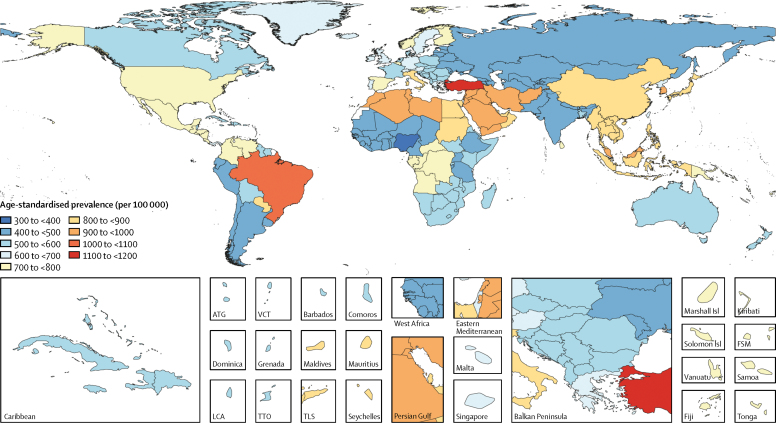
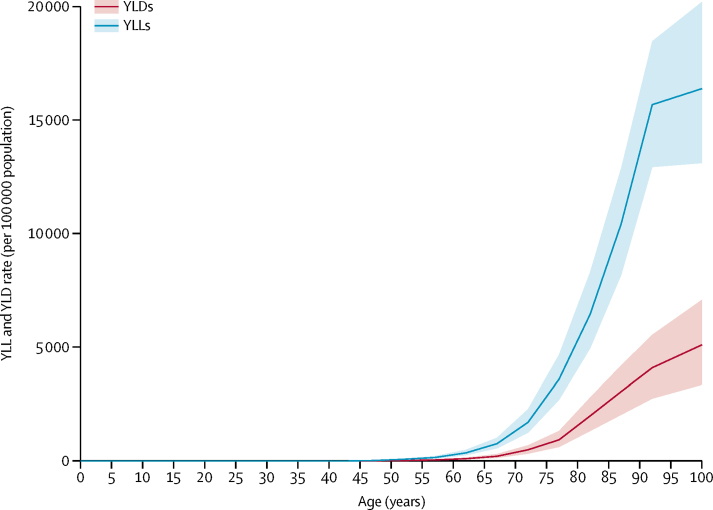
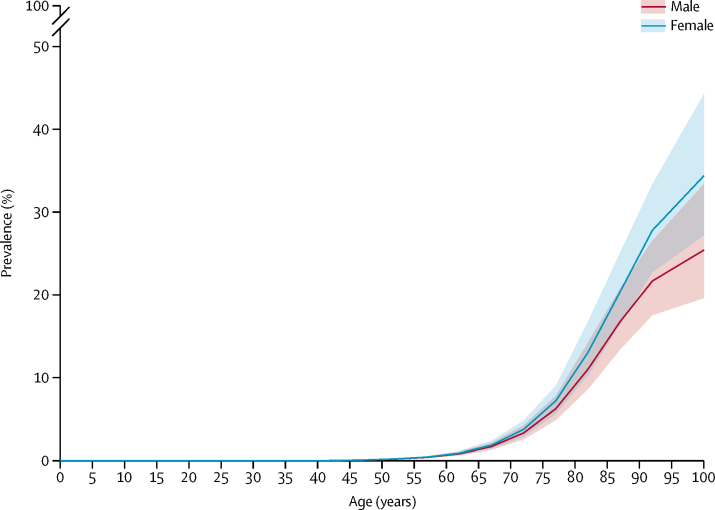
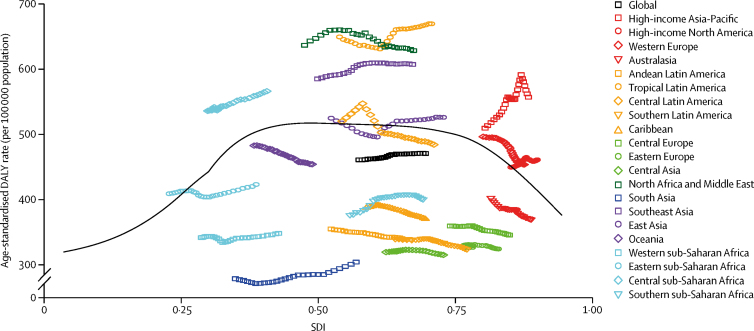
BACKGROUND: The number of individuals living with dementia is increasing, negatively affecting families, communities, and health-care systems around the world. A successful response to these challenges requires an accurate understanding of the dementia disease burden. We aimed to present the first detailed analysis of the global prevalence, mortality, and overall burden of dementia as captured by the Global Burden of Diseases, Injuries, and Risk Factors (GBD) Study 2016, and highlight the most important messages for clinicians and neurologists. METHODS: GBD 2016 obtained data on dementia from vital registration systems, published scientific literature and surveys, and data from health-service encounters on deaths, excess mortality, prevalence, and incidence from 195 countries and territories from 1990 to 2016, through systematic review and additional data-seeking efforts. To correct for differences in cause of death coding across time and locations, we modelled mortality due to dementia using prevalence data and estimates of excess mortality derived from countries that were most likely to code deaths to dementia relative to prevalence. Data were analysed by standardised methods to estimate deaths, prevalence, years of life lost (YLLs), years of life lived with disability (YLDs), and disability-adjusted life-years (DALYs; computed as the sum of YLLs and YLDs), and the fractions of these metrics that were attributable to four risk factors that met GBD criteria for assessment (high body-mass index [BMI], high fasting plasma glucose, smoking, and a diet high in sugar-sweetened beverages). FINDINGS: In 2016, the global number of individuals who lived with dementia was 43·8 million (95% uncertainty interval [UI] 37·8-51·0), increased from 20.2 million (17·4-23·5) in 1990. This increase of 117% (95% UI 114-121) contrasted with a minor increase in age-standardised prevalence of 1·7% (1·0-2·4), from 701 cases (95% UI 602-815) per 100 000 population in 1990 to 712 cases (614-828) per 100 000 population in 2016. More women than men had dementia in 2016 (27·0 million, 95% UI 23·3-31·4, vs 16.8 million, 14.4-19.6), and dementia was the fifth leading cause of death globally, accounting for 2·4 million (95% UI 2·1-2·8) deaths. Overall, 28·8 million (95% UI 24·5-34·0) DALYs were attributed to dementia; 6·4 million (95% UI 3·4-10·5) of these could be attributed to the modifiable GBD risk factors of high BMI, high fasting plasma glucose, smoking, and a high intake of sugar-sweetened beverages. INTERPRETATION: The global number of people living with dementia more than doubled from 1990 to 2016, mainly due to increases in population ageing and growth. Although differences in coding for causes of death and the heterogeneity in case-ascertainment methods constitute major challenges to the estimation of the burden of dementia, future analyses should improve on the methods for the correction of these biases. Until breakthroughs are made in prevention or curative treatment, dementia will constitute an increasing challenge to health-care systems worldwide. FUNDING: Bill & Melinda Gates Foundation.
Overview
The claims and statistics of this paper haven’t been checked yet.
Free: it reads the open-access text and checks the first 5 claims that cite a source we can check. Create a free account to check every claim.
Integrity signals
Registry
Cites
Statistics
Figures
Verification
Claims the paper makes
The claims and statistics of this paper haven’t been checked yet.
Free: it reads the open-access text and checks the first 5 claims that cite a source we can check. Create a free account to check every claim.
Claims other papers make about this one
Each is checked against this paper’s own text: does it say what the citing paper says it does?
The cited source says what the claim attributes to it.
In the citing paper
“Trends in age-standardised death rates (3·6%) for dementia increased slightly between 1990–2016, with pronounced increases in the USA and Japan and decreases in western Europe and central Latin America.4”
From Dementia prevention, intervention, and care: 2020 report of the Lancet Commission (2020) · cites this paper as [4]
Experimental — accuracy not yet measuredThe check wasn’t confident either way, so it gives no verdict — never disputed.
In the citing paper
“Alzheimer’s disease (AD) is the most common cause of dementia worldwide1”
From Multimodal deep learning for Alzheimer's disease dementia assessment (2022) · cites this paper as [1]
Experimental — accuracy not yet measured
Self-check
Percentages, sums and reported differences re-computed from the paper’s own numbers.
The self-check needs the paper’s full text.
Citations
Cites
Diagnostic and Statistical Manual of Mental Disorders
Williams, J. B. W., & First, M. (2013) · Encyclopedia of Social Work · doi:10.1093/acrefore/9780199975839.013.104 · Cited by 109,519
Vos, T., Abajobir, A. A., Abate, K. H., Abbafati, C., Abbas, K. M., Abd-Allah, F., Abdulkader, R. S., Abdulle, A. M., Abebo, T. A., Abera, S. F., et al. (2017) · The Lancet · doi:10.1016/s0140-6736(17)32154-2 · Cited by 13,220
Self-citationSperling, R. A., Aisen, P. S., Beckett, L. A., Bennett, D. A., Craft, S., Fagan, A. M., Iwatsubo, T., Jack, C. R., Kaye, J., Montine, T. J., et al. (2011) · Alzheimer's & Dementia · doi:10.1016/j.jalz.2011.03.003 · Cited by 7,155
Self-citationA New Clinical Scale for the Staging of Dementia
Hughes, C. P., Berg, L., Danziger, W., Coben, L. A., & Martin, R. L. (1982) · British Journal of Psychiatry · doi:10.1192/bjp.140.6.566 · Cited by 7,056
Dementia prevention, intervention, and care
Livingston, G., Sommerlad, A., Orgeta, V., Costafreda, S. G., Huntley, J., Ames, D., Ballard, C., Banerjee, S., Burns, A., Cohen-Mansfield, J., et al. (2017) · The Lancet · doi:10.1016/s0140-6736(17)31363-6 · Cited by 6,072
Global prevalence of dementia: a Delphi consensus study
Ferri, C. P., Prince, M., Brayne, C., Brodaty, H., Fratiglioni, L., Ganguli, M., Hall, K., Hasegawa, K., Hendrie, H., Huang, Y., et al. (2005) · The Lancet · doi:10.1016/s0140-6736(05)67889-0 · Cited by 5,332
Self-citationThe global prevalence of dementia: a systematic review and metaanalysis.
Prince, M., Bryce, R., Albanese, E., Wimo, A., Ribeiro, W., & Ferri, C. P. (2013) · Alzheimer's & Dementia · doi:10.1016/j.jalz.2012.11.007 · Cited by 4,941
Naghavi, M., Abajobir, A. A., Abbafati, C., Abbas, K. M., Abd-Allah, F., Abera, S. F., Aboyans, V., Adetokunboh, O., Afshin, A., Agrawal, A., et al. (2017) · The Lancet · doi:10.1016/s0140-6736(17)32152-9 · Cited by 4,821
Self-citationKyu, H. H., Abate, D., Abate, K. H., Abay, S. M., Abbafati, C., Abbasi, N., Abbastabar, H., Abd-Allah, F., Abdela, J., Abdelalim, A., et al. (2018) · The Lancet · doi:10.1016/s0140-6736(18)32335-3 · Cited by 4,081
Self-citation
Research works printed but not linked: 3
- Wu Y-T Beiser AS Breteler MMB The changing prevalence and incidence of dementia over time—current evidence Nat Rev Neurol 13 2017 327 28497805 · DOI · Paper page
- Satizabal CL Beiser AS Chouraki V Chêne G Dufouil C Seshadri S Incidence of dementia over three decades in the Framingham Heart Study N Engl J Med 374 2016 523 532 26863354 PMC4943081 · DOI · Paper page
- Flaxman AD Vos T Murray CJL An integrative metaregression framework for descriptive epidemiology 2015 University of Washington Press Seattle https://books.google.com/books?id=2676pwAACAAJ
Cited by
Items 601–700 of 1,006
Treatment of Canine Cognitive Dysfunction With Novel Butyrylcholinesterase Inhibitor
Pipan, M. Z., Mihevc, S. P., Štrbenc, M., Košak, U., Ilić, I. G., Trontelj, J., Žakelj, S., Gobec, S., Pavlin, D., & Majdič, G. (2020) · Scientific Reports · doi:10.1038/s41598-021-97404-2 · Cited by 37
Dihydropyrimidinone-derived selenoesters efficacy and safety in an in vivo model of Aβ aggregation
Pereira, F. S. D. O., Barbosa, F. A. R., Canto, R. F. S., Luchese, C., Pinton, S., Braga, A. L., de Azeredo, J. B., Quines, C. B., & Ávila, D. S. (2021) · NeuroToxicology · doi:10.1016/j.neuro.2021.10.012 · Cited by 29
Alzheimer's disease amyloid-β pathology in the lens of the eye
Moncaster, J. A., Moir, R. D., Burton, M. A., Chadwick, O., Minaeva, O. V., Alvarez, V. E., Ericsson, M., Clark, J. I., McKee, A. C., Tanzi, R. E., et al. (2022) · Experimental Eye Research · doi:10.1016/j.exer.2022.108974 · Cited by 34
“…(AD) is a leading cause of morbidity and mortality and the most common cause of dementia worldwide (Prince et al., 2015; Patterson, 2018; Gao et al., 2019; Nichols et al., 2019; Guerchet et al., 2020; Livingston et al., 2020; Ahmad et al., 2021; Alzheimer’s Association, 2021; Murphy et al., 2021).”
赤嶺ゆかり, Millman, J. F., Uema, T., Okamoto, S., Yonamine, M., Uehara, M., Kozuka, C., Kaname, T., Shimabukuro, M., Kinjo, K., et al. (2022) · Nutrition Research · doi:10.1016/j.nutres.2022.03.013 · Cited by 33
Nichols, E., Ng, D. K., Hayat, S. A., Langa, K. M., Lee, J., Steptoe, A., Deal, J. A., & Gross, A. L. (2022) · Alzheimer s & Dementia · doi:10.1002/alz.12740 · Cited by 31
“This approach has three steps: (1) quantify cognitive functioning by cognitive domain; (2) define a normative sample of individuals unlikely to develop cognitive impairment; and (3) within basic demographic categories, compare cognitive scores between the normative sample and individual participants to define impairme…”
Self-citationWang, W., Luo, Y., Zhuang, Z., Song, Z., Huang, N., Li, Y., Dong, X. Y., Xiao, W., Zhao, Y., & Huang, T. (2022) · Journal of Cachexia Sarcopenia and Muscle · doi:10.1002/jcsm.13054 · Cited by 32
Liu, T., Zhou, Y., Wei, J., Chen, Q., Xu, R., Pan, J., Lu, W., Wang, Y., Fan, Z., Li, Y., et al. (2022) · The Science of The Total Environment · doi:10.1016/j.scitotenv.2022.157860 · Cited by 31
Self-citationThe Interdependence Between Diet, Microbiome, And Human Body Health - A Systemic Review
Miere, F. G., Ganea, M., Nagy, C., & Vicaș, L. G. (2022) · Pharmacophore · doi:10.51847/1e4vd1jls4 · Cited by 30
Hwang, P. H., Ang, T. F. A., De Anda‐Duran, I., Liu, X., Liu, Y., Gurnani, A., Mez, J., Auerbach, S., Joshi, P., Yuan, J., et al. (2023) · Alzheimer's & Dementia · doi:10.1002/alz.12940 · Cited by 28
Gong, N., Yang, D., Zou, J., He, Q., Hu, L., Chen, W., & Liao, J. (2023) · BMC Geriatrics · doi:10.1186/s12877-023-03756-x · Cited by 31
Pang, B., Zhang, L., Li, B., Sun, F.-X., & Wang, Z. (2023) · Physiology & Behavior · doi:10.1016/j.physbeh.2023.114134 · Cited by 30
Crowell, V., Reyes, A., Zhou, S. Q., Vassilaki, M. E., Gsteiger, S., & Gustavsson, A. (2023) · BMC Neurology · doi:10.1186/s12883-023-03353-w · Cited by 35
Mobaderi, T., Kazemnejad, A., & Salehi, M. (2024) · Scientific Reports · doi:10.1038/s41598-024-65887-4 · Cited by 36
Microglial dysfunction in Alzheimer's disease: Mechanisms, emerging therapies, and future directions
Azmal, M., Paul, J. K., Prima, F. S., Haque, A. N. M. S. N. B., Meem, M., & Ghosh, A. (2025) · Experimental Neurology · doi:10.1016/j.expneurol.2025.115374 · Cited by 36
Zhang, X., Fu, M., Wang, Y., & Wu, T. S. (2025) · Frontiers in Drug Delivery · doi:10.3389/fddev.2025.1644633 · Cited by 46
Self-citationFeasibility of a Dementia-Focused Person-Centered Communication Intervention for Home Care Workers
Savundranayagam, M. Y., Basque, S. R., & Johnson, K. M. (2019) · Clinical Gerontologist · doi:10.1080/07317115.2019.1694116 · Cited by 35
“The care of persons with dementia is an urgent global public health issue given that nearly 45 million people lived with dementia worldwide in 2016 (Nichols et al., 2019) and that there are over 9.”
BackgroundInfluentialPhysical activity in later life and risk of dementia: Findings from a population-based cohort study
Feter, N., Mielke, G. I., Leite, J. S., Brown, W. J., Coombes, J. S., & Rombaldi, A. J. (2020) · Experimental Gerontology · doi:10.1016/j.exger.2020.111145 · Cited by 31
The association between herpes simplex virus type 1 infection and Alzheimer’s disease
Wu, D., Wang, C., Pang, P., Kong, H., Lin, Z., HuiTing, W., Chen, X., Zhao, J., Hao, Z., Zhang, T., et al. (2020) · Journal of Clinical Neuroscience · doi:10.1016/j.jocn.2020.10.044 · Cited by 32
Improved amyloid burden quantification with nonspecific estimates using deep learning
Liu, H., Nai, Y., Saridin, F. N., Tanaka, T., O’Doherty, J., Hilal, S., Gyanwali, B., Chen, C., Robins, E. G., & Reilhac, A. (2021) · European Journal of Nuclear Medicine and Molecular Imaging · doi:10.1007/s00259-020-05131-z · Cited by 30
García‐Ribas, G., García-Arcelay, E., Montoya, A., Mauriño, J., & Ballesteros, J. (2021) · Neurology and Therapy · doi:10.1007/s40120-021-00230-x · Cited by 37
Lower functional hippocampal redundancy in mild cognitive impairment
Langella, S., Sadiq, M. U., Mucha, P. J., Giovanello, K. S., Dayan, E., & Initiative, A. D. N. (2021) · Translational Psychiatry · doi:10.1038/s41398-020-01166-w · Cited by 35
“Participants were included in the current study if (1) they had a diagnosis of either CN, eMCI, or lMCI; (2) they were between 60 and 90 years old; (3) they had rs-fMRI and anatomical MRI collected on the same day; and (4) the images were collected using a 3 Tesla scanner.”
BackgroundMethodResultInfluentialAgger, M. P., Carstensen, M. S., Henney, M. A., Hansen, L. S., Baandrup, A. O., Nguyen, M., Petersen, P. M., Madsen, K. H., & Kjær, T. W. (2022) · Journal of Alzheimer s Disease · doi:10.3233/jad-220081 · Cited by 32
Hu, M., Hu, H., Shao, Z., Gao, Y., Zeng, X., Shu, X., Huang, J., Shen, S., Wu, X., Xiao, L. D., et al. (2022) · Journal of Affective Disorders · doi:10.1016/j.jad.2022.05.043 · Cited by 30
Liu, S., Chen, J., Zheng, W., Cui, J., & Wang, Z. (2022) · Frontiers in Aging Neuroscience · doi:10.3389/fnagi.2022.872530 · Cited by 34
“Its incidence is rising as the population ages and there are approximately 50 million people suffering from AD worldwide at present, which imposes a heavy burden on the society (Nichols et al., 2019; Breijyeh and Karaman, 2020).”
BackgroundStrawbridge, R., Kerr‐Gaffney, J., Bessa, G., Loschi, G., Freitas, H. L. O., Pires, H., Cousins, D. A., Juruena, M. F., & Young, A. H. (2022) · Neuroscience & Biobehavioral Reviews · doi:10.1016/j.neubiorev.2022.104975 · Cited by 30
Cho, J., Jang, H., Park, H., Noh, Y., Sohn, J., Koh, S. B., Lee, S., Kim, S., & Kim, C. (2022) · Environment International · doi:10.1016/j.envint.2022.107703 · Cited by 32
Cano, A. C., Antonio, E. E., Bernuz, M., Puerta, R., García‐González, P., de Rojas, I., Olivé, C., Pérez‐Cordón, A., Montrreal, L., Núñez‐Llaves, R., et al. (2023) · Journal of Nanobiotechnology · doi:10.1186/s12951-023-01793-7 · Cited by 33
“Introduction The prevalence of dementia is rapidly growing due to social and demographic changes, mainly due to the increase in the population’s longevity [1].”
BackgroundCho, H., & Hah, J.-M. (2021) · Biomedicines · doi:10.3390/biomedicines9101431 · Cited by 27
“With the rapid aging of the global population, neurodegenerative diseases such as AD have become a major social issue and have a significant impact not only on patients, but also on other individuals around the patients [8,9].”
BackgroundTurcu, A. L., Companys-Alemany, J., Phillips, M. B., Patel, D. S., Griñán-Ferré, C., Loza, M. I., Brea, J. M., Pérez, B., Soto, D., Sureda, F. X., et al. (2022) · European Journal of Medicinal Chemistry · doi:10.1016/j.ejmech.2022.114354 · Cited by 27
Sleep features and long-term incident neurodegeneration: a polysomnographic study
Ibrahim, A., Cesari, M., Heidbreder, A., Defrancesco, M., Brandauer, E., Seppi, K., Kiechl, S. J., Högl, B., & Stefani, A. (2023) · SLEEP · doi:10.1093/sleep/zsad304 · Cited by 31
“The most prevalent NDDs are Alzheimer’s disease (AD) and Parkinson’s disease (PD), affecting 43.3 and 6.1 million individuals globally [1, 2], with estimated global medical and non-medical dementia costs of 1.3 US$ trillion in 2019 [3].”
BackgroundInfluentialGillett, D. A., Wallings, R. L., Huarte, O. U., & Tansey, M. G. (2023) · Journal of Neuroinflammation · doi:10.1186/s12974-023-02965-w · Cited by 35
Shen, R., Ardianto, C., Celia, C., Sidharta, V. M., Sasmita, P. K., Satriotomo, I., & Turana, Y. (2023) · Dementia & Neuropsychologia · doi:10.1590/1980-5764-dn-2023-0012 · Cited by 33
Giuffrè, M., Merli, N., Pugliatti, M., & Moretti, R. (2024) · International Journal of Molecular Sciences · doi:10.3390/ijms25063337 · Cited by 32
Linking Late Life Depression and Alzheimer’s Disease: Mechanisms and Resilience
Weisenbach, S. L., Kim, J. U., Hammers, D. B., Konopacki, K. L., & Koppelmans, V. (2019) · Current Behavioral Neuroscience Reports · doi:10.1007/s40473-019-00180-7 · Cited by 33
Cerin, E., Barnett, A. H., Chaix, B., Nieuwenhuijsen, M. J., Caeyenberghs, K., Jalaludin, B. B., Sugiyama, T., Sallis, J. F., Lautenschlager, N. T., Ni, M. Y., et al. (2020) · BMJ Open · doi:10.1136/bmjopen-2019-036607 · Cited by 33
Self-citationRabipour, S., Rajagopal, S., Yu, E., Pasvanis, S., Lafaille‐Magnan, M., Breitner, J. C. S., & Rajah, M. N. (2020) · Journal of Alzheimer s Disease · doi:10.3233/jad-191292 · Cited by 28
Mondello, S., Guedes, V. A., Lai, C., Jeromin, A., Bazarian, J. J., & Gill, J. (2020) · Frontiers in Neurology · doi:10.3389/fneur.2020.00651 · Cited by 30
Self-citationDiscovery of Sulforaphane as a Potent BACE1 Inhibitor Based on Kinetics and Computational Studies
Youn, K., Yoon, J.-H., Lee, N., Lim, G., Lee, J., Sang, S., Ho, C., & Jun, M. (2020) · Nutrients · doi:10.3390/nu12103026 · Cited by 28
Age, menstruation history, and the brain
Ambikairajah, A., Tabatabaei‐Jafari, H., Hornberger, M., & Cherbuin, N. (2020) · Menopause The Journal of The North American Menopause Society · doi:10.1097/gme.0000000000001688 · Cited by 35
“17% higher in women than men, indicating that the higher prevalence in women may not be solely due to age.(1) Results from the Framingham Study revealed that the remaining lifetime risk of Alzheimers disease (AD), the most”
BackgroundTiwari, V., Mishra, A., Singh, S., Mishra, S. K., Sahu, K. K., Parul, Kulkarni, M. J., Shukla, R., & Shukla, S. (2021) · Brain Research · doi:10.1016/j.brainres.2020.147261 · Cited by 27
Associations Between Retinal Artery/Vein Occlusions and Risk of Vascular Dementia
Lee, C. S., Lee, M. L., Gibbons, L. E., Yanagihara, R. T., Blazes, M. S., Kam, J. P., McCurry, S. M., Bowen, J. D., McCormick, W. C., Lee, A., et al. (2021) · Journal of Alzheimer s Disease · doi:10.3233/jad-201492 · Cited by 30
Fish, n-3 fatty acids, cognition and dementia risk: not just a fishy tale
Saleh, R. N. M., & Minihane, A. M. (2021) · Proceedings of The Nutrition Society · doi:10.1017/s0029665121003700 · Cited by 34
Li, X., Lv, C., Jin-xiao, S., & Li, J. (2021) · Frontiers in Nutrition · doi:10.3389/fnut.2021.757673 · Cited by 30
Endurance and gait speed relationships with mild cognitive impairment and dementia
Windham, B. G., Parker, S. B., Zhu, X., Gabriel, K. P., Palta, P., Sullivan, K., Parker, K. G., Knopman, D. S., Gottesman, R. F., Griswold, M. E., et al. (2022) · Alzheimer s & Dementia Diagnosis Assessment & Disease Monitoring · doi:10.1002/dad2.12281 · Cited by 27
Brück, C. C., Wolters, F. J., Ikram, M. A., & de Kok, I. M. C. M. (2022) · European Journal of Epidemiology · doi:10.1007/s10654-022-00878-1 · Cited by 37
“Dementia is the seventh leading cause of death globally [3] and causes 30 million disability-adjusted life years (DALYs) annually [4].”
BackgroundGao, R., Yang, Z., Yan, W., Du, W., Zhou, Y., & Zhu, F. (2022) · Frontiers in Public Health · doi:10.3389/fpubh.2022.1016016 · Cited by 31
Mortality of Alzheimer’s Disease and Other Dementias in China: Past and Future Decades
Lv, B., Liang, L., Chen, A., Yang, H. P., Zhang, X., Guo, F., & Qian, H. (2023) · International Journal of Public Health · doi:10.3389/ijph.2023.1605129 · Cited by 29
Huang, Y. X., Xu, J., Zhang, X., Liu, Y., & Yu, E. (2023) · Frontiers in Aging Neuroscience · doi:10.3389/fnagi.2023.1153918 · Cited by 32
Insights into membrane-bound presenilin 2 from all-atom molecular dynamics simulations
Dehury, B., Tang, N., & Kepp, K. P. (2019) · Journal of Biomolecular Structure and Dynamics · doi:10.1080/07391102.2019.1655481 · Cited by 27
“2 Introduction Alzheimer’s disease (AD) is the most common form of dementia affecting tens of millions with devastating effects on patients, families, communities, and healthcare systems.(Ballard et al., 2011; Nichols et al., 2019) AD is mostly occurring sporadically, modulated by many risk factors, but a small fracti…”
BackgroundMisconception of dementia-related disorders in Sub-Saharan Africa
Adebisi, A. T., & Salawu, M. A. (2023) · Frontiers in Neurology · doi:10.3389/fneur.2023.1148076 · Cited by 32
Wang, S., Wang, W., Chen, J., & Yu, X. (2024) · Brain and Behavior · doi:10.1002/brb3.3414 · Cited by 29
“Marked by a progressive decline in motor, cognitive, and linguistic abilities surpassing age-related expectations (Nichols et al., 2019), the identification of robust biomarkers for early MCI detection is crucial.”
BackgroundFulcher, J. M., Ives, A. N., Tasaki, S., Kelly, S. S., Williams, S., Fillmore, T., Zhou, M., Moore, R., Qian, W., Paša‐Tolić, L., et al. (2025) · Molecular & Cellular Proteomics · doi:10.1016/j.mcpro.2025.100983 · Cited by 27
“Alzheimer's disease (AD) is the most prevalent neurodegenerative disorder, and its incidence has more than doubled over the past three decades in part due to increased lifespan and demographic changes (1).”
Self-citationTaxonomic Distribution of Medicinal Plants for Alzheimer’s Disease: A Cue to Novel Drugs
Kamran, M. Z., Kousar, R., Ullah, S., Khan, S., Umer, M. F., Rashid, H. U., Khan, Z., Khan, M. I., & Rehman, M. U. (2020) · International Journal of Alzheimer s Disease · doi:10.1155/2020/7603015 · Cited by 34
“It has been estimated that this number doubled from 1990 to 2016 [19], and currently, an estimated 40–50 million people are affected by dementia [19].”
BackgroundShaffer, R. M., Li, G., Adar, S. D., Keene, C. D., Latimer, C. S., Crane, P. K., Larson, E. B., Kaufman, J. D., Carone, M., & Sheppard, L. A. (2021) · Journal of Alzheimer s Disease · doi:10.3233/jad-201005 · Cited by 29
“In 2016, dementia was the fifth leading cause of death around the world [3].”
Sabahi, M., Joshaghanian, A., Dolatshahi, M., Jabbari, P., Rahmani, F., & Rezaei, N. (2021) · Journal of Molecular Neuroscience · doi:10.1007/s12031-021-01818-6 · Cited by 26
Maleki, R., Khedri, M., Rezvantalab, S., Afsharchi, F., Musaie, K., Shafiee, S., & Shahbazi, M. (2021) · ChemBioChem · doi:10.1002/cbic.202100075 · Cited by 25
Sex hormones, vascular factors and cognition
Szoeke, C. E. I., Downie, S., Parker, A. F., & Phillips, S. (2021) · Frontiers in Neuroendocrinology · doi:10.1016/j.yfrne.2021.100927 · Cited by 27
Self-citationLiu, W., He, K., Wu, D., Zhou, L. N., Li, G., Lin, Z., Yang, X., Liu, J., & Hoi, M. P. M. (2022) · Molecules · doi:10.3390/molecules27041281 · Cited by 28
Zong, B., Yu, F., Zhang, X., Zhao, W., Sun, P., Li, S., & Li, L. (2022) · Frontiers in Aging Neuroscience · doi:10.3389/fnagi.2022.869507 · Cited by 39
“Keywords: Alzheimer’s disease, exercise, G protein-coupled receptor, acetylcholine, norepinephrine, serotonin, dopamine INTRODUCTION With a rapidly aging global population, the number of individuals living with dementia has more than doubled from 1990 to 2016 (Collaborators, 2019).”
BackgroundZamani, J., Sadr, A., & Javadi, A. (2022) · PLoS ONE · doi:10.1371/journal.pone.0267608 · Cited by 32
“Alzheimer’s disease (AD) is the most common type of dementia, with around 50 million patients worldwide [1,2].”
BackgroundPhotodynamic Alzheimer’s disease therapy: From molecular catalysis to photo-nanomedicine
Xu, Y., Xiong, H., Zhang, B., Lee, I., Xie, J., Li, M., Zhang, H., & Kim, J. S. (2022) · Coordination Chemistry Reviews · doi:10.1016/j.ccr.2022.214726 · Cited by 27
Xu, H., Ptacek, S. G., Bruchfeld, A. N., Fu, E. L., Shori, T. D., Lindholm, B., Eriksdotter, M., & Carrero, J. J. (2022) · Kidney International · doi:10.1016/j.kint.2022.09.022 · Cited by 29
Emerging therapeutics agents and recent advances in drug repurposing for Alzheimer’s disease
Neha, N., & Parvez, S. (2022) · Ageing Research Reviews · doi:10.1016/j.arr.2022.101815 · Cited by 32
Tainta, M., Ecay‐Torres, M., de Arriba, M., Barandiarán, M., Otaegui-Arrazola, A., Iriondo, A., García‐Sebastián, M., Estanga, A., Saldias, J., Clerigué, M., et al. (2024) · Alzheimer s Research & Therapy · doi:10.1186/s13195-024-01393-z · Cited by 27
“According to the last Global Burden of Disease Study [1], the number of people living with dementia has more than doubled from 1990 to 2016.”
BackgroundBarnard, L., Botha, H., Corriveau-Lecavalier, N., Graff-Radford, J., Dicks, E., Gogineni, V., Zhang, G., Burkett, B. J., Johnson, D. R., Huls, S. J., et al. (2025) · Neurology · doi:10.1212/wnl.0000000000213831 · Cited by 25
Shifting From Active to Passive Monitoring of Alzheimer Disease: The State of the Research
Popp, Z., Low, S., Igwe, A., Rahman, S., Kim, M., Khan, R., Oh, E., Kumar, A., Anda‐Duran, I. D., Ding, H., et al. (2024) · Journal of the American Heart Association · doi:10.1161/jaha.123.031247 · Cited by 36
Bai, W., An, S., Jia, H. M., Xu, J., & Qin, L. (2024) · Frontiers in Endocrinology · doi:10.3389/fendo.2024.1398235 · Cited by 30
“Cognitive impairment encompasses the reception and processing of information, characterized by memory loss, diminished understanding, impaired focus, and dif fi culties in calculation (6, 7).”
BackgroundLu, X., Bai, S., Feng, L., Xu, Y., Lin, Y., Huang, J., Liao, X., Wang, H., Li, L., Yang, Z., et al. (2025) · Alzheimer s & Dementia · doi:10.1002/alz.14518 · Cited by 28
“16 Due to the increasing agingpopulation, approximately50millionpeoplehaveADglobally, 17 which imposes a tremendous socioeconomic burden on the health care system.”
Self-citationEffects of Curcumin on Cognitive Function—A Systematic Review of Randomized Controlled Trials
Seddon, N., D'Cunha, N. M., Mellor, D. D., McKune, A. J., Georgousopoulou, E. N., Panagiotakos, D. B., Kellett, J., & Naumovski, N. (2019) · Exploratory Research and Hypothesis in Medicine · doi:10.14218/erhm.2018.00024 · Cited by 29
Derby, C. A. (2020) · Current Epidemiology Reports · doi:10.1007/s40471-020-00231-8 · Cited by 30
Desai, M., Nutalapati, V., Srinivasan, S., Fathallah, J., Dasari, C. S., Chandrasekhar, V. T., Bilal, M., Kohli, D. R., Vaezi, M. F., Katz, P. O., et al. (2020) · Diseases of the Esophagus · doi:10.1093/dote/doaa041 · Cited by 25
Hui, E. K., Tischler, V., Wong, G. H. Y., Lau, W. Y. T., & Spector, A. E. (2021) · International Journal of Geriatric Psychiatry · doi:10.1002/gps.5554 · Cited by 32
Rhesus monkeys as a translational model for late‐onset Alzheimer's disease
Souder, D. C., Dreischmeier, I. A., Smith, A., Wright, S., Martin, S. A., Sagar, M. A. K., Eliceiri, K. W., Salamat, S. M., Bendlin, B. B., Colman, R. J., et al. (2021) · Aging Cell · doi:10.1111/acel.13374 · Cited by 29
“Alzheimer's disease (AD) is a progressive neurodegenerative condition that accounts for most cases of dementia in the United States (Nichols et al., 2019).”
BackgroundMurti, B. T., Putri, A. D., Huang, Y., Wei, S.-M., Peng, C., & Yang, P. (2021) · RSC Advances · doi:10.1039/d1ra01553b · Cited by 32
Self-rated health and incident dementia over two decades: Replication across two cohorts
Stéphan, Y., Sutin, A. R., Luchetti, M., Aschwanden, D., & Terracciano, A. (2021) · Journal of Psychiatric Research · doi:10.1016/j.jpsychires.2021.06.036 · Cited by 27
Cummings, J. L., Schwartz, G. G., Nicholls, S. J., Khan, A., Halliday, C., Toth, P. P., Sweeney, M., Johansson, J. O., Wong, N. C. W., Kulikowski, E., et al. (2021) · Journal of Alzheimer s Disease · doi:10.3233/jad-210570 · Cited by 26
Glaucoma Is Not Associated With Alzheimer's Disease or Dementia: A Meta-Analysis of Cohort Studies
Zhao, W., Lv, X., Wu, G., Zhou, X., Tian, H., Qu, X., Sun, H., He, Y., Zhang, Y., Wang, C., et al. (2021) · Frontiers in Medicine · doi:10.3389/fmed.2021.688551 · Cited by 28
Hinge, N. S., Kathuria, H., & Pandey, M. M. (2021) · Applied Materials Today · doi:10.1016/j.apmt.2021.101303 · Cited by 26
Aerts, L., Miccoli, B., Delahanty, A., Witters, H. E., Verstraelen, S., Strooper, B. D., Braeken, D., & Verstreken, P. (2022) · The EMBO Journal · doi:10.15252/embj.2021110002 · Cited by 25
“Additionally, relative and absolute numbers may tell a different story when a research field is expanding, as may very well be the case for neurodegeneration — a field suffering from historic underinvestment and increasing societal burden (Nichols et al , 2019; Aerts et al , 2021).”
Lalwani, A. K., Krishnan, K., Bagabir, S. A., Alkhanani, M., Almalki, A. H., Haque, S., Sharma, S. K., Singh, R. K. B., & Malik, M. Z. (2022) · Biomolecules · doi:10.3390/biom12030451 · Cited by 33
“Introduction Dementia is a syndrome associated with a deadly group of diseases claiming thousands of lives worldwide every year and contributing significantly to the global burden of disease (GBD) in a steep upward trend with aging [1].”
BackgroundKang, S., Kim, E., Cho, H., Kim, D. J., Kim, H. C., & Jung, S. J. (2022) · Scientific Reports · doi:10.1038/s41598-022-16788-x · Cited by 34
Interleukin 22 and its association with neurodegenerative disease activity
Chen, W., Wang, J., Yang, H., Sun, Y., Chen, B., Liu, Y., Han, Y., Shan, M., & Zhan, J. (2022) · Frontiers in Pharmacology · doi:10.3389/fphar.2022.958022 · Cited by 34
Thyroid hormone levels in Alzheimer disease: a systematic review and meta-analysis
Dolatshahi, M., Salehipour, A., Saghazadeh, A., Moghaddam, H. S., Aghamollaii, V., Fotouhi, A., & Tafakhori, A. (2022) · Endocrine · doi:10.1007/s12020-022-03190-w · Cited by 27
Wen, Z., Peng, S., Wang, J., Wang, H., Yang, L.-P., Liu, Q., & Zhang, X. (2022) · Aging & Mental Health · doi:10.1080/13607863.2022.2158305 · Cited by 26
Chaperone-Dependent Mechanisms as a Pharmacological Target for Neuroprotection
Воронин, М. В., Абрамова, Е. В., Verbovaya, E. R., Vakhitova, Y. V., & Середенин, С. Б. (2023) · International Journal of Molecular Sciences · doi:10.3390/ijms24010823 · Cited by 31
“For PD, the second most common neurodegenerative disease, correspondent values are 113%, 130%, and 128% [2,3].”
BackgroundZhao, H.-Y., Zhuo, L., Sun, Y., Shen, P., Lin, H., & Zhan, S. (2023) · Journal of Diabetes · doi:10.1111/1753-0407.13352 · Cited by 26
Poorer sleep impairs brain health at midlife
Namsrai, T., Ambikairajah, A., & Cherbuin, N. (2023) · Scientific Reports · doi:10.1038/s41598-023-27913-9 · Cited by 30
Zhao, J., Jiang, L., Matlock, A. C., Xu, Y., Zhu, J., Zhu, H., Tian, L., Wolozin, B. L., & Cheng, J. (2023) · Light Science & Applications · doi:10.1038/s41377-023-01191-6 · Cited by 28
“Alzheimer ’ s Disease (AD) affects nearly fty million people worldwide 1 .”
BackgroundThe Role of Oxytocin in Alzheimer’s Disease and Its Relationship with Social Interaction
Takahashi, J., Yamada, D., Nagano, W., & Saitoh, A. (2023) · Cells · doi:10.3390/cells12202426 · Cited by 32
“Alzheimer’s disease (AD), first reported by Alois Alzheimer in 1907, is recognized by the World Health Organization (WHO) as a global public health priority [1].”
BackgroundParikh, N. S., Kumar, S. R., Rosenblatt, R. E., Zhao, C., Cohen, D. E., Iadecola, C., & Kamel, H. (2020) · European Journal of Neurology · doi:10.1111/ene.14384 · Cited by 27
Leniz, J., Yi, D., Yorganci, E., Williamson, L. E., Suji, T., Cripps, R., Higginson, I. J., & Sleeman, K. E. (2021) · Alzheimer's & Dementia: Translational Research & Clinical Interventions · doi:10.1002/trc2.12198 · Cited by 24
Guzzon, A., Rebba, V. S., Paccagnella, O., Rigon, M., & Boniolo, G. (2023) · PLoS ONE · doi:10.1371/journal.pone.0285305 · Cited by 29
Socioeconomic Status Transition Throughout Life and Risk of Dementia
Sakaniwa, R., Shirai, K., Cadar, D., Saito, T., Kondo, K., Kawachi, I. I., Steptoe, A., & Iso, H. (2024) · JAMA Network Open · doi:10.1001/jamanetworkopen.2024.12303 · Cited by 25
Anderson, R. C., & Alpass, F. (2024) · Frontiers in Nutrition · doi:10.3389/fnut.2024.1366949 · Cited by 26
Mendelian randomization identifies proteins involved in neurodegenerative diseases
Belbasis, L., Morris, S., van Duijn, C. M., Bennett, D., & Walters, R. G. (2025) · Brain · doi:10.1093/brain/awaf018 · Cited by 36
Self-citationJames, L. M., & Georgopoulos, A. P. (2019) · Journal of Neurology and Neuromedicine · doi:10.29245/2572.942x/2019/5.1253 · Cited by 29
“Western Europe has the largest number of people living with dementia 4,5 and has consistently been found to have one of the highest prevalence rates of dementia for individuals 60 years old and above 5,6 .”
Razavi, A. C., Fernandez, C., He, J., Kelly, T. N., Krousel-Wood, M. A., Whelton, S. P., Carmichael, O. T., & Bazzano, L. (2020) · Circulation Cardiovascular Imaging · doi:10.1161/circimaging.119.010335 · Cited by 27
Quan, M., Zhao, T., Tang, Y., Luo, P., Wang, W., Qin, Q., Li, T., Wang, Q., Fang, J., & Jia, J. (2020) · Alzheimer s Research & Therapy · doi:10.1186/s13195-019-0572-2 · Cited by 27
“mentia, the population of which is estimated to be 40–50 million worldwide, more than doubled from 1990 to 2016 [1].”
Sarva, H., Patiño, G. A., Rashid, M., Owens, J. W. M., Robbins, M. S., & Sandrone, S. (2021) · BMC Medical Education · doi:10.1186/s12909-021-02536-8 · Cited by 24
Chupel, M. U., Minuzzi, L. G., Furtado, G. E., Santos, M. L. A. S., Ferreira, J. P., Filaire, E., & Teixeira, A. M. A. J. (2021) · Amino Acids · doi:10.1007/s00726-021-02952-6 · Cited by 28
Metadata
- Authors
- Nichols, E., Szoeke, C. E. I., Vollset, S. E., Abbasi, N., Abd-Allah, F., Abdela, J., Aichour, M. T. E., Akinyemi, R. O., Alahdab, F., Asgedom, S. W., Awasthi, A., Barker-Collo, S. L., Baune, B. T., Béjot, Y., Belachew, A. B., Bennett, D. A., Biadgo, B., Bijani, A., Bin Sayeed, M. S., Brayne, C., Carpenter, D. O., Carvalho, F., Catalá-López, F., Cerin, E., Choi, J.-Y. J., Dang, A. K., Degefa, M. G., Djalalinia, S., Dubey, M., Duken, E. E., Edvardsson, D., Endres, M., Eskandarieh, S., Faro, A., Farzadfar, F., Fereshtehnejad, S.-M., Fernandes, E., Filip, I., Fischer, F., Gebre, A. K., Geremew, D., Ghasemi-Kasman, M., Gnedovskaya, E. V., Gupta, R., Hachinski, V., Hagos, T. B., Hamidi, S., Hankey, G. J., Haro, J. M., Hay, S. I., Irvani, S. S. N., Jha, R. P., Jonas, J. B., Kalani, R., Karch, A., Kasaeian, A., Khader, Y. S., Khalil, I. A., Khan, E. A., Khanna, T., Khoja, T. A. M., Khubchandani, J., Kisa, A., Kissimova-Skarbek, K., Kivimäki, M., Koyanagi, A., Krohn, K. J., Logroscino, G., Lorkowski, S., Majdan, M., Malekzadeh, R., März, W., Massano, J., Mengistu, G., Meretoja, A., Mohammadi, M., Mohammadi-Khanaposhtani, M., Mokdad, A. H., Mondello, S., Moradi, G., Nagel, G., Naghavi, M., Naik, G., Nguyen, L. H., Nguyen, T. H., Nirayo, Y. L., Nixon, M. R., Ofori-Asenso, R., Ogbo, F. A., Olagunju, A. T., Owolabi, M. O., Panda-Jonas, S., Passos, V. M. D. A., Pereira, D. M., Pinilla-Monsalve, G. D., Piradov, M. A., Pond, C. D., Poustchi, H., Qorbani, M., Radfar, A., Reiner, R. C., Robinson, S. R., Roshandel, G., Rostami, A., Russ, T. C., Sachdev, P. S., Safari, H., Safiri, S., Sahathevan, R., Salimi, Y., Satpathy, M., Sawhney, M., Saylan, M., Sepanlou, S. G., Shafieesabet, A., Shaikh, M. A., Sahraian, M. A., Shigematsu, M., Shiri, R., Shiue, I., Silva, J. P., Smith, M., Sobhani, S., Stein, D. J., Tabarés-Seisdedos, R., Tovani-Palone, M. R., Tran, B. X., Tran, T. T., Tsegay, A. T., Ullah, I., Venketasubramanian, N., Vlassov, V., Wang, Y.-P., Weiss, J., Westerman, R., Wijeratne, T., Wyper, G. M. A., Yano, Y., Yimer, E. M., Yonemoto, N., Yousefifard, M., Zaidi, Z., Zare, Z., Vos, T., Feigin, V. L., & Murray, C. J. L.
- Affiliations
- University of Washington (US)
- Mekelle University (ET)
- Public Health Foundation of India (IN)
- Institute for Health Metrics and Evaluation (US)
- Higher National Veterinary School (DZ)
- Digestive Disease Research Institute (IR)
- Corresponding author
- Nichols, Emma
- ORCID
- Nichols, Emma
- Szoeke, Cassandra E I
- Abbasi, Nooshin
- Abd-Allah, Foad
- Abdela, Jemal
- Akinyemi, Rufus O
- Alahdab, Fares
- Asgedom, Solomon W
- Awasthi, Ashish
- Barker-Collo, Suzanne L
- Béjot, Yannick
- Belachew, Abate B
- Bennett, Derrick A.
- Biadgo, Belete
- Bijani, Ali
- Brayne, Carol
- Carpenter, David O
- Carvalho, Félix
- Catalá-López, Ferrán
- Cerin, Ester
- Dang, Anh Kim
- Degefa, Meaza G
- Djalalinia, Shirin
- Dubey, Manisha
- Endres, Matthias
- Eskandarieh, Sharareh
- Farzadfar, Farshad
- Fereshtehnejad, Seyed-Mohammad
- Fernandes, Eduarda
- Filip, Irina
- Fischer, Florian
- Gebre, Abadi K
- Geremew, Demeke
- Gnedovskaya, Elena V.
- Gupta, Rajeev
- Hachinski, Vladimir
- Hamidi, Samer
- Hankey, Graeme J.
- Haro, Josep M
- Hay, Simon I
- Irvani, Seyed Sina N
- Jha, Ravi P
- Jonas, Jost B.
- Karch, André
- Kasaeian, Amir
- Khader, Yousef Saleh
- Khan, Ejaz Ahmad
- Khubchandani, Jagdish
- Koyanagi, Ai
- Logroscino, Giancarlo
- Malekzadeh, Reza
- März, Winfried
- Massano, João
- Meretoja, Atte
- Mokdad, Ali H
- Mondello, Stefania
- Moradi, Ghobad
- Nagel, Gabriele
- Naghavi, Mohsen
- Naik, Gurudatta
- Nguyen, Long H
- Nguyen, Trang H
- Ogbo, Felix A
- Olagunju, Andrew T
- Owolabi, Mayowa O
- Passos, Valéria M de Azeredo
- Pereira, David M.
- Pinilla-Monsalve, Gabriel D
- Qorbani, Mostafa
- Radfar, Amir
- Reiner, Robert C
- Robinson, Stephen R
- Roshandel, Gholamreza
- Rostami, Ali
- Russ, Tom C
- Sachdev, Perminder S
- Safari, Hosein
- Safiri, Saeid
- Sahathevan, Ramesh
- Salimi, Yahya
- Satpathy, Maheswar
- Sepanlou, Sadaf G.
- Shafieesabet, Azadeh
- Sahraian, Mohammad Ali
- Shiri, Rahman
- Shiue, Ivy
- Silva, João P
- Stein, Dan J
- Tran, Bach X
- Tran, Tung Thanh
- Ullah, Irfan
- Venketasubramanian, Narayanaswamy
- Vlassov, Vasily
- Wang, Yuan-Pang
- Weiss, Jordan
- Westerman, Ronny
- Wijeratne, Tissa
- Wyper, Grant M.A.
- Yano, Yuichiro
- Yimer, Ebrahim M
- Yonemoto, Naohiro
- Yousefifard, Mahmoud
- Zaidi, Zoubida
- Vos, Theo
- Feigin, Valery L.
- Murray, Christopher J L
- Venue
- The Lancet Neurology
- Publisher
- Elsevier BV
- Published
- 2019-01
- Volume
- 18
- Issue
- 1
- Pages
- 88-106
- ISSN
- 1474-4422 (ISSN-L)
- PMC
- PMC6291454
- OpenAlex
- W2903517662
- Semantic Scholar
- 5eb19d1951890e3eb933f261fcbdf31c0df3f5aa
- Cited by
- 2,412
- References
- 42
- Citations by year
- 2026: 159 · 2025: 287 · 2024: 296 · 2023: 347 · 2022: 434 · 2021: 453 · 2020: 340 · 2019: 93
- FWCI
- 173.29
- Type
- journal article
- Language
- en
- Open access
- hybrid
- doi.org
- Licence
- cc-by
- www.elsevier.com/tdm/userlicense/1.0/ (tdm)
- www.elsevier.com/legal/tdmrep-license (tdm)
- creativecommons.org/licenses/by/4.0/ (vor)
- Locations
- The Lancet Neurology (publishedVersion, cc-by)
- Europe PMC (PubMed Central) (publishedVersion, other-oa)
- PubMed Central (publishedVersion, cc-by)
- PubMed (publishedVersion)
- LA Referencia (Red Federada de Repositorios Institucionales de Publicaciones Científicas) (publishedVersion, cc-by-nc-nd)
- Edinburgh Research Explorer (University of Edinburgh) (publishedVersion, cc-by)
- ANU Open Research (Australian National University) (submittedVersion, cc-by)
- Minerva Access (University of Melbourne) (submittedVersion, cc-by)
- Apollo (University of Cambridge) (submittedVersion, cc-by)
- UWA Profiles and Research Repository (UWA) (submittedVersion, cc-by)
- Homo Politicus (Academy of Humanities and Economics in Lodz) (submittedVersion, cc-by-nc-nd)
- Jagiellonian University Repository (Jagiellonian University) (submittedVersion, cc-by-nc-nd)
- DiVA at Umeå University (Umeå University) (submittedVersion, other-oa)
- RMIT Research Repository (RMIT University Library) (submittedVersion, other-oa)
- Dipòsit Digital de la Universitat de Barcelona (Universitat de Barcelona) (submittedVersion, cc-by-nc-nd)
- LA Referencia (Red Federada de Repositorios Institucionales de Publicaciones Científicas) (submittedVersion, cc-by-nc)
- UCL Discovery (University College London) (submittedVersion)
- Figshare (submittedVersion, cc-by)
- Työväentutkimus Vuosikirja (submittedVersion)
- HZI (Helmholtz Centre for Infection Research) (submittedVersion, cc-by-nc-sa)
- Publikationen an der Universität Bielefeld (Universität Bielefeld) (submittedVersion)
- CINECA IRIS Institutional Research Information System (University of Bari Aldo Moro) (submittedVersion, other-oa)
- Repository of Digital Objects for Teaching Research and Culture (University of Valencia) (submittedVersion, other-oa)
- NOVA (University of Newcastle Australia) (submittedVersion, cc-by)
- Apollo (cc-by)
- Funders
- European Commission (POCI/01/0145/FEDER/007265)
- University of Edinburgh
- Australian Research Council (CP13/00150, FT3 140100085, PI15/00862)
- Department of Science and Technology, Ministry of Science and Technology, India
- European Regional Development Fund
- Fuel Cell Technologies Program
- Generalitat Valenciana (PI17/00719)
- Ministério da Educação e Ciência (PT2020 UID/QUI/50006/2013, UID/MULTI/04378/2013)
- Instituto de Salud Carlos III
- National Institutes of Health
- Fundação para a Ciência e a Tecnologia
- Ministerio de Educación, Cultura y Deporte
- Topics
- Health Sciences › Medicine › Psychiatry and Mental health › Dementia and Cognitive Impairment Research
- Health Sciences › Medicine › Public Health, Environmental and Occupational Health › Global Health and Epidemiology
- Health Sciences › Medicine › Psychiatry and Mental health › Mental Health Treatment and Access
- Keywords
- Alzheimer's disease, dementia, disease burden, dementia prevalence, dementia mortality, years of life lost, years lived with disability, disability-adjusted life years, excess mortality, risk factors, body mass index, fasting blood glucose, smoking, sugar-sweetened beverages, global burden of disease, age-standardized prevalence, sex differences in dementia
- MeSH terms
- Global Burden of Disease, Adult, Age Factors, Aged, Aged, 80 and over, Alzheimer Disease, Dementia, Female, Humans, Life Expectancy, Male, Middle Aged, Risk Factors, Sex Factors, Incidence, Prevalence, Age Distribution, Quality-Adjusted Life Years
About these checks
Registry, retraction, Cites and statistics results are computed, not judged, with one exception: a printed reference that no index lists is read once by a model before it counts as a citation error. Claims are extracted by a model and kept only when their quote appears verbatim in the text; each cited source is then checked, with a model’s help, for whether it says what the claim relies on. Those verdicts can be wrong — read the claim’s quote and the cited source before relying on one.
Statistics and arithmetic are recomputed, not judged.
Confidence bands are shown only for fields calibrated on our annotated test set. None is calibrated yet, so no band is shown.
What counts as a claim ›How we measure confidence ›How we check this ›
Are you an author, or do you see a problem with this page? Request a review
Data sources
Bibliographic data: Semantic Scholar, OpenAlex, Crossref.
Contains information from the Semantic Scholar Academic Graph Datasets, made available under the ODC Attribution License (ODC-BY 1.0).
Semantic Scholar’s data is described in: Kinney, R., et al. (2023). The Semantic Scholar Open Data Platform. arXiv:2301.10140.
