

Global, regional, and national burden of Alzheimer's disease and other dementias, 1990–2016: a systematic analysis for the Global Burden of Disease Study 2016
Open accessThe DOI matches its Crossref record; 42 of the 42 references it cites were found in a registry or an index.
Abstract
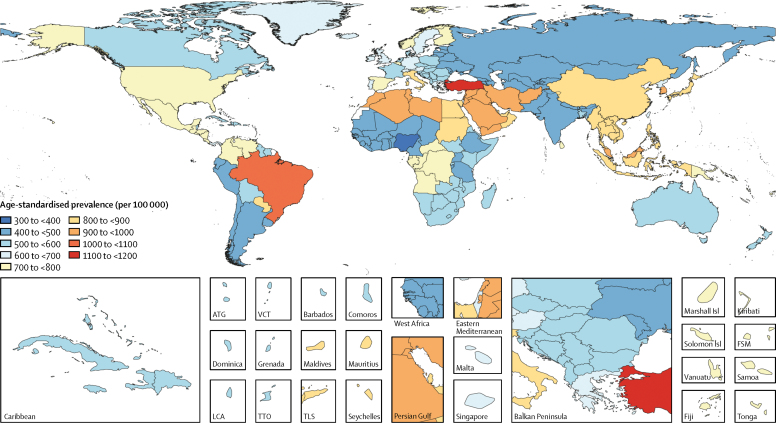
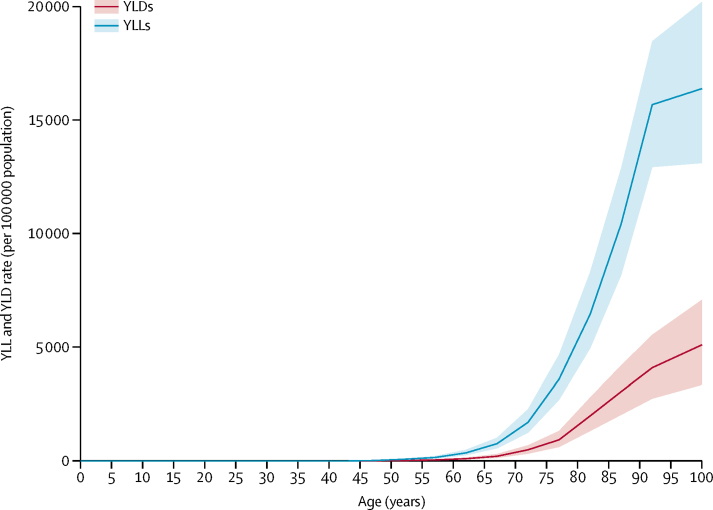
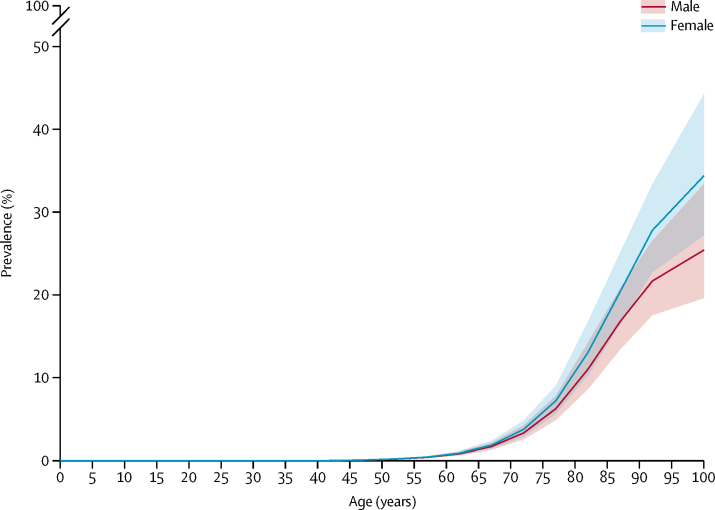
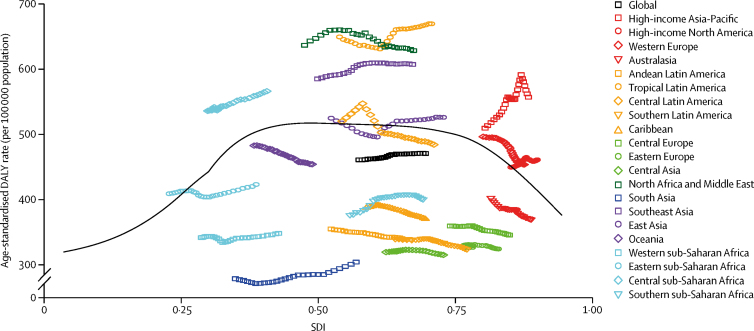
BACKGROUND: The number of individuals living with dementia is increasing, negatively affecting families, communities, and health-care systems around the world. A successful response to these challenges requires an accurate understanding of the dementia disease burden. We aimed to present the first detailed analysis of the global prevalence, mortality, and overall burden of dementia as captured by the Global Burden of Diseases, Injuries, and Risk Factors (GBD) Study 2016, and highlight the most important messages for clinicians and neurologists. METHODS: GBD 2016 obtained data on dementia from vital registration systems, published scientific literature and surveys, and data from health-service encounters on deaths, excess mortality, prevalence, and incidence from 195 countries and territories from 1990 to 2016, through systematic review and additional data-seeking efforts. To correct for differences in cause of death coding across time and locations, we modelled mortality due to dementia using prevalence data and estimates of excess mortality derived from countries that were most likely to code deaths to dementia relative to prevalence. Data were analysed by standardised methods to estimate deaths, prevalence, years of life lost (YLLs), years of life lived with disability (YLDs), and disability-adjusted life-years (DALYs; computed as the sum of YLLs and YLDs), and the fractions of these metrics that were attributable to four risk factors that met GBD criteria for assessment (high body-mass index [BMI], high fasting plasma glucose, smoking, and a diet high in sugar-sweetened beverages). FINDINGS: In 2016, the global number of individuals who lived with dementia was 43·8 million (95% uncertainty interval [UI] 37·8-51·0), increased from 20.2 million (17·4-23·5) in 1990. This increase of 117% (95% UI 114-121) contrasted with a minor increase in age-standardised prevalence of 1·7% (1·0-2·4), from 701 cases (95% UI 602-815) per 100 000 population in 1990 to 712 cases (614-828) per 100 000 population in 2016. More women than men had dementia in 2016 (27·0 million, 95% UI 23·3-31·4, vs 16.8 million, 14.4-19.6), and dementia was the fifth leading cause of death globally, accounting for 2·4 million (95% UI 2·1-2·8) deaths. Overall, 28·8 million (95% UI 24·5-34·0) DALYs were attributed to dementia; 6·4 million (95% UI 3·4-10·5) of these could be attributed to the modifiable GBD risk factors of high BMI, high fasting plasma glucose, smoking, and a high intake of sugar-sweetened beverages. INTERPRETATION: The global number of people living with dementia more than doubled from 1990 to 2016, mainly due to increases in population ageing and growth. Although differences in coding for causes of death and the heterogeneity in case-ascertainment methods constitute major challenges to the estimation of the burden of dementia, future analyses should improve on the methods for the correction of these biases. Until breakthroughs are made in prevention or curative treatment, dementia will constitute an increasing challenge to health-care systems worldwide. FUNDING: Bill & Melinda Gates Foundation.
Overview
The claims and statistics of this paper haven’t been checked yet.
Free: it reads the open-access text and checks the first 5 claims that cite a source we can check. Create a free account to check every claim.
Integrity signals
Registry
Cites
Statistics
Figures
Verification
Claims the paper makes
The claims and statistics of this paper haven’t been checked yet.
Free: it reads the open-access text and checks the first 5 claims that cite a source we can check. Create a free account to check every claim.
Claims other papers make about this one
Each is checked against this paper’s own text: does it say what the citing paper says it does?
The cited source says what the claim attributes to it.
In the citing paper
“Trends in age-standardised death rates (3·6%) for dementia increased slightly between 1990–2016, with pronounced increases in the USA and Japan and decreases in western Europe and central Latin America.4”
From Dementia prevention, intervention, and care: 2020 report of the Lancet Commission (2020) · cites this paper as [4]
Experimental — accuracy not yet measuredThe check wasn’t confident either way, so it gives no verdict — never disputed.
In the citing paper
“Alzheimer’s disease (AD) is the most common cause of dementia worldwide1”
From Multimodal deep learning for Alzheimer's disease dementia assessment (2022) · cites this paper as [1]
Experimental — accuracy not yet measured
Self-check
Percentages, sums and reported differences re-computed from the paper’s own numbers.
The self-check needs the paper’s full text.
Citations
Cites
Diagnostic and Statistical Manual of Mental Disorders
Williams, J. B. W., & First, M. (2013) · Encyclopedia of Social Work · doi:10.1093/acrefore/9780199975839.013.104 · Cited by 109,519
Vos, T., Abajobir, A. A., Abate, K. H., Abbafati, C., Abbas, K. M., Abd-Allah, F., Abdulkader, R. S., Abdulle, A. M., Abebo, T. A., Abera, S. F., et al. (2017) · The Lancet · doi:10.1016/s0140-6736(17)32154-2 · Cited by 13,220
Self-citationSperling, R. A., Aisen, P. S., Beckett, L. A., Bennett, D. A., Craft, S., Fagan, A. M., Iwatsubo, T., Jack, C. R., Kaye, J., Montine, T. J., et al. (2011) · Alzheimer's & Dementia · doi:10.1016/j.jalz.2011.03.003 · Cited by 7,155
Self-citationA New Clinical Scale for the Staging of Dementia
Hughes, C. P., Berg, L., Danziger, W., Coben, L. A., & Martin, R. L. (1982) · British Journal of Psychiatry · doi:10.1192/bjp.140.6.566 · Cited by 7,056
Dementia prevention, intervention, and care
Livingston, G., Sommerlad, A., Orgeta, V., Costafreda, S. G., Huntley, J., Ames, D., Ballard, C., Banerjee, S., Burns, A., Cohen-Mansfield, J., et al. (2017) · The Lancet · doi:10.1016/s0140-6736(17)31363-6 · Cited by 6,072
Global prevalence of dementia: a Delphi consensus study
Ferri, C. P., Prince, M., Brayne, C., Brodaty, H., Fratiglioni, L., Ganguli, M., Hall, K., Hasegawa, K., Hendrie, H., Huang, Y., et al. (2005) · The Lancet · doi:10.1016/s0140-6736(05)67889-0 · Cited by 5,332
Self-citationThe global prevalence of dementia: a systematic review and metaanalysis.
Prince, M., Bryce, R., Albanese, E., Wimo, A., Ribeiro, W., & Ferri, C. P. (2013) · Alzheimer's & Dementia · doi:10.1016/j.jalz.2012.11.007 · Cited by 4,941
Naghavi, M., Abajobir, A. A., Abbafati, C., Abbas, K. M., Abd-Allah, F., Abera, S. F., Aboyans, V., Adetokunboh, O., Afshin, A., Agrawal, A., et al. (2017) · The Lancet · doi:10.1016/s0140-6736(17)32152-9 · Cited by 4,821
Self-citationKyu, H. H., Abate, D., Abate, K. H., Abay, S. M., Abbafati, C., Abbasi, N., Abbastabar, H., Abd-Allah, F., Abdela, J., Abdelalim, A., et al. (2018) · The Lancet · doi:10.1016/s0140-6736(18)32335-3 · Cited by 4,081
Self-citation
Research works printed but not linked: 3
- Wu Y-T Beiser AS Breteler MMB The changing prevalence and incidence of dementia over time—current evidence Nat Rev Neurol 13 2017 327 28497805 · DOI · Paper page
- Satizabal CL Beiser AS Chouraki V Chêne G Dufouil C Seshadri S Incidence of dementia over three decades in the Framingham Heart Study N Engl J Med 374 2016 523 532 26863354 PMC4943081 · DOI · Paper page
- Flaxman AD Vos T Murray CJL An integrative metaregression framework for descriptive epidemiology 2015 University of Washington Press Seattle https://books.google.com/books?id=2676pwAACAAJ
Cited by
Items 101–200 of 1,006
Cano, A., Turowski, P., Ettcheto, M., Duskey, J. T., Tosi, G., Sánchez-López, E., García, M. L., Camins, A., Souto, E. B., Ruiz, A., et al. (2021) · Journal of Nanobiotechnology · doi:10.1186/s12951-021-00864-x · Cited by 122
“Dementia was the fifth-leading cause of death in 2016 [1].”
BackgroundMethodInfluentialMezö, C., Dokalis, N., Mossad, O., Staszewski, O., Neuber, J., Yilmaz, B., Schnepf, D., de Agüero, M. G., Ganal-Vonarburg, S. C., Macpherson, A. J., et al. (2020) · Acta Neuropathologica Communications · doi:10.1186/s40478-020-00988-5 · Cited by 120
Akkol, E. K., Çankaya, İ. İ. T., Karatoprak, G. Ş., Çarpar, E., Sobarzo‐Sánchez, E., & Capasso, R. (2021) · Frontiers in Pharmacology · doi:10.3389/fphar.2021.669638 · Cited by 141
“As the aging population increases consistently, the prevalence of most neurological disorders has increased dramatically from the years 1990–2016 with a rate up to 117% (Nichols et al., 2019).”
BackgroundASK1 inhibition: a therapeutic strategy with multi-system benefits
Ogier, J. M., Nayagam, B. A., & Lockhart, P. J. (2020) · Journal of Molecular Medicine · doi:10.1007/s00109-020-01878-y · Cited by 132
Gong, J., Harris, K., Peters, S. A. E., & Woodward, M. (2021) · BMC Medicine · doi:10.1186/s12916-021-01980-z · Cited by 116
“Background Dementia is a fast-growing global epidemic—predominately driven by the steep increase of population ageing [1, 2]—posing immense pressure on the public health, social care and fiscal systems [3].”
BackgroundClimate change and neurodegenerative diseases
Bongioanni, P., Carratore, R. D., Corbianco, S., Diana, A., Cavallini, G., Masciandaro, S. M., Dini, M., & Buizza, R. (2021) · Environmental Research · doi:10.1016/j.envres.2021.111511 · Cited by 134
Wang, H., Robinson, J. L., Kocabas, P., Gustafsson, J., Anton, M., Cholley, P.-E., Huang, S., Gobom, J., Svensson, T., Uhlen, M., et al. (2021) · Proceedings of the National Academy of Sciences · doi:10.1073/pnas.2102344118 · Cited by 117
“To date, there are ∼ 200 different mouse models that have been developed for understanding the mechanism of AD (35), which is the most prevalent dementia affecting millions of people worldwide (36).”
Peripheral immunity is associated with the risk of incident dementia
Zhang, Y.-R., Wang, J.-J., Chen, S.-F., Wang, H.-F., Li, Y.-Z., Ou, Y.-N., Huang, S.-Y., Chen, S.-D., Cheng, W., Feng, J.-F., et al. (2022) · Molecular Psychiatry · doi:10.1038/s41380-022-01446-5 · Cited by 114
“INTRODUCTION Dementia is one of the top-ranked causes of death and disabilityadjusted life-years globally affecting around 50 million people, which brings substantial burden on patients, their caregivers, and national healthcare systems [1, 2].”
BackgroundRibeiro, F., Teixeira-Santos, A. C., Caramelli, P., & Leist, A. K. (2022) · Ageing Research Reviews · doi:10.1016/j.arr.2022.101703 · Cited by 114
“Dementia is one of the most significant causes of dependence among older adults, causing considerable medical and care costs (Custodio et al., 2017; Parra et al., 2018; Prince et al., 2015), which accounts for 0.2% of the total gross domestic product in low- and middle-income countries and 1.4% in rich * Correspondenc…”
InfluentialGonçalves, P. B., Sodero, A. C. R., & Cordeiro, Y. (2021) · Biomolecules · doi:10.3390/biom11050767 · Cited by 120
“AD is the most common ND worldwide and also the most common cause of dementia in elderly patients [2,3].”
BackgroundFunctional brain networks in the evaluation of patients with neurodegenerative disorders
Perovnik, M., Rus, T., Schindlbeck, K. A., & Eidelberg, D. (2022) · Nature Reviews Neurology · doi:10.1038/s41582-022-00753-3 · Cited by 138
Urban green space, tree canopy and 11-year risk of dementia in a cohort of 109,688 Australians
Astell‐Burt, T., Navakatikyan, M., & Feng, X. (2020) · Environment International · doi:10.1016/j.envint.2020.106102 · Cited by 121
Chua, J., Hu, Q., Ke, M., Tan, B., Hong, J. M., Yao, X., Hilal, S., Venketasubramanian, N., Garhöfer, G., Cheung, C. Y.-L., et al. (2020) · Alzheimer s Research & Therapy · doi:10.1186/s13195-020-00724-0 · Cited by 122
“Globally, the number of individuals living with dementia is set to rise, particularly in low- and middleincome countries [1].”
BackgroundSelf-citationAnticholinergic drugs and the risk of dementia: A systematic review and meta-analysis
Zheng, Y., Shi, L., Zhu, X.-M., Bao, Y., Bai, L., Li, J., Liu, J., Han, Y., Shi, J., & Lü, L. (2021) · Neuroscience & Biobehavioral Reviews · doi:10.1016/j.neubiorev.2021.04.031 · Cited by 140
Sex Differences in Behavior and Molecular Pathology in the 5XFAD Model
Sil, A., Erfani, A., Lamb, N., Copland, R., Riedel, G., & Platt, B. (2022) · Journal of Alzheimer's Disease · doi:10.3233/jad-210523 · Cited by 109
Hawkins, M. A. W., Layman, H. M., Ganson, K. T., Tabler, J., Ciciolla, L. M., Tsotsoros, C. E., & Nagata, J. M. (2021) · Child Abuse & Neglect · doi:10.1016/j.chiabu.2021.105008 · Cited by 141
Modeling and Targeting Alzheimer’s Disease With Organoids
Papaspyropoulos, A., Tsolaki, M., Foroglou, N., & Pantazaki, A. A. (2020) · Frontiers in Pharmacology · doi:10.3389/fphar.2020.00396 · Cited by 106
Neuronal and glial regulation of CNS angiogenesis and barriergenesis
Biswas, S., Cottarelli, A., & Agalliu, D. (2020) · Development · doi:10.1242/dev.182279 · Cited by 109
Pyridine alkaloids with activity in the central nervous system
Lin, S. X., Curtis, M. A., & Sperry, J. (2020) · Bioorganic & Medicinal Chemistry · doi:10.1016/j.bmc.2020.115820 · Cited by 113
Huggins, C. J., Escudero, J., Parra, M. A., Scally, B., Anghinah, R., Vitória Lacerda De Araújo, A., Basile, L. F., & Abasolo, D. (2021) · Journal of Neural Engineering · doi:10.1088/1741-2552/ac05d8 · Cited by 105
Moon, S., & Park, K. (2020) · BMC Geriatrics · doi:10.1186/s12877-020-01563-2 · Cited by 130
Excitotoxicity as a Target Against Neurodegenerative Processes
Binvignat, O., & Olloquequi, J. (2020) · Current Pharmaceutical Design · doi:10.2174/1381612826666200113162641 · Cited by 108
An Improved Multi-Modal based Machine Learning Approach for the Prognosis of Alzheimer’s disease
Khan, A., & Zubair, S. (2020) · Journal of King Saud University - Computer and Information Sciences · doi:10.1016/j.jksuci.2020.04.004 · Cited by 130
Okagu, I. U., Ndefo, J. C., Aham, E. C., & Udenigwe, C. C. (2021) · Molecules · doi:10.3390/molecules26134023 · Cited by 125
Designing Urban Green Blue Infrastructure for Mental Health and Elderly Wellbeing
Andreucci, M. B., Russo, A., & Olszewska-Guizzo, A. (2019) · Sustainability · doi:10.3390/su11226425 · Cited by 100
“The worldwide figure of people living with dementia more than doubled up from 1990 to 2016, mainly due to increases in population ageing and growth [17].”
BackgroundMillman, J. F., Okamoto, S., Teruya, T., Uema, T., Ikematsu, S., Shimabukuro, M., & Masuzaki, H. (2021) · Nutrition Reviews · doi:10.1093/nutrit/nuaa148 · Cited by 116
“Alzheimer disease (AD), the most common form of de- mentia and neurodegenerative disorder, is estimated to affect between 40 million and 50 million people worldwide.65 Alzheimer disease is characterized by progres- sive memory loss and cognitive decline and, pathologically, by the deposition of Ab plaques and accumula…”
BackgroundInfluentialShobeiri, P., Kalantari, A., Teixeira, A. L., & Rezaei, N. (2022) · Biology of Sex Differences · doi:10.1186/s13293-022-00422-6 · Cited by 125
“In 2016, the global prevalence of AD in females was 1·17 times the age-standardized prevalence in males, with more women dying from this condition than men in the same year [297].”
BackgroundPotential and Limits of Cannabinoids in Alzheimer’s Disease Therapy
Abate, G., Uberti, D. L., & Tambaro, S. (2021) · Biology · doi:10.3390/biology10060542 · Cited by 124
Evidence of Flavonoids on Disease Prevention
Li, M., Qian, M., Jiang, Q., Tan, B., Yin, Y., & Han, X. (2023) · Antioxidants · doi:10.3390/antiox12020527 · Cited by 115
“Currently, about 50 million people are affected by neurodegenerative diseases [122], which is estimated to increase to 130 million by 2050 [123].”
BackgroundIliyasu, M. O., Musa, S. A., Oladele, S. B., & Iliya, A. I. (2023) · Frontiers in Neuroscience · doi:10.3389/fnins.2023.1081938 · Cited by 112
“AD is a leading cause of disability and life reliance among elderly adults worldwide (Nichols et al., 2019), and has a profound influence on individuals, their families, and societies at large (Winston, 2020).”
BackgroundBiomaterials in Neurodegenerative Disorders: A Promising Therapeutic Approach
Bordoni, M., Scarian, E., Rey, F., Gagliardi, S., Carelli, S., Pansarasa, O., & Cereda, C. (2020) · International Journal of Molecular Sciences · doi:10.3390/ijms21093243 · Cited by 103
“Moreover, the number of AD patients is expected to double nearly every 20 years [8,9].”
BackgroundRandomized controlled trial of TDCS on cognition in 201 seniors with mild neurocognitive disorder
Lu, H., Chan, S. S. M., Chan, W. C., Lin, C., Cheng, C. P. W., & Linda Chiu Wa, L. (2019) · Annals of Clinical and Translational Neurology · doi:10.1002/acn3.50823 · Cited by 96
“With rapid population aging in China and globally, Alzheimer’s disease (AD) is expected to have profound impacts on individuals and society.(1,2) At present, there are no effective pharmacological treatments to halt or slow down cognitive decline in AD.”
BackgroundResting State fMRI and Improved Deep Learning Algorithm for Earlier Detection of Alzheimer’s Disease
Guo, H., & Zhang, Y. (2020) · IEEE Access · doi:10.1109/access.2020.3003424 · Cited by 110
“In its early stages, memory loss is minimal, while the communication and capacity of the patient to respond significantly degrades during initial stages [3], [4], as shown in Figure.”
BackgroundDual-Task Exercise to Improve Cognition and Functional Capacity of Healthy Older Adults
Jardim, N. Y. V., Bento-Torres, N. V. O., da Costa, V. O., Carvalho, J. P. R., Pontes, H. T. S., Tomás, A. M., Sosthenes, M. C. K., Erickson, K. I., Bento‐Torres, J., & Diniz, C. W. P. (2021) · Frontiers in Aging Neuroscience · doi:10.3389/fnagi.2021.589299 · Cited by 119
Sluggett, J. K., Koponen, M., Bell, J. S., Taipale, H., Tanskanen, A., Tiihonen, J., Uusitupa, M., Tolppanen, A.-M., & Hartikainen, S. (2020) · The Journal of Clinical Endocrinology & Metabolism · doi:10.1210/clinem/dgz234 · Cited by 95
Harnessing endophenotypes and network medicine for Alzheimer's drug repurposing
Fang, J., Pieper, A. A., Nussinov, R., Lee, G., Bekris, L., Leverenz, J. B., Cummings, J., & Cheng, F. (2020) · Medicinal Research Reviews · doi:10.1002/med.21709 · Cited by 94
Ping, F., Jiang, N., & Li, Y. (2020) · BMJ Open Diabetes Research & Care · doi:10.1136/bmjdrc-2020-001370 · Cited by 100
Risk factors for dementia in Brazil: differences by region and race
Suemoto, C. K., Mukadam, N., Brucki, S. M. D., Caramelli, P., Nitrini, R., Laks, J., Livingston, G., & Ferri, C. P. (2023) · Alzheimer's & Dementia · doi:10.1002/alz.12820 · Cited by 93
Avan, A., & Hachinski, V. (2023) · Alzheimer's & Dementia · doi:10.1002/alz.12764 · Cited by 93
Self-citationCaspase-8 in inflammatory diseases: a potential therapeutic target
Zhang, W., Zhu, C., Liao, Y., Zhou, M., Xu, W., & Zou, Z. (2024) · Cellular & Molecular Biology Letters · doi:10.1186/s11658-024-00646-x · Cited by 121
Xiaopeng, Z., Yu, J., Xia, L., Wang, X., Juan, D., Long, Y., & Baoshan, L. (2025) · Frontiers in Public Health · doi:10.3389/fpubh.2025.1585711 · Cited by 132
Intranasal drug delivery for treatment of Alzheimer’s disease
Fonseca, L., Lopes, J. A., Vieira, J., Viegas, C., Oliveira, C. S., Hartmann, R. P., & Fonte, P. (2021) · Drug Delivery and Translational Research · doi:10.1007/s13346-021-00940-7 · Cited by 100
Zheng, M., & Wang, P. (2021) · 3 Biotech · doi:10.1007/s13205-021-02738-3 · Cited by 293
Gut Microbiota, an Additional Hallmark of Human Aging and Neurodegeneration
Molinero, N., Antón‐Fernández, A., Hernández, F., Ávila, J., Bartolomé, B., & Moreno-Arribas, M. V. (2023) · Neuroscience · doi:10.1016/j.neuroscience.2023.02.014 · Cited by 110
Fueling neurodegeneration: metabolic insights into microglia functions
Sadeghdoust, M., Das, A., & Kaushik, D. K. (2024) · Journal of Neuroinflammation · doi:10.1186/s12974-024-03296-0 · Cited by 120
“Alzheimer’s disease (AD), multiple sclerosis (MS), Parkinson’s disease (PD), and Huntington’s disease (HD) are among the most prevalent neurodegenerative disorders and affect millions of people, resulting in substantial mortality and morbidity worldwide [9, 10].”
Benussi, A., Grassi, M., Palluzzi, F., Koch, G., Di Lazzaro, V., Nardone, R., Cantoni, V., Dell'Era, V., Premi, E., Martorana, A., et al. (2020) · Annals of Neurology · doi:10.1002/ana.25677 · Cited by 91
SFPQ and Tau: critical factors contributing to rapid progression of Alzheimer’s disease
Younas, N., Zafar, S., Shafiq, M., Noor, A., Siegert, A., Arora, A. S., Galkin, A. P., Zafar, A., Schmitz, M., Stadelmann, C., et al. (2020) · Acta Neuropathologica · doi:10.1007/s00401-020-02178-y · Cited by 100
Akbar, M., Shabbir, A., Rehman, K., Akash, M. S. H., & Shah, M. A. (2021) · Journal of Food Biochemistry · doi:10.1111/jfbc.13936 · Cited by 100
Structural Plasticity of the Hippocampus in Neurodegenerative Diseases
Weerasinghe-Mudiyanselage, P. D. E., Ang, M. J., Kang, S., Kim, J., & Moon, C. (2022) · International Journal of Molecular Sciences · doi:10.3390/ijms23063349 · Cited by 101
Kip, E., & Parr‐Brownlie, L. C. (2023) · Frontiers in Neuroscience · doi:10.3389/fnins.2023.1092537 · Cited by 115
Dhana, K., Beck, T., Desai, P., Wilson, R. S., Evans, D. A., & Rajan, K. B. (2023) · Alzheimer's & Dementia · doi:10.1002/alz.13081 · Cited by 90
Copper imbalance in Alzheimer’s disease: Convergence of the chemistry and the clinic
Kepp, K. P., & Squitti, R. (2019) · Coordination Chemistry Reviews · doi:10.1016/j.ccr.2019.06.018 · Cited by 96
Zhang, S., Wu, W., Xiao, Z., Wu, S., Zhao, Q., Ding, D., & Wang, L. (2023) · Cities · doi:10.1016/j.cities.2023.104312 · Cited by 104
Fine Particulate Matter and Dementia Incidence in the Adult Changes in Thought Study
Shaffer, R. M., Blanco, M. N., Ge, L., Adar, S. D., Carone, M., Szpiro, A. A., Kaufman, J. D., Larson, T. V., Larson, E. B., Crane, P. K., et al. (2021) · Environmental Health Perspectives · doi:10.1289/ehp9018 · Cited by 99
“No effect modification by sex was identified in a studies of administrative cohorts in Ontario or Vancouver (Chen et al. 2017; Yuchi et al. 2020), but stratification by sex suggested a higher risk among men in a research cohort in Sweden (Oudin et al. 2018).”
BackgroundPan, Y., Li, H., Wang, Y., Meng, X., & Wang, Y. (2019) · Stroke · doi:10.1161/strokeaha.119.026872 · Cited by 87
Self-citationMotoric cognitive risk syndrome: Integration of two early harbingers of dementia in older adults
Semba, R. D., Tian, Q., Carlson, M. C., Xue, Q., & Ferrucci, L. (2020) · Ageing Research Reviews · doi:10.1016/j.arr.2020.101022 · Cited by 95
Oral Nanomedicine: Challenges and Opportunities
Deng, B., Liu, S., Wang, Y., Ali, B., Kong, N., Xie, T., Koo, S., Ouyang, J., & Tao, W. (2023) · Advanced Materials · doi:10.1002/adma.202306081 · Cited by 102
Self-citationEarly life adversity as a risk factor for cognitive impairment and Alzheimer’s disease
Huang, Z., Jordan, J. D., & Zhang, Q. (2023) · Translational Neurodegeneration · doi:10.1186/s40035-023-00355-z · Cited by 101
Camellia oil alleviates the progression of Alzheimer's disease in aluminum chloride-treated rats
Weng, M.-H., Chen, S.-Y., Li, Z., & Yen, G. (2020) · Free Radical Biology and Medicine · doi:10.1016/j.freeradbiomed.2020.04.004 · Cited by 85
Plasma Lipids as Biomarkers for Alzheimer's Disease: A Systematic Review
Agarwal, M., & Khan, S. (2020) · Cureus · doi:10.7759/cureus.12008 · Cited by 83
Gómez-Gallego, M., Gómez‐Gallego, J. C., Gallego-Mellado, M., & García-García, J. (2021) · International Journal of Environmental Research and Public Health · doi:10.3390/ijerph18158067 · Cited by 119
“Alzheimer’s disease (AD) is the most common neurodegenerative disease worldwide [1].”
BackgroundLong-term ozone exposure and cognitive impairment among Chinese older adults: A cohort study
Gao, Q., Zang, E. X., Bi, J., Dubrow, R., Lowe, S. R., Chen, H., Zeng, Y., Shi, L., & Chen, K. (2021) · Environment International · doi:10.1016/j.envint.2021.107072 · Cited by 93
Correlations between COVID-19 and burden of dementia: An ecological study and review of literature
Azarpazhooh, M. R., Amiri, A., Morovatdar, N., Steinwender, S., Ardanı, A. R., Yassi, N., Biller, J., Stranges, S., Belasi, M. T., Neya, S. K., et al. (2020) · Journal of the Neurological Sciences · doi:10.1016/j.jns.2020.117013 · Cited by 86
Sleep, major depressive disorder, and Alzheimer disease: A Mendelian randomization study
Huang, J., Zuber, V., Matthews, P. M., Elliott, P., Tzoulaki, J., & Dehghan, A. (2020) · Neurology · doi:10.1212/wnl.0000000000010463 · Cited by 82
Blood–brain barrier permeable β-blockers linked to lower risk of Alzheimer’s disease in hypertension
Beaman, E. E., Bonde, A. N., Larsen, S. M. U., Ozenne, B., Lohela, T. J., Nedergaard, M., Gislason, G., Knudsen, G. M., & Holst, S. C. (2022) · Brain · doi:10.1093/brain/awac076 · Cited by 89
“5 It affects more than 46 million people worldwide and is projected to nearly triple in prevalence by 2050.”
IgG glycans in health and disease: Prediction, intervention, prognosis, and therapy
Shkunnikova, S., Mijakovac, A., Sironić, L., Hanić, M., Lauc, G., & Kavur, M. M. (2023) · Biotechnology Advances · doi:10.1016/j.biotechadv.2023.108169 · Cited by 95
Blood Pressure Variability and Dementia: A State-of-the-Art Review
Ma, Y., Tully, P. J., Hofman, A., & Tzourio, C. (2020) · American Journal of Hypertension · doi:10.1093/ajh/hpaa119 · Cited by 90
The role of Alzheimer's disease risk genes in endolysosomal pathways
Szabo, M. P., Mishra, S., Knupp, A., & Young, J. E. (2022) · Neurobiology of Disease · doi:10.1016/j.nbd.2021.105576 · Cited by 82
Wee, J., Sukudom, S., Bhat, S., Marklund, M., Peiris, N. J., Hoyos, C. M., Patel, S., Naismith, S. L., Dwivedi, G., & Misra, A. (2023) · Alzheimer's & Dementia: Diagnosis, Assessment & Disease Monitoring · doi:10.1002/dad2.12395 · Cited by 82
The Mediterranean diet and menopausal health: An EMAS position statement
Cano, A., Marshall, S., Zolfaroli, I., Bitzer, J., Ceauşu, I., Chedraui, P. A., Durmuşoğlu, F., Erkkola, R. U., Goulis, D. G., Hirschberg, A. L., et al. (2020) · Maturitas · doi:10.1016/j.maturitas.2020.07.001 · Cited by 96
Taqui, R., Debnath, M., Ahmed, S., & Ghosh, A. (2021) · Phytomedicine Plus · doi:10.1016/j.phyplu.2021.100184 · Cited by 99
Collaborators, G. 2. D. (2021) · Neuroepidemiology · doi:10.1159/000515393 · Cited by 87
Semba, R. D. (2020) · Advances in Nutrition · doi:10.1093/advances/nmaa024 · Cited by 79
Model-Based Projection of Dementia Prevalence in China and Worldwide: 2020–2050
Li, F., Qin, W., Zhu, M., & Jia, J. (2021) · Journal of Alzheimer s Disease · doi:10.3233/jad-210493 · Cited by 93
Kasajima, M., Eggleston, K. N., Kusaka, S., Matsui, H., Tanaka, T., Son, B., Iijima, K., Goda, K., Kitsuregawa, M., Bhattacharya, J., et al. (2022) · The Lancet Public Health · doi:10.1016/s2468-2667(22)00044-5 · Cited by 100
Can COVID-19 pandemic boost the epidemic of neurodegenerative diseases?
Verkhratsky, A., Li, Q., Melino, S., Melino, G., & Shi, Y. (2020) · Biology Direct · doi:10.1186/s13062-020-00282-3 · Cited by 61
Kong, Y. R., Tay, K. C., Su, Y. X., Wong, C. K., Tan, W., & Khaw, K. Y. (2021) · Molecules · doi:10.3390/molecules26030728 · Cited by 84
“1 million people suffering from Parkinson’s disease and the numbers continue to increase annually [4,5].”
BackgroundLi, F., Harmer, P., Fitzgerald, K. M., & Winters‐Stone, K. M. (2022) · BMC Geriatrics · doi:10.1186/s12877-021-02747-0 · Cited by 91
Anthocyanin as a therapeutic in Alzheimer’s disease: A systematic review of preclinical evidences
Suresh, S., Begum, R. F., Ankul Singh, S., & Chitra, V. (2022) · Ageing Research Reviews · doi:10.1016/j.arr.2022.101595 · Cited by 85
TGF-β Signaling: A Therapeutic Target to Reinstate Regenerative Plasticity in Vascular Dementia?
Kandasamy, M., Anusuyadevi, M., Aigner, K. M., Unger, M. S., Kniewallner, K. M., Sousa, D. M. B. D., Altendorfer, B., Mrowetz, H., Bogdahn, U., & Aigner, L. (2020) · Aging and disease · doi:10.14336/ad.2020.0222 · Cited by 77
Oral Health and Care for Elderly People with Alzheimer’s Disease
Gao, S. S., Chu, C. H., & Young, F. Y. F. (2020) · International Journal of Environmental Research and Public Health · doi:10.3390/ijerph17165713 · Cited by 107
Li, R., Geng, J., Yang, R., Ge, Y., & Hesketh, T. M. (2022) · Journal of Medical Internet Research · doi:10.2196/38624 · Cited by 88
Tian, E., Xia, F., Wu, J., Zhang, Y., Li, J., Wang, H., & Mo, J. (2020) · ACS Applied Materials & Interfaces · doi:10.1021/acsami.0c07447 · Cited by 76
The economics of patient safety Part III: Long-term care
Bienassis, K. D., Nozal, A. L., & Klazinga, N. S. (2020) · OECD health working papers · doi:10.1787/be07475c-en · Cited by 98
La Barbera, L., Mauri, E., D’Amelio, M., & Gori, M. (2022) · Frontiers in Neuroscience · doi:10.3389/fnins.2022.939855 · Cited by 74
Variation in blood pressure and long-term risk of dementia: A population-based cohort study
Ma, Y., Wolters, F. J., Chibnik, L. B., Licher, S., Ikram, M. A., Hofman, A., & Ikram, M. K. (2019) · PLoS Medicine · doi:10.1371/journal.pmed.1002933 · Cited by 83
“Around 50 million people are living with dementia globally, and because of the aging population, the number of patients is predicted to triple by 2050, with global economic costs projected to rise in parallel [1,2].”
BackgroundGut microbiota regulate cognitive deficits and amyloid deposition in a model of Alzheimer’s disease
Li, Z., Zhu, H., Guo, Y., Du, X., & Qin, C. (2020) · Journal of Neurochemistry · doi:10.1111/jnc.15031 · Cited by 78
“Dementia is the fifth leading cause of death, affecting about 43.8 million people in 2016 (Nichols et al., 2019).”
BackgroundInfluentialAnemia and the Risk of Cognitive Impairment: An Updated Systematic Review and Meta-Analysis
Kung, W., Yuan, S., Lin, M.-S., Wu, C.-C., Islam, M. M., Atique, S., Touray, M., Huang, C.-Y., & Wang, Y. (2021) · Brain Sciences · doi:10.3390/brainsci11060777 · Cited by 85
“Previous studies reported that the global economic burden of dementia is approximately 1 trillion USD including health expenditures, reduced quality of life, morbidity that raised the concern of healthcare policymakers, physicians, and overall society [5].”
BackgroundSelf-citationPropagation of tau and α-synuclein in the brain: therapeutic potential of the glymphatic system
Lopes, D. M., Llewellyn, S. K., & Harrison, I. F. (2022) · Translational Neurodegeneration · doi:10.1186/s40035-022-00293-2 · Cited by 81
Meijer, E., Casanova, M., Kim, H., Nozal, A. L., & Lee, J. (2022) · The Lancet Regional Health - Europe · doi:10.1016/j.lanepe.2022.100445 · Cited by 98
Shin, J., Han, S. D., & Choi, J. (2019) · International Journal of Environmental Research and Public Health · doi:10.3390/ijerph16193767 · Cited by 81
“The global number of individuals who live with dementia has increased rapidly, mainly due to the increase in the aging population and population growth, in general [7].”
BackgroundInfluentialSelf-citationTelomere Length and the Risk of Alzheimer’s Disease: The Rotterdam Study
Fani, L., Hilal, S., Sedaghat, S., Broer, L., Licher, S., Arp, P. P., van Meurs, J. B. J., Ikram, M. K., & Ikram, M. A. (2020) · Journal of Alzheimer’s Disease · doi:10.3233/jad-190759 · Cited by 72
Korologou-Linden, R., Bhatta, L., Brumpton, B. M., Howe, L. D., Millard, L. A. C., Kolaric, K., Ben-Shlomo, Y., Williams, D. M., Smith, G. D., Anderson, E. L., et al. (2022) · Nature Communications · doi:10.1038/s41467-022-32183-6 · Cited by 71
AlCl3 induced learning and memory deficit in zebrafish
Kaur, K., Narang, R. K., & Singh, S. (2022) · NeuroToxicology · doi:10.1016/j.neuro.2022.07.004 · Cited by 79
Lindbohm, J. V., Mars, N., Walker, K. A., Singh‐Manoux, A., Livingston, G., Brunner, E. J., Sipilä, P. N., Saksela, K., Ferrie, J. E., Lovering, R. C., et al. (2022) · Alzheimer's & Dementia · doi:10.1002/alz.12419 · Cited by 70
Joshi, A. U., Wassenhove, L. D. V., Logas, K. R., Minhas, P. S., Andreasson, K. I., Weinberg, K. I., Chen, C., & Mochly‐Rosen, D. (2019) · Acta Neuropathologica Communications · doi:10.1186/s40478-019-0839-7 · Cited by 80
Ramakrishna, K., Karuturi, P., Siakabinga, Q., Gajendra, T. A., Krishnamurthy, S., Shreya, S., Kumari, S., Kumar, G. S., Sobhia, M. E., & Nand, S. (2024) · Diseases · doi:10.3390/diseases12080184 · Cited by 80
“To date, 60–70% of dementias are due to AD, and it is expected that at least 150 million people will be affected by AD by 2050 [1,2].”
BackgroundMetabolomics and incident dementia in older Chinese adults: The Shanghai Aging Study
Cui, M., Jiang, Y., Zhao, Q., Zhu, Z., Liang, X., Zhang, K., Wu, W., Dong, Q., An, Y., Tang, H., et al. (2020) · Alzheimer s & Dementia · doi:10.1002/alz.12074 · Cited by 77
Pan, Y., Jing, J., Cai, X., Wang, Y., Wang, S., Meng, X., Zeng, C., Shi, J., Ji, J., Lin, J., et al. (2020) · Stroke and Vascular Neurology · doi:10.1136/svn-2020-000411 · Cited by 78
Self-citationExtracellular vesicles, the emerging mirrors of brain physiopathology
Cano, A. C., Ettcheto, M., Bernuz, M., Puerta, R., Antonio, E. E., Sánchez‐López, E., Souto, E. B., Camins, A., Martí, M., Pividori, M. I., et al. (2023) · International Journal of Biological Sciences · doi:10.7150/ijbs.79063 · Cited by 80
Metadata
- Authors
- Nichols, E., Szoeke, C. E. I., Vollset, S. E., Abbasi, N., Abd-Allah, F., Abdela, J., Aichour, M. T. E., Akinyemi, R. O., Alahdab, F., Asgedom, S. W., Awasthi, A., Barker-Collo, S. L., Baune, B. T., Béjot, Y., Belachew, A. B., Bennett, D. A., Biadgo, B., Bijani, A., Bin Sayeed, M. S., Brayne, C., Carpenter, D. O., Carvalho, F., Catalá-López, F., Cerin, E., Choi, J.-Y. J., Dang, A. K., Degefa, M. G., Djalalinia, S., Dubey, M., Duken, E. E., Edvardsson, D., Endres, M., Eskandarieh, S., Faro, A., Farzadfar, F., Fereshtehnejad, S.-M., Fernandes, E., Filip, I., Fischer, F., Gebre, A. K., Geremew, D., Ghasemi-Kasman, M., Gnedovskaya, E. V., Gupta, R., Hachinski, V., Hagos, T. B., Hamidi, S., Hankey, G. J., Haro, J. M., Hay, S. I., Irvani, S. S. N., Jha, R. P., Jonas, J. B., Kalani, R., Karch, A., Kasaeian, A., Khader, Y. S., Khalil, I. A., Khan, E. A., Khanna, T., Khoja, T. A. M., Khubchandani, J., Kisa, A., Kissimova-Skarbek, K., Kivimäki, M., Koyanagi, A., Krohn, K. J., Logroscino, G., Lorkowski, S., Majdan, M., Malekzadeh, R., März, W., Massano, J., Mengistu, G., Meretoja, A., Mohammadi, M., Mohammadi-Khanaposhtani, M., Mokdad, A. H., Mondello, S., Moradi, G., Nagel, G., Naghavi, M., Naik, G., Nguyen, L. H., Nguyen, T. H., Nirayo, Y. L., Nixon, M. R., Ofori-Asenso, R., Ogbo, F. A., Olagunju, A. T., Owolabi, M. O., Panda-Jonas, S., Passos, V. M. D. A., Pereira, D. M., Pinilla-Monsalve, G. D., Piradov, M. A., Pond, C. D., Poustchi, H., Qorbani, M., Radfar, A., Reiner, R. C., Robinson, S. R., Roshandel, G., Rostami, A., Russ, T. C., Sachdev, P. S., Safari, H., Safiri, S., Sahathevan, R., Salimi, Y., Satpathy, M., Sawhney, M., Saylan, M., Sepanlou, S. G., Shafieesabet, A., Shaikh, M. A., Sahraian, M. A., Shigematsu, M., Shiri, R., Shiue, I., Silva, J. P., Smith, M., Sobhani, S., Stein, D. J., Tabarés-Seisdedos, R., Tovani-Palone, M. R., Tran, B. X., Tran, T. T., Tsegay, A. T., Ullah, I., Venketasubramanian, N., Vlassov, V., Wang, Y.-P., Weiss, J., Westerman, R., Wijeratne, T., Wyper, G. M. A., Yano, Y., Yimer, E. M., Yonemoto, N., Yousefifard, M., Zaidi, Z., Zare, Z., Vos, T., Feigin, V. L., & Murray, C. J. L.
- Affiliations
- University of Washington (US)
- Mekelle University (ET)
- Public Health Foundation of India (IN)
- Institute for Health Metrics and Evaluation (US)
- Higher National Veterinary School (DZ)
- Digestive Disease Research Institute (IR)
- Corresponding author
- Nichols, Emma
- ORCID
- Nichols, Emma
- Szoeke, Cassandra E I
- Abbasi, Nooshin
- Abd-Allah, Foad
- Abdela, Jemal
- Akinyemi, Rufus O
- Alahdab, Fares
- Asgedom, Solomon W
- Awasthi, Ashish
- Barker-Collo, Suzanne L
- Béjot, Yannick
- Belachew, Abate B
- Bennett, Derrick A.
- Biadgo, Belete
- Bijani, Ali
- Brayne, Carol
- Carpenter, David O
- Carvalho, Félix
- Catalá-López, Ferrán
- Cerin, Ester
- Dang, Anh Kim
- Degefa, Meaza G
- Djalalinia, Shirin
- Dubey, Manisha
- Endres, Matthias
- Eskandarieh, Sharareh
- Farzadfar, Farshad
- Fereshtehnejad, Seyed-Mohammad
- Fernandes, Eduarda
- Filip, Irina
- Fischer, Florian
- Gebre, Abadi K
- Geremew, Demeke
- Gnedovskaya, Elena V.
- Gupta, Rajeev
- Hachinski, Vladimir
- Hamidi, Samer
- Hankey, Graeme J.
- Haro, Josep M
- Hay, Simon I
- Irvani, Seyed Sina N
- Jha, Ravi P
- Jonas, Jost B.
- Karch, André
- Kasaeian, Amir
- Khader, Yousef Saleh
- Khan, Ejaz Ahmad
- Khubchandani, Jagdish
- Koyanagi, Ai
- Logroscino, Giancarlo
- Malekzadeh, Reza
- März, Winfried
- Massano, João
- Meretoja, Atte
- Mokdad, Ali H
- Mondello, Stefania
- Moradi, Ghobad
- Nagel, Gabriele
- Naghavi, Mohsen
- Naik, Gurudatta
- Nguyen, Long H
- Nguyen, Trang H
- Ogbo, Felix A
- Olagunju, Andrew T
- Owolabi, Mayowa O
- Passos, Valéria M de Azeredo
- Pereira, David M.
- Pinilla-Monsalve, Gabriel D
- Qorbani, Mostafa
- Radfar, Amir
- Reiner, Robert C
- Robinson, Stephen R
- Roshandel, Gholamreza
- Rostami, Ali
- Russ, Tom C
- Sachdev, Perminder S
- Safari, Hosein
- Safiri, Saeid
- Sahathevan, Ramesh
- Salimi, Yahya
- Satpathy, Maheswar
- Sepanlou, Sadaf G.
- Shafieesabet, Azadeh
- Sahraian, Mohammad Ali
- Shiri, Rahman
- Shiue, Ivy
- Silva, João P
- Stein, Dan J
- Tran, Bach X
- Tran, Tung Thanh
- Ullah, Irfan
- Venketasubramanian, Narayanaswamy
- Vlassov, Vasily
- Wang, Yuan-Pang
- Weiss, Jordan
- Westerman, Ronny
- Wijeratne, Tissa
- Wyper, Grant M.A.
- Yano, Yuichiro
- Yimer, Ebrahim M
- Yonemoto, Naohiro
- Yousefifard, Mahmoud
- Zaidi, Zoubida
- Vos, Theo
- Feigin, Valery L.
- Murray, Christopher J L
- Venue
- The Lancet Neurology
- Publisher
- Elsevier BV
- Published
- 2019-01
- Volume
- 18
- Issue
- 1
- Pages
- 88-106
- ISSN
- 1474-4422 (ISSN-L)
- PMC
- PMC6291454
- OpenAlex
- W2903517662
- Semantic Scholar
- 5eb19d1951890e3eb933f261fcbdf31c0df3f5aa
- Cited by
- 2,412
- References
- 42
- Citations by year
- 2026: 159 · 2025: 287 · 2024: 296 · 2023: 347 · 2022: 434 · 2021: 453 · 2020: 340 · 2019: 93
- FWCI
- 173.29
- Type
- journal article
- Language
- en
- Open access
- hybrid
- doi.org
- Licence
- cc-by
- www.elsevier.com/tdm/userlicense/1.0/ (tdm)
- www.elsevier.com/legal/tdmrep-license (tdm)
- creativecommons.org/licenses/by/4.0/ (vor)
- Locations
- The Lancet Neurology (publishedVersion, cc-by)
- Europe PMC (PubMed Central) (publishedVersion, other-oa)
- PubMed Central (publishedVersion, cc-by)
- PubMed (publishedVersion)
- LA Referencia (Red Federada de Repositorios Institucionales de Publicaciones Científicas) (publishedVersion, cc-by-nc-nd)
- Edinburgh Research Explorer (University of Edinburgh) (publishedVersion, cc-by)
- ANU Open Research (Australian National University) (submittedVersion, cc-by)
- Minerva Access (University of Melbourne) (submittedVersion, cc-by)
- Apollo (University of Cambridge) (submittedVersion, cc-by)
- UWA Profiles and Research Repository (UWA) (submittedVersion, cc-by)
- Homo Politicus (Academy of Humanities and Economics in Lodz) (submittedVersion, cc-by-nc-nd)
- Jagiellonian University Repository (Jagiellonian University) (submittedVersion, cc-by-nc-nd)
- DiVA at Umeå University (Umeå University) (submittedVersion, other-oa)
- RMIT Research Repository (RMIT University Library) (submittedVersion, other-oa)
- Dipòsit Digital de la Universitat de Barcelona (Universitat de Barcelona) (submittedVersion, cc-by-nc-nd)
- LA Referencia (Red Federada de Repositorios Institucionales de Publicaciones Científicas) (submittedVersion, cc-by-nc)
- UCL Discovery (University College London) (submittedVersion)
- Figshare (submittedVersion, cc-by)
- Työväentutkimus Vuosikirja (submittedVersion)
- HZI (Helmholtz Centre for Infection Research) (submittedVersion, cc-by-nc-sa)
- Publikationen an der Universität Bielefeld (Universität Bielefeld) (submittedVersion)
- CINECA IRIS Institutional Research Information System (University of Bari Aldo Moro) (submittedVersion, other-oa)
- Repository of Digital Objects for Teaching Research and Culture (University of Valencia) (submittedVersion, other-oa)
- NOVA (University of Newcastle Australia) (submittedVersion, cc-by)
- Apollo (cc-by)
- Funders
- European Commission (POCI/01/0145/FEDER/007265)
- University of Edinburgh
- Australian Research Council (CP13/00150, FT3 140100085, PI15/00862)
- Department of Science and Technology, Ministry of Science and Technology, India
- European Regional Development Fund
- Fuel Cell Technologies Program
- Generalitat Valenciana (PI17/00719)
- Ministério da Educação e Ciência (PT2020 UID/QUI/50006/2013, UID/MULTI/04378/2013)
- Instituto de Salud Carlos III
- National Institutes of Health
- Fundação para a Ciência e a Tecnologia
- Ministerio de Educación, Cultura y Deporte
- Topics
- Health Sciences › Medicine › Psychiatry and Mental health › Dementia and Cognitive Impairment Research
- Health Sciences › Medicine › Public Health, Environmental and Occupational Health › Global Health and Epidemiology
- Health Sciences › Medicine › Psychiatry and Mental health › Mental Health Treatment and Access
- Keywords
- Alzheimer's disease, dementia, disease burden, dementia prevalence, dementia mortality, years of life lost, years lived with disability, disability-adjusted life years, excess mortality, risk factors, body mass index, fasting blood glucose, smoking, sugar-sweetened beverages, global burden of disease, age-standardized prevalence, sex differences in dementia
- MeSH terms
- Global Burden of Disease, Adult, Age Factors, Aged, Aged, 80 and over, Alzheimer Disease, Dementia, Female, Humans, Life Expectancy, Male, Middle Aged, Risk Factors, Sex Factors, Incidence, Prevalence, Age Distribution, Quality-Adjusted Life Years
About these checks
Registry, retraction, Cites and statistics results are computed, not judged, with one exception: a printed reference that no index lists is read once by a model before it counts as a citation error. Claims are extracted by a model and kept only when their quote appears verbatim in the text; each cited source is then checked, with a model’s help, for whether it says what the claim relies on. Those verdicts can be wrong — read the claim’s quote and the cited source before relying on one.
Statistics and arithmetic are recomputed, not judged.
Confidence bands are shown only for fields calibrated on our annotated test set. None is calibrated yet, so no band is shown.
What counts as a claim ›How we measure confidence ›How we check this ›
Are you an author, or do you see a problem with this page? Request a review
Data sources
Bibliographic data: Semantic Scholar, OpenAlex, Crossref.
Contains information from the Semantic Scholar Academic Graph Datasets, made available under the ODC Attribution License (ODC-BY 1.0).
Semantic Scholar’s data is described in: Kinney, R., et al. (2023). The Semantic Scholar Open Data Platform. arXiv:2301.10140.
