

Global, regional, and national burden of Alzheimer's disease and other dementias, 1990–2016: a systematic analysis for the Global Burden of Disease Study 2016
Open accessThe DOI matches its Crossref record; 42 of the 42 references it cites were found in a registry or an index.
Abstract
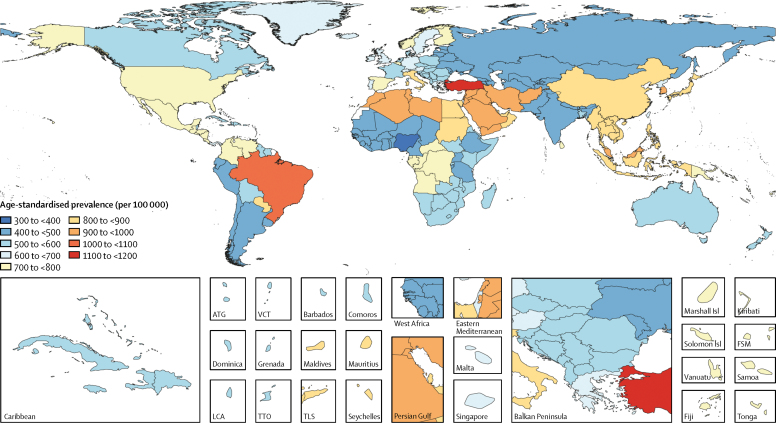
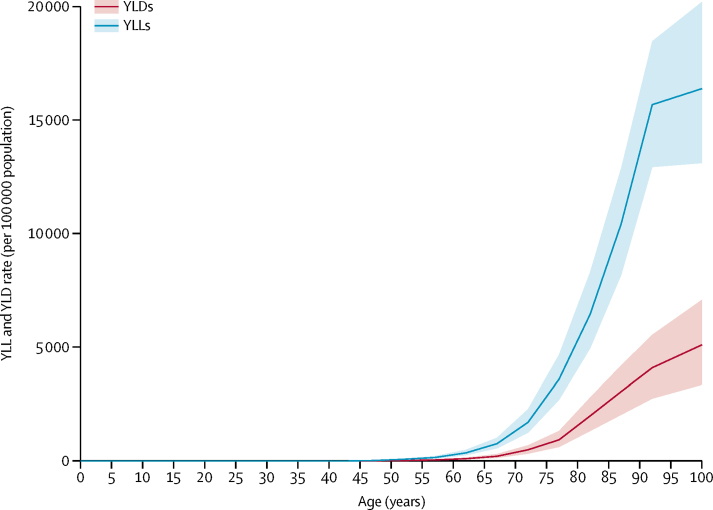
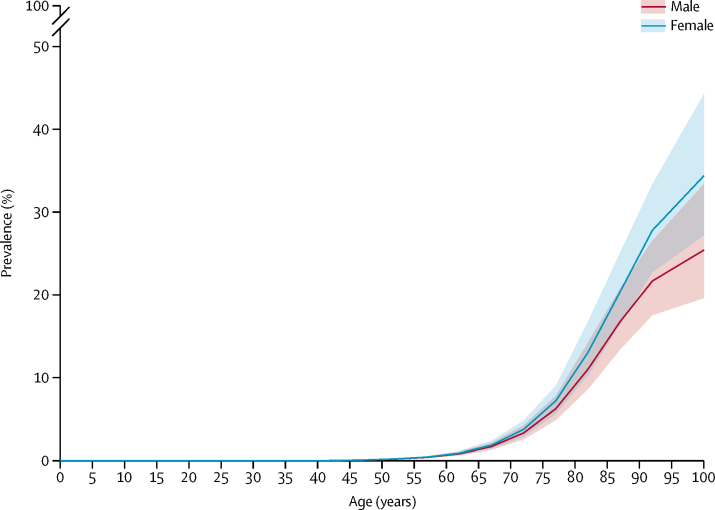
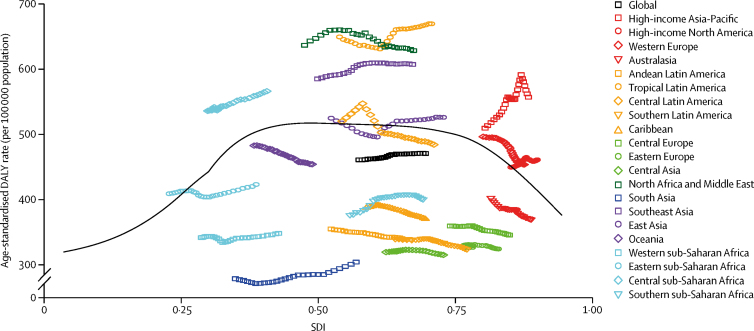
BACKGROUND: The number of individuals living with dementia is increasing, negatively affecting families, communities, and health-care systems around the world. A successful response to these challenges requires an accurate understanding of the dementia disease burden. We aimed to present the first detailed analysis of the global prevalence, mortality, and overall burden of dementia as captured by the Global Burden of Diseases, Injuries, and Risk Factors (GBD) Study 2016, and highlight the most important messages for clinicians and neurologists. METHODS: GBD 2016 obtained data on dementia from vital registration systems, published scientific literature and surveys, and data from health-service encounters on deaths, excess mortality, prevalence, and incidence from 195 countries and territories from 1990 to 2016, through systematic review and additional data-seeking efforts. To correct for differences in cause of death coding across time and locations, we modelled mortality due to dementia using prevalence data and estimates of excess mortality derived from countries that were most likely to code deaths to dementia relative to prevalence. Data were analysed by standardised methods to estimate deaths, prevalence, years of life lost (YLLs), years of life lived with disability (YLDs), and disability-adjusted life-years (DALYs; computed as the sum of YLLs and YLDs), and the fractions of these metrics that were attributable to four risk factors that met GBD criteria for assessment (high body-mass index [BMI], high fasting plasma glucose, smoking, and a diet high in sugar-sweetened beverages). FINDINGS: In 2016, the global number of individuals who lived with dementia was 43·8 million (95% uncertainty interval [UI] 37·8-51·0), increased from 20.2 million (17·4-23·5) in 1990. This increase of 117% (95% UI 114-121) contrasted with a minor increase in age-standardised prevalence of 1·7% (1·0-2·4), from 701 cases (95% UI 602-815) per 100 000 population in 1990 to 712 cases (614-828) per 100 000 population in 2016. More women than men had dementia in 2016 (27·0 million, 95% UI 23·3-31·4, vs 16.8 million, 14.4-19.6), and dementia was the fifth leading cause of death globally, accounting for 2·4 million (95% UI 2·1-2·8) deaths. Overall, 28·8 million (95% UI 24·5-34·0) DALYs were attributed to dementia; 6·4 million (95% UI 3·4-10·5) of these could be attributed to the modifiable GBD risk factors of high BMI, high fasting plasma glucose, smoking, and a high intake of sugar-sweetened beverages. INTERPRETATION: The global number of people living with dementia more than doubled from 1990 to 2016, mainly due to increases in population ageing and growth. Although differences in coding for causes of death and the heterogeneity in case-ascertainment methods constitute major challenges to the estimation of the burden of dementia, future analyses should improve on the methods for the correction of these biases. Until breakthroughs are made in prevention or curative treatment, dementia will constitute an increasing challenge to health-care systems worldwide. FUNDING: Bill & Melinda Gates Foundation.
Overview
The claims and statistics of this paper haven’t been checked yet.
Free: it reads the open-access text and checks the first 5 claims that cite a source we can check. Create a free account to check every claim.
Integrity signals
Registry
Cites
Statistics
Figures
Verification
Claims the paper makes
The claims and statistics of this paper haven’t been checked yet.
Free: it reads the open-access text and checks the first 5 claims that cite a source we can check. Create a free account to check every claim.
Claims other papers make about this one
Each is checked against this paper’s own text: does it say what the citing paper says it does?
The cited source says what the claim attributes to it.
In the citing paper
“Trends in age-standardised death rates (3·6%) for dementia increased slightly between 1990–2016, with pronounced increases in the USA and Japan and decreases in western Europe and central Latin America.4”
From Dementia prevention, intervention, and care: 2020 report of the Lancet Commission (2020) · cites this paper as [4]
Experimental — accuracy not yet measuredThe check wasn’t confident either way, so it gives no verdict — never disputed.
In the citing paper
“Alzheimer’s disease (AD) is the most common cause of dementia worldwide1”
From Multimodal deep learning for Alzheimer's disease dementia assessment (2022) · cites this paper as [1]
Experimental — accuracy not yet measured
Self-check
Percentages, sums and reported differences re-computed from the paper’s own numbers.
The self-check needs the paper’s full text.
Citations
Cites
Diagnostic and Statistical Manual of Mental Disorders
Williams, J. B. W., & First, M. (2013) · Encyclopedia of Social Work · doi:10.1093/acrefore/9780199975839.013.104 · Cited by 109,519
Vos, T., Abajobir, A. A., Abate, K. H., Abbafati, C., Abbas, K. M., Abd-Allah, F., Abdulkader, R. S., Abdulle, A. M., Abebo, T. A., Abera, S. F., et al. (2017) · The Lancet · doi:10.1016/s0140-6736(17)32154-2 · Cited by 13,220
Self-citationSperling, R. A., Aisen, P. S., Beckett, L. A., Bennett, D. A., Craft, S., Fagan, A. M., Iwatsubo, T., Jack, C. R., Kaye, J., Montine, T. J., et al. (2011) · Alzheimer's & Dementia · doi:10.1016/j.jalz.2011.03.003 · Cited by 7,155
Self-citationA New Clinical Scale for the Staging of Dementia
Hughes, C. P., Berg, L., Danziger, W., Coben, L. A., & Martin, R. L. (1982) · British Journal of Psychiatry · doi:10.1192/bjp.140.6.566 · Cited by 7,056
Dementia prevention, intervention, and care
Livingston, G., Sommerlad, A., Orgeta, V., Costafreda, S. G., Huntley, J., Ames, D., Ballard, C., Banerjee, S., Burns, A., Cohen-Mansfield, J., et al. (2017) · The Lancet · doi:10.1016/s0140-6736(17)31363-6 · Cited by 6,072
Global prevalence of dementia: a Delphi consensus study
Ferri, C. P., Prince, M., Brayne, C., Brodaty, H., Fratiglioni, L., Ganguli, M., Hall, K., Hasegawa, K., Hendrie, H., Huang, Y., et al. (2005) · The Lancet · doi:10.1016/s0140-6736(05)67889-0 · Cited by 5,332
Self-citationThe global prevalence of dementia: a systematic review and metaanalysis.
Prince, M., Bryce, R., Albanese, E., Wimo, A., Ribeiro, W., & Ferri, C. P. (2013) · Alzheimer's & Dementia · doi:10.1016/j.jalz.2012.11.007 · Cited by 4,941
Naghavi, M., Abajobir, A. A., Abbafati, C., Abbas, K. M., Abd-Allah, F., Abera, S. F., Aboyans, V., Adetokunboh, O., Afshin, A., Agrawal, A., et al. (2017) · The Lancet · doi:10.1016/s0140-6736(17)32152-9 · Cited by 4,821
Self-citationKyu, H. H., Abate, D., Abate, K. H., Abay, S. M., Abbafati, C., Abbasi, N., Abbastabar, H., Abd-Allah, F., Abdela, J., Abdelalim, A., et al. (2018) · The Lancet · doi:10.1016/s0140-6736(18)32335-3 · Cited by 4,081
Self-citation
Research works printed but not linked: 3
- Wu Y-T Beiser AS Breteler MMB The changing prevalence and incidence of dementia over time—current evidence Nat Rev Neurol 13 2017 327 28497805 · DOI · Paper page
- Satizabal CL Beiser AS Chouraki V Chêne G Dufouil C Seshadri S Incidence of dementia over three decades in the Framingham Heart Study N Engl J Med 374 2016 523 532 26863354 PMC4943081 · DOI · Paper page
- Flaxman AD Vos T Murray CJL An integrative metaregression framework for descriptive epidemiology 2015 University of Washington Press Seattle https://books.google.com/books?id=2676pwAACAAJ
Cited by
Items 201–300 of 1,006
Barbaresko, J., Lellmann, A. W., Schmidt, A., Lehmann, A., Amini, A. M., Egert, S., Schlesinger, S., & Nöthlings, U. (2020) · Advances in Nutrition · doi:10.1093/advances/nmaa053 · Cited by 67
Lifestyle, multi‐omics features, and preclinical dementia among Chinese: The Taizhou Imaging Study
Jiang, Y., Cui, M., Tian, W., Zhu, S., Chen, J., Suo, C., Liu, Z., Lü, M., Xu, K., Fan, M., et al. (2020) · Alzheimer s & Dementia · doi:10.1002/alz.12171 · Cited by 81
Howard, R. J., Gathercole, R. L., Bradley, R., Harper, E., Davis, L., Pank, L., Lam, N., Talbot, E., Hooper, E., Winson, R., et al. (2021) · Age and Ageing · doi:10.1093/ageing/afaa284 · Cited by 72
“8 million [1] and annual global costs of dementia (mostly from informal and social care) could grow to $2 trillion by 2030 [2].”
BackgroundEnhancing Top-Down Proteomics of Brain Tissue with FAIMS
Fulcher, J. M., Makaju, A., Moore, R. J., Zhou, M., Bennett, D. A., De Jager, P. L., Qian, W.-J., Paša-Tolić, L., & Petyuk, V. A. (2021) · Journal of Proteome Research · doi:10.1021/acs.jproteome.1c00049 · Cited by 68
Self-citationEnhancing top-down proteomics of brain tissue with FAIMS
(2021) · doi:10.1101/2021.01.18.427216 · Cited by 68
Scuteri, A., Benetos, A., Sierra, C., Coca, A., Chicherio, C., Frisoni, G. B., Gąsecki, D., Hering, D., Lović, D. B., Manios, E. D., et al. (2020) · Journal of Hypertension · doi:10.1097/hjh.0000000000002621 · Cited by 75
Parkinson disease-associated cognitive impairment
(2021) · Nature Reviews Disease Primers · doi:10.1038/s41572-021-00286-x · Cited by 75
Pan, W., Liu, P., Ma, D., & Yang, J. (2023) · Journal of Translational Medicine · doi:10.1186/s12967-023-03988-w · Cited by 76
“More importantly, techniques and strategies that delay or prevent the onset and progression of cognitive impairment are urgently needed [2, 3].”
MethodKoyanagi, A., Veronese, N., Stubbs, B., Vancampfort, D., Stickley, A., Oh, H. Y., Shin, J. I., Jackson, S. E., Smith, L., & Lara, E. (2019) · Nutrients · doi:10.3390/nu11040749 · Cited by 74
Self-citationMukhopadhyay, S., & Banerjee, D. (2021) · Journal of Alzheimer s Disease · doi:10.3233/jad-215065 · Cited by 66
Bortolami, M., Rocco, D., Messore, A., Santo, R. D., Costi, R., Madia, V. N., Scipione, L., & Pandolfi, F. (2021) · Expert Opinion on Therapeutic Patents · doi:10.1080/13543776.2021.1874344 · Cited by 73
“body mass index (BMI), high fasting plasma glucose, smoking, and high intake of sugar-sweetened beverages [3].”
BackgroundCornblath, E. J., Li, H. L., Changolkar, L., Zhang, B., Brown, H. J., Gathagan, R. J., Olufemi, M. F., Trojanowski, J. Q., Bassett, D. S., Lee, V. M. Y., et al. (2021) · Science Advances · doi:10.1126/sciadv.abg6677 · Cited by 66
Cognitive Impairment in Older Adults and Therapeutic Strategies
Montine, T. J., Bukhari, S. A., & White, L. R. (2020) · Pharmacological Reviews · doi:10.1124/pharmrev.120.000031 · Cited by 72
Yang, C., Li, X., Zhang, J., Chen, Y., Li, H., Wei, D., Lü, P., Liang, Y., Liu, Z., Shu, N., et al. (2021) · Alzheimer s & Dementia · doi:10.1002/alz.12326 · Cited by 70
“With national plans on aging and dementia being under consideration and scheduled to be introduced in the forthcoming years, the following specific issues need to be considered: (1) largest number of dementia patients with high undetected rate, poor awareness, and inadequate knowledge of dementia; (2) lack of long-ter…”
BackgroundMethodInfluentialSelf-citationAdiponectin alleviated Alzheimer‐like pathologies via autophagy‐lysosomal activation
He, K., Nie, L., Ali, T., Wang, S., Chen, X., Liu, Z., Li, W., Zhang, K., Xu, J., Liu, J., et al. (2021) · Aging Cell · doi:10.1111/acel.13514 · Cited by 73
“…word widely, predicting to be tripled by 2050 according to the epidemiology studies ("Global, regional, and national burden of Alzheimer's disease and other dementias, 1990– 2016: a systematic analysis for the Global Burden of Disease Study 2016," 2019; Kalaria et al., 2008; Nichols et al., 2019).”
BackgroundCurrent and future burdens of heat-related dementia hospital admissions in England
Gong, J., Part, C., & Hajat, S. (2021) · Environment International · doi:10.1016/j.envint.2021.107027 · Cited by 72
Metabolic Syndrome, Cognitive Impairment and the Role of Diet: A Narrative Review
Kouvari, M., D'Cunha, N. M., Travica, N., Sergi, D., Zec, M. M., Marx, W., & Naumovski, N. (2022) · Nutrients · doi:10.3390/nu14020333 · Cited by 88
Wang, Y., Hu, H., Liu, X., & Guo, X. (2023) · Frontiers in Pharmacology · doi:10.3389/fphar.2023.1138499 · Cited by 76
“And the prevalence of AD has been increasing steadily over the past decades (Nichols et al., 2019).”
BackgroundSelf-citationPlazas, E., Hagenow, S., Murillo, M. C. Á., Stark, H., & Suárez, L. E. C. (2020) · Bioorganic Chemistry · doi:10.1016/j.bioorg.2020.103722 · Cited by 72
Antioxidative Stress Mechanisms behind Resveratrol: A Multidimensional Analysis
Gu, T., Wang, N., Wu, T., Ge, Q., & Chen, L. (2021) · Journal of Food Quality · doi:10.1155/2021/5571733 · Cited by 80
“8 million people were diagnosed with dementia where 60% were caused by AD and 6 million were suffering from PD [93, 94].”
BackgroundYang, K. Y., Yang, X., Yin, P., Zhou, M., & Tang, Y. (2024) · Alzheimer s & Dementia · doi:10.1002/alz.14254 · Cited by 76
Effect of environmental toxicants on neuronal functions
Sharma, S., Wakode, S. R., Sharma, A., Nair, N., Dhobi, M., Wani, M. A., & Pottoo, F. H. (2020) · Environmental Science and Pollution Research · doi:10.1007/s11356-020-10950-6 · Cited by 77
Passos, V. M. D. A., Champs, A. P. S., Teixeira, R. A., Lima‐Costa, M. F., Kirkwood, R. N., Veras, R. P., Nascimento, B. R., Nogales, A. M., Schmidt, M. I., Duncan, B. B., et al. (2020) · Population Health Metrics · doi:10.1186/s12963-020-00206-3 · Cited by 93
Self-citationDTI based Alzheimer’s disease classification with rank modulated fusion of CNNs and random forest
De, A., & Chowdhury, A. S. (2020) · Expert Systems with Applications · doi:10.1016/j.eswa.2020.114338 · Cited by 74
Ramesh, S. V., Krishnan, V., Praveen, S., & Hebbar, K. B. (2021) · Trends in Food Science & Technology · doi:10.1016/j.tifs.2021.03.046 · Cited by 67
Effects of Anserine/Carnosine Supplementation on Mild Cognitive Impairment with APOE4
Masuoka, N., Yoshimine, C., Hori, M., Tanaka, M., Asada, T., Abe, K., & Hisatsune, T. (2019) · Nutrients · doi:10.3390/nu11071626 · Cited by 72
Hunt, A. P., Minett, G. M., Gibson, O. R., Kerr, G., & Stewart, I. B. (2020) · Frontiers in Physiology · doi:10.3389/fphys.2019.01556 · Cited by 76
Ravani, P., Quinn, R., Fiocco, M. F., Liu, P., Al‐Wahsh, H., Lam, N. N., Hemmelgarn, B. R., Manns, B., James, M. T., Joanette, Y., et al. (2020) · JAMA Network Open · doi:10.1001/jamanetworkopen.2020.17150 · Cited by 77
Coley, N., Giulioli, C., Aisen, P. S., Vellas, B., & Andrieu, S. (2022) · Ageing Research Reviews · doi:10.1016/j.arr.2022.101777 · Cited by 62
Padala, P. R., Boozer, E. M., Lensing, S. Y., Parkes, C. M., Hunter, C. R., Dennis, R. A., Caceda, R., & Padala, K. P. (2020) · Journal of Alzheimer's Disease · doi:10.3233/jad-200640 · Cited by 61
Mechanisms of Intranasal Deferoxamine in Neurodegenerative and Neurovascular Disease
Kosyakovsky, J., Fine, J. M., Frey, W. H., & Hanson, L. R. (2021) · Pharmaceuticals · doi:10.3390/ph14020095 · Cited by 67
“Alzheimer’s disease (AD) is the most common dementia, afflicting a staggering 50 million in ivi uals worldwide [2].”
BackgroundRecent Advances in Neuropsychological Test Interpretation for Clinical Practice
Kiselica, A. M., Karr, J. E., Mikula, C. M., Ranum, R. M., Benge, J. F., Medina, L. D., & Woods, S. P. (2023) · Neuropsychology Review · doi:10.1007/s11065-023-09596-1 · Cited by 77
Su, S., Qamruzzaman, M., & Karim, S. (2023) · Sustainability · doi:10.3390/su151813585 · Cited by 83
Towards an understanding of women’s brain aging: the immunology of pregnancy and menopause
Barth, C., & de Lange, A. G. (2020) · Frontiers in Neuroendocrinology · doi:10.1016/j.yfrne.2020.100850 · Cited by 70
Li, Z., Yang, N., He, L., Wang, J., Yang, Y., Ping, F., Xu, L., Zhang, H., Li, W., & Li, Y. (2024) · The Journal of Prevention of Alzheimer s Disease · doi:10.14283/jpad.2024.21 · Cited by 76
“…study estimated the burden of dementia attributable to two kinds of modifiable risk factors, namely metabolic risk factors and behavior risk factors.10 According to 2019 GBD study, only two dementia-mortality-related metabolic risk factors, including high BMI and high fasting plasma glucose…”
InfluentialZou, D., Liu, R., Lv, Y., Guo, J., Zhang, C., & Xie, Y. (2023) · Journal of Enzyme Inhibition and Medicinal Chemistry · doi:10.1080/14756366.2023.2270781 · Cited by 60
Mouchlis, V. D., Melagraki, G., Zacharia, L. C., & Afantitis, A. (2020) · International Journal of Molecular Sciences · doi:10.3390/ijms21030703 · Cited by 69
“Thus, understanding the molecular pathogenesis of AD is necessary for the development of improved diagnostic and therapeutic strategies [2].”
BackgroundKamdi, S. P., Raval, A., & Nakhate, K. T. (2021) · Cytokine · doi:10.1016/j.cyto.2020.155408 · Cited by 68
Diabetes duration and the risk of dementia: a cohort study based on German health claims data
Reinke, C., Buchmann, N., Fink, A., Tegeler, C., Demuth, I., & Doblhammer, G. (2021) · Age and Ageing · doi:10.1093/ageing/afab231 · Cited by 69
“The prevalence of dementia and diabetes has increased in recent decades [1].”
Colloquium: Multiscale modeling of brain network organization
Presigny, C., & Fallani, F. D. V. (2022) · Reviews of Modern Physics · doi:10.1103/revmodphys.94.031002 · Cited by 77
Yu, A. P., Chin, E. C., Yu, D. J., Fong, D. Y., Cheng, C. P., Hu, X., Wei, G. X., & Siu, P. M. (2022) · Scientific Reports · doi:10.1038/s41598-022-12526-5 · Cited by 55
“Assessments for cognitive function were performed in the following order: (1) MoCA-HK (Verbal Fluency test from MoCA-HK), (2) 30-min Delay Recall Test, (3) Digit-Span Forward Test, (4) Digit-Span Backward Test, (5) Trail Making Test Part A, (6) Trail Making Test Part B, (7) Victoria Stroop Test (Dot condition), (8) Vi…”
MethodPivotal role of nitrogen heterocycles in Alzheimer’s disease drug discovery
Kumari, S., Krishnaiah, M., Bachu, R. D., Boddu, S. H. S., Trippier, P. C., & Tiwari, A. K. (2022) · Drug Discovery Today · doi:10.1016/j.drudis.2022.07.007 · Cited by 68
Advances on Therapeutic Strategies for Alzheimer’s Disease: From Medicinal Plant to Nanotechnology
Hassan, N. A., Alshamari, A. K., Hassan, A. A., Elharrif, M. G., Alhajri, A. M., Sattam, M., & Khattab, R. R. (2022) · Molecules · doi:10.3390/molecules27154839 · Cited by 75
Ferrari, F., Moretti, A., & Villa, R. F. (2022) · Pharmacology & Therapeutics · doi:10.1016/j.pharmthera.2022.108277 · Cited by 59
Periodontitis and low cognitive performance: A population‐based study
Marruganti, C., Baima, G., Aimetti, M., Grandini, S., Sanz, M., & Romandini, M. (2023) · Journal Of Clinical Periodontology · doi:10.1111/jcpe.13779 · Cited by 71
Micro/nanosystems for controllable drug delivery to the brain
Tian, M., Ma, Z., & Yang, G. (2023) · The Innovation · doi:10.1016/j.xinn.2023.100548 · Cited by 83
Pasternak, J. J., & Lanier, W. L. (2009) · Journal of Neurosurgical Anesthesiology · doi:10.1097/ana.0000000000000048 · Cited by 62
Statistics on the burden of dementia: need for stronger data
Launer, L. J. (2019) · The Lancet Neurology · doi:10.1016/s1474-4422(18)30456-3 · Cited by 59
The continuum of care for dementia: needs, resources and practice in China
Wang, H., Xie, H., Qu, Q., Chen, W., Sun, Y., Zhang, N., Liu, Y., Li, T., Chan, K. Y., Gauthier, S. G., et al. (2019) · Journal of Global Health · doi:10.7189/jogh.09.020321 · Cited by 69
Chronic Kidney Disease and Cognitive Impairment
Murtaza, A., & Dasgupta, I. (2020) · Journal of Stroke and Cerebrovascular Diseases · doi:10.1016/j.jstrokecerebrovasdis.2020.105529 · Cited by 65
Abd-Alrazaq, A. A., Alajlani, M., Alhuwail, D., Toro, C. T., Giannicchi, A., Ahmed, A., Makhlouf, A., & Househ, M. S. (2022) · JMIR Serious Games · doi:10.2196/34592 · Cited by 70
“Globally, it is estimated that the number of prevalent dementia cases more than doubled (117%) between 1990 and 2016 [4].”
BackgroundBuilding the evidence for an ecological model of cognitive health
Cerin, E. (2019) · Health & Place · doi:10.1016/j.healthplace.2019.102206 · Cited by 62
Self-citationATP synthase and Alzheimer’s disease: putting a spin on the mitochondrial hypothesis
Ebanks, B., Ingram, T. L., & Chakrabarti, L. (2020) · Aging · doi:10.18632/aging.103867 · Cited by 62
Bennie, J. A., Cocker, K. A. D., Smith, J. J., & Wiesner, G. (2020) · PLoS ONE · doi:10.1371/journal.pone.0242220 · Cited by 74
Long-term exposure to fine particulate matter and dementia incidence: A cohort study in Hong Kong
Ran, J., Schooling, C. M., Han, L., Sun, S., Zhao, S., Zhang, X., Chan, K.-P., Guo, F., Lee, R. S.-Y., Qiu, Y., et al. (2021) · Environmental Pollution · doi:10.1016/j.envpol.2020.116303 · Cited by 59
Brini, S., Sohrabi, H. R., Hébert, J. J., Forrest, M. R. L., Laine, M., Hämäläinen, H., Karrasch, M., Peiffer, J. J., Martins, R. N., & Fairchild, T. J. (2020) · Neuropsychology Review · doi:10.1007/s11065-020-09426-8 · Cited by 71
Endocannabinoid system alterations in Alzheimer’s disease: A systematic review of human studies
Berry, A. J., Zubko, O., Reeves, S., & Howard, R. J. (2020) · Brain Research · doi:10.1016/j.brainres.2020.147135 · Cited by 69
Han, F.-F., Wang, H., Wu, J.-J., Yao, W., Hao, C., & Pei, J.-J. (2021) · European Psychiatry · doi:10.1192/j.eurpsy.2021.2230 · Cited by 73
Identification of Ferroptosis-Related Genes in Alzheimer’s Disease Based on Bioinformatic Analysis
Wāng, Y., Chen, G., & Shao, W. (2022) · Frontiers in Neuroscience · doi:10.3389/fnins.2022.823741 · Cited by 66
Zhou, Z., Ryan, J. L., Tonkin, A. M., Zoungas, S., Lacaze, P. A., Wolfe, R. S., Orchard, S. G., Murray, A. M., McNeil, J. J., Yu, C., et al. (2023) · Neurology · doi:10.1212/wnl.0000000000207923 · Cited by 69
Molecular Mechanisms Linking Omega-3 Fatty Acids and the Gut–Brain Axis
Zinkow, A., Grodzicki, W., Czerwińska, M., & Dziendzikowska, K. (2024) · Molecules · doi:10.3390/molecules30010071 · Cited by 71
“Intestinal microorganisms synthesize and metabolize tryptophan, producing about 95% of systemic serotonin in the gut, which also participates in gut–brain communication [23,24].”
Afonso-Argilés, F. J., Meyer, G., Stephan, A., Comas, M., Wübker, A., Leino‐Kilpi, H., Lethin, C., Saks, K., Soto‐Martin, M., Sutcliffe, C., et al. (2020) · BMC Geriatrics · doi:10.1186/s12877-020-01835-x · Cited by 63
High-fat diet-induced activation of SGK1 promotes Alzheimer’s disease-associated tau pathology
Elahi, M., Motoi, Y., Shimonaka, S., Ishida, Y., Hioki, H., Takanashi, M., Ishiguro, K., Imai, Y., & Hattori, N. (2021) · Human Molecular Genetics · doi:10.1093/hmg/ddab115 · Cited by 57
Digital healthcare for dementia and cognitive impairment: A scoping review
Sohn, M., Yang, J., Sohn, J. Y., & Lee, J.-H. (2022) · International Journal of Nursing Studies · doi:10.1016/j.ijnurstu.2022.104413 · Cited by 71
Age at Diagnosis of Atrial Fibrillation and Incident Dementia
Zhang, W., Liang, J., Li, C., Gao, D., Ma, Q., Pan, Y., Wang, Y., Xie, W., & Zheng, F. (2023) · JAMA Network Open · doi:10.1001/jamanetworkopen.2023.42744 · Cited by 66
Self-citationPrynn, J. E., & Kuper, H. (2019) · International Journal of Environmental Research and Public Health · doi:10.3390/ijerph16183488 · Cited by 80
“Dementia is also becoming an increasing concern with an ageing world population: the number of people living with dementia globally more than doubled between 1990 and 2016 [8], and by 2030 it is estimated that 63% of people with dementia will be living in LMIC [9].”
BackgroundAssociations of ophthalmic and systemic conditions with incident dementia in the UK Biobank
Shang, X., Zhu, Z., Huang, Y., Zhang, X., Wang, W., Shi, D., Jiang, Y., Yang, X., & He, M. (2023) · British Journal of Ophthalmology · doi:10.1136/bjophthalmol-2021-319508 · Cited by 56
Ran, J., Zhang, Y., Han, L., Sun, S., Zhao, S., Shen, C., Zhang, X., Chan, K.-P., Lee, R. S.-Y., Qiu, Y., et al. (2021) · Environment International · doi:10.1016/j.envint.2021.106645 · Cited by 62
Scott, T., Kugelman, M., & Tulloch, K. (2019) · PLoS ONE · doi:10.1371/journal.pone.0225329 · Cited by 60
Microglial Immunometabolism in Alzheimer’s Disease
Shippy, D. C., & Ulland, T. K. (2020) · Frontiers in Cellular Neuroscience · doi:10.3389/fncel.2020.563446 · Cited by 54
An Early and Unequal Decline: Life Course Trajectories of Cognitive Aging in the United States
Yang, Y. C., Walsh, C., Shartle, K., Stebbins, R. C., Aiello, A. E., Belsky, D. W., Harris, K. M., Chanti‐Ketterl, M., & Plassman, B. L. (2023) · Journal of Aging and Health · doi:10.1177/08982643231184593 · Cited by 68
The potential roles of deubiquitinating enzymes in brain diseases
Lim, K., Joo, J., & Baek, K. (2020) · Ageing Research Reviews · doi:10.1016/j.arr.2020.101088 · Cited by 61
Bonilauri, A., Intra, F. S., Pugnetti, L., Baselli, G., & Baglio, F. (2020) · Diagnostics · doi:10.3390/diagnostics10080581 · Cited by 64
“Alzheimer Disease (AD) is a chronic neurodegenerative brain disorder that represents the most common cause of dementia in the elderly [59], affecting about 40–50 million individuals worldwide [60].”
BackgroundSilva, F. D. O., Ferreira, J. V., Plácido, J. D. S. S., Chagas, D. D. V., Praxedes, J., Guimarães, C., Batista, L. A., Marinho, V., Laks, J., & Deslandes, A. C. (2019) · Archives of Gerontology and Geriatrics · doi:10.1016/j.archger.2019.103941 · Cited by 61
Mitochondrial ATP Synthase is a Target of Oxidative Stress in Neurodegenerative Diseases
Ebanks, B., & Chakrabarti, L. (2022) · Frontiers in Molecular Biosciences · doi:10.3389/fmolb.2022.854321 · Cited by 62
“The most prevalent neurodegenerative disease is Alzheimer’s disease (AD), a form of dementia that is lived with by over 20million people around the world, and in 2016 was the fifth largest cause of death at 2.4 million people (Nichols, 2019).”
BackgroundInfluentialWei, J., Wang, L., Kulshreshtha, A., & Xu, H. (2022) · Journal of the American Heart Association · doi:10.1161/jaha.121.022959 · Cited by 57
Dementia death rates prediction
Gaidai, O., Yakimov, V., & Balakrishna, R. (2023) · BMC Psychiatry · doi:10.1186/s12888-023-05172-2 · Cited by 56
Accurate Blood-Based Diagnostic Biosignatures for Alzheimer’s Disease via Automated Machine Learning
Karaglani, M., Gourlia, K., Tsamardinos, I., & Chatzaki, Ε. (2020) · Journal of Clinical Medicine · doi:10.3390/jcm9093016 · Cited by 63
Jurcau, A. (2021) · Nutrients · doi:10.3390/nu13020282 · Cited by 54
“Due to the lack of effective disease-modifying therapies for Alzheimer’s disease, these numbers will pose a huge burden on individuals who have dementia, their caregivers, and on the health systems [6].”
BackgroundPanda, C., Voelz, C., Habib, P., Mevissen, C., Pufe, T., Beyer, C., Gupta, S. K., & Slowik, A. (2021) · Cells · doi:10.3390/cells10071652 · Cited by 57
Alzheimer’s disease and gut microbiota: does trimethylamine N-oxide (TMAO) play a role?
Arrona Cardoza, P., Spillane, M. B., & Morales Marroquin, E. (2022) · Nutrition Reviews · doi:10.1093/nutrit/nuab022 · Cited by 53
Aging-Dependent Mitophagy Dysfunction in Alzheimer’s Disease
Song, M., Zhao, X., & Song, F. (2021) · Molecular Neurobiology · doi:10.1007/s12035-020-02248-y · Cited by 60
Epidemiologic Trends, Social Determinants, and Brain Health: The Role of Life Course Inequalities
Hilal, S., & Brayne, C. (2022) · Stroke · doi:10.1161/strokeaha.121.032609 · Cited by 62
Self-citationWei, G., Diehl‐Schmid, J., Matías‐Guiu, J. A., Pijnenburg, Y. A. L., Landín-Romero, R., Bogaardt, H., Piguet, O., & Kumfor, F. (2022) · Scientific Reports · doi:10.1038/s41598-022-05687-w · Cited by 62
Thaipisuttikul, P., Jaikla, K., Satthong, S., & Wisajun, P. (2022) · Alzheimer s & Dementia Translational Research & Clinical Interventions · doi:10.1002/trc2.12272 · Cited by 69
“Diagnosis of dementia/major NCD29 defined according to DSM-5 criteria: (1) evidence of significant cognitive decline from a previous level of performance in one or more cognitive domains; a substantial impairment in cognitive performance was required; (2) the cognitive deficits interfere with independence in everyday…”
MethodBertola, L., Suemoto, C. K., Aliberti, M. J. R., Gonçalves, N. G., Pinho, P. J. D. M. R., Costa, E., Lima‐Costa, M. F., & Ferri, C. P. (2023) · The Journals of Gerontology Series A · doi:10.1093/gerona/glad025 · Cited by 78
The Anti-Amyloid Monoclonal Antibody Lecanemab: 16 Cautionary Notes
Kepp, K. P., Sensi, S. L., Johnsen, K. B., Barrio, J. R., Høilund-Carlsen, P. F., Neve, R. L., Alavi, A., Herrup, K., Perry, G., Robakis, N. K., et al. (2023) · Journal of Alzheimer's Disease · doi:10.3233/jad-230099 · Cited by 53
Applications of Raman spectroscopy in clinical medicine
Qi, Y., Chen, E. X., Hu, D., Yang, Y., Wu, Z., Zheng, M., Sadi, M. A., Jiang, Y., Zhang, K., Chen, Z., et al. (2024) · Food Frontiers · doi:10.1002/fft2.335 · Cited by 67
“Currently, approximately 50 million people have dementia [190], which is estimated to increase to 130 million by 2050 [191].”
BackgroundHe, J., Zhao, C., Zhong, S., Ouyang, N., Sun, G., Qiao, L., Yang, R., Zhao, C., Liu, H., Teng, W., et al. (2025) · Nature Medicine · doi:10.1038/s41591-025-03616-8 · Cited by 78
Alzheimer’s Disease: A Molecular View of β-Amyloid Induced Morbific Events
Asik, R. M., Suganthy, N., Aarifa, M. A., Kumar, A., Szigeti, K., Máthé, D., Gulyás, B. Z., Archunan, G., & Padmanabhan, P. (2021) · Biomedicines · doi:10.3390/biomedicines9091126 · Cited by 56
Coley, N., Coniasse-Brioude, D., Igier, V., Fournier, T., Poulain, J., Andrieu, S., for the ACCEPT study group, Andrieu, S., Coley, N., Gardette, V., et al. (2021) · Alzheimer s Research & Therapy · doi:10.1186/s13195-021-00904-6 · Cited by 59
“Background Given the growing burden of Alzheimer’s and other dementias [1], and a lack of effective treatment options, preventive interventions are urgently needed.”
BackgroundEffects of air pollution on dementia over Europe for present and future climate change scenarios
Guzmán, P., Tarín‐Carrasco, P., Morales‐Suárez‐Varela, M., & Jiménez‐Guerrero, P. (2021) · Environmental Research · doi:10.1016/j.envres.2021.112012 · Cited by 58
George, E. S., Sood, S., Daly, R. M., & Tan, S. (2022) · BMC Geriatrics · doi:10.1186/s12877-021-02721-w · Cited by 65
“The global number of individuals living with dementia is 50 million [11], with the prevalence of cognitive impairment and dementia rising and estimated to increase amongst older adults (60 years and above) to approximately 2 billion by 2050, accounting for 22% of the world’s population [12].”
BackgroundSex and gender in health research: Intersectionality matters
Subramaniapillai, S., Galea, L. A. M., Einstein, G., & de Lange, A. G. (2023) · Frontiers in Neuroendocrinology · doi:10.1016/j.yfrne.2023.101104 · Cited by 69
Cognitively healthy centenarians are genetically protected against Alzheimer's disease
Tesi, N., van der Lee, S., Hulsman, M., van Schoor, N. M., Huisman, M., Pijnenburg, Y., van der Flier, W. M., Reinders, M., & Holstege, H. (2024) · Alzheimer's & Dementia · doi:10.1002/alz.13810 · Cited by 52
Ayten, Ş., & Bilici, S. (2024) · Current Nutrition Reports · doi:10.1007/s13668-024-00539-7 · Cited by 70
“Moreover, this number is envisaged to double every 5 years and will increase to reach 152 million by 2050 [2].”
BackgroundCannabinoids for the Neuropsychiatric Symptoms of Dementia: A Systematic Review and Meta-Analysis
Bahji, A., Meyyappan, A. C., & Hawken, E. R. (2019) · The Canadian Journal of Psychiatry · doi:10.1177/0706743719892717 · Cited by 69
“Globally, the number of individuals living with dementia is increasing, which negatively affects families, communities, and health-care systems ubiquitously.(1) In 2016, the global number of individuals who lived with dementia was 43.”
BackgroundInfluentialPerspectives for New and More Efficient Multifunctional Ligands for Alzheimer′s Disease Therapy
Zagórska, A., & Jaromin, A. (2020) · Molecules · doi:10.3390/molecules25153337 · Cited by 51
“Nowadays, approximately 40 million people over the age of 60 suffer from AD worldwide, and the number of patients is increasing, with the perspective of cases doubling every 20 years [3].”
BackgroundNomura, S., Sakamoto, H., Ghaznavi, C., & Inoue, M. (2022) · The Lancet Regional Health - Western Pacific · doi:10.1016/j.lanwpc.2021.100377 · Cited by 70
Larvin, H., Gao, C., Kang, J. X., Aggarwal, V. R., Pavitt, S. H., & Wu, J. (2023) · Age and Ageing · doi:10.1093/ageing/afad015 · Cited by 59
“Dementia is the fifth leading cause of death globally and there are concerns that the disease prevalence could increase at an alarming rate as a result of the ageing population [2].”
Background
Metadata
- Authors
- Nichols, E., Szoeke, C. E. I., Vollset, S. E., Abbasi, N., Abd-Allah, F., Abdela, J., Aichour, M. T. E., Akinyemi, R. O., Alahdab, F., Asgedom, S. W., Awasthi, A., Barker-Collo, S. L., Baune, B. T., Béjot, Y., Belachew, A. B., Bennett, D. A., Biadgo, B., Bijani, A., Bin Sayeed, M. S., Brayne, C., Carpenter, D. O., Carvalho, F., Catalá-López, F., Cerin, E., Choi, J.-Y. J., Dang, A. K., Degefa, M. G., Djalalinia, S., Dubey, M., Duken, E. E., Edvardsson, D., Endres, M., Eskandarieh, S., Faro, A., Farzadfar, F., Fereshtehnejad, S.-M., Fernandes, E., Filip, I., Fischer, F., Gebre, A. K., Geremew, D., Ghasemi-Kasman, M., Gnedovskaya, E. V., Gupta, R., Hachinski, V., Hagos, T. B., Hamidi, S., Hankey, G. J., Haro, J. M., Hay, S. I., Irvani, S. S. N., Jha, R. P., Jonas, J. B., Kalani, R., Karch, A., Kasaeian, A., Khader, Y. S., Khalil, I. A., Khan, E. A., Khanna, T., Khoja, T. A. M., Khubchandani, J., Kisa, A., Kissimova-Skarbek, K., Kivimäki, M., Koyanagi, A., Krohn, K. J., Logroscino, G., Lorkowski, S., Majdan, M., Malekzadeh, R., März, W., Massano, J., Mengistu, G., Meretoja, A., Mohammadi, M., Mohammadi-Khanaposhtani, M., Mokdad, A. H., Mondello, S., Moradi, G., Nagel, G., Naghavi, M., Naik, G., Nguyen, L. H., Nguyen, T. H., Nirayo, Y. L., Nixon, M. R., Ofori-Asenso, R., Ogbo, F. A., Olagunju, A. T., Owolabi, M. O., Panda-Jonas, S., Passos, V. M. D. A., Pereira, D. M., Pinilla-Monsalve, G. D., Piradov, M. A., Pond, C. D., Poustchi, H., Qorbani, M., Radfar, A., Reiner, R. C., Robinson, S. R., Roshandel, G., Rostami, A., Russ, T. C., Sachdev, P. S., Safari, H., Safiri, S., Sahathevan, R., Salimi, Y., Satpathy, M., Sawhney, M., Saylan, M., Sepanlou, S. G., Shafieesabet, A., Shaikh, M. A., Sahraian, M. A., Shigematsu, M., Shiri, R., Shiue, I., Silva, J. P., Smith, M., Sobhani, S., Stein, D. J., Tabarés-Seisdedos, R., Tovani-Palone, M. R., Tran, B. X., Tran, T. T., Tsegay, A. T., Ullah, I., Venketasubramanian, N., Vlassov, V., Wang, Y.-P., Weiss, J., Westerman, R., Wijeratne, T., Wyper, G. M. A., Yano, Y., Yimer, E. M., Yonemoto, N., Yousefifard, M., Zaidi, Z., Zare, Z., Vos, T., Feigin, V. L., & Murray, C. J. L.
- Affiliations
- University of Washington (US)
- Mekelle University (ET)
- Public Health Foundation of India (IN)
- Institute for Health Metrics and Evaluation (US)
- Higher National Veterinary School (DZ)
- Digestive Disease Research Institute (IR)
- Corresponding author
- Nichols, Emma
- ORCID
- Nichols, Emma
- Szoeke, Cassandra E I
- Abbasi, Nooshin
- Abd-Allah, Foad
- Abdela, Jemal
- Akinyemi, Rufus O
- Alahdab, Fares
- Asgedom, Solomon W
- Awasthi, Ashish
- Barker-Collo, Suzanne L
- Béjot, Yannick
- Belachew, Abate B
- Bennett, Derrick A.
- Biadgo, Belete
- Bijani, Ali
- Brayne, Carol
- Carpenter, David O
- Carvalho, Félix
- Catalá-López, Ferrán
- Cerin, Ester
- Dang, Anh Kim
- Degefa, Meaza G
- Djalalinia, Shirin
- Dubey, Manisha
- Endres, Matthias
- Eskandarieh, Sharareh
- Farzadfar, Farshad
- Fereshtehnejad, Seyed-Mohammad
- Fernandes, Eduarda
- Filip, Irina
- Fischer, Florian
- Gebre, Abadi K
- Geremew, Demeke
- Gnedovskaya, Elena V.
- Gupta, Rajeev
- Hachinski, Vladimir
- Hamidi, Samer
- Hankey, Graeme J.
- Haro, Josep M
- Hay, Simon I
- Irvani, Seyed Sina N
- Jha, Ravi P
- Jonas, Jost B.
- Karch, André
- Kasaeian, Amir
- Khader, Yousef Saleh
- Khan, Ejaz Ahmad
- Khubchandani, Jagdish
- Koyanagi, Ai
- Logroscino, Giancarlo
- Malekzadeh, Reza
- März, Winfried
- Massano, João
- Meretoja, Atte
- Mokdad, Ali H
- Mondello, Stefania
- Moradi, Ghobad
- Nagel, Gabriele
- Naghavi, Mohsen
- Naik, Gurudatta
- Nguyen, Long H
- Nguyen, Trang H
- Ogbo, Felix A
- Olagunju, Andrew T
- Owolabi, Mayowa O
- Passos, Valéria M de Azeredo
- Pereira, David M.
- Pinilla-Monsalve, Gabriel D
- Qorbani, Mostafa
- Radfar, Amir
- Reiner, Robert C
- Robinson, Stephen R
- Roshandel, Gholamreza
- Rostami, Ali
- Russ, Tom C
- Sachdev, Perminder S
- Safari, Hosein
- Safiri, Saeid
- Sahathevan, Ramesh
- Salimi, Yahya
- Satpathy, Maheswar
- Sepanlou, Sadaf G.
- Shafieesabet, Azadeh
- Sahraian, Mohammad Ali
- Shiri, Rahman
- Shiue, Ivy
- Silva, João P
- Stein, Dan J
- Tran, Bach X
- Tran, Tung Thanh
- Ullah, Irfan
- Venketasubramanian, Narayanaswamy
- Vlassov, Vasily
- Wang, Yuan-Pang
- Weiss, Jordan
- Westerman, Ronny
- Wijeratne, Tissa
- Wyper, Grant M.A.
- Yano, Yuichiro
- Yimer, Ebrahim M
- Yonemoto, Naohiro
- Yousefifard, Mahmoud
- Zaidi, Zoubida
- Vos, Theo
- Feigin, Valery L.
- Murray, Christopher J L
- Venue
- The Lancet Neurology
- Publisher
- Elsevier BV
- Published
- 2019-01
- Volume
- 18
- Issue
- 1
- Pages
- 88-106
- ISSN
- 1474-4422 (ISSN-L)
- PMC
- PMC6291454
- OpenAlex
- W2903517662
- Semantic Scholar
- 5eb19d1951890e3eb933f261fcbdf31c0df3f5aa
- Cited by
- 2,412
- References
- 42
- Citations by year
- 2026: 159 · 2025: 287 · 2024: 296 · 2023: 347 · 2022: 434 · 2021: 453 · 2020: 340 · 2019: 93
- FWCI
- 173.29
- Type
- journal article
- Language
- en
- Open access
- hybrid
- doi.org
- Licence
- cc-by
- www.elsevier.com/tdm/userlicense/1.0/ (tdm)
- www.elsevier.com/legal/tdmrep-license (tdm)
- creativecommons.org/licenses/by/4.0/ (vor)
- Locations
- The Lancet Neurology (publishedVersion, cc-by)
- Europe PMC (PubMed Central) (publishedVersion, other-oa)
- PubMed Central (publishedVersion, cc-by)
- PubMed (publishedVersion)
- LA Referencia (Red Federada de Repositorios Institucionales de Publicaciones Científicas) (publishedVersion, cc-by-nc-nd)
- Edinburgh Research Explorer (University of Edinburgh) (publishedVersion, cc-by)
- ANU Open Research (Australian National University) (submittedVersion, cc-by)
- Minerva Access (University of Melbourne) (submittedVersion, cc-by)
- Apollo (University of Cambridge) (submittedVersion, cc-by)
- UWA Profiles and Research Repository (UWA) (submittedVersion, cc-by)
- Homo Politicus (Academy of Humanities and Economics in Lodz) (submittedVersion, cc-by-nc-nd)
- Jagiellonian University Repository (Jagiellonian University) (submittedVersion, cc-by-nc-nd)
- DiVA at Umeå University (Umeå University) (submittedVersion, other-oa)
- RMIT Research Repository (RMIT University Library) (submittedVersion, other-oa)
- Dipòsit Digital de la Universitat de Barcelona (Universitat de Barcelona) (submittedVersion, cc-by-nc-nd)
- LA Referencia (Red Federada de Repositorios Institucionales de Publicaciones Científicas) (submittedVersion, cc-by-nc)
- UCL Discovery (University College London) (submittedVersion)
- Figshare (submittedVersion, cc-by)
- Työväentutkimus Vuosikirja (submittedVersion)
- HZI (Helmholtz Centre for Infection Research) (submittedVersion, cc-by-nc-sa)
- Publikationen an der Universität Bielefeld (Universität Bielefeld) (submittedVersion)
- CINECA IRIS Institutional Research Information System (University of Bari Aldo Moro) (submittedVersion, other-oa)
- Repository of Digital Objects for Teaching Research and Culture (University of Valencia) (submittedVersion, other-oa)
- NOVA (University of Newcastle Australia) (submittedVersion, cc-by)
- Apollo (cc-by)
- Funders
- European Commission (POCI/01/0145/FEDER/007265)
- University of Edinburgh
- Australian Research Council (CP13/00150, FT3 140100085, PI15/00862)
- Department of Science and Technology, Ministry of Science and Technology, India
- European Regional Development Fund
- Fuel Cell Technologies Program
- Generalitat Valenciana (PI17/00719)
- Ministério da Educação e Ciência (PT2020 UID/QUI/50006/2013, UID/MULTI/04378/2013)
- Instituto de Salud Carlos III
- National Institutes of Health
- Fundação para a Ciência e a Tecnologia
- Ministerio de Educación, Cultura y Deporte
- Topics
- Health Sciences › Medicine › Psychiatry and Mental health › Dementia and Cognitive Impairment Research
- Health Sciences › Medicine › Public Health, Environmental and Occupational Health › Global Health and Epidemiology
- Health Sciences › Medicine › Psychiatry and Mental health › Mental Health Treatment and Access
- Keywords
- Alzheimer's disease, dementia, disease burden, dementia prevalence, dementia mortality, years of life lost, years lived with disability, disability-adjusted life years, excess mortality, risk factors, body mass index, fasting blood glucose, smoking, sugar-sweetened beverages, global burden of disease, age-standardized prevalence, sex differences in dementia
- MeSH terms
- Global Burden of Disease, Adult, Age Factors, Aged, Aged, 80 and over, Alzheimer Disease, Dementia, Female, Humans, Life Expectancy, Male, Middle Aged, Risk Factors, Sex Factors, Incidence, Prevalence, Age Distribution, Quality-Adjusted Life Years
About these checks
Registry, retraction, Cites and statistics results are computed, not judged, with one exception: a printed reference that no index lists is read once by a model before it counts as a citation error. Claims are extracted by a model and kept only when their quote appears verbatim in the text; each cited source is then checked, with a model’s help, for whether it says what the claim relies on. Those verdicts can be wrong — read the claim’s quote and the cited source before relying on one.
Statistics and arithmetic are recomputed, not judged.
Confidence bands are shown only for fields calibrated on our annotated test set. None is calibrated yet, so no band is shown.
What counts as a claim ›How we measure confidence ›How we check this ›
Are you an author, or do you see a problem with this page? Request a review
Data sources
Bibliographic data: Semantic Scholar, OpenAlex, Crossref.
Contains information from the Semantic Scholar Academic Graph Datasets, made available under the ODC Attribution License (ODC-BY 1.0).
Semantic Scholar’s data is described in: Kinney, R., et al. (2023). The Semantic Scholar Open Data Platform. arXiv:2301.10140.
