

Global, regional, and national burden of Alzheimer's disease and other dementias, 1990–2016: a systematic analysis for the Global Burden of Disease Study 2016
Open accessThe DOI matches its Crossref record; 42 of the 42 references it cites were found in a registry or an index.
Abstract
BACKGROUND: The number of individuals living with dementia is increasing, negatively affecting families, communities, and health-care systems around the world. A successful response to these challenges requires an accurate understanding of the dementia disease burden. We aimed to present the first detailed analysis of the global prevalence, mortality, and overall burden of dementia as captured by the Global Burden of Diseases, Injuries, and Risk Factors (GBD) Study 2016, and highlight the most important messages for clinicians and neurologists. METHODS: GBD 2016 obtained data on dementia from vital registration systems, published scientific literature and surveys, and data from health-service encounters on deaths, excess mortality, prevalence, and incidence from 195 countries and territories from 1990 to 2016, through systematic review and additional data-seeking efforts. To correct for differences in cause of death coding across time and locations, we modelled mortality due to dementia using prevalence data and estimates of excess mortality derived from countries that were most likely to code deaths to dementia relative to prevalence. Data were analysed by standardised methods to estimate deaths, prevalence, years of life lost (YLLs), years of life lived with disability (YLDs), and disability-adjusted life-years (DALYs; computed as the sum of YLLs and YLDs), and the fractions of these metrics that were attributable to four risk factors that met GBD criteria for assessment (high body-mass index [BMI], high fasting plasma glucose, smoking, and a diet high in sugar-sweetened beverages). FINDINGS: In 2016, the global number of individuals who lived with dementia was 43·8 million (95% uncertainty interval [UI] 37·8-51·0), increased from 20.2 million (17·4-23·5) in 1990. This increase of 117% (95% UI 114-121) contrasted with a minor increase in age-standardised prevalence of 1·7% (1·0-2·4), from 701 cases (95% UI 602-815) per 100 000 population in 1990 to 712 cases (614-828) per 100 000 population in 2016. More women than men had dementia in 2016 (27·0 million, 95% UI 23·3-31·4, vs 16.8 million, 14.4-19.6), and dementia was the fifth leading cause of death globally, accounting for 2·4 million (95% UI 2·1-2·8) deaths. Overall, 28·8 million (95% UI 24·5-34·0) DALYs were attributed to dementia; 6·4 million (95% UI 3·4-10·5) of these could be attributed to the modifiable GBD risk factors of high BMI, high fasting plasma glucose, smoking, and a high intake of sugar-sweetened beverages. INTERPRETATION: The global number of people living with dementia more than doubled from 1990 to 2016, mainly due to increases in population ageing and growth. Although differences in coding for causes of death and the heterogeneity in case-ascertainment methods constitute major challenges to the estimation of the burden of dementia, future analyses should improve on the methods for the correction of these biases. Until breakthroughs are made in prevention or curative treatment, dementia will constitute an increasing challenge to health-care systems worldwide. FUNDING: Bill & Melinda Gates Foundation.
Overview
The claims and statistics of this paper haven’t been checked yet.
Free: it reads the open-access text and checks the first 5 claims that cite a source we can check. Create a free account to check every claim.
Integrity signals
Registry
Cites
Statistics
Figures
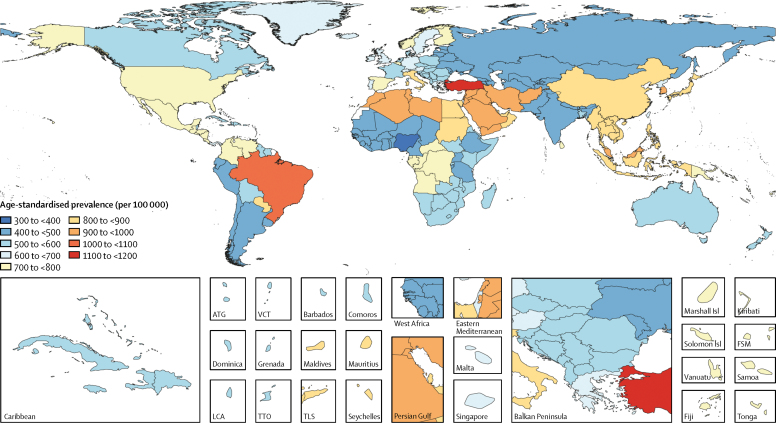
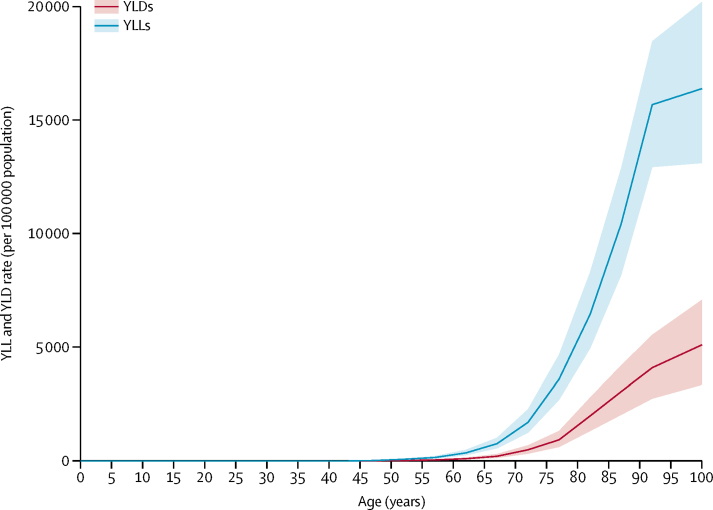
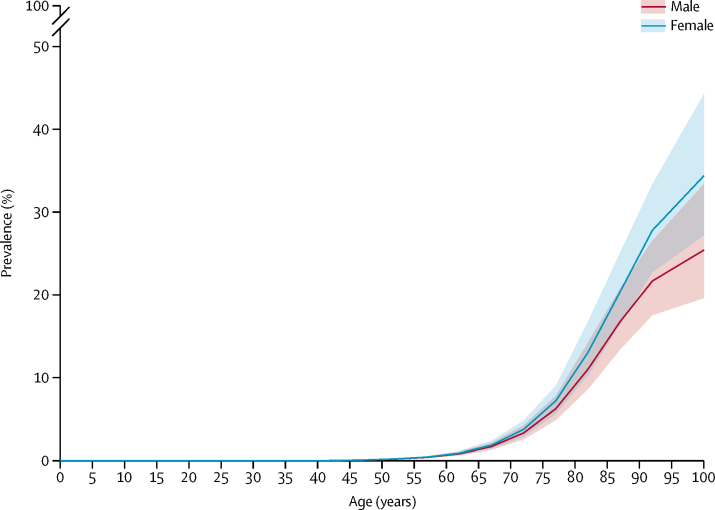
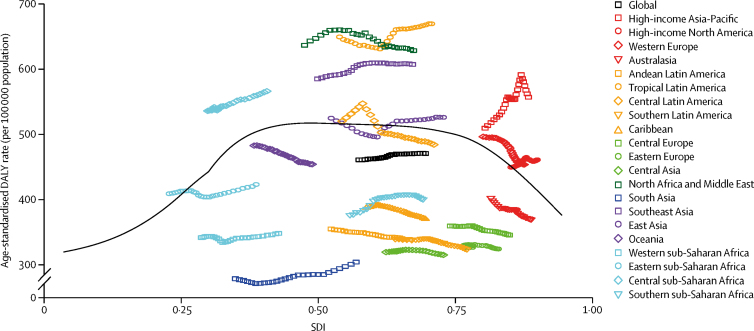
Verification
Claims the paper makes
The claims and statistics of this paper haven’t been checked yet.
Free: it reads the open-access text and checks the first 5 claims that cite a source we can check. Create a free account to check every claim.
Claims other papers make about this one
Each is checked against this paper’s own text: does it say what the citing paper says it does?
The cited source says what the claim attributes to it.
In the citing paper
“Trends in age-standardised death rates (3·6%) for dementia increased slightly between 1990–2016, with pronounced increases in the USA and Japan and decreases in western Europe and central Latin America.4”
From Dementia prevention, intervention, and care: 2020 report of the Lancet Commission (2020) · cites this paper as [4]
Experimental — accuracy not yet measuredThe check wasn’t confident either way, so it gives no verdict — never disputed.
In the citing paper
“Alzheimer’s disease (AD) is the most common cause of dementia worldwide1”
From Multimodal deep learning for Alzheimer's disease dementia assessment (2022) · cites this paper as [1]
Experimental — accuracy not yet measured
Self-check
Percentages, sums and reported differences re-computed from the paper’s own numbers.
The self-check needs the paper’s full text.
Citations
Cites
Diagnostic and Statistical Manual of Mental Disorders
Williams, J. B. W., & First, M. (2013) · Encyclopedia of Social Work · doi:10.1093/acrefore/9780199975839.013.104 · Cited by 109,519
Vos, T., Abajobir, A. A., Abate, K. H., Abbafati, C., Abbas, K. M., Abd-Allah, F., Abdulkader, R. S., Abdulle, A. M., Abebo, T. A., Abera, S. F., et al. (2017) · The Lancet · doi:10.1016/s0140-6736(17)32154-2 · Cited by 13,220
Self-citationSperling, R. A., Aisen, P. S., Beckett, L. A., Bennett, D. A., Craft, S., Fagan, A. M., Iwatsubo, T., Jack, C. R., Kaye, J., Montine, T. J., et al. (2011) · Alzheimer's & Dementia · doi:10.1016/j.jalz.2011.03.003 · Cited by 7,155
Self-citationA New Clinical Scale for the Staging of Dementia
Hughes, C. P., Berg, L., Danziger, W., Coben, L. A., & Martin, R. L. (1982) · British Journal of Psychiatry · doi:10.1192/bjp.140.6.566 · Cited by 7,056
Dementia prevention, intervention, and care
Livingston, G., Sommerlad, A., Orgeta, V., Costafreda, S. G., Huntley, J., Ames, D., Ballard, C., Banerjee, S., Burns, A., Cohen-Mansfield, J., et al. (2017) · The Lancet · doi:10.1016/s0140-6736(17)31363-6 · Cited by 6,072
Global prevalence of dementia: a Delphi consensus study
Ferri, C. P., Prince, M., Brayne, C., Brodaty, H., Fratiglioni, L., Ganguli, M., Hall, K., Hasegawa, K., Hendrie, H., Huang, Y., et al. (2005) · The Lancet · doi:10.1016/s0140-6736(05)67889-0 · Cited by 5,332
Self-citationThe global prevalence of dementia: a systematic review and metaanalysis.
Prince, M., Bryce, R., Albanese, E., Wimo, A., Ribeiro, W., & Ferri, C. P. (2013) · Alzheimer's & Dementia · doi:10.1016/j.jalz.2012.11.007 · Cited by 4,941
Naghavi, M., Abajobir, A. A., Abbafati, C., Abbas, K. M., Abd-Allah, F., Abera, S. F., Aboyans, V., Adetokunboh, O., Afshin, A., Agrawal, A., et al. (2017) · The Lancet · doi:10.1016/s0140-6736(17)32152-9 · Cited by 4,821
Self-citationKyu, H. H., Abate, D., Abate, K. H., Abay, S. M., Abbafati, C., Abbasi, N., Abbastabar, H., Abd-Allah, F., Abdela, J., Abdelalim, A., et al. (2018) · The Lancet · doi:10.1016/s0140-6736(18)32335-3 · Cited by 4,081
Self-citation
Research works printed but not linked: 3
- Wu Y-T Beiser AS Breteler MMB The changing prevalence and incidence of dementia over time—current evidence Nat Rev Neurol 13 2017 327 28497805 · DOI · Paper page
- Satizabal CL Beiser AS Chouraki V Chêne G Dufouil C Seshadri S Incidence of dementia over three decades in the Framingham Heart Study N Engl J Med 374 2016 523 532 26863354 PMC4943081 · DOI · Paper page
- Flaxman AD Vos T Murray CJL An integrative metaregression framework for descriptive epidemiology 2015 University of Washington Press Seattle https://books.google.com/books?id=2676pwAACAAJ
Cited by
Items 301–400 of 1,006
Zhang, L., Su, Y., Liang, X., Cao, K., Luo, Q., & Luo, H. (2023) · Nano Research · doi:10.1007/s12274-022-5354-4 · Cited by 59
Bernstein, S. R., Kelleher, C., & Khalil, R. A. (2023) · Biochemical Pharmacology · doi:10.1016/j.bcp.2023.115737 · Cited by 58
Mangold, C. A., & Szpara, M. L. (2019) · Viruses · doi:10.3390/v11100966 · Cited by 51
Sustained Cerebrovascular and Cognitive Benefits of Resveratrol in Postmenopausal Women
Zaw, J. J. T., Howe, P. R. C., & Wong, R. H. X. (2020) · Nutrients · doi:10.3390/nu12030828 · Cited by 56
Ginseng gintonin, aging societies, and geriatric brain diseases
Choi, S.-H., Lee, R., Nam, S. M., Kim, D.-G., Cho, I., Kim, H., Cho, Y., Rhim, H., & Nah, S.-Y. (2020) · Integrative Medicine Research · doi:10.1016/j.imr.2020.100450 · Cited by 52
Potential Nutraceutical Properties of Leaves from Several Commonly Cultivated Plants
Amat-ur-Rasool, H., Symes, F., Tooth, D., Schaffert, L.-N., Elmorsy, E. M., Ahmed, M., Hasnain, S., & Carter, W. G. (2020) · Biomolecules · doi:10.3390/biom10111556 · Cited by 59
“Aducanumab” making a comeback in Alzheimer’s disease: An old wine in a new bottle
Behl, T., Kaur, I., Sehgal, A., Singh, S., Sharma, N., Makeen, H. A., Albratty, M., Alhazmi, H. A., Felemban, S. G., Alsubayiel, A. M., et al. (2022) · Biomedicine & Pharmacotherapy · doi:10.1016/j.biopha.2022.112746 · Cited by 50
Frost, R., Walters, K., Aw, S., Brunskill, G., Wilcock, J., Robinson, L., Knapp, M., Dening, K. H., Allan, L., Manthorpe, J., et al. (2020) · British Journal of General Practice · doi:10.3399/bjgp20x710165 · Cited by 50
Mamsa, S. S. A., & Meloni, B. P. (2021) · Frontiers in Molecular Neuroscience · doi:10.3389/fnmol.2021.759729 · Cited by 59
Zhu, A., Yuan, C., Pretty, J., & Ji, J. S. (2022) · Brain and Behavior · doi:10.1002/brb3.2670 · Cited by 54
Dailah, H. G. (2022) · Molecules · doi:10.3390/molecules27217207 · Cited by 57
“Approximately 50 million people are currently living with dementia [2] and the number is expected to rise to 130 million by 2050 [3].”
BackgroundThe promise of convolutional neural networks for the early diagnosis of the Alzheimer’s disease
Erdoğmuş, P., & Kabakuş, A. T. (2023) · Engineering Applications of Artificial Intelligence · doi:10.1016/j.engappai.2023.106254 · Cited by 59
Naheed, A., Hakim, M., Islam, M. S., Islam, M. B., Tang, E. Y. H., Prodhan, A. A., Amin, M. R., Stephan, B. C. M., & Mohammad, Q. D. (2023) · The Lancet Regional Health - Southeast Asia · doi:10.1016/j.lansea.2023.100257 · Cited by 67
Polygenic risk and pleiotropy in neurodegenerative diseases
Bellou, E., Stevenson-Hoare, J., & Escott-Price, V. (2020) · Neurobiology of Disease · doi:10.1016/j.nbd.2020.104953 · Cited by 50
Cheng, Y., Chiu, M., Chen, Y., Cheng, T., Lai, Y., & Chen, T. (2020) · Alzheimer s Research & Therapy · doi:10.1186/s13195-020-00658-7 · Cited by 64
Xiang, X., Lai, P. H. L., Bao, L., Sun, Y., Chen, J., Dunkle, R. E., & Maust, D. T. (2020) · Journal of Aging and Health · doi:10.1177/0898264320953693 · Cited by 59
“Over 43 million people worldwide lived with dementia in 2016, more than doubled from 1990 (Nichols et al., 2019).”
BackgroundDolatshahi, M., Sabahi, M., & Aarabi, M. H. (2021) · Molecular Neurobiology · doi:10.1007/s12035-020-02236-2 · Cited by 52
Wang, Y.-Y., Ge, Y.-J., Tan, C.-C., Cao, X.-P., Tan, L., & Xu, W. (2021) · Journal of Alzheimer's Disease · doi:10.3233/jad-201606 · Cited by 49
El-Ganainy, S. O., Soliman, O., Ghazy, A. A., Allam, M., Elbahnasi, A. I., Mansour, A. M., & Gowayed, M. A. (2022) · Neurochemical Research · doi:10.1007/s11064-022-03624-x · Cited by 61
Sun, J., Ludvigsson, J. F., Ingre, C., Piehl, F., Wirdefeldt, K., Zagai, U., Ye, W., & Fang, F. (2022) · PLoS Medicine · doi:10.1371/journal.pmed.1004092 · Cited by 57
“Moreover, due to varying incidence of infections and neurodegenerative diseases across countries [2,3,8] and relatively young participants in present study, generalization of our findings to other settings should be done with caution.”
ResultMRI-Visible Perivascular Spaces and Risk of Incident Dementia: The Framingham Heart Study
Romero, J. R., Pinheiro, A., Aparicio, H. J., DeCarli, C. S., Demissie, S., & Seshadri, S. S. (2022) · Neurology · doi:10.1212/wnl.0000000000201293 · Cited by 49
“Original 138 (10) 1 (0) 58 (9) 59 (21) 20 (27) 13 (2) 80 (13) 41 (26) 4 (25)”
Ayaz, M., Mosa, O. F., Nawaz, A., Hamdoon, A. A. E., Elkhalifa, M. E. M., Sadiq, A., Ullah, F., Ahmed, A., Kabra, A., Khan, H. Z., et al. (2023) · Phytomedicine · doi:10.1016/j.phymed.2023.155272 · Cited by 56
Kuntić, M., Hahad, O., Münzel, T. F., & Daiber, A. (2024) · Antioxidants · doi:10.3390/antiox13030266 · Cited by 56
“It is estimated that 50 million people globally suffer from dementia and that this number will increase to 130 million by 2050 [23,24].”
BackgroundLi, V. O. K., Yang, H., Kaistha, T., Zhang, Q., Downey, J. S., Gozes, I., & Lam, J. C. K. (2025) · Scientific Reports · doi:10.1038/s41598-025-85947-7 · Cited by 70
Characterization of the chromatin accessibility in an Alzheimer’s disease (AD) mouse model
Wang, Y., Zhang, X., Song, Q., Hou, Y., Liu, J., Sun, Y., & Wang, P. (2020) · Alzheimer s Research & Therapy · doi:10.1186/s13195-020-00598-2 · Cited by 56
Self-citationc-Jun N-Terminal Kinase Inhibitors as Potential Leads for New Therapeutics for Alzheimer’s Diseases
Rehfeldt, S. C. H., Majolo, F., Goettert, M. I., & Laufer, S. (2020) · International Journal of Molecular Sciences · doi:10.3390/ijms21249677 · Cited by 52
Mitochondrial dysfunction in Alzheimer’s disease - a proteomics perspective
Abyadeh, M., Gupta, V., Chitranshi, N., Gupta, V., Wu, Y., Saks, D., Wall, R. V., Fitzhenry, M. J., Basavarajappa, D. K., You, Y., et al. (2021) · Expert Review of Proteomics · doi:10.1080/14789450.2021.1918550 · Cited by 53
Childhood adversity and major depression in later life: A competing‐risks regression analysis
Xiang, X., & Wang, X. (2020) · International Journal of Geriatric Psychiatry · doi:10.1002/gps.5417 · Cited by 50
Jeong, S., Oh, Y. H., Choi, S., Chang, J., Kim, S. M., Son, J. S., Lee, G., Ahn, J. C., Lee, D. H., Koo, B. K., et al. (2022) · Clinical and Molecular Hepatology · doi:10.3350/cmh.2021.0332 · Cited by 51
Nasal delivery of neurotherapeutics via nanocarriers: Facets, aspects, and prospects
Rajput, A., Pingale, P., & Dhapte-Pawar, V. S. (2022) · Frontiers in Pharmacology · doi:10.3389/fphar.2022.979682 · Cited by 58
“Across the globe, 50 million people (approximate) more than 60 years of age are suffering from dementia and 50–70% of population from AD (Niu et al., 2017; Collaborators, 2019).”
BackgroundAdipose tissue macrophages as a therapeutic target in obesity‐associated diseases
Herrada, A. A., Olate‐Briones, A., Rojas, A., Liu, C., Escobedo, N., & Piesche, M. (2021) · Obesity Reviews · doi:10.1111/obr.13200 · Cited by 52
“mon neurodegenerative disorders, affecting 50 million and 10 million people worldwide, respectively.(138,139) Several factors contribute to neurodegenerative disorders, such as ageing, genetic mutations, environmental risk factors, and life style.”
BackgroundWells, R. E., Kerr, C., Dossett, M. L., Danhauer, S. C., Sohl, S. J., Sachs, B. C., Feeley, J. W., Wolkin, J., Wall, R., Kaptchuk, T., et al. (2019) · Journal of Alzheimer's Disease · doi:10.3233/jad-190191 · Cited by 47
Prevalence of dementia in patients seen at a private hospital in the Southern Region of Brazil
de Souza, R. K. M., Barboza, A. F., Gasperin, G., Garcia, H. D. B. P., Barcellos, P. M., & Nisihara, R. (2019) · Einstein (São Paulo) · doi:10.31744/einstein_journal/2020ao4752 · Cited by 63
Louzada, L. L., Machado, F. V., Quintas, J. L., Ribeiro, G. A., Silva, M. V., da Silva, D. L. M., Gonçalves, B. S. B., Nóbrega, O. D. T., & Camargos, E. F. (2021) · Neuropsychopharmacology · doi:10.1038/s41386-021-01191-3 · Cited by 56
“INTRODUCTION Currently, there are over 50 million people worldwide living with dementia in 2020, and 152 million are expected to carry the disease in 2050 [1, 2].”
BackgroundContribution of astrocytes to metabolic dysfunction in the Alzheimer’s disease brain
Zulfiqar, S., Garg, P., & Nieweg, K. (2019) · Biological Chemistry · doi:10.1515/hsz-2019-0140 · Cited by 47
Müller, E. G., Edwin, T. H., Stokke, C., Navelsaker, S. S., Babovic, A., Bogdanovic, N., Knapskog, A. B., & Revheim, M. E. (2019) · PLOS ONE · doi:10.1371/journal.pone.0221365 · Cited by 47
Lee, Y. C., Kang, J. M., Lee, H., Kim, K., Kim, S., Yu, T. Y., Lee, E. M., Kim, C. T., Kim, D. K., Lewis, M., et al. (2020) · Alzheimer s Research & Therapy · doi:10.1186/s13195-020-00618-1 · Cited by 56
Gupta, A., Perdomo, S. J., Billinger, S. A., Beddhu, S., Burns, J. M., & Gronseth, G. (2020) · BMJ Open · doi:10.1136/bmjopen-2020-038971 · Cited by 56
Morphological basis of Parkinson disease-associated cognitive impairment: an update
Jellinger, K. A. (2022) · Journal of Neural Transmission · doi:10.1007/s00702-022-02522-4 · Cited by 57
“The global number of individuals who live with dementia has been expected to increase to 100 million by 2050 (Nichols and Collaborators 2019), and research challenges are increasingly being recognized for both PD and dementia, and further data on the prevalence of PDassociated CI are urgently…”
BackgroundSverdrup, K., Selbæk, G., Bergh, S., Strand, B. H., Thingstad, P., Skjellegrind, H. K., Skjerve, K. N., & Tangen, G. G. (2021) · Archives of Gerontology and Geriatrics · doi:10.1016/j.archger.2021.104400 · Cited by 51
Optical Nanosensor for Intracellular and Intracranial Detection of Amyloid-Beta
Antman‐Passig, M., Wong, E., Frost, G. R., Cupo, C., Shah, J., Agustinus, A. S., Chen, Z., Mancinelli, C. D., Kamel, M., Li, T., et al. (2022) · ACS Nano · doi:10.1021/acsnano.2c00054 · Cited by 47
Zhang, Q., Zheng, L. P., Luo, D., & Zhao, M. (2023) · Journal of Agricultural and Food Chemistry · doi:10.1021/acs.jafc.3c00221 · Cited by 47
Gao, F., Dai, L., Wang, Q., Liu, C., Deng, K., Cheng, Z., Lv, X., Wu, Y., Zhang, Z., Tao, Q., et al. (2023) · 中国科学通报:英文版 · doi:10.1016/j.scib.2023.07.009 · Cited by 52
Self-citationColey, N., Hoevenaar‐Blom, M. P., van Dalen, J., Moll van Charante, E. P., Kivipelto, M., Soininen, H., Andrieu, S., Richard, E., & PRODEMOS consortium, T. P. S. G. (2020) · Alzheimer's & Dementia · doi:10.1002/alz.12169 · Cited by 45
Effects of Matcha Green Tea Powder on Cognitive Functions of Community-Dwelling Elderly Individuals
Sakurai, K., Shen, C., Ezaki, Y., Inamura, N., Fukushima, Y., Masuoka, N., & Hisatsune, T. (2020) · Nutrients · doi:10.3390/nu12123639 · Cited by 46
Sharma, A., & Dey, P. (2021) · Genomics · doi:10.1016/j.ygeno.2021.04.028 · Cited by 53
Disease Burdens of Alzheimer's Disease, Vascular Dementia, and Mild Cognitive Impairment
Moon, W., Han, J. W., Bae, J. B., Suh, S. W., Kim, T. H., Kwak, K. P., Kim, B., Kim, S. G., Kim, J. L., Moon, S. W., et al. (2021) · Journal of the American Medical Directors Association · doi:10.1016/j.jamda.2021.05.040 · Cited by 51
Psychometric Properties of the Neuropsychiatric Inventory: A Review
Saari, T. T., Koivisto, A. M., Hintsa, T., Hänninen, T., & Hallikainen, I. T. (2020) · Journal of Alzheimer s Disease · doi:10.3233/jad-200739 · Cited by 52
“More than 40 million individuals worldwide are estimated to have Alzheimer’s disease (AD) or other dementias [1], driving research efforts to understand these conditions.”
BackgroundScuteri, D., Vulnera, M., Piro, B., Bossio, R. B., Morrone, L. A., Sandrini, G., Tamburin, S., Tonin, P., Bagetta, G., & Corasaniti, M. T. (2020) · European Journal of Clinical Pharmacology · doi:10.1007/s00228-020-02995-w · Cited by 47
Jia, Y., Xu, L., Yang, K., Zhang, Y., Lv, X., Zhu, Z., Chen, Z., Zhu, Y., Wei, L., Li, X., et al. (2021) · Frontiers in Aging Neuroscience · doi:10.3389/fnagi.2021.693611 · Cited by 54
Vislapuu, M., Angeles, R. C., Berge, L. I., Kjerstad, E., Gedde, M. H., & Husebo, B. S. (2021) · BMC Health Services Research · doi:10.1186/s12913-021-07041-8 · Cited by 49
“As the burden of dementia rises worldwide, the need for care will continue to rise, putting enormous additional pressures on primary healthcare systems and family caregivers [46].”
BackgroundLee, J. Y., Harney, D., Teo, J. D., Kwok, J. B., Sutherland, G. T., Larance, M., & Don, A. S. (2023) · Molecular Neurodegeneration · doi:10.1186/s13024-023-00650-3 · Cited by 49
Rubinstein, T., Brickman, A. M., Cheng, B., Burkett, S., Park, H., Annavajhala, M. K., Uhlemann, A., Andrews, H., Gutierrez, J., Paster, B. J., et al. (2024) · Alzheimer s & Dementia · doi:10.1002/alz.13683 · Cited by 53
Porphyromonas Gingivalis as a Risk Factor to Alzheimer’s Disease: A Systematic Review
Elwishahy, A., Antia, K., Bhusari, S., Ilechukwu, C., Horstick, O., & Winkler, V. F. (2021) · Journal of Alzheimer s Disease Reports · doi:10.3233/adr-200237 · Cited by 50
Imahori, Y., Vetrano, D. L., Xia, X., Grande, G., Ljungman, P. L. S., Fratiglioni, L., & Qiu, C. (2021) · Alzheimer s & Dementia · doi:10.1002/alz.12495 · Cited by 55
Dementia education and training for the general public: A scoping review
Matsumoto, H., Maeda, A., Igarashi, A., Weller, C. D., & Yamamoto‐Mitani, N. (2021) · Gerontology & Geriatrics Education · doi:10.1080/02701960.2021.1999938 · Cited by 53
Age- and sex-specific modifiable risk factor profiles of dementia: evidence from the UK Biobank
Chen, H., Cao, Y., Ma, Y., Xu, W., Zong, G., & Yuan, C. (2023) · European Journal of Epidemiology · doi:10.1007/s10654-022-00952-8 · Cited by 50
Exosomes-Based Nanomedicine for Neurodegenerative Diseases: Current Insights and Future Challenges
Cano, A. C., Muñoz-Morales, Á., Sánchez‐López, E., Ettcheto, M., Souto, E. B., Camins, A., Boada, M., & Ruiz, A. (2023) · Pharmaceutics · doi:10.3390/pharmaceutics15010298 · Cited by 53
“AD is the most common form of dementia, constituting up to 50–80% of cases and affecting 50 million people worldwide [137].”
BackgroundType 2 Diabetes and Alzheimer’s Disease: The Emerging Role of Cellular Lipotoxicity
Marrano, N., Biondi, G., Borrelli, A., Rella, M., Zambetta, T., Gioia, L. D., Caporusso, M., Logroscino, G., Perrini, S., Giorgino, F., et al. (2023) · Biomolecules · doi:10.3390/biom13010183 · Cited by 51
“Currently, 40–50 million people live with dementia, of which 26 million have AD [10,11].”
BackgroundSelf-citationExpanding the horizon of EV-RNAs: LncRNAs in EVs as biomarkers for disease pathways
Spanos, M., Gokulnath, P., Chatterjee, E., Li, G., Varrias, D., & Das, S. (2023) · Extracellular Vesicle · doi:10.1016/j.vesic.2023.100025 · Cited by 47
Epilepsy, antiepileptic drugs and dementia
Beghi, E., & Beghi, M. (2020) · Current Opinion in Neurology · doi:10.1097/wco.0000000000000802 · Cited by 55
Bougea, A. M., Anagnostouli, M. C., Angelopoulou, E., Spanou, I., & Chrousos, G. P. (2020) · Journal of Geriatric Psychiatry and Neurology · doi:10.1177/0891988720973759 · Cited by 51
“4 million affected people by 2050, along with an expected enormous psycho-socioeconomic burden.(1) Several risk factors have been associated with dementia, including old age, apolipoprotein E E4 genotype (APOEE4 allele), familial aggregation and mid-life hypertension.”
BackgroundMercury and Alzheimer’s disease: a look at the links and evidence
Azar, J., Yousef, M. H., El‐Fawal, H. A. N., & Abdelnaser, A. (2021) · Metabolic Brain Disease · doi:10.1007/s11011-020-00649-5 · Cited by 49
Chia, S., Brotzakis, Z. F., Horne, R. I., Possenti, A., Mannini, B., Cataldi, R., Nowinska, M., Staats, R., Linse, S. S., Knowles, T. P. J., et al. (2022) · Molecular Pharmaceutics · doi:10.1021/acs.molpharmaceut.2c00548 · Cited by 45
Suelves, N., Saleki, S., Ibrahim, T., Palomares, D., Moonen, S., Koper, M. J., Vrancx, C., Vadukul, D. M., Papadopoulos, N., Viceconte, N., et al. (2023) · Acta Neuropathologica Communications · doi:10.1186/s40478-023-01578-x · Cited by 43
“Thus, the current global increase in life expectancy and population aging is accompanied by a rising incidence of these incurable illnesses, creating huge societal and economic costs worldwide that are expected to worsen over the years [23].”
BackgroundLong Non-coding RNA: Insight Into Mechanisms of Alzheimer's Disease
Lan, Z., Chen, Y., Jin, J., Xu, Y., & Zhu, X. (2022) · Frontiers in Molecular Neuroscience · doi:10.3389/fnmol.2021.821002 · Cited by 48
“Moreover, dementia has become the second largest cause of death in individuals agedmore than 70 years after ischemic heart disease (Collaborators, 2019).”
BackgroundThe Impact of Intermittent Hypoxia on Metabolism and Cognition
Shobatake, R., Ota, H., Takahashi, N., Ueno, S., Sugie, K., & Takasawa, S. (2022) · International Journal of Molecular Sciences · doi:10.3390/ijms232112957 · Cited by 47
Pagonabarraga, J., Álamo, C., Castellanos, M., Díaz, S., & Manzano, S. (2023) · Brain Sciences · doi:10.3390/brainsci13020318 · Cited by 54
“The number of people living with dementia increased globally by 117% from 1990 to 2016 [1].”
BackgroundWang, S., Deng, R., Chen, Z., Huang, L., Song, Y., Yuan, D., Li, Y., Liu, H., Yang, F., Fan, B., et al. (2023) · ACS Nano · doi:10.1021/acsnano.3c09311 · Cited by 45
Choi, J. S., Adams, M. E., Crimmins, E. M., Lin, F. R., & Ailshire, J. (2024) · The Lancet Healthy Longevity · doi:10.1016/s2666-7568(23)00232-5 · Cited by 55
Self-citationWang, R. (2025) · Neuroepidemiology · doi:10.1159/000543578 · Cited by 63
Guo, J., Wang, P., Gong, J., Sun, W., Han, X., Xu, C., Shan, A., Wang, X., Luan, H., Li, S., et al. (2025) · The Journal of Prevention of Alzheimer s Disease · doi:10.1016/j.tjpad.2025.100122 · Cited by 50
The need to incorporate aged animals into the preclinical modeling of neurological conditions
Sun, M., McDonald, S. J., Brady, R. D., Collins‐Praino, L. E., Yamakawa, G. R., Monif, M., O'Brien, T. J., CLOUD, G. C., Sobey, C. G., Mychasiuk, R., et al. (2019) · Neuroscience & Biobehavioral Reviews · doi:10.1016/j.neubiorev.2019.12.027 · Cited by 50
Mamun, A. A., Maříková, J., Hulcová, D., Janoušek, J., Šafratová, M., Nováková, L., Kučera, T., Hrabinová, M., Kuneš, J., Korábečný, J., et al. (2020) · Biomolecules · doi:10.3390/biom10050800 · Cited by 45
“6 million new cases are diagnosed every year throughout the world, and the World Health Organization (WHO) estimates that by 2050 over 131 million patients will suffer from AD [2].”
BackgroundXiao, Z., Wu, W., Zhao, Q., Liang, X., Luo, J., & Ding, D. (2020) · Journal of Alzheimer's Disease · doi:10.3233/jad-200295 · Cited by 43
Cerebral Small Vessel Disease Influences Hippocampal Subfield Atrophy in Mild Cognitive Impairment
Wong, F. C. C., Yatawara, C., Low, A., Foo, H., Wong, B. Y. X., Lim, L., Wang, B. Z., Kumar, D., Ng, K. P., & Kandiah, N. (2020) · Translational Stroke Research · doi:10.1007/s12975-020-00847-4 · Cited by 49
Vijverberg, E. G. B., Axelsen, T. M., Bihlet, A. R., Henriksen, K., Weber, F., Fuchs, K., Harrison, J. E., Kühn-Wache, K., Alexandersen, P., Prins, N. D., et al. (2021) · Alzheimer's Research & Therapy · doi:10.1186/s13195-021-00882-9 · Cited by 44
Larson, E. B., & Stroud, C. (2021) · JAMA · doi:10.1001/jama.2021.4928 · Cited by 50
The Interaction of Diet and Mitochondrial Dysfunction in Aging and Cognition
Kaliszewska, A., Allison, J., Martini, M., & Arias, N. (2021) · International Journal of Molecular Sciences · doi:10.3390/ijms22073574 · Cited by 57
Voldsbekk, I., Barth, C., Maximov, I. I., Kaufmann, T., Beck, D., Richard, G., Moberget, T., Westlye, L. T., & de Lange, A. G. (2021) · Human Brain Mapping · doi:10.1002/hbm.25553 · Cited by 49
Current research status of blood biomarkers in Alzheimer’s disease: Diagnosis and prognosis
Feng, L., Li, J., & Zhang, R. (2021) · Ageing Research Reviews · doi:10.1016/j.arr.2021.101492 · Cited by 47
Public awareness and knowledge of factors associated with dementia in China
Zheng, Y., Shi, L., Gong, Y.-M., Wang, X., Lu, Q.-D., Que, J., Khan, M. Z., Bao, Y., & Lü, L. (2020) · BMC Public Health · doi:10.1186/s12889-020-09665-7 · Cited by 49
Hofmann, A., Shander, A., Blumberg, N., Hamdorf, J. M., Isbister, J. P., & Gross, I. (2022) · Anesthesia & Analgesia · doi:10.1213/ane.0000000000006138 · Cited by 54
Ding, J., Zhao, C., Hao, X., & Jiao, H. (2025) · Alzheimer s & Dementia · doi:10.1002/alz.70709 · Cited by 60
Szlejf, C., Suemoto, C. K., Lotufo, P. A., & Benseñor, I. M. (2019) · The Journals of Gerontology Series A · doi:10.1093/gerona/glz118 · Cited by 47
Mapping post-diagnostic dementia care in England: an e-survey
Frost, R., Walters, K. R., Wilcock, J., Robinson, L. A., Dening, K. H., Knapp, M. R. J., Allan, L. M., & Rait, G. (2020) · Journal of Integrated Care · doi:10.1108/jica-02-2020-0005 · Cited by 42
“8 million people live with dementia globally (Nichols et al., 2019).”
BackgroundInfluentialGrasset, L., Glymour, M. M., Yaffe, K. S., Swift, S. L., Gianattasio, K. Z., Power, M. C., & Hazzouri, A. Z. A. (2020) · Alzheimer s & Dementia · doi:10.1002/alz.12080 · Cited by 44
Gupta, A., & Kahali, B. (2020) · Alzheimer s & Dementia Translational Research & Clinical Interventions · doi:10.1002/trc2.12049 · Cited by 52
Early-but Not Late-Onset Hypertension Is Related to Midlife Cognitive Function
Suvila, K., Lima, J. A. C., Yano, Y., Tan, Z. S., Cheng, S. C., & Niiranen, T. (2021) · Hypertension · doi:10.1161/hypertensionaha.120.16556 · Cited by 44
Self-citationElectrochemical aptamer-based nanobiosensors for diagnosing Alzheimer's disease: A review
Negahdary, M., & Angnes, L. (2022) · Biomaterials Advances · doi:10.1016/j.msec.2022.112689 · Cited by 44
Arc Regulates Transcription of Genes for Plasticity, Excitability and Alzheimer’s Disease
Leung, H.-W., Foo, G., & VanDongen, A. M. J. (2022) · Biomedicines · doi:10.3390/biomedicines10081946 · Cited by 47
Chen, Y., Luo, Z., Sun, Y., Li, F., Han, Z., Qi, B., Lin, J., Lin, W.-W., Yao, M., Kang, X., et al. (2022) · Frontiers in Pharmacology · doi:10.3389/fphar.2022.1010785 · Cited by 51
Anti-Cholinesterase Combination Drug Therapy as a Potential Treatment for Alzheimer’s Disease
Amat-ur-Rasool, H., Ahmed, M., Hasnain, S., & Carter, W. G. (2021) · Brain Sciences · doi:10.3390/brainsci11020184 · Cited by 43
A closer look at the mycobiome in Alzheimer’s disease: Fungal species, pathogenesis and transmission
Phuna, Z. X., & Madhavan, P. (2022) · European Journal of Neuroscience · doi:10.1111/ejn.15599 · Cited by 41
Nhu, N. T., Xiao, S., Liu, Y., Velmurugan, B. K., Cui, Z.-Y., & Lee, S. (2022) · Frontiers in Integrative Neuroscience · doi:10.3389/fnint.2021.747901 · Cited by 50
Fagan, S. G., Béchet, S., & Dev, K. K. (2022) · Molecular Neurobiology · doi:10.1007/s12035-021-02613-5 · Cited by 61
Li, R., Qi, J., Yang, Y., Wu, Y., Yin, P., Zhou, M., Qian, Z. M., LeBaige, M. H., McMillin, S. E., Guo, H., et al. (2022) · The Journal of Prevention of Alzheimer s Disease · doi:10.14283/jpad.2021.69 · Cited by 45
“The point estimates and 95% confidence intervals (95% CIs) of these indicators were calculated from the mean of 1,000 draw values through the GBD modelling process (9-11).”
MethodIdentification and Validation of Aging-Related Genes in Alzheimer’s Disease
Zhang, Q., Li, J., & Weng, L. (2022) · Frontiers in Neuroscience · doi:10.3389/fnins.2022.905722 · Cited by 48
Neuroinflammaging: A Tight Line Between Normal Aging and Age-Related Neurodegenerative Disorders
Soraci, L., Corsonello, A., Paparazzo, E., Montesanto, A., Piacenza, F., Olivieri, F., Gambuzza, M. E., Savedra, E. V., Marino, S., Lattanzio, F., et al. (2024) · Aging and Disease · doi:10.14336/ad.2023.1001 · Cited by 81
“Indeed, global population aging is currently leading to a striking increase in the prevalence of dementia and age-related cognitive disorders [193, 194], with increased social and economic burden on healthcare systems.”
BackgroundStacked CNN-based multichannel attention networks for Alzheimer disease detection
Hassan, N., Miah, A. S. M., Suzuki, K., Okuyama, Y., & Shin, J. (2025) · Scientific Reports · doi:10.1038/s41598-025-85703-x · Cited by 60
“This evaluation, along with detailed FLOP and accuracy metrics (see Tables, 4, 5, 6, 7), highlights SCCAN’s efficiency and suitability for real-time applications in AD detection.”
Metadata
- Authors
- Nichols, E., Szoeke, C. E. I., Vollset, S. E., Abbasi, N., Abd-Allah, F., Abdela, J., Aichour, M. T. E., Akinyemi, R. O., Alahdab, F., Asgedom, S. W., Awasthi, A., Barker-Collo, S. L., Baune, B. T., Béjot, Y., Belachew, A. B., Bennett, D. A., Biadgo, B., Bijani, A., Bin Sayeed, M. S., Brayne, C., Carpenter, D. O., Carvalho, F., Catalá-López, F., Cerin, E., Choi, J.-Y. J., Dang, A. K., Degefa, M. G., Djalalinia, S., Dubey, M., Duken, E. E., Edvardsson, D., Endres, M., Eskandarieh, S., Faro, A., Farzadfar, F., Fereshtehnejad, S.-M., Fernandes, E., Filip, I., Fischer, F., Gebre, A. K., Geremew, D., Ghasemi-Kasman, M., Gnedovskaya, E. V., Gupta, R., Hachinski, V., Hagos, T. B., Hamidi, S., Hankey, G. J., Haro, J. M., Hay, S. I., Irvani, S. S. N., Jha, R. P., Jonas, J. B., Kalani, R., Karch, A., Kasaeian, A., Khader, Y. S., Khalil, I. A., Khan, E. A., Khanna, T., Khoja, T. A. M., Khubchandani, J., Kisa, A., Kissimova-Skarbek, K., Kivimäki, M., Koyanagi, A., Krohn, K. J., Logroscino, G., Lorkowski, S., Majdan, M., Malekzadeh, R., März, W., Massano, J., Mengistu, G., Meretoja, A., Mohammadi, M., Mohammadi-Khanaposhtani, M., Mokdad, A. H., Mondello, S., Moradi, G., Nagel, G., Naghavi, M., Naik, G., Nguyen, L. H., Nguyen, T. H., Nirayo, Y. L., Nixon, M. R., Ofori-Asenso, R., Ogbo, F. A., Olagunju, A. T., Owolabi, M. O., Panda-Jonas, S., Passos, V. M. D. A., Pereira, D. M., Pinilla-Monsalve, G. D., Piradov, M. A., Pond, C. D., Poustchi, H., Qorbani, M., Radfar, A., Reiner, R. C., Robinson, S. R., Roshandel, G., Rostami, A., Russ, T. C., Sachdev, P. S., Safari, H., Safiri, S., Sahathevan, R., Salimi, Y., Satpathy, M., Sawhney, M., Saylan, M., Sepanlou, S. G., Shafieesabet, A., Shaikh, M. A., Sahraian, M. A., Shigematsu, M., Shiri, R., Shiue, I., Silva, J. P., Smith, M., Sobhani, S., Stein, D. J., Tabarés-Seisdedos, R., Tovani-Palone, M. R., Tran, B. X., Tran, T. T., Tsegay, A. T., Ullah, I., Venketasubramanian, N., Vlassov, V., Wang, Y.-P., Weiss, J., Westerman, R., Wijeratne, T., Wyper, G. M. A., Yano, Y., Yimer, E. M., Yonemoto, N., Yousefifard, M., Zaidi, Z., Zare, Z., Vos, T., Feigin, V. L., & Murray, C. J. L.
- Affiliations
- University of Washington (US)
- Mekelle University (ET)
- Public Health Foundation of India (IN)
- Institute for Health Metrics and Evaluation (US)
- Higher National Veterinary School (DZ)
- Digestive Disease Research Institute (IR)
- Corresponding author
- Nichols, Emma
- ORCID
- Nichols, Emma
- Szoeke, Cassandra E I
- Abbasi, Nooshin
- Abd-Allah, Foad
- Abdela, Jemal
- Akinyemi, Rufus O
- Alahdab, Fares
- Asgedom, Solomon W
- Awasthi, Ashish
- Barker-Collo, Suzanne L
- Béjot, Yannick
- Belachew, Abate B
- Bennett, Derrick A.
- Biadgo, Belete
- Bijani, Ali
- Brayne, Carol
- Carpenter, David O
- Carvalho, Félix
- Catalá-López, Ferrán
- Cerin, Ester
- Dang, Anh Kim
- Degefa, Meaza G
- Djalalinia, Shirin
- Dubey, Manisha
- Endres, Matthias
- Eskandarieh, Sharareh
- Farzadfar, Farshad
- Fereshtehnejad, Seyed-Mohammad
- Fernandes, Eduarda
- Filip, Irina
- Fischer, Florian
- Gebre, Abadi K
- Geremew, Demeke
- Gnedovskaya, Elena V.
- Gupta, Rajeev
- Hachinski, Vladimir
- Hamidi, Samer
- Hankey, Graeme J.
- Haro, Josep M
- Hay, Simon I
- Irvani, Seyed Sina N
- Jha, Ravi P
- Jonas, Jost B.
- Karch, André
- Kasaeian, Amir
- Khader, Yousef Saleh
- Khan, Ejaz Ahmad
- Khubchandani, Jagdish
- Koyanagi, Ai
- Logroscino, Giancarlo
- Malekzadeh, Reza
- März, Winfried
- Massano, João
- Meretoja, Atte
- Mokdad, Ali H
- Mondello, Stefania
- Moradi, Ghobad
- Nagel, Gabriele
- Naghavi, Mohsen
- Naik, Gurudatta
- Nguyen, Long H
- Nguyen, Trang H
- Ogbo, Felix A
- Olagunju, Andrew T
- Owolabi, Mayowa O
- Passos, Valéria M de Azeredo
- Pereira, David M.
- Pinilla-Monsalve, Gabriel D
- Qorbani, Mostafa
- Radfar, Amir
- Reiner, Robert C
- Robinson, Stephen R
- Roshandel, Gholamreza
- Rostami, Ali
- Russ, Tom C
- Sachdev, Perminder S
- Safari, Hosein
- Safiri, Saeid
- Sahathevan, Ramesh
- Salimi, Yahya
- Satpathy, Maheswar
- Sepanlou, Sadaf G.
- Shafieesabet, Azadeh
- Sahraian, Mohammad Ali
- Shiri, Rahman
- Shiue, Ivy
- Silva, João P
- Stein, Dan J
- Tran, Bach X
- Tran, Tung Thanh
- Ullah, Irfan
- Venketasubramanian, Narayanaswamy
- Vlassov, Vasily
- Wang, Yuan-Pang
- Weiss, Jordan
- Westerman, Ronny
- Wijeratne, Tissa
- Wyper, Grant M.A.
- Yano, Yuichiro
- Yimer, Ebrahim M
- Yonemoto, Naohiro
- Yousefifard, Mahmoud
- Zaidi, Zoubida
- Vos, Theo
- Feigin, Valery L.
- Murray, Christopher J L
- Venue
- The Lancet Neurology
- Publisher
- Elsevier BV
- Published
- 2019-01
- Volume
- 18
- Issue
- 1
- Pages
- 88-106
- ISSN
- 1474-4422 (ISSN-L)
- PMC
- PMC6291454
- OpenAlex
- W2903517662
- Semantic Scholar
- 5eb19d1951890e3eb933f261fcbdf31c0df3f5aa
- Cited by
- 2,412
- References
- 42
- Citations by year
- 2026: 159 · 2025: 287 · 2024: 296 · 2023: 347 · 2022: 434 · 2021: 453 · 2020: 340 · 2019: 93
- FWCI
- 173.29
- Type
- journal article
- Language
- en
- Open access
- hybrid
- doi.org
- Licence
- cc-by
- www.elsevier.com/tdm/userlicense/1.0/ (tdm)
- www.elsevier.com/legal/tdmrep-license (tdm)
- creativecommons.org/licenses/by/4.0/ (vor)
- Locations
- The Lancet Neurology (publishedVersion, cc-by)
- Europe PMC (PubMed Central) (publishedVersion, other-oa)
- PubMed Central (publishedVersion, cc-by)
- PubMed (publishedVersion)
- LA Referencia (Red Federada de Repositorios Institucionales de Publicaciones Científicas) (publishedVersion, cc-by-nc-nd)
- Edinburgh Research Explorer (University of Edinburgh) (publishedVersion, cc-by)
- ANU Open Research (Australian National University) (submittedVersion, cc-by)
- Minerva Access (University of Melbourne) (submittedVersion, cc-by)
- Apollo (University of Cambridge) (submittedVersion, cc-by)
- UWA Profiles and Research Repository (UWA) (submittedVersion, cc-by)
- Homo Politicus (Academy of Humanities and Economics in Lodz) (submittedVersion, cc-by-nc-nd)
- Jagiellonian University Repository (Jagiellonian University) (submittedVersion, cc-by-nc-nd)
- DiVA at Umeå University (Umeå University) (submittedVersion, other-oa)
- RMIT Research Repository (RMIT University Library) (submittedVersion, other-oa)
- Dipòsit Digital de la Universitat de Barcelona (Universitat de Barcelona) (submittedVersion, cc-by-nc-nd)
- LA Referencia (Red Federada de Repositorios Institucionales de Publicaciones Científicas) (submittedVersion, cc-by-nc)
- UCL Discovery (University College London) (submittedVersion)
- Figshare (submittedVersion, cc-by)
- Työväentutkimus Vuosikirja (submittedVersion)
- HZI (Helmholtz Centre for Infection Research) (submittedVersion, cc-by-nc-sa)
- Publikationen an der Universität Bielefeld (Universität Bielefeld) (submittedVersion)
- CINECA IRIS Institutional Research Information System (University of Bari Aldo Moro) (submittedVersion, other-oa)
- Repository of Digital Objects for Teaching Research and Culture (University of Valencia) (submittedVersion, other-oa)
- NOVA (University of Newcastle Australia) (submittedVersion, cc-by)
- Apollo (cc-by)
- Funders
- European Commission (POCI/01/0145/FEDER/007265)
- University of Edinburgh
- Australian Research Council (CP13/00150, FT3 140100085, PI15/00862)
- Department of Science and Technology, Ministry of Science and Technology, India
- European Regional Development Fund
- Fuel Cell Technologies Program
- Generalitat Valenciana (PI17/00719)
- Ministério da Educação e Ciência (PT2020 UID/QUI/50006/2013, UID/MULTI/04378/2013)
- Instituto de Salud Carlos III
- National Institutes of Health
- Fundação para a Ciência e a Tecnologia
- Ministerio de Educación, Cultura y Deporte
- Topics
- Health Sciences › Medicine › Psychiatry and Mental health › Dementia and Cognitive Impairment Research
- Health Sciences › Medicine › Public Health, Environmental and Occupational Health › Global Health and Epidemiology
- Health Sciences › Medicine › Psychiatry and Mental health › Mental Health Treatment and Access
- Keywords
- Alzheimer's disease, dementia, disease burden, dementia prevalence, dementia mortality, years of life lost, years lived with disability, disability-adjusted life years, excess mortality, risk factors, body mass index, fasting blood glucose, smoking, sugar-sweetened beverages, global burden of disease, age-standardized prevalence, sex differences in dementia
- MeSH terms
- Global Burden of Disease, Adult, Age Factors, Aged, Aged, 80 and over, Alzheimer Disease, Dementia, Female, Humans, Life Expectancy, Male, Middle Aged, Risk Factors, Sex Factors, Incidence, Prevalence, Age Distribution, Quality-Adjusted Life Years
About these checks
Registry, retraction, Cites and statistics results are computed, not judged, with one exception: a printed reference that no index lists is read once by a model before it counts as a citation error. Claims are extracted by a model and kept only when their quote appears verbatim in the text; each cited source is then checked, with a model’s help, for whether it says what the claim relies on. Those verdicts can be wrong — read the claim’s quote and the cited source before relying on one.
Statistics and arithmetic are recomputed, not judged.
Confidence bands are shown only for fields calibrated on our annotated test set. None is calibrated yet, so no band is shown.
What counts as a claim ›How we measure confidence ›How we check this ›
Are you an author, or do you see a problem with this page? Request a review
Data sources
Bibliographic data: Semantic Scholar, OpenAlex, Crossref.
Contains information from the Semantic Scholar Academic Graph Datasets, made available under the ODC Attribution License (ODC-BY 1.0).
Semantic Scholar’s data is described in: Kinney, R., et al. (2023). The Semantic Scholar Open Data Platform. arXiv:2301.10140.
