

Global, regional, and national burden of Alzheimer's disease and other dementias, 1990–2016: a systematic analysis for the Global Burden of Disease Study 2016
Open accessThe DOI matches its Crossref record; 42 of the 42 references it cites were found in a registry or an index.
Abstract
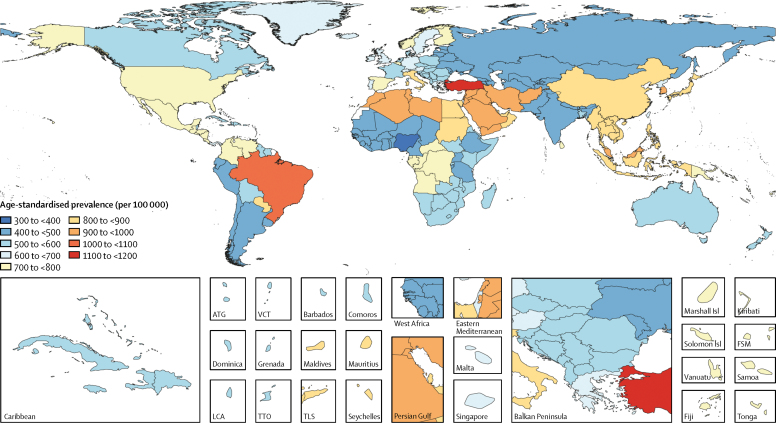
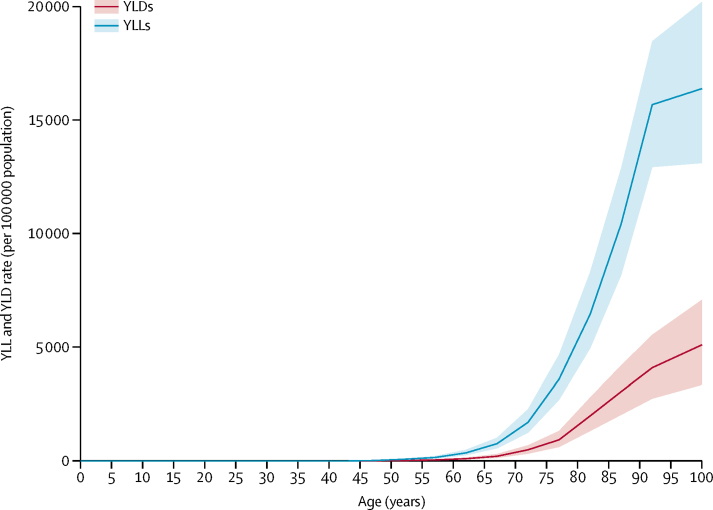
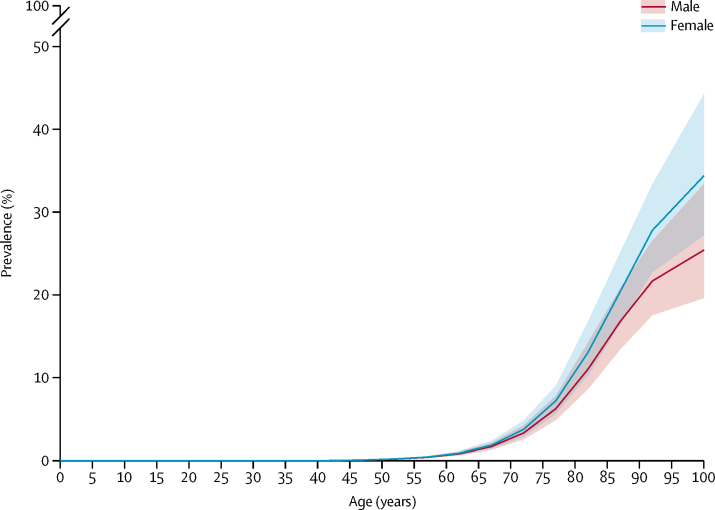
BACKGROUND: The number of individuals living with dementia is increasing, negatively affecting families, communities, and health-care systems around the world. A successful response to these challenges requires an accurate understanding of the dementia disease burden. We aimed to present the first detailed analysis of the global prevalence, mortality, and overall burden of dementia as captured by the Global Burden of Diseases, Injuries, and Risk Factors (GBD) Study 2016, and highlight the most important messages for clinicians and neurologists. METHODS: GBD 2016 obtained data on dementia from vital registration systems, published scientific literature and surveys, and data from health-service encounters on deaths, excess mortality, prevalence, and incidence from 195 countries and territories from 1990 to 2016, through systematic review and additional data-seeking efforts. To correct for differences in cause of death coding across time and locations, we modelled mortality due to dementia using prevalence data and estimates of excess mortality derived from countries that were most likely to code deaths to dementia relative to prevalence. Data were analysed by standardised methods to estimate deaths, prevalence, years of life lost (YLLs), years of life lived with disability (YLDs), and disability-adjusted life-years (DALYs; computed as the sum of YLLs and YLDs), and the fractions of these metrics that were attributable to four risk factors that met GBD criteria for assessment (high body-mass index [BMI], high fasting plasma glucose, smoking, and a diet high in sugar-sweetened beverages). FINDINGS: In 2016, the global number of individuals who lived with dementia was 43·8 million (95% uncertainty interval [UI] 37·8-51·0), increased from 20.2 million (17·4-23·5) in 1990. This increase of 117% (95% UI 114-121) contrasted with a minor increase in age-standardised prevalence of 1·7% (1·0-2·4), from 701 cases (95% UI 602-815) per 100 000 population in 1990 to 712 cases (614-828) per 100 000 population in 2016. More women than men had dementia in 2016 (27·0 million, 95% UI 23·3-31·4, vs 16.8 million, 14.4-19.6), and dementia was the fifth leading cause of death globally, accounting for 2·4 million (95% UI 2·1-2·8) deaths. Overall, 28·8 million (95% UI 24·5-34·0) DALYs were attributed to dementia; 6·4 million (95% UI 3·4-10·5) of these could be attributed to the modifiable GBD risk factors of high BMI, high fasting plasma glucose, smoking, and a high intake of sugar-sweetened beverages. INTERPRETATION: The global number of people living with dementia more than doubled from 1990 to 2016, mainly due to increases in population ageing and growth. Although differences in coding for causes of death and the heterogeneity in case-ascertainment methods constitute major challenges to the estimation of the burden of dementia, future analyses should improve on the methods for the correction of these biases. Until breakthroughs are made in prevention or curative treatment, dementia will constitute an increasing challenge to health-care systems worldwide. FUNDING: Bill & Melinda Gates Foundation.
Overview
The claims and statistics of this paper haven’t been checked yet.
Free: it reads the open-access text and checks the first 5 claims that cite a source we can check. Create a free account to check every claim.
Integrity signals
Registry
Cites
Statistics
Figures
Verification
Claims the paper makes
The claims and statistics of this paper haven’t been checked yet.
Free: it reads the open-access text and checks the first 5 claims that cite a source we can check. Create a free account to check every claim.
Claims other papers make about this one
Each is checked against this paper’s own text: does it say what the citing paper says it does?
The cited source says what the claim attributes to it.
In the citing paper
“Trends in age-standardised death rates (3·6%) for dementia increased slightly between 1990–2016, with pronounced increases in the USA and Japan and decreases in western Europe and central Latin America.4”
From Dementia prevention, intervention, and care: 2020 report of the Lancet Commission (2020) · cites this paper as [4]
Experimental — accuracy not yet measuredThe check wasn’t confident either way, so it gives no verdict — never disputed.
In the citing paper
“Alzheimer’s disease (AD) is the most common cause of dementia worldwide1”
From Multimodal deep learning for Alzheimer's disease dementia assessment (2022) · cites this paper as [1]
Experimental — accuracy not yet measured
Self-check
Percentages, sums and reported differences re-computed from the paper’s own numbers.
The self-check needs the paper’s full text.
Citations
Cites
Diagnostic and Statistical Manual of Mental Disorders
Williams, J. B. W., & First, M. (2013) · Encyclopedia of Social Work · doi:10.1093/acrefore/9780199975839.013.104 · Cited by 109,519
Vos, T., Abajobir, A. A., Abate, K. H., Abbafati, C., Abbas, K. M., Abd-Allah, F., Abdulkader, R. S., Abdulle, A. M., Abebo, T. A., Abera, S. F., et al. (2017) · The Lancet · doi:10.1016/s0140-6736(17)32154-2 · Cited by 13,220
Self-citationSperling, R. A., Aisen, P. S., Beckett, L. A., Bennett, D. A., Craft, S., Fagan, A. M., Iwatsubo, T., Jack, C. R., Kaye, J., Montine, T. J., et al. (2011) · Alzheimer's & Dementia · doi:10.1016/j.jalz.2011.03.003 · Cited by 7,155
Self-citationA New Clinical Scale for the Staging of Dementia
Hughes, C. P., Berg, L., Danziger, W., Coben, L. A., & Martin, R. L. (1982) · British Journal of Psychiatry · doi:10.1192/bjp.140.6.566 · Cited by 7,056
Dementia prevention, intervention, and care
Livingston, G., Sommerlad, A., Orgeta, V., Costafreda, S. G., Huntley, J., Ames, D., Ballard, C., Banerjee, S., Burns, A., Cohen-Mansfield, J., et al. (2017) · The Lancet · doi:10.1016/s0140-6736(17)31363-6 · Cited by 6,072
Global prevalence of dementia: a Delphi consensus study
Ferri, C. P., Prince, M., Brayne, C., Brodaty, H., Fratiglioni, L., Ganguli, M., Hall, K., Hasegawa, K., Hendrie, H., Huang, Y., et al. (2005) · The Lancet · doi:10.1016/s0140-6736(05)67889-0 · Cited by 5,332
Self-citationThe global prevalence of dementia: a systematic review and metaanalysis.
Prince, M., Bryce, R., Albanese, E., Wimo, A., Ribeiro, W., & Ferri, C. P. (2013) · Alzheimer's & Dementia · doi:10.1016/j.jalz.2012.11.007 · Cited by 4,941
Naghavi, M., Abajobir, A. A., Abbafati, C., Abbas, K. M., Abd-Allah, F., Abera, S. F., Aboyans, V., Adetokunboh, O., Afshin, A., Agrawal, A., et al. (2017) · The Lancet · doi:10.1016/s0140-6736(17)32152-9 · Cited by 4,821
Self-citationKyu, H. H., Abate, D., Abate, K. H., Abay, S. M., Abbafati, C., Abbasi, N., Abbastabar, H., Abd-Allah, F., Abdela, J., Abdelalim, A., et al. (2018) · The Lancet · doi:10.1016/s0140-6736(18)32335-3 · Cited by 4,081
Self-citation
Research works printed but not linked: 3
- Wu Y-T Beiser AS Breteler MMB The changing prevalence and incidence of dementia over time—current evidence Nat Rev Neurol 13 2017 327 28497805 · DOI · Paper page
- Satizabal CL Beiser AS Chouraki V Chêne G Dufouil C Seshadri S Incidence of dementia over three decades in the Framingham Heart Study N Engl J Med 374 2016 523 532 26863354 PMC4943081 · DOI · Paper page
- Flaxman AD Vos T Murray CJL An integrative metaregression framework for descriptive epidemiology 2015 University of Washington Press Seattle https://books.google.com/books?id=2676pwAACAAJ
Cited by
Items 701–800 of 1,006
Xiang, Y., Vilmenay, K., Poon, A. N., Ayanian, S., Aitken, C., & Chan, K. Y. (2021) · Frontiers in Neurology · doi:10.3389/fneur.2021.628520 · Cited by 27
“Moreover, that meta-analysis estimated a high prevalence of 8.34% for people aged 60 and over – second only to North Africa/Middle East (8.7%).”
BackgroundMethodInfluentialJeong, W.-H., Kim, W.-I., Lee, J.-W., Park, H., Song, M., Choi, I., & Han, J. (2021) · Brain Sciences · doi:10.3390/brainsci11111532 · Cited by 26
Pitrou, I., Vasiliadis, H., & Hudon, C. (2022) · European Review of Aging and Physical Activity · doi:10.1186/s11556-022-00284-2 · Cited by 29
Chua, J., Li, C., Ho, L. K. H., Wong, D. W. K., Tan, B., Yao, X., Gan, A. T. L., Schwarzhans, F., Garhöfer, G., Sng, C. C. A., et al. (2022) · Alzheimer s Research & Therapy · doi:10.1186/s13195-022-00982-0 · Cited by 27
“Introduction Alzheimer’s disease (AD) and other causes of dementia are set to rise worldwide and negatively affect patients as well as their families [1].”
BackgroundSelf-citationBagga, S., & Kumar, M. (2022) · Current Molecular Medicine · doi:10.2174/1566524022666220404112843 · Cited by 27
Tan, Z., Garduño, B. M., Fernández‐Aburto, P., Chen, L., Ha, N. M.-L., Cogram, P., Holmes, T. C., & Xu, X. (2022) · Acta Neuropathologica Communications · doi:10.1186/s40478-022-01481-x · Cited by 31
“There are approximately 44 million people suffering from AD worldwide, of which over 90% of those cases are late-onset and occur sporadically [1].”
BackgroundDementias Among Older Males and Females in the U.S. Medicare System With and Without HIV
Yu, X., Kuo, Y., Raji, M. A., Berenson, A. B., Baillargeon, J., & Giordano, T. P. (2023) · JAIDS Journal of Acquired Immune Deficiency Syndromes · doi:10.1097/qai.0000000000003184 · Cited by 26
Senevirathne, D. K. L., Mahboob, A., Zhai, K., Paul, P., Kammen, A., Lee, D. J., Yousef, M. S., & Châari, A. (2023) · Cells · doi:10.3390/cells12111478 · Cited by 28
“According to a WHO report in 2019, approximately 50 million people worldwide suffer from AD, with an incidence rate for dementia of 712 cases per 100,000 people globally in 2016 [1].”
BackgroundAssociation between triglyceride glucose index and cognitive decline: A meta-analysis
Liu, Y., Yang, X., Gao, J., Xie, C., Tian, C., & Gao, T. (2024) · Journal of Affective Disorders · doi:10.1016/j.jad.2024.05.049 · Cited by 25
Wang, H., Fan, Z., Shi, C., Xiong, L., Zhang, H., Li, T., Sun, Y., Guo, Q., Tian, Y., Qu, Q., et al. (2019) · Journal of Global Health · doi:10.7189/jogh.09.020320 · Cited by 24
Li, C., Fan, S., Chen, T., Chiu, M., Yen, R., & Lin, C. (2020) · Brain and Behavior · doi:10.1002/brb3.1548 · Cited by 25
“FDG, metabolic fluorodeoxyglucose; PET, positron emission tomography; 11C-PiB, 11C-labeled Pittsburgh compound B Despite the high prevalence of AD in the current aging society (Nichols et al., 2019), the exact proportion of frontal variants of AD is largely unknown.”
BackgroundMahomed, A., & Pretorius, C. (2022) · Dementia · doi:10.1177/14713012221118441 · Cited by 36
“, 2012) with high global prevalence rates that are expected to increase considerably by the year 2050 (Morgan et al., 2011; Nichols et al., 2019).”
BackgroundCerantonio, A., Citrigno, L., Greco, B. M., Benedittis, S. D., Passarino, G., Maletta, R., Qualtieri, A., Montesanto, A., Spadafora, P., & Cavalcanti, F. (2024) · International Journal of Molecular Sciences · doi:10.3390/ijms25116062 · Cited by 30
“The increase in life expectancy in several countries resulted in an increase in the prevalence of these disorders, especially in the age group between 70 and 80 years, with PD and AD as the most common forms [9].”
BackgroundAir pollution: a latent key driving force of dementia
Mohammadzadeh, M., Khoshakhlagh, A. H., & Grafman, J. H. (2024) · BMC Public Health · doi:10.1186/s12889-024-19918-4 · Cited by 26
“Dementia is the cause of 2.4 million deaths and 28.8 million disability-adjusted life years (DALYs) in 2016 and is known as the third cause of neurological DALYs [3, 9].”
InfluentialMetformin: decelerates biomarkers of aging clocks
Zaki, R. A., & El‐Osta, A. (2024) · Signal Transduction and Targeted Therapy · doi:10.1038/s41392-024-02046-1 · Cited by 26
Ho, H. C., Fong, K. N. K., Chan, T., & Shi, Y. (2020) · International Journal of Health Geographics · doi:10.1186/s12942-020-00252-y · Cited by 25
Klijs, B., Mitratza, M., Harteloh, P., van Charante, E. P. M., Richard, E., Nielen, M. M. J., & Kunst, A. E. (2020) · International Journal of Epidemiology · doi:10.1093/ije/dyaa219 · Cited by 27
Perspective: Treatment for Disease Modification in Chronic Neurodegeneration
Müller, T., Mueller, B. K., & Riederer, P. F. (2021) · Cells · doi:10.3390/cells10040873 · Cited by 25
How Many People Live with Dementia in Portugal? A Discussion Paper of National Estimates
Gonçalves‐Pereira, M., Verdelho, A., Prina, M. A., Marques, M. J., & Xavier, M. (2021) · Portuguese Journal of Public Health · doi:10.1159/000516503 · Cited by 31
Zhao, Y., Yin, M., Yao, X., & Li, Z. (2021) · Geriatric Nursing · doi:10.1016/j.gerinurse.2021.06.028 · Cited by 28
Gupta, A., Prakash, N. B., & Sannyasi, G. (2021) · Indian Journal of Psychological Medicine · doi:10.1177/02537176211033316 · Cited by 36
“Int J Geriatr Psychiatry Jan 2017; 32(1): 32–49.”
BackgroundInfluentialZhang, J., Li, L., & McLaughlin, S. J. (2021) · Journal of Aging and Health · doi:10.1177/08982643211036226 · Cited by 30
“It is estimated that over 10.4 million people are living with dementia in China (Nichols et al., 2019), with total annual costs of dementia projected to reach USD 114.2 billion in 2030 (Xu et al., 2017).”
BackgroundInfluentialMulti-mechanical waves against Alzheimer’s disease pathology: a systematic review
Monteiro, F., Sotiropoulos, I., Carvalho, Ó. S. N., Sousa, N., & Silva, F. S. (2021) · Translational Neurodegeneration · doi:10.1186/s40035-021-00256-z · Cited by 24
Kunkeaw, T., Suttisansanee, U., Trachootham, D., Karinchai, J., Chantong, B., Potikanond, S., Inthachat, W., Pitchakarn, P., & Temviriyanukul, P. (2021) · Scientific Reports · doi:10.1038/s41598-021-03142-w · Cited by 27
“Although, in the present study, there is no evidence that the decrease in Aβ is a direct cause of the increase in climbing ability, several articles have shown that amyloid peptide expression in the Drosophila lead to (1) apoptotic cell death in the fly brain42, (2) defect in fly neuroanatomy43, (3) amyloid peptide de…”
Backgroundp38 Inhibition Decreases Tau Toxicity in Microglia and Improves Their Phagocytic Function
Perea, J. R., Bolós, M., Cuadros, R., García, E., García‐Escudero, V., Hernández, F., McManus, R. M., Heneka, M. T., & Ávila, J. (2022) · Molecular Neurobiology · doi:10.1007/s12035-021-02715-0 · Cited by 24
Korhonen, K., Tarkiainen, L., Leinonen, T., Einiö, E. K., & Martikainen, P. (2022) · The British Journal of Psychiatry · doi:10.1192/bjp.2021.217 · Cited by 24
Živančević, K., Baralić, K., Božić, D., Miljaković, E. A., Djordjević, A. B., Ćurčić, M., Bulat, Z., Antonijević, B., Bulat, P., & Đukić-Ćosić, D. (2022) · Food and Chemical Toxicology · doi:10.1016/j.fct.2022.112839 · Cited by 23
Non-Linear Association between Folate/Vitamin B12 Status and Cognitive Function in Older Adults
Ding, Z., Luo, L., Guo, S., Shen, Q. X., Zheng, Y., & Zhu, S. (2022) · Nutrients · doi:10.3390/nu14122443 · Cited by 24
Pang, S., Li, S., Cheng, H., Luo, Z., Qi, X., Guan, F., Dong, W., Gao, S., Liu, N., Gao, X., et al. (2023) · Frontiers in Molecular Neuroscience · doi:10.3389/fnmol.2022.1025066 · Cited by 25
“However, evodiamine (Evo) exhibits high cytotoxicity and poor bioactivity (Gavaraskar et al., 2015; Pang et al., 2020).”
BackgroundPaul, P., Mahfoud, Z. R., Malik, R. A., Kaul, R., Navti, P. S. M., Al-Sheikhly, D., & Châari, A. (2023) · International Journal of Environmental Research and Public Health · doi:10.3390/ijerph20054535 · Cited by 29
Classification of Alzheimer’s Disease Using Ensemble Convolutional Neural Network With LFA Algorithm
Kim, C., & Lee, W. (2023) · IEEE Access · doi:10.1109/access.2023.3342917 · Cited by 32
“Predictions indicate that the dementia patient count will rise to 152.8 million by 2050 [7].”
BackgroundInfluentialCorreia, S. C., Machado, N. J., Alves, M. G., Oliveira, P. F., & Moreira, P. I. (2021) · International Journal of Molecular Sciences · doi:10.3390/ijms22010461 · Cited by 25
Hakim, A. M. (2021) · Frontiers in Aging Neuroscience · doi:10.3389/fnagi.2021.679837 · Cited by 24
“Brain atrophy is evident in those who are perennially sleep deprived (Sexton et al., 2014; Gelber et al., 2015).”
BackgroundHoe, J., Trickey, A., & McGraw, C. (2022) · International Journal of Older People Nursing · doi:10.1111/opn.12491 · Cited by 39
The Nun Study: Insights from 30 years of aging and dementia research
Clarke, K. M., Etemadmoghadam, S., Danner, B., Corbett, C., Ghaseminejad‐Bandpey, A., Dopler, M. B., Parker‐Garza, J., Alhneif, M., Babu, S., Ogunbona, O. B., et al. (2025) · Alzheimer s & Dementia · doi:10.1002/alz.14626 · Cited by 25
Geng, Z., Wu, X., Wang, L., Zhou, S., Tian, Y., Wang, K., & Wei, L. (2020) · Journal of Clinical and Experimental Neuropsychology · doi:10.1080/13803395.2020.1711873 · Cited by 21
“of patients with dementia in China is close to 25% of the global total (Nichols et al., 2019).”
BackgroundLinks Between Adiponectin and Dementia: From Risk Factors to Pathophysiology
Chen, R., Shu, Y., & Zeng, Y. (2020) · Frontiers in Aging Neuroscience · doi:10.3389/fnagi.2019.00356 · Cited by 26
24-h Activity Rhythms and Health in Older Adults
de Feijter, M., Lysen, T. S., & Luik, A. I. (2020) · Current Sleep Medicine Reports · doi:10.1007/s40675-020-00170-2 · Cited by 25
Deep Brain Stimulation in Alzheimer’s Disease: Targeting the Nucleus Basalis of Meynert
Chen, Y., Shu, K., & Kang, H. (2021) · Journal of Alzheimer s Disease · doi:10.3233/jad-201141 · Cited by 25
“According to a WHO survey in 2019, approximately 50 million people globally suffered from AD, which presents a notable health-care burden and poses a formidable threat to human longevity [1].”
Yang, T., Huang, Y., Li, X., Li, M., Ma, S., GUO, X., Jiang, Y., Sun, S., Yang, Y., Wu, Z., et al. (2021) · Risk Management and Healthcare Policy · doi:10.2147/rmhp.s296044 · Cited by 25
Self-citationSleep profile predicts the cognitive decline of mild-moderate Alzheimer’s disease patients
Targa, A., Benitez, I. D., Dakterzada, F., Carnes, A., Pujol, M., Jorge, C., Mínguez, O., Dalmases, M., Sánchez‐de‐la‐Torre, M., Barbé, F., et al. (2021) · SLEEP · doi:10.1093/sleep/zsab117 · Cited by 24
Iñesta, C., Oltra‐Cucarella, J., Bonete-López, B., Calderón-Rubio, E., & Maciá, E. S. (2021) · International Journal of Environmental Research and Public Health · doi:10.3390/ijerph18199958 · Cited by 28
Trends in Mortality Rates for Alzheimer’s Disease and Other Dementias Over 30 Years in China
Bai, R., & Dong, W. (2021) · American Journal of Alzheimer s Disease & Other Dementias® · doi:10.1177/15333175211044884 · Cited by 23
“The GBD 2019 did not capture Alzheimer’s disease and other dementias in individuals under 40 years old, and recorded individuals over the age of 95 years as one group, those age cohorts were not considered in this study.”
BackgroundMethodInfluentialBu, X., Sun, P., Fan, D., Wang, J., Sun, H., Cheng, Y., Zeng, G., Chen, D., Li, H., Yi, X., et al. (2022) · Science Advances · doi:10.1126/sciadv.abm5667 · Cited by 31
Self-citationDiet Patterns, the Gut Microbiome, and Alzheimer’s Disease
McGrattan, A., Stewart, C. J., Cassidy, A., Woodside, J. V., & McEvoy, C. T. (2022) · Journal of Alzheimer s Disease · doi:10.3233/jad-220205 · Cited by 25
Machine Learning Analysis Reveals Biomarkers for the Detection of Neurological Diseases
Lam, S. C. C., Arif, M., Song, X., Uhlén, M., & Mardinoğlu, A. (2022) · Frontiers in Molecular Neuroscience · doi:10.3389/fnmol.2022.889728 · Cited by 26
Age-dependent effects of gut microbiota metabolites on brain resident macrophages
Hasavci, D., & Blank, T. (2022) · Frontiers in Cellular Neuroscience · doi:10.3389/fncel.2022.944526 · Cited by 24
“One of the most prominent neurological diseases associated with aging is AD (Nichols et al., 2019).”
BackgroundBell, G., Baou, C. E., Saunders, R., Buckman, J. E. J., Charlesworth, G. M., Richards, M., Brown, B., Nurock, S., Michael, S., Ware, P., et al. (2022) · EClinicalMedicine · doi:10.1016/j.eclinm.2022.101692 · Cited by 26
Li, S., Deng, X., & Zhang, Y. (2022) · Journal of Clinical Medicine · doi:10.3390/jcm11237153 · Cited by 25
Parsapoor, M., Alam, M. R., & Mihailidis, A. (2023) · BMC Medical Informatics and Decision Making · doi:10.1186/s12911-023-02122-6 · Cited by 34
“These are among the highest global diseases and have notable economic impacts on individuals and societies [2].”
BackgroundSafiri, S., Noori, M., Nejadghaderi, S. A., Mousavi, S. E., Sullman, M. J. M., Araj‐Khodaei, M., Collins, G. S., Kolahi, A., & Gharagozli, K. (2023) · Age and Ageing · doi:10.1093/ageing/afad042 · Cited by 28
Self-citationAstell‐Burt, T., Navakatikyan, M., & Feng, X. (2023) · Health & Place · doi:10.1016/j.healthplace.2023.103028 · Cited by 21
Brady, E. S., Griffiths, J., Andrianova, L., Bielska, M. H., Saito, T., Saido, T. C., Randall, A. D., Tamagnini, F., Witton, J., & Craig, M. T. (2023) · Neurobiology of Disease · doi:10.1016/j.nbd.2023.106151 · Cited by 20
“Alzheimer ’ s disease (AD) is a progressive neurodegenerative disorder and the most prevalent form of dementia worldwide (Nichols et al., 2019).”
Therapeutic effects of saffron and its components on neurodegenerative diseases
Golpour-Hamedani, S., Pourmasoumi, M., Zarifi, S. H., Askari, G., Jamialahmadi, T., Bagherniya, M., & Sahebkar, A. (2024) · Heliyon · doi:10.1016/j.heliyon.2024.e24334 · Cited by 25
“Alzheimer ’ s disease is the most common cause of dementia, and its prevention and treatment strategies should be highly considered [8].”
BackgroundGoldman, S. N. (2020) · Uniedusul Editora eBooks · doi:10.29327/522412.1-20 · Cited by 20
GOMES, O. A., Musial, D. C., & Barroso, Á. E. S. (2020) · Uniedusul Editora eBooks · doi:10.29327/522412.1-19 · Cited by 20
Miller, E. C., Conley, P. M., Alirezaei, M., Wolfová, K., Gonzales, M. M., Tan, Z. S., Tom, S. E., Yee, L. M., Brickman, A. M., & Bello, N. A. (2024) · The Lancet Healthy Longevity · doi:10.1016/j.lanhl.2024.100660 · Cited by 23
Patel, V. R., Liu, M., Worsham, C. M., & Jena, A. B. (2024) · BMJ · doi:10.1136/bmj-2024-082194 · Cited by 21
“11 14 While subtle symptoms could develop earlier, they would still most likely be after a person had worked long enough to deem the occupation to be a so-called usual occupation, suggesting against substantial attrition from navigational jobs due to Risk adjusted mortality odds ratios were…”
Sarto, J., Esteller, D., Guillén, N., Falgàs, N., Borrego‐Écija, S., Massons, M., Fernández‐Villullas, G., González, Y., Tort‐Merino, A., Bosch, B., et al. (2025) · Journal of Neurology · doi:10.1007/s00415-025-12897-5 · Cited by 25
“Alzheimer’s disease (AD) is the leading cause of dementia worldwide, with a predicted increase in the number of cases in the upcoming years [1].”
Kruczkowska, W., Gałęziewska, J., Grabowska, K. H., Gromek, P., Czajkowska, K., Rybicki, M., Kciuk, M., & Kłosiński, K. K. (2025) · Molecules · doi:10.3390/molecules30051017 · Cited by 24
“The prevalence of these disorders has shown a dramatic increase, with dementia cases alone rising by 117% between 1990 and 2016 [140].”
Amiri, F., Safiri, S., Shamekh, A., Ebrahimi, A. A., Sullman, M. J. M., & Kolahi, A. (2025) · Scientific Reports · doi:10.1038/s41598-025-89899-w · Cited by 33
Self-citationLiu, S., & Geng, D. (2025) · PLoS ONE · doi:10.1371/journal.pone.0322574 · Cited by 28
“The GBD 2016 Dementia Collaborators found that the number of people with ADD worldwide more than doubled from 1990 to 2016 [19].”
Qu, N., Wang, X., Zhang, T., Zhang, S.-F., Li, Y., Cao, F.-Y., Wang, Q., Ning, L., & Tian, Q. (2020) · Journal of Alzheimer s Disease · doi:10.3233/jad-200486 · Cited by 24
Glycemic traits and Alzheimer’s disease: a mendelian randomization study
Pan, Y., Chen, W., Yan, H., Wang, M., & Xiang, X. (2020) · Aging · doi:10.18632/aging.103887 · Cited by 44
Engagement with a diverse Stakeholder Advisory Council for research in dementia care
Masoud, S. S., Glassner, A. A., Patel, N. K., Mendoza, M., James, D., Rivette, S., & White, C. L. (2021) · Research Involvement and Engagement · doi:10.1186/s40900-021-00297-8 · Cited by 26
Stinchcombe, A., & Hammond, N. G. (2021) · The Journals of Gerontology Series B · doi:10.1093/geronb/gbab084 · Cited by 30
James, L. M., & Georgopoulos, A. P. (2021) · Journal of Immunological Sciences · doi:10.29245/2578-3009/2021/2.1209 · Cited by 23
“Nearly 50 million people worldwide are living with dementia or Parkinson’s disease, the two most common neurodegenerative diseases, resulting in a considerable toll on affected individuals, caregivers, and society 4,5 .”
Svedin, F., Brantnell, A., Farrand, P. A., Blomberg, O., Coumoundouros, C., von Essén, L., Åberg, A. C., & Woodford, J. (2021) · BMJ Open · doi:10.1136/bmjopen-2020-048097 · Cited by 23
Patel, I., Patel, J., Jindal, S. V., Desai, D., & Desai, S. (2021) · Annals of Indian Academy of Neurology · doi:10.4103/aian.aian_874_20 · Cited by 25
“8 million people all over the world by 2016[1] and the”
BackgroundMitochondrial pathway polygenic risk scores are associated with Alzheimer's Disease
Paliwal, D., McInerney, T. W., Pa, J., Swerdlow, R. H., Easteal, S., & Andrews, S. J. (2021) · Neurobiology of Aging · doi:10.1016/j.neurobiolaging.2021.08.005 · Cited by 22
Public Health Perspectives of Geriatric Mental Health Care
Rangarajan, S. K., Sivakumar, P. T., Manjunatha, N., Kumar, C. N., & Math, S. B. (2021) · Indian Journal of Psychological Medicine · doi:10.1177/02537176211047963 · Cited by 29
Das, M., Mao, W., Shao, E., Tamhankar, S., Yu, G.-Q., Yu, X., Ho, K., Wang, X., Wang, J., & Mucke, L. (2021) · iScience · doi:10.1016/j.isci.2021.103245 · Cited by 21
“For immunostaining of C1Q and IBA1, free-floating sections were rinsed in PBST followed by incubation in 10 mM EDTA (pH 6.0) at 100 C for 10 min for antigen retrieval (Ghatak and Combs, 2014).”
MethodInfluentialYang, Z., Sheng, X., Qin, R., Chen, H., Shao, P., Xu, H., Yao, W., Zhao, H., Xu, Y., & Bai, F. (2022) · Journal of Alzheimer s Disease · doi:10.3233/jad-215390 · Cited by 27
Parker, A. F., Ohlhauser, L., Scarapicchia, V., Smart, C. M., Szoeke, C., & Gawryluk, J. R. (2022) · Journal of Alzheimer s Disease · doi:10.3233/jad-215249 · Cited by 27
Self-citationRejc, L., Gómez‐Vallejo, V., Joya, A., Arsequell, G., Egimendia, A., Castellnou, P., Ríos, X., Cossío, U., Baz, Z., Iglesias, L., et al. (2022) · Alzheimer s Research & Therapy · doi:10.1186/s13195-022-01016-5 · Cited by 22
High ligand efficiency quinazoline compounds as novel A2A adenosine receptor antagonists
Bolteau, R., Duroux, R., Laversin, A., Vreulz, B., Shiriaeva, A., Stauch, B., Han, G. W., Cherezov, V., Renault, N., Barczyk, A., et al. (2022) · European Journal of Medicinal Chemistry · doi:10.1016/j.ejmech.2022.114620 · Cited by 21
Faria, A. C. R. D. A., Dall'Agnol, J. F., Gouveia, A. M., de Paiva, C. I., Segalla, V. C., & Baena, C. P. (2022) · Diabetology & Metabolic Syndrome · doi:10.1186/s13098-022-00872-3 · Cited by 28
“8 million [1], and it is estimated that in 2030 there will Open Access Diabetology & Metabolic Syndrome”
BackgroundHurh, K., Jeong, S. H., Kim, S. H., Jang, S., Park, E., & Jang, S. (2022) · The Journal of Headache and Pain · doi:10.1186/s10194-022-01484-y · Cited by 23
“adults, dementia, another leading cause of disability, primarily affects the geriatric population [4].”
BackgroundYue, N., Fu, H., Chen, Y., Gao, X., Dai, J., & Cui, M. (2022) · European Journal of Medicinal Chemistry · doi:10.1016/j.ejmech.2022.114715 · Cited by 21
Adverse events in older adults and the risk of dementia and cognitive decline
Nilaweera, D., Gurvich, C., Freak-Poli, R., Woods, R., Owen, A., Murray, A., Orchard, S. G., Britt, C., Wu, Z., McNeil, J., et al. (2023) · Journal of Affective Disorders Reports · doi:10.1016/j.jadr.2023.100592 · Cited by 21
Possible cognition changes in women with polycystic ovary syndrome: a narrative review
Naz, M. S. G., Rahnemaei, F. A., Tehrani, F. R., Sayehmiri, F., Ghasemi, V., Banaei, M., & Ozgoli, G. (2023) · Obstetrics & Gynecology Science · doi:10.5468/ogs.22165 · Cited by 29
“As a cognitive disorder, dementia is the fifth-leading cause of mortality globally [16].”
BackgroundZhou, T., Zhao, J., Ma, Y., He, L., Ren, Z., Yang, K., Tang, J., Liu, J., Luo, J., & Zhang, H. (2024) · BMC Psychiatry · doi:10.1186/s12888-024-05769-1 · Cited by 27
“It significantly impairs the patient’s ability to care for themselves, imposing a heavy disease burden [3].”
BackgroundBrainin, M., Feigin, V. L., Bath, P. M., Collantes, M. E., Martins, S., Pandian, J. D., Sacco, R. L., & Teuschl, Y. (2019) · International Journal of Stroke · doi:10.1177/1747493019873706 · Cited by 29
Self-citationCharonis, S. A., James, L. M., & Georgopoulos, A. P. (2020) · Current Research in Translational Medicine · doi:10.1016/j.retram.2020.06.002 · Cited by 26
SCO-spondin-derived Peptide Protects Neurons from Glutamate-induced Excitotoxicity
Delétage, N., Douce, J. L., Callizot, N., Godfrin, Y., & Lemarchant, S. (2021) · Neuroscience · doi:10.1016/j.neuroscience.2021.02.005 · Cited by 24
A National Survey of Centers for Cognitive Disorders and Dementias in Italy
Canevelli, M., Pucchio, A. D., Marzolini, F., Mayer, F., Massari, M., Salvi, E., Palazzesi, I., Lacorte, E., Bacigalupo, I., Fiandra, T. D., et al. (2021) · Journal of Alzheimer's Disease · doi:10.3233/jad-210634 · Cited by 18
Acupuncture therapy for Alzheimer's disease: The effectiveness and potential mechanisms
Yin, W., Lv, G., Li, C., & Sun, J. (2021) · The Anatomical Record · doi:10.1002/ar.24780 · Cited by 26
Neumann, L. T. V. (2020) · Uniedusul Editora eBooks · doi:10.29327/522412.1-12 · Cited by 19
Familismo, Velhice e Desigualdade de Gênero
Berzins, M. A. V. D. S. (2020) · Uniedusul Editora eBooks · doi:10.29327/522412.1-27 · Cited by 19
FERREIRA, C. B., & Baltazar, C. G. (2020) · Uniedusul Editora eBooks · doi:10.29327/522412.1-18 · Cited by 19
Apontamentos sobre os motivos da institucionalização de idosos: relato de caso
GOLINSKI, L. F. D. O., Marcolino-Galli, J. F., ROCHA, F., & Ledesma, F. R. (2020) · Uniedusul Editora eBooks · doi:10.29327/522412.1-15 · Cited by 19
Fatores que interferem nos fazeres de idosos institucionalizados
Ximenes, M. A., & Côrte, B. (2020) · Uniedusul Editora eBooks · doi:10.29327/522412.1-13 · Cited by 19
Rede de apoio como elemento de políticas sociais de cuidado de longa duração ao idoso
GARCIA, R. R., & Watanabe, H. A. W. (2020) · Uniedusul Editora eBooks · doi:10.29327/522412.1-14 · Cited by 19
Rede de Suporte Social e Envelhecimento: desafio para as Políticas Públicas
Domingues, M. A. R. D. C., & SANTOS, A. (2020) · Uniedusul Editora eBooks · doi:10.29327/522412.1-10 · Cited by 22
HUMANIZAR: uma medida de atenção e proteção a pessoa idosa em tempos de coronavírus
OSÓRIO, N. B., Neto, L. S. S., & Cericatto, S. K. (2020) · Uniedusul Editora eBooks · doi:10.29327/522412.1-22 · Cited by 19
Direitos Humanos e pessoa idosa: por uma convenção que proteja
de Mendonça, J. M. B. (2020) · Uniedusul Editora eBooks · doi:10.29327/522412.1-24 · Cited by 20
Oliveira, D., da Mata, F. A. F., & Aubeeluck, A. (2023) · British Medical Bulletin · doi:10.1093/bmb/ldad029 · Cited by 26
Chazova, I. E., Михайловна, Ч. Н., Blinova, N. V., Владимировна, А. А., Alekseeva, T. A., Ambatiello, L. G., Balanova, Y. А., Bragina, A. E., Danilov, N. M., Drapkina, O. M., et al. (2024) · Systemic Hypertension · doi:10.38109/2075-082x-2024-4-5-109 · Cited by 28
Phirom, K., Nantakool, S., Chuatrakoon, B., & Rerkasem, K. (2025) · Public Health · doi:10.1016/j.puhe.2025.01.040 · Cited by 20
Computational analysis of Alzheimer-causing mutations in amyloid precursor protein and presenilin 1
Mehra, R., & Kepp, K. P. (2019) · Archives of Biochemistry and Biophysics · doi:10.1016/j.abb.2019.108168 · Cited by 22
Metadata
- Authors
- Nichols, E., Szoeke, C. E. I., Vollset, S. E., Abbasi, N., Abd-Allah, F., Abdela, J., Aichour, M. T. E., Akinyemi, R. O., Alahdab, F., Asgedom, S. W., Awasthi, A., Barker-Collo, S. L., Baune, B. T., Béjot, Y., Belachew, A. B., Bennett, D. A., Biadgo, B., Bijani, A., Bin Sayeed, M. S., Brayne, C., Carpenter, D. O., Carvalho, F., Catalá-López, F., Cerin, E., Choi, J.-Y. J., Dang, A. K., Degefa, M. G., Djalalinia, S., Dubey, M., Duken, E. E., Edvardsson, D., Endres, M., Eskandarieh, S., Faro, A., Farzadfar, F., Fereshtehnejad, S.-M., Fernandes, E., Filip, I., Fischer, F., Gebre, A. K., Geremew, D., Ghasemi-Kasman, M., Gnedovskaya, E. V., Gupta, R., Hachinski, V., Hagos, T. B., Hamidi, S., Hankey, G. J., Haro, J. M., Hay, S. I., Irvani, S. S. N., Jha, R. P., Jonas, J. B., Kalani, R., Karch, A., Kasaeian, A., Khader, Y. S., Khalil, I. A., Khan, E. A., Khanna, T., Khoja, T. A. M., Khubchandani, J., Kisa, A., Kissimova-Skarbek, K., Kivimäki, M., Koyanagi, A., Krohn, K. J., Logroscino, G., Lorkowski, S., Majdan, M., Malekzadeh, R., März, W., Massano, J., Mengistu, G., Meretoja, A., Mohammadi, M., Mohammadi-Khanaposhtani, M., Mokdad, A. H., Mondello, S., Moradi, G., Nagel, G., Naghavi, M., Naik, G., Nguyen, L. H., Nguyen, T. H., Nirayo, Y. L., Nixon, M. R., Ofori-Asenso, R., Ogbo, F. A., Olagunju, A. T., Owolabi, M. O., Panda-Jonas, S., Passos, V. M. D. A., Pereira, D. M., Pinilla-Monsalve, G. D., Piradov, M. A., Pond, C. D., Poustchi, H., Qorbani, M., Radfar, A., Reiner, R. C., Robinson, S. R., Roshandel, G., Rostami, A., Russ, T. C., Sachdev, P. S., Safari, H., Safiri, S., Sahathevan, R., Salimi, Y., Satpathy, M., Sawhney, M., Saylan, M., Sepanlou, S. G., Shafieesabet, A., Shaikh, M. A., Sahraian, M. A., Shigematsu, M., Shiri, R., Shiue, I., Silva, J. P., Smith, M., Sobhani, S., Stein, D. J., Tabarés-Seisdedos, R., Tovani-Palone, M. R., Tran, B. X., Tran, T. T., Tsegay, A. T., Ullah, I., Venketasubramanian, N., Vlassov, V., Wang, Y.-P., Weiss, J., Westerman, R., Wijeratne, T., Wyper, G. M. A., Yano, Y., Yimer, E. M., Yonemoto, N., Yousefifard, M., Zaidi, Z., Zare, Z., Vos, T., Feigin, V. L., & Murray, C. J. L.
- Affiliations
- University of Washington (US)
- Mekelle University (ET)
- Public Health Foundation of India (IN)
- Institute for Health Metrics and Evaluation (US)
- Higher National Veterinary School (DZ)
- Digestive Disease Research Institute (IR)
- Corresponding author
- Nichols, Emma
- ORCID
- Nichols, Emma
- Szoeke, Cassandra E I
- Abbasi, Nooshin
- Abd-Allah, Foad
- Abdela, Jemal
- Akinyemi, Rufus O
- Alahdab, Fares
- Asgedom, Solomon W
- Awasthi, Ashish
- Barker-Collo, Suzanne L
- Béjot, Yannick
- Belachew, Abate B
- Bennett, Derrick A.
- Biadgo, Belete
- Bijani, Ali
- Brayne, Carol
- Carpenter, David O
- Carvalho, Félix
- Catalá-López, Ferrán
- Cerin, Ester
- Dang, Anh Kim
- Degefa, Meaza G
- Djalalinia, Shirin
- Dubey, Manisha
- Endres, Matthias
- Eskandarieh, Sharareh
- Farzadfar, Farshad
- Fereshtehnejad, Seyed-Mohammad
- Fernandes, Eduarda
- Filip, Irina
- Fischer, Florian
- Gebre, Abadi K
- Geremew, Demeke
- Gnedovskaya, Elena V.
- Gupta, Rajeev
- Hachinski, Vladimir
- Hamidi, Samer
- Hankey, Graeme J.
- Haro, Josep M
- Hay, Simon I
- Irvani, Seyed Sina N
- Jha, Ravi P
- Jonas, Jost B.
- Karch, André
- Kasaeian, Amir
- Khader, Yousef Saleh
- Khan, Ejaz Ahmad
- Khubchandani, Jagdish
- Koyanagi, Ai
- Logroscino, Giancarlo
- Malekzadeh, Reza
- März, Winfried
- Massano, João
- Meretoja, Atte
- Mokdad, Ali H
- Mondello, Stefania
- Moradi, Ghobad
- Nagel, Gabriele
- Naghavi, Mohsen
- Naik, Gurudatta
- Nguyen, Long H
- Nguyen, Trang H
- Ogbo, Felix A
- Olagunju, Andrew T
- Owolabi, Mayowa O
- Passos, Valéria M de Azeredo
- Pereira, David M.
- Pinilla-Monsalve, Gabriel D
- Qorbani, Mostafa
- Radfar, Amir
- Reiner, Robert C
- Robinson, Stephen R
- Roshandel, Gholamreza
- Rostami, Ali
- Russ, Tom C
- Sachdev, Perminder S
- Safari, Hosein
- Safiri, Saeid
- Sahathevan, Ramesh
- Salimi, Yahya
- Satpathy, Maheswar
- Sepanlou, Sadaf G.
- Shafieesabet, Azadeh
- Sahraian, Mohammad Ali
- Shiri, Rahman
- Shiue, Ivy
- Silva, João P
- Stein, Dan J
- Tran, Bach X
- Tran, Tung Thanh
- Ullah, Irfan
- Venketasubramanian, Narayanaswamy
- Vlassov, Vasily
- Wang, Yuan-Pang
- Weiss, Jordan
- Westerman, Ronny
- Wijeratne, Tissa
- Wyper, Grant M.A.
- Yano, Yuichiro
- Yimer, Ebrahim M
- Yonemoto, Naohiro
- Yousefifard, Mahmoud
- Zaidi, Zoubida
- Vos, Theo
- Feigin, Valery L.
- Murray, Christopher J L
- Venue
- The Lancet Neurology
- Publisher
- Elsevier BV
- Published
- 2019-01
- Volume
- 18
- Issue
- 1
- Pages
- 88-106
- ISSN
- 1474-4422 (ISSN-L)
- PMC
- PMC6291454
- OpenAlex
- W2903517662
- Semantic Scholar
- 5eb19d1951890e3eb933f261fcbdf31c0df3f5aa
- Cited by
- 2,412
- References
- 42
- Citations by year
- 2026: 159 · 2025: 287 · 2024: 296 · 2023: 347 · 2022: 434 · 2021: 453 · 2020: 340 · 2019: 93
- FWCI
- 173.29
- Type
- journal article
- Language
- en
- Open access
- hybrid
- doi.org
- Licence
- cc-by
- www.elsevier.com/tdm/userlicense/1.0/ (tdm)
- www.elsevier.com/legal/tdmrep-license (tdm)
- creativecommons.org/licenses/by/4.0/ (vor)
- Locations
- The Lancet Neurology (publishedVersion, cc-by)
- Europe PMC (PubMed Central) (publishedVersion, other-oa)
- PubMed Central (publishedVersion, cc-by)
- PubMed (publishedVersion)
- LA Referencia (Red Federada de Repositorios Institucionales de Publicaciones Científicas) (publishedVersion, cc-by-nc-nd)
- Edinburgh Research Explorer (University of Edinburgh) (publishedVersion, cc-by)
- ANU Open Research (Australian National University) (submittedVersion, cc-by)
- Minerva Access (University of Melbourne) (submittedVersion, cc-by)
- Apollo (University of Cambridge) (submittedVersion, cc-by)
- UWA Profiles and Research Repository (UWA) (submittedVersion, cc-by)
- Homo Politicus (Academy of Humanities and Economics in Lodz) (submittedVersion, cc-by-nc-nd)
- Jagiellonian University Repository (Jagiellonian University) (submittedVersion, cc-by-nc-nd)
- DiVA at Umeå University (Umeå University) (submittedVersion, other-oa)
- RMIT Research Repository (RMIT University Library) (submittedVersion, other-oa)
- Dipòsit Digital de la Universitat de Barcelona (Universitat de Barcelona) (submittedVersion, cc-by-nc-nd)
- LA Referencia (Red Federada de Repositorios Institucionales de Publicaciones Científicas) (submittedVersion, cc-by-nc)
- UCL Discovery (University College London) (submittedVersion)
- Figshare (submittedVersion, cc-by)
- Työväentutkimus Vuosikirja (submittedVersion)
- HZI (Helmholtz Centre for Infection Research) (submittedVersion, cc-by-nc-sa)
- Publikationen an der Universität Bielefeld (Universität Bielefeld) (submittedVersion)
- CINECA IRIS Institutional Research Information System (University of Bari Aldo Moro) (submittedVersion, other-oa)
- Repository of Digital Objects for Teaching Research and Culture (University of Valencia) (submittedVersion, other-oa)
- NOVA (University of Newcastle Australia) (submittedVersion, cc-by)
- Apollo (cc-by)
- Funders
- European Commission (POCI/01/0145/FEDER/007265)
- University of Edinburgh
- Australian Research Council (CP13/00150, FT3 140100085, PI15/00862)
- Department of Science and Technology, Ministry of Science and Technology, India
- European Regional Development Fund
- Fuel Cell Technologies Program
- Generalitat Valenciana (PI17/00719)
- Ministério da Educação e Ciência (PT2020 UID/QUI/50006/2013, UID/MULTI/04378/2013)
- Instituto de Salud Carlos III
- National Institutes of Health
- Fundação para a Ciência e a Tecnologia
- Ministerio de Educación, Cultura y Deporte
- Topics
- Health Sciences › Medicine › Psychiatry and Mental health › Dementia and Cognitive Impairment Research
- Health Sciences › Medicine › Public Health, Environmental and Occupational Health › Global Health and Epidemiology
- Health Sciences › Medicine › Psychiatry and Mental health › Mental Health Treatment and Access
- Keywords
- Alzheimer's disease, dementia, disease burden, dementia prevalence, dementia mortality, years of life lost, years lived with disability, disability-adjusted life years, excess mortality, risk factors, body mass index, fasting blood glucose, smoking, sugar-sweetened beverages, global burden of disease, age-standardized prevalence, sex differences in dementia
- MeSH terms
- Global Burden of Disease, Adult, Age Factors, Aged, Aged, 80 and over, Alzheimer Disease, Dementia, Female, Humans, Life Expectancy, Male, Middle Aged, Risk Factors, Sex Factors, Incidence, Prevalence, Age Distribution, Quality-Adjusted Life Years
About these checks
Registry, retraction, Cites and statistics results are computed, not judged, with one exception: a printed reference that no index lists is read once by a model before it counts as a citation error. Claims are extracted by a model and kept only when their quote appears verbatim in the text; each cited source is then checked, with a model’s help, for whether it says what the claim relies on. Those verdicts can be wrong — read the claim’s quote and the cited source before relying on one.
Statistics and arithmetic are recomputed, not judged.
Confidence bands are shown only for fields calibrated on our annotated test set. None is calibrated yet, so no band is shown.
What counts as a claim ›How we measure confidence ›How we check this ›
Are you an author, or do you see a problem with this page? Request a review
Data sources
Bibliographic data: Semantic Scholar, OpenAlex, Crossref.
Contains information from the Semantic Scholar Academic Graph Datasets, made available under the ODC Attribution License (ODC-BY 1.0).
Semantic Scholar’s data is described in: Kinney, R., et al. (2023). The Semantic Scholar Open Data Platform. arXiv:2301.10140.
