

Global, regional, and national burden of Alzheimer's disease and other dementias, 1990–2016: a systematic analysis for the Global Burden of Disease Study 2016
Open accessThe DOI matches its Crossref record; 42 of the 42 references it cites were found in a registry or an index.
Abstract
BACKGROUND: The number of individuals living with dementia is increasing, negatively affecting families, communities, and health-care systems around the world. A successful response to these challenges requires an accurate understanding of the dementia disease burden. We aimed to present the first detailed analysis of the global prevalence, mortality, and overall burden of dementia as captured by the Global Burden of Diseases, Injuries, and Risk Factors (GBD) Study 2016, and highlight the most important messages for clinicians and neurologists. METHODS: GBD 2016 obtained data on dementia from vital registration systems, published scientific literature and surveys, and data from health-service encounters on deaths, excess mortality, prevalence, and incidence from 195 countries and territories from 1990 to 2016, through systematic review and additional data-seeking efforts. To correct for differences in cause of death coding across time and locations, we modelled mortality due to dementia using prevalence data and estimates of excess mortality derived from countries that were most likely to code deaths to dementia relative to prevalence. Data were analysed by standardised methods to estimate deaths, prevalence, years of life lost (YLLs), years of life lived with disability (YLDs), and disability-adjusted life-years (DALYs; computed as the sum of YLLs and YLDs), and the fractions of these metrics that were attributable to four risk factors that met GBD criteria for assessment (high body-mass index [BMI], high fasting plasma glucose, smoking, and a diet high in sugar-sweetened beverages). FINDINGS: In 2016, the global number of individuals who lived with dementia was 43·8 million (95% uncertainty interval [UI] 37·8-51·0), increased from 20.2 million (17·4-23·5) in 1990. This increase of 117% (95% UI 114-121) contrasted with a minor increase in age-standardised prevalence of 1·7% (1·0-2·4), from 701 cases (95% UI 602-815) per 100 000 population in 1990 to 712 cases (614-828) per 100 000 population in 2016. More women than men had dementia in 2016 (27·0 million, 95% UI 23·3-31·4, vs 16.8 million, 14.4-19.6), and dementia was the fifth leading cause of death globally, accounting for 2·4 million (95% UI 2·1-2·8) deaths. Overall, 28·8 million (95% UI 24·5-34·0) DALYs were attributed to dementia; 6·4 million (95% UI 3·4-10·5) of these could be attributed to the modifiable GBD risk factors of high BMI, high fasting plasma glucose, smoking, and a high intake of sugar-sweetened beverages. INTERPRETATION: The global number of people living with dementia more than doubled from 1990 to 2016, mainly due to increases in population ageing and growth. Although differences in coding for causes of death and the heterogeneity in case-ascertainment methods constitute major challenges to the estimation of the burden of dementia, future analyses should improve on the methods for the correction of these biases. Until breakthroughs are made in prevention or curative treatment, dementia will constitute an increasing challenge to health-care systems worldwide. FUNDING: Bill & Melinda Gates Foundation.
Overview
The claims and statistics of this paper haven’t been checked yet.
Free: it reads the open-access text and checks the first 5 claims that cite a source we can check. Create a free account to check every claim.
Integrity signals
Registry
Cites
Statistics
Figures
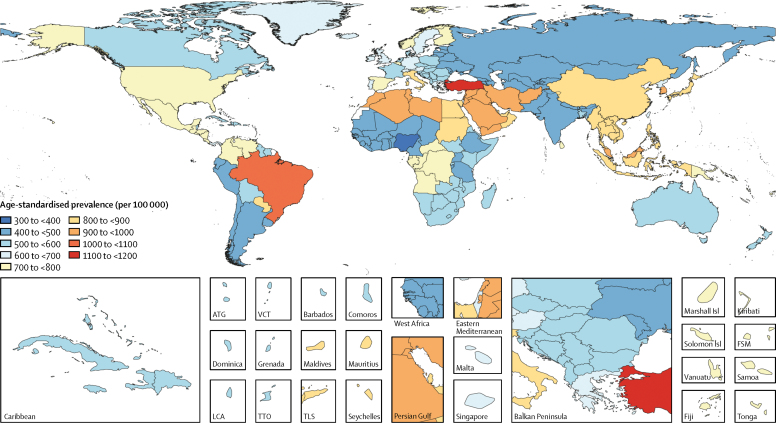
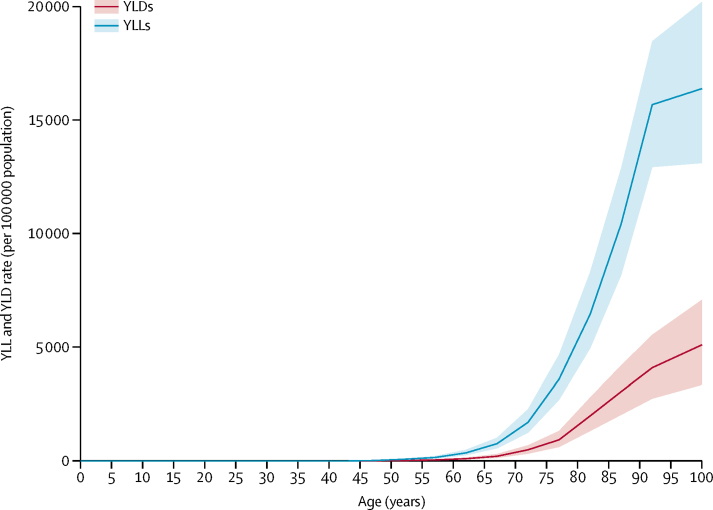
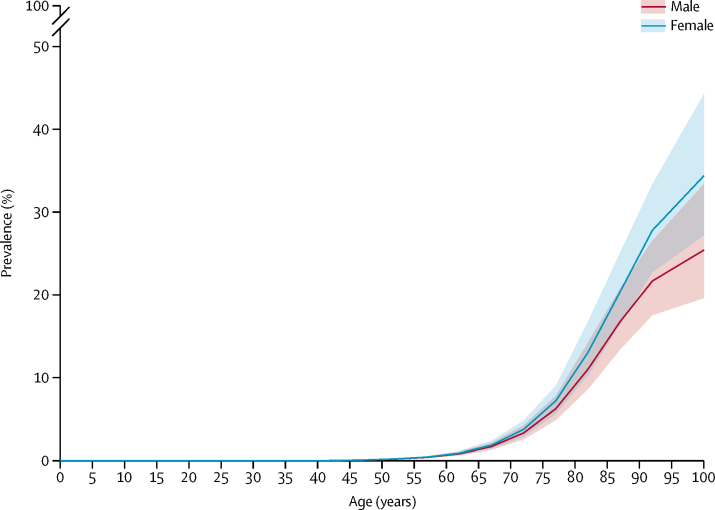
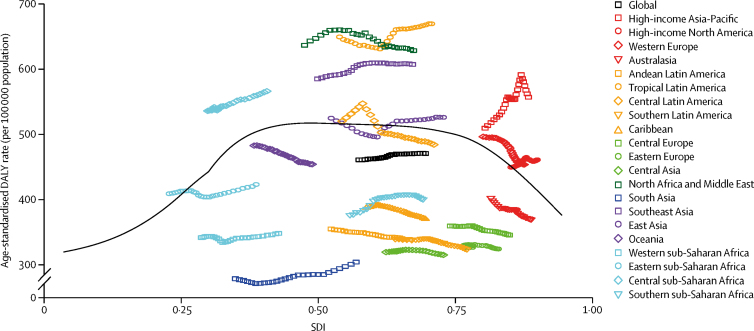
Verification
Claims the paper makes
The claims and statistics of this paper haven’t been checked yet.
Free: it reads the open-access text and checks the first 5 claims that cite a source we can check. Create a free account to check every claim.
Claims other papers make about this one
Each is checked against this paper’s own text: does it say what the citing paper says it does?
The cited source says what the claim attributes to it.
In the citing paper
“Trends in age-standardised death rates (3·6%) for dementia increased slightly between 1990–2016, with pronounced increases in the USA and Japan and decreases in western Europe and central Latin America.4”
From Dementia prevention, intervention, and care: 2020 report of the Lancet Commission (2020) · cites this paper as [4]
Experimental — accuracy not yet measuredThe check wasn’t confident either way, so it gives no verdict — never disputed.
In the citing paper
“Alzheimer’s disease (AD) is the most common cause of dementia worldwide1”
From Multimodal deep learning for Alzheimer's disease dementia assessment (2022) · cites this paper as [1]
Experimental — accuracy not yet measured
Self-check
Percentages, sums and reported differences re-computed from the paper’s own numbers.
The self-check needs the paper’s full text.
Citations
Cites
Diagnostic and Statistical Manual of Mental Disorders
Williams, J. B. W., & First, M. (2013) · Encyclopedia of Social Work · doi:10.1093/acrefore/9780199975839.013.104 · Cited by 109,519
Vos, T., Abajobir, A. A., Abate, K. H., Abbafati, C., Abbas, K. M., Abd-Allah, F., Abdulkader, R. S., Abdulle, A. M., Abebo, T. A., Abera, S. F., et al. (2017) · The Lancet · doi:10.1016/s0140-6736(17)32154-2 · Cited by 13,220
Self-citationSperling, R. A., Aisen, P. S., Beckett, L. A., Bennett, D. A., Craft, S., Fagan, A. M., Iwatsubo, T., Jack, C. R., Kaye, J., Montine, T. J., et al. (2011) · Alzheimer's & Dementia · doi:10.1016/j.jalz.2011.03.003 · Cited by 7,155
Self-citationA New Clinical Scale for the Staging of Dementia
Hughes, C. P., Berg, L., Danziger, W., Coben, L. A., & Martin, R. L. (1982) · British Journal of Psychiatry · doi:10.1192/bjp.140.6.566 · Cited by 7,056
Dementia prevention, intervention, and care
Livingston, G., Sommerlad, A., Orgeta, V., Costafreda, S. G., Huntley, J., Ames, D., Ballard, C., Banerjee, S., Burns, A., Cohen-Mansfield, J., et al. (2017) · The Lancet · doi:10.1016/s0140-6736(17)31363-6 · Cited by 6,072
Global prevalence of dementia: a Delphi consensus study
Ferri, C. P., Prince, M., Brayne, C., Brodaty, H., Fratiglioni, L., Ganguli, M., Hall, K., Hasegawa, K., Hendrie, H., Huang, Y., et al. (2005) · The Lancet · doi:10.1016/s0140-6736(05)67889-0 · Cited by 5,332
Self-citationThe global prevalence of dementia: a systematic review and metaanalysis.
Prince, M., Bryce, R., Albanese, E., Wimo, A., Ribeiro, W., & Ferri, C. P. (2013) · Alzheimer's & Dementia · doi:10.1016/j.jalz.2012.11.007 · Cited by 4,941
Naghavi, M., Abajobir, A. A., Abbafati, C., Abbas, K. M., Abd-Allah, F., Abera, S. F., Aboyans, V., Adetokunboh, O., Afshin, A., Agrawal, A., et al. (2017) · The Lancet · doi:10.1016/s0140-6736(17)32152-9 · Cited by 4,821
Self-citationKyu, H. H., Abate, D., Abate, K. H., Abay, S. M., Abbafati, C., Abbasi, N., Abbastabar, H., Abd-Allah, F., Abdela, J., Abdelalim, A., et al. (2018) · The Lancet · doi:10.1016/s0140-6736(18)32335-3 · Cited by 4,081
Self-citation
Research works printed but not linked: 3
- Wu Y-T Beiser AS Breteler MMB The changing prevalence and incidence of dementia over time—current evidence Nat Rev Neurol 13 2017 327 28497805 · DOI · Paper page
- Satizabal CL Beiser AS Chouraki V Chêne G Dufouil C Seshadri S Incidence of dementia over three decades in the Framingham Heart Study N Engl J Med 374 2016 523 532 26863354 PMC4943081 · DOI · Paper page
- Flaxman AD Vos T Murray CJL An integrative metaregression framework for descriptive epidemiology 2015 University of Washington Press Seattle https://books.google.com/books?id=2676pwAACAAJ
Cited by
Items 801–900 of 1,006
Bisht, I., Ambasta, R. K., & Kumar, P. (2020) · Neuropeptides · doi:10.1016/j.npep.2020.102078 · Cited by 20
PET Neuroimaging in Dementia Conditions
Perani, D., Caminiti, S. P., Carli, G., & Tondo, G. (2020) · Springer eBooks · doi:10.1007/978-3-030-53168-3_9 · Cited by 21
Heisel, M. J., & Flett, G. L. (2020) · Aging & Mental Health · doi:10.1080/13607863.2020.1857690 · Cited by 21
“This latter scale reflects theory (Frankl, 1985) and research implicating meaning in life (MIL) in enhancing psychological resiliency and reducing the wish for death or suicide (Breitbart et al., 2015; Edwards & Holden, 2001; Heisel et al., 2020; Heisel & Flett, 2008, 2014, 2016a; Kleiman & Beaver,…”
BackgroundRole of the gut microbiome in Alzheimer’s disease
Chok, K. C., Ng, K. Y., Koh, R. Y., & Chye, S. M. (2021) · Reviews in the Neurosciences · doi:10.1515/revneuro-2020-0122 · Cited by 23
Dementia and disadvantage in the USA and England: population-based comparative study
Arapakis, K., Brunner, E. J., French, E., & McCauley, J. (2021) · BMJ Open · doi:10.1136/bmjopen-2020-045186 · Cited by 25
Genetic Therapies for Alzheimer’s Disease: A Scoping Review
Lennon, M. J., Rigney, G., Raymont, V., & Sachdev, P. S. (2021) · Journal of Alzheimer s Disease · doi:10.3233/jad-215145 · Cited by 26
Self-citationLin, H., Himali, J. J., Satizabal, C. L., Beiser, A. S., Levy, D., Benjamin, E. J., Gonzales, M. M., Ghosh, S., Vasan, R. S., Seshadri, S., et al. (2022) · Cells · doi:10.3390/cells11091506 · Cited by 20
Proteomics of serum exosomes identified fibulin-1 as a novel biomarker for mild cognitive impairment
Chen, B., Song, L., Yang, J., Zhou, W., Cheng, Y., & Lai, Y. (2022) · Neural Regeneration Research · doi:10.4103/1673-5374.347740 · Cited by 21
“These results suggest that early pathological changes in MCI may promote exosome transport from the CNS to the periphery (Rajendran et al., 2006; Gibbons et al., 2019).”
BackgroundLü, Y., Liu, C., Wells, Y., & Yu, D. (2022) · BMJ Open · doi:10.1136/bmjopen-2022-062240 · Cited by 24
Quan, W., Xu, Y. Y., Luo, J., Zeng, M., He, Z., Shen, Q. W., & Chen, J. (2022) · Food & Function · doi:10.1039/d2fo03168j · Cited by 22
Park, H. Y., Shim, W. H., Suh, C. H., Heo, H., Oh, H., Kim, J., Sung, J., Lim, J., Lee, J., Kim, H. S., et al. (2023) · European Radiology · doi:10.1007/s00330-023-09708-8 · Cited by 22
“Alzheimer’s disease (AD) is the most common type of dementia that severely burdens patients and their families [1].”
BackgroundAn enquiry to the role of CB1 receptors in neurodegeneration
Fernández‐Moncada, I., Eraso‐Pichot, A., Tor, T. D., Fortunato-Marsol, B., & Marsicano, G. (2023) · Neurobiology of Disease · doi:10.1016/j.nbd.2023.106235 · Cited by 24
Implication of the cooking oil-peroxidation product “hydroxynonenal” for Alzheimer’s disease
Yamashima, T., Seike, T., Mochly‐Rosen, D., Chen, C., Kikuchi, M., & Mizukoshi, E. (2023) · Frontiers in Aging Neuroscience · doi:10.3389/fnagi.2023.1211141 · Cited by 20
Age at Onset of Heart Failure and Subsequent Risk of Dementia
Zheng, F., Liang, J., Li, C., Ma, Q., Pan, Y., Zhang, W., Gao, D., Wang, Y., & Xie, W. (2023) · JACC Heart Failure · doi:10.1016/j.jchf.2023.08.006 · Cited by 29
Self-citationThe Effects of Estrogen on the Risk of Developing Dementia: A Cohort Study Using the UK Biobank Data
Park, H. K., Marston, L., & Mukadam, N. (2024) · American Journal of Geriatric Psychiatry · doi:10.1016/j.jagp.2024.01.025 · Cited by 27
Kiran, N. S., Vaishnavi, G., Singh, S. K., Yashaswini, C., Parihar, A., Pal, S., Kaur, J., Prajapati, B. G., Mohite, P. B., & Puri, A. V. (2024) · Regenerative Engineering and Translational Medicine · doi:10.1007/s40883-024-00340-6 · Cited by 24
Plasma biomarkers of neurodegeneration in patients and high risk subjects with Lewy body disease
Hiraga, K., Hattori, M., Satake, Y., Tamakoshi, D., Fukushima, T., Uematsu, T., Tsuboi, T., Sato, M., Yokoi, K., Suzuki, K., et al. (2024) · npj Parkinson s Disease · doi:10.1038/s41531-024-00745-8 · Cited by 27
Xing, C., Zhang, X., Wang, D., Chen, H., Gao, X., Sun, C., Guo, W., Roshan, S., Li, Y., Hang, Z., et al. (2024) · Brain Behavior and Immunity · doi:10.1016/j.bbi.2024.08.047 · Cited by 21
Binder, N., Balmford, J., & Schumacher, M. C. (2019) · European Journal of Epidemiology · doi:10.1007/s10654-019-00567-6 · Cited by 25
Tri-Allelic Human Leukocyte Antigen (HLA) Protection Against Dementia
James, L. M., & Georgopoulos, A. P. (2019) · Journal of Neurology and Neuromedicine · doi:10.29245/2572.942x/2019/1.1261 · Cited by 20
The Genetics of Alzheimer’s Disease in the Chinese Population
Gan, C., Zhang, T., & Lee, T. H. (2020) · International Journal of Molecular Sciences · doi:10.3390/ijms21072381 · Cited by 21
Tomata, Y., Li, X., Karlsson, I., Mosing, M. A., Pedersen, N. L., & Hägg, S. (2020) · Journal of Internal Medicine · doi:10.1111/joim.13071 · Cited by 21
Hua, J., Zhuang, S., Shen, Y., Tang, X., Sun, H., & Fang, Q. (2021) · Frontiers in Aging Neuroscience · doi:10.3389/fnagi.2021.727763 · Cited by 26
Framingham General Cardiovascular Risk Score and Cognitive Impairment
Iadecola, C., & Parikh, N. S. (2020) · Journal of the American College of Cardiology · doi:10.1016/j.jacc.2020.03.061 · Cited by 23
Hou, Y., Liu, F., Su, G., Tu, S., & Lyu, Z. (2024) · Geriatric Nursing · doi:10.1016/j.gerinurse.2024.07.013 · Cited by 25
Nanotechnology-driven therapies for neurodegenerative diseases: a comprehensive review
Espinosa, J. L., Park, P., Holcomb, M., Godin, B., & Villapol, S. (2024) · Therapeutic Delivery · doi:10.1080/20415990.2024.2401307 · Cited by 24
Ma, L., Tan, E. C. K., Goudey, B., Jin, L., & Pan, Y. (2025) · Alzheimer s & Dementia · doi:10.1002/alz.14540 · Cited by 25
The Role of Oligodendrocytes in Neurodegenerative Diseases: Unwrapping the Layers
Panichi, L. B., Stanca, S., Dolciotti, C., & Bongioanni, P. (2025) · International Journal of Molecular Sciences · doi:10.3390/ijms26104623 · Cited by 26
“…disease (AD), Parkinson’s disease (PD), amyotrophic lateral sclerosis/motor neuron disease (ALS/MND), and multiple sclerosis (MS) collectively affect millions of individuals worldwide, with numbers anticipated to rise significantly by 2050, a trend largely due to an aging population [1].”
Morioka, N., Moriwaki, M., Tomio, J., Kashiwagi, M., Fushimi, K., & Ogata, Y. (2019) · International Journal of Nursing Studies · doi:10.1016/j.ijnurstu.2019.103470 · Cited by 20
Marsh, D. T., & Smid, S. D. (2020) · Australian Journal of Chemistry · doi:10.1071/ch20183 · Cited by 24
Shared Human Leukocyte Antigen (HLA) Coverage in dementia and Parkinson’s disease
James, L. M., & Georgopoulos, A. P. (2020) · Journal of Neurology and Neuromedicine · doi:10.29245/2572.942x/2020/3.1275 · Cited by 20
“The Global Burden of Disease study is the most comprehensive epidemiological study of worldwide morbidity and mortality associated with several conditions including dementia 1 and Parkinson’s disease 2 .”
InfluentialPoon, A. N., Xiang, Y., Zavalishina, Y., Ayanian, S., Aitken, C., Procter, A. C., Rudan, I., & Chan, K. Y. (2020) · Journal of Global Health · doi:10.7189/jogh.10.020701 · Cited by 20
Wang, J., Wang, F., Han, P., Liu, Y., Ma, W., Zhang, H., Yu, X., Xie, F., Niu, S., Hu, H., et al. (2021) · Aging Clinical and Experimental Research · doi:10.1007/s40520-021-01990-0 · Cited by 20
“GBD 2016 Dementia Collaborators.”
Sharma, A., Mohammad, A., Saini, A. K., & Goyal, R. (2021) · ACS Chemical Neuroscience · doi:10.1021/acschemneuro.1c00238 · Cited by 21
Cohort and Period Effects as Explanations for Declining Dementia Trends and Cognitive Aging
Clouston, S., Terrera, G. M., Rodgers, J. L., O’Keefe, P., Mann, F. D., Lewis, N. A., Wänström, L., Kaye, J. A., & Hofer, S. M. (2021) · Population and Development Review · doi:10.1111/padr.12409 · Cited by 23
Zhang, Q., Wu, Y. H., & Liu, E. (2021) · International Journal of Geriatric Psychiatry · doi:10.1002/gps.5615 · Cited by 21
Aquino, C. (2021) · Frontiers in Neurology · doi:10.3389/fneur.2021.694329 · Cited by 25
“It is estimated that nearly 45 million people live with AD and related forms of dementia globally (1, 2), and that other 6.”
BackgroundAuNPs- Aβ-Ni-HRP sandwich assay: A new sensitive colorimetric method for the detection of Aβ 1-40
Khan, Z. A., & Park, S. (2021) · Talanta · doi:10.1016/j.talanta.2021.122946 · Cited by 21
Tseng, T.-W. J., Carter, E. M., Yan, L., Chan, Q. M., Elliott, P., Ezzati, M., Kelly, F. J., Schauer, J. J., Wu, Y., Yang, X., et al. (2022) · Scientific Reports · doi:10.1038/s41598-022-10074-6 · Cited by 18
Nemoto, Y., Sato, S., Kitabatake, Y., Takeda, N., Maruo, K., & Arao, T. (2022) · Journal of Epidemiology · doi:10.2188/jea.je20210419 · Cited by 19
Treponema denticola Induces Neuronal Apoptosis by Promoting Amyloid-β Accumulation in Mice
Wu, L., Su, X., Tang, Z., Jian, L., Zhu, H., Cheng, X., & Wu, H. (2022) · Pathogens · doi:10.3390/pathogens11101150 · Cited by 25
“8 million people worldwide, and is the fifth leading cause of death in the world [2,3].”
BackgroundKim, B., Weerasinghe-Mudiyanselage, P. D. E., Ang, M. J., Lee, J., Kang, S., Kim, J.-C., Kim, S., Kim, J., Jung, C., Shin, T., et al. (2022) · International Neurourology Journal · doi:10.5213/inj.2244252.126 · Cited by 20
“Parkinson disease (PD) is the world’s second most common neurodegenerative disorder [1].”
BackgroundMonteiro, F., Carvalho, Ó. S. N., Sousa, N., Silva, F. S., & Sotiropoulos, I. (2022) · Alzheimer s & Dementia Translational Research & Clinical Interventions · doi:10.1002/trc2.12249 · Cited by 26
Liu, L., Yue, H.-Y., Zou, J., Tang, M., Zou, F.-M., Li, Z.-L., Jia, Q., Li, Y., Kang, J., & Zuo, L. (2022) · Frontiers in Pharmacology · doi:10.3389/fphar.2022.1076960 · Cited by 22
Tan, R., Liu, Y., Wang, Y., Li, H., & Tu, Y. (2023) · ACS Applied Materials & Interfaces · doi:10.1021/acsami.2c17342 · Cited by 19
Self-citationPrevalence of treated patients with Alzheimer’s disease: current trends and COVID-19 impact
Olazarán, J., Pardo, C. C., Fortea, J., Sánchez‐Juan, P., García‐Ribas, G., Viñuela, F., Martínez‐Lage, P., & Boada, M. (2023) · Alzheimer s Research & Therapy · doi:10.1186/s13195-023-01271-0 · Cited by 25
“According to the presented results, the age-standardized prevalence of AD during the 2015–2020 period was estimated at 760.5 per 100,000 inhabitants, which falls within the 700–799 prevalence interval obtained in the Global Burden of Diseases, Injuries, and Risk Factors (GBD) Study [23].”
BackgroundInfluentialLeucocyte telomere length, brain volume and risk of dementia: a prospective cohort study
Cao, Z., Hou, Y., & Xu, C. (2023) · General Psychiatry · doi:10.1136/gpsych-2023-101120 · Cited by 27
Xu, T., Bu, G., Li, Y., Zhou, L., Yang, Q., Zhu, Y., Zhang, S., Liu, Q., Ouyang, Z., Yang, X., et al. (2023) · CNS Neuroscience & Therapeutics · doi:10.1111/cns.14478 · Cited by 22
Srivastava, S., Sharma, S., Deep, S., & Khare, S. K. (2023) · ACS Omega · doi:10.1021/acsomega.3c04261 · Cited by 21
Leonardsen, E. H., Persson, K., Grødem, E., Dinsdale, N. K., Schellhorn, T., Roe, J. M., Dídac Vidal-piñeiro, A., Sørensen, Ø., Kaufmann, T., Westman, E., et al. (2024) · npj Digital Medicine · doi:10.1038/s41746-024-01123-7 · Cited by 33
“Withmorethan55millionindividualsaf fl icted worldwide 11 , over 25 milliondisability-adjusted life yearslost 12,13 and a costexceeding one trillion USD yearly 14 , dementia is a prime example of a neurological disorders that incur a monumental global burden.”
Self-citationFeng, Q., Yang, S., Ye, S., Wan, C., Wang, H., & You, J. (2024) · BMC Psychiatry · doi:10.1186/s12888-024-05941-7 · Cited by 23
“With the global population on the rise and the aging demographic becoming more pronounced, dementia has emerged as a pressing worldwide public health concern, as highlighted by the Global Burden of Disease (GBD) [1, 2].”
BackgroundASK1 and its role in cardiovascular and other disorders: available treatments and future prospects
Baig, M. H., Baker, A., Ashraf, G. M., & Dong, J.-J. (2019) · Expert Review of Proteomics · doi:10.1080/14789450.2019.1676735 · Cited by 20
“In recent years, the progression of AD has become huge, affecting up to 40–50 million people globally, and is becoming a huge societal problem on a continuing basis [97,98].”
BackgroundHairu, R., Close, J., Lord, S. R., Delbaere, K., Wen, W. X., Jiang, J., & Taylor, M. E. (2021) · Archives of Gerontology and Geriatrics · doi:10.1016/j.archger.2021.104427 · Cited by 21
Hoffmann, T., Rahfeld, J., Schenk, M., Ponath, F., Makioka, K., Hutter‐Paier, B., Lues, I., Lemere, C. A., & Schilling, S. (2021) · International Journal of Molecular Sciences · doi:10.3390/ijms222111791 · Cited by 21
Michael, B. D., & Ellul, M. A. (2019) · Faculty Opinions – Post-Publication Peer Review of the Biomedical Literature · doi:10.3410/f.735346535.793561284 · Cited by 19
Wang, S., Xi, J., Zhang, M., & Wang, J. (2025) · International Journal of Biological Macromolecules · doi:10.1016/j.ijbiomac.2024.139394 · Cited by 21
Raïch, I., Lillo, J., Rebassa, J. B., Griñán‐Ferré, C., Bellver‐Sanchís, A., Reyes‐Resina, I., Franco, R., Pallàs, M., & Navarro, G. (2025) · Alzheimer s Research & Therapy · doi:10.1186/s13195-025-01756-0 · Cited by 26
“It is estimated that more than fifty million people are affected by this condition [1].”
Recent Advances in Antibody Therapy for Alzheimer’s Disease: Focus on Bispecific Antibodies
Yang, H. (2025) · International Journal of Molecular Sciences · doi:10.3390/ijms26136271 · Cited by 22
Yin, M., Ding, S., Zhao, M., Liu, J., Su, W., Fu, M., Wu, M., Ma, C., Sun, X., & Kong, Y. (2025) · Journal of Alzheimer s Disease · doi:10.1177/13872877251360221 · Cited by 24
Low-Cost Polyphenol–Polypyrrole Molecularly Imprinted Sensor for Point-of-Care Alzheimer’s Detection
Arjun, A. M., Deshpande, S., Liu, G., Miura, D., Pawlak, K., Tokuda, T., Higuchi, M., Matsumoto, M., Umemura, T., Tsukakoshi, K., et al. (2025) · ACS Sensors · doi:10.1021/acssensors.5c01816 · Cited by 18
Ng, N. F., Osman, A. M., Kerlan, K. R., Doraiswamy, P. M., & Schafer, R. J. (2021) · Frontiers in Neurology · doi:10.3389/fneur.2020.564317 · Cited by 23
“As the global population ages (2) and the worldwide incidence of Alzheimer’s and other dementias continues to rise (3), maintenance of cognitive function across the lifespan has become increasingly important (4–6).”
BackgroundFrom reaction kinetics to dementia: A simple dimer model of Alzheimer’s disease etiology
Lindstrom, M. R., Chavez, M. B., Gross-Sable, E. A., Hayden, E. Y., & Teplow, D. B. (2021) · PLoS Computational Biology · doi:10.1371/journal.pcbi.1009114 · Cited by 24
“In clinical AD data [60], the rate of increase of prevalence appears to slow after around age 90, where we observe an inflection point (see arrow in Fig 6).”
BackgroundPrevalence, Needs, Strategies, and Risk Factors for Neurodegenerative Diseases
Peplow, P. V., Martinez, B., & Gennarelli, T. A. (2021) · Neuromethods · doi:10.1007/978-1-0716-1712-0_1 · Cited by 23
Ali, A. A., Khalil, M. G., El‐latif, D. M. A., Okda, T. M., Abdelaziz, A. I., Abu‐Elfotuh, K., Kamal, M. M., & Wahid, A. M. (2021) · Archives of Gerontology and Geriatrics · doi:10.1016/j.archger.2021.104557 · Cited by 21
Tasker, R., Rowlands, J., Ahmed, Z., & Pietro, V. D. (2021) · Cells · doi:10.3390/cells10123479 · Cited by 19
Sha, F., Zhao, Z.-Y., Wei, C., Yang, Z., & Li, B. (2022) · Journal of Alzheimer s Disease · doi:10.3233/jad-215677 · Cited by 22
Gregory, S., Linz, N., König, A., Langel, K., Pullen, H., Luz, S. F., Harrison, J., & Ritchie, C. W. (2022) · BMJ Open · doi:10.1136/bmjopen-2021-052250 · Cited by 23
Matsumoto, H., Igarashi, A., Sakka, M., Takaoka, M., Kugai, H., Ito, K., & Yamamoto‐Mitani, N. (2022) · Innovation in Aging · doi:10.1093/geroni/igac023 · Cited by 18
Use of multisensory stimulation in institutionalized older adults with moderate or severe dementia
Machado, B. M., & Santana, C. D. S. (2022) · Dementia & Neuropsychologia · doi:10.1590/1980-5764-dn-2021-0022 · Cited by 27
Ezzat, M. I., Issa, M. Y., Sallam, I. E., Zaafar, D. K., Khalil, H. M. A., Mousa, M. R., Sabry, D., Gawish, A. Y., Elghandour, A. H., & Mohsen, E. (2022) · Food & Function · doi:10.1039/d2fo00645f · Cited by 21
Blumenfeld, A. M., Ettrup, A., Hirman, J., Ebert, B., & Cady, R. K. (2022) · BMC Neurology · doi:10.1186/s12883-022-02774-3 · Cited by 20
Paulsen, A. J., Schubert, C. R., Pinto, A. A., Chappell, R. J., Chen, Y., Cruickshanks, K. J., Engelman, C. D., Ferrucci, L., Hancock, L. M., Johnson, S. C., et al. (2022) · Neurobiology of Aging · doi:10.1016/j.neurobiolaging.2022.08.008 · Cited by 20
Is there a common latent cognitive construct for dementia estimation across two Chinese cohorts?
Liu, Y., Wu, Y., Cai, J., Huang, Y., Chen, Y., Venkatraman, T. M., Lobanov‐Rostovsky, S., Bandosz, P., Yang, Y., Wu, Y., et al. (2022) · Alzheimer s & Dementia Diagnosis Assessment & Disease Monitoring · doi:10.1002/dad2.12356 · Cited by 24
Liu, C., Wong, P. Y., Chow, S. K., Cheung, W., & Wong, R. M. Y. (2022) · Journal of Orthopaedic Translation · doi:10.1016/j.jot.2022.10.001 · Cited by 23
Borelli, W. V., Zimmer, E. R., Bieger, A., Coelho, B. B., Pascoal, T. A., Chaves, M. L. F., Amariglio, R. E., & Castilhos, R. M. (2022) · Alzheimer s & Dementia Diagnosis Assessment & Disease Monitoring · doi:10.1002/dad2.12368 · Cited by 21
Shang, X., Roccati, E., Zhu, Z., Kiburg, K., Wang, W., Huang, Y., Zhang, X., Zhang, X., Liu, J., Tang, S., et al. (2023) · Alzheimer's Research & Therapy · doi:10.1186/s13195-022-01140-2 · Cited by 18
Maclagan, L. C., Abdalla, M., Harris, D. A., Stukel, T. A., Chen, B., Candido, E., Swartz, R. H., Iaboni, A., Jaakkimainen, R. L., & Bronskill, S. E. (2023) · Journal of Healthcare Informatics Research · doi:10.1007/s41666-023-00125-6 · Cited by 28
Fornix degeneration in risk factors of Alzheimer's disease, possible trigger of cognitive decline
Lacalle‐Aurioles, M., & Iturria‐Medina, Y. (2023) · Cerebral Circulation - Cognition and Behavior · doi:10.1016/j.cccb.2023.100158 · Cited by 27
“clinical strategies focused on CVRF prevention could reduce the predicted prevalence of AD in the long term [34,35].”
BackgroundWalsh, T., Duff, L., Riviere, M. E., Tariot, P. N., Doak, K., Smith, M., Borowsky, B., Lopez Lopez, C., Arratia, P. C., Liu, F., et al. (2023) · The Journal of Prevention of Alzheimer's Disease · doi:10.14283/jpad.2023.27 · Cited by 18
Does Voluntary Work Contribute to Cognitive Performance? – An International Systematic Review
Keefer, A., Steichele, K., Graessel, E., Prokosch, H., & Kolominsky‐Rabas, P. L. (2023) · Journal of Multidisciplinary Healthcare · doi:10.2147/jmdh.s404880 · Cited by 20
“Due to demographic change, the number of people with dementia more than doubled between 1990 and 2016.(1) Currently, over 55 million people are affected by dementia, and 78 million people are expected to be diagnosed with dementia in 2030.”
BackgroundRamadan, M. M. (2023) · Aging Medicine · doi:10.1002/agm2.12260 · Cited by 21
Multimodal Machine Learning for 10-Year Dementia Risk Prediction: The Framingham Heart Study
Ding, H., Mandapati, A., Hamel, A. P., Karjadi, C., Ang, T. F. A., Xia, W., Au, R., & Lin, H. (2023) · Journal of Alzheimer s Disease · doi:10.3233/jad-230496 · Cited by 21
“It is one of the leading causes of mortality worldwide, with an estimated global prevalence of approximately 44 million people [2].”
Liu, X., Zhao, Z., Chen, D., Zhang, Z., Lin, X., Shen, Z., Lin, Q., Fan, K., Wang, Q., Zhang, W., et al. (2023) · The Journal of Clinical Endocrinology & Metabolism · doi:10.1210/clinem/dgad562 · Cited by 24
Xie, W., Hou, Y., Xiao, S., Zhang, X., & Zhang, Z. (2024) · RMD Open · doi:10.1136/rmdopen-2023-004016 · Cited by 19
Jiménez-García, A., Villarino, M., & Arias, N. (2024) · Alzheimer s & Dementia Diagnosis Assessment & Disease Monitoring · doi:10.1002/dad2.70057 · Cited by 36
Batmyagmar, D., Kundi, M., Ponocny‐Seliger, E., Lukas, I., Lehrner, J. P., Haslacher, H., & Winker, R. (2019) · Scientific Reports · doi:10.1038/s41598-019-41010-w · Cited by 22
Sex Differences in in vivo Alzheimer’s Disease Neuropathology in Late Middle-Aged Hispanics
Luchsinger, J. A., Palta, P., Rippon, B., Soto, L., Ceballos, F., Pardo, M., Laing, K. K., Igwe, K. C., Johnson, A. S., Tomljanovic, Z., et al. (2020) · Journal of Alzheimer s Disease · doi:10.3233/jad-191183 · Cited by 21
Xie, J., Liao, J., Zhang, J., & Gu, J. (2020) · BMC Geriatrics · doi:10.1186/s12877-020-01772-9 · Cited by 21
“4 million individuals with cognitive impairment resided in China in 2016 [1].”
BackgroundExome sequencing revealed PDE11A as a novel candidate gene for early-onset Alzheimer’s disease
Qin, W., Zhou, A., Zuo, X., Jia, L., Wei, C., Wang, Q., Wang, F., Li, F., Wang, Q., Li, Y., et al. (2021) · Human Molecular Genetics · doi:10.1093/hmg/ddab090 · Cited by 19
Kubíčková, B., Ramwell, C., Hilscherová, K., & Jacobs, M. N. (2021) · Environmental Sciences Europe · doi:10.1186/s12302-020-00428-0 · Cited by 23
Wang, X., Chen, Y., Yue, B., Li, S., Liu, Q., Li, Q., Li, L., & Sun, J. (2021) · Aging · doi:10.18632/aging.203149 · Cited by 20
Androvičová, R., Pfaus, J. G., & Ovsepian, S. V. (2021) · Neuroscience Letters · doi:10.1016/j.neulet.2021.136038 · Cited by 22
Preeclampsia and the Kidney: Pathophysiology and Clinical Implications
Dines, V. A., Suvakov, S. R., Kattah, A. G., Vermunt, J. V., Narang, K., Jayachandran, M., Hassan, C. A., Norby, A. M., & Garovic, V. D. (2023) · Comprehensive physiology · doi:10.1002/cphy.c210051 · Cited by 57
Farina, N., Jacobs, R., Sani, T. P., Schneider, M., Theresia, I., Turana, Y., Fitri, F. I., Albanese, E., Lorenz‐Dant, K., Docrat, S., et al. (2022) · Alzheimer's & Dementia: Diagnosis, Assessment & Disease Monitoring · doi:10.1002/dad2.12293 · Cited by 17
Zhang, Z., Han, S., Zhu, H., Wang, Q., Cheng, S., Han, Y., Li, F., & Guo, J. (2025) · European Journal of Neurology · doi:10.1111/ene.70116 · Cited by 19
Huang, X., Sang, Z., Liu, H., Yang, J., Wang, K., Qu, Y.-N., & Deng, H. (2025) · Metabolic Brain Disease · doi:10.1007/s11011-025-01669-9 · Cited by 21
“…and national burden of Alzheimer’s disease and other dementias, 1990–2016: a systematic anal - ysis for the Global Burden of Disease Study 2016’ 2019), potentially associated with hepatic inflammatory signals triggering chronic, low-grade systemic inflammation (Gan - gopadhyay et al. 2022;…”
Digital SERS bioanalysis of single-enzyme biomarkers
Ando, J., Murai, K., Michiyuki, T., Takahashi, I., Iida, T., Kogo, Y., Toyoda, M., Saito, Y., Murayama, S., Kurihara, M., et al. (2025) · Proceedings of the National Academy of Sciences · doi:10.1073/pnas.2510559122 · Cited by 21
“Dementia, affecting over 40 million people globally (22), is caused by several cognitive disorders, such as Alzheimer’s disease (AD), and cerebrovascular disease.”
Hiramatsu, R., Iwagami, M., & Nitsch, D. (2020) · BMJ Open · doi:10.1136/bmjopen-2019-033811 · Cited by 18
The effect of intracranial stenosis on cognitive decline in a memory clinic cohort
Lim, M. J. R., Tan, C. S., Gyanwali, B., Chen, C., & Hilal, S. (2021) · European Journal of Neurology · doi:10.1111/ene.14788 · Cited by 18
“8 million disabilityadjusted lifeyears and is the fifth leading cause of death globally [4].”
BackgroundEhrlich, J. R., Ndukwe, T., Chien, S., & Lee, J. (2021) · Neuroepidemiology · doi:10.1159/000513813 · Cited by 19
Metadata
- Authors
- Nichols, E., Szoeke, C. E. I., Vollset, S. E., Abbasi, N., Abd-Allah, F., Abdela, J., Aichour, M. T. E., Akinyemi, R. O., Alahdab, F., Asgedom, S. W., Awasthi, A., Barker-Collo, S. L., Baune, B. T., Béjot, Y., Belachew, A. B., Bennett, D. A., Biadgo, B., Bijani, A., Bin Sayeed, M. S., Brayne, C., Carpenter, D. O., Carvalho, F., Catalá-López, F., Cerin, E., Choi, J.-Y. J., Dang, A. K., Degefa, M. G., Djalalinia, S., Dubey, M., Duken, E. E., Edvardsson, D., Endres, M., Eskandarieh, S., Faro, A., Farzadfar, F., Fereshtehnejad, S.-M., Fernandes, E., Filip, I., Fischer, F., Gebre, A. K., Geremew, D., Ghasemi-Kasman, M., Gnedovskaya, E. V., Gupta, R., Hachinski, V., Hagos, T. B., Hamidi, S., Hankey, G. J., Haro, J. M., Hay, S. I., Irvani, S. S. N., Jha, R. P., Jonas, J. B., Kalani, R., Karch, A., Kasaeian, A., Khader, Y. S., Khalil, I. A., Khan, E. A., Khanna, T., Khoja, T. A. M., Khubchandani, J., Kisa, A., Kissimova-Skarbek, K., Kivimäki, M., Koyanagi, A., Krohn, K. J., Logroscino, G., Lorkowski, S., Majdan, M., Malekzadeh, R., März, W., Massano, J., Mengistu, G., Meretoja, A., Mohammadi, M., Mohammadi-Khanaposhtani, M., Mokdad, A. H., Mondello, S., Moradi, G., Nagel, G., Naghavi, M., Naik, G., Nguyen, L. H., Nguyen, T. H., Nirayo, Y. L., Nixon, M. R., Ofori-Asenso, R., Ogbo, F. A., Olagunju, A. T., Owolabi, M. O., Panda-Jonas, S., Passos, V. M. D. A., Pereira, D. M., Pinilla-Monsalve, G. D., Piradov, M. A., Pond, C. D., Poustchi, H., Qorbani, M., Radfar, A., Reiner, R. C., Robinson, S. R., Roshandel, G., Rostami, A., Russ, T. C., Sachdev, P. S., Safari, H., Safiri, S., Sahathevan, R., Salimi, Y., Satpathy, M., Sawhney, M., Saylan, M., Sepanlou, S. G., Shafieesabet, A., Shaikh, M. A., Sahraian, M. A., Shigematsu, M., Shiri, R., Shiue, I., Silva, J. P., Smith, M., Sobhani, S., Stein, D. J., Tabarés-Seisdedos, R., Tovani-Palone, M. R., Tran, B. X., Tran, T. T., Tsegay, A. T., Ullah, I., Venketasubramanian, N., Vlassov, V., Wang, Y.-P., Weiss, J., Westerman, R., Wijeratne, T., Wyper, G. M. A., Yano, Y., Yimer, E. M., Yonemoto, N., Yousefifard, M., Zaidi, Z., Zare, Z., Vos, T., Feigin, V. L., & Murray, C. J. L.
- Affiliations
- University of Washington (US)
- Mekelle University (ET)
- Public Health Foundation of India (IN)
- Institute for Health Metrics and Evaluation (US)
- Higher National Veterinary School (DZ)
- Digestive Disease Research Institute (IR)
- Corresponding author
- Nichols, Emma
- ORCID
- Nichols, Emma
- Szoeke, Cassandra E I
- Abbasi, Nooshin
- Abd-Allah, Foad
- Abdela, Jemal
- Akinyemi, Rufus O
- Alahdab, Fares
- Asgedom, Solomon W
- Awasthi, Ashish
- Barker-Collo, Suzanne L
- Béjot, Yannick
- Belachew, Abate B
- Bennett, Derrick A.
- Biadgo, Belete
- Bijani, Ali
- Brayne, Carol
- Carpenter, David O
- Carvalho, Félix
- Catalá-López, Ferrán
- Cerin, Ester
- Dang, Anh Kim
- Degefa, Meaza G
- Djalalinia, Shirin
- Dubey, Manisha
- Endres, Matthias
- Eskandarieh, Sharareh
- Farzadfar, Farshad
- Fereshtehnejad, Seyed-Mohammad
- Fernandes, Eduarda
- Filip, Irina
- Fischer, Florian
- Gebre, Abadi K
- Geremew, Demeke
- Gnedovskaya, Elena V.
- Gupta, Rajeev
- Hachinski, Vladimir
- Hamidi, Samer
- Hankey, Graeme J.
- Haro, Josep M
- Hay, Simon I
- Irvani, Seyed Sina N
- Jha, Ravi P
- Jonas, Jost B.
- Karch, André
- Kasaeian, Amir
- Khader, Yousef Saleh
- Khan, Ejaz Ahmad
- Khubchandani, Jagdish
- Koyanagi, Ai
- Logroscino, Giancarlo
- Malekzadeh, Reza
- März, Winfried
- Massano, João
- Meretoja, Atte
- Mokdad, Ali H
- Mondello, Stefania
- Moradi, Ghobad
- Nagel, Gabriele
- Naghavi, Mohsen
- Naik, Gurudatta
- Nguyen, Long H
- Nguyen, Trang H
- Ogbo, Felix A
- Olagunju, Andrew T
- Owolabi, Mayowa O
- Passos, Valéria M de Azeredo
- Pereira, David M.
- Pinilla-Monsalve, Gabriel D
- Qorbani, Mostafa
- Radfar, Amir
- Reiner, Robert C
- Robinson, Stephen R
- Roshandel, Gholamreza
- Rostami, Ali
- Russ, Tom C
- Sachdev, Perminder S
- Safari, Hosein
- Safiri, Saeid
- Sahathevan, Ramesh
- Salimi, Yahya
- Satpathy, Maheswar
- Sepanlou, Sadaf G.
- Shafieesabet, Azadeh
- Sahraian, Mohammad Ali
- Shiri, Rahman
- Shiue, Ivy
- Silva, João P
- Stein, Dan J
- Tran, Bach X
- Tran, Tung Thanh
- Ullah, Irfan
- Venketasubramanian, Narayanaswamy
- Vlassov, Vasily
- Wang, Yuan-Pang
- Weiss, Jordan
- Westerman, Ronny
- Wijeratne, Tissa
- Wyper, Grant M.A.
- Yano, Yuichiro
- Yimer, Ebrahim M
- Yonemoto, Naohiro
- Yousefifard, Mahmoud
- Zaidi, Zoubida
- Vos, Theo
- Feigin, Valery L.
- Murray, Christopher J L
- Venue
- The Lancet Neurology
- Publisher
- Elsevier BV
- Published
- 2019-01
- Volume
- 18
- Issue
- 1
- Pages
- 88-106
- ISSN
- 1474-4422 (ISSN-L)
- PMC
- PMC6291454
- OpenAlex
- W2903517662
- Semantic Scholar
- 5eb19d1951890e3eb933f261fcbdf31c0df3f5aa
- Cited by
- 2,412
- References
- 42
- Citations by year
- 2026: 159 · 2025: 287 · 2024: 296 · 2023: 347 · 2022: 434 · 2021: 453 · 2020: 340 · 2019: 93
- FWCI
- 173.29
- Type
- journal article
- Language
- en
- Open access
- hybrid
- doi.org
- Licence
- cc-by
- www.elsevier.com/tdm/userlicense/1.0/ (tdm)
- www.elsevier.com/legal/tdmrep-license (tdm)
- creativecommons.org/licenses/by/4.0/ (vor)
- Locations
- The Lancet Neurology (publishedVersion, cc-by)
- Europe PMC (PubMed Central) (publishedVersion, other-oa)
- PubMed Central (publishedVersion, cc-by)
- PubMed (publishedVersion)
- LA Referencia (Red Federada de Repositorios Institucionales de Publicaciones Científicas) (publishedVersion, cc-by-nc-nd)
- Edinburgh Research Explorer (University of Edinburgh) (publishedVersion, cc-by)
- ANU Open Research (Australian National University) (submittedVersion, cc-by)
- Minerva Access (University of Melbourne) (submittedVersion, cc-by)
- Apollo (University of Cambridge) (submittedVersion, cc-by)
- UWA Profiles and Research Repository (UWA) (submittedVersion, cc-by)
- Homo Politicus (Academy of Humanities and Economics in Lodz) (submittedVersion, cc-by-nc-nd)
- Jagiellonian University Repository (Jagiellonian University) (submittedVersion, cc-by-nc-nd)
- DiVA at Umeå University (Umeå University) (submittedVersion, other-oa)
- RMIT Research Repository (RMIT University Library) (submittedVersion, other-oa)
- Dipòsit Digital de la Universitat de Barcelona (Universitat de Barcelona) (submittedVersion, cc-by-nc-nd)
- LA Referencia (Red Federada de Repositorios Institucionales de Publicaciones Científicas) (submittedVersion, cc-by-nc)
- UCL Discovery (University College London) (submittedVersion)
- Figshare (submittedVersion, cc-by)
- Työväentutkimus Vuosikirja (submittedVersion)
- HZI (Helmholtz Centre for Infection Research) (submittedVersion, cc-by-nc-sa)
- Publikationen an der Universität Bielefeld (Universität Bielefeld) (submittedVersion)
- CINECA IRIS Institutional Research Information System (University of Bari Aldo Moro) (submittedVersion, other-oa)
- Repository of Digital Objects for Teaching Research and Culture (University of Valencia) (submittedVersion, other-oa)
- NOVA (University of Newcastle Australia) (submittedVersion, cc-by)
- Apollo (cc-by)
- Funders
- European Commission (POCI/01/0145/FEDER/007265)
- University of Edinburgh
- Australian Research Council (CP13/00150, FT3 140100085, PI15/00862)
- Department of Science and Technology, Ministry of Science and Technology, India
- European Regional Development Fund
- Fuel Cell Technologies Program
- Generalitat Valenciana (PI17/00719)
- Ministério da Educação e Ciência (PT2020 UID/QUI/50006/2013, UID/MULTI/04378/2013)
- Instituto de Salud Carlos III
- National Institutes of Health
- Fundação para a Ciência e a Tecnologia
- Ministerio de Educación, Cultura y Deporte
- Topics
- Health Sciences › Medicine › Psychiatry and Mental health › Dementia and Cognitive Impairment Research
- Health Sciences › Medicine › Public Health, Environmental and Occupational Health › Global Health and Epidemiology
- Health Sciences › Medicine › Psychiatry and Mental health › Mental Health Treatment and Access
- Keywords
- Alzheimer's disease, dementia, disease burden, dementia prevalence, dementia mortality, years of life lost, years lived with disability, disability-adjusted life years, excess mortality, risk factors, body mass index, fasting blood glucose, smoking, sugar-sweetened beverages, global burden of disease, age-standardized prevalence, sex differences in dementia
- MeSH terms
- Global Burden of Disease, Adult, Age Factors, Aged, Aged, 80 and over, Alzheimer Disease, Dementia, Female, Humans, Life Expectancy, Male, Middle Aged, Risk Factors, Sex Factors, Incidence, Prevalence, Age Distribution, Quality-Adjusted Life Years
About these checks
Registry, retraction, Cites and statistics results are computed, not judged, with one exception: a printed reference that no index lists is read once by a model before it counts as a citation error. Claims are extracted by a model and kept only when their quote appears verbatim in the text; each cited source is then checked, with a model’s help, for whether it says what the claim relies on. Those verdicts can be wrong — read the claim’s quote and the cited source before relying on one.
Statistics and arithmetic are recomputed, not judged.
Confidence bands are shown only for fields calibrated on our annotated test set. None is calibrated yet, so no band is shown.
What counts as a claim ›How we measure confidence ›How we check this ›
Are you an author, or do you see a problem with this page? Request a review
Data sources
Bibliographic data: Semantic Scholar, OpenAlex, Crossref.
Contains information from the Semantic Scholar Academic Graph Datasets, made available under the ODC Attribution License (ODC-BY 1.0).
Semantic Scholar’s data is described in: Kinney, R., et al. (2023). The Semantic Scholar Open Data Platform. arXiv:2301.10140.
