

The Lancet Global Health Commission on Global Eye Health: vision beyond 2020
Open accessThe DOI matches its Crossref record; 324 of the 326 references it cites were found in a registry or an index.
Abstract
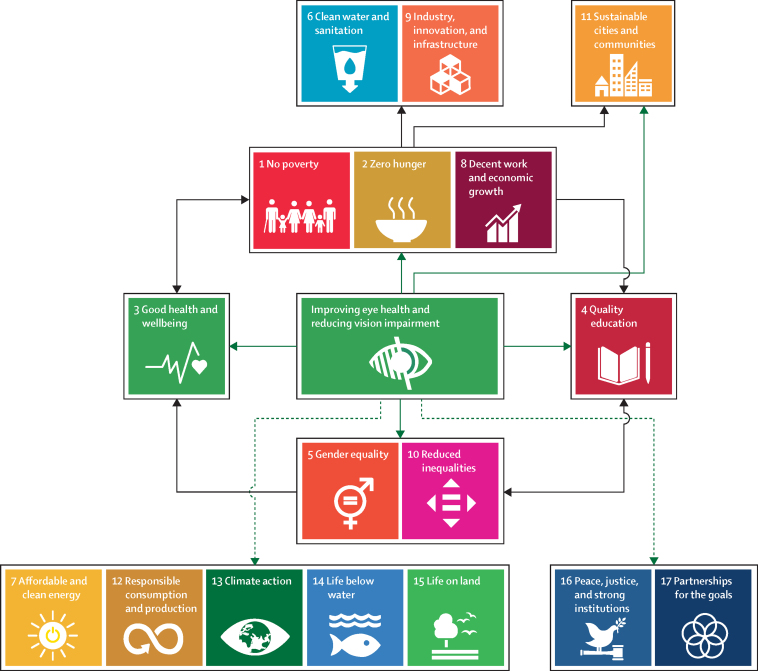
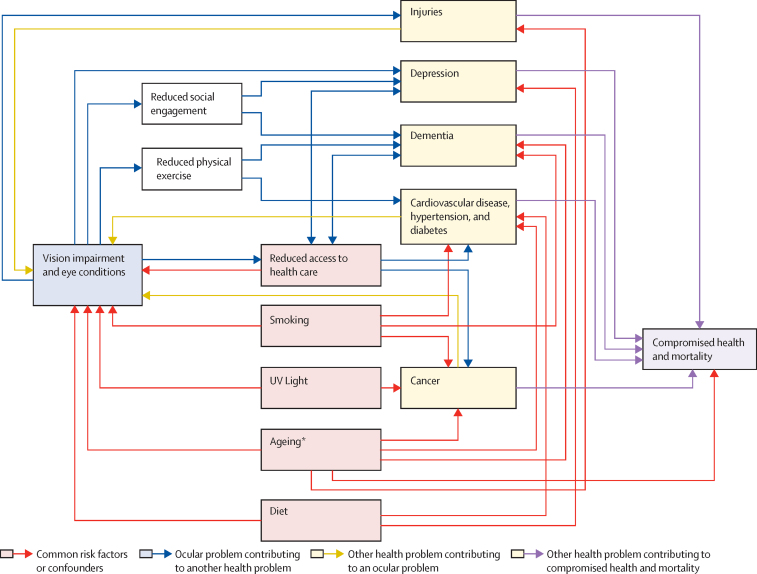
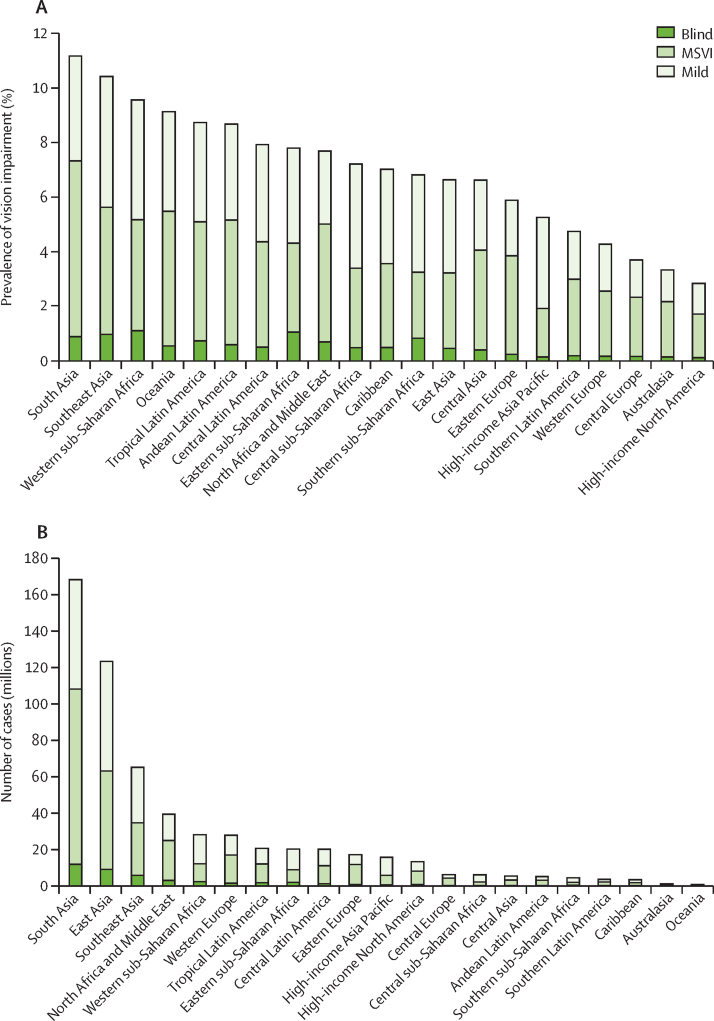
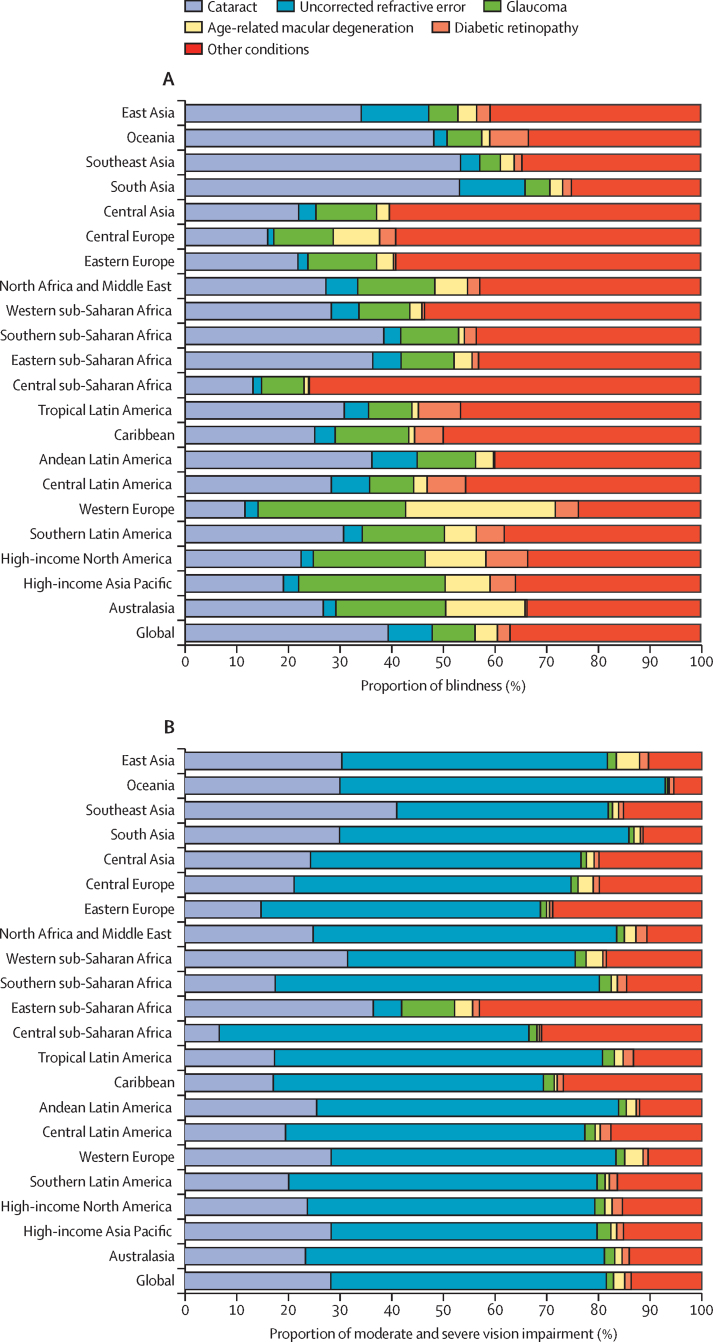
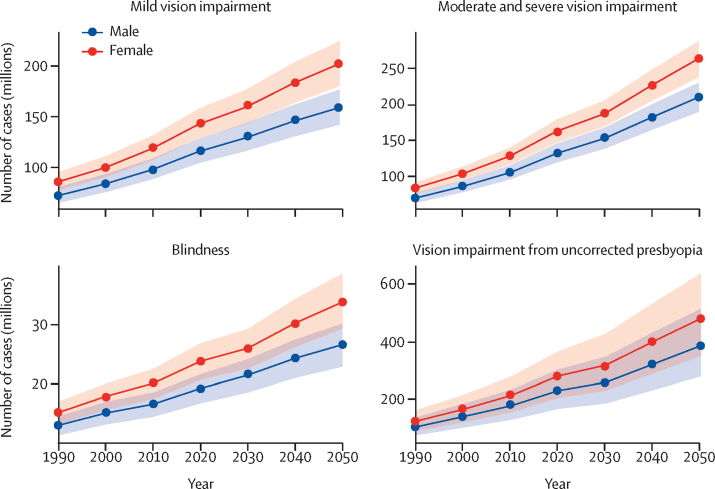
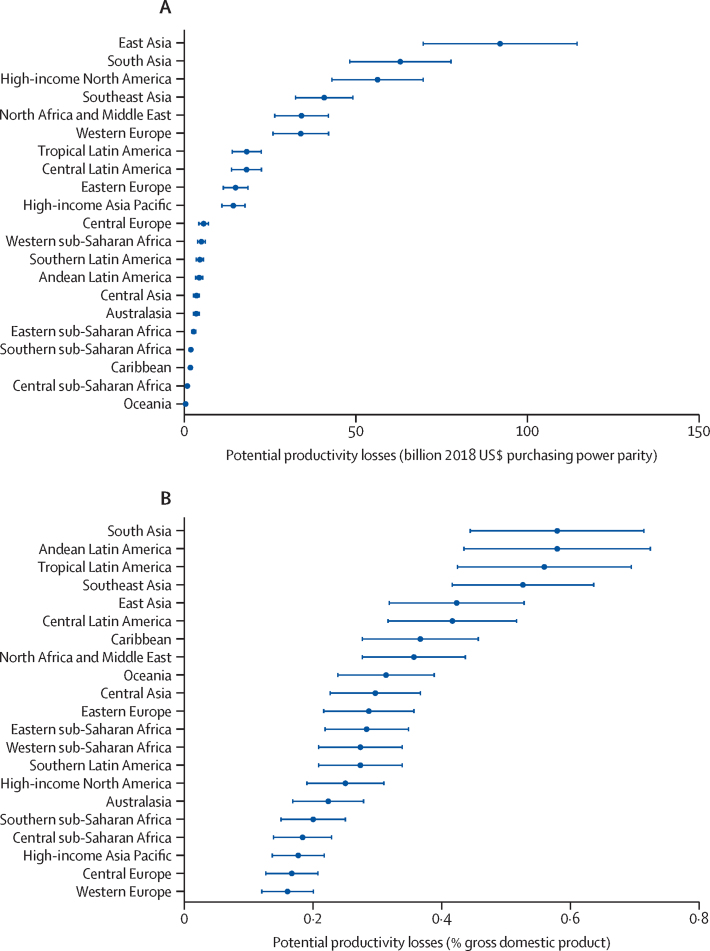
Eye health and vision have widespread and profound implications for many aspects of life, health, sustainable development, and the economy.Yet nowadays, many people, families, and populations continue to suffer the consequences of poor access to high-quality, affordable eye care, leading to vision impairment and blindness.In 2020, an estimated 596 million people had distance vision impairment worldwide, of whom 43 million were blind.Another 510 million people had uncorrected near vision impairment, simply because of not having reading spectacles.A large proportion of those affected (90%), live in low-income and middle-income countries (LMICs).However, encouragingly, more than 90% of people with vision impairment have a preventable or treatable cause with existing highly cost-effective interventions.Eye conditions affect all stages of life, with young children and older people being particularly affected.Crucially, women, rural populations, and ethnic minority groups are more likely to have vision impairment, and this pervasive inequality needs to be addressed.By 2050, population ageing, growth, and urbanisation might lead to an estimated 895 million people with distance vision impairment, of whom 61 million will be blind.Action to prioritise eye health is needed now.This Commission defines eye health as maximised vision, ocular health, and functional ability, thereby contributing to overall health and wellbeing, social inclusion, and quality of life.Eye health is essential to achieve many of the Sustainable Development Goals (SDGs).Poor eye health and impaired vision have a negative effect on quality of life and restrict equitable access to and achievement in education and the workplace.Vision loss has substantial financial implications for affected individuals, families, and communities.Although high-quality data for global economic estimates are scarce, particularly for LMICs, conservative assessments based on the latest prevalence figures for 2020 suggest that annual global productivity loss from vision impairment is approximately US$410•7 billion purchasing power parity.Vision impairment reduces mobility, affects mental wellbeing, exacerbates risk of dementia, increases likelihood of falls and road traffic crashes, increases the need for social care, and ultimately leads to higher mortality rates.By contrast, vision facilitates many daily life activities, enables better educational outcomes, and increases work productivity, reducing inequality.An increasing amount of evidence shows the potential for vision to advance the SDGs, by contributing towards poverty reduction, zero hunger, good health and wellbeing, quality education, gender equality, and decent work.Eye health is a global public priority, transforming lives in both poor and wealthy communities.Therefore, eye health needs to be reframed as a development as well as a health issue and given greater prominence within the global development and health agendas.Vision loss has many causes that require promotional, preventive, treatment, and rehabilitative interventions.Cataract, uncorrected refractive error, glaucoma, agerelated macular degeneration, and diabetic retinopathy www.thelancet.
Overview
The claims and statistics of this paper haven’t been checked yet.
Free: it reads the open-access text and checks the first 5 claims that cite a source we can check. Create a free account to check every claim.
Integrity signals
Registry
Cites
Statistics
Figures
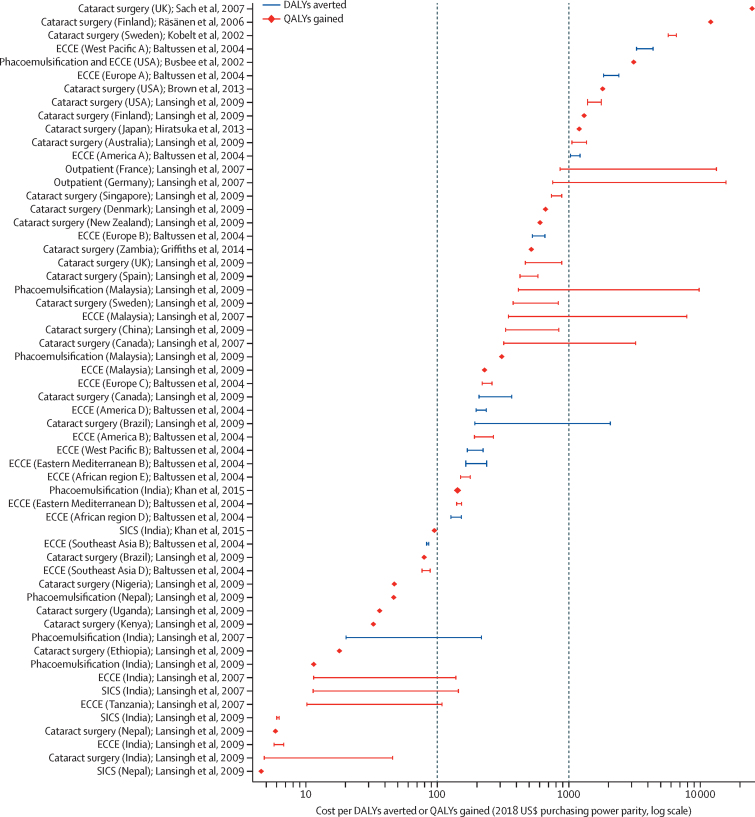
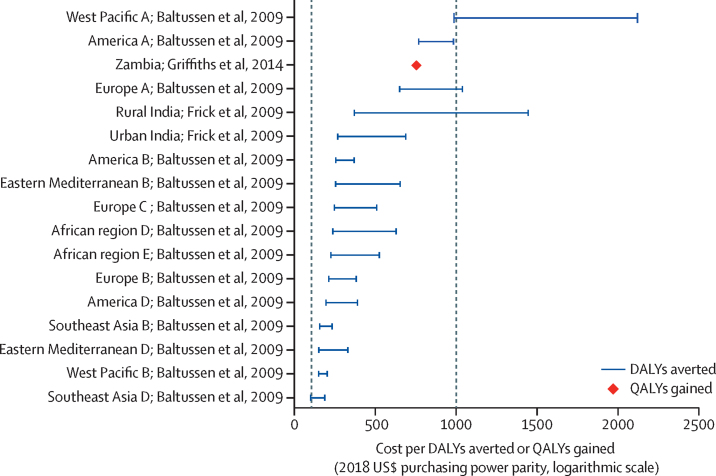
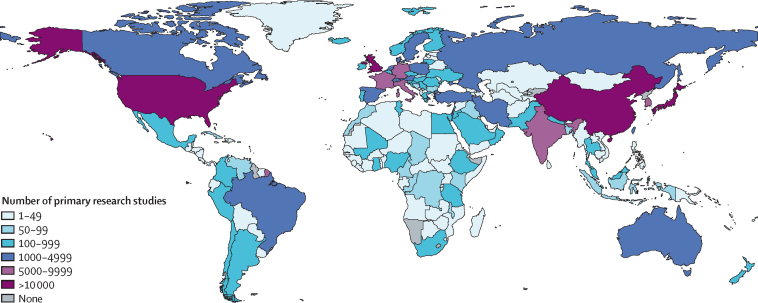
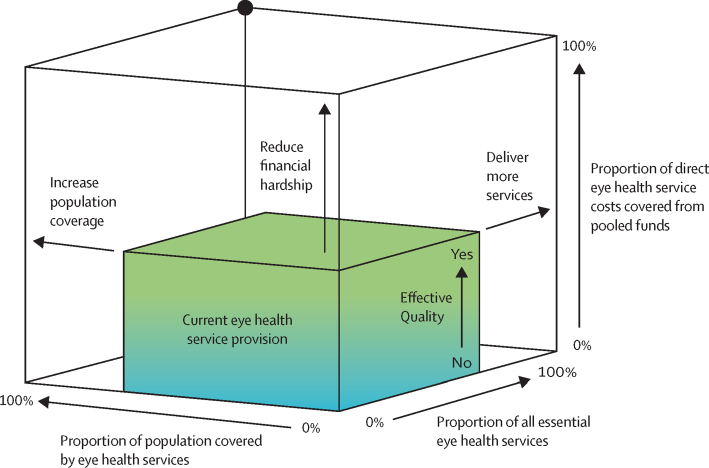
Verification
Claims the paper makes
The claims and statistics of this paper haven’t been checked yet.
Free: it reads the open-access text and checks the first 5 claims that cite a source we can check. Create a free account to check every claim.
Claims other papers make about this one
Each is checked against this paper’s own text: does it say what the citing paper says it does?
The source backs part of the claim, not all of it — or backs it for a different population, condition or comparison.
In the citing paper
“Artificial intelligence (AI) is an accurate screening tool for diabetic retinopathy (DR), the leading cause of blindness among working-aged adults.”
From Referral uptake after diabetic retinopathy screening with artificial intelligence-assisted care pathways: a systematic review and meta-analysis (2026) · cites this paper as [1]
Experimental — accuracy not yet measuredThe cited source says what the claim attributes to it.
In the citing paper
“Underfunding, alongside scarcity of ophthalmological services and trained personnel, infrastructures are common challenges faced by LMICs, which often delay diagnosis and management, increasing the risk of irreversible vision loss [6].”
From Diabetic retinopathy screening model in low and middle-income countries: a scoping review (2025) · cites this paper as [6]
The cited source says what the claim attributes to it.
In the citing paper
“Diabetic retinopathy (DR) is the leading cause of blindness among working-aged adults and early detection is critical for timely management to prevent vision loss1,2.”
From Referral uptake after diabetic retinopathy screening with artificial intelligence-assisted care pathways: a systematic review and meta-analysis (2026) · cites this paper as [1]
The cited source says what the claim attributes to it.
In the citing paper
“The magnitude of diabetes and its sequelae including DR require large-scale screening to enable early intervention, as described in the recent Lancet Global Health Commission on Global Eye Health and contemporary modelling of diabetes prevalence worldwide1,4.”
From Referral uptake after diabetic retinopathy screening with artificial intelligence-assisted care pathways: a systematic review and meta-analysis (2026) · cites this paper as [1]
The check wasn’t confident either way, so it gives no verdict — never disputed.
In the citing paper
“This capability is crucial for creating VPs that accurately simulate real patients for educational purposes39,40.”
From A large language model digital patient system enhances ophthalmology history taking skills (2025) · cites this paper as [39]
Experimental — accuracy not yet measured
Self-check
Percentages, sums and reported differences re-computed from the paper’s own numbers.
The self-check needs the paper’s full text.
Citations
Cites
von Elm, E., Altman, D. G., Egger, M., Pocock, S. J., Gøtzsche, P. C., Vandenbroucke, J. P., & Initiative, F. T. S. (2007) · PLoS Medicine · doi:10.1371/journal.pmed.0040296 · Cited by 23,020
Transforming Our World: The 2030 Agenda for Sustainable Development
(2018) · A New Era in Global Health · doi:10.1891/9780826190123.ap02 · Cited by 19,351
James, S. L., Abate, D., Abate, K. H., Abay, S. M., Abbafati, C., Abbasi, N., Abbastabar, H., Abd-Allah, F., Abdela, J., Abdelalim, A., et al. (2018) · The Lancet · doi:10.1016/s0140-6736(18)32279-7 · Cited by 13,867
Self-citationVos, T., Abajobir, A. A., Abate, K. H., Abbafati, C., Abbas, K. M., Abd-Allah, F., Abdulkader, R. S., Abdulle, A. M., Abebo, T. A., Abera, S. F., et al. (2017) · The Lancet · doi:10.1016/s0140-6736(17)32154-2 · Cited by 13,220
Saeedi, P., Petersohn, I., Salpea, P., Malanda, B., Karuranga, S., Unwin, N., Colagiuri, S., Guariguata, L., Motala, A. A., Ogurtsova, K., et al. (2019) · Diabetes Research and Clinical Practice · doi:10.1016/j.diabres.2019.107843 · Cited by 10,792
Vos, T., Flaxman, A. D., Naghavi, M., Lozano, R., Michaud, C., Ezzati, M., Shibuya, K., Salomon, J. A., Abdalla, S., Aboyans, V., et al. (2012) · The Lancet · doi:10.1016/s0140-6736(12)61729-2 · Cited by 8,291
Self-citationThe number of people with glaucoma worldwide in 2010 and 2020
Quigley, H. A. (2006) · British Journal of Ophthalmology · doi:10.1136/bjo.2005.081224 · Cited by 7,394
Global Prevalence of Glaucoma and Projections of Glaucoma Burden through 2040
Tham, Y.-C., Li, X., Wong, T. Y., Quigley, H. A., Aung, T., & Cheng, C.-Y. (2014) · Ophthalmology · doi:10.1016/j.ophtha.2014.05.013 · Cited by 7,159
Self-citation(2007) · Developments in Ophthalmology · doi:10.1159/isbn.978-3-318-01439-6 · Cited by 5,583
Global Prevalence of Myopia and High Myopia and Temporal Trends from 2000 through 2050
Holden, B. A., Fricke, T. R., Wilson, D. A., Jong, M., Naidoo, K. S., Sankaridurg, P., Wong, T. Y., Naduvilath, T. J., & Resnikoff, S. (2016) · Ophthalmology · doi:10.1016/j.ophtha.2016.01.006 · Cited by 5,500
Self-citation
Research works printed but not linked: 6
- Soleimani-Sefat E Rostami M Amani S Movallali G The needs and problems of students with visual impairment J Soc Sci Hum Stud 2 2016 8 16 https://www.textroad.com/pdf/JSSHS/J.%20Soc.%20Sci.%20Hum.%20Stud.,%202(2)8-16,%202016.pdf
- Porcino A Workshop report: a VISION 2020 workshop on research for global blindness prevention http://www.aurovikas.co.in/os2014/pdf_files/VISION_2020_Workshop_on_Research_for_Global_Blindness_Prevention.pdf 2010
- WHO International standards for vision rehabilitation: report of the international consensus conference, Rome, 9–12 December 2015 https://www.iapb.org/wp-content/uploads/2020/09/international_standards_for_vision_rehabilitation-international_consensus_conference-report.pdf 2017
- Ministry Of Health Medical Service Administration National survey on avoidable blindness Vietnam https://pdfs.semanticscholar.org/97aa/e9d48f6a9769751d61d1ea4c16fd2cfa3fec.pdf 2015
- WHO Prevention of avoidable blindness and visual impairment https://apps.who.int/iris/bitstream/handle/10665/21455/A59_R25-en.pdf 2006 26310248
- WHO Prevention of avoidable blindness and visual impairment https://apps.who.int/iris/bitstream/handle/10665/2244/A62_R1-en.pdf 2009 26310248
Cited by
Han, H., Li, S., Xu, M., Zhong, Y., Fan, W., Xu, J., Zhou, T., Ji, J., Ye, J., & Yao, K. (2023) · Advanced Drug Delivery Reviews · doi:10.1016/j.addr.2023.114770 · Cited by 322
Blindness and Vision Impairment
Etya’ale, D. (2023) · Sustainable Development Goals Series · doi:10.1007/978-3-031-33851-9_31 · Cited by 296
Integrated image-based deep learning and language models for primary diabetes care
Li, J., Guan, Z., Wang, J., Cheung, C. Y., Zheng, Y., Lim, L.-L., Lim, C. C., Ruamviboonsuk, P., Raman, R., Corsino, L., et al. (2024) · Nature Medicine · doi:10.1038/s41591-024-03139-8 · Cited by 250
Self-citationGlobal economic productivity losses from vision impairment and blindness
Marques, A. P., Ramke, J., Cairns, J., Butt, T., Zhang, J. H., Muirhead, D., Jones, I., Tong, B. A. M. A., Swenor, B. K., Faal, H., et al. (2021) · EClinicalMedicine · doi:10.1016/j.eclinm.2021.100852 · Cited by 236
“Vision impairment and impaired eye health can have a wide-reaching and major impact on the lives of individuals, their families and society [2].”
BackgroundSelf-citationGregg, E. W., Buckley, J., Ali, M. K., Davies, J., Flood, D., Mehta, R., Griffiths, B., Lim, L.-L., Manne-Goehler, J., Pearson-Stuttard, J., et al. (2023) · The Lancet · doi:10.1016/s0140-6736(23)00001-6 · Cited by 232
Vision Loss Expert Group of the Global Burden of Disease Study, Bourne, R., Jonas, J. B., Friedman, D. S., Nangia, V. B., Bron, A. M., Tapply, I. H., Fernandes, A. G., Cicinelli, M. V., Arrigo, A., et al. (2024) · Eye · doi:10.1038/s41433-024-02995-5 · Cited by 202
“This will result in populations undergoing “epidemiological transition” and experiencing a higher prevalence of diseases associated with higher development and aging, including glaucoma [3, 13, 14].”
BackgroundSelf-citationVashist, P., Senjam, S. S., Gupta, V. V., Gupta, N., Shamanna, B., Wadhwani, M., Shukla, P., Manna, S., Yadav, S., & Bharadwaj, A. (2022) · PLoS ONE · doi:10.1371/journal.pone.0271736 · Cited by 190
“Blindness is a significant public health problem globally with a disproportionately large prevalence in low and middle income countries (LMICs) [5].”
BackgroundArtificial intelligence in ophthalmology: The path to the real-world clinic
Li, Z., Wang, L., Wu, X., Jiang, J., Qiang, W., Xie, H., Zhou, H., Wu, S., Shao, Y., & Chen, W. (2023) · Cell Reports Medicine · doi:10.1016/j.xcrm.2023.101095 · Cited by 188
“By 2045, this number is projected to increase to 242 million for DR and 71 million for sight-threatening DR.(18) Early identification and timely treatment of sight-threatening DR can reduce 95% of blindness from this cause.”
InfluentialAssociation between vision impairment and mortality: a systematic review and meta-analysis
Ehrlich, J. R., Ramke, J., Macleod, D., Burn, H., Lee, C. N., Zhang, J. H., Waldock, W., Swenor, B. K., Gordon, I., Congdon, N., et al. (2021) · The Lancet Global Health · doi:10.1016/s2214-109x(20)30549-0 · Cited by 182
Self-citationSolomon, A. W., Burton, M. J., Gower, E. W., Harding-Esch, E. M., Oldenburg, C. E., Taylor, H. R., & Traoré, L. (2022) · Nature Reviews Disease Primers · doi:10.1038/s41572-022-00359-5 · Cited by 182
Self-citationHydrogels-based ophthalmic drug delivery systems for treatment of ocular diseases
Fang, G., Yang, X., Wang, Q., Zhang, A., & Tang, B. (2021) · Materials Science and Engineering C · doi:10.1016/j.msec.2021.112212 · Cited by 178
Healthy Diet for Healthy Aging
Yeung, S. S. Y., Kwan, M., & Woo, J. (2021) · Nutrients · doi:10.3390/nu13124310 · Cited by 171
“Reduction in visual acuity and field of vision, as well as diseases such as age-related macular degeneration (AMD), cataracts, diabetic retinopathy (DR), and glaucoma, become more common with increasing age [67].”
BackgroundFang, R., Yu, Y.-F., Li, E.-J., Lv, N.-X., Liu, Z.-C., Zhou, H., & Song, X. (2022) · BMC Public Health · doi:10.1186/s12889-022-14491-0 · Cited by 171
Cyclodextrin-based host–guest supramolecular hydrogels for local drug delivery
Fang, G., Yang, X., Chen, S., Wang, Q., Zhang, A., & Tang, B. (2022) · Coordination Chemistry Reviews · doi:10.1016/j.ccr.2021.214352 · Cited by 162
A multimodal visual–language foundation model for computational ophthalmology
Shi, D., Zhang, W., Yang, J., Huang, S., Chen, X., Xu, P., Jin, K., Lin, S. C., Wei, J., Yusufu, M., et al. (2025) · npj Digital Medicine · doi:10.1038/s41746-025-01772-2 · Cited by 163
“We fi rst assessed the few-shot performance of EyeCLIP using limited training samples of 1, 2, 4, 8, and 16, respectively.”
Self-citationArtificial intelligence and digital health in global eye health: opportunities and challenges
Tan, T. F., Thirunavukarasu, A. J., Jin, L., Lim, J., Poh, S. S. J., Teo, Z. L., Ang, M., Chan, R. V. P., Ong, J., Turner, A. W., et al. (2023) · The Lancet Global Health · doi:10.1016/s2214-109x(23)00323-6 · Cited by 142
Self-citationThe economics of vision impairment and its leading causes: A systematic review
Marques, A. P., Ramke, J., Cairns, J., Butt, T., Zhang, J. H., Jones, I., Jovic, M., Nandakumar, A., Faal, H., Taylor, H., et al. (2022) · eClinicalMedicine · doi:10.1016/j.eclinm.2022.101354 · Cited by 137
Self-citationVision Loss Expert Group of the Global Burden of Disease Study, Curran, K., Pető, T., Jonas, J. B., Friedman, D. S., Kim, J. E., Leasher, J. L., Tapply, I. H., Fernandes, A. G., Cicinelli, M. V., et al. (2024) · Eye · doi:10.1038/s41433-024-03101-5 · Cited by 140
“Political commitment is necessary to act on eye health, particularly in low-resource settings [7, 12].”
Self-citationMcCormick, I., Butcher, R., Evans, J. R., Mactaggart, I., Limburg, H., Jolley, E., Sapkota, Y. D., Oye, J. E., Mishra, S. K., Bastawrous, A., et al. (2022) · The Lancet Global Health · doi:10.1016/s2214-109x(22)00419-3 · Cited by 116
“Cataract surgical rate is commonly low in LMICs; 6,18 surgeries might be more frequently done on eyes with more advanced cataract and comorbidities, meaning good postoperative visual outcomes are less probable.”
Self-citationLiu, H., Li, R., Zhang, Y., Zhang, K., Yusufu, M., Liu, Y., Mou, D., Chen, X., Tian, J., Li, H., et al. (2023) · The Lancet Global Health · doi:10.1016/s2214-109x(22)00554-x · Cited by 111
Self-citationWong, E. S., Choy, R. W., Zhang, Y., Chu, W. K., Chen, L. J., Pang, C. P., & Yam, J. C. S. (2022) · The Lancet Global Health · doi:10.1016/s2214-109x(21)00555-6 · Cited by 110
Keeping an eye on eye care: monitoring progress towards effective coverage
Keel, S., Müller, A., Block, S. S., Bourne, R., Burton, M. J., Chatterji, S., He, M., Lansingh, V. C., Mathenge, W. C., Mariotti, S. P., et al. (2021) · The Lancet Global Health · doi:10.1016/s2214-109x(21)00212-6 · Cited by 109
Self-citationThe burden of diabetes-associated multiple long-term conditions on years of life spent and lost
Gregg, E. W., Pratt, A. C., Owens, A., Barron, E., Dunbar-Rees, R., Slade, E. T., Hafezparast, N., Bakhai, C., Chappell, P., Cornelius, V. R., et al. (2024) · Nature Medicine · doi:10.1038/s41591-024-03123-2 · Cited by 285
“Moreover, diabetes-related eye diseases, which contribute to a substantial burden of disability among persons with diabetes, are not included in these analyses 40 .”
BackgroundRaman, R., Vasconcelos, J. C., Rajalakshmi, R., Prevost, A. T., Ramasamy, K., Mohan, V., Mohan, D., Rani, P. K., Conroy, D., Das, T., et al. (2022) · The Lancet Global Health · doi:10.1016/s2214-109x(22)00411-9 · Cited by 106
González-Gonzalo, C., Thee, E. F., Klaver, C. C. W., Lee, A. Y., Schlingemann, R. O., Tufail, A., Verbraak, F., & Sánchez, C. I. (2022) · Progress in Retinal and Eye Research · doi:10.1016/j.preteyeres.2021.101034 · Cited by 103
“However, it is important to acknowledge that certain settings will be limited by the prevalent socio-economic context of their healthcare system rather than by technology, which means that special efforts might be necessary to ensure the benefits of AI reach low-resource settings as well (Burton et al., 2021; Panch et…”
Jeong, Y. D., Park, S., Kim, M. S., Hong, S. H., Aalruz, H., Abate, Y. H., Abbasgholizadeh, R., ElHafeez, S. A., Abdullahi, A., Aboagye, R. G., et al. (2025) · The Lancet Global Health · doi:10.1016/s2214-109x(25)00143-3 · Cited by 101
Keenan, T. D. L., Chen, Q., Agrón, E., Tham, Y. C., Goh, J. H. L., Lei, X., Ng, Y. P., Liu, Y., Xu, X., Cheng, C., et al. (2022) · Ophthalmology · doi:10.1016/j.ophtha.2021.12.017 · Cited by 99
Self-citationTang, Z., Fan, X., Chen, Y., & Gu, P. (2022) · Advanced Science · doi:10.1002/advs.202003699 · Cited by 95
Fanu, G. L., Schmidt, E., & Virendrakumar, B. (2022) · International Journal of Educational Development · doi:10.1016/j.ijedudev.2022.102574 · Cited by 91
The Role of Müller Cells in Diabetic Macular Edema
Lai, D., Wu, Y., Shao, C., & Qiu, Q. (2023) · Investigative Ophthalmology & Visual Science · doi:10.1167/iovs.64.10.8 · Cited by 86
Aging, Cellular Senescence, and Glaucoma
Zhang, Y., Huang, S., Xie, B., & Zhong, Y. (2023) · Aging and Disease · doi:10.14336/ad.2023.0631 · Cited by 87
Tsang, J. Y., Wright, A. K., Carr, M., Dickinson, C., Harper, R. A., Kontopantelis, E., van Staa, T. P., Munford, L. A., Blakeman, T., & Ashcroft, D. M. (2023) · JAMA Ophthalmology · doi:10.1001/jamaophthalmol.2023.5858 · Cited by 87
Vision Loss Expert Group of the Global Burden of Disease Study, Furtado, J. M., Jonas, J. B., Tapply, I. H., Fernandes, A. G., Cicinelli, M. V., Arrigo, A., Leveziel, N., Resnikoff, S., Taylor, H. R., et al. (2024) · Eye · doi:10.1038/s41433-024-03050-z · Cited by 86
“Moreover, individuals with vision impairment are at an increased risk of falls, which can lead to further physical injury and a decline in their quality of life [6].”
BackgroundInfluentialSelf-citationSharif, N. A. (2021) · Frontiers in Pharmacology · doi:10.3389/fphar.2021.729249 · Cited by 85
Visual impairment, eye diseases, and dementia risk: a systematic review and meta-analysis
Kuźma, E., Littlejohns, T. J., Khawaja, A. P., Llewellyn, D. J., Ukoumunne, O. C., & Thiem, U. (2021) · Journal of Alzheimer's Disease · doi:10.3233/jad-210250 · Cited by 83
Nanomaterial-based ophthalmic drug delivery
Xie, G., Lin, S., Wu, F. Q., & Liu, J. (2023) · Advanced Drug Delivery Reviews · doi:10.1016/j.addr.2023.115004 · Cited by 81
Ageing and vision loss: looking to the future
Swenor, B. K., & Ehrlich, J. R. (2021) · The Lancet Global Health · doi:10.1016/s2214-109x(21)00031-0 · Cited by 79
Self-citationTFOS Lifestyle: Impact of societal challenges on the ocular surface
Stapleton, F. J., Abad, J. C., Barabino, S., Burnett, A. M., Iyer, G. K., Lekhanont, K., Li, T., Liu, Y., Navas, A., Obinwanne, C. J., et al. (2023) · The Ocular Surface · doi:10.1016/j.jtos.2023.04.006 · Cited by 80
“179 most low-income regions have worse visual impairment compared to their male counterparts [476] and the Lancet Global Health Commission on Global Eye Health reported 55% of global vision loss is experienced by women and girls and women are 8% more likely to be blind [477].”
BackgroundGrand Challenges in global eye health: a global prioritisation process using Delphi method
Ramke, J., Evans, J. R., Habtamu, E., Mwangi, N., Silva, J. C., Swenor, B. K., Congdon, N. G., Faal, H. B., Foster, A., Friedman, D. S., et al. (2022) · The Lancet Healthy Longevity · doi:10.1016/s2666-7568(21)00302-0 · Cited by 80
“1,24 To address this gap, research questions regarding health services and policy could be embedded within national research agenda that are aligned to eye health policies and plans.”
Self-citationPosterior Segment Ophthalmic Drug Delivery: Role of Muco-Adhesion with a Special Focus on Chitosan
Burhan, A. M., Klahan, B., Cummins, W., Andrés‐Guerrero, V., Byrne, M. E., O’Reilly, N. J., Chauhan, A., Fitzhenry, L., & Hughes, H. P. (2021) · Pharmaceutics · doi:10.3390/pharmaceutics13101685 · Cited by 77
“Latest 2020 prevalence data suggest that vision impairment associated annual global productivity loss in lower-middle income countries is estimated to be approximately USD 400 billion purchasing power parity [1].”
BackgroundInfluentialBourne, R., Cicinelli, M. V., Sedighi, T., Tapply, I. H., McCormick, I., Jonas, J. B., Congdon, N. G., Ramke, J., Naidoo, K. S., Fricke, T., et al. (2022) · The Lancet Global Health · doi:10.1016/s2214-109x(22)00433-8 · Cited by 77
Self-citationAdvancing the Sustainable Development Goals through improving eye health: a scoping review
Zhang, J. H., Ramke, J., Jan, C., Bascarán, C., Mwangi, N., Furtado, J. M., Yasmin, S., Ogundo, C., Yoshizaki, M., Marques, A. P., et al. (2022) · The Lancet Planetary Health · doi:10.1016/s2542-5196(21)00351-x · Cited by 75
Self-citationCleland, C. R., Rwiza, J., Evans, J. R., Gordon, I., Macleod, D., Burton, M. J., & Bascarán, C. (2023) · BMJ Open Diabetes Research & Care · doi:10.1136/bmjdrc-2023-003424 · Cited by 75
Self-citationAssessment of Inner Blood–Retinal Barrier: Animal Models and Methods
Bora, K., Kushwah, N. S., Maurya, M., Pavlovich, M. C., Wang, Z., & Chen, J. (2023) · Cells · doi:10.3390/cells12202443 · Cited by 71
“In 2020, global blindness was highly attributable in part to retinal vascular diseases, namely age-related macular degeneration (AMD), diabetic retinopathy, and glaucoma [6].”
BackgroundJiang, B., Wu, T., Liu, W., Liu, G., & Lu, P. (2023) · JMIR Public Health and Surveillance · doi:10.2196/47349 · Cited by 71
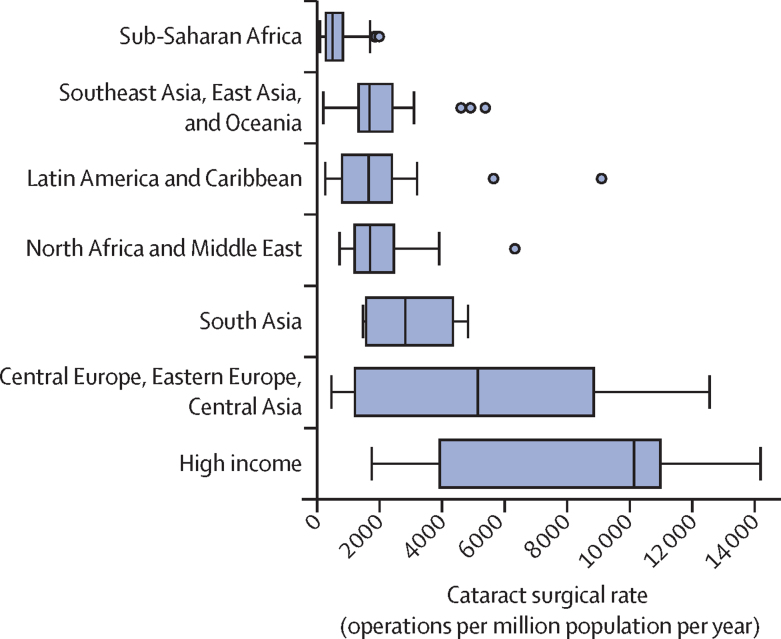
“As a result, the cataract surgical rate is over 10,000 in developed countries and below 500 in low-income countries [34].”
BackgroundOxidative Stress in Cataract Formation: Is There a Treatment Approach on the Horizon?
Li, J., Buonfiglio, F., Zeng, Y., Pfeiffer, N., & Gericke, A. (2024) · Antioxidants · doi:10.3390/antiox13101249 · Cited by 71
“Given the high prevalence and severity of this condition, cataracts have become a critical public health issue, imposing significant societal burdens on a global scale [6].”
BackgroundEhrlich, J. R., Goldstein, J., Swenor, B. K., Whitson, H., Langa, K. M., & Veliz, P. (2022) · JAMA Neurology · doi:10.1001/jamaneurol.2022.0723 · Cited by 69
Self-citationAddressing the environmental sustainability of eye health-care delivery: a scoping review
Buchan, J. C., Thiel, C. L., Steyn, A., Somner, J., Venkatesh, R., Burton, M. J., & Ramke, J. (2022) · The Lancet Planetary Health · doi:10.1016/s2542-5196(22)00074-2 · Cited by 68
Self-citationChokron, S., & Dutton, G. N. (2022) · Journal of Neural Transmission · doi:10.1007/s00702-022-02572-8 · Cited by 67
Chen, X., Zhao, Z., Zhang, W., Xu, P., Wu, Y., Xu, M., Gao, L., Li, Y., Shang, X., Shi, D., et al. (2024) · Journal of Medical Internet Research · doi:10.2196/60063 · Cited by 65
“Ophthalmic diseases pose significant concerns for public health [1].”
The Impact of Hyperopia on Academic Performance Among Children: A Systematic Review
Mavi, S., Chan, V. F., Virgili, G., Biagini, I., Congdon, N. G., Piyasena, P., Yong, A. C., Ciner, E. B., Kulp, M. T., Candy, T. R., et al. (2022) · Asia-Pacific Journal of Ophthalmology · doi:10.1097/apo.0000000000000492 · Cited by 63
“Uncorrected refractive error is the leading cause of vision impairment in children globally.(6) An estimated 12.”
BackgroundSelf-citationVision Loss Expert Group of the Global Burden of Disease Study, Little, J., Congdon, N. G., Resnikoff, S., Braithwaite, T., Leasher, J. L., Naidoo, K. S., Fricke, T., Tapply, I. H., Fernandes, A. G., et al. (2024) · Eye · doi:10.1038/s41433-024-03106-0 · Cited by 64
“Visual impairment is a significant global health concern and the financial burden with global productivity losses is estimated to be 411 billion US dollars annually [11].”
BackgroundSelf-citationPrimary glaucomas in adults: Epidemiology and public health‐A review
Reis, T. F., Paula, J. S., & Furtado, J. M. (2022) · Clinical and Experimental Ophthalmology · doi:10.1111/ceo.14040 · Cited by 63
Self-citationApplication of Artificial Intelligence in Ophthalmology: An Updated Comprehensive Review
Hashemian, H., Pető, T., Ambrósio, R., Lengyel, I., Kafieh, R., Noori, A. M., & Khorrami‐Nejad, M. (2024) · Journal of Ophthalmic and Vision Research · doi:10.18502/jovr.v19i3.15893 · Cited by 64
“[6, 7] As global life expectancy rises, age-related eye diseases increase, further straining healthcare systems that currently struggle to meet new demands.”
BackgroundPhilippin, H., Matayan, E., Knoll, K. M., Macha, E., Mbishi, S., Makupa, A., Matsinhe, C. D., da Gama, V., Monjane, M. J., Ncheda, A. J., et al. (2021) · The Lancet Global Health · doi:10.1016/s2214-109x(21)00348-x · Cited by 61
Self-citationRono, H. K., Bastawrous, A., Macleod, D., Mamboleo, R., Bunywera, C., Wanjala, E., Gichuhi, S., & Burton, M. J. (2020) · The Lancet Digital Health · doi:10.1016/s2589-7500(21)00083-2 · Cited by 59
Self-citationEye disorders other than diabetic retinopathy in patients with diabetes
Feldman-Billard, S., & Dupas, B. (2021) · Diabetes & Metabolism · doi:10.1016/j.diabet.2021.101279 · Cited by 59
Ferroptosis: underlying mechanisms and involvement in neurodegenerative diseases
Wang, Y., Li, H., He, Q., Zou, R., Cai, J., & Zhang, L. (2023) · APOPTOSIS · doi:10.1007/s10495-023-01902-9 · Cited by 60
“…pressure (IOP), fluctuating IOP, glutamate neurotoxic - ity, vascular disorders, increased reactive oxygen species, and inflammatory response. are associated with the devel - opment of glaucoma [117], the primary characteristic of its pathology is the lack of retinal ganglion cells (RGCs) [118].”
Infectious eye disease in the 21st century—an overview
Clare, G., Kempen, J. H., & Pavesio, C. E. (2024) · Eye · doi:10.1038/s41433-024-02966-w · Cited by 60
“While it has not been possible to eliminate the disease as a public health problem thus far, the WHO Alliance for the Global Elimination of Trachoma by 2020 now aspires to eliminate it by 2030 [12, 96].”
BackgroundCataract-1K Dataset for Deep-Learning-Assisted Analysis of Cataract Surgery Videos
Ghamsarian, N., El‐Shabrawi, Y., Nasirihaghighi, S., Putzgruber-Adamitsch, D., Zinkernagel, M. S., Wolf, S., Schoeffmann, K., & Sznitman, R. (2024) · Scientific Data · doi:10.1038/s41597-024-03193-4 · Cited by 57
“Owing to the aging demographic and increased lifespans, the World Health Organization forecasts a surge in cataract-related blindness cases, estimating the number to reach 40 million by the year 2025 14 .”
BackgroundMultimodal foundation model and benchmark for comprehensive retinal OCT image analysis
Morano, J., Fazekas, B., Sükei, E., Fecso, R., Emre, T., Gumpinger, M., Faustmann, G., Oghbaie, M., Schmidt-Erfurth, U. M., & Bogunović, H. (2025) · npj Digital Medicine · doi:10.1038/s41746-025-01852-3 · Cited by 58
Effects and potential mechanisms of exercise and physical activity on eye health and ocular diseases
Zhang, Q., Jiang, Y., Deng, C., & Wang, J. (2024) · Frontiers in Medicine · doi:10.3389/fmed.2024.1353624 · Cited by 54
Wu, H., Jin, K., Yip, C. C., Koh, V., & Ye, J. (2024) · Survey of Ophthalmology · doi:10.1016/j.survophthal.2024.03.008 · Cited by 53
Nanomedicine-Based Ophthalmic Drug Delivery Systems for the Treatment of Ocular Diseases
Lin, X., Zhou, Y., Lv, K., Wu, W., & Chen, C. (2025) · International Journal of Nanomedicine · doi:10.2147/ijn.s532074 · Cited by 53
Collaboration to Support Rural Student Social-Emotional Needs
Nichols, L. M., Goforth, A. N., Sacra, M. M., & Ahlers, K. P. (2018) · The rural educator · doi:10.35608/ruraled.v38i1.234 · Cited by 54
GLA-Net: A global-local attention network for automatic cataract classification
Xu, X., Li, J., Guan, Y., Zhao, L., Zhao, Q., Zhang, L., & Li, L. (2021) · Journal of Biomedical Informatics · doi:10.1016/j.jbi.2021.103939 · Cited by 53
The Case for Fungal Keratitis to Be Accepted as a Neglected Tropical Disease
Brown, L., Kamwiziku, G. K., Oladele, R. O., Burton, M. J., Prajna, N. V., Leitman, T. M., & Denning, D. W. (2022) · Journal of Fungi · doi:10.3390/jof8101047 · Cited by 52
“Corneal blindness is an important cause of blindness globally, yet fungal keratitis is often sidelined [9].”
BackgroundInfluentialSelf-citationKhan, W., Hussain, A. J., Khan, B. M., & Crockett, K. A. (2023) · Expert Systems with Applications · doi:10.1016/j.eswa.2023.120464 · Cited by 53
Urban greenspace and visual acuity in schoolchildren: a large prospective cohort study in China
Bao, W.-W., Zhao, Y., Dadvand, P., Jiang, N., Chen, G., Yang, B., Huang, W., Xiao, X., Liang, J., Chen, Y., et al. (2024) · Environment International · doi:10.1016/j.envint.2024.108423 · Cited by 53
BCLA CLEAR Presbyopia: Epidemiology and impact
Markoulli, M. P., Fricke, T., Arvind, A., Frick, K. D., Hart, K. M., Joshi, M. R., Kandel, H., Macedo, A. F., Makrynioti, D., Retallic, N., et al. (2024) · Contact Lens and Anterior Eye · doi:10.1016/j.clae.2024.102157 · Cited by 54
“Most often there is a multifactorial aetiology, with vision problems identified as a related risk factor [235,149,236].”
InfluentialSelf-citationPersonalizing Nutrition Strategies: Bridging Research and Public Health
Clemente‐Suárez, V. J., Peris-Ramos, H. C., Redondo-Flórez, L., Beltrán-Velasco, A. I., Martín-Rodríguez, A., David-Fernandez, S., Sepulveda, R. A. Y., & Tornero-Aguilera, J. F. (2024) · Journal of Personalized Medicine · doi:10.3390/jpm14030305 · Cited by 51
“Nutrient deficiencies can lead to malnutrition effects on the visual development of newborns and manifestations of ocular diseases in adults [355].”
BackgroundLemij, H. G., de Vente, C., Sánchez, C. I., & Vermeer, K. A. (2023) · Ophthalmology Science · doi:10.1016/j.xops.2023.100300 · Cited by 49
Chen, J., Yang, C., Zheng, W., Li, Z., Huang, Y., Yao, S., Chen, X., Chen, X., Xie, R., Luo, R., et al. (2023) · JAMA Ophthalmology · doi:10.1001/jamaophthalmol.2023.5617 · Cited by 47
Chen, S., & Bai, W. (2025) · Frontiers in Cell and Developmental Biology · doi:10.3389/fcell.2025.1576465 · Cited by 49
The incidence of falls after first and second eye cataract surgery: a longitudinal cohort study
Keay, L. J., Ho, K. C., Rogers, K. D., McCluskey, P., White, A. J. R., Morlet, N., Ng, J. Q., Lamoureux, E. L., Pesudovs, K., Stapleton, F. J., et al. (2022) · The Medical Journal of Australia · doi:10.5694/mja2.51611 · Cited by 47
Self-citationKhan, J., & Shaw, S. (2023) · Scientific Reports · doi:10.1038/s41598-023-38229-z · Cited by 46
Barriers to Accessing Eye Health Services in Suburban Communities in Nampula, Mozambique
Sengo, D. B., Marraca, N. A., Muaprato, A. M., García‐Sanjuán, S., Caballero, P., & López‐Izquierdo, I. (2022) · International Journal of Environmental Research and Public Health · doi:10.3390/ijerph19073916 · Cited by 45
“Furthermore, currently, many people, families, and communities continue to suffer the consequences of limited access to quality and affordable eye care services, thus having to live with visual impairment or blindness [3].”
BackgroundAdvances in visual prostheses: engineering and biological challenges
Borda, E., & Ghezzi, D. (2022) · Progress in Biomedical Engineering · doi:10.1088/2516-1091/ac812c · Cited by 44
“Moreover, due to an increase in life expectancy, the number of blind people will predictably increase to 61 million by 2050 [1, 2].”
BackgroundOptical coherence tomography angiography in diabetic retinopathy: A major review
Nouri, H., Abtahi, S.-H., Mazloumi, M., Samadikhadem, S., Arévalo, J. F., & Ahmadieh, H. (2024) · Survey of Ophthalmology · doi:10.1016/j.survophthal.2024.03.004 · Cited by 44
He, J., Tang, X., Jiang, M., & Zheng, X. (2024) · Journal of the American Heart Association · doi:10.1161/jaha.124.034851 · Cited by 44
“17 Many previous studies have shown that VI and HI alone have an impact on CVD, indicating that they may be a potential risk factor affecting the occurrence of CVD. 18,19 However, previous studies included United States and Korea individuals, and the impact of VI, HI, and DSI on the incidence rate…”
Challenges in Eye Care in the Asia-Pacific Region
Yusufu, M., Bukhari, J., Yu, X., Lin, T. P. H., Lam, D. S. C., & Wang, N. (2021) · Asia-Pacific Journal of Ophthalmology · doi:10.1097/apo.0000000000000391 · Cited by 44
“The latest report revealed that over 90% of vision impairment could have been prevented or can be treated.(29) Given the serious challenges in the region, it appears crucial and cost-effective to take urgent and effective actions to halt further progression of the existing problems and to prevent the emergence of expe…”
BackgroundSelf-citationReported evidence of vitamin E protection against cataract and glaucoma
Tanito, M. (2021) · Free Radical Biology and Medicine · doi:10.1016/j.freeradbiomed.2021.10.027 · Cited by 44
Objectively Measured Visual Impairment and Dementia Prevalence in Older Adults in the US
Killeen, O. J., Zhou, Y., & Ehrlich, J. R. (2023) · JAMA Ophthalmology · doi:10.1001/jamaophthalmol.2023.2854 · Cited by 44
Self-citationArtificial Intelligence Applications in Ophthalmology
Oshika, T. (2025) · JMA Journal · doi:10.31662/jmaj.2024-0139 · Cited by 43
Sallam, M., Alasfoor, I. M., Khalid, S. W., Al-Mulla, R. I., Al‐Farajat, A., Mijwil, M. M., Zahrawi, R., Sallam, M., Egger, J., & Al‐Adwan, A. S. (2025) · Narra J · doi:10.52225/narra.v5i1.2371 · Cited by 46
“Visual conditions are common health concerns worldwide, with disorders such as distance and near vision impairments, cataracts, glaucoma, and diabetic retinopathy affecting hundreds of millions of people [46-50].”
Use of Mobile Apps for Visual Acuity Assessment: Systematic Review and Meta-analysis
Suo, L., Ke, X., Zhang, D., Qin, X., Chen, X., Hong, Y., Dai, W., Wu, D., Zhang, C., & Zhang, D. (2022) · JMIR mhealth and uhealth · doi:10.2196/26275 · Cited by 43
“In 2020, the estimated number of people with distance VI in the world was 596 million, including 43 million with blindness [2].”
BackgroundMostert, C. M., Udeh-Momoh, C., Winkler, A. S., McLaughlin, C., Eyre, H., Salama, M., Ranchod, K., Trepel, D., Vradenburg, G., Hynes, W., et al. (2025) · eBioMedicine · doi:10.1016/j.ebiom.2025.105950 · Cited by 42
“28 11 Moreso, while the 2024 report’s global focus is commendable, there remains a critical need to con-textualise gender-specific risk factors within diverse cultural and social realities, especially in majority world populations where gender roles, healthcare access, education, and social…”
Chen, D., Zhang, Y., Hu, X., Chen, G., Fang, Y., Chen, X., Liu, J., & Song, A. (2024) · IEEE Transactions on Neural Systems and Rehabilitation Engineering · doi:10.1109/tnsre.2024.3363495 · Cited by 42
“According to a report by the Global Health Committee of The Lancet on global eye health, there were approximately 43 million blind people worldwide in 2020, and it will increase to 61 million in 2050 [1].”
BackgroundSalongcay, R. P., Aquino, L. A. C., Salva, C. M. G., Saunar, A. V., Alog, G. P., Sun, J. K., Pető, T., & Silva, P. S. (2022) · Ophthalmology Retina · doi:10.1016/j.oret.2022.03.002 · Cited by 42
Cataract Surgery and Cognitive Benefits in the Older Person
Yeo, B. S. Y., Ong, R. Y. X., Ganasekar, P., Tan, B. K. J., Seow, D. C. C., & Tsai, A. S. H. (2024) · Ophthalmology · doi:10.1016/j.ophtha.2024.02.003 · Cited by 41
Li, H., Liu, Y., Dong, L., Zhang, R., Zhou, W., Wu, H.-T., Li, Y., Wang, Y. X., & Wei, W. (2021) · BMC Public Health · doi:10.1186/s12889-021-11648-1 · Cited by 41
“1 billion people get distance visual impairment or uncorrected presbyopia worldwide, of whom 596 million has distance visual impairment with 43 million are blind [2, 3].”
BackgroundDanemayer, J., Boggs, D., Ramos, V. D., Smith, E., Kular, A., Bhot, W., Ramos-Barajas, F., Polack, S., & Holloway, C. (2022) · BMJ Global Health · doi:10.1136/bmjgh-2021-007662 · Cited by 41
Global trends and performances in diabetic retinopathy studies: A bibliometric analysis
Xiao, H., Tang, J., Zhang, F., Liu, L., Zhou, J. J., Chen, M., Li, M., Wu, X., Nie, Y., & Duan, J. (2023) · Frontiers in Public Health · doi:10.3389/fpubh.2023.1128008 · Cited by 41
“Diabetic retinopathy (DR) is the primary cause of visual impairment worldwide and is a common complication of diabetes mellitus (1).”
BackgroundFostering the unleashing potential of nanocarriers-mediated delivery of ocular therapeutics
Datta, D., Bandi, S. P., Colaco, V., Dhas, N. L., Reddy, D. S., & Vora, L. K. (2024) · International Journal of Pharmaceutics · doi:10.1016/j.ijpharm.2024.124192 · Cited by 42
The Role of Optometry in the Delivery of Eye Care via Telehealth: A Systematic Literature Review
Massie, J., Block, S. S., & Morjaria, P. (2022) · Telemedicine Journal and e-Health · doi:10.1089/tmj.2021.0537 · Cited by 42
“In contrast, asynchronous telehealth involves transmitting health information in a store-and-forward approach that does not require real-time communication,(11) and applications include screening for diabetic retinopathy and retinopathy of prematurity.(12) The telehealth model has been applied across many health domai…”
BackgroundSelf-citationBiswas, S., Khan, M. I. A., Hossain, M. T., Biswas, A., Nakai, T., & Rohdin, J. (2022) · Life · doi:10.3390/life12070973 · Cited by 41
“According to the information reported in [23,24], glaucoma, AMD, and DR are among the five most common causes of vision impairment in adults.”
BackgroundOpoku, M., Weyori, B. A., Adekoya, A. F., & Adu, K. (2023) · PLoS ONE · doi:10.1371/journal.pone.0288663 · Cited by 40
“A statistics presented in 2019 by WHO still indicated that about 2.2 billion people have been affected with vision impairment and blindness which about 80% could have been avoided if detected during early stage [1, 2].”
BackgroundInfluentialDuggal, M., Ayadi, A. E., Duggal, B., Reynolds, N. R., & Bascarán, C. (2023) · Frontiers in Public Health · doi:10.3389/fpubh.2022.1090303 · Cited by 40
A large language model digital patient system enhances ophthalmology history taking skills
Luo, M.-J., Bi, S., Pang, J., Liu, L., Tsui, C.-K., Lai, Y., Chen, W., Yang, Y., Xu, K., Zhao, L., et al. (2025) · npj Digital Medicine · doi:10.1038/s41746-025-01841-6 · Cited by 39
“This capability is crucial for creating VPs that accurately simulate real patients for educational purposes 39,40 .”
Alrasheed, S. H. (2023) · Eastern Mediterranean Health Journal · doi:10.26719/emhj.23.020 · Cited by 39
Metadata
- Authors
- Burton, M. J., Ramke, J., Marques, A. P., Bourne, R. R. A., Congdon, N., Jones, I., Ah Tong, B. A. M., Arunga, S., Bachani, D., Bascaran, C., Bastawrous, A., Blanchet, K., Braithwaite, T., Buchan, J. C., Cairns, J., Cama, A., Chagunda, M., Chuluunkhuu, C., Cooper, A., Crofts-Lawrence, J., Dean, W. H., Denniston, A. K., Ehrlich, J. R., Emerson, P. M., Evans, J. R., Frick, K. D., Friedman, D. S., Furtado, J. M., Gichangi, M. M., Gichuhi, S., Gilbert, S. S., Gurung, R., Habtamu, E., Holland, P., Jonas, J. B., Keane, P. A., Keay, L., Khanna, R. C., Khaw, P. T., Kuper, H., Kyari, F., Lansingh, V. C., Mactaggart, I., Mafwiri, M. M., Mathenge, W., McCormick, I., Morjaria, P., Mowatt, L., Muirhead, D., Murthy, G. V. S., Mwangi, N., Patel, D. B., Peto, T., Qureshi, B. M., Salomão, S. R., Sarah, V., Shilio, B. R., Solomon, A. W., Swenor, B. K., Taylor, H. R., Wang, N., Webson, A., West, S. K., Wong, T. Y., Wormald, R., Yasmin, S., Yusufu, M., Silva, J. C., Resnikoff, S., Ravilla, T., Gilbert, C. E., Foster, A., & Faal, H. B.
- Affiliations
- Moorfields Eye Hospital NHS Foundation Trust (GB)
- University of Auckland (NZ)
- University of Cambridge (GB)
- Queen's University Belfast (GB)
- Sightsavers (GB)
- Mbarara University of Science and Technology (UG)
- Ministry of Health and Family Welfare (IN)
- London School of Hygiene & Tropical Medicine (GB)
- University of Geneva (CH)
- St Thomas' Hospital (GB)
- Leeds Teaching Hospitals NHS Trust (GB)
- Ministry of Health (MZ)
- National Museum of Mongolia (MN)
- International Agency for the Prevention of Blindness (GB)
- University of Cape Town (ZA)
- University Hospitals Birmingham NHS Foundation Trust (GB)
- University of Michigan (US)
- Emory University (US)
- Johns Hopkins University (US)
- Massachusetts Eye and Ear Infirmary (US)
- Universidade de São Paulo (BR)
- Ministry of Health (KE)
- University of Nairobi (KE)
- Seva Foundation (US)
- Tilganga Institute of Ophthalmology (NP)
- Heidelberg University (DE)
- UNSW Sydney (AU)
- L V Prasad Eye Institute (IN)
- Instituto Mexicano de Oftalmología IAP (MX)
- Muhimbili University of Health and Allied Sciences (TZ)
- University of the West Indies (JM)
- The University of Melbourne (AU)
- Kenya Medical Training College (KE)
- Christoffel Blinden Mission (DE)
- Universidade Federal de São Paulo (BR)
- Fred Hollows Foundation (AU)
- Ministry of Health, Community Development, Gender, Elderly and Children (TZ)
- World Health Organization (CH)
- Beijing Tongren Hospital (CN)
- United Nations (US)
- National University of Singapore (SG)
- World Health Organization Regional Office for the Americas (US)
- Brien Holden Vision Institute (AU)
- Aravind Eye Hospital (IN)
- University of Calabar (NG)
- Corresponding author
- Burton, Matthew J
- ORCID
- Burton, Matthew J
- Ramke, Jacqueline
- Bourne, Rupert R A
- Congdon, Nathan
- Jones, Iain
- Arunga, Simon
- Bachani, Damodar
- Bastawrous, Andrew
- Blanchet, Karl
- Braithwaite, Tasanee
- Buchan, John C
- Cairns, John
- Cama, Anasaini
- Chuluunkhuu, Chimgee
- Dean, William H
- Denniston, Alastair K
- Ehrlich, Joshua R
- Emerson, Paul M
- Evans, Jennifer R
- Frick, Kevin D
- Friedman, David S
- Furtado, João M
- Gichangi, Michael M
- Gichuhi, Stephen
- Gilbert, Suzanne S
- Gurung, Reeta
- Habtamu, Esmael
- Holland, Peter
- Jonas, Jost B
- Keane, Pearse A
- Keay, Lisa
- Khanna, Rohit C
- Khaw, Peng Tee
- Kuper, Hannah
- Kyari, Fatima
- Lansingh, Van C
- Mactaggart, Islay
- Mafwiri, Milka M
- Mathenge, Wanjiku
- McCormick, Ian
- Morjaria, Priya
- Mowatt, Lizette
- Murthy, Gudlavalleti V S
- Mwangi, Nyawira
- Patel, Daksha B
- Salomão, Solange R
- Sarah, Virginia
- Solomon, Anthony W
- Swenor, Bonnielin K
- Taylor, Hugh R
- West, Sheila K
- Wong, Tien Yin
- Wormald, Richard
- Yusufu, Mayinuer
- Silva, Juan Carlos
- Resnikoff, Serge
- Ravilla, Thulasiraj
- Gilbert, Clare E
- Foster, Allen
- Faal, Hannah B
- Venue
- The Lancet Global Health
- Publisher
- Elsevier BV
- Published
- 2021-04
- Volume
- 9
- Issue
- 4
- Pages
- e489-e551
- ISSN
- 2214-109X (ISSN-L)
- PMC
- PMC7966694
- OpenAlex
- W3130938027
- Semantic Scholar
- 6c61680e1131ab82964ee2f3c94bed0dd6892237
- Cited by
- 1,624
- References
- 326
- Citations by year
- 2026: 335 · 2025: 375 · 2024: 339 · 2023: 263 · 2022: 219 · 2021: 92
- FWCI
- 34.95
- Type
- journal article
- Language
- en
- Open access
- gold
- doi.org
- Licence
- cc-by
- www.elsevier.com/tdm/userlicense/1.0/ (tdm)
- www.elsevier.com/legal/tdmrep-license (tdm)
- creativecommons.org/licenses/by/4.0/ (vor)
- Locations
- The Lancet Global Health (publishedVersion, cc-by)
- PubMed Central (publishedVersion, cc-by)
- PubMed (publishedVersion)
- University of Birmingham Research Portal (University of Birmingham) (publishedVersion, cc-by)
- Research Portal (Queen's University Belfast) (publishedVersion, cc-by)
- Anglia Ruskin Research Online (Anglia Ruskin University) (submittedVersion)
- LSHTM Research Online (London School of Hygiene and Tropical Medicine) (submittedVersion, public-domain)
- UCL Discovery (University College London) (submittedVersion)
- Figshare (submittedVersion, cc-by)
- Minerva Access (University of Melbourne) (submittedVersion, cc-by)
- Research Portal (King's College London) (submittedVersion)
- Archive ouverte UNIGE (University of Geneva) (submittedVersion, cc-by)
- Funders
- Wellcome Trust
- Topics
- Health Sciences › Medicine › Ophthalmology › Ophthalmology and Visual Impairment Studies
- Health Sciences › Medicine › Ophthalmology › Glaucoma and retinal disorders
- Health Sciences › Medicine › Public Health, Environmental and Occupational Health › Healthcare Systems and Reforms
- Keywords
- eye health, visual impairment, blindness, access to eye care, low- and middle-income countries, Sustainable Development Goals, productivity loss, population aging, rural population, ethnic minorities, quality of life, social inclusion, health equity, eye health policy, eye health workforce
- MeSH terms
- Global Burden of Disease, Sustainable Development, Blindness, Eye Diseases, Health Services Accessibility, Humans, Quality of Health Care, Quality of Life, Global Health, Cost of Illness, Advisory Committees
About these checks
Registry, retraction, Cites and statistics results are computed, not judged, with one exception: a printed reference that no index lists is read once by a model before it counts as a citation error. Claims are extracted by a model and kept only when their quote appears verbatim in the text; each cited source is then checked, with a model’s help, for whether it says what the claim relies on. Those verdicts can be wrong — read the claim’s quote and the cited source before relying on one.
Statistics and arithmetic are recomputed, not judged.
Confidence bands are shown only for fields calibrated on our annotated test set. None is calibrated yet, so no band is shown.
What counts as a claim ›How we measure confidence ›How we check this ›
Are you an author, or do you see a problem with this page? Request a review
Data sources
Bibliographic data: Semantic Scholar, OpenAlex, Crossref.
Contains information from the Semantic Scholar Academic Graph Datasets, made available under the ODC Attribution License (ODC-BY 1.0).
Semantic Scholar’s data is described in: Kinney, R., et al. (2023). The Semantic Scholar Open Data Platform. arXiv:2301.10140.
