

The Lancet Global Health Commission on Global Eye Health: vision beyond 2020
Open accessThe DOI matches its Crossref record; 324 of the 326 references it cites were found in a registry or an index.
Abstract
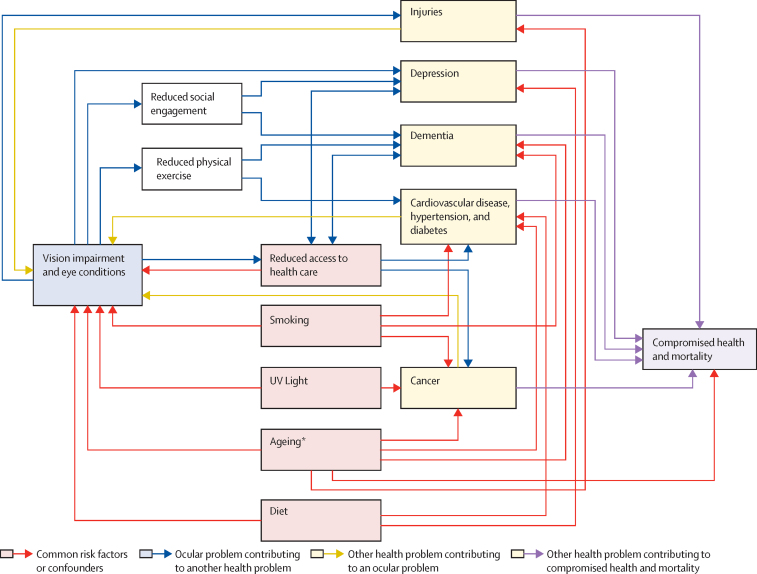
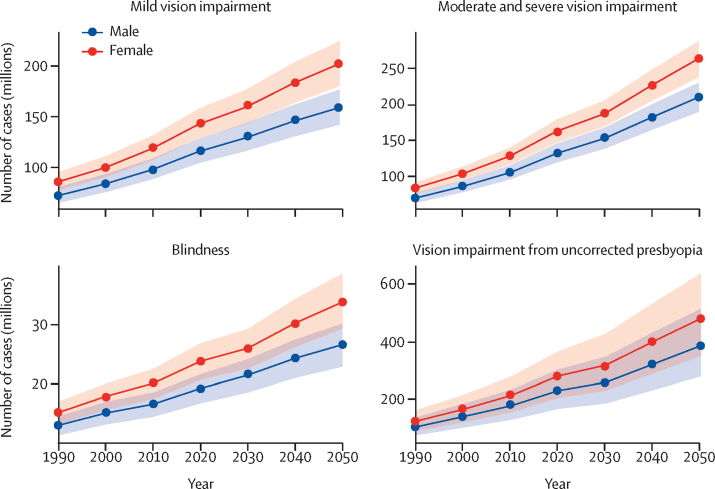
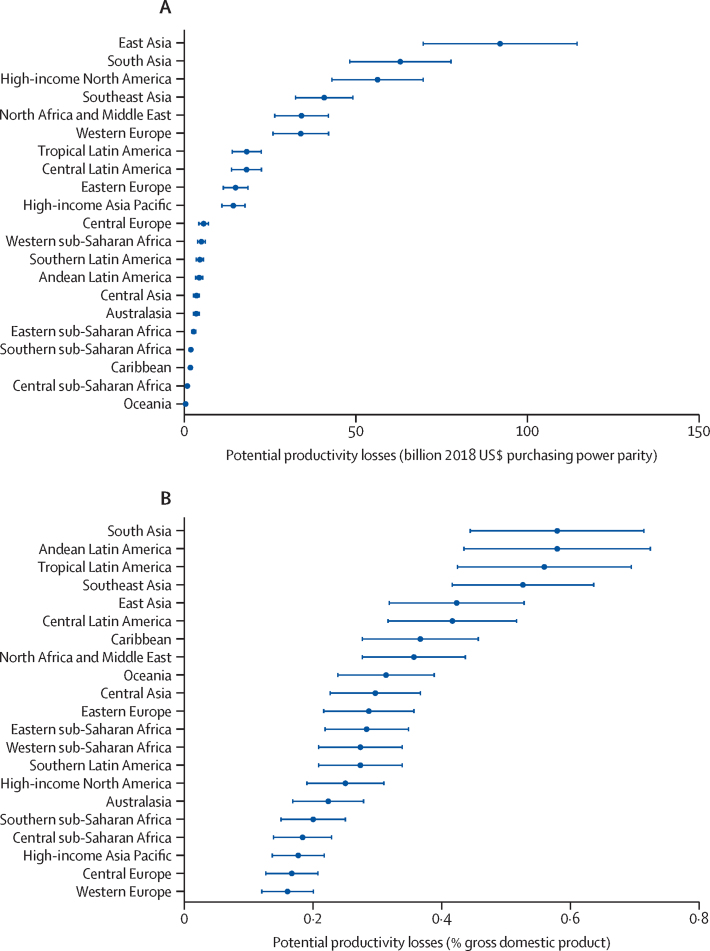
Eye health and vision have widespread and profound implications for many aspects of life, health, sustainable development, and the economy.Yet nowadays, many people, families, and populations continue to suffer the consequences of poor access to high-quality, affordable eye care, leading to vision impairment and blindness.In 2020, an estimated 596 million people had distance vision impairment worldwide, of whom 43 million were blind.Another 510 million people had uncorrected near vision impairment, simply because of not having reading spectacles.A large proportion of those affected (90%), live in low-income and middle-income countries (LMICs).However, encouragingly, more than 90% of people with vision impairment have a preventable or treatable cause with existing highly cost-effective interventions.Eye conditions affect all stages of life, with young children and older people being particularly affected.Crucially, women, rural populations, and ethnic minority groups are more likely to have vision impairment, and this pervasive inequality needs to be addressed.By 2050, population ageing, growth, and urbanisation might lead to an estimated 895 million people with distance vision impairment, of whom 61 million will be blind.Action to prioritise eye health is needed now.This Commission defines eye health as maximised vision, ocular health, and functional ability, thereby contributing to overall health and wellbeing, social inclusion, and quality of life.Eye health is essential to achieve many of the Sustainable Development Goals (SDGs).Poor eye health and impaired vision have a negative effect on quality of life and restrict equitable access to and achievement in education and the workplace.Vision loss has substantial financial implications for affected individuals, families, and communities.Although high-quality data for global economic estimates are scarce, particularly for LMICs, conservative assessments based on the latest prevalence figures for 2020 suggest that annual global productivity loss from vision impairment is approximately US$410•7 billion purchasing power parity.Vision impairment reduces mobility, affects mental wellbeing, exacerbates risk of dementia, increases likelihood of falls and road traffic crashes, increases the need for social care, and ultimately leads to higher mortality rates.By contrast, vision facilitates many daily life activities, enables better educational outcomes, and increases work productivity, reducing inequality.An increasing amount of evidence shows the potential for vision to advance the SDGs, by contributing towards poverty reduction, zero hunger, good health and wellbeing, quality education, gender equality, and decent work.Eye health is a global public priority, transforming lives in both poor and wealthy communities.Therefore, eye health needs to be reframed as a development as well as a health issue and given greater prominence within the global development and health agendas.Vision loss has many causes that require promotional, preventive, treatment, and rehabilitative interventions.Cataract, uncorrected refractive error, glaucoma, agerelated macular degeneration, and diabetic retinopathy www.thelancet.
Overview
The claims and statistics of this paper haven’t been checked yet.
Free: it reads the open-access text and checks the first 5 claims that cite a source we can check. Create a free account to check every claim.
Integrity signals
Registry
Cites
Statistics
Figures
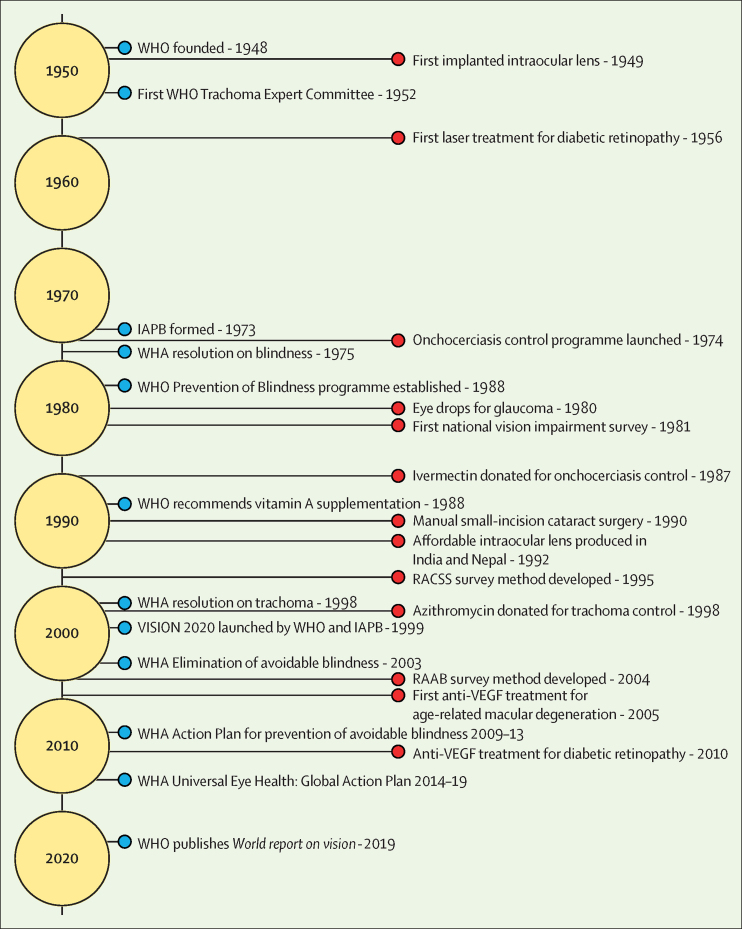
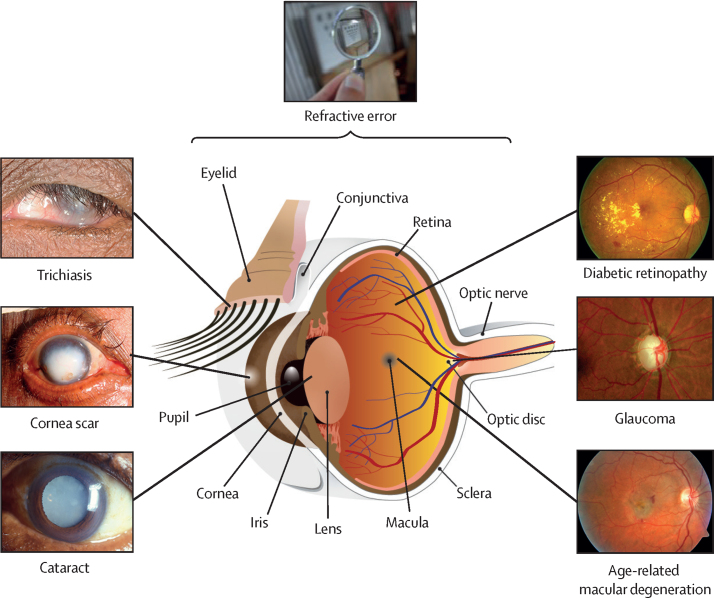
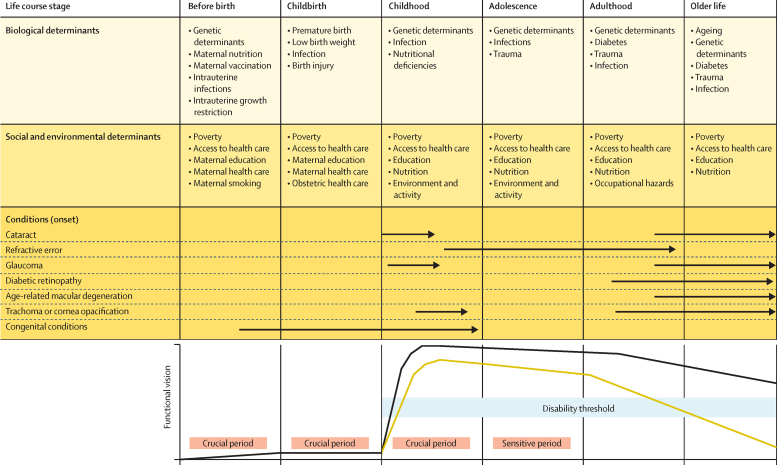
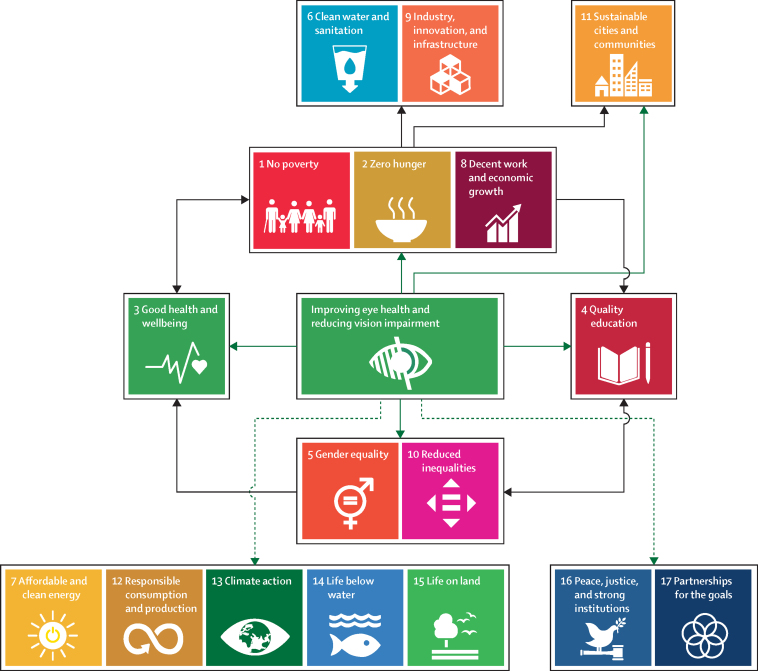
Verification
Claims the paper makes
The claims and statistics of this paper haven’t been checked yet.
Free: it reads the open-access text and checks the first 5 claims that cite a source we can check. Create a free account to check every claim.
Claims other papers make about this one
Each is checked against this paper’s own text: does it say what the citing paper says it does?
The source backs part of the claim, not all of it — or backs it for a different population, condition or comparison.
In the citing paper
“Artificial intelligence (AI) is an accurate screening tool for diabetic retinopathy (DR), the leading cause of blindness among working-aged adults.”
From Referral uptake after diabetic retinopathy screening with artificial intelligence-assisted care pathways: a systematic review and meta-analysis (2026) · cites this paper as [1]
Experimental — accuracy not yet measuredThe cited source says what the claim attributes to it.
In the citing paper
“Underfunding, alongside scarcity of ophthalmological services and trained personnel, infrastructures are common challenges faced by LMICs, which often delay diagnosis and management, increasing the risk of irreversible vision loss [6].”
From Diabetic retinopathy screening model in low and middle-income countries: a scoping review (2025) · cites this paper as [6]
The cited source says what the claim attributes to it.
In the citing paper
“Diabetic retinopathy (DR) is the leading cause of blindness among working-aged adults and early detection is critical for timely management to prevent vision loss1,2.”
From Referral uptake after diabetic retinopathy screening with artificial intelligence-assisted care pathways: a systematic review and meta-analysis (2026) · cites this paper as [1]
The cited source says what the claim attributes to it.
In the citing paper
“The magnitude of diabetes and its sequelae including DR require large-scale screening to enable early intervention, as described in the recent Lancet Global Health Commission on Global Eye Health and contemporary modelling of diabetes prevalence worldwide1,4.”
From Referral uptake after diabetic retinopathy screening with artificial intelligence-assisted care pathways: a systematic review and meta-analysis (2026) · cites this paper as [1]
The check wasn’t confident either way, so it gives no verdict — never disputed.
In the citing paper
“This capability is crucial for creating VPs that accurately simulate real patients for educational purposes39,40.”
From A large language model digital patient system enhances ophthalmology history taking skills (2025) · cites this paper as [39]
Experimental — accuracy not yet measured
Self-check
Percentages, sums and reported differences re-computed from the paper’s own numbers.
The self-check needs the paper’s full text.
Citations
Cites
von Elm, E., Altman, D. G., Egger, M., Pocock, S. J., Gøtzsche, P. C., Vandenbroucke, J. P., & Initiative, F. T. S. (2007) · PLoS Medicine · doi:10.1371/journal.pmed.0040296 · Cited by 23,020
Transforming Our World: The 2030 Agenda for Sustainable Development
(2018) · A New Era in Global Health · doi:10.1891/9780826190123.ap02 · Cited by 19,351
James, S. L., Abate, D., Abate, K. H., Abay, S. M., Abbafati, C., Abbasi, N., Abbastabar, H., Abd-Allah, F., Abdela, J., Abdelalim, A., et al. (2018) · The Lancet · doi:10.1016/s0140-6736(18)32279-7 · Cited by 13,867
Self-citationVos, T., Abajobir, A. A., Abate, K. H., Abbafati, C., Abbas, K. M., Abd-Allah, F., Abdulkader, R. S., Abdulle, A. M., Abebo, T. A., Abera, S. F., et al. (2017) · The Lancet · doi:10.1016/s0140-6736(17)32154-2 · Cited by 13,220
Saeedi, P., Petersohn, I., Salpea, P., Malanda, B., Karuranga, S., Unwin, N., Colagiuri, S., Guariguata, L., Motala, A. A., Ogurtsova, K., et al. (2019) · Diabetes Research and Clinical Practice · doi:10.1016/j.diabres.2019.107843 · Cited by 10,792
Vos, T., Flaxman, A. D., Naghavi, M., Lozano, R., Michaud, C., Ezzati, M., Shibuya, K., Salomon, J. A., Abdalla, S., Aboyans, V., et al. (2012) · The Lancet · doi:10.1016/s0140-6736(12)61729-2 · Cited by 8,291
Self-citationThe number of people with glaucoma worldwide in 2010 and 2020
Quigley, H. A. (2006) · British Journal of Ophthalmology · doi:10.1136/bjo.2005.081224 · Cited by 7,394
Global Prevalence of Glaucoma and Projections of Glaucoma Burden through 2040
Tham, Y.-C., Li, X., Wong, T. Y., Quigley, H. A., Aung, T., & Cheng, C.-Y. (2014) · Ophthalmology · doi:10.1016/j.ophtha.2014.05.013 · Cited by 7,159
Self-citation(2007) · Developments in Ophthalmology · doi:10.1159/isbn.978-3-318-01439-6 · Cited by 5,583
Global Prevalence of Myopia and High Myopia and Temporal Trends from 2000 through 2050
Holden, B. A., Fricke, T. R., Wilson, D. A., Jong, M., Naidoo, K. S., Sankaridurg, P., Wong, T. Y., Naduvilath, T. J., & Resnikoff, S. (2016) · Ophthalmology · doi:10.1016/j.ophtha.2016.01.006 · Cited by 5,500
Self-citation
Research works printed but not linked: 6
- Soleimani-Sefat E Rostami M Amani S Movallali G The needs and problems of students with visual impairment J Soc Sci Hum Stud 2 2016 8 16 https://www.textroad.com/pdf/JSSHS/J.%20Soc.%20Sci.%20Hum.%20Stud.,%202(2)8-16,%202016.pdf
- Porcino A Workshop report: a VISION 2020 workshop on research for global blindness prevention http://www.aurovikas.co.in/os2014/pdf_files/VISION_2020_Workshop_on_Research_for_Global_Blindness_Prevention.pdf 2010
- WHO International standards for vision rehabilitation: report of the international consensus conference, Rome, 9–12 December 2015 https://www.iapb.org/wp-content/uploads/2020/09/international_standards_for_vision_rehabilitation-international_consensus_conference-report.pdf 2017
- Ministry Of Health Medical Service Administration National survey on avoidable blindness Vietnam https://pdfs.semanticscholar.org/97aa/e9d48f6a9769751d61d1ea4c16fd2cfa3fec.pdf 2015
- WHO Prevention of avoidable blindness and visual impairment https://apps.who.int/iris/bitstream/handle/10665/21455/A59_R25-en.pdf 2006 26310248
- WHO Prevention of avoidable blindness and visual impairment https://apps.who.int/iris/bitstream/handle/10665/2244/A62_R1-en.pdf 2009 26310248
Cited by
Items 401–500 of 1,001
Morjaria, P., Bergson, S., Bastawrous, A., Watts, E., Pant, S., Gudwin, E., Zinn, M., & Chan, V. F. (2022) · Asia-Pacific Journal of Ophthalmology · doi:10.1097/apo.0000000000000470 · Cited by 11
“Approach and Objectives According to the WHO (2007), more than 90% of those with vision impairment live in low- and middle-income countries that lack the personnel, equipment, and distribution channels to provide comprehensive eye care services.(31) Hence, VisionSpring developed 2 core initiatives under the banner of…”
BackgroundSelf-citationHeat Shock Protein Upregulation Supplemental to Complex mRNA Alterations in Autoimmune Glaucoma
Reinehr, S., Safaei, A., Grotegut, P., Guntermann, A., Tsai, T., Hahn, S. A., Kösters, S., Theiß, C., Marcus, K., Dick, H. B., et al. (2022) · Biomolecules · doi:10.3390/biom12101538 · Cited by 11
Combine Therapy of Gallic Acid and Allicin in Management of Diabetes
Kumar, R., Sood, P., Rana, V., & Prajapati, A. K. (2023) · Journal for Research in Applied Sciences and Biotechnology · doi:10.55544/jrasb.2.3.12 · Cited by 11
Artificial intelligence-aided diagnosis and treatment in the field of optometry
Du, H.-Q., Zhang, Z.-H., Wang, C.-C., Zhai, J., Yang, W., & Zhu, T. (2023) · International Journal of Ophthalmology · doi:10.18240/ijo.2023.09.06 · Cited by 12
“Various ocular health problems concern optometry, including visual problems during rehabilitation from eye diseases, visual quality of modern surgical and non-surgical ametropia correction, and exploration of the etiology and mechanisms of functional eye diseases ( e.g. , myopia) [2] .”
BackgroundSujithra, B. S., & Jerome, S. A. (2023) · Multimedia Tools and Applications · doi:10.1007/s11042-023-17506-z · Cited by 11
Wang, H., Li, Y., & Wong, M. C. S. (2022) · Hong Kong Medical Journal · doi:10.12809/hkmj215128 · Cited by 11
Diabetic retinopathy in Africa
Bascarán, C., Zondervan, M., Walker, C., Astbury, N., & Foster, A. (2022) · Eye · doi:10.1038/s41433-022-01999-3 · Cited by 11
Self-citationEvaluating and Managing the Microbial Contamination of Eye Drops: A Two-Phase Hospital-Based Study
Roquefeuil, L., Iskandar, K., Roques, C. G., Marchin, L., Guittard, M., Poupet, H., Brandely-Piat, M.-L., & Jobard, M. (2024) · Pharmaceutics · doi:10.3390/pharmaceutics16070933 · Cited by 10
“Ocular diseases have clinical, economic, and humanistic impacts on individual and national bases [1].”
BackgroundDawes, P., Reeves, D., Yeung, W. K., Holland, F., Charalambous, A. P., David, R., Helmer, C., Keay, L. J., Kumaran, S. E., Leighton, R. E., et al. (2025) · Psychological Assessment · doi:10.1037/pas0001357 · Cited by 10
Self-citationCellular senescence and glaucoma
Guo, L., Wang, N., Chen, J., Zhang, R., Li, D., & Yang, L. (2025) · Experimental Gerontology · doi:10.1016/j.exger.2025.112718 · Cited by 10
“This scenario may ultimately result in severe visual impairment, greatly affecting patients' daily lives (Burton et al., 2021).”
Self-citationLNP-encapsulated miRNA29b for corneal repair: A novel approach to combat fibrosis
Li, D., Ji, J., Li, X., Xie, Y., Huang, Y., Qin, J., Ding, X., Wang, L., & Fan, Y. (2025) · Materials Today Bio · doi:10.1016/j.mtbio.2025.101695 · Cited by 10
“…as those caused by infections, trauma, inflammation, or degeneration, can lead to the development of corneal scars, which reduce transparency and cause visual impairment, ultimately resulting in corneal blindness — a significant global health issue affecting over 10 million people worldwide [1,2].”
Tackling visual impairment: emerging avenues in ophthalmology
Lin, F., Su, Y., Zhao, C., Akter, F., Yao, S., Huang, S., Shao, X., & Yao, Y. (2025) · Frontiers in Medicine · doi:10.3389/fmed.2025.1567159 · Cited by 10
Current status and solutions for AI ethics in ophthalmology: a bibliometric analysis
Chen, X., Yang, Y., Yun, D., Wang, R., Lin, Y., Luo, M., Zhang, W., Yu‐Wai‐Man, P., Burton, M. J., Liang, L., et al. (2025) · npj Digital Medicine · doi:10.1038/s41746-025-01976-6 · Cited by 11
Self-citationTobi, P., Ibrahim, N., Bedell, A. J., Khan, I., Jolley, E., & Schmidt, E. (2022) · International Health · doi:10.1093/inthealth/ihab085 · Cited by 10
Robinson, A., Gomes, L. R. D. O., Shafi, O., Alemayehu, W., Shuka, G., Melese, E., Guye, M., Legesse, D., Elias, E., Nuri, K. T., et al. (2022) · EClinicalMedicine · doi:10.1016/j.eclinm.2022.101487 · Cited by 10
Self-citationActivity-Dependent Neuroprotective Protein (ADNP): An Overview of Its Role in the Eye
Maugeri, G., D’Amico, A. G., Magrì, B., Musumeci, G., & D’Agata, V. (2022) · International Journal of Molecular Sciences · doi:10.3390/ijms232113654 · Cited by 10
“Therefore, the research is aimed at identifying new therapeutic targets to prevent and counteract blindness resulting from these diseases [32].”
BackgroundGuchi, G. S., Mersha, G. A., Alimaw, Y. A., Assem, A. S., & Fekadu, S. A. (2023) · Clinical ophthalmology · doi:10.2147/opth.s397775 · Cited by 10
“The increasing magnitude of the problem, along with other chronic aging eye diseases and an increasing number of aged population in the world today, is posing a significant healthcare burden.(2,8)”
BackgroundPhilippin, H., Matayan, E., Knoll, K. M., Macha, E., Mbishi, S., Makupa, A., Matsinhe, C. D., Gama, I. V. D., Monjane, M. J., Ncheda, A. J., et al. (2023) · British Journal of Ophthalmology · doi:10.1136/bjo-2022-321643 · Cited by 10
Self-citationMa, X., Hao, J., Jan, C., Wan, Y., Xie, Y., Liu, C., Shi, Y., Hu, A., Cao, K., Congdon, N. G., et al. (2024) · BMJ Open · doi:10.1136/bmjopen-2023-076116 · Cited by 10
Self-citationTracing the barriers to decarbonising ophthalmology: A review
Lam, L., Bradbrook, D., & Gale, J. (2024) · Clinical and Experimental Ophthalmology · doi:10.1111/ceo.14349 · Cited by 10
Comparative Study of Classification of Eye Disease Types Using DenseNet and EfficientNetB3
Jatmoko, C., Lestiawan, H., Agustina, F., & Erawan, L. (2024) · Kinetik Game Technology Information System Computer Network Computing Electronics and Control · doi:10.22219/kinetik.v9i3.1931 · Cited by 10
Understanding the cataract treatment disparities among older adults in India
Singh, R. R., & Mohanty, S. K. (2024) · Frontiers in Public Health · doi:10.3389/fpubh.2024.1424031 · Cited by 10
“This is consistent with previous studies, highlighting cataract as a significant cause of visual impairment and blindness among older adults globally (8, 9).”
BackgroundResultLi, R., Liu, H., Zhang, K., Lu, Z., & Wang, N. (2024) · Heliyon · doi:10.1016/j.heliyon.2024.e36591 · Cited by 10
Self-citationAlrasheed, S. H., & Challa, N. K. (2023) · Saudi Journal of Ophthalmology · doi:10.4103/sjopt.sjopt_47_23 · Cited by 10
“[1,2] The condition commonly affects near activity and optimal vision is a critical component of a child’s learning and education.”
BackgroundVision Screening and Detection of Ocular Abnormalities in School Children by Teachers in Jordan
Gammoh, Y., & MOORE, B. D. (2024) · Journal of Multidisciplinary Healthcare · doi:10.2147/jmdh.s491644 · Cited by 10
The global burden of blindness
Lee, B. J., & Afshari, N. A. (2024) · Current Opinion in Ophthalmology · doi:10.1097/icu.0000000000001099 · Cited by 10
Li, X., Li, H., Wang, Z., Wang, X., Zhang, J., Bin, F., Chen, W., Li, H., Huo, D., & Xiao, D. (2024) · Advanced Science · doi:10.1002/advs.202412630 · Cited by 10
Farashi, S., Abbott, C. J., Ansell, B. R. E., Wu, Z., Altay, L., Arnon, E., Arnould, L., Bagdasarova, Y., Balaskas, K., Chen, F. K., et al. (2025) · Nature Communications · doi:10.1038/s41467-025-65903-9 · Cited by 10
Lessons from 2020 for equity in global eye health
Harwood, M. L. N., & CUNNINGHAM, W. F. (2021) · The Lancet Global Health · doi:10.1016/s2214-109x(21)00036-x · Cited by 10
Mukwanseke, E., Kilangalanga, J. N., Lutete, F., Hopkins, A., Guthoff, R. F., & Frech, S. (2021) · Journal of Clinical Medicine · doi:10.3390/jcm10173791 · Cited by 10
“Reasons for the high numbers of visually impaired people are manifold and include poverty and a lack of access to eye services [7].”
BackgroundArévalo-López, C., Gleitze, S., Madariaga, S., & Plaza-Rosales, I. (2022) · International Ophthalmology · doi:10.1007/s10792-022-02381-8 · Cited by 11
Geriatric management tactics for patients with diabetic retinopathy
Лев, И. В., Агарков, Н. М., & Starodubtseva, L. V. (2023) · RESEARCH RESULTS IN BIOMEDICINE · doi:10.18413/2658-6533-2023-9-1-0-9 · Cited by 10
Identification of potential biomarkers of myopia based on machine learning algorithms
Zhang, S., Wang, T., Wang, H., Gao, B., & Sun, C. (2023) · BMC Ophthalmology · doi:10.1186/s12886-023-03119-5 · Cited by 10
“The prevalence of myopia is rising year over year in several populations as a result of changes in people’s lifestyles and daily routines [5].”
BackgroundBarrenechea-Pulache, A., Bonifaz, A. P., Hernández‐Vásquez, A., Portocarrero-Ramos, C., & Carrasco, J. M. M. (2021) · Ophthalmic Epidemiology · doi:10.1080/09286586.2021.1948577 · Cited by 10
“Even though 80% of VI cases are preventable or treatable,(4) it was estimated that in 2020 close to 240 million people 50 years of age and older suffered from blindness or moderate and severe VI.(3,5) Middle- and low-income countries concentrate 90% of the cases of vision loss as a consequence of the lack of access to…”
BackgroundInfluentialPredicting subjective refraction with dynamic retinal image quality analysis
Gil, A., Hernández, C. S., Nam, A. S., Varadaraj, V., Durr, N. J., Lim, D., Dave, S. R., & Lage, E. (2022) · Scientific Reports · doi:10.1038/s41598-022-07786-0 · Cited by 10
Accessibility of and barriers to the use of eye health services in Kumasi Metropolis, Ghana
Frempong, E. A., & van Staden, D. B. (2024) · African Journal of Primary Health Care & Family Medicine · doi:10.4102/phcfm.v16i1.4270 · Cited by 9
“4 Non-affordability was the main contributor to low utilisation of eye health services in several rural communities in Jamaica, South Africa, Nigeria, India and Timor-Leste.”
BackgroundSun, C.-C., Hsu, S., Liang, C.-M., Tsai, Y.-Y., & Lin, P.-Y. (2024) · BMC Ophthalmology · doi:10.1186/s12886-024-03565-9 · Cited by 9
“Cataracts, a leading cause of vision impairment and globally recognized as the primary cause of treatable blindness [15].”
BackgroundAnomaly Detection in Retinal OCT Images With Deep Learning-Based Knowledge Distillation
Aresta, G., Araújo, T., Schmidt-Erfurth, U. M., & Bogunović, H. (2025) · Translational Vision Science & Technology · doi:10.1167/tvst.14.3.26 · Cited by 9
Clinical Applications of Corneal Cells Derived from Induced Pluripotent Stem Cells
Luan, Y., Musayeva, A., Kim, J., Blon, D. L., den Bogerd, B. V., Dickman, M. M., LaPointe, V. L. S., Dhubhghaill, S. N., & Oellerich, S. (2025) · Biomolecules · doi:10.3390/biom15081139 · Cited by 9
“Corneal diseases are among the most common causes of reversible vision loss world-wide [1,2], second only to cataract (Figure 1) [3].”
Phase-Informed Tool Segmentation for Manual Small-Incision Cataract Surgery
Sachdeva, B., J, N. A. R., Ashraf, T., Müller, S., Schultz, T., Wintergerst, M. W. M., Prasad, S. N., Murali, K., & Jain, M. (2025) · Lecture notes in computer science · doi:10.1007/978-3-032-05114-1_43 · Cited by 9
Microalgae carotenoids: An overview of biomedical applications
do Nascimento, T. C., Nass, P. P., Fernandes, A. S., Nörnberg, M. L., Zepka, Q. Z., & Lopes, E. J. (2022) · Elsevier eBooks · doi:10.1016/b978-0-323-90476-6.00013-3 · Cited by 9
Tear proteomic analysis of young glasses, orthokeratology, and soft contact lens wearers
Qin, G., Chao, C., Lattery, L. J., Lin, H., Fu, W., Richdale, K., & Cai, C. (2022) · Journal of Proteomics · doi:10.1016/j.jprot.2022.104738 · Cited by 10
Boey, D., Fitzmaurice, K., Tse, T., Chan, M. L., & Carey, L. M. (2022) · Gerontology and Geriatric Medicine · doi:10.1177/23337214221130652 · Cited by 9
The rapid assessment of avoidable blindness (RAAB) survey methodology
McCormick, I. (2022) · Community Eye Health Journal · doi:10.56920/cehj.258 · Cited by 10
Self-citationOng, Z. Z., Sadek, Y., Liu, X., Qureshı, R., Liu, S., Li, T., Sounderajah, V., Ashrafian, H., Ting, D. S. W., Said, D. G., et al. (2023) · BMJ Open · doi:10.1136/bmjopen-2022-065537 · Cited by 9
“12 Data synthesis and analysis The analysis will be conducted at two levels; (1) a systematic synthesis of all eligible studies; and (2) a meta-analysis of all relevant studies with similar outcome reporting.”
BackgroundMethodSelf-citationPan, W., Lou, L., Chen, F., & Tang, X. (2023) · Journal of Pediatric Ophthalmology & Strabismus · doi:10.3928/01913913-20230421-02 · Cited by 9
Li, R., Zhang, K., Lu, Z., Mou, D., Wang, J., Li, H., Fan, S., Wang, N., & Liu, H. (2023) · BMJ Open · doi:10.1136/bmjopen-2023-073219 · Cited by 9
Self-citationRegulski, P. A., Ręjdak, R., Marek, N., & Iwański, M. (2024) · Scientific Reports · doi:10.1038/s41598-023-50665-5 · Cited by 9
“This insight accentuates the urgent need for a more uniform and scientifically rigorous approach to vision screening 23 .”
Background“Dirty Dry Eye”– A waste volume analysis from topical therapy in keratoconjunctivitis sicca
Schilcher, A. V., Roth, M., Steindor, F. A., Helweh, R., & Geerling, G. (2024) · Graefe s Archive for Clinical and Experimental Ophthalmology · doi:10.1007/s00417-024-06431-y · Cited by 9
“An ecologically sustainable, climate-neutral ophthalmology is the goal for the coming decades [27].”
BackgroundSomerville, J. G., Strang, N. C., & Jonuscheit, S. (2024) · Optometry and Vision Science · doi:10.1097/opx.0000000000002118 · Cited by 9
Li, C., Hua, G., Liu, S., Yu, H., Yang, X., & Liu, L. (2024) · Diabetes/Metabolism Research and Reviews · doi:10.1002/dmrr.3802 · Cited by 9
“34 Over the past few decades, WHO initiated several programs, such as “Vision 2020: The Right to Sight” 5 and “Towards universal eye health: a global action plan 2014– 2019”.”
BackgroundLiu, R., Sule, A., Shannon, C. S., Ravilla, T., Taylor, H. R., Rojas-Carabali, W. A., Khanna, R., Mishra, C., Sen, A. C., Khatri, A., et al. (2024) · Indian Journal of Ophthalmology · doi:10.4103/ijo.ijo_2196_23 · Cited by 9
“[29] If not completely practical, stringent outcome analysis must be performed to ensure quality is not being compromised between the two patient demographics.”
BackgroundSelf-citationAlkharashi, M. S., Abusayf, M. M., Otaif, W. A. M., & Al-Kharashi, A. S. (2024) · Ophthalmology and Therapy · doi:10.1007/s40123-024-00950-x · Cited by 9
“Cataract surgery is one of the most frequently performed surgical procedures worldwide, and it has proven to be cost-effective [1, 2].”
BackgroundHealth transition and eye care policy planning for people with diabetic retinopathy in south Asia
Das, T., Islam, K., Dorji, P., Narayanan, R., Rani, P. K., Takkar, B., Thapa, R., Moin, M., Piyasena, P., & Sivaprasad, S. (2024) · The Lancet Regional Health - Southeast Asia · doi:10.1016/j.lansea.2024.100435 · Cited by 9
Goodman, L., Reis, T., Zhang, J. H., Yusufu, M., Turnbull, P., Silwal, P. R., Kang, M., Safi, S., Yee, H., Kitema, G. F., et al. (2024) · Journal of Clinical Epidemiology · doi:10.1016/j.jclinepi.2024.111444 · Cited by 9
“…World Report on Vision and the Lancet Global Health Commission on Global Eye Health both highlighted that in all parts of the world, there are population groups underserved by existing services, such as rural dwellers, women, Indigenous peoples, and nondominant ethnicity groups [3,4].”
InfluentialSelf-citationLighthizer, N., Patel, K., Cockrell, D., Leung, S., Harle, D. E., Varia, J., Niyazmand, H., & Alam, K. (2024) · Clinical and Experimental Optometry · doi:10.1080/08164622.2024.2380075 · Cited by 9
Access to community-based eye services in Meru, Kenya: a cross-sectional equity analysis
Allen, L. N., Karanja, S., Gichangi, M. M., Bunywera, C., Rono, H. K., Macleod, D., Kim, M. J., Tlhajoane, M., Burton, M. J., Ramke, J., et al. (2024) · International Journal for Equity in Health · doi:10.1186/s12939-024-02244-x · Cited by 9
“In contrast, findings from other settings on access to eye services which has shown older age, female gender, and widowhood to be the strongest predictors of poor access [1, 15].”
InfluentialSelf-citationArtificial intelligence virtual assistants in primary eye care practice
Stuermer, L., Braga, S., Martín, R., & Wolffsohn, J. S. (2024) · Ophthalmic and Physiological Optics · doi:10.1111/opo.13435 · Cited by 9
Co-delivery of antioxidants and siRNA-VEGF: promising treatment for age-related macular degeneration
Dias, M. F., da Cruz-Cazarim, E. L. C., Pittella, F., Baião, A., Pacheco, C., Sarmento, B. F. C. C., & Fialho, S. L. (2025) · Drug Delivery and Translational Research · doi:10.1007/s13346-024-01772-x · Cited by 9
“Worldwide, the number of people with AMD was 196 million in 2020, and with the aging population, it is expected to increase to 300 million by 2040 [27–30].”
Recent advances in photothermal nanomaterials for ophthalmic applications
Zhuang, J., Jia, L., Li, C., Yang, R., Wang, J.-P., Wang, W.-A., Zhou, H., & Luo, X. (2025) · Beilstein Journal of Nanotechnology · doi:10.3762/bjnano.16.16 · Cited by 9
Wang, N., Gao, B., Stewart, S. L., Hoch, J. S., & Guo, J. (2025) · BMC Psychiatry · doi:10.1186/s12888-025-07125-3 · Cited by 9
“Since vision loss is typically irreversible and can worsen over time, individuals with vision loss are more likely to suffer from worry, anxiety, and fear, which can further contribute to social isolation and depression [30, 31].”
Self-citationProposed Nomenclature for Landmarks in Anterior-Segment OCT: The APOSTEL-AS Panel Consensus
Fraser, A. S., Ang, M., Bellchambers, A. S., Chu, C. J., Denniston, A. K., Downie, L. E., Evans, T., Hau, S., Huang, A. S., Keane, P. A., et al. (2025) · JAMA Ophthalmology · doi:10.1001/jamaophthalmol.2025.2414 · Cited by 9
Self-citationEngels, T., Trotignon, G., Agyemang, D., Khan, I., Puthy, K., Roolvink, L., & Schmidt, E. (2021) · Health Policy OPEN · doi:10.1016/j.hpopen.2021.100043 · Cited by 9
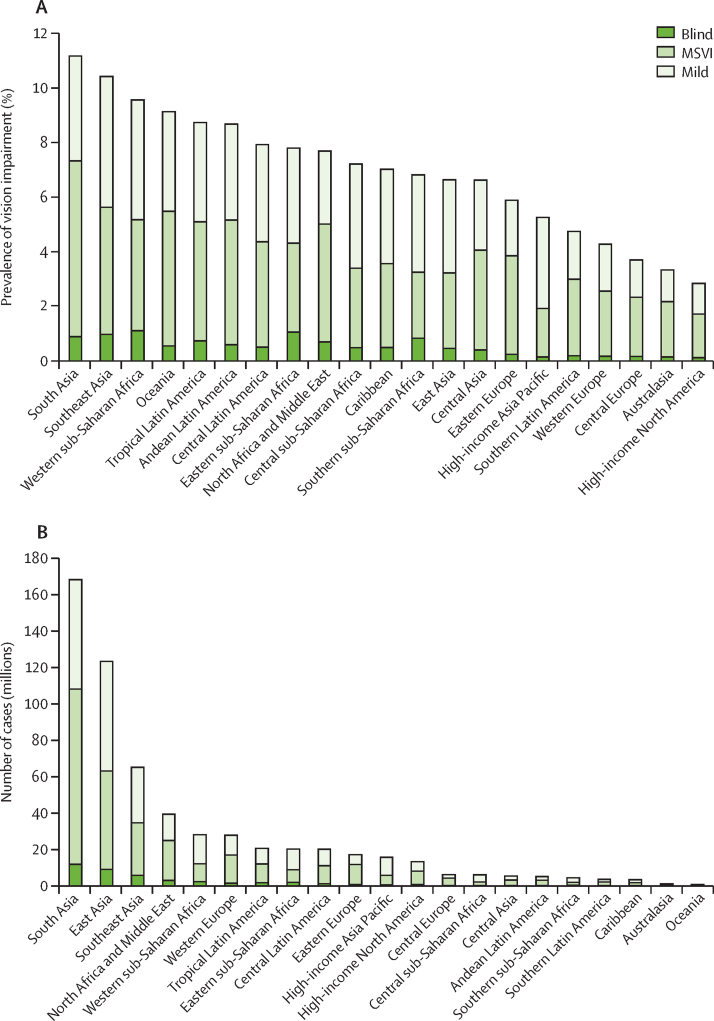
“The World Health Organization (WHO) and the Lancet Global Health Commission on Global Eye Health (2021) estimate that around 19 to 22 million children live with visual impairment globally, 12 million are due to URE, with the highest prevalence in South Asia, Southeast Asia and Western Sub‐Saharan Africa, potentially n…”
BackgroundMyopia in Chinese Adolescents: Its Influencing Factors and Correlation with Physical Activities
Yin, Y., Qiu, C., & Qi, Y. (2022) · Computational and Mathematical Methods in Medicine · doi:10.1155/2022/4700325 · Cited by 9
RetractedBorkenstein, A. F. M., Borkenstein, E.-M., Charry, E. M., Fitzek, H., Rattenberger, J., Schennach, R., & Kothleitner, G. (2022) · Ophthalmology and Therapy · doi:10.1007/s40123-022-00622-8 · Cited by 9
“The World Report on Vision placed a strong emphasis on the need for integrated peoplecentered eye care [20] and subsequent work by the World Health Organization (WHO) and the Lancet Global Health Commission on Global Eye Health provided a platform for a framework regarding quality of cataract services [21, 22].”
BackgroundChan, V. F., Omar, F., Farmer, A., Othman, O. J., Yong, A. C., Graham, C., Price-Sanchez, C., Graham, R., Martins, M. F., & Mashayo, E. (2023) · BMJ Open Ophthalmology · doi:10.1136/bmjophth-2023-001283 · Cited by 9
Mzumara, T., Kantaris, M., & Afonne, J. (2024) · JMIRx Med · doi:10.2196/44381 · Cited by 9
“Life, health, and sustainable development depend on good ocular health, yet many people cannot afford the eye care they need, which can result in blindness or visual impairment [1,2].”
BackgroundHealth insurance enrollment and vision health in rural China: an epidemiological survey
Yan, X., Yao, B., Chen, X., Bo, S., Qin, X., & Yan, H. (2021) · BMC Health Services Research · doi:10.1186/s12913-021-06754-0 · Cited by 9
“With the development of urbanization and the changes in lifestyles, the Chinese government has gradually realized the importance of paying attention to the problem of visual impairment among rural adults in China [16, 24, 25].”
BackgroundHydara, A., Mactaggart, I., Bell, S., Okoh, J. A., Olaniyan, S. I., Aleser, M., Bobat, H., Cassels-Brown, A., Kirkpatrick, B., Kim, M. J., et al. (2021) · British Journal of Ophthalmology · doi:10.1136/bjophthalmol-2021-320008 · Cited by 9
Self-citationCáceres, M. D. P. O., Arias, S., Quirama, A. H., Ruiz-Rodríguez, M., & València, L. G. (2022) · British Journal of Visual Impairment · doi:10.1177/02646196221104902 · Cited by 9
“Low vision is a condition of visual impairment, generated by an underlying pathology that affects visual functioning and the development of daily activities (Burton et al., 2021; World Health Organization, 2019).”
BackgroundSwarnkar, R., Harikrishnan, R., & Singh, M. (2022) · World Electric Vehicle Journal · doi:10.3390/wevj13080157 · Cited by 9
Leigh, J., Drinkwater, J., Turner, A., & Schroeder, E. (2026) · Clinical & Experimental Ophthalmology · doi:10.1111/ceo.70016 · Cited by 8
Untargeted and temporal analysis of retinal lipidome in bacterial endophthalmitis
Ahmad, Z., Singh, S., Lee, T. J., Sharma, A. K., Lydic, T. A., Giri, S., & Kumar, A. (2024) · Prostaglandins & Other Lipid Mediators · doi:10.1016/j.prostaglandins.2023.106806 · Cited by 8
Katibeh, M., Watts, E., Gichangi, M. M., Latorre-Arteaga, S., Bolster, N. M., & Bastawrous, A. (2024) · Eye · doi:10.1038/s41433-023-02910-4 · Cited by 8
Self-citationPuri, P. R., Coutaller, A., Gwade, F., Kabore, S. S., Annan, D., & Nemargut, J. P. (2025) · JMIR Rehabilitation and Assistive Technologies · doi:10.2196/73380 · Cited by 8
Vargas, J. L. C., Laballestrier, C., & Nemargut, J. P. (2025) · International Journal of Environmental Research and Public Health · doi:10.3390/ijerph22070984 · Cited by 9
“Eye care services are crucial to collecting data on the prevalence of VI to prevent avoidable blindness, to correct refractive errors causing mild to severe VI, to treat curable diseases, or even to monitor degenerative and lifelong diseases [12].”
InfluentialShantha, J. G., Moussa, K., Laovirojjanakul, W., Yeh, S., Tsui, E. Y. K., Chen, J. L., Vitale, A. T., Shakoor, A., Larochelle, M. B., Niemeyer, K. M., et al. (2025) · American Journal of Ophthalmology · doi:10.1016/j.ajo.2025.07.003 · Cited by 8
Shen, R. Y., Zhang, Y., Chen, L. J., Cheung, C. Y.-L., Liang, Y., Tham, C. C. Y., & Chan, P. P. M. (2025) · Investigative Ophthalmology & Visual Science · doi:10.1167/iovs.66.12.35 · Cited by 8
Svitlica, B. B., Radovanović, A., Obrenov, L., & Hromiš, S. (2025) · Journal of Advanced Nursing · doi:10.1111/jan.70223 · Cited by 8
Nayak, A. K., Prakash, Y., Jayarathna, S., Lee, H.-N., & Ashok, V. G. (2025) · Proceedings of the ACM on Human-Computer Interaction · doi:10.1145/3757485 · Cited by 8
“Unfortunately, despite several government initiatives and measures as well as the availability of non-profit training services, only about 100 , 000 BVI individuals in India have succeeded in gaining employment in industries so far [119], leaving a significant percentage of the country’s BVI…”
Wearable Contact Lenses for Advanced Ocular Drug Delivery: Progress and Challenges
Wang, Z., Zhou, Y., Lin, Q., Zhang, X., Qiao, M., Dong, L., & Sun, G. (2025) · Advanced Functional Materials · doi:10.1002/adfm.202518446 · Cited by 8
Time and person sensitive foundation model for disease prediction and risk stratification
Wang, Z., Zhou, Y., Wu, Y., Goh, J. H. L., Zou, K., Guan, Z., Chen, Y., Yang, G. D., Zhang, P., Yin, C., et al. (2026) · npj Digital Medicine · doi:10.1038/s41746-026-02524-6 · Cited by 8
Self-citationSengo, D. B., Salamo, Z. M. A., dos Santos, I. I. D. B., Mate, L. M., Chivinde, S. S., Moragues, R., Caballero, P., & López‐Izquierdo, I. (2023) · Human Resources for Health · doi:10.1186/s12960-023-00812-w · Cited by 8
“The ratios of eye health professionals per population in Nampula province and each of its districts were calculated and evaluated taking into account the recommendations of the World Health Organization (WHO).”
BackgroundInfluentialFeng, J., Jan, C., Peng, Y., He, M., An, L., Zhan, L., Shi, W., Peng, X., Shang, W., Li, W., et al. (2023) · BMJ Open · doi:10.1136/bmjopen-2022-070989 · Cited by 8
Wu, H., Wang, Y., Li, F. P., Liu, Z., & Shi, F. (2023) · Archives of Medical Science · doi:10.5114/aoms/172929 · Cited by 8
Su, T., Lai, D., Wu, Y., Gu, C., He, S., Meng, C., Cai, C., Zhang, J., Luo, D., Chen, J., et al. (2023) · Retina · doi:10.1097/iae.0000000000003998 · Cited by 8
Evaluation of a telemedicine-enabled universal eye health delivery model in rural southern India
Joseph, S., Rajendran, V. K., Khetwani, D., Uduman, M. S., Ramasamy, D., Gowth, A. M., Kowsalya, A., Ehrlich, J. R., & Ravilla, T. (2023) · Eye · doi:10.1038/s41433-023-02871-8 · Cited by 8
“The estimated annual global productivity loss from VI and blindness is more than US$400 billion [5].”
Self-citation3D surface Approximation of the Entire Bayeux Tapestry for Improved Pedagogical Access
Redon, M., Pizenberg, M., Quéau, Y., & Elmoataz, A. (2023) · IEEE International Conference on Computer Vision Workshops · doi:10.1109/iccvw60793.2023.00174 · Cited by 8
“In 2020 , M.J.Burton et al.[9] estimated that 1 .”
BackgroundKahoto, V. E., Kwarteng, M. A., Owusu-Afriyie, B., Zaabaar, E., & Kyei, S. (2024) · Malawi Medical Journal · doi:10.4314/mmj.v35i4.3 · Cited by 8
Wang, H., Xu, Z. W., Chen, D., Li, H., Zhang, J., Liu, Q., & Shen, H. (2024) · Scientific Reports · doi:10.1038/s41598-024-54325-0 · Cited by 8
Rogers, J. T., Black, J. M., Harwood, M. L. N., Wilkinson, B., Kandel, H., & Ramke, J. (2024) · BMJ Public Health · doi:10.1136/bmjph-2023-000313 · Cited by 8
Self-citationMcCormick, I., Tong, K., Abdullah, S. N., Abesamis-Dichoso, C., Gende, T., Hashim, E. B., Ho, S. M., Jalbert, I., Jeronimo, B., Matoto‐Raikabakaba, E., et al. (2024) · Ophthalmic and Physiological Optics · doi:10.1111/opo.13348 · Cited by 8
“9 In 2021, Member States at the 74th World Health Assembly endorsed a global target to increase eREC for distance and near vision by 40 percentage points, with increases in all relevant population subgroups.”
Self-citationAbumhadi, M., Amin, O. N. O., Mohammed, S., Mohamedelkhair, A., Osman, E., Issak, M. A., Mohammed, W., Abdelmajid, O., Abdoun, A., & Abdelaziz, M. (2024) · Pan African Medical Journal · doi:10.11604/pamj.2024.48.77.43765 · Cited by 8
“In DR, small blood vessels in the retina are damaged by high blood glucose, leading to leakage, swelling, formation of abnormal new blood vessels, and if left untreated, vision loss and irreversible blindness [4].”
Validation of an ultra-short global quality of life scale in a large population-based health survey
Vederhus, J., Timko, C., Birkeland, B., Haugland, S. H., & Gabrielsen, K. B. (2024) · PLoS ONE · doi:10.1371/journal.pone.0307539 · Cited by 8
“It provides valuable insights into individuals’ subjective experiences, functioning, and well-being, and contributes to evaluating the impact of interventions and healthcare outcomes [2, 3].”
BackgroundUntreated Vision Loss as a Modifiable Dementia Risk Factor
Ehrlich, J. R. (2024) · JAMA Ophthalmology · doi:10.1001/jamaophthalmol.2024.3991 · Cited by 8
Self-citationYang, Y. Q., Yang, L., & Huang, W. (2024) · Applied Sciences · doi:10.3390/app14188446 · Cited by 9
“Nearly half the cases of 2.2 billion people worldwide who experience visual impairment can be averted with early detection and treatment, according to the 2021 World Health Organization (WHO) report [1].”
InfluentialOxidative Stress, Glutaredoxins, and Their Therapeutic Potential in Posterior Capsular Opacification
Li, C., Yan, W., & YAN, H. H. (2024) · Antioxidants · doi:10.3390/antiox13101210 · Cited by 8
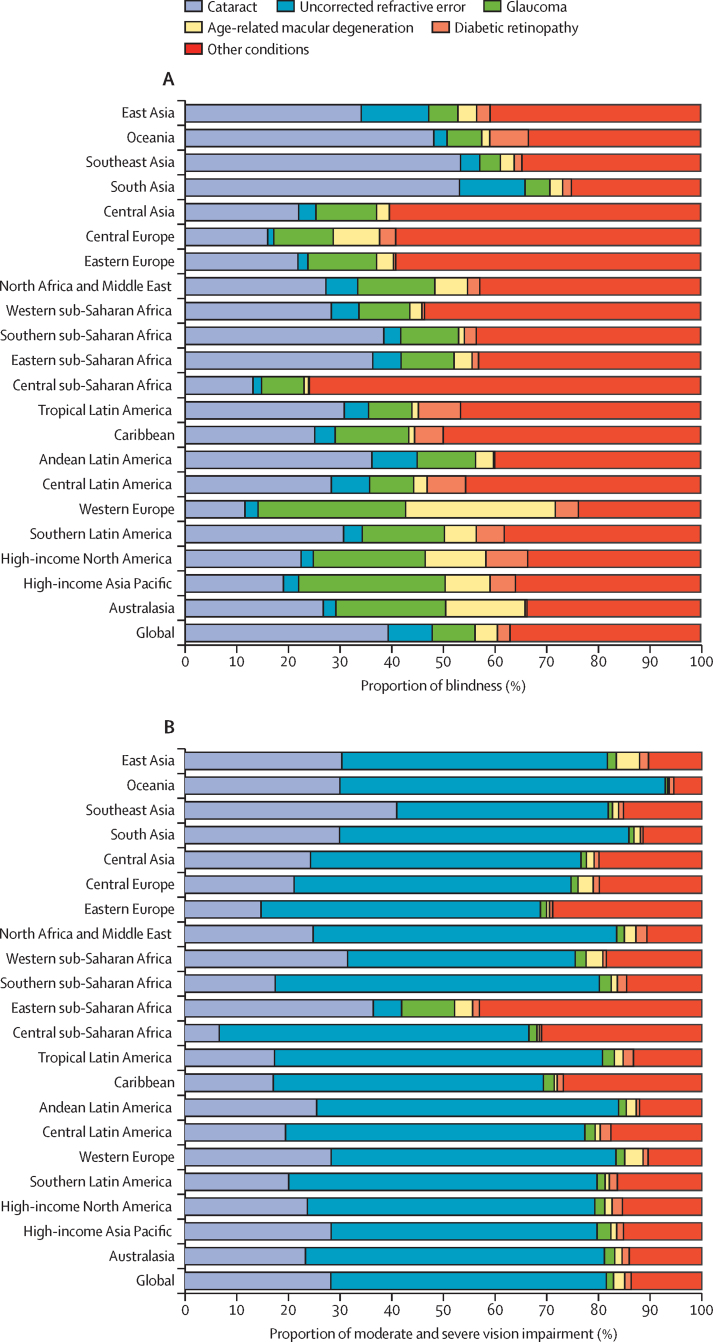
“Cataracts are responsible for 17.01 million cases of blindness, constituting about half of all blindness cases, and account for 83.48 million cases of moderate to severe vision impairment [2,3].”
BackgroundInfluentialSustainable practices in ophthalmology—steps towards environmental stewardship in healthcare
Winklmair, N., Chang, D. F., & Findl, O. (2024) · Wiener Medizinische Wochenschrift · doi:10.1007/s10354-024-01063-7 · Cited by 9
Prevalence of refractive errors in school-aged and preadolescent children in Colombia
Universidad El Bosque, F. D. M., Lozada, D. G., Sánchez, S. V. Á., Fundación Universitaria del Área Andina, P. D. O., Espinosa, J. M. S., & Universidad El Bosque, F. D. M. (2024) · International Journal of Ophthalmology · doi:10.18240/ijo.2024.12.18 · Cited by 8
“Uncorrected refractive error can lead to changes in the early literacy process [4] and poor academic performance [5] , affecting a child’s well-being, productivity and quality of life [6] .”
Yoga therapy for eye health and disease: A scoping review
Boopalan, D., Kumar, A., Vanamoorthy, M. K., Vijayakumar, V., Ravi, P., Kasi, M., & Kuppusamy, M. (2024) · European Journal of Integrative Medicine · doi:10.1016/j.eujim.2024.102427 · Cited by 8
Metadata
- Authors
- Burton, M. J., Ramke, J., Marques, A. P., Bourne, R. R. A., Congdon, N., Jones, I., Ah Tong, B. A. M., Arunga, S., Bachani, D., Bascaran, C., Bastawrous, A., Blanchet, K., Braithwaite, T., Buchan, J. C., Cairns, J., Cama, A., Chagunda, M., Chuluunkhuu, C., Cooper, A., Crofts-Lawrence, J., Dean, W. H., Denniston, A. K., Ehrlich, J. R., Emerson, P. M., Evans, J. R., Frick, K. D., Friedman, D. S., Furtado, J. M., Gichangi, M. M., Gichuhi, S., Gilbert, S. S., Gurung, R., Habtamu, E., Holland, P., Jonas, J. B., Keane, P. A., Keay, L., Khanna, R. C., Khaw, P. T., Kuper, H., Kyari, F., Lansingh, V. C., Mactaggart, I., Mafwiri, M. M., Mathenge, W., McCormick, I., Morjaria, P., Mowatt, L., Muirhead, D., Murthy, G. V. S., Mwangi, N., Patel, D. B., Peto, T., Qureshi, B. M., Salomão, S. R., Sarah, V., Shilio, B. R., Solomon, A. W., Swenor, B. K., Taylor, H. R., Wang, N., Webson, A., West, S. K., Wong, T. Y., Wormald, R., Yasmin, S., Yusufu, M., Silva, J. C., Resnikoff, S., Ravilla, T., Gilbert, C. E., Foster, A., & Faal, H. B.
- Affiliations
- Moorfields Eye Hospital NHS Foundation Trust (GB)
- University of Auckland (NZ)
- University of Cambridge (GB)
- Queen's University Belfast (GB)
- Sightsavers (GB)
- Mbarara University of Science and Technology (UG)
- Ministry of Health and Family Welfare (IN)
- London School of Hygiene & Tropical Medicine (GB)
- University of Geneva (CH)
- St Thomas' Hospital (GB)
- Leeds Teaching Hospitals NHS Trust (GB)
- Ministry of Health (MZ)
- National Museum of Mongolia (MN)
- International Agency for the Prevention of Blindness (GB)
- University of Cape Town (ZA)
- University Hospitals Birmingham NHS Foundation Trust (GB)
- University of Michigan (US)
- Emory University (US)
- Johns Hopkins University (US)
- Massachusetts Eye and Ear Infirmary (US)
- Universidade de São Paulo (BR)
- Ministry of Health (KE)
- University of Nairobi (KE)
- Seva Foundation (US)
- Tilganga Institute of Ophthalmology (NP)
- Heidelberg University (DE)
- UNSW Sydney (AU)
- L V Prasad Eye Institute (IN)
- Instituto Mexicano de Oftalmología IAP (MX)
- Muhimbili University of Health and Allied Sciences (TZ)
- University of the West Indies (JM)
- The University of Melbourne (AU)
- Kenya Medical Training College (KE)
- Christoffel Blinden Mission (DE)
- Universidade Federal de São Paulo (BR)
- Fred Hollows Foundation (AU)
- Ministry of Health, Community Development, Gender, Elderly and Children (TZ)
- World Health Organization (CH)
- Beijing Tongren Hospital (CN)
- United Nations (US)
- National University of Singapore (SG)
- World Health Organization Regional Office for the Americas (US)
- Brien Holden Vision Institute (AU)
- Aravind Eye Hospital (IN)
- University of Calabar (NG)
- Corresponding author
- Burton, Matthew J
- ORCID
- Burton, Matthew J
- Ramke, Jacqueline
- Bourne, Rupert R A
- Congdon, Nathan
- Jones, Iain
- Arunga, Simon
- Bachani, Damodar
- Bastawrous, Andrew
- Blanchet, Karl
- Braithwaite, Tasanee
- Buchan, John C
- Cairns, John
- Cama, Anasaini
- Chuluunkhuu, Chimgee
- Dean, William H
- Denniston, Alastair K
- Ehrlich, Joshua R
- Emerson, Paul M
- Evans, Jennifer R
- Frick, Kevin D
- Friedman, David S
- Furtado, João M
- Gichangi, Michael M
- Gichuhi, Stephen
- Gilbert, Suzanne S
- Gurung, Reeta
- Habtamu, Esmael
- Holland, Peter
- Jonas, Jost B
- Keane, Pearse A
- Keay, Lisa
- Khanna, Rohit C
- Khaw, Peng Tee
- Kuper, Hannah
- Kyari, Fatima
- Lansingh, Van C
- Mactaggart, Islay
- Mafwiri, Milka M
- Mathenge, Wanjiku
- McCormick, Ian
- Morjaria, Priya
- Mowatt, Lizette
- Murthy, Gudlavalleti V S
- Mwangi, Nyawira
- Patel, Daksha B
- Salomão, Solange R
- Sarah, Virginia
- Solomon, Anthony W
- Swenor, Bonnielin K
- Taylor, Hugh R
- West, Sheila K
- Wong, Tien Yin
- Wormald, Richard
- Yusufu, Mayinuer
- Silva, Juan Carlos
- Resnikoff, Serge
- Ravilla, Thulasiraj
- Gilbert, Clare E
- Foster, Allen
- Faal, Hannah B
- Venue
- The Lancet Global Health
- Publisher
- Elsevier BV
- Published
- 2021-04
- Volume
- 9
- Issue
- 4
- Pages
- e489-e551
- ISSN
- 2214-109X (ISSN-L)
- PMC
- PMC7966694
- OpenAlex
- W3130938027
- Semantic Scholar
- 6c61680e1131ab82964ee2f3c94bed0dd6892237
- Cited by
- 1,624
- References
- 326
- Citations by year
- 2026: 335 · 2025: 375 · 2024: 339 · 2023: 263 · 2022: 219 · 2021: 92
- FWCI
- 34.95
- Type
- journal article
- Language
- en
- Open access
- gold
- doi.org
- Licence
- cc-by
- www.elsevier.com/tdm/userlicense/1.0/ (tdm)
- www.elsevier.com/legal/tdmrep-license (tdm)
- creativecommons.org/licenses/by/4.0/ (vor)
- Locations
- The Lancet Global Health (publishedVersion, cc-by)
- PubMed Central (publishedVersion, cc-by)
- PubMed (publishedVersion)
- University of Birmingham Research Portal (University of Birmingham) (publishedVersion, cc-by)
- Research Portal (Queen's University Belfast) (publishedVersion, cc-by)
- Anglia Ruskin Research Online (Anglia Ruskin University) (submittedVersion)
- LSHTM Research Online (London School of Hygiene and Tropical Medicine) (submittedVersion, public-domain)
- UCL Discovery (University College London) (submittedVersion)
- Figshare (submittedVersion, cc-by)
- Minerva Access (University of Melbourne) (submittedVersion, cc-by)
- Research Portal (King's College London) (submittedVersion)
- Archive ouverte UNIGE (University of Geneva) (submittedVersion, cc-by)
- Funders
- Wellcome Trust
- Topics
- Health Sciences › Medicine › Ophthalmology › Ophthalmology and Visual Impairment Studies
- Health Sciences › Medicine › Ophthalmology › Glaucoma and retinal disorders
- Health Sciences › Medicine › Public Health, Environmental and Occupational Health › Healthcare Systems and Reforms
- Keywords
- eye health, visual impairment, blindness, access to eye care, low- and middle-income countries, Sustainable Development Goals, productivity loss, population aging, rural population, ethnic minorities, quality of life, social inclusion, health equity, eye health policy, eye health workforce
- MeSH terms
- Global Burden of Disease, Sustainable Development, Blindness, Eye Diseases, Health Services Accessibility, Humans, Quality of Health Care, Quality of Life, Global Health, Cost of Illness, Advisory Committees
About these checks
Registry, retraction, Cites and statistics results are computed, not judged, with one exception: a printed reference that no index lists is read once by a model before it counts as a citation error. Claims are extracted by a model and kept only when their quote appears verbatim in the text; each cited source is then checked, with a model’s help, for whether it says what the claim relies on. Those verdicts can be wrong — read the claim’s quote and the cited source before relying on one.
Statistics and arithmetic are recomputed, not judged.
Confidence bands are shown only for fields calibrated on our annotated test set. None is calibrated yet, so no band is shown.
What counts as a claim ›How we measure confidence ›How we check this ›
Are you an author, or do you see a problem with this page? Request a review
Data sources
Bibliographic data: Semantic Scholar, OpenAlex, Crossref.
Contains information from the Semantic Scholar Academic Graph Datasets, made available under the ODC Attribution License (ODC-BY 1.0).
Semantic Scholar’s data is described in: Kinney, R., et al. (2023). The Semantic Scholar Open Data Platform. arXiv:2301.10140.
