

The Lancet Global Health Commission on Global Eye Health: vision beyond 2020
Open accessThe DOI matches its Crossref record; 324 of the 326 references it cites were found in a registry or an index.
Abstract
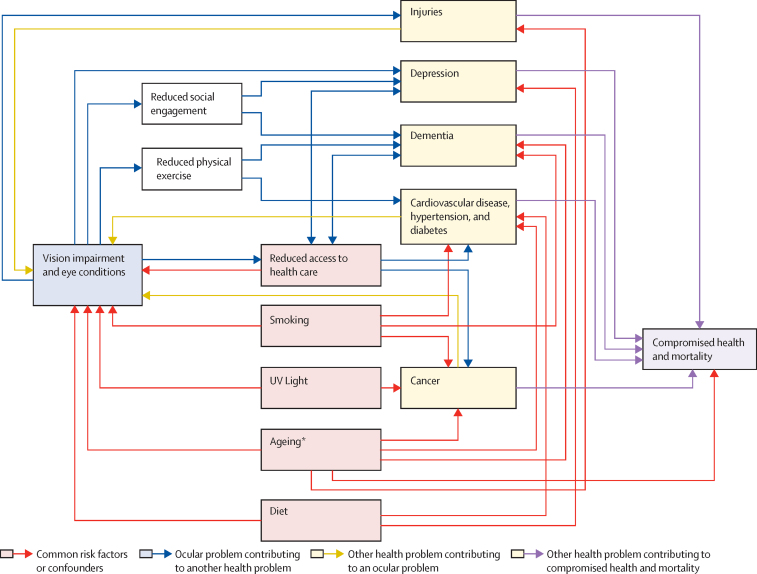
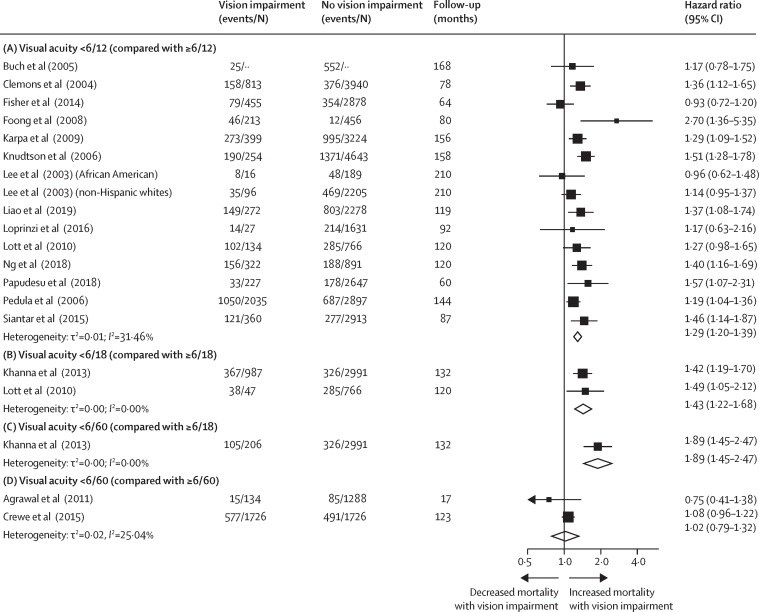
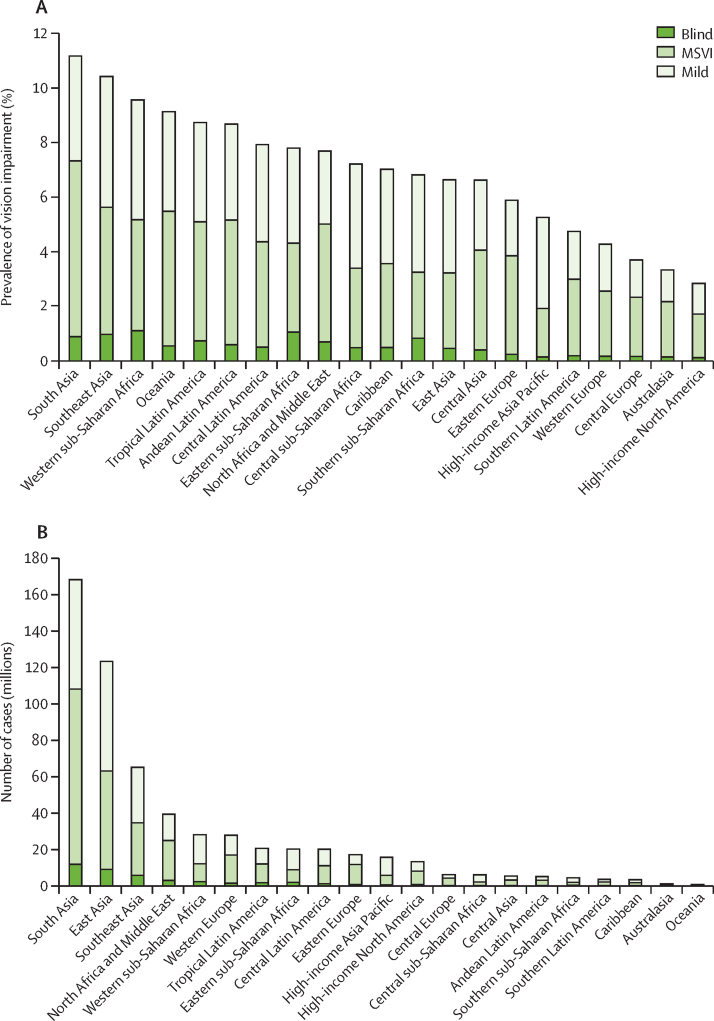
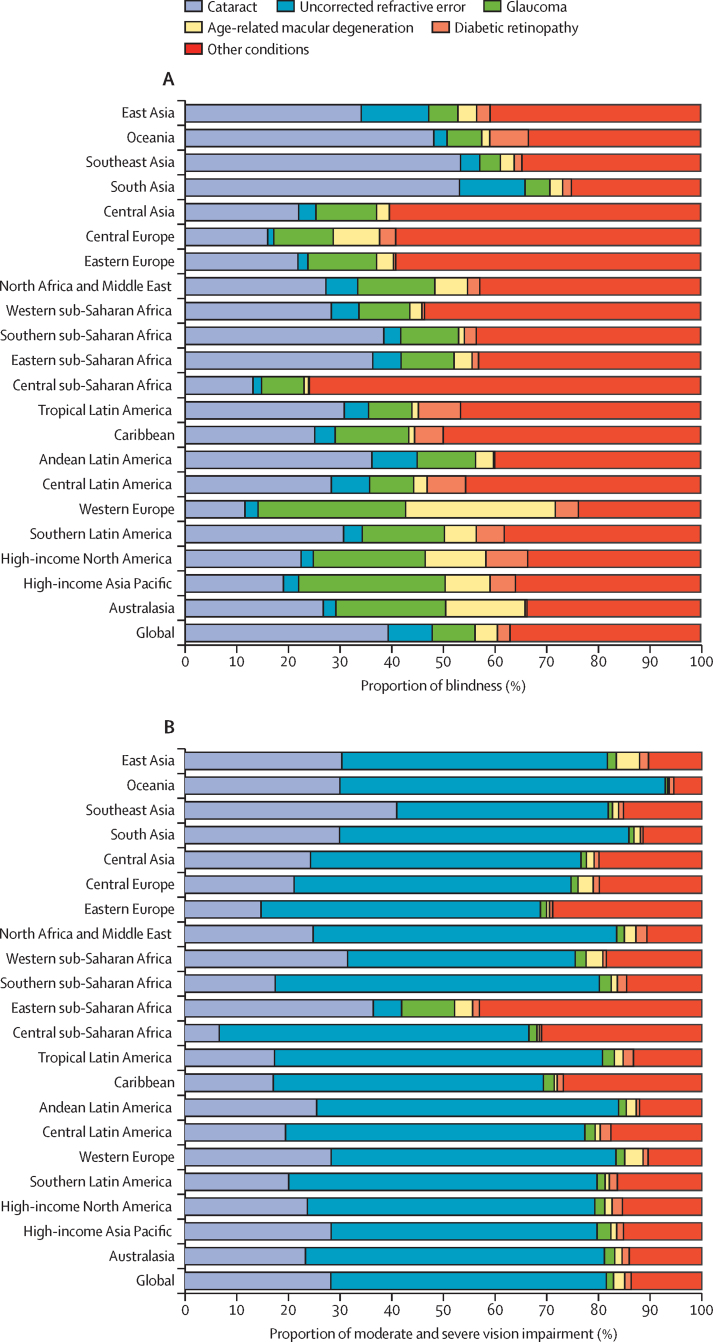
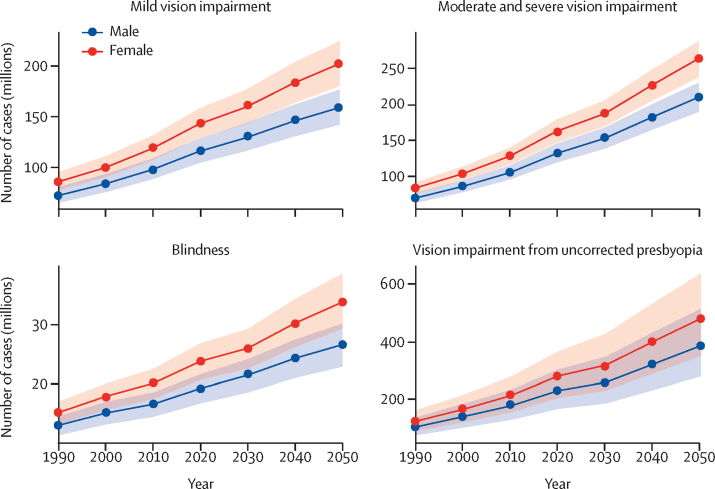
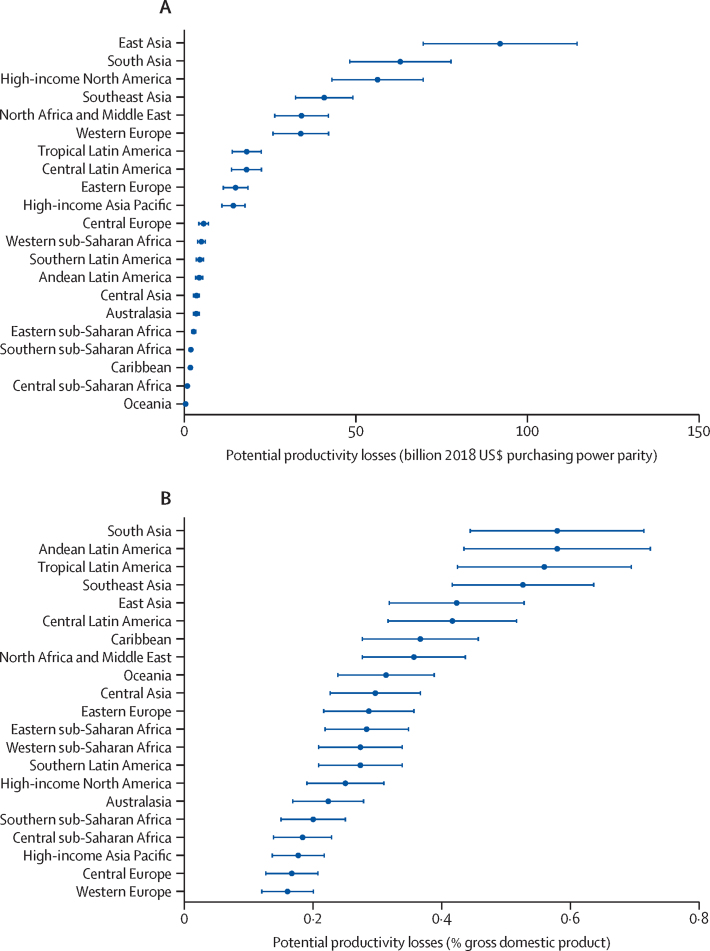
Eye health and vision have widespread and profound implications for many aspects of life, health, sustainable development, and the economy.Yet nowadays, many people, families, and populations continue to suffer the consequences of poor access to high-quality, affordable eye care, leading to vision impairment and blindness.In 2020, an estimated 596 million people had distance vision impairment worldwide, of whom 43 million were blind.Another 510 million people had uncorrected near vision impairment, simply because of not having reading spectacles.A large proportion of those affected (90%), live in low-income and middle-income countries (LMICs).However, encouragingly, more than 90% of people with vision impairment have a preventable or treatable cause with existing highly cost-effective interventions.Eye conditions affect all stages of life, with young children and older people being particularly affected.Crucially, women, rural populations, and ethnic minority groups are more likely to have vision impairment, and this pervasive inequality needs to be addressed.By 2050, population ageing, growth, and urbanisation might lead to an estimated 895 million people with distance vision impairment, of whom 61 million will be blind.Action to prioritise eye health is needed now.This Commission defines eye health as maximised vision, ocular health, and functional ability, thereby contributing to overall health and wellbeing, social inclusion, and quality of life.Eye health is essential to achieve many of the Sustainable Development Goals (SDGs).Poor eye health and impaired vision have a negative effect on quality of life and restrict equitable access to and achievement in education and the workplace.Vision loss has substantial financial implications for affected individuals, families, and communities.Although high-quality data for global economic estimates are scarce, particularly for LMICs, conservative assessments based on the latest prevalence figures for 2020 suggest that annual global productivity loss from vision impairment is approximately US$410•7 billion purchasing power parity.Vision impairment reduces mobility, affects mental wellbeing, exacerbates risk of dementia, increases likelihood of falls and road traffic crashes, increases the need for social care, and ultimately leads to higher mortality rates.By contrast, vision facilitates many daily life activities, enables better educational outcomes, and increases work productivity, reducing inequality.An increasing amount of evidence shows the potential for vision to advance the SDGs, by contributing towards poverty reduction, zero hunger, good health and wellbeing, quality education, gender equality, and decent work.Eye health is a global public priority, transforming lives in both poor and wealthy communities.Therefore, eye health needs to be reframed as a development as well as a health issue and given greater prominence within the global development and health agendas.Vision loss has many causes that require promotional, preventive, treatment, and rehabilitative interventions.Cataract, uncorrected refractive error, glaucoma, agerelated macular degeneration, and diabetic retinopathy www.thelancet.
Overview
The claims and statistics of this paper haven’t been checked yet.
Free: it reads the open-access text and checks the first 5 claims that cite a source we can check. Create a free account to check every claim.
Integrity signals
Registry
Cites
Statistics
Figures
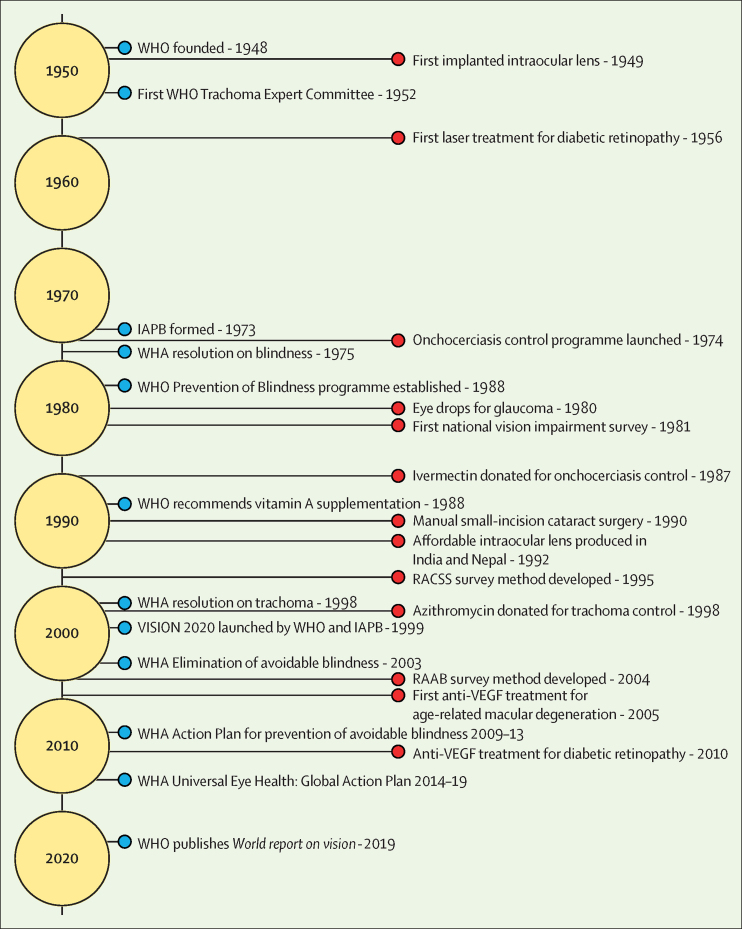
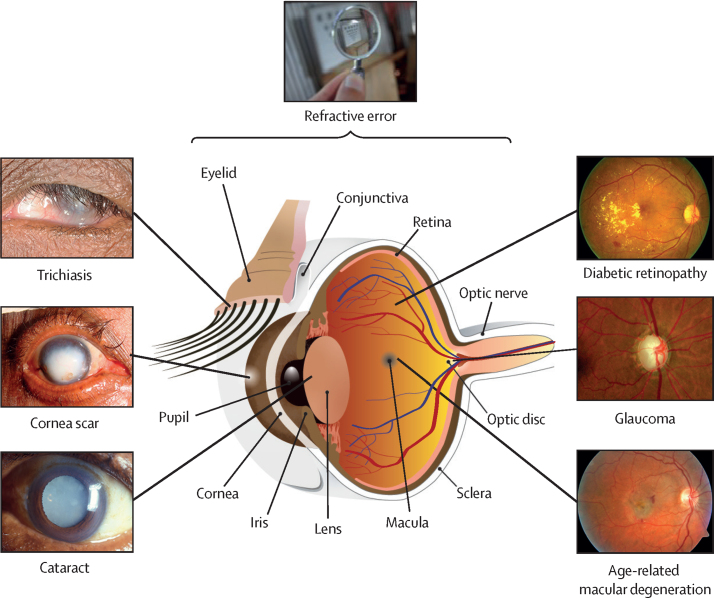
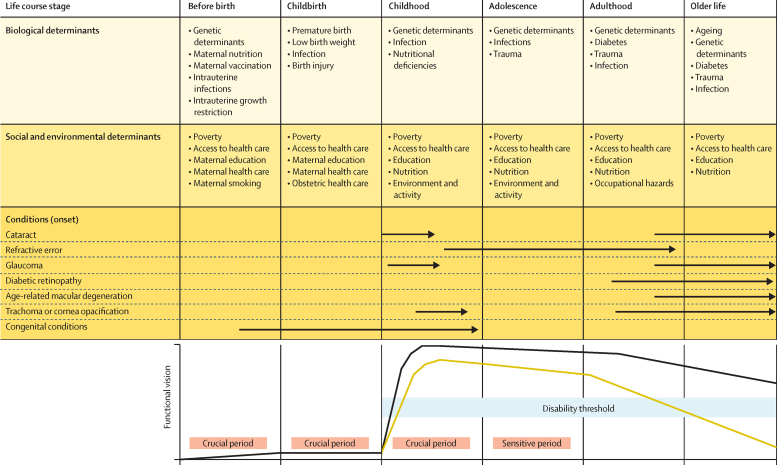
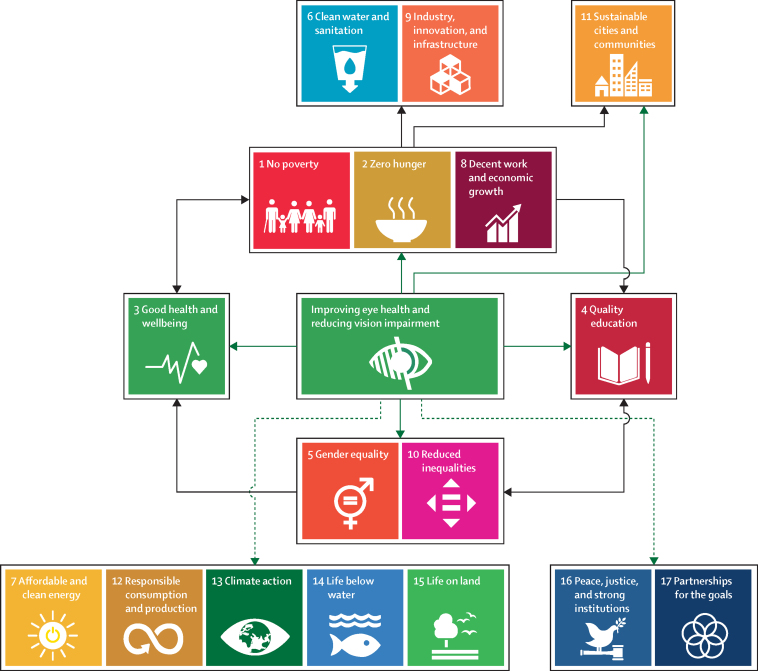
Verification
Claims the paper makes
The claims and statistics of this paper haven’t been checked yet.
Free: it reads the open-access text and checks the first 5 claims that cite a source we can check. Create a free account to check every claim.
Claims other papers make about this one
Each is checked against this paper’s own text: does it say what the citing paper says it does?
The source backs part of the claim, not all of it — or backs it for a different population, condition or comparison.
In the citing paper
“Artificial intelligence (AI) is an accurate screening tool for diabetic retinopathy (DR), the leading cause of blindness among working-aged adults.”
From Referral uptake after diabetic retinopathy screening with artificial intelligence-assisted care pathways: a systematic review and meta-analysis (2026) · cites this paper as [1]
Experimental — accuracy not yet measuredThe cited source says what the claim attributes to it.
In the citing paper
“Underfunding, alongside scarcity of ophthalmological services and trained personnel, infrastructures are common challenges faced by LMICs, which often delay diagnosis and management, increasing the risk of irreversible vision loss [6].”
From Diabetic retinopathy screening model in low and middle-income countries: a scoping review (2025) · cites this paper as [6]
The cited source says what the claim attributes to it.
In the citing paper
“Diabetic retinopathy (DR) is the leading cause of blindness among working-aged adults and early detection is critical for timely management to prevent vision loss1,2.”
From Referral uptake after diabetic retinopathy screening with artificial intelligence-assisted care pathways: a systematic review and meta-analysis (2026) · cites this paper as [1]
The cited source says what the claim attributes to it.
In the citing paper
“The magnitude of diabetes and its sequelae including DR require large-scale screening to enable early intervention, as described in the recent Lancet Global Health Commission on Global Eye Health and contemporary modelling of diabetes prevalence worldwide1,4.”
From Referral uptake after diabetic retinopathy screening with artificial intelligence-assisted care pathways: a systematic review and meta-analysis (2026) · cites this paper as [1]
The check wasn’t confident either way, so it gives no verdict — never disputed.
In the citing paper
“This capability is crucial for creating VPs that accurately simulate real patients for educational purposes39,40.”
From A large language model digital patient system enhances ophthalmology history taking skills (2025) · cites this paper as [39]
Experimental — accuracy not yet measured
Self-check
Percentages, sums and reported differences re-computed from the paper’s own numbers.
The self-check needs the paper’s full text.
Citations
Cites
von Elm, E., Altman, D. G., Egger, M., Pocock, S. J., Gøtzsche, P. C., Vandenbroucke, J. P., & Initiative, F. T. S. (2007) · PLoS Medicine · doi:10.1371/journal.pmed.0040296 · Cited by 23,020
Transforming Our World: The 2030 Agenda for Sustainable Development
(2018) · A New Era in Global Health · doi:10.1891/9780826190123.ap02 · Cited by 19,351
James, S. L., Abate, D., Abate, K. H., Abay, S. M., Abbafati, C., Abbasi, N., Abbastabar, H., Abd-Allah, F., Abdela, J., Abdelalim, A., et al. (2018) · The Lancet · doi:10.1016/s0140-6736(18)32279-7 · Cited by 13,867
Self-citationVos, T., Abajobir, A. A., Abate, K. H., Abbafati, C., Abbas, K. M., Abd-Allah, F., Abdulkader, R. S., Abdulle, A. M., Abebo, T. A., Abera, S. F., et al. (2017) · The Lancet · doi:10.1016/s0140-6736(17)32154-2 · Cited by 13,220
Saeedi, P., Petersohn, I., Salpea, P., Malanda, B., Karuranga, S., Unwin, N., Colagiuri, S., Guariguata, L., Motala, A. A., Ogurtsova, K., et al. (2019) · Diabetes Research and Clinical Practice · doi:10.1016/j.diabres.2019.107843 · Cited by 10,792
Vos, T., Flaxman, A. D., Naghavi, M., Lozano, R., Michaud, C., Ezzati, M., Shibuya, K., Salomon, J. A., Abdalla, S., Aboyans, V., et al. (2012) · The Lancet · doi:10.1016/s0140-6736(12)61729-2 · Cited by 8,291
Self-citationThe number of people with glaucoma worldwide in 2010 and 2020
Quigley, H. A. (2006) · British Journal of Ophthalmology · doi:10.1136/bjo.2005.081224 · Cited by 7,394
Global Prevalence of Glaucoma and Projections of Glaucoma Burden through 2040
Tham, Y.-C., Li, X., Wong, T. Y., Quigley, H. A., Aung, T., & Cheng, C.-Y. (2014) · Ophthalmology · doi:10.1016/j.ophtha.2014.05.013 · Cited by 7,159
Self-citation(2007) · Developments in Ophthalmology · doi:10.1159/isbn.978-3-318-01439-6 · Cited by 5,583
Global Prevalence of Myopia and High Myopia and Temporal Trends from 2000 through 2050
Holden, B. A., Fricke, T. R., Wilson, D. A., Jong, M., Naidoo, K. S., Sankaridurg, P., Wong, T. Y., Naduvilath, T. J., & Resnikoff, S. (2016) · Ophthalmology · doi:10.1016/j.ophtha.2016.01.006 · Cited by 5,500
Self-citation
Research works printed but not linked: 6
- Soleimani-Sefat E Rostami M Amani S Movallali G The needs and problems of students with visual impairment J Soc Sci Hum Stud 2 2016 8 16 https://www.textroad.com/pdf/JSSHS/J.%20Soc.%20Sci.%20Hum.%20Stud.,%202(2)8-16,%202016.pdf
- Porcino A Workshop report: a VISION 2020 workshop on research for global blindness prevention http://www.aurovikas.co.in/os2014/pdf_files/VISION_2020_Workshop_on_Research_for_Global_Blindness_Prevention.pdf 2010
- WHO International standards for vision rehabilitation: report of the international consensus conference, Rome, 9–12 December 2015 https://www.iapb.org/wp-content/uploads/2020/09/international_standards_for_vision_rehabilitation-international_consensus_conference-report.pdf 2017
- Ministry Of Health Medical Service Administration National survey on avoidable blindness Vietnam https://pdfs.semanticscholar.org/97aa/e9d48f6a9769751d61d1ea4c16fd2cfa3fec.pdf 2015
- WHO Prevention of avoidable blindness and visual impairment https://apps.who.int/iris/bitstream/handle/10665/21455/A59_R25-en.pdf 2006 26310248
- WHO Prevention of avoidable blindness and visual impairment https://apps.who.int/iris/bitstream/handle/10665/2244/A62_R1-en.pdf 2009 26310248
Cited by
Items 801–900 of 1,001
Prevalence of cataracts in Iran based on the Persian eye cohort study
Alipour, F., Abdi, P., Asadigandomani, H., Rezakhani, M., Moosaie, F., Jafari, F., Yaseri, M., Motamed-Gorji, N., Khalili, F., Tavakoli, R., et al. (2024) · Scientific Reports · doi:10.1038/s41598-024-83080-5 · Cited by 4
Pan, L., Wang, N., & Wu, J. (2025) · Eye · doi:10.1038/s41433-025-03665-w · Cited by 4
“It was estimated that there were 895 million sufferers around the world, of whom 61 million may undergo vision loss by 2050 [1].”
Self-citationMeasures of diabetic retinopathy treatment coverage: protocol for a methodological review
Chabba, N., Silwal, P. R., Bascarán, C., Murphy, R., Gordon, I., Mwangi, N., Bhatta, S., Pant, N., Burton, M. J., Keel, S., et al. (2025) · BMJ Open · doi:10.1136/bmjopen-2024-092081 · Cited by 4
Self-citationMierczak, K., & Garus-Pakowska, A. (2025) · Frontiers in Public Health · doi:10.3389/fpubh.2025.1553361 · Cited by 4
Pattern of Diabetic Retinopathy in a Tertiary Healthcare Facility in Southern Nigeria
Agweye, C. T., Ibanga, A. A., Udoh, M.-M. E., Enang, O., Nwajei, A. I., & Nkanga, D. G. (2021) · Nigerian Journal of Medicine · doi:10.4103/njm.njm_216_20 · Cited by 4
Comparative evaluation of a new frugal binocular indirect ophthalmoscope
Kousha, O., Ganesananthan, S., Shahin, B., Ellis, J. D., & Blaikie, A. J. (2021) · Eye · doi:10.1038/s41433-021-01901-7 · Cited by 4
Retinoblastoma as a lens for correctable disparities worldwide
Lam, C. G. (2022) · The Lancet Global Health · doi:10.1016/s2214-109x(22)00290-x · Cited by 4
Primary eye health care: what do young children need?
Mafwiri, M., & Malik, A. N. (2021) · Community Eye Health Journal · doi:10.56920/cehj.197 · Cited by 4
Self-citationJerrome, S., Joseph, S., Niranjana, B., Vidya, S., Kumaragurupari, T., Sundar, B., Senthilkumar, V. A., & Krishnadas, S. R. (2023) · Indian Journal of Ophthalmology · doi:10.4103/ijo.ijo_3321_22 · Cited by 4
“[1] It is the second leading cause of preventable global blindness among those who are 50 years and older[2] and the third leading cause of blindness globally.[3] The global prevalence of glaucoma in individuals with age between 40 and 80 years is 3.”
BackgroundLecumberri, M., Moser, C. L., & Loscos, J. (2023) · BMC Ophthalmology · doi:10.1186/s12886-023-03058-1 · Cited by 4
“However, it can be an issue in achieving a good UDVA outcome in settings where the use of biometry prior to cataract surgery or an appropriately powered IOL is not available [19].”
Human Data Interactions in Digital Modes of Eye Care
Boychev, N., Schmid, K. L., & Jonuscheit, S. (2023) · Postdigital science and education · doi:10.1007/978-3-031-31875-7_3 · Cited by 4
Fu, Y., Bo, G., & Zitong, W. (2023) · Journal of Asian Architecture and Building Engineering · doi:10.1080/13467581.2023.2245019 · Cited by 4
“This indicates that changes in teaching methods have increased the myopia rates among students (Burton et al. 2021);Chen, Ye and Dai (2017) this can be attributed to a variety of causes, including inappropriate eye habits, visual fatigue from excessive eye usage, and low-brightness reading…”
BackgroundMerga, H., Amanuel, D., Fekadu, L., & Dube, L. (2023) · SAGE Open Medicine · doi:10.1177/20503121231197865 · Cited by 4
Dunuwila, V. R., Perera, S., Suraweera, T., & Fernando, J. (2023) · Social Indicators Research · doi:10.1007/s11205-023-03227-1 · Cited by 4
“Previous literature enlightens that visual impairment and blindness can significantly impact one’s QoL (Adigun et al., 2014; Amedo et al., 2016; Burton et al., 2021; Gyawali et al., 2012 ; Habsyiyah et al., 2015; Klein et al., 1998; Langelaan et al., 2007; Murthy et al., 2018; West et al., 1997;…”
BackgroundAcceso para cirugía de cataratas en diabetes. Un estudio cualitativo con enfoque gerencial
Puertas, I. F. H., Mariño, C. A., García, M. I. Á., Arocha, A. C., & Tablada, K. H. (2023) · Horizonte Sanitario · doi:10.19136/hs.a22n3.5604 · Cited by 4
Glaucoma Screening in the Primary Care Setting: Practical and Innovative Approaches
Shukla, A. G., & Cioffi, G. A. (2024) · Journal of Glaucoma · doi:10.1097/ijg.0000000000002396 · Cited by 4
Effect of Refractive Power and Diameter on Weight and Thickness in Spectacle Lenses for Myopia
Shim, J.-K., Moon, B.-Y., Cho, H. G., Kim, S.-Y., & Yu, D.-S. (2024) · Journal of Korean Ophthalmic Optics Society · doi:10.14479/jkoos.2024.29.1.9 · Cited by 4
Adolescents in a Changing World: The Case for Urgent Investment
Sheehan, P. J., Rasmussen, B., Sweeny, K., Maharaj, N., Symons, J., & Kumnick, M. (2024) · Victoria University Research Repository (Victoria University) · Cited by 4
Reinstein, D. Z. (2022) · Journal of Refractive Surgery · doi:10.3928/1081597x-20211109-03 · Cited by 4
Eligibility for the use of ready-made spectacles among children in a school-based programme in Ghana
Asare, F. A., & Morjaria, P. (2022) · PLOS Global Public Health · doi:10.1371/journal.pgph.0000079 · Cited by 4
“60 million with mild vision impairment globally [8].”
BackgroundSelf-citationAllen, L. N., Nkomazana, O., Mishra, S. K., Ratshaa, B., Foster, A. H., Rono, H. K., Roshan, A., Macleod, D., Kim, M. J., Marques, A. P., et al. (2022) · Wellcome Open Research · doi:10.12688/wellcomeopenres.17768.2 · Cited by 4
Self-citationHealth, education, and social care provision after diagnosis of childhood visual disability
Solebo, A. L., Teoh, L., Sargent, J., Rahi, J. S., & British Childhood Visual Impairment and Blindness Study Interest Group (2022) · Developmental Medicine & Child Neurology · doi:10.1111/dmcn.15447 · Cited by 4
Development of an in vitro model to estimate mass transfer from the anterior cavity
Liu, T., Ibeanu, N., Brocchini, S., Khaw, P. T., Bouremel, Y., & Awwad, S. (2022) · Frontiers in Drug Delivery · doi:10.3389/fddev.2022.1025029 · Cited by 4
“Approximately 285 million people are visually impaired with 90% of these people living in developing countries (Bastawrous et al., 2014; Burton et al., 2021).”
BackgroundSelf-citationRisk Factors for Vision Loss among Nursing Home Residents: A Cross-Sectional Analysis
Monaco, W. A., Qureshı, R., Arif, A., Aggarwal, S., & Meng, H. (2022) · Journal of the American Medical Directors Association · doi:10.1016/j.jamda.2022.10.018 · Cited by 4
Mathenge, W. C., Bello, N. R., Hess, O. M., Dangou, J.-M., Nkurikiye, J., & Levin, A. V. (2023) · Journal of American Association for Pediatric Ophthalmology and Strabismus · doi:10.1016/j.jaapos.2022.10.008 · Cited by 4
Self-citationHosseini, K., Gollamudi, S., Reiser, H., Walters, T., & Lindstrom, R. L. (2023) · Clinical ophthalmology · doi:10.2147/opth.s419857 · Cited by 4
Pesonen, T., Corneliusson, L., Väisänen, V., Siira, H. J., Edgren, J., Elo, S., & Sinervo, T. S. (2023) · Journal of Advanced Nursing · doi:10.1111/jan.15863 · Cited by 4
Is selective laser trabeculoplasty shifting the glaucoma treatment paradigm in developing countries?
Konstantakopoulou, E., & Gazzard, G. (2022) · British Journal of Ophthalmology · doi:10.1136/bjophthalmol-2022-321706 · Cited by 4
Li, Y., Carrillo‐Pérez, F., Owaifeer, A. M. A., Alawad, M. A., & Gevaert, O. (2025) · medRxiv · doi:10.1101/2025.04.22.25326210 · Cited by 4
“Despite substantial advancements in ophthalmic care, glaucoma remains largely undiagnosed, with less than half of cases identified in high-income countries, and over 90% undetected in low-and middle-income countries (LMICs) (Burton et al. 2021).”
InfluentialAsare, A., Senkyire, I. B., Freeman, E., Sagoe, M., Aluze-Ele, S. H. A., & Kwao, K. (2025) · arXiv (Cornell University) · doi:10.48550/arxiv.2509.18160 · Cited by 4
“Diabetic retinopathy is a serious eye condition caused by diabetes that can lead to vision loss if untreated [3], [5].”
Leigh, J. A., Sherrington, A., Barber, A. R. J., Turner, A. W., Kidd, M., Powell, J., & Pope, C. (2026) · npj Digital Medicine · doi:10.1038/s41746-026-02616-3 · Cited by 3
“Diabeticretinopathy(DR)istheleadingcauseofblindnessamongworking-agedadultsandearlydetectioniscriticalfortimelymanagementtoprevent vision loss 1,2 .”
Teoh, L., Kellett, S., Patel, D. E., Cortina‐Borja, M., Solebo, A. L., & Rahi, J. S. (2023) · PharmacoEconomics · doi:10.1007/s40273-023-01311-5 · Cited by 3
Self-citationJute, P., & Stålhammar, G. (2025) · Communications Medicine · doi:10.1038/s43856-025-00782-1 · Cited by 3
“Globally, a greater proportion of women than men experience blindness or visual impairment, and this disparity is projected to increase in thefuture 6 .”
Practices of a United States school-based vision program in referring children to community eye care
Ambrosino, C. M., Guo, X., Nguyen, A. M., Kallem, M., Dai, X., Kourgialis, N., Repka, M. X., Friedman, D. S., & Collins, M. E. (2025) · Journal of American Association for Pediatric Ophthalmology and Strabismus · doi:10.1016/j.jaapos.2025.104164 · Cited by 3
Self-citationFrömmichen, J., Bungert, E., Ströble, J., Gläser, M., Gottwald, C., Zeqiri, K., Reinhard, T., Lübke, J., Schlunck, G., & Wiedenmann, C. J. (2025) · Investigative Ophthalmology & Visual Science · doi:10.1167/iovs.66.4.17 · Cited by 3
Cong, Y., Jiang, W., Dong, Z., Zhu, J., Yang, Y., Wang, Y., Deng, Q., Yan, Y., Mao, J., Shi, X., et al. (2025) · Bioengineering · doi:10.3390/bioengineering12040415 · Cited by 3
“It is estimated that there will be approximately 110 million glaucoma patients worldwide by 2040, posing a serious threat to human visual health [4,5].”
ROQUS: a retinal OCT quality and usability score
Aresta, G., Araújo, T., Faustmann, G., & Bogunović, H. (2025) · Biomedical Optics Express · doi:10.1364/boe.564188 · Cited by 3
“OCT provides cross-sectional views at a micrometer scale, aiding in the diagnosis, management, and monitoring of ocular and systemic diseases such as age-related macular degeneration (AMD), diabetic retinopathy, and glaucoma [4–12].”
Wang, Y.-P., Ouyang, P., Zhao, Y.-H., Lu, L.-M., Liu, H.-Y., Dai, C., & Zhou, H. (2025) · Geriatrics · doi:10.3390/geriatrics10040087 · Cited by 3
“Visual impairment (VI) is a prevalent sensory disability among older adults, with its prevalence increasing with age [1,2].”
Neimark, E., Eremenko, R., Braudo, S., Reitblat, O., & Kleinmann, G. (2025) · Journal of Refractive Surgery · doi:10.3928/1081597x-20250520-03 · Cited by 3
The Ocular Parameter Changes Caused by Reading With Remote Image Optical Screen
Zhang, Y., Tian, J., Shen, W., & Wang, N. (2025) · Translational Vision Science & Technology · doi:10.1167/tvst.14.7.12 · Cited by 3
Self-citationMagnitude and Determinants of Dry Eye Syndrome Among Persons With Diabetes Mellitus
Alhussayen, L. K., Alshenqeti, A. M., Alfaqi, R., & Aalam, W. A. (2025) · Cureus · doi:10.7759/cureus.91685 · Cited by 3
Hu, J., Pu, J., Fang, Y., Chen, W., Liang, J., & Jiao, Y. (2025) · Clinical and Experimental Optometry · doi:10.1080/08164622.2025.2564691 · Cited by 3
Prioritizing Pediatric Eye Care in Saudi Arabia: A National Delphi Consensus Study
Alghamdi, M., Almustanyir, A., Alshuimi, A. A., Alrasheed, S. H., Alabdulkader, B., Alanazi, M., Altoaimi, B. H., Dulaym, M. B., Alsamnan, L. Y., & Alghamdi, W. (2025) · Healthcare · doi:10.3390/healthcare13192467 · Cited by 3
Liu, Y., Gong, D., Dang, K., Guo, J., Yan, Z., Shen, X., & Wang, J. (2025) · Survey of Ophthalmology · doi:10.1016/j.survophthal.2025.09.023 · Cited by 3
Assessment of human resource for eye health services in Southern Ethiopia
Mehari, Z., & Nariani, A. (2025) · Human Resources for Health · doi:10.1186/s12960-025-01007-1 · Cited by 3
“Despite significant progress in global eye care efforts, human resources for eye health (HReH) in many regions, particularly sub-Saharan Africa, need to meet established targets, contributing to disparities in eye care services [7, 8].”
Progression of diabetic retinopathy in a longitudinal real-world study of patients in primary care
Lalwani, G. A., Wykoff, C. C., Briggs, J., Lin, C.-Y., Steffen, V., & Hašková, Z. (2025) · BMC Ophthalmology · doi:10.1186/s12886-025-04307-1 · Cited by 3
“Given early detection of vision-threatening DR through screening and retinal assessments can help in the prevention of vision loss resulting from DR [22, 23], insights from our study could help inform physicians and potentially improve patient care.”
Jolley, E., Bechange, S., Atto, G., Namukasa, L., GUZU, B., Flight, S., Sentongo, J., Kuper, H., & Wilbur, J. (2025) · International Journal for Equity in Health · doi:10.1186/s12939-025-02650-9 · Cited by 3
“Eye health problems and vision impairment are among these age-related conditions and 73.1% of blindness is estimated to be found among the over 50s, although this tends to be higher in low income settings [5, 7].”
InfluentialSelf-citationZhang, Y., Tang, W., Wang, Y., Liu, L., & Zhang, W. (2025) · British Journal of Ophthalmology · doi:10.1136/bjo-2025-327735 · Cited by 3
“16 In addition, correcting refraction errors with spectacles is among the most cost-effective of all healthcare interventions, 17 which could help reduce vision impairment due to refraction disorders.”
Mobility in adults with visual impairment: Results from an online survey
Pigeon, C., Baltenneck, N., Evennou, M., Uzan, G., & Galiano, A. R. (2025) · Transportation Research Part F Traffic Psychology and Behaviour · doi:10.1016/j.trf.2025.103429 · Cited by 3
Zhang, Z., Cai, Z., Li, C., Liu, S., Li, S., Liu, L., & Zhang, L. (2025) · BMC Public Health · doi:10.1186/s12889-025-25086-w · Cited by 3
“With global population aging, the risk of VI will further increase [21].”
Li, R., Qi, Q., Li, S., Yan, X., & Arthur, C. (2025) · Frontiers in Ophthalmology · doi:10.3389/fopht.2025.1642288 · Cited by 3
“However, there may be little parallel with ONTT fi ndings, as there are systemic factors -such as delays in diagnosis and not receiving specialized treatment after diagnosis-that can often preclude patients from treatment in the fi rst few days (7, 8).”
Wang, M., Lin, T., Lin, A., Zou, K., Xu, T. F., Meng, Y., Liu, D., Tham, Y. C., Chen, H., & Fu, H. (2025) · Lecture notes in computer science · doi:10.1007/978-3-032-10351-2_7 · Cited by 3
Zeng, X., Liu, X., Tan, C., Zhang, H., Xin, X., Liu, F., & Li, Y. (2025) · Industrial Management & Data Systems · doi:10.1108/imds-06-2025-0874 · Cited by 3
Abraham, C. H., van Staden, D. B., & Rampersad, N. (2025) · Health Services Insights · doi:10.1177/11786329251399779 · Cited by 3
Lee, Y., Lee, J., An, D., Seo, K. Y., Yoon, S., & Congdon, N. G. (2025) · Scientific Reports · doi:10.1038/s41598-025-32048-0 · Cited by 3
Self-citationRobotic augmentation of surgical skills in subretinal injection: a novel semiautomated system
Lian, Z., Xu, A., Li, Y., Liu, J., Song, R., Liang, H., Wang, R., Yang, Y., Wei, X., Zhang, Z., et al. (2025) · International Journal of Surgery · doi:10.1097/js9.0000000000004501 · Cited by 3
Bechange, S., Pye, S. R., Jolley, E., Jones, I., Pedro, D., Linha, M. J., Chivunde, S. M., Antunes, A., Tavares, A. M., Adera, T. H., et al. (2025) · International Health · doi:10.1093/inthealth/ihaf115 · Cited by 3
“14 , 17 Anticipation and experiences of stigma lead to a decreasing sense of confidence and self-esteem.”
Self-citationGlobal eye care frameworks: a review of strategies, gaps, and recommendations for equitable access
Ahuja, N., & Taghaddos, D. (2025) · Canadian Journal of Ophthalmology · doi:10.1016/j.jcjo.2025.11.018 · Cited by 3
Orientation and Mobility Training for People with Visual Impairments
Nemargut, J. P. (2026) · Signals and communication technology · doi:10.1007/978-3-031-91550-5_10 · Cited by 3
Dai, B.-F., Pei, P., Kan, Z., Lan, H., Ye, W., Yu, Y., Chen, X., Yan, Y., Chen, T., Zheng, J., et al. (2026) · Frontiers in Medicine · doi:10.3389/fmed.2025.1683484 · Cited by 3
“The rapid advancement of artificial intelligence (AI) in healthcare presents new opportunities to address these challenges (12, 13) While ophthalmic diagnostics have embraced machine learning innovations, low-vision rehabilitation remains conspicuously underserved by computational approaches (14).”
Wang, Z., Han, F., Zhang, X. J., Ding, J., Yu, J., Xie, X., Li, Z., Du, B., & Wei, R. (2026) · Frontiers in Cell and Developmental Biology · doi:10.3389/fcell.2026.1753213 · Cited by 3
“Myopia among children is a serious public health issue (Burton et al., 2021).”
Okasheh-Otoom, A. (2026) · JMIR Rehabilitation and Assistive Technologies · doi:10.2196/87685 · Cited by 3
“These challenges are particularly pronounced in low-and middle-income countries, where limited service infrastructure, fragmented referral pathways, and absence of sustainable funding mechanisms further restrict access to electronic low vision technologies [2].”
InfluentialArtificial intelligence in retinal care: transforming the doctor-patient partnership
Hanhart, J., Celi, L. A., Blumenthal, E. Z., Almog, R., & Behar, J. A. (2026) · International Journal of Retina and Vitreous · doi:10.1186/s40942-026-00837-y · Cited by 4
“Although systematic screening prevents 95% of vision loss [25], implementation remains limited by ophthal-mologist scarcity, patient non-compliance, and physician non-referral.”
Huang, J., Kumaran, S. E., Turnbull, P., Webber, A. L., Rhee, J., Barr, M. L., Ramke, J., & Keay, L. J. (2026) · Clinical and Experimental Optometry · doi:10.1080/08164622.2026.2624750 · Cited by 3
Self-citationTherapeutic Applications of Carbonic Anhydrase Inhibitors in Ophthalmology
Giovannuzzi, S., Nocentini, A., & Supuran, C. T. (2026) · Sub-cellular biochemistry/Subcellular biochemistry · doi:10.1007/978-3-032-23172-7_5 · Cited by 3
Jiang, Y., Ge, S., & Ke, B. (2026) · Frontiers in Medicine · doi:10.3389/fmed.2026.1823359 · Cited by 3
Maqsood, S. E., Posnett, J. W., & Elalfy, M. (2026) · Eye · doi:10.1038/s41433-026-04314-6 · Cited by 3
“BCLs used for approximately 21 days have shown improved healing rates of up to 55% complete healing [8, 38–40].”
Ehawa, T. R. N., Mabiama, G., Essomba, M.-J. N., Biyegue, C. F. N., Tabué-Teguo, M., & Bourdel‐Marchasson, I. (2026) · The Journal of Frailty & Aging · doi:10.1016/j.tjfa.2026.100167 · Cited by 3
“In several African countries, unoperated cataract remains the leading cause of visual impairment in older subjects, whereas surgery is relatively accessible in high-income countries [19].”
ОФТАЛЬМОЛОГИЯ И ИСКУССТВЕННЫЙ ИНТЕЛЛЕКТ: РЕАЛИИ И ПЕРСПЕКТИВЫ (ОБЗОР ЛИТЕРАТУРЫ)
Б.Р., Б., Л.Ш., Б., & М., К. Э. (2024) · Azerbaijan Journal of Ophthalmology · Cited by 3
Allen, L. N., Mackinnon, S., Gordon, I., Blane, D., Marques, A. P., Gichuhi, S., Mwangi, A. M., Burton, M. J., Bolster, N. M., Macleod, D., et al. (2022) · JAMA Network Open · doi:10.1001/jamanetworkopen.2022.43883 · Cited by 3
Self-citationSuzuki, T., Fujishiro, T., Tachi, N., Ueta, Y., Okamoto, Y., Fukutome, T., Sasajima, H., Ishida, H., Watanabe, Y., & Hashimoto, Y. (2023) · Clinical ophthalmology · doi:10.2147/opth.s406067 · Cited by 3
“Globally, this illness is the main contributor to permanent blindness.(2) Lowering the intraocular pressure (IOP) can stop or delay further advancement even if this damage is permanent.”
BackgroundCase Report: Vision-Threatening Fungal Keratitis in a Service Member Stationed at Guantanamo Bay
Lambert, L. H., Finger, G. E., & Tompkins, B. L. (2023) · Military Medicine · doi:10.1093/milmed/usad222 · Cited by 3
Chweya, R., Onyango, A. C., Saigilu, S., Mwangi, C., & Gachohi, J. M. (2023) · International Health · doi:10.1093/inthealth/ihad056 · Cited by 3
“11 Considering this, identifying where community-led trachoma mass treatment could be sited using spatial methodologies reinforces women’s empowerment (SDG 5).”
BackgroundCurrent Concepts of Molecular Mechanisms of Age-Related Changes in Eye Lens
Киселева, Т. Н., & Zaitsev, M. S. (2023) · Ophthalmology in Russia · doi:10.18008/1816-5095-2023-3-384-389 · Cited by 3
Rombold, F., Niederdellmann, C., Pariti, R., & Khayat, B. (2024) · Clinical ophthalmology · doi:10.2147/opth.s439930 · Cited by 3
The next‐generation therapies in ophthalmology for blindness worldwide
Xu, J., Zhang, C., Jiang, J., & Jin, Z. (2024) · Eye & ENT Research · doi:10.1002/eer3.4 · Cited by 3
Rooth, V., van der Aa, H. P. A., Wisse, R. P. L., Maarsingh, O. R., Koopmanschap, M. A., KEUNEN, J. E. E., Vermeulen, H., Klaver, C. C. W., Janssen, G., van Rens, G. H. M. B., et al. (2024) · Trials · doi:10.1186/s13063-023-07882-0 · Cited by 3
“Age is an important risk factor for vision impairment and blindness [1, 2].”
BackgroundInfluentialEconomic value of cataract interventions for inclusive development: A societal impact standpoint
Maji, I. K., Yusuf, M., Rabiu, M. M., & Taryam, M. O. (2024) · Societal Impacts · doi:10.1016/j.socimp.2024.100052 · Cited by 3
Laboratory Test and Selection of Ultrasonic Sensors for Ultrasonic Cane for Blind People
Dimitrova, D., & Manukova, A. (2024) · International Symposium INFOTEH-JAHORINA (INFOTEH) · doi:10.1109/infoteh60418.2024.10495927 · Cited by 3
“The summary of the most significant smart sticks for visually impaired people presented in the international scientific literature [2], [9], [10], [11] showed that the minimization of the control electronic system determines the use of a microcontroller and as a mandatory element - ultrasonic…”
BackgroundMuma, S. L., Naidoo, K. S., & Hansraj, R. (2024) · BMC Public Health · doi:10.1186/s12889-024-18960-6 · Cited by 3
Effendy, V. G. E., Rini, M., Ratnaningsih, N., Irfani, I., & Natalya, S. (2023) · Oftalmologi Jurnal Kesehatan Mata Indonesia · doi:10.11594/ojkmi.v5i3.59 · Cited by 3
Jadoon, M. Z., Awan, Z., Moin, M., Younas, R., Latorre-Arteaga, S., Watts, E., Katibeh, M., & Bastawrous, A. (2024) · BMC Family Practice · doi:10.1186/s12875-024-02503-4 · Cited by 4
“…4,7 and Andrew Bastawrous 4,8 Background Globally, in 2020, it was estimated that 43.3 million people were blind (presenting visual acuity, VA, worse than 3/60 in the better eye), with nearly half of these cases due to cataract (17.0 million) or uncorrected refractive error (URE, 3.7 million) [1].”
BackgroundInfluentialSelf-citationAsfaw, T., Metaferia, Y., Weldehanna, E. G., & Gebretsadik, D. (2024) · BMC Ophthalmology · doi:10.1186/s12886-024-03544-0 · Cited by 3
“Sustainable Development Goals (SDGs) cannot be attained without eye health, and universal health coverage cannot exist without it [1].”
BackgroundPrakash, W. D., Morjaria, P., McCormick, I., & Khanna, R. (2024) · PLOS Global Public Health · doi:10.1371/journal.pgph.0002124 · Cited by 3
Self-citationWang, L., Yang, Y., He, Y., Sun, J., Li, Y., Wang, Z., & Li, P. (2024) · International Journal of Ophthalmology · doi:10.18240/ijo.2024.10.04 · Cited by 3
“Previous studies had shown that in addition to increasing age, a series of risk factors were also closely related to the incidence of ARC, including gene polymorphism, type 2 diabetes mellitus, cigarette smoking, malnutrition and ultraviolet-B (UVB) exposure [4-5] .”
BackgroundNejatian, M. M., Sincari, A., Alam, K., Li, I. W., & Razavi, H. (2024) · International Journal for Equity in Health · doi:10.1186/s12939-024-02307-z · Cited by 3
Visual Impairment and Refractive Error Among Deaf and Hard of Hearing Learners in Ghana
Kwarteng, M. A., Mashige, K. P., Kyei, S., Dogbe, D. S. Q., Govender-Poonsamy, P., Asomani, C., Kwarteng, D., Hayford-Mbrah, G., Berchie, M. O., & Kwarteng, M. K. D. (2024) · Journal of Visual Impairment & Blindness · doi:10.1177/0145482x241287544 · Cited by 3
“Globally, uncorrected refractive error and cataracts remain the leading causes of visual impairment (Burton et al., 2021; Steinmetz et al., 2021).”
Omar, F., Othman, O. J., Yong, A. C., McConnell, E. L., Mulewa, D., Graham, C., Shah, K., Martins, M. F., Farmer, A., Graham, R., et al. (2024) · BMJ Open · doi:10.1136/bmjopen-2024-086624 · Cited by 3
“Uncor-rected presbyopia disproportionately affects 11% more women than men, 20 with women facing greater financial, social and cultural barriers to eye health services 19 and having 7.8% higher representation in informal and vulnerable employment.”
InfluentialPrevalence of Vision Loss in South and Central Asia in 2020: Magnitude and Temporal Trends
Collaborators, G. 2. B. A. V. I., Vision Loss Expert Group of the Global Burden of Disease Study, Nangia, V., Jonas, J. B., Fernandes, A. G., Tapply, I. H., Cicinelli, M. V., Arrigo, A., Briant, P. S., Vos, T., et al. (2024) · Ophthalmic Epidemiology · doi:10.1080/09286586.2024.2374934 · Cited by 3
Self-citationWei, X., Mu, H., Zhang, Q., Zhang, Z., Ru, Y., Lai, K., Ma, Y., Lin, Z., Tuxun, R., Chen, Z., et al. (2025) · Molecular Therapy — Nucleic Acids · doi:10.1016/j.omtn.2024.102445 · Cited by 3
Age-Related Viability of Patients with Ophthalmopathology Depending on Age Dissociation
Fabrikantov, O. L., Kopylov, A. E., Агарков, Н. М., Popova, N. V., & Шмарова, Д. Р. (2024) · Ophthalmology in Russia · doi:10.18008/1816-5095-2024-4-838-843 · Cited by 3
Clarity unveiled: A journey through time in cataract surgery
Bates, A. (2025) · Journal of Perioperative Practice · doi:10.1177/17504589241264400 · Cited by 3
“The refinement of existing technologies has characterised this period, the introduction of new surgical approaches and the expansion of access to cataract care on a global scale (Burton et al 2021).”
Chan, V. F., Othman, O. J., Yong, A. C., Graham, C., Price-Sanchez, C., Pillai, B. S., Holland, E., McConnell, E. L., Jones, J., Farmer, A., et al. (2025) · British Journal of Ophthalmology · doi:10.1136/bjo-2024-325887 · Cited by 3
Refractive outcomes and safety profile after sequential bilateral cataract surgery
Ibáñez-Esparza, M. O., Mora-González, F., Alvarado-Castillo, B., Ibarra-Elizalde, G. E., Castro-Monreal, M. Á., González-Salinas, R., & Ibáñez-Hernández, M. Á. (2025) · International Ophthalmology · doi:10.1007/s10792-025-03472-y · Cited by 3
“[4] Several bilateral procedures, such as laser in situ keratomileusis (LASIK), photorefractive keratectomy (PRK), and other refractive surgeries, have demonstrated safety and efficacy over time.”
Tsegaw, G. W., Chisha, Y., & Mengesha, M. M. (2025) · BMC Ophthalmology · doi:10.1186/s12886-025-04053-4 · Cited by 3
“They increase the risk of dementia [6], falls, and road accidents in older adults [7, 8], reduce quality of life, and contribute to increased mortality [9, 10].”
Minimally Invasive Phototriggered Nanosystems for Advanced Theranostics of Ocular Diseases
Xin, Z., Song, H., Wang, W., Su, X., Liang, H., Zhao, Z., & Tang, B. Z. (2025) · ACS Materials Letters · doi:10.1021/acsmaterialslett.5c00303 · Cited by 3
Harej, A., Pelčić, A., Čaljkušić‐Mance, T., Mršić‐Pelčić, J., & Pilipović, K. (2025) · Current Issues in Molecular Biology · doi:10.3390/cimb47060418 · Cited by 3
“Future research will likely focus on understanding the role of blue light in these conditions, especially in younger and older populations [53].”
Annoh, R., & -, M. A. K. (2025) · International Journal For Multidisciplinary Research · doi:10.36948/ijfmr.2025.v07i03.48314 · Cited by 3
Integrating eye health into a child health policy in Tanzania: global and national influences
Malik, A. N., Spicer, N., Mafwiri, M., Gilbert, C. E., & Schellenberg, J. (2025) · Health Policy and Planning · doi:10.1093/heapol/czaf029 · Cited by 3
“Globally, 70.2 million children are estimated to have sight loss, 1.4 million of whom are blind (Burton et al. 2021).”
InfluentialSelf-citationAlvarado-Villacorta, R., Merayo-Llovés, J., Sanchez-Avila, R. M., Alfonso-Bartolozzi, B., Lisa, C. F., Fernández-Vega-Cueto, L., Alfonso, J. F., & Anitua, E. (2025) · Ophthalmology and Therapy · doi:10.1007/s40123-025-01211-1 · Cited by 3
“…the use of allogeneic is‑ePRGF may expand access to this regenerative therapy for not only complex clinical cases but also for a broader patient population, which can signifi‑ cantly contribute to the achievement of many Sustainable Development Goals (SDG) adopted by the United Nations [79].”
Metadata
- Authors
- Burton, M. J., Ramke, J., Marques, A. P., Bourne, R. R. A., Congdon, N., Jones, I., Ah Tong, B. A. M., Arunga, S., Bachani, D., Bascaran, C., Bastawrous, A., Blanchet, K., Braithwaite, T., Buchan, J. C., Cairns, J., Cama, A., Chagunda, M., Chuluunkhuu, C., Cooper, A., Crofts-Lawrence, J., Dean, W. H., Denniston, A. K., Ehrlich, J. R., Emerson, P. M., Evans, J. R., Frick, K. D., Friedman, D. S., Furtado, J. M., Gichangi, M. M., Gichuhi, S., Gilbert, S. S., Gurung, R., Habtamu, E., Holland, P., Jonas, J. B., Keane, P. A., Keay, L., Khanna, R. C., Khaw, P. T., Kuper, H., Kyari, F., Lansingh, V. C., Mactaggart, I., Mafwiri, M. M., Mathenge, W., McCormick, I., Morjaria, P., Mowatt, L., Muirhead, D., Murthy, G. V. S., Mwangi, N., Patel, D. B., Peto, T., Qureshi, B. M., Salomão, S. R., Sarah, V., Shilio, B. R., Solomon, A. W., Swenor, B. K., Taylor, H. R., Wang, N., Webson, A., West, S. K., Wong, T. Y., Wormald, R., Yasmin, S., Yusufu, M., Silva, J. C., Resnikoff, S., Ravilla, T., Gilbert, C. E., Foster, A., & Faal, H. B.
- Affiliations
- Moorfields Eye Hospital NHS Foundation Trust (GB)
- University of Auckland (NZ)
- University of Cambridge (GB)
- Queen's University Belfast (GB)
- Sightsavers (GB)
- Mbarara University of Science and Technology (UG)
- Ministry of Health and Family Welfare (IN)
- London School of Hygiene & Tropical Medicine (GB)
- University of Geneva (CH)
- St Thomas' Hospital (GB)
- Leeds Teaching Hospitals NHS Trust (GB)
- Ministry of Health (MZ)
- National Museum of Mongolia (MN)
- International Agency for the Prevention of Blindness (GB)
- University of Cape Town (ZA)
- University Hospitals Birmingham NHS Foundation Trust (GB)
- University of Michigan (US)
- Emory University (US)
- Johns Hopkins University (US)
- Massachusetts Eye and Ear Infirmary (US)
- Universidade de São Paulo (BR)
- Ministry of Health (KE)
- University of Nairobi (KE)
- Seva Foundation (US)
- Tilganga Institute of Ophthalmology (NP)
- Heidelberg University (DE)
- UNSW Sydney (AU)
- L V Prasad Eye Institute (IN)
- Instituto Mexicano de Oftalmología IAP (MX)
- Muhimbili University of Health and Allied Sciences (TZ)
- University of the West Indies (JM)
- The University of Melbourne (AU)
- Kenya Medical Training College (KE)
- Christoffel Blinden Mission (DE)
- Universidade Federal de São Paulo (BR)
- Fred Hollows Foundation (AU)
- Ministry of Health, Community Development, Gender, Elderly and Children (TZ)
- World Health Organization (CH)
- Beijing Tongren Hospital (CN)
- United Nations (US)
- National University of Singapore (SG)
- World Health Organization Regional Office for the Americas (US)
- Brien Holden Vision Institute (AU)
- Aravind Eye Hospital (IN)
- University of Calabar (NG)
- Corresponding author
- Burton, Matthew J
- ORCID
- Burton, Matthew J
- Ramke, Jacqueline
- Bourne, Rupert R A
- Congdon, Nathan
- Jones, Iain
- Arunga, Simon
- Bachani, Damodar
- Bastawrous, Andrew
- Blanchet, Karl
- Braithwaite, Tasanee
- Buchan, John C
- Cairns, John
- Cama, Anasaini
- Chuluunkhuu, Chimgee
- Dean, William H
- Denniston, Alastair K
- Ehrlich, Joshua R
- Emerson, Paul M
- Evans, Jennifer R
- Frick, Kevin D
- Friedman, David S
- Furtado, João M
- Gichangi, Michael M
- Gichuhi, Stephen
- Gilbert, Suzanne S
- Gurung, Reeta
- Habtamu, Esmael
- Holland, Peter
- Jonas, Jost B
- Keane, Pearse A
- Keay, Lisa
- Khanna, Rohit C
- Khaw, Peng Tee
- Kuper, Hannah
- Kyari, Fatima
- Lansingh, Van C
- Mactaggart, Islay
- Mafwiri, Milka M
- Mathenge, Wanjiku
- McCormick, Ian
- Morjaria, Priya
- Mowatt, Lizette
- Murthy, Gudlavalleti V S
- Mwangi, Nyawira
- Patel, Daksha B
- Salomão, Solange R
- Sarah, Virginia
- Solomon, Anthony W
- Swenor, Bonnielin K
- Taylor, Hugh R
- West, Sheila K
- Wong, Tien Yin
- Wormald, Richard
- Yusufu, Mayinuer
- Silva, Juan Carlos
- Resnikoff, Serge
- Ravilla, Thulasiraj
- Gilbert, Clare E
- Foster, Allen
- Faal, Hannah B
- Venue
- The Lancet Global Health
- Publisher
- Elsevier BV
- Published
- 2021-04
- Volume
- 9
- Issue
- 4
- Pages
- e489-e551
- ISSN
- 2214-109X (ISSN-L)
- PMC
- PMC7966694
- OpenAlex
- W3130938027
- Semantic Scholar
- 6c61680e1131ab82964ee2f3c94bed0dd6892237
- Cited by
- 1,624
- References
- 326
- Citations by year
- 2026: 335 · 2025: 375 · 2024: 339 · 2023: 263 · 2022: 219 · 2021: 92
- FWCI
- 34.95
- Type
- journal article
- Language
- en
- Open access
- gold
- doi.org
- Licence
- cc-by
- www.elsevier.com/tdm/userlicense/1.0/ (tdm)
- www.elsevier.com/legal/tdmrep-license (tdm)
- creativecommons.org/licenses/by/4.0/ (vor)
- Locations
- The Lancet Global Health (publishedVersion, cc-by)
- PubMed Central (publishedVersion, cc-by)
- PubMed (publishedVersion)
- University of Birmingham Research Portal (University of Birmingham) (publishedVersion, cc-by)
- Research Portal (Queen's University Belfast) (publishedVersion, cc-by)
- Anglia Ruskin Research Online (Anglia Ruskin University) (submittedVersion)
- LSHTM Research Online (London School of Hygiene and Tropical Medicine) (submittedVersion, public-domain)
- UCL Discovery (University College London) (submittedVersion)
- Figshare (submittedVersion, cc-by)
- Minerva Access (University of Melbourne) (submittedVersion, cc-by)
- Research Portal (King's College London) (submittedVersion)
- Archive ouverte UNIGE (University of Geneva) (submittedVersion, cc-by)
- Funders
- Wellcome Trust
- Topics
- Health Sciences › Medicine › Ophthalmology › Ophthalmology and Visual Impairment Studies
- Health Sciences › Medicine › Ophthalmology › Glaucoma and retinal disorders
- Health Sciences › Medicine › Public Health, Environmental and Occupational Health › Healthcare Systems and Reforms
- Keywords
- eye health, visual impairment, blindness, access to eye care, low- and middle-income countries, Sustainable Development Goals, productivity loss, population aging, rural population, ethnic minorities, quality of life, social inclusion, health equity, eye health policy, eye health workforce
- MeSH terms
- Global Burden of Disease, Sustainable Development, Blindness, Eye Diseases, Health Services Accessibility, Humans, Quality of Health Care, Quality of Life, Global Health, Cost of Illness, Advisory Committees
About these checks
Registry, retraction, Cites and statistics results are computed, not judged, with one exception: a printed reference that no index lists is read once by a model before it counts as a citation error. Claims are extracted by a model and kept only when their quote appears verbatim in the text; each cited source is then checked, with a model’s help, for whether it says what the claim relies on. Those verdicts can be wrong — read the claim’s quote and the cited source before relying on one.
Statistics and arithmetic are recomputed, not judged.
Confidence bands are shown only for fields calibrated on our annotated test set. None is calibrated yet, so no band is shown.
What counts as a claim ›How we measure confidence ›How we check this ›
Are you an author, or do you see a problem with this page? Request a review
Data sources
Bibliographic data: Semantic Scholar, OpenAlex, Crossref.
Contains information from the Semantic Scholar Academic Graph Datasets, made available under the ODC Attribution License (ODC-BY 1.0).
Semantic Scholar’s data is described in: Kinney, R., et al. (2023). The Semantic Scholar Open Data Platform. arXiv:2301.10140.
