

The Lancet Global Health Commission on Global Eye Health: vision beyond 2020
Open accessThe DOI matches its Crossref record; 324 of the 326 references it cites were found in a registry or an index.
Abstract
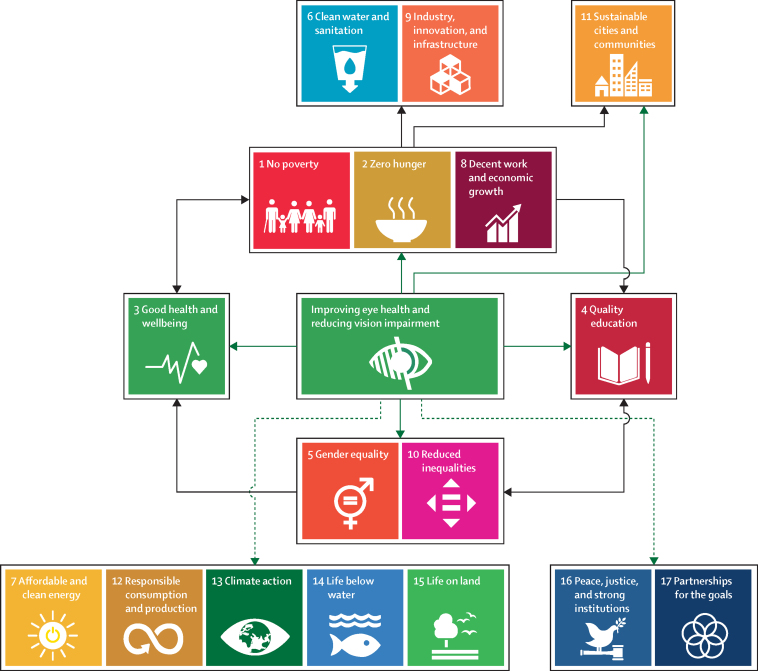
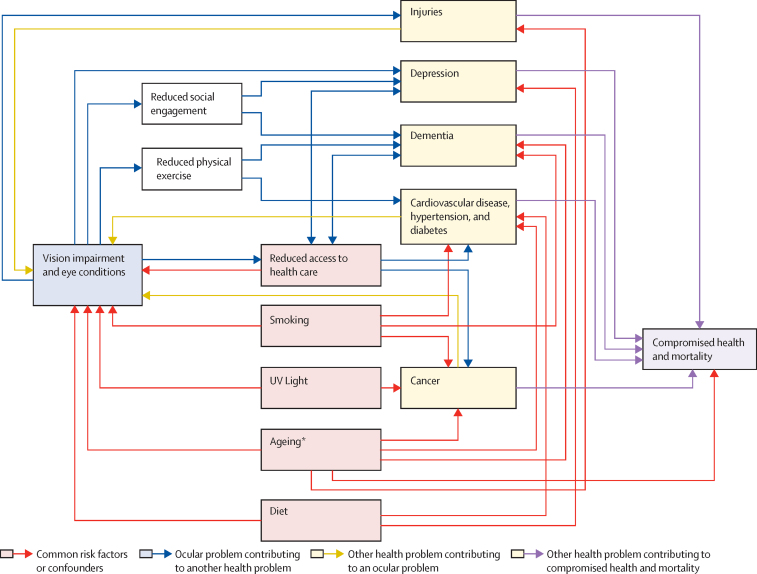
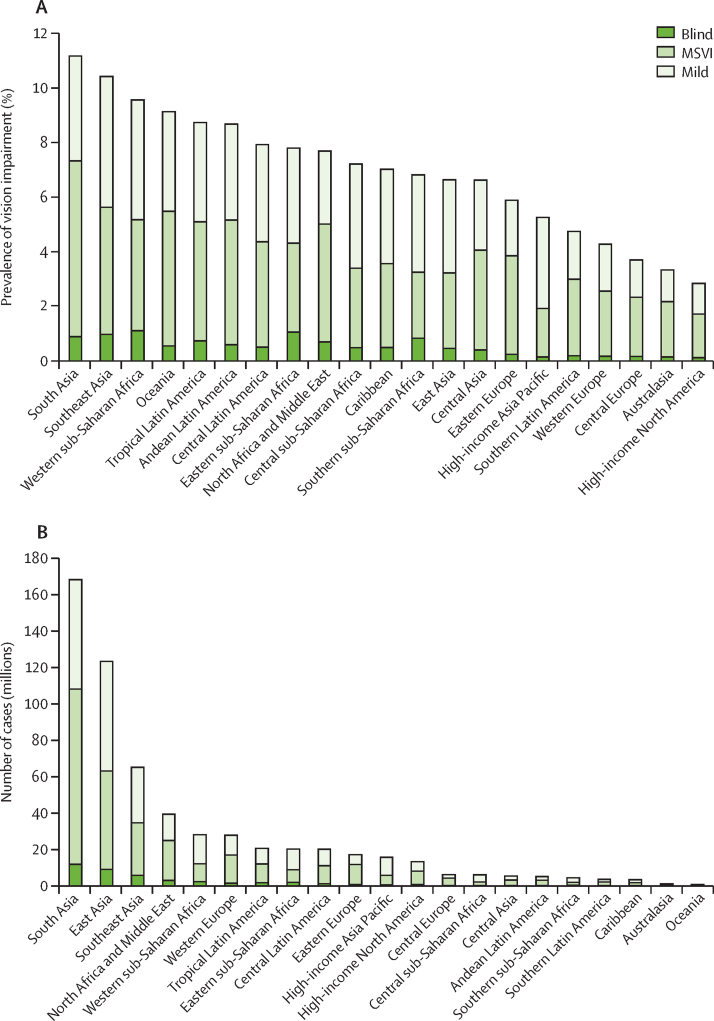
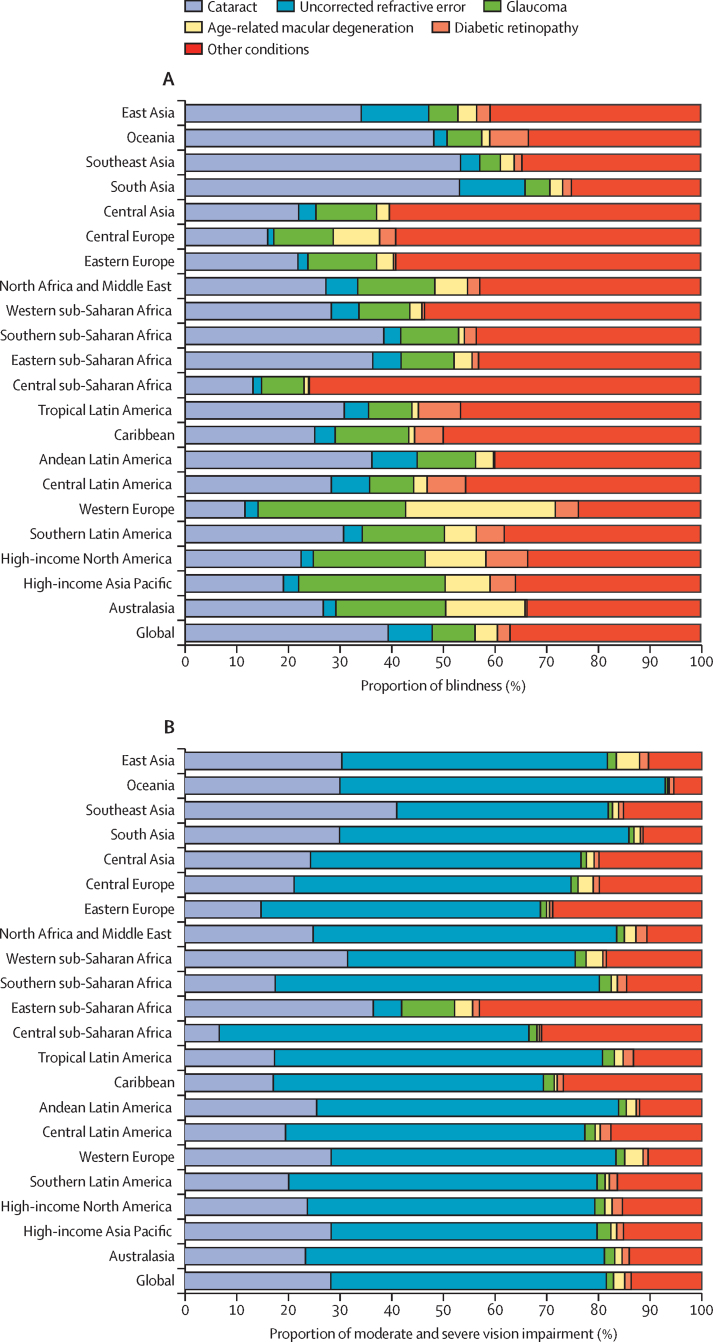
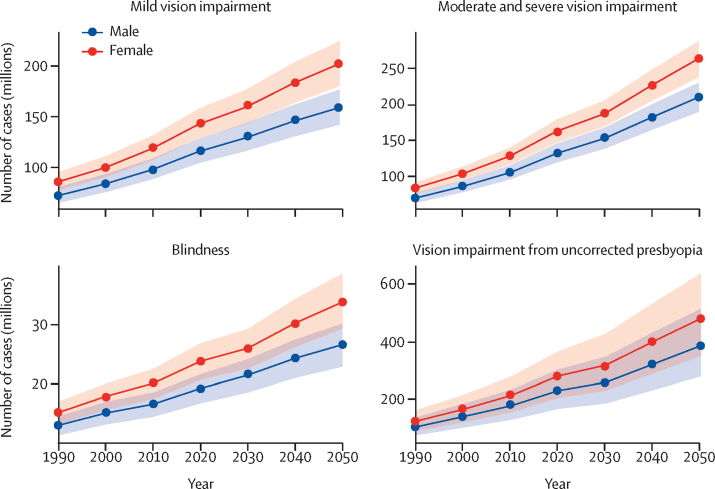
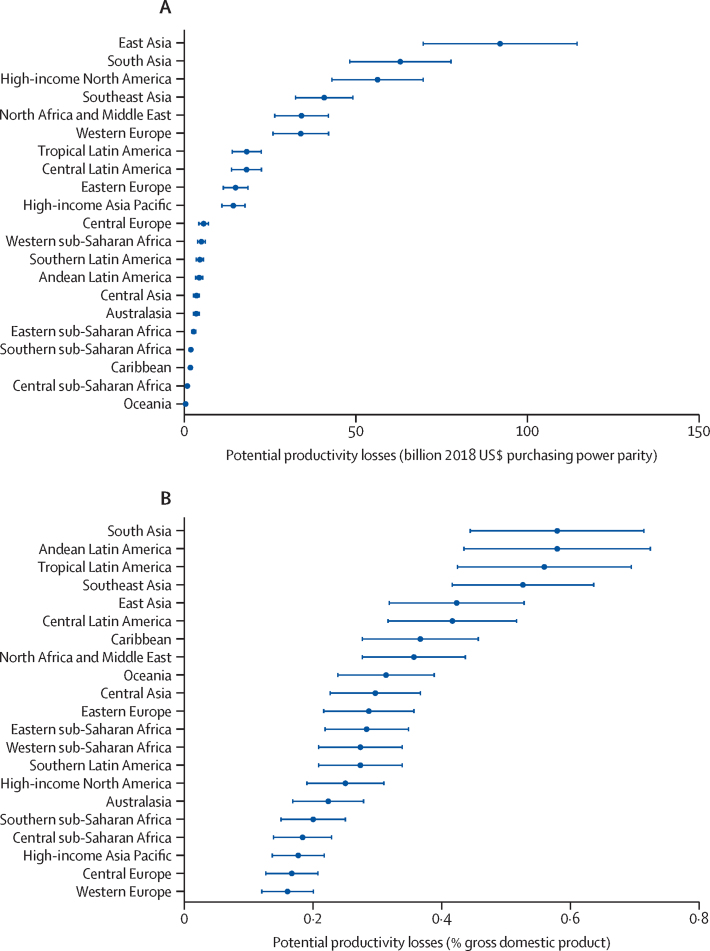
Eye health and vision have widespread and profound implications for many aspects of life, health, sustainable development, and the economy.Yet nowadays, many people, families, and populations continue to suffer the consequences of poor access to high-quality, affordable eye care, leading to vision impairment and blindness.In 2020, an estimated 596 million people had distance vision impairment worldwide, of whom 43 million were blind.Another 510 million people had uncorrected near vision impairment, simply because of not having reading spectacles.A large proportion of those affected (90%), live in low-income and middle-income countries (LMICs).However, encouragingly, more than 90% of people with vision impairment have a preventable or treatable cause with existing highly cost-effective interventions.Eye conditions affect all stages of life, with young children and older people being particularly affected.Crucially, women, rural populations, and ethnic minority groups are more likely to have vision impairment, and this pervasive inequality needs to be addressed.By 2050, population ageing, growth, and urbanisation might lead to an estimated 895 million people with distance vision impairment, of whom 61 million will be blind.Action to prioritise eye health is needed now.This Commission defines eye health as maximised vision, ocular health, and functional ability, thereby contributing to overall health and wellbeing, social inclusion, and quality of life.Eye health is essential to achieve many of the Sustainable Development Goals (SDGs).Poor eye health and impaired vision have a negative effect on quality of life and restrict equitable access to and achievement in education and the workplace.Vision loss has substantial financial implications for affected individuals, families, and communities.Although high-quality data for global economic estimates are scarce, particularly for LMICs, conservative assessments based on the latest prevalence figures for 2020 suggest that annual global productivity loss from vision impairment is approximately US$410•7 billion purchasing power parity.Vision impairment reduces mobility, affects mental wellbeing, exacerbates risk of dementia, increases likelihood of falls and road traffic crashes, increases the need for social care, and ultimately leads to higher mortality rates.By contrast, vision facilitates many daily life activities, enables better educational outcomes, and increases work productivity, reducing inequality.An increasing amount of evidence shows the potential for vision to advance the SDGs, by contributing towards poverty reduction, zero hunger, good health and wellbeing, quality education, gender equality, and decent work.Eye health is a global public priority, transforming lives in both poor and wealthy communities.Therefore, eye health needs to be reframed as a development as well as a health issue and given greater prominence within the global development and health agendas.Vision loss has many causes that require promotional, preventive, treatment, and rehabilitative interventions.Cataract, uncorrected refractive error, glaucoma, agerelated macular degeneration, and diabetic retinopathy www.thelancet.
Overview
The claims and statistics of this paper haven’t been checked yet.
Free: it reads the open-access text and checks the first 5 claims that cite a source we can check. Create a free account to check every claim.
Integrity signals
Registry
Cites
Statistics
Figures
Verification
Claims the paper makes
The claims and statistics of this paper haven’t been checked yet.
Free: it reads the open-access text and checks the first 5 claims that cite a source we can check. Create a free account to check every claim.
Claims other papers make about this one
Each is checked against this paper’s own text: does it say what the citing paper says it does?
The source backs part of the claim, not all of it — or backs it for a different population, condition or comparison.
In the citing paper
“Artificial intelligence (AI) is an accurate screening tool for diabetic retinopathy (DR), the leading cause of blindness among working-aged adults.”
From Referral uptake after diabetic retinopathy screening with artificial intelligence-assisted care pathways: a systematic review and meta-analysis (2026) · cites this paper as [1]
Experimental — accuracy not yet measuredThe cited source says what the claim attributes to it.
In the citing paper
“Underfunding, alongside scarcity of ophthalmological services and trained personnel, infrastructures are common challenges faced by LMICs, which often delay diagnosis and management, increasing the risk of irreversible vision loss [6].”
From Diabetic retinopathy screening model in low and middle-income countries: a scoping review (2025) · cites this paper as [6]
The cited source says what the claim attributes to it.
In the citing paper
“Diabetic retinopathy (DR) is the leading cause of blindness among working-aged adults and early detection is critical for timely management to prevent vision loss1,2.”
From Referral uptake after diabetic retinopathy screening with artificial intelligence-assisted care pathways: a systematic review and meta-analysis (2026) · cites this paper as [1]
The cited source says what the claim attributes to it.
In the citing paper
“The magnitude of diabetes and its sequelae including DR require large-scale screening to enable early intervention, as described in the recent Lancet Global Health Commission on Global Eye Health and contemporary modelling of diabetes prevalence worldwide1,4.”
From Referral uptake after diabetic retinopathy screening with artificial intelligence-assisted care pathways: a systematic review and meta-analysis (2026) · cites this paper as [1]
The check wasn’t confident either way, so it gives no verdict — never disputed.
In the citing paper
“This capability is crucial for creating VPs that accurately simulate real patients for educational purposes39,40.”
From A large language model digital patient system enhances ophthalmology history taking skills (2025) · cites this paper as [39]
Experimental — accuracy not yet measured
Self-check
Percentages, sums and reported differences re-computed from the paper’s own numbers.
The self-check needs the paper’s full text.
Citations
Cites
von Elm, E., Altman, D. G., Egger, M., Pocock, S. J., Gøtzsche, P. C., Vandenbroucke, J. P., & Initiative, F. T. S. (2007) · PLoS Medicine · doi:10.1371/journal.pmed.0040296 · Cited by 23,020
Transforming Our World: The 2030 Agenda for Sustainable Development
(2018) · A New Era in Global Health · doi:10.1891/9780826190123.ap02 · Cited by 19,351
James, S. L., Abate, D., Abate, K. H., Abay, S. M., Abbafati, C., Abbasi, N., Abbastabar, H., Abd-Allah, F., Abdela, J., Abdelalim, A., et al. (2018) · The Lancet · doi:10.1016/s0140-6736(18)32279-7 · Cited by 13,867
Self-citationVos, T., Abajobir, A. A., Abate, K. H., Abbafati, C., Abbas, K. M., Abd-Allah, F., Abdulkader, R. S., Abdulle, A. M., Abebo, T. A., Abera, S. F., et al. (2017) · The Lancet · doi:10.1016/s0140-6736(17)32154-2 · Cited by 13,220
Saeedi, P., Petersohn, I., Salpea, P., Malanda, B., Karuranga, S., Unwin, N., Colagiuri, S., Guariguata, L., Motala, A. A., Ogurtsova, K., et al. (2019) · Diabetes Research and Clinical Practice · doi:10.1016/j.diabres.2019.107843 · Cited by 10,792
Vos, T., Flaxman, A. D., Naghavi, M., Lozano, R., Michaud, C., Ezzati, M., Shibuya, K., Salomon, J. A., Abdalla, S., Aboyans, V., et al. (2012) · The Lancet · doi:10.1016/s0140-6736(12)61729-2 · Cited by 8,291
Self-citationThe number of people with glaucoma worldwide in 2010 and 2020
Quigley, H. A. (2006) · British Journal of Ophthalmology · doi:10.1136/bjo.2005.081224 · Cited by 7,394
Global Prevalence of Glaucoma and Projections of Glaucoma Burden through 2040
Tham, Y.-C., Li, X., Wong, T. Y., Quigley, H. A., Aung, T., & Cheng, C.-Y. (2014) · Ophthalmology · doi:10.1016/j.ophtha.2014.05.013 · Cited by 7,159
Self-citation(2007) · Developments in Ophthalmology · doi:10.1159/isbn.978-3-318-01439-6 · Cited by 5,583
Global Prevalence of Myopia and High Myopia and Temporal Trends from 2000 through 2050
Holden, B. A., Fricke, T. R., Wilson, D. A., Jong, M., Naidoo, K. S., Sankaridurg, P., Wong, T. Y., Naduvilath, T. J., & Resnikoff, S. (2016) · Ophthalmology · doi:10.1016/j.ophtha.2016.01.006 · Cited by 5,500
Self-citation
Research works printed but not linked: 6
- Soleimani-Sefat E Rostami M Amani S Movallali G The needs and problems of students with visual impairment J Soc Sci Hum Stud 2 2016 8 16 https://www.textroad.com/pdf/JSSHS/J.%20Soc.%20Sci.%20Hum.%20Stud.,%202(2)8-16,%202016.pdf
- Porcino A Workshop report: a VISION 2020 workshop on research for global blindness prevention http://www.aurovikas.co.in/os2014/pdf_files/VISION_2020_Workshop_on_Research_for_Global_Blindness_Prevention.pdf 2010
- WHO International standards for vision rehabilitation: report of the international consensus conference, Rome, 9–12 December 2015 https://www.iapb.org/wp-content/uploads/2020/09/international_standards_for_vision_rehabilitation-international_consensus_conference-report.pdf 2017
- Ministry Of Health Medical Service Administration National survey on avoidable blindness Vietnam https://pdfs.semanticscholar.org/97aa/e9d48f6a9769751d61d1ea4c16fd2cfa3fec.pdf 2015
- WHO Prevention of avoidable blindness and visual impairment https://apps.who.int/iris/bitstream/handle/10665/21455/A59_R25-en.pdf 2006 26310248
- WHO Prevention of avoidable blindness and visual impairment https://apps.who.int/iris/bitstream/handle/10665/2244/A62_R1-en.pdf 2009 26310248
Cited by
Items 601–700 of 1,001
Anitua, E., Zalduendo, M., & Alkhraisat, M. H. (2025) · Medicina · doi:10.3390/medicina62010080 · Cited by 6
“This economic burden is largely preventable through the development of effective prevention programs and treatment strategies, which could enhance global economic productivity and contribute to poverty reduction [5].”
Population attributable fractions of a wide range of peripheral diseases for the burden of dementia
Deng, Z., Yang, Y., Lin, Q., Xiao, S., Zuo, Y., Wang, J., Xu, Y., Li, H., Xie, D., Dai, Q., et al. (2026) · Nature Human Behaviour · doi:10.1038/s41562-025-02392-2 · Cited by 6
Wang, Z., Zhang, X., Hu, X., Miao, H., Zhang, S., Chang, F., Wei, R., & Guo, Z. (2026) · Frontiers in Cell and Developmental Biology · doi:10.3389/fcell.2026.1743506 · Cited by 6
Role of reactive oxygen species and oxidative stress in the pathomechanism of glaucoma
Chan, N. T. H., Pattamatta, U., & White, A. J. R. (2025) · Medical Hypothesis Discovery & Innovation in Ophthalmology · doi:10.51329/mehdiophthal1533 · Cited by 6
The 2021 National Eye Institute Strategic Plan: Recruiting and Training a Diverse New Generation
Chiang, M. F. (2021) · American Journal of Ophthalmology · doi:10.1016/j.ajo.2021.10.022 · Cited by 6
Crooke, A., Martínez‐Alberquilla, I., Madrid‐Costa, D., & Ruiz‐Alcocer, J. (2022) · Frontiers in Medicine · doi:10.3389/fmed.2022.968262 · Cited by 6
“The pivotal role of visual performance in achieving healthy aging also urges research in the diagnosis and treatment of agerelated eye disorders fields to implement new global preventive and therapeutic strategies against those diseases (6).”
BackgroundInfluentialChallenges of cell therapies for retinal diseases
Monville, C., Morizur, L., & M’Barek, K. B. (2022) · International review of neurobiology · doi:10.1016/bs.irn.2022.09.004 · Cited by 6
Research Partnerships and Guidance in Academic Global Ophthalmology
Ehrlich, J. R., Shantha, J. G., Mathenge, C., Fashina, T., Cole, E. D., Al-Khaled, T., Ravilla, T., Chan, R. V. P., & Yeh, S. (2022) · International Ophthalmology Clinics · doi:10.1097/iio.0000000000000447 · Cited by 6
Self-citationRoberts, D. M., Salmon, J. H., Cubeta, M. A., & Gilger, B. C. (2023) · Journal of Fungi · doi:10.3390/jof9100966 · Cited by 6
“Yet, in a 2021 report by the Lancet Commission entitled “Global Eye Health: vision beyond 2020”, fungal keratitis was not mentioned [5].”
BackgroundPENYEBAB GANGGUAN PENGLIHATAN DAN KEBUTAAN PADA ANAK
Mulyani, E., Art, F., & Septadina, I. S. (2024) · Jurnal Kedokteran dan Kesehatan Publikasi Ilmiah Fakultas Kedokteran Universitas Sriwijaya · doi:10.32539/jkk.v11i1.224 · Cited by 6
Herrod, S. K., Sherief, S. T., Ahmed, A., Mutati, G. C., Welling, J. D., Wiafe, B., Gyasi, M. E., Crookston, B. T., West, J. H., & Hall, C. P. (2024) · Ophthalmic Epidemiology · doi:10.1080/09286586.2023.2301581 · Cited by 6
“11 However, respondents estimated that only a median of 80% of patients undergo refraction and 50% receive eyeglasses within six months of surgery.”
InfluentialFan, Y., Guo, S., Dai, W., Chen, C., Zhang, C., & Zheng, X. (2024) · Frontiers in Public Health · doi:10.3389/fpubh.2024.1289188 · Cited by 6
“Cataracts, the leading cause of reversible blindness and visual impairment globally (1, 2), also ranked the first cause of visual disability in China (3, 4), have become an important public health issue and brought significant individual and social costs worldwide (5, 6).”
BackgroundOmar, F., McCluskey, K., Mashayo, E., Yong, A. C., Mulewa, D., Graham, C., Price-Sanchez, C., Othman, O. J., Graham, R., & Chan, V. F. (2024) · BMJ Open Ophthalmology · doi:10.1136/bmjophth-2023-001292 · Cited by 6
Experiences within pharmacies: reflections of persons with visual impairment in South Africa
Lourens, H., & Zeyen, A. (2024) · Disability & Society · doi:10.1080/09687599.2024.2328587 · Cited by 6
“This is astounding given that 43.8 million people globally are blind, and an additional 295.05 million are visually impaired, with higher prevalence in low-and middle-income countries (Burton et al. 2021).”
InfluentialGuan, H., Zhang, Y., Du, K., Wang, Z., & Shi, Y. (2024) · World Development · doi:10.1016/j.worlddev.2024.106627 · Cited by 6
Teleophthalmology in Retinal Diseases
El-Badawi, K., Goodchild, C., Drukarch, H., & Salvatore, S. (2024) · Biomedical engineering · doi:10.5772/intechopen.1004757 · Cited by 6
Penzin, S., Jolley, E., Ogundimu, K., Mpyet, C. D., Ibrahim, N., Owoeye, J. F., Isiyaku, S., Shu'aibu, J., & Schmidt, E. (2024) · PLoS ONE · doi:10.1371/journal.pone.0294371 · Cited by 6
Somerville, J. G., Strang, N. C., & Jonuscheit, S. (2024) · Primary Health Care Research & Development · doi:10.1017/s1463423624000185 · Cited by 6
“This disadvantages low-income countries and rural areas within both high-and low-income countries (Dussault and Franceschini, 2006; World Health Organization, 2016; Burton et al ., 2021).”
BackgroundImpact of inflammasomes on the ocular surface
Stinnett, G. S., Kuo, C., & Ono, S. J. (2024) · Current Opinion in Allergy and Clinical Immunology · doi:10.1097/aci.0000000000001004 · Cited by 6
Nkoane, N. L., Seyum, D., & Netangaheni, R. T. (2024) · Pan African Medical Journal · doi:10.11604/pamj.2024.48.93.43242 · Cited by 6
“Generally, these findings are consistent with previous studies which indicated the association between poverty and increased risk of trachoma [3,14,15].”
ResultEhrlich, J. R., Nichols, E., Chen, Y., Nagarajan, N., Hazzouri, A. Z. A., Reed, N. S., Lee, J., & Gross, A. L. (2024) · Innovation in Aging · doi:10.1093/geroni/igae071 · Cited by 6
“Vision impairment is a potentially modifiable dementia risk factor (17) and up to 90% of cases of vision impairment and blindness are preventable or have yet to be addressed in India (2).”
BackgroundSelf-citationGlaucoma, uma das principais causas de cegueira no Brasil: o que o clínico geral necessita saber
Camacho, S. A. H., de Brito, M. C., Campos, A. B. F., Montina, D. N., & Azeredo, Á. L. M. (2024) · Brazilian Journal of Health Review · doi:10.34119/bjhrv7n5-031 · Cited by 6
Zhang, Z., Bao, S., Yan, D., Zhai, M., Qu, J., & Zhou, M. (2024) · Molecular Neurobiology · doi:10.1007/s12035-024-04456-2 · Cited by 6
“…macular degeneration (Dry AMD), wet age-related macular degeneration (Wet AMD), diabetic retinopathy (DR), and retinal detachments and breaks [5, 6], represent a broad category of blinding illnesses [7] that can cause significant disruptions in cognitive function [8], language ability [9], and…”
Refractive errors among schoolchildren in the Middle East: A systematic review and meta-analysis
Mohamed, Z. D., Ismail, G. M., Alrasheed, S. H., Vankudre, G. S., Noushad, B., & Ayyappan, J. P. (2024) · African vision and eye health · doi:10.4102/aveh.v83i1.940 · Cited by 6
Lu, J., Zhou, K., Liang, Y., Li, Q., Zhong, J., Zeng, X., Shen, T., Sun, C., Yu, X., Lu, J., et al. (2025) · Frontiers in Neurology · doi:10.3389/fneur.2025.1465444 · Cited by 6
Hajimonfarednejad, M., Najibi, S. M., & Hasheminasab, F. S. (2025) · European Journal of Integrative Medicine · doi:10.1016/j.eujim.2025.102448 · Cited by 6
High-fat diet alters retinal lipid composition and gene expression networks in mice
Zou, R., Cai, J., Chen, T., Mo, W., Qian, H., Zhu, X., & Zhang, L. (2025) · BMC Biology · doi:10.1186/s12915-025-02212-z · Cited by 6
“This causes immense suffering to patients and their families, and places a heavy burden on society, with an estimated global productivity loss of about $411 billion per year [3].”
Liu, J., Yi, C., Qi, J., Cui, X., Yuan, X., Deng, W., Chen, M., & Xu, H. (2025) · Aging Cell · doi:10.1111/acel.70161 · Cited by 6
“Genetic predisposition, ageing, and environmental factors (e.g., lifestyle, diet) are major risk factors for retinal degenerative diseases such as AMD, DR, and glaucomatous retinopathy.”
InfluentialPaulina Velasquez, N., Brebi, P., & Fernando Abarzúa, C. (2021) · Revista chilena de infectología · doi:10.4067/s0716-10182021000400523 · Cited by 6
Atkinson‐Briggs, S., Jenkins, A. J., KEECH, A. C., Ryan, C. J., & Brazionis, L. (2022) · Internal Medicine Journal · doi:10.1111/imj.15625 · Cited by 6
Girdler, H., Flegg, K., Prochaska, J. D., & Dimaras, H. (2021) · PLOS Global Public Health · doi:10.1371/journal.pgph.0000125 · Cited by 6
Situation Analysis of Uncorrected Refractive Errors in Sub-Saharan Francophone African Countries
Dougnon, A., Guirou, N., Bakayoko, S., Tounkara, F. K., Maiga, S., Dolo, M., Melançon, C., Traoré, L., Tousignant, B., & Kayentao, K. (2022) · Journal of Ophthalmology and Research · doi:10.26502/fjor.2644-00240058 · Cited by 6
Classification of Ocular Diseases on Fundus Images Using Weighted MobileNetV2
Rokhana, R., Herulambang, W., & Indraswari, R. (2022) · International Electronics Symposium (IES) · doi:10.1109/ies55876.2022.9888652 · Cited by 6
“[1].”
BackgroundMogilevskyy, S. Y., & Zhovtoshtan, M. Y. (2022) · Oftalmologicheskii Zhurnal · doi:10.31288/oftalmolzh202252329 · Cited by 6
“By 2050, myopia is expected to affect 5 billion people, more than half of the projected global population [1].”
BackgroundMumbai metropolitan region eye care facility survey: Mumbai Eye Disease Study (MEDiS) report #1
Das, T., Moses, S., Gautam, K., Telang, V., Neog, S., Ghosalkar, S., & Roy, A. (2023) · Indian Journal of Ophthalmology · doi:10.4103/ijo.ijo_1976_22 · Cited by 6
“[1] Improving eye health and reducing vision impairment are directly or indirectly linked to at least seven of seventeen 2030 sustainable development goals (SDGs), such as good health and well‐being (SDG 3), quality education (SDG 4), gender equity (SDG 5), reduced inequalities (SDG 10), no poverty (SDG 1), zero hunge…”
BackgroundGiloyan, A., Khachatryan, N., Paduca, A., Limburg, H., & Petrosyan, V. (2023) · Ophthalmic Epidemiology · doi:10.1080/09286586.2023.2248627 · Cited by 6
Li, L., Yuan, L., Yang, K. J., Wu, Y., Alafati, S., Hua, X., Wang, Y., & Yuan, X. (2023) · Scientific Reports · doi:10.1038/s41598-023-47990-0 · Cited by 6
“Cataracts, one of the most common causes of blindness worldwide 2,3 , are very common in the elderly population, and studies have shown that their prevalence in the population over 80 years old is as high as 60% to 90% 4,5 .”
BackgroundLim, W. Y., Leong, C. T., Salowi, M. A., Lim, Y. M. F., Wong, W. J., & Hwong, W. Y. (2024) · Public Health in Practice · doi:10.1016/j.puhip.2024.100469 · Cited by 6
“Given that outreach models vary greatly by the degree of resource intensity [25,26], context-specific adaptations with respect to restriction measures may be required to reverse the negative changes in the access to outreach teams.”
BackgroundGlobale Ophthalmologie: Aktueller Stand
Philippin, H., Morny, E. K. A., Heinrich, S. P., Toews, I., Maier, P. C., Guthoff, R. F., Qureshi, B., Reinhard, T., Burton, M. J., & Finger, R. P. (2024) · Die Ophthalmologie · doi:10.1007/s00347-023-01983-6 · Cited by 6
Self-citationRobinson, G. N., & Pickering, R. J. (2024) · Diabetology · doi:10.3390/diabetology5010006 · Cited by 6
“Diabetic retinopathy is the only cause of blindness that has increased in prevalence in the past 20 years [85].”
Liu, Z., Herold, F., Owen, N. G., Huang, Z., Kuang, J., Kramer, A. F., Ng, J. L., & Zou, L. (2024) · Complementary Therapies in Clinical Practice · doi:10.1016/j.ctcp.2024.101844 · Cited by 6
Anti-VEGF therapy for neovascular age-related macular degeneration: causes of incomplete response
Zaytseva, O. V., Neroeva, N. V., Okhotsimskaya, T. D., & Валерьевич, Б. Е. (2021) · Russian Annals of Ophthalmology · doi:10.17116/oftalma2021137051152 · Cited by 6
Evans, J. R., Gordon, I., Lawrenson, J. G., Parker, R., Rowe, F. J., Virgili, G., Li, T., & Ramke, J. (2021) · BMJ Open · doi:10.1136/bmjopen-2020-046319 · Cited by 6
Self-citationvan Staden, D. B., & Munsamy, A. J. (2021) · South African Medical Journal · doi:10.7196/samj.2021.v111i10.15918 · Cited by 6
“According to the Lancet Global Health Commission on Global Eye Health,[2] a lack of access to refractive services directly impacts on the ability of affected people to improve their social and economic status by restricting achievement in”
BackgroundInfluentialSpecial Issue “Pediatric Eye Disease: Screening, Causes and Treatment”
Chen, L. J., Yam, J. C. S., & Pang, C. C. P. (2023) · Children · doi:10.3390/children10040654 · Cited by 6
Chen, Q., Wang, Y., Jiang, L., Gao, T., Li, P., Ding, Y., Xin, G., Ma, S., Guo, J., Wang, X., et al. (2024) · Children and Youth Services Review · doi:10.1016/j.childyouth.2024.107589 · Cited by 5
Gambaran Kejadian Miopia pada Mahasiswa Fakultas Kedokteran Universitas Sam Ratulangi
Sambulele, A. P., Najoan, I. H. M., & Supit, W. P. (2024) · Medical Scope Journal · doi:10.35790/msj.v7i1.55450 · Cited by 5
Duggal, M., Kankaria, A., Rohilla, L., Jindal, H., Jamir, L., Gupta, P. C., Sarkar, D., Miglani, V., Kumar, A., Sharma, D., et al. (2024) · Clinical Epidemiology and Global Health · doi:10.1016/j.cegh.2024.101865 · Cited by 5
Psychological empowerment after presbyopia correction: A narrative from Zanzibari women and men
Graham, C., Othman, O. J., Ali, A. E., Mashayo, E., Graham, R., Omar, F., & Chan, V. F. (2025) · AJO International · doi:10.1016/j.ajoint.2025.100098 · Cited by 5
Sensory Loss and Social Connection in Older Adults
Huang, A., Suen, J. J., Almidani, L., & Chen, Z. (2025) · Clinics in Geriatric Medicine · doi:10.1016/j.cger.2025.04.005 · Cited by 5
Chemically modified hyaluronic acid derivatives as ocular drug carriers: A review
Sen, O., De, S., Dey, G., Das, S., Bhowmik, M., Jana, S., Nandi, G., & Manna, S. (2025) · International Journal of Biological Macromolecules · doi:10.1016/j.ijbiomac.2025.145049 · Cited by 5
Reduced quality of life in corneal dystrophy – a prospective case control study
Elhardt, C., Aamoon, A. Z., Hartmann, L. M., Grün, C. M. S., Wolf, A., & Wertheimer, C. M. (2025) · BMC Ophthalmology · doi:10.1186/s12886-025-04200-x · Cited by 5
“Given the well-established impact of visual impairment on the health care system, it is important to also consider the economic implications [27].”
Fabrication of ophthalmic lenses by Fluidic Shaping
Elgarisi, M., Luria, O., Katzman, Y., Widerker, D., Frumkin, V., & Bercovici, M. (2025) · Additive manufacturing · doi:10.1016/j.addma.2025.104871 · Cited by 6
Quality of life for braille users: A scoping review
Rose, A., Fanshawe, M., Barton, G. M., & Cain, M. (2025) · Review of Education · doi:10.1002/rev3.70083 · Cited by 5
Role of HAUS7 as a DOCK3 binding partner in facilitating axon regeneration
Kiyota, N., Shinozaki, Y., Guo, X., Kimura, A. K., Kawamura, K., Nishijima, E., Honda, S., Harada, C., Nakazawa, T., Namekata, K., et al. (2025) · Science Advances · doi:10.1126/sciadv.adq7105 · Cited by 5
Yu, P., Zhang, Y., Kam, K. W., Ho, M., Au, S. C. L., Zhang, X. J., Ng, M. P. H., Ip, P., Young, A. L., Pang, C. P., et al. (2025) · BMC Medicine · doi:10.1186/s12916-025-04312-7 · Cited by 5
“The impact of cataract on visual impairment can significantly affect an individual’s overall quality of life, particularly among the elderly population [4–6].”
Græsholt‐Knudsen, T., Backhaus, S., Chauviré-Geib, K., Fujita, A., Jernbro, C., Lange, S., Neelakantan, L., Oberleiter, D., Sandoz, V., Wallimann, M. S., et al. (2025) · Child Protection and Practice · doi:10.1016/j.chipro.2025.100234 · Cited by 5
“In the VACS reports for these three countries, adolescents with disabilities (Burton et al., 2021).”
Acharya, Y., Garrels, V., & Kafle, B. D. (2025) · European Physical Education Review · doi:10.1177/1356336x251378404 · Cited by 5
“Such emotional distress can contribute to poor mental health, which is a known concern for people with disabilities (Augestad, 2017; Burton et al., 2021; Demmin and Silverstein, 2020).”
InfluentialJibon, F. A., Rabby, F., Rahman, N., Uddin, M. R., Rushu, F. R., Islam, M. A., Uddin, M. A., Khraisat, A., Kazi, M., & Talukder, M. A. (2025) · Digital Health · doi:10.1177/20552076251379729 · Cited by 5
“2,3 Therefore, early detection of this disease can save patients from blindness.”
Genetic and epigenetic drivers of neurodegenerative disorders
Roy, K., Syed, M., Narad, P., & Sengupta, A. (2025) · Progress in brain research · doi:10.1016/bs.pbr.2025.08.002 · Cited by 5
Hu, M., Zou, P., Li, T., & Wang, Y. (2025) · PLoS ONE · doi:10.1371/journal.pone.0334250 · Cited by 5
Chen, Y., Li, Y., Hu, P., Chen, T., Grzybowski, A. E., & Huang, L. (2025) · Tobacco Induced Diseases · doi:10.18332/tid/210411 · Cited by 5
“Conversely, low SDI regions face severe challenges in their prevention and control systems due to scarce healthcare resources leading to low cataract surgical coverage, weak implementation of tobacco control policies 24,27 , and persistently high smoking prevalence 4 .”
Chauhan, A., Vale, L. D., Kankaria, A., Gupta, V., Kaur, G., Neha, N., Sood, N., Tigari, B., Bhadada, S. K., & Duggal, M. (2025) · Archives of Public Health · doi:10.1186/s13690-025-01757-3 · Cited by 5
“The increasing prevalence of diabetes is projected to increase the health and economic burden due to its associated complications [2, 3].”
Development of Teleoperated Robotic System for Remote Intraocular Microsurgery
Xu, A., Lian, Z., Chen, W., Li, Y., Liu, J., Liang, H., Song, R., Lin, Z., Li, M., Huang, Y., et al. (2025) · Advanced Science · doi:10.1002/advs.202509849 · Cited by 5
Mir, S. I., Senadheera, Y., Lahiri, D., & Jha, P. K. (2025) · Molecular Pharmaceutics · doi:10.1021/acs.molpharmaceut.5c01161 · Cited by 5
Lan, Z., Hu, Y., Yang, S., Wu, M., Huang, Y., & Zhang, H. (2025) · Neurocomputing · doi:10.1016/j.neucom.2025.132282 · Cited by 5
The development of spatial perception with and without visual experience
Gori, M., Amadeo, M. B., & Bremner, A. J. (2026) · Nature Reviews Psychology · doi:10.1038/s44159-025-00516-z · Cited by 5
Cheng, F., Liu, X., Mi, H., Wang, L., Ma, R., Guo, Y., Sidorenko, J., Jiang, C., Islam, T., Meguro, A., et al. (2026) · Nature Genetics · doi:10.1038/s41588-026-02576-0 · Cited by 6
“REs, including myopia, hypermetropia and astigmatism, are the most common eye conditions affecting all age groups 1 .”
Vega-Huerta, H., Cuba-Aquino, C. I., Suca-Mariño, G. M., Adrianzén-Olano, I., Maquen-Niño, G. L. E., López-Córdova, F., Guillermo, J., Carrión-Barco, G., Rodriguez-Zevallos, K. V., Adrianzén, D. J. F., et al. (2026) · Frontiers in Digital Health · doi:10.3389/fdgth.2026.1805311 · Cited by 5
Spandonidis, C. C., Dimitrios, S., Galiatsatos, N., Giannopoulos, F., & Karageorgiou, D. (2021) · Journal of Engineering Science and Technology Review · doi:10.25103/jestr.142.15 · Cited by 5
Reviewing the impact of social determinants of health on rural eye care: A call to action
McCarty, C. A., & Taylor, H. R. (2022) · Clinical and Experimental Ophthalmology · doi:10.1111/ceo.14086 · Cited by 5
“The recent Lancet Global Health Commission on Global Eye Health used the framing of the Sustainable Development Goals and highlighted the unsustainable, inequitable rates of vision impairment in rural populations.(11) The authors of this report proposed the following grand challenges in global eye health: (1) improve…”
BackgroundSelf-citationGrover, S., Piyasena, P., Zondervan, M., & Bascarán, C. (2022) · Indian Journal of Ophthalmology · doi:10.4103/ijo.ijo_2642_21 · Cited by 5
“A recently published expert consensus prioritizing the main challenges in global eye health pointed out the need to provide services to people living in rural communities in order to improve access and equity.[16,17] Three quarters of the providers mentioned DRS as a specific part of their clinical work and more than…”
BackgroundPesonen, T., Saarela, K., Falck, A. A. K., Edgren, J., Kyngäs, H. A., & Siira, H. J. (2022) · Nursing Open · doi:10.1002/nop2.1510 · Cited by 5
“…Rehabilitation Foundation Perunka K E Y W O R D S home care, RAI HC, vision care service, visual impairment impaired vision on the everyday lives of older people have not been widely recognized outside of the vision research community (Burton et al., 2021), such as in services for older people.”
BackgroundSuzuki, T., Fujishiro, T., Tachi, N., Ueta, Y., Fukutome, T., Okamoto, Y., Sasajima, H., & Aihara, M. (2023) · Journal of Clinical Medicine · doi:10.3390/jcm12020660 · Cited by 5
Economic Benefits of Eye Care Interventions on Social Inclusion and Quality of Life
Taryam, M. O., Maji, I. K., Yusuf, M., & Rabiu, M. M. (2023) · European Journal of Development Studies · doi:10.24018/ejdevelop.2023.3.2.209 · Cited by 5
Liang, H., Li, J., Zhang, N., Wu, F., Chen, X., Luo, H., He, W., Liu, S., Kang, T., Zhang, R., et al. (2023) · BMC Ophthalmology · doi:10.1186/s12886-023-03023-y · Cited by 5
Zheng, Z., He, J., Gu, J., Chen, Z., & Qin, W. (2023) · Pattern Recognition Letters · doi:10.1016/j.patrec.2023.11.022 · Cited by 5
Humanitarian missions and visual outcomes in cataract surgery: A literature review
Urbinati, F., Jiménez-Siles, L., Rocha‐de‐Lossada, C., Valvecchia, G., Barraquer-Compte, E., & Fernández, J. (2024) · Archivos de la Sociedad Española de Oftalmología (English Edition) · doi:10.1016/j.oftale.2024.01.008 · Cited by 5
Quality of Refractive Error Care in Cambodia: An Unannounced Standardized Patient Study
Burnett, A. M., Meng, N., Seiha, D., Kong, N., Chea, S., Dean, M., Piseth, H., Meas, K. S., Varga, B., Ho, S. M., et al. (2024) · Ophthalmic Epidemiology · doi:10.1080/09286586.2024.2321890 · Cited by 5
Boon, J., Rojas-Carabali, W. A., Asad, Y., Lim, J. T. Y., Rajagopalan, R., & Agrawal, R. V. (2024) · Ophthalmology and Therapy · doi:10.1007/s40123-024-00910-5 · Cited by 5
“Visual impairment (VI) is a major global health concern affecting approximately 596 million people in 2020 [1].”
Li, L., Mao, D., Hua, X., & Yuan, X. (2024) · International Journal of Ophthalmology · doi:10.18240/ijo.2024.04.19 · Cited by 5
“A ccording to WHO statistics, as of 2020, there were approximately 100.49 million individuals worldwide suffering from moderate to severe visual impairment and even blindness caused by cataracts [1] .”
MethodInfluentialOculoMotor & Vestibular Endurance Screening (MoVES) Normative, Repeatability, and Reliability Data
Iring-Sanchez, S., Dungan, M. E., Jones, A., Malakhov, M., Mohan, S., & Yaramothu, C. (2024) · Brain Sciences · doi:10.3390/brainsci14070704 · Cited by 5
“In fact, the visual and vestibular systems change with aging, so future studies should investigate differences between younger and older populations [54–56].”
BackgroundAssessing the cataract surgical rate and gender equity in cataract services in south-east Nigeria
Onyia, O., Aghaji, A. E., Ubaka, C., Achigbu, E. O., Ejiakor, I. L., Mbatuegwu, A. I., Okeke, C. J.-P., Okoli, B. C., Ogborogu, E. U., Dike, K. C., et al. (2024) · BMJ Open Ophthalmology · doi:10.1136/bmjophth-2023-001326 · Cited by 5
Self-citationExperiences of life and intersectionality of people with low vision: A qualitative approach
Cáceres, M. D. P. O., Arias, S., & Quirama, A. H. (2024) · Optometry and Vision Science · doi:10.1097/opx.0000000000002179 · Cited by 5
Berrones, D. S. S., Rocha‐de‐Lossada, C., Barraquer-Compte, E., Valvecchia, G., & Fernández, J. (2024) · Archivos de la Sociedad Española de Oftalmología (English Edition) · doi:10.1016/j.oftale.2024.12.014 · Cited by 5
Liu, S., Yang, G., Li, Q., Pei, R., & Tang, S. (2025) · Frontiers in Public Health · doi:10.3389/fpubh.2024.1373209 · Cited by 5
Sabherwal, S., Nayab, J., Mazumdar, A., Thaker, N., Javed, M., Nathawat, R., & Bastawrous, A. (2025) · BMC Public Health · doi:10.1186/s12889-025-22278-2 · Cited by 5
“With an estimated 1.8 billion individuals worldwide experiencing this condition, it represents a substantial public health concern [1].”
InfluentialSelf-citationDai, L., Zhou, Q., Gao, Y., Su, G., Jiang, Q., Xia, L., & Yang, P. (2025) · Frontiers in Public Health · doi:10.3389/fpubh.2025.1583105 · Cited by 5
Aldoais, T. M., Rageh, Z., Al-Hemyari, K., Altheeb, S., Al-barrag, A., & Bamashmus, M. A. (2025) · AUIQ complementary biological system. · doi:10.70176/3007-973x.1027 · Cited by 5
Tanito, M., & Koyama, M. (2025) · International Journal of Molecular Sciences · doi:10.3390/ijms26104725 · Cited by 7
“Glaucoma, affecting an estimated 3.54% of individuals aged between 40 and 80 years globally [1], remains a leading cause of severe visual impairment and blindness worldwide [2,3].”
InfluentialPrevalence of refractive error among school-aged children in Sylhet division of Bangladesh
Hussain, A. E., Hossain, A., Mashreky, S. R., Viitasara, E., & Dalal, K. (2025) · Discover Public Health · doi:10.1186/s12982-025-00675-7 · Cited by 5
Yu, S., Yin, H., Sun, W. Y., Yang, R., Lai, R., Yu, Y., Bi, H., & Wu, J. (2025) · Frontiers in Public Health · doi:10.3389/fpubh.2025.1598790 · Cited by 5
Onugwu, A. L., Ikwuegbu, I., Ejiofor, C. V., Nwosu, P. C., Odo, L. I., Eze, O. P., Agu, P. I., Ugwu, O. K., Onugwu, S. O., Akpa, P. A., et al. (2025) · Nanoscale · doi:10.1039/d5nr03888j · Cited by 5
Mendelian Randomization Studies of Myopia: Choosing the Right Summary Statistics
Nguyen, T.-N., Terry, L., & Guggenheim, J. A. (2025) · Investigative Ophthalmology & Visual Science · doi:10.1167/iovs.66.13.57 · Cited by 5
“1,2 For example, myopia now affects approximately one third of the global population.”
Stem Cell Delivery Routes: From Preclinical Models to Clinical Applications
Fagoonee, S. (2021) · BENTHAM SCIENCE PUBLISHERS eBooks · doi:10.2174/97898150401041210101 · Cited by 5
Discovery and Development of the Quininib Series of Ocular Drugs
Mahon, N., Slater, K., O'Brien, J., Álvarez, Y., Reynolds, A., & Kennedy, B. N. (2022) · Journal of Ocular Pharmacology and Therapeutics · doi:10.1089/jop.2021.0074 · Cited by 5
Padhy, D., Majhi, D., Marmamula, S., Mishro, R., Rath, S., Ota, A. B., Jalan, M., Das, T., & Rout, P. P. (2022) · Indian Journal of Ophthalmology · doi:10.4103/ijo.ijo_2082_21 · Cited by 5
“[9] A healthy eye contributes directly or indirectly to the 2030 sustainable development goals.[1] Often, it is not accounted for.”
BackgroundDelivering universal eye health coverage: a call for more and better eye health funding
Jones, I. (2021) · International Health · doi:10.1093/inthealth/ihab073 · Cited by 5
Self-citationRecent progress in the use of thermogelling polymers for treatment of ophthalmic conditions
Omar, J., Dreiss, C. A., & Loh, X. J. (2022) · Progress in Biomedical Engineering · doi:10.1088/2516-1091/ac6641 · Cited by 5
Huang, J., Du, K., Guan, H., Ding, Y., Zhang, Y., Wang, D., & Wang, H. (2022) · Healthcare · doi:10.3390/healthcare10071197 · Cited by 5
“Screening is the first step of eye disease treatment and may be the only timely way to identify vision disorders in rural areas [11,12].”
Background
Metadata
- Authors
- Burton, M. J., Ramke, J., Marques, A. P., Bourne, R. R. A., Congdon, N., Jones, I., Ah Tong, B. A. M., Arunga, S., Bachani, D., Bascaran, C., Bastawrous, A., Blanchet, K., Braithwaite, T., Buchan, J. C., Cairns, J., Cama, A., Chagunda, M., Chuluunkhuu, C., Cooper, A., Crofts-Lawrence, J., Dean, W. H., Denniston, A. K., Ehrlich, J. R., Emerson, P. M., Evans, J. R., Frick, K. D., Friedman, D. S., Furtado, J. M., Gichangi, M. M., Gichuhi, S., Gilbert, S. S., Gurung, R., Habtamu, E., Holland, P., Jonas, J. B., Keane, P. A., Keay, L., Khanna, R. C., Khaw, P. T., Kuper, H., Kyari, F., Lansingh, V. C., Mactaggart, I., Mafwiri, M. M., Mathenge, W., McCormick, I., Morjaria, P., Mowatt, L., Muirhead, D., Murthy, G. V. S., Mwangi, N., Patel, D. B., Peto, T., Qureshi, B. M., Salomão, S. R., Sarah, V., Shilio, B. R., Solomon, A. W., Swenor, B. K., Taylor, H. R., Wang, N., Webson, A., West, S. K., Wong, T. Y., Wormald, R., Yasmin, S., Yusufu, M., Silva, J. C., Resnikoff, S., Ravilla, T., Gilbert, C. E., Foster, A., & Faal, H. B.
- Affiliations
- Moorfields Eye Hospital NHS Foundation Trust (GB)
- University of Auckland (NZ)
- University of Cambridge (GB)
- Queen's University Belfast (GB)
- Sightsavers (GB)
- Mbarara University of Science and Technology (UG)
- Ministry of Health and Family Welfare (IN)
- London School of Hygiene & Tropical Medicine (GB)
- University of Geneva (CH)
- St Thomas' Hospital (GB)
- Leeds Teaching Hospitals NHS Trust (GB)
- Ministry of Health (MZ)
- National Museum of Mongolia (MN)
- International Agency for the Prevention of Blindness (GB)
- University of Cape Town (ZA)
- University Hospitals Birmingham NHS Foundation Trust (GB)
- University of Michigan (US)
- Emory University (US)
- Johns Hopkins University (US)
- Massachusetts Eye and Ear Infirmary (US)
- Universidade de São Paulo (BR)
- Ministry of Health (KE)
- University of Nairobi (KE)
- Seva Foundation (US)
- Tilganga Institute of Ophthalmology (NP)
- Heidelberg University (DE)
- UNSW Sydney (AU)
- L V Prasad Eye Institute (IN)
- Instituto Mexicano de Oftalmología IAP (MX)
- Muhimbili University of Health and Allied Sciences (TZ)
- University of the West Indies (JM)
- The University of Melbourne (AU)
- Kenya Medical Training College (KE)
- Christoffel Blinden Mission (DE)
- Universidade Federal de São Paulo (BR)
- Fred Hollows Foundation (AU)
- Ministry of Health, Community Development, Gender, Elderly and Children (TZ)
- World Health Organization (CH)
- Beijing Tongren Hospital (CN)
- United Nations (US)
- National University of Singapore (SG)
- World Health Organization Regional Office for the Americas (US)
- Brien Holden Vision Institute (AU)
- Aravind Eye Hospital (IN)
- University of Calabar (NG)
- Corresponding author
- Burton, Matthew J
- ORCID
- Burton, Matthew J
- Ramke, Jacqueline
- Bourne, Rupert R A
- Congdon, Nathan
- Jones, Iain
- Arunga, Simon
- Bachani, Damodar
- Bastawrous, Andrew
- Blanchet, Karl
- Braithwaite, Tasanee
- Buchan, John C
- Cairns, John
- Cama, Anasaini
- Chuluunkhuu, Chimgee
- Dean, William H
- Denniston, Alastair K
- Ehrlich, Joshua R
- Emerson, Paul M
- Evans, Jennifer R
- Frick, Kevin D
- Friedman, David S
- Furtado, João M
- Gichangi, Michael M
- Gichuhi, Stephen
- Gilbert, Suzanne S
- Gurung, Reeta
- Habtamu, Esmael
- Holland, Peter
- Jonas, Jost B
- Keane, Pearse A
- Keay, Lisa
- Khanna, Rohit C
- Khaw, Peng Tee
- Kuper, Hannah
- Kyari, Fatima
- Lansingh, Van C
- Mactaggart, Islay
- Mafwiri, Milka M
- Mathenge, Wanjiku
- McCormick, Ian
- Morjaria, Priya
- Mowatt, Lizette
- Murthy, Gudlavalleti V S
- Mwangi, Nyawira
- Patel, Daksha B
- Salomão, Solange R
- Sarah, Virginia
- Solomon, Anthony W
- Swenor, Bonnielin K
- Taylor, Hugh R
- West, Sheila K
- Wong, Tien Yin
- Wormald, Richard
- Yusufu, Mayinuer
- Silva, Juan Carlos
- Resnikoff, Serge
- Ravilla, Thulasiraj
- Gilbert, Clare E
- Foster, Allen
- Faal, Hannah B
- Venue
- The Lancet Global Health
- Publisher
- Elsevier BV
- Published
- 2021-04
- Volume
- 9
- Issue
- 4
- Pages
- e489-e551
- ISSN
- 2214-109X (ISSN-L)
- PMC
- PMC7966694
- OpenAlex
- W3130938027
- Semantic Scholar
- 6c61680e1131ab82964ee2f3c94bed0dd6892237
- Cited by
- 1,624
- References
- 326
- Citations by year
- 2026: 335 · 2025: 375 · 2024: 339 · 2023: 263 · 2022: 219 · 2021: 92
- FWCI
- 34.95
- Type
- journal article
- Language
- en
- Open access
- gold
- doi.org
- Licence
- cc-by
- www.elsevier.com/tdm/userlicense/1.0/ (tdm)
- www.elsevier.com/legal/tdmrep-license (tdm)
- creativecommons.org/licenses/by/4.0/ (vor)
- Locations
- The Lancet Global Health (publishedVersion, cc-by)
- PubMed Central (publishedVersion, cc-by)
- PubMed (publishedVersion)
- University of Birmingham Research Portal (University of Birmingham) (publishedVersion, cc-by)
- Research Portal (Queen's University Belfast) (publishedVersion, cc-by)
- Anglia Ruskin Research Online (Anglia Ruskin University) (submittedVersion)
- LSHTM Research Online (London School of Hygiene and Tropical Medicine) (submittedVersion, public-domain)
- UCL Discovery (University College London) (submittedVersion)
- Figshare (submittedVersion, cc-by)
- Minerva Access (University of Melbourne) (submittedVersion, cc-by)
- Research Portal (King's College London) (submittedVersion)
- Archive ouverte UNIGE (University of Geneva) (submittedVersion, cc-by)
- Funders
- Wellcome Trust
- Topics
- Health Sciences › Medicine › Ophthalmology › Ophthalmology and Visual Impairment Studies
- Health Sciences › Medicine › Ophthalmology › Glaucoma and retinal disorders
- Health Sciences › Medicine › Public Health, Environmental and Occupational Health › Healthcare Systems and Reforms
- Keywords
- eye health, visual impairment, blindness, access to eye care, low- and middle-income countries, Sustainable Development Goals, productivity loss, population aging, rural population, ethnic minorities, quality of life, social inclusion, health equity, eye health policy, eye health workforce
- MeSH terms
- Global Burden of Disease, Sustainable Development, Blindness, Eye Diseases, Health Services Accessibility, Humans, Quality of Health Care, Quality of Life, Global Health, Cost of Illness, Advisory Committees
About these checks
Registry, retraction, Cites and statistics results are computed, not judged, with one exception: a printed reference that no index lists is read once by a model before it counts as a citation error. Claims are extracted by a model and kept only when their quote appears verbatim in the text; each cited source is then checked, with a model’s help, for whether it says what the claim relies on. Those verdicts can be wrong — read the claim’s quote and the cited source before relying on one.
Statistics and arithmetic are recomputed, not judged.
Confidence bands are shown only for fields calibrated on our annotated test set. None is calibrated yet, so no band is shown.
What counts as a claim ›How we measure confidence ›How we check this ›
Are you an author, or do you see a problem with this page? Request a review
Data sources
Bibliographic data: Semantic Scholar, OpenAlex, Crossref.
Contains information from the Semantic Scholar Academic Graph Datasets, made available under the ODC Attribution License (ODC-BY 1.0).
Semantic Scholar’s data is described in: Kinney, R., et al. (2023). The Semantic Scholar Open Data Platform. arXiv:2301.10140.
