

The Lancet Global Health Commission on Global Eye Health: vision beyond 2020
Open accessThe DOI matches its Crossref record; 324 of the 326 references it cites were found in a registry or an index.
Abstract
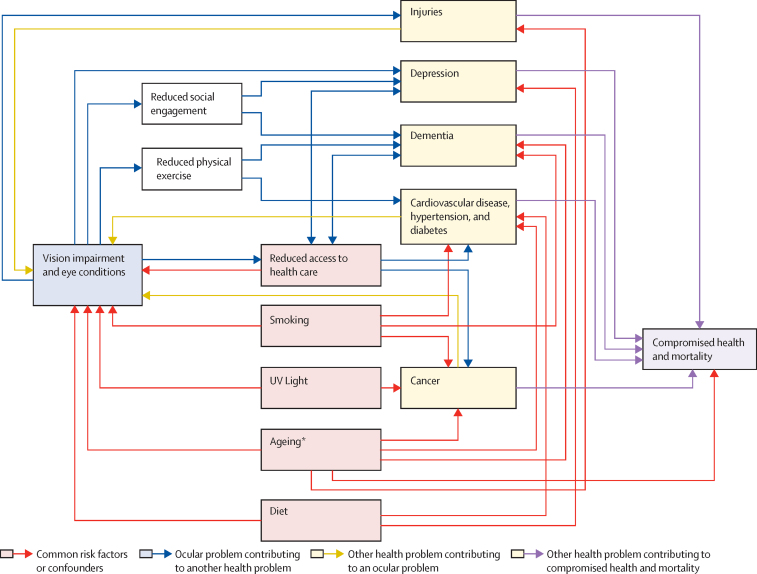
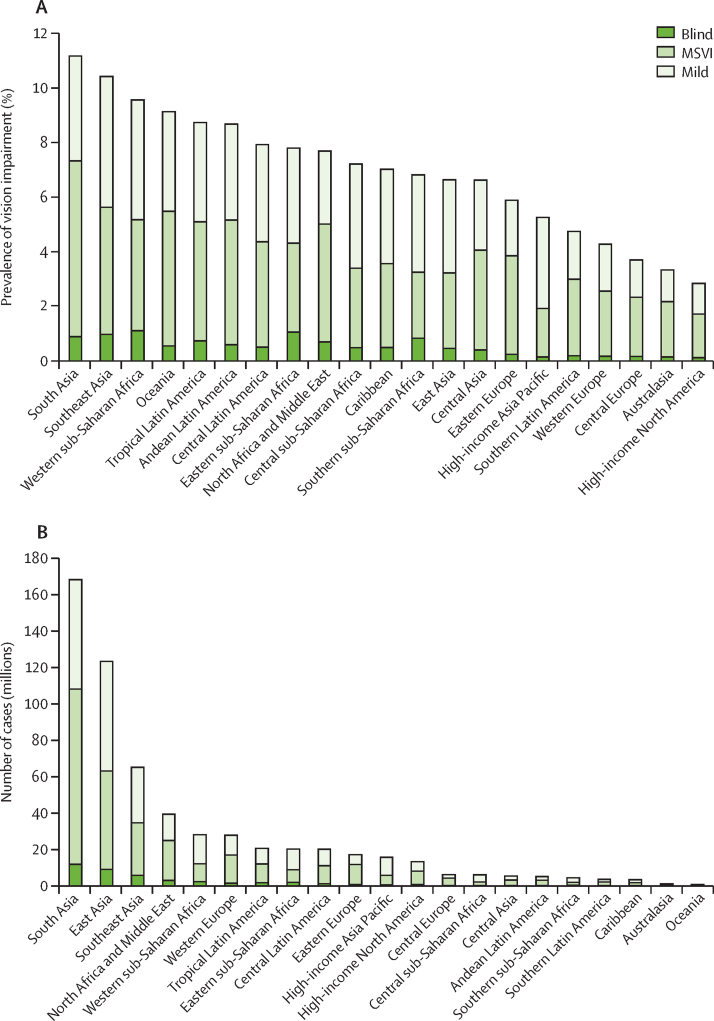
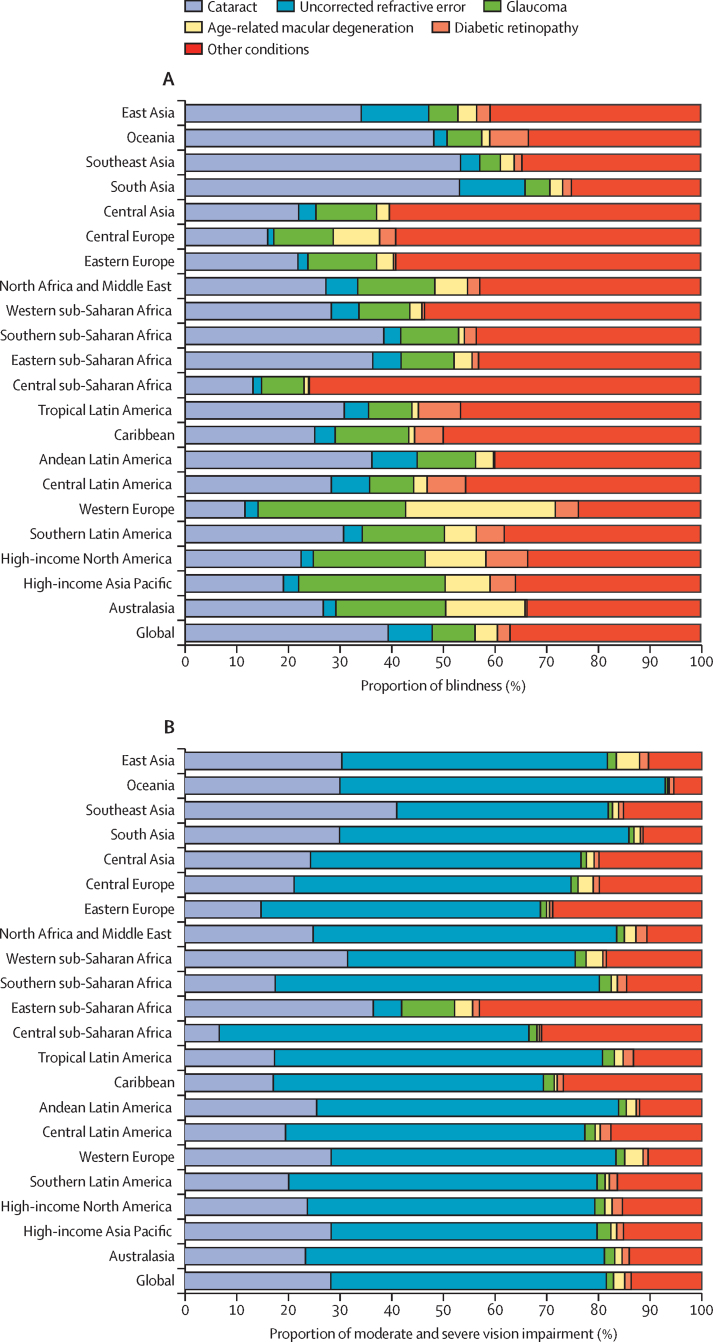
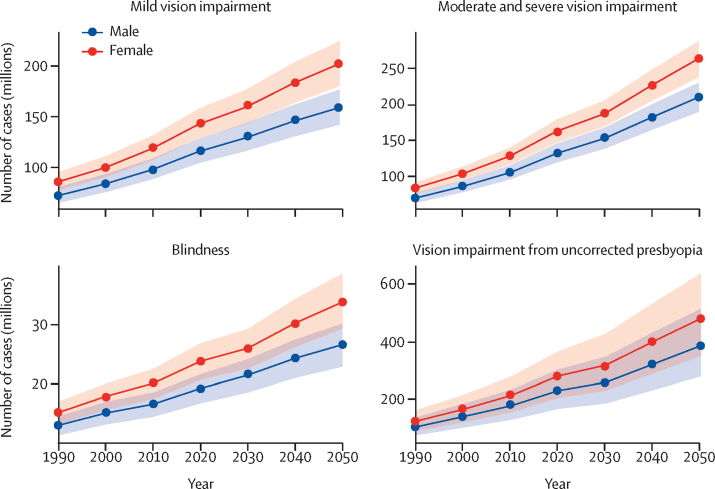
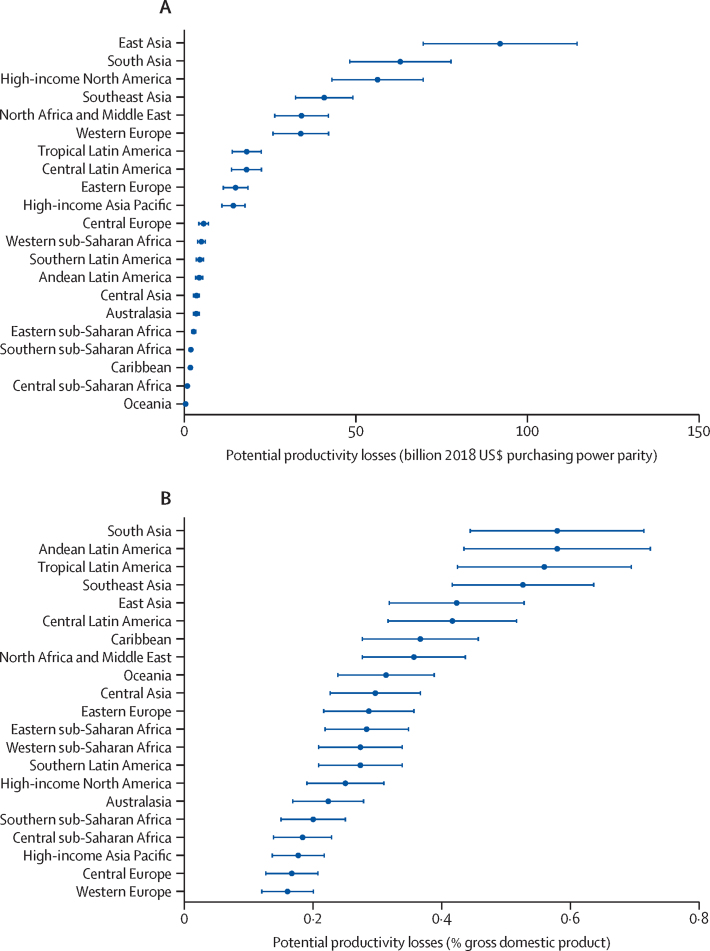
Eye health and vision have widespread and profound implications for many aspects of life, health, sustainable development, and the economy.Yet nowadays, many people, families, and populations continue to suffer the consequences of poor access to high-quality, affordable eye care, leading to vision impairment and blindness.In 2020, an estimated 596 million people had distance vision impairment worldwide, of whom 43 million were blind.Another 510 million people had uncorrected near vision impairment, simply because of not having reading spectacles.A large proportion of those affected (90%), live in low-income and middle-income countries (LMICs).However, encouragingly, more than 90% of people with vision impairment have a preventable or treatable cause with existing highly cost-effective interventions.Eye conditions affect all stages of life, with young children and older people being particularly affected.Crucially, women, rural populations, and ethnic minority groups are more likely to have vision impairment, and this pervasive inequality needs to be addressed.By 2050, population ageing, growth, and urbanisation might lead to an estimated 895 million people with distance vision impairment, of whom 61 million will be blind.Action to prioritise eye health is needed now.This Commission defines eye health as maximised vision, ocular health, and functional ability, thereby contributing to overall health and wellbeing, social inclusion, and quality of life.Eye health is essential to achieve many of the Sustainable Development Goals (SDGs).Poor eye health and impaired vision have a negative effect on quality of life and restrict equitable access to and achievement in education and the workplace.Vision loss has substantial financial implications for affected individuals, families, and communities.Although high-quality data for global economic estimates are scarce, particularly for LMICs, conservative assessments based on the latest prevalence figures for 2020 suggest that annual global productivity loss from vision impairment is approximately US$410•7 billion purchasing power parity.Vision impairment reduces mobility, affects mental wellbeing, exacerbates risk of dementia, increases likelihood of falls and road traffic crashes, increases the need for social care, and ultimately leads to higher mortality rates.By contrast, vision facilitates many daily life activities, enables better educational outcomes, and increases work productivity, reducing inequality.An increasing amount of evidence shows the potential for vision to advance the SDGs, by contributing towards poverty reduction, zero hunger, good health and wellbeing, quality education, gender equality, and decent work.Eye health is a global public priority, transforming lives in both poor and wealthy communities.Therefore, eye health needs to be reframed as a development as well as a health issue and given greater prominence within the global development and health agendas.Vision loss has many causes that require promotional, preventive, treatment, and rehabilitative interventions.Cataract, uncorrected refractive error, glaucoma, agerelated macular degeneration, and diabetic retinopathy www.thelancet.
Overview
The claims and statistics of this paper haven’t been checked yet.
Free: it reads the open-access text and checks the first 5 claims that cite a source we can check. Create a free account to check every claim.
Integrity signals
Registry
Cites
Statistics
Figures
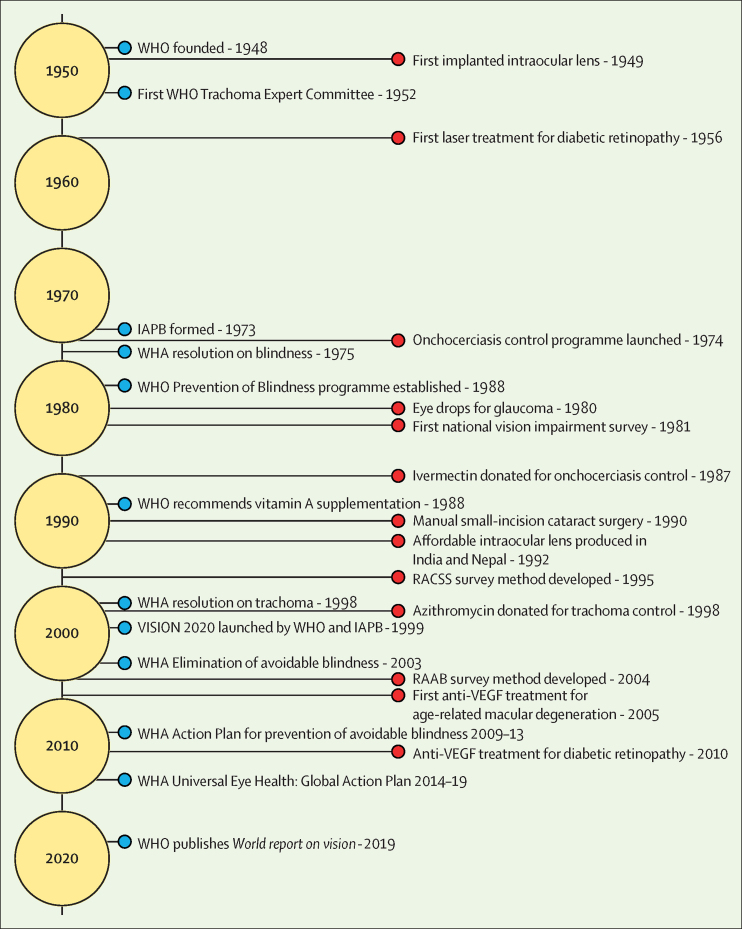
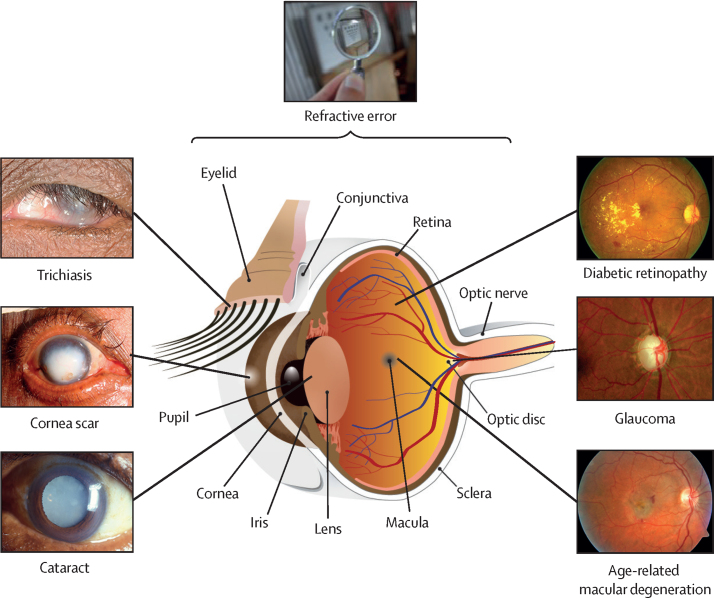
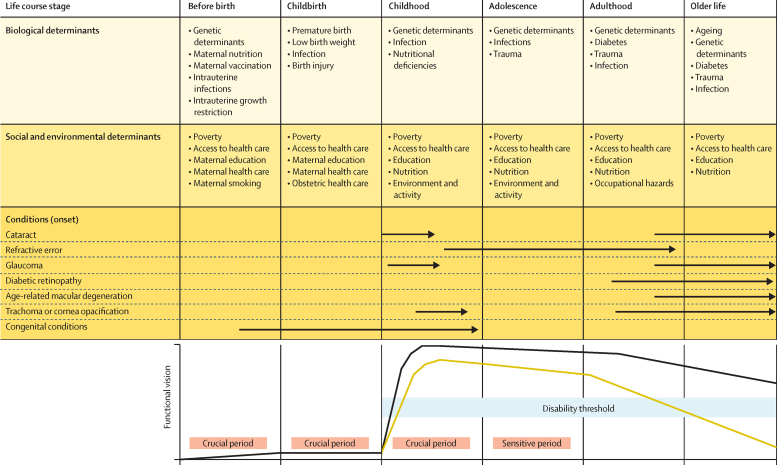
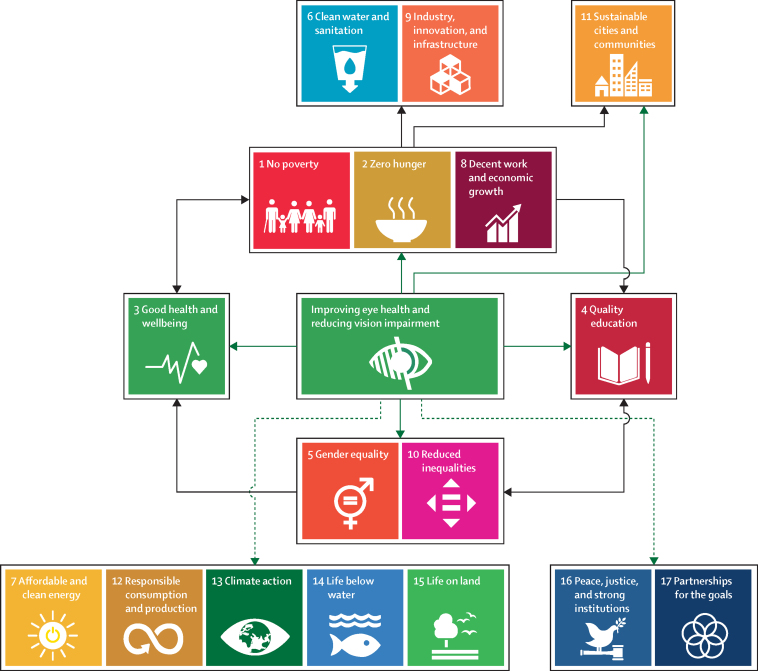
Verification
Claims the paper makes
The claims and statistics of this paper haven’t been checked yet.
Free: it reads the open-access text and checks the first 5 claims that cite a source we can check. Create a free account to check every claim.
Claims other papers make about this one
Each is checked against this paper’s own text: does it say what the citing paper says it does?
The source backs part of the claim, not all of it — or backs it for a different population, condition or comparison.
In the citing paper
“Artificial intelligence (AI) is an accurate screening tool for diabetic retinopathy (DR), the leading cause of blindness among working-aged adults.”
From Referral uptake after diabetic retinopathy screening with artificial intelligence-assisted care pathways: a systematic review and meta-analysis (2026) · cites this paper as [1]
Experimental — accuracy not yet measuredThe cited source says what the claim attributes to it.
In the citing paper
“Underfunding, alongside scarcity of ophthalmological services and trained personnel, infrastructures are common challenges faced by LMICs, which often delay diagnosis and management, increasing the risk of irreversible vision loss [6].”
From Diabetic retinopathy screening model in low and middle-income countries: a scoping review (2025) · cites this paper as [6]
The cited source says what the claim attributes to it.
In the citing paper
“Diabetic retinopathy (DR) is the leading cause of blindness among working-aged adults and early detection is critical for timely management to prevent vision loss1,2.”
From Referral uptake after diabetic retinopathy screening with artificial intelligence-assisted care pathways: a systematic review and meta-analysis (2026) · cites this paper as [1]
The cited source says what the claim attributes to it.
In the citing paper
“The magnitude of diabetes and its sequelae including DR require large-scale screening to enable early intervention, as described in the recent Lancet Global Health Commission on Global Eye Health and contemporary modelling of diabetes prevalence worldwide1,4.”
From Referral uptake after diabetic retinopathy screening with artificial intelligence-assisted care pathways: a systematic review and meta-analysis (2026) · cites this paper as [1]
The check wasn’t confident either way, so it gives no verdict — never disputed.
In the citing paper
“This capability is crucial for creating VPs that accurately simulate real patients for educational purposes39,40.”
From A large language model digital patient system enhances ophthalmology history taking skills (2025) · cites this paper as [39]
Experimental — accuracy not yet measured
Self-check
Percentages, sums and reported differences re-computed from the paper’s own numbers.
The self-check needs the paper’s full text.
Citations
Cites
von Elm, E., Altman, D. G., Egger, M., Pocock, S. J., Gøtzsche, P. C., Vandenbroucke, J. P., & Initiative, F. T. S. (2007) · PLoS Medicine · doi:10.1371/journal.pmed.0040296 · Cited by 23,020
Transforming Our World: The 2030 Agenda for Sustainable Development
(2018) · A New Era in Global Health · doi:10.1891/9780826190123.ap02 · Cited by 19,351
James, S. L., Abate, D., Abate, K. H., Abay, S. M., Abbafati, C., Abbasi, N., Abbastabar, H., Abd-Allah, F., Abdela, J., Abdelalim, A., et al. (2018) · The Lancet · doi:10.1016/s0140-6736(18)32279-7 · Cited by 13,867
Self-citationVos, T., Abajobir, A. A., Abate, K. H., Abbafati, C., Abbas, K. M., Abd-Allah, F., Abdulkader, R. S., Abdulle, A. M., Abebo, T. A., Abera, S. F., et al. (2017) · The Lancet · doi:10.1016/s0140-6736(17)32154-2 · Cited by 13,220
Saeedi, P., Petersohn, I., Salpea, P., Malanda, B., Karuranga, S., Unwin, N., Colagiuri, S., Guariguata, L., Motala, A. A., Ogurtsova, K., et al. (2019) · Diabetes Research and Clinical Practice · doi:10.1016/j.diabres.2019.107843 · Cited by 10,792
Vos, T., Flaxman, A. D., Naghavi, M., Lozano, R., Michaud, C., Ezzati, M., Shibuya, K., Salomon, J. A., Abdalla, S., Aboyans, V., et al. (2012) · The Lancet · doi:10.1016/s0140-6736(12)61729-2 · Cited by 8,291
Self-citationThe number of people with glaucoma worldwide in 2010 and 2020
Quigley, H. A. (2006) · British Journal of Ophthalmology · doi:10.1136/bjo.2005.081224 · Cited by 7,394
Global Prevalence of Glaucoma and Projections of Glaucoma Burden through 2040
Tham, Y.-C., Li, X., Wong, T. Y., Quigley, H. A., Aung, T., & Cheng, C.-Y. (2014) · Ophthalmology · doi:10.1016/j.ophtha.2014.05.013 · Cited by 7,159
Self-citation(2007) · Developments in Ophthalmology · doi:10.1159/isbn.978-3-318-01439-6 · Cited by 5,583
Global Prevalence of Myopia and High Myopia and Temporal Trends from 2000 through 2050
Holden, B. A., Fricke, T. R., Wilson, D. A., Jong, M., Naidoo, K. S., Sankaridurg, P., Wong, T. Y., Naduvilath, T. J., & Resnikoff, S. (2016) · Ophthalmology · doi:10.1016/j.ophtha.2016.01.006 · Cited by 5,500
Self-citation
Research works printed but not linked: 6
- Soleimani-Sefat E Rostami M Amani S Movallali G The needs and problems of students with visual impairment J Soc Sci Hum Stud 2 2016 8 16 https://www.textroad.com/pdf/JSSHS/J.%20Soc.%20Sci.%20Hum.%20Stud.,%202(2)8-16,%202016.pdf
- Porcino A Workshop report: a VISION 2020 workshop on research for global blindness prevention http://www.aurovikas.co.in/os2014/pdf_files/VISION_2020_Workshop_on_Research_for_Global_Blindness_Prevention.pdf 2010
- WHO International standards for vision rehabilitation: report of the international consensus conference, Rome, 9–12 December 2015 https://www.iapb.org/wp-content/uploads/2020/09/international_standards_for_vision_rehabilitation-international_consensus_conference-report.pdf 2017
- Ministry Of Health Medical Service Administration National survey on avoidable blindness Vietnam https://pdfs.semanticscholar.org/97aa/e9d48f6a9769751d61d1ea4c16fd2cfa3fec.pdf 2015
- WHO Prevention of avoidable blindness and visual impairment https://apps.who.int/iris/bitstream/handle/10665/21455/A59_R25-en.pdf 2006 26310248
- WHO Prevention of avoidable blindness and visual impairment https://apps.who.int/iris/bitstream/handle/10665/2244/A62_R1-en.pdf 2009 26310248
Cited by
Items 201–300 of 1,001
Gellan gum-based in-situ gel formulations for ocular drug delivery: A practical approach
Biswal, S. K., Parmanik, A., Das, D., Sahoo, R. N., & Nayak, A. K. (2024) · International Journal of Biological Macromolecules · doi:10.1016/j.ijbiomac.2024.138979 · Cited by 22
Socioeconomic Status and Vision Care Services in Ontario, Canada: A Population-Based Cohort Study
Asare, A. O., Maurer, D. M., WONG, A. M. F., Ungar, W. J., & Saunders, N. R. (2021) · The Journal of Pediatrics · doi:10.1016/j.jpeds.2021.10.020 · Cited by 22
Yorgason, J. B., Tanner, C. T., Richardson, S., Hill, M., Stagg, B. C., Wettstein, M., & Ehrlich, J. R. (2022) · Journal of Aging and Health · doi:10.1177/08982643211063338 · Cited by 22
Self-citationMalik, A. N., Evans, J. R., Gupta, S., Mariotti, S. P., Gordon, I., Bowman, R. J. C., & Gilbert, C. E. (2022) · Journal of Global Health · doi:10.7189/jogh.12.12003 · Cited by 22
Self-citationDiversity in Polygenic Risk of Primary Open-Angle Glaucoma
Bailey, J. N. C., Funk, K. L., Cruz, L. A., Waksmunski, A. R., Kinzy, T. G., Wiggs, J. L., & Hauser, M. A. (2022) · Genes · doi:10.3390/genes14010111 · Cited by 22
“The accessibility of vision care needs to be more critically assessed due to the associations between poor visual function and worse quality of life [46].”
BackgroundDeep Learning for Ophthalmology: The State-of-the-Art and Future TrendsPreprint
Nguyen, D. M. H., Alam, H., Nguyen, T., Srivastav, D., Profitlich, H.-J., Le, N., & Sonntag, D. (2025) · arXiv (Cornell University) · doi:10.48550/arxiv.2501.04073 · Cited by 22
“Affecting approximately 34.6% of diabetics, DR is a leading cause of vision impairment and blindness among adults aged 20 to 74 [43].”
InfluentialCardona, M., Alwenya, K., Rehman, A. U., Olalo, S. P., Thai, A., Rangi, M., Hazel, Y. P., & Lee, L. (2025) · Frontiers in Public Health · doi:10.3389/fpubh.2025.1578848 · Cited by 21
Killeen, O. J., Zhou, Y., Musch, D. C., Woodward, M. A., Newman-Casey, P. A., Moroi, S. E., Speck, N., Mukhtar, A. O., & Dewey, C. (2022) · Journal of American Association for Pediatric Ophthalmology and Strabismus · doi:10.1016/j.jaapos.2022.04.009 · Cited by 21
Goodman, L., Hamm, L. M., Tousignant, B., Black, J. M., Misra, S. L., Woodburn, S., Keay, L. J., Harwood, M. L. N., Gordon, I., Evans, J. R., et al. (2022) · The Lancet Regional Health - Western Pacific · doi:10.1016/j.lanwpc.2022.100560 · Cited by 21
Self-citationArtificial intelligence in eye care: a cautious welcome
Bastawrous, A., & Cleland, C. R. (2022) · Community Eye Health Journal · doi:10.56920/cehj.217 · Cited by 21
Self-citationMeandered and muddled: a systematic review on the impact of air pollution on ocular health
Muruganandam, N., Mahalingam, S., Ramsundram, N., & Rajadurai, E. (2023) · Environmental Science and Pollution Research · doi:10.1007/s11356-023-27079-x · Cited by 21
“According to research conducted in India, the poorer social strata’s usage of biofuel (charcoal, wood, and animal dung) in their homes produces a significant amount of air pollution (Burton et al. 2021).”
BackgroundInfluentialBlindness and visual impairment: quality of life and accessibility in the city of Turin
Nuzzi, A., Becco, A., Boschiroli, A., Coletto, A., & Nuzzi, R. (2024) · Frontiers in Medicine · doi:10.3389/fmed.2024.1361631 · Cited by 22
“In addition, it has been shown that they have an increased risk of developing social withdrawal and depression than healthy population (9), and low vision can cause or exacerbate poverty through reduced employment prospects and work productivity, as well as can negatively affect educational…”
BackgroundTrends in the global burden of vision loss among the older adults from 1990 to 2019
Yin, J., Jiang, B., Zhao, T., Guo, X., Tan, Y., & Wang, Y. (2024) · Frontiers in Public Health · doi:10.3389/fpubh.2024.1324141 · Cited by 23
“A primary driver is the escalating demand for vision care services stemming from demographic shifts and changes in lifestyle (23).”
BackgroundSong, X., Lin, Z., & Tang, R. (2024) · International Journal of Industrial Ergonomics · doi:10.1016/j.ergon.2024.103613 · Cited by 21
Closed-eye intraocular pressure and eye movement monitoring via a stretchable bimodal contact lens
Gan, X., Yao, G., Li, C. R., Mu, Y., Xie, M., Zhou, C., Li, P., Dong, Q., Chen, K., Zhao, K., et al. (2025) · Microsystems & Nanoengineering · doi:10.1038/s41378-025-00946-y · Cited by 22
“According to a recent global survey by the Lancet Global Health Commission, chronic vision impairment plagued over 1.1 billion people worldwide in 2020, with 90% preventable and manageable 1 .”
InfluentialHu, X., Wang, Z., Sun, B., Wan, X., Chang, F., Lin, W., & Wei, R. (2025) · BMC Ophthalmology · doi:10.1186/s12886-025-04303-5 · Cited by 20
“Globally, myopia has emerged as a predominant contributor to visual impairment and blindness, with uncorrected refractive errors representing the leading cause of visual disability across all age groups worldwide [1].”
Anand, M. A. V., Yang, C.-J., Wang, W.-L., Yao, C., & Lai, J. (2026) · International Journal of Biological Macromolecules · doi:10.1016/j.ijbiomac.2026.150199 · Cited by 20
Terveen, D. C., Berdahl, J. P., Dhariwal, M., & Meng, Q. (2022) · Journal of Ophthalmology · doi:10.1155/2022/8653476 · Cited by 20
The burden of vision loss in the Middle East and North Africa region, 1990–2019
Bahremani, E., Alizadeh, M., Nejadghaderi, S. A., Noori, M., Sullman, M. J. M., Kolahi, A., & Safiri, S. (2023) · Archives of Public Health · doi:10.1186/s13690-023-01188-y · Cited by 20
Marmamula, S., Yelagondula, V. K., Varada, R., & Khanna, R. (2023) · Expert Review of Ophthalmology · doi:10.1080/17469899.2023.2281448 · Cited by 22
“Additionally, VI hinders our progress in achieving Sustainable Development Goals (SDGs), as eight of the seventeen SDGs are linked to good eye health [7].”
BackgroundSelf-citationThe case for investment in eye health: systematic review and economic modelling analysis
Wong, B. A., Singh, K., Everett, B., O’Brien, K. S., Ravilla, T., Khanna, R., Chase, H., & Frick, K. D. (2023) · Bulletin of the World Health Organization · doi:10.2471/blt.23.289863 · Cited by 20
“21 Furthermore, investment in eye health can reduce inequities, because uncorrected visual impairment is a determinant of poverty, 3,34 and the benefits of eye health interventions would most likely accrue in lower socioeconomic groups.”
BackgroundMethodSelf-citationNoghan, N., O’Connor, P., & Σιγάλα, Μ. (2023) · Tourism Review · doi:10.1108/tr-06-2023-0408 · Cited by 20
Shifts in ophthalmic care utilization during the COVID-19 pandemic in the US
Li, C. H., Lum, F., Chen, E. M., Collender, P. A., Head, J. R., Khurana, R. N., Cunningham, E. T., Moorthy, R. S., Parke, D. W., & McLeod, S. D. (2023) · Communications Medicine · doi:10.1038/s43856-023-00416-4 · Cited by 20
“To restore vision, visually important cataracts are treated with cataract surgery, a highly cost-effective intervention 39 .”
BackgroundInfluentialRandom color transformation for single domain generalized retinal image segmentation
Guo, S., & Ji, K. (2024) · Engineering Applications of Artificial Intelligence · doi:10.1016/j.engappai.2024.108907 · Cited by 20
Vision Impairment and the Population Attributable Fraction of Dementia in Older Adults
Smith, J. R., Huang, A., Zhou, Y., Varadaraj, V., Swenor, B. K., Whitson, H. E., Reed, N. S., Deal, J. A., & Ehrlich, J. R. (2024) · JAMA Ophthalmology · doi:10.1001/jamaophthalmol.2024.3131 · Cited by 20
Self-citationDiPasquale, S. A., Wuchte, L. D., Mosley, R. J., Demarest, R. M., Voyles, M. L., & Byrne, M. E. (2021) · Advanced Healthcare Materials · doi:10.1002/adhm.202101263 · Cited by 20
Weh, E., Scott, K., Wubben, T. J., & Besirli, C. G. (2021) · Experimental Eye Research · doi:10.1016/j.exer.2021.108913 · Cited by 20
Gajiwala, U. R., Pachchigar, S., Patel, D., Mistry, I., Oza, Y., Kundaria, D., & Shamanna, B. (2022) · BMJ Open · doi:10.1136/bmjopen-2021-058485 · Cited by 20
Self-citationPerioperative Care of the Patient with Eye Pathologies Undergoing Nonocular Surgery
Roth, S., Moss, H. E., Vajaranant, T. S., & Sweitzer, B. (2022) · Anesthesiology · doi:10.1097/aln.0000000000004338 · Cited by 21
Exploring Glaucoma: From Pathogenesis to Emerging Diagnostic and Management Strategies
Goit, R. K. (2025) · Journal of Ophthalmology · doi:10.1155/joph/8476785 · Cited by 19
“…prevent RGC death and ON degeneration, especially in conditions like NTG. Drug delivery faces barriers such as ocular anatomical constraints, poor patient adherence, and treatment side efects [122], while surgical interventions carry inherent risks and may not be accessible in all settings [123].”
Research progress of ferroptosis in glaucoma and optic nerve damage
Huang, S., Liu, K., Su, Y., Wang, F., & Feng, T. (2022) · Molecular and Cellular Biochemistry · doi:10.1007/s11010-022-04545-7 · Cited by 19
“Its pathology is mainly characterized by the absence of RGC [53].”
BackgroundExperience of patients with diabetic retinopathy: A qualitative study
Shi, J.-H., Zhang, C. M., Zhao, Q., Zhang, X., Guo, L., & Jia, T. (2022) · Journal of Advanced Nursing · doi:10.1111/jan.15457 · Cited by 19
Maćkowski, M., Brzoza, P., & Spinczyk, D. (2023) · International Journal of Human-Computer Studies · doi:10.1016/j.ijhcs.2023.103122 · Cited by 14
Effective cataract surgical coverage in India: Evidence from 31 districts
Gupta, V., Vashist, P., Sarath, S., Gupta, N., Senjam, S. S., Shukla, P., Grover, S., Shamanna, B., Vemparala, R., Wadhwani, M., et al. (2024) · Indian Journal of Ophthalmology · doi:10.4103/ijo.ijo_2835_23 · Cited by 19
“[3] For several decades, cataract surgical coverage (CSC) has been used as an indicator to monitor cataract surgical services.”
BackgroundSmith, E. R., Cotache-Condor, C. F., Leraas, H. J., Truché, P., Ward, Z. J., Stefan, D. C., Force, L. M., Bhakta, N. H., & Rice, H. E. (2024) · PLOS Global Public Health · doi:10.1371/journal.pgph.0002530 · Cited by 19
“Moreover, underfunding in eye health is a persistent challenge in many countries [25].”
BackgroundKilleen, O. J., Xiang, X., Powell, D. S., Reed, N. S., Deal, J. A., Swenor, B. K., & Ehrlich, J. R. (2022) · Frontiers in Neuroscience · doi:10.3389/fnins.2022.786244 · Cited by 19
Self-citationVélez, C. M., Ramírez, P. B., Cáceres, M. D. P. O., Lugo‐Agudelo, L. H., Posada, A. M., Hernández-Padilla, M. L., Valverde, E. A., & Suárez-Escudero, J. C. (2022) · Ophthalmic Epidemiology · doi:10.1080/09286586.2022.2093919 · Cited by 20
“tive quality of life measures to better understand the effect of visual impairment and ophthalmic interventions from the patient’s perspective.(6) 244 C.”
BackgroundWong, B. A., Singh, K., Khanna, R., Ravilla, T., Kuyyadiyil, S., Sabherwal, S., Sil, A. K., Dole, K. S., Chase, H., & Frick, K. D. (2022) · The Lancet Regional Health - Southeast Asia · doi:10.1016/j.lansea.2022.100089 · Cited by 19
Self-citationPosterior capsular Opacification: Pathogenesis, challenges, and innovative therapeutic strategies
Wang, Y., Cao, K., Li, M., & Wan, X.-H. (2025) · Experimental Eye Research · doi:10.1016/j.exer.2025.110585 · Cited by 18
Samia, P., Oyieke, K., Kigen, B., & Wamithi, S. (2022) · Frontiers in Public Health · doi:10.3389/fpubh.2022.979351 · Cited by 18
Katibeh, M., Sanyam, S. D., Watts, E., Bolster, N. M., Yadav, R., Roshan, A., Mishra, S. K., Burton, M. J., & Bastawrous, A. (2022) · Translational Vision Science & Technology · doi:10.1167/tvst.11.12.18 · Cited by 18
Self-citationSharif, N. A. (2023) · Experimental Eye Research · doi:10.1016/j.exer.2023.109444 · Cited by 19
Dourado, A. M. B., & Pedrino, E. C. (2023) · International Journal of Human-Computer Studies · doi:10.1016/j.ijhcs.2023.103046 · Cited by 18
Monitoring hearing and vision functions in older adults: rationale and process
Chadha, S. K., Dillard, L. K., Mariotti, S. P., & Keel, S. (2023) · Age and Ageing · doi:10.1093/ageing/afad123 · Cited by 18
“Conservative estimates suggest the annual global productivity loss from vision impairment is ∼ 410.7 billion US dollars, and unaddressed hearing loss alone poses an annual global cost of nearly 1 trillion US dollars [11, 12].”
BackgroundInfluentialEye Care in Federally Qualified Health Centers
Woodward, M. A., Hicks, P. M., Nwanyanwu, K. H., Modjtahedi, B., Chan, R. V. P., Vogt, E. L., Lu, M.-C., Newman-Casey, P. A., Chan, R. V. P., Chen, A., et al. (2024) · Ophthalmology · doi:10.1016/j.ophtha.2024.04.019 · Cited by 18
Global uncorrected refractive error and presbyopia: the size of the problem
Bastawrous, A., Kassalow, J. S., & Watts, E. (2024) · Community Eye Health Journal · doi:10.56920/cehj.784 · Cited by 19
Self-citationCorneal and scleral biomechanics in ophthalmic diseases: An updated review
Wang, Y., & Cao, H. (2022) · Medicine in Novel Technology and Devices · doi:10.1016/j.medntd.2022.100140 · Cited by 18
Prevalence of diabetic retinopathy in rural Pakistan: A population based cross-sectional study
Jokhio, A. H., Talpur, K. I., Shujaat, S., Talpur, B. R., & Memon, S. (2022) · Indian Journal of Ophthalmology · doi:10.4103/ijo.ijo_126_22 · Cited by 18
“The complex nature of the DR diagnosis and its assessment in the community are considered as extra difficulties for obtaining reliable DR estimates.[11]”
BackgroundHark, L. A., Horowitz, J., Gorroochurn, P., Park, L., Wang, Q., Diamond, D. F., Harizman, N., Auran, J. D., Maruri, S. C., Henriquez, D. R., et al. (2023) · American Journal of Ophthalmology · doi:10.1016/j.ajo.2023.01.019 · Cited by 18
Self-citationIndigenous Eye Health in the Americas: The Burden of Vision Impairment and Ocular Diseases
Furtado, J. M., Fernandes, A. G., Silva, J. C., del Pino, S., & Hommes, C. (2023) · International Journal of Environmental Research and Public Health · doi:10.3390/ijerph20053820 · Cited by 19
Self-citationSalongcay, R. P., Aquino, L. A. C., Alog, G. P., Locaylocay, K. B., Saunar, A. V., Pető, T., & Silva, P. S. (2023) · Ophthalmology Science · doi:10.1016/j.xops.2023.100457 · Cited by 18
Global prevalence of myopia in children using digital devices: a systematic review and meta-analysis
Salari, N., Molaeefar, S., Abdolmaleki, A., Beiromvand, M., Bagheri, M., Rasoulpoor, S., & Mohammadi, M. (2025) · BMC Pediatrics · doi:10.1186/s12887-025-05684-8 · Cited by 17
“Myopia not only has severe clinical and developmental effects but also carries a significant economic burden [24, 25].”
Determining the Variability Associated with Visual Acuity and Refractive Error Measurements
van der Zee, C., Muijzer, M. B., Claessens, J. L. J., & Wisse, R. P. L. (2025) · Ophthalmology · doi:10.1016/j.ophtha.2025.04.021 · Cited by 17
Sawers, N., Bolster, N. M., & Bastawrous, A. (2021) · Frontiers in Public Health · doi:10.3389/fpubh.2021.752049 · Cited by 19
“Public Health 9:752049. doi: 10.3389/fpubh.2021.752049 The Contribution of Artificial Intelligence in Achieving the Sustainable Development Goals (SDGs): What Can Eye Health Can Learn From Commercial Industry and Early Lessons From the Application of Machine Learning in Eye Health Programmes Nicholas Sawers 1, Nigel B…”
BackgroundInfluentialSelf-citationAlmazroa, A. A., Almatar, H., Alduhayan, R., Albalawi, M., Alghamdi, M., Alhoshan, S. A., Alamri, S., Alkanhal, N., Alsiwat, Y., Alrabiah, S. A., et al. (2023) · Clinical Optometry · doi:10.2147/opto.s422451 · Cited by 17
“Irreversible VI has the most profound impact on patients’ QoL, affecting their functioning, emotional wellbeing, mobility, and independence.(5,14) Numerous studies have evaluated the impact of early and late stages of irreversible ocular diseases on QoL,(3,5,15) including vision-threatening diabetic retinopathy (DR) a…”
BackgroundXiong, K., Mao, H. A., Zhang, Q., Lei, C., & Liang, Y. (2023) · BMC Geriatrics · doi:10.1186/s12877-023-04393-0 · Cited by 17
“The Lancet Global Health Commission recently presented integrative evidence regarding the relationship between VI and chronic conditions [31].”
BackgroundInfluentialBruns, A., Spiesberger, A. A., Triantafyllopoulos, A., Müller, P., & Schuller, B. W. (2023) · doi:10.1145/3607542.3617351 · Cited by 17
“In 2020, this concerned 596 million people world-wide with distant visual impairment and a further 510 million with uncorrected near vision impairment, including 43 million who are completely blind [6].”
Jain, R., Yoo, T. K., Ryu, I. H., Song, J., Kolte, N., & Nariani, A. (2023) · Ophthalmology and Therapy · doi:10.1007/s40123-023-00842-6 · Cited by 17
“Uncorrected refractive error (URE) remains the leading cause of visual impairment and the second leading cause of blindness globally, with 596 million people suffering from distance visual impairment and 43 million considered legally blind in 2020 [11, 12].”
Abraham, C. H., van Staden, D. B., & Rampersad, N. (2023) · Clinical and Experimental Optometry · doi:10.1080/08164622.2023.2254766 · Cited by 18
Pablo, L., Garay‐Aramburu, G., García‐Layana, A., Fernandez, A., Vázquez, I., Acebes, X., Zulueta, J., Balonga, D., Salinas-Ortega, L., Muñoz, Á., et al. (2024) · Health Economics Review · doi:10.1186/s13561-024-00546-y · Cited by 17
“Studies have found that individuals of working age with low vision or blindness experience a higher loss of productivity due to unemployment and incapacity to work than the general population [13, 14, 18, 19].”
BackgroundAdvancing diabetic retinopathy classification using ensemble deep learning approaches
Biswas, A., & Banik, R. (2025) · Biomedical Signal Processing and Control · doi:10.1016/j.bspc.2025.107804 · Cited by 17
Intraocular injectable hydrogels for the delivery of cells and nanoparticles
Moreno, E. I., Alonso, M. J., & Abbadessa, A. (2025) · Materials Today Bio · doi:10.1016/j.mtbio.2025.101767 · Cited by 18
“According to the World Health Organization (WHO) at least 2.2 billion people suffer from vision impairment, with a huge economic global burden reaching 411 billion US$ in productivity loss [1].”
InfluentialHammoud, B., Schumacher, J. S., Zhang, H., Dutra, B. A. L., Susanna, B. N., Scarcelli, G., & Randleman, J. B. (2025) · Survey of Ophthalmology · doi:10.1016/j.survophthal.2025.06.004 · Cited by 17
Clinical Applications of Artificial Intelligence in Corneal Diseases
Nusair, O., Asadigandomani, H., Farrokhpour, H., Moosaie, F., Bibak-Bejandi, Z., Razavi, A., Daneshvar, K., & Soleimani, M. (2025) · Vision · doi:10.3390/vision9030071 · Cited by 17
“Additionally, disorders including dry eye disease (DED), corneal neuropathy, keratoconus (KC), and infectious keratitis (IK) have substantial effects on patients’ quality of life and drive substantial economic costs [2,4–11].”
Planning Your Journey in Audio: Design and Evaluation of Auditory Route Overviews
Aziz, N., Stockman, T., & Stewart, R. (2022) · ACM Transactions on Accessible Computing · doi:10.1145/3531529 · Cited by 17
Wang, Z., Congdon, N. G., & Ma, X. (2022) · British Journal of Ophthalmology · doi:10.1136/bjo-2022-321577 · Cited by 17
Self-citationDesign, methodology, and preliminary results of the non-human primates eye study
Wu, J., Liu, W., Zhu, S., Liu, H., Chen, K., Zhu, Y., Li, Z., Yang, C., Pan, L., Li, R., et al. (2023) · BMC Ophthalmology · doi:10.1186/s12886-023-02796-6 · Cited by 17
“Introduction It was estimated that 895 million people with vision impairment worldwide, of whom 61 million may suffer from blindness by 2050 [1].”
BackgroundSelf-citationQie, J., Wen, S., Han, Y., Liu, S., Shen, L., Chen, H., & Lin, Q. (2022) · Biomaterials Science · doi:10.1039/d2bm00038e · Cited by 18
Devine, B. C., Dogan, A. B., & Sobol, W. M. (2025) · Bioengineering · doi:10.3390/bioengineering12050441 · Cited by 16
“There remains, however, a pressing need to shift towards community-based retinal screening to address the growing prevalence of retinal diseases [48].”
Zhang, P., Nie, Y. G., Wang, X., Zhang, X., & Liu, L. (2025) · Bioactive Materials · doi:10.1016/j.bioactmat.2025.10.037 · Cited by 16
“Ocular diseases affect hundreds of millions of individuals globally, often leading to progressive visual impairment and imposing substantial burdens on patient quality of life and health systems alike [1].”
Identification of ocular refraction based on deep learning algorithm as a novel retinoscopy method
Zou, H., Shi, S., Yang, X., Ma, J., Fan, Q., Chen, X., Wang, Y., Zhang, M., Song, J., Jiang, Y., et al. (2022) · BioMedical Engineering OnLine · doi:10.1186/s12938-022-01057-9 · Cited by 16
(DOG), D. O. G., Geerling, G., Birtel, J., Faber, H., Fangerau, H., Gamulescu, A., Gronow, T., Guthoff, R. F., Helbig, H., Herwig‐Carl, M. C., et al. (2023) · Die Ophthalmologie · doi:10.1007/s00347-022-01792-3 · Cited by 16
“Lancet395(10219):212–224 44.”
BackgroundInfluentialZhang, Y., Guan, H., Ding, Y., & Xue, J. (2023) · International Journal for Equity in Health · doi:10.1186/s12939-023-01907-5 · Cited by 17
“7 billion purchasing power parity [53].”
Almuhayawi, M. S., Gattan, H. S., Alruhaili, M. H., Alharbi, M. T., Nagshabandi, M. K., Tarabulsi, M. K., Almuhayawi, S. M., Jaouni, S. K. A., Selim, S., Alanazi, A., et al. (2023) · Infection and Drug Resistance · doi:10.2147/idr.s418685 · Cited by 16
“Early detection and adequate treatment are essential to preventing issues.(33,34) On the basis of their effectiveness, resistance pattern, cost, and side effects, antibiotics are often prescribed.”
BackgroundLiu, H., Chen, C., Chen, Z., Li, Q., Li, Q., & Liu, W. (2023) · Frontiers in Medicine · doi:10.3389/fmed.2023.1161980 · Cited by 16
Quality of life and depression among patients with high myopia in Nigeria: a cross sectional study
Osuagwu, U. L., Meribe, N. C., Nkanga, E. D., Ekpenyong, B. N., Ibanga, A. A., Goson, P. C., & Nkanga, D. G. (2023) · International Journal of Ophthalmology · doi:10.18240/ijo.2023.12.21 · Cited by 16
“According to the world report on vision, vision loss and blindness resulted in 26.5 million global years of healthy life lost due to disability (YLDs) in 2019, 3.1% of total global YLDs from blindness due to VI [23] .”
BackgroundInfluentialGlaucoma Screening Guidelines Worldwide
Gunzenhauser, R. C., & Coleman, A. L. (2024) · Journal of Glaucoma · doi:10.1097/ijg.0000000000002362 · Cited by 16
“12,18 In summary, general population screening for glaucoma has been adopted as a recommendation by only a few organizations and only in such situations, as in the case of the AAO, where a certain age has been met, or in the case of the Sub-Saharan African Guidelines where a population is…”
BackgroundGai, M. J., Reddy, V., Xu, V., Noori, N. H., & Beckler, M. D. (2024) · Cureus · doi:10.7759/cureus.61841 · Cited by 16
“However, achieving good vision health faces considerable challenges despite the economic burden associated with vision loss far exceeding the costs of addressing impairment, underscoring the urgency of enhancing access to eye care services [7].”
BackgroundEnhancing ophthalmology medical record management with multi-modal knowledge graphs
Gao, W., Rong, F., Shao, L., Deng, Z., Xiao, D., Zhang, R., Chen, C. H., Gong, Z., Niu, Z., Li, F., et al. (2024) · Scientific Reports · doi:10.1038/s41598-024-73316-9 · Cited by 16
Li, Z., Xiong, Q., Li, Q., & Tang, L. (2025) · International Immunopharmacology · doi:10.1016/j.intimp.2025.114219 · Cited by 16
Seipetdenova, S., Oladejo, T. O., Bekmurzayeva, A., Tan, C., Yang, M., Blanc, W., & Tosi, D. (2025) · Optics and Lasers in Engineering · doi:10.1016/j.optlaseng.2025.108943 · Cited by 16
Huang, L., Zhang, D., & Liu, M. (2025) · Frontiers in Public Health · doi:10.3389/fpubh.2025.1449607 · Cited by 16
“This decline may be influenced by increased global awareness due to economic development, enhanced education access, lifestyle changes, and improved healthcare systems supporting comprehensive vision care initiatives (51).”
Ling, C. N. Y., Seshasai, S., Chee, M. L., He, F., Tham, Y. C., Cheng, C., Wong, T. Y., & Sabanayagam, C. (2021) · American Journal of Ophthalmology · doi:10.1016/j.ajo.2021.04.026 · Cited by 16
Self-citationDiPasquale, S. A., Uricoli, B., DiCerbo, M., Brown, T. L., & Byrne, M. E. (2021) · Translational Vision Science & Technology · doi:10.1167/tvst.10.14.5 · Cited by 16
Fernandes, A. G., Berezovsky, A., Watanabe, S. E. S., Mitsuhiro, M. R. K. H., Cypel, M., Ferraz, N. N., Furtado, J. M., Sacai, P. Y., Muñoz, S., Cunha, C. C., et al. (2021) · Scientific Reports · doi:10.1038/s41598-021-03172-4 · Cited by 17
Self-citationEvans, J. R., Lawrenson, J. G., Ramke, J., Virgili, G., Gordon, I., Lingham, G., Yasmin, S., & Keel, S. (2022) · Ophthalmic and Physiological Optics · doi:10.1111/opo.12963 · Cited by 16
“In 2020 an estimated 3– 4 million people were blind due to uncorrected refractive error and between 140 and 175 million people were vision impaired.(4) These figures are expected to increase substantially in the coming decades due to population aging (presbyopia) and lifestyle factors (myopia).”
Self-citationNguyen, H., Tanna, G. L. D., Coxon, K., Brown, J. K., Ren, K., Ramke, J., Burton, M. J., Gordon, I., Zhang, J. H., Furtado, J. M., et al. (2023) · BMJ Open · doi:10.1136/bmjopen-2022-065210 · Cited by 16
Self-citationBurnett, A. M., Lee, L., McGuinness, M. B., Varga, B., Hazel, Y. P., & Ho, S. M. (2022) · BMJ Open · doi:10.1136/bmjopen-2021-057594 · Cited by 16
The Power of Advocacy: Advancing Vision for Everyone to Meet the Sustainable Development Goals
Lazuka-Nicoulaud, E., Naidoo, K. S., Gross, K., Williams, J. M., & Kirsten-Coleman, A. (2022) · International Journal of Public Health · doi:10.3389/ijph.2022.1604595 · Cited by 15
Sociodemographic disparities in ophthalmological clinical trials
Nakayama, L. F., Mitchell, W. G., Shapiro, S., Santiago, A. P. D., Phanphruk, W., Kalua, K., Celi, L. A., & Regatieri, C. V. (2023) · BMJ Open Ophthalmology · doi:10.1136/bmjophth-2022-001175 · Cited by 16
Priorities in school eye health in low and middle-income countries a scoping review
Harvey, A.-A., Morjaria, P., & Tousignant, B. (2024) · Eye · doi:10.1038/s41433-024-03032-1 · Cited by 15
Self-citationAssessing the reliability of tele-refraction for real time consultation with a remote optometrist
Kapur, N., Sabherwal, S., Sharma, P., Nayab, J., Chen, P., Srivastava, S., & Majumdar, A. (2024) · PLoS ONE · doi:10.1371/journal.pone.0299491 · Cited by 16
Liu, Z., Han, X., Gao, L., Chen, S., Huang, W., Peng, L., Wu, Z., Wang, M., & Zheng, Y. (2024) · npj Digital Medicine · doi:10.1038/s41746-024-01222-5 · Cited by 15
“Third, there is a large population of diabetes patients in need of screening in China, which requires huge investments in human resources and equipment 27 .”
BackgroundRole of epigenetics in corneal health and disease
Sood, S., Tiwari, A., Sangwan, J., Vohra, M., Sinha, N. R., Tripathi, R., Sangwan, V., & Mohan, R. R. (2024) · Progress in Retinal and Eye Research · doi:10.1016/j.preteyeres.2024.101318 · Cited by 15
Wong, Y. L., Aslam, T. M., Chang, D. F., & Erny, B. C. (2025) · Ophthalmology and Therapy · doi:10.1007/s40123-025-01146-7 · Cited by 15
Gazzard, G., Congdon, N. G., Azuara‐Blanco, A., Blumenthal, E. Z., Gomelauri, K., Zalinian, M. P., Traverso, C. E., Bracha, Z., Dvalishvili, A., Solberg, Y., et al. (2025) · Ophthalmology · doi:10.1016/j.ophtha.2025.05.004 · Cited by 15
Self-citationInclusive Education in Ghana: Enablers, Barriers, and Challenges of Inclusion
Abreh, M. K. (2025) · IGI Global eBooks · doi:10.4018/979-8-3373-1000-8.ch015 · Cited by 15
Roadmap on advances in visual and physiological optics
Gómez-Correa, J. E., Vohnsen, B., Pierscionek, B. K., Chávez-Cerda, S., Kling, S., Rozema, J. J., Applegate, R. A., Scarcelli, G., Randleman, J. B., Goncharov, A. V., et al. (2025) · Journal of Optics · doi:10.1088/2040-8986/ae1bb8 · Cited by 15
Recent advances and future challenges in nanosystems for ocular drug delivery
Shahror, R. A., & Fouda, A. Y. (2025) · Journal of Pharmacology and Experimental Therapeutics · doi:10.1016/j.jpet.2025.103738 · Cited by 15
“39,40 For instance, topical administration typically results in 5% of the total drug reaching the aqueous humor.”
The Possible Positive Mechanisms of Pirenoxine in Cataract Formation
Upaphong, P., Thonusin, C., Choovuthayakorn, J., Chattipakorn, N., & Chattipakorn, S. C. (2022) · International Journal of Molecular Sciences · doi:10.3390/ijms23169431 · Cited by 15
Metadata
- Authors
- Burton, M. J., Ramke, J., Marques, A. P., Bourne, R. R. A., Congdon, N., Jones, I., Ah Tong, B. A. M., Arunga, S., Bachani, D., Bascaran, C., Bastawrous, A., Blanchet, K., Braithwaite, T., Buchan, J. C., Cairns, J., Cama, A., Chagunda, M., Chuluunkhuu, C., Cooper, A., Crofts-Lawrence, J., Dean, W. H., Denniston, A. K., Ehrlich, J. R., Emerson, P. M., Evans, J. R., Frick, K. D., Friedman, D. S., Furtado, J. M., Gichangi, M. M., Gichuhi, S., Gilbert, S. S., Gurung, R., Habtamu, E., Holland, P., Jonas, J. B., Keane, P. A., Keay, L., Khanna, R. C., Khaw, P. T., Kuper, H., Kyari, F., Lansingh, V. C., Mactaggart, I., Mafwiri, M. M., Mathenge, W., McCormick, I., Morjaria, P., Mowatt, L., Muirhead, D., Murthy, G. V. S., Mwangi, N., Patel, D. B., Peto, T., Qureshi, B. M., Salomão, S. R., Sarah, V., Shilio, B. R., Solomon, A. W., Swenor, B. K., Taylor, H. R., Wang, N., Webson, A., West, S. K., Wong, T. Y., Wormald, R., Yasmin, S., Yusufu, M., Silva, J. C., Resnikoff, S., Ravilla, T., Gilbert, C. E., Foster, A., & Faal, H. B.
- Affiliations
- Moorfields Eye Hospital NHS Foundation Trust (GB)
- University of Auckland (NZ)
- University of Cambridge (GB)
- Queen's University Belfast (GB)
- Sightsavers (GB)
- Mbarara University of Science and Technology (UG)
- Ministry of Health and Family Welfare (IN)
- London School of Hygiene & Tropical Medicine (GB)
- University of Geneva (CH)
- St Thomas' Hospital (GB)
- Leeds Teaching Hospitals NHS Trust (GB)
- Ministry of Health (MZ)
- National Museum of Mongolia (MN)
- International Agency for the Prevention of Blindness (GB)
- University of Cape Town (ZA)
- University Hospitals Birmingham NHS Foundation Trust (GB)
- University of Michigan (US)
- Emory University (US)
- Johns Hopkins University (US)
- Massachusetts Eye and Ear Infirmary (US)
- Universidade de São Paulo (BR)
- Ministry of Health (KE)
- University of Nairobi (KE)
- Seva Foundation (US)
- Tilganga Institute of Ophthalmology (NP)
- Heidelberg University (DE)
- UNSW Sydney (AU)
- L V Prasad Eye Institute (IN)
- Instituto Mexicano de Oftalmología IAP (MX)
- Muhimbili University of Health and Allied Sciences (TZ)
- University of the West Indies (JM)
- The University of Melbourne (AU)
- Kenya Medical Training College (KE)
- Christoffel Blinden Mission (DE)
- Universidade Federal de São Paulo (BR)
- Fred Hollows Foundation (AU)
- Ministry of Health, Community Development, Gender, Elderly and Children (TZ)
- World Health Organization (CH)
- Beijing Tongren Hospital (CN)
- United Nations (US)
- National University of Singapore (SG)
- World Health Organization Regional Office for the Americas (US)
- Brien Holden Vision Institute (AU)
- Aravind Eye Hospital (IN)
- University of Calabar (NG)
- Corresponding author
- Burton, Matthew J
- ORCID
- Burton, Matthew J
- Ramke, Jacqueline
- Bourne, Rupert R A
- Congdon, Nathan
- Jones, Iain
- Arunga, Simon
- Bachani, Damodar
- Bastawrous, Andrew
- Blanchet, Karl
- Braithwaite, Tasanee
- Buchan, John C
- Cairns, John
- Cama, Anasaini
- Chuluunkhuu, Chimgee
- Dean, William H
- Denniston, Alastair K
- Ehrlich, Joshua R
- Emerson, Paul M
- Evans, Jennifer R
- Frick, Kevin D
- Friedman, David S
- Furtado, João M
- Gichangi, Michael M
- Gichuhi, Stephen
- Gilbert, Suzanne S
- Gurung, Reeta
- Habtamu, Esmael
- Holland, Peter
- Jonas, Jost B
- Keane, Pearse A
- Keay, Lisa
- Khanna, Rohit C
- Khaw, Peng Tee
- Kuper, Hannah
- Kyari, Fatima
- Lansingh, Van C
- Mactaggart, Islay
- Mafwiri, Milka M
- Mathenge, Wanjiku
- McCormick, Ian
- Morjaria, Priya
- Mowatt, Lizette
- Murthy, Gudlavalleti V S
- Mwangi, Nyawira
- Patel, Daksha B
- Salomão, Solange R
- Sarah, Virginia
- Solomon, Anthony W
- Swenor, Bonnielin K
- Taylor, Hugh R
- West, Sheila K
- Wong, Tien Yin
- Wormald, Richard
- Yusufu, Mayinuer
- Silva, Juan Carlos
- Resnikoff, Serge
- Ravilla, Thulasiraj
- Gilbert, Clare E
- Foster, Allen
- Faal, Hannah B
- Venue
- The Lancet Global Health
- Publisher
- Elsevier BV
- Published
- 2021-04
- Volume
- 9
- Issue
- 4
- Pages
- e489-e551
- ISSN
- 2214-109X (ISSN-L)
- PMC
- PMC7966694
- OpenAlex
- W3130938027
- Semantic Scholar
- 6c61680e1131ab82964ee2f3c94bed0dd6892237
- Cited by
- 1,624
- References
- 326
- Citations by year
- 2026: 335 · 2025: 375 · 2024: 339 · 2023: 263 · 2022: 219 · 2021: 92
- FWCI
- 34.95
- Type
- journal article
- Language
- en
- Open access
- gold
- doi.org
- Licence
- cc-by
- www.elsevier.com/tdm/userlicense/1.0/ (tdm)
- www.elsevier.com/legal/tdmrep-license (tdm)
- creativecommons.org/licenses/by/4.0/ (vor)
- Locations
- The Lancet Global Health (publishedVersion, cc-by)
- PubMed Central (publishedVersion, cc-by)
- PubMed (publishedVersion)
- University of Birmingham Research Portal (University of Birmingham) (publishedVersion, cc-by)
- Research Portal (Queen's University Belfast) (publishedVersion, cc-by)
- Anglia Ruskin Research Online (Anglia Ruskin University) (submittedVersion)
- LSHTM Research Online (London School of Hygiene and Tropical Medicine) (submittedVersion, public-domain)
- UCL Discovery (University College London) (submittedVersion)
- Figshare (submittedVersion, cc-by)
- Minerva Access (University of Melbourne) (submittedVersion, cc-by)
- Research Portal (King's College London) (submittedVersion)
- Archive ouverte UNIGE (University of Geneva) (submittedVersion, cc-by)
- Funders
- Wellcome Trust
- Topics
- Health Sciences › Medicine › Ophthalmology › Ophthalmology and Visual Impairment Studies
- Health Sciences › Medicine › Ophthalmology › Glaucoma and retinal disorders
- Health Sciences › Medicine › Public Health, Environmental and Occupational Health › Healthcare Systems and Reforms
- Keywords
- eye health, visual impairment, blindness, access to eye care, low- and middle-income countries, Sustainable Development Goals, productivity loss, population aging, rural population, ethnic minorities, quality of life, social inclusion, health equity, eye health policy, eye health workforce
- MeSH terms
- Global Burden of Disease, Sustainable Development, Blindness, Eye Diseases, Health Services Accessibility, Humans, Quality of Health Care, Quality of Life, Global Health, Cost of Illness, Advisory Committees
About these checks
Registry, retraction, Cites and statistics results are computed, not judged, with one exception: a printed reference that no index lists is read once by a model before it counts as a citation error. Claims are extracted by a model and kept only when their quote appears verbatim in the text; each cited source is then checked, with a model’s help, for whether it says what the claim relies on. Those verdicts can be wrong — read the claim’s quote and the cited source before relying on one.
Statistics and arithmetic are recomputed, not judged.
Confidence bands are shown only for fields calibrated on our annotated test set. None is calibrated yet, so no band is shown.
What counts as a claim ›How we measure confidence ›How we check this ›
Are you an author, or do you see a problem with this page? Request a review
Data sources
Bibliographic data: Semantic Scholar, OpenAlex, Crossref.
Contains information from the Semantic Scholar Academic Graph Datasets, made available under the ODC Attribution License (ODC-BY 1.0).
Semantic Scholar’s data is described in: Kinney, R., et al. (2023). The Semantic Scholar Open Data Platform. arXiv:2301.10140.
