

The Lancet Global Health Commission on Global Eye Health: vision beyond 2020
Open accessThe DOI matches its Crossref record; 324 of the 326 references it cites were found in a registry or an index.
Abstract
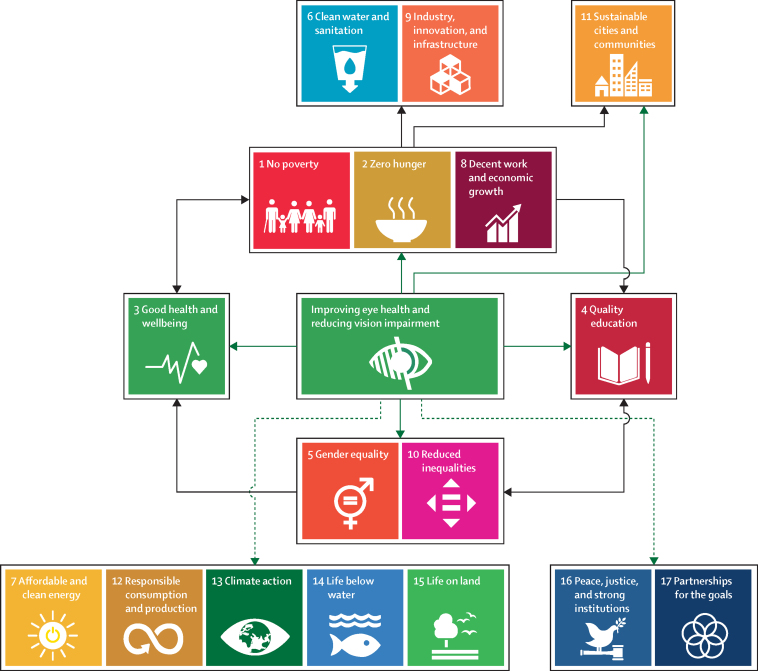
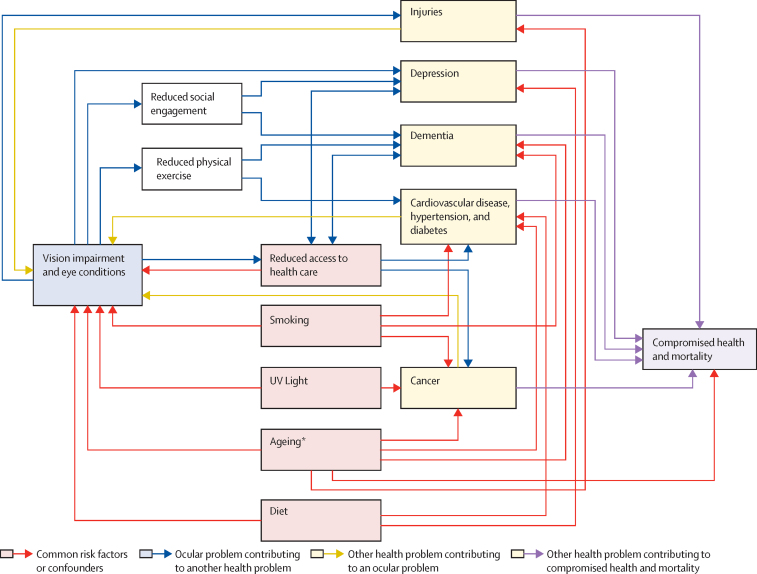
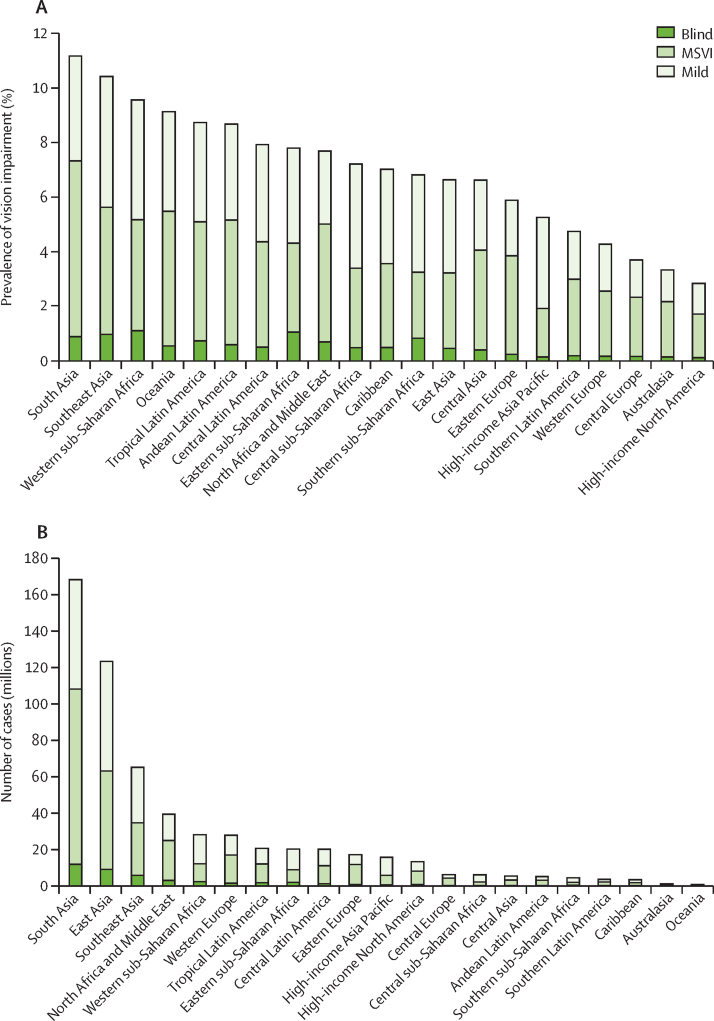
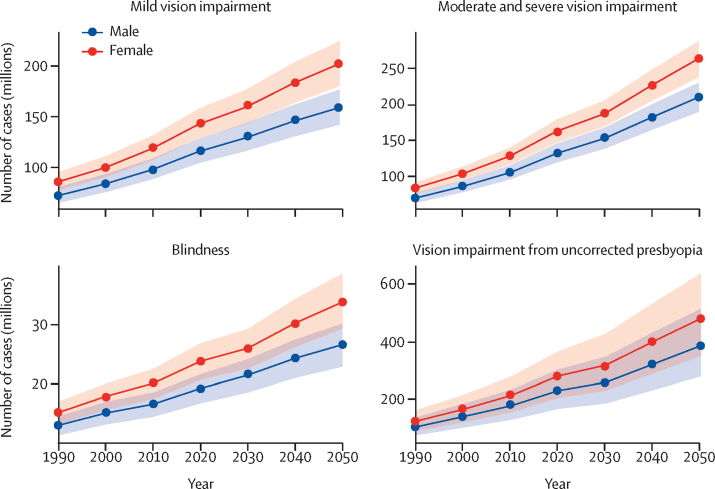
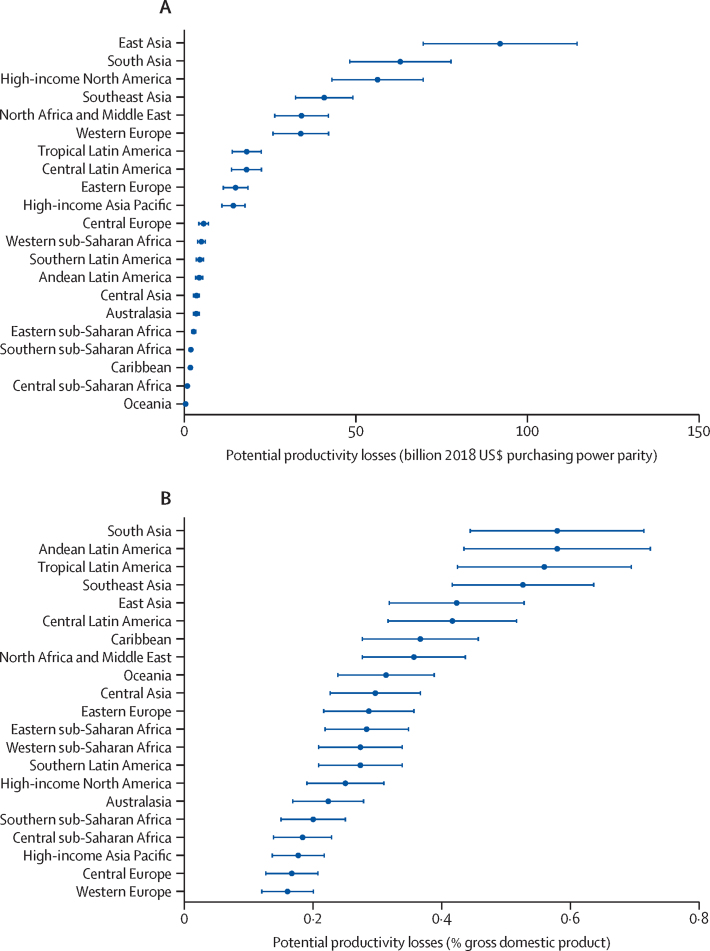
Eye health and vision have widespread and profound implications for many aspects of life, health, sustainable development, and the economy.Yet nowadays, many people, families, and populations continue to suffer the consequences of poor access to high-quality, affordable eye care, leading to vision impairment and blindness.In 2020, an estimated 596 million people had distance vision impairment worldwide, of whom 43 million were blind.Another 510 million people had uncorrected near vision impairment, simply because of not having reading spectacles.A large proportion of those affected (90%), live in low-income and middle-income countries (LMICs).However, encouragingly, more than 90% of people with vision impairment have a preventable or treatable cause with existing highly cost-effective interventions.Eye conditions affect all stages of life, with young children and older people being particularly affected.Crucially, women, rural populations, and ethnic minority groups are more likely to have vision impairment, and this pervasive inequality needs to be addressed.By 2050, population ageing, growth, and urbanisation might lead to an estimated 895 million people with distance vision impairment, of whom 61 million will be blind.Action to prioritise eye health is needed now.This Commission defines eye health as maximised vision, ocular health, and functional ability, thereby contributing to overall health and wellbeing, social inclusion, and quality of life.Eye health is essential to achieve many of the Sustainable Development Goals (SDGs).Poor eye health and impaired vision have a negative effect on quality of life and restrict equitable access to and achievement in education and the workplace.Vision loss has substantial financial implications for affected individuals, families, and communities.Although high-quality data for global economic estimates are scarce, particularly for LMICs, conservative assessments based on the latest prevalence figures for 2020 suggest that annual global productivity loss from vision impairment is approximately US$410•7 billion purchasing power parity.Vision impairment reduces mobility, affects mental wellbeing, exacerbates risk of dementia, increases likelihood of falls and road traffic crashes, increases the need for social care, and ultimately leads to higher mortality rates.By contrast, vision facilitates many daily life activities, enables better educational outcomes, and increases work productivity, reducing inequality.An increasing amount of evidence shows the potential for vision to advance the SDGs, by contributing towards poverty reduction, zero hunger, good health and wellbeing, quality education, gender equality, and decent work.Eye health is a global public priority, transforming lives in both poor and wealthy communities.Therefore, eye health needs to be reframed as a development as well as a health issue and given greater prominence within the global development and health agendas.Vision loss has many causes that require promotional, preventive, treatment, and rehabilitative interventions.Cataract, uncorrected refractive error, glaucoma, agerelated macular degeneration, and diabetic retinopathy www.thelancet.
Overview
The claims and statistics of this paper haven’t been checked yet.
Free: it reads the open-access text and checks the first 5 claims that cite a source we can check. Create a free account to check every claim.
Integrity signals
Registry
Cites
Statistics
Figures
Verification
Claims the paper makes
The claims and statistics of this paper haven’t been checked yet.
Free: it reads the open-access text and checks the first 5 claims that cite a source we can check. Create a free account to check every claim.
Claims other papers make about this one
Each is checked against this paper’s own text: does it say what the citing paper says it does?
The source backs part of the claim, not all of it — or backs it for a different population, condition or comparison.
In the citing paper
“Artificial intelligence (AI) is an accurate screening tool for diabetic retinopathy (DR), the leading cause of blindness among working-aged adults.”
From Referral uptake after diabetic retinopathy screening with artificial intelligence-assisted care pathways: a systematic review and meta-analysis (2026) · cites this paper as [1]
Experimental — accuracy not yet measuredThe cited source says what the claim attributes to it.
In the citing paper
“Underfunding, alongside scarcity of ophthalmological services and trained personnel, infrastructures are common challenges faced by LMICs, which often delay diagnosis and management, increasing the risk of irreversible vision loss [6].”
From Diabetic retinopathy screening model in low and middle-income countries: a scoping review (2025) · cites this paper as [6]
The cited source says what the claim attributes to it.
In the citing paper
“Diabetic retinopathy (DR) is the leading cause of blindness among working-aged adults and early detection is critical for timely management to prevent vision loss1,2.”
From Referral uptake after diabetic retinopathy screening with artificial intelligence-assisted care pathways: a systematic review and meta-analysis (2026) · cites this paper as [1]
The cited source says what the claim attributes to it.
In the citing paper
“The magnitude of diabetes and its sequelae including DR require large-scale screening to enable early intervention, as described in the recent Lancet Global Health Commission on Global Eye Health and contemporary modelling of diabetes prevalence worldwide1,4.”
From Referral uptake after diabetic retinopathy screening with artificial intelligence-assisted care pathways: a systematic review and meta-analysis (2026) · cites this paper as [1]
The check wasn’t confident either way, so it gives no verdict — never disputed.
In the citing paper
“This capability is crucial for creating VPs that accurately simulate real patients for educational purposes39,40.”
From A large language model digital patient system enhances ophthalmology history taking skills (2025) · cites this paper as [39]
Experimental — accuracy not yet measured
Self-check
Percentages, sums and reported differences re-computed from the paper’s own numbers.
The self-check needs the paper’s full text.
Citations
Cites
von Elm, E., Altman, D. G., Egger, M., Pocock, S. J., Gøtzsche, P. C., Vandenbroucke, J. P., & Initiative, F. T. S. (2007) · PLoS Medicine · doi:10.1371/journal.pmed.0040296 · Cited by 23,020
Transforming Our World: The 2030 Agenda for Sustainable Development
(2018) · A New Era in Global Health · doi:10.1891/9780826190123.ap02 · Cited by 19,351
James, S. L., Abate, D., Abate, K. H., Abay, S. M., Abbafati, C., Abbasi, N., Abbastabar, H., Abd-Allah, F., Abdela, J., Abdelalim, A., et al. (2018) · The Lancet · doi:10.1016/s0140-6736(18)32279-7 · Cited by 13,867
Self-citationVos, T., Abajobir, A. A., Abate, K. H., Abbafati, C., Abbas, K. M., Abd-Allah, F., Abdulkader, R. S., Abdulle, A. M., Abebo, T. A., Abera, S. F., et al. (2017) · The Lancet · doi:10.1016/s0140-6736(17)32154-2 · Cited by 13,220
Saeedi, P., Petersohn, I., Salpea, P., Malanda, B., Karuranga, S., Unwin, N., Colagiuri, S., Guariguata, L., Motala, A. A., Ogurtsova, K., et al. (2019) · Diabetes Research and Clinical Practice · doi:10.1016/j.diabres.2019.107843 · Cited by 10,792
Vos, T., Flaxman, A. D., Naghavi, M., Lozano, R., Michaud, C., Ezzati, M., Shibuya, K., Salomon, J. A., Abdalla, S., Aboyans, V., et al. (2012) · The Lancet · doi:10.1016/s0140-6736(12)61729-2 · Cited by 8,291
Self-citationThe number of people with glaucoma worldwide in 2010 and 2020
Quigley, H. A. (2006) · British Journal of Ophthalmology · doi:10.1136/bjo.2005.081224 · Cited by 7,394
Global Prevalence of Glaucoma and Projections of Glaucoma Burden through 2040
Tham, Y.-C., Li, X., Wong, T. Y., Quigley, H. A., Aung, T., & Cheng, C.-Y. (2014) · Ophthalmology · doi:10.1016/j.ophtha.2014.05.013 · Cited by 7,159
Self-citation(2007) · Developments in Ophthalmology · doi:10.1159/isbn.978-3-318-01439-6 · Cited by 5,583
Global Prevalence of Myopia and High Myopia and Temporal Trends from 2000 through 2050
Holden, B. A., Fricke, T. R., Wilson, D. A., Jong, M., Naidoo, K. S., Sankaridurg, P., Wong, T. Y., Naduvilath, T. J., & Resnikoff, S. (2016) · Ophthalmology · doi:10.1016/j.ophtha.2016.01.006 · Cited by 5,500
Self-citation
Research works printed but not linked: 6
- Soleimani-Sefat E Rostami M Amani S Movallali G The needs and problems of students with visual impairment J Soc Sci Hum Stud 2 2016 8 16 https://www.textroad.com/pdf/JSSHS/J.%20Soc.%20Sci.%20Hum.%20Stud.,%202(2)8-16,%202016.pdf
- Porcino A Workshop report: a VISION 2020 workshop on research for global blindness prevention http://www.aurovikas.co.in/os2014/pdf_files/VISION_2020_Workshop_on_Research_for_Global_Blindness_Prevention.pdf 2010
- WHO International standards for vision rehabilitation: report of the international consensus conference, Rome, 9–12 December 2015 https://www.iapb.org/wp-content/uploads/2020/09/international_standards_for_vision_rehabilitation-international_consensus_conference-report.pdf 2017
- Ministry Of Health Medical Service Administration National survey on avoidable blindness Vietnam https://pdfs.semanticscholar.org/97aa/e9d48f6a9769751d61d1ea4c16fd2cfa3fec.pdf 2015
- WHO Prevention of avoidable blindness and visual impairment https://apps.who.int/iris/bitstream/handle/10665/21455/A59_R25-en.pdf 2006 26310248
- WHO Prevention of avoidable blindness and visual impairment https://apps.who.int/iris/bitstream/handle/10665/2244/A62_R1-en.pdf 2009 26310248
Cited by
Items 501–600 of 1,001
Viksit Bharat @2047: A vision for India’s sustainable development
Dan, I. (2024) · THE SCIENTIFIC TEMPER · doi:10.58414/scientifictemper.2024.15.spl-2.10 · Cited by 8
Ding, Y., Chen, X., Zhang, L., Xue, J., Guan, H., & Shi, Y. (2025) · Ophthalmic Epidemiology · doi:10.1080/09286586.2025.2457626 · Cited by 8
“8,9,12,13 There is some evidence that uncorrected myopia may also have severe consequences for the mental health of school-age children, although past findings on these associations have been mixed in the international literature.”
Ophthalmic Manifestations of the Mpox Virus: A Systematic Review and Meta-analysis
Rohilla, S., Gaidhane, S., Balaraman, A. K., PadmaPriya, G., Kaur, I., Lal, M., Iqbal, S., Prasad, G. V. S., Pramanik, A., Vishwakarma, T., et al. (2025) · The Journal of Infectious Diseases · doi:10.1093/infdis/jiaf066 · Cited by 8
Oral health disorders among visually impaired children in South Asian countries: a systematic review
Mehta, V., Selvaraj, S., Tripathy, S., Mishra, N., Negi, S., Mathur, A. S., & Tabnjh, A. K. (2025) · Frontiers in Oral Health · doi:10.3389/froh.2025.1501120 · Cited by 8
Meng, Y., Yi, S., Wang, X., Han, G., Wei, P., Lv, Z., Gui, B., Chen, X., Wang, Y., & Zhu, L. Y. (2025) · Environmental Science & Technology · doi:10.1021/acs.est.4c12051 · Cited by 8
van der Lecq, T., Rhoda, N. R., Jordaan, E., Seobi, T., Visser, L., Gilbert, C. E., Muloiwa, R., & Holmström, G. E. (2025) · BMJ Open Ophthalmology · doi:10.1136/bmjophth-2024-002036 · Cited by 8
Self-citationNielsen, C., Wilms, M., & Forkert, N. D. (2025) · Journal of medical imaging · doi:10.1117/1.jmi.12.3.034504 · Cited by 8
Feng, R., Zhang, L., & Xu, H. (2025) · Sustainable Futures · doi:10.1016/j.sftr.2025.101207 · Cited by 8
Charlesworth, E., Alderson, A. J., Fylan, F., Armstrong, R. A., Chandra, A., & Elliott, D. B. (2022) · Ophthalmic and Physiological Optics · doi:10.1111/opo.12957 · Cited by 8
The effect of poor vision on economic farm performance: Evidence from rural Cambodia
Sagemüller, F., Bruns, S., & Mußhoff, O. (2022) · PLoS ONE · doi:10.1371/journal.pone.0274048 · Cited by 8
Chen, X., Yang, B., Wang, X., Ma, W., & Liu, L. (2023) · Annals of Medicine · doi:10.1080/07853890.2023.2282745 · Cited by 8
“Myopia is a highly prevalent ocular disorder on a global scale [1,2], and it is associated with an elevated susceptibility to other ocular diseases [3–7]. the recognition of the substantial burden and pathological consequences resulting from the progression of myopia has motivated our investigation…”
BackgroundScreening Strategies and Methodologies
Founti, P., Stuart, K. V., Nolan, W. P., Khawaja, A. P., & Foster, P. J. (2024) · Journal of Glaucoma · doi:10.1097/ijg.0000000000002426 · Cited by 8
“63 The direct costs of glaucoma in the United States have been estimated at $623 for mild, $1915 for moderate, and $2511 for severe forms of glaucoma (each per year).”
Chan, V. F., Belluigi, D. Z., Yong, A. C., Mulewa, D., Govender-Poonsamy, P., Graham, C., Mashayo, E., Graham, R., Price-Sanchez, C., & Omar, F. (2022) · BMJ Global Health · doi:10.1136/bmjgh-2022-009317 · Cited by 8
“1 A Cochrane review 2 and The Lancet Global Health Commission on Global Eye Health 3 concluded that more codesign studies are required to promote sustainable behavioural changes among communities and children with eye problems.”
Surfing the COVID-19 Tsunami with Teleophthalmology: the Advent of New Models of Eye Care
Ricur, G., Reyes, J., Alfonso, E. C., & Marino, R. G. (2023) · Current Ophthalmology Reports · doi:10.1007/s40135-023-00308-9 · Cited by 8
“Traditional eye care in clinics or hospitals partnered with diverse community settings such as schools, retail spaces, health fairs, and religious organizations in alignment with new public health strategies [16].”
BackgroundZhou, Y., Xu, M., Pan, K., Di, H., Gan, Y., Feng, J., Meng, X., Su, C., Tian, Q., & Lu, Z. (2023) · Environmental Science and Pollution Research · doi:10.1007/s11356-023-26325-6 · Cited by 8
“A variety of biological, socioeconomic, and environmental factors have been identified for vision impairment, such as genes, poverty, access to health care, and education (Burton et al. 2021).”
BackgroundTapply, I. H., & Bourne, R. (2023) · Elsevier eBooks · doi:10.1016/b978-0-323-88442-6.00025-x · Cited by 8
Self-citationAsare, A., Gookyi, D. A. N., Boateng, D., & Wulnye, F. A. (2025) · arXiv (Cornell University) · doi:10.48550/arxiv.2506.14834 · Cited by 8
A multimodal retinal image dataset for diabetic retinopathy detection using foundation models
Tang, Z., Wang, L., Guo, Z., Liang, Q., Xue, S., Feng, C., Ran, L., Chen, L., Wang, X., & Li, J. (2026) · Scientific Data · doi:10.1038/s41597-026-07005-9 · Cited by 10
“Effective management depends on regular screening and accurate staging of retinopathy, as prompt treatment can significantly reduce disease progression and preserve visual function 6 .”
Ran, A. R., Ding, J. L., Tang, Z., Lam, C., Nguyen, T. X., Zhou, J., Zhang, S., Fang, D., Yang, D., Ng, V., et al. (2026) · Diabetes Care · doi:10.2337/dc25-1493 · Cited by 7
Self-citationJensen, A. N., Højsted, B. B., Eichel, V., Jensen, M. K., Sørensen, T. L., & Kristiansen, M. (2025) · BMC Public Health · doi:10.1186/s12889-025-23112-5 · Cited by 7
“A promising approach to VI detection that was highlighted by the Lancet Global Health Commission on Global Eye Health is proactive community-based interventions (CBIs), which may be particularly beneficial for reaching underserved populations [27, 29–32].”
Current state of elastography research in multiple anatomical structures and respective phantoms
Santos, A. Z., Rocha, S., Carneiro, B., Fernandes, N. A. T. C., Padrão, J., & Carvalho, Ó. S. N. (2025) · Physica Medica · doi:10.1016/j.ejmp.2025.105192 · Cited by 7
Understanding the Video Content Creation Journey of Creators with Sensory Impairment in Kenya
Xiao, L., Bandukda, M., Li, F. M., Colley, M., & Holloway, C. (2025) · International ACM SIGACCESS Conference on Computers and Accessibility (ASSETS) · doi:10.1145/3663547.3746356 · Cited by 7
“Worldwide, an estimated 596 million individuals are blind or partially sighted (BPS) [10], and ≈ 70 million are deaf or hard of hearing (DHH) [46].”
Ma, Y., Zan, H., Li, L., Li, S., Xiao, Y. P., Li, J., Cai, J., Zhang, H., Yang, J., Ren, Z., et al. (2025) · Communications Medicine · doi:10.1038/s43856-025-01259-x · Cited by 7
“Visual impairments have been estimated to cause an economic productivitylossof$41.07billionin2020 28 .”
Plant-Based Care and Therapy in Ophthalmology
Szewczyk-Roszczenko, O. K., Pietruszyńska, M., Iwańska, I. A., Roszczenko, P., Bielawski, K., Gornowicz, A., & Bielawska, A. (2025) · Antioxidants · doi:10.3390/antiox14121510 · Cited by 7
“Eye diseases such as macular degeneration, cataracts, glaucoma, diabetic retinopathy, and dry eye syndrome represent some of the most prevalent ophthalmological problems worldwide, and their treatment often necessitates long-term drug therapy or surgical intervention [3].”
Lei, C., Zhao, C., Chen, J., Duan, X., Xu, C., Yip, C. C., Sintuwong, S., Ding, J., Pandiyan, P. S., Wattanaphanich, S., et al. (2026) · npj Digital Medicine · doi:10.1038/s41746-025-02310-w · Cited by 7
“Ophthalmic diseases constitute a signi fi cant healthcare burden globally, as approximately 0.5% of the world ’ s population is blind, and over 200 million people experience moderate to severe visual impairment 1 .”
InfluentialRossato, M., Nart, A., Messina, G., Favro, F., Rossato, V., Rrutja, E., & Biancalana, V. (2022) · International Journal of Environmental Research and Public Health · doi:10.3390/ijerph19031558 · Cited by 7
“The objective determination of refraction is necessary for subjective adjustment aimed at prescribing glasses [12,13].”
BackgroundChen, X., Li, Q., & Liu, L. (2022) · Journal of Personalized Medicine · doi:10.3390/jpm12081316 · Cited by 7
“Myopia is one of the most prevalent disorders of the eye worldwide, and the prevalence of myopia in children has been on the rise [1].”
BackgroundThe experience of visual art for people living with mild-to-moderate vision loss
Cheng, M. J., Rohan, E. M. F., Rai, B. B., Sabeti, F., Maddess, T., & Lane, J. (2023) · Arts & Health · doi:10.1080/17533015.2023.2192741 · Cited by 7
“Global studies concur that milder forms of vision loss are most common, and due to the ageing population, these numbers are expected to rise within the next 30 years (Bourne et al., 2021).”
BackgroundPalityka, D., Chrysikou, E. G., & Murtagh, N. (2023) · Frontiers in Medical Technology · doi:10.3389/fmedt.2023.1205361 · Cited by 7
“Older adults represent the largest group of people with visual impairments in the UK, and comprise the majority of visitors to galleries and museums (36 – 38).”
BackgroundAdvanced nanomaterials for imaging of eye diseases
Nguyen, V. P., Hu, J., Zhe, J., Ramasamy, S., Ahmed, U., & Paulus, Y. M. (2024) · ADMET & DMPK · doi:10.5599/admet.2182 · Cited by 7
“It is estimated that by the year 2050, approximately 895 million individuals will be grappling with various degrees of vision impairment, out of which 61 million will be blind [1-3] .”
BackgroundKargbo-Labour, I., Bah, M. S., Melchers, N. V. S. V., Conteh, A. M., Redwood-Sawyerr, V., Stolk, W. A., Paye, J., Sonnie, M., Veinoglou, A., Koroma, J. B., et al. (2024) · Parasites & Vectors · doi:10.1186/s13071-024-06198-5 · Cited by 7
“Onchocerciasis, also known as river blindness, is the world’s second leading infectious cause of blindness [1].”
BackgroundNasiri, F., Ebrahimi, P., Shahsavani, M. B., Barati, A., Zarei, I., Hong, J., Hoshino, M., Moosavi‐Movahedi, A. A., & Yousefi, R. (2024) · Biochimie · doi:10.1016/j.biochi.2024.03.004 · Cited by 7
Alnahedh, T., & Taha, M. A. (2024) · Cureus · doi:10.7759/cureus.57706 · Cited by 8
McGuinness, M. B., Moo, E., Varga, B., Dodson, S., Lansingh, V. C., Resnikoff, S., Schmidt, E., Ravilla, T., Subburaman, G.-B. B., Khanna, R., et al. (2024) · Ophthalmic Epidemiology · doi:10.1080/09286586.2024.2336518 · Cited by 7
“8,18,19 Approximately 25 million people are estimated to undergo cataract surgery globally each year and outcomes often differ due to a range of social, economic, and health system factors.”
InfluentialSelf-citationAngku, H., Verma, R., Mahalingam, K., Naik, A., Angmo, D., Gupta, S., Sihota, R., & Dada, T. (2024) · Journal of Glaucoma · doi:10.1097/ijg.0000000000002427 · Cited by 7
The Study Design and Methodology of the Malta Eye Study (TMES), an Ophthalmic Epidemiology Study
Agius, D., Mamo, J. A., Hammond, C. J., Calleja, N., & Carbonaro, F. (2024) · South Eastern European Journal of Public Health · doi:10.52710/seejph.498 · Cited by 7
Thadikaran, G. B., & Singh, S. K. (2024) · Organizations and Markets in Emerging Economies · doi:10.15388/omee.2024.15.5 · Cited by 7
Enhancing ocular diseases recognition with domain adaptive framework: leveraging domain confusion
Wang, Z. (2024) · International Journal of Machine Learning and Cybernetics · doi:10.1007/s13042-024-02358-2 · Cited by 7
“At the same time, considering that the frequency of every ocular disease is extremely unbalanced so that the fundus images of every label are not balanced as well [3], we also try to use Focal Loss [20] and reach a higher accuracy.”
Malani, M., Shah, M., Velpandian, T., & Nirmal, J. (2024) · Experimental Eye Research · doi:10.1016/j.exer.2024.110098 · Cited by 7
The promising role of chatbots in keratorefractive surgery patient education
Doğan, L., Özcan, Z. Ö., & Yılmaz, İ. E. (2024) · Journal Français d Ophtalmologie · doi:10.1016/j.jfo.2024.104381 · Cited by 7
Никулин, А. В., Smirnov, V. V., Kazmina, A. S., & Babina, A. A. (2025) · IEEE Sensors Journal · doi:10.1109/jsen.2025.3530929 · Cited by 7
Aldakhil, S., Alrasheed, S. H., Mutwaly, R. F., Alenezi, B. M., Alrabiah, S. A., Alnawmasi, M. M., Almutairi, N. M., Alhoshan, S. A., & Alnasser, B. N. (2025) · Healthcare · doi:10.3390/healthcare13040426 · Cited by 7
“A recent study [2] reported that approximately 596 million people globally had VI, with 43.3 million of them being blind, and the majority of those affected resided in poor nations.”
InfluentialDeciphering age-related transcriptomic changes in the mouse retinal pigment epithelium
Dubey, S. K., Dubey, R., Jung, K., Hernandez, A. G., & Kleinman, M. E. (2025) · Aging · doi:10.18632/aging.206219 · Cited by 7
“While aging itself may not invariably lead to the onset of conditions such as age-related macular degeneration (AMD), retinitis pigmentosa (RP), and diabetic retinopathy (DR), age-related changes can predispose the eye to these diseases [8].”
Fabrication of a 3D Corneal Model Using Collagen Bioink and Human Corneal Stromal Cells
Choi, A. J. S., Hefley, B. S., Strobel, H. A., Moss, S. M., Hoying, J. B., Nicholas, S. E., Moshayedi, S., Kim, J., & Karamichos, D. (2025) · Journal of Functional Biomaterials · doi:10.3390/jfb16040118 · Cited by 7
A Lightweight YOLO Model for Detection of Disease from Optic Disc Region of Eye Fundus Imagery
Kumar, A., & Katal, N. (2025) · Sensing and Imaging · doi:10.1007/s11220-025-00575-9 · Cited by 7
“There are more than a hundred types of eye diseases prevailing at pres-ent, out of which glaucoma and diabetic retinopathy are the prominent eye disorders affecting a larger population of the world [ 2].”
Yaurentius, E. C., Saputri, T. R. D., Tanuwijaya, E., & Sutanto, R. E. (2025) · Jurnal Teknik Informatika (Jutif) · doi:10.52436/1.jutif.2025.6.1.3699 · Cited by 7
Arts therapies and people with visual impairment: A scoping review
Špinarová, G., Svobodová, Z., Růžičková, V., Potměšilová, P., Vrbová, T., Perimal‐Lewis, L., Potměšíl, M., Marečková, J., & Kantor, J. (2025) · The Arts in Psychotherapy · doi:10.1016/j.aip.2025.102317 · Cited by 7
Monitoring Visual Fatigue with Eye Tracking in a Pharmaceutical Packing Area
Morillo, C. A., Suárez-Pérez, J. F., Demichela, M., Salinas, M. A. C., & Arandia, N. Y. M. (2025) · Sensors · doi:10.3390/s25185702 · Cited by 7
Zhou, Y., Cai, Q., Chen, X., Huang, X., Sun, Z., Song, Y., Li, L., Zhu, Y., Wang, Y., & Lu, P. (2025) · PLoS ONE · doi:10.1371/journal.pone.0332142 · Cited by 7
“Uncorrected refractive errors (URE) are the leading cause of global avoidable visual impairment (VI) [1].”
Jin, S., Bai, W., Yusufu, M., Li, R., Zhang, K., Zhang, F., Li, L., Zou, H., Wang, N., & Liu, H. (2025) · The Lancet Regional Health - Western Pacific · doi:10.1016/j.lanwpc.2025.101695 · Cited by 7
Self-citationCost-Utility Analysis of Screening for Diabetic Retinopathy in China
Zhang, Y., Bai, W., Li, R., Du, Y., Sun, R., Li, T., Kang, H., Yang, Z., Tang, J., Wang, N., et al. (2022) · Health Data Science · doi:10.34133/2022/9832185 · Cited by 7
“According to the Lancet Global Health Commission on Global Eye Health, more standardized data should be collected from diverse settings, which requires financial investment and the capacity for local data collection [60].”
BackgroundSelf-citationBroadening Access to Eyeglasses in the US
Killeen, O. J., & Lee, P. P. (2022) · JAMA Health Forum · doi:10.1001/jamahealthforum.2021.5236 · Cited by 7
Yang, Y., Wu, J., Jiang, J., & Dong, J. (2022) · Aging Clinical and Experimental Research · doi:10.1007/s40520-022-02158-0 · Cited by 7
“However, depression is long-lasting [21], among those with VI, whether past depression symptoms are associated with current depressive symptoms remains understudied, and the risk of depression among the VI population has been shown to vary across countries [18, 22].”
BackgroundShould myopic students wear eyeglasses?―A regression-discontinuity analysis
Huang, J., & Chen, Q. (2022) · Applied Economics Letters · doi:10.1080/13504851.2022.2094322 · Cited by 7
“…eyeglasses; regression discontinuity design; education; China JEL CLASSIFICATION I18; I21 I. Introduction The rapidly increasing myopia prevalence among school-age children worldwide has triggered concerns about children’s visual health and how myopia may impact their learning (Burton et al. 2021).”
BackgroundEstimation of best corrected visual acuity based on deep neural network
Lee, W., Kim, J. H., Lee, S., Kim, K., Kang, T. S., & Han, Y. S. (2022) · Scientific Reports · doi:10.1038/s41598-022-22586-2 · Cited by 7
Análise cienciométrica da pesquisa sobre tracoma no Brasil, 2000–2020
Maciel, A. M. S., Ramos, A. N., Ferreira, A. F., de Almeida, N. M. G. S., Gomes, V. D. S., Gómez, D. V. F., & Neto, R. D. J. P. (2022) · Revista de Saúde Pública · doi:10.11606/s1518-8787.2022056004144 · Cited by 7
Sun, R., Huang, D. F., Liu, Z., Zhu, T., Gu, Z., Ma, G., Wang, Y., Zhang, C., Luo, X., Tang, Z., et al. (2022) · Journal of Ophthalmology · doi:10.1155/2022/2885738 · Cited by 7
“Vision impairment and blindness have lasting efects on all aspects of life and afect people of all ages [4], including economic and educational opportunities [5], experience problems in mobility and usual activities [6], negative emotions like anxiety Hindawi”
BackgroundGu, Y., Cheng, H., Liu, X., Dong, X., Congdon, N. G., & Ma, X. (2023) · BMJ Open Ophthalmology · doi:10.1136/bmjophth-2022-001211 · Cited by 7
Self-citationMartins, M. F., Omar, F., Othman, O. J., Virgili, G., Yong, A. C., Mulewa, D., Graham, C., Price-Sanchez, C., Graham, R., Farmer, A., et al. (2023) · PLoS ONE · doi:10.1371/journal.pone.0286315 · Cited by 7
“Studies have attributed this disparity to women having higher life expectancy [4] than men, as well as facing greater financial, social, and cultural barriers to eye health services [7].”
BackgroundQuality of refractive error care in Pakistan: an unannounced standardised patient study
Lee, L., Javaid, M. I., Riaz, F., Awan, F., Varga, B., Ho, S. M., McGuinness, M. B., & Burnett, A. M. (2023) · BMJ Open Ophthalmology · doi:10.1136/bmjophth-2023-001354 · Cited by 7
Labuschagne, M. J., Thomsen, A. S. S., Lansingh, V. C., Grau, A. E., Clements, J. L., Luciano, A. D., Musa, P., Ng, D. S., & Filipe, H. P. (2023) · The Pan-American Journal of Ophthalmology · doi:10.4103/pajo.pajo_76_23 · Cited by 9
Self-citationMisiones humanitarias y resultado visual en cirugía de cataratas: revisión de la literatura
Urbinati, F., Jiménez-Siles, L., Rocha‐de‐Lossada, C., Valvecchia, G., Barraquer-Compte, E., & Fernández, J. (2024) · Archivos de la Sociedad Española de Oftalmología · doi:10.1016/j.oftal.2023.12.001 · Cited by 7
Huang, A., Zhang, D., Zhang, L., & Zhou, Z. E. (2024) · Journal of Global Health · doi:10.7189/jogh.14.04080 · Cited by 7
“Considering this, we sought to identify sub-trajectory classes of visual change in older adults using a GMM. Prior research has suggested that VI is preventable or potentially curable [15].”
MethodPadhy, D., Marmamula, S., Mettla, A. L., Giridhar, P., Banerjee, S., Shekhar, K., Chakrabarti, S., & Khanna, R. (2024) · Eye · doi:10.1038/s41433-024-03155-5 · Cited by 7
“VI and blindness can lead to disability, restricted physical activity, and a poor quality of life [2].”
Self-citationParallel Multi-Path Network for Ocular Disease Detection Inspired by Visual Cognition Mechanism
Deng, T., Huang, Y., & Yang, C. (2024) · IEEE Journal of Biomedical and Health Informatics · doi:10.1109/jbhi.2024.3471807 · Cited by 7
Sefah, I. A., Quagraine, A. M., Kurdi, A. B., Mudenda, S., & Godman, B. (2024) · PLoS ONE · doi:10.1371/journal.pone.0313019 · Cited by 8
“90% of those affected lived in low-and middle income countries (LMIC) like Ghana [13, 14].”
BackgroundPrevalence of Congenital Ocular Anomalies in 15 Countries of Europe: Results From the Medikeye Study
Dubucs, C., Caillet, A., Frémont, F., Delteil, L., N’Go, V., Neville, A. J., Ballardini, E., Dolk, H. M., Loane, M. A., Garne, E., et al. (2024) · Birth Defects Research · doi:10.1002/bdr2.2414 · Cited by 7
Barriers to accessing eye care in Pakistan: a mixed methods study
Malik, M., Strang, N. C., Hafeez, A., Shabbir, M., Iftikhar, F., & Jonuscheit, S. (2025) · Primary Health Care Research & Development · doi:10.1017/s1463423625100261 · Cited by 7
“A large proportion of those affected by unaddressed or preventable vision impairment live in low-and middle-income countries (WHO, 2019; Burton et al , 2021).”
Ravenscroft, J., Tracy, H. S. C., & Blaikie, A. J. (2021) · Frontiers in Communication · doi:10.3389/fcomm.2021.727230 · Cited by 7
Kamińska, A., Pinkas, J., Goryński, P., & Jankowski, M. (2023) · Medical Science Monitor · doi:10.12659/msm.939351 · Cited by 7
“Eye health services are mostly provided in outpatient clinics [14,17].”
BackgroundJacoba, C. M., Salongcay, R., Aquino, L. C., Salva, C. M., Saunar, A. V., Alog, G. P., Peto, T., & Silva, P. (2023) · Acta ophthalmologica · doi:10.1111/aos.15651 · Cited by 5
“…to focus efforts in less developed countries, as the estimated 68% increase in DR- related blindness from the last 30 years originates primarily from LMICs experiencing an increased prevalence of diabetes in their population (Burton et al., 2021; Flaxman et al., 2017; Leasher et al., 2016).”
BackgroundVision impairment and food insecurity in the national health and aging trends study
Lee, M. J., Almidani, L., Samuel, L. J., Swenor, B. K., Ehrlich, J. R., & Varadaraj, V. (2024) · Frontiers in Epidemiology · doi:10.3389/fepid.2024.1353083 · Cited by 7
Self-citationIncreasing the reliability of diagnosis of diabetic retinopathy based on machine learning
Mamyrbayev, O. J., Pavlov, S. V., Karas, O. V., Saldan, Y., Momynzhanova, K., & Zhumagulova, S. (2024) · Eastern-European Journal of Enterprise Technologies · doi:10.15587/1729-4061.2024.297849 · Cited by 7
Rogers, J. T., Black, J. M., Harwood, M. L. N., Wilkinson, B., Gordon, I., & Ramke, J. (2021) · BMJ Open · doi:10.1136/bmjopen-2020-048215 · Cited by 7
Self-citationCataract surgery: historical devices, modern innovations, and future perspectives
Nadeem, S. (2024) · Expert Review of Medical Devices · doi:10.1080/17434440.2024.2419477 · Cited by 7
“The age-standardized prevalence rate of visual impairment caused by cataract was 1207.9 per 100 000 people in 2019 with a 5% increased prevalence in the past 29 years according to a report by Global Burden of Disease Study 2019 [4,5].”
InfluentialBu, L., Cui, B., Pan, W., Chen, H., Xia, S., & Li, H. (2025) · Universal Access in the Information Society · doi:10.1007/s10209-025-01240-4 · Cited by 6
“Visual impairment is a significant public health issue that demands attention [ 1 ].”
Almuhayawi, M. S., Elshafey, N., Hagagy, N., Selim, S., Jaouni, S. K. A., Sofy, A. R., Samy, M., Gattan, H. S., Alruhaili, M. H., Alharbi, M. T., et al. (2024) · Frontiers in Bioengineering and Biotechnology · doi:10.3389/fbioe.2024.1348365 · Cited by 6
Lähteenoja, L., Palosaari, T., Tiirikka, T., Haanpää, M. K., Moilanen, J. S., Falck, A. A. K., & Rahikkala, E. (2024) · Acta Ophthalmologica · doi:10.1111/aos.16701 · Cited by 6
“…as visual acuity of the better eye worse than 6/12 to equal to or better than 6/18, moderate visual impairment as worse than 6/18 to equal to or better than 6/60, severe visual impairment as worse than 6/60 to equal to or better than 3/60 and blindness as worse than 3/60 (Burton et al., 2021).”
Luo, P., Zhang, F., Li, X., Wan, J., & Bian, W. (2024) · BMJ Open · doi:10.1136/bmjopen-2023-081468 · Cited by 6
Liu, C., Zhu, K.-Y., Liu, C., & Duan, J. (2024) · International Journal of Ophthalmology · doi:10.18240/ijo.2024.09.22 · Cited by 6
“Furthermore, there is an unequal distribution of healthcare resources, and there is a limited number of ophthalmologists available [15] .”
BackgroundJolley, E., Davey, C., Bechange, S., Atto, G., Denis, E., Otim, A., Sentongo, J., Wani, A., Adera, T. H., Kasadhakawo, M., et al. (2024) · PLOS Global Public Health · doi:10.1371/journal.pgph.0003645 · Cited by 6
“The majority of visual impairment (VI) is concentrated among older people with more than 80% of blindness found among people aged 50 years and above in most low-and middle-income countries [17,18].”
BackgroundSelf-citationHitch, J., Denee, T. R., Brassel, S., Lee, J., Michaelides, M., Petersen, J. S., Alulis, S., & Steuten, L. (2024) · Value in Health · doi:10.1016/j.jval.2024.08.009 · Cited by 6
Lu, Y., & Tong, M. (2024) · BMC Ophthalmology · doi:10.1186/s12886-024-03742-w · Cited by 6
“The pervasive use of artificial lighting and electronic devices has escalated concerns about childhood vision problems, particularly myopia, posing a considerable public health issue [1, 2].”
BackgroundAssociations between School-Based Vision Program Outcomes and School Characteristics in 410 Schools
Kallem, M., Guo, X., Dai, X., Ambrosino, C. M., Nguyen, A. M., Friedman, D. S., Repka, M. X., Kourgialis, N., & Collins, M. E. (2024) · Ophthalmology · doi:10.1016/j.ophtha.2024.11.012 · Cited by 6
Self-citationMasemola, H. C., Baloyi, O. B., & Xulu-Kasaba, Z. N. (2024) · Healthcare · doi:10.3390/healthcare12222289 · Cited by 6
Risk of depression in glaucoma patients with vision impairment: A nationwide cohort study
Wang, S., Jung, Y., Han, K., Ohn, K., Park, H.-Y. L., Park, C. K., & Moon, J. I. (2024) · Heliyon · doi:10.1016/j.heliyon.2024.e40617 · Cited by 6
“Moreover, the VI caused by glaucoma can disrupt daily life, reduce mobility, and limit the ability to work or participate in routine activities, potentially impacting overall well-being and quality of life [6,7].”
Changes in rates of endophthalmitis after cataract surgery over the last 23 years
Hage, A., Bastelica, P., Majoulet, A., Laurent, M., Sahyoun, M., Bouheraoua, N., Borderie, V. M., Nordmann, J., Pâques, M., Labbé, A., et al. (2024) · Journal Français d Ophtalmologie · doi:10.1016/j.jfo.2024.104385 · Cited by 6
Martinez, S. M., Inda, A., Ríos, M. N., Bessone, C. D. V., Bossio, A. B., Guido, M. E., Pinto, J. D. L., Allemandi, D. A., & Quinteros, D. A. (2025) · Pharmaceutics · doi:10.3390/pharmaceutics17010085 · Cited by 6
Qiu, L., Yu, P., Li, Q., Wen, C., Wang, H., Zhao, D., Zhang, T., Wang, C., Liu, L., Li, D., et al. (2025) · Ecotoxicology and Environmental Safety · doi:10.1016/j.ecoenv.2025.117737 · Cited by 6
Ambrosino, C. M., & Collins, M. E. (2024) · Journal of Binocular Vision and Ocular Motility · doi:10.1080/2576117x.2024.2348266 · Cited by 6
Pereira, F., Magagnoli, J., Ambati, M., de Oliveira, T., de Oliveira, J. A. E., Pesquero, V. O., Ribeiro, L. Z., Kuroiwa, D. A. K., Malerbi, F. K., Dib, S. A., et al. (2025) · Med · doi:10.1016/j.medj.2025.100747 · Cited by 6
Joshi, R., & Patil, K. A. (2025) · Clinical Epidemiology and Global Health · doi:10.1016/j.cegh.2025.102081 · Cited by 6
Barbieri, M., Pennazio, V., Sabatini, S. P., & Gori, M. (2025) · Frontiers in Education · doi:10.3389/feduc.2025.1634253 · Cited by 6
Wang, Z., Sun, Y., Zhang, X., Wang, L., Song, D., Yu, J., Hu, X., Lin, W., & Wei, R. (2025) · Computational Biology and Chemistry · doi:10.1016/j.compbiolchem.2025.108634 · Cited by 6
Eye Injury Epidemiology in Australia: A 25‐Year Systematic Review and Public Health Perspective
Li, Q., Drinkwater, J. J., Hoskin, A. K., & Turner, A. W. (2025) · Clinical and Experimental Ophthalmology · doi:10.1111/ceo.14596 · Cited by 6
Global Gender Disparities in Access to Refractive Error Services
Mavi, S., Whitestone, N., Chan, V. F., Congdon, N. G., Ramke, J., Piyasena, P., Gordon, I., Patnaik, J. L., Cherwek, D. H., Negash, H., et al. (2025) · Ophthalmology · doi:10.1016/j.ophtha.2025.08.031 · Cited by 6
Self-citationLiu, Z., Han, J., & Li, X. (2025) · Diabetes Metabolic Syndrome and Obesity · doi:10.2147/dmso.s535338 · Cited by 6
Bondok, M., Kasadhakawo, M., Onyango, J., Turya, O., & Kalua, K. (2025) · PLoS ONE · doi:10.1371/journal.pone.0334509 · Cited by 6
Alkhathami, A. A., Baklola, M. I., Al-Bawah, N., Alghamdi, D., Shar, N. M., Alghamdi, H., Alghamdi, S. M. S., Alanazi, N., Alalyani, M. A., Hafez, M., et al. (2025) · BMC Ophthalmology · doi:10.1186/s12886-025-04471-4 · Cited by 6
Investigating the geographic linkage between airborne pollutants and tuberculosis rates in India
Kumar, V., Tripathi, T., Raj, A., & Kumar, P. (2025) · Discover Public Health · doi:10.1186/s12982-025-01049-9 · Cited by 6
“These environmental exposures are not randomly distributed; rather, they disproportionately affect socioeconomically disadvantaged populations residing in marginalized or poorly planned settlements [24–26].”
Metadata
- Authors
- Burton, M. J., Ramke, J., Marques, A. P., Bourne, R. R. A., Congdon, N., Jones, I., Ah Tong, B. A. M., Arunga, S., Bachani, D., Bascaran, C., Bastawrous, A., Blanchet, K., Braithwaite, T., Buchan, J. C., Cairns, J., Cama, A., Chagunda, M., Chuluunkhuu, C., Cooper, A., Crofts-Lawrence, J., Dean, W. H., Denniston, A. K., Ehrlich, J. R., Emerson, P. M., Evans, J. R., Frick, K. D., Friedman, D. S., Furtado, J. M., Gichangi, M. M., Gichuhi, S., Gilbert, S. S., Gurung, R., Habtamu, E., Holland, P., Jonas, J. B., Keane, P. A., Keay, L., Khanna, R. C., Khaw, P. T., Kuper, H., Kyari, F., Lansingh, V. C., Mactaggart, I., Mafwiri, M. M., Mathenge, W., McCormick, I., Morjaria, P., Mowatt, L., Muirhead, D., Murthy, G. V. S., Mwangi, N., Patel, D. B., Peto, T., Qureshi, B. M., Salomão, S. R., Sarah, V., Shilio, B. R., Solomon, A. W., Swenor, B. K., Taylor, H. R., Wang, N., Webson, A., West, S. K., Wong, T. Y., Wormald, R., Yasmin, S., Yusufu, M., Silva, J. C., Resnikoff, S., Ravilla, T., Gilbert, C. E., Foster, A., & Faal, H. B.
- Affiliations
- Moorfields Eye Hospital NHS Foundation Trust (GB)
- University of Auckland (NZ)
- University of Cambridge (GB)
- Queen's University Belfast (GB)
- Sightsavers (GB)
- Mbarara University of Science and Technology (UG)
- Ministry of Health and Family Welfare (IN)
- London School of Hygiene & Tropical Medicine (GB)
- University of Geneva (CH)
- St Thomas' Hospital (GB)
- Leeds Teaching Hospitals NHS Trust (GB)
- Ministry of Health (MZ)
- National Museum of Mongolia (MN)
- International Agency for the Prevention of Blindness (GB)
- University of Cape Town (ZA)
- University Hospitals Birmingham NHS Foundation Trust (GB)
- University of Michigan (US)
- Emory University (US)
- Johns Hopkins University (US)
- Massachusetts Eye and Ear Infirmary (US)
- Universidade de São Paulo (BR)
- Ministry of Health (KE)
- University of Nairobi (KE)
- Seva Foundation (US)
- Tilganga Institute of Ophthalmology (NP)
- Heidelberg University (DE)
- UNSW Sydney (AU)
- L V Prasad Eye Institute (IN)
- Instituto Mexicano de Oftalmología IAP (MX)
- Muhimbili University of Health and Allied Sciences (TZ)
- University of the West Indies (JM)
- The University of Melbourne (AU)
- Kenya Medical Training College (KE)
- Christoffel Blinden Mission (DE)
- Universidade Federal de São Paulo (BR)
- Fred Hollows Foundation (AU)
- Ministry of Health, Community Development, Gender, Elderly and Children (TZ)
- World Health Organization (CH)
- Beijing Tongren Hospital (CN)
- United Nations (US)
- National University of Singapore (SG)
- World Health Organization Regional Office for the Americas (US)
- Brien Holden Vision Institute (AU)
- Aravind Eye Hospital (IN)
- University of Calabar (NG)
- Corresponding author
- Burton, Matthew J
- ORCID
- Burton, Matthew J
- Ramke, Jacqueline
- Bourne, Rupert R A
- Congdon, Nathan
- Jones, Iain
- Arunga, Simon
- Bachani, Damodar
- Bastawrous, Andrew
- Blanchet, Karl
- Braithwaite, Tasanee
- Buchan, John C
- Cairns, John
- Cama, Anasaini
- Chuluunkhuu, Chimgee
- Dean, William H
- Denniston, Alastair K
- Ehrlich, Joshua R
- Emerson, Paul M
- Evans, Jennifer R
- Frick, Kevin D
- Friedman, David S
- Furtado, João M
- Gichangi, Michael M
- Gichuhi, Stephen
- Gilbert, Suzanne S
- Gurung, Reeta
- Habtamu, Esmael
- Holland, Peter
- Jonas, Jost B
- Keane, Pearse A
- Keay, Lisa
- Khanna, Rohit C
- Khaw, Peng Tee
- Kuper, Hannah
- Kyari, Fatima
- Lansingh, Van C
- Mactaggart, Islay
- Mafwiri, Milka M
- Mathenge, Wanjiku
- McCormick, Ian
- Morjaria, Priya
- Mowatt, Lizette
- Murthy, Gudlavalleti V S
- Mwangi, Nyawira
- Patel, Daksha B
- Salomão, Solange R
- Sarah, Virginia
- Solomon, Anthony W
- Swenor, Bonnielin K
- Taylor, Hugh R
- West, Sheila K
- Wong, Tien Yin
- Wormald, Richard
- Yusufu, Mayinuer
- Silva, Juan Carlos
- Resnikoff, Serge
- Ravilla, Thulasiraj
- Gilbert, Clare E
- Foster, Allen
- Faal, Hannah B
- Venue
- The Lancet Global Health
- Publisher
- Elsevier BV
- Published
- 2021-04
- Volume
- 9
- Issue
- 4
- Pages
- e489-e551
- ISSN
- 2214-109X (ISSN-L)
- PMC
- PMC7966694
- OpenAlex
- W3130938027
- Semantic Scholar
- 6c61680e1131ab82964ee2f3c94bed0dd6892237
- Cited by
- 1,624
- References
- 326
- Citations by year
- 2026: 335 · 2025: 375 · 2024: 339 · 2023: 263 · 2022: 219 · 2021: 92
- FWCI
- 34.95
- Type
- journal article
- Language
- en
- Open access
- gold
- doi.org
- Licence
- cc-by
- www.elsevier.com/tdm/userlicense/1.0/ (tdm)
- www.elsevier.com/legal/tdmrep-license (tdm)
- creativecommons.org/licenses/by/4.0/ (vor)
- Locations
- The Lancet Global Health (publishedVersion, cc-by)
- PubMed Central (publishedVersion, cc-by)
- PubMed (publishedVersion)
- University of Birmingham Research Portal (University of Birmingham) (publishedVersion, cc-by)
- Research Portal (Queen's University Belfast) (publishedVersion, cc-by)
- Anglia Ruskin Research Online (Anglia Ruskin University) (submittedVersion)
- LSHTM Research Online (London School of Hygiene and Tropical Medicine) (submittedVersion, public-domain)
- UCL Discovery (University College London) (submittedVersion)
- Figshare (submittedVersion, cc-by)
- Minerva Access (University of Melbourne) (submittedVersion, cc-by)
- Research Portal (King's College London) (submittedVersion)
- Archive ouverte UNIGE (University of Geneva) (submittedVersion, cc-by)
- Funders
- Wellcome Trust
- Topics
- Health Sciences › Medicine › Ophthalmology › Ophthalmology and Visual Impairment Studies
- Health Sciences › Medicine › Ophthalmology › Glaucoma and retinal disorders
- Health Sciences › Medicine › Public Health, Environmental and Occupational Health › Healthcare Systems and Reforms
- Keywords
- eye health, visual impairment, blindness, access to eye care, low- and middle-income countries, Sustainable Development Goals, productivity loss, population aging, rural population, ethnic minorities, quality of life, social inclusion, health equity, eye health policy, eye health workforce
- MeSH terms
- Global Burden of Disease, Sustainable Development, Blindness, Eye Diseases, Health Services Accessibility, Humans, Quality of Health Care, Quality of Life, Global Health, Cost of Illness, Advisory Committees
About these checks
Registry, retraction, Cites and statistics results are computed, not judged, with one exception: a printed reference that no index lists is read once by a model before it counts as a citation error. Claims are extracted by a model and kept only when their quote appears verbatim in the text; each cited source is then checked, with a model’s help, for whether it says what the claim relies on. Those verdicts can be wrong — read the claim’s quote and the cited source before relying on one.
Statistics and arithmetic are recomputed, not judged.
Confidence bands are shown only for fields calibrated on our annotated test set. None is calibrated yet, so no band is shown.
What counts as a claim ›How we measure confidence ›How we check this ›
Are you an author, or do you see a problem with this page? Request a review
Data sources
Bibliographic data: Semantic Scholar, OpenAlex, Crossref.
Contains information from the Semantic Scholar Academic Graph Datasets, made available under the ODC Attribution License (ODC-BY 1.0).
Semantic Scholar’s data is described in: Kinney, R., et al. (2023). The Semantic Scholar Open Data Platform. arXiv:2301.10140.
