

The Lancet Global Health Commission on Global Eye Health: vision beyond 2020
Open accessThe DOI matches its Crossref record; 324 of the 326 references it cites were found in a registry or an index.
Abstract
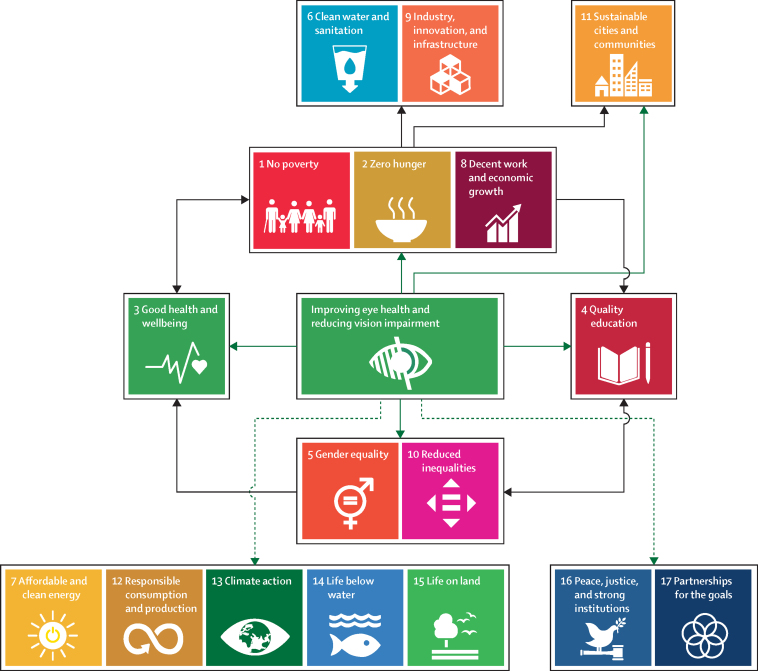
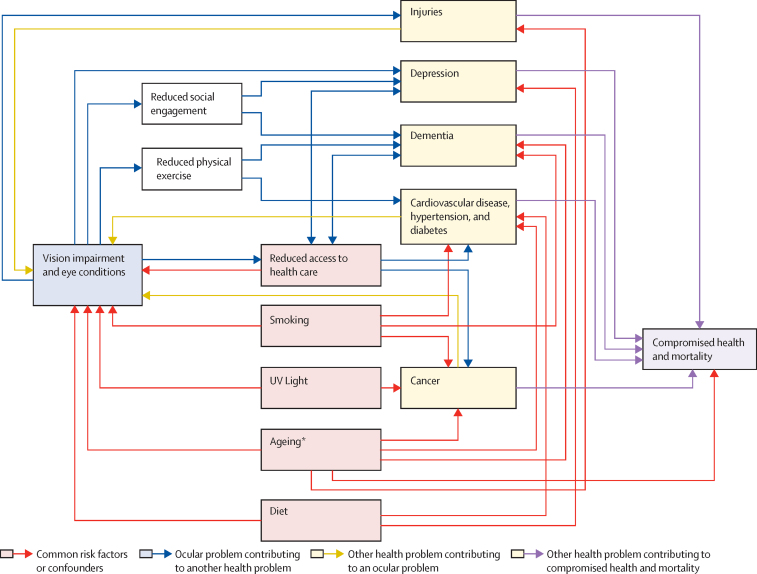
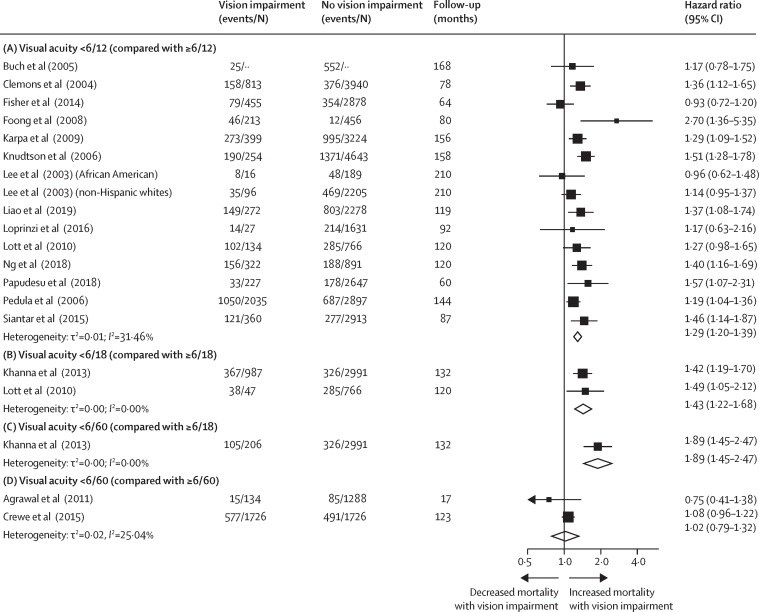
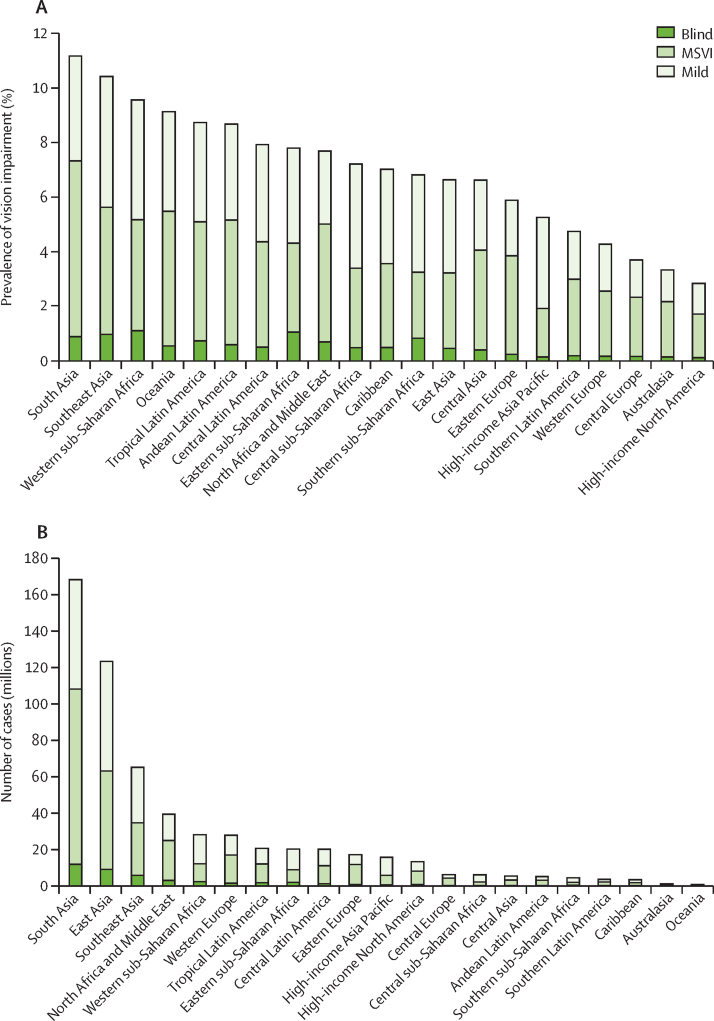
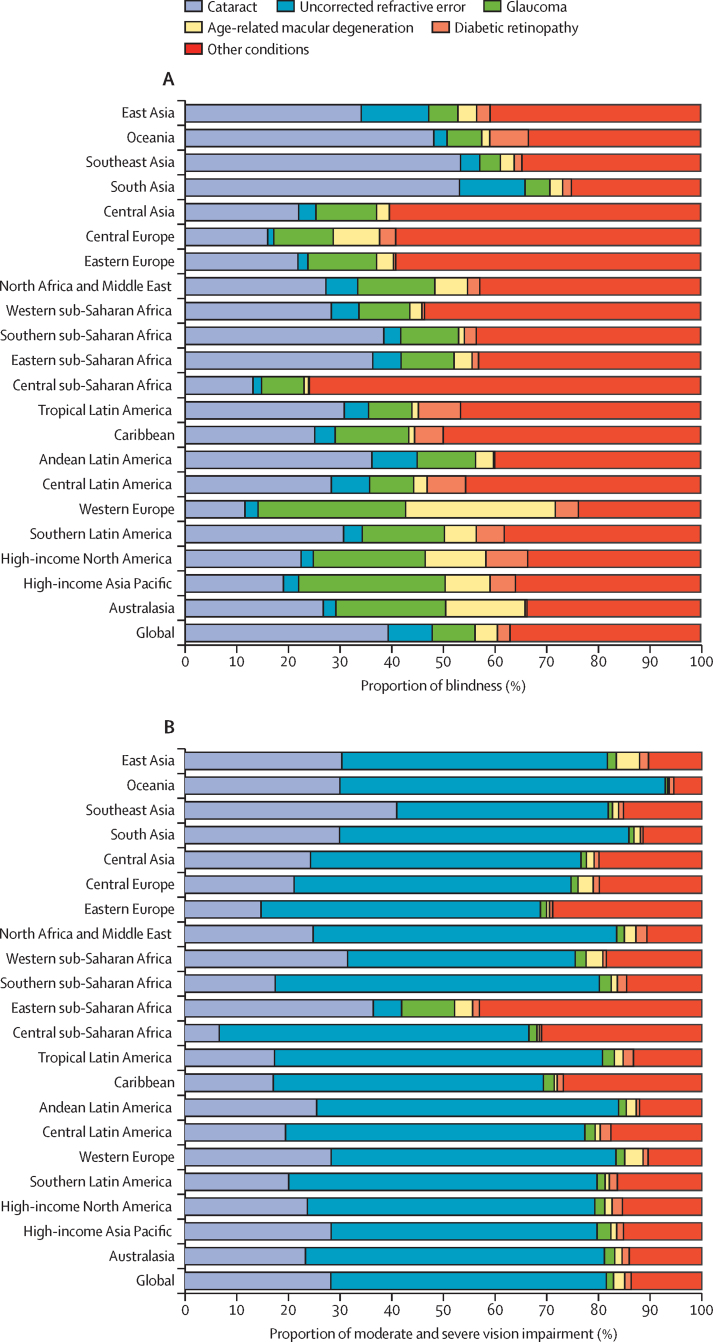
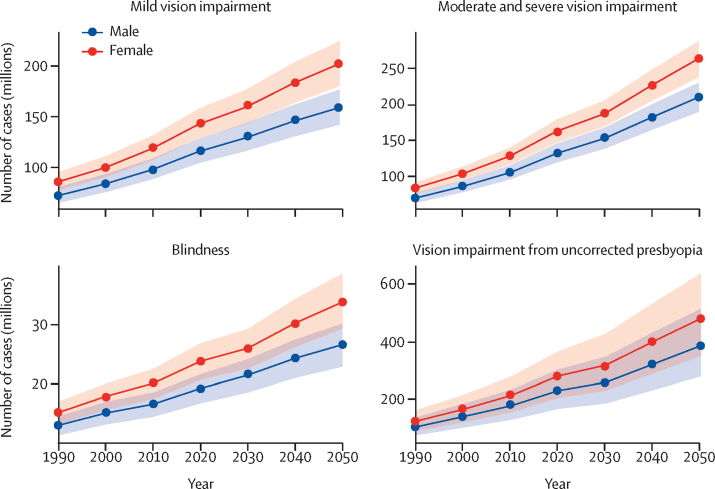
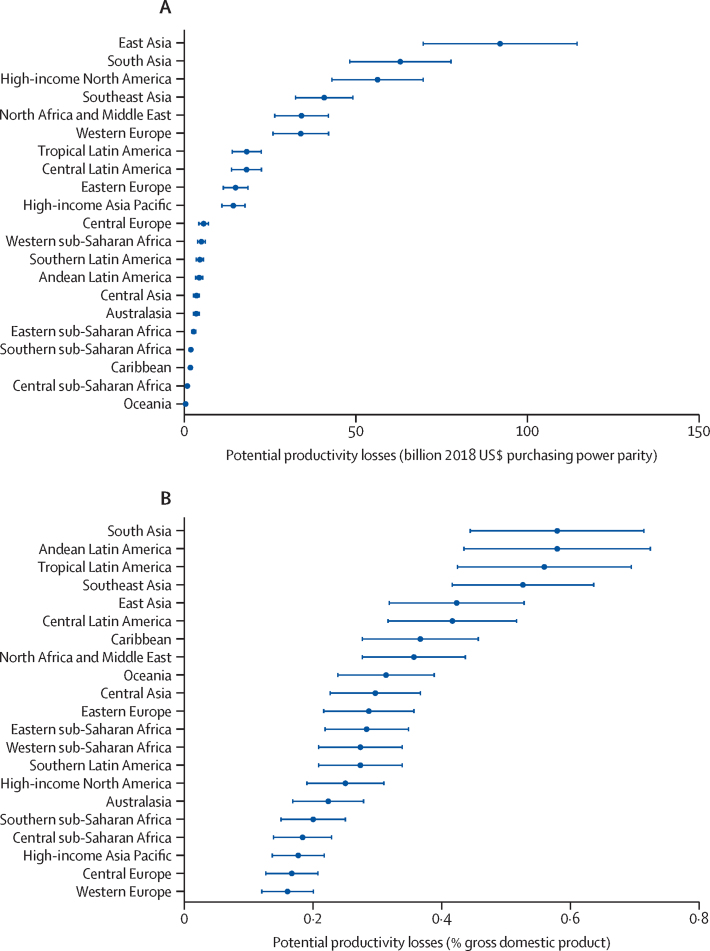
Eye health and vision have widespread and profound implications for many aspects of life, health, sustainable development, and the economy.Yet nowadays, many people, families, and populations continue to suffer the consequences of poor access to high-quality, affordable eye care, leading to vision impairment and blindness.In 2020, an estimated 596 million people had distance vision impairment worldwide, of whom 43 million were blind.Another 510 million people had uncorrected near vision impairment, simply because of not having reading spectacles.A large proportion of those affected (90%), live in low-income and middle-income countries (LMICs).However, encouragingly, more than 90% of people with vision impairment have a preventable or treatable cause with existing highly cost-effective interventions.Eye conditions affect all stages of life, with young children and older people being particularly affected.Crucially, women, rural populations, and ethnic minority groups are more likely to have vision impairment, and this pervasive inequality needs to be addressed.By 2050, population ageing, growth, and urbanisation might lead to an estimated 895 million people with distance vision impairment, of whom 61 million will be blind.Action to prioritise eye health is needed now.This Commission defines eye health as maximised vision, ocular health, and functional ability, thereby contributing to overall health and wellbeing, social inclusion, and quality of life.Eye health is essential to achieve many of the Sustainable Development Goals (SDGs).Poor eye health and impaired vision have a negative effect on quality of life and restrict equitable access to and achievement in education and the workplace.Vision loss has substantial financial implications for affected individuals, families, and communities.Although high-quality data for global economic estimates are scarce, particularly for LMICs, conservative assessments based on the latest prevalence figures for 2020 suggest that annual global productivity loss from vision impairment is approximately US$410•7 billion purchasing power parity.Vision impairment reduces mobility, affects mental wellbeing, exacerbates risk of dementia, increases likelihood of falls and road traffic crashes, increases the need for social care, and ultimately leads to higher mortality rates.By contrast, vision facilitates many daily life activities, enables better educational outcomes, and increases work productivity, reducing inequality.An increasing amount of evidence shows the potential for vision to advance the SDGs, by contributing towards poverty reduction, zero hunger, good health and wellbeing, quality education, gender equality, and decent work.Eye health is a global public priority, transforming lives in both poor and wealthy communities.Therefore, eye health needs to be reframed as a development as well as a health issue and given greater prominence within the global development and health agendas.Vision loss has many causes that require promotional, preventive, treatment, and rehabilitative interventions.Cataract, uncorrected refractive error, glaucoma, agerelated macular degeneration, and diabetic retinopathy www.thelancet.
Overview
The claims and statistics of this paper haven’t been checked yet.
Free: it reads the open-access text and checks the first 5 claims that cite a source we can check. Create a free account to check every claim.
Integrity signals
Registry
Cites
Statistics
Figures
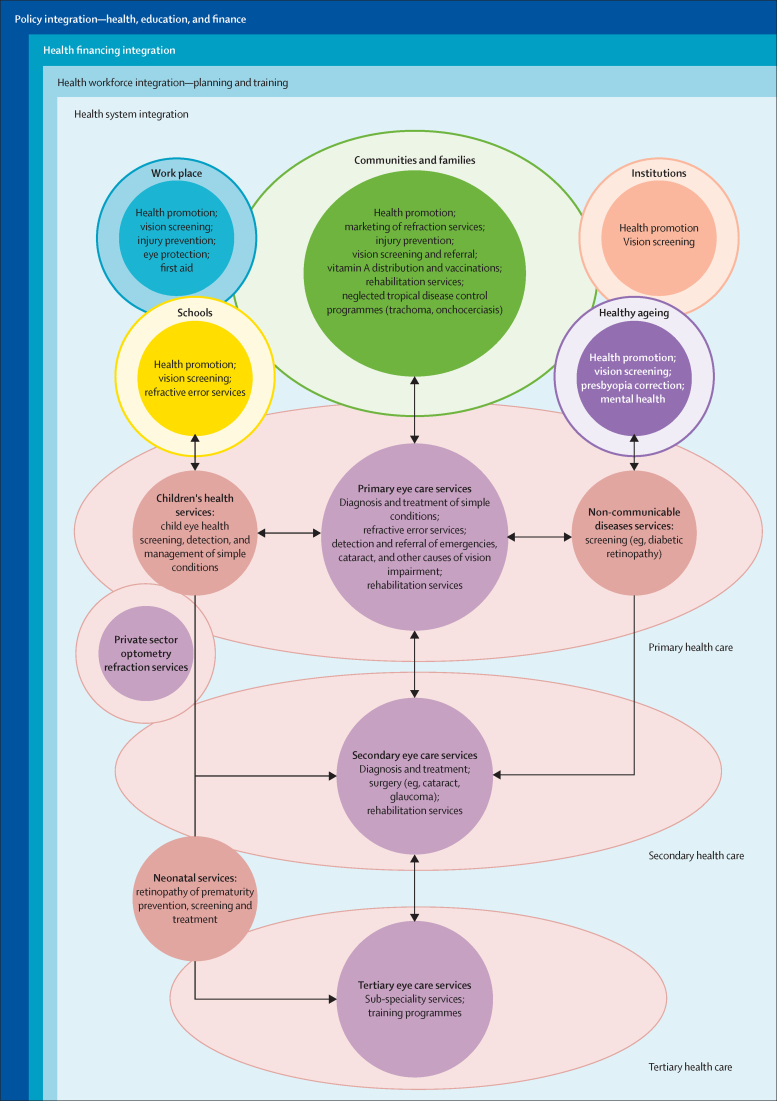
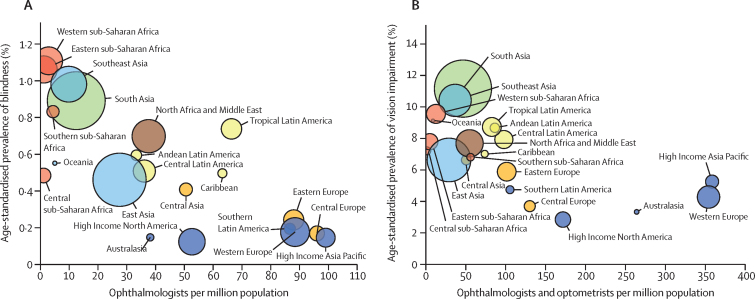
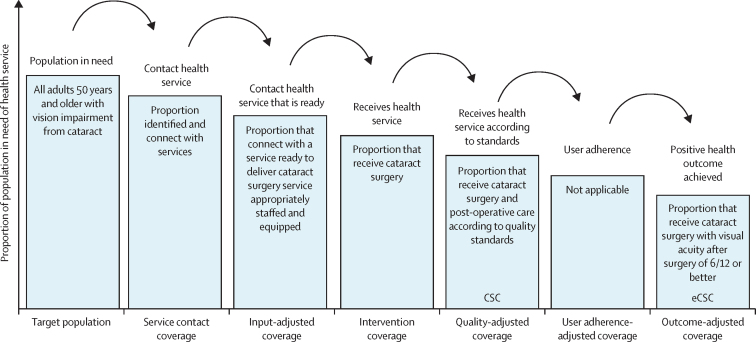
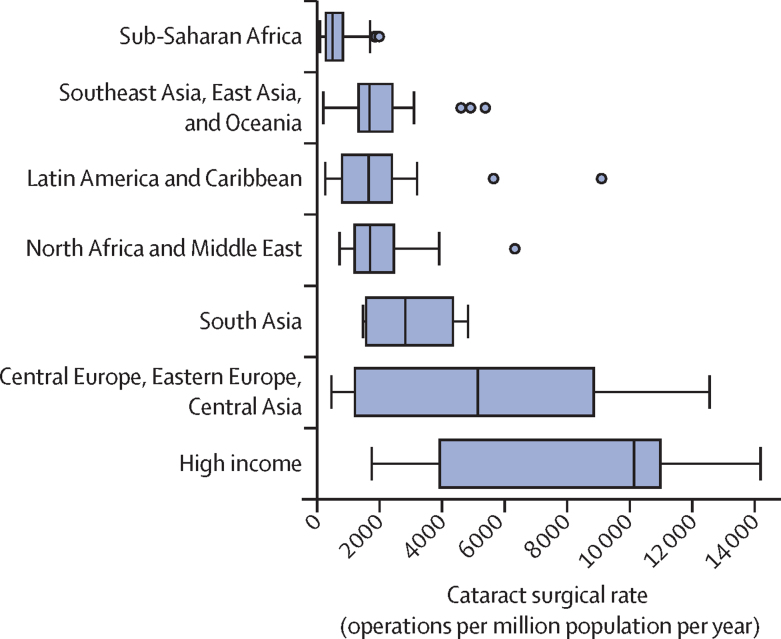
Verification
Claims the paper makes
The claims and statistics of this paper haven’t been checked yet.
Free: it reads the open-access text and checks the first 5 claims that cite a source we can check. Create a free account to check every claim.
Claims other papers make about this one
Each is checked against this paper’s own text: does it say what the citing paper says it does?
The source backs part of the claim, not all of it — or backs it for a different population, condition or comparison.
In the citing paper
“Artificial intelligence (AI) is an accurate screening tool for diabetic retinopathy (DR), the leading cause of blindness among working-aged adults.”
From Referral uptake after diabetic retinopathy screening with artificial intelligence-assisted care pathways: a systematic review and meta-analysis (2026) · cites this paper as [1]
Experimental — accuracy not yet measuredThe cited source says what the claim attributes to it.
In the citing paper
“Underfunding, alongside scarcity of ophthalmological services and trained personnel, infrastructures are common challenges faced by LMICs, which often delay diagnosis and management, increasing the risk of irreversible vision loss [6].”
From Diabetic retinopathy screening model in low and middle-income countries: a scoping review (2025) · cites this paper as [6]
The cited source says what the claim attributes to it.
In the citing paper
“Diabetic retinopathy (DR) is the leading cause of blindness among working-aged adults and early detection is critical for timely management to prevent vision loss1,2.”
From Referral uptake after diabetic retinopathy screening with artificial intelligence-assisted care pathways: a systematic review and meta-analysis (2026) · cites this paper as [1]
The cited source says what the claim attributes to it.
In the citing paper
“The magnitude of diabetes and its sequelae including DR require large-scale screening to enable early intervention, as described in the recent Lancet Global Health Commission on Global Eye Health and contemporary modelling of diabetes prevalence worldwide1,4.”
From Referral uptake after diabetic retinopathy screening with artificial intelligence-assisted care pathways: a systematic review and meta-analysis (2026) · cites this paper as [1]
The check wasn’t confident either way, so it gives no verdict — never disputed.
In the citing paper
“This capability is crucial for creating VPs that accurately simulate real patients for educational purposes39,40.”
From A large language model digital patient system enhances ophthalmology history taking skills (2025) · cites this paper as [39]
Experimental — accuracy not yet measured
Self-check
Percentages, sums and reported differences re-computed from the paper’s own numbers.
The self-check needs the paper’s full text.
Citations
Cites
von Elm, E., Altman, D. G., Egger, M., Pocock, S. J., Gøtzsche, P. C., Vandenbroucke, J. P., & Initiative, F. T. S. (2007) · PLoS Medicine · doi:10.1371/journal.pmed.0040296 · Cited by 23,020
Transforming Our World: The 2030 Agenda for Sustainable Development
(2018) · A New Era in Global Health · doi:10.1891/9780826190123.ap02 · Cited by 19,351
James, S. L., Abate, D., Abate, K. H., Abay, S. M., Abbafati, C., Abbasi, N., Abbastabar, H., Abd-Allah, F., Abdela, J., Abdelalim, A., et al. (2018) · The Lancet · doi:10.1016/s0140-6736(18)32279-7 · Cited by 13,867
Self-citationVos, T., Abajobir, A. A., Abate, K. H., Abbafati, C., Abbas, K. M., Abd-Allah, F., Abdulkader, R. S., Abdulle, A. M., Abebo, T. A., Abera, S. F., et al. (2017) · The Lancet · doi:10.1016/s0140-6736(17)32154-2 · Cited by 13,220
Saeedi, P., Petersohn, I., Salpea, P., Malanda, B., Karuranga, S., Unwin, N., Colagiuri, S., Guariguata, L., Motala, A. A., Ogurtsova, K., et al. (2019) · Diabetes Research and Clinical Practice · doi:10.1016/j.diabres.2019.107843 · Cited by 10,792
Vos, T., Flaxman, A. D., Naghavi, M., Lozano, R., Michaud, C., Ezzati, M., Shibuya, K., Salomon, J. A., Abdalla, S., Aboyans, V., et al. (2012) · The Lancet · doi:10.1016/s0140-6736(12)61729-2 · Cited by 8,291
Self-citationThe number of people with glaucoma worldwide in 2010 and 2020
Quigley, H. A. (2006) · British Journal of Ophthalmology · doi:10.1136/bjo.2005.081224 · Cited by 7,394
Global Prevalence of Glaucoma and Projections of Glaucoma Burden through 2040
Tham, Y.-C., Li, X., Wong, T. Y., Quigley, H. A., Aung, T., & Cheng, C.-Y. (2014) · Ophthalmology · doi:10.1016/j.ophtha.2014.05.013 · Cited by 7,159
Self-citation(2007) · Developments in Ophthalmology · doi:10.1159/isbn.978-3-318-01439-6 · Cited by 5,583
Global Prevalence of Myopia and High Myopia and Temporal Trends from 2000 through 2050
Holden, B. A., Fricke, T. R., Wilson, D. A., Jong, M., Naidoo, K. S., Sankaridurg, P., Wong, T. Y., Naduvilath, T. J., & Resnikoff, S. (2016) · Ophthalmology · doi:10.1016/j.ophtha.2016.01.006 · Cited by 5,500
Self-citation
Research works printed but not linked: 6
- Soleimani-Sefat E Rostami M Amani S Movallali G The needs and problems of students with visual impairment J Soc Sci Hum Stud 2 2016 8 16 https://www.textroad.com/pdf/JSSHS/J.%20Soc.%20Sci.%20Hum.%20Stud.,%202(2)8-16,%202016.pdf
- Porcino A Workshop report: a VISION 2020 workshop on research for global blindness prevention http://www.aurovikas.co.in/os2014/pdf_files/VISION_2020_Workshop_on_Research_for_Global_Blindness_Prevention.pdf 2010
- WHO International standards for vision rehabilitation: report of the international consensus conference, Rome, 9–12 December 2015 https://www.iapb.org/wp-content/uploads/2020/09/international_standards_for_vision_rehabilitation-international_consensus_conference-report.pdf 2017
- Ministry Of Health Medical Service Administration National survey on avoidable blindness Vietnam https://pdfs.semanticscholar.org/97aa/e9d48f6a9769751d61d1ea4c16fd2cfa3fec.pdf 2015
- WHO Prevention of avoidable blindness and visual impairment https://apps.who.int/iris/bitstream/handle/10665/21455/A59_R25-en.pdf 2006 26310248
- WHO Prevention of avoidable blindness and visual impairment https://apps.who.int/iris/bitstream/handle/10665/2244/A62_R1-en.pdf 2009 26310248
Cited by
Items 901–1,000 of 1,001
Aldakhil, S. (2025) · Healthcare · doi:10.3390/healthcare13151927 · Cited by 3
“A previous study estimated that visual impairment results in an annual global productivity loss of approximately USD410.7 billion [14].”
Informal caregiving for people with dementia and hearing or vision impairment: A systematic review
Ge, S., Trainum, K., Pei, Y., Chee, W., Song, Y., & Xie, B. (2025) · Alzheimer s & Dementia · doi:10.1002/alz.70525 · Cited by 3
“1 Concurrently, hearing loss and vision impairment affect > 1.5 billion and 2.2 billion people world-wide, respectively, 2,3 and the prevalence of both conditions increases dramatically with age.”
InfluentialMohamed-Noriega, J., Ramírez-Toscano, Y., Barrientos‐Gutiérrez, T., Parra-Colín, P. D. L., Lansingh, V. C., Garza-León, M., & Segura, L. E. (2025) · Public Health · doi:10.1016/j.puhe.2025.105933 · Cited by 4
Self-citationMulti-path sensory substitution device navigates the blind and visually impaired individuals
Han, Z., Li, S., Wang, X., Hu, X., Higashita, R., & Liu, J. (2025) · Displays · doi:10.1016/j.displa.2025.103200 · Cited by 3
Advancements in Cellular Therapeutics in Corneal Diseases
Woo, E., Henick, D., & Tahvildari, M. (2025) · Cells · doi:10.3390/cells14231838 · Cited by 3
“While disorders of the cornea represent only one component of this burden, they also constitute a significant portion of preventable blindness, especially in lower-resourced countries [2].”
Jiro, M. C., Sigua, M., Ivey, S. L., Maus, M., Hennein, L. M., Dio, M., & Cocohoba, J. M. (2022) · Journal of Immigrant and Minority Health · doi:10.1007/s10903-022-01371-3 · Cited by 3
“Poor eye health negatively affects quality of life as well as restricts equitable access to and achievement in society [5].”
BackgroundPan, K., Hagiwara, T., Tso, K.-C., Siwadamrongpong, R., Akbar, L., Nakano, Y., Kono, T., Terasawa, Y., Haruta, M., Takehara, H., et al. (2022) · Japanese Journal of Applied Physics · doi:10.35848/1347-4065/acaca5 · Cited by 3
Prevalence of clinical geriatric syndromes in cataract patients
Institution, F. E. M. S., Эдуардович, О. Р., Aksenov, V. V., & Institution, F. E. M. S. (2023) · RESEARCH RESULTS IN BIOMEDICINE · doi:10.18413/2658-6533-2023-9-2-0-9 · Cited by 3
Basnet, P. B., Budhathoki, C. B., Khanal, S. P., Acharya, J., & Pathak, K. P. (2022) · Nepalese Journal of Ophthalmology · doi:10.3126/nepjoph.v14i2.43237 · Cited by 3
Erol, S., Çelik, P., Kılıç, E., Keser, M. K., Tehçi, A. K., Özdereli, Z., Sayın, M., & Kurt, A. N. Ç. (2023) · Archivos Argentinos de Pediatria · doi:10.5546/aap.2023-10085 · Cited by 3
Finn, M., Baldwin, G. E., Garg, I., Wescott, H. E., Koch, T., Vingopoulos, F., Zeng, R., Choi, H., Sayah, D. N., Husain, D., et al. (2023) · British Journal of Ophthalmology · doi:10.1136/bjo-2023-323792 · Cited by 3
Filipe, H. P., Luciano, A. D., Clements, J. L., Grau, A. E., Thomsen, A. S. S., Lansingh, V. C., Musa, P., Ng, D. S.-C., & Labuschagne, M. J. (2023) · The Pan-American Journal of Ophthalmology · doi:10.4103/pajo.pajo_77_23 · Cited by 3
Self-citationManhattan Vision Screening and Follow-up Study (NYC-SIGHT): Vision and refractive error results
Diamond, D. F., Kresch, Y. S., Gorroochurn, P., Park, L., Horowitz, J., Wang, Q., Maruri, S. C., Henriquez, D. R., Harizman, N., Carrion, J., et al. (2024) · Clinical and Experimental Optometry · doi:10.1080/08164622.2024.2322523 · Cited by 3
Sandi, F., Mercer, G., Geneau, R., Bassett, K. L., Bintabara, D., & Kalolo, A. (2024) · Biology Methods and Protocols · doi:10.1093/biomethods/bpae016 · Cited by 3
Pediatric ocular trauma: insights from a tertiary care hospital in Northern India
Jabeen, A., Nazir, A., & Kaur, A. (2024) · Delta Journal of Ophthalmology · doi:10.4103/djo.djo_65_23 · Cited by 3
Su, C., Wang, Z., Dong, X. Y., & Ma, X. (2024) · Public Health · doi:10.1016/j.puhe.2024.05.021 · Cited by 3
Lusobya, R. C., Atukunda, I., Semulimi, A. W., Nalukenge, C., Kalinaki, A., Denis, E., Nyanzi, M., Batte, C., Mukunya, D., Mukisa, J., et al. (2024) · Public Health Challenges · doi:10.1002/puh2.208 · Cited by 3
“Early identification enhances at-risk infants’ visual functioning and structural outcomes [9].”
Impact of eyewear insurance coverage on utilization of eyecare providers in Ontario, Canada
Kaur, J., Im, J. H. B., Buys, Y. M., Trope, G. E., Ngo, G., Nichani, P. A. H., & Jin, Y.-P. (2024) · Canadian Journal of Ophthalmology · doi:10.1016/j.jcjo.2024.08.005 · Cited by 3
Masemola, H. C., Nkambule, S. J., Baloyi, O. B., & Xulu-Kasaba, Z. N. (2024) · PLoS ONE · doi:10.1371/journal.pone.0305904 · Cited by 3
Berrones, D. S. S., Rocha‐de‐Lossada, C., Barraquer-Compte, E., Valvecchia, G., & Fernández, J. (2024) · Archivos de la Sociedad Española de Oftalmología · doi:10.1016/j.oftal.2024.10.004 · Cited by 3
Aruljyothi, L., Jankiraman, A., Arunachalam, S., & Babu, M. (2025) · TNOA Journal of Ophthalmic Science and Research · doi:10.4103/tjosr.tjosr_134_24 · Cited by 3
Impact of the COVID-19 pandemic on persons with visual impairment
Sebastian, S., Nirghin, U., & Rampersad, N. (2025) · Clinical and Experimental Optometry · doi:10.1080/08164622.2025.2509595 · Cited by 3
Endoplasmic reticulum stress involved in age-related nuclear cataract induced by sodium selenite
Liu, Y., Sha, T., Sun, G., Liang, S., & Yu, F. (2025) · Scientific Reports · doi:10.1038/s41598-025-07745-5 · Cited by 3
EYE-DEX: Eye Disease Detection and EXplanation System
Sabiri, Y., Houmaidi, W., & Abouaomar, A. (2025) · International Conference on Wireless Networks and Mobile Communications (WINCOM) · doi:10.1109/wincom65874.2025.11313365 · Cited by 3
“Overall, at least 2.2 billion people live with some form of vision impairment [1], [2].”
InfluentialNayak, N. (2024) · International Journal of Intelligent Systems and Applications in Engineering · Cited by 3
Complement C3 deficiency alleviates alkylation-induced retinal degeneration in mice
Du, L., & Peng, G.-H. (2022) · Eye and Vision · doi:10.1186/s40662-022-00292-4 · Cited by 3
“However, the pathological mechanisms of retinal degeneration remain unclear [5].”
BackgroundWhy is primary eye health care needed?
Gilbert, C. E., & Piyasena, P. (2021) · Community Eye Health Journal · doi:10.56920/cehj.189 · Cited by 3
Self-citationBlack, J. M., Collins, A., Ramke, J., Phillips, G., Giurgiu, A., Morar, V., Watene, R., & Dakin, S. C. (2022) · Clinical and Experimental Optometry · doi:10.1080/08164622.2022.2146483 · Cited by 3
“Poor eye health has a negative impact on quality of life, reduces mobility and mental health and increases the risk of mortality.(2) In contrast, improving eye health contributes to advancing several Sustainable Development Goals,(2,3) including the goal related to health and well-being.”
BackgroundSelf-citationRampersad, N., & Mashige, K. P. (2022) · British Journal of Visual Impairment · doi:10.1177/02646196221143072 · Cited by 3
“Other studies have also noted that spectacles are the most common management option used for children with vision impairment (Burton et al., 2021; Chong et al., 2019).”
BackgroundConcept for Building an Electronic Cane Control System for Blind People
Manukova, A., Dimitrova, D., & Zaharieva, S. L. (2022) · Telecommunications Forum (TELFOR) · doi:10.1109/telfor56187.2022.9983717 · Cited by 3
“According to the medical journal "The Lancet Global Health" [3] "in 2020, an estimated 596 million people had distance vision impairment worldwide, of whom 43 million were blind.”
BackgroundNeroev, V. V., Zaytseva, O. V., Berdieva, A. Y., Gabdullina, Z. M., Pudikov, M. N., Leonova, A. A., & Khoroshevsky, V. F. (2023) · Russian Ophthalmological Journal · doi:10.21516/2072-0076-2023-16-1-51-58 · Cited by 3
Foster, A. (2022) · Community Eye Health Journal · doi:10.56920/cehj.257 · Cited by 3
Self-citationEquitable Health Response: Lessons from COVID-19 and Monkeypox
Mphande, F. A. (2023) · Sustainable development goals series · doi:10.1007/978-981-99-4254-1_6 · Cited by 3
Maciel, A. M. S., Ramos, A. N., Ferreira, A. F., de Almeida, N. M. G. S., de Almeida, P. C., Szwarcwald, C. L., Favacho, J. D. F. R., Filho, L. C. F., Gomes, V. D. S., Damasceno, L. S., et al. (2023) · Transactions of the Royal Society of Tropical Medicine and Hygiene · doi:10.1093/trstmh/trad052 · Cited by 3
Women and trachoma: why prioritising gender equity is essential to achieve vision for all
Sanders, A. M., Emerson, P. M., Courtright, P., & Hooper, P. J. (2023) · Community Eye Health Journal · doi:10.56920/cehj.755 · Cited by 3
Self-citationAge-related macular degeneration: care of the patient in the community setting
Stanford, P. (2023) · British Journal of Community Nursing · doi:10.12968/bjcn.2023.28.10.498 · Cited by 3
Gambaran Sindrom Mata Kering pada Mahasiswa Fakultas Kedokteran Universitas Hang Tuah Angkatan 2018
RASYAD, C. M., SAMSUDIN, M., & Purwaningsari, D. (2023) · Hang Tuah Medical journal · doi:10.30649/htmj.v21i1.161 · Cited by 3
Banegas, R., Rojas, L., Castillo, M., Lagos, L. C., Barber, K. M., Ethridge, B. A., & O’Connor, S. (2024) · Annals of Global Health · doi:10.5334/aogh.4384 · Cited by 3
“Although age-standardized rates of blindness are decreasing globally [2], the absolute number of people suffering from vision loss continues to increase due to increased life expectancy and population growth [2].”
BackgroundPrevalence and Causes of Blindness and Visual Impairment in Sudur Paschim Province of Nepal
Pant, S. R., Bhatta, R. C., Bhatta, S., & Sapkota, Y. D. (2024) · Nepal Medical College Journal · doi:10.3126/nmcj.v26i1.63875 · Cited by 3
Eye Health Care Utilization among Native Hawaiian and Pacific Islander Adults in the United States
Lin, J. C. H., Ghauri, S. Y., Scott, I. U., & Greenberg, P. B. (2022) · Ophthalmic Epidemiology · doi:10.1080/09286586.2022.2036765 · Cited by 3
“Given their lower eye care utilization, NHPIs may have a higher prevalence of uncorrected refractive error.(6) These findings align with prior research on eye care utilization in US and other populations.”
ResultKotula, M. A., Paust, K., Wirdemann, A., Msigomba, E., & Burusu, L. (2022) · Die Ophthalmologie · doi:10.1007/s00347-022-01668-6 · Cited by 3
“Die Verbesserung der weltweiten augenmedizinischen Versorgung stellt daher ein wesentliches Ziel zur Erreichung der von der UN definierten „sustainable development goals“ für das Jahr 2030 dar [4, 20].”
BackgroundAn insight into the altered ophthalmic dynamics during the COVID-19 pandemic
Kaushik, J., Riyaz, E., Chaitanya, Y. V. K., Nair, R., Kumar, A., Singh, A., Parihar, J. K. S., Srikant, S., & Shetty, R. (2022) · Indian Journal of Ophthalmology · doi:10.4103/ijo.ijo_254_22 · Cited by 3
“[1] Ophthalmology examinations are typically different from any other specialty because a number of routine procedures involve proximity to patients’ faces.[2] This can expose the treating surgeon to respiratory droplets from the patients.”
BackgroundFerreira, M. M. (2021) · Digital Library of Theses and Dissertations (Universidade de São Paulo) · doi:10.11606/d.17.2021.tde-04082021-142931 · Cited by 3
Majid, H. (2023) · ResearchSpace (University of KwaZulu-Natal) · doi:10.29086/10413/23094 · Cited by 3
de la Fuente-Núñez, V., Tong, B. A. M. A., Davis, A., Keay, L. J., Keys, D., & McCowan, C. (2025) · Optometry and Vision Science · doi:10.1097/opx.0000000000002211 · Cited by 3
Self-citationEffect of glaucoma and cataract on daily activities in patients with sarcopenic obesity
Tambov Branch of the S. Fyodorov Eye Microsurgery Federal State Institution, T., Kopylov, A. E., Агарков, Н. М., Tambov Branch of the S. Fyodorov Eye Microsurgery Federal State Institution, T., & Алымова, М. В. (2024) · Russian Journal of Clinical Ophthalmology · doi:10.32364/2311-7729-2024-24-1-3 · Cited by 2
Keeping Patients Safe Online: A Study of Refractive Surgery Advertisements on Social Media
Tan, E. Y., Tan, Z., Khaw, J. H., Mohamed, R., Okonkwo, A. C. O., Petrushkin, H., Gore, D. M., & Mohamed, R. N. (2024) · Cureus · doi:10.7759/cureus.68643 · Cited by 2
Medvedovska, N. V., Denysiuk, L. I., & Bondarenko, N. Y. (2024) · CHILD`S HEALTH · doi:10.22141/2224-0551.19.5.2024.1722 · Cited by 2
İlköğretim öğrencilerinde görme problemlerinin belirlenmesi
Ayaz, S. T., Canleblebici, M., Yalçın, N., Korkmaz, M., & Yıldırım, A. (2025) · Anadolu Kliniği Tıp Bilimleri Dergisi · doi:10.21673/anadoluklin.1471326 · Cited by 2
Fabrikantov, O. L., Kopylov, A. E., & Агарков, Н. М. (2024) · Ophthalmology in Russia · doi:10.18008/1816-5095-2024-4-749-754 · Cited by 2
Borysova, I. S. (2025) · Medicni perspektivi · doi:10.26641/2307-0404.2025.1.325367 · Cited by 2
Resilience of patients with sarcopenic obesity and age-related ocular pathology
Kopylov, A. E., Агарков, Н. М., Popova, N. V., & Неудахин, Е. В. (2025) · Russian Ophthalmological Journal · doi:10.21516/2072-0076-2025-18-2-50-55 · Cited by 2
Liu, Z., Chen, Z.-X. C., Xue, K., & Chen, M. (2025) · Frontiers in Immunology · doi:10.3389/fimmu.2025.1562559 · Cited by 2
Rapid tests as a practical alternative to slide agglutination for the confirmation of V. cholerae O1
Bhattacharjee, P., Hegde, S. T., Khan, A. I., Nabil, I. K., Hossain, M. I., Rashmi, T. A., Afrad, M. H., Islam, M. T., Amin, M. A., Khan, Z. H., et al. (2025) · Journal of Clinical Microbiology · doi:10.1128/jcm.00433-25 · Cited by 2
“Test interpretation can be influenced by uncorrected near-vision impairments, which is common in low-and-mid dle-income settings where cholera usually occurs (5).”
Park, J., Han, K., Kim, B., Lee, K., Jang, H. R., Yoon, J. M., Lim, D. H., & Shin, D. W. (2025) · Scientific Reports · doi:10.1038/s41598-025-12297-9 · Cited by 2
Utilizing Artificial Intelligence for Enhancing Glaucoma Care
Gupta, V., & Dada, T. (2025) · JOURNAL OF CURRENT GLAUCOMA PRACTICE · doi:10.5005/jp-journals-10078-1472 · Cited by 2
Zhao, M.-J., Yin, J.-L., Ge, Y.-S., Ding, J.-Y., Huang, C., Meng, T., Zhang, C., Wu, X., Liu, J., & Ding, D.-F. (2025) · BMC Public Health · doi:10.1186/s12889-025-23997-2 · Cited by 2
“Mirroring the World Health Organization’s (WHO) classification, visual impairments are further subdivided into glaucoma, cata-racts, age-related macular degeneration, refractive disorders, near vision loss, and other vision loss [6].”
Regulated cell death-targeted ocular nanomedicine
HO, S. ‐., Li, L., Zuo, S., Tang, J., Ye, F., Gu, P., Tang, Z., & Lu, L. (2025) · Acta Biomaterialia · doi:10.1016/j.actbio.2025.08.018 · Cited by 2
Dong, L., Gao, W., Niu, L., Deng, Z., Gong, Z., Li, H., Fang, L.-J., Shao, L., Zhang, R., Zhou, W., et al. (2025) · British Journal of Ophthalmology · doi:10.1136/bjo-2025-327189 · Cited by 2
Socioeconomic inequality in visual impairments among older adults in India
Singh, R. R., & Mohanty, S. K. (2025) · Aging and Health Research · doi:10.1016/j.ahr.2025.100261 · Cited by 2
Exploring governance challenges in low vision care and rehabilitation in sub-Saharan Africa
Abraham, C. H., van Staden, D. B., & Rampersad, N. (2025) · International Journal of Health Governance · doi:10.1108/ijhg-05-2025-0052 · Cited by 2
López, B., López-Star, E. M., Lansingh, V. C., & Furtado, J. M. (2025) · AJO International · doi:10.1016/j.ajoint.2025.100171 · Cited by 2
Self-citationZeppieri, M., Amato, R., Catania, D., Musa, M., Avitabile, A., D’Esposito, F., Gagliano, C., Capobianco, M., & Nicolosi, S. G. (2025) · Clinics and Practice · doi:10.3390/clinpract15090170 · Cited by 2
Dong, X., Kai, J.-Y., Li, D., Lança, C., Grzybowski, A. E., Ke, C., & Pan, C. (2025) · American Journal of Ophthalmology · doi:10.1016/j.ajo.2025.09.053 · Cited by 2
Tang, G., Li, J., Gong, X., Yu, H., Jiang, M., Han, Y., Wang, D., Liu, Y., Song, J., & Bi, H. (2025) · Frontiers in Public Health · doi:10.3389/fpubh.2025.1611433 · Cited by 2
Sharma, I. P., Naidoo, K. S., Mashige, K. P., & Lepcha, N. T. (2025) · BMC Public Health · doi:10.1186/s12889-025-25143-4 · Cited by 2
“Despite this, URE continues to be a leading cause of avoidable VI, particularly in LMICs [6].”
Liu, L., Li, M., Wu, Y., Cao, Z., Shang, Y., Zhao, L., Wang, Z., Tan, J., Yuan, Y., Huang, W., et al. (2025) · Ophthalmology Science · doi:10.1016/j.xops.2025.101013 · Cited by 2
“3 4 — 6 Furthermore, the effective cataract surgery coverage (eCSC) (defined as postoperative best-corrected visual acuity [BCVA] > 0.5) in China stands at 34.8%, which is only about half that of developed countries.”
InfluentialAsfaw, M., Kassew, T., Tadele, S., Fentahun, S., & Andualem, F. (2025) · Discover Mental Health · doi:10.1007/s44192-025-00320-4 · Cited by 2
“Social support—Assessed using the Oslo-3 Social Support Scale (OSS-3), categorized as poor [3–8], moderate [9–11], and strong [12–14] [37].”
Loke, W. T., Yew, S. M. E., Lim, Z. W., Lim, B. X. H., Chai, C., Koh, V., Chen, D. Z., & Tham, Y. C. (2025) · Ophthalmic Epidemiology · doi:10.1080/09286586.2025.2587607 · Cited by 2
Halim, J., Micheletti, E., Dari, M.-L., Mandal, N., & Khan, S. R. (2025) · Journal of Clinical & Translational Ophthalmology · doi:10.3390/jcto3040026 · Cited by 2
“Cataract surgery is the most common operation in the world, responsible for restoring sight to individuals with visual impairment and blindness [1].”
Global and national epidemiology of glaucoma: prevalence, burden, and public health implications
Júnior, E. R. S., Belfort, A. F. L., & Pereira, V. C. (2025) · Revista Brasileira de Oftalmologia · doi:10.37039/1982.8551.20250094 · Cited by 2
The Israeli eye care system through a public and global health lens
Arazi, M., Zondervan, M., Israeli, A., Hadash, M., & Fanego, C. B. (2025) · Israel Journal of Health Policy Research · doi:10.1186/s13584-025-00731-2 · Cited by 2
“Beyond its clinical impact, vision loss reduces quality of life, constrains workforce participation, limits educational attainment, and deepens poverty [2, 3].”
InfluentialBeyond Coverage: A Pragmatic Path to Effective Eye-Care Coverage in Low-Resource Settings
Omar, A. A. (2025) · Clinical ophthalmology · doi:10.2147/opth.s567937 · Cited by 2
Duan, M.-M., Qi, H., & Tu, X. (2025) · Frontiers in Cell and Developmental Biology · doi:10.3389/fcell.2025.1703606 · Cited by 2
Allen, L. N., Kim, M. J., Gichangi, M. M., Macleod, D., Carpenter, J., Tlhajoane, M., Karanja, S., Bolster, N. M., Bunywera, C., Rono, H., et al. (2025) · The Lancet Global Health · doi:10.1016/s2214-109x(25)00401-2 · Cited by 2
Self-citationMumtaz, N. A., Luthfiarta, A., Nugraha, A., Dewi, I. N., Syarifah, U. M., & Uqul, D. (2025) · International Seminar on Application for Technology of Information and Communication (iSemantic) · doi:10.1109/isemantic67418.2025.11292304 · Cited by 2
“Global eye health is a major public health issue, with retinal diseases such as choroidal neovascularization (CNV) and diabetic macular edema (DME) being leading causes of preventable vision loss [1].”
Masemola, H. C., Nkambule, S. J., Baloyi, O., & Xulu-Kasaba, Z. N. (2025) · F1000Research · doi:10.12688/f1000research.168998.1 · Cited by 2
Villabona-Martínez, V., Zdunek, A. A., Jiang, J. Y., Sepulveda-Beltran, P. A., Hobson, Z., & Waxman, E. L. (2025) · International Journal of Environmental Research and Public Health · doi:10.3390/ijerph23010007 · Cited by 2
Inkarbekov, M., Kulmaganbetov, M., Bazarbekova, G., Байырханова, А. О., & Thompson, B. (2026) · Frontiers in Ophthalmology · doi:10.3389/fopht.2026.1685589 · Cited by 2
Population survey on visual health in Spain
Benito-Pascual, B., Fernández-Pérez, C., Medina, A., Rojo, D., & Arriola‐Villalobos, P. (2026) · Archivos de la Sociedad Española de Oftalmología (English Edition) · doi:10.1016/j.oftale.2026.502467 · Cited by 2
Duan, Z., Zhuo, B., Ma, D., Hua, Z., Han, X., Cai, L., & Yang, J. (2026) · The FASEB Journal · doi:10.1096/fj.202501370rr · Cited by 2
Ten, W., Mao, Z., Lin, I.-C., Lei, Y., Wang, X., Zhou, X., Chen, X., & Wang, X. (2026) · Graefe s Archive for Clinical and Experimental Ophthalmology · doi:10.1007/s00417-026-07200-9 · Cited by 2
“Myopia, characterized by optical defocus and blurry vision, is rapidly becoming a global public health concern [ 1 ].”
Seijas, V., Maritz, R., Yee, J., Moreira, B., Lussi, C., Limacher, A., Yon, Y., Kiani, S., Zapata, T., & Sabariego, C. (2026) · Advances in Rehabilitation Science and Practice · doi:10.1177/27536351261419007 · Cited by 2
Akçay, P., Kupal, B. A., Aykur, M., Aydemir, Ş., & Palamar, M. (2026) · International Ophthalmology · doi:10.1007/s10792-026-04055-1 · Cited by 2
Elbadry, A. M. M., Aly, S. H., Abdelrazek, N. A., El‐Shiekh, R. A., Salman, A., Nabil, A., Reda, A., Eid, O., Manaa, E. G., Abdel-All, S. R., et al. (2026) · Beni-Suef University Journal of Basic and Applied Sciences · doi:10.1186/s43088-026-00757-8 · Cited by 2
Akarapimand, P., Lin, J. C., Scott, I. U., & Baxter, S. L. (2026) · JMIR Public Health and Surveillance · doi:10.2196/88473 · Cited by 2
“Although 90% of people with visual impairment have preventable or treatable conditions [4], areas with limited or no access to local eye care providers pose a significant concern in the United States [5,6].”
Visual Acuity and Cardiovascular Mortality in 2.52 Million Older Adults in China
Li, Y., Yan, F., Yu, L. H., Xu, J., Wu, T., Cao, J., Zhang, Y., Wang, L., Zhou, M., & Yin, P. (2026) · Journal of the American College of Cardiology · doi:10.1016/j.jacc.2026.02.5111 · Cited by 2
Sharma, I. P., Naidoo, K., Mashige, K. P., & Lepcha, N. T. (2026) · Public Health Challenges · doi:10.1002/puh2.70241 · Cited by 2
Wang, Z., Hu, X., Zhang, X., Wang, Y., Li, Z., & Guo, Z. (2026) · Frontiers in Bioengineering and Biotechnology · doi:10.3389/fbioe.2026.1777062 · Cited by 2
“As myopia progresses to HM, it may cause irreversible damage to the retina and optic nerve, a significant cause of blindness (Yii et al., 2024; Burton et al., 2021).”
Gene–Lifestyle Synergy in Diabetic Retinopathy Development
Yang, S., Xin, Z., Liu, B., Huang, Y., Zhu, Z., Tan, S., He, M., Tham, Y. C., Cheng, C., & Wang, W. (2026) · Ophthalmology · doi:10.1016/j.ophtha.2026.04.017 · Cited by 2
Shifting From Systemic to Precision‐Targeted Complement Therapies: Opportunities and Hurdles
Mannes, M., Zelek, W. M., & Trouw, L. A. (2026) · European Journal of Immunology · doi:10.1002/eji.70231 · Cited by 2
“…of proximal (pegcetacocplan; [ 10 ]) and terminal (avacincaptad pegol; [ 11 ]) complement inhibitors for the treatment of geographic atrophy (GA) secondary to age-related macular degeneration (AMD), the third leading cause of vision impairment [ 12 ], represents an important step in this direction.”
Goosse, F., Hammedi, W., & Mahr, D. (2026) · Journal of Business Research · doi:10.1016/j.jbusres.2026.116383 · Cited by 2
Ukachukwu, F. U., Alany, R. G., Christodoulides, M., & Snyder, L. A. S. (2026) · Scientific Reports · doi:10.1038/s41598-026-62730-w · Cited by 2
“This has profound socioeconomic implications due to the impact on individual productivity and quality of life 8,9 .”
Malcolm, J., Ngabo, D., Nziyomaze, E., Uwemeye, L., el-Khoury, S., Abdelmassih, Y., & Mikhail, M. A. (2026) · Graefe s Archive for Clinical and Experimental Ophthalmology · doi:10.1007/s00417-026-07403-0 · Cited by 2
Huang, Y., Chen, L., & Zhou, C. (2026) · Biomedical Signal Processing and Control · doi:10.1016/j.bspc.2026.111051 · Cited by 2
Drug delivery across the blood-retinal barrier: Biological gateways for posterior segment therapy
Kim, J., Han, Y. E., Kim, M., Choe, J., Lee, J.-Y., Yang, H., Han, Y., Oh, S. J., Jung, W., Cho, J., et al. (2026) · Progress in Retinal and Eye Research · doi:10.1016/j.preteyeres.2026.101496 · Cited by 2
Toward Autonomous Clinics: Human–Robot Collaboration in Clinical Care
Wu, X., Zhang, J., Xu, M., Chu, H. K., Chen, X., Zhong, P., Liu, B., He, M., & Shi, D. (2026) · MedComm · doi:10.1002/mco2.70885 · Cited by 2
Somerville, J. G., Mustafa, M. H., Seweid, M. M., & Arab, R. A. E. (2026) · Diagnostics · doi:10.3390/diagnostics16152389 · Cited by 2
“Blindness is also strongly associated with poverty because it reduces economic productivity; in turn, poverty is a determinant of a wide range of health outcomes [3,4].”
Belbase, U., Chhetri, S., Subedi, A., Khadka, D., Acharya, S., Shah, A. K., & Cantó-Cerdán, M. (2026) · Clinical and Experimental Optometry · doi:10.1080/08164622.2026.2723002 · Cited by 2
Calisir, K., & Kadiye, M. S. (2026) · Clinical ophthalmology · doi:10.2147/opth.s630147 · Cited by 2
Metadata
- Authors
- Burton, M. J., Ramke, J., Marques, A. P., Bourne, R. R. A., Congdon, N., Jones, I., Ah Tong, B. A. M., Arunga, S., Bachani, D., Bascaran, C., Bastawrous, A., Blanchet, K., Braithwaite, T., Buchan, J. C., Cairns, J., Cama, A., Chagunda, M., Chuluunkhuu, C., Cooper, A., Crofts-Lawrence, J., Dean, W. H., Denniston, A. K., Ehrlich, J. R., Emerson, P. M., Evans, J. R., Frick, K. D., Friedman, D. S., Furtado, J. M., Gichangi, M. M., Gichuhi, S., Gilbert, S. S., Gurung, R., Habtamu, E., Holland, P., Jonas, J. B., Keane, P. A., Keay, L., Khanna, R. C., Khaw, P. T., Kuper, H., Kyari, F., Lansingh, V. C., Mactaggart, I., Mafwiri, M. M., Mathenge, W., McCormick, I., Morjaria, P., Mowatt, L., Muirhead, D., Murthy, G. V. S., Mwangi, N., Patel, D. B., Peto, T., Qureshi, B. M., Salomão, S. R., Sarah, V., Shilio, B. R., Solomon, A. W., Swenor, B. K., Taylor, H. R., Wang, N., Webson, A., West, S. K., Wong, T. Y., Wormald, R., Yasmin, S., Yusufu, M., Silva, J. C., Resnikoff, S., Ravilla, T., Gilbert, C. E., Foster, A., & Faal, H. B.
- Affiliations
- Moorfields Eye Hospital NHS Foundation Trust (GB)
- University of Auckland (NZ)
- University of Cambridge (GB)
- Queen's University Belfast (GB)
- Sightsavers (GB)
- Mbarara University of Science and Technology (UG)
- Ministry of Health and Family Welfare (IN)
- London School of Hygiene & Tropical Medicine (GB)
- University of Geneva (CH)
- St Thomas' Hospital (GB)
- Leeds Teaching Hospitals NHS Trust (GB)
- Ministry of Health (MZ)
- National Museum of Mongolia (MN)
- International Agency for the Prevention of Blindness (GB)
- University of Cape Town (ZA)
- University Hospitals Birmingham NHS Foundation Trust (GB)
- University of Michigan (US)
- Emory University (US)
- Johns Hopkins University (US)
- Massachusetts Eye and Ear Infirmary (US)
- Universidade de São Paulo (BR)
- Ministry of Health (KE)
- University of Nairobi (KE)
- Seva Foundation (US)
- Tilganga Institute of Ophthalmology (NP)
- Heidelberg University (DE)
- UNSW Sydney (AU)
- L V Prasad Eye Institute (IN)
- Instituto Mexicano de Oftalmología IAP (MX)
- Muhimbili University of Health and Allied Sciences (TZ)
- University of the West Indies (JM)
- The University of Melbourne (AU)
- Kenya Medical Training College (KE)
- Christoffel Blinden Mission (DE)
- Universidade Federal de São Paulo (BR)
- Fred Hollows Foundation (AU)
- Ministry of Health, Community Development, Gender, Elderly and Children (TZ)
- World Health Organization (CH)
- Beijing Tongren Hospital (CN)
- United Nations (US)
- National University of Singapore (SG)
- World Health Organization Regional Office for the Americas (US)
- Brien Holden Vision Institute (AU)
- Aravind Eye Hospital (IN)
- University of Calabar (NG)
- Corresponding author
- Burton, Matthew J
- ORCID
- Burton, Matthew J
- Ramke, Jacqueline
- Bourne, Rupert R A
- Congdon, Nathan
- Jones, Iain
- Arunga, Simon
- Bachani, Damodar
- Bastawrous, Andrew
- Blanchet, Karl
- Braithwaite, Tasanee
- Buchan, John C
- Cairns, John
- Cama, Anasaini
- Chuluunkhuu, Chimgee
- Dean, William H
- Denniston, Alastair K
- Ehrlich, Joshua R
- Emerson, Paul M
- Evans, Jennifer R
- Frick, Kevin D
- Friedman, David S
- Furtado, João M
- Gichangi, Michael M
- Gichuhi, Stephen
- Gilbert, Suzanne S
- Gurung, Reeta
- Habtamu, Esmael
- Holland, Peter
- Jonas, Jost B
- Keane, Pearse A
- Keay, Lisa
- Khanna, Rohit C
- Khaw, Peng Tee
- Kuper, Hannah
- Kyari, Fatima
- Lansingh, Van C
- Mactaggart, Islay
- Mafwiri, Milka M
- Mathenge, Wanjiku
- McCormick, Ian
- Morjaria, Priya
- Mowatt, Lizette
- Murthy, Gudlavalleti V S
- Mwangi, Nyawira
- Patel, Daksha B
- Salomão, Solange R
- Sarah, Virginia
- Solomon, Anthony W
- Swenor, Bonnielin K
- Taylor, Hugh R
- West, Sheila K
- Wong, Tien Yin
- Wormald, Richard
- Yusufu, Mayinuer
- Silva, Juan Carlos
- Resnikoff, Serge
- Ravilla, Thulasiraj
- Gilbert, Clare E
- Foster, Allen
- Faal, Hannah B
- Venue
- The Lancet Global Health
- Publisher
- Elsevier BV
- Published
- 2021-04
- Volume
- 9
- Issue
- 4
- Pages
- e489-e551
- ISSN
- 2214-109X (ISSN-L)
- PMC
- PMC7966694
- OpenAlex
- W3130938027
- Semantic Scholar
- 6c61680e1131ab82964ee2f3c94bed0dd6892237
- Cited by
- 1,624
- References
- 326
- Citations by year
- 2026: 335 · 2025: 375 · 2024: 339 · 2023: 263 · 2022: 219 · 2021: 92
- FWCI
- 34.95
- Type
- journal article
- Language
- en
- Open access
- gold
- doi.org
- Licence
- cc-by
- www.elsevier.com/tdm/userlicense/1.0/ (tdm)
- www.elsevier.com/legal/tdmrep-license (tdm)
- creativecommons.org/licenses/by/4.0/ (vor)
- Locations
- The Lancet Global Health (publishedVersion, cc-by)
- PubMed Central (publishedVersion, cc-by)
- PubMed (publishedVersion)
- University of Birmingham Research Portal (University of Birmingham) (publishedVersion, cc-by)
- Research Portal (Queen's University Belfast) (publishedVersion, cc-by)
- Anglia Ruskin Research Online (Anglia Ruskin University) (submittedVersion)
- LSHTM Research Online (London School of Hygiene and Tropical Medicine) (submittedVersion, public-domain)
- UCL Discovery (University College London) (submittedVersion)
- Figshare (submittedVersion, cc-by)
- Minerva Access (University of Melbourne) (submittedVersion, cc-by)
- Research Portal (King's College London) (submittedVersion)
- Archive ouverte UNIGE (University of Geneva) (submittedVersion, cc-by)
- Funders
- Wellcome Trust
- Topics
- Health Sciences › Medicine › Ophthalmology › Ophthalmology and Visual Impairment Studies
- Health Sciences › Medicine › Ophthalmology › Glaucoma and retinal disorders
- Health Sciences › Medicine › Public Health, Environmental and Occupational Health › Healthcare Systems and Reforms
- Keywords
- eye health, visual impairment, blindness, access to eye care, low- and middle-income countries, Sustainable Development Goals, productivity loss, population aging, rural population, ethnic minorities, quality of life, social inclusion, health equity, eye health policy, eye health workforce
- MeSH terms
- Global Burden of Disease, Sustainable Development, Blindness, Eye Diseases, Health Services Accessibility, Humans, Quality of Health Care, Quality of Life, Global Health, Cost of Illness, Advisory Committees
About these checks
Registry, retraction, Cites and statistics results are computed, not judged, with one exception: a printed reference that no index lists is read once by a model before it counts as a citation error. Claims are extracted by a model and kept only when their quote appears verbatim in the text; each cited source is then checked, with a model’s help, for whether it says what the claim relies on. Those verdicts can be wrong — read the claim’s quote and the cited source before relying on one.
Statistics and arithmetic are recomputed, not judged.
Confidence bands are shown only for fields calibrated on our annotated test set. None is calibrated yet, so no band is shown.
What counts as a claim ›How we measure confidence ›How we check this ›
Are you an author, or do you see a problem with this page? Request a review
Data sources
Bibliographic data: Semantic Scholar, OpenAlex, Crossref.
Contains information from the Semantic Scholar Academic Graph Datasets, made available under the ODC Attribution License (ODC-BY 1.0).
Semantic Scholar’s data is described in: Kinney, R., et al. (2023). The Semantic Scholar Open Data Platform. arXiv:2301.10140.
