

The neural basis of flashback formation: the impact of viewing trauma
Open accessThe DOI matches its Crossref record; 67 of the 67 references it cites were found in a registry or an index.
Abstract
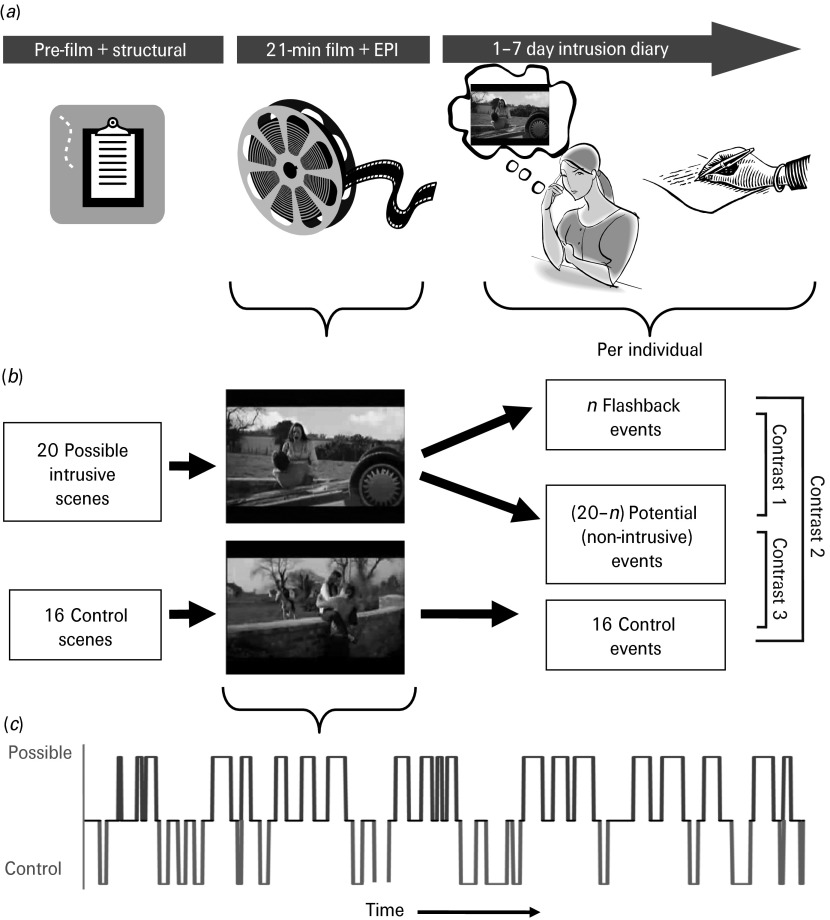
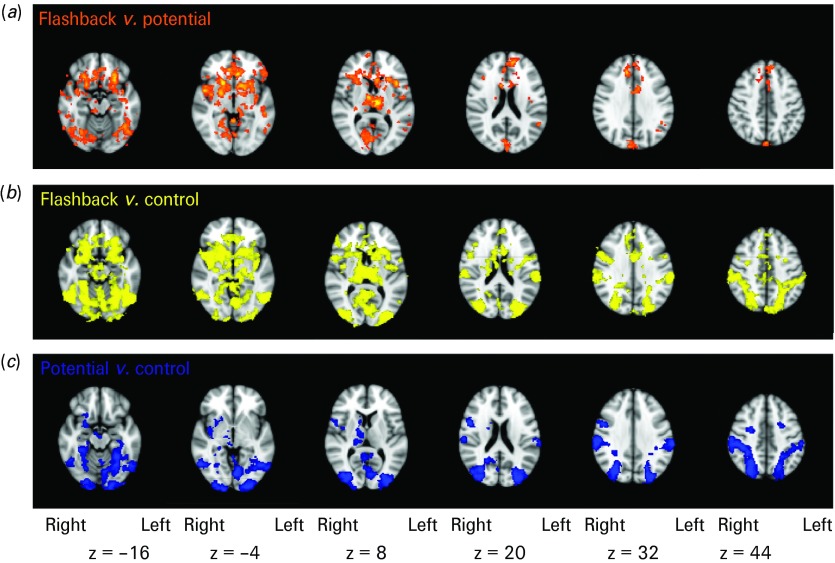
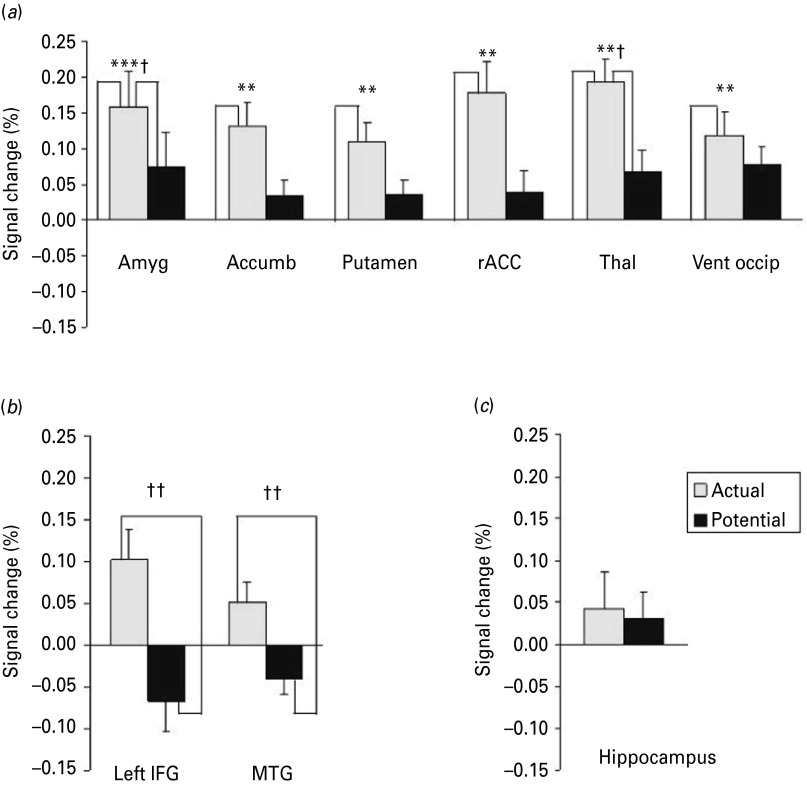
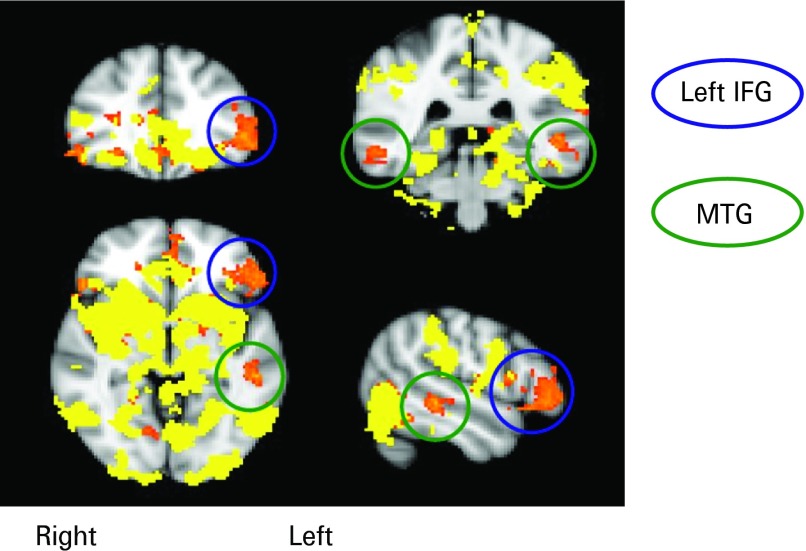
Background: Psychological traumatic events, such as war or road traffic accidents, are widespread. A small but significant proportion of survivors develop post-traumatic stress disorder (PTSD). Distressing, sensory-based involuntary memories of trauma (henceforth ‘flashbacks’) are the hallmark symptom of PTSD. Understanding the development of flashbacks may aid their prevention. This work is the first to combine the trauma film paradigm (as an experimental analogue for flashback development) with neuroimaging to investigate the neural basis of flashback aetiology. We investigated the hypothesis that involuntary recall of trauma (flashback) is determined during the original event encoding. Method: A total of 22 healthy volunteers viewed a traumatic film whilst undergoing functional magnetic resonance imaging (fMRI). They kept a 1-week diary to record flashbacks to specific film scenes. Using a novel prospective fMRI design, we compared brain activation for those film scenes that subsequently induced flashbacks with both non-traumatic control scenes and scenes with traumatic content that did not elicit flashbacks (‘potentials’). Results: Encoding of scenes that later caused flashbacks was associated with widespread increases in activation, including in the amygdala, striatum, rostral anterior cingulate cortex, thalamus and ventral occipital cortex. The left inferior frontal gyrus and bilateral middle temporal gyrus also exhibited increased activation but only relative to ‘potentials’. Thus, these latter regions appeared to distinguish between traumatic content that subsequently flashed back and comparable content that did not. Conclusions: Results provide the first prospective evidence that the brain behaves differently whilst experiencing emotional events that will subsequently become involuntary memories – flashbacks. Understanding the neural basis of analogue flashback memory formation may aid the development of treatment interventions for this PTSD feature.
Overview
The claims and statistics of this paper haven’t been checked yet.
Free: it reads the open-access text and checks the first 5 claims that cite a source we can check. Create a free account to check every claim.
Integrity signals
Registry
Cites
Statistics
Figures
Verification
Claims the paper makes
The claims and statistics of this paper haven’t been checked yet.
Free: it reads the open-access text and checks the first 5 claims that cite a source we can check. Create a free account to check every claim.
Claims other papers make about this one
Each is checked against this paper’s own text: does it say what the citing paper says it does?
The cited source says what the claim attributes to it.
In the citing paper
“So-called subsequent memory paradigms [141] have yielded several markers that predicted the later voluntary recollection of information [142], or the involuntary retrieval of experimental trauma [143–145].”
From Multiple memory systems, multiple time points: How science can inform treatment to control the expression of unwanted emotional memories (2018) · cites this paper as [145]
Self-check
Percentages, sums and reported differences re-computed from the paper’s own numbers.
The self-check needs the paper’s full text.
Citations
Cites
The Measurement of Observer Agreement for Categorical Data
Landis, J. R., & Koch, G. G. (1977) · Biometrics · doi:10.2307/2529310 · Cited by 81,148 · cited 1×
“An inter-rater reliability analysis using the k statistic (Landis & Koch, 1977 ; Fleiss, 1981) was performed (k=0.94, p<0.001), suggesting an excellent level of reliability for matching of diary entries to film scenes and that the flashbacks reported were indeed of the film (rather than other…”
MethodInfluential(1970) · Cited by 24,983
Statistical Methods for Rates and Proportions
Fleiss, J. L., Levin, B., & Paik, M. C. (2003) · Wiley Series in Probability and Statistics · doi:10.1002/0471445428 · Cited by 18,646
Posttraumatic Stress Disorder in the National Comorbidity Survey
Kessler, R. C. (1995) · Archives of General Psychiatry · doi:10.1001/archpsyc.1995.03950240066012 · Cited by 10,379 · cited 1×
“A small but clinically significant proportion of people who experience a trauma subsequently develop PTSD (Kessler et al. 1995).”
BackgroundA cognitive model of posttraumatic stress disorder
Ehlers, A., & Clark, D. M. (2000) · Behaviour Research and Therapy · doi:10.1016/s0005-7967(99)00123-0 · Cited by 6,147 · cited 4×
“The former, and much more common, intrusive memories are clinically important in the maintenance of PTSD (Ehlers & Clark, 2000 ; Foa et al. 2007).”
BackgroundInfluentialThe construction of autobiographical memories in the self-memory system
Conway, M. A., & Pleydell-Pearce, C. W. (2000) · Psychological Review · doi:10.1037/0033-295x.107.2.261 · Cited by 4,089 · cited 1×
“…of psychological processing at the time of trauma (peri-traumatic) is emphasized by the diagnostic criteria for PTSD (APA, 1994), clinical psychology theories (Conway & Pleydell-Pearce, 2000 ; Ehlers & Clark, 2000 ; Brewin & Holmes, 2003) and meta-analysis of PTSD predictors (Ozer et al. 2003).”
Predictors of posttraumatic stress disorder and symptoms in adults: a meta-analysis
Ozer, E. J., Best, S. R., Lipsey, T. L., & Weiss, D. S. (2003) · Psychological Bulletin · doi:10.1037/0033-2909.129.1.52 · Cited by 3,322 · cited 2×
“…of psychological processing at the time of trauma (peri-traumatic) is emphasized by the diagnostic criteria for PTSD (APA, 1994), clinical psychology theories (Conway & Pleydell-Pearce, 2000 ; Ehlers & Clark, 2000 ; Brewin & Holmes, 2003) and meta-analysis of PTSD predictors (Ozer et al. 2003).”
MethodForman, S. D., Cohen, J. D., Fitzgerald, M., Eddy, W. F., Mintun, M. A., & Noll, D. C. (1995) · Magnetic Resonance in Medicine · doi:10.1002/mrm.1910330508 · Cited by 3,202
Temporal Autocorrelation in Univariate Linear Modeling of FMRI Data
Woolrich, M. W., Ripley, B. D., Brady, M., & Smith, S. M. (2001) · NeuroImage · doi:10.1006/nimg.2001.0931 · Cited by 2,852 · cited 1×
“Linear Model) with local autocorrelation correction (Woolrich et al. 2001).”
THE AMYGDALA MODULATES THE CONSOLIDATION OF MEMORIES OF EMOTIONALLY AROUSING EXPERIENCES
McGaugh, J. L. (2004) · Annual Review of Neuroscience · doi:10.1146/annurev.neuro.27.070203.144157 · Cited by 2,296 · cited 2×
“…about the encoding and consolidation of deliberate (voluntary) memories (e.g. Wagner et al. 1998; Canli et al. 2000; Kensinger & Corkin, 2004 ; McGaugh, 2004 ; Francati et al. 2007; Roozendaal et al. 2008; Hughes & Shin, 2011), we predicted that encoding of traumatic material would involve…”
BackgroundKosslyn, S. M., Ganis, G., & Thompson, W. L. (2001) · Nature Reviews Neuroscience · doi:10.1038/35090055 · Cited by 1,894 · cited 2×
“…flashback encoding (relative to both potential and control scenes) including : those associated with emotional processing (amygdala) (Phelps et al. 2004), higher-level visual processing and mental imagery (ventral occipital cortex) (Kosslyn et al. 2001), and threat (rACC) (Bishop et al. 2004).”
BackgroundPhelps, E. A., Delgado, M. R., Nearing, K. I., & LeDoux, J. E. (2004) · Neuron · doi:10.1016/j.neuron.2004.08.042 · Cited by 1,753 · cited 1×
“…during flashback encoding (relative to both potential and control scenes) including : those associated with emotional processing (amygdala) (Phelps et al. 2004), higher-level visual processing and mental imagery (ventral occipital cortex) (Kosslyn et al. 2001), and threat (rACC) (Bishop et…”
BackgroundStatistical Methods for Rates and Proportions.
Plewis, I., & Fleiss, J. L. (1982) · Journal of the Royal Statistical Society. Series A (General) · doi:10.2307/2982107 · Cited by 1,731
Multilevel linear modelling for FMRI group analysis using Bayesian inference
Woolrich, M. W., Behrens, T. E. J., Beckmann, C. F., Jenkinson, M., & Smith, S. M. (2004) · NeuroImage · doi:10.1016/j.neuroimage.2003.12.023 · Cited by 1,728 · cited 1×
“Voxel-wise group analysis was carried out in MNI standard space using FLAME (FMRIB’s Local Analysis of Mixed Effects) stage 1 (Beckmann et al. 2003; Woolrich et al. 2004; Woolrich, 2008).”
MethodBuilding Memories: Remembering and Forgetting of Verbal Experiences as Predicted by Brain Activity
Wagner, A. D., Schacter, D. L., Rotte, M., Koutstaal, W., Maril, A., Dale, A. M., Rosen, B. R., & Buckner, R. L. (1998) · Science · doi:10.1126/science.281.5380.1188 · Cited by 1,631 · cited 4×
“…on both patient memory recall studies as well as non-clinical studies about the encoding and consolidation of deliberate (voluntary) memories (e.g. Wagner et al. 1998; Canli et al. 2000; Kensinger & Corkin, 2004 ; McGaugh, 2004 ; Francati et al. 2007; Roozendaal et al. 2008; Hughes & Shin, 2011),…”
BackgroundInfluentialGeneral multilevel linear modeling for group analysis in FMRI
Beckmann, C. F., Jenkinson, M., & Smith, S. M. (2003) · NeuroImage · doi:10.1016/s1053-8119(03)00435-x · Cited by 1,476
Rauch, S. L., Shin, L. M., & Phelps, E. A. (2006) · Biological Psychiatry · doi:10.1016/j.biopsych.2006.06.004 · Cited by 1,397 · cited 2×
“Received 5 April 2012 ; Revised 20 August 2012 ; Accepted 28 August 2012 ; First published online 18 October 2012 Key words : Experimental psychopathology, flashbacks, functional magnetic resonance imaging, involuntary memory, memory, post-traumatic stress disorder, trauma.”
BackgroundNeurobiological Basis of Failure to Recall Extinction Memory in Posttraumatic Stress Disorder
Milad, M. R., Pitman, R. K., Ellis, C. B., Gold, A. L., Shin, L. M., Lasko, N. B., Zeidan, M. A., Handwerger, K., Orr, S. P., & Rauch, S. L. (2009) · Biological Psychiatry · doi:10.1016/j.biopsych.2009.06.026 · Cited by 1,339 · cited 1×
“In particular, studies have implicated hyperresponsivity in these regions as a risk factor for PTSD (Shin et al. 2011) and abnormal functioning in these areas as a mechanism explaining impaired fear extinction in PTSD (Milad et al. 2009).”
BackgroundPredictors of posttraumatic stress disorder and symptoms in adults: A meta-analysis.
Ozer, E. J., Best, S. R., Lipsey, T. L., & Weiss, D. S. (2008) · Psychological Trauma: Theory, Research, Practice, and Policy · doi:10.1037/1942-9681.s.1.3 · Cited by 1,247
Amygdala, medial prefrontal cortex, and hippocampal function in PTSD
SHIN, L. M., RAUCH, S. L., & PITMAN, R. K. (2006) · Annals of the New York Academy of Sciences · doi:10.1196/annals.1364.007 · Cited by 1,203 · cited 2×
“Nevertheless, PTSD patient symptom provocation studies have consistently implicated the amygdala (Bremner et al. 1999; Shin et al. 2006; Koenigs et al. 2007; Yehuda & LeDoux, 2007) and less consistently, the hippocampus (Francati et al.”
BackgroundPsychological theories of posttraumatic stress disorder
Brewin, C. R., & Holmes, E. A. (2003) · Clinical Psychology Review · doi:10.1016/s0272-7358(03)00033-3 · Cited by 1,132 · cited 1×
“…of psychological processing at the time of trauma (peri-traumatic) is emphasized by the diagnostic criteria for PTSD (APA, 1994), clinical psychology theories (Conway & Pleydell-Pearce, 2000 ; Ehlers & Clark, 2000 ; Brewin & Holmes, 2003) and meta-analysis of PTSD predictors (Ozer et al. 2003).”
Self-citationRauch, S. L. (1996) · Archives of General Psychiatry · doi:10.1001/archpsyc.1996.01830050014003 · Cited by 1,056 · cited 2×
“Decreased rCBF has also been found in the anterior portion of Broca’s area (BA 45/46) in PTSD patients who visualized their trauma (Rauch et al. 1996).”
BackgroundTargeting abnormal neural circuits in mood and anxiety disorders: from the laboratory to the clinic
Ressler, K. J., & Mayberg, H. S. (2007) · Nature Neuroscience · doi:10.1038/nn1944 · Cited by 1,007 · cited 1×
“Memory is labile for several hours after encoding (Nader et al. 2000), thus it may be possible to impede flashback memory consolidation in the immediate aftermath of trauma (Ressler & Mayberg, 2007) by targeting the associated neural circuitry.”
BackgroundPilot study of secondary prevention of posttraumatic stress disorder with propranolol
Pitman, R. K., Sanders, K. M., Zusman, R. M., Healy, A. R., Cheema, F., Lasko, N. B., Cahill, L., & Orr, S. P. (2002) · Biological Psychiatry · doi:10.1016/s0006-3223(01)01279-3 · Cited by 964 · cited 2×
“This could be done using pharmacological means targeting the noradrenergic system to make an impact on emotional processing and the amygdala (Pitman et al. 2002), or by using cognitive methods such as disrupting visual processing (Holmes et al. 2009) or emotional regulation (Ehlers et al. 2003).”
BackgroundPrefrontal cortical function and anxiety: Controlling attention to threat-related stimuli
Bishop, S., Duncan, J., Brett, M., & Lawrence, A. D. (2004) · Nature Neuroscience · doi:10.1038/nn1173 · Cited by 940
Functional MRI : an introduction to methods
Jezzard, P., Matthews, P. M., & Smith, S. M. (2002) · Cited by 883
Two routes to emotional memory: Distinct neural processes for valence and arousal
Kensinger, E. A., & Corkin, S. (2004) · Proceedings of the National Academy of Sciences · doi:10.1073/pnas.0306408101 · Cited by 848 · cited 4×
“…as well as non-clinical studies about the encoding and consolidation of deliberate (voluntary) memories (e.g. Wagner et al. 1998; Canli et al. 2000; Kensinger & Corkin, 2004 ; McGaugh, 2004 ; Francati et al. 2007; Roozendaal et al. 2008; Hughes & Shin, 2011), we predicted that encoding of…”
BackgroundInfluentialBremner, J. D., Krystal, J. H., Putnam, F. W., Southwick, S. M., Marmar, C., Charney, D. S., & Mazure, C. M. (1998) · Journal of Traumatic Stress · doi:10.1023/a:1024465317902 · Cited by 817 · cited 1×
“Participants completed pre-film state measures : the state scale of the STAI (Spielberger et al. 1983) ; the 19 subject-rated items from the Clinician Administered Dissociative States Scale (Bremner et al. 1998) ; and visual analogue scales for four emotions : horrified, sad, calm and happy.”
MethodShin, L. M., Orr, S. P., Carson, M. A., Rauch, S. L., Macklin, M. L., Lasko, N. B., Peters, P. M., Metzger, L. J., Dougherty, D. D., Cannistraro, P. A., et al. (2004) · Archives of General Psychiatry · doi:10.1001/archpsyc.61.2.168 · Cited by 790 · cited 2×
“Received 5 April 2012 ; Revised 20 August 2012 ; Accepted 28 August 2012 ; First published online 18 October 2012 Key words : Experimental psychopathology, flashbacks, functional magnetic resonance imaging, involuntary memory, memory, post-traumatic stress disorder, trauma.”
BackgroundResponse Variation following Trauma: A Translational Neuroscience Approach to Understanding PTSD
Yehuda, R., & LeDoux, J. (2007) · Neuron · doi:10.1016/j.neuron.2007.09.006 · Cited by 783 · cited 1×
“Nevertheless, PTSD patient symptom provocation studies have consistently implicated the amygdala (Bremner et al. 1999; Shin et al. 2006; Koenigs et al. 2007; Yehuda & LeDoux, 2007) and less consistently, the hippocampus (Francati et al. 2007).”
BackgroundBremner, J. D., Staib, L. H., Kaloupek, D., Southwick, S. M., Soufer, R., & Charney, D. S. (1999) · Biological Psychiatry · doi:10.1016/s0006-3223(98)00297-2 · Cited by 709 · cited 2×
“Nevertheless, PTSD patient symptom provocation studies have consistently implicated the amygdala (Bremner et al. 1999; Shin et al. 2006; Koenigs et al. 2007; Yehuda & LeDoux, 2007) and less consistently, the hippocampus (Francati et al.”
BackgroundCanli, T., Zhao, Z., Brewer, J., Gabrieli, J. D. E., & Cahill, L. (2000) · The Journal of Neuroscience · doi:10.1523/jneurosci.20-19-j0004.2000 · Cited by 697
Shin, L. M., McNally, R. J., Kosslyn, S. M., Thompson, W. L., Rauch, S. L., Alpert, N. M., Metzger, L. J., Lasko, N. B., Orr, S. P., & Pitman, R. K. (1999) · American Journal of Psychiatry · doi:10.1176/ajp.156.4.575 · Cited by 647 · cited 1×
“An imaging finding often raised in clinical teaching on PTSD is that early PET studies found that when shown pictures of combat, Vietnam veterans had decreased regional cerebral blood flow (rCBF) in Broca’s area (Shin et al. 1997, 1999).”
BackgroundThe labile nature of consolidation theory
Nader, K., Schafe, G. E., & LeDoux, J. E. (2000) · Nature Reviews Neuroscience · doi:10.1038/35044580 · Cited by 613 · cited 1×
“Memory is labile for several hours after encoding (Nader et al. 2000), thus it may be possible to impede flashback memory consolidation in the immediate aftermath of trauma (Ressler & Mayberg, 2007) by targeting the associated neural circuitry.”
BackgroundRobust group analysis using outlier inference
Woolrich, M. (2008) · NeuroImage · doi:10.1016/j.neuroimage.2008.02.042 · Cited by 504 · cited 1×
“Voxel-wise group analysis was carried out in MNI standard space using FLAME (FMRIB’s Local Analysis of Mixed Effects) stage 1 (Beckmann et al. 2003; Woolrich et al. 2004; Woolrich, 2008).”
MethodRubin, D. C., Berntsen, D., & Bohni, M. K. (2008) · Psychological Review · doi:10.1037/a0013397 · Cited by 489 · cited 1×
“A cognitive science perspective suggests that intrusive sensory memories of emotional events may indeed be considered as occurring on a continuum with PTSD flashbacks at an extreme (Berntsen, 2001 ; Rubin et al. 2008).”
BackgroundEhlers, A., Clark, D. M., Hackmann, A., McManus, F., Fennell, M., Herbert, C., & Mayou, R. (2003) · Archives of General Psychiatry · doi:10.1001/archpsyc.60.10.1024 · Cited by 485 · cited 1×
“This could be done using pharmacological means targeting the noradrenergic system to make an impact on emotional processing and the amygdala (Pitman et al. 2002), or by using cognitive methods such as disrupting visual processing (Holmes et al. 2009) or emotional regulation (Ehlers et al. 2003).”
BackgroundTrauma films, information processing, and intrusive memory development
Holmes, E. A., Brewin, C. R., & Hennessy, R. G. (2004) · Journal of Experimental Psychology: General · doi:10.1037/0096-3445.133.1.3 · Cited by 457 · cited 7×
“They rated their overall compliance with completing the diary in terms of ‘ incompleteness ’ and ‘accuracy’ on 100 mm visual analogue scales anchored from ‘not at all ’ to ‘extremely ’ (Holmes et al. 2004).”
BackgroundMethodResultInfluentialSelf-citationShin, L. M. (1997) · Archives of General Psychiatry · doi:10.1001/archpsyc.1997.01830150057010 · Cited by 446 · cited 1×
“An imaging finding often raised in clinical teaching on PTSD is that early PET studies found that when shown pictures of combat, Vietnam veterans had decreased regional cerebral blood flow (rCBF) in Broca’s area (Shin et al. 1997, 1999).”
BackgroundHolmes, E. A., James, E. L., Coode-Bate, T., & Deeprose, C. (2009) · PLoS ONE · doi:10.1371/journal.pone.0004153 · Cited by 416 · cited 5×
“The trauma film was adapted for fMRI from previous behavioural experiments (Holmes et al. 2004, 2009 ; Stuart et al. 2006; Bourne et al. 2010).”
BackgroundMethodInfluentialSelf-citationInducing and modulating intrusive emotional memories: A review of the trauma film paradigm
Holmes, E. A., & Bourne, C. (2008) · Acta Psychologica · doi:10.1016/j.actpsy.2007.11.002 · Cited by 410 · cited 1×
“To this end, the trauma film paradigm is a well-established method used as an analogue model of psychological trauma (Horowitz, 1969 ; Holmes et al. 2004; Holmes & Bourne, 2008).”
MethodSelf-citationA meta-analysis of instructed fear studies: implications for conscious appraisal of threat
Mechias, M.-L., Etkin, A., & Kalisch, R. (2010) · NeuroImage · doi:10.1016/j.neuroimage.2009.09.040 · Cited by 392 · cited 1×
“The role of the amygdala and dorsal medial PFC/dorsal anterior cingulate cortex in anxiety and fear is well documented (e.g. McGaugh, 2004 ; Mechias et al. 2010; Robinson et al. 2012).”
BackgroundFunctional neuroimaging studies of post-traumatic stress disorder
Hughes, K. C., & Shin, L. M. (2011) · Expert Review of Neurotherapeutics · doi:10.1586/ern.10.198 · Cited by 290 · cited 3×
“Received 5 April 2012 ; Revised 20 August 2012 ; Accepted 28 August 2012 ; First published online 18 October 2012 Key words : Experimental psychopathology, flashbacks, functional magnetic resonance imaging, involuntary memory, memory, post-traumatic stress disorder, trauma.”
BackgroundFrancati, V., Vermetten, E., & Bremner, J. D. (2007) · Depression and Anxiety · doi:10.1002/da.20208 · Cited by 286 · cited 5×
“…and consolidation of deliberate (voluntary) memories (e.g. Wagner et al. 1998; Canli et al. 2000; Kensinger & Corkin, 2004 ; McGaugh, 2004 ; Francati et al. 2007; Roozendaal et al. 2008; Hughes & Shin, 2011), we predicted that encoding of traumatic material would involve the amygdala,…”
BackgroundMethodInfluentialFocal brain damage protects against post-traumatic stress disorder in combat veterans
Koenigs, M., Huey, E. D., Raymont, V., Cheon, B., Solomon, J., Wassermann, E. M., & Grafman, J. (2008) · Nature Neuroscience · doi:10.1038/nn2032 · Cited by 255 · cited 2×
“Nevertheless, PTSD patient symptom provocation studies have consistently implicated the amygdala (Bremner et al. 1999; Shin et al. 2006; Koenigs et al. 2007; Yehuda & LeDoux, 2007) and less consistently, the hippocampus (Francati et al.”
BackgroundRoberts, N. P., Kitchiner, N. J., Kenardy, J., & Bisson, J. I. (2009) · Cochrane Database of Systematic Reviews · doi:10.1002/14651858.cd006869.pub2 · Cited by 218 · cited 1×
“Roberts et al. (2009) conclude that further research is required to evaluate the most effective ways of providing psychological help in the early stages after a traumatic event.”
BackgroundInvoluntary memories of emotional events: do memories of traumas and extremely happy events differ?
Berntsen, D. (2001) · Applied Cognitive Psychology · doi:10.1002/acp.838 · Cited by 197 · cited 1×
“A cognitive science perspective suggests that intrusive sensory memories of emotional events may indeed be considered as occurring on a continuum with PTSD flashbacks at an extreme (Berntsen, 2001 ; Rubin et al. 2008).”
BackgroundRobinson, O. J., Charney, D. R., Overstreet, C., Vytal, K., & Grillon, C. (2012) · NeuroImage · doi:10.1016/j.neuroimage.2011.11.096 · Cited by 196 · cited 1×
“The role of the amygdala and dorsal medial PFC/dorsal anterior cingulate cortex in anxiety and fear is well documented (e.g. McGaugh, 2004 ; Mechias et al. 2010; Robinson et al. 2012).”
BackgroundShin, L. M., Bush, G., Milad, M. R., Lasko, N. B., Brohawn, K. H., Hughes, K. C., Macklin, M. L., Gold, A. L., Karpf, R. D., Orr, S. P., et al. (2011) · American Journal of Psychiatry · doi:10.1176/appi.ajp.2011.09121812 · Cited by 170 · cited 2×
“In particular, studies have implicated hyperresponsivity in these regions as a risk factor for PTSD (Shin et al. 2011) and abnormal functioning in these areas as a mechanism explaining impaired fear extinction in PTSD (Milad et al. 2009).”
BackgroundEarly psychological interventions to treat acute traumatic stress symptoms
Roberts, N. P., Kitchiner, N. J., Kenardy, J., & Bisson, J. I. (2010) · Cochrane Database of Systematic Reviews · doi:10.1002/14651858.cd007944.pub2 · Cited by 167 · cited 1×
“Roberts et al. (2010) suggest that trauma-focused CBT may be useful to treat acute stress reactions within 3 months post-trauma.”
BackgroundPost-traumatic stress disorder: medicine and politics
Stein, D. J., Seedat, S., Iversen, A. C., & Wessely, S. C. (2007) · The Lancet · doi:10.1016/s0140-6736(07)60075-0 · Cited by 159
Flashbacks and post-traumatic stress disorder: the genesis of a 20th-century diagnosis
Jones, E., Vermaas, R. H., Mccartney, H., Beech, C., Palmer, I., Hyams, K., & Wessely, S. (2003) · British Journal of Psychiatry · doi:10.1192/bjp.182.2.158 · Cited by 156 · cited 1×
“Indeed the status of flashbacks themselves is the subject of great interest, and better understanding their genesis may relate to our understanding of how culture-bound they may be (Jones et al. 2003).”
BackgroundAmygdala Reactivity and Mood-Congruent Memory in Individuals at Risk for Depressive Relapse
Ramel, W., Goldin, P. R., Eyler, L. T., Brown, G. G., Gotlib, I. H., & McQuaid, J. R. (2007) · Biological Psychiatry · doi:10.1016/j.biopsych.2006.05.004 · Cited by 140 · cited 1×
“For example, studies that consider the ‘subsequent memory effect ’ (e.g. Wagner et al. 1998; Kensinger & Corkin, 2004) also differentiate brain activity at one time point on the basis of subsequent behavioural events (see also Ramel et al. 2007).”
BackgroundRoozendaal, B., Schelling, G., & McGaugh, J. L. (2008) · Journal of Neuroscience · doi:10.1523/jneurosci.1336-08.2008 · Cited by 117 · cited 1×
“…of deliberate (voluntary) memories (e.g. Wagner et al. 1998; Canli et al. 2000; Kensinger & Corkin, 2004 ; McGaugh, 2004 ; Francati et al. 2007; Roozendaal et al. 2008; Hughes & Shin, 2011), we predicted that encoding of traumatic material would involve the amygdala, hippocampus, and…”
BackgroundNeuroimaging and the Neuroanatomy of Posttraumatic Stress Disorder
Rauch, S. L., Shin, L. M., Whalen, P. J., & Pitman, R. K. (1998) · CNS Spectrums · doi:10.1017/s1092852900007306 · Cited by 117 · cited 1×
“A neurocircuitry model of PTSD (Rauch et al. 1998, 2006) highlights robust findings of reduced activity in ventromedial prefrontal regions, combined with increased activity in limbic regions.”
Background“Hotspots” in trauma memories in the treatment of post-traumatic stress disorder: A replication
Grey, N., & Holmes, E. A. (2008) · Memory · doi:10.1080/09658210802266446 · Cited by 112 · cited 2×
“Second, while the mean number of flashback events induced was consistent with analogue (Holmes et al. 2004; Bourne et al. 2010) and clinical findings (Grey & Holmes, 2008), it is low compared with numbers normally required in fMRI event-based designs.”
MethodResultSelf-citationKornør, H., Winje, D., Ekeberg, Ø., Weisæth, L., Kirkehei, I., Johansen, K., & Steiro, A. (2008) · BMC Psychiatry · doi:10.1186/1471-244x-8-81 · Cited by 106 · cited 1×
“Furthermore, traumafocused CBT may even be preventative of chronic reactions (Kornør et al. 2008).”
BackgroundNeural mechanisms of voluntary and involuntary recall: A PET study
HALL, N., GJEDDE, A. H., & Kupers, R. C. (2007) · Behavioural Brain Research · doi:10.1016/j.bbr.2007.08.026 · Cited by 103 · cited 1×
“Interestingly, our findings may also have relevance for our basic understanding of human involuntary memory (Mace, 2007) ; we know only a little about involuntary memory recall (Hall et al. 2008) and even less about its encoding.”
BackgroundThe influence of a visuospatial grounding task on intrusive images of a traumatic film
Stuart, A. D. P., Holmes, E. A., & Brewin, C. R. (2006) · Behaviour Research and Therapy · doi:10.1016/j.brat.2005.04.004 · Cited by 88 · cited 3×
“Scene type was defined using a database of diarybased intrusion data (matched to film content) from several hundred participants who had previously watched the sections of the film (Holmes et al. 2004, 2009 ; Stuart et al. 2006; Bourne et al. 2010).”
MethodSelf-citationPsychic Trauma: Return of Images After a Stress Film
Horowitz, M. J. (1969) · Archives of General Psychiatry · doi:10.1001/archpsyc.1969.01740170056008 · Cited by 86 · cited 1×
“To this end, the trauma film paradigm is a well-established method used as an analogue model of psychological trauma (Horowitz, 1969 ; Holmes et al. 2004; Holmes & Bourne, 2008).”
Method(2007) · Wiley eBooks · doi:10.1002/9780470774069 · Cited by 66
Bourne, C., Frasquilho, F., Roth, A. D., & Holmes, E. A. (2010) · Journal of Behavior Therapy and Experimental Psychiatry · doi:10.1016/j.jbtep.2010.03.001 · Cited by 63 · cited 4×
“Scene type was defined using a database of diarybased intrusion data (matched to film content) from several hundred participants who had previously watched the sections of the film (Holmes et al. 2004, 2009 ; Stuart et al. 2006; Bourne et al. 2010).”
MethodResultInfluentialSelf-citationAgorastos, A., Marmar, C. R., & Otte, C. (2011) · Current Opinion in Psychiatry · doi:10.1097/yco.0b013e32834cdde2 · Cited by 62 · cited 1×
“This has been highlighted in recent reviews of both psychological (Agorastos et al. 2011) and pharmacological (Bisson, 2007) treatments.”
BackgroundRoberts, N. P., Kitchiner, N. J., Kenardy, J., & Bisson, J. (2009) · Cochrane Database of Systematic Reviews · doi:10.1002/14651858.cd007944 · Cited by 34
Pharmacological treatment of post-traumatic stress disorder
Bisson, J. I. (2007) · Advances in Psychiatric Treatment · doi:10.1192/apt.bp.105.001909 · Cited by 26 · cited 1×
“This has been highlighted in recent reviews of both psychological (Agorastos et al. 2011) and pharmacological (Bisson, 2007) treatments.”
BackgroundThe 9/11 Terrorist Attack and Posttraumatic Stress Disorder Revisited
Breslau, N., Bohnert, K. M., & Koenen, K. C. (2010) · The Journal of Nervous and Mental Disease · doi:10.1097/nmd.0b013e3181ea1e2f · Cited by 24 · cited 1×
“Further, indirect exposure to trauma such as television footage of the 9/11 terrorist attacks has been associated with (albeit low rates of) post-traumatic symptoms (Breslau et al. 2010).”
BackgroundChallenges in the Classification and Treatment of Trichotillomania
Ninan, P., Mansueto, C., Rothbaum, B., O'Sullivan, R. L., & Nemeroff, C. (1998) · CNS Spectrums · doi:10.1017/s1092852900006465 · Cited by 13
Research works printed but not linked: 5
- National Institute for Health and Clinical Excellence (2005). Post-Traumatic Stress Disorder (PTSD): The Management of PTSD in Adults and Children in Primary and Secondary Care. National Institute for Health and Clinical Excellence: London
- WHO (2003). Mental Health in Emergencies: Mental and Social Aspects of Health of Populations Exposed to Extreme Stressors. World Health Organization: Geneva
- APA (1994). Diagnostic and Statistical Manual of Mental Disorders, 4th edn American Psychiatric Association: Washington, DC
- Beck AT, Steer RA, Brown GK (1996). Manual for the Beck Depression Inventory-II. Psychological Corporation: San Antonio, TX
- Foa EB, Hembree EA, Rothbaum BO (2007). Prolonged Exposure Therapy for PTSD: Emotional Processing of Traumatic Experiences. Oxford University Press: New York
Cited by
Mental Imagery: Functional Mechanisms and Clinical Applications
Pearson, J., Naselaris, T., Holmes, E. A., & Kosslyn, S. M. (2015) · Trends in Cognitive Sciences · doi:10.1016/j.tics.2015.08.003 · Cited by 1,087
“Linking studies of emotional imagery with neural mechanisms may also be useful [99,100].”
Self-citationMedia’s role in broadcasting acute stress following the Boston Marathon bombings
Holman, E. A., Garfin, D. R., & Silver, R. C. (2014) · Proceedings of the National Academy of Sciences · doi:10.1073/pnas.1316265110 · Cited by 513
“Our findings are consistent with research that documented high levels of 9/11-related acute stress (9) and probable PTSD (5) in people who watched more 9/11-related television coverage in the week after the attacks, and research that demonstrated an association between social media exposure and posttraumatic stress sy…”
BackgroundInfluentialJames, E. L., Bonsall, M. B., Hoppitt, L., Tunbridge, E. M., Geddes, J. R., Milton, A. L., & Holmes, E. A. (2015) · Psychological Science · doi:10.1177/0956797615583071 · Cited by 333
Self-citationJames, E. L., Lau-Zhu, A., Clark, I. A., Visser, R. M., Hagenaars, M. A., & Holmes, E. A. (2016) · Clinical Psychology Review · doi:10.1016/j.cpr.2016.04.010 · Cited by 300
“, 2015), neural (Bourne et al., 2013; Clark, Mackay, Woolrich & Holmes, 2016) and physiological responses (Chou et al.”
BackgroundMethodInfluentialSelf-citationMedia use and acute psychological outcomes during COVID-19 outbreak in China
Chao, M., Xue, D., Liu, T., Yang, H., & Hall, B. J. (2020) · Journal of Anxiety Disorders · doi:10.1016/j.janxdis.2020.102248 · Cited by 300
Metadata
- Authors
- Bourne, C., Mackay, C. E., & Holmes, E. A.
- Affiliations
- Warneford Hospital (GB)
- MRC Cognition and Brain Sciences Unit (GB)
- Corresponding author
- Holmes, E. A.
- Venue
- Psychological Medicine
- Publisher
- Cambridge University Press (CUP)
- Published
- 2012-10-18
- Volume
- 43
- Issue
- 7
- Pages
- 1521-1532
- ISSN
- 0033-2917 (ISSN-L)
- 1469-8978
- PMC
- PMC3806039
- OpenAlex
- W2104838044
- Cited by
- 218
- References
- 67
- Citations by year
- 2026: 11 · 2025: 9 · 2024: 19 · 2023: 11 · 2022: 15 · 2021: 20 · 2020: 63 · 2019: 11 · 2018: 10 · 2017: 9 · 2016: 12 · 2015: 13 · 2014: 12 · 2013: 3
- FWCI
- 10.18
- Type
- journal article
- Language
- en
- Open access
- hybrid
- doi.org
- Locations
- Psychological Medicine (publishedVersion, cc-by)
- Europe PMC (PubMed Central) (publishedVersion, other-oa)
- PubMed Central (publishedVersion, cc-by)
- PubMed (publishedVersion)
- ePrints Soton (University of Southampton) (acceptedVersion)
- Funders
- Wellcome Trust (WT088217)
- National Institute for Health and Care Research
- University of Oxford
- Medical Research Council
- Topics
- Social Sciences › Psychology › Clinical Psychology › Posttraumatic Stress Disorder Research
- Life Sciences › Neuroscience › Cognitive Neuroscience › Memory Processes and Influences
- Life Sciences › Neuroscience › Cognitive Neuroscience › Memory and Neural Mechanisms
- Keywords
- flashbacks, post-traumatic stress disorder, involuntary memory, trauma film paradigm, amygdala, striatum, rostral anterior cingulate cortex, thalamus, inferior frontal gyrus, middle temporal gyrus
- MeSH terms
- Adult, Amygdala, Brain, Corpus Striatum, Female, Gyrus Cinguli, Humans, Magnetic Resonance Imaging, Male, Occipital Lobe, Prospective Studies, Mental Recall, Stress Disorders, Post-Traumatic, Stress, Psychological, Temporal Lobe, Thalamus, Young Adult, Functional Neuroimaging
About these checks
Registry, retraction, Cites and statistics results are computed, not judged, with one exception: a printed reference that no index lists is read once by a model before it counts as a citation error. Claims are extracted by a model and kept only when their quote appears verbatim in the text; each cited source is then checked, with a model’s help, for whether it says what the claim relies on. Those verdicts can be wrong — read the claim’s quote and the cited source before relying on one.
Statistics and arithmetic are recomputed, not judged.
Confidence bands are shown only for fields calibrated on our annotated test set. None is calibrated yet, so no band is shown.
What counts as a claim ›How we measure confidence ›How we check this ›
Are you an author, or do you see a problem with this page? Request a review
Data sources
Bibliographic data: Semantic Scholar, OpenAlex, Crossref.
Contains information from the Semantic Scholar Academic Graph Datasets, made available under the ODC Attribution License (ODC-BY 1.0).
Semantic Scholar’s data is described in: Kinney, R., et al. (2023). The Semantic Scholar Open Data Platform. arXiv:2301.10140.
