

The neural basis of flashback formation: the impact of viewing trauma
Open accessThe DOI matches its Crossref record; 67 of the 67 references it cites were found in a registry or an index.
Abstract
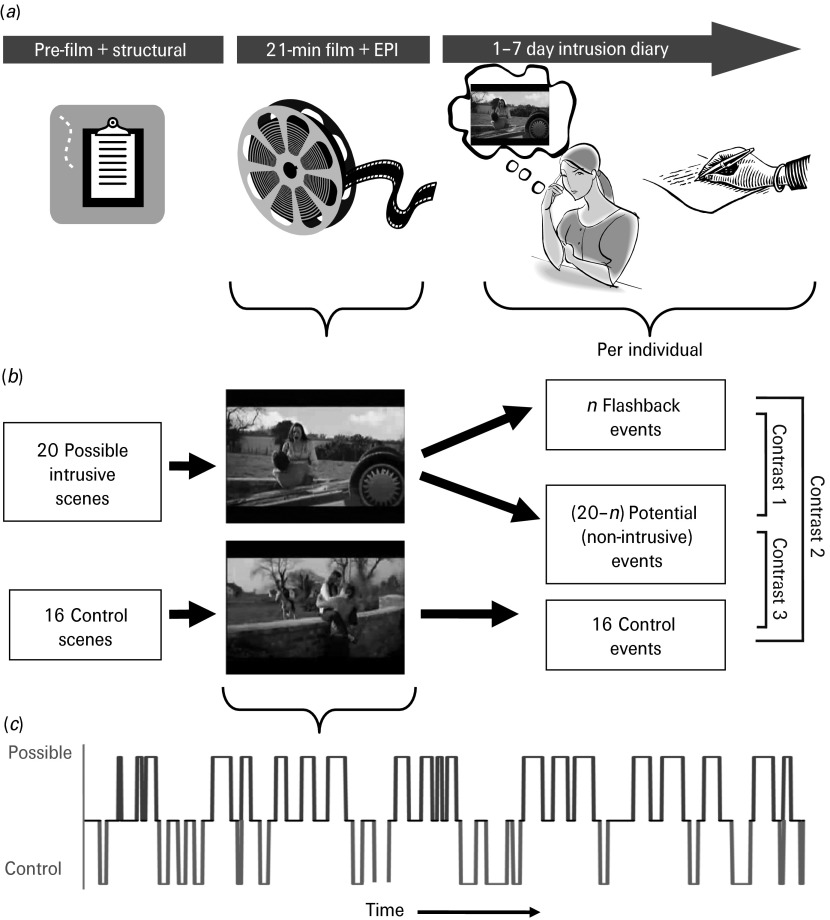
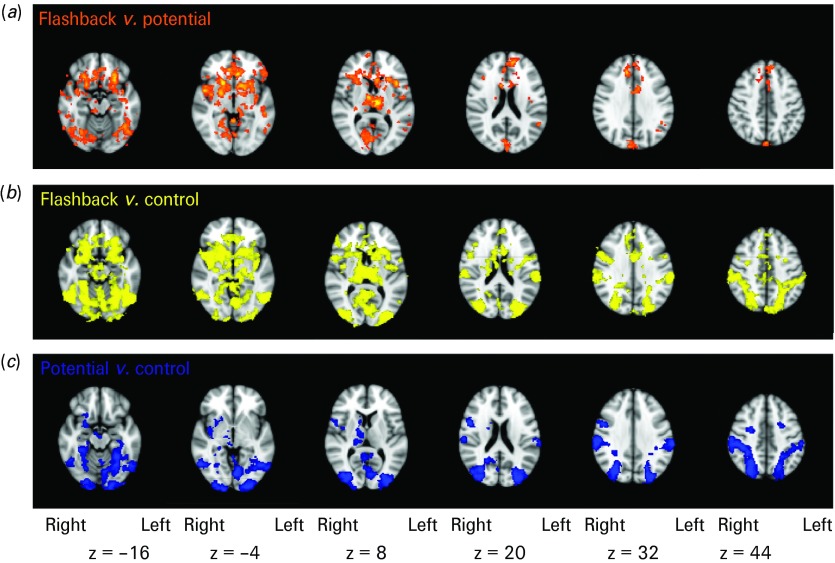
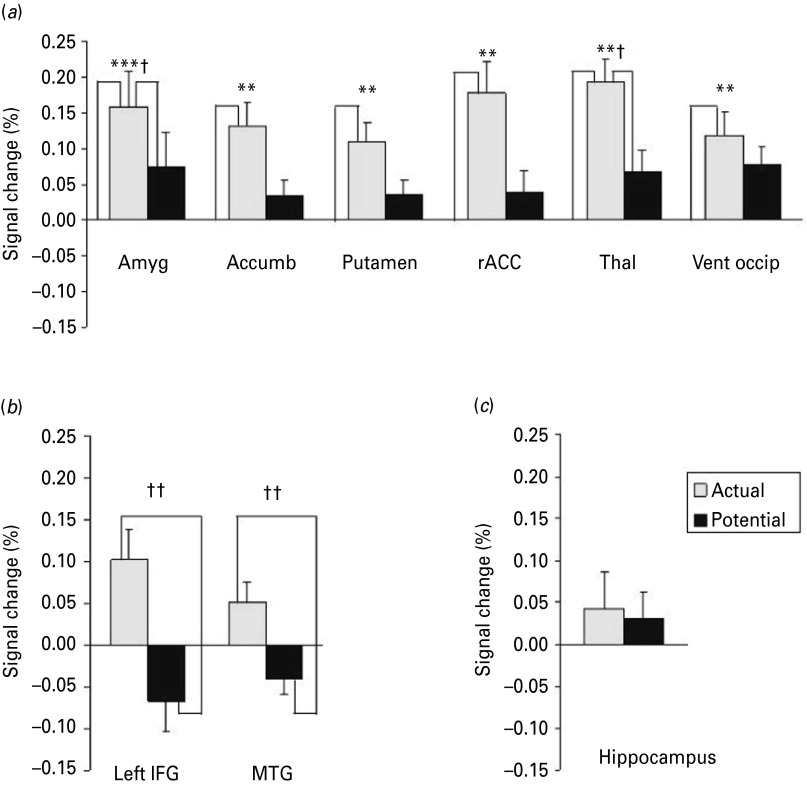
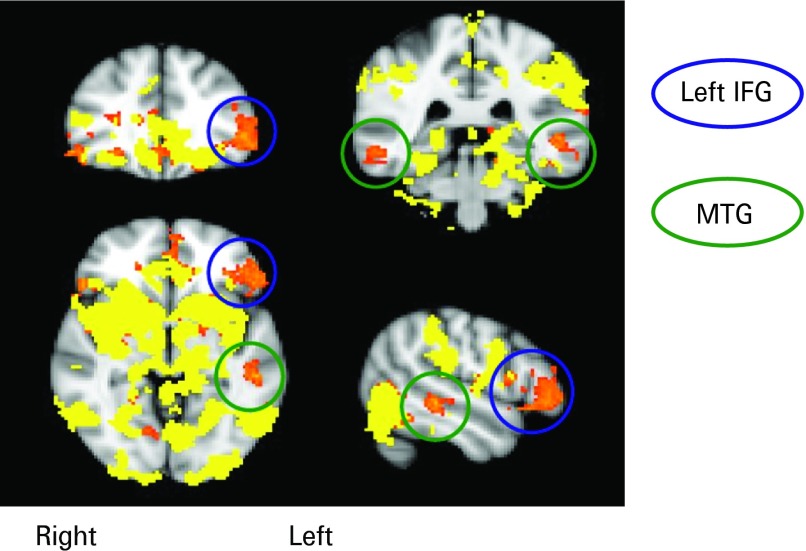
Background: Psychological traumatic events, such as war or road traffic accidents, are widespread. A small but significant proportion of survivors develop post-traumatic stress disorder (PTSD). Distressing, sensory-based involuntary memories of trauma (henceforth ‘flashbacks’) are the hallmark symptom of PTSD. Understanding the development of flashbacks may aid their prevention. This work is the first to combine the trauma film paradigm (as an experimental analogue for flashback development) with neuroimaging to investigate the neural basis of flashback aetiology. We investigated the hypothesis that involuntary recall of trauma (flashback) is determined during the original event encoding. Method: A total of 22 healthy volunteers viewed a traumatic film whilst undergoing functional magnetic resonance imaging (fMRI). They kept a 1-week diary to record flashbacks to specific film scenes. Using a novel prospective fMRI design, we compared brain activation for those film scenes that subsequently induced flashbacks with both non-traumatic control scenes and scenes with traumatic content that did not elicit flashbacks (‘potentials’). Results: Encoding of scenes that later caused flashbacks was associated with widespread increases in activation, including in the amygdala, striatum, rostral anterior cingulate cortex, thalamus and ventral occipital cortex. The left inferior frontal gyrus and bilateral middle temporal gyrus also exhibited increased activation but only relative to ‘potentials’. Thus, these latter regions appeared to distinguish between traumatic content that subsequently flashed back and comparable content that did not. Conclusions: Results provide the first prospective evidence that the brain behaves differently whilst experiencing emotional events that will subsequently become involuntary memories – flashbacks. Understanding the neural basis of analogue flashback memory formation may aid the development of treatment interventions for this PTSD feature.
Overview
The claims and statistics of this paper haven’t been checked yet.
Free: it reads the open-access text and checks the first 5 claims that cite a source we can check. Create a free account to check every claim.
Integrity signals
Registry
Cites
Statistics
Figures
Verification
Claims the paper makes
The claims and statistics of this paper haven’t been checked yet.
Free: it reads the open-access text and checks the first 5 claims that cite a source we can check. Create a free account to check every claim.
Claims other papers make about this one
Each is checked against this paper’s own text: does it say what the citing paper says it does?
The cited source says what the claim attributes to it.
In the citing paper
“So-called subsequent memory paradigms [141] have yielded several markers that predicted the later voluntary recollection of information [142], or the involuntary retrieval of experimental trauma [143–145].”
From Multiple memory systems, multiple time points: How science can inform treatment to control the expression of unwanted emotional memories (2018) · cites this paper as [145]
Self-check
Percentages, sums and reported differences re-computed from the paper’s own numbers.
The self-check needs the paper’s full text.
Citations
Cites
The Measurement of Observer Agreement for Categorical Data
Landis, J. R., & Koch, G. G. (1977) · Biometrics · doi:10.2307/2529310 · Cited by 81,148 · cited 1×
“An inter-rater reliability analysis using the k statistic (Landis & Koch, 1977 ; Fleiss, 1981) was performed (k=0.94, p<0.001), suggesting an excellent level of reliability for matching of diary entries to film scenes and that the flashbacks reported were indeed of the film (rather than other…”
MethodInfluential(1970) · Cited by 24,983
Statistical Methods for Rates and Proportions
Fleiss, J. L., Levin, B., & Paik, M. C. (2003) · Wiley Series in Probability and Statistics · doi:10.1002/0471445428 · Cited by 18,646
Posttraumatic Stress Disorder in the National Comorbidity Survey
Kessler, R. C. (1995) · Archives of General Psychiatry · doi:10.1001/archpsyc.1995.03950240066012 · Cited by 10,379 · cited 1×
“A small but clinically significant proportion of people who experience a trauma subsequently develop PTSD (Kessler et al. 1995).”
BackgroundA cognitive model of posttraumatic stress disorder
Ehlers, A., & Clark, D. M. (2000) · Behaviour Research and Therapy · doi:10.1016/s0005-7967(99)00123-0 · Cited by 6,147 · cited 4×
“The former, and much more common, intrusive memories are clinically important in the maintenance of PTSD (Ehlers & Clark, 2000 ; Foa et al. 2007).”
BackgroundInfluentialThe construction of autobiographical memories in the self-memory system
Conway, M. A., & Pleydell-Pearce, C. W. (2000) · Psychological Review · doi:10.1037/0033-295x.107.2.261 · Cited by 4,089 · cited 1×
“…of psychological processing at the time of trauma (peri-traumatic) is emphasized by the diagnostic criteria for PTSD (APA, 1994), clinical psychology theories (Conway & Pleydell-Pearce, 2000 ; Ehlers & Clark, 2000 ; Brewin & Holmes, 2003) and meta-analysis of PTSD predictors (Ozer et al. 2003).”
Predictors of posttraumatic stress disorder and symptoms in adults: a meta-analysis
Ozer, E. J., Best, S. R., Lipsey, T. L., & Weiss, D. S. (2003) · Psychological Bulletin · doi:10.1037/0033-2909.129.1.52 · Cited by 3,322 · cited 2×
“…of psychological processing at the time of trauma (peri-traumatic) is emphasized by the diagnostic criteria for PTSD (APA, 1994), clinical psychology theories (Conway & Pleydell-Pearce, 2000 ; Ehlers & Clark, 2000 ; Brewin & Holmes, 2003) and meta-analysis of PTSD predictors (Ozer et al. 2003).”
MethodForman, S. D., Cohen, J. D., Fitzgerald, M., Eddy, W. F., Mintun, M. A., & Noll, D. C. (1995) · Magnetic Resonance in Medicine · doi:10.1002/mrm.1910330508 · Cited by 3,202
Temporal Autocorrelation in Univariate Linear Modeling of FMRI Data
Woolrich, M. W., Ripley, B. D., Brady, M., & Smith, S. M. (2001) · NeuroImage · doi:10.1006/nimg.2001.0931 · Cited by 2,852 · cited 1×
“Linear Model) with local autocorrelation correction (Woolrich et al. 2001).”
THE AMYGDALA MODULATES THE CONSOLIDATION OF MEMORIES OF EMOTIONALLY AROUSING EXPERIENCES
McGaugh, J. L. (2004) · Annual Review of Neuroscience · doi:10.1146/annurev.neuro.27.070203.144157 · Cited by 2,296 · cited 2×
“…about the encoding and consolidation of deliberate (voluntary) memories (e.g. Wagner et al. 1998; Canli et al. 2000; Kensinger & Corkin, 2004 ; McGaugh, 2004 ; Francati et al. 2007; Roozendaal et al. 2008; Hughes & Shin, 2011), we predicted that encoding of traumatic material would involve…”
Background
Research works printed but not linked: 5
- National Institute for Health and Clinical Excellence (2005). Post-Traumatic Stress Disorder (PTSD): The Management of PTSD in Adults and Children in Primary and Secondary Care. National Institute for Health and Clinical Excellence: London
- WHO (2003). Mental Health in Emergencies: Mental and Social Aspects of Health of Populations Exposed to Extreme Stressors. World Health Organization: Geneva
- APA (1994). Diagnostic and Statistical Manual of Mental Disorders, 4th edn American Psychiatric Association: Washington, DC
- Beck AT, Steer RA, Brown GK (1996). Manual for the Beck Depression Inventory-II. Psychological Corporation: San Antonio, TX
- Foa EB, Hembree EA, Rothbaum BO (2007). Prolonged Exposure Therapy for PTSD: Emotional Processing of Traumatic Experiences. Oxford University Press: New York
Cited by
Mental Imagery: Functional Mechanisms and Clinical Applications
Pearson, J., Naselaris, T., Holmes, E. A., & Kosslyn, S. M. (2015) · Trends in Cognitive Sciences · doi:10.1016/j.tics.2015.08.003 · Cited by 1,087
“Linking studies of emotional imagery with neural mechanisms may also be useful [99,100].”
Self-citationMedia’s role in broadcasting acute stress following the Boston Marathon bombings
Holman, E. A., Garfin, D. R., & Silver, R. C. (2014) · Proceedings of the National Academy of Sciences · doi:10.1073/pnas.1316265110 · Cited by 513
“Our findings are consistent with research that documented high levels of 9/11-related acute stress (9) and probable PTSD (5) in people who watched more 9/11-related television coverage in the week after the attacks, and research that demonstrated an association between social media exposure and posttraumatic stress sy…”
BackgroundInfluentialJames, E. L., Bonsall, M. B., Hoppitt, L., Tunbridge, E. M., Geddes, J. R., Milton, A. L., & Holmes, E. A. (2015) · Psychological Science · doi:10.1177/0956797615583071 · Cited by 333
Self-citationJames, E. L., Lau-Zhu, A., Clark, I. A., Visser, R. M., Hagenaars, M. A., & Holmes, E. A. (2016) · Clinical Psychology Review · doi:10.1016/j.cpr.2016.04.010 · Cited by 300
“, 2015), neural (Bourne et al., 2013; Clark, Mackay, Woolrich & Holmes, 2016) and physiological responses (Chou et al.”
BackgroundMethodInfluentialSelf-citationMedia use and acute psychological outcomes during COVID-19 outbreak in China
Chao, M., Xue, D., Liu, T., Yang, H., & Hall, B. J. (2020) · Journal of Anxiety Disorders · doi:10.1016/j.janxdis.2020.102248 · Cited by 300
Iyadurai, L., Visser, R. M., Lau-Zhu, A., Porcheret, K., Horsch, A., Holmes, E. A., & James, E. L. (2019) · Clinical Psychology Review · doi:10.1016/j.cpr.2018.08.005 · Cited by 256
Self-citationMedia exposure to mass violence events can fuel a cycle of distress
Thompson, R. R., Jones, N. M., Holman, E. A., & Silver, R. C. (2019) · Science Advances · doi:10.1126/sciadv.aav3502 · Cited by 209
“, flashbacks and intrusive memories; (26, 27)] as collective traumas accumulate over time.”
BackgroundMethodMedia Exposure to Collective Trauma, Mental Health, and Functioning: Does It Matter What You See?
Holman, E. A., Garfin, D. R., Lubens, P., & Silver, R. C. (2020) · Clinical Psychological Science · doi:10.1177/2167702619858300 · Cited by 190
“To the extent that bloody images amplify emotional responses to a collective trauma, they may promote development of intrusive thoughts about the event (Bourne et al., 2013).”
BackgroundMedia Exposure and Anxiety during COVID-19: The Mediation Effect of Media Vicarious Traumatization
Liu, C., & Liu, Y. (2020) · International Journal of Environmental Research and Public Health · doi:10.3390/ijerph17134720 · Cited by 185
“After the 9/11 attack, people exposed to more television images of people falling or jumping to their death reported a higher posttraumatic stress disorder (PTSD) [27,28].”
BackgroundDisrupted Functional Brain Connectome in Patients with Posttraumatic Stress Disorder
Lei, D., Li, K., Li, L., Chen, F., Huang, X., Lui, S., Li, J., Bi, F., & Gong, Q. (2015) · Radiology · doi:10.1148/radiol.15141700 · Cited by 165
Horsch, A., Vial, Y., Favrod, C., Harari, M. M., Blackwell, S. E., Watson, P., Iyadurai, L., Bonsall, M. B., & Holmes, E. A. (2017) · Behaviour Research and Therapy · doi:10.1016/j.brat.2017.03.018 · Cited by 158
Self-citationPosttraumatic stress disorder: a theoretical model of the hyperarousal subtype
Weston, C. S. E. (2014) · Frontiers in Psychiatry · doi:10.3389/fpsyt.2014.00037 · Cited by 114
Garfin, D. R., Holman, E. A., & Silver, R. C. (2015) · Psychological Science · doi:10.1177/0956797614561043 · Cited by 102
“Functional MRI studies have demonstrated that vicarious exposure to traumatic images elicits activation of brain regions linked to subsequent intrusive flashbacks, a hallmark of acute and posttraumatic stress responses (Bourne et al., 2013).”
Clark, I. A., & Mackay, C. E. (2015) · Frontiers in Psychiatry · doi:10.3389/fpsyt.2015.00104 · Cited by 103
Self-citationIntrusive memories to traumatic footage: the neural basis of their encoding and involuntary recall
Clark, I. A., Holmes, E. A., Woolrich, M. W., & Mackay, C. E. (2016) · Psychological Medicine · doi:10.1017/s0033291715002007 · Cited by 100
“The encoding findings provide a strong replication of our previous work (Bourne et al. 2013) in a new sample.”
BackgroundMethodResultInfluentialSelf-citationCoping with cascading collective traumas in the United States
Silver, R. C., Holman, E. A., & Garfin, D. R. (2020) · Nature Human Behaviour · doi:10.1038/s41562-020-00981-x · Cited by 96
Visser, R. M., Lau-Zhu, A., Henson, R. N., & Holmes, E. A. (2018) · Philosophical Transactions of the Royal Society B: Biological Sciences · doi:10.1098/rstb.2017.0209 · Cited by 95
Self-citationRethinking post-traumatic stress disorder – A predictive processing perspective
Κube, T., Berg, M., Kleim, B., & Herzog, P. (2020) · Neuroscience & Biobehavioral Reviews · doi:10.1016/j.neubiorev.2020.04.014 · Cited by 116
Levy-Gigi, E., Szabo, C., Richter-Levin, G., & Kéri, S. (2015) · Neuropsychology · doi:10.1037/neu0000131 · Cited by 85
Lau‐Zhu, A., Holmes, E. A., Butterfield, S., & Holmes, J. (2017) · Applied Cognitive Psychology · doi:10.1002/acp.3339 · Cited by 75
Self-citationWhite Matter Abnormalities in Post-traumatic Stress Disorder Following a Specific Traumatic Event
Li, L., Lei, D., Li, L., Huang, X., Suo, X., Xiao, F., Kuang, W., Li, J., Bi, F., Lui, S., et al. (2016) · EBioMedicine · doi:10.1016/j.ebiom.2016.01.012 · Cited by 88
“According to recent clinical fMRI studies, a hallmark symptom of PTSD, flashback, is often associated with increased activation in the ventral occipital cortex, a region involved in higher-level visual processing and mental imagery (Bourne et al., 2013; Kosslyn et al., 2001).”
BackgroundLau‐Zhu, A., Henson, R. N., & Holmes, E. A. (2019) · Journal of Experimental Psychology General · doi:10.1037/xge0000598 · Cited by 87
Self-citationMental imagery, emotion and psychopathology across child and adolescent development
Burnett Heyes, S., Lau, J. Y. F., & Holmes, E. A. (2013) · Developmental Cognitive Neuroscience · doi:10.1016/j.dcn.2013.02.004 · Cited by 70
Self-citationMcNeish, D. (2022) · Behavior Research Methods · doi:10.3758/s13428-022-02016-x · Cited by 93
“On clinical scales, some items or symptoms tend to carry more influence than others (Bourne et al., 2013; Fried et al., 2014) and response patterns can be more informative than overall counts or sums (e.g., Borsboom & Mellenbergh, 2004, pp. 118–119).”
BackgroundHe, X., Zhang, Y., Chen, M., Zhang, J., Zou, W., & Luo, Y. (2021) · Frontiers in Psychiatry · doi:10.3389/fpsyt.2020.613368 · Cited by 59
Brain transcriptome profiles in mouse model simulating features of post-traumatic stress disorder
Muhie, S., Gautam, A., Meyerhoff, J., Chakraborty, N., Hammamieh, R., & Jett, M. (2015) · Molecular Brain · doi:10.1186/s13041-015-0104-3 · Cited by 58
“Other brain regions, such as corpus striatum (ST) and septal region (SE), are implicated in processing and responding to reward and aversive stimuli, lack of motivation, and recall of intrusive traumatic cues in the form of flashbacks [11,12].”
BackgroundSingh, L., Espinosa, L., Ji, J. L., Moulds, M. L., & Holmes, E. A. (2020) · Cognitive Neuropsychiatry · doi:10.1080/13546805.2020.1804845 · Cited by 57
Self-citationClark, I. A., Mackay, C. E., & Holmes, E. A. (2015) · Cognition and Emotion · doi:10.1080/02699931.2014.926861 · Cited by 52
“In line with our definition of flashbacks, data were only collected on involuntary visual images of the film that occurred in a waking state (Bourne et al., 2013; Frankel, 1994; Jones et al., 2003).”
BackgroundSelf-citationInterpersonal violence in posttraumatic women: brain networks triggered by trauma-related pictures
Neumeister, P., Feldker, K., Heitmann, C. Y., Helmich, R., Gathmann, B., Becker, M. P. I., & Straube, T. (2017) · Social Cognitive and Affective Neuroscience · doi:10.1093/scan/nsw165 · Cited by 46
“Furthermore, occipital regions have been shown to be associated with involuntary processing in PTSD (Bourne et al., 2013; Whalley et al., 2013), proposing involvement in re-experiencing processes of PTSD symptomatology (criterion B of PTSD, as described by the American Psychiatric Association,…”
BackgroundCollaborative recall of details of an emotional film
Wessel, I., Zandstra, A. R. E., Hengeveld, H. M. E., & Moulds, M. L. (2014) · Memory · doi:10.1080/09658211.2014.895384 · Cited by 48
Involuntary memories of emotional scenes: The effects of cue discriminability and emotion over time.
Staugaard, S. R., & Berntsen, D. (2014) · Journal of Experimental Psychology General · doi:10.1037/a0037185 · Cited by 47
A Sobering Look at Treatment Effectiveness of Military-Related Posttraumatic Stress Disorder
Levi, O., Yehuda, A. B., Pine, D. S., & Bar‐Haim, Y. (2021) · Clinical Psychological Science · doi:10.1177/21677026211051314 · Cited by 52
“Alternatively, weak treatment effects may reflect unique clinical features in which posttraumatic moodrelated and anxiety-related symptoms occur in the context of memory-based symptoms that do not occur in mood or anxiety disorders (Bar-Haim et al., 2021; Bourne et al., 2013; Brewin, 2015; Ehlers et al., 2004).”
BackgroundMiedl, S. F., Wegerer, M., Kerschbaum, H., Blechert, J., & Wilhelm, F. H. (2017) · Psychoneuroendocrinology · doi:10.1016/j.psyneuen.2017.10.006 · Cited by 48
Degrading emotional memories induced by a virtual reality paradigm
Cuperus, A. A., Laken, M., van den Hout, M., & Engelhard, I. M. (2016) · Journal of Behavior Therapy and Experimental Psychiatry · doi:10.1016/j.jbtep.2016.03.004 · Cited by 51
The Role of the Thalamus in Post-Traumatic Stress Disorder
Yoshii, T. (2021) · International Journal of Molecular Sciences · doi:10.3390/ijms22041730 · Cited by 39
“Increase in effective connectivity from thalamus to amygdala [56–59] Increase in effective connectivity from thalamus to ACC, striatum, and occipital cortex [56]”
BackgroundNeuromodulation of Visual Cortex Reduces the Intensity of Intrusive Memories
Herz, N., Bar‐Haim, Y., Tavor, I., Tik, N., Sharon, H., Holmes, E. A., & Censor, N. (2021) · Cerebral Cortex · doi:10.1093/cercor/bhab217 · Cited by 45
“inferior frontal gyrus and bilateral middle temporal gyrus was observed for the material that did intrude (Bourne et al. 2013).”
BackgroundSelf-citationClark, I. A., Niehaus, K. E., Duff, E. P., Di Simplicio, M. C., Clifford, G. D., Smith, S. M., Mackay, C. E., Woolrich, M. W., & Holmes, E. A. (2014) · Behaviour Research and Therapy · doi:10.1016/j.brat.2014.07.010 · Cited by 37
“Ethical approval was received from NHS Oxfordshire Research Ethics Committee ‘B’ (Bourne et al., 2013) and the University of Oxford Central University Research Ethics Committee (Clark et al.”
MethodSelf-citationIt matters what you see: Graphic media images of war and terror may amplify distress
Holman, E. A., Garfin, D. R., & Silver, R. C. (2024) · Proceedings of the National Academy of Sciences · doi:10.1073/pnas.2318465121 · Cited by 61
“…data using functional MRI has evaluated the neural response to viewing traumatic imagery, finding such exposure activates fear circuitry in the brain (18), and that this activation is asso - ciated with subsequent “flashbacks” typically associated with traumatic stress responses following…”
BackgroundChina’s mental health support in response to COVID-19: progression, challenges and reflection
Ju, Y., Zhang, Y., Wang, X., Li, W., Ng, R. M. K., & Li, L. (2020) · Globalization and Health · doi:10.1186/s12992-020-00634-8 · Cited by 36
Narrative imagery: Emotional modulation in the default mode network
Sambuco, N., Bradley, M. M., & Lang, P. J. (2021) · Neuropsychologia · doi:10.1016/j.neuropsychologia.2021.108087 · Cited by 42
Positive involuntary autobiographical memories: You first have to live them
Clark, I. A., Mackay, C. E., & Holmes, E. A. (2013) · Consciousness and Cognition · doi:10.1016/j.concog.2013.01.008 · Cited by 35
Self-citationSex differences in intrusive memories following trauma
Hsu, C.-M. K., Kleim, B., Nicholson, E., Zuj, D. V., Cushing, P. J., Gray, K. E., Clark, L., & Felmingham, K. L. (2018) · PLoS ONE · doi:10.1371/journal.pone.0208575 · Cited by 39
“Given that both intrusive memories and estradiol are associated with limbic network activation [52, 53], and that estradiol modulates noradrenergic activity which is associated with intrusive memories [15, 54, 55], it is important to examine the potential interaction of sex and stress hormones on intrusive memories fo…”
BackgroundWhy reliving is not remembering and the unique neurobiological representation of traumatic memory
Kearney, B. E., & Lanius, R. A. (2024) · Nature Mental Health · doi:10.1038/s44220-024-00324-z · Cited by 38
“Here, the anterior insula and broader salience network, including the amygdala, have been implicated in the intrusive nature of traumatic memory such that bottom-up sensory input (fireworks, a glance from another, bodily posture) can involuntarily evoke traumatic memory 113 .”
Buchsbaum, M. S., Simmons, A. N., DeCastro, A., Farid, N., & Matthews, S. C. (2015) · Journal of Neurotrauma · doi:10.1089/neu.2014.3660 · Cited by 33
Hall, S. A., Brodar, K. E., LaBar, K. S., Berntsen, D., & Rubin, D. C. (2018) · NeuroImage Clinical · doi:10.1016/j.nicl.2018.05.009 · Cited by 32
“…cingulate cortex (ACC), striatum, thalamus, and parahippocampal gyrus, with such increased activity during the encoding of stressful films subsequently reported as flashbacks (Bourne et al., 2013), and during encoding in individuals reporting a high level of intrusions (Battaglini et al., 2016).”
Neural Processing During Fear Extinction Predicts Intrusive Memories
Miedl, S. F., Rattel, J. A., Franke, L. K., Blechert, J., Kronbichler, M., Spoormaker, V. I., & Wilhelm, F. H. (2020) · Biological Psychiatry Cognitive Neuroscience and Neuroimaging · doi:10.1016/j.bpsc.2019.12.017 · Cited by 37
Neurobiological correlates of EMDR therapy effect in PTSD
Rousseau, P., Khoury-Malhame, M. E., Reynaud, E., Zendjidjian, X. Y., Samuelian, J., & Khalfa, S. (2018) · European Journal of Trauma & Dissociation · doi:10.1016/j.ejtd.2018.07.001 · Cited by 36
Morgan‐López, A. A., Hien, D. A., Saraiya, T. C., Saavedra, L. M., Norman, S. B., Killeen, T. K., Simpson, T. L., Fitzpatrick, S., Mills, K. L., Ruglass, L. M., et al. (2022) · Journal of Traumatic Stress · doi:10.1002/jts.22800 · Cited by 31
Post-traumatic Stress and Growth Among the Children and Adolescents in the Aftermath of COVID-19
Bhushan, B., Basu, S., & Ganai, U. J. (2022) · Frontiers in Psychology · doi:10.3389/fpsyg.2021.791263 · Cited by 32
Malik, A., Goodwin, G. M., Hoppitt, L., & Holmes, E. A. (2014) · Clinical Psychological Science · doi:10.1177/2167702614527433 · Cited by 26
Self-citationRobert, M., Stene, L. E., Garfin, D. R., Vandentorren, S., Motreff, Y., du Roscoat, E., & Pirard, P. (2021) · Frontiers in Psychiatry · doi:10.3389/fpsyt.2021.509457 · Cited by 25
Jeftić, A., İkizer, G., Tuominen, J., Chrona, S., & Kumaga, R. (2021) · Current Psychology · doi:10.1007/s12144-021-02407-x · Cited by 36
“1 3 the repeated exposure to trauma-related content is likely to reinforce rumination and intrusive thoughts, activate fear circuitry, and perhaps contribute to development of flashbacks (Bourne et al., 2013).”
BackgroundSuo, X., Zuo, C., Lan, H., Li, W., Li, L., Kemp, G. J., Wang, S., & Gong, Q. (2022) · Biological Psychiatry Cognitive Neuroscience and Neuroimaging · doi:10.1016/j.bpsc.2022.09.003 · Cited by 36
Cwik, J. C., Vahle, N. M., Woud, M. L., Potthoff, D., Kessler, H., Sartory, G., & Seitz, R. J. (2019) · European Archives of Psychiatry and Clinical Neuroscience · doi:10.1007/s00406-019-01011-2 · Cited by 30
Large‐scale white matter network reorganization in posttraumatic stress disorder
Suo, X., Lei, D., Li, W., Chen, F., Niu, R., Kuang, W., Huang, X., Lui, S., Li, L., Sweeney, J. A., et al. (2019) · Human Brain Mapping · doi:10.1002/hbm.24738 · Cited by 28
Garfin, D. R., Holman, E. A., Fischhoff, B., Wong-Parodi, G., & Silver, R. C. (2022) · International Journal of Disaster Risk Reduction · doi:10.1016/j.ijdrr.2022.103059 · Cited by 24
“This may be due to activation of fear circuitry in the brain [63], which then leads to the maintenance of ruminative processes such as ongoing fear and worry.”
BackgroundThe neural basis of Tetris gameplay: implicating the role of visuospatial processing
Ågren, T., Hoppe, J. M., Singh, L., Holmes, E. A., & Rosén, J. (2021) · Current Psychology · doi:10.1007/s12144-021-02081-z · Cited by 28
Self-citationNeural correlates of experimental trauma memory retrieval
Gvozdanovic, G. A., Stämpfli, P., Seifritz, E., & Rasch, B. (2017) · Human Brain Mapping · doi:10.1002/hbm.23613 · Cited by 23
“These brain regions significantly predicted development of experimental trauma memory intrusions [Bourne et al., 2013].”
BackgroundEquine-Assisted Psychotherapy: An Emerging Trauma-Informed Intervention
Buck, P. W., Bean, N., & Marco, K. D. (2017) · Advances in Social Work · doi:10.18060/21310 · Cited by 43
Peritraumatic Neural Processing and Intrusive Memories: The Role of Lifetime Adversity
Rattel, J. A., Miedl, S. F., Franke, L. K., Grünberger, L. M., Blechert, J., Kronbichler, M., Spoormaker, V. I., & Wilhelm, F. H. (2019) · Biological Psychiatry Cognitive Neuroscience and Neuroimaging · doi:10.1016/j.bpsc.2018.12.010 · Cited by 23
The memory trace of an intrusive trauma-analog episode
Kobelt, M., Waldhauser, G. T., Rupietta, A. E., Heinen, R. M., Rau, E. M. B., Kessler, H., & Axmacher, N. (2024) · Current Biology · doi:10.1016/j.cub.2024.03.005 · Cited by 27
“38 Consistently, memory intrusions were associated with increased activity in visual processing areas and the salience network in both healthy participants exposed to trauma films and PTSD patients undergoing symptom provocation.”
BackgroundResultInfluentialIntrusive Memories of Distressing Information: An fMRI Study
Battaglini, E., Liddell, B. J., Das, P., Malhi, G. S., Felmingham, K. L., & Bryant, R. A. (2016) · PLoS ONE · doi:10.1371/journal.pone.0140871 · Cited by 22
“Indeed, previous fMRI studies have reported that the unpredictable nature of intrusions renders these types of memories resistant to efficientmodelling via the BOLD signal [28].”
BackgroundResultInfluentialBirze, A., Regehr, K., & Regehr, C. (2022) · Journal of Interpersonal Violence · doi:10.1177/08862605221090571 · Cited by 27
“Many moderators were repeatedly exposed to video content depicting graphic forms of interpersonal violence including child sexual abuse, beheadings, and terrorism, and suffered from PTSD as a result.”
BackgroundInfluentialClancy, K. J., Devignes, Q., Ren, B., Pollmann, Y., Nielsen, S. R., Howell, K., Kumar, P., Belleau, E. L., & Rosso, I. M. (2024) · Molecular Psychiatry · doi:10.1038/s41380-024-02486-9 · Cited by 23
Functional locus coeruleus imaging to investigate an ageing noradrenergic system
Ludwig, M., Yi, Y., Lüsebrink, F., Callaghan, M. F., Betts, M. J., Yakupov, R., Weiskopf, N., Dolan, R. J., Düzel, E., & Hämmerer, D. (2024) · Communications Biology · doi:10.1038/s42003-024-06446-5 · Cited by 26
Hampstead, B. M., Briceño, E. M., Mascaro, N., Mourdoukoutas, A. P., & Bikson, M. (2016) · Current Behavioral Neuroscience Reports · doi:10.1007/s40473-016-0070-9 · Cited by 22
Steward, T., Das, P., Malhi, G. S., Bryant, R. A., & Felmingham, K. L. (2020) · European Neuropsychopharmacology · doi:10.1016/j.euroneuro.2020.09.634 · Cited by 23
The Phenomenology and Correlates of Flashbacks in Individuals With Posttraumatic Stress Symptoms
Malaktaris, A. L., & Lynn, S. J. (2018) · Clinical Psychological Science · doi:10.1177/2167702618805081 · Cited by 26
Goodwin, G. M., Holmes, E. A., Andersson, E., Browning, M. D., Jones, A., Lass‐Hennemann, J., Månsson, K. N. T., Moessnang, C., Salemink, E., Sánchez-López, Á., et al. (2018) · European Neuropsychopharmacology · doi:10.1016/j.euroneuro.2017.10.036 · Cited by 22
“A second analog study used the trauma-film-paradigm (an experimental tool for investigating intrusive memories in healthy participants; Bourne et al., 2013; Clark et al., 2016; James et al., 2015; James et al., 2016).”
MethodSelf-citationLuo, Y., He, X., Wang, S., Li, J., & Zhang, Y. (2021) · PeerJ · doi:10.7717/peerj.11407 · Cited by 16
Morgan‐López, A. A., Saavedra, L. M., Hien, D. A., Norman, S. B., Fitzpatrick, S., Ye, A., Killeen, T. K., Ruglass, L. M., Blakey, S. M., & Back, S. E. (2023) · International Journal of Methods in Psychiatric Research · doi:10.1002/mpr.1963 · Cited by 18
Larson, O., Schapiro, A. C., & Gehrman, P. (2023) · Sleep Medicine Reviews · doi:10.1016/j.smrv.2023.101768 · Cited by 18
A prolonged stress rat model recapitulates some PTSD-like changes in sleep and neuronal connectivity
Lo, Y., Yi, P.-L., Hsiao, Y., Lee, T.-Y., & Chang, F. (2023) · Communications Biology · doi:10.1038/s42003-023-05090-9 · Cited by 17
Zhang, H., Xu, H., Huang, L., Wang, Y., Deng, F., Wang, X., Tang, X., Wang, W., Fu, X., Tao, Y., et al. (2021) · BMC Psychiatry · doi:10.1186/s12888-021-03400-1 · Cited by 18
“The amygdala is activated when the brain encodes non-spontaneous, intrusive memories, such as " ashbacks" of traumatic events[26, 27] [27– 28].”
BackgroundMorr, M., Noell, J., Sassin, D., Daniels, J., Philipsen, A., Becker, B., Stoffel‐Wagner, B., Hurlemann, R., & Scheele, D. (2022) · Advanced Science · doi:10.1002/advs.202105336 · Cited by 17
“On a neural level, increased reactivity in the amygdala, hippocampus, insula and anterior cingulate cortex (ACC) during trauma exposure predicts increased intrusive thoughts [25, 26].”
BackgroundGraebener, A. H., Michael, T., Holz, E., & Lass-Hennemann, J. (2017) · European Neuropsychopharmacology · doi:10.1016/j.euroneuro.2017.09.001 · Cited by 15
Investigating the role of future thinking in a case of highly superior autobiographical memory
Gibson, E. C., Ford, L., & Robinson, G. A. (2022) · Cortex · doi:10.1016/j.cortex.2022.01.016 · Cited by 17
Analogue PTSD Symptoms are Best Predicted by State Rumination
Holz, E., Lass‐Hennemann, J., & Michael, T. (2016) · Journal of Experimental Psychopathology · doi:10.5127/jep.050915 · Cited by 15
The Unintended Consequences of Disaster-Related Media Coverage
Lubens, P., & Holman, E. A. (2017) · Cambridge University Press eBooks · doi:10.1017/9781316481424.013 · Cited by 19
Mental imagery and bipolar disorders: Introducing scope for psychological treatment development?
Ng, R. M., Simplicio, M. C. D., & Holmes, E. A. (2015) · International Journal of Social Psychiatry · doi:10.1177/0020764015615905 · Cited by 15
Self-citationLongitudinal Assessment of Amygdala Activity in Mice Susceptible to Trauma
Dirven, B. C. J., Botan, A., van der Geugten, D., Kraakman, B., van Melis, L. V. J., Merjenburgh, S., van Rijn, R., Waajen, L., Homberg, J. R., Kozicz, T., et al. (2022) · Psychoneuroendocrinology · doi:10.1016/j.psyneuen.2022.105912 · Cited by 15
Meaning and resilience in war-affected populations during crisis
Russo‐Netzer, P., Tarrasch, R., Saar‐Ashkenazy, R., & Guez, J. (2025) · Frontiers in Psychiatry · doi:10.3389/fpsyt.2025.1678205 · Cited by 25
Bilateral eye movements disrupt the involuntary perceptual representation of trauma-related memories
Xu, Z., Hu, J., & Wang, Y. (2023) · Behaviour Research and Therapy · doi:10.1016/j.brat.2023.104311 · Cited by 15
Castro, M., Dias, J. A., & Madeira, L. (2023) · Journal of Health Psychology · doi:10.1177/13591053231201242 · Cited by 17
“More recent work (Bourne et al., 2013), demonstrates that experimental exposure to a traumatic film can activate fear circuitry in the brain and produce flashbacks – two key processes associated with the development of PTSD.”
Reiser, E. M., Weiss, E. M., Schulter, G., Holmes, E. A., Fink, A., & Papousek, I. (2014) · Psychophysiology · doi:10.1111/psyp.12197 · Cited by 16
“Subsequently, the short-term intrusion rating and the rating to what degree the film had affected the participant appeared on the screen, which the participants completed using the computer mouse.”
BackgroundSelf-citationThe Handbook of Wellness Medicine
IsHak, W. W. (2020) · Cambridge University Press eBooks · doi:10.1017/9781108650182 · Cited by 13
Neural correlates of repeated retrieval of emotional autobiographical events
Bradley, M. M., Sambuco, N., & Lang, P. J. (2022) · Neuropsychologia · doi:10.1016/j.neuropsychologia.2022.108203 · Cited by 12
Visual phenomenology in schizophrenia and post-traumatic stress disorder: an exploratory study
Wearne, D., Ayalde, J., Curtis, G. J., Gopisetty, A., Banerjee, A., Melvill-Smith, P., Orr, K., Rajanthiran, L., & Waters, F. (2022) · BJPsych Open · doi:10.1192/bjo.2022.544 · Cited by 14
“27 In contrast, chronic dissociation tends to develop along a course of repeated traumatic exposures, as seen commonly in childhood trauma and complex PTSD. 28 Flashbacks in PTSD are physiologically associated with the ‘ fight or flight ’ response, which is based on the sympathetic nervous system…”
Psychotherapy for PTSD: Neuroimaging of Recovery Processes
Erickson, H. J., Hurley, R. A., & Taber, K. H. (2014) · Journal of Neuropsychiatry · doi:10.1176/appi.neuropsych.260301 · Cited by 10
Ma, Y., Jiao, F., Batsikadze, G., Yavari, F., & Nitsche, M. A. (2024) · Brain stimulation · doi:10.1016/j.brs.2024.07.004 · Cited by 11
“In a trauma film viewing test, healthy individuals who experienced intrusive recall showed increased activation of the LiFG compared to those without returning intrusive memories [66].”
BackgroundRegnoli, G. M., Tiano, G., & Rosa, B. D. (2025) · European Journal of Investigation in Health Psychology and Education · doi:10.3390/ejihpe15090184 · Cited by 12
“Post-traumatic stress symptoms have been observed following media exposure to the 9/11 terrorist attacks (Bourne et al., 2013), the Boston Marathon bombing, which led to acute stress and long-term psychological distress among media consumers (Holman et al., 2020), and other collective traumatic…”
InfluentialVisser, R. M., Henson, R. N., & Holmes, E. A. (2021) · Biological Psychiatry Cognitive Neuroscience and Neuroimaging · doi:10.1016/j.bpsc.2021.08.006 · Cited by 13
“ROI analyses (Figure 2B) showed higher activation for intrusive hotspots in the left IFG (t24 = 2.40, p = .012, one sided; d = 0.48), but not MTG (t24 = 1.03, p = .156, one sided; d = 0.21) or amygdala (t24 = 0.91, p = .187, one sided; d = 0.18).”
BackgroundResultInfluentialSelf-citationMental imagery in psychopathology: from the lab to the clinic
Clark, I. A., James, E. L., Iyadurai, L., & Holmes, E. A. (2015) · Cambridge University Press eBooks · doi:10.1017/cbo9781139626767.008 · Cited by 12
Self-citationEnhanced semantic memory in a case of highly superior autobiographical memory
Ford, L., Shaw, T. B., Mattingley, J. B., & Robinson, G. A. (2022) · Cortex · doi:10.1016/j.cortex.2022.02.007 · Cited by 8
MVPA to enhance the study of rare cognitive events: An investigation of experimental PTSD
Niehaus, K. E., Clark, I. A., Bourne, C., Mackay, C. E., Holmes, E. A., Smith, S. M., Woolrich, M. W., & Duff, E. P. (2014) · International Workshop on Pattern Recognition in NeuroImaging · doi:10.1109/prni.2014.6858536 · Cited by 8
“Experimental designs have been developed that mimic PTSD symptoms by inducing mild flashbacks within healthy volunteers through traumatic film footage [4], [5].”
BackgroundSelf-citationMental Imagery in Psychological Disorders
Holmes, E. A., Iyadurai, L., Jacob, G. A., & Hales, S. A. (2015) · Wiley eBooks · doi:10.1002/9781118900772.etrds0216 · Cited by 11
Self-citationDigital Terror: Its Striking Impact on Public Mental Health
Roe, D., Gilboa‐Schechtman, E., & Baumel, A. (2024) · Psychiatric Services · doi:10.1176/appi.ps.20240169 · Cited by 7
Wu, Y., Dai, Z., Jing, S., Liu, X., Zhang, L., Liu, X., Ren, T., Fu, J., Chen, X., Xiao, W., et al. (2023) · Journal of Affective Disorders · doi:10.1016/j.jad.2023.12.008 · Cited by 8
Polack, R. G., Paganini, G., Winschel, J., Benisty, H., Joormann, J., Kober, H., & Mishne, G. (2024) · Social Neuroscience · doi:10.1080/17470919.2024.2382771 · Cited by 12
“For example, Bourne et al. (2013) had participants watch potentially traumatic videos during fMRI, and then complete an EMA every time they experienced a flashback from that video.”
Sogo, K., Sogo, M., & Okawa, Y. (2021) · Brain and Behavior · doi:10.1002/brb3.2147 · Cited by 8
Metadata
- Authors
- Bourne, C., Mackay, C. E., & Holmes, E. A.
- Affiliations
- Warneford Hospital (GB)
- MRC Cognition and Brain Sciences Unit (GB)
- Corresponding author
- Holmes, E. A.
- Venue
- Psychological Medicine
- Publisher
- Cambridge University Press (CUP)
- Published
- 2012-10-18
- Volume
- 43
- Issue
- 7
- Pages
- 1521-1532
- ISSN
- 0033-2917 (ISSN-L)
- 1469-8978
- PMC
- PMC3806039
- OpenAlex
- W2104838044
- Cited by
- 218
- References
- 67
- Citations by year
- 2026: 11 · 2025: 9 · 2024: 19 · 2023: 11 · 2022: 15 · 2021: 20 · 2020: 63 · 2019: 11 · 2018: 10 · 2017: 9 · 2016: 12 · 2015: 13 · 2014: 12 · 2013: 3
- FWCI
- 10.18
- Type
- journal article
- Language
- en
- Open access
- hybrid
- doi.org
- Locations
- Psychological Medicine (publishedVersion, cc-by)
- Europe PMC (PubMed Central) (publishedVersion, other-oa)
- PubMed Central (publishedVersion, cc-by)
- PubMed (publishedVersion)
- ePrints Soton (University of Southampton) (acceptedVersion)
- Funders
- Wellcome Trust (WT088217)
- National Institute for Health and Care Research
- University of Oxford
- Medical Research Council
- Topics
- Social Sciences › Psychology › Clinical Psychology › Posttraumatic Stress Disorder Research
- Life Sciences › Neuroscience › Cognitive Neuroscience › Memory Processes and Influences
- Life Sciences › Neuroscience › Cognitive Neuroscience › Memory and Neural Mechanisms
- Keywords
- flashbacks, post-traumatic stress disorder, involuntary memory, trauma film paradigm, amygdala, striatum, rostral anterior cingulate cortex, thalamus, inferior frontal gyrus, middle temporal gyrus
- MeSH terms
- Adult, Amygdala, Brain, Corpus Striatum, Female, Gyrus Cinguli, Humans, Magnetic Resonance Imaging, Male, Occipital Lobe, Prospective Studies, Mental Recall, Stress Disorders, Post-Traumatic, Stress, Psychological, Temporal Lobe, Thalamus, Young Adult, Functional Neuroimaging
About these checks
Registry, retraction, Cites and statistics results are computed, not judged, with one exception: a printed reference that no index lists is read once by a model before it counts as a citation error. Claims are extracted by a model and kept only when their quote appears verbatim in the text; each cited source is then checked, with a model’s help, for whether it says what the claim relies on. Those verdicts can be wrong — read the claim’s quote and the cited source before relying on one.
Statistics and arithmetic are recomputed, not judged.
Confidence bands are shown only for fields calibrated on our annotated test set. None is calibrated yet, so no band is shown.
What counts as a claim ›How we measure confidence ›How we check this ›
Are you an author, or do you see a problem with this page? Request a review
Data sources
Bibliographic data: Semantic Scholar, OpenAlex, Crossref.
Contains information from the Semantic Scholar Academic Graph Datasets, made available under the ODC Attribution License (ODC-BY 1.0).
Semantic Scholar’s data is described in: Kinney, R., et al. (2023). The Semantic Scholar Open Data Platform. arXiv:2301.10140.
