

Towards microbial fermentation metabolites as markers for health benefits of prebiotics
Open accessThe DOI matches its Crossref record; 269 of the 269 references it cites were found in a registry or an index.
Abstract
Available evidence on the bioactive, nutritional and putative detrimental properties of gut microbial metabolites has been evaluated to support a more integrated view of how prebiotics might affect host health throughout life. The present literature inventory targeted evidence for the physiological and nutritional effects of metabolites, for example, SCFA, the potential toxicity of other metabolites and attempted to determine normal concentration ranges. Furthermore, the biological relevance of more holistic approaches like faecal water toxicity assays and metabolomics and the limitations of faecal measurements were addressed. Existing literature indicates that protein fermentation metabolites (phenol, p-cresol, indole, ammonia), typically considered as potentially harmful, occur at concentration ranges in the colon such that no toxic effects are expected either locally or following systemic absorption. The endproducts of saccharolytic fermentation, SCFA, may have effects on colonic health, host physiology, immunity, lipid and protein metabolism and appetite control. However, measuring SCFA concentrations in faeces is insufficient to assess the dynamic processes of their nutrikinetics. Existing literature on the usefulness of faecal water toxicity measures as indicators of cancer risk seems limited. In conclusion, at present there is insufficient evidence to use changes in faecal bacterial metabolite concentrations as markers of prebiotic effectiveness. Integration of results from metabolomics and metagenomics holds promise for understanding the health implications of prebiotic microbiome modulation but adequate tools for data integration and interpretation are currently lacking. Similarly, studies measuring metabolite fluxes in different body compartments to provide a more accurate picture of their nutrikinetics are needed.
Overview
The claims and statistics of this paper haven’t been checked yet.
Free: it reads the open-access text and checks the first 5 claims that cite a source we can check. Create a free account to check every claim.
Integrity signals
Registry
Cites
Statistics
Figures
Verification
Claims the paper makes
The claims and statistics of this paper haven’t been checked yet.
Free: it reads the open-access text and checks the first 5 claims that cite a source we can check. Create a free account to check every claim.
Claims other papers make about this one
Each is checked against this paper’s own text: does it say what the citing paper says it does?
In the citing paper
“These fermented products include acetate, propionate, and butyrate, approximately in a 60:20:20 ratio, respectively [215], and the two non-digestible carbohydrate categories are soluble (pectin, guar gum, psyllium, inulin) and insoluble fiber (cellulose, hemicellulose, lignin) [216].”
From Impact of Protein Intake in Older Adults with Sarcopenia and Obesity: A Gut Microbiota Perspective (2020) · cites this paper as [215]
Self-check
Percentages, sums and reported differences re-computed from the paper’s own numbers.
The self-check needs the paper’s full text.
Citations
Cites
An obesity-associated gut microbiome with increased capacity for energy harvest
Turnbaugh, P. J., Ley, R. E., Mahowald, M. A., Magrini, V., Mardis, E. R., & Gordon, J. I. (2006) · Nature · doi:10.1038/nature05414 · Cited by 12,444 · cited 1×
“A greater fermentation capacity in both obese animals and human subjects compared with normal-weight subjects was suggested (61–63) as well as increased concentrations of caecal or faecal SCFA.”
A human gut microbial gene catalogue established by metagenomic sequencing
MetaHIT Consortium, Qin, J., Li, R., Raes, J., Arumugam, M., Burgdorf, K. S., Manichanh, C., Nielsen, T., Pons, N., Levenez, F., et al. (2010) · Nature · doi:10.1038/nature08821 · Cited by 11,624 · cited 1×
“The collective genetic information encoded in the intestinal micro-organisms is truly impressive and has been referred to as ‘our other genome’((2)).”
BackgroundSelf-citationHuman gut microbes associated with obesity
Ley, R. E., Turnbaugh, P. J., Klein, S., & Gordon, J. I. (2006) · Nature · doi:10.1038/4441022a · Cited by 8,785 · cited 1×
“Firmicutes:Bacteroidetes ratio in the obese((59,60)).”
Dietary Modulation of the Human Colonic Microbiota: Introducing the Concept of Prebiotics
Gibson, G. R., & Roberfroid, M. B. (1995) · The Journal of Nutrition · doi:10.1093/jn/125.6.1401 · Cited by 7,667 · cited 1×
“Previously, the effect of prebiotic supplementation has been measured using the relative increase in Bifidobacterium and Lactobacillus species as markers((8)).”
MethodEnterotypes of the human gut microbiome
MetaHIT Consortium (additional members), Arumugam, M., Raes, J., Pelletier, E., Le Paslier, D., Yamada, T., Mende, D. R., Fernandes, G. R., Tap, J., Bruls, T., et al. (2011) · Nature · doi:10.1038/nature09944 · Cited by 7,548
Self-citationDe Filippo, C., Cavalieri, D., Di Paola, M., Ramazzotti, M., Poullet, J. B., Massart, S., Collini, S., Pieraccini, G., & Lionetti, P. (2010) · Proceedings of the National Academy of Sciences · doi:10.1073/pnas.1005963107 · Cited by 5,579 · cited 1×
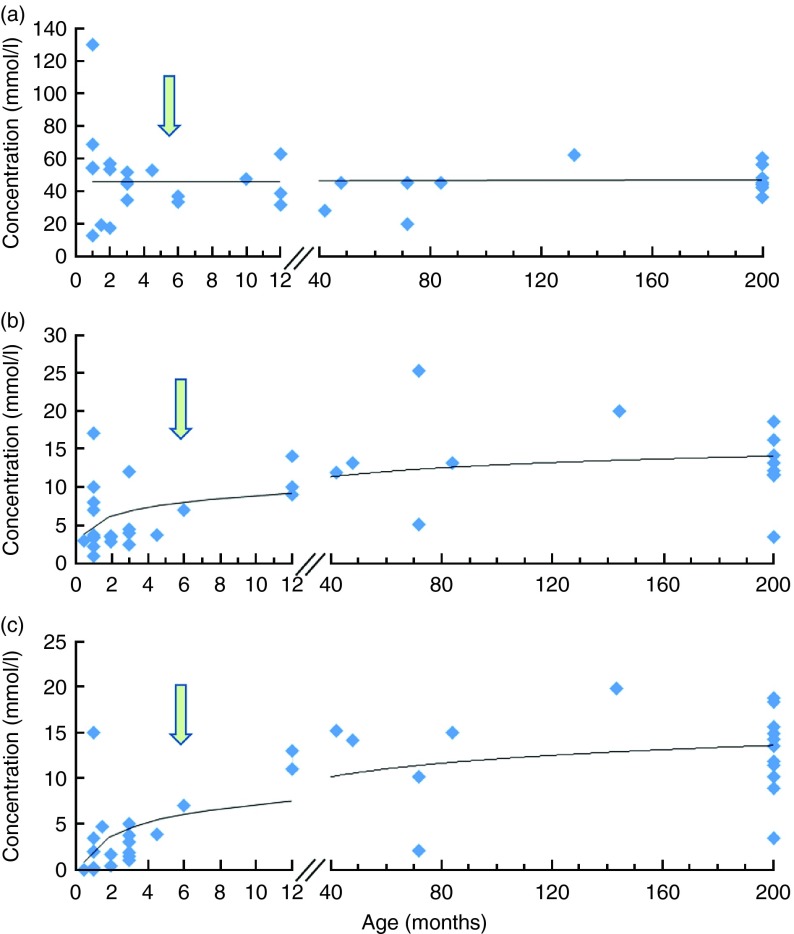
“The figures summarises the data reported in several studies (15,17,71,84,126,228–235) .”
den Besten, G., van Eunen, K., Groen, A. K., Venema, K., Reijngoud, D.-J., & Bakker, B. M. (2013) · Journal of Lipid Research · doi:10.1194/jlr.r036012 · Cited by 5,048
Metabolites produced by commensal bacteria promote peripheral regulatory T-cell generation
Arpaia, N., Campbell, C., Fan, X., Dikiy, S., van der Veeken, J., deRoos, P., Liu, H., Cross, J. R., Pfeffer, K., Coffer, P. J., et al. (2013) · Nature · doi:10.1038/nature12726 · Cited by 4,838 · cited 1×
“In contrast, rectal administration of acetate and propionate, but not butyrate, promoted accumulation of Treg cells, suggesting that butyrate promotes de novo generation but not colonic accumulation of Treg cells, whereas acetate has an opposite activity and propionate is capable of both((34)).”
BackgroundHost-gut microbiota metabolic interactions
Nicholson, J. K., Holmes, E., Kinross, J., Burcelin, R., Gibson, G., Jia, W., & Pettersson, S. (2012) · Science · doi:10.1126/science.1223813 · Cited by 4,760 · cited 1×
“They contribute to the metabolic phenotype of the host and hence may influence the risk of disease((3)).”
BackgroundRichness of human gut microbiome correlates with metabolic markers
Le Chatelier, E., Nielsen, T., Qin, J., Prifti, E., Hildebrand, F., Falony, G., Almeida, M., Arumugam, M., Batto, J.-M., Kennedy, S., et al. (2013) · Nature · doi:10.1038/nature12506 · Cited by 4,662 · cited 1×
“In a recent metagenomic study the typical ecological entity of microbiota ‘richness’ was highlighted as a strong determinant in body-weight control rather than its composition per se (66) .”
Self-citation
Research works printed but not linked: 1
- Morrow DMP, Ryan MP & McGlynn H (1996) An in vitro model to assess tumour promotor activity. Br J Cancer 74, 68.
Cited by
Items 201–300 of 356
In Vitro Fermentation of Epilactose and Epilactitol by Human Fecal Microbiota
Zhang, Y.-W., Qiao, Y., Xu, X., Peng, Q., Ren, J., Ma, L., Tian, D., Gong, Y., Feng, D., & Shi, B. (2023) · International Dairy Journal · doi:10.1016/j.idairyj.2023.105697 · Cited by 12
Al‐Wraikat, M., Zhang, L., Li, L., Abubaker, M. A., & Liu, Y. (2024) · International Journal of Biological Macromolecules · doi:10.1016/j.ijbiomac.2024.136401 · Cited by 12
Nina, N., Bressa, C., de Lucas, B., de la Torre, I. M., Jiménez‐Aspee, F., Schmeda‐Hirschmann, G., & Larrosa, M. (2025) · Food Chemistry · doi:10.1016/j.foodchem.2025.144669 · Cited by 13
Can Supplemented Skim Milk (SKM) Boost Your Gut Health?
de Carvalho, N. M., Oliveira, D., Costa, C. M., Pintado, M., & Madureira, A. R. (2022) · Fermentation · doi:10.3390/fermentation8030126 · Cited by 12
Malinowska, A. M., Majcher, M. A., Hooiveld, G. J. E. J., Przydatek, H., Szaban, M., Kurowiecka, A., & SCHMIDT, M. T. (2023) · Journal of Nutrition · doi:10.1016/j.tjnut.2023.08.007 · Cited by 14
Chapter 2 Mono- and Disaccharides Selected Physicochemical and Functional Aspects
Jouppila, K. (2016) · CRC Press eBooks · doi:10.1201/9781315372822-3 · Cited by 11
Investigating the microbial terroir of fermented foods produced in a professional kitchen
Peraza, R., & Perron, G. G. (2022) · International Journal of Gastronomy and Food Science · doi:10.1016/j.ijgfs.2022.100509 · Cited by 11
Baliou, S., Adamaki, M., Spandidos, D. A., Kyriakopoulos, A. M., Christodoulou, I., & Zoumpourlis, V. C. (2018) · World Academy of Sciences Journal · doi:10.3892/wasj.2018.6 · Cited by 11
Szwengiel, A., & Nkongha, G. L. (2018) · Carbohydrate Polymers · doi:10.1016/j.carbpol.2018.11.029 · Cited by 10
Factors affecting microbial metabolism in a human fecal fermentation model to evaluate prebiotics
Parkar, S. G., Davis, P., Trower, T. M., HEDDERLEY, D. I., Sutton, K. H., & Ingram, J. R. (2018) · Journal of Nutrition & Intermediary Metabolism · doi:10.1016/j.jnim.2018.12.003 · Cited by 10
Tripathi, A., Pandey, V. K., Tiwari, V., Mishra, R., Dash, K. K., Harsányi, E., Kovács, B., & Shaikh, A. M. (2023) · Fermentation · doi:10.3390/fermentation9080762 · Cited by 9
Gut microbiota as a potential therapeutic target for children with cerebral palsy and epilepsy
Wu, H., Huang, C., & Xiong, S. (2024) · Brain and Development · doi:10.1016/j.braindev.2024.09.002 · Cited by 9
“These local microorganisms show relative specialization depending on the unique human tissue [3].”
BackgroundValorisation of spent coffee grounds in the context of prebiotic potential: a review
Huang, M., Chatzifragkou, A., & Rastall, R. A. (2025) · Food Bioscience · doi:10.1016/j.fbio.2025.106936 · Cited by 10
Intestinal disturbances associated with mortality of children with complicated severe malnutrition
Wen, B., Farooqui, A., Bourdon, C., Tarafdar, N., Ngari, M. M., Chimwezi, E., Thitiri, J., Mwalekwa, L., Walson, J. L., Voskuijl, W. P., et al. (2023) · Communications Medicine · doi:10.1038/s43856-023-00355-0 · Cited by 9
“However, the reported signi fi cant associations may be biased by the small sample size ( n recovery = 52, n death = 9) of the previous study, considering the known high variability of human fecal SCFAs 39,40 .”
Wu, D., Zhang, Z., Song, Q., Jia, Y., Qi, J., & Xu, M. (2024) · Microorganisms · doi:10.3390/microorganisms12020333 · Cited by 10
“During the period following the newborn stage, a higher quantity of exogenous butyrate is necessary, as its production from immature microbiota fermentation is low [4,11,15].”
BackgroundInfluentialHan, W., Wang, J., Yan, X., Liu, C., Huang, J., Zhang, L., Zhang, Y., Zhao, Y., Hou, Y., Zheng, W., et al. (2024) · Nutrition and Diabetes · doi:10.1038/s41387-024-00276-4 · Cited by 9
“…effects of butyrate on glucose metabolism in non-pregnant patients with type 2 diabetes [17, 18], while increased proteolytic fermentation, (products such as iso-butyrate, isovaleric acid, phenols, indoles, and amines) is thought to be mainly associated with harmful health effects [19 – 21].”
BackgroundA comprehensive method to determine sterol species in human faeces by GC-triple quadrupole MS
Kunz, S. L., & Matysik, S. (2019) · The Journal of Steroid Biochemistry and Molecular Biology · doi:10.1016/j.jsbmb.2019.03.014 · Cited by 9
Digestibility of a Lignocellulose Supplemented Diet and Fecal Quality in Beagle Dogs
El‐Wahab, A. A., Chuppava, B., Siebert, D.-C., Visscher, C., & Kamphues, J. (2022) · Animals · doi:10.3390/ani12151965 · Cited by 8
“SCFA are particularly produced by microbial fermentation of undigestible carbohydrates [54], and the proportions of the SCFA may change depending on the fiber sources [47,55–57].”
BackgroundMicroenvironmental Metabolites in the Intestine: Messengers between Health and Disease
Zaurito, A. E., & Tschurtschenthaler, M. (2022) · Metabolites · doi:10.3390/metabo12010046 · Cited by 8
Saville, S. H., Younes, J. A., Paraskevakos, G., & Venema, K. (2017) · Beneficial Microbes · doi:10.1163/18762891-bja00056 · Cited by 8
Understanding the Effect of B Vitamins on Gut Microbiota: A Comprehensive Review
Karademir, E., Gedik, B. A., Bostan, Z. Z., & Karadağ, M. G. (2025) · Nutrition Reviews · doi:10.1093/nutrit/nuaf236 · Cited by 8
Liu, G., Sun, H., Liu, C., Bai, L., Yang, L., Jiang, W., & Gao, S. (2023) · Journal of Animal Physiology and Animal Nutrition · doi:10.1111/jpn.13823 · Cited by 7
Neyrinck, A. M., Rodriguez, J., Sánchez, C. R., Autuori, M., Cani, P. D., Bindels, L. B., Bindelle, J., & Delzenne, N. M. (2025) · European Journal of Nutrition · doi:10.1007/s00394-025-03640-x · Cited by 9
“However, measuring SCFA in the fecal matter does not necessarily reflect a higher production by bacteria since those SCFA can be absorbed and metabolized [42, 43].”
Sarmadi, B., Nikmaram, P., Mortazavian, A. M., Kiani, H., Mousavi, M., Khanniri, E., Mohammadi, R., & da Cruz, A. G. (2022) · Applied food biotechnology · doi:10.22037/afb.v9i2.37565 · Cited by 7
Yamamoto, Y., Kubota, N., Takahashi, T., To, M., Hayashi, T., Shimizu, T., Kamata, Y., Saruta, J., & Tsukinoki, K. (2017) · Journal of Oral Science · doi:10.2334/josnusd.16-0820 · Cited by 7
“Effect of PDX and lactitol addition on SCFA concentrations and water content in cecal digesta PDX + lactitol addition decreased the concentrations of acetate, propionate, and total SCFAs (Table 2) and increased water content (Fig.”
InfluentialEstanyol-Torres, N., Domenech-Coca, C., González‐Domínguez, R., Miñarro, A., Reverter, F., Moreno-Muñoz, J. A., Jiménez, J., Martín-Palomas, M., Castellano‐Escuder, P., Mostafa, H. M. A., et al. (2022) · The Journal of Nutritional Biochemistry · doi:10.1016/j.jnutbio.2022.109184 · Cited by 7
Belnour, S., Slater, R., Tharmaratnam, K., Auth, M. K., Muhammed, R., Spray, C. H., Wang, D., Ijaz, U. Z., Probert, C. S., & Allen, S. J. (2024) · United European Gastroenterology Journal · doi:10.1002/ueg2.12603 · Cited by 6
“33,34”
de Oliveira, M. J. K., Babatunde, O. O., Rodrigues, L. A., Erinle, T. J., Htoo, J. K., Mendoza, S. M., & Columbus, D. A. (2024) · Journal of Animal Science · doi:10.1093/jas/skae374 · Cited by 6
Shintani, M., Mitsunaga, F., Shimabukuro, S., & Nakamura, S. (2015) · Food and Nutrition Sciences · doi:10.4236/fns.2015.612116 · Cited by 6
Dietary Polyphenols, Gut Microbiota, and Intestinal Epithelial Health
Zhu, M. J. (2018) · Elsevier eBooks · doi:10.1016/b978-0-12-812019-4.00024-6 · Cited by 8
Salsabila, D. M., Maryusman, T., & Fatmawati, I. (2020) · Jurnal Bioteknologi & Biosains Indonesia (JBBI) · doi:10.29122/jbbi.v7i1.3730 · Cited by 6
“Saran untuk penelitian selanjutnya perlu dilakukan pengukuran jumlah BAL dalam saluran pencernaan hewan coba sehingga dapat membuktikan penurunan glukosa darah terjadi karena peningkatan produksi SCFA.”
BackgroundInfluentialDARK POLYPHENOLS-RICH CHOCOLATE AND GUT MICROBIOTA: A LITERATURE REVIEW
de Oliveira, V. P. S., Dolinsky, M., Barroso, S. G., Stockler‐Pinto, M. B., Uehara, S. K., & Rocha, G. D. S. (2017) · DEMETRA Alimentação Nutrição & Saúde · doi:10.12957/demetra.2017.25475 · Cited by 8
Effects of Dietary Arginine, Ornithine, and Zeolite Supplementation on Uremic Toxins in Cats
Paßlack, N., & Zentek, J. (2018) · Toxins · doi:10.3390/toxins10050206 · Cited by 7
“The resulting metabolites include ammonia, biogenic amines, phenols, indoles, and branched-chain fatty acids [2], which exert varying effects in the organism [2,3].”
BackgroundPérez‐Díaz, I. M. (2019) · Springer eBooks · doi:10.1007/978-3-030-28737-5_4 · Cited by 7
“While the enrichment of cucumber fermentations with Prevotella indicates the development of spoilage, in the gut it can serve as a biomarker for dietary interventions (Medina-Pradas et al. 2016; Salonen and deVos 2014; Gorvitovskaia et al. 2016; Kovatcheva-Datchary et al. 2015; Verbeke et al. 2015).”
Cutignano, A., Siano, F., Romano, R., Aiello, A., Pizzolongo, F., Canani, R. B., Paparo, L., Nocerino, R., Scala, C. D., Addeo, F., et al. (2020) · Journal of Chromatography B · doi:10.1016/j.jchromb.2020.122189 · Cited by 6
Wang, Q., & Xu, R. (2020) · Journal of Biomedical Informatics · doi:10.1016/j.jbi.2020.103524 · Cited by 7
“P-Cresol is an end-product of protein breakdown and microbial metabolites produced from tyrosine (Verbeke et al., 2015).”
BackgroundTong, Y., Liao, Z., Yang, Q., Chen, X., Zeng, D., Yang, C., Ma, H., Hu, T., & Lv, M. (2021) · Aquaculture Reports · doi:10.1016/j.aqrep.2021.100647 · Cited by 6
Paßlack, N., Galliou, F., Manios, T., Lasaridi, K., Tsiplakou, E., Vahjen, W., & Zentek, J. (2021) · Archives of Animal Nutrition · doi:10.1080/1745039x.2021.1949229 · Cited by 6
“SCFA are particularly produced by microbial fermentation of undigestible carbohydrates (Verbeke et al. 2015).”
BackgroundYu, S., Li, Q., Wang, Z., & Zhu, M. (2025) · Journal of Agricultural and Food Chemistry · doi:10.1021/acs.jafc.4c09687 · Cited by 5
Metabolomics and its application in fermented foods
Adebo, J. A., Chinma, C. E., Omoyajowo, A. O., & Njobeh, P. B. (2023) · Elsevier eBooks · doi:10.1016/b978-0-323-98341-9.00001-3 · Cited by 5
Kilburn-Kappeler, L. R., Almeida, K. A. L., Paulk, C. B., & Aldrich, C. G. (2023) · Frontiers in Animal Science · doi:10.3389/fanim.2023.1210144 · Cited by 5
Patra, S., Nunn, S. L. E., Levent, G., & Chelikani, P. K. (2025) · The FASEB Journal · doi:10.1096/fj.202403239r · Cited by 5
Probiotic and Prebiotic Plant Milk Dairy Foods
Sethi, S., & Anurag, R. K. (2021) · Elsevier eBooks · doi:10.1016/b978-0-12-819662-5.00017-3 · Cited by 5
Diabetic Foot - Recent Advances
Raghav, A. (2022) · IntechOpen eBooks · doi:10.5772/intechopen.102211 · Cited by 5
Fortin, C. P., & Stevanović, T. (2023) · Waste and Biomass Valorization · doi:10.1007/s12649-023-02149-w · Cited by 5
“Ammonia (NH 3 ) and branched-chain fatty acids such as isobutyric and isovaleric acids are specific fermentation metabolites resulting from proteins fermentation [33, 67].”
Ghajavand, B., Avesani, C. M., Stenvinkel, P., & Bruchfeld, A. N. (2024) · Journal of Renal Nutrition · doi:10.1053/j.jrn.2024.03.007 · Cited by 5
Varshney, N., Saini, V., & Jha, H. C. (2024) · Springer eBooks · doi:10.1007/978-981-97-1912-9_6 · Cited by 5
Use of enzymes and inoculants to manipulate the feeding value of liquid fed DDGS for young pigs
Wiseman, M. (2016) · The Atrium (University of Guelph) · Cited by 6
Rutin’s Efficacy as a Potent Flavonoid in the Management of Colitis
Roy, D., Mukherjee, D., Ghosh, M., Adhikari, D., Rangra, N. K., & Singh, A. (2024) · Nature Cell and Science · doi:10.61474/ncs.2024.00027 · Cited by 4
Kaga, C., Nagino, T., Atsushi, G. O. M. I., Takagi, A., Miyazaki, K., Yoshida, Y., & Shida, K. (2024) · Beneficial Microbes · doi:10.1163/18762891-bja00003 · Cited by 6
Затевалов, А. М., Петровна, С. Е., Gudova, N. V., & Oganesyan, A. S. (2018) · Almanac of Clinical Medicine · doi:10.18786/2072-0505-2018-46-2-109-117 · Cited by 4
Ov, B., Ev, I., Nb, P., In, C., & Andryuschenko, S. V. (2017) · Journal of microbiology epidemiology immunobiology · doi:10.36233/0372-9311-2017-1-3-11 · Cited by 4
Anti-inflammatory activity of Lactobacillus spp. and Rhodopseudomonas palustris probiotics
Kok, T. (2023) · Bioactive Compounds in Health and Disease · doi:10.31989/bchd.v6i4.1067 · Cited by 6
Metabolism of Dietary Substrates by Intestinal Bacteria and Consequences for the Host Intestine
Blachier, F. (2023) · Springer eBooks · doi:10.1007/978-3-031-26322-4_3 · Cited by 5
Untargeted metabolomics revealed the product formation rules of two fermented walnut milk
Li, W., Zhi, T., Li, S., Xia, J., Tian, Y., Ma, A., & Jia, Y. (2023) · Food and Agricultural Immunology · doi:10.1080/09540105.2023.2236807 · Cited by 4
“Typical plant-based milk metabolites may include volatile compounds, amino acids, small peptides, fatty acids and some secondary metabolites depending on the substrate of fermentation (Park et al., 2019b; Verbeke et al., 2015).”
BackgroundPusuntisumpun, N., Tunsagool, P., Nitisinprasert, S., & Nakphaichit, M. (2024) · International Journal of Food Science & Technology · doi:10.1111/ijfs.16941 · Cited by 4
Foraging in the farrowing room to stimulate feeding : getting piglets to eat is bittersweet
Middelkoop, A. (2020) · doi:10.18174/516612 · Cited by 10
Duysburgh, C., Fiore, W., & Marzorati, M. (2025) · Nutrients · doi:10.3390/nu17182952 · Cited by 3
“BCFAs are associated with significant negative health effects, and the absence of an increase after 24 h of incubation from baseline suggests that L. paracasei DG is not influencing proteolytic microbial activity, which could result in the release of toxic compounds [38].”
Chapter 7 Microbiota and the gastro-intestinal system in children
Gómez-Gallego, C., & Salminen, S. (2017) · Wageningen Academic Publishers eBooks · doi:10.3920/978-90-8686-839-1_7 · Cited by 3
de Carvalho, T. B., Barbosa, J. B., de Carvalho, N. M., Komora, N., Carvalho, F., Madureira, A. R., & Teixeira, P. (2025) · Food Research International · doi:10.1016/j.foodres.2025.116287 · Cited by 3
Guardia-Hidrogo, V. M. D. L., Rummell, L. M., & Swanson, K. S. (2025) · Animals · doi:10.3390/ani15071046 · Cited by 3
“Therefore, further research is needed to determine the physiological relevance of individual indole compounds and the extent to which the dietary modulation of microbial metabolism may influence host health [44].”
The impact of GnRH immunocastration on colonic microbiota and metabolites in male sheep
Mustafa, S. B., Long, H., Song, T., Zhang, X., Zhaxi, Y., Wu, J. W., Chen, X., Shahzad, K., Jiang, X., Liu, G., et al. (2025) · Reproduction Fertility and Development · doi:10.1071/rd24191 · Cited by 3
Ikeda, R., Ogasawara, Y., Takatori, K., Ichikawa, T., Nakajima, M., Harigaya, K., Watanabe, M., Okudaira, E., Yoshikawa, H., & Yanagisawa, K. (2017) · Biological and Pharmaceutical Bulletin · doi:10.1248/bpb.b16-01000 · Cited by 3
Maryusman, T., Dien, C. D., & Mail, S. H. (2021) · Media Gizi Indonesia · doi:10.20473/mgi.v16i3.296-305 · Cited by 3
Toyoda, A., Kawakami, K., Amano, Y., Nishizawa, H., Nakamura, S.-I., Kawase, T., Yoshida, Y., Suzuki, H., & Tsukahara, T. (2023) · International Journal of Molecular Sciences · doi:10.3390/ijms24021237 · Cited by 3
“Putrefactive compounds such as indole, skatole, p-cresol, phenol, and trimethylamine are produced by the gut microbiota [20,21].”
BackgroundKim, N. V., Zotov, V. A., Alekseev, V. A., & Sa, S. (2023) · Voprosy Pitaniya · doi:10.33029/0042-8833-2023-92-2-18-25 · Cited by 5
Śliżewska, K., Włodarczyk, M., Barczyńska, R., Kapuśniak, J., Socha, P., Wierzbicka, A., & Kotowska, A. (2024) · Nutrients · doi:10.3390/nu16142321 · Cited by 3
“…protein fermentation, a process that results in the concurrent production of other protein fermentation products such as p-cresol, ammonia, phenol, or biogenic amines, molecules that can potentially harm intestinal flora by causing cell damage and even promote the development of cancer [56,57].”
BackgroundPREBIOTIC EFFECTS OF XYLANASE MODIFICATION OF ?-GLUCAN FROM OAT BRAN ON BIFIDOBACTERIUM BIFIDUM
Qiu, X., Zheng, W., Zhang, L., Shi, Y., Hu, J., Li, Y. L., Liu, Z. Y., & Zhu, M. (2020) · Italian Journal of Food Science · doi:10.14674/ijfs-1597 · Cited by 3
Modasia, A. A., Reid, J. E. S. J., Alhasani, A. T., Dellschaft, N. S., Harris, H. C., Hoad, C. L., Gowland, P. A., Yakubov, G. E., Corsetti, M., Marciani, L., et al. (2026) · bioRxiv (Cold Spring Harbor Laboratory) · doi:10.64898/2026.04.07.717018 · Cited by 3
Xu, M., Zhou, Y. M., Tan, Z., Wang, G., Song, X., Yang, Y., Xiong, Z., Song, Z., Ai, L., & Xia, Y. (2025) · Food Bioscience · doi:10.1016/j.fbio.2025.107340 · Cited by 2
Hariwitonang, J., Makizaki, Y., Fujiyama, N., Hirano, Y., Iwama, S., Iikawa, H., Tanaka, Y., Ohno, H., Tokudome, Y., Tanaka, M., et al. (2025) · Fermentation · doi:10.3390/fermentation11110633 · Cited by 2
“P -cresol indeed exhibits cytotoxic and genotoxic effects and decreases endothelial barrier function in vitro [9,10].”
Wu, D., Zhang, L., Zhang, Z., & Xu, M. (2025) · Journal of Dairy Science · doi:10.3168/jds.2025-27618 · Cited by 2
Cristofori, F., Celano, G., Dargenio, V. N., Apa, C. A., Amendolara, M., Stella, M., Castellaneta, S. P., Barone, M., Vacca, M., Angelis, M. D., et al. (2026) · Alimentary Pharmacology & Therapeutics · doi:10.1111/apt.70718 · Cited by 2
Probiotics in irritable bowel syndrome: strain-specific effects, diet, and biomarker timing
Guzmán, Z. M., Bazán-Salinas, I. L., Moreno-Cabral, S., Perez-Campos, E. L., Hernández‐Huerta, M. T., & Cabrera-Fuentes, H. A. (2026) · Frontiers in Cellular and Infection Microbiology · doi:10.3389/fcimb.2026.1794927 · Cited by 2
“Fermentable substrates in fl uence pathway activation, metabolite exchange among microbial taxa, and the balance between saccharolytic and other metabolic processes (Verbeke et al., 2015; Korpela, 2018; Rowland et al., 2018; Jardon et al., 2022; Culp and Goodman, 2023).”
Wichienchot, S., & Keawyok, K. (2021) · Functional Foods in Health and Disease · doi:10.31989/ffhd.v11i12.841 · Cited by 2
“These compounds present cytotoxicity and enhances paracellular permeability in vitro [56] and promote skin cancer [57].”
BackgroundFermented fish products and health aspects
Sharma, B. R., Ali, A. M. M., & Bavisetty, S. C. B. (2022) · Elsevier eBooks · doi:10.1016/b978-0-323-89875-1.00002-x · Cited by 2
Rasool, A., & khan, M. R. (2022) · International Journal of Petrochemistry & Natural Gas · doi:10.33140/ijpng.02.02.01 · Cited by 2
The Impact of Microbial Metabolites on Host Health and Disease
Fernández‐Veledo, S., Marsal-Beltran, A., Ceperuelo‐Mallafré, V., Astiarraga, B., & Cedó, L. (2023) · Endocrinology · doi:10.1007/978-3-031-08115-6_3-1 · Cited by 3
The Impact of Microbial Metabolites on Host Health and Disease
Fernández‐Veledo, S., Marsal-Beltran, A., Ceperuelo‐Mallafré, V., Astiarraga, B., & Cedó, L. (2024) · Endocrinology · doi:10.1007/978-3-031-35064-1_3 · Cited by 3
Xu, Z., Li, J.-B., Hong, L., Zhang, Y., Wang, C., Yang, H., Zhao, L., Qiu, P. S., Du, Z., & Wang, H. (2024) · PLoS ONE · doi:10.1371/journal.pone.0314335 · Cited by 2
VIOLATION OF MICROBIAL AND ENDOGENOUS METABOLISM IN CELIAC DISEASE
Oreshko, L. S., Семенова, Е. А., Shomin, A. V., & Sitkin, S. I. (2019) · Technology transfer innovative solutions in medicine · doi:10.21303/2585-663.2019.001089 · Cited by 2
“The level of a number of metabolites in the blood and other biological fluids is largely determined by the metabolic activity of the intestinal microbiota [12, 13].”
BackgroundUnno, T., Tanaka, H., & Kohara, A. (2020) · Food Research · doi:10.26656/fr.2017.4(4).062 · Cited by 2
“However, clinical trials have largely relied on fecal concentrations of SCFAs for the potential marker of healthy status (Verbeke et al., 2015; Ríos-Covián et al., 2016).”
BackgroundFermented Foods in Medicine: An Evaluation of Their Uses and Effects on the Human Gut Microbiota
Elkridge, M., & Storm, E. (2020) · Life The Excitement of Biology · doi:10.9784/leb8(2)storm.01 · Cited by 2
Savino, F. (2021) · Springer eBooks · doi:10.1007/978-3-030-80068-0_53 · Cited by 3
Li, Y., Jiang, J., Zhu, L., Wang, X., Wan, W., Wang, D., & Li, Z. (2022) · Microorganisms · doi:10.3390/microorganisms10071453 · Cited by 2
“As a metabolite of bacterial protein degradation and amino acid fermentation, fecal ammonia is toxic to intestinal tissue and causes inflammation in mammals [15,16].”
BackgroundImpact de la nutrition sur le microbiote intestinal dans la maladie rénale chronique
Koppe, L., & Soulage, C. O. (2022) · Cahiers de Nutrition et de Diététique · doi:10.1016/j.cnd.2022.07.005 · Cited by 3
Mitigating Diabetic Foot Ulcers: The Effect of Diet and Microbiome
Coon, S. D. (2023) · IntechOpen eBooks · doi:10.5772/intechopen.106629 · Cited by 2
Киселева, М. А., Киселева, Т. Л., & Хлебников, Е. В. (2024) · Традиционная медицина · doi:10.54296/18186173_2024_3_17 · Cited by 2
Lammers-Jannink, K. (2024) · doi:10.18174/646840 · Cited by 2
Metabolism of Non-Digestible Dietary Carbohydrates
Delgado-Fernández, P., Moreno, F. J., & Corzo, N. (2021) · Elsevier eBooks · doi:10.1016/b978-0-12-819265-8.00090-5 · Cited by 1
The health aspects of hydrocolloids
Edwards, C. A., Thomson, C. L., Santander, B. G. M., Alajmi, A., & García, A. L. (2020) · Elsevier eBooks · doi:10.1016/b978-0-12-820104-6.00034-6 · Cited by 1
Self-citationGut microbiota, SCFA and nutritional intake in stunted children in East Nusa Tenggara, Indonesia
SURONO, I. S., Athiyyah, A. F., & Venema, K. (2025) · Beneficial Microbes · doi:10.1163/18762891-bja00090 · Cited by 1
Tsukahara, T., Miura, H., Kawase, T., Yoshimura, S., Mizukami, Y., Yahara, Y., Fukuta, K., & Inoüe, R. (2025) · Metabolites · doi:10.3390/metabo15110683 · Cited by 1
“These metabolites have been suggested to negatively affect productivity [14].”
Chatchatee, P., Breedveld, A. C., Eussen, S. R. B. M., Nowak-Wegrzyn, A. H., Lange, L., Benjaponpitak, S., Chong, K. W., Sangsupawanich, P., Wopereis, H., Nijhuis, M. M. O., et al. (2025) · Frontiers in Allergy · doi:10.3389/falgy.2025.1667162 · Cited by 1
Feng, C., Yang, M., Yang, Z., Liao, X., Jiang, S., Li, L., Lin, H., Sun, Y., Wei, Z., Weng, Z., et al. (2026) · Nutrients · doi:10.3390/nu18020187 · Cited by 2
Ghyselinck, J., Verstrepen, L., Duysburgh, C., Wiche, R., Kuhn, K., Müller, M., Faerber, V., & Marzorati, M. (2026) · Frontiers in Nutrition · doi:10.3389/fnut.2026.1749272 · Cited by 1
A Developmental Perspective on the Intestinal Microbiota in Crohn’s Disease
Imbrizi, M. R., Magro, D. O., Santos, A., Assalin, H. B., Guadagnini, D., Saad, M. J. A., & Coy, C. S. R. (2026) · International Journal of Molecular Sciences · doi:10.3390/ijms27052144 · Cited by 2
Thomassen, G. G. M., Olguin-Diaz, F., Kostopoulos, I., Preece, K. E., Wopereis, H., Jourdan, M., Knol, J., Abrahamse, E., & Renes, I. B. (2026) · Journal of Agricultural and Food Chemistry · doi:10.1021/acs.jafc.5c13296 · Cited by 1
Larik, G. N. F., Canfora, E. E., van Schothorst, E. M., & Blaak, E. E. (2026) · Gut Microbes · doi:10.1080/19490976.2026.2701495 · Cited by 2
“…rates of p-cresol are reported to be between 164 and 510 μmol/d, whereas indole concentrations are found at a much lower range of 50–115 μmol/d. 23 Moreover, in a study performed with two sudden-death individuals, the luminal concentrations of soluble protein content and its proteolytic…”
Fushai, F., Tekere, M., Masafu, M. M., Akinsola, C. M., Siebrits, F. K., Nherera-Chokuda, F. V., & Kanengoni, A. T. (2019) · South African Journal of Animal Science · doi:10.4314/sajas.v49i2.1 · Cited by 2
“However, in pigs, current enzymes seem impotent, particularly on maize-soybean diets (Willamil et al., 2012; Agyekum & Nyachoti, 2017), more so when the diets contain substantial co-product fibre (Kerr & Shurson, 2013).”
BackgroundResultInfluential
Metadata
- Authors
- Verbeke, K. A., Boobis, A. R., Chiodini, A., Edwards, C. A., Franck, A., Kleerebezem, M., Nauta, A., Raes, J., van Tol, E. A. F., & Tuohy, K. M.
- Affiliations
- KU Leuven (BE)
- Imperial College London (GB)
- European Commission (BE)
- University of Glasgow (GB)
- Cargill (Belgium) (BE)
- Wageningen University & Research (NL)
- FrieslandCampina (Netherlands) (NL)
- Vrije Universiteit Brussel (BE)
- Fondazione Edmund Mach (IT)
- Corresponding author
- Chiodini, Alessandro
- ORCID
- Venue
- Nutrition Research Reviews
- Publisher
- Cambridge University Press (CUP)
- Published
- 2015-06
- Volume
- 28
- Issue
- 1
- Pages
- 42-66
- ISSN
- 0954-4224 (ISSN-L)
- 1475-2700
- PMC
- PMC4501371
- OpenAlex
- W2126018988
- Cited by
- 343
- References
- 269
- Citations by year
- 2026: 16 · 2025: 26 · 2024: 36 · 2023: 34 · 2022: 47 · 2021: 37 · 2020: 35 · 2019: 34 · 2018: 34 · 2017: 27 · 2016: 15 · 2015: 2
- FWCI
- 2.52
- Type
- journal article
- Language
- en
- Open access
- hybrid
- doi.org
- Locations
- Nutrition Research Reviews (publishedVersion, cc-by)
- PubMed Central (publishedVersion, cc-by)
- PubMed (publishedVersion)
- ENLIGHTEN (Jurnal Bimbingan dan Konseling Islam) (acceptedVersion)
- Socio-Environmental Systems Modeling (acceptedVersion, cc-by)
- Lirias (KU Leuven) (submittedVersion, cc-by)
- CINECA IRIS Institutional Research Information System (Fondazione Edmund Mach) (submittedVersion, cc-by-nc-sa)
- eSpace (Curtin University) (submittedVersion)
- VUBIR (Vrije Universiteit Brussel) (submittedVersion)
- Data Archiving and Networked Services (DANS) (submittedVersion, cc-by)
- Funders
- Institut National de la Recherche Agronomique
- Topics
- Life Sciences › Biochemistry, Genetics and Molecular Biology › Molecular Biology › Gut microbiota and health
- Health Sciences › Nursing › Nutrition and Dietetics › Microbial Metabolites in Food Biotechnology
- Life Sciences › Agricultural and Biological Sciences › Food Science › Probiotics and Fermented Foods
- Keywords
- prebiotics, gut microbiota metabolites, short-chain fatty acids, p-cresol, indole, phenols, ammonia, cancer risk, metabolomics, metagenomics, colonic health, host immunity, metabolite toxicity
- MeSH terms
- Gastrointestinal Microbiome, Bacteria, Carbohydrates, Colon, Fatty Acids, Fatty Acids, Volatile, Feces, Fermentation, Health Promotion, Humans, Intestines, Plants, Proteins, Metabolomics, Metagenomics, Prebiotics, Polyphenols
About these checks
Registry, retraction, Cites and statistics results are computed, not judged, with one exception: a printed reference that no index lists is read once by a model before it counts as a citation error. Claims are extracted by a model and kept only when their quote appears verbatim in the text; each cited source is then checked, with a model’s help, for whether it says what the claim relies on. Those verdicts can be wrong — read the claim’s quote and the cited source before relying on one.
Statistics and arithmetic are recomputed, not judged.
Confidence bands are shown only for fields calibrated on our annotated test set. None is calibrated yet, so no band is shown.
What counts as a claim ›How we measure confidence ›How we check this ›
Are you an author, or do you see a problem with this page? Request a review
Data sources
Bibliographic data: Semantic Scholar, OpenAlex, Crossref.
Contains information from the Semantic Scholar Academic Graph Datasets, made available under the ODC Attribution License (ODC-BY 1.0).
Semantic Scholar’s data is described in: Kinney, R., et al. (2023). The Semantic Scholar Open Data Platform. arXiv:2301.10140.
