

Towards microbial fermentation metabolites as markers for health benefits of prebiotics
Open accessThe DOI matches its Crossref record; 269 of the 269 references it cites were found in a registry or an index.
Abstract
Available evidence on the bioactive, nutritional and putative detrimental properties of gut microbial metabolites has been evaluated to support a more integrated view of how prebiotics might affect host health throughout life. The present literature inventory targeted evidence for the physiological and nutritional effects of metabolites, for example, SCFA, the potential toxicity of other metabolites and attempted to determine normal concentration ranges. Furthermore, the biological relevance of more holistic approaches like faecal water toxicity assays and metabolomics and the limitations of faecal measurements were addressed. Existing literature indicates that protein fermentation metabolites (phenol, p-cresol, indole, ammonia), typically considered as potentially harmful, occur at concentration ranges in the colon such that no toxic effects are expected either locally or following systemic absorption. The endproducts of saccharolytic fermentation, SCFA, may have effects on colonic health, host physiology, immunity, lipid and protein metabolism and appetite control. However, measuring SCFA concentrations in faeces is insufficient to assess the dynamic processes of their nutrikinetics. Existing literature on the usefulness of faecal water toxicity measures as indicators of cancer risk seems limited. In conclusion, at present there is insufficient evidence to use changes in faecal bacterial metabolite concentrations as markers of prebiotic effectiveness. Integration of results from metabolomics and metagenomics holds promise for understanding the health implications of prebiotic microbiome modulation but adequate tools for data integration and interpretation are currently lacking. Similarly, studies measuring metabolite fluxes in different body compartments to provide a more accurate picture of their nutrikinetics are needed.
Overview
The claims and statistics of this paper haven’t been checked yet.
Free: it reads the open-access text and checks the first 5 claims that cite a source we can check. Create a free account to check every claim.
Integrity signals
Registry
Cites
Statistics
Figures
Verification
Claims the paper makes
The claims and statistics of this paper haven’t been checked yet.
Free: it reads the open-access text and checks the first 5 claims that cite a source we can check. Create a free account to check every claim.
Claims other papers make about this one
Each is checked against this paper’s own text: does it say what the citing paper says it does?
In the citing paper
“These fermented products include acetate, propionate, and butyrate, approximately in a 60:20:20 ratio, respectively [215], and the two non-digestible carbohydrate categories are soluble (pectin, guar gum, psyllium, inulin) and insoluble fiber (cellulose, hemicellulose, lignin) [216].”
From Impact of Protein Intake in Older Adults with Sarcopenia and Obesity: A Gut Microbiota Perspective (2020) · cites this paper as [215]
Self-check
Percentages, sums and reported differences re-computed from the paper’s own numbers.
The self-check needs the paper’s full text.
Citations
Cites
An obesity-associated gut microbiome with increased capacity for energy harvest
Turnbaugh, P. J., Ley, R. E., Mahowald, M. A., Magrini, V., Mardis, E. R., & Gordon, J. I. (2006) · Nature · doi:10.1038/nature05414 · Cited by 12,444 · cited 1×
“A greater fermentation capacity in both obese animals and human subjects compared with normal-weight subjects was suggested (61–63) as well as increased concentrations of caecal or faecal SCFA.”
A human gut microbial gene catalogue established by metagenomic sequencing
MetaHIT Consortium, Qin, J., Li, R., Raes, J., Arumugam, M., Burgdorf, K. S., Manichanh, C., Nielsen, T., Pons, N., Levenez, F., et al. (2010) · Nature · doi:10.1038/nature08821 · Cited by 11,624 · cited 1×
“The collective genetic information encoded in the intestinal micro-organisms is truly impressive and has been referred to as ‘our other genome’((2)).”
BackgroundSelf-citationHuman gut microbes associated with obesity
Ley, R. E., Turnbaugh, P. J., Klein, S., & Gordon, J. I. (2006) · Nature · doi:10.1038/4441022a · Cited by 8,785 · cited 1×
“Firmicutes:Bacteroidetes ratio in the obese((59,60)).”
Dietary Modulation of the Human Colonic Microbiota: Introducing the Concept of Prebiotics
Gibson, G. R., & Roberfroid, M. B. (1995) · The Journal of Nutrition · doi:10.1093/jn/125.6.1401 · Cited by 7,667 · cited 1×
“Previously, the effect of prebiotic supplementation has been measured using the relative increase in Bifidobacterium and Lactobacillus species as markers((8)).”
MethodEnterotypes of the human gut microbiome
MetaHIT Consortium (additional members), Arumugam, M., Raes, J., Pelletier, E., Le Paslier, D., Yamada, T., Mende, D. R., Fernandes, G. R., Tap, J., Bruls, T., et al. (2011) · Nature · doi:10.1038/nature09944 · Cited by 7,548
Self-citationDe Filippo, C., Cavalieri, D., Di Paola, M., Ramazzotti, M., Poullet, J. B., Massart, S., Collini, S., Pieraccini, G., & Lionetti, P. (2010) · Proceedings of the National Academy of Sciences · doi:10.1073/pnas.1005963107 · Cited by 5,579 · cited 1×
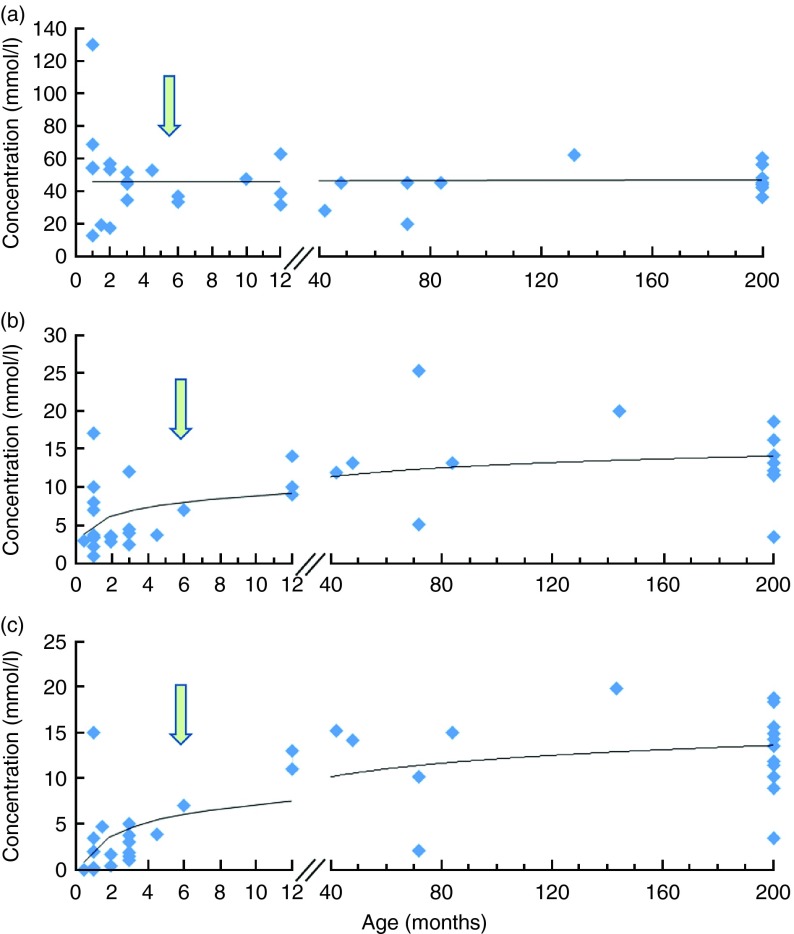
“The figures summarises the data reported in several studies (15,17,71,84,126,228–235) .”
den Besten, G., van Eunen, K., Groen, A. K., Venema, K., Reijngoud, D.-J., & Bakker, B. M. (2013) · Journal of Lipid Research · doi:10.1194/jlr.r036012 · Cited by 5,048
Metabolites produced by commensal bacteria promote peripheral regulatory T-cell generation
Arpaia, N., Campbell, C., Fan, X., Dikiy, S., van der Veeken, J., deRoos, P., Liu, H., Cross, J. R., Pfeffer, K., Coffer, P. J., et al. (2013) · Nature · doi:10.1038/nature12726 · Cited by 4,838 · cited 1×
“In contrast, rectal administration of acetate and propionate, but not butyrate, promoted accumulation of Treg cells, suggesting that butyrate promotes de novo generation but not colonic accumulation of Treg cells, whereas acetate has an opposite activity and propionate is capable of both((34)).”
BackgroundHost-gut microbiota metabolic interactions
Nicholson, J. K., Holmes, E., Kinross, J., Burcelin, R., Gibson, G., Jia, W., & Pettersson, S. (2012) · Science · doi:10.1126/science.1223813 · Cited by 4,760 · cited 1×
“They contribute to the metabolic phenotype of the host and hence may influence the risk of disease((3)).”
BackgroundRichness of human gut microbiome correlates with metabolic markers
Le Chatelier, E., Nielsen, T., Qin, J., Prifti, E., Hildebrand, F., Falony, G., Almeida, M., Arumugam, M., Batto, J.-M., Kennedy, S., et al. (2013) · Nature · doi:10.1038/nature12506 · Cited by 4,662 · cited 1×
“In a recent metagenomic study the typical ecological entity of microbiota ‘richness’ was highlighted as a strong determinant in body-weight control rather than its composition per se (66) .”
Self-citationSuccinate is an inflammatory signal that induces IL-1β through HIF-1α
Tannahill, G. M., Curtis, A. M., Adamik, J., Palsson-McDermott, E. M., McGettrick, A. F., Goel, G., Frezza, C., Bernard, N. J., Kelly, B., Foley, N. H., et al. (2013) · Nature · doi:10.1038/nature11986 · Cited by 4,176
Interactions Between the Microbiota and the Immune System
Hooper, L. V., Littman, D. R., & Macpherson, A. J. (2012) · Science · doi:10.1126/science.1223490 · Cited by 4,173 · cited 2×
“An imbalance in the composition of the microbiota has been increasingly associated with the occurrence of chronic or lifestyle-related diseases such as inflammatory bowel disease (IBD), obesity and type 2 diabetes as well as with certain autoimmune diseases such as type 1 diabetes, coeliac disease or allergic asthma((…”
BackgroundMicrobial interactions: from networks to models
Faust, K., & Raes, J. (2012) · Nature Reviews Microbiology · doi:10.1038/nrmicro2832 · Cited by 4,141 · cited 1×
“…mapping and reconstruction of metabolic interactions between microbial groups, including the reconstruction of syntrophic chains and metabolite exchange (225) , will open the way towards novel strategies in mathematical modelling of the metabolic processes taking place in the intestine.”
Self-citationTopping, D. L., & Clifton, P. M. (2001) · Physiological Reviews · doi:10.1152/physrev.2001.81.3.1031 · Cited by 3,091 · cited 1×
“Only a minor fraction of SCFA (about 5 %) is excreted in faeces((12)).”
BackgroundColonic Health: Fermentation and Short Chain Fatty Acids
Wong, J. M. W., de Souza, R., Kendall, C. W. C., Emam, A., & Jenkins, D. J. A. (2006) · Journal of Clinical Gastroenterology · doi:10.1097/00004836-200603000-00015 · Cited by 2,739 · cited 1×
“Acetate is used by the liver as a precursor for the synthesis of cholesterol and long-chain fatty acids (22) .”
Metabolomics analysis reveals large effects of gut microflora on mammalian blood metabolites
Wikoff, W. R., Anfora, A. T., Liu, J., Schultz, P. G., Lesley, S. A., Peters, E. C., & Siuzdak, G. (2009) · Proceedings of the National Academy of Sciences · doi:10.1073/pnas.0812874106 · Cited by 2,677
Del Rio, D., Rodriguez-Mateos, A., Spencer, J. P. E., Tognolini, M., Borges, G., & Crozier, A. (2013) · Antioxidants & Redox Signaling · doi:10.1089/ars.2012.4581 · Cited by 2,601 · cited 2×
“For a few of these compounds, for example, the phyto-oestrogens equol, enterolactone and enterodiol, and the urolithins, specific health effects have been suggested (150) .”
Cani, P. D., Possemiers, S., Van de Wiele, T., Guiot, Y., Everard, A., Rottier, O., Geurts, L., Naslain, D., Neyrinck, A., Lambert, D. M., et al. (2009) · Gut · doi:10.1136/gut.2008.165886 · Cited by 2,518 · cited 1×
“…of experiments in animals and human subjects, Cani and colleagues demonstrated how modulation of the microbiota by prebiotics controls endogenous glucagon-like peptide 2 production and the endocannabinoid system and contributes to the improvement in gut barrier function during obesity (73–75) .”
Gut–brain axis: How the microbiome influences anxiety and depression
Foster, J. A., & McVey Neufeld, K.-A. (2013) · Trends in Neurosciences · doi:10.1016/j.tins.2013.01.005 · Cited by 2,460 · cited 1×
“Recent scientific interest has been focused on microbiota production of cell-signalling molecules and neurotransmitters which through the gut– liver–brain axis appear to regulate a number of diverse physiological functions including energy intake and expenditure, brain development and cognitive function and mood((158,…”
BackgroundMicrobiota and SCFA in lean and overweight healthy subjects
Schwiertz, A., Taras, D., Schäfer, K., Beijer, S., Bos, N. A., Donus, C., & Hardt, P. D. (2010) · Obesity · doi:10.1038/oby.2009.167 · Cited by 2,457 · cited 3×
“changes in the microbiota composition((64,65)).”
Nasir, O. (2013) · Kidney and Blood Pressure Research · doi:10.1159/000350152 · Cited by 2,331
Microbiota-Generated Metabolites Promote Metabolic Benefits via Gut-Brain Neural Circuits
De Vadder, F., Kovatcheva-Datchary, P., Goncalves, D., Vinera, J., Zitoun, C., Duchampt, A., Bäckhed, F., & Mithieux, G. (2014) · Cell · doi:10.1016/j.cell.2013.12.016 · Cited by 2,200 · cited 1×
“Whereas butyrate directly activates the IGN genes, propionate-mediated induction of IGN depends on a gut–brain communication axis involving the fatty acid receptor GPR41 (35) .”
Prebiotic effects: metabolic and health benefits
Roberfroid, M., Gibson, G. R., Hoyles, L., McCartney, A. L., Rastall, R., Rowland, I., Wolvers, D., Watzl, B., Szajewska, H., Stahl, B., et al. (2010) · British Journal of Nutrition · doi:10.1017/s0007114510003363 · Cited by 2,085 · cited 2×
“Emerging genera that may play a role in the maintenance of intestinal homeostasis and health include Eubacterium , Faecalibacterium , Roseburia and some species of Clostridia (7) .”
Regulation of short-chain fatty acid production
Macfarlane, S., & Macfarlane, G. T. (2003) · Proceedings of the Nutrition Society · doi:10.1079/pns2002207 · Cited by 1,939 · cited 1×
“In healthy conditions, they are further metabolised to acetate or butyrate and propionate, respectively, by cross-feeding species and do not substantially accumulate in the colonic lumen (88) .”
Machiels, K., Joossens, M., Sabino, J., De Preter, V., Arijs, I., Eeckhaut, V., Ballet, V., Claes, K., Van Immerseel, F., Verbeke, K., et al. (2014) · Gut · doi:10.1136/gutjnl-2013-304833 · Cited by 1,904 · cited 2×
“These conditions have been consistently characterised by a low abundance of butyrate-producing bacteria (76–80) .”
Self-citationThe short-chain fatty acid acetate reduces appetite via a central homeostatic mechanism
Frost, G., Sleeth, M. L., Sahuri-Arisoylu, M., Lizarbe, B., Cerdan, S., Brody, L., Anastasovska, J., Ghourab, S., Hankir, M., Zhang, S., et al. (2014) · Nature Communications · doi:10.1038/ncomms4611 · Cited by 1,771 · cited 1×
“In mice, it was shown that acetate derived from colonic fermentation of fermentable carbohydrates crosses the blood–brain barrier and directly suppresses appetite through central hypothalamic mechanisms((24)).”
BackgroundThe Firmicutes/Bacteroidetes ratio of the human microbiota changes with age
Mariat, D., Firmesse, O., Levenez, F., Guimarăes, V., Sokol, H., Doré, J., Corthier, G., & Furet, J.-P. (2009) · BMC Microbiology · doi:10.1186/1471-2180-9-123 · Cited by 1,755 · cited 3×
“In the elderly, the microbiota changes, with higher levels of Bacteroidetes (18) , which is likely to affect SCFA production.”
InfluentialLin, H. V., Frassetto, A., Kowalik Jr, E. J., Nawrocki, A. R., Lu, M. M., Kosinski, J. R., Hubert, J. A., Szeto, D., Yao, X., Forrest, G., et al. (2012) · PLoS ONE · doi:10.1371/journal.pone.0035240 · Cited by 1,378 · cited 1×
“…and has received much attention for its potential roles in the reduction of lipogenesis, cholesterol synthesis inhibition, and more recently for its activation of G protein-coupled receptors (GPR) 41 and GPR43, release of satiety hormones and other metabolic and anti-inflammatory effects (25–27) .”
Principles and clinical implications of the brain-gut-enteric microbiota axis
Rhee, S. H., Pothoulakis, C., & Mayer, E. A. (2009) · Nature Reviews Gastroenterology & Hepatology · doi:10.1038/nrgastro.2009.35 · Cited by 1,342 · cited 1×
“Recent scientific interest has been focused on microbiota production of cell-signalling molecules and neurotransmitters which through the gut– liver–brain axis appear to regulate a number of diverse physiological functions including energy intake and expenditure, brain development and cognitive function and mood((158,…”
BackgroundInteraction between Phenolics and Gut Microbiota: Role in Human Health
Selma, M. V., Espín, J. C., & Tomás-Barberán, F. A. (2009) · Journal of Agricultural and Food Chemistry · doi:10.1021/jf902107d · Cited by 1,324 · cited 3×
“O -demethylangolensin Oestrogenic and/or anti-oestrogenic activity Larrosa (2006) (264) Selma (2009) (263) (263) Phloroglucinol Isoxanthohumol 8-Prenylnaringenin ?”
Gut Microbiota and Metabolic Endotoxemia in Young Obese Mexican Subjects
Radilla-Vázquez, R. B., Parra-Rojas, I., Martínez-Hernández, N. E., Márquez-Sandoval, Y. F., Illades-Aguiar, B., & Castro-Alarcón, N. (2016) · Obesity Facts · doi:10.1159/000442479 · Cited by 1,196
Utilization of Nutrients by Isolated Epithelial Cells of the Rat Colon
Roediger, W. E. W. (1982) · Gastroenterology · doi:10.1016/s0016-5085(82)80339-9 · Cited by 1,191 · cited 1×
“carbon dioxide and ketone bodies((21)).”
Kimura, I., Inoue, D., Maeda, T., Hara, T., Ichimura, A., Miyauchi, S., Kobayashi, M., Hirasawa, A., & Tsujimoto, G. (2011) · Proceedings of the National Academy of Sciences · doi:10.1073/pnas.1016088108 · Cited by 1,106 · cited 1×
“…and has received much attention for its potential roles in the reduction of lipogenesis, cholesterol synthesis inhibition, and more recently for its activation of G protein-coupled receptors (GPR) 41 and GPR43, release of satiety hormones and other metabolic and anti-inflammatory effects (25–27) .”
The influence of diet on the gut microbiota
Scott, K. P., Gratz, S. W., Sheridan, P. O., Flint, H. J., & Duncan, S. H. (2013) · Pharmacological Research · doi:10.1016/j.phrs.2012.10.020 · Cited by 1,052 · cited 3×
“Whereas some bacterial species are able to degrade a wide variety of substrates, other bacteria are nutritionally highly specialised (1) .”
Brown, C. T., Davis-Richardson, A. G., Giongo, A., Gano, K. A., Crabb, D. B., Mukherjee, N., Casella, G., Drew, J. C., Ilonen, J., Knip, M., et al. (2011) · PLoS ONE · doi:10.1371/journal.pone.0025792 · Cited by 778
Effect of butyrate enemas on the colonic mucosa in distal ulcerative colitis
Scheppach, W., Sommer, H., Kirchner, T., Paganelli, G.-M., Bartram, P., Christl, S., Richter, F., Dusel, G., & Kasper, H. (1992) · Gastroenterology · doi:10.1016/0016-5085(92)91094-k · Cited by 741 · cited 1×
“Butyric acid has been studied for its ability to promote colonic healing in colitis((28)) and its potential anti-cancer effects((29)), including apoptosis stimulation((30)), in part by inhibiting histone de-acetylase((31)).”
BackgroundSuccinate: a metabolic signal in inflammation
Mills, E., & O’Neill, L. A. J. (2014) · Trends in Cell Biology · doi:10.1016/j.tcb.2013.11.008 · Cited by 741
Characterizing a model human gut microbiota composed of members of its two dominant bacterial phyla
Mahowald, M. A., Rey, F. E., Seedorf, H., Turnbaugh, P. J., Fulton, R. S., Wollam, A., Shah, N., Wang, C., Magrini, V., Wilson, R. K., et al. (2009) · Proceedings of the National Academy of Sciences · doi:10.1073/pnas.0901529106 · Cited by 740 · cited 1×
“Since the microbiota is characterised by a significant degree of functional redundancy((9)), meaning that different bacteria are able to perform similar functions, metabolise the same substrates and produce similar metabolites, analysing the activity of the microbiota rather than its composition and structure may be m…”
BackgroundZoetendal, E. G., Raes, J., van den Bogert, B., Arumugam, M., Booijink, C. C. G. M., Troost, F. J., Bork, P., Wels, M., de Vos, W. M., & Kleerebezem, M. (2012) · The ISME Journal · doi:10.1038/ismej.2011.212 · Cited by 722
Self-citationRelevance of protein fermentation to gut health
Windey, K., De Preter, V., & Verbeke, K. (2012) · Molecular Nutrition & Food Research · doi:10.1002/mnfr.201100542 · Cited by 692 · cited 3×
“After this initial report, several studies evaluated the impact of physiological concentrations of ammonia using isolated colonocytes, cell lines or animal colon tissue (for reviews, see Windey et al. (102) and Blachier et al. (128) ).”
InfluentialSelf-citationEmerging molecular insights into the interaction between probiotics and the host intestinal mucosa
Bron, P. A., van Baarlen, P., & Kleerebezem, M. (2012) · Nature Reviews Microbiology · doi:10.1038/nrmicro2690 · Cited by 690 · cited 1×
“However, these developments may significantly refine our views of concepts like ‘the bandwidth of health’ (226) that postulate that multiple molecular solutions for a healthy functioning mucosa and/or microbiota exist.”
Self-citationHigh-throughput diversity and functionality analysis of the gastrointestinal tract microbiota
Zoetendal, E. G., Rajilić-Stojanović, M., & de Vos, W. M. (2008) · Gut · doi:10.1136/gut.2007.133603 · Cited by 673 · cited 1×
“The large-intestinal microbiota has a strongly individual composition in human subjects and exhibits a remarkable compositional stability over time((164)), but is also amenable to dietary modulation((165)).”
BackgroundWang, X., & Gibson, G. R. (1993) · Journal of Applied Bacteriology · doi:10.1111/j.1365-2672.1993.tb02790.x · Cited by 663 · cited 1×
“A colour version of this figure can be found online at http://www.journals.cambridge.org/nrr guar gum, long-chain arabinoxylans, oats and oat fractions (oat bran and b -glucan), pectin, pulses, wheat dextrin and pyrodextrins (47–56) whereas oligofructose predominantly yields acetate (57) .”
Asano, Y., Hiramoto, T., Nishino, R., Aiba, Y., Kimura, T., Yoshihara, K., Koga, Y., & Sudo, N. (2012) · American Journal of Physiology-Gastrointestinal and Liver Physiology · doi:10.1152/ajpgi.00341.2012 · Cited by 659 · cited 1×
“A range of amino acids and related molecules, including tryptophan, g-aminobutyric acid, g-hydroxybutyric acid, or biogenic amines and also host–microbiota co-metabolic metabolites including catecholamines like dopamine and noradrenaline, and bile acids have the potential to make an impact both in a beneficial or harm…”
BackgroundComparison of fermentation reactions in different regions of the human colon
Macfarlane, G. T., Gibson, G. R., & Cummings, J. H. (1992) · Journal of Applied Bacteriology · doi:10.1111/j.1365-2672.1992.tb04882.x · Cited by 649 · cited 1×
“Luminal concentrations of sulfide are in the range of 1·0–2·4 mmol/l((129)) whereas faecal concentrations vary from 0·17 to 3·38 mmol/kg faeces((130,131)).”
BackgroundReview article: short chain fatty acids in health and disease
Cook, & Sellin (1998) · Alimentary Pharmacology & Therapeutics · doi:10.1046/j.1365-2036.1998.00337.x · Cited by 619
Diet and the Intestinal Microbiome: Associations, Functions, and Implications for Health and Disease
Albenberg, L. G., & Wu, G. D. (2014) · Gastroenterology · doi:10.1053/j.gastro.2014.01.058 · Cited by 606 · cited 1×
“The large-intestinal microbiota has a strongly individual composition in human subjects and exhibits a remarkable compositional stability over time (164) , but is also amenable to dietary modulation (165) .”
Apoptotic and autophagic cell death induced by histone deacetylase inhibitors
Shao, Y., Gao, Z., Marks, P. A., & Jiang, X. (2004) · Proceedings of the National Academy of Sciences · doi:10.1073/pnas.0408345102 · Cited by 605 · cited 1×
“Butyric acid has been studied for its ability to promote colonic healing in colitis((28)) and its potential anti-cancer effects((29)), including apoptosis stimulation((30)), in part by inhibiting histone de-acetylase((31)).”
BackgroundTzounis, X., Rodriguez-Mateos, A., Vulevic, J., Gibson, G. R., Kwik-Uribe, C., & Spencer, J. P. (2011) · The American Journal of Clinical Nutrition · doi:10.3945/ajcn.110.000075 · Cited by 580 · cited 1×
“Recent evidence has shown that a number of polyphenols and their metabolites cause a selective stress or stimulus to some micro-organisms and influence other metabolic pathways like the production of SCFA (152,153) .”
Fecal Microbiota Composition Differs Between Children With β-Cell Autoimmunity and Those Without
de Goffau, M. C., Luopajärvi, K., Knip, M., Ilonen, J., Ruohtula, T., Härkönen, T., Orivuori, L., Hakala, S., Welling, G. W., Harmsen, H. J., et al. (2013) · Diabetes · doi:10.2337/db12-0526 · Cited by 557
Metabolic Footprint of Diabetes: A Multiplatform Metabolomics Study in an Epidemiological Setting
Suhre, K., Meisinger, C., Döring, A., Altmaier, E., Belcredi, P., Gieger, C., Chang, D., Milburn, M. V., Gall, W. E., Weinberger, K. M., et al. (2010) · PLoS ONE · doi:10.1371/journal.pone.0013953 · Cited by 556 · cited 1×
“…of metabolites which are associated with disease states such as cancer (208–210) , the metabolic syndrome (211) , obesity (212) , CVD, diabetes (213) , gut disease such as UC (205) , irritable bowel syndrome (214) , peptic ulcer (215) and the impact of changes in body weight or diet…”
Short-Chain Fatty Acids in the Human Colon: Relation to Gastrointestinal Health and Disease
Mortensen, P. B., & Clausen, M. R. (1996) · Scandinavian Journal of Gastroenterology · doi:10.3109/00365529609094568 · Cited by 515 · cited 1×
“These BCFA constitute approximately 5–10 % of the total SCFA((145)).”
BackgroundWang, W., Chen, L., Zhou, R., Wang, X., Song, L., Huang, S., Wang, G., & Xia, B. (2014) · Journal of Clinical Microbiology · doi:10.1128/jcm.01500-13 · Cited by 509
Smith, E. A., & Macfarlane, G. T. (1996) · Journal of Applied Bacteriology · doi:10.1111/j.1365-2672.1996.tb04331.x · Cited by 477 · cited 2×
“fore, their urinary elimination is often considered as a reliable estimate of their production in the colon((105)).”
BackgroundJowett, S. L., Seal, C. J., Pearce, M. S., Phillips, E., Gregory, W., Barton, J. R., & Welfare, M. R. (2004) · Gut · doi:10.1136/gut.2003.024828 · Cited by 462 · cited 1×
“associated with increased likelihood of relapse in UC patients((138)).”
BackgroundBlachier, F., Mariotti, F., Huneau, J. F., & Tomé, D. (2007) · Amino Acids · doi:10.1007/s00726-006-0477-9 · Cited by 452 · cited 1×
“BCFA affect the exchange of ions in the colon and may act as a regulator of colonic Naþ absorption((128)) but”
BackgroundCostabile, A., Klinder, A., Fava, F., Napolitano, A., Fogliano, V., Leonard, C., Gibson, G. R., & Tuohy, K. M. (2008) · British Journal of Nutrition · doi:10.1017/s0007114507793923 · Cited by 444 · cited 1×
“20; median 23 (IQR 21–24) years Median (IQR) 297 (194–437) mmol/d Cloetens (2010)((108)) 12; median 24 (IQR 21–28) years Median (IQR) 214 (107–315) mmol/d Cloetens (2008)((250)) 20; range 19–41 years Median (IQR) 297 (239–349) mmol/d Windey (2012)((103)) 19; range 21–53 years Mean (SEM) 218 (58) mmol/d Gostner (2006)(…”
Self-citationAbsence of intestinal microbiota does not protect mice from diet-induced obesity
Fleissner, C. K., Huebel, N., Abd El-Bary, M. M., Loh, G., Klaus, S., & Blaut, M. (2010) · British Journal of Nutrition · doi:10.1017/s0007114510001303 · Cited by 436 · cited 1×
“although this has not been confirmed in all studies to date((67,68)).”
BackgroundThe use of organic acids to combat Salmonella in poultry: a mechanistic explanation of the efficacy
Van Immerseel, F., Russell, J. B., Flythe, M. D., Gantois, I., Timbermont, L., Pasmans, F., Haesebrouck, F., & Ducatelle, R. (2006) · Avian Pathology · doi:10.1080/03079450600711045 · Cited by 435 · cited 1×
“Those ben-eficial activities of SCFA produced in the intestine have been shown in different animal species including laboratory animals and production/farm animals (36–38) .”
Microbial butyrate and its role for barrier function in the gastrointestinal tract
Plöger, S., Stumpff, F., Penner, G. B., Schulzke, J., Gäbel, G., Martens, H., Shen, Z., Günzel, D., & Aschenbach, J. R. (2012) · Annals of the New York Academy of Sciences · doi:10.1111/j.1749-6632.2012.06553.x · Cited by 435
Fava, F., Gitau, R., Griffin, B. A., Gibson, G. R., Tuohy, K. M., & Lovegrove, J. A. (2013) · International Journal of Obesity · doi:10.1038/ijo.2012.33 · Cited by 434 · cited 1×
“…which are associated with disease states such as cancer (208–210) , the metabolic syndrome (211) , obesity (212) , CVD, diabetes (213) , gut disease such as UC (205) , irritable bowel syndrome (214) , peptic ulcer (215) and the impact of changes in body weight or diet (156,211,216,217) .”
Self-citationMetabolic Diversity of the Intestinal Microbiota: Implications for Health and Disease1,
Blaut, M., & Clavel, T. (2007) · The Journal of Nutrition · doi:10.1093/jn/137.3.751s · Cited by 420 · cited 1×
“Other metabolic activities include the activation or inactivation of bioactive food components like isoflavanoids, flavanoids and plant lignans, the conversion of pro-drugs to drugs, the production of vitamins and the transformation of bile acids and xenobiotics((4,5)).”
BackgroundWang, L., Christophersen, C. T., Sorich, M. J., Gerber, J. P., Angley, M. T., & Conlon, M. A. (2012) · Digestive Diseases and Sciences · doi:10.1007/s10620-012-2167-7 · Cited by 412 · cited 1×
“A recent study reported significantly higher faecal ammonia concentrations in children with autism spectrum disorders (ASD) (42·7 (SE 3·3) mmol/g faeces) compared with control children (32·3 (SE 1·9) mmol/g faeces)((126)).”
BackgroundMacfarlane, G. T., & Macfarlane, S. (2011) · Journal of Clinical Gastroenterology · doi:10.1097/mcg.0b013e31822fecfe · Cited by 406 · cited 1×
“Finally, fermentation patterns are also determined by colonic transit times((168)).”
BackgroundKnol, J., Scholtens, P., Kafka, C., Steenbakkers, J., Gro, S., Helm, K., Klarczyk, M., Sch??pfer, H., B??ckler, H.-M., & Wells, J. (2005) · Journal of Pediatric Gastroenterology and Nutrition · doi:10.1097/00005176-200501000-00007 · Cited by 405 · cited 1×
“dominated by acetate, similarly as in breast-fed infants, with lower proportions of propionate and butyrate compared with the unsupplemented formula((16)).”
BackgroundSerum Metabolite Profiling of Human Colorectal Cancer Using GC−TOFMS and UPLC−QTOFMS
Qiu, Y., Cai, G., Su, M., Chen, T., Zheng, X., Xu, Y., Ni, Y., Zhao, A., Xu, L. X., Cai, S., et al. (2009) · Journal of Proteome Research · doi:10.1021/pr9004162 · Cited by 395 · cited 1×
“In general, however, the strategy is to discover patterns of metabolites which are associated with disease states such as cancer (208–210) , the metabolic syndrome (211) , obesity (212) , CVD, diabetes (213) , gut disease such as UC (205) , irritable bowel syndrome (214) , peptic ulcer (215) and…”
Fallani, M., Amarri, S., Uusijarvi, A., Adam, R., Khanna, S., Aguilera, M., Gil, A., Vieites, J. M., Norin, E., Young, D., et al. (2011) · Microbiology · doi:10.1099/mic.0.042143-0 · Cited by 391 · cited 7×
“…addition, key geographic differences exist in bacteria and metabolites in different populations in different countries and regions, for example, in North and South China (166) , different countries in Europe (163) and different populations (Afro-, Caucasian and Native-Americans) in the USA (167) .”
InfluentialSelf-citationDissimilatory Amino Acid Metabolism in Human Colonic Bacteria
Smith, E. A., & Macfarlane, G. T. (1997) · Anaerobe · doi:10.1006/anae.1997.0121 · Cited by 388 · cited 1×
“Due to bacterial degradation of unabsorbed and endogenous nitrogenous compounds and endogenous nitrogen recycling, the colonic epithelium is constantly exposed to ammonia in millimolar concentrations((125)).”
BackgroundMicrobiota conservation and BMI signatures in adult monozygotic twins
Tims, S., Derom, C., Jonkers, D. M., Vlietinck, R., Saris, W. H., Kleerebezem, M., de Vos, W. M., & Zoetendal, E. G. (2013) · The ISME Journal · doi:10.1038/ismej.2012.146 · Cited by 367 · cited 1×
“changes in the microbiota composition((64,65)).”
Self-citationEvidence That Hydrogen Sulfide Is a Genotoxic Agent
Attene-Ramos, M. S., Wagner, E. D., Plewa, M. J., & Gaskins, H. R. (2006) · Molecular Cancer Research · doi:10.1158/1541-7786.mcr-05-0126 · Cited by 363 · cited 2×
“A series of in vitro experiments by Attene-Ramos et al. (140) revealed that hydrogen sulfide provokes genomic DNA damage in colonic cancer cells (HT-29 cells) at concentrations of 250 m M .”
A review of the potential mechanisms for the lowering of colorectal oncogenesis by butyrate
Fung, K. Y. C., Cosgrove, L., Lockett, T., Head, R., & Topping, D. L. (2012) · British Journal of Nutrition · doi:10.1017/s0007114512001948 · Cited by 360 · cited 1×
“Butyric acid has been studied for its ability to promote colonic healing in colitis (28) and its potential anti-cancer effects (29) , including apoptosis stimulation (30) , in part by inhibiting histone de-acetylase (31) .”
Magee, E. A., Richardson, C. J., Hughes, R., & Cummings, J. H. (2000) · The American Journal of Clinical Nutrition · doi:10.1093/ajcn/72.6.1488 · Cited by 359
Berry flavonoids and phenolics: bioavailability and evidence of protective effects
Del Rio, D., Borges, G., & Crozier, A. (2010) · British Journal of Nutrition · doi:10.1017/s0007114510003958 · Cited by 359
Huda-Faujan, N., Abdulamir, A. S., Fatimah, A. B., Anas, O. M., Shuhaimi, M., Yazid, A. M., & Loong, Y. Y. (2010) · The Open Biochemistry Journal · doi:10.2174/1874091x01004010053 · Cited by 359 · cited 6×
“In faecal samples of IBD patients, mainly L -lactate levels are increased (80,97,98) , suggesting a mucosal origin of lactate (99) .”
InfluentialCummings, J., Hill, M., Bone, E., Branch, W., & Jenkins, D. J. A. (1979) · The American Journal of Clinical Nutrition · doi:10.1093/ajcn/32.10.2094 · Cited by 357 · cited 1×
“In a study by Cummings et al. a significant correlation was observed between colonic transit times and urinary excretion rates of phenols (169) .”
Le Gall, G., Noor, S. O., Ridgway, K., Scovell, L., Jamieson, C., Johnson, I. T., Colquhoun, I. J., Kemsley, E. K., & Narbad, A. (2011) · Journal of Proteome Research · doi:10.1021/pr2003598 · Cited by 348 · cited 3×
“…which are associated with disease states such as cancer (208–210) , the metabolic syndrome (211) , obesity (212) , CVD, diabetes (213) , gut disease such as UC (205) , irritable bowel syndrome (214) , peptic ulcer (215) and the impact of changes in body weight or diet (156,211,216,217) .”
Antibacterial Spectrum of Plant Polyphenols and Extracts Depending upon Hydroxyphenyl Structure
Taguri, T., Tanaka, T., & Kouno, I. (2006) · Biological and Pharmaceutical Bulletin · doi:10.1248/bpb.29.2226 · Cited by 339 · cited 1×
“…4-Hydroxyphenylacetic acid Antimicrobial/antimycotic activity in vitro Roowi (2010) (256) (-)-5-(3 0 ,4 0 -Dihydroxyphenyl)- g -valerolactone (–)-Epigallocatechin-3- O - gallate Pyrocatechol Ko (2009) (255) Roowi (2010) (256) Okello (2012) (257) Ni (2008) (258) Taguri (2006) (259)”
Gastrointestinal microflora, food components and colon cancer prevention
Davis, C. D., & Milner, J. A. (2009) · The Journal of Nutritional Biochemistry · doi:10.1016/j.jnutbio.2009.06.001 · Cited by 333
Aberrant gut microbiota composition at the onset of type 1 diabetes in young children
de Goffau, M. C., Fuentes, S., van den Bogert, B., Honkanen, H., de Vos, W. M., Welling, G. W., Hyöty, H., & Harmsen, H. J. M. (2014) · Diabetologia · doi:10.1007/s00125-014-3274-0 · Cited by 326
Geurts, L., Lazarevic, V., Derrien, M., Everard, A., Van Roye, M., Knauf, C., Valet, P., Girard, M., Muccioli, G. G., François, P., et al. (2011) · Frontiers in Microbiology · doi:10.3389/fmicb.2011.00149 · Cited by 325
Pitcher, M. C. L. (2000) · Gut · doi:10.1136/gut.46.1.64 · Cited by 295 · cited 1×
“Whilst some studies found elevated faecal sulfide levels in patients with UC (134,135) , others did not (136) .”
Geurts, L., Neyrinck, A. M., Delzenne, N. M., Knauf, C., & Cani, P. D. (2014) · Beneficial Microbes · doi:10.3920/bm2012.0065 · Cited by 277 · cited 1×
“…of experiments in animals and human subjects, Cani and colleagues demonstrated how modulation of the microbiota by prebiotics controls endogenous glucagon-like peptide 2 production and the endocannabinoid system and contributes to the improvement in gut barrier function during obesity (73–75) .”
Hydrogen Sulfide Induces Direct Radical-Associated DNA Damage
Attene-Ramos, M. S., Wagner, E. D., Gaskins, H. R., & Plewa, M. J. (2007) · Molecular Cancer Research · doi:10.1158/1541-7786.mcr-06-0439 · Cited by 276 · cited 1×
“No cellular metabolism was required for sulfide to induce genotoxicity and co-incubation with a radical scavenger reduced DNA damage induced by hydrogen sulfide, suggesting a radical-mediated mechanism (141) .”
Hughes, S. A., Shewry, P. R., Gibson, G. R., McCleary, B. V., & Rastall, R. A. (2008) · FEMS Microbiology Ecology · doi:10.1111/j.1574-6941.2008.00478.x · Cited by 276
Fecal Lactate and Ulcerative Colitis
Vernia, P., Caprilli, R., Latella, G., Barbetti, F., Magliocca, F. M., & Cittadini, M. (1988) · Gastroenterology · doi:10.1016/s0016-5085(88)80078-7 · Cited by 273 · cited 1×
“samples of IBD patients, mainly L-lactate levels are increased((80,97,98)), suggesting a mucosal origin of lactate((99)).”
BackgroundCOX-2 inhibition and colorectal cancer
Koehne, C.-H., & Dubois, R. N. (2004) · Seminars in Oncology · doi:10.1053/j.seminoncol.2004.03.041 · Cited by 273 · cited 1×
“angiogenesis, inhibition of apoptosis and increasing the proliferation in intestinal epithelial cells((143)).”
BackgroundUp-regulating the Human Intestinal Microbiome Using Whole Plant Foods, Polyphenols, and/or Fiber
Tuohy, K. M., Conterno, L., Gasperotti, M., & Viola, R. (2012) · Journal of Agricultural and Food Chemistry · doi:10.1021/jf2053959 · Cited by 271 · cited 2×
“List of microbial catabolites of common plant polyphenols and their putative health effects((155))”
BackgroundSelf-citationCollino, S., Montoliu, I., Martin, F.-P. J., Scherer, M., Mari, D., Salvioli, S., Bucci, L., Ostan, R., Monti, D., Biagi, E., et al. (2013) · PLoS ONE · doi:10.1371/journal.pone.0056564 · Cited by 270 · cited 1×
“The levels of urinary p-cresol may increase in the very old((115)).”
BackgroundBrinkworth, G. D., Noakes, M., Clifton, P. M., & Bird, A. R. (2009) · British Journal Of Nutrition · doi:10.1017/s0007114508094658 · Cited by 269 · cited 4×
“Healthy subjects 11; 35 ^ 10 years Mean (SEM) 23·3 (1·5) mmol/g faeces Birkett (1996)((104)) 112; range 0–1 years Mean (SD) 7·7 (7·1) mmol/g faeces Heavey (2003)((251)) 16; range 23–66 years Mean (SEM) 14·1 (1·7) mmol/g faeces Clarke (2011)((252)) 12; range 27–49 years Mean (SD) 5·1 (2·5) mmol/g faeces Slavin (2011)((…”
BackgroundInfluentialNyangale, E. P., Mottram, D. S., & Gibson, G. R. (2012) · Journal of Proteome Research · doi:10.1021/pr300637d · Cited by 268 · cited 2×
“BCFA, ammonia, phenol, p-cresol, indole and hydrogen sulfide((101)).”
Inulin-type fructans and reduction in colon cancer risk: review of experimental and human data
Pool-Zobel, B. L. (2005) · British Journal of Nutrition · doi:10.1079/bjn20041349 · Cited by 267 · cited 1×
“Results on the effects of oligofructose and/or inulin treat-ment on the genotoxicity of faecal water in rats have been equivocal (200) .”
Lecerf, J.-M., Dépeint, F., Clerc, E., Dugenet, Y., Niamba, C. N., Rhazi, L., Cayzeele, A., Abdelnour, G., Jaruga, A., Younes, H., et al. (2012) · British Journal of Nutrition · doi:10.1017/s0007114511007252 · Cited by 262
Larrosa, M., González-Sarrías, A., García-Conesa, M. T., Tomás-Barberán, F. A., & Espín, J. C. (2006) · Journal of Agricultural and Food Chemistry · doi:10.1021/jf0527403 · Cited by 261
Microflora‐associated characteristics in faeces from allergic and nonallergic infants
Böttcher, M. F., Nordin, E. K., Sandin, A., Midtvedt, T., & Björkstén, B. (2000) · Clinical & Experimental Allergy · doi:10.1046/j.1365-2222.2000.00982.x · Cited by 257 · cited 1×
“Allergic children had lower faecal levels of propionate and butyrate than non-allergic children (87) .”
Green Tea Flavan-3-ols: Colonic Degradation and Urinary Excretion of Catabolites by Humans
Roowi, S., Stalmach, A., Mullen, W., Lean, M. E. J., Edwards, C. A., & Crozier, A. (2010) · Journal of Agricultural and Food Chemistry · doi:10.1021/jf9032975 · Cited by 257 · cited 3×
“…4-Hydroxyphenylacetic acid Antimicrobial/antimycotic activity in vitro Roowi (2010) (256) (-)-5-(3 0 ,4 0 -Dihydroxyphenyl)- g -valerolactone (–)-Epigallocatechin-3- O - gallate Pyrocatechol Ko (2009) (255) Roowi (2010) (256) Okello (2012) (257) Ni (2008) (258) Taguri (2006) (259)”
Self-citationMicrobial community and metabolomic comparison of irritable bowel syndrome faeces
Ponnusamy, K., Choi, J. N., Kim, J., Lee, S.-Y., & Lee, C. H. (2011) · Journal of Medical Microbiology · doi:10.1099/jmm.0.028126-0 · Cited by 247 · cited 1×
“…which are associated with disease states such as cancer (208–210) , the metabolic syndrome (211) , obesity (212) , CVD, diabetes (213) , gut disease such as UC (205) , irritable bowel syndrome (214) , peptic ulcer (215) and the impact of changes in body weight or diet (156,211,216,217) .”
The Uremic Retention Solute p-Cresyl Sulfate and Markers of Endothelial Damage
Meijers, B. K. I., Van kerckhoven, S., Verbeke, K., Dehaen, W., Vanrenterghem, Y., Hoylaerts, M. F., & Evenepoel, P. (2009) · American Journal of Kidney Diseases · doi:10.1053/j.ajkd.2009.04.022 · Cited by 242 · cited 1×
“It accumulates in serum and might participate in the endothelial dysfunction that is observed in such patients((123)).”
BackgroundSelf-citationResistant starch lowers fecal concentrations of ammonia and phenols in humans
Birkett, A., Muir, J., Phillips, J., Jones, G., & O’Dea, K. (1996) · The American Journal of Clinical Nutrition · doi:10.1093/ajcn/63.5.766 · Cited by 241 · cited 5×
“20; median 23 (IQR 21–24) years Median (IQR) 297 (194–437) mmol/d Cloetens (2010)((108)) 12; median 24 (IQR 21–28) years Median (IQR) 214 (107–315) mmol/d Cloetens (2008)((250)) 20; range 19–41 years Median (IQR) 297 (239–349) mmol/d Windey (2012)((103)) 19; range 21–53 years Mean (SEM) 218 (58) mmol/d Gostner (2006)(…”
BackgroundInfluentialGut microbiome-derived metabolites characterize a peculiar obese urinary metabotype
Calvani, R., Miccheli, A., Capuani, G., Tomassini Miccheli, A., Puccetti, C., Delfini, M., Iaconelli, A., Nanni, G., & Mingrone, G. (2010) · International Journal of Obesity · doi:10.1038/ijo.2010.44 · Cited by 241 · cited 1×
“…is to discover patterns of metabolites which are associated with disease states such as cancer (208–210) , the metabolic syndrome (211) , obesity (212) , CVD, diabetes (213) , gut disease such as UC (205) , irritable bowel syndrome (214) , peptic ulcer (215) and the impact of changes in body…”
Hylla, S., Gostner, A., Dusel, G., Anger, H., Bartram, H., Christl, S., Kasper, H., & Scheppach, W. (1998) · The American Journal of Clinical Nutrition · doi:10.1093/ajcn/67.1.136 · Cited by 240 · cited 1×
“36 Median (IQR) 43·7 (34·0–52·2) 13·1 (9·2–18·5) 8·8 (5·2–11·5) 91·8 (73·1–107·5) mmol/g Nemoto (2012)((241)) 20; 22–55 years Mean (SEM) 42·13 (3·84) 11·5 (1·19) 11·28 (1·42) 67·3 (6·22) mmol/g Tiihonen (2010)((67)) 8; 31–59 years Mean (SD) NR NR NR 92·7 (33·9) mmol/g McOrist (2008)((242)) 20; 23–28 years Mean (SEM) N…”
Propionic acid affects immune status and metabolism in adipose tissue from overweight subjects
Al‐Lahham, S., Roelofsen, H., Rezaee, F., Weening, D., Hoek, A., Vonk, R., & Venema, K. (2012) · European Journal of Clinical Investigation · doi:10.1111/j.1365-2362.2011.02590.x · Cited by 234
Metabolomics View on Gut Microbiome Modulation by Polyphenol-Rich Foods
Moco, S., Martin, F.-P. J., & Rezzi, S. (2012) · Journal of Proteome Research · doi:10.1021/pr300581s · Cited by 234 · cited 1×
“In metabolomic studies (see below) many of the compounds encountered relate to microbial catabolites of polyphenols that escape absorption in the small intestine((155,156)).”
BackgroundDiet and cell growth modulation by ammonia
Visek, W. J. (1978) · The American Journal of Clinical Nutrition · doi:10.1093/ajcn/31.10.s216 · Cited by 234 · cited 1×
“Visek (in 1978)((127)) was the first to report that ammonia alters nucleic acid synthesis, changes the morphology and intermediary metabolism of intestinal cells and reduces the lifespan of cells.”
BackgroundAttene‐Ramos, M. S., Nava, G. M., Muellner, M. G., Wagner, E. D., Plewa, M. J., & Gaskins, H. R. (2010) · Environmental and Molecular Mutagenesis · doi:10.1002/em.20546 · Cited by 233 · cited 1×
“In particular, expression of the cyclo-oxygenase (COX)-2 gene, which is elevated in most human colorectal cancers (CRC), was significantly up-regulated (142) .”
McOrist, A. L., Miller, R. B., Bird, A. R., Keogh, J. B., Noakes, M., Topping, D. L., & Conlon, M. A. (2011) · The Journal of Nutrition · doi:10.3945/jn.110.128504 · Cited by 231 · cited 2×
“Healthy subjects 11; 35 ^ 10 years Mean (SEM) 23·3 (1·5) mmol/g faeces Birkett (1996)((104)) 112; range 0–1 years Mean (SD) 7·7 (7·1) mmol/g faeces Heavey (2003)((251)) 16; range 23–66 years Mean (SEM) 14·1 (1·7) mmol/g faeces Clarke (2011)((252)) 12; range 27–49 years Mean (SD) 5·1 (2·5) mmol/g faeces Slavin (2011)((…”
Serum D(−)-lactate levels as an aid to diagnosing acute intestinal ischemia
Murray, M. J., Gonze, M. D., Nowak, L. R., & Cobb, C. F. (1994) · The American Journal of Surgery · doi:10.1016/0002-9610(94)90101-5 · Cited by 229
The production of p-cresol sulfate and indoxyl sulfate in vegetarians versus omnivores
Patel, K. P., Luo, F. J.-G., Plummer, N. S., Hostetter, T. H., & Meyer, T. W. (2012) · Clinical Journal of the American Society of Nephrology · doi:10.2215/cjn.12491211 · Cited by 226 · cited 1×
“Healthy subjects Urine 11; 35 ^ 10 years Mean (SEM) 454 (92)* mmol/d Birkett (1996)((104)) 27; median 25 (IQR 23–29) years Median (IQR) 168 (93·3–304) and 208 (114–288) mmol/d Damen (2012)((107)) 9; range 19–69 years Mean (SEM) 408·3 (271·3) mmol/d Ling (1992)((245)) 11; 39 ^ 11 years Median (IQR) 532 (250–659)† p-cre…”
Gut Microbiota Composition Modifies Fecal Metabolic Profiles in Mice
Zhao, Y., Wu, J., Li, J. V., Zhou, N.-Y., Tang, H., & Wang, Y. (2013) · Journal of Proteome Research · doi:10.1021/pr400263n · Cited by 225
Urinary Metabonomic Study on Colorectal Cancer
Qiu, Y., Cai, G., Su, M., Chen, T., Liu, Y., Xu, Y., Ni, Y., Zhao, A., Cai, S., Xu, L. X., et al. (2010) · Journal of Proteome Research · doi:10.1021/pr901081y · Cited by 223
Bakker-Zierikzee, A. M., Alles, M. S., Knol, J., Kok, F. J., Tolboom, J. J. M., & Bindels, J. G. (2005) · British Journal of Nutrition · doi:10.1079/bjn20051451 · Cited by 217
Distinct Urinary Metabolic Profile of Human Colorectal Cancer
Cheng, Y., Xie, G., Chen, T., Qiu, Y., Zou, X., Zheng, M., Tan, B., Feng, B., Dong, T., He, P., et al. (2012) · Journal of Proteome Research · doi:10.1021/pr201001a · Cited by 213 · cited 1×
“In general, however, the strategy is to discover patterns of metabolites which are associated with disease states such as cancer (208–210) , the metabolic syndrome (211) , obesity (212) , CVD, diabetes (213) , gut disease such as UC (205) , irritable bowel syndrome (214) , peptic ulcer (215) and…”
Increasing butyrate concentration in the distal colon by accelerating intestinal transit
Lewis, S. J., & Heaton, K. W. (1997) · Gut · doi:10.1136/gut.41.2.245 · Cited by 213 · cited 1×
“20; 20–40 years Mean (SEM) 320·3 (24·9) 97·3 (10·5) 93·8 (9·13) 511·4 (41·9) mmol/g dry weight Boler (2011)((111)) 13; 23–58 years Median (IQR) 52·2 23·2 (13·6–37·3) 36·8 (5–128) 119·3 (64·5–197·0) mmol/g wet weight Lewis (1997)((237)) 60; 18–24 years Mean (SEM) 198·4 (14·2) 55·2 (4·7) 50·5 (4·9) 304·1 mmol/g dry weig…”
Fecal hydrogen sulfide production in ulcerative colitis
Levine, J. (1998) · The American Journal of Gastroenterology · doi:10.1016/s0002-9270(97)00028-2 · Cited by 211 · cited 1×
“Whilst some studies found elevated faecal sulfide levels in patients with UC (134,135) , others did not (136) .”
Metabolism of dietary sulphate: absorption and excretion in humans.
Florin, T., Neale, G., Gibson, G. R., Christl, S. U., & Cummings, J. H. (1991) · Gut · doi:10.1136/gut.32.7.766 · Cited by 211
Luminal sulfide and large intestine mucosa: friend or foe?
Blachier, F., Davila, A.-M., Mimoun, S., Benetti, P.-H., Atanasiu, C., Andriamihaja, M., Benamouzig, R., Bouillaud, F., & Tomé, D. (2010) · Amino Acids · doi:10.1007/s00726-009-0445-2 · Cited by 210 · cited 2×
“Blachier et al. proposed as a working hypothesis that any imbalance between levels of free sulfide in the large intestine and the capacity of epithelial cells to metabolise it will result in a loss of normal oxidative cell capacity (144) .”
Gut metabotypes govern health effects of dietary polyphenols
Bolca, S., Van de Wiele, T., & Possemiers, S. (2013) · Current Opinion in Biotechnology · doi:10.1016/j.copbio.2012.09.009 · Cited by 201 · cited 1×
“Recent evidence has shown that a number of polyphenols and their metabolites cause a selective stress or stimulus to some micro-organisms and influence other metabolic pathways like the production of SCFA((152,153)).”
BackgroundReview of the association between meat consumption and risk of colorectal cancer
Kim, E., Coelho, D., & Blachier, F. (2013) · Nutrition Research · doi:10.1016/j.nutres.2013.07.018 · Cited by 196 · cited 1×
“concentrations of BCFA are considered only as markers for bacterial protein fermentation rather than markers of colonic health((149)).”
BackgroundMorrison, D. J., Mackay, W. G., Edwards, C. A., Preston, T., Dodson, B., & Weaver, L. T. (2006) · British Journal of Nutrition · doi:10.1079/bjn20061853 · Cited by 195 · cited 1×
“In contrast, the proportion of butyrate production increases with fermentation of starch and inulin-type fructans and often results from secondary fermentation of lactate and acetate, so-called cross-feeding between bacteria (58) .”
Self-citationDeplancke, B., & Gaskins, H. R. (2003) · The FASEB Journal · doi:10.1096/fj.02-0883fje · Cited by 191 · cited 1×
“entry with an associated up-regulation of genes coding for proteins related to proliferative activity((139)).”
BackgroundFreeland, K. R., Wilson, C., & Wolever, T. M. S. (2010) · British Journal of Nutrition · doi:10.1017/s0007114509991462 · Cited by 187
Leschelle, X., Goubern, M., Andriamihaja, M., Blottière, H. M., Couplan, E., Gonzalez-Barroso, M.-D.-M., Petit, C., Pagniez, A., Chaumontet, C., Mignotte, B., et al. (2005) · Biochimica et Biophysica Acta (BBA) - General Subjects · doi:10.1016/j.bbagen.2005.06.002 · Cited by 186 · cited 1×
“Sulfide influences oxidative metabolism of colonic epithelial cells by inhibiting cytochrome oxidase activity which catalyses the reduction of oxygen to water (132,133) .”
Effect of changing transit time on colonic microbial metabolism in man.
Stephen, A. M., Wiggins, H. S., & Cummings, J. H. (1987) · Gut · doi:10.1136/gut.28.5.601 · Cited by 184 · cited 1×
“With shorter transit times, turnover rate is faster and microbial growth is more efficient, resulting in a greater mass of bacteria((170)).”
BackgroundGovers, M. J. A. P., Gannon, N. J., Dunshea, F. R., Gibson, P. R., & Muir, J. G. (1999) · Gut · doi:10.1136/gut.45.6.840 · Cited by 183 · cited 1×
“Although fermentation of carbohydrate occurs mainly in the proximal colon, a mixture of fermentable and less fermentable carbohydrates in the diet can push fermentation further around the colon and thus increase SCFA also in the more distal parts of the colon (172–175) .”
De Preter, V., Vanhoutte, T., Huys, G., Swings, J., De Vuyst, L., Rutgeerts, P., & Verbeke, K. (2007) · American Journal of Physiology-Gastrointestinal and Liver Physiology · doi:10.1152/ajpgi.00052.2006 · Cited by 178
Self-citationReduced Diversity and Imbalance of Fecal Microbiota in Patients with Ulcerative Colitis
Nemoto, H., Kataoka, K., Ishikawa, H., Ikata, K., Arimochi, H., Iwasaki, T., Ohnishi, Y., Kuwahara, T., & Yasutomo, K. (2012) · Digestive Diseases and Sciences · doi:10.1007/s10620-012-2236-y · Cited by 177 · cited 2×
“Healthy subjects 11; 35 ^ 10 years Mean (SEM) 23·3 (1·5) mmol/g faeces Birkett (1996)((104)) 112; range 0–1 years Mean (SD) 7·7 (7·1) mmol/g faeces Heavey (2003)((251)) 16; range 23–66 years Mean (SEM) 14·1 (1·7) mmol/g faeces Clarke (2011)((252)) 12; range 27–49 years Mean (SD) 5·1 (2·5) mmol/g faeces Slavin (2011)((…”
Walton, G. E., van den Heuvel, E. G. H. M., Kosters, M. H. W., Rastall, R. A., Tuohy, K. M., & Gibson, G. R. (2012) · British Journal of Nutrition · doi:10.1017/s0007114511004697 · Cited by 172 · cited 1×
“In contrast, no changes in faecal water genotoxicity were observed after 4 weeks treatment with galacto-oligosaccharides (4 g/d) in a population above 50 years (204) .”
Self-citationImpact of a synbiotic food on the gut microbial ecology and metabolic profiles
Vitali, B., Ndagijimana, M., Cruciani, F., Carnevali, P., Candela, M., Guerzoni, M. E., & Brigidi, P. (2010) · BMC Microbiology · doi:10.1186/1471-2180-10-4 · Cited by 170
Motor effects of short-chain fatty acids and lactate in the gastrointestinal tract
Cherbut, C. (2003) · Proceedings of the Nutrition Society · doi:10.1079/pns2002213 · Cited by 166 · cited 1×
“In animal models, SCFA inhibit peristaltic contractile activity, however, only at concentrations above a physiological threshold (176) .”
Payne, A. N., Chassard, C., Zimmermann, M., Müller, P., Stinca, S., & Lacroix, C. (2011) · Nutrition & Diabetes · doi:10.1038/nutd.2011.8 · Cited by 165
Lactate has the potential to promote hydrogen sulphide formation in the human colon
Marquet, P., Duncan, S. H., Chassard, C., Bernalier-Donadille, A., & Flint, H. J. (2009) · FEMS Microbiology Letters · doi:10.1111/j.1574-6968.2009.01750.x · Cited by 164 · cited 1×
“sulfate-reducing bacteria, increased colonic lactate levels may promote sulfide generation((100)) which is suspected”
BackgroundPanorganismal Gut Microbiome−Host Metabolic Crosstalk
Martin, F.-P. J., Sprenger, N., Yap, I. K. S., Wang, Y., Bibiloni, R., Rochat, F., Rezzi, S., Cherbut, C., Kochhar, S., Lindon, J. C., et al. (2009) · Journal of Proteome Research · doi:10.1021/pr801068x · Cited by 161 · cited 1×
“Prebiotic administration significantly reduced the lipids in the liver and kidneys and altered the transmethylation metabolic pathways (homocysteine–betaine) (219) .”
Worthley, D. L., Leu, R. K. L., Whitehall, V., Conlon, M. A., Christophersen, C. T., Belobrajdic, D. P., Mallitt, K., Hu, Y. C., Irahara, N., Ogino, S., et al. (2009) · American Journal of Clinical Nutrition · doi:10.3945/ajcn.2009.28106 · Cited by 160
A comparison of the microbiome and the metabolome of different regions of the equine hindgut
Dougal, K., Harris, P. A., Edwards, A., Pachebat, J. A., Blackmore, T. M., Worgan, H. J., & Newbold, C. J. (2012) · FEMS Microbiology Ecology · doi:10.1111/j.1574-6941.2012.01441.x · Cited by 159 · cited 1×
“In contrast, the faecal metabolome in horses was shown not to be representative of the colonic metabolome (179) , which reflects the different patterns of bacterial metabolism and the absorption of products in different parts of the colon.”
Inhibition of advanced glycation end product formation on collagen by rutin and its metabolites
Cervantes-Laurean, D., Schramm, D. D., Jacobson, E. L., Halaweish, I., Bruckner, G. G., & Boissonneault, G. A. (2006) · The Journal of Nutritional Biochemistry · doi:10.1016/j.jnutbio.2005.10.002 · Cited by 158
Dall’Asta, M., Calani, L., Tedeschi, M., Jechiu, L., Brighenti, F., & Rio, D. D. (2011) · Nutrition · doi:10.1016/j.nut.2011.06.005 · Cited by 155 · cited 1×
“For an up-to-date review on plant polyphenols catabolites and their putative health effects, see Del Rio et al. (150) and Dall’Asta et al. (151) .”
In vitro catabolism of rutin by human fecal bacteria and the antioxidant capacity of its catabolites
Jaganath, I. B., Mullen, W., Lean, M. E. J., Edwards, C. A., & Crozier, A. (2009) · Free Radical Biology and Medicine · doi:10.1016/j.freeradbiomed.2009.07.031 · Cited by 155 · cited 1×
“In addition, in vitro incubation of faecal samples with quercetin-3-O-rutenoside (rutin) in the present of glucose as a carbon source showed a significant increase in deglycosylation of rutin and catabolism of quercetin, suggesting that prebiotic intervention might modify the bacterial metabolism of plant polyphenols(…”
BackgroundSelf-citationFernando, W., Hill, J., Zello, G., Tyler, R., Dahl, W., & Van Kessel, A. (2010) · Beneficial Microbes · doi:10.3920/bm2009.0027 · Cited by 151
Cloetens, L., Broekaert, W. F., Delaedt, Y., Ollevier, F., Courtin, C. M., Delcour, J. A., Rutgeerts, P., & Verbeke, K. (2010) · British Journal of Nutrition · doi:10.1017/s0007114509992248 · Cited by 147
Self-citationOu, J., DeLany, J. P., Zhang, M., Sharma, S., & O’Keefe, S. J. D. (2012) · Nutrition and Cancer · doi:10.1080/01635581.2012.630164 · Cited by 144 · cited 2×
“In addition, key geographic differences exist in bacteria and metabolites in different populations in different countries and regions, for example, in North and South China (166) , different countries in Europe (163) and different populations (Afro-, Caucasian and Native-Americans) in the USA (167) .”
Martin, F.-P. J., Rezzi, S., Peré-Trepat, E., Kamlage, B., Collino, S., Leibold, E., Kastler, J., Rein, D., Fay, L. B., & Kochhar, S. (2009) · Journal of Proteome Research · doi:10.1021/pr900607v · Cited by 143 · cited 1×
“In addition, the term ‘metabolome’ can refer to faeces (205) , urine or plasma (207) .”
Emerging role of hydrogen sulfide in colonic physiology and pathophysiology
Medani, M., Collins, D., Docherty, N. G., Baird, A. W., OʼConnell, P. R., & Winter, D. C. (2011) · Inflammatory Bowel Diseases · doi:10.1002/ibd.21528 · Cited by 141 · cited 1×
“Sulfide influences oxidative metabolism of colonic epithelial cells by inhibiting cytochrome oxidase activity which catalyses the reduction of oxygen to water (132,133) .”
Midtvedt, A., & Midtvedt, T. (1992) · Journal of Pediatric Gastroenterology and Nutrition · doi:10.1002/j.1536-4801.1992.tb10770.x · Cited by 140 · cited 2×
“The figures summarises the data reported in several studies (15,17,71,84,126,228–235) .”
Fecal Short‐Chain Fatty Acids in Children with Inflammatory Bowel Disease
Treem, W. R., Ahsan, N., Shoup, M., & Hyams, J. S. (1994) · Journal of Pediatric Gastroenterology and Nutrition · doi:10.1002/j.1536-4801.1994.tb11147.x · Cited by 139
Effect of Colonic Bacterial Metabolites on Caco-2 Cell Paracellular Permeability In Vitro
Hughes, R., Kurth, M. J., McGilligan, V., McGlynn, H., & Rowland, I. (2008) · Nutrition and Cancer · doi:10.1080/01635580701649644 · Cited by 139 · cited 1×
“Several papers have reported a concentration-dependent increase in paracellular permeability and reduced epithelial barrier function after incubation with phenol (1 mM to 21 mM) of Caco-2-monolayers or SK-CO15 intestinal cells((121,122)).”
BackgroundEvaluation of fecal mutagenicity and colorectal cancer risk
de Kok, T. M. C. M., & van Maanen, J. M. S. (2000) · Mutation Research/Reviews in Mutation Research · doi:10.1016/s1383-5742(00)00003-x · Cited by 138
Gut Microflora Associated Characteristics in Children with Celiac Disease
Tjellstrom, B., Stenhammar, L., Hogberg, L., Falth-Magnusson, K., Magnusson, K.-E., Midtvedt, T., Sundqvist, T., & Norin, E. (2005) · The American Journal of Gastroenterology · doi:10.1111/j.1572-0241.2005.00313.x · Cited by 137
Effect of apple intake on fecal microbiota and metabolites in humans
Shinohara, K., Ohashi, Y., Kawasumi, K., Terada, A., & Fujisawa, T. (2010) · Anaerobe · doi:10.1016/j.anaerobe.2010.03.005 · Cited by 137 · cited 1×
“Healthy subjects 11; 35 ^ 10 years Mean (SEM) 23·3 (1·5) mmol/g faeces Birkett (1996)((104)) 112; range 0–1 years Mean (SD) 7·7 (7·1) mmol/g faeces Heavey (2003)((251)) 16; range 23–66 years Mean (SEM) 14·1 (1·7) mmol/g faeces Clarke (2011)((252)) 12; range 27–49 years Mean (SD) 5·1 (2·5) mmol/g faeces Slavin (2011)((…”
Yap, I. K. S., Brown, I. J., Chan, Q. M., Wijeyesekera, A., García‐Pérez, I., Bictash, M., Loo, R. L., Chadeau‐Hyam, M., Ebbels, T. M. D., Iorio, M. D., et al. (2010) · Journal of Proteome Research · doi:10.1021/pr100798r · Cited by 137 · cited 2×
“…addition, key geographic differences exist in bacteria and metabolites in different populations in different countries and regions, for example, in North and South China (166) , different countries in Europe (163) and different populations (Afro-, Caucasian and Native-Americans) in the USA (167) .”
Dietary Modulation of Gut Functional Ecology Studied by Fecal Metabonomics
Martin, F.-P. J., Sprenger, N., Montoliu, I., Rezzi, S., Kochhar, S., & Nicholson, J. K. (2010) · Journal of Proteome Research · doi:10.1021/pr100554m · Cited by 137 · cited 1×
“…which are associated with disease states such as cancer (208–210) , the metabolic syndrome (211) , obesity (212) , CVD, diabetes (213) , gut disease such as UC (205) , irritable bowel syndrome (214) , peptic ulcer (215) and the impact of changes in body weight or diet (156,211,216,217) .”
Sauer, J., Richter, K. K., & Pool-Zobel, B. L. (2007) · The Journal of Nutritional Biochemistry · doi:10.1016/j.jnutbio.2006.12.012 · Cited by 136 · cited 1×
“It has also been shown to inhibit oxidative damage in cultured cancer cells((32)) and it may improve gut barrier function((33)).”
BackgroundCostabile, A., Fava, F., Röytiö, H., Forssten, S. D., Olli, K., Klievink, J., Rowland, I. R., Ouwehand, A. C., Rastall, R. A., Gibson, G. R., et al. (2012) · British Journal of Nutrition · doi:10.1017/s0007114511005782 · Cited by 135 · cited 2×
“Administration of polydextrose (8 g/d for 3 weeks) reduced faecal water genotoxicity using the Comet assay in thirty-three healthy subjects in a double-blind placebo controlled cross-over study (44) .”
The normal intestinal microbiota
Marchesi, J., & Shanahan, F. (2007) · Current Opinion in Infectious Diseases · doi:10.1097/qco.0b013e3282a56a99 · Cited by 134 · cited 1×
“Other metabolic activities include the activation or inactivation of bioactive food components like isoflavanoids, flavanoids and plant lignans, the conversion of pro-drugs to drugs, the production of vitamins and the transformation of bile acids and xenobiotics((4,5)).”
BackgroundNordlund, E., Aura, A., Mattila, I. M., Kössö, T., Rouau, X., & Poutanen, K. S. (2012) · Journal of Agricultural and Food Chemistry · doi:10.1021/jf3008037 · Cited by 134
McCall, I. C., Betanzos, A., Weber, D. A., Nava, P., Miller, G. W., & Parkos, C. A. (2009) · Toxicology and Applied Pharmacology · doi:10.1016/j.taap.2009.08.002 · Cited by 132 · cited 1×
“Several papers have reported a concentration-dependent increase in paracellular permeability and reduced epithelial barrier function after incubation with phenol (1 mM to 21 mM) of Caco-2-monolayers or SK-CO15 intestinal cells((121,122)).”
BackgroundNilsson, A., Johansson, E., Ekström, L., & Björck, I. (2013) · PLoS ONE · doi:10.1371/journal.pone.0059985 · Cited by 130 · cited 1×
“20; median 23 (IQR 21–24) years Median (IQR) 297 (194–437) mmol/d Cloetens (2010)((108)) 12; median 24 (IQR 21–28) years Median (IQR) 214 (107–315) mmol/d Cloetens (2008)((250)) 20; range 19–41 years Median (IQR) 297 (239–349) mmol/d Windey (2012)((103)) 19; range 21–53 years Mean (SEM) 218 (58) mmol/d Gostner (2006)(…”
Pylkas, A. M., Juneja, L. R., & Slavin, J. L. (2005) · Journal of Medicinal Food · doi:10.1089/jmf.2005.8.113 · Cited by 127 · cited 1×
“The relative proportions of the SCFA vary between individuals and are particularly sensitive to the type of carbohydrate being fermented((45,46)).”
BackgroundD-lactic acidosis: Turning sugar into acids in the gastrointestinal tract
Halperin, M. L., & Kamel, K. S. (1996) · Kidney International · doi:10.1038/ki.1996.1 · Cited by 125 · cited 1×
“in plasma and urine have been demonstrated in IBD((81,93)), intestinal ischaemia((94)), short bowel((95)) and appendicitis((96)) and are considered as a marker of dysbiosis”
BackgroundTime of day and glucose tolerance status affect serum short-chain fatty concentrations in humans
Wolever, T. M. S., Josse, R. G., Leiter, L. A., & Chiasson, J. (1997) · Metabolism · doi:10.1016/s0026-0495(97)90127-x · Cited by 121 · cited 1×
“In addition, acetate not only originates from the gut but also from endogenous metabolism, in particular fatty acid oxidation and glucose and/or amino acid metabolism (13,14) .”
Bazzocco, S., Mattila, I. M., Guyot, S., Renard, C. M. G. C., & Aura, A. (2008) · European Journal of Nutrition · doi:10.1007/s00394-008-0747-2 · Cited by 120 · cited 1×
“Similarly, the extent of carbohydrate fermentation by the gut microbiota may be affected by other food components, for example, complex polyphenols, which may have antibacterial activity((162)).”
BackgroundDifferent Human Gut Models Reveal the Distinct Fermentation Patterns of Arabinoxylan versus Inulin
Van den Abbeele, P., Venema, K., Van de Wiele, T., Verstraete, W., & Possemiers, S. (2013) · Journal of Agricultural and Food Chemistry · doi:10.1021/jf4021784 · Cited by 120
Moderation of lactulose-induced diarrhea by psyllium: effects on motility and fermentation
Washington, N., Harris, M., Mussellwhite, A., & Spiller, R. E. (1998) · American Journal of Clinical Nutrition · doi:10.1093/ajcn/67.2.237 · Cited by 118 · cited 1×
“Although fermentation of carbohydrate occurs mainly in the proximal colon, a mixture of fermentable and less fermentable carbohydrates in the diet can push fermentation further around the colon and thus increase SCFA also in the more distal parts of the colon (172–175) .”
Whelan, K., Judd, P. A., Preedy, V. R., Simmering, R., Jann, A., & Taylor, M. A. (2005) · The Journal of Nutrition · doi:10.1093/jn/135.8.1896 · Cited by 118
Butyrate esterified to starch is released in the human gastrointestinal tract
Clarke, J. M., Topping, D. L., Christophersen, C. T., Bird, A. R., Lange, K. M., Saunders, I. W., & Cobiac, L. (2011) · American Journal of Clinical Nutrition · doi:10.3945/ajcn.111.017228 · Cited by 113 · cited 2×
“Healthy subjects 11; 35 ^ 10 years Mean (SEM) 23·3 (1·5) mmol/g faeces Birkett (1996)((104)) 112; range 0–1 years Mean (SD) 7·7 (7·1) mmol/g faeces Heavey (2003)((251)) 16; range 23–66 years Mean (SEM) 14·1 (1·7) mmol/g faeces Clarke (2011)((252)) 12; range 27–49 years Mean (SD) 5·1 (2·5) mmol/g faeces Slavin (2011)((…”
Petry, N., Egli, I. M., Chassard, C., Lacroix, C., & Hurrell, R. F. (2012) · American Journal of Clinical Nutrition · doi:10.3945/ajcn.112.035717 · Cited by 112 · cited 1×
“In contrast, several human prebiotic intervention studies failed to demonstrate increased faecal SCFA, most likely due to the rapid colonic absorption of the SCFA, preventing them from being excreted in faeces (39–44) .”
GCMS-based metabolomic study in mice with colitis induced by dextran sulfate sodium
Shiomi, Y., Nishiumi, S., Ooi, M., Hatano, N., Shinohara, M., Yoshie, T., Kondo, Y., Furumatsu, K., Shiomi, H., Kutsumi, H., et al. (2011) · Inflammatory Bowel Diseases · doi:10.1002/ibd.21616 · Cited by 111 · cited 2×
“induced mice, succinate levels were lower than in control mice((92)).”
BackgroundAlakomi, H., Puupponen‐Pimiä, R., Aura, A., Helander, I. M., Nohynek, L. J., Oksman‐Caldentey, K., & Saarela, M. (2007) · Journal of Agricultural and Food Chemistry · doi:10.1021/jf070190y · Cited by 110 · cited 2×
“…catabolites of common plant polyphenols and their putative health effects (155) Plant polyphenol Microbial catabolite Possible health effects References (–)-Epicatechin 4-Hydroxyphenylacetic acid Antimicrobial/antimycotic activity in vitro Alakomi (2007) (254) Ko (2009) (255) Roowi (2010) (256)”
Human Fecal Water Inhibits COX-2 in Colonic HT-29 Cells: Role of Phenolic Compounds
Karlsson, P. C., Huss, U., Jenner, A. M., Halliwell, B. B., Bohlin, L., & Rafter, J. J. (2005) · Journal of Nutrition · doi:10.1093/jn/135.10.2343 · Cited by 109 · cited 1×
“…measured by colorimetric cell viability assays based on the cleavage of a tetrazolium salt (for example, 3-(4,5-dimethylthiazol-2-yl)-2,5-diphenyltetrazolium bromide (MTT) or water-soluble tetrazolium salt 1 (WST-1)) in the mitochondria of living cells to a coloured formazan derivative (189,190) .”
Effect of isomalt consumption on faecal microflora and colonic metabolism in healthy volunteers
Gostner, A., Blaut, M., Schäffer, V., Kozianowski, G., Theis, S., Klingeberg, M., Dombrowski, Y., Martin, D., Ehrhardt, S., Taras, D., et al. (2006) · British Journal of Nutrition · doi:10.1079/bjn20051589 · Cited by 108 · cited 1×
“In contrast, faecal ammonia, phenol and p -cresol were not affected after 4 weeks consumption of the polyol isomalt (30 g/d) (113) .”
De Preter, V., Joossens, M., Ballet, V., Shkedy, Z., Rutgeerts, P., Vermeire, S., & Verbeke, K. (2013) · Clinical and Translational Gastroenterology · doi:10.1038/ctg.2012.24 · Cited by 108
Self-citationIn vitro evaluation of the microbiota modulation abilities of different sized whole oat grain flakes
Connolly, M. L., Lovegrove, J. A., & Tuohy, K. M. (2010) · Anaerobe · doi:10.1016/j.anaerobe.2010.07.001 · Cited by 107 · cited 1×
“A colour version of this figure can be found online at http://www.journals.cambridge.org/nrr guar gum, long-chain arabinoxylans, oats and oat fractions (oat bran and b -glucan), pectin, pulses, wheat dextrin and pyrodextrins (47–56) whereas oligofructose predominantly yields acetate (57) .”
Self-citationLapré, J. A., & Van der Meer, R. (1992) · Carcinogenesis · doi:10.1093/carcin/13.1.41 · Cited by 107 · cited 1×
“In addition, the lytic activity of faecal water to erythrocytes has been quantified as a parameter of cytotoxicity and was significantly correlated to colonic cell proliferation (195) .”
Pyrogallol and its analogs can antagonize bacterial quorum sensing in Vibrio harveyi
Ni, N., Choudhary, G. S., Li, M., & Wang, B. (2008) · Bioorganic & Medicinal Chemistry Letters · doi:10.1016/j.bmcl.2008.01.081 · Cited by 106 · cited 1×
“…4-Hydroxyphenylacetic acid Antimicrobial/antimycotic activity in vitro Roowi (2010) (256) (-)-5-(3 0 ,4 0 -Dihydroxyphenyl)- g -valerolactone (–)-Epigallocatechin-3- O - gallate Pyrocatechol Ko (2009) (255) Roowi (2010) (256) Okello (2012) (257) Ni (2008) (258) Taguri (2006) (259)”
Song, W.-B., Lv, Y.-H., Zhang, Z., Li, Y., Xiao, L., Yu, X., Wang, Y.-Y., Ji, H., & Ma, L. (2009) · World Journal of Gastroenterology · doi:10.3748/wjg.15.3916 · Cited by 105 · cited 7×
“In faecal samples of IBD patients, mainly L -lactate levels are increased (80,97,98) , suggesting a mucosal origin of lactate (99) .”
InfluentialTulipani, S., Llorach, R., Jáuregui, O., López-Uriarte, P., Garcia-Aloy, M., Bullo, M., Salas-Salvadó, J., & Andrés-Lacueva, C. (2011) · Journal of Proteome Research · doi:10.1021/pr200514h · Cited by 103 · cited 2×
“…which are associated with disease states such as cancer (208–210) , the metabolic syndrome (211) , obesity (212) , CVD, diabetes (213) , gut disease such as UC (205) , irritable bowel syndrome (214) , peptic ulcer (215) and the impact of changes in body weight or diet (156,211,216,217) .”
Dell'Agli, M., Galli, G. V., Bulgari, M., Basilico, N., Romeo, S., Bhattacharya, D., Taramelli, D., & Bosisio, E. (2010) · Malaria Journal · doi:10.1186/1475-2875-9-208 · Cited by 103
Morita, T., Kasaoka, S., Hase, K., & Kiriyama, S. (1999) · Journal of Nutrition · doi:10.1093/jn/129.11.2081 · Cited by 101
Holscher, H. D., Faust, K. L., Czerkies, L. A., Litov, R., Ziegler, E. E., Lessin, H., Hatch, T., Sun, S., & Tappenden, K. A. (2012) · Journal of Parenteral and Enteral Nutrition · doi:10.1177/0148607111430087 · Cited by 101
Borthakur, A., Priyamvada, S., Kumar, A., Natarajan, A. A., Gill, R. K., Alrefai, W. A., & Dudeja, P. K. (2012) · American Journal of Physiology-Gastrointestinal and Liver Physiology · doi:10.1152/ajpgi.00308.2012 · Cited by 101
Vester Boler, B. M., Rossoni Serao, M. C., Bauer, L. L., Staeger, M. A., Boileau, T. W., Swanson, K. S., & Fahey, G. C. (2011) · British Journal of Nutrition · doi:10.1017/s0007114511002388 · Cited by 100
Cuervo, A., Salazar, N., Ruas-Madiedo, P., Gueimonde, M., & González, S. (2013) · Nutrition Research · doi:10.1016/j.nutres.2013.05.016 · Cited by 97
Hove, H., & Mortensen, P. B. (1995) · Digestive Diseases and Sciences · doi:10.1007/bf02065554 · Cited by 96 · cited 1×
“In faecal samples of IBD patients, mainly L -lactate levels are increased (80,97,98) , suggesting a mucosal origin of lactate (99) .”
Ko, H.-S., Jin, R.-D., Krishnan, H. B., Lee, S.-B., & Kim, K. (2009) · Current Microbiology · doi:10.1007/s00284-009-9481-0 · Cited by 96 · cited 1×
“…catabolites of common plant polyphenols and their putative health effects (155) Plant polyphenol Microbial catabolite Possible health effects References (–)-Epicatechin 4-Hydroxyphenylacetic acid Antimicrobial/antimycotic activity in vitro Alakomi (2007) (254) Ko (2009) (255) Roowi (2010) (256)”
Ling, W. H., & Hänninen, O. (1992) · Journal of Nutrition · doi:10.1093/jn/122.4.924 · Cited by 93 · cited 1×
“Healthy subjects Urine 11; 35 ^ 10 years Mean (SEM) 454 (92)* mmol/d Birkett (1996)((104)) 27; median 25 (IQR 23–29) years Median (IQR) 168 (93·3–304) and 208 (114–288) mmol/d Damen (2012)((107)) 9; range 19–69 years Mean (SEM) 408·3 (271·3) mmol/d Ling (1992)((245)) 11; 39 ^ 11 years Median (IQR) 532 (250–659)† p-cre…”
Faecal short chain fatty acids in breast‐fed and formula‐fed babies
Edwards, C. A., Parrett, A. M., Balmer, S. E., & Wharton, B. A. (1994) · Acta Paediatrica · doi:10.1111/j.1651-2227.1994.tb13059.x · Cited by 91 · cited 1×
“nant SCFA are acetate and lactate in breast-fed infants and acetate and propionate in (unsupplemented) formula-fed infants((15)).”
BackgroundSelf-citationDamen, B., Cloetens, L., Broekaert, W. F., François, I., Lescroart, O., Trogh, I., Arnaut, F., Welling, G. W., Wijffels, J., Delcour, J. A., et al. (2012) · Journal of Nutrition · doi:10.3945/jn.111.146464 · Cited by 89 · cited 1×
“Healthy subjects Urine 11; 35 ^ 10 years Mean (SEM) 454 (92)* mmol/d Birkett (1996)((104)) 27; median 25 (IQR 23–29) years Median (IQR) 168 (93·3–304) and 208 (114–288) mmol/d Damen (2012)((107)) 9; range 19–69 years Mean (SEM) 408·3 (271·3) mmol/d Ling (1992)((245)) 11; 39 ^ 11 years Median (IQR) 532 (250–659)† p-cre…”
Self-citationInhibition of acetylcholinesterase by green and white tea and their simulated intestinal metabolites
Okello, E. J., Leylabi, R., & McDougall, G. J. (2012) · Food & Function · doi:10.1039/c2fo10174b · Cited by 87 · cited 1×
“…4-Hydroxyphenylacetic acid Antimicrobial/antimycotic activity in vitro Roowi (2010) (256) (-)-5-(3 0 ,4 0 -Dihydroxyphenyl)- g -valerolactone (–)-Epigallocatechin-3- O - gallate Pyrocatechol Ko (2009) (255) Roowi (2010) (256) Okello (2012) (257) Ni (2008) (258) Taguri (2006) (259)”
Swanson, K. S., Grieshop, C. M., Flickinger, E. A., Bauer, L. L., Wolf, B. W., Chow, J., Garleb, K. A., Williams, J. A., & Fahey, G. C., Jr. (2002) · Journal of Nutrition · doi:10.1093/jn/131.10.3042 · Cited by 87 · cited 2×
“Similar to other protein fermentation metabolites, faecal BCFA concentrations are reduced after prebiotic intake (106,146,147) .”
Klinder, A., Forster, A., Caderni, G., Femia, A. P., & Pool-Zobel, B. L. (2004) · Nutrition and Cancer · doi:10.1207/s15327914nc4902_5 · Cited by 85 · cited 1×
“Evidence from this study suggested that the antigenotoxic effects of prebiotics occur rapidly and that azoxymethane-induced tumour development increases the genotoxicity of faecal water (201) .”
Colonic capacitance and transit in man: modulation by luminal contents and drugs.
Kamath, P. S., Phillips, S. F., O'Connor, M. K., Brown, M. L., & Zinsmeister, A. R. (1990) · Gut · doi:10.1136/gut.31.4.443 · Cited by 84 · cited 1×
“In addition, the motor effects of SCFA may differ between species as intracolonic infusion of a 100 m M -SCFA solution did not modify transit in two healthy human subjects (177) .”
Isoflavones, Equol and Cardiovascular Disease: Pharmacological and Therapeutic Insights
Jackman, K., Woodman, O., & Sobey, C. (2007) · Current Medicinal Chemistry · doi:10.2174/092986707782360178 · Cited by 84
De Preter, V., Geboes, K., Verbrugghe, K., De Vuyst, L., Vanhoutte, T., Huys, G., Swings, J., Pot, B., & Verbeke, K. (2004) · British Journal of Nutrition · doi:10.1079/bjn20041228 · Cited by 83
Self-citationMäkeläinen, H. S., Mäkivuokko, H. A., Salminen, S. J., Rautonen, N. E., & Ouwehand, A. C. (2007) · Journal of Food Science · doi:10.1111/j.1750-3841.2007.00350.x · Cited by 83 · cited 1×
“metabolites, faecal BCFA concentrations are reduced after prebiotic intake((106,146,147)).”
BackgroundFung, K. Y. C., Brierley, G. V., Henderson, S., Hoffmann, P., McColl, S. R., Lockett, T. J., Head, R. J., & Cosgrove, L. J. (2011) · Journal of Proteome Research · doi:10.1021/pr1011125 · Cited by 83 · cited 1×
“Butyric acid has been studied for its ability to promote colonic healing in colitis (28) and its potential anti-cancer effects (29) , including apoptosis stimulation (30) , in part by inhibiting histone de-acetylase (31) .”
Waitzberg, D. L., Pereira, C. C. A., Logullo, L., Jacintho, T. M., de Almeida, D. C. G., da Silva, M. D. L. T., & Torrinhas, R. S. (2012) · PubMed · doi:10.1590/s0212-16112012000100014 · Cited by 82
Gin, H., Rigalleau, V., Caubet, O., Masquelier, J., & Aubertin, J. (1999) · Metabolism · doi:10.1016/s0026-0495(99)90135-x · Cited by 81 · cited 1×
“However, other food macromolecules ingested at the same meal, for example, red wine polyphenols or fat, and the load of complex carbohydrates like starch, can also determine the amount that reaches the colon((160,161)).”
BackgroundPhenol Toxicity and Conjugation in Human Colonic Epithelial Cells
Pedersen, G., Brynskov, J., & Saermark, T. (2002) · Scandinavian Journal of Gastroenterology · doi:10.1080/003655202753387392 · Cited by 78 · cited 1×
“Viability of colonic epithelial cells isolated from human biopsies was decreased after exposure to 1·25 mM-phenol, a physiologically relevant concentration, whereas higher phenol concentrations (20 mM) were required to reduce viability of HT-29 cells((120)).”
BackgroundOufir, L. E., Barry, J. L., Flourié, B., Cherbut, C., Cloarec, D., Bornet, F. R. J., & Jp, G. (2000) · European Journal of Clinical Nutrition · doi:10.1038/sj.ejcn.1600687 · Cited by 77 · cited 1×
“Selma (2009) (263) Catechin and epicatechin 3-(3-Hydroxyphenyl)propionic acid Alakomi (2007) (254) Selma (2009) (263) 5-(3 associated with increased production of SCFA and increased disappearance of substrate (171) .”
A spectroscopic method for assessing confluence of epithelial cell cultures
Jovov, B., Wills, N. K., & Lewis, S. A. (1991) · American Journal of Physiology-Cell Physiology · doi:10.1152/ajpcell.1991.261.6.c1196 · Cited by 75 · cited 1×
“Changes in barrier function are assessed from impairment of tight junctions using transepithelial resistance (191,192) or phenol red leakage (193,194) in Caco-2 cells, and invasive potential of HTC116 cells using fluorescence-activated cell sorting (FACS) analysis (191) .”
Ndagijimana, M., Laghi, L., Vitali, B., Placucci, G., Brigidi, P., & Guerzoni, M. E. (2009) · International Journal of Food Microbiology · doi:10.1016/j.ijfoodmicro.2009.04.016 · Cited by 73
Colonic luminal contents induce cyclooxygenase 2 transcription in human colon carcinoma cells
Glinghammar, B., & Rafter, J. J. (2001) · Gastroenterology · doi:10.1053/gast.2001.21188 · Cited by 73 · cited 1×
“…HT-29 and HCT 116, faecal water or their lipid extracts were found to activate activator protein-1 (AP-1), a transcription factor associated with the promotion of neoplastic transformation (197) , and to induce COX-2 promotor activity, which has been implicated in colon carcinogenesis (198) .”
Research works printed but not linked: 1
- Morrow DMP, Ryan MP & McGlynn H (1996) An in vitro model to assess tumour promotor activity. Br J Cancer 74, 68.
Cited by
The role of short-chain fatty acids in microbiota–gut–brain communication
Dalile, B., Van Oudenhove, L., Vervliet, B., & Verbeke, K. (2019) · Nature Reviews Gastroenterology & Hepatology · doi:10.1038/s41575-019-0157-3 · Cited by 3,357
Self-citationProbiotics and prebiotics in intestinal health and disease: from biology to the clinic
Sanders, M. E., Merenstein, D. J., Reid, G., Gibson, G. R., & Rastall, R. A. (2019) · Nature Reviews Gastroenterology & Hepatology · doi:10.1038/s41575-019-0173-3 · Cited by 2,059
Gut Microbiota and Short Chain Fatty Acids: Implications in Glucose Homeostasis
Portincasa, P., Bonfrate, L., Vacca, M., De Angelis, M., Farella, I., Lanza, E., Khalil, M., Wang, D. Q.-H., Sperandio, M., & Di Ciaula, A. (2022) · International Journal of Molecular Sciences · doi:10.3390/ijms23031105 · Cited by 969
The neuropharmacology of butyrate: the bread and butter of the microbiota-gut-brain axis
Stilling, R. M., van de Wouw, M., Clarke, G., Stanton, C., Dinan, T. G., & Cryan, J. F. (2016) · Neurochemistry International · doi:10.1016/j.neuint.2016.06.011 · Cited by 891
“faecal concentrations do not necessarily represent SCFA production rates or concentrations present in the colon (den Besten et al., 2013; Rechkemmer et al., 1988; Verbeke et al., 2015).”
BackgroundMouse models for human intestinal microbiota research: a critical evaluation
Hugenholtz, F., & de Vos, W. M. (2018) · Cellular and Molecular Life Sciences · doi:10.1007/s00018-017-2693-8 · Cited by 577
“The housing effect seems even to be larger than the effect of the genetic background [76, 90, 91].”
Background
Metadata
- Authors
- Verbeke, K. A., Boobis, A. R., Chiodini, A., Edwards, C. A., Franck, A., Kleerebezem, M., Nauta, A., Raes, J., van Tol, E. A. F., & Tuohy, K. M.
- Affiliations
- KU Leuven (BE)
- Imperial College London (GB)
- European Commission (BE)
- University of Glasgow (GB)
- Cargill (Belgium) (BE)
- Wageningen University & Research (NL)
- FrieslandCampina (Netherlands) (NL)
- Vrije Universiteit Brussel (BE)
- Fondazione Edmund Mach (IT)
- Corresponding author
- Chiodini, Alessandro
- ORCID
- Venue
- Nutrition Research Reviews
- Publisher
- Cambridge University Press (CUP)
- Published
- 2015-06
- Volume
- 28
- Issue
- 1
- Pages
- 42-66
- ISSN
- 0954-4224 (ISSN-L)
- 1475-2700
- PMC
- PMC4501371
- OpenAlex
- W2126018988
- Cited by
- 343
- References
- 269
- Citations by year
- 2026: 16 · 2025: 26 · 2024: 36 · 2023: 34 · 2022: 47 · 2021: 37 · 2020: 35 · 2019: 34 · 2018: 34 · 2017: 27 · 2016: 15 · 2015: 2
- FWCI
- 2.52
- Type
- journal article
- Language
- en
- Open access
- hybrid
- doi.org
- Locations
- Nutrition Research Reviews (publishedVersion, cc-by)
- PubMed Central (publishedVersion, cc-by)
- PubMed (publishedVersion)
- ENLIGHTEN (Jurnal Bimbingan dan Konseling Islam) (acceptedVersion)
- Socio-Environmental Systems Modeling (acceptedVersion, cc-by)
- Lirias (KU Leuven) (submittedVersion, cc-by)
- CINECA IRIS Institutional Research Information System (Fondazione Edmund Mach) (submittedVersion, cc-by-nc-sa)
- eSpace (Curtin University) (submittedVersion)
- VUBIR (Vrije Universiteit Brussel) (submittedVersion)
- Data Archiving and Networked Services (DANS) (submittedVersion, cc-by)
- Funders
- Institut National de la Recherche Agronomique
- Topics
- Life Sciences › Biochemistry, Genetics and Molecular Biology › Molecular Biology › Gut microbiota and health
- Health Sciences › Nursing › Nutrition and Dietetics › Microbial Metabolites in Food Biotechnology
- Life Sciences › Agricultural and Biological Sciences › Food Science › Probiotics and Fermented Foods
- Keywords
- prebiotics, gut microbiota metabolites, short-chain fatty acids, p-cresol, indole, phenols, ammonia, cancer risk, metabolomics, metagenomics, colonic health, host immunity, metabolite toxicity
- MeSH terms
- Gastrointestinal Microbiome, Bacteria, Carbohydrates, Colon, Fatty Acids, Fatty Acids, Volatile, Feces, Fermentation, Health Promotion, Humans, Intestines, Plants, Proteins, Metabolomics, Metagenomics, Prebiotics, Polyphenols
About these checks
Registry, retraction, Cites and statistics results are computed, not judged, with one exception: a printed reference that no index lists is read once by a model before it counts as a citation error. Claims are extracted by a model and kept only when their quote appears verbatim in the text; each cited source is then checked, with a model’s help, for whether it says what the claim relies on. Those verdicts can be wrong — read the claim’s quote and the cited source before relying on one.
Statistics and arithmetic are recomputed, not judged.
Confidence bands are shown only for fields calibrated on our annotated test set. None is calibrated yet, so no band is shown.
What counts as a claim ›How we measure confidence ›How we check this ›
Are you an author, or do you see a problem with this page? Request a review
Data sources
Bibliographic data: Semantic Scholar, OpenAlex, Crossref.
Contains information from the Semantic Scholar Academic Graph Datasets, made available under the ODC Attribution License (ODC-BY 1.0).
Semantic Scholar’s data is described in: Kinney, R., et al. (2023). The Semantic Scholar Open Data Platform. arXiv:2301.10140.
