

Towards microbial fermentation metabolites as markers for health benefits of prebiotics
Open accessThe DOI matches its Crossref record; 269 of the 269 references it cites were found in a registry or an index.
Abstract
Available evidence on the bioactive, nutritional and putative detrimental properties of gut microbial metabolites has been evaluated to support a more integrated view of how prebiotics might affect host health throughout life. The present literature inventory targeted evidence for the physiological and nutritional effects of metabolites, for example, SCFA, the potential toxicity of other metabolites and attempted to determine normal concentration ranges. Furthermore, the biological relevance of more holistic approaches like faecal water toxicity assays and metabolomics and the limitations of faecal measurements were addressed. Existing literature indicates that protein fermentation metabolites (phenol, p-cresol, indole, ammonia), typically considered as potentially harmful, occur at concentration ranges in the colon such that no toxic effects are expected either locally or following systemic absorption. The endproducts of saccharolytic fermentation, SCFA, may have effects on colonic health, host physiology, immunity, lipid and protein metabolism and appetite control. However, measuring SCFA concentrations in faeces is insufficient to assess the dynamic processes of their nutrikinetics. Existing literature on the usefulness of faecal water toxicity measures as indicators of cancer risk seems limited. In conclusion, at present there is insufficient evidence to use changes in faecal bacterial metabolite concentrations as markers of prebiotic effectiveness. Integration of results from metabolomics and metagenomics holds promise for understanding the health implications of prebiotic microbiome modulation but adequate tools for data integration and interpretation are currently lacking. Similarly, studies measuring metabolite fluxes in different body compartments to provide a more accurate picture of their nutrikinetics are needed.
Overview
The claims and statistics of this paper haven’t been checked yet.
Free: it reads the open-access text and checks the first 5 claims that cite a source we can check. Create a free account to check every claim.
Integrity signals
Registry
Cites
Statistics
Figures
Verification
Claims the paper makes
The claims and statistics of this paper haven’t been checked yet.
Free: it reads the open-access text and checks the first 5 claims that cite a source we can check. Create a free account to check every claim.
Claims other papers make about this one
Each is checked against this paper’s own text: does it say what the citing paper says it does?
In the citing paper
“These fermented products include acetate, propionate, and butyrate, approximately in a 60:20:20 ratio, respectively [215], and the two non-digestible carbohydrate categories are soluble (pectin, guar gum, psyllium, inulin) and insoluble fiber (cellulose, hemicellulose, lignin) [216].”
From Impact of Protein Intake in Older Adults with Sarcopenia and Obesity: A Gut Microbiota Perspective (2020) · cites this paper as [215]
Self-check
Percentages, sums and reported differences re-computed from the paper’s own numbers.
The self-check needs the paper’s full text.
Citations
Cites
An obesity-associated gut microbiome with increased capacity for energy harvest
Turnbaugh, P. J., Ley, R. E., Mahowald, M. A., Magrini, V., Mardis, E. R., & Gordon, J. I. (2006) · Nature · doi:10.1038/nature05414 · Cited by 12,444 · cited 1×
“A greater fermentation capacity in both obese animals and human subjects compared with normal-weight subjects was suggested (61–63) as well as increased concentrations of caecal or faecal SCFA.”
A human gut microbial gene catalogue established by metagenomic sequencing
MetaHIT Consortium, Qin, J., Li, R., Raes, J., Arumugam, M., Burgdorf, K. S., Manichanh, C., Nielsen, T., Pons, N., Levenez, F., et al. (2010) · Nature · doi:10.1038/nature08821 · Cited by 11,624 · cited 1×
“The collective genetic information encoded in the intestinal micro-organisms is truly impressive and has been referred to as ‘our other genome’((2)).”
BackgroundSelf-citationHuman gut microbes associated with obesity
Ley, R. E., Turnbaugh, P. J., Klein, S., & Gordon, J. I. (2006) · Nature · doi:10.1038/4441022a · Cited by 8,785 · cited 1×
“Firmicutes:Bacteroidetes ratio in the obese((59,60)).”
Dietary Modulation of the Human Colonic Microbiota: Introducing the Concept of Prebiotics
Gibson, G. R., & Roberfroid, M. B. (1995) · The Journal of Nutrition · doi:10.1093/jn/125.6.1401 · Cited by 7,667 · cited 1×
“Previously, the effect of prebiotic supplementation has been measured using the relative increase in Bifidobacterium and Lactobacillus species as markers((8)).”
MethodEnterotypes of the human gut microbiome
MetaHIT Consortium (additional members), Arumugam, M., Raes, J., Pelletier, E., Le Paslier, D., Yamada, T., Mende, D. R., Fernandes, G. R., Tap, J., Bruls, T., et al. (2011) · Nature · doi:10.1038/nature09944 · Cited by 7,548
Self-citationDe Filippo, C., Cavalieri, D., Di Paola, M., Ramazzotti, M., Poullet, J. B., Massart, S., Collini, S., Pieraccini, G., & Lionetti, P. (2010) · Proceedings of the National Academy of Sciences · doi:10.1073/pnas.1005963107 · Cited by 5,579 · cited 1×
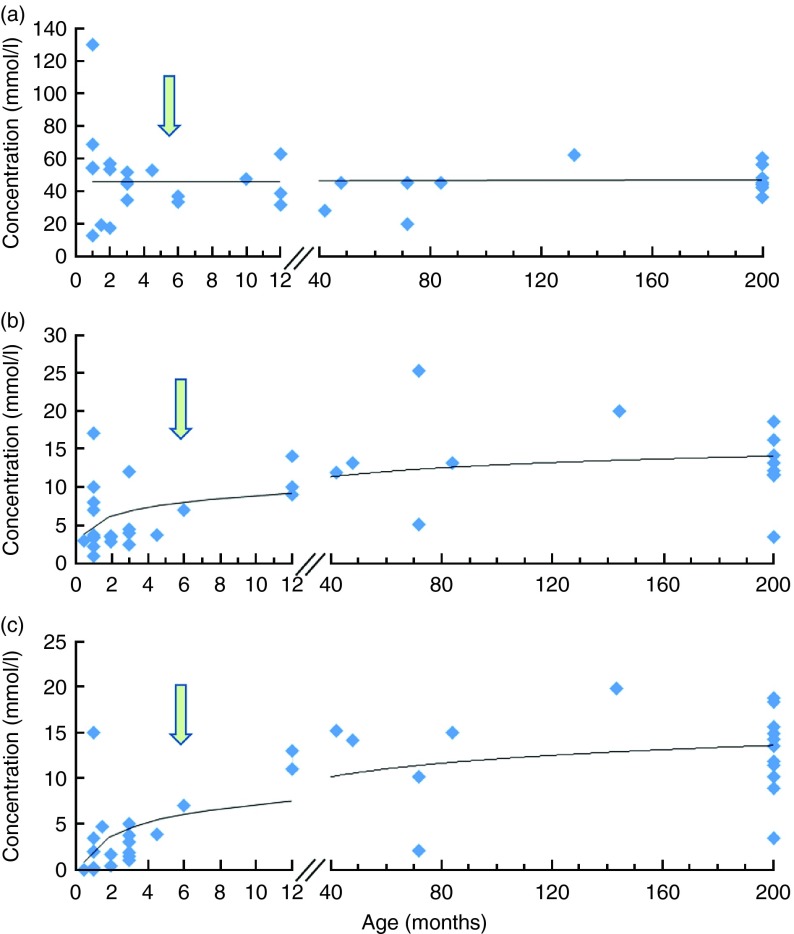
“The figures summarises the data reported in several studies (15,17,71,84,126,228–235) .”
den Besten, G., van Eunen, K., Groen, A. K., Venema, K., Reijngoud, D.-J., & Bakker, B. M. (2013) · Journal of Lipid Research · doi:10.1194/jlr.r036012 · Cited by 5,048
Metabolites produced by commensal bacteria promote peripheral regulatory T-cell generation
Arpaia, N., Campbell, C., Fan, X., Dikiy, S., van der Veeken, J., deRoos, P., Liu, H., Cross, J. R., Pfeffer, K., Coffer, P. J., et al. (2013) · Nature · doi:10.1038/nature12726 · Cited by 4,838 · cited 1×
“In contrast, rectal administration of acetate and propionate, but not butyrate, promoted accumulation of Treg cells, suggesting that butyrate promotes de novo generation but not colonic accumulation of Treg cells, whereas acetate has an opposite activity and propionate is capable of both((34)).”
BackgroundHost-gut microbiota metabolic interactions
Nicholson, J. K., Holmes, E., Kinross, J., Burcelin, R., Gibson, G., Jia, W., & Pettersson, S. (2012) · Science · doi:10.1126/science.1223813 · Cited by 4,760 · cited 1×
“They contribute to the metabolic phenotype of the host and hence may influence the risk of disease((3)).”
BackgroundRichness of human gut microbiome correlates with metabolic markers
Le Chatelier, E., Nielsen, T., Qin, J., Prifti, E., Hildebrand, F., Falony, G., Almeida, M., Arumugam, M., Batto, J.-M., Kennedy, S., et al. (2013) · Nature · doi:10.1038/nature12506 · Cited by 4,662 · cited 1×
“In a recent metagenomic study the typical ecological entity of microbiota ‘richness’ was highlighted as a strong determinant in body-weight control rather than its composition per se (66) .”
Self-citation
Research works printed but not linked: 1
- Morrow DMP, Ryan MP & McGlynn H (1996) An in vitro model to assess tumour promotor activity. Br J Cancer 74, 68.
Cited by
The role of short-chain fatty acids in microbiota–gut–brain communication
Dalile, B., Van Oudenhove, L., Vervliet, B., & Verbeke, K. (2019) · Nature Reviews Gastroenterology & Hepatology · doi:10.1038/s41575-019-0157-3 · Cited by 3,357
Self-citationProbiotics and prebiotics in intestinal health and disease: from biology to the clinic
Sanders, M. E., Merenstein, D. J., Reid, G., Gibson, G. R., & Rastall, R. A. (2019) · Nature Reviews Gastroenterology & Hepatology · doi:10.1038/s41575-019-0173-3 · Cited by 2,059
Gut Microbiota and Short Chain Fatty Acids: Implications in Glucose Homeostasis
Portincasa, P., Bonfrate, L., Vacca, M., De Angelis, M., Farella, I., Lanza, E., Khalil, M., Wang, D. Q.-H., Sperandio, M., & Di Ciaula, A. (2022) · International Journal of Molecular Sciences · doi:10.3390/ijms23031105 · Cited by 969
The neuropharmacology of butyrate: the bread and butter of the microbiota-gut-brain axis
Stilling, R. M., van de Wouw, M., Clarke, G., Stanton, C., Dinan, T. G., & Cryan, J. F. (2016) · Neurochemistry International · doi:10.1016/j.neuint.2016.06.011 · Cited by 891
“faecal concentrations do not necessarily represent SCFA production rates or concentrations present in the colon (den Besten et al., 2013; Rechkemmer et al., 1988; Verbeke et al., 2015).”
BackgroundMouse models for human intestinal microbiota research: a critical evaluation
Hugenholtz, F., & de Vos, W. M. (2018) · Cellular and Molecular Life Sciences · doi:10.1007/s00018-017-2693-8 · Cited by 577
“The housing effect seems even to be larger than the effect of the genetic background [76, 90, 91].”
BackgroundMicrobiome, probiotics and neurodegenerative diseases: deciphering the gut brain axis
Westfall, S., Lomis, N., Kahouli, I., Dia, S. Y., Singh, S. P., & Prakash, S. (2017) · Cellular and Molecular Life Sciences · doi:10.1007/s00018-017-2550-9 · Cited by 541
“These metabolites include the SCFAs acetate, propionate and butyrate and are produced by fermentation mediated by Bacteroides, Bifidobacterium, Propionibacterium, Eubacterium, Lactobacillus, Clostridium, Roseburia and Prevotella species [77].”
BackgroundEffects of Psychological, Environmental and Physical Stressors on the Gut Microbiota
Karl, J. P., Hatch, A. M., Arcidiacono, S. M., Pearce, S. C., Pantoja-Feliciano, I. G., Doherty, L. A., & Soares, J. W. (2018) · Frontiers in Microbiology · doi:10.3389/fmicb.2018.02013 · Cited by 530
Functions of Gut Microbiota Metabolites, Current Status and Future Perspectives
Liu, J., Tan, Y., Cheng, H., Zhang, D., Feng, W., & Peng, C. (2022) · Aging and disease · doi:10.14336/ad.2022.0104 · Cited by 529
“detrimental metabolites such as ammonia and aromatic derivatives of amino acids [127].”
BackgroundCeli, P., Cowieson, A. J., Fru-Nji, F., Steinert, R. E., Kluenter, A.-M., & Verlhac, V. (2017) · Animal Feed Science and Technology · doi:10.1016/j.anifeedsci.2017.09.012 · Cited by 475
Ohira, H., Tsutsui, W., & Fujioka, Y. (2017) · Journal of Atherosclerosis and Thrombosis · doi:10.5551/jat.rv17006 · Cited by 482
The role of the microbiome for human health: From basic science to clinical applications
Mohajeri, M. H., Brummer, R. J. M., Rastall, R. A., Weersma, R. K., Harmsen, H. J. M., Faas, M., & Eggersdorfer, M. (2018) · European Journal of Nutrition · doi:10.1007/s00394-018-1703-4 · Cited by 440
“Even if also present in the healthy colon, it must be noted, however, that we currently have a very poor understanding of the concentrations of microbial metabolites in the human colon [12].”
BackgroundTernan, N. G., Moore, N. D., Smyth, D., McDougall, G. J., Allwood, J. W., Verrall, S., Gill, C. I. R., Dooley, J. S. G., & McMullan, G. (2018) · Scientific Reports · doi:10.1038/s41598-018-35050-x · Cited by 377
The Prebiotic Potential of Inulin-Type Fructans: A Systematic Review
Hughes, R. L., Alvarado, D. A., Swanson, K. S., & Holscher, H. D. (2022) · Advances in Nutrition · doi:10.1093/advances/nmab119 · Cited by 293
“It should be noted that because SCFAs and other fermentative metabolites are rapidly absorbed by the intestine, fecal samples are a poor measure of production and/or microbial activity, which may contribute to these contradictory findings (65).”
BackgroundSaito, Y., Sato, T., Nomoto, K., & Tsuji, H. (2018) · FEMS Microbiology Ecology · doi:10.1093/femsec/fiy125 · Cited by 324
Müller, M., Canfora, E., & Blaak, E. (2018) · Nutrients · doi:10.3390/nu10030275 · Cited by 329
“, branched-chain fatty acids (BCFA), ammonia and aromatic derivatives of amino acids) [80].”
BackgroundYamashiro, K., Tanaka, R., Urabe, T., Ueno, Y., Yamashiro, Y., Nomoto, K., Takahashi, T., Tsuji, H., Asahara, T., & Hattori, N. (2017) · PLOS ONE · doi:10.1371/journal.pone.0171521 · Cited by 314
Mosele, J., Macià, A., & Motilva, M.-J. (2015) · Molecules · doi:10.3390/molecules200917429 · Cited by 257
“Only a minor fraction of the SCFAs (about 5%) is excreted in the feces [63].”
Backgroundvan Lieshout, G. A. A., Lambers, T. T., Bragt, M. C. E., & Hettinga, K. A. (2020) · Critical Reviews in Food Science and Nutrition · doi:10.1080/10408398.2019.1646703 · Cited by 254
“…fermentation, microbiome protein fermentation is less extensively researched and the toxic potential of these compounds is predominantly derived from in vitro cell-toxicity and animal studies determining effects of purified individual protein fermentation by-products (Verbeke et al. 2015).”
BackgroundGut Microbiota Metabolism and Interaction with Food Components
Vernocchi, P., Del Chierico, F., & Putignani, L. (2020) · International Journal of Molecular Sciences · doi:10.3390/ijms21103688 · Cited by 227
“BCFAs are developed from branched-chain AAs such as valine, leucine, and isoleucine, which give them biomarkers for bacterial proteolysis [86].”
BackgroundBiomarkers of gastrointestinal functionality in animal nutrition and health
Celi, P., Verlhac, V., Pérez Calvo, E., Schmeisser, J., & Kluenter, A.-M. (2019) · Animal Feed Science and Technology · doi:10.1016/j.anifeedsci.2018.07.012 · Cited by 208
Alexander, C., Swanson, K. S., Fahey, G. C., & Garleb, K. A. (2019) · Advances in Nutrition · doi:10.1093/advances/nmz004 · Cited by 212
“” The GI microbiota is one of the most densely populated microbial communities on earth, and contains ∼150 times more genes than the human genome (2, 9, 10).”
Botticelli, A., Vernocchi, P., Marini, F., Quagliariello, A., Cerbelli, B., Reddel, S., Del Chierico, F., Di Pietro, F., Giusti, R., Tomassini, A., et al. (2020) · Journal of Translational Medicine · doi:10.1186/s12967-020-02231-0 · Cited by 209
Lamichhane, S., Sen, P., Dickens, A. M., Orešič, M., & Bertram, H. C. (2018) · Methods · doi:10.1016/j.ymeth.2018.04.029 · Cited by 201
Probiotics for Alzheimer’s Disease: A Systematic Review
Naomi, R., Embong, H., Othman, F., Ghazi, H. F., Maruthey, N., & Bahari, H. (2021) · Nutrients · doi:10.3390/nu14010020 · Cited by 194
“The metab lite include acetate, butyrate, and propionate are produced by fermentation mediated by Bacteriodes, Clostridium, Lactobacillus, Bifidobacterium, and Eubacterium species [63].”
BackgroundGut microbiota bridges dietary nutrients and host immunity
Fan, L., Xia, Y., Wang, Y., Han, D., Liu, Y., Li, J., Fu, J., Wang, L., Gan, Z., Liu, B., et al. (2023) · Science China Life Sciences · doi:10.1007/s11427-023-2346-1 · Cited by 189
“The colonic epithelium is constantly exposed to ammonia in millimolar concentrations (Verbeke et al., 2015).”
BackgroundThompson, S. V., Hannon, B. A., An, R., & Holscher, H. D. (2017) · The American Journal of Clinical Nutrition · doi:10.3945/ajcn.117.163246 · Cited by 201
Fermentation and the microbial community of Japanese koji and miso : A review
Allwood, J. G., Wakeling, L. T., & Bean, D. C. (2021) · Journal of Food Science · doi:10.1111/1750-3841.15773 · Cited by 156
Health promoting microbial metabolites produced by gut microbiota after prebiotics metabolism
Peredo-Lovillo, A., Romero-Luna, H. E., & Jiménez-Fernández, M. (2020) · Food Research International · doi:10.1016/j.foodres.2020.109473 · Cited by 167
Rajoka, M. S. R., Thirumdas, R., Mehwish, H. M., Umair, M., Khurshid, M., Hayat, H. F., Phimolsiripol, Y., Pallarés, N., Martí-Quijal, F. J., & Barba, F. J. (2021) · Antioxidants · doi:10.3390/antiox10101563 · Cited by 174
“After digestion, the microbial biotransformation of dietary components occurred in lumen where microbial fermentation enhances the production of specific metabolites with health beneficial effect [10].”
BackgroundUshiroda, C., Naito, Y., Takagi, T., Uchiyama, K., Mizushima, K., Higashimura, Y., Yasukawa, Z., Okubo, T., Inoue, R., Honda, A., et al. (2019) · Journal of Clinical Biochemistry and Nutrition · doi:10.3164/jcbn.18-116 · Cited by 159
Abbaspour, N. (2024) · Applied Food Research · doi:10.1016/j.afres.2024.100468 · Cited by 161
Gut Bacteria and Hydrogen Sulfide: The New Old Players in Circulatory System Homeostasis
Tomasova, L., Konopelski, P., & Ufnal, M. (2016) · Molecules · doi:10.3390/molecules21111558 · Cited by 156
“Unbound NH3 is either excreted with feces (~5–25 μg/g) [34] or retransformed into amino acids by gut microbiota, or absorbed through the GBB.”
BackgroundMoreno-Pérez, D., Bressa, C., Bailén, M., Hamed-Bousdar, S., Naclerio, F., Carmona, M., Pérez, M., González-Soltero, R., Montalvo-Lominchar, M., Carabaña, C., et al. (2018) · Nutrients · doi:10.3390/nu10030337 · Cited by 158
“Moreover, beneficial or deleterious effects of bacterial metabolites clearly depend on the concentration at which they are produced and their systemic absorption, and the concentration at which they have positive or negative effects on health, which is not well established [56].”
BackgroundVernocchi, P., Gili, T., Conte, F., Del Chierico, F., Conta, G., Miccheli, A., Botticelli, A., Paci, P., Caldarelli, G., Nuti, M., et al. (2020) · International Journal of Molecular Sciences · doi:10.3390/ijms21228730 · Cited by 148
“Moreover, they represent beneficial products derived from both proteolytic and saccharolytic fermentation [25] used not only as an energy source for the host’s colonocytes, but also for their anti-inflammatory properties [26,27].”
BackgroundSchilderink, R., Verseijden, C., Seppen, J., Muncan, V., van den Brink, G. R., Lambers, T. T., van Tol, E. A., & de Jonge, W. J. (2016) · American Journal of Physiology-Gastrointestinal and Liver Physiology · doi:10.1152/ajpgi.00411.2015 · Cited by 153
“man colons of healthy individuals vary from 12 to 94 mM (30),”
BackgroundBoesmans, L., Valles-Colomer, M., Wang, J., Eeckhaut, V., Falony, G., Ducatelle, R., Van Immerseel, F., Raes, J., & Verbeke, K. (2018) · mSystems · doi:10.1128/msystems.00094-18 · Cited by 151
“As up to 95% of SCFAs are estimated to be rapidly absorbed by colonocytes, the fraction excreted in feces only reflects the ratio between production and absorption rates and not the in situ production of the metabolites (26).”
BackgroundSelf-citationRaimondi, I., Izzo, L., Tunesi, M., Comar, M., Albani, D., & Giordano, C. (2020) · Frontiers in Bioengineering and Biotechnology · doi:10.3389/fbioe.2019.00435 · Cited by 156
Alfa, M. J., Strang, D., Tappia, P. S., Graham, M., Van Domselaar, G., Forbes, J. D., Laminman, V., Olson, N., DeGagne, P., Bray, D., et al. (2018) · Clinical Nutrition · doi:10.1016/j.clnu.2017.03.025 · Cited by 149
“colonocytes already damaged) since 494 absorption of butyrate in the gut occurs very rapidly and only 5% is excreted in feces (41).”
BackgroundResultDey, P., Sasaki, G. Y., Wei, P. Y., Li, J., Wang, L., Zhu, J., McTigue, D. M., Yu, Z., & Bruno, R. S. (2019) · The Journal of Nutritional Biochemistry · doi:10.1016/j.jnutbio.2019.01.017 · Cited by 152
Gut microbiome, prebiotics, intestinal permeability and diabetes complications
Snelson, M., de Pasquale, C., Ekinci, E. I., & Coughlan, M. T. (2021) · Best Practice & Research Clinical Endocrinology & Metabolism · doi:10.1016/j.beem.2021.101507 · Cited by 154
The Role of the Gut Microbiota in Colorectal Cancer Causation
Hinai, E. A., Walton, G., & Commane, D. M. (2019) · International Journal of Molecular Sciences · doi:10.3390/ijms20215295 · Cited by 150
“into the bloodstream [25]; however, their accumulation in the colonic lumen is associated with increased epithelial cell toxicity [26,27].”
BackgroundKang, M., & Martín, A. (2017) · Seminars in Immunology · doi:10.1016/j.smim.2017.04.003 · Cited by 153
Vitetta, L., Vitetta, G., & Hall, S. (2018) · Frontiers in Immunology · doi:10.3389/fimmu.2018.02240 · Cited by 154
The Role of Catechins in Regulating Diabetes: An Update Review
Wen, L., Wu, D., Tan, X., Zhong, M., Xing, J., Li, W., Li, D., & Cao, F. (2022) · Nutrients · doi:10.3390/nu14214681 · Cited by 144
Dark chocolate: An overview of its biological activity, processing, and fortification approaches
Samanta, S., Sarkar, T., Chakraborty, R., Ребезов, М. Б., Shariati, M. A., Thiruvengadam, M., & Rengasamy, K. R. R. (2022) · Current Research in Food Science · doi:10.1016/j.crfs.2022.10.017 · Cited by 151
Verma, A., Bhagchandani, T., Rai, A., Nikita, N., Sardarni, U. K., Bhavesh, N. S., Gulati, S., Malik, R., & Tandon, R. (2024) · ACS Omega · doi:10.1021/acsomega.3c05846 · Cited by 136
Laserna-Mendieta, E. J., Clooney, A. G., Carretero-Gomez, J. F., Moran, C., Sheehan, D., Nolan, J. A., Hill, C., Gahan, C. G. M., Joyce, S. A., Shanahan, F., et al. (2018) · Journal of Crohn's and Colitis · doi:10.1093/ecco-jcc/jjx137 · Cited by 116
The gut microbiome and dietary fibres: implications in obesity, cardiometabolic diseases and cancer
Delzenne, N. M., Bindels, L. B., Neyrinck, A. M., & Walter, J. (2024) · Nature Reviews Microbiology · doi:10.1038/s41579-024-01108-z · Cited by 126
“BCFAs are markers for bacterial protein fermentation, but little is known about their potential effects on human health 55,56 .”
The role of dietary proteins and carbohydrates in gut microbiome composition and activity: A review
Peled, S., & Livney, Y. D. (2021) · Food Hydrocolloids · doi:10.1016/j.foodhyd.2021.106911 · Cited by 118
Sáyago‐Ayerdi, S. G., Zamora-Gasga, V. M., & Venema, K. (2017) · Food Research International · doi:10.1016/j.foodres.2017.12.024 · Cited by 112
Lotti, C., Rubert, J., Fava, F., Tuohy, K. M., Mattivi, F., & Vrhovšek, U. (2017) · Analytical and Bioanalytical Chemistry · doi:10.1007/s00216-017-0493-5 · Cited by 114
Self-citationSalli, K. M., Anglenius, H., Hirvonen, J., Hibberd, A. A., Ahonen, I., Saarinen, M., Tiihonen, K., Maukonen, J., & Ouwehand, A. C. (2019) · Scientific Reports · doi:10.1038/s41598-019-49497-z · Cited by 109
Structure and function of non-digestible carbohydrates in the gut microbiome
Rastall, R. A., Díez‐Municio, M., Forssten, S. D., Hamaker, B. R., Meynier, A., Moreno, F. J., Respondek, F., Stahl, B., Venema, K., & Wiese, M. (2022) · Beneficial Microbes · doi:10.3920/bm2021.0090 · Cited by 114
Wu, M., Wu, Y., Deng, B., Li, J., Cao, H., Qu, Y., Qian, X., & Zhong, G. (2016) · Oncotarget · doi:10.18632/oncotarget.13347 · Cited by 109
“Increasing evidence suggests that gut microbial metabolites are crucial for the maintenance of health [38].”
BackgroundPotential roles of gut microbiota and microbial metabolites in Parkinson’s disease
Zheng, S.-Y., Li, H.-X., Xu, R.-C., Miao, W.-T., Dai, M.-Y., Ding, S.-T., & Liu, H.-D. (2021) · Ageing Research Reviews · doi:10.1016/j.arr.2021.101347 · Cited by 101
Impact of Protein Intake in Older Adults with Sarcopenia and Obesity: A Gut Microbiota Perspective
Prokopidis, K., Cervo, M. M., Gandham, A., & Scott, D. (2020) · Nutrients · doi:10.3390/nu12082285 · Cited by 99
“These fermented products include acetate, propionate, and butyrate, approximately in a 60:20:20 ratio, respectively [215], and the two non-digestible carbohydrate categories are soluble (pectin, guar gum, psyllium, inulin) and insoluble fiber (cellulose, hemicellulose, lignin) [216].”
BackgroundGut microbiota and health: connecting actors across the metabolic system
Fava, F., Rizzetto, L., & Tuohy, K. M. (2018) · Proceedings of The Nutrition Society · doi:10.1017/s0029665118002719 · Cited by 106
Self-citationHuman Milk Short-Chain Fatty Acid Composition is Associated with Adiposity Outcomes in Infants
Prentice, P. M., Schoemaker, M. H., Vervoort, J. J. M., Hettinga, K. A., Lambers, T. T., van Tol, E. A. F., Acerini, C. L., Olga, L., Petry, C. J., Hughes, I. A., et al. (2019) · Journal of Nutrition · doi:10.1093/jn/nxy320 · Cited by 101
Adebo, O. A., Oyeyinka, S. A., Adebiyi, J. A., Feng, X., Wilkin, J. D., Kewuyemi, Y. O., Abrahams, A. M., & Tugizimana, F. (2020) · International Journal of Food Science & Technology · doi:10.1111/ijfs.14794 · Cited by 98
Neyrinck, A. M., Rodriguez, J., Zhang, Z., Seethaler, B., Sánchez, C. R., Roumain, M., Hiel, S., Bindels, L. B., Cani, P. D., Paquot, N., et al. (2021) · European Journal of Nutrition · doi:10.1007/s00394-021-02484-5 · Cited by 107
“Therefore, only a minor fraction of SCFA (about 5%) is excreted in faeces [40].”
BackgroundAssociations between the gut microbiota and host responses to high altitude
Karl, J. P., Berryman, C. E., Young, A., Radcliffe, P. N., Branck, T. A., Pantoja-Feliciano, I. G., Rood, J. C., & Pasiakos, S. M. (2018) · American Journal of Physiology-Gastrointestinal and Liver Physiology · doi:10.1152/ajpgi.00253.2018 · Cited by 101
“It is well established that carbohydrate fermentation by the gut microbiota promotes the growth of beneficial bacteria and production of the short-chain fatty acids (SCFAs) acetate, propionate, and butyrate (48, 75), whereas amino acid fermentation produces multiple byproducts including SCFAs, branched short-chain fat…”
BackgroundSaji, N., Murotani, K., Hisada, T., Kunihiro, T., Tsuduki, T., Sugimoto, T., Kimura, A., Niida, S., Toba, K., & Sakurai, T. (2020) · Scientific Reports · doi:10.1038/s41598-020-65196-6 · Cited by 90
Caetano, M. A. F., & Castelucci, P. (2022) · World Journal of Clinical Cases · doi:10.12998/wjcc.v10.i28.9985 · Cited by 98
Interactions between dietary fibre and the gut microbiota
Thomson, C. L., García, A. L., & Edwards, C. A. (2021) · Proceedings of The Nutrition Society · doi:10.1017/s0029665121002834 · Cited by 96
“phenols and cresols and hydrogen sulphide) which may be both positive or harmful in the body may be affected by fibre fermentation((69)) but their impact on health is not yet clear.”
BackgroundSelf-citationBarrea, L., Muscogiuri, G., Annunziata, G., Laudisio, D., Pugliese, G., Salzano, C., Colao, A., & Savastano, S. (2019) · Hormones · doi:10.1007/s42000-019-00100-0 · Cited by 81
Zhai, S., Zhu, L., Qin, S., & Li, L. (2018) · MicrobiologyOpen · doi:10.1002/mbo3.612 · Cited by 82
“Straight- chain SCFAs have a range of beneficial effects, including regulation of the colonic and intracellular environment (Wong et al. 2006), and modulation of cell proliferation and gene expression.”
BackgroundHuman Milk From Atopic Mothers Has Lower Levels of Short Chain Fatty Acids
Stinson, L. F., Gay, M. C. L., Koleva, P. T., Eggesbø, M. Å., Johnson, C. C., Wegienka, G., du Toit, E., Shimojo, N., Munblit, D., Campbell, D. E., et al. (2020) · Frontiers in Immunology · doi:10.3389/fimmu.2020.01427 · Cited by 84
“Endogenous production of SCFAs is low in early infancy (45).”
BackgroundSteinert, R. E., Sadabad, M. S., Harmsen, H. J. M., & Weber, P. (2016) · European Journal of Clinical Nutrition · doi:10.1038/ejcn.2016.119 · Cited by 84
Deehan, E. C., Antwan, S. A., Witwer, R. S., Guerra, P. G., John, T., & Monheit, L. (2024) · Advances in Nutrition · doi:10.1016/j.advnut.2024.100329 · Cited by 77
“Polyphenols produce phenolic compounds when fermented by the micro-biome [149].”
Microbiota Is Involved in Post-resection Adaptation in Humans with Short Bowel Syndrome
Gillard, L., Mayeur, C., Robert, V., Pingenot, I., Le Beyec, J., Bado, A., Lepage, P., Thomas, M., & Joly, F. (2017) · Frontiers in Physiology · doi:10.3389/fphys.2017.00224 · Cited by 65
“The intestinal microbiota plays a key role in energy salvage and digestive functions (Cherbuy et al., 2010; Tomas et al., 2015; Verbeke et al., 2015; Deschemin et al., 2016); but the SBS-microbiota is especially efficient in energy recovery as it provides more energy (up to 1000 Kcal) than the…”
BackgroundChoudhury, R., Middelkoop, A., de Souza, J. G., van Veen, L. A., Gerrits, W. J. J., Kemp, B., Bolhuis, J. E., & Kleerebezem, M. (2021) · Scientific Reports · doi:10.1038/s41598-021-83756-2 · Cited by 76
Self-citationTrefflich, I., Dietrich, S., Braune, A., Abraham, K., & Weikert, C. (2021) · Nutrients · doi:10.3390/nu13061808 · Cited by 75
“Nevertheless, the concentrations and ratios of SCFA and BCFA observed in RBVD were similar to findings in healthy subjects reported in previous studies [17,46].”
BackgroundResultInfluentialMayneris‐Perxachs, J., Lima, A. Â. M., Guerrant, R. L., Leite, Á. M., Moura, A. D., Lima, N. L., Soares, A. M., Havt, A., Moore, S. R., Pinkerton, R., et al. (2016) · Scientific Reports · doi:10.1038/srep19780 · Cited by 76
Intestinal Organoids: A Tool for Modelling Diet–Microbiome–Host Interactions
Rubert, J., Schweiger, P. J., Mattivi, F., Tuohy, K. M., Jensen, K. B., & Lunardi, A. (2020) · Trends in Endocrinology and Metabolism · doi:10.1016/j.tem.2020.02.004 · Cited by 70
“For example, fiber-derived compounds, such as short-chain fatty acids (SCFAs), are fatty acids with saturated aliphatic tails between two and six carbons long and have implications for both host health and disease [8,69,76,77].”
BackgroundSelf-citationFühren, J., Schwalbe, M., Boekhorst, J., Rösch, C., Schols, H. A., & Kleerebezem, M. (2021) · Microbiome · doi:10.1186/s40168-021-01148-0 · Cited by 66
“, the overall resultant of microbial production, host absorption, and bacterial cross-feeding) complicate their accurate interpretation in the context of dietary intervention and microbial composition and/ or activity [85].”
BackgroundSelf-citationWang, X., Gibson, G. R., Costabile, A., Sailer, M., Theis, S., & Rastall, R. A. (2019) · Applied and Environmental Microbiology · doi:10.1128/aem.02749-18 · Cited by 73
“Variation in BCFA production between donors was seen in this study; therefore, a two-way analysis of variance (ANOVA) for isovalerate and isobutyrate was used to examine the effect of both treatment and donor on production.”
BackgroundInfluentialHarris, H., Edwards, C., & Morrison, D. (2017) · Nutrients · doi:10.3390/nu9010026 · Cited by 65
“Although there is considerable variability between individuals, SCFA are produced in the approximate ratio 60:20:20 for acetate, propionate and butyrate respectively [5].”
BackgroundSelf-citationEmerging role of bacterial outer membrane vesicle in gastrointestinal tract
Tian, C., Yang, M., Xu, H., Zhu, M., Zhang, Y., Yao, J., Wang, L., Liang, Y.-J., & Li, D. (2023) · Gut Pathogens · doi:10.1186/s13099-023-00543-2 · Cited by 67
Role of the intestinal microbiota in contributing to weight disorders and associated comorbidities
Hul, M. V., Neyrinck, A. M., Everard, A., Abot, A., Bindels, L. B., Delzenne, N. M., Knauf, C., & Cani, P. D. (2024) · Clinical Microbiology Reviews · doi:10.1128/cmr.00045-23 · Cited by 72
“In the colon, H₂S might regulate arterial blood pressure and, as a gasotransmitter, influence various cellular processes in the gut like inflammation, motility, epithelial secretion, nociception, neurodegener ation, and cancer (19–21).”
Oleskin, A. V., Ba, S., & Rogovskii, V. (2017) · Probiotics and Antimicrobial Proteins · doi:10.1007/s12602-017-9262-1 · Cited by 68
“Acetate and propionate are important energy sources for the cells of the brain, the muscles, the heart, and the immune system [27, 43, 62, 126].”
BackgroundInfluentialButowski, C. F., Thomas, D. G., Young, W., Cave, N., McKenzie, C. M., Rosendale, D., & Bermingham, E. N. (2019) · PLoS ONE · doi:10.1371/journal.pone.0216072 · Cited by 71
Farup, P. G., & Valeur, J. (2020) · Nutrients · doi:10.3390/nu12030802 · Cited by 66
“The microbial fermentation metabolites are markers for health, but the impact of these products on human health is complex, and the clinical consequences of the changes in faecal SCFA levels are not fully understood [1,9].”
BackgroundAn evaluation of the prebiotic potential of microbial levans from Erwinia sp. 10119
Liu, C., Kolida, S., Charalampopoulos, D., & Rastall, R. A. (2019) · Journal of Functional Foods · doi:10.1016/j.jff.2019.103668 · Cited by 61
Taladrid, D., de Celis, M., Belda, I., Bartolomé, B., & Moreno-Arribas, M. V. (2022) · Food & Function · doi:10.1039/d1fo03942c · Cited by 59
Molino, S., Fernández-Miyakawa, M. E., Giovando, S., & Rufián‐Henares, J. Á. (2018) · Journal of Functional Foods · doi:10.1016/j.jff.2018.07.056 · Cited by 61
Resilience or susceptibility to traumatic stress: Potential influence of the microbiome
Tanelian, A., Nankova, B. B., Miari, M., Nahvi, R. J., & Sabban, E. L. (2022) · Neurobiology of Stress · doi:10.1016/j.ynstr.2022.100461 · Cited by 54
“The EPM is used to assess anxiety-like or avoidance behavior in rodents (Walf and Frye, 2007).”
Managing portal hypertension in patients with liver cirrhosis
Sauerbruch, T., Schierwagen, R., & Trebicka, J. (2018) · F1000Research · doi:10.12688/f1000research.13943.1 · Cited by 61
Alfa, M. J., Strang, D., Tappia, P. S., Olson, N., DeGagne, P., Bray, D., Murray, B.-L., & Hiebert, B. (2018) · Frontiers in Medicine · doi:10.3389/fmed.2017.00260 · Cited by 46
Kim, J. E., Park, J. W., Kang, M. J., Choi, H. J., Bae, S. J., Choi, Y. S., Lee, Y. J., Lee, H. S., Hong, J. T., & Hwang, D. Y. (2019) · International Journal of Molecular Sciences · doi:10.3390/ijms20040946 · Cited by 55
“Also, microbial metabolites short-chain fatty acid (SCFAs) mainly produced in the colon by the bacterial fermentation of carbohydrate can be considered as another regulating factor for laxative effects because SCFAs stimulate the increase of transit time [40,41].”
Whitman, J. A., Doherty, L. A., Pantoja-Feliciano, I. G., Racicot, K., Anderson, D., Kensil, K., Karl, J. P., Gibson, G. R., & Soares, J. W. (2024) · Nutrients · doi:10.3390/nu16081159 · Cited by 49
Pérez-Ramos, A., Mohedano, M. L., Pardo, M. Á., & López, P. (2018) · Frontiers in Microbiology · doi:10.3389/fmicb.2018.01684 · Cited by 56
de Carvalho, N. M., Walton, G., Poveda, C. G., Silva, S., Amorim, M., Madureira, A. R., Pintado, M., Gibson, G. R., & Jauregi, P. (2019) · Journal of Functional Foods · doi:10.1016/j.jff.2019.05.024 · Cited by 49
Sharma, G., Biswas, S. S., Mishra, J., Navik, U., Kandimalla, R. J. L., Reddy, P. H., Bhatti, G. K., & Bhatti, J. S. (2023) · Life Sciences · doi:10.1016/j.lfs.2023.121882 · Cited by 48
Effects of Insect Consumption on Human Health: A Systematic Review of Human Studies
Cunha, N., Andrade, V., Ruivo, P., & Pinto, P. (2023) · Nutrients · doi:10.3390/nu15143076 · Cited by 54
“SCFAs are metabolic by-products of gut bacteria fermentation and are known to have anti-inflammatory and immunomodulatory properties [68].”
BackgroundPark, Y. E., Kim, M. S., Shim, K. W., Kim, Y.-I., Chu, J., Kim, B.-K., Choi, I. S., & Kim, J. Y. (2020) · Nutrients · doi:10.3390/nu12010255 · Cited by 48
Xu, M., Wang, C., Krolick, K. N., Shi, H., & Zhu, J. (2020) · Scientific Reports · doi:10.1038/s41598-020-60862-1 · Cited by 50
Prebiotics: Inulin and Other Oligosaccharides
Mitmesser, S. H., & Combs, M. A. (2017) · Elsevier eBooks · doi:10.1016/b978-0-12-804024-9.00023-9 · Cited by 53
Gut microbial involvement in Alzheimer's disease pathogenesis
Zhang, Y., Geng, R., & Tu, Q. (2021) · Aging · doi:10.18632/aging.202994 · Cited by 47
“In addition, SCFAs play a key role in promoting colon cell metabolism and possess a powerful anti-inflammatory effect [44, 45].”
BackgroundBiomarkers for nutrient intake with focus on alternative sampling techniques
Holen, T., Norheim, F., Gundersen, T. E., Mitry, P., Linseisen, J., Iversen, P. O., & Drevon, C. A. (2016) · Genes & Nutrition · doi:10.1186/s12263-016-0527-1 · Cited by 49
“There is a considerable inter-individual variation in the urinary excretion of p-cresol and phenols probably reflecting its production in colon [172].”
InfluentialStrain, C., Collins, K. C., Naughton, V. R., McSorley, E. M., Stanton, C., Smyth, T. J., Soler‐Vila, A., Rea, M. C., Ross, R. P., Cherry, P., et al. (2019) · European Journal of Nutrition · doi:10.1007/s00394-019-01909-6 · Cited by 49
Metadata
- Authors
- Verbeke, K. A., Boobis, A. R., Chiodini, A., Edwards, C. A., Franck, A., Kleerebezem, M., Nauta, A., Raes, J., van Tol, E. A. F., & Tuohy, K. M.
- Affiliations
- KU Leuven (BE)
- Imperial College London (GB)
- European Commission (BE)
- University of Glasgow (GB)
- Cargill (Belgium) (BE)
- Wageningen University & Research (NL)
- FrieslandCampina (Netherlands) (NL)
- Vrije Universiteit Brussel (BE)
- Fondazione Edmund Mach (IT)
- Corresponding author
- Chiodini, Alessandro
- ORCID
- Venue
- Nutrition Research Reviews
- Publisher
- Cambridge University Press (CUP)
- Published
- 2015-06
- Volume
- 28
- Issue
- 1
- Pages
- 42-66
- ISSN
- 0954-4224 (ISSN-L)
- 1475-2700
- PMC
- PMC4501371
- OpenAlex
- W2126018988
- Cited by
- 343
- References
- 269
- Citations by year
- 2026: 16 · 2025: 26 · 2024: 36 · 2023: 34 · 2022: 47 · 2021: 37 · 2020: 35 · 2019: 34 · 2018: 34 · 2017: 27 · 2016: 15 · 2015: 2
- FWCI
- 2.52
- Type
- journal article
- Language
- en
- Open access
- hybrid
- doi.org
- Locations
- Nutrition Research Reviews (publishedVersion, cc-by)
- PubMed Central (publishedVersion, cc-by)
- PubMed (publishedVersion)
- ENLIGHTEN (Jurnal Bimbingan dan Konseling Islam) (acceptedVersion)
- Socio-Environmental Systems Modeling (acceptedVersion, cc-by)
- Lirias (KU Leuven) (submittedVersion, cc-by)
- CINECA IRIS Institutional Research Information System (Fondazione Edmund Mach) (submittedVersion, cc-by-nc-sa)
- eSpace (Curtin University) (submittedVersion)
- VUBIR (Vrije Universiteit Brussel) (submittedVersion)
- Data Archiving and Networked Services (DANS) (submittedVersion, cc-by)
- Funders
- Institut National de la Recherche Agronomique
- Topics
- Life Sciences › Biochemistry, Genetics and Molecular Biology › Molecular Biology › Gut microbiota and health
- Health Sciences › Nursing › Nutrition and Dietetics › Microbial Metabolites in Food Biotechnology
- Life Sciences › Agricultural and Biological Sciences › Food Science › Probiotics and Fermented Foods
- Keywords
- prebiotics, gut microbiota metabolites, short-chain fatty acids, p-cresol, indole, phenols, ammonia, cancer risk, metabolomics, metagenomics, colonic health, host immunity, metabolite toxicity
- MeSH terms
- Gastrointestinal Microbiome, Bacteria, Carbohydrates, Colon, Fatty Acids, Fatty Acids, Volatile, Feces, Fermentation, Health Promotion, Humans, Intestines, Plants, Proteins, Metabolomics, Metagenomics, Prebiotics, Polyphenols
About these checks
Registry, retraction, Cites and statistics results are computed, not judged, with one exception: a printed reference that no index lists is read once by a model before it counts as a citation error. Claims are extracted by a model and kept only when their quote appears verbatim in the text; each cited source is then checked, with a model’s help, for whether it says what the claim relies on. Those verdicts can be wrong — read the claim’s quote and the cited source before relying on one.
Statistics and arithmetic are recomputed, not judged.
Confidence bands are shown only for fields calibrated on our annotated test set. None is calibrated yet, so no band is shown.
What counts as a claim ›How we measure confidence ›How we check this ›
Are you an author, or do you see a problem with this page? Request a review
Data sources
Bibliographic data: Semantic Scholar, OpenAlex, Crossref.
Contains information from the Semantic Scholar Academic Graph Datasets, made available under the ODC Attribution License (ODC-BY 1.0).
Semantic Scholar’s data is described in: Kinney, R., et al. (2023). The Semantic Scholar Open Data Platform. arXiv:2301.10140.
