

Towards microbial fermentation metabolites as markers for health benefits of prebiotics
Open accessThe DOI matches its Crossref record; 269 of the 269 references it cites were found in a registry or an index.
Abstract
Available evidence on the bioactive, nutritional and putative detrimental properties of gut microbial metabolites has been evaluated to support a more integrated view of how prebiotics might affect host health throughout life. The present literature inventory targeted evidence for the physiological and nutritional effects of metabolites, for example, SCFA, the potential toxicity of other metabolites and attempted to determine normal concentration ranges. Furthermore, the biological relevance of more holistic approaches like faecal water toxicity assays and metabolomics and the limitations of faecal measurements were addressed. Existing literature indicates that protein fermentation metabolites (phenol, p-cresol, indole, ammonia), typically considered as potentially harmful, occur at concentration ranges in the colon such that no toxic effects are expected either locally or following systemic absorption. The endproducts of saccharolytic fermentation, SCFA, may have effects on colonic health, host physiology, immunity, lipid and protein metabolism and appetite control. However, measuring SCFA concentrations in faeces is insufficient to assess the dynamic processes of their nutrikinetics. Existing literature on the usefulness of faecal water toxicity measures as indicators of cancer risk seems limited. In conclusion, at present there is insufficient evidence to use changes in faecal bacterial metabolite concentrations as markers of prebiotic effectiveness. Integration of results from metabolomics and metagenomics holds promise for understanding the health implications of prebiotic microbiome modulation but adequate tools for data integration and interpretation are currently lacking. Similarly, studies measuring metabolite fluxes in different body compartments to provide a more accurate picture of their nutrikinetics are needed.
Overview
The claims and statistics of this paper haven’t been checked yet.
Free: it reads the open-access text and checks the first 5 claims that cite a source we can check. Create a free account to check every claim.
Integrity signals
Registry
Cites
Statistics
Figures
Verification
Claims the paper makes
The claims and statistics of this paper haven’t been checked yet.
Free: it reads the open-access text and checks the first 5 claims that cite a source we can check. Create a free account to check every claim.
Claims other papers make about this one
Each is checked against this paper’s own text: does it say what the citing paper says it does?
In the citing paper
“These fermented products include acetate, propionate, and butyrate, approximately in a 60:20:20 ratio, respectively [215], and the two non-digestible carbohydrate categories are soluble (pectin, guar gum, psyllium, inulin) and insoluble fiber (cellulose, hemicellulose, lignin) [216].”
From Impact of Protein Intake in Older Adults with Sarcopenia and Obesity: A Gut Microbiota Perspective (2020) · cites this paper as [215]
Self-check
Percentages, sums and reported differences re-computed from the paper’s own numbers.
The self-check needs the paper’s full text.
Citations
Cites
An obesity-associated gut microbiome with increased capacity for energy harvest
Turnbaugh, P. J., Ley, R. E., Mahowald, M. A., Magrini, V., Mardis, E. R., & Gordon, J. I. (2006) · Nature · doi:10.1038/nature05414 · Cited by 12,444 · cited 1×
“A greater fermentation capacity in both obese animals and human subjects compared with normal-weight subjects was suggested (61–63) as well as increased concentrations of caecal or faecal SCFA.”
A human gut microbial gene catalogue established by metagenomic sequencing
MetaHIT Consortium, Qin, J., Li, R., Raes, J., Arumugam, M., Burgdorf, K. S., Manichanh, C., Nielsen, T., Pons, N., Levenez, F., et al. (2010) · Nature · doi:10.1038/nature08821 · Cited by 11,624 · cited 1×
“The collective genetic information encoded in the intestinal micro-organisms is truly impressive and has been referred to as ‘our other genome’((2)).”
BackgroundSelf-citationHuman gut microbes associated with obesity
Ley, R. E., Turnbaugh, P. J., Klein, S., & Gordon, J. I. (2006) · Nature · doi:10.1038/4441022a · Cited by 8,785 · cited 1×
“Firmicutes:Bacteroidetes ratio in the obese((59,60)).”
Dietary Modulation of the Human Colonic Microbiota: Introducing the Concept of Prebiotics
Gibson, G. R., & Roberfroid, M. B. (1995) · The Journal of Nutrition · doi:10.1093/jn/125.6.1401 · Cited by 7,667 · cited 1×
“Previously, the effect of prebiotic supplementation has been measured using the relative increase in Bifidobacterium and Lactobacillus species as markers((8)).”
MethodEnterotypes of the human gut microbiome
MetaHIT Consortium (additional members), Arumugam, M., Raes, J., Pelletier, E., Le Paslier, D., Yamada, T., Mende, D. R., Fernandes, G. R., Tap, J., Bruls, T., et al. (2011) · Nature · doi:10.1038/nature09944 · Cited by 7,548
Self-citationDe Filippo, C., Cavalieri, D., Di Paola, M., Ramazzotti, M., Poullet, J. B., Massart, S., Collini, S., Pieraccini, G., & Lionetti, P. (2010) · Proceedings of the National Academy of Sciences · doi:10.1073/pnas.1005963107 · Cited by 5,579 · cited 1×
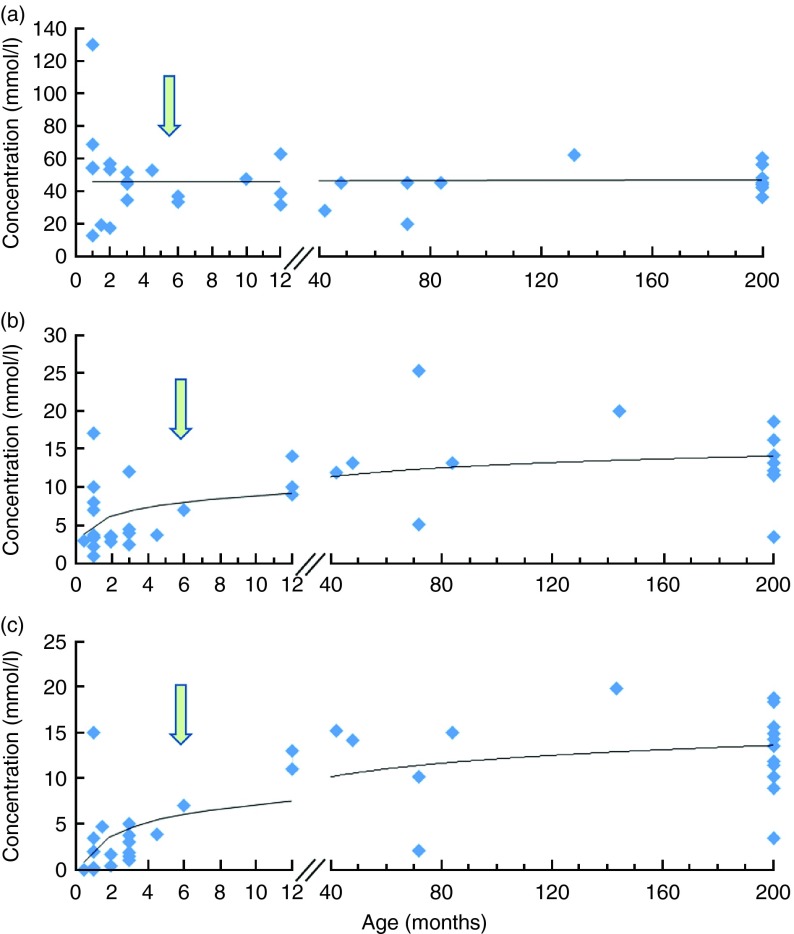
“The figures summarises the data reported in several studies (15,17,71,84,126,228–235) .”
den Besten, G., van Eunen, K., Groen, A. K., Venema, K., Reijngoud, D.-J., & Bakker, B. M. (2013) · Journal of Lipid Research · doi:10.1194/jlr.r036012 · Cited by 5,048
Metabolites produced by commensal bacteria promote peripheral regulatory T-cell generation
Arpaia, N., Campbell, C., Fan, X., Dikiy, S., van der Veeken, J., deRoos, P., Liu, H., Cross, J. R., Pfeffer, K., Coffer, P. J., et al. (2013) · Nature · doi:10.1038/nature12726 · Cited by 4,838 · cited 1×
“In contrast, rectal administration of acetate and propionate, but not butyrate, promoted accumulation of Treg cells, suggesting that butyrate promotes de novo generation but not colonic accumulation of Treg cells, whereas acetate has an opposite activity and propionate is capable of both((34)).”
BackgroundHost-gut microbiota metabolic interactions
Nicholson, J. K., Holmes, E., Kinross, J., Burcelin, R., Gibson, G., Jia, W., & Pettersson, S. (2012) · Science · doi:10.1126/science.1223813 · Cited by 4,760 · cited 1×
“They contribute to the metabolic phenotype of the host and hence may influence the risk of disease((3)).”
BackgroundRichness of human gut microbiome correlates with metabolic markers
Le Chatelier, E., Nielsen, T., Qin, J., Prifti, E., Hildebrand, F., Falony, G., Almeida, M., Arumugam, M., Batto, J.-M., Kennedy, S., et al. (2013) · Nature · doi:10.1038/nature12506 · Cited by 4,662 · cited 1×
“In a recent metagenomic study the typical ecological entity of microbiota ‘richness’ was highlighted as a strong determinant in body-weight control rather than its composition per se (66) .”
Self-citation
Research works printed but not linked: 1
- Morrow DMP, Ryan MP & McGlynn H (1996) An in vitro model to assess tumour promotor activity. Br J Cancer 74, 68.
Cited by
Items 101–200 of 356
Fermented foods and cardiometabolic health: Definitions, current evidence, and future perspectives
Li, K. J., Burton-Pimentel, K. J., Vergères, G., Feskens, E. J. M., & Brouwer-Brolsma, E. M. (2022) · Frontiers in Nutrition · doi:10.3389/fnut.2022.976020 · Cited by 54
“, organic acids) have been positively associated with host gastrointestinal and immune health, lipid and protein metabolism, and appetite control (25).”
BackgroundGil‐Sánchez, I., Esteban‐Fernández, A., de Llano, D. G., Sanz‐Buenhombre, M., Guadarrana, A., Salazar, N., Gueimonde, M., Reyes‐Gavilán, C. G. D. L., Gómez, L. M., García‐Bermejo, L., et al. (2018) · Journal of Functional Foods · doi:10.1016/j.jff.2018.03.031 · Cited by 40
Sáyago‐Ayerdi, S. G., Zamora-Gasga, V. M., & Venema, K. (2020) · Food Research International · doi:10.1016/j.foodres.2020.109036 · Cited by 40
Microbiome response to diet: focus on obesity and related diseases
Delzenne, N. M., Rodriguez, J., Olivares, M., & Neyrinck, A. M. (2020) · Reviews in Endocrine and Metabolic Disorders · doi:10.1007/s11154-020-09572-7 · Cited by 43
“In healthy conditions, they are further metabolized to acetate or butyrate and propionate, respectively and do not substantially accumulate in the colonic lumen [91].”
BackgroundResultInfluentialDiet associations in endometriosis: a critical narrative assessment with special reference to gluten
Brouns, F. J. P. H., van Haaps, A. P., Keszthelyi, D., Venema, K., Bongers, M. Y., Maas, J. W. M., & Mijatovic, V. (2023) · Frontiers in Nutrition · doi:10.3389/fnut.2023.1166929 · Cited by 48
“These changes are known to promote intestinal inflammation and are also implicated in the etiology of intestinal cancers (196, 197).”
BackgroundSitkin, S. I., Vakhitov, T., & Demyanova, E. V. (2018) · Almanac of Clinical Medicine · doi:10.18786/2072-0505-2018-46-5-396-425 · Cited by 48
“Но, по мнению многих исследователей, фекальный уровень бутирата, как и других КЖК, не может служить индикатором кишечного метаболизма КЖК, поскольку отражает скорее баланс между их продукцией и абсорбцией [115, 153].”
Yue, B., Yu, Z., Lv, C., Geng, X., Wang, Z., & Dou, W. (2020) · World Journal of Gastroenterology · doi:10.3748/wjg.v26.i30.4378 · Cited by 39
Koppe, L., & Soulage, C. O. (2022) · Kidney International · doi:10.1016/j.kint.2022.06.025 · Cited by 42
Hannon, B. A., Thompson, S. V., Edwards, C., Skinner, S. K., Niemiro, G. M., Burd, N. A., Holscher, H. D., Terán-García, M., & Khan, N. A. (2018) · Current Developments in Nutrition · doi:10.1093/cdn/nzy094 · Cited by 44
“Specific to lipid metabolism, SCFAs produced by gut microbes can also impact energy intake and metabolic control through altering levels of lipogenesis and cholesterol synthesis (32).”
BackgroundSelf-citationXenobiotic Receptor-Mediated Regulation of Intestinal Barrier Function and Innate Immunity
Ranhotra, H. S., Flannigan, K. L., Brave, M., Mukherjee, S., Lukin, D. J., Hirota, S. A., & Mani, S. (2016) · Nuclear Receptor Research · doi:10.11131/2016/101199 · Cited by 39
Pan, Z., Chang, Y., Han, N., Hou, F., Lee, B. J. Y., Zhi, F., Yang, R., & Bi, Y. (2020) · Life Sciences · doi:10.1016/j.lfs.2020.118450 · Cited by 39
“To our knowledge, elevated serum level of D -lactate, a carbohydrate fermentation metabolite almost produced by commensal bacteria in the colon, is a useful biomarker for dysbiosis and/or increased intestinal permeability [23].”
Gasaly, N., & Gotteland, M. (2021) · Amino Acids · doi:10.1007/s00726-021-03034-3 · Cited by 40
Luo, Y., Chen, H., Yu, B., He, J., Zheng, P., Mao, X., Yu, J., Luo, J., Huang, Z., & Chen, D. (2017) · Journal of Animal Physiology and Animal Nutrition · doi:10.1111/jpn.12736 · Cited by 39
Liu, W., Gao, H., He, J., Yu, A., Sun, C., Xie, Y., Yao, H., Wang, H., Duan, Y., Hu, J., et al. (2024) · Food Chemistry · doi:10.1016/j.foodchem.2024.139539 · Cited by 35
Lactobacillus casei Zhang exerts probiotic effects to antibiotic-treated rats
Yao, G., Cao, C., Zhang, M., Kwok, L. Y., Zhang, H., & Zhang, W. (2021) · Computational and Structural Biotechnology Journal · doi:10.1016/j.csbj.2021.10.026 · Cited by 36
“epithelial cells into the circulatory system and transported to liver, heart, and lung [43].”
BackgroundUrinary Metabolomics Profiles Associated to Bovine Meat Ingestion in Humans
Khodorova, N. V., Rutledge, D. N., Oberli, M., Mathiron, D., Marcelo, P., Benamouzig, R., Tomé, D., Gaudichon, C., & Pilard, S. (2018) · Molecular Nutrition & Food Research · doi:10.1002/mnfr.201700834 · Cited by 36
Wilbrink, J., Bernards, N., Mujagic, Z., van Avesaat, M. H. P., Pijls, K. E., Klaassen, T., van Eijk, H. M. H., Nienhuijs, S. W., Stronkhorst, A., Wilms, E., et al. (2019) · International Journal of Obesity · doi:10.1038/s41366-019-0492-z · Cited by 34
“to modulation of inflammation, carcinogenesis, etc [10].”
Rodrigues, V. C. D. C., Duque, A. L. R. F., Fino, L. D. C., Simabuco, F. M., Sartoratto, A., Cabral, L., Noronha, M. F., Sivieri, K., & Antunes, A. E. C. (2020) · British Journal Of Nutrition · doi:10.1017/s0007114520000896 · Cited by 37
Insights into gut microbiota metabolism of dietary lipids: the case of linoleic acid
Huyan, Z., Pellegrini, N., Steegenga, W. T., & Capuano, E. (2022) · Food & Function · doi:10.1039/d1fo04254h · Cited by 37
Recent Development of Prebiotic Research—Statement from an Expert Workshop
Fata, G. L., Rastall, R. A., Lacroix, C., Harmsen, H. J. M., Mohajeri, M. H., Weber, P., & Steinert, R. E. (2017) · Nutrients · doi:10.3390/nu9121376 · Cited by 35
“In fact, over recent years, there has been a shift in focus away from a simplistic differentiation between beneficial and harmful bacteria towards research aiming to understand ecological and functional features of the microbiota relevant for host physiology [9,45–47].”
Karl, J. P., Armstrong, N. J., McClung, H. L., Player, R. A., Rood, J. C., Racicot, K., Soares, J. W., & Montain, S. J. (2019) · The Journal of Nutritional Biochemistry · doi:10.1016/j.jnutbio.2019.108217 · Cited by 36
Marć, M. A., Jastrząb, R., & Mytych, J. (2022) · Nutrients · doi:10.3390/nu14193967 · Cited by 36
Integrating microbiome science and evolutionary medicine into animal health and conservation
Bornbusch, S. L., Power, M. L., Schulkin, J. A., Drea, C. M., Maslanka, M., & Muletz‐Wolz, C. R. (2023) · Biological reviews/Biological reviews of the Cambridge Philosophical Society · doi:10.1111/brv.13030 · Cited by 36
“They can further promote the production of valuable metabolites for the host (e.g. fermentation products and bioavailable nutri-ents; Verbeke et al ., 2015).”
BackgroundA novel non-invasive colorectal cancer diagnostic method: Volatile organic compounds as biomarkers
Alustiza, M., Ripoll, L., Canals, A., Murcia, Ó., Martínez‐Roca, A., García‐Heredia, A., Giner-Calabuig, M., Jover, R., & Vidal, L. (2023) · Clinica Chimica Acta · doi:10.1016/j.cca.2023.117273 · Cited by 32
Prebiotic role of softwood hemicellulose in healthy mice model
Deloule, V., Boisset, C., Hannani, D., Suau, A., Gouëllec, A. L., Chroboczek, J., Botté, C. Y., Yamaryo‐Botté, Y., Chirat, C., & Toussaint, B. (2019) · Journal of Functional Foods · doi:10.1016/j.jff.2019.103688 · Cited by 32
“The use of particular dietary 19 glycans, i.e. prebiotics, may provide the basis for a non-invasive strategy by which both the 20 composition and the physiology of the microbiota could be modulated, in order to promote 21 host health [Gibson and Roberfroid, 1992; Verbeke et al, 2015].”
BackgroundPeng, Y., Tao, H., Wang, S., Xiao, J., Wang, Y., & Su, H. (2021) · Journal of Functional Foods · doi:10.1016/j.jff.2021.104463 · Cited by 31
Metals Biotribology and Oral Microbiota Biocorrosion Mechanisms
Contuzzi, N., Casalino, G., Boccaccio, A., Ballini, A., Charitos, I. A., Bottalico, L., & Santacroce, L. (2022) · Journal of Functional Biomaterials · doi:10.3390/jfb14010014 · Cited by 33
Koenen, M. E., Cruz-Rubio, J. M., Mueller, M., & Venema, K. (2016) · Journal of Functional Foods · doi:10.1016/j.jff.2016.01.018 · Cited by 32
Effects of Different Diets on Microbiota in The Small Intestine Mucus and Weight Regulation in Rats
Meng, Y., Li, X., Zhang, J., Wang, C., & Lu, F. (2019) · Scientific Reports · doi:10.1038/s41598-019-44994-7 · Cited by 32
Mandal, R., Cano, R. J., Davis, C. D., Hayashi, D. K., Jackson, S. A., Jones, C. M., Lampe, J. W., Latulippe, M. E., Lin, N. J., Lippa, K. A., et al. (2020) · Metabolomics · doi:10.1007/s11306-020-01744-5 · Cited by 32
Ni, S., Yao, Z., Wei, X., Heng, X., Qu, S., Zhao, X., Qi, Y., Ge, P., Xu, C., Yang, N., et al. (2022) · Phytotherapy Research · doi:10.1002/ptr.7490 · Cited by 31
The composition of faecal microbiota is related to the amount and variety of dietary fibres
Adamberg, K., Jaagura, M., Aaspõllu, A., Nurk, E., & Adamberg, S. (2020) · International Journal of Food Sciences and Nutrition · doi:10.1080/09637486.2020.1727864 · Cited by 31
Herrera-Cazares, L. A., Ramírez‐Jiménez, A. K., Wall‐Medrano, A., Campos-Vega, R., Loarca-Piña, G. F., Reyes-Vega, M. D. L. L., Vázquez‐Landaverde, P. A., & Gaytán‐Martínez, M. (2019) · Journal of Functional Foods · doi:10.1016/j.jff.2019.01.032 · Cited by 30
Zielińska, D., Karbowiak, M., & Brzezicka, A. (2022) · International Journal of Environmental Research and Public Health · doi:10.3390/ijerph191711022 · Cited by 32
“These SCFAs include acetate, propionate, and butyrate and are produced by Lactobacillus, Bifidobacterium, Propionibacterium, Eubacterium, Bacteroides, Clostridium, Roseburia, and Prevotella species [53].”
BackgroundPlaza‐Díaz, J., Manzano, M., Ruiz‐Ojeda, F. J., Girón, M. D., Salto, R., López-Pedrosa, J. M., Santos-Fandila, A., García-Córcoles, M. T., Rueda, R., & Gil, Á. (2022) · Frontiers in Nutrition · doi:10.3389/fnut.2022.992682 · Cited by 32
“A high level of phenol is associated with chronic kidney disease, cardiovascular disease, and altered cellular immune responses (86).”
BackgroundThe cross-talk between the kidney and the gut: implications for chronic kidney disease
de Andrade, L. S., Ramos, C. I., & Cuppari, L. (2017) · Nutrire · doi:10.1186/s41110-017-0054-x · Cited by 31
“Although considered potentially toxic, these metabolites occur in the colon at such a concentration range that no toxic effects are expected either locally or systemically [32].”
BackgroundGuadamuro, L., Díaz, M., Jiménez, S., Norniella, C. M., Solís, D. P., Rodríguez, J. M., Bousoño, C., Gueimonde, M., Margollés, A., Delgado, S., et al. (2019) · Frontiers in Immunology · doi:10.3389/fimmu.2019.01819 · Cited by 30
“Of note, among the indoles found in the fecal samples of the infants is p-cresol, derived from gut microbial degradation of dietary tyrosine (37), and which has been pointed as a pro-inflammatory, and pro-carcinogenic compound indicator of deprived intestinal health (38).”
BackgroundBurgos-Edwards, A., Fernández-Romero, A., Carmona, M., Thuissard, I. J., Schmeda‐Hirschmann, G., & Larrosa, M. (2019) · Food Research International · doi:10.1016/j.foodres.2019.108848 · Cited by 29
Neyrinck, A. M., Rodriguez, J., Zhang, Z., Seethaler, B., Mailleux, F., Vercammen, J., Bindels, L. B., Cani, P. D., Nazare, J., Maquet, V., et al. (2021) · Gut Microbes · doi:10.1080/19490976.2020.1862028 · Cited by 28
“Accordingly, up to 95% SCFA are rapidly absorbed by the colonocytes resulting in decreasing concentrations from the proximal to distal colon and only about 5% is excreted in feces.(35) In addition, intestinal microbial fermentation is a dynamic process influenced by a wide e1862028-10 A.”
High-altitude-induced alterations in intestinal microbiota
Liu, D., Chen, D., Xiao, J., Wang, W., Zhang, L., Peng, H., Han, C., & Yao, H. (2024) · Frontiers in Microbiology · doi:10.3389/fmicb.2024.1369627 · Cited by 30
Diacova, T., Cifelli, C. J., Davis, C. D., Holscher, H. D., Kable, M. E., Lampe, J. W., Latulippe, M. E., Swanson, K. S., & Karl, J. P. (2025) · Advances in Nutrition · doi:10.1016/j.advnut.2025.100419 · Cited by 27
“In our opinion, further work on identifying gut microbiome biomarkers and related thresholds associated with health and disease risk is needed to better inform study designs in diet – gut microbiome research [59].”
Role of gut microbe-derived metabolites in cardiometabolic diseases: Systems based approach
Cao, Y., Aquino-Martínez, R., Hutchison, E. R., Allayee, H., Lusis, A. J., & Rey, F. E. (2022) · Molecular Metabolism · doi:10.1016/j.molmet.2022.101557 · Cited by 29
Tanelian, A., Nankova, B. B., Cheriyan, A., Arens, C., Hu, F., & Sabban, E. L. (2023) · Neurobiology of Stress · doi:10.1016/j.ynstr.2023.100533 · Cited by 27
Fu, Z., Jia, Q., Zhang, H., Kang, L., Sun, X., Zhang, M., Wang, Y., & Hu, P. (2021) · Journal of Chromatography A · doi:10.1016/j.chroma.2021.462680 · Cited by 27
Valdivia‐Garcia, M., Chappell, K. E., Camuzeaux, S., Olmo‐García, L., der Sluis, V. H.-V., Radhakrishnan, S. T., Stephens, H. L., Bouri, S., Braz, L. M. D. C., Williams, H. R. T., et al. (2022) · Journal of Pharmaceutical and Biomedical Analysis · doi:10.1016/j.jpba.2022.115060 · Cited by 25
Fava, F., Ulaszewska, M., Scholz, M., Stanstrup, J., Nissen, L., Mattivi, F., Vermeiren, J., Bosscher, D., Pedrolli, C., & Tuohy, K. M. (2022) · European Journal of Nutrition · doi:10.1007/s00394-022-02836-9 · Cited by 25
“In this present study, the obese volunteers in general appeared to have relatively high levels of fecal acetate compared to published levels, but not of propionate or butyrate levels [49].”
BackgroundSelf-citationBartkienė, E., Bartkevičs, V., Ruško, J., Starkutė, V., Bendoraitienė, E. A., Žadeikė, D., & Juodeikienė, G. (2016) · LWT · doi:10.1016/j.lwt.2016.07.028 · Cited by 24
Kuang, X., Kong, Y., Hu, X., Li, K., Guo, X., Liu, C., Han, L., & Li, D. (2020) · Food & Function · doi:10.1039/d0fo00838a · Cited by 26
Ashraf, H., Solla, P., & Sechi, L. A. (2022) · Pharmaceuticals · doi:10.3390/ph15091077 · Cited by 28
“Fermentation is mostly mediated by Bifidobacterium, Eubacterium, Roseburia, Bacteroides, Lactobacillus, and Propionibacterium, which results in the production of metabolites including butyrate, acetate, and propionate short chain fatty acid (SCFAs) [185].”
BackgroundThe digestive fate of beef versus plant-based burgers from bolus to stool
Zhou, Z., Amer, H., Sultani, A., Nasr, P., Wang, Y., Corradini, M. G., Goff, H. D., LaPointe, G., & Rogers, M. A. (2023) · Food Research International · doi:10.1016/j.foodres.2023.112688 · Cited by 24
Effect of dietary fiber levels on bacterial composition with age in the cecum of meat rabbits
Wu, Z., Zhou, H., Li, F., Zhang, N.-B., & Zhu, Y. (2018) · MicrobiologyOpen · doi:10.1002/mbo3.708 · Cited by 26
“…dietary fiber levels significantly impact of the composition of the intestinal microbiota (Combes, Fortun- Lamothe, Cauquil, & Gidenne, 2013; Sawicki et al., 2015), and most of their beneficial effects are associated with bacterial fermentation (Lattimer & Haub, 2010; Verbeke et al., 2015).”
BackgroundArmand, L., Andriamihaja, M., Gellenoncourt, S., Bitane, V., Lan, A., & Blachier, F. (2019) · Biochimica et Biophysica Acta (BBA) - General Subjects · doi:10.1016/j.bbagen.2019.04.018 · Cited by 25
Farhat, Z., Sampson, J. N., Hildesheim, A., Safaeian, M., Porras, C., Cortés, B., Herrero, R., Romero, B., Vogtmann, E., Sinha, R., et al. (2021) · Cancer Epidemiology Biomarkers & Prevention · doi:10.1158/1055-9965.epi-21-0361 · Cited by 23
Arruda, H. S., Geraldi, M. V., Cedran, M. F., Bicas, J. L., Maróstica, M. R., & Pastore, G. M. (2021) · Elsevier eBooks · doi:10.1016/b978-0-12-823569-0.00006-0 · Cited by 24
Roupar, D., González, A., Martins, J. T., Gonçalves, D. A., Teixeira, J. A., Botelho, C., & Nobre, C. (2023) · Foods · doi:10.3390/foods12234216 · Cited by 23
“Similar results were obtained in a previous work by our team using samples from fecal fermentation [61,62], where a cellular dose-dependent response behavior was observed.”
ResultChallenges in simulating the human gut for understanding the role of the microbiota in obesity
Aguirre, M., & Venema, K. (2016) · Beneficial Microbes · doi:10.3920/bm2016.0113 · Cited by 24
Prebiotics in food and dietary supplements: a roadmap to EU health claims
Tuohy, K. M., Vaughan, E. E., Harthoorn, L. F., Blaak, E. E., Burnet, P. W. J., Busetti, A., Chakrabarti, A., Delzenne, N. M., de Vos, P., Dye, L., et al. (2024) · Gut Microbes · doi:10.1080/19490976.2024.2428848 · Cited by 25
“For example, faecal SCFA concentrations poorly reflect the kinetics of SCFA production, absorption and excretion (Verbeke et al. 2015).”
Self-citationRodriguez, J., Olivares, M., & Delzenne, N. M. (2020) · Molecular Nutrition & Food Research · doi:10.1002/mnfr.201900481 · Cited by 21
A Review on the Protective Effects of Probiotics against Alzheimer’s Disease
Mishra, V., Yadav, D., Solanki, K. S., Koul, B., & Song, M. (2023) · Biology · doi:10.3390/biology13010008 · Cited by 22
“Verbeke et al. reported that fermentation mediated by Bacteriodes , Clostridium , Lactobacillus , Bifidobacterium , and Eubacterium species produces metabolites such as acetate, butyrate, and propionate [132].”
BackgroundTanelian, A., Nankova, B. B., Miari, M., & Sabban, E. L. (2024) · Biology of Sex Differences · doi:10.1186/s13293-024-00590-7 · Cited by 21
“SCFAs serve as key mediators in orchestrating host– microbiota interactions [114].”
BackgroundAcuff, H. L., & Aldrich, C. G. (2021) · Journal of Animal Science · doi:10.1093/jas/skab137 · Cited by 21
Matysik, S., Krautbauer, S., Liebisch, G., Schött, H.-F., Kjølbæk, L., Astrup, A. V., Blachier, F., Beaumont, M., Nieuwdorp, M., Hartstra, A. V., et al. (2021) · British Journal of Pharmacology · doi:10.1111/bph.15440 · Cited by 20
“Our SCFA data agree well with published data on SCFAs in faeces either for values based on dry weight or for values based on wet weight assuming faecal moisture from 61% to 85% (Han et al., 2015; McOrist et al., 2008; Verbeke et al., 2015).”
BackgroundMethodDietary Amylose/Amylopectin Ratio Modulates Cecal Microbiota and Metabolites in Weaned Goats
Gebeyew, K., Chen, K., Wassie, T., Azad, M. A. K., He, J., Jiang, W., Wu, S., He, Z., & Tan, Z. (2021) · Frontiers in Nutrition · doi:10.3389/fnut.2021.774766 · Cited by 22
“To address this, the metabolomics approach can identify several metabolites in complex tissue or biofuel samples, which provides key insight into the interaction between the intestinal microbiome and host metabolism and uncovering possible metabolic biomarkers of intestinal health (12).”
BackgroundRecent insights into the role of microbiome in the pathogenesis of obesity
van der Vossen, E. W. J., de Goffau, M. C., Levin, E., & Nieuwdorp, M. (2022) · Therapeutic Advances in Gastroenterology · doi:10.1177/17562848221115320 · Cited by 21
Wu, M., Zuo, S., Maiorano, G., Kosobucki, P., & Stadnicka, K. (2022) · Frontiers in Microbiology · doi:10.3389/fmicb.2022.1040434 · Cited by 15
“Advances in mass spectrometry (MS) instruments and methods have made the development of “targeted metabolomics” methods more accessible (Verbeke et al., 2015).”
MethodGut microbiota: One of the new frontiers for elucidating fundamentals of Vipaka in Ayurveda
Pawar, S. D., Ranade, A., & Shirolkar, A. R. (2019) · AYU (An International Quarterly Journal of Research in Ayurveda) · doi:10.4103/ayu.ayu_210_18 · Cited by 18
“In addition, the intestinal microbiota is involved in the production of B‐complex group of vitamins, the activation or inactivation of bioactive food components such as isoflavonoids and plant lignans, the conversion of prodrugs to their bioactive forms, and the transformation of bile acids and xenobiotics.[6]”
BackgroundWilmes, L., Caputi, V., Bastiaanssen, T. F. S., Collins, J. M., Crispie, F., Cotter, P. D., Dinan, T. G., Cryan, J. F., Clarke, G. A., & O’Mahony, S. M. (2024) · Neurobiology of Stress · doi:10.1016/j.ynstr.2024.100686 · Cited by 19
“Differential abundance at the level of genus, gut-brain module and gut-metabolic modules between maternally separated rats and non-separated con-trol rats. fully assessing the impact on complex processes as pain sensitisation or behaviour (Verbeke et al., 2015).”
SURONO, I. S., Jalal, F., Bahri, S., Romulo, A., Kusumo, P. D., Manalu, E., Yusnita, Y., & Venema, K. (2021) · PLoS ONE · doi:10.1371/journal.pone.0254300 · Cited by 21
“SCFA have been shown to be immunomodulatory [21,22].”
BackgroundZhuang, Y.-P., Zhang, Y.-T., Zhang, R.-X., Zhong, H., & He, X. (2022) · International Journal of Clinical Practice · doi:10.1155/2022/4797453 · Cited by 19
“More recently, D-lactate, which is only produced by intestinal bacteria, has been also introduced as a convenient and well-accepted biomarker for intestinal permeability [19, 20].”
Dalile, B., Torre, D. L., Kalc, P., Zoppas, F., Roye, C., Loret, C., Lamothe, L. M., Bergonzelli, G. E., Courtin, C. M., Vervliet, B., et al. (2022) · Frontiers in Nutrition · doi:10.3389/fnut.2022.896154 · Cited by 21
“This is further in line with other prebiotic studies using whole-grain wheat cereals, inulin, and polydextrose (61).”
BackgroundResultSelf-citationKarl, J. P., Armstrong, N. J., Player, R. A., Rood, J. C., Soares, J. W., & McClung, H. L. (2022) · Journal of Nutrition · doi:10.1093/jn/nxac161 · Cited by 18
The role of foodomics to understand the digestion/bioactivity relationship of food
Pimentel, G., Burton, K. J., Vergères, G., & Dupont, D. (2018) · Current Opinion in Food Science · doi:10.1016/j.cofs.2018.02.002 · Cited by 19
Emerging Role and Place of Probiotics in the Management of Pediatric Neurodevelopmental Disorders
Khanna, H. N., Roy, S., Shaikh, A., & Bandi, V. (2023) · Euroasian Journal of Hepato-Gastroenterology · doi:10.5005/jp-journals-10018-1384 · Cited by 19
The role of fiber in modulating plant protein-induced metabolic responses
Partanen, M., Luhio, P., Gómez-Gallego, C., & Kolehmainen, M. (2024) · Critical Reviews in Food Science and Nutrition · doi:10.1080/10408398.2024.2392149 · Cited by 19
“…in the large intestine can either be directly incorporated into the bacterial or colonic cell or they can be metabolized by the proteolytic bacteria via multiple different pathways including decarboxylation and deamination (Davila et al. 2013; Verbeke et al. 2015; Yao, Muir, and Gibson 2016).”
Application of Modern Techniques in Animal Production Sector for Human and Animal Welfare
Ali, W., Ali, M., Ahmad, M. M. I., Dilawar, S., Firdous, A., & Afzal, A. (2020) · Turkish Journal of Agriculture - Food Science and Technology · doi:10.24925/turjaf.v8i2.457-463.3159 · Cited by 17
“A broad extent of metabolites that have been associated to boost or reduce gut health produced by composite microbial ecosystems occupying the GIT of farm animals (Verbeke et al., 2015; Celi et al., 2019).”
BackgroundĎásková, N., Heczková, M., Módos, I., Videnska, P., Šplíchalová, P., Pelantová, H., Kuzma, M., Gojda, J., & Cahová, M. (2021) · Biomolecules · doi:10.3390/biom11091303 · Cited by 17
Review: Methods and biomarkers to investigate intestinal function and health in pigs
Sciascia, Q. L., & Metges, C. C. (2023) · animal · doi:10.1016/j.animal.2023.100860 · Cited by 17
The Kidney–Gut–Muscle Axis in End-Stage Renal Disease is Similarly Represented in Older Adults
Lustgarten, M. S. (2019) · Nutrients · doi:10.3390/nu12010106 · Cited by 17
“, phenol sulfate; PS), absorbed into the bloodstream, and normally excreted into the urine [60], but it systemically accumulates when renal function declines [61].”
BackgroundМикробиом кишечника: от эталона нормы к патологии
Юрьевич, П. М., Михайловна, М. Ю., Efimochkina, N. R., Борисовна, К. И., & Анатольевна, Ш. С. (2020) · PubMed · doi:10.24411/0042-8833-2020-10040 · Cited by 21
Møller, G., Andersen, J. R., Jalo, E., Ritz, C., Brand-Miller, J. C., Larsen, T. M., Silvestre, M. P., Fogelholm, M., Poppitt, S. D., Raben, A., et al. (2019) · European Journal of Nutrition · doi:10.1007/s00394-019-02008-2 · Cited by 16
Saarinen, M., Kärkkäinen, O. K., Hanhineva, K., Tiihonen, K., Hibberd, A. A., Mäkelä, K. A., Raza, G. S., Herzig, K., & Anglenius, H. (2020) · Scientific Reports · doi:10.1038/s41598-020-78484-y · Cited by 18
Wu, D., Zhang, Z., Shao, K., Wang, X., Huang, F., Qi, J., Duan, Y., Jia, Y., & Xu, M. (2023) · Animals · doi:10.3390/ani13132069 · Cited by 17
“Immediately after birth, the production of endogenous butyrate in neonates’ gastrointestinal tracts is relatively low and it gradually increases with age as the intestinal microbiota matures [6,7].”
BackgroundSodium alginate combined with oxymatrine ameliorates CCl4-induced chemical hepatic fibrosis in mice
He, C., Wang, W., Wei, G., Wang, Y., Wei, Y., Wang, J., & Zhang, Z. (2023) · International Immunopharmacology · doi:10.1016/j.intimp.2023.111144 · Cited by 15
Peng, X., Li, J., Yan, S., Chen, J., Lane, J. A., Malard, P., & Liu, F. (2021) · Nutrition Research and Practice · doi:10.4162/nrp.2021.15.3.367 · Cited by 16
“It is well documented that maternal characteristics such as body mass index (BMI) [6,7] influence the FA composition and concentration in HBM.”
BackgroundSmith, M. M., Polite, L. N., Christy, A., Edirisinghe, I., Burton‐Freeman, B. M., & Sandhu, A. K. (2023) · Metabolites · doi:10.3390/metabo13111106 · Cited by 14
Microbiome function and neurodevelopment in Black infants: vitamin B 12 emerges as a key factor
Oliphant, K., Ayala, W. C., Ilyumzhinova, R., Mbayiwa, K., Sroka, A. W., Xie, B., Andrews, B., Keenan, K. E., & Claud, E. C. (2024) · Gut Microbes · doi:10.1080/19490976.2023.2298697 · Cited by 14
“30,31 Alternatively, vitamin B 12 -dependent microbiome metabolic pathways may impact the developing microbiome more from potentially fostering pathogenicity than through altering metabolic output.”
BackgroundAnbalagan, C., Nandabalan, S. K., Sankar, P., Rajaram, P. S., Govindaraj, K., Rupert, S., & Sathyanesan, J. (2024) · Biomolecules · doi:10.3390/biom14030344 · Cited by 18
“Overall, our results suggest that FRW acts as a multifunctional synbiotic, promote growth of a mixture of probiotics and enrich bioactives which upon chronic consumption, can restore gut homeostasis.”
BackgroundAnti-Inflammatory Effects of Hydrogen Sulfide in Axes Between Gut and Other Organs
Lu, W., & Wen, J. (2025) · Antioxidants and Redox Signaling · doi:10.1089/ars.2023.0531 · Cited by 16
“The stimulating signals contain microbiota-derived chemicals, nutrients, and cytokines from gastrointestinal immune cells or enteroendocrine (Fulling et al., 2019; Verbeke et al., 2015).”
Gut Metabolome in Companion Animal Nutrition—Linking Diets to Health
Lyu, Y., Pu, J., Deng, B., & Wu, C. (2025) · Animals · doi:10.3390/ani15050651 · Cited by 15
“The gut also comprises a diverse range of metabolites derived from bacterial cell wall components, polyamines, volatile organic compounds, plant secondary metabolites, and dietary choline [19].”
The Effect of Metabolites on Mitochondrial Functions in the Pathogenesis of Skeletal Muscle Aging
Gu, X., Wang, W., Yang, Y., Lei, Y., Liu, D., Wang, X., & Wu, T. (2022) · Clinical Interventions in Aging · doi:10.2147/cia.s376668 · Cited by 15
“Supplementation with specific probiotics can enhance amino acid availability and reduce inflammation which is largely achieved by increasing the production of SCFA.”
BackgroundInfluentialZBP-89 function in colonic stem cells and during butyrate-induced senescence
Ocádiz-Ruiz, R., Photenhauer, A. L., Hayes, M. M., Ding, L., Fearon, E. R., & Merchant, J. L. (2017) · Oncotarget · doi:10.18632/oncotarget.21698 · Cited by 16
“In the colon, butyrate levels are lowest in the distal colon and deep within the crypts away from luminal bacteria [18, 19].”
BackgroundThe Microbiome–Neurodegeneration Interface: Mechanisms, Evidence, and Future Directions
Böckels, L., Alexa, D., Antal, D. C., Gațcan, C., Alecu, C., Kacani, K., Cretu, R. A., Piseru, E.-A., Bîlcu, R. V., & Cuciureanu, D. I. (2026) · Cells · doi:10.3390/cells15020135 · Cited by 13
Plupjeen, S.-N., Chawjiraphan, W., Charoensiddhi, S., Nitisinprasert, S., & Nakphaichit, M. (2020) · 3 Biotech · doi:10.1007/s13205-020-02282-6 · Cited by 13
Li, Y., Li, X. V., Wu, Y., & Zhang, W. (2022) · Frontiers in Microbiology · doi:10.3389/fmicb.2022.898505 · Cited by 14
Rodríguez-Saavedra, M., Tamargo, A., Molinero, N., de la Guía, E. R., Jiménez-Arroyo, C., Bartolomé, B., de Llano, D. G., & Moreno-Arribas, M. V. (2023) · Food Research International · doi:10.1016/j.foodres.2023.113228 · Cited by 15
“…dextrins, starch) can serve as a source of carbon and energy, delaying the ammonia accumulation from protein fermentation (Kanyer et al., 2017; Verbeke et al., 2015) – thus, the higher proteolytic activity observed in control fermentation could be due to the limited availability of carbon…”
Chen, X., Wu, J., Shen, Z., Xu, S., & Zhan, X. (2023) · Food Bioscience · doi:10.1016/j.fbio.2023.103053 · Cited by 15
Rasmussen, H. E., Hamaker, B. R., Rajan, K. B., Mutlu, E., Green, S. J., Brown, M., Kaur, A., & Keshavarzian, A. (2017) · Nutrition Research · doi:10.1016/j.nutres.2017.05.015 · Cited by 16
“It should, however, be noted that our findings cannot definitely exclude fermentation capacity of psyllium or SM fiber because: (1) SCFA measurements are highly variable, and stool SCFA may not reflect true SCFA production in the intestine [36], and (2) as dietary intake can have strong short-term influences on microb…”
BackgroundIshida, T., Matsui, H., Matsuda, Y., Hosomi, R., Shimono, T., Kanda, S., Nishiyama, T., Fukunaga, K., & Yoshida, M. (2022) · Foods · doi:10.3390/foods11030373 · Cited by 16
“Branched SCFA (mainly isobutyric acid and isovaleric acid) account for about 5–10% of the total SCFA content in gut [49].”
BackgroundThe Nutritional and Safety Challenges Associated with Lupin Lacto-Fermentation
Bartkienė, E., Bartkevičs, V., Starkutė, V., Žadeikė, D., & Juodeikienė, G. (2016) · Frontiers in Plant Science · doi:10.3389/fpls.2016.00951 · Cited by 13
“The increased levels of Dlactate in plasma and urine have been demonstrated in cases of intestinal ischaemia, short bowel, and appendicitis, and are considered as a marker of dysbiosis and/or increased intestinal permeability (Verbeke et al., 2015).”
BackgroundSuzuki, K., Wu, C., & Ma, S. (2025) · Foods · doi:10.3390/foods14234025 · Cited by 12
“…whereas protein-derived metabolites occur at non-toxic levels; however, current evidence is insufficient to use fecal metabolite concentrations as reliable markers of prebiotic efficacy, highlighting the need for integrated metabolomics–metagenomics approaches and flux-based analyses [97].”
Metadata
- Authors
- Verbeke, K. A., Boobis, A. R., Chiodini, A., Edwards, C. A., Franck, A., Kleerebezem, M., Nauta, A., Raes, J., van Tol, E. A. F., & Tuohy, K. M.
- Affiliations
- KU Leuven (BE)
- Imperial College London (GB)
- European Commission (BE)
- University of Glasgow (GB)
- Cargill (Belgium) (BE)
- Wageningen University & Research (NL)
- FrieslandCampina (Netherlands) (NL)
- Vrije Universiteit Brussel (BE)
- Fondazione Edmund Mach (IT)
- Corresponding author
- Chiodini, Alessandro
- ORCID
- Venue
- Nutrition Research Reviews
- Publisher
- Cambridge University Press (CUP)
- Published
- 2015-06
- Volume
- 28
- Issue
- 1
- Pages
- 42-66
- ISSN
- 0954-4224 (ISSN-L)
- 1475-2700
- PMC
- PMC4501371
- OpenAlex
- W2126018988
- Cited by
- 343
- References
- 269
- Citations by year
- 2026: 16 · 2025: 26 · 2024: 36 · 2023: 34 · 2022: 47 · 2021: 37 · 2020: 35 · 2019: 34 · 2018: 34 · 2017: 27 · 2016: 15 · 2015: 2
- FWCI
- 2.52
- Type
- journal article
- Language
- en
- Open access
- hybrid
- doi.org
- Locations
- Nutrition Research Reviews (publishedVersion, cc-by)
- PubMed Central (publishedVersion, cc-by)
- PubMed (publishedVersion)
- ENLIGHTEN (Jurnal Bimbingan dan Konseling Islam) (acceptedVersion)
- Socio-Environmental Systems Modeling (acceptedVersion, cc-by)
- Lirias (KU Leuven) (submittedVersion, cc-by)
- CINECA IRIS Institutional Research Information System (Fondazione Edmund Mach) (submittedVersion, cc-by-nc-sa)
- eSpace (Curtin University) (submittedVersion)
- VUBIR (Vrije Universiteit Brussel) (submittedVersion)
- Data Archiving and Networked Services (DANS) (submittedVersion, cc-by)
- Funders
- Institut National de la Recherche Agronomique
- Topics
- Life Sciences › Biochemistry, Genetics and Molecular Biology › Molecular Biology › Gut microbiota and health
- Health Sciences › Nursing › Nutrition and Dietetics › Microbial Metabolites in Food Biotechnology
- Life Sciences › Agricultural and Biological Sciences › Food Science › Probiotics and Fermented Foods
- Keywords
- prebiotics, gut microbiota metabolites, short-chain fatty acids, p-cresol, indole, phenols, ammonia, cancer risk, metabolomics, metagenomics, colonic health, host immunity, metabolite toxicity
- MeSH terms
- Gastrointestinal Microbiome, Bacteria, Carbohydrates, Colon, Fatty Acids, Fatty Acids, Volatile, Feces, Fermentation, Health Promotion, Humans, Intestines, Plants, Proteins, Metabolomics, Metagenomics, Prebiotics, Polyphenols
About these checks
Registry, retraction, Cites and statistics results are computed, not judged, with one exception: a printed reference that no index lists is read once by a model before it counts as a citation error. Claims are extracted by a model and kept only when their quote appears verbatim in the text; each cited source is then checked, with a model’s help, for whether it says what the claim relies on. Those verdicts can be wrong — read the claim’s quote and the cited source before relying on one.
Statistics and arithmetic are recomputed, not judged.
Confidence bands are shown only for fields calibrated on our annotated test set. None is calibrated yet, so no band is shown.
What counts as a claim ›How we measure confidence ›How we check this ›
Are you an author, or do you see a problem with this page? Request a review
Data sources
Bibliographic data: Semantic Scholar, OpenAlex, Crossref.
Contains information from the Semantic Scholar Academic Graph Datasets, made available under the ODC Attribution License (ODC-BY 1.0).
Semantic Scholar’s data is described in: Kinney, R., et al. (2023). The Semantic Scholar Open Data Platform. arXiv:2301.10140.
