

A critical review of the role of milk and other dairy products in the development of obesity in children and adolescents
Open accessThe DOI matches its Crossref record; 163 of the 166 references it cites were found in a registry or an index.
Abstract
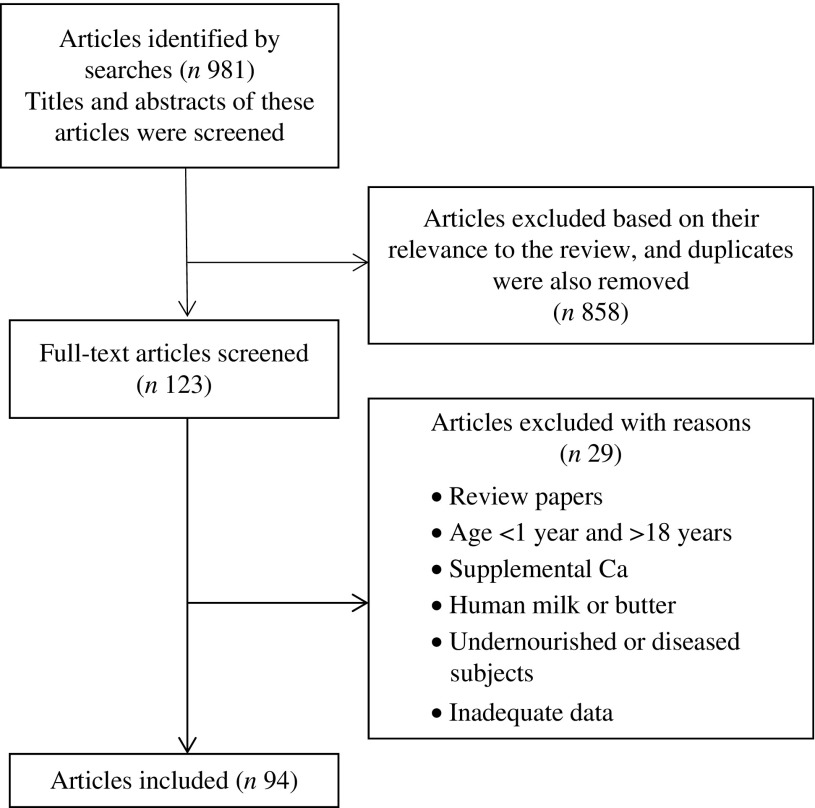
Existing reviews suggest that milk and other dairy products do not play a role in the development of obesity in childhood, but they do make an important contribution to children’s nutrient intake. It is thus curious that public health advice on the consumption of dairy products for children is often perceived as unclear. The present review aimed to provide an overview of the totality of the evidence on the association between milk and other dairy products, and obesity and indicators of adiposity, in children. Our search identified forty-three cross-sectional studies, thirty-one longitudinal cohort studies and twenty randomised controlled trials. We found that milk and other dairy products are consistently found to be not associated, or inversely associated, with obesity and indicators of adiposity in children. Adjustment for energy intake tended to change inverse associations to neutral. Also, we found little evidence to suggest that the relationship varied by type of milk or dairy product, or age of the children, although there was a dearth of evidence for young children. Only nine of the ninety-four studies found a positive association between milk and other dairy products and body fatness. There may be some plausible mechanisms underlying the effect of milk and other dairy products on adiposity that influence energy and fat balance, possibly through fat absorption, appetite or metabolic activity of gut microbiota. In conclusion, there is little evidence to support a concern to limit the consumption of milk and other dairy products for children on the grounds that they may promote obesity.
Overview
The claims and statistics of this paper haven’t been checked yet.
Free: it reads the open-access text and checks the first 5 claims that cite a source we can check. Create a free account to check every claim.
Integrity signals
Registry
Cites
Statistics
Figures
Verification
Claims the paper makes
The claims and statistics of this paper haven’t been checked yet.
Free: it reads the open-access text and checks the first 5 claims that cite a source we can check. Create a free account to check every claim.
Claims other papers make about this one
Each is checked against this paper’s own text: does it say what the citing paper says it does?
The cited source says what the claim attributes to it.
In the citing paper
“Previous studies demonstrated contradictory findings in terms of the correlation between dairy products’ consumption and obesity [77], type 2 diabetes [78], or cardiovascular disease development [79].”
From A Clinical Outcome of the Anti-PD-1 Therapy of Melanoma in Polish Patients Is Mediated by Population-Specific Gut Microbiome Composition (2022) · cites this paper as [77]
Self-check
Percentages, sums and reported differences re-computed from the paper’s own numbers.
The self-check needs the paper’s full text.
Citations
Cites
Genetics of Food Intake Self-Regulation in Childhood: Literature Review and Research Opportunities
Faith, M. S., Carnell, S., & Kral, T. V. E. (2013) · Human Heredity · doi:10.1159/000353879 · Cited by 7,601
Predicting Obesity in Young Adulthood from Childhood and Parental Obesity
Whitaker, R. C., Wright, J. A., Pepe, M. S., Seidel, K. D., & Dietz, W. H. (1997) · New England Journal of Medicine · doi:10.1056/nejm199709253371301 · Cited by 4,397 · cited 1×
“The burgeoning levels of childhood overweight and obesity are a public health concern because childhood obesity is linked to a range of physical and psychological illnesses during childhood((4)), and tracks through to adulthood((5)).”
BackgroundAdjustment for total energy intake in epidemiologic studies
Willett, W., Howe, G., & Kushi, L. (1997) · The American Journal of Clinical Nutrition · doi:10.1093/ajcn/65.4.1220s · Cited by 3,758 · cited 1×
“Furthermore, adjustment for energy intake needs to be carefully considered given the high degree of association between increased energy intake and adiposity (66) .”
BackgroundChildhood obesity: public-health crisis, common sense cure
Ebbeling, C. B., Pawlak, D. B., & Ludwig, D. S. (2002) · The Lancet · doi:10.1016/s0140-6736(02)09678-2 · Cited by 2,980 · cited 1×
“The burgeoning levels of childhood overweight and obesity are a public health concern because childhood obesity is linked to a range of physical and psychological illnesses during childhood((4)), and tracks through to adulthood((5)).”
Early differences in fecal microbiota composition in children may predict overweight
Kalliomäki, M., Carmen Collado, M., Salminen, S., & Isolauri, E. (2008) · The American Journal of Clinical Nutrition · doi:10.1093/ajcn/87.3.534 · Cited by 1,062 · cited 1×
“The composition of the intestinal microbiota differs between normal-weight and obese/overweight children((133,134)) and there is evidence that early differences in gut microbiota composition in children could predict overweight((135)).”
BackgroundSALVINI, S., HUNTER, D. J., SAMPSON, L., STAMPFER, M. J., COLDITZ, G. A., ROSNER, B., & WILLETT, W. C. (1989) · International Journal of Epidemiology · doi:10.1093/ije/18.4.858 · Cited by 1,038 · cited 1×
“dairy product consumption by FFQ, which, compared with food records((59)), are not the most accurate dietary assessment tool for certain foods, particularly foods that are perceived as unhealthy such as whole milk and cream((60)).”
BackgroundSavva, S., Tornaritis, M., Savva, M., Kourides, Y., Panagi, A., Silikiotou, N., Georgiou, C., & Kafatos, A. (2000) · International Journal of Obesity · doi:10.1038/sj.ijo.0801401 · Cited by 933 · cited 1×
“tage body fat while very few reported BMI z score, waist circumference or waist:height ratio, which have been suggested as more appropriate for children and adolescents and important early markers for the development of chronic diseases((91,92)).”
BackgroundD IETARY C ONJUGATED L INOLEIC A CID IN H EALTH: Physiological Effects and Mechanisms of Action
Belury, M. A. (2002) · Annual Review of Nutrition · doi:10.1146/annurev.nutr.22.021302.121842 · Cited by 814 · cited 1×
“Fatty acids in dairy products such as medium-chain fatty acids and conjugated linoleic acid have also been shown to reduce lipogenesis and increase fat oxidation in the adipocyte via suppressing the expression of pro-adipogenic cell signals including PPAR γ (107 – 110) .”
BackgroundThe Global Burden of Obesity and the Challenges of Prevention
Seidell, J. C., & Halberstadt, J. (2015) · Annals of Nutrition and Metabolism · doi:10.1159/000375143 · Cited by 786 · cited 1×
“Rates of obesity and overweight are increasing globally((6)).”
BackgroundWang, Y. (2002) · Pediatrics · doi:10.1542/peds.110.5.903 · Cited by 663 · cited 1×
“and differences in terms of inherent sex characteristics, growth, pubertal status and sexual maturation((52)) add complexity to the impact of sex on Ca–adiposity associations.”
BackgroundCadogan, J., Eastell, R., Jones, N., & Barker, M. E. (1997) · BMJ · doi:10.1136/bmj.315.7118.1255 · Cited by 623 · cited 3×
“Likewise, Cadogan et al.((68)) reported no effect of whole or reduced-fat milk consumption (568ml/d)”
BackgroundDietary Recommendations for Children and Adolescents: A Guide for Practitioners
American Heart Association, Gidding, S. S., Dennison, B. A., Birch, L. L., Daniels, S. R., Gilman, M. W., Lichtenstein, A. H., Rattay, K. T., Steinberger, J., Stettler, N., et al. (2006) · Pediatrics · doi:10.1542/peds.2005-2374 · Cited by 571 · cited 1×
“This contradicts the current American Academy of Pediatrics recommendation in favour of low-fat milk consumption at children ≥2 years((44)), yet the results could be related to residual confounders that have not been assessed in their analysis such as other food items, total energy intake and physical activity.”
ResultThe Microbiota of the Gut in Preschool Children With Normal and Excessive Body Weight
Karlsson, C. L. J., Önnerfält, J., Xu, J., Molin, G., Ahrné, S., & Thorngren‐Jerneck, K. (2012) · Obesity · doi:10.1038/oby.2012.110 · Cited by 534 · cited 1×
“The composition of the intestinal microbiota differs between normal-weight and obese/overweight children((133,134)) and there is evidence that early differences in gut microbiota composition in children could predict overweight((135)).”
BackgroundRolland‐Cachera, M., Deheeger, M., Akrout, M., & Bellisle, F. (1995) · PubMed · Cited by 489
Waist Circumference and Cardiovascular Risk Factors in Prepubertal Children
Maffeis, C., Pietrobelli, A., Grezzani, A., Provera, S., & Tatò, L. (2001) · Obesity Research · doi:10.1038/oby.2001.19 · Cited by 471 · cited 1×
“tage body fat while very few reported BMI z score, waist circumference or waist:height ratio, which have been suggested as more appropriate for children and adolescents and important early markers for the development of chronic diseases((91,92)).”
BackgroundMarten, B., Pfeuffer, M., & Schrezenmeir, J. (2006) · International Dairy Journal · doi:10.1016/j.idairyj.2006.06.015 · Cited by 456
Obesity and inequities in health in the developing world
Monteiro, C. A., Conde, W. L., Lu, B., & Popkin, B. M. (2004) · International Journal of Obesity · doi:10.1038/sj.ijo.0802716 · Cited by 453 · cited 1×
“even higher among those children from poor socio-economic backgrounds in most middle- and high-income countries((3)).”
BackgroundDifferences in gut microbiota composition between obese and lean children: a cross-sectional study
Bervoets, L., Van Hoorenbeeck, K., Kortleven, I., Van Noten, C., Hens, N., Vael, C., Goossens, H., Desager, K. N., & Vankerckhoven, V. (2013) · Gut Pathogens · doi:10.1186/1757-4749-5-10 · Cited by 448 · cited 1×
“The composition of the intestinal microbiota differs between normal-weight and obese/overweight children((133,134)) and there is evidence that early differences in gut microbiota composition in children could predict overweight((135)).”
BackgroundKratz, M., Baars, T., & Guyenet, S. (2013) · European Journal of Nutrition · doi:10.1007/s00394-012-0418-1 · Cited by 422 · cited 2×
“Given the scientific interest on the issue of dairy fat and its contribution to the development of obesity due its high energy content((37)), we explored the data to assess whether there was any evidence of differential associations of low- and full-fat milk with weight status.”
BackgroundEffects of milk-derived bioactives: an overview
Shah, N. P. (2000) · British Journal of Nutrition · doi:10.1017/s000711450000218x · Cited by 403 · cited 1×
“Peptides in whey protein inhibit angiotensin-converting enzyme, which suppresses angiotensin II hormone production and consequently stimulation of adipocyte lipogenesis, resulting in reduction of fat accumulation((105,106)).”
BackgroundPIHLANTO-LEPPÄLÄ, A., KOSKINEN, P., PIILOLA, K., TUPASELA, T., & KORHONEN, H. (2000) · Journal of Dairy Research · doi:10.1017/s0022029999003982 · Cited by 398 · cited 1×
“Peptides in whey protein inhibit angiotensin-converting enzyme, which suppresses angiotensin II hormone production and consequently stimulation of adipocyte lipogenesis, resulting in reduction of fat accumulation((105,106)).”
BackgroundRegulation of Adiposity and Obesity Risk By Dietary Calcium: Mechanisms and Implications
Zemel, M. B. (2002) · Journal of the American College of Nutrition · doi:10.1080/07315724.2002.10719212 · Cited by 389 · cited 1×
“most frequently cited mechanism relating to the effects of intracellular ionised Ca on adipocyte metabolism((96,97)).”
BackgroundEffects of dairy products on bone and body composition in pubertal girls
Chan, G. M., Hoffman, K., & McMurry, M. (1995) · The Journal of Pediatrics · doi:10.1016/s0022-3476(95)70348-9 · Cited by 373 · cited 3×
“For example, Chan et al. (67) conducted a 12-month randomised parallel study in pubertal girls and found no differences in body weight, lean body mass and fat mass between the high dairy Ca group (1200mg Ca/d) and the control group (usual diet).”
BackgroundMethodPetit, M. A., Mckay, H. A., Mackelvie, K. J., Heinonen, A., Khan, K. M., & Beck, T. J. (2002) · Journal of Bone and Mineral Research · doi:10.1359/jbmr.2002.17.3.363 · Cited by 333
Effect of Screening Out Implausible Energy Intake Reports on Relationships between Diet and BMI
Huang, T. T. ‐., Roberts, S. B., Howarth, N. C., & McCrory, M. A. (2005) · Obesity Research · doi:10.1038/oby.2005.143 · Cited by 325 · cited 1×
“Another acknowledged source of bias in any nutrition research is the over- and underreporting of dietary intakes, which could lead to gross misclassification of full-fat dairy product intake, particularly among overweight adolescents((61)).”
BackgroundThe role of dietary calcium and other nutrients in moderating body fat in preschool children
Carruth, B., & Skinner, J. (2001) · International Journal of Obesity · doi:10.1038/sj.ijo.0801562 · Cited by 322
A Prospective Study of Dairy Intake and the Risk of Type 2 Diabetes in Women
Liu, S., Choi, H. K., Ford, E., Song, Y., Klevak, A., Buring, J. E., & Manson, J. E. (2006) · Diabetes Care · doi:10.2337/dc06-0256 · Cited by 320
Striegel-Moore, R. H., Thompson, D., Affenito, S. G., Franko, D. L., Obarzanek, E., Barton, B. A., Schreiber, G. B., Daniels, S. R., Schmidt, M., & Crawford, P. B. (2006) · The Journal of Pediatrics · doi:10.1016/j.jpeds.2005.11.025 · Cited by 319 · cited 2×
“(2006)((51)) n 2371 (girls) Age: 9–10 years, 10-year follow-up USA Milk BMI decreased by β –0·002 (SE 0·006) units for every 100 g of milk (plain or flavoured) although not statistically significant (P>0·05) Race, site, visit, other beverages and energy intake ↔”
BackgroundLuoto, R., Kalliomäki, M., Laitinen, K., & Isolauri, E. (2010) · International Journal of Obesity · doi:10.1038/ijo.2010.50 · Cited by 315 · cited 1×
“Although the few studies conducted in that area showed beneficial effects of probiotics on weight management in children((137,138)), further research is clearly needed.”
BackgroundAkhavan, T., Luhovyy, B. L., Brown, P. H., Cho, C. E., & Anderson, G. H. (2010) · The American Journal of Clinical Nutrition · doi:10.3945/ajcn.2009.28406 · Cited by 314
Hoppe, C., Rovenna Udam, T., Lauritzen, L., Mølgaard, C., Juul, A., & Fleischer Michaelsen, K. (2004) · The American Journal of Clinical Nutrition · doi:10.1093/ajcn/80.2.447 · Cited by 307
Relation between visceral fat and disease risk in children and adolescents
Goran, M. I., & Gower, B. A. (1999) · The American Journal of Clinical Nutrition · doi:10.1093/ajcn/70.1.149s · Cited by 291 · cited 1×
“Furthermore, in addition to sex-related differences (higher visceral fat deposition((116)) and thermogenic oxidation((90)) in boys), several dynamic metabolic changes occur in a period of rapid growth and puberty that could further complicate the mechanistic pathways((117)).”
BackgroundChristensen, R., Lorenzen, J. K., Svith, C. R., Bartels, E. M., Melanson, E. L., Saris, W. H., Tremblay, A., & Astrup, A. (2009) · Obesity Reviews · doi:10.1111/j.1467-789x.2009.00599.x · Cited by 290 · cited 1×
“Christensen et al.((114)) showed in a metaanalysis of fifteen studies, including one study in children((115)), that increased Ca intake from both supplements and dairy products of 1241mg/d increased faecal fat excretion by 5·2 g/d.”
BackgroundDror, D. K., & Allen, L. H. (2014) · Nutrition Reviews · doi:10.1111/nure.12078 · Cited by 290 · cited 2×
“Examples of reviews and meta-analyses include Louie et al. (22) , Dror & Allen (23) , Dror (24) , Lu et al. (25) , Wang et al. (26) and Kouvelioti et al. (27) .”
Effects of dairy intake on body weight and fat: a meta-analysis of randomized controlled trials
Chen, M., Pan, A., Malik, V. S., & Hu, F. B. (2012) · The American Journal of Clinical Nutrition · doi:10.3945/ajcn.112.037119 · Cited by 283 · cited 1×
“Although several studies have examined the effect of milk or dairy product consumption on alterations in body weight and composition under energy restriction in adults((84,85)), there is only one study which explored the relationship between dairy product consumption and BMI or fat mass in overweight and obese childre…”
BackgroundMilk, Dairy Fat, Dietary Calcium, and Weight Gain: A Longitudinal Study of Adolescents
Berkey, C. S., Rockett, H. R. H., Willett, W. C., & Colditz, G. A. (2005) · Archives of Pediatrics & Adolescent Medicine · doi:10.1001/archpedi.159.6.543 · Cited by 279
The Role of Dairy Foods in Weight Management
Zemel, M. B. (2005) · Journal of the American College of Nutrition · doi:10.1080/07315724.2005.10719502 · Cited by 272 · cited 1×
“This could be attributable to the synergistic actions of Ca with several bioactive compounds present in dairy products such as branched-chain amino acids, i.e. leucine (104) .”
BackgroundDenke, M. A., Fox, M. M., & Schulte, M. C. (1993) · The Journal of Nutrition · doi:10.1093/jn/123.6.1047 · Cited by 264 · cited 1×
“Additionally, dietary Ca may exert the anti-obesity effect mediated by increased faecal fat excretion (111,112) .”
BackgroundJacobsen, R., Lorenzen, J. K., Toubro, S., Krog-Mikkelsen, I., & Astrup, A. (2005) · International Journal of Obesity · doi:10.1038/sj.ijo.0802785 · Cited by 264 · cited 1×
“Additionally, dietary Ca may exert the anti-obesity effect mediated by increased faecal fat excretion((111,112)).”
Background1α,25‐Dihydroxyvitamin D 3 modulates human adipocyte metabolism via nongenomic action
Shi, H., Norman, A. W., Okamura, W. H., Sen, A., & Zemel, M. B. (2001) · The FASEB Journal · doi:10.1096/fj.01-0584fje · Cited by 253 · cited 1×
“As reviewed elsewhere (93 – 95) , a number of different plausible mechanisms have been suggested, with the most frequently cited mechanism relating to the effects of intracellular ionised Ca on adipocyte metabolism (96,97) .”
BackgroundMace, O. J., Schindler, M., & Patel, S. (2012) · The Journal of Physiology · doi:10.1113/jphysiol.2011.223800 · Cited by 248 · cited 1×
“…foods and mainly whey and casein proteins have been associated with increased satiety (124) through delayed gastric emptying (125) , and regulation of the concentration of plasma amino acid (126) and gastrointestinal hormones such as chole-cystokinin (127) , peptide YY (128) and gastrin (129) .”
BackgroundBendtsen, L. Q., Lorenzen, J. K., Bendsen, N. T., Rasmussen, C., & Astrup, A. (2013) · Advances in Nutrition · doi:10.3945/an.113.003723 · Cited by 245 · cited 1×
“Specific components of dairy foods and mainly whey and casein proteins have been associated with increased satiety((124)) through delayed gastric emptying((125)), and regulation of the concentration of plasma amino acid((126)) and gastrointestinal hormones such as cholecystokinin((127)), peptide YY((128)) and gastrin(…”
BackgroundHill, D. J., & Milner, R. D. G. (1985) · Pediatric Research · doi:10.1203/00006450-198509000-00001 · Cited by 242 · cited 1×
“In addition, milk proteins have also been shown to stimulate insulin secretion, which is another growth hormone due to its binding to IGF-1 receptors, thus promoting cell replication in connective and musculoskeletal tissue((152)).”
BackgroundThe tracking of nutrient intake in young children: the Framingham Children's Study.
Singer, M. R., Moore, L. L., Garrahie, E. J., & Ellison, R. C. (1995) · American Journal of Public Health · doi:10.2105/ajph.85.12.1673 · Cited by 241 · cited 1×
“Although there is some evidence that milk consumption in childhood tracks over time((55,63,64)), a limitation within the longitudinal studies reviewed in the present study is the lack of regular assessment of dairy product and dietary intake throughout childhood and adolescence.”
BackgroundDU, X., Zhu, K., Trube, A., Zhang, Q., Ma, G., Hu, X., Fraser, D. R., & Greenfield, H. (2004) · British Journal of Nutrition · doi:10.1079/bjn20041118 · Cited by 239 · cited 7×
“(2004)((75)) n 757 (girls) Age: 10 years, 2 years China Diets: (a) 330ml milk/school day (b) 330ml milk and vitamin D3/school day (c) Control (usual diet) High milk consumption over the 2 years increased body weight (2·9% for milk and 3·7 % for milk and vitamin D3 group; P< 0·0005) compared with the control group (0·8…”
BackgroundResultInfluentialAbargouei, A. S., Janghorbani, M., Salehi-Marzijarani, M., & Esmaillzadeh, A. (2012) · International Journal of Obesity · doi:10.1038/ijo.2011.269 · Cited by 238 · cited 1×
“Although several studies have examined the effect of milk or dairy product consumption on alterations in body weight and composition under energy restriction in adults((84,85)), there is only one study which explored the relationship between dairy product consumption and BMI or fat mass in overweight and obese childre…”
BackgroundLongitudinal calcium intake is negatively related to children’s body fat indexes
Skinner, J. D., Bounds, W., Carruth, B. R., & Ziegler, P. (2003) · Journal of the American Dietetic Association · doi:10.1016/j.jada.2003.09.018 · Cited by 230 · cited 3×
“Skinner et al. (46) suggested that increasing the Ca intake with 240ml skimmed milk or yoghurt daily would reduce children ’ s body fat by 0 · 4%, which in the longer term could reduce the risk of obesity in later childhood, adolescence or adulthood.”
BackgroundInfluentialNewby, P. K., Peterson, K. E., Berkey, C. S., Leppert, J., Willett, W. C., & Colditz, G. A. (2004) · Journal of the American Dietetic Association · doi:10.1016/j.jada.2004.04.020 · Cited by 227 · cited 1×
“(2004)((165)) n 1345 (675 boys) Age: 2–5 years, 8-month follow-up USA Milk There was no association between milk consumption and annual change in weight and BMI z scores (β 0·00 (SE 0·01); P= 0·84) Age, sex, birth weight, energy intake, sociodemographic variables, height change ↔”
BackgroundFaith, M. S., Dennison, B. A., Edmunds, L. S., & Stratton, H. H. (2006) · Pediatrics · doi:10.1542/peds.2006-1117 · Cited by 221 · cited 1×
“(2006)((166)) n 971 (517 boys) Age: 1–5 years, 4-year followup Australia Milk (2% or whole fat) There was no association between increased milk intake and excess adiposity gain (BMI z score of β –0·002 (SE 0·002); P=0·39) Baseline child’s weight-for-height z score, sex, race/ethnicity, children’s food and beverage int…”
BackgroundCheng, S., Lyytikäinen, A., Kröger, H., Lamberg-Allardt, C., Alén, M., Koistinen, A., Wang, Q. J., Suuriniemi, M., Suominen, H., Mahonen, A., et al. (2005) · The American Journal of Clinical Nutrition · doi:10.1093/ajcn/82.5.1115 · Cited by 221 · cited 10×
“(2005)((71)) n 195 (girls) Age: 10–12 years, 2-year follow-up Finland Diets: (a) Ca (1000mg) and vitamin D3 (b) Ca (1000mg) (c) Cheese (1000mg Ca) (d) Placebo (e) Habitual diet (>900mg Ca) There were no differences in changes in body weight, fat mass, LBM and height between the groups after 2 years (P>0·05) Unadjusted…”
BackgroundInfluentialHigh intakes of skimmed milk, but not meat, increase serum IGF-I and IGFBP-3 in eight-year-old boys
Hoppe, C., Mølgaard, C., Juul, A., & Michaelsen, K. F. (2004) · European Journal of Clinical Nutrition · doi:10.1038/sj.ejcn.1601948 · Cited by 219 · cited 4×
“In addition, milk proteins have also been shown to stimulate insulin secretion (149 – 151) , which is another growth hormone due to its binding to IGF-1 receptors, thus promoting cell replication in connective and musculoskeletal tissue (152) .”
BackgroundInfluentialMechanism of intracellular calcium ([Ca 2+ ] i ) inhibition of lipolysis in human adipocytes
Xue, B., Greenberg, A. G., Kraemer, F. B., & Zemel, M. B. (2001) · The FASEB Journal · doi:10.1096/fj.01-0278fje · Cited by 218 · cited 1×
“The resultant decrease in ionised Ca stimulates lipolysis, inhibits de novo lipogenesis and increases fat oxidation (98,99) .”
BackgroundGünther, A. L., Remer, T., Kroke, A., & Buyken, A. E. (2007) · The American Journal of Clinical Nutrition · doi:10.1093/ajcn/86.5.1765 · Cited by 199 · cited 2×
“(2007)((139)) n 203 (102 boys) Age: 6 months, 7-year follow-up Germany Dairy protein Higher dairy protein consumption (% of energy) at age 12 months was positively associated with BMI-SDS at 7 years of age (T1: 0·03 (95% CI –0·21, 0·27) v.”
BackgroundVitamin D deficiency and associated factors in adolescent girls in Beijing
Du, X., Greenfield, H., Fraser, D. R., Ge, K., Trube, A., & Wang, Y. (2001) · The American Journal of Clinical Nutrition · doi:10.1093/ajcn/74.4.494 · Cited by 194 · cited 1×
“…by Du et al. (75) , as the largest school-milk intervention trial, the 757 included girls were healthy but on a persistently low-Ca diet and had a high prevalence of vitamin D de fi ciency (87) , thus representing a population that is not comparable with most of the intervention studies examined.”
ResultEffects of dairy food supplements on bone mineral density in teenage girls
Merrilees, M. J., Smart, E. J., Gilchrist, N. L., Frampton, C., Turner, J. G., Hooke, E., March, R. L., & Maguire, P. (2000) · European Journal of Nutrition · doi:10.1007/s003940070004 · Cited by 188 · cited 4×
“Among the randomised controlled trials reviewed that included total dairy products, most included milk, cheese and yoghurt with a few studies including additionally dairy desserts((69)) or any curd products((83)).”
BackgroundInfluentialIs sugar-sweetened beverage consumption associated with increased fatness in children?
Johnson, L., Mander, A. P., Jones, L. R., Emmett, P. M., & Jebb, S. A. (2007) · Nutrition · doi:10.1016/j.nut.2007.05.005 · Cited by 180 · cited 1×
“(2007)((168)) n 362, age 5 years n 471, age 7 years, 2–4 years follow-up UK Milk There was an inverse association between milk consumption at 5 or 7 years of age (–0·51 (95% CI –0·86, –0·16); P< 0·01) and fatness at 9 years (–0·35 (95% CI –0·57, –0·14); P<0·01) Age, sex, BMI at baseline, height at 9 years, television…”
BackgroundCalcium: Taste, Intake, and Appetite
Tordoff, M. G. (2001) · Physiological Reviews · doi:10.1152/physrev.2001.81.4.1567 · Cited by 177 · cited 2×
“Another proposed mechanism refers to the Ca appetite concept, which according to Tordoff (118) , dietary Ca depletion triggers the appetite for Ca-rich foods.”
BackgroundProbiotics: interaction with gut microbiome and antiobesity potential.
Arora, T., Singh, S., & Sharma, R. K. (2013) · Nutrition · doi:10.1016/j.nut.2012.07.017 · Cited by 176 · cited 1×
“ducts are a source of probiotics, some plausible mechanisms, which are still poorly understood, suggest an interaction of probiotics with indigenous bacteria in the gastrointestinal tract that might influence the metabolic pathways involved in lipid metabolism((136)).”
BackgroundDairy food consumption and body weight and fatness studied longitudinally over the adolescent period
Phillips, S. M., Bandini, L. G., Cyr, H., Colclough-Douglas, S., Naumova, E., & Must, A. (2003) · International Journal of Obesity · doi:10.1038/sj.ijo.0802370 · Cited by 176 · cited 4×
“Similarly, there were notable differences among the seven studies (31 – 33, 39 ,42 , 47, 55 Few longitudinal studies directly compared body weight or adiposity outcomes related to reduced-fat v. full-fat milk or dairy products and results suggest no signi fi cant differences between reduced-fat…”
BackgroundMethodResultInfluentialDairy consumption and overweight and obesity: a systematic review of prospective cohort studies
Louie, J. C. Y., Flood, V. M., Hector, D. J., Rangan, A. M., & Gill, T. P. (2011) · Obesity Reviews · doi:10.1111/j.1467-789x.2011.00881.x · Cited by 171 · cited 1×
“Examples of reviews and meta-analyses include Louie et al. (22) , Dror & Allen (23) , Dror (24) , Lu et al. (25) , Wang et al. (26) and Kouvelioti et al. (27) .”
BackgroundThe acute effects of four protein meals on insulin, glucose, appetite and energy intake in lean men
Pal, S., & Ellis, V. (2010) · British Journal of Nutrition · doi:10.1017/s0007114510001911 · Cited by 171 · cited 1×
“In addition, milk proteins have also been shown to stimulate insulin secretion (149 – 151) , which is another growth hormone due to its binding to IGF-1 receptors, thus promoting cell replication in connective and musculoskeletal tissue (152) .”
BackgroundRole of dietary calcium and dairy products in modulating adiposity
Zemel, M. B. (2003) · Lipids · doi:10.1007/s11745-003-1044-6 · Cited by 171 · cited 1×
“The resultant decrease in ionised Ca stimulates lipolysis, inhibits de novo lipogenesis and increases fat oxidation((98,99)).”
BackgroundDougkas, A., Reynolds, C. K., Givens, I. D., Elwood, P. C., & Minihane, A. M. (2011) · Nutrition Research Reviews · doi:10.1017/s095442241000034x · Cited by 171 · cited 1×
“As reviewed elsewhere (93 – 95) , a number of different plausible mechanisms have been suggested, with the most frequently cited mechanism relating to the effects of intracellular ionised Ca on adipocyte metabolism (96,97) .”
BackgroundSelf-citationWennersberg, M. H., Smedman, A., Turpeinen, A. M., Retterstøl, K., Tengblad, S., Lipre, E., Aro, A., Mutanen, P., Seljeflot, I., Basu, S., et al. (2009) · American Journal of Clinical Nutrition · doi:10.3945/ajcn.2009.27664 · Cited by 171 · cited 1×
“sible mechanisms, which rely on the identification of certain genes responsible for taste recognition((119)) and an increase in the fasting anorexigenic hormone leptin((120)) or postprandial levels of anorexigenic glucose-dependent insulinotropic peptide and glucagon-like peptide after ingestion of Ca((121)), yet with…”
BackgroundLu, L., Xun, P., Wan, Y., He, K., & Cai, W. (2016) · European Journal of Clinical Nutrition · doi:10.1038/ejcn.2015.226 · Cited by 171 · cited 2×
“Examples of reviews and meta-analyses include Louie et al. (22) , Dror & Allen (23) , Dror (24) , Lu et al. (25) , Wang et al. (26) and Kouvelioti et al. (27) .”
BackgroundRecent developments in calcium‐related obesity research
Major, G. C., Chaput, J. ‐., Ledoux, M., St‐Pierre, S., Anderson, G. H., Zemel, M. B., & Tremblay, A. (2008) · Obesity Reviews · doi:10.1111/j.1467-789x.2007.00465.x · Cited by 162
Juul, A., Holm, K., Kastrup, K. W., Pedersen, S. A., Michaelsen, K. F., Scheike, T., Rasmussen, S., Müller, J., & Skakkebæk, N. E. (1997) · The Journal of Clinical Endocrinology & Metabolism · doi:10.1210/jcem.82.8.4137 · Cited by 160 · cited 1×
“However, there are con fl icting results with regards to the relationship between IGF-1 concentration and BMI in children (146 – 148) .”
BackgroundFiorito, L. M., Marini, M., Francis, L. A., Smiciklas-Wright, H., & Birch, L. L. (2009) · The American Journal of Clinical Nutrition · doi:10.3945/ajcn.2009.27623 · Cited by 159 · cited 1×
“(2009)((170)) n 170 (girls) Age: 5 years, 10-year follow-up USA Milk Milk consumption at 5 years of age was not associated with greater adiposity or weight status over a 10-year period (P> 0·05) Unadjusted ↔”
BackgroundMechanistic roles for calcium and vitamin D in the regulation of body weight
Soares, M. J., Murhadi, L. L., Kurpad, A. V., Ping‐Delfos, W. C. S., & Piers, L. S. (2012) · Obesity Reviews · doi:10.1111/j.1467-789x.2012.00986.x · Cited by 146 · cited 1×
“As reviewed elsewhere (93 – 95) , a number of different plausible mechanisms have been suggested, with the most frequently cited mechanism relating to the effects of intracellular ionised Ca on adipocyte metabolism (96,97) .”
BackgroundMaersk, M., Belza, A., Holst, J. J., Fenger‐Grøn, M., Pedersen, S. B., Astrup, A. V., & Richelsen, B. (2012) · European Journal of Clinical Nutrition · doi:10.1038/ejcn.2011.223 · Cited by 140
Longitudinal changes in the accuracy of reported energy intake in girls 10–15 y of age
Bandini, L. G., Must, A., Cyr, H., Anderson, S. E., Spadano-Gasbarro, J. L., & Dietz, W. H. (2003) · American Journal of Clinical Nutrition · doi:10.1093/ajcn/78.3.480 · Cited by 138 · cited 1×
“The accuracy of energy reporting may decline as children become older((62)); thus unbiased estimates of intake are more likely to occur when the dietary reporting is conducted by parents in early childhood (before the age of 6 years)((55)).”
BackgroundCalcium and 1,25‐Dihydroxyvitamin D3 Regulation of Adipokine Expression
Sun, X., & Zemel, M. B. (2007) · Obesity · doi:10.1038/oby.2007.540 · Cited by 137 · cited 1×
“There is also some evidence that Ca in the form of dairy foods exerts greater effect than Ca supplements (103) .”
BackgroundInvited Commentary: Some Limitations of Semiquantitative Food Frequency Questionnaires
Sempos, C. T. (1992) · American Journal of Epidemiology · doi:10.1093/oxfordjournals.aje.a116212 · Cited by 134 · cited 1×
“dairy product consumption by FFQ, which, compared with food records((59)), are not the most accurate dietary assessment tool for certain foods, particularly foods that are perceived as unhealthy such as whole milk and cream((60)).”
BackgroundAlbala, C., Ebbeling, C. B., Cifuentes, M., Lera, L., Bustos, N., & Ludwig, D. S. (2008) · The American Journal of Clinical Nutrition · doi:10.1093/ajcn/88.3.605 · Cited by 133 · cited 6×
“drink for another was examined in a 16-week study, which included an intervention with increasing flavoured milk, whilst almost eliminating sugar-sweetened beverage consumption by delivering milk beverages to the homes of overweight and obese 8- to 10-year-old children((80)).”
BackgroundMethodInfluentialA Diet High in Low-Fat Dairy Products Lowers Diabetes Risk in Postmenopausal Women
Margolis, K. L., Wei, F., de Boer, I. H., Howard, B. V., Liu, S., Manson, J. E., Mossavar‐Rahmani, Y., Phillips, L. S., Shikany, J. M., & Tinker, L. F. (2011) · Journal of Nutrition · doi:10.3945/jn.111.143339 · Cited by 129 · cited 1×
“perception related to fat consumption or other unmeasured associated dietary and health behaviours((57,58)).”
BackgroundAdolescent beverage habits and changes in weight over time: findings from Project EAT
Vanselow, M. S., Pereira, M. A., Neumark‐Sztainer, D., & Raatz, S. K. (2009) · American Journal of Clinical Nutrition · doi:10.3945/ajcn.2009.27573 · Cited by 126 · cited 2×
“A bene fi cial association of white milk with body weight was reported in the Project EAT (Eating Among Teens) by Vanselow et al. (36) .”
BackgroundSafavi, M., Farajian, S., Kelishadi, R., Mirlohi, M., & Hashemipour, M. (2013) · International Journal of Food Sciences and Nutrition · doi:10.3109/09637486.2013.775224 · Cited by 117 · cited 1×
“Although the few studies conducted in that area showed beneficial effects of probiotics on weight management in children((137,138)), further research is clearly needed.”
BackgroundFisher, J. O., Mitchell, D. C., Smiciklas‐Wright, H., Mannino, M., & Birch, L. L. (2004) · American Journal of Clinical Nutrition · doi:10.1093/ajcn/79.4.698 · Cited by 114 · cited 2×
“Similarly, fi ve (35,38,41,42,48) of the fi fteen studies, which analysed data in school-age children and adolescents, adjusted for pubertal growth development.”
BackgroundMilk as a food for growth? The insulin-like growth factors link
Rogers, I., Emmett, P. M., Gunnell, D., Dunger, D. B., Holly, J. M. P., & ALSPAC Study Team (2006) · Public Health Nutrition · doi:10.1079/phn2006853 · Cited by 105 · cited 1×
“Putative mechanisms explaining increased weight gain include the stimulation of IGF-1 (141 – 143) , which has a negative impact on preadipocyte differentiation and multiplication (144,145) .”
BackgroundMedia and Its Influence on Obesity
Stanford, F. C., Tauqeer, Z., & Kyle, T. K. (2018) · Current Obesity Reports · doi:10.1007/s13679-018-0304-0 · Cited by 102 · cited 1×
“Interventions and public health messages that promote a healthy weight tend to give simple messages to the public (7,8) .”
BackgroundAre systematic reviews and meta-analyses still useful research? We are not sure
Møller, M. H., Ioannidis, J. P. A., & Darmon, M. (2018) · Intensive Care Medicine · doi:10.1007/s00134-017-5039-y · Cited by 102 · cited 1×
“are often susceptible to risk of bias and inconsistency and also publication bias((28)).”
BackgroundVolek, J. S., Gómez, A. L., Scheett, T. P., Sharman, M. J., French, D. N., Rubin, M. R., Ratamess, N. A., McGuigan, M. M., & Kraemer, W. J. (2003) · Journal of the American Dietetic Association · doi:10.1016/s0002-8223(03)01073-3 · Cited by 100 · cited 2×
“Both of those studies showed a neutral effect of increased milk consumption compared with fruit juice or usual diet on lean and fat mass (70,80) .”
BackgroundDror, D. K. (2014) · Obesity Reviews · doi:10.1111/obr.12158 · Cited by 97 · cited 2×
“authors, which included cross-sectional, prospective cohort and intervention studies((24)).”
BackgroundTam, C. S., Garnett, S. P., Cowell, C. T., Campbell, K. J., Cabrera, G., & Baur, L. A. (2006) · International Journal of Obesity · doi:10.1038/sj.ijo.0803328 · Cited by 93
Dairy and milk consumption and child growth: Is BMI involved? An analysis of NHANES 1999–2004
Wiley, A. S. (2010) · American Journal of Human Biology · doi:10.1002/ajhb.21042 · Cited by 91 · cited 1×
“Wiley((30)) analysed National Health and Nutrition Examination Survey data from 1999 to 2004 and suggested that a dietary pattern characterised by greater milk consumption was associated with increased BMI among children aged 2–10 years, and dairy product intake among 2- to 4-year-old children.”
BackgroundYogurt consumption and impact on health: focus on children and cardiometabolic risk
Marette, A., & Picard‐Deland, É. (2014) · American Journal of Clinical Nutrition · doi:10.3945/ajcn.113.073379 · Cited by 90 · cited 1×
“Certain dairy products such as yoghurt might exert the antiobesity effect mediated by manipulation of the composition and metabolic activity of gut microbiota((131,132)).”
BackgroundDove, E. R., Hodgson, J. M., Puddey, I. B., Beilin, L. J., Lee, Y. P., & Mori, T. A. (2009) · The American Journal of Clinical Nutrition · doi:10.3945/ajcn.2008.27411 · Cited by 90
Wang, W., Wu, Y., & Zhang, D. (2016) · Annals of Epidemiology · doi:10.1016/j.annepidem.2016.09.005 · Cited by 87 · cited 4×
“Examples of reviews and meta-analyses include Louie et al. (22) , Dror & Allen (23) , Dror (24) , Lu et al. (25) , Wang et al. (26) and Kouvelioti et al. (27) .”
BackgroundMethodInfluentialBeverage Intake in Early Childhood and Change in Body Fat from Preschool to Adolescence
Hasnain, S. R., Singer, M. R., Bradlee, M. L., & Moore, L. L. (2014) · Childhood Obesity · doi:10.1089/chi.2013.0004 · Cited by 85 · cited 4×
“(2014)((53)) n 103 Age: 3–5 years, 12-year follow-up USA Milk Higher milk consumption at ages 3–9 years was negatively associated with %BF at ages 15–17 years (T1, 30% v.”
BackgroundMethodInfluentialDairy products, yogurt consumption, and cardiometabolic risk in children and adolescents
Moreno, L. A., Bel‐Serrat, S., Santaliestra-Pasías, A. M., & Bueno, G. (2015) · Nutrition Reviews · doi:10.1093/nutrit/nuv014 · Cited by 84 · cited 1×
“Certain dairy products such as yoghurt might exert the antiobesity effect mediated by manipulation of the composition and metabolic activity of gut microbiota((131,132)).”
BackgroundProspective Association between Milk Intake and Adiposity in Preschool-Aged Children
Huh, S. Y., Rifas-Shiman, S. L., Rich-Edwards, J. W., Taveras, E. M., & Gillman, M. W. (2010) · Journal of the American Dietetic Association · doi:10.1016/j.jada.2009.12.025 · Cited by 83 · cited 4×
“In preschool children, Huh et al. (39) reported inverse association between whole milk, but not low-fat milk, consumption at age 2 years and BMI z score ( β = – 0 · 09 (95% CI – 0 · 16, – 0 · 01); P = 0 · 02) at age 3 years in 852 children, yet there was no association between either whole or low-fat milk with inciden…”
BackgroundInfluentialGirls on a high-calcium diet gain weight at the same rate as girls on a normal diet: A pilot study
Lappe, J. M., Rafferty, K. A., Davies, K. M., & Lypaczewski, G. (2004) · Journal of the American Dietetic Association · doi:10.1016/j.jada.2004.06.025 · Cited by 82 · cited 5×
“In concordance with the findings based on bone health studies, Lappe et al.((76)) showed that 9-year-old girls in the high Ca diet”
MethodResultInfluentialRockell, J., Williams, S., Taylor, R. W., Grant, A. M., Jones, I. E., & Goulding, A. (2004) · Osteoporosis International · doi:10.1007/s00198-004-1789-9 · Cited by 81 · cited 1×
“However, several studies, conducted mostly in girls, showed that dietary Ca over the years was not associated with BMI z scores, percentage body fat or trunk fat during adolescence (33,48 – 50) .”
BackgroundBraun, K. V. E., Erler, N. S., Jong, J. C. K., Jaddoe, V. W. V., van den Hooven, E. H., Franco, O. H., & Voortman, T. (2016) · Journal of Nutrition · doi:10.3945/jn.116.237164 · Cited by 80 · cited 2×
“A few observational and intervention studies showed a positive association between milk and other dairy products((41,43,75,78,79)) and particularly dairy proteins((139,140)) with weight gain.”
BackgroundSpecific amino acids inhibit food intake via the area postrema or vagal afferents
Jordi, J., Herzog, B., Camargo, S. M. R., Boyle, C. N., Lutz, T. A., & Verrey, F. (2013) · The Journal of Physiology · doi:10.1113/jphysiol.2013.258947 · Cited by 79 · cited 1×
“…foods and mainly whey and casein proteins have been associated with increased satiety (124) through delayed gastric emptying (125) , and regulation of the concentration of plasma amino acid (126) and gastrointestinal hormones such as chole-cystokinin (127) , peptide YY (128) and gastrin (129) .”
BackgroundBeverage Consumption Patterns of Children Born at Different Risk of Obesity
Kral, T. V. E., Stunkard, A. J., Berkowitz, R. I., Stallings, V. A., Moore, R. H., & Faith, M. S. (2008) · Obesity · doi:10.1038/oby.2008.287 · Cited by 79
Dairy Intake, Obesity, and Metabolic Health in Children and Adolescents: Knowledge and Gaps
Huang, T. T.-K., & McCrory, M. A. (2005) · Nutrition Reviews · doi:10.1111/j.1753-4887.2005.tb00124.x · Cited by 77 · cited 1×
“Furthermore, in addition to sex-related differences (higher visceral fat deposition((116)) and thermogenic oxidation((90)) in boys), several dynamic metabolic changes occur in a period of rapid growth and puberty that could further complicate the mechanistic pathways((117)).”
BackgroundButtriss, J. (2016) · Nutrition Bulletin · doi:10.1111/nbu.12211 · Cited by 75 · cited 1×
“However, advice on milk and other dairy products is usually unclear and limited, and tends to be perceived as confusing by the public((9)).”
BackgroundDifferential effects of dairy snacks on appetite, but not overall energy intake
Dougkas, A., Minihane, A. M., Givens, D. I., Reynolds, C. K., & Yaqoob, P. (2012) · British Journal Of Nutrition · doi:10.1017/s0007114512000323 · Cited by 74
Self-citationNakajima, S., Hira, T., & Hara, H. (2012) · Molecular Nutrition & Food Research · doi:10.1002/mnfr.201100666 · Cited by 72 · cited 1×
“…foods and mainly whey and casein proteins have been associated with increased satiety (124) through delayed gastric emptying (125) , and regulation of the concentration of plasma amino acid (126) and gastrointestinal hormones such as chole-cystokinin (127) , peptide YY (128) and gastrin (129) .”
BackgroundLongitudinal evaluation of milk type consumed and weight status in preschoolers
Scharf, R. J., Demmer, R. T., & DeBoer, M. D. (2013) · Archives of Disease in Childhood · doi:10.1136/archdischild-2012-302941 · Cited by 70 · cited 3×
“(2013)((40)) n 8300 (4200 boys) Age: 4 years, 2-year follow-up USA Milk (full-fat and reduced-fat) There was no association between either full- or reduced-fat milk at age 4 years in the change in BMI z score over the 2-year follow-up (P=0·6) Sex, race/ethnicity, socio-economic status ↔”
BackgroundInfluentialContribution of Food Groups to Energy and Nutrient Intakes in Five Developed Countries
Auestad, N., Hurley, J., Fulgoni, V. L. I., & Schweitzer, C. (2015) · Nutrients · doi:10.3390/nu7064593 · Cited by 69 · cited 2×
“Auestad et al. (19) suggest that dairy product intakes make signi fi cant contributions to both under-consumed nutrients and overconsumed nutrients (19) .”
BackgroundTracking of serum lipids and dietary energy, fat and calcium intake from 1 to 15 years
BOULTON, T. J. C., Magarey, A., & COCKINGTON, R. A. (1995) · Acta Paediatrica · doi:10.1111/j.1651-2227.1995.tb13823.x · Cited by 67 · cited 1×
“Although there is some evidence that milk consumption in childhood tracks over time((55,63,64)), a limitation within the longitudinal studies reviewed in the present study is the lack of regular assessment of dairy product and dietary intake throughout childhood and adolescence.”
BackgroundGonzalez, J. T., Rumbold, P. L. S., & Stevenson, E. (2012) · Obesity Reviews · doi:10.1111/j.1467-789x.2012.01013.x · Cited by 65 · cited 2×
“Gonzalez et al. (100) showed in a meta-analysis that an increase in dietary Ca by 800 mg/d predicted an 11% increase in fat oxidation with more pronounced effects when habitual chronic Ca intake was low ( < 700 mg/d).”
BackgroundBenefits of milk powder supplementation on bone accretion in Chinese children
Lau, E. M. C., Lynn, H., Chan, Y. H., Lau, W., & Woo, J. (2004) · Osteoporosis International · doi:10.1007/s00198-004-1593-6 · Cited by 64 · cited 2×
“Similar neutral effects were observed in an 18-month randomised parallel study in 9-to 10-year-old Chinese children, between the 80 g (equivalent to 250 ml whole milk) or 40g milk powder supplementation group and the control group (usual diet) (72) .”
BackgroundArnberg, K., Mølgaard, C., Michaelsen, K. F., Jensen, S. M., Trolle, E., & Larnkjær, A. (2012) · Journal of Nutrition · doi:10.3945/jn.112.161208 · Cited by 64 · cited 7×
“(2012)((78)) n 203 (120 boys) Age: 12–15 years, 3 months Denmark Diets: (a) Pre-test control (b) Water (c) Casein (35 g protein/l) (d) Skimmed milk (1 litre/d) (e) Whey (35 g protein/l) High consumption of skimmed milk, whey and casein for 3 months increased BMI-for-age z scores and WC compared with pre-test control a…”
BackgroundMethodInfluentialMilk intake, height and body mass index in preschool children
DeBoer, M. D., Agard, H. E., & Scharf, R. J. (2014) · Archives of Disease in Childhood · doi:10.1136/archdischild-2014-306958 · Cited by 62 · cited 3×
“However, DeBoer et al. (54) recently found that in 4-year-old children, drinking ≥ 4 servings of milk daily had a higher risk of becoming overweight compared with those with an intake of < 1 serving daily at age 4 years (OR 1 · 159 (95% CI 1 · 02, 1 · 32); P = 0 · 021), yet the positive association was no longer prese…”
BackgroundInfluentialEffects of calcium supplementation on body weight: a meta-analysis
Li, P., Fan, C., Lu, Y., & Qi, K. (2016) · American Journal of Clinical Nutrition · doi:10.3945/ajcn.116.136242 · Cited by 61 · cited 1×
“Based on a recent meta-analysis of combined results from nine studies including both observational and randomised clinical trials((77)), Ca intake (derived from Ca-rich foods, dairy products and Ca supplements) was inversely related to body weight gain in children and adolescents (mean –0·26 (95 % CI –0·41,–0·11) kg;…”
MethodLong-Term Consequences of Early Feeding on Later Obesity Risk
Koletzko, B. V. (2006) · KARGER eBooks · doi:10.1159/000094838 · Cited by 60 · cited 1×
“negative impact on preadipocyte differentiation and multiplication((144,145)).”
Effect of flavored milk vs plain milk on total milk intake and nutrient provision in children
Fayet‐Moore, F. (2015) · Nutrition Reviews · doi:10.1093/nutrit/nuv031 · Cited by 59 · cited 2×
“With respect to type of milk and the effects of added sugar on health, Fayet-Moore (34) recently reviewed the literature related to the role of fl avoured or sweetened milk in the diet and weight status of children.”
BackgroundCalcium and Dairy Intake and Measures of Obesity in Hyper‐ and Normocholesterolemic Children
Dixon, L. B., Pellizzon, M., Jawad, A. F., & Tershakovec, A. M. (2005) · Obesity Research · doi:10.1038/oby.2005.211 · Cited by 58 · cited 2×
“(2005)((47)) n 342 (171 boys) Age: 4–10 years, 1-year follow-up USA Dietary Ca and total dairy products There were no associations between dietary Ca intake over a year and measures of adiposity in all age groups in hypercholesterolaemic children (P>0·05).”
BackgroundDairy Intake and Anthropometric Measures of Body Fat among Children and Adolescents in NHANES
Moore, L. L., Singer, M. R., Qureshi, M. M., & Bradlee, M. L. (2008) · Journal of the American College of Nutrition · doi:10.1080/07315724.2008.10719747 · Cited by 55 · cited 3×
“(2006)((55)) n 92 (56 boys) Age: 3–6 years, 8-year followup USA Total dairy products Low dairy product consumption (<1·75 servings/d) was associated with greater subcutaneous fat (25mm; P= 0·005) and higher BMI (2 units; Age, physical activity, maternal education, baseline anthropometry, saturated fat, energy intake ↓…”
BackgroundInfant and early childhood dietary predictors of overweight at age 8 years in the CAPS population
Garden, F. L., Marks, G. B., Almqvist, C., Simpson, J. M., & Webb, K. (2011) · European Journal of Clinical Nutrition · doi:10.1038/ejcn.2011.7 · Cited by 54 · cited 4×
“However, Garden et al. (32) using the same CAPS population after adjusting for potential confounders showed that dairy product consumption (compared with protein, meat and fruit consumption) as a percentage of total energy was inversely associated with BMI ( P = 0 · 04) and waist circumference ( P = 0 · 09) at 8 years…”
BackgroundMethodInfluentialCalcium, obesity, and the role of the calcium-sensing receptor
Villarroel, P., Villalobos, E., Reyes, M., & Cifuentes, M. (2014) · Nutrition Reviews · doi:10.1111/nure.12135 · Cited by 53 · cited 1×
“remains unknown whether the satiating effect is due to Ca or the dairy matrix((130)), with inconsistent results in the limited studies conducted in children and adolescents, as discussed later.”
ResultVogel, K. A., Martin, B. R., McCabe, L. D., Peacock, M., Warden, S. J., McCabe, G. P., & Weaver, C. M. (2017) · American Journal of Clinical Nutrition · doi:10.3945/ajcn.116.140418 · Cited by 53 · cited 11×
“The children were randomly assigned to a dairy product-rich diet group ( > 800 mgCa/d, without any energy restriction), energy-restricted diet or control group and all of them had six healthy lifestyle family sessions once per month during the 6-month intervention.”
BackgroundInfluentialEffects of Dairy Protein and Fat on the Metabolic Syndrome and Type 2 Diabetes
Bjørnshave, A., & Hermansen, K. (2014) · The Review of Diabetic Studies · doi:10.1900/rds.2014.11.153 · Cited by 52 · cited 1×
“In addition, milk proteins have also been shown to stimulate insulin secretion (149 – 151) , which is another growth hormone due to its binding to IGF-1 receptors, thus promoting cell replication in connective and musculoskeletal tissue (152) .”
BackgroundCan a Dairy-Rich Diet Be Effective in Long-Term Weight Control of Young Children?
Kelishadi, R., Zemel, M. B., Hashemipour, M., Hosseini, M., Mohammadifard, N., & Poursafa, P. (2009) · Journal of the American College of Nutrition · doi:10.1080/07315724.2009.10719792 · Cited by 51
Small-scale food processing. A guide to appropriate equipment.
Fellows, P. J., & Hampton, A. (1992) · Medical Entomology and Zoology · Cited by 50
Milk Intakes Are Not Associated with Percent Body Fat in Children from Ages 10 to 13 Years
Noel, S. E., Ness, A. R., Northstone, K., Emmett, P., & Newby, P. K. (2011) · The Journal of Nutrition · doi:10.3945/jn.111.143420 · Cited by 50 · cited 4×
“Similarly, five((35,38,41,42,48)) of the fifteen studies, which analysed data in school-age children and adolescents, adjusted for pubertal growth development.”
BackgroundInfluentialEffects of Gender, Body Composition and Birth Size on IGF-I in 7- and 8-Year-Old Children
Garnett, S. P., Cowell, C. T. C. T., Bradford, D., Lee, J., Tao, C., Petrauskas, V., Fay, R. A., & Baur, L. A. (1999) · Hormone Research in Paediatrics · doi:10.1159/000023465 · Cited by 49
Dairy Intakes at Age 10 Years Do Not Adversely Affect Risk of Excess Adiposity at 13 Years
Bigornia, S., LaValley, M. P., Moore, L. L., Northstone, K., Emmett, P. M., Ness, A., & Newby, P. K. (2014) · Journal of Nutrition · doi:10.3945/jn.113.183640 · Cited by 49 · cited 3×
“Similarly, five((35,38,41,42,48)) of the fifteen studies, which analysed data in school-age children and adolescents, adjusted for pubertal growth development.”
BackgroundHendrie, G. A., & Golley, R. K. (2011) · American Journal of Clinical Nutrition · doi:10.3945/ajcn.110.010694 · Cited by 49 · cited 1×
“replacing regular-fat with reduced- or low-fat dairy products on dietary intakes and health outcomes((163)).”
BackgroundNezami, M., Segovia‐Siapco, G., Beeson, W. L., & Sabaté, J. (2016) · Nutrients · doi:10.3390/nu8070427 · Cited by 49 · cited 2×
“Nezami et al. (29) assessed whether dairy product consumption was associated with anthropometric indicators of health in 536 subjects (231 males and 305 females) with a mean age of 14 · 99 years in a culturally diverse population (37 % Caucasian, 15% Hispanic, 13% Asian/Paci fi c Islander, 10% African/African American,…”
BackgroundEffects of Dairy Consumption on Body Composition and Bone Properties in Youth: A Systematic Review
Kouvelioti, R., Josse, A. R., & Klentrou, P. (2017) · Current Developments in Nutrition · doi:10.3945/cdn.117.001214 · Cited by 48 · cited 2×
“Examples of reviews and meta-analyses include Louie et al. (22) , Dror & Allen (23) , Dror (24) , Lu et al. (25) , Wang et al. (26) and Kouvelioti et al. (27) .”
BackgroundLin, S. L., Tarrant, M., Hui, L. L., Kwok, M. K., Lam, T. H., Leung, G. M., & Schooling, C. M. (2012) · PLoS ONE · doi:10.1371/journal.pone.0052575 · Cited by 47
Dairy products, satiety and food intake: A meta-analysis of clinical trials
Onvani, S., Haghighatdoost, F., Surkan, P. J., & Azadbakht, L. (2016) · Clinical Nutrition · doi:10.1016/j.clnu.2016.01.017 · Cited by 47 · cited 1×
“Although several studies have examined the effect of milk and other dairy product consumption as whole foods on appetite and subsequent meal energy intake in adults (153 – 156) , there is a limited number of studies conducted in children (157 – 161) .”
BackgroundBortolotti, M., Rudelle, S., Schneiter, P., Vidal, H., Loizon, E., Tappy, L., & Acheson, K. J. (2008) · American Journal of Clinical Nutrition · doi:10.1093/ajcn/88.4.877 · Cited by 46 · cited 1×
“However, the hypothesis of reduced adipogenesis through dietary Ca has been refuted by some human studies (101,102) .”
ResultIng, S. W., & Belury, M. A. (2011) · Nutrition Reviews · doi:10.1111/j.1753-4887.2011.00376.x · Cited by 45
Brindal, E., Baird, D., Slater, A., Danthiir, V., Wilson, C. J., Bowen, J., & Noakes, M. (2012) · British Journal Of Nutrition · doi:10.1017/s0007114512005296 · Cited by 45 · cited 4×
“Brindal et al. (157) showed that there was no difference in subsequent appetite or energy intake at the ad libitum lunch 3 h after the consumption of a full milk beverage compared with isoenergetic half milk/glucose and glucose beverages in 10-to 12-year-old children.”
BackgroundInfluentialDo calories, osmolality, or calcium determine gastric emptying?
Shafer, R. B., Levine, A. S., MARLETTE, J. M., & Morley, J. E. (1985) · American Journal of Physiology-Regulatory, Integrative and Comparative Physiology · doi:10.1152/ajpregu.1985.248.4.r479 · Cited by 45 · cited 1×
“Specific components of dairy foods and mainly whey and casein proteins have been associated with increased satiety((124)) through delayed gastric emptying((125)), and regulation of the concentration of plasma amino acid((126)) and gastrointestinal hormones such as cholecystokinin((127)), peptide YY((128)) and gastrin(…”
BackgroundThe solubilization of calcium soaps by fatty acids
Jandacek, R. J. (1991) · Lipids · doi:10.1007/bf02543981 · Cited by 42 · cited 1×
“Speci fi cally, Ca interferes with fat absorption in the gastrointestinal tract by binding fatty acids to form insoluble Ca soaps or by creating precipitates with phosphate and bile acids, which decreases the digestible energy from the diet and contributes to a negative energy balance (113) .”
BackgroundFall, C. H. D., Clark, P., Hindmarsh, P. C., Clayton, P., Shiell, A. W., & Law, C. (2000) · Clinical Endocrinology · doi:10.1046/j.1365-2265.2000.01047.x · Cited by 42 · cited 1×
“However, there are con fl icting results with regards to the relationship between IGF-1 concentration and BMI in children (146 – 148) .”
BackgroundBehar, J., Hitchings, M., & Smyth, R. D. (1977) · Gut · doi:10.1136/gut.18.6.442 · Cited by 41 · cited 1×
“Specific components of dairy foods and mainly whey and casein proteins have been associated with increased satiety((124)) through delayed gastric emptying((125)), and regulation of the concentration of plasma amino acid((126)) and gastrointestinal hormones such as cholecystokinin((127)), peptide YY((128)) and gastrin(…”
BackgroundGonzalez, J. T., & Stevenson, E. (2013) · European Journal of Nutrition · doi:10.1007/s00394-013-0532-8 · Cited by 41 · cited 1×
“sible mechanisms, which rely on the identification of certain genes responsible for taste recognition((119)) and an increase in the fasting anorexigenic hormone leptin((120)) or postprandial levels of anorexigenic glucose-dependent insulinotropic peptide and glucagon-like peptide after ingestion of Ca((121)), yet with…”
BackgroundDeJongh, E. D., Binkley, T. L., & SPECKER, B. L. (2006) · American Journal of Clinical Nutrition · doi:10.1093/ajcn/84.5.1123 · Cited by 40 · cited 1×
“(2006)((174)) n 178 (93 boys) Age: 3–5 years, 1 year USA Diets: (a) Diet and 1000mg supplementary Ca (b) Diet and placebo (0mg Ca) There was no difference in changes in fat mass or % BF and dietary Ca (r –0·01, P=0·9 and r –0·05, P=0·5) or total (dietary and supplementary) Ca intake (r –0·02, P=0·8 and r –0·06, P= 0·4…”
BackgroundLutwak, L., Laster, L., Gitelman, H. J., Fox, M. R. S., Whedon, G. D., WOLFE, D. E., & Woodson, M. L. (1964) · American Journal of Clinical Nutrition · doi:10.1093/ajcn/14.2.76 · Cited by 40 · cited 1×
“showed in a metaanalysis of fifteen studies, including one study in children((115)), that increased Ca intake from both supplements and dairy products of 1241mg/d increased faecal fat excretion by 5·2 g/d.”
BackgroundKang, S. H., Kim, J. U., Imm, J. Y., Oh, S., & Kim, S. H. (2006) · Journal of Dairy Science · doi:10.3168/jds.s0022-0302(06)72104-x · Cited by 39 · cited 4×
“In addition, milk proteins have also been shown to stimulate insulin secretion (149 – 151) , which is another growth hormone due to its binding to IGF-1 receptors, thus promoting cell replication in connective and musculoskeletal tissue (152) .”
BackgroundInfluentialSt‐Onge, M., Goree, L. L., & Gower, B. A. (2009) · Journal of Nutrition · doi:10.3945/jn.108.102079 · Cited by 39 · cited 3×
“(2009)((82)) n 45 (9 boys) Age: 8–10 years, 4 months USA Diets: (a) High milk (4 × 236ml/d) (b) Low milk (1 × 236ml/d) There were no differences in change of body weight or body composition between the high- and lowmilk consumption groups in overweight children over 16 weeks Unadjusted ↔”
BackgroundInfluentialThe effect of increasing dairy calcium intake of adolescent girls on changes in body fat and weight
Lappe, J. M., McMahon, D. J., Laughlin, A., Hanson, C., Desmangles, J., Begley, M., & Schwartz, M. M. (2017) · American Journal of Clinical Nutrition · doi:10.3945/ajcn.116.138941 · Cited by 39 · cited 12×
“The children were randomly assigned to a dairy product-rich diet group ( > 800 mgCa/d, without any energy restriction), energy-restricted diet or control group and all of them had six healthy lifestyle family sessions once per month during the 6-month intervention.”
BackgroundInfluentialGarrow, J. S. (1979) · BMJ · doi:10.1136/bmj.2.6199.1171 · Cited by 39
The effect of dairy consumption on blood pressure in mid-childhood: CAPS cohort study
Rangan, A., Flood, V. M., Denyer, G. S., Ayer, J. G., Webb, K., Marks, G. B., Celermajer, D. S., & Gill, T. P. (2012) · European Journal of Clinical Nutrition · doi:10.1038/ejcn.2011.218 · Cited by 37 · cited 3×
“Rangan et al.((31)) showed null associations between the high and the low quartiles of energy-adjusted dairy product consumption at 18 months and BMI or weight at 8 years (P= 0·09) in 335 children from the longitudinal Childhood Asthma Prevention Study (CAPS).”
BackgroundInfluentialThe effects of a high calcium dairy food on bone health in pre-pubertal children in New Zealand.
Gibbons, M. J., Gilchrist, N. L., FRAMPTON, C. M. A., Maguire, P., Reilly, P. H., March, R., & Wall, C. R. (2004) · PubMed · Cited by 36
Dugan, C. E., Barona, J., & Fernández, M. L. (2013) · Metabolic Syndrome and Related Disorders · doi:10.1089/met.2013.0109 · Cited by 35 · cited 1×
“However, the hypothesis of reduced adipogenesis through dietary Ca has been refuted by some human studies((101,102)).”
BackgroundNoel, S. E., Ness, A. R., Northstone, K., Emmett, P., & Newby, P. K. (2013) · European Journal of Clinical Nutrition · doi:10.1038/ejcn.2012.123 · Cited by 34 · cited 4×
“Two prospective studies have examined the relationship between milk and measures of adiposity, by differentiating between white milk and fl avoured milk (35,36) .”
BackgroundMethodInfluentialRelationship of food frequencies as reported by parents to overweight and obesity at 5 years
Huus, K., Brekke, H. K., Ludvigsson, J. F., & Ludvigsson, J. (2008) · Acta Paediatrica · doi:10.1111/j.1651-2227.2008.01043.x · Cited by 34 · cited 1×
“(2009)((171)) n 14 224 (6866 boys) Age: 2·5 years, 2·5-year follow-up Sweden Cream/crème fraîche, cheese, icecream Cheese consumption at 2·5 years of age was positively while cream/crème fraîche was inversely associated with overweight or obesity at 5 years of age Mother’s education and BMI, father’s education and BMI…”
BackgroundCalcium, dairy products, and energy balance in overweight adolescents: a controlled trial
Weaver, C. M., Campbell, W. W., Teegarden, D., Craig, B. Α., Martin, B. R., Singh, R., Braun, M. M., Apolzan, J. W., Hannon, T. S., Schoeller, D. A., et al. (2011) · American Journal of Clinical Nutrition · doi:10.3945/ajcn.110.010264 · Cited by 32 · cited 12×
“The children were randomly assigned to a dairy product-rich diet group ( > 800 mgCa/d, without any energy restriction), energy-restricted diet or control group and all of them had six healthy lifestyle family sessions once per month during the 6-month intervention.”
BackgroundResultInfluentialGhayour‐Mobarhan, M., Sahebkar, A., Vakili, R., Safarian, M., Nematy, M., Lotfian, E., Khorashadizadeh, M., Tavallaie, S., Dahri, M., & Ferns, G. A. (2009) · The Indian Journal of Pediatrics · doi:10.1007/s12098-009-0231-x · Cited by 28 · cited 2×
“Although several studies have examined the effect of milk or dairy product consumption on alterations in body weight and composition under energy restriction in adults((84,85)), there is only one study which explored the relationship between dairy product consumption and BMI or fat mass in overweight and obese childre…”
BackgroundVien, S., Luhovyy, B. L., Patel, B. P., Panahi, S., Khoury, D. T. D. E., Mollard, R. C., Hamilton, J. K., & Anderson, G. H. (2016) · Applied Physiology, Nutrition, and Metabolism · doi:10.1139/apnm-2016-0251 · Cited by 28
Mehrabani, S., Safavi, S. M., Mehrabani, S., Asemi, M., Feizi, A., Bellissimo, N., & Salehi‐Abargouei, A. (2015) · European Journal of Nutrition · doi:10.1007/s00394-015-0956-4 · Cited by 26 · cited 3×
“In contrast, Mehrabani et al. (158) recently showed that 10-to 12-year-old obese boys who consumed a fi xed content breakfast with low-fat milk for two consecutive days had lower subjective appetite ratings and subsequent energy intake at lunch 5 h after, compared with apple juice and water (1010kcal (4226 kJ), 1059kca…”
BackgroundInfluentialGonzalez, J. T., Green, B., Brown, M. A., Rumbold, P. L. S., Turner, L. A., & Stevenson, E. (2015) · Journal of Nutrition · doi:10.3945/jn.114.205708 · Cited by 26
Does milk matter: Is children’s intake affected by the type or amount of milk served at a meal?
Kling, S. M. R., Roe, L. S., Sanchez, C. E., & Rolls, B. J. (2016) · Appetite · doi:10.1016/j.appet.2016.06.022 · Cited by 26 · cited 2×
“Considering the impact of the type of dairy foods with regard to the fat content on satiation and energy intake, Kling et al.((159))”
BackgroundMoon, H., Lee, H.-G., Seo, J.-H., Chung, C.-S., Kim, T. G., Choi, Y.-J., & Cho, C.-S. (2008) · The Journal of Nutritional Biochemistry · doi:10.1016/j.jnutbio.2008.02.001 · Cited by 25 · cited 1×
“Fatty acids in dairy products such as medium-chain fatty acids and conjugated linoleic acid have also been shown to reduce lipogenesis and increase fat oxidation in the adipocyte via suppressing the expression of pro-adipogenic cell signals including PPAR γ (107 – 110) .”
BackgroundDubois, L., Diasparra, M., Bogl, L. H., Fontaine‐Bisson, B., Bédard, B., Tremblay, R. E., Kaprio, J. A., & Boivin, M. (2016) · Twin Research and Human Genetics · doi:10.1017/thg.2015.97 · Cited by 23 · cited 2×
“A few observational and intervention studies showed a positive association between milk and other dairy products((41,43,75,78,79)) and particularly dairy proteins((139,140)) with weight gain.”
BackgroundGene discovery and the genetic basis of calcium consumption
Tordoff, M. G. (2008) · Physiology & Behavior · doi:10.1016/j.physbeh.2008.04.004 · Cited by 22 · cited 1×
“sible mechanisms, which rely on the identification of certain genes responsible for taste recognition((119)) and an increase in the fasting anorexigenic hormone leptin((120)) or postprandial levels of anorexigenic glucose-dependent insulinotropic peptide and glucagon-like peptide after ingestion of Ca((121)), yet with…”
BackgroundCalcium and Body Fat in Peripubertal Girls: Cross‐sectional and Longitudinal Observations
Barr, S. I. (2007) · Obesity · doi:10.1038/oby.2007.152 · Cited by 21 · cited 1×
“Barr (2007)((49)) n 45 (girls) Age: mean 10·5 (SD 0·6) years, 2-year follow-up Canada Dietary and supplementary Ca There was no association between Ca consumption and 2-year changes in %BF and % trunk fat in girls (P> 0·05) Unadjusted ↔”
BackgroundSelf-citationGonzalez, J. T., Green, B. P., Campbell, M. D., Rumbold, P. L. S., & Stevenson, E. (2014) · European Journal of Clinical Nutrition · doi:10.1038/ejcn.2014.41 · Cited by 18 · cited 1×
“sible mechanisms, which rely on the identification of certain genes responsible for taste recognition((119)) and an increase in the fasting anorexigenic hormone leptin((120)) or postprandial levels of anorexigenic glucose-dependent insulinotropic peptide and glucagon-like peptide after ingestion of Ca((121)), yet with…”
BackgroundThe effects of water and dairy drinks on dietary patterns in overweight adolescents
Andersen, L. B. B., Arnberg, K., Trolle, E., Michaelsen, K. F., Bro, R., Pipper, C. B., & Mølgaard, C. (2016) · International Journal of Food Sciences and Nutrition · doi:10.3109/09637486.2016.1150435 · Cited by 17 · cited 1×
“Similarly, Andersen et al. (162) recently revisited the MoMS intervention study, investigating the effects of increased water or milk-based drinks on total energy intake and dietary patterns in overweight adolescents.”
BackgroundLarnkjær, A., Arnberg, K., Michaelsen, K. F., Jensen, S. M., & Mølgaard, C. (2015) · Pediatric Obesity · doi:10.1111/ijpo.12007 · Cited by 16
Golley, R. K., & Hendrie, G. A. (2012) · European Journal of Clinical Nutrition · doi:10.1038/ejcn.2012.113 · Cited by 13 · cited 1×
“adjustment by incorporating other foods in the diet when lowerenergy-dense dairy products were introduced((164)).”
BackgroundGreen, B. P., Stevenson, E., & Rumbold, P. L. S. (2016) · Appetite · doi:10.1016/j.appet.2016.09.029 · Cited by 12 · cited 2×
“Finally Green et al. (161) recently showed no statistically signi fi cant differences between chronic (28 d) milk and fruit juice consumption as a mid-morning snack on change in total daily energy intake.”
BackgroundWeber, D. R., Stark, L. J., Ittenbach, R. F., Stallings, V. A., & Zemel, B. S. (2017) · European Journal of Clinical Nutrition · doi:10.1038/ejcn.2017.5 · Cited by 10 · cited 1×
“Similarly, a recent 38-month study in 7-to 10-year-old children (73) included a behavioural modi fi cation and nutritional education intervention to gradually increase dietary Ca intake to 1500mg/d compared with the usual-care group (a single 45 min nutrition session).”
BackgroundReview ofBioactive Components in Milk and Dairy Products
Charney, M. (2010) · Journal of Agricultural & Food Information · doi:10.1080/10496505.2010.517154 · Cited by 2 · cited 1×
“Although milk, cheese and yoghurt share several functional properties, differences in their absorption kinetics, macro- and micronutrient content and level of bioactive components could lead to different metabolic effects((56)).”
BackgroundDifferential effects of dairy snacks on appetite ratings, but not overall energy intake
Dougkas, A., Minihane, A. M., Givens, D. I., Yaqoob, P., & Reynolds, C. K. (2011) · Proceedings of The Nutrition Society · doi:10.1017/s0029665111001820 · Cited by 1
Self-citation
Research works printed but not linked: 2
- Finglas PM, Roe MA, Pinchen HM, et al (2015) McCance and Widdowson’s The Composition of Foods: Seventh Summary Edition. Cambridge: Royal Society of Chemistry.
- National Research Council (US) Committee on Technological Options to Improve the Nutritional Attributes of Animal Products (1988) Designing Foods: Animal Product Options in the Marketplace. Factors Affecting the Composition of Milk from Dairy Cows. Washington, DC: National Academies Press https://www.ncbi.nlm.nih.gov/books/NBK218193/ (accessed October 2018). 25032293
Cited by
Givens, D. I. (2020) · Journal of Dairy Science · doi:10.3168/jds.2020-18296 · Cited by 143
“It is therefore of considerable interest that dairy consumption is inversely and longitudinally associated with childhood obesity and overweight (Lu et al., 2016; Dougkas et al., 2019).”
BackgroundO’Sullivan, T. A., Schmidt, K. A., & Kratz, M. (2020) · Advances in Nutrition · doi:10.1093/advances/nmaa011 · Cited by 56
“Our results agree with a previous review of dairy and obesity in children (19), and with a meta-analysis of randomized controlled studies with healthy adults (79), which found similar associations for both whole- and reduced-fat dairy.”
BackgroundResultBabió, N., Becerra‐Tomás, N., Nishi, S. K., López‐González, L., Paz‐Graniel, I., García-Gavilán, J. F., Schröder, H., Martín‐Calvo, N., & Salas‐Salvadó, J. (2021) · Obesity Reviews · doi:10.1111/obr.13400 · Cited by 61
“…total milk consumption and risk of overweight/obesity was found in Huus et al. 26 On the other hand, data from intervention studies reviewed recently by Douglas et al. 12 showed a neutral effect of dairy product and milk consumption on body weight and body composition in children and adolescents.”
MethodResultCardiometabolic health benefits of dairy-milk polar lipids
Bruno, R. S., Pokala, A., Torres‐Gonzalez, M., & Blesso, C. N. (2021) · Nutrition Reviews · doi:10.1093/nutrit/nuab085 · Cited by 50
“This perspective has received support in a review of cross-sectional (n1⁄4 43), longitudinal (n1⁄4 31), and randomized controlled studies (n1⁄4 20).(83) The authors concluded that the majority of evidence suggests the risk of obesity was either unrelated to or inversely associated with dairy intake regardless of the t…”
The glass of milk half-empty? Dairy development and nutrition in low and middle income countries
Headey, D., Alderman, H., Hoddinott, J. F., & Narayanan, S. (2024) · Food Policy · doi:10.1016/j.foodpol.2023.102585 · Cited by 54
Metadata
- Authors
- Dougkas, A., Barr, S., Reddy, S., & Summerbell, C. D.
- Affiliations
- Institut Paul Bocuse (FR)
- Imperial College London (GB)
- Department of Health and Social Care (GB)
- Durham University (GB)
- Corresponding author
- Dougkas, Anestis
- Venue
- Nutrition Research Reviews
- Publisher
- Cambridge University Press (CUP)
- Published
- 2018-11-27
- Volume
- 32
- Issue
- 1
- Pages
- 106-127
- ISSN
- 0954-4224 (ISSN-L)
- 1475-2700
- PMC
- PMC6536827
- OpenAlex
- W2965403798
- Cited by
- 92
- References
- 166
- Citations by year
- 2026: 8 · 2025: 10 · 2024: 9 · 2023: 12 · 2022: 16 · 2021: 18 · 2020: 14 · 2019: 5
- FWCI
- 1.68
- Type
- journal article
- Language
- en
- Open access
- hybrid
- doi.org
- Locations
- Nutrition Research Reviews (publishedVersion, cc-by)
- PubMed Central (publishedVersion, cc-by)
- PubMed (publishedVersion)
- Durham Research Online (Durham University) (acceptedVersion, other-oa)
- Durham Research Online (Durham University) (submittedVersion, cc-by)
- Topics
- Health Sciences › Medicine › Public Health, Environmental and Occupational Health › Obesity, Physical Activity, Diet
- Health Sciences › Medicine › Public Health, Environmental and Occupational Health › Nutritional Studies and Diet
- Health Sciences › Nursing › Nutrition and Dietetics › Nutrition, Health and Food Behavior
- Keywords
- milk, dairy products, childhood obesity, adolescents, adiposity, energy intake, energy balance, fat absorption, appetite, gut microbiota, dietary recommendations
- MeSH terms
- Adipose Tissue, Adolescent, Animals, Child, Child, Preschool, Dairy Products, Humans, Milk, Adiposity, Pediatric Obesity
About these checks
Registry, retraction, Cites and statistics results are computed, not judged, with one exception: a printed reference that no index lists is read once by a model before it counts as a citation error. Claims are extracted by a model and kept only when their quote appears verbatim in the text; each cited source is then checked, with a model’s help, for whether it says what the claim relies on. Those verdicts can be wrong — read the claim’s quote and the cited source before relying on one.
Statistics and arithmetic are recomputed, not judged.
Confidence bands are shown only for fields calibrated on our annotated test set. None is calibrated yet, so no band is shown.
What counts as a claim ›How we measure confidence ›How we check this ›
Are you an author, or do you see a problem with this page? Request a review
Data sources
Bibliographic data: Semantic Scholar, OpenAlex, Crossref.
Contains information from the Semantic Scholar Academic Graph Datasets, made available under the ODC Attribution License (ODC-BY 1.0).
Semantic Scholar’s data is described in: Kinney, R., et al. (2023). The Semantic Scholar Open Data Platform. arXiv:2301.10140.
