

The DOI matches its Crossref record; 79 of the 80 references it cites were found in a registry or an index.
The absence of P2X7 receptors (P2rx7) on non-haematopoietic cells leads to selective alteration in mood-related behaviour with dysregulated gene expression and stress reactivity in mice
Open accessAbstract
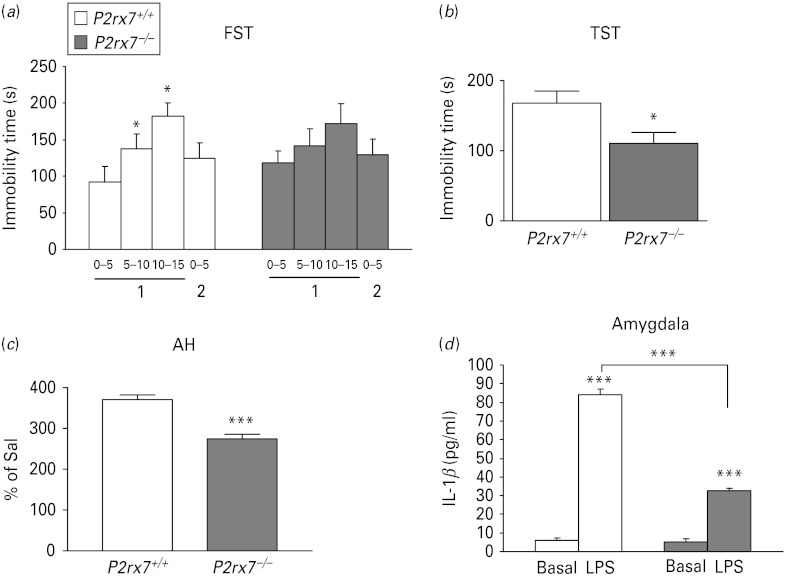
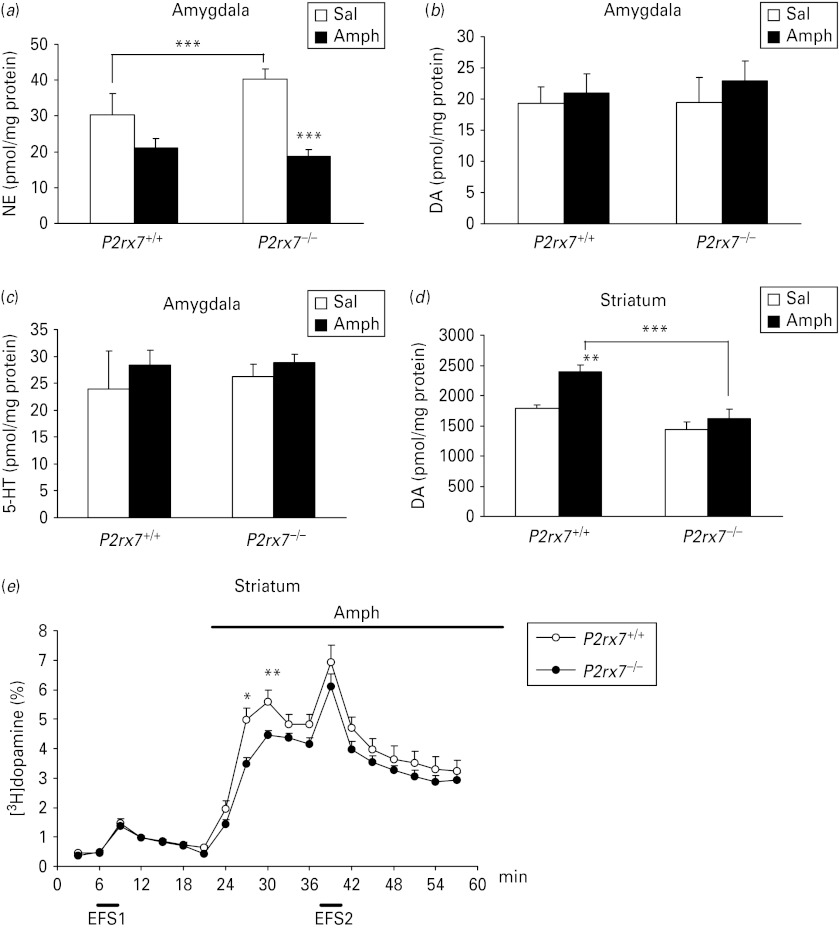
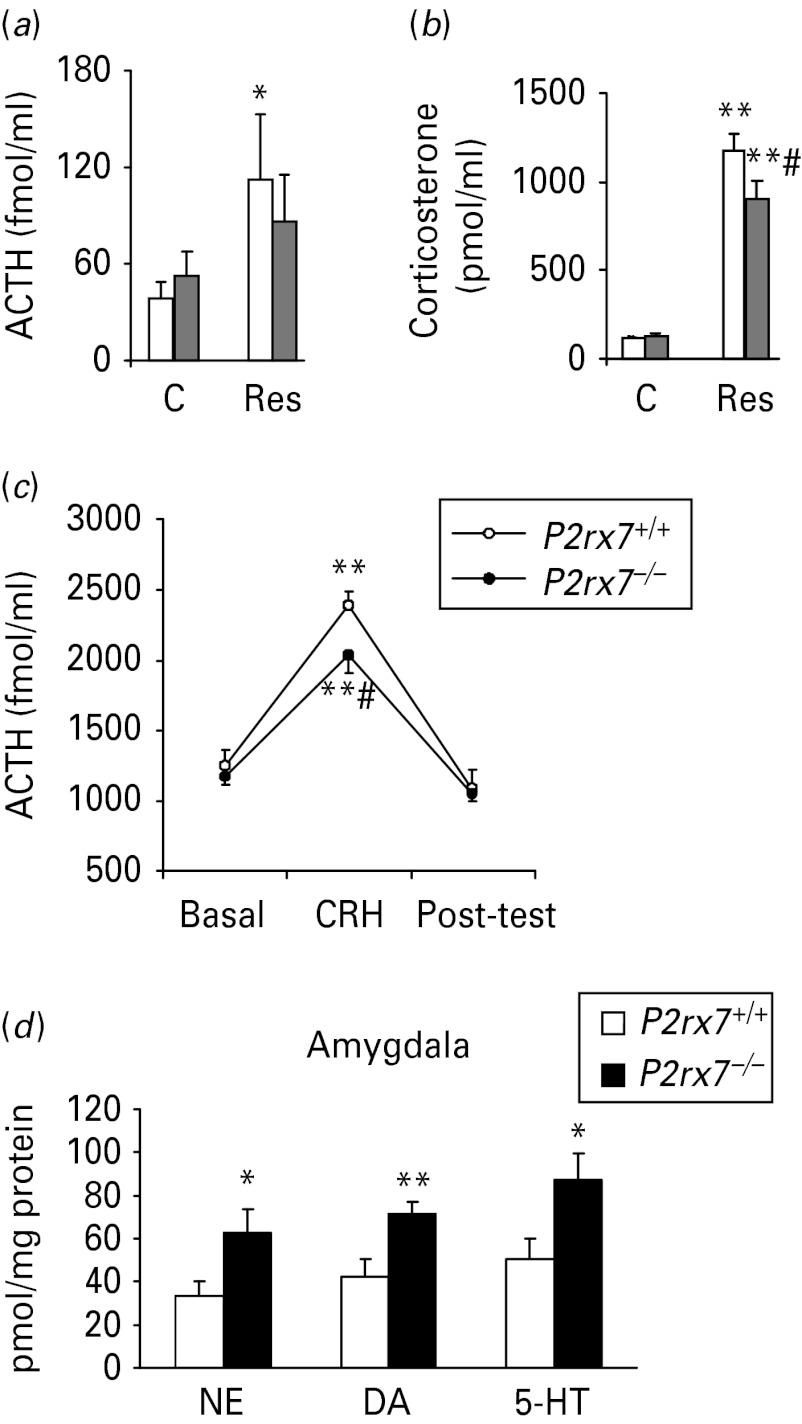
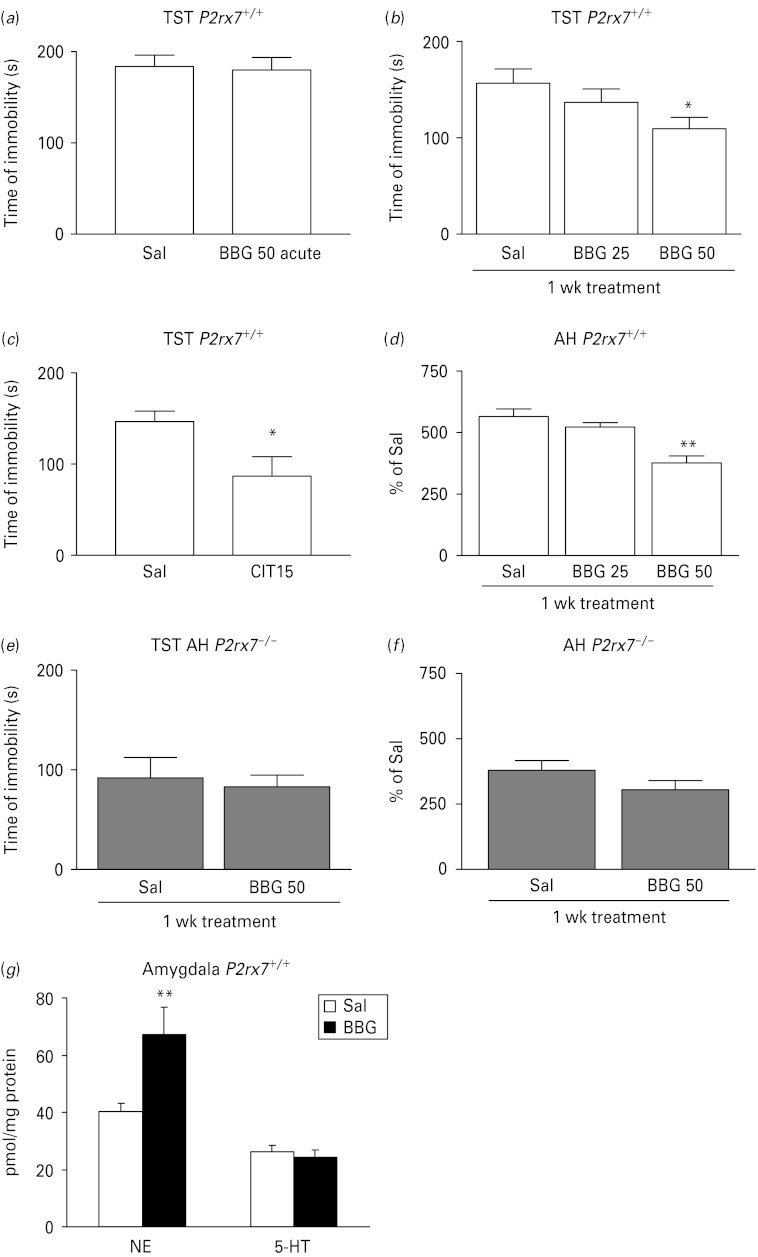
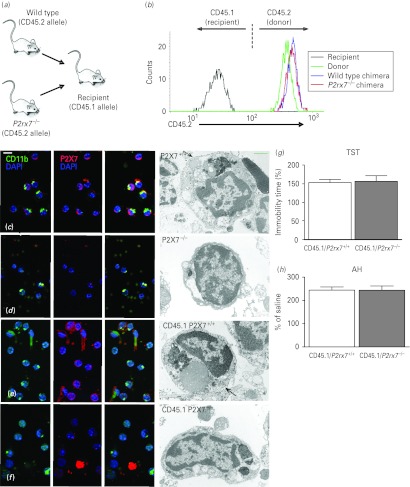
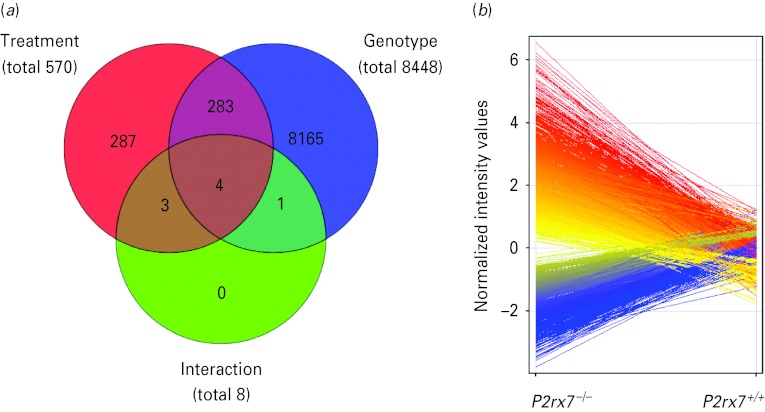
The purpose of this study was to explore how genetic deletion and pharmacological antagonism of the P2X7 receptor (P2rx7) alter mood-related behaviour, gene expression and stress reactivity in the brain. The forced swim test (FST), tail suspension test (TST) and amphetamine-induced hyperlocomotion (AH) tests were used in wild-type (P2rx7+/+) and P2rx7-deficient (P2rx7−/−) mice. Biogenic amine levels were analysed in the amygdala and striatum, adrenocorticotropic hormone (ACTH) and corticosterone levels were measured in the plasma and pituitary after restraint stress. Chimeric mice were generated by bone marrow transplantation. A whole genome microarray analysis with real-time polymerase chain reaction validation was performed on the amygdala. In the absence of P2rx7s decreased behavioural despair in the FST, reduced immobility in the TST and attenuated amphetamine-induced hyperactivity were detected. Basal norepinephrine levels were elevated in the amygdala, whereas stress-induced ACTH and corticosterone responses were alleviated in P2rx7−/− mice. Sub-acute treatment with the selective P2rx7 antagonist, Brilliant Blue G, reproduced the effect of genetic deletion in the TST and AH test in P2rx7+/+ but not P2rx7−/− mice. No change in behavioural phenotype was observed in chimeras lacking the P2rx7 in their haematopoietic compartment. Whole genome microarray analysis indicated a widespread up- and down-regulation of genes crucial for synaptic function and neuroplasticity by genetic deletion. Here, we present evidence that the absence of P2rx7s on non-haematopoietic cells leads to a mood-stabilizing phenotype in several behavioural models and suggest a therapeutic potential of P2rx7 antagonists for the treatment of mood disorders.
Overview
The claims and statistics of this paper haven’t been checked yet.
Run the check — free, no account needed. It reads the open-access text and checks the sources it cites.
Integrity signals
Registry
Cites
Statistics
Figures
Verification
Claims the paper makes
The claims and statistics of this paper haven’t been checked yet.
Run the check — free, no account needed. It reads the open-access text and checks the sources it cites.
Claims other papers make about this one
Each is checked against this paper’s own text: does it say what the citing paper says it does?
In the citing paper
“Noteworthy, gene knockout or pharmacological inhibition of P2X7 receptors induced antidepressant-like behavior in mice exposed to stress, accompanied by HPA axis restoration [163, 164].”
From Hyperactivation of P2X7 receptors as a culprit of COVID-19 neuropathology (2021) · cites this paper as [164]
In the citing paper
“Evidence from pharmacological studies have further corroborated this hypothesis, since treatment with P2X7R antagonists induce antidepressant-like effects in various animal models.”
From P2X7 Receptor Signaling in Stress and Depression (2019) · cites this paper as [85]
In the citing paper
“Altogether, data from P2X7R KO mice indicates that absence of the P2X7R results in increased resilience to stress, and a phenotype showing less depression-like characteristics.”
From P2X7 Receptor Signaling in Stress and Depression (2019) · cites this paper as [85]
In the citing paper
“Additional studies further corroborated these initial findings, with observations that P2X7R KO mice presents reduced immobility time in both the FST [85] and the TST [20,85].”
From P2X7 Receptor Signaling in Stress and Depression (2019) · cites this paper as [85]
In the citing paper
“Altogether, both pharmacological and genetic evidence strongly suggest that P2X7R stimulation during stress increase the vulnerability and subsequent development of behavioral adversities associated with the neurobiology of depression (Table 2).”
From P2X7 Receptor Signaling in Stress and Depression (2019) · cites this paper as [85]
In the citing paper
“and decreased the immobility time of mice exposed to TST [85].”
From P2X7 Receptor Signaling in Stress and Depression (2019) · cites this paper as [85]
Self-check
Percentages, sums and reported differences re-computed from the paper’s own numbers.
The self-check needs the paper’s full text.
Citations
Cites
PROTEIN MEASUREMENT WITH THE FOLIN PHENOL REAGENT
Lowry, O. H., Rosebrough, N., Farr, A. L., & Randall, R. (1951) · Journal of Biological Chemistry · doi:10.1016/s0021-9258(19)52451-6 · Cited by 316,394 · cited 2×
“The perchloric anion was precipitated by addition of 1 M KOH, removed by centrifugation and the protein content of the pellet was determined according to the method of Lowry et al. (1951).”
MethodVandesompele, J., De Preter, K., Pattyn, F., Poppe, B., Van Roy, N., De Paepe, A., & Speleman, F. (2002) · Genome Biology · doi:10.1186/gb-2002-3-7-research0034 · Cited by 20,038
Gene Expression Omnibus: NCBI gene expression and hybridization array data repository
Edgar, R. (2002) · Nucleic Acids Research · doi:10.1093/nar/30.1.207 · Cited by 13,288 · cited 2×
“The complete microarray expression data are deposited at NCBI’s Gene Expression Omnibus (Edgar et al. 2002) through GEO series accession number GSE21218 (http:// www.”
MethodFrom inflammation to sickness and depression: when the immune system subjugates the brain
Dantzer, R., O'Connor, J. C., Freund, G. G., Johnson, R. W., & Kelley, K. W. (2008) · Nature Reviews Neuroscience · doi:10.1038/nrn2297 · Cited by 7,395 · cited 2×
“Circulating cytokines, including IL-1b, are important mediators of depressive-like behaviour (Dantzer et al. 2008) and, therefore, peripheral IL-1b could be a mediator of P2rx7 activation on mood-related changes.”
BackgroundBehavioral despair in mice: a primary screening test for antidepressants.
Porsolt, R. D., Bertin, A., & Jalfre, M. (1977) · PubMed · Cited by 3,320
The Cytolytic P 2Z Receptor for Extracellular ATP Identified as a P 2X Receptor (P2X 7 )
Surprenant, A., Rassendren, F., Kawashima, E., North, R. A., & Buell, G. (1996) · Science · doi:10.1126/science.272.5262.735 · Cited by 1,739 · cited 1×
“The homo-oligomeric P2rx7 (Surprenant et al. 1996) has distinct structural, functional and pharmacological features within the P2X receptor family (Jarvis & Khakh, 2009 ; Sperlagh et al. 2006) : (1) its intracellular carboxyl-terminal domain is longer than those of other P2X receptor subunits ; (2)…”
BackgroundCryan, J. F., Mombereau, C., & Vassout, A. (2005) · Neuroscience & Biobehavioral Reviews · doi:10.1016/j.neubiorev.2005.03.009 · Cited by 1,674 · cited 1×
“Automated tail suspension test (TST) This test was performed using an automated tail suspension device (BIO-TST2, Bioseb, France), following the method described in Cryan et al. (2005), which was connected to a computer that recorded the activity of the animals during test sessions.”
MethodA review of the validity and variability of the Elevated Plus-Maze as an animal model of anxiety
Hogg, S. (1996) · Pharmacology Biochemistry and Behavior · doi:10.1016/0091-3057(95)02126-4 · Cited by 1,169
The P2X7 Receptor: A Key Player in IL-1 Processing and Release
Ferrari, D., Pizzirani, C., Adinolfi, E., Lemoli, R. M., Curti, A., Idzko, M., Panther, E., & Di Virgilio, F. (2006) · The Journal of Immunology · doi:10.4049/jimmunol.176.7.3877 · Cited by 1,025
Altered Cytokine Production in Mice Lacking P2X7Receptors
Solle, M., Labasi, J. M., Perregaux, D. G., Stam, E. J., Petrushova, N., Koller, B. H., Griffiths, R., & Gabel, C. A. (2001) · Journal of Biological Chemistry · doi:10.1074/jbc.m006781200 · Cited by 924 · cited 4×
“A major immunomodulatory function of P2rx7 activation is that it acts as a necessary costimulus for the post-translational processing and subsequent release of the pro-inflammatory cytokine interleukin (IL)-1b in peripheral immune cells in response to bacterial endotoxin (Ferrari et al. 2006; Solle et al. 2001).”
BackgroundMethodInfluential
Cited by
Sorted by citations
P2X7 receptor: an emerging target in central nervous system diseases
Sperlágh, B., & Illes, P. (2014) · Trends in Pharmacological Sciences · doi:10.1016/j.tips.2014.08.002 · Cited by 390
Self-citationIwata, M., Ota, K. T., Li, X.-Y., Sakaue, F., Li, N., Dutheil, S., Banasr, M., Duric, V., Yamanashi, T., Kaneko, K., et al. (2016) · Biological Psychiatry · doi:10.1016/j.biopsych.2015.11.026 · Cited by 387
“This finding is consistent with a report that a nonselective P2X7R antagonist decreases immobility in the FST only after repeated testing (59).”
Update of P2X receptor properties and their pharmacology: IUPHAR Review 30
Illés, P., Müller, C. E., Jacobson, K. A., Grütter, T., Nicke, A., Fountain, S. J., Kennedy, C., Schmalzing, G., Jarvis, M. F., Stojilković, S. S., et al. (2020) · British Journal of Pharmacology · doi:10.1111/bph.15299 · Cited by 327
“The beneficial effects of BBB-permeable P2X7 receptor antagonists in AD animal models also support the notion of pathological microglial activation in AD (Csölle et al., 2013).”
BackgroundP2X7 Receptors: Channels, Pores and More
Volonté, C., Apolloni, S., Skaper, S. D., & Burnstock, G. (2012) · CNS & Neurological Disorders - Drug Targets · doi:10.2174/187152712803581137 · Cited by 259
“[154] Gene Deletion”
BackgroundThe microglial ATP‐gated ion channel P2X7 as a CNS drug target
Bhattacharya, A., & Biber, K. (2016) · Glia · doi:10.1002/glia.23001 · Cited by 221
“…in a model of sucrose consumption that is reflective of hedonic behavior, pharmacological antagonism of P2X7 (by AZ-10606120 and A-804598) restored the deficit observed in drinking sucrosewater (anhedonia) either under chronic stress or by systemic administration of LPS (Csolle et al., 2013b).”
BackgroundInfluentialBhattacharya, A., Wang, Q., Ao, H., Shoblock, J. R., Lord, B., Aluisio, L. E., Fraser, I. C., Nepomuceno, D. H., Neff, R. A., Welty, N., et al. (2013) · British Journal of Pharmacology · doi:10.1111/bph.12314 · Cited by 204
“This is however, in contrast to protective effects of despair behaviour in P2X7 knockout mice in the forced swim test on day 1, observed by other groups (Basso et al., 2009; Csolle et al., 2013).”
BackgroundResultInfluentialThe P2X7 Receptor: Central Hub of Brain Diseases
Andrejew, R., Oliveira-Giacomelli, Á., Ribeiro, D. E., Glaser, T., Arnaud-Sampaio, V. F., Lameu, C., & Ulrich, H. (2020) · Frontiers in Molecular Neuroscience · doi:10.3389/fnmol.2020.00124 · Cited by 162
Ullrich (2018) · doi:10.1038/mp.2017.188 · Cited by 145
Hyperactivation of P2X7 receptors as a culprit of COVID-19 neuropathology
Ribeiro, D. E., Oliveira-Giacomelli, Á., Glaser, T., Arnaud-Sampaio, V. F., Andrejew, R., Dieckmann, L., Baranova, J., Lameu, C., Ratajczak, M. Z., & Ulrich, H. (2021) · Molecular Psychiatry · doi:10.1038/s41380-020-00965-3 · Cited by 145
Role of neuro-immunological factors in the pathophysiology of mood disorders
Bhattacharya, A., Derecki, N. C., Lovenberg, T. W., & Drevets, W. C. (2016) · Psychopharmacology · doi:10.1007/s00213-016-4214-0 · Cited by 149
“Likewise, minocycline also attenuated LPS-induced behavioral changes and markers of neuroinflammation in mice (Henry et al. 2008).”
BackgroundInfluentialP2X7 Receptor Signaling in Stress and Depression
Ribeiro, D. E., Roncalho, A. L., Glaser, T., Ulrich, H., Wegener, G., & Joca, S. (2019) · International Journal of Molecular Sciences · doi:10.3390/ijms20112778 · Cited by 129
“Sci. 2019, 20, 2778 12 of 26 like decreased sucrose preference, reduced social interaction ratio and high immobility time in the FST [150].”
BackgroundResultInfluentialCsölle, C., Baranyi, M., Zsilla, G., Kittel, Á., Gölöncsér, F., Illes, P., Papp, E., Vizi, E. S., & Sperlágh, B. (2013) · PLoS ONE · doi:10.1371/journal.pone.0066547 · Cited by 128
“Under basal conditions, we detected a dysregulation of monoaminergic transmission, and these results are consistent with our previous findings in the amygdala [25].”
BackgroundResultInfluentialSelf-citationRecent advances in CNS P2X7 physiology and pharmacology: Focus on neuropsychiatric disorders
Bhattacharya, A. (2018) · Frontiers in Pharmacology · doi:10.3389/fphar.2018.00030 · Cited by 115
“…hypothesis, in a model of sucrose consumption that is reflective of hedonic behavior, pharmacological antagonism of P2X7 restored the deficit observed in drinking sucrosewater (anhedonia) either under chronic stress or by systemic administration of lipopolysaccharides (LPS) (Csolle et al., 2013b).”
BackgroundInfluentialP2X and P2Y Receptors—Role in the Pathophysiology of the Nervous System
Puchałowicz, K., Tarnowski, M., Baranowska‐Bosiacka, I., Chlubek, D., & Dziedziejko, V. (2014) · International Journal of Molecular Sciences · doi:10.3390/ijms151223672 · Cited by 115
“[49] contradict the role attributed to IL-1β derived from haematopoietic cells, such as monocytes or microglia, as a factor responsible for mood disorders depending on P2X7, although they do not exclude the participation of other nervous tissue cells, e.”
BackgroundPurinergic mechanisms in neuroinflammation: An update from molecules to behavior
Beamer, E. H., Gölöncsér, F., Horváth, G., Bekő, K., Otrokocsi, L., Koványi, B., & Sperlágh, B. (2015) · Neuropharmacology · doi:10.1016/j.neuropharm.2015.09.019 · Cited by 114
“Acute stress induced depressiveelike behaviors, following LPS challenge are also alleviated by P2X7 receptor antagonism, (Csolle et al., 2013b; Ma et al., 2014).”
BackgroundInfluentialSelf-citationP2X7 Receptor: A Potential Therapeutic Target for Depression?
Deussing, J. M., & Arzt, E. (2018) · Trends in Molecular Medicine · doi:10.1016/j.molmed.2018.07.005 · Cited by 97
Purinergic receptors in psychiatric disorders
Krügel, U. (2015) · Neuropharmacology · doi:10.1016/j.neuropharm.2015.10.032 · Cited by 96
“In agreement, the treatment with LPS evoked less IL1β in the amygdala in P2X7 receptor knockout than in wildtype mice (Csölle et al., 2013a).”
P2X7 receptor antagonists: a patent review (2010–2015)
Park, J.-H., & Kim, Y. (2016) · Expert Opinion on Therapeutic Patents · doi:10.1080/13543776.2017.1246538 · Cited by 92
“Moreover, P2X7R knockout (KO) mice in models of depression and mania demonstrated protective roles, and P2X7R antagonists such as AZ10606120 and A804598 showed antidepressant profiles [24,25].”
BackgroundFarooq, R. K., Tanti, A., Ainouche, S., Roger, S., Belzung, C., & Camus, V. (2018) · Psychoneuroendocrinology · doi:10.1016/j.psyneuen.2018.07.016 · Cited by 83
Bhattacharya, A., Lord, B., Grigoleit, J., He, Y., Fraser, I. C., Campbell, S. N., Taylor, N., Aluisio, L. E., O’Connor, J. C., Papp, M., et al. (2018) · Neuropsychopharmacology · doi:10.1038/s41386-018-0141-6 · Cited by 84
Regulation of P2X7 receptor expression and function in the brain
Jimenez-Mateos, E. M., Smith, J., Nicke, A., & Engel, T. (2018) · Brain Research Bulletin · doi:10.1016/j.brainresbull.2018.12.008 · Cited by 80
Pathological ATPergic Signaling in Major Depression and Bipolar Disorder
Illés, P., Verkhratsky, A., & Tang, Y. (2020) · Frontiers in Molecular Neuroscience · doi:10.3389/fnmol.2019.00331 · Cited by 78
Astrocytes and major depression: The purinergic avenue
Zhao, Y. F., Verkhratsky, A., Tang, Y. C., & Illés, P. (2022) · Neuropharmacology · doi:10.1016/j.neuropharm.2022.109252 · Cited by 76
Pharmacology of a Novel Central Nervous System–Penetrant P2X7 Antagonist JNJ-42253432
Lord, B., Aluisio, L. E., Shoblock, J. R., Neff, R. A., Varlinskaya, E. I., Ceusters, M., Lovenberg, T. W., Carruthers, N. I., Bonaventure, P., Letavic, M. A., et al. (2014) · Journal of Pharmacology and Experimental Therapeutics · doi:10.1124/jpet.114.218487 · Cited by 73
“This will be the third publication indicating a role of the P2X7 pathway in amphetamine hyperactivity (Bhattacharya et al., 2013; Csölle et al., 2013).”
BackgroundLetavic, M. A., Savall, B. M., Allison, B. D., Aluisio, L. E., Andrés, J. I., Angelis, M. D., Ao, H., Beauchamp, D. A., Bonaventure, P., Bryant, S., et al. (2017) · Journal of Medicinal Chemistry · doi:10.1021/acs.jmedchem.7b00408 · Cited by 74
Recourt, K., de Boer, P., van der Ark, P. D., Beneš, H., van Gerven, J., Ceusters, M., Nueten, L. V., Drevets, W. C., Bhatacharya, A., Browning, M. D., et al. (2023) · Translational Psychiatry · doi:10.1038/s41398-023-02557-5 · Cited by 72
“…P2X7 knockout mice demonstrated decreased dexamphetamine-induced hyperloco-motion and IL ‐ 1 β release in the brain [35, 36], and reduced depressive-like behaviors in the automated tail suspension test, forced swim test and post-stress sucrose preference test, compared with wild type mice [37, 38].”
Timmers, M., Ravenstijn, P. G. M., Xi, L., Triana‐Baltzer, G., Furey, M., Hemelryck, S. V., Biewenga, J., Ceusters, M., Bhattacharya, A., van den Boer, M., et al. (2018) · Journal of Psychopharmacology · doi:10.1177/0269881118800067 · Cited by 69
P2X7 Antagonists as Potential Therapeutic Agents for the Treatment of CNS Disorders
Chrovian, C. C., Rech, J. C., Bhattacharya, A., & Letavic, M. A. (2014) · Progress in medicinal chemistry · doi:10.1016/b978-0-444-63380-4.00002-0 · Cited by 69
Interactions of neuroimmune signaling and glutamate plasticity in addiction
Gipson, C. D., Rawls, S. M., Scofield, M. D., Siemsen, B. M., Bondy, E. O., & Maher, E. E. (2021) · Journal of Neuroinflammation · doi:10.1186/s12974-021-02072-8 · Cited by 71
“It is also worth mentioning that P2X7 receptor antagonism or genetic deletion reduces hyperactivity induced by amphetamines [35, 69, 118].”
BackgroundRole of P2X7 Receptor in an Animal Model of Mania Induced by D-Amphetamine
Gubert, C., Fries, G. R., Pfaffenseller, B., Ferrari, P., Coutinho‐Silva, R., Morrone, F. B., Kapczinski, F. P., & Battastini, A. M. O. (2014) · Molecular Neurobiology · doi:10.1007/s12035-014-9031-z · Cited by 64
“Our study is in agreement with earlier data that showed that the blockade/deletion of P2X7R abrogates AMPH-induced hyperactivity [17].”
BackgroundResultRecourt, K., van der Aart, J., Jacobs, G. E., de Kam, M., Drevets, W. C., Nueten, L. V., Kanhai, K. M. S., Siebenga, P. S., Zuiker, R. G. J. A., Ravenstijn, P. G. M., et al. (2020) · Journal of Psychopharmacology · doi:10.1177/0269881120914206 · Cited by 61
“P2X7 knockout mice also showed ameliorated depressive-like behaviours in the automated tail suspension test, repeated forced swim tests and sucrose preference test compared to wild-type mice (Boucher et al., 2011; Csölle et al., 2013b).”
MethodResultMetzger, M. W., Walser, S. M., Dedic, N., Aprile-Garcia, F., Jakubcakova, V., Adamczyk, M., Webb, K. J., Uhr, M., Refojo, D., Schmidt, M. V., et al. (2017) · The Journal of Neuroscience · doi:10.1523/jneurosci.3487-16.2017 · Cited by 59
“In addition, KO mice revealed P2X7R-dependent alterations in different aspects of emotional behavior related to mood disorders (Basso et al., 2009; Boucher et al., 2011; Csölle et al., 2013).”
BackgroundInfluentialUnderstanding the role of P2X7 in affective disorders—are glial cells the major players?
Stokes, L., Spencer, S. J., & Jenkins, T. A. (2015) · Frontiers in Cellular Neuroscience · doi:10.3389/fncel.2015.00258 · Cited by 59
“Pharmacological blockade of P2X7 was also effective in altering depressive-like behavior and LPS-induced sickness behavior in mice (Csölle et al., 2013a,b).”
BackgroundMethodResultInfluentialA novel radioligand for the ATP-gated ion channel P2X7: [3H] JNJ-54232334
Lord, B., Ameriks, M. K., Wang, Q., Fourgeaud, L., Vliegen, M., Verluyten, W. L. M., Haspeslagh, P., Carruthers, N. I., Lovenberg, T. W., Bonaventure, P., et al. (2015) · European Journal of Pharmacology · doi:10.1016/j.ejphar.2015.09.026 · Cited by 55
P2X7 receptors drive poly(I:C) induced autism-like behavior in mice
Horváth, G., Otrokocsi, L., Bekő, K., Baranyi, M., Kittel, Á., Fritz-Ruenes, P. A., & Sperlágh, B. (2019) · Journal of Neuroscience · doi:10.1523/jneurosci.1895-18.2019 · Cited by 58
“…/ mice has been extensively analyzed in previous studies: altered stress reactivity, but no change in basal locomotor activity, was observed in different studies (Basso et al., 2009; Csölle et al., 2013b; Bartlett et al., 2014; Otrokocsi et al., 2017) in agreement with the present study (Fig.”
BackgroundResultSelf-citationMa, M., Ren, Q., Zhang, J.-C., & Hashimoto, K. (2014) · Clinical Psychopharmacology and Neuroscience · doi:10.9758/cpn.2014.12.1.31 · Cited by 55
The role of P2X7 receptors in a rodent PCP-induced schizophrenia model
Koványi, B., Csölle, C., Calovi, S., Hanuska, A., Kató, E., Köles, L., Bhattacharya, A., Haller, J., & Sperlágh, B. (2016) · Scientific Reports · doi:10.1038/srep36680 · Cited by 52
P2X7 Receptors Mediate Innate Phagocytosis by Human Neural Precursor Cells and Neuroblasts
Lovelace, M. D., Gu, B. J., Eamegdool, S. S., Weible, M. W., Wiley, J. S., Allen, D. G., & Chan‐Ling, T. (2014) · Stem Cells · doi:10.1002/stem.1864 · Cited by 51
P2X7 Receptors Drive Spine Synapse Plasticity in the Learned Helplessness Model of Depression
Otrokocsi, L., Kittel, Á., & Sperlágh, B. (2017) · The International Journal of Neuropsychopharmacology · doi:10.1093/ijnp/pyx046 · Cited by 52
Self-citationSynthesis and Pharmacological Characterization of Two Novel, Brain Penetrating P2X7 Antagonists
Letavic, M. A., Lord, B., Bischoff, F., Hawryluk, N. A., Pieters, S., Rech, J. C., Sales, Z. S., Velter, A. I., Ao, H., Bonaventure, P., et al. (2013) · ACS Medicinal Chemistry Letters · doi:10.1021/ml400040v · Cited by 51
Gölöncsér, F., & Sperlágh, B. (2014) · The Journal of Headache and Pain · doi:10.1186/1129-2377-15-24 · Cited by 49
“Selection of dose was based on previous studies [38,39].”
MethodSelf-citationThe P2X7 receptor: a new therapeutic target in Alzheimer’s disease
Illés, P., Rubini, P., Huang, L., & Tang, Y. (2019) · Expert Opinion on Therapeutic Targets · doi:10.1080/14728222.2019.1575811 · Cited by 50
Gürsel (2018) · doi:10.1016/j.neubiorev.2018.02.005 · Cited by 47
“Conversely, ATP elicited glutamate release from mouse hippocampal slices that was largely prevented by P2X7-KO (Csolle et al., 2013b) and, while the cell type releasing glutamate was not established, astrocytes remain a strong candidate.”
BackgroundResultInfluentialRibeiro, D. E., Müller, H. K., Elfving, B., Eskelund, A., Joca, S. R., & Wegener, G. (2019) · Journal of Psychopharmacology · doi:10.1177/0269881119872173 · Cited by 45
Backlund, L., Lavebratt, C., Frisén, L., Nikamo, P., Sudic, D. H., Träskman‐Bendz, L., Landén, M., Edman, G., Vawter, M. P., Ösby, U., et al. (2012) · PLoS ONE · doi:10.1371/journal.pone.0043057 · Cited by 43
“Absence of P2rx7 in mouse brain have been shown to decrease depressive-like behavior and attenuate amphetamineinduced hyperactivity [46] whereas activation of the P2RX7 gene may lead to glutamate over-activation and secondary to depressive symptoms [47].”
Ion Channel Dysfunction and Neuroinflammation in Migraine and Depression
Eren‐Koçak, E., & Dalkara, T. (2021) · Frontiers in Pharmacology · doi:10.3389/fphar.2021.777607 · Cited by 39
Purinergic neurone-glia signalling in cognitive-related pathologies
Illés, P., & Verkhratsky, A. (2015) · Neuropharmacology · doi:10.1016/j.neuropharm.2015.08.005 · Cited by 34
“…identified for the antidepressant phenotype of P2X7 -/- mice, such as absence of P2X7 receptor-mediated glutamate release, elevated basal brain-derived neurotrophic factor (BDNF) production, enhanced neurogenesis, and increased serotonin bioavailability in the hippocampus (Csolle et al., 2013).”
BackgroundRole of neuroglia in neuropathic pain and depression
Liu, Q., Li, R., Yang, W., Cui, R., & Li, B. (2021) · Pharmacological Research · doi:10.1016/j.phrs.2021.105957 · Cited by 35
Rudolph, D. A., Alcázar, J., Ameriks, M. K., Anton, A. B., Ao, H., Bonaventure, P., Carruthers, N. I., Chrovian, C. C., Angelis, M. D., Lord, B., et al. (2015) · Bioorganic & Medicinal Chemistry Letters · doi:10.1016/j.bmcl.2015.06.004 · Cited by 33
Brain immune cells characterization in UCMS exposed P2X7 knock-out mouse
Troubat, R., Leman, S., Pinchaud, K., Surget, A., Barone, P. R., Roger, S., Guisquet, A. L., Brizard, B., Belzung, C., & Camus, V. (2021) · Brain Behavior and Immunity · doi:10.1016/j.bbi.2021.02.012 · Cited by 34
Kongsui, R., Beynon, S. B., Johnson, S. J., Mayhew, J., Kuter, P., Nilsson, M., & Walker, F. R. (2014) · Brain Behavior and Immunity · doi:10.1016/j.bbi.2014.05.017 · Cited by 29
“…675 676 677 678 679 680 681 682 683 684 685 R. Kongsui et al. / Brain, Behavior, and Immunity xxx (2014) xxx–xxx 11 reporting that P2X7 knockout mice respond to acutely stressful situations with higher levels of behavioural resilience (Csolle et al., 2013; Basso et al., 2009; Boucher et al., 2011).”
BackgroundNieto-Quero, A., Chaves-Peña, P., Santín, L. J., Pérez‐Martín, M., & Pedraza, C. (2021) · Neurobiology of Stress · doi:10.1016/j.ynstr.2021.100356 · Cited by 32
“The P2X7 receptor (P2X7R) is a member of the purinergic receptor family that plays a pivotal role in stress-induced inflammation (Koo and Duman, 2008, 2009a, 2009b) and may be involved in the modulation of essential mechanisms of stress responses, such as neurogenesis (Csölle et al., 2013).”
BackgroundParoxetine suppresses recombinant human P2X7 responses
Dao-Ung, P., Skarratt, K. K., Fuller, S. J., & Stokes, L. (2015) · Purinergic Signalling · doi:10.1007/s11302-015-9467-2 · Cited by 29
Animal Models for the Investigation of P2X7 Receptors
Sluyter, R., Adriouch, S., Fuller, S. J., Nicke, A., Sophocleous, R. A., & Watson, D. (2023) · International Journal of Molecular Sciences · doi:10.3390/ijms24098225 · Cited by 28
Unique genetic loci identified for emotional behavior in control and chronic stress conditions
Carhuatanta, K. A. K., Shea, C. J. A., Herman, J. P., & Jankord, R. (2014) · Frontiers in Behavioral Neuroscience · doi:10.3389/fnbeh.2014.00341 · Cited by 26
Gölöncsér, F., Baranyi, M., Balázsfi, D., Demeter, K., Haller, J., Freund, T. F. F., Zelena, D., & Sperlágh, B. (2017) · Frontiers in Molecular Neuroscience · doi:10.3389/fnmol.2017.00325 · Cited by 25
“P2rx7s have been shown to contribute to the pathophysiology of depression (Csolle et al., 2013a,b; Iwata et al., 2016; Otrokocsi et al., 2017), bipolar disorder (Csolle et al., 2013a; Lord et al., 2014) and schizophrenia (Kovanyi et al., 2016).”
BackgroundResultInfluentialChrovian, C. C., Soyode-Johnson, A., Ao, H., Bacani, G. M., Carruthers, N. I., Lord, B., Nguyen, L., Rech, J. C., Wang, Q., Bhattacharya, A., et al. (2016) · ACS Chemical Neuroscience · doi:10.1021/acschemneuro.5b00303 · Cited by 25
Purinergic transmission in depressive disorders
Szopa, A., Socała, K., Serefko, A., Doboszewska, U., Wróbel, A., Poleszak, E., & Właź, P. (2021) · Pharmacology & Therapeutics · doi:10.1016/j.pharmthera.2021.107821 · Cited by 25
Beyond Seizure Control: Treating Comorbidities in Epilepsy via Targeting of the P2X7 Receptor
Gil, B., Smith, J., Tang, Y., Illés, P., & Engel, T. (2022) · International Journal of Molecular Sciences · doi:10.3390/ijms23042380 · Cited by 27
Ribeiro, D. E., Casarotto, P. C., Staquini, L., Pinto e Silva, M. A., Biojone, C., Wegener, G., & Joca, S. (2019) · PeerJ · doi:10.7717/peerj.7834 · Cited by 21
“Similar to the clinical scenario, and contrary to usual protocols of FST and TST, the antidepressant-like effect on LH model is observed only after repeated pharmacological treatment, i.e., administration of classical antidepressant drugs during 7–21 days (Petty, Kramer & Wilson, 1992; Nankai et al., 1995; Mansbach, B…”
BackgroundMethodResultInfluentialP2X7 Receptor as a Potential Target for Major Depressive Disorder
Huang, Z., & Tan, S. (2021) · Current Drug Targets · doi:10.2174/1389450122666210120141908 · Cited by 20
P2X7 Receptor-Related Genetic Mouse Models – Tools for Translational Research in Psychiatry
Urbina-Treviño, L., von Mücke-Heim, I.-A., & Deussing, J. M. (2022) · Frontiers in Neural Circuits · doi:10.3389/fncir.2022.876304 · Cited by 23
Tang, Y., Illes, P., Zhang, Y., Yin, H.-Y., & Rubini, P. (2022) · Current Neuropharmacology · doi:10.2174/1570159x20666220302152400 · Cited by 20
Substituted 5,6-(Dihydropyrido[3,4-d]pyrimidin-7(8H)-yl)-methanones as P2X7 Antagonists
Ziff, J., Rudolph, D. A., Stenne, B., Koudriakova, T. B., Lord, B., Bonaventure, P., Lovenberg, T. W., Carruthers, N. I., Bhattacharya, A., Letavic, M. A., et al. (2016) · ACS Chemical Neuroscience · doi:10.1021/acschemneuro.5b00304 · Cited by 20
The neurobiological mechanisms and therapeutic prospect of extracellular ATP in depression
Wang, K., Huang, S., Fu, D., Yang, X., Ma, L., Zhang, T., Zhao, W., Deng, D., Ding, Y., Zhang, Y., et al. (2024) · CNS Neuroscience & Therapeutics · doi:10.1111/cns.14536 · Cited by 19
The Purinergic System as a Target for the Development of Treatments for Bipolar Disorder
Gonçalves, M. C. B., Andrejew, R., & Gubert, C. (2022) · CNS Drugs · doi:10.1007/s40263-022-00934-0 · Cited by 19
Purinergic signaling in cognitive impairment and neuropsychiatric symptoms of Alzheimer's disease
Ribeiro, D. E., Petiz, L. L., Glaser, T., Oliveira‐Giacomelli, Á., Andrejew, R., Saab, F. D. A. R., Milanis, M. D. S., Campos, H. C., Arnaud-Sampaio, V. F., de Oliveira, S. L. B., et al. (2022) · Neuropharmacology · doi:10.1016/j.neuropharm.2022.109371 · Cited by 21
Illés, P., Rubini, P., Ulrich, H., Yin, H., & Tang, Y. C. (2025) · MedComm · doi:10.1002/mco2.70177 · Cited by 18
Lainiola, M., & Linden, A.-M. (2017) · Alcohol · doi:10.1016/j.alcohol.2017.06.002 · Cited by 21
Huang, H., Zheng, S., Chen, M., Xie, L., Li, Z., Guo, M. A., Wang, J., Lu, M., & Zhu, X. (2021) · Journal of Chemical Neuroanatomy · doi:10.1016/j.jchemneu.2021.101993 · Cited by 18
Spyrka, J., & Hess, G. (2018) · Neuroscience · doi:10.1016/j.neuroscience.2018.03.007 · Cited by 16
Potula, R., Gentile, T. A., Meissler, J. J., Shekarabi, A., Wiah, S., Farkas, D. J., Inan, S., Eisenstein, T. K., & Rawls, S. M. (2022) · Brain Behavior and Immunity · doi:10.1016/j.bbi.2022.09.012 · Cited by 15
P2X7 Purinergic Receptor Is Involved in the Pathophysiology of Mania: a Preclinical Study
Gubert, C., Andrejew, R., Leite, C. E., Moritz, C. E. J., Scholl, J. N., Figueiró, F., Kapczinski, F. P., Magalhães, P. V. D. S., & Battastini, A. M. O. (2019) · Molecular Neurobiology · doi:10.1007/s12035-019-01817-0 · Cited by 14
The effects of P2X7 receptor knockout on emotional conditions over the lifespan of mice
Gao, L., Lin, Z., Xie, G., Zhou, T. G., Hu, W., Liu, C., Liu, X., Wang, X., Qian, M., & Ni, B. (2018) · Neuroreport · doi:10.1097/wnr.0000000000001136 · Cited by 13
Bipolar disorder and 1513A>C P2RX7 polymorphism frequency
Gubert, C., Andrejew, R., Moritz, C. E. J., Dietrich, F., Vasconcelos-Moreno, M. P., Tietbohl-Santos, B., Fijtman, A., Kauer‐Sant’Anna, M., Kapczinski, F. P., Magalhães, P. V. D. S., et al. (2018) · Neuroscience Letters · doi:10.1016/j.neulet.2018.11.055 · Cited by 13
Purinergic modulation of glutamate transmission: An expanding role in stress-linked neuropathology
Mayhew, J., Graham, B. A., Biber, K. P. H., Nilsson, M., & Walker, F. R. (2018) · Neuroscience & Biobehavioral Reviews · doi:10.1016/j.neubiorev.2018.06.023 · Cited by 13
P2X7 receptors are involved in stress-related behaviours and antidepressant effect
Ribeiro, D. E., Stanquini, L. A., Biojone, C., Casarotto, P. C., Elfving, B., Müller, H. K., Wegener, G., & Joca, S. R. L. (2019) · European Neuropsychopharmacology · doi:10.1016/j.euroneuro.2018.11.350 · Cited by 11
Triggering of Major Brain Disorders by Protons and ATP: The Role of ASICs and P2X Receptors
Cherninskyi, A., Storozhuk, M., Maximyuk, O. P., Kulyk, V. B., & Krishtal, O. (2022) · Neuroscience Bulletin · doi:10.1007/s12264-022-00986-8 · Cited by 12
Gentile, T. A., Simmons, S. J., Tallarida, C. S., Su, S., Rom, S., Watson, M. N., Reitz, A. B., Potula, R., & Rawls, S. M. (2019) · Drug and Alcohol Dependence · doi:10.1016/j.drugalcdep.2018.12.022 · Cited by 11
“In fact, the most relevant behavioral evidence is that P2X7 antagonism or genetic deletion reduces hyperactivity induced by amphetamines (Gubert et al., 2016; Bhattacharya et al., 2013; Csölle et al., 2013).”
BackgroundP2X7 receptor inhibition alleviates mania-like behavior independently of interleukin-1β
Gölöncsér, F., Baranyi, M., Tod, P., Maácz, F., & Sperlágh, B. (2024) · iScience · doi:10.1016/j.isci.2024.109284 · Cited by 10
“21 Others have shown that 7 days of AMPH treatment reduced 5-HT and glutamate levels in both hippocampal and striatal structures, but the use of non-selective P2X7R antagonist BBG did not alter this effect.”
BackgroundSelf-citationRen, X.-Y., Rubini, P., Engel, T., Tang, Y., & Illés, P. (2025) · Pharmacological Research · doi:10.1016/j.phrs.2025.107989 · Cited by 9
Cheng, X.-Y., Ren, W.-J., Li, X., Deussing, J. M., Illés, P., Tang, Y., & Rubini, P. (2024) · Purinergic Signalling · doi:10.1007/s11302-024-10047-6 · Cited by 8
“Unfortunately, our results oppose some of the previously reported ones and we cannot explain this discrepancy [18, 30].”
Targeting inflammasome complexes as a novel therapeutic strategy for mood disorders
de Miranda, A. S., Toscano, E. C. D. B., O’Connor, J. C., & Teixeira, A. L. (2024) · Expert Opinion on Therapeutic Targets · doi:10.1080/14728222.2024.2366872 · Cited by 10
“Systemic or intracerebroventricular administration of the nonselective P2X7R antagonist BBG or the high-affinity and selective P2X7R antagonist, A438079, prevented D-amphetamine sulfate salt (AMPH)-induced manic-like behaviors in rodents [104,105,135].”
BackgroundNinjinyoeito exerts an antidepressant‐like effect by enhancing the central noradrenergic system
Tsutsumi, S., Watanabe, T., Hatae, A., Hirata, M., Omori, H., Taniguchi, C., Nagao, M., Kubota, K., Katsurabayashi, S., & Iwasaki, K. (2022) · Traditional & Kampo Medicine · doi:10.1002/tkm2.1306 · Cited by 8
“Consistent with these findings, decreased immobility time and increased NE levels in the amygdala were observed in mice with genetic deletion or pharmacological blockade of the P2X7 receptor [27].”
BackgroundSmith, K. L., Todd, S. M., Boucher, A. A., Bennett, M. R., & Arnold, J. C. (2019) · Neuroscience Letters · doi:10.1016/j.neulet.2019.134575 · Cited by 7
Serotonergic neurons in the treatment of mood disorders: The dialogue with astrocytes
Charvériat, M., & Guiard, B. P. (2021) · Progress in brain research · doi:10.1016/bs.pbr.2021.01.006 · Cited by 7
P2X7 in Bipolar and Depressive Disorders
Barron, M. L., Werry, E. L., McGregor, I. S., & Kassiou, M. (2013) · Springer eBooks · doi:10.1007/978-3-642-40282-1_31 · Cited by 5
Iring-Varga, B., Baranyi, M., Gölöncsér, F., Tod, P., & Sperlágh, B. (2023) · Frontiers in Pharmacology · doi:10.3389/fphar.2023.1241406 · Cited by 4
Self-citationvon Mücke-Heim, I.-A., Oldekamp, J., Metzger, M. W., Kläffgen, S., Tang, H., Walser, S. M., Dedic, N., Rammes, G., Holsboer, F., Wurst, W., et al. (2025) · Purinergic Signalling · doi:10.1007/s11302-025-10074-x · Cited by 4
“While CSDS had no effect on FST behaviour, other studies have demonstrated that repeated or prolonged FST protocols resulted in decreased immobility in KO compared to WT mice [67, 78].”
Kristóf, Z., Szabó, D., Sperlágh, B., Török, D., & Gonda, X. (2025) · International Journal of Molecular Sciences · doi:10.3390/ijms26104687 · Cited by 5
“In animal studies, P2RX7 KO-mice produced a controversial relationship with anxiety-like behaviour [21,135–137], with no consensus on its role.”
Self-citationMethodological guidelines for P2X receptor assays and data interpretation
Górecki, D. C., Adinolfi, E., Adriouch, S., Coutinho‐Silva, R., Engel, T., Gölöncsér, F., Haag, F., Illés, P., Jacobson, K. A., Koch‐Nolte, F., et al. (2026) · Cell Death and Disease · doi:10.1038/s41419-026-08730-0 · Cited by 3
“Furthermore, detailed reporting of environmental conditions, such as housing, circadian phase of testing, and prior handling, is critical, as P2XR activity can be in fl uenced by stress, immune state, and metabolic factors [223, 224].”
Self-citationZhao, M., Xing, L., Li, Y., Zhang, J., Liu, Y., Ye, F., & Chen, S. (2025) · Poultry Science · doi:10.1016/j.psj.2025.105192 · Cited by 3
Autocrine activation of P2X7 receptors mediates catecholamine secretion in chromaffin cells
Maldifassi, M. C., Guerra‐Fernández, M. J., Ponce, D., Alfonso‐Bueno, S., Maripillán, J., Vielma, A. H., Báez‐Matus, X., Marengo, F. D., Acuña‐Castillo, C., Sáez, J. C., et al. (2024) · British Journal of Pharmacology · doi:10.1111/bph.16371 · Cited by 3
“…gene might also change the expression of other receptors and channels involved in Ca 2 + dynamics, as it has been observed in the amygdala of the P2X7 receptor (cid:4) / (cid:4) mouse, where, among others, α 2 adrenoceptors and dopamine D 2 receptors were downregulated (Csölle et al., 2013).”
BackgroundPurinergic P2X Receptors as Therapeutic Targets
Stokes, L., Bidula, S. M., & Sluyter, R. (2024) · Springer eBooks · doi:10.1007/978-3-031-52197-3_13 · Cited by 2
Emerging Microglial Therapies and Targets in Clinical Trial
Yan, L., & Crotti, A. (2024) · Advances in neurobiology · doi:10.1007/978-3-031-55529-9_35 · Cited by 2
Abstracts from the 2017 Italian-German Purine Club Meeting
Dettori, I., Coppi, E., Fusco, I., Cencetti, F., Gaviano, L., Bruni, P., Colotta, V., Catarzi, D., Pedata, F., & Pugliese, A. M. (2017) · Purinergic Signalling · doi:10.1007/s11302-017-9581-4 · Cited by 2
The Role of ATP and P2X Purinoceptor 7 in the Development of Cerebral Tau
Gao, A. F. (2018) · TSpace (University of Toronto) · Cited by 1
Ribeiro, D. E., Müller, H. K., Elfving, B., Joca, S. R. L., & Wegener, G. (2018) · bioRxiv (Cold Spring Harbor Laboratory) · doi:10.1101/395194
乳癌抑制遺伝子BRCA1の機能解析 : CDK2-BRCA1-NPM pathway(第105回日本外科学会定期学術集会)
太田, 智., 呉, 文., 速水, 亮., 佐藤, 工., & 福田, 護. (2005) · 日本外科学会雑誌
Metadata
- Authors
- Csölle, C., Andó, R. D., Kittel, Á., Gölöncsér, F., Baranyi, M., Soproni, K., Zelena, D., Haller, J., Németh, T., Mócsai, A., & Sperlágh, B.
- Affiliations
- Laboratory of Molecular Pharmacology, Institute of Experimental Medicine, Hungarian Academy of Sciences (IEM HAS), Budapest, Hungary
- HUN-REN Institute of Experimental Medicine (HU)
- Semmelweis University (HU)
- Corresponding author
- Sperlágh, Beáta
- ORCID
- Venue
- International Journal of Neuropsychopharmacology
- Publisher
- Oxford University Press (OUP)
- Published
- 2013-02-01
- Volume
- 16
- Issue
- 1
- Pages
- 213-233
- ISSN
- 1461-1457 (ISSN-L)
- 1469-5111
- PMC
- PMC3666310
- OpenAlex
- W2102853311
- Semantic Scholar
- 6b74d60ae26da2b868b16b175ff8521099b8edeb
- Cited by
- 108
- References
- 80
- Citations by year
- 2026: 4 · 2025: 5 · 2024: 7 · 2023: 4 · 2022: 9 · 2021: 9 · 2020: 5 · 2019: 13 · 2018: 13 · 2017: 7 · 2016: 6 · 2015: 8 · 2014: 11 · 2013: 4
- FWCI
- 5.84
- Type
- journal article
- Language
- en
- Open access
- hybrid
- doi.org
- Licence
- cc-by-nc-sa
- Locations
- The International Journal of Neuropsychopharmacology (publishedVersion, cc-by-nc-sa)
- Europe PMC (PubMed Central) (publishedVersion, cc-by-nc-sa)
- PubMed Central (publishedVersion, cc-by-nc-sa)
- PubMed (publishedVersion)
- Repository of the Academy's Library (Library of the Hungarian Academy of Sciences) (acceptedVersion)
- Semmelweis University Repository (Semmelweis University) (submittedVersion)
- Funders
- Wellcome Trust (087782)
- Topics
- Life Sciences › Biochemistry, Genetics and Molecular Biology › Physiology › Adenosine and Purinergic Signaling
- Life Sciences › Neuroscience › Behavioral Neuroscience › Stress Responses and Cortisol
- Life Sciences › Neuroscience › Cellular and Molecular Neuroscience › Neurotransmitter Receptor Influence on Behavior
- Keywords
- P2X7 receptor, depression-like behavior, anxiety-like behavior, stress reactivity, Brilliant Blue G, P2X7 antagonists, norepinephrine, amygdala, striatum, ACTH, corticosterone, hematopoietic cells, gene expression, synaptic function, neuroplasticity, mood disorders
- MeSH terms
- Affect, Amygdala, Animals, Depression, Gene Expression Regulation, Male, Mice, Inbred C57BL, Stress, Psychological, Swimming, Microglia, Mice, Knockout, Mice, Receptors, Purinergic P2X7
About these checks
Registry, retraction, Cites and statistics results are computed, not judged, with one exception: a printed reference that no index lists is read once by a model before it counts as a citation error. Claims are extracted by a model and kept only when their quote appears verbatim in the text; each cited source is then checked, with a model’s help, for whether it says what the claim relies on. Those verdicts can be wrong — read the claim’s quote and the cited source before relying on one.
Statistics and arithmetic are recomputed, not judged.
Confidence bands are shown only for fields calibrated on our annotated test set. None is calibrated yet, so no band is shown.
What counts as a claim ›How we measure confidence ›How we check this ›
Are you an author, or do you see a problem with this page? Request a review
