

Analysis of protein-coding genetic variation in 60,706 humans
Open accessPublished version of a preprint
The DOI matches its Crossref record; 44 of the 44 references it cites were found in a registry or an index.
Abstract
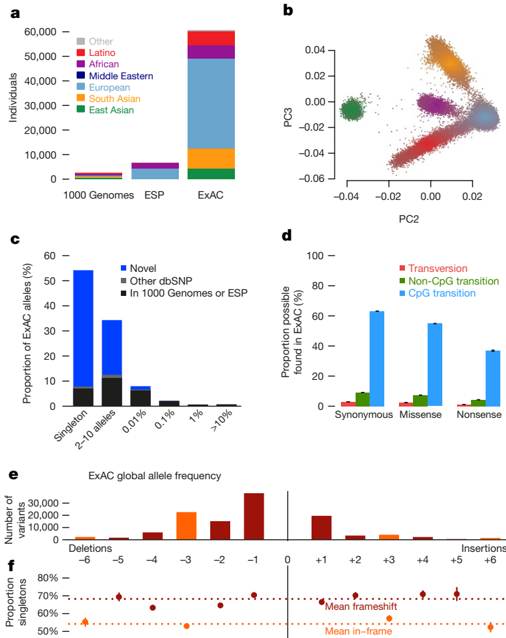
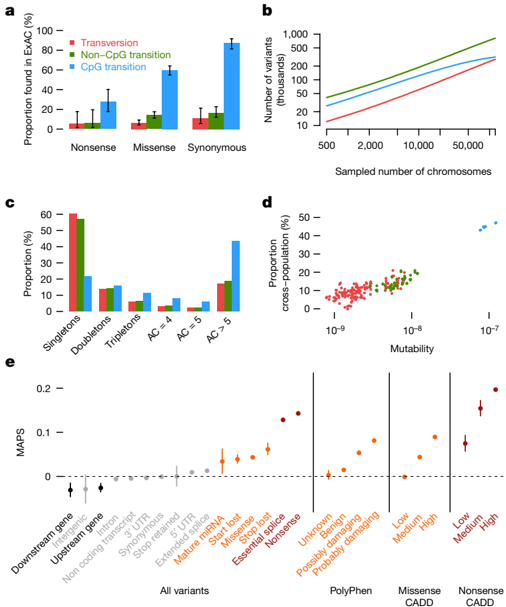
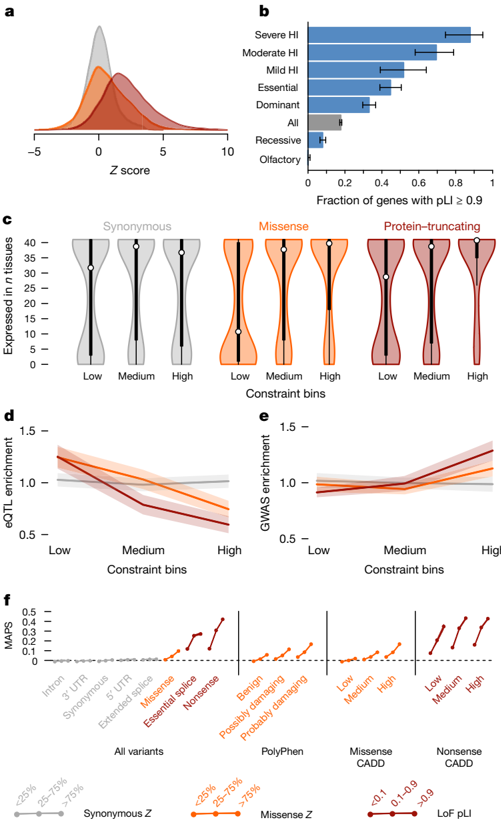
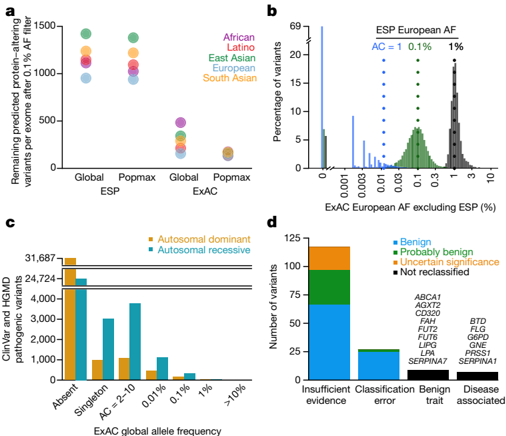
Large-scale reference data sets of human genetic variation are critical for the medical and functional interpretation of DNA sequence changes. Here we describe the aggregation and analysis of high-quality exome (protein-coding region) DNA sequence data for 60,706 individuals of diverse ancestries generated as part of the Exome Aggregation Consortium (ExAC). This catalogue of human genetic diversity contains an average of one variant every eight bases of the exome, and provides direct evidence for the presence of widespread mutational recurrence. We have used this catalogue to calculate objective metrics of pathogenicity for sequence variants, and to identify genes subject to strong selection against various classes of mutation; identifying 3,230 genes with near-complete depletion of predicted protein-truncating variants, with 72% of these genes having no currently established human disease phenotype. Finally, we demonstrate that these data can be used for the efficient filtering of candidate disease-causing variants, and for the discovery of human ‘knockout’ variants in protein-coding genes. Exome sequencing data from 60,706 people of diverse geographic ancestry is presented, providing insight into genetic variation across populations, and illuminating the relationship between DNA variants and human disease. As part of the Exome Aggregation Consortium (ExAC) project, Daniel MacArthur and colleagues report on the generation and analysis of high-quality exome sequencing data from 60,706 individuals of diverse ancestry. This provides the most comprehensive catalogue of human protein-coding genetic variation to date, yielding unprecedented resolution for the analysis of very rare variants across multiple human populations. The catalogue is freely accessible and provides a critical reference panel for the clinical interpretation of genetic variants and the discovery of disease-related genes.
Overview
The claims and statistics of this paper haven’t been checked yet.
Free: it reads the open-access text and checks the first 5 claims that cite a source we can check. Create a free account to check every claim.
Integrity signals
Registry
Cites
Statistics
Figures


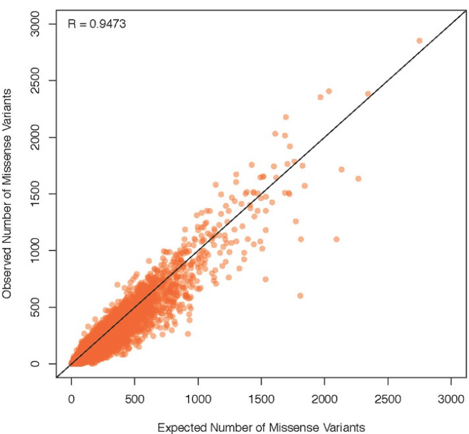
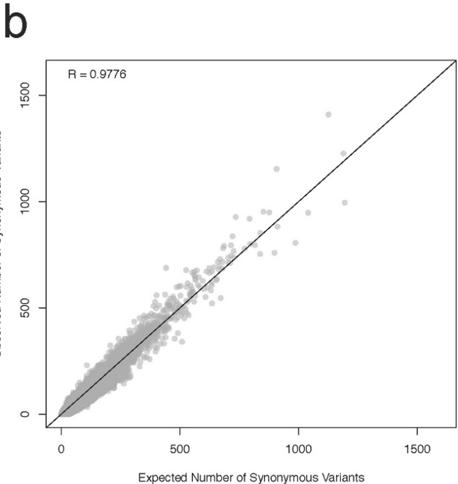
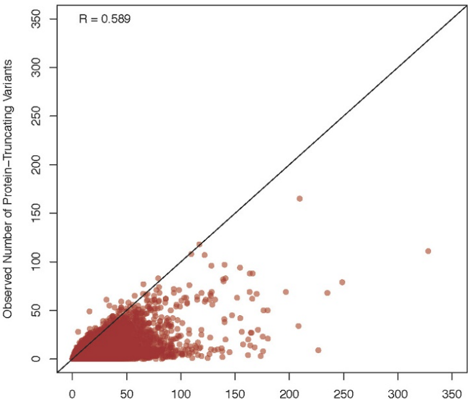
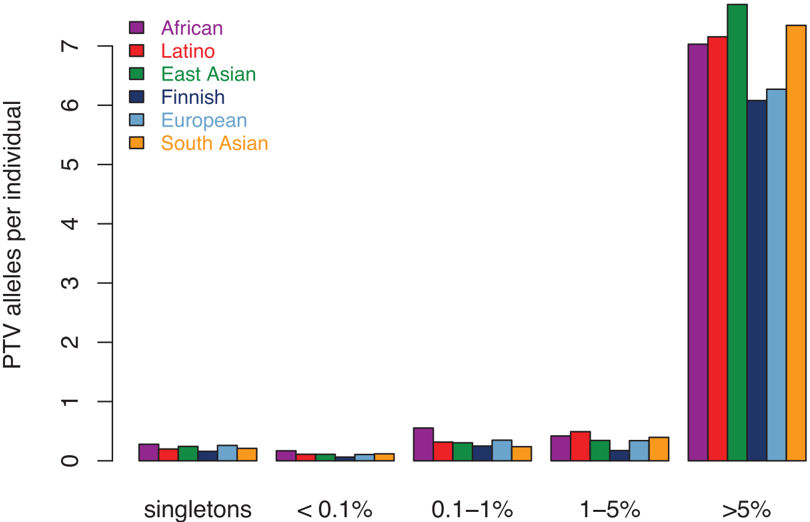
Verification
Claims the paper makes
The claims and statistics of this paper haven’t been checked yet.
Free: it reads the open-access text and checks the first 5 claims that cite a source we can check. Create a free account to check every claim.
Claims other papers make about this one
Each is checked against this paper’s own text: does it say what the citing paper says it does?
The source backs part of the claim, not all of it — or backs it for a different population, condition or comparison.
In the citing paper
“Variants in constrained genes (pLI ≥ 0.5)12 explain most of the burden of dnLGD variants and de novo D-mis variants (defined by an MPC score ≥2) in the affected offspring in our study”
From Exome sequencing of 457 autism families recruited online provides evidence for autism risk genes (2019) · cites this paper as [12]
Experimental — accuracy not yet measuredThe source backs part of the claim, not all of it — or backs it for a different population, condition or comparison.
In the citing paper
“Known dominant DD-associated genes are strongly enriched in the minority of genes that exhibit strong selective constraint on heterozygous PTVs7.”
From Evidence for 28 genetic disorders discovered by combining healthcare and research data (2020) · cites this paper as [7]
Experimental — accuracy not yet measuredThe source backs part of the claim, not all of it — or backs it for a different population, condition or comparison.
In the citing paper
“As expected, all ten genes are among the most constrained genes in the genome, with a substantial depletion of PTVs compared to chance expectation24.”
From Rare coding variants in ten genes confer substantial risk for schizophrenia (2022) · cites this paper as [24]
Experimental — accuracy not yet measuredThe source backs part of the claim, not all of it — or backs it for a different population, condition or comparison.
In the citing paper
“In our evolution-focused SNP-h2 enrichment analysis, we detected an overabundance of genic and LoF intolerant loci in both EAS and EUR, suggesting that functionally important regions of the genome contribute to SNP-h2 to a different extent compared to the other annotations tested [10, 33, 40, 44].”
From Denisovan and Neanderthal archaic introgression differentially impacted the genetics of complex traits in modern populations (2022) · cites this paper as [33]
Experimental — accuracy not yet measuredThe source backs part of the claim, not all of it — or backs it for a different population, condition or comparison.
In the citing paper
“In line with previous studies [10, 33], the strongest enrichments in both ancestry groups were observed for annotations related to genic and LoF intolerant regions.”
From Denisovan and Neanderthal archaic introgression differentially impacted the genetics of complex traits in modern populations (2022) · cites this paper as [33]
Experimental — accuracy not yet measured
9 more claims about this paper
Create a free account to see every claim other papers make about this one.
Self-check
Percentages, sums and reported differences re-computed from the paper’s own numbers.
The self-check needs the paper’s full text.
Citations
Cites
Richards, S., Aziz, N., Bale, S., Bick, D., Das, S., Gastier-Foster, J., Grody, W. W., Hegde, M., Lyon, E., Spector, E., et al. (2015) · Genetics in Medicine · doi:10.1038/gim.2015.30 · Cited by 32,594
A global reference for human genetic variation
The 1000 Genomes Project Consortium, authors, C., Auton, A., Abecasis, G. R., Steering committee, Altshuler, D. M., Durbin, R. M., Abecasis, G. R., Bentley, D. R., Chakravarti, A., et al. (2015) · Nature · doi:10.1038/nature15393 · Cited by 18,247
Self-citationA framework for variation discovery and genotyping using next-generation DNA sequencing data
DePristo, M. A., Banks, E., Poplin, R., Garimella, K. V., Maguire, J. R., Hartl, C., Philippakis, A. A., del Angel, G., Rivas, M. A., Hanna, M., et al. (2011) · Nature Genetics · doi:10.1038/ng.806 · Cited by 11,456
Self-citationLethality and centrality in protein networks
Jeong, H., Mason, S. P., Barabási, A.-L., & Oltvai, Z. N. (2001) · Nature · doi:10.1038/35075138 · Cited by 5,287
The Genotype-Tissue Expression (GTEx) pilot analysis: Multitissue gene regulation in humans
The GTEx Consortium, Ardlie, K. G., Deluca, D. S., Segrè, A. V., Sullivan, T. J., Young, T. R., Gelfand, E. T., Trowbridge, C. A., Maller, J. B., Tukiainen, T., et al. (2015) · Science · doi:10.1126/science.1262110 · Cited by 5,062
Self-citationGoh, K.-I., Cusick, M. E., Valle, D., Childs, B., Vidal, M., & Barabási, A.-L. (2007) · Proceedings of the National Academy of Sciences · doi:10.1073/pnas.0701361104 · Cited by 3,242
Inference of human population history from individual whole-genome sequences
Li, H., & Durbin, R. (2011) · Nature · doi:10.1038/nature10231 · Cited by 2,590
Exome sequencing as a tool for Mendelian disease gene discovery
Bamshad, M. J., Ng, S. B., Bigham, A. W., Tabor, H. K., Emond, M. J., Nickerson, D. A., & Shendure, J. (2011) · Nature Reviews Genetics · doi:10.1038/nrg3031 · Cited by 1,673
De novo mutations in schizophrenia implicate synaptic networks
Fromer, M., Pocklington, A. J., Kavanagh, D. H., Williams, H. J., Dwyer, S., Gormley, P., Georgieva, L., Rees, E., Palta, P., Ruderfer, D. M., et al. (2014) · Nature · doi:10.1038/nature12929 · Cited by 1,617
Self-citationEvolution and functional impact of rare coding variation from deep sequencing of human exomes
Tennessen, J. A., Bigham, A. W., O’Connor, T. D., Fu, W., Kenny, E. E., Gravel, S., McGee, S., Do, R., Liu, X., Jun, G., et al. (2012) · Science · doi:10.1126/science.1219240 · Cited by 1,613
Self-citation
Cited by
Items 901–1,000 of 1,209
The role of APOBEC3B in lung tumor evolution and targeted cancer therapy resistance
Caswell, D. R., Gui, P., Mayekar, M. K., Law, E. K., Pich, O., Bailey, C., Boumelha, J., Kerr, D. L., Blakely, C. M., Manabe, T., et al. (2023) · Nature Genetics · doi:10.1038/s41588-023-01592-8 · Cited by 123
“…rather than Strelka; deTiN was not performed and a common variant filter was applied to exclude variants present in the Exome Aggregation Consortium if at least ten alleles containing the variant were present across any subpopulation, unless they appeared in a list of known somatic sites 105,106 .”
Advancements and Prospects of Genome-Wide Association Studies (GWAS) in Maize
Sahito, J. H., Zhang, H., Gishkori, Z. G. N., Ma, C., Wang, Z., Ding, D., Zhang, X., & Tang, J. (2024) · International Journal of Molecular Sciences · doi:10.3390/ijms25031918 · Cited by 117
“Currently, WGS offers greater potential for resolving limitations and explaining missing heritability, especially with advances in genotyping technologies [48,55].”
BackgroundTP53 Mutation Spectrum in Smokers and Never Smoking Lung Cancer Patients
Halvorsen, A. R., Silwal‐Pandit, L., Meza‐Zepeda, L. A., Vodák, D., Vu, P., Sagerup, C., Hovig, E. J., Myklebost, O., Børresen‐Dale, A., Brustugun, O. T., et al. (2016) · Frontiers in Genetics · doi:10.3389/fgene.2016.00085 · Cited by 118
“Nevertheless, this variant has been recorded in the ExAC database as a germline variant in 1 out of 121322 alleles with a frequency of 8.24E – 06 (Lek et al., 2015).”
MethodRole of Genetic Testing in Inherited Cardiovascular Disease: A Review
Cirino, A. L., Harris, S., Lakdawala, N. K., Michels, M., Olivotto, I., Day, S. M., Abrams, D. J., Charron, P., Caleshu, C., Semsarian, C., et al. (2017) · JAMA Cardiology · doi:10.1001/jamacardio.2017.2352 · Cited by 106
Exome-wide Association Study Identifies GREB1L Mutations in Congenital Kidney Malformations
Sanna‐Cherchi, S., Khan, K., Westland, R., Krithivasan, P., Fievet, L., Rasouly, H. M., Ionita‐Laza, I., Capone, V. P., Fasel, D. A., Kiryluk, K., et al. (2017) · The American Journal of Human Genetics · doi:10.1016/j.ajhg.2017.09.018 · Cited by 113
Quantitative Activity Profile and Context Dependence of All Human 5′ Splice Sites
Wong, M. S., Kinney, J. B., & Krainer, A. R. (2018) · Molecular Cell · doi:10.1016/j.molcel.2018.07.033 · Cited by 123
LIST-S2: taxonomy based sorting of deleterious missense mutations across species
Malhis, N., Jacobson, M., Jones, S. J. M., & Gsponer, J. (2020) · Nucleic Acids Research · doi:10.1093/nar/gkaa288 · Cited by 109
“We used two sets of human allele frequencies: the Exome Aggregation Consortium (15) (ExAC) based on 60,706 individuals and the Genome Aggregation Database v2.”
MethodDocking, R., Parker, J., Jädersten, M., Duns, G., Chang, L., Jiang, J., Pilsworth, J. A., Swanson, L., Chan, S. K., Chiu, R., et al. (2021) · Nature Communications · doi:10.1038/s41467-021-22625-y · Cited by 121
Mendelian inheritance revisited: dominance and recessiveness in medical genetics
Zschocke, J., Byers, P. H., & Wilkie, A. O. M. (2023) · Nature Reviews Genetics · doi:10.1038/s41576-023-00574-0 · Cited by 123
A catalog of single nucleotide changes distinguishing modern humans from archaic hominins
Kuhlwilm, M., & Boeckx, C. (2019) · Scientific Reports · doi:10.1038/s41598-019-44877-x · Cited by 108
Exome Sequencing of Familial Bipolar Disorder
Goes, F. S., Pirooznia, M., Parla, J. S., Kramer, M., Ghiban, E., Mavruk, S., Chen, Y.-C., Monson, E. T., Willour, V. L., Karchin, R., et al. (2016) · JAMA Psychiatry · doi:10.1001/jamapsychiatry.2016.0251 · Cited by 115
Self-citationA defect in myoblast fusion underlies Carey-Fineman-Ziter syndrome
Gioia, S. A. D., Connors, S., Matsunami, N., Cannavino, J., Rose, M. F., Gilette, N. M., Artoni, P., Sobreira, N. L. D. M., Chan, W. M., Webb, B. D., et al. (2017) · Nature Communications · doi:10.1038/ncomms16077 · Cited by 118
Whiffin, N., Walsh, R., Govind, R., Edwards, M., Ahmad, M., Zhang, X., Tayal, U., Buchan, R., Midwinter, W., Wilk, A. E., et al. (2018) · Genetics in Medicine · doi:10.1038/gim.2017.258 · Cited by 104
“As most large reference populations, such as ExAC, 10 are not comprehensively screened for health, disease-associated alleles may be observed at low frequency.”
BackgroundSelf-citationHuman genetics of infectious diseases: Unique insights into immunological redundancy
Casanova, J.-L., & Abel, L. (2018) · Seminars in Immunology · doi:10.1016/j.smim.2017.12.008 · Cited by 104
“A uthor M anuscript A uthor M anuscript A uthor M anuscript A uthor M anuscript as ExAC and gnomAD, can be used to search for knockouts in populations of more diverse ethnic origins.”
BackgroundInfluentialOTUD7A Regulates Neurodevelopmental Phenotypes in the 15q13.3 Microdeletion Syndrome
Uddin, M. J., Unda, B. K., Kwan, V., Holzapfel, N. T., White, S. H., Chalil, L., Woodbury‐Smith, M., Ho, K. S., Harward, E., Murtaza, N., et al. (2018) · The American Journal of Human Genetics · doi:10.1016/j.ajhg.2018.01.006 · Cited by 118
Realizing the significance of noncoding functionality in clinical genomics
Gloss, B., & Dinger, M. E. (2018) · Experimental & Molecular Medicine · doi:10.1038/s12276-018-0087-0 · Cited by 125
Widespread Selection for Oncogenic Mutant Allele Imbalance in Cancer
Bielski, C. M., Donoghue, M. T. A., Gadiya, M., Hanrahan, A. J., Won, H. H., Chang, M. T., Jonsson, P., Penson, A. V., Gorelick, A., Harris, C., et al. (2018) · Cancer Cell · doi:10.1016/j.ccell.2018.10.003 · Cited by 106
“Germline variants utilized here were SNPs with population allele frequencies greater than 1% which pass all quality and calling filters in the ExAC compendium (Lek et al., 2016).”
MethodSelf-citationGLIS Rearrangement is a Genomic Hallmark of Hyalinizing Trabecular Tumor of the Thyroid Gland
Nikiforova, M. N., Nikitski, A. V., Panebianco, F., Kaya, C., Yip, L., Williams, M. D., Chiosea, S. I., Seethala, R. R., Roy, S., Condello, V., et al. (2019) · Thyroid · doi:10.1089/thy.2018.0791 · Cited by 118
“Variant calls from both callers were integrated, normalized, annotated (27,28), and prioritized based on reported minor allele frequency in population databases (29,30), variant location (coding vs.”
BackgroundCappi, C., Oliphant, M. E., Péter, Z., Zai, G., Conceição do Rosário, M., Sullivan, C. A. W., Gupta, A. R., Hoffman, E. J., Virdee, M., Olfson, E., et al. (2020) · Biological Psychiatry · doi:10.1016/j.biopsych.2019.09.029 · Cited by 106
Sacoto, M. J. G., Tchasovnikarova, I. A., Torti, E. E., Forster, C., Andrew, E. H., Anselm, I. A., Baranano, K. W., Briere, L. C., Cohen, J. S., Craigen, W. J., et al. (2020) · The American Journal of Human Genetics · doi:10.1016/j.ajhg.2020.06.013 · Cited by 112
Genome-wide analyses identify 30 loci associated with obsessive–compulsive disorder
Strom, N. I., Gerring, Z. F., Galimberti, M., Yu, D., Halvorsen, M., Abdellaoui, A., Rodriguez‐Fontenla, C., Sealock, J., Bigdeli, T. B., Coleman, J. R. I., et al. (2025) · Nature Genetics · doi:10.1038/s41588-025-02189-z · Cited by 142
“111) and effect size estimate > 1.”
Self-citationKAT6A Syndrome: genotype–phenotype correlation in 76 patients with pathogenic KAT6A variants
Kennedy, J., Goudie, D., Blair, E., Chandler, K., Joss, S., McKay, V., Green, A., Armstrong, R., Lees, M., Kamien, B., et al. (2019) · Genetics in Medicine · doi:10.1038/s41436-018-0259-2 · Cited by 107
Haugh, A. M., Njauw, C.-N., Bubley, J. A., Verzì, A. E., Zhang, B., Kudalkar, E., VandenBoom, T., Walton, K., Swick, B. L., Kumar, R., et al. (2017) · JAMA Dermatology · doi:10.1001/jamadermatol.2017.2330 · Cited by 105
Forrest, M. P., Hill, M., Kavanagh, D. H., Tansey, K. E., Waite, A. J., & Blake, D. J. (2017) · Schizophrenia Bulletin · doi:10.1093/schbul/sbx164 · Cited by 116
“To determine the physiological relevance of TCF4 bound genes in SH-SY5Y cells to gene expression in the human brain, we examined the enrichment of the complete list of TCF4 targets in a number of commonly used gene sets.(37,38,46) Following the rationale that genome-wide coexpression networks reflect biological proces…”
MethodTIA1 variant drives myodegeneration in multisystem proteinopathy with SQSTM1 mutations
Lee, Y., Jonson, P. H., Sarparanta, J., Palmio, J., Sarkar, M., Vihola, A., Evilä, A., Suominen, T., Penttilä, S., Savarese, M., et al. (2018) · Journal of Clinical Investigation · doi:10.1172/jci97103 · Cited by 108
“general population were taken from gnomAD (51).”
Bondue, A., Arbustini, E., Bianco, A., Ciccarelli, M., Dawson, D. K., Rosa, M. D., Hamdani, N., Hilfiker‐Kleiner, D., Meder, B., Leite-Moreira, A. F., et al. (2018) · Cardiovascular Research · doi:10.1093/cvr/cvy122 · Cited by 118
A nonhuman primate model of inherited retinal disease
Moshiri, A., Chen, R., Kim, S.-H., Harris, R. A., Li, Y., Raveendran, M., Davis, S., Liang, Q., Pomerantz, O., Wang, J., et al. (2019) · Journal of Clinical Investigation · doi:10.1172/jci123980 · Cited by 109
“The corresponding human variant is only found in one individual in heterozygous status out of 123,101 individuals in the gnomAD database (16), which can serve as a control data set, suggesting the mutation is extremely rare in the human population.”
BackgroundNdugga-Kabuye, M. K., & Issaka, R. B. (2019) · Familial Cancer · doi:10.1007/s10689-019-00144-6 · Cited by 111
Genetic regulatory variation in populations informs transcriptome analysis in rare disease
Mohammadi, P., Castel, S. E., Cummings, B. B., Einson, J., Sousa, C., Hoffman, P., Donkervoort, S., Jiang, Z., Mohassel, P., Foley, A. R., et al. (2019) · Science · doi:10.1126/science.aay0256 · Cited by 108
“3C), as previously observed by eQTL analysis (1).”
BackgroundMethodSelf-citationAutism risk in offspring can be assessed through quantification of male sperm mosaicism
Breuss, M. W., Antaki, D., George, R. D., Kleiber, M. L., James, K. N., Ball, L., Hong, O., Mitra, I., Yang, X., Wirth, S. A., et al. (2019) · Nature Medicine · doi:10.1038/s41591-019-0711-0 · Cited by 113
Pan, J. W., Zabidi, M. M. A., Ng, P.-S., Meng, M., Hasan, S. N., Sandey, B., Sammut, S., Yip, C. H., Rajadurai, P., Rueda, O. M., et al. (2020) · Nature Communications · doi:10.1038/s41467-020-20173-5 · Cited by 127
Li, Q., Zhao, K., Bustamante, C. D., Ma, X., & Wong, W. H. (2019) · Genetics in Medicine · doi:10.1038/s41436-019-0439-8 · Cited by 106
Mangold, E., Böhmer, A. C., Ishorst, N., Hoebel, A., Gültepe, P., Schünke, H., Klamt, J., Hofmann, A., Gölz, L., Raff, R., et al. (2016) · The American Journal of Human Genetics · doi:10.1016/j.ajhg.2016.02.013 · Cited by 112
Bansal, V., Gassenhuber, J., Phillips, T. C., Oliveira, G., Harbaugh, R., Villarasa, N., Topol, E. J., Seufferlein, T. T. W., & Boehm, B. O. (2017) · BMC Medicine · doi:10.1186/s12916-017-0977-3 · Cited by 113
“We utilized variant calls and allele frequency data from the National Heart, Lung, and Blood Institute Exome Sequencing Project [42] and the Exome Aggregation Consortium (ExAC) database [43] to estimate the allele frequencies of the variants.”
BackgroundMethodActivated PI3 Kinase Delta Syndrome: From Genetics to Therapy
Michalovich, D., & Nejentsev, S. (2018) · Frontiers in Immunology · doi:10.3389/fimmu.2018.00369 · Cited by 110
“, reported in the gnomAD database (21), will help initial screening of potential APDS-causing mutations.”
BackgroundThe developmental-genetics of canalization
Hallgrímsson, B., Green, R. M., Katz, D. C., Fish, J. L., Bernier, F. P., Roseman, C. C., Young, N. M., Cheverud, J. M., & Marcucio, R. (2018) · Seminars in Cell and Developmental Biology · doi:10.1016/j.semcdb.2018.05.019 · Cited by 135
The Genetics of Dementia with Lewy Bodies: Current Understanding and Future Directions
Orme, T., Guerreiro, R., & Bras, J. (2018) · Current Neurology and Neuroscience Reports · doi:10.1007/s11910-018-0874-y · Cited by 99
Bhaskaran, S. P., Chandratre, K. R., Gupta, H., Zhang, L., Wang, X., Cui, J., Kim, Y. C., Sinha, S., Jiang, L., Lu, B., et al. (2019) · International Journal of Cancer · doi:10.1002/ijc.32176 · Cited by 124
Guo, M. H., & Gregg, A. R. (2019) · Genetics in Medicine · doi:10.1038/s41436-019-0472-7 · Cited by 102
The application of big data to cardiovascular disease: paths to precision medicine
Leopold, J. A., Maron, B. A., & Loscalzo, J. (2020) · Journal of Clinical Investigation · doi:10.1172/jci129203 · Cited by 111
“The Exome Aggregation Consortium further established that, on average, individuals carried 54 mutations considered pathogenic, but approximately 41 of these mutations occurred with high enough frequency in the general population that they were considered unlikely to be causal for severe disease (16).”
BackgroundEnhancer Domains Predict Gene Pathogenicity and Inform Gene Discovery in Complex Disease
Wang, X., & Goldstein, D. B. (2020) · The American Journal of Human Genetics · doi:10.1016/j.ajhg.2020.01.012 · Cited by 101
Rees, E., Creeth, H., Hwu, H., Chen, W. J., Tsuang, M. T., Glatt, S. J., Rey, R., Kirov, G., Walters, J., Holmans, P., et al. (2021) · Nature Communications · doi:10.1038/s41467-021-25532-4 · Cited by 113
Self-citationDefining mitochondrial protein functions through deep multiomic profiling
Rensvold, J. W., Shishkova, E., Sverchkov, Y., Miller, I. J., Cetinkaya, A., Pyle, A., Manicki, M., Brademan, D. R., Alanay, Y., Raiman, J., et al. (2022) · Nature · doi:10.1038/s41586-022-04765-3 · Cited by 112
GLnexus: joint variant calling for large cohort sequencing
Lin, M. F., Rodeh, O., Penn, J., Bai, X., Reid, J. G., Krasheninina, O., & Salerno, W. J. (2018) · bioRxiv (Cold Spring Harbor Laboratory) · doi:10.1101/343970 · Cited by 106
“Among the most successful of these has been an adaptation of Genome VCF (gVCF) – a VCF extension supplementing variant sites with coverage information to distinguish reference-equivalent from uncertain regions [10] – used for pVCF production in the Genome Analysis Toolkit (GATK) [11,12].”
MethodRouhani, F. J., Zou, X., Danecek, P., Badja, C., Amarante, T. D., Koh, G., Wu, Q., Memari, Y., Durbin, R., Martincorena, I., et al. (2022) · Nature Genetics · doi:10.1038/s41588-022-01147-3 · Cited by 105
The Proteins API: accessing key integrated protein and genome information
Nightingale, A., Antunes, R., Alpi, E., Bursteinas, B., Gonzales, L., Liu, W., Luo, J., Qi, G., Turner, E., & Martin, M. (2017) · Nucleic Acids Research · doi:10.1093/nar/gkx237 · Cited by 96
“The Variation service data is based on UniProtKB natural variants and mapped from large scale data sources (LSS) such as 1000 Genomes (12), ExAC (13) and COSMIC (14) and Proteomics data is mapped from PeptideAtlas (5,6), MaxQB (7) and EPD (15), for a proteomics service.”
MethodNeurodevelopmental Disorders Caused by De Novo Variants in KCNB1 Genotypes and Phenotypes
de Kovel, C. G. F., Syrbe, S., Brilstra, E. H., Verbeek, N. E., Kerr, B. A., Dubbs, H. A., Bayat, A., Desai, S., Naidu, S., Srivastava, S., et al. (2017) · JAMA Neurology · doi:10.1001/jamaneurol.2017.1714 · Cited by 115
Lelieveld, S. H., Wiel, L., Venselaar, H., Pfundt, R., Vriend, G., Veltman, J. A., Brunner, H. G., Vissers, L. E. L. M., & Gilissen, C. (2017) · The American Journal of Human Genetics · doi:10.1016/j.ajhg.2017.08.004 · Cited by 115
Reijnders, M. R. F., Janowski, R., Alvi, M., Self, J. E., van Essen, T. J., Vreeburg, M., Rouhl, R. P. W., Stevens, S. J. C., Stegmann, A. P. A., Schieving, J., et al. (2018) · Journal of Medical Genetics · doi:10.1136/jmedgenet-2017-104946 · Cited by 102
Bermúdez-Jiménez, F. J., Carriel, V., Brodehl, A., Alaminos, M., Campos, A., Schirmer, I., Milting, H., Abril, B. Á., Álvarez, M., López-Fernández, S., et al. (2018) · Circulation · doi:10.1161/circulationaha.117.028719 · Cited by 101
De novo mutations in GRIN1 cause extensive bilateral polymicrogyria
Fry, A. E., Fawcett, K. A., Zelnik, N., Yuan, H., Thompson, B. A. N., Shemer-Meiri, L., Cushion, T. D., Mugalaasi, H., Sims, D., Stoodley, N., et al. (2018) · Brain · doi:10.1093/brain/awx358 · Cited by 102
“We searched the ExAC database for each variant (release 0.3, 14 January 2016) (Lek et al., 2016).”
MethodInfluentialA comprehensive catalog of predicted functional upstream open reading frames in humans
McGillivray, P., Ault, R., Pawashe, M., Kitchen, R., Balasubramanian, S., & Gerstein, M. (2018) · Nucleic Acids Research · doi:10.1093/nar/gky188 · Cited by 105
“1 were also examined for their effect on predicted positive uORFs (57).”
BackgroundFrequent germline mutations of HAVCR2 in sporadic subcutaneous panniculitis-like T-cell lymphoma
Polprasert, C., Takeuchi, Y., Kakiuchi, N., Yoshida, K., Assanasen, T., Sitthi, W., Bunworasate, U., Pirunsarn, A., Wudhikarn, K., Lawasut, P., et al. (2019) · Blood Advances · doi:10.1182/bloodadvances.2018028340 · Cited by 114
Predicting disease-causing variant combinations
Papadimitriou, S., Gazzo, A. M., Versbraegen, N., Nachtegael, C., Aerts, J. A., Moreau, Y., Dooren, S. V., Nowé, A., Smits, G., & Lenaerts, T. (2019) · Proceedings of the National Academy of Sciences · doi:10.1073/pnas.1815601116 · Cited by 116
Opportunities, resources, and techniques for implementing genomics in clinical care
Manolio, T. A., Rowley, R. K., Williams, M. S., Roden, D. M., Ginsburg, G. S., Bult, C. J., Chisholm, R. L., Deverka, P. A., McLeod, H. L., Mensah, G. A., et al. (2019) · The Lancet · doi:10.1016/s0140-6736(19)31140-7 · Cited by 116
Coatopathies: Genetic Disorders of Protein Coats
Dell’Angelica, E. C., & Bonifacino, J. S. (2019) · Annual Review of Cell and Developmental Biology · doi:10.1146/annurev-cellbio-100818-125234 · Cited by 110
Human C-terminal CUBN variants associate with chronic proteinuria and normal renal function
Bedin, M., Boyer, O., Servais, A., Li, Y., Villoing-Gaudé, L., Tête, M.-J., Cambier, A., Hogan, J., Baudouin, V., Krid, S., et al. (2019) · Journal of Clinical Investigation · doi:10.1172/jci129937 · Cited by 114
“, gnomAD) (23) or rare, with global allele fre-”
BackgroundGenetic, Structural, and Functional Evidence Link TMEM175 to Synucleinopathies
Krohn, L., Öztürk, T. N., Vanderperre, B., Ouled Amar Bencheikh, B., Ruskey, J. A., Laurent, S. B., Spiegelman, D., Postuma, R. B., Arnulf, I., Hu, M. T. M., et al. (2020) · Annals of Neurology · doi:10.1002/ana.25629 · Cited by 100
Nichols, C. A., Gibson, W. J., Brown, M. S., Kosmicki, J. A., Busanovich, J. P., Wei, H. Y., Urbanski, L. M., Currimjee, N., Berger, A. C., Gao, G. F., et al. (2020) · Nature Communications · doi:10.1038/s41467-020-16399-y · Cited by 132
Self-citationMartin, P. B., Kigoshi-Tansho, Y., Sher, R. B., Ravenscroft, G., Stauffer, J. E., Kumar, R., Yonashiro, R., Müller, T., Griffith, C. B., Allen, W., et al. (2020) · Nature Communications · doi:10.1038/s41467-020-18327-6 · Cited by 116
Han, G., Deng, Q., Marques-Piubelli, M. L., Dai, E., Dang, M., Ma, M. C. J., Li, X., Yang, H., Henderson, J. M., Kudryashova, O. M., et al. (2022) · Blood Cancer Discovery · doi:10.1158/2643-3230.bcd-21-0075 · Cited by 113
“All variants in dbSNP build 32 or the Genome Aggregation Database (gnomAD) were removed (59) to control for potential germline variants.”
BackgroundBa, W., Yan, Y., Reijnders, M. R. F., Schuurs-Hoeijmakers, J. H. M., Feenstra, I., Bongers, E. M. H. F., Bosch, D. G. M., De Leeuw, N., Pfundt, R., Gilissen, C., et al. (2016) · Human Molecular Genetics · doi:10.1093/hmg/ddv618 · Cited by 103
“Large scale reference data sets such as present in ExAC have now catalogued human genetic diversity at the unprecedented level (44).”
BackgroundIncreased mutation and gene conversion within human segmental duplications
Vollger, M. R., Dishuck, P. C., Harvey, W. T., DeWitt, W. S., Guitart, X., Goldberg, M. E., Rozanski, A. N., Lucas, J., Asri, M., Human Pangenome Reference Consortium, et al. (2023) · Nature · doi:10.1038/s41586-023-05895-y · Cited by 104
“…IGC length and the number of supporting SNVs. e , Distribution of the distance between predicted IGC acceptor and donor sites for intrachromosomal events by chromosome. for mutation intolerance (that is, no pLI) owing to the limitations of mapping short-read data from population samples 34 .”
BackgroundYoon, W. H., Sandoval, H., Nagarkar-Jaiswal, S., Jaiswal, M., Yamamoto, S., Haelterman, N. A., Putluri, N., Putluri, V., Sreekumar, A., Tos, T., et al. (2017) · Neuron · doi:10.1016/j.neuron.2016.11.038 · Cited by 106
“Truncating alleles in NRD1 are very rare and the gene is predicted to be highly intolerant to loss-of-function mutations (pLI score of 0.88), and there are no instances of homozygous nonsense or frameshift alleles in the Exome Aggregation Consortium (ExAC) (Lek et al., 2016).”
InfluentialThe genetic basis for most patients with pustular skin disease remains elusive
Mößner, R., Wilsmann‐Theis, D., Oji, V., Gkogkolou, P., Löhr, S., Schulz, P., Körber, A., Prinz, J. C., Renner, R., Schäkel, K., et al. (2018) · British Journal of Dermatology · doi:10.1111/bjd.15867 · Cited by 111
Cardiac Genetic Predisposition in Sudden Infant Death Syndrome
Tester, D. J., Wong, L. C. H., Chanana, P., Jaye, A., Evans, J. M., FitzPatrick, D. R., Evans, M. J., Fleming, P., Jeffrey, I., Cohen, M. C., et al. (2018) · Journal of the American College of Cardiology · doi:10.1016/j.jacc.2018.01.030 · Cited by 112
“4 Introduction Sudden infant death syndrome (SIDS) is the sudden unexpected death of an infant less than 1 year of age, which remains unexplained despite comprehensive clinical and pathological investigations (1).”
BackgroundSzot, J. O., Cuny, H., Blue, G. M., Humphreys, D. T., Ip, E., Harrison, K., Sholler, G. F., Giannoulatou, E., Leo, P., Duncan, E. L., et al. (2018) · Circulation: Genomic and Precision Medicine · doi:10.1161/circgen.117.001978 · Cited by 100
Fairbrother, U. L., Kidd, E., Malagamuwa, T., & Walley, A. J. (2018) · Current Diabetes Reports · doi:10.1007/s11892-018-1053-x · Cited by 113
Schaeffeler, E., Jaeger, S. U., Klumpp, V., Yang, J. J. J., Igel, S., Hinze, L., Stanulla, M., & Schwab, M. G. (2019) · Genetics in Medicine · doi:10.1038/s41436-019-0448-7 · Cited by 104
“Variants are not reported in exome or genome sequencing data of gnomAD.(14) (c) Pie chart illustrates”
BackgroundNonsense mutation in CFAP43 causes normal-pressure hydrocephalus with ciliary abnormalities
Morimoto, Y., Yoshida, S., Kinoshita, A., Satoh, C., Mishima, H., Yamaguchi, N., Matsuda, K., Sakaguchi, M., Tanaka, T., Komohara, Y., et al. (2019) · Neurology · doi:10.1212/wnl.0000000000007505 · Cited by 119
Germline Pathogenic Variants in 7636 Japanese Patients With Prostate Cancer and 12 366 Controls
Momozawa, Y., Iwasaki, Y., Hirata, M., Liu, X., Kamatani, Y., Takahashi, A., Sugano, K., Yoshida, T., Murakami, Y., Matsuda, K., et al. (2019) · JNCI Journal of the National Cancer Institute · doi:10.1093/jnci/djz124 · Cited by 110
“Although most studies have analyzed only patients with PCa (8), our previous study on breast cancer (15) showed that populationmatched control individuals were indispensable because 5% or fewer variants found in Japanese patients were registered in the most closely matched population in ExAC (16).”
BackgroundAge at onset in genetic prion disease and the design of preventive clinical trials
Minikel, E. V., Vallabh, S. M., Orseth, M. C., Brandel, J., Haïk, S., Laplanche, J., Zerr, I., Parchi, P., Capellari, S., Safar, J., et al. (2019) · Neurology · doi:10.1212/wnl.0000000000007745 · Cited by 106
Self-citationGenomic profiling of primary histiocytic sarcoma reveals two molecular subgroups
Egan, C., Nicolae, A., Lack, J., Chung, H., Skarshaug, S., Pham, T., Navarro, W., Abdullaev, Z., Aguilera, N. S. I., Xi, L., et al. (2019) · Haematologica · doi:10.3324/haematol.2019.230375 · Cited by 108
Clinical Utility of Expanded Carrier Screening: Reproductive Behaviors of At‐Risk Couples
Ghiossi, C. E., Goldberg, J. D., Haque, I. S., Lazarin, G. A., & Wong, K. K. (2018) · Journal of Genetic Counseling · doi:10.1007/s10897-017-0160-1 · Cited by 94
Gain-of-function mutation of microRNA-140 in human skeletal dysplasia
Grigelioniene, G., Suzuki, H. I., Taylan, F., Mirzamohammadi, F., Borochowitz, Z. U., Ayturk, U. M., Tzur, S., Horemuzova, E., Lindstrand, A., Weis, M. A., et al. (2019) · Nature Medicine · doi:10.1038/s41591-019-0353-2 · Cited by 110
“1e), and is not reported in the gnomAD, a large scale human genome sequence database 10 .”
Styrkársdóttir, U., Helgason, H., Sigurðsson, Á., Norddahl, G. L., Agustsdottir, A. B., Reynard, L. N., Villalvilla, A., Halldorsson, G. H., Jónasdóttir, Á., Magnusdottir, A., et al. (2017) · Nature Genetics · doi:10.1038/ng.3816 · Cited by 107
A recurrent WARS mutation is a novel cause of autosomal dominant distal hereditary motor neuropathy
Tsai, P., Soong, B., Mademan, I., Huang, Y., Liu, C.-R., Hsiao, C.-T., Wu, H.-T. H., Liu, T.-T., Liu, Y., Tseng, Y.-T., et al. (2017) · Brain · doi:10.1093/brain/awx058 · Cited by 107
“His257Arg) mutation is not present in 1122 Taiwanese control subjects as well as in the gnomAD, which contains 126 000 exome sequences and 15 000 whole genomes from unrelated individuals (Lek et al., 2016).”
BackgroundInfluentialA comprehensive analysis of rare genetic variation in amyotrophic lateral sclerosis in the UK
Morgan, S., Shatunov, A., Sproviero, W., Jones, A. R., Shoai, M., Hughes, D., Al Khleifat, A., Malaspina, A., Morrison, K. E., Shaw, P. J., et al. (2017) · Brain · doi:10.1093/brain/awx082 · Cited by 101
“Factoring in coverage metrics, an expected number of variants, in this case 28.6, can be obtained for the number of individuals sequenced (Lek et al., 2015).”
BackgroundInfluentialGenetic and environmental risk factors for chronic kidney disease
Obrador, G. T., Schultheiß, U. T., Kretzler, M., Langham, R. G., Nangaku, M., Pecoits‐Filho, R., Pollock, C. A., Rossert, J., Correa‐Rotter, R., Stenvinkel, P., et al. (2017) · Kidney International Supplements · doi:10.1016/j.kisu.2017.07.004 · Cited by 119
Tanikawa, C., Ueda, K., Suzuki, A., Iida, A., Nakamura, R., Atsuta, N., Tohnai, G., Sobue, G., Saichi, N., Momozawa, Y., et al. (2018) · Cell Reports · doi:10.1016/j.celrep.2018.01.031 · Cited by 101
Phenotypic and molecular dissection of metaplastic breast cancer and the prognostic implications
Reed, A. E. M., Kalaw, E., Nones, K., Bettington, M. L., Lim, M., Bennett, J., Johnstone, K. J., Kutasovic, J. R., Saunus, J. M., Kazakoff, S. H., et al. (2018) · The Journal of Pathology · doi:10.1002/path.5184 · Cited by 105
“org; accessed July 2018), and gnomaAD [20] (allele frequency< 1%; accessed July 2018), and gene consequence using SnpEff 4.”
MethodSequential targeted exome sequencing of 1001 patients affected by unexplained limb-girdle weakness
Töpf, A., Johnson, K., Bates, A., Phillips, L. C., Chao, K. R., England, E. M., Laricchia, K. M., Mullen, T., Valkanas, E., Xu, L., et al. (2020) · Genetics in Medicine · doi:10.1038/s41436-020-0840-3 · Cited by 106
Self-citationWyrwoll, M. J., Temel, Ş. G., Nagirnaja, L., Oud, M. S., Lopes, A. M., van der Heijden, G. W., Heald, J. S., Rotte, N., Wistuba, J., Wöste, M., et al. (2020) · The American Journal of Human Genetics · doi:10.1016/j.ajhg.2020.06.010 · Cited by 112
Molecular Features of Cancers Exhibiting Exceptional Responses to Treatment
Wheeler, D. A., Takebe, N., Hinoue, T., Hoadley, K. A., Cardenas, M., Hamilton, A. M., Laird, P. W., Wang, L., Johnson, A., Dewal, N., et al. (2020) · Cancer Cell · doi:10.1016/j.ccell.2020.10.015 · Cited by 110
Cultural evolution of genetic heritability
Uchiyama, R., Spicer, R., & Muthukrishna, M. (2021) · Behavioral and Brain Sciences · doi:10.1017/s0140525x21000893 · Cited by 108
Phenotype-Specific Enrichment of Mendelian Disorder Genes near GWAS Regions across 62 Complex Traits
Freund, M. K., Burch, K. S., Shi, H., Mancuso, N., Kichaev, G., Garske, K. M., Pan, D. Z., Miao, Z., Mohlke, K. L., Laakso, M., et al. (2018) · The American Journal of Human Genetics · doi:10.1016/j.ajhg.2018.08.017 · Cited by 102
Self-citationHEM1 deficiency disrupts mTORC2 and F-actin control in inherited immunodysregulatory disease
Cook, S. A., Comrie, W. A., Poli, M. C., Similuk, M., Oler, A. J., Faruqi, A. J., Kuhns, D. B., Yang, S., Vargas-Hernández, A., Carisey, A. F., et al. (2020) · Science · doi:10.1126/science.aay5663 · Cited by 102
O’Grady, G. L., Best, H. A., Sztal, T. E., Schartner, V., Vázquez, M. S., Donkervoort, S. C., Neto, O. L. A., Sutton, R. B., Ilkovski, B., Romero, N. B., et al. (2016) · The American Journal of Human Genetics · doi:10.1016/j.ajhg.2016.09.005 · Cited by 105
Self-citationUnderstanding rare and common diseases in the context of human evolution
Quintana‐Murci, L. (2016) · Genome biology · doi:10.1186/s13059-016-1093-y · Cited by 125
“A more recent report of high-quality exome data from 60,706 individuals of diverse geographic ancestry, generated as part of the Exome Aggregation Consortium (ExAC), has provided unprecedented resolution for the analysis of low-frequency variants as well as an invaluable resource for the clinical interpretation of gen…”
BackgroundWillems, A. P., Gundogdu, M., Kempers, M. J. E., Giltay, J. C., Pfundt, R., Elferink, M., Loza, B. F., Fuijkschot, J., Ferenbach, A. T., van Gassen, K. L. I., et al. (2017) · Journal of Biological Chemistry · doi:10.1074/jbc.m117.790097 · Cited by 105
“Both mutations in OGT were absent in 60,000 controls (ExAC database) (31).”
BackgroundDadi, H., Jones, T. A., Merico, D., Sharfe, N., Ovadia, A., Schejter, Y. D., Reid, B. E., Sun, M., Vong, L., Atkinson, A. R., et al. (2017) · Journal of Allergy and Clinical Immunology · doi:10.1016/j.jaci.2017.06.047 · Cited by 106
“Variant prioritization High-quality variants were prioritized37,38 based on (1) allele frequency based on the public databases 1000 Genomes,39 ExAC,40 and Wellderly41 and in-house Ion Proton AmpliSeq platform–matched unaffected controls42; (2) clinical classification as pathogenic or likely pathogenic, if available, i…”
MethodVariable population prevalence estimates of germline TP53 variants: A gnomAD-based analysis
de Andrade, K. C., Frone, M. N., Wegman-Ostrosky, T., Khincha, P. P., Kim, J., Amadou, A., Santiago, K. M., Fortes, F. P., Lemonnier, N., Mirabello, L., et al. (2019) · Human Mutation · doi:10.1002/humu.23673 · Cited by 99
“The exclusion of individuals who have had severe pediatric disorders from the gnomADdataset (Lek et al., 2016) further impacts prevalence estimates ofTP53 variants and, ultimately, LFS, inwhich childhood cancers are a main part of the phenotype (Amadou et al., 2017).”
BackgroundMethodResultInfluentialFormin Homology 2 Domain Containing 3 (FHOD3) Is a Genetic Basis for Hypertrophic Cardiomyopathy
Ochoa, J. P., Sabater-Molina, M., García-Pinilla, J. M., Mogensen, J., Restrepo-Córdoba, A., Palomino-Doza, J., Villacorta, E., Martinez-Moreno, M., Ramos-Maqueda, J., Zorio, E., et al. (2018) · Journal of the American College of Cardiology · doi:10.1016/j.jacc.2018.10.001 · Cited by 97
DNA Polymerase Epsilon Deficiency Causes IMAGe Syndrome with Variable Immunodeficiency
Logan, C. V., Murray, J., Parry, D. A., Robertson, A., Bellelli, R., Tarnauskaitė, Ž., Challis, R. C., Cleal, L., Borel, V., Fluteau, A., et al. (2018) · The American Journal of Human Genetics · doi:10.1016/j.ajhg.2018.10.024 · Cited by 102
Pandurangan, A. P., & Blundell, T. L. (2020) · Protein Science · doi:10.1002/pro.3774 · Cited by 101
Patel, A. P., Wang, M., Fahed, A. C., Mason-Suares, H., Brockman, D., Pelletier, R., Amr, S., Machini, K., Hawley, M., Witkowski, L., et al. (2020) · JAMA Network Open · doi:10.1001/jamanetworkopen.2020.3959 · Cited by 104
Self-citationEscape from nonsense-mediated decay associates with anti-tumor immunogenicity
Litchfield, K., Reading, J. L., Lim, E. L., Xu, H., Liu, P., Bakir, M. A., Wong, Y. N. S., Rowan, A., Funt, S. A., Merghoub, T., et al. (2020) · Nature Communications · doi:10.1038/s41467-020-17526-5 · Cited by 113
“As an additional control to rule out any potential bias in variant calling between fs-indels and stop-gain SNV groups, we repeated the above analysis for germline variants from the Exome Aggregation Consortium (ExAC) database (26).”
MethodPathogenic SPTBN1 variants cause an autosomal dominant neurodevelopmental syndrome
Cousin, M. A., Creighton, B. A., Breau, K. A., Spillmann, R. C., Torti, E. E., Dontu, S., Tripathi, S., Ajit, D., Edwards, R. J., Afriyie, S., et al. (2021) · Nature Genetics · doi:10.1038/s41588-021-00886-z · Cited by 107
Scalable genetic screening for regulatory circuits using compressed Perturb-seq
Yao, D., Binan, L., Bezney, J., Simonton, B., Freedman, J., Frangieh, C. J., Dey, K., Geiger-Schuller, K., Eraslan, B., Gusev, A., et al. (2024) · Nature Biotechnology · doi:10.1038/s41587-023-01964-9 · Cited by 101
“7a), making them challenging to directly connect to disease through GWASs 52 owing to fewer common variants in or around the gene 53,54 .”
The genetic basis of classic nonketotic hyperglycinemia due to mutations in GLDC and AMT
Coughlin, C. R., Swanson, M. A., Kronquist, K. E., Acquaviva, C., Hutchin, T. P., Rodríguez‐Pombo, P., Väisänen, M., Spector, E., Creadon‐Swindell, G., Brás-Goldberg, A. M., et al. (2016) · Genetics in Medicine · doi:10.1038/gim.2016.74 · Cited by 101
Metadata
- Authors
- Exome Aggregation Consortium, Lek, M., Karczewski, K. J., Minikel, E. V., Samocha, K. E., Banks, E., Fennell, T., O’Donnell-Luria, A. H., Ware, J. S., Hill, A. J., Cummings, B. B., Tukiainen, T., Birnbaum, D. P., Kosmicki, J. A., Duncan, L. E., Estrada, K., Zhao, F., Zou, J., Pierce-Hoffman, E., Berghout, J., Cooper, D. N., Deflaux, N., DePristo, M., Do, R., Flannick, J., Fromer, M., Gauthier, L., Goldstein, J., Gupta, N., Howrigan, D., Kiezun, A., Kurki, M. I., Moonshine, A. L., Natarajan, P., Orozco, L., Peloso, G. M., Poplin, R., Rivas, M. A., Ruano-Rubio, V., Rose, S. A., Ruderfer, D. M., Shakir, K., Stenson, P. D., Stevens, C., Thomas, B. P., Tiao, G., Tusie-Luna, M. T., Weisburd, B., Won, H.-H., Yu, D., Altshuler, D. M., Ardissino, D., Boehnke, M., Danesh, J., Donnelly, S., Elosua, R., Florez, J. C., Gabriel, S. B., Getz, G., Glatt, S. J., Hultman, C. M., Kathiresan, S., Laakso, M., McCarroll, S., McCarthy, M. I., McGovern, D., McPherson, R., Neale, B. M., Palotie, A., Purcell, S. M., Saleheen, D., Scharf, J. M., Sklar, P., Sullivan, P. F., Tuomilehto, J., Tsuang, M. T., Watkins, H. C., Wilson, J. G., Daly, M. J., & MacArthur, D. G.
- Affiliations
- Broad Institute (US)
- University of Arizona (US)
- Cardiff University (GB)
- Google (United States) (US)
- Icahn School of Medicine at Mount Sinai (US)
- National Institute of Genomic Medicine (MX)
- Instituto Nacional de Ciencias Médicas y Nutrición Salvador Zubirán (MX)
- Samsung Medical Center (KR)
- University of Michigan (US)
- University of Cambridge (GB)
- SUNY Upstate Medical University (US)
- Karolinska Institutet (SE)
- University of Eastern Finland (FI)
- Centre for Human Genetics (GB)
- Cedars-Sinai Medical Center (US)
- Ottawa Heart Institute (CA)
- Center for Non-Communicable Diseases (PK)
- University of North Carolina at Chapel Hill (US)
- University of Helsinki (FI)
- University of California San Diego (US)
- University of Mississippi Medical Center (US)
- Corresponding author
- MacArthur, Daniel G.
- ORCID
- Lek, Monkol
- Karczewski, Konrad J.
- Minikel, Eric V.
- Samocha, Kaitlin E.
- Banks, Eric
- Ware, James S.
- Cummings, Beryl B.
- Tukiainen, Taru
- Kosmicki, Jack A.
- Duncan, Laramie E.
- Estrada, Karol
- Zhao, Fengmei
- Zou, James
- Berghout, Joanne
- Cooper, David N.
- Deflaux, Nicole
- Do, Ron
- Flannick, Jason
- Fromer, Menachem
- Gupta, Namrata
- Howrigan, Daniel
- Kurki, Mitja I.
- Natarajan, Pradeep
- Orozco, Lorena
- Peloso, Gina M.
- Rivas, Manuel A.
- Rose, Samuel A.
- Ruderfer, Douglas M.
- Stevens, Christine
- Tiao, Grace
- Weisburd, Ben
- Won, Hong-Hee
- Yu, Dongmei
- Altshuler, David M.
- Ardissino, Diego
- Boehnke, Michael
- Danesh, John
- Donnelly, Stacey
- Gabriel, Stacey B.
- Getz, Gad
- Glatt, Stephen J.
- Hultman, Christina M.
- Kathiresan, Sekar
- Laakso, Markku
- McCarroll, Steven
- McCarthy, Mark I.
- McGovern, Dermot
- McPherson, Ruth
- Neale, Benjamin M.
- Palotie, Aarno
- Purcell, Shaun M.
- Saleheen, Danish
- Scharf, Jeremiah M.
- Sklar, Pamela
- Sullivan, Patrick F.
- Tuomilehto, Jaakko
- Tsuang, Ming T.
- Watkins, Hugh C.
- Wilson, James G.
- Daly, Mark J.
- MacArthur, Daniel G.
- Venue
- Nature
- Published
- 2016-08
- Volume
- 536
- Issue
- 7616
- Pages
- 285-291
- ISSN
- 0028-0836 (ISSN-L)
- 1476-4687
- PMC
- PMC5018207
- OpenAlex
- W2256016639
- Semantic Scholar
- 6509e32048b95c233cca1fd9e40cb9cbcacf2bfd
- Cited by
- 9,587
- References
- 41
- Citations by year
- 2026: 196 · 2025: 344 · 2024: 516 · 2023: 538 · 2022: 674 · 2021: 955 · 2020: 1390 · 2019: 1717 · 2018: 1664 · 2017: 1235 · 2016: 340
- FWCI
- 1334.22
- Type
- journal article
- Language
- en
- Open access
- hybrid
- doi.org
- Licence
- cc-by
- creativecommons.org/licenses/by/4.0 (tdm)
- Locations
- Nature (publishedVersion, cc-by)
- bioRxiv (Cold Spring Harbor Laboratory) (acceptedVersion, cc-by-nd)
- PubMed (publishedVersion)
- VU Research Portal (publishedVersion, other-oa)
- ORCA Online Research @Cardiff (Cardiff University) (acceptedVersion)
- PubMed Central (acceptedVersion)
- Apollo (University of Cambridge) (submittedVersion, cc-by)
- Digital Access to Scholarship at Harvard (DASH) (Harvard University) (submittedVersion, cc-by)
- RePEc: Research Papers in Economics (submittedVersion)
- eScholarship (California Digital Library) (submittedVersion)
- eScholarship (California Digital Library) (submittedVersion, cc-by)
- Työväentutkimus Vuosikirja (submittedVersion)
- The Mouseion at the JAXlibrary (Jackson Laboratory) (submittedVersion)
- Spiral (Imperial College London) (submittedVersion, cc-by)
- Data Archiving and Networked Services (DANS) (submittedVersion, other-oa)
- Apollo (cc-by)
- Funders
- ACMG Foundation for Genetic and Genomic Medicine
- Wellcome Trust (090367, 098381, 090532, 107469/Z/15/Z)
- National Institute for Health and Care Research (NF-SI-0507-10228, NF-SI-0611-10099, NF-SI-0611-10219, NF-SI-0514-10027, NF-SI-0513-10087)
- British Heart Foundation (FS/14/55/30806, CH/12/2/29428, RG/13/13/30194, RG/16/4/32218)
- European Commission (279143, 279233)
- Cambridge University Hospitals (3819-1516-29, BRC 2012-2017, 3819-1617-25, 146281)
- National Institutes of Health (5rc2dk088389-02, 5u01mh094432-04)
- U.S. Public Health Service (NIMHRC2MH089905)
- Pfizer Foundation
- Canadian Institutes of Health Research (MOP--82810, #MOP77682, MOP136936)
- Medical Research Council (MR/L003120/1, MR/L010305/1)
- National Health and Medical Research Council
- National Medical Research Council
- National Institute on Aging (P30AG038072)
- National Heart, Lung, and Blood Institute (HHSN268201300050C, HHSN268201300046C, R01HL024799, HHSN268201300048C, HHSN268201300049C, K01HL125751, HHSN268201300047C, R01HL24799, R01HL107816, T32HL007208)
- National Institute of Mental Health (R01MH077139, R01MH085521, U01 MH094432, MH094421, MH095034, P50MH066392, R01MH085560, RC2MH089905, U01MH094421, R01MH095034, MH077139, MH089905)
- National Human Genome Research Institute (U54HG003067, U41HG000330)
- National Institute of General Medical Sciences (F32GM115208, R01GM104371)
- National Institute of Diabetes and Digestive and Kidney Diseases (U01DK085526, U01DK085584, DK098032, U01DK085501, U01DK062370, U01DK085524, DK085545, RC2-DK088389, U01DK085545, 1RC2DK088389, DK088389, RC2F DK088389, R01DK098032, U54DK105566, P30DK020572, P30DK043351, R01DK062370)
- National Institute of Neurological Disorders and Stroke (U01 NS40024-09S1, K02NS085048, NS40024-09S1, U01NS040024, NS085048)
- Topics
- Life Sciences › Biochemistry, Genetics and Molecular Biology › Genetics › Genomics and Rare Diseases
- Life Sciences › Biochemistry, Genetics and Molecular Biology › Genetics › Genetic Associations and Epidemiology
- Life Sciences › Biochemistry, Genetics and Molecular Biology › Molecular Biology › Genomics and Phylogenetic Studies
- Keywords
- human genetic variation, ExAC, exome sequencing, rare variants, variant pathogenicity, truncating mutations, purifying selection, population genetic variation
- MeSH terms
- DNA Mutational Analysis, Humans, Phenotype, Genetic Variation, Sample Size, Proteome, Rare Diseases, Exome, Datasets as Topic
About these checks
Registry, retraction, Cites and statistics results are computed, not judged, with one exception: a printed reference that no index lists is read once by a model before it counts as a citation error. Claims are extracted by a model and kept only when their quote appears verbatim in the text; each cited source is then checked, with a model’s help, for whether it says what the claim relies on. Those verdicts can be wrong — read the claim’s quote and the cited source before relying on one.
Statistics and arithmetic are recomputed, not judged.
Confidence bands are shown only for fields calibrated on our annotated test set. None is calibrated yet, so no band is shown.
What counts as a claim ›How we measure confidence ›How we check this ›
Are you an author, or do you see a problem with this page? Request a review
Data sources
Bibliographic data: Semantic Scholar, OpenAlex, Crossref.
Contains information from the Semantic Scholar Academic Graph Datasets, made available under the ODC Attribution License (ODC-BY 1.0).
Semantic Scholar’s data is described in: Kinney, R., et al. (2023). The Semantic Scholar Open Data Platform. arXiv:2301.10140.
