

Analysis of protein-coding genetic variation in 60,706 humans
Open accessPublished version of a preprint
The DOI matches its Crossref record; 44 of the 44 references it cites were found in a registry or an index.
Abstract
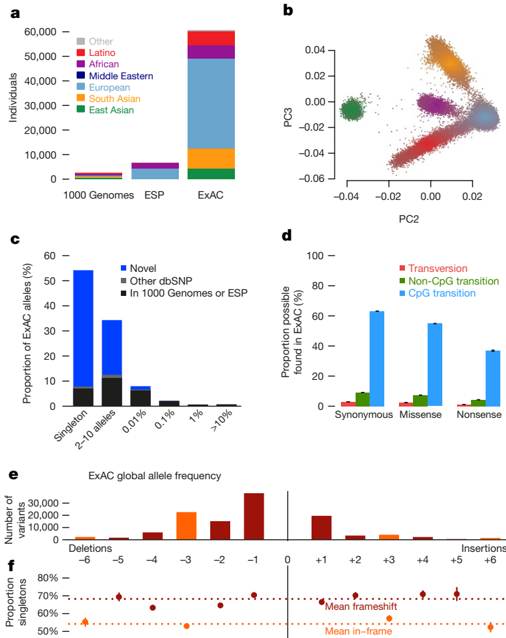
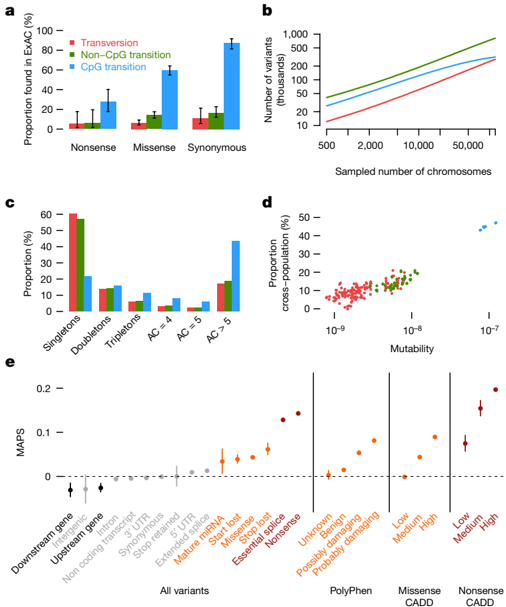
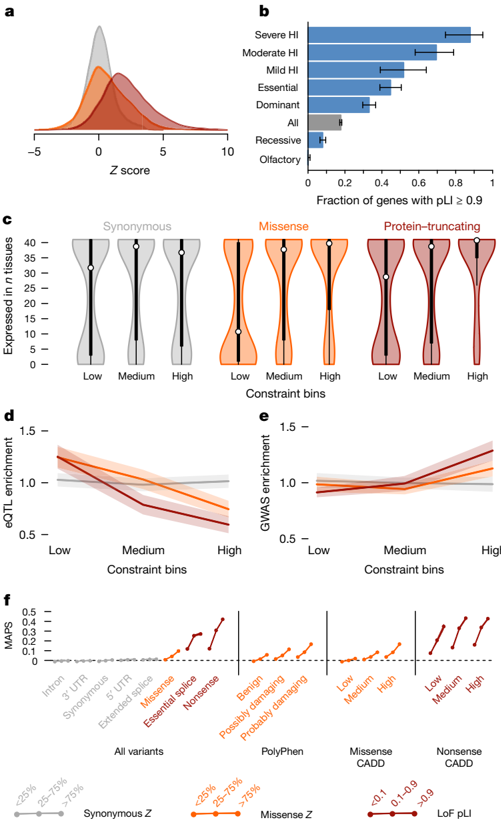
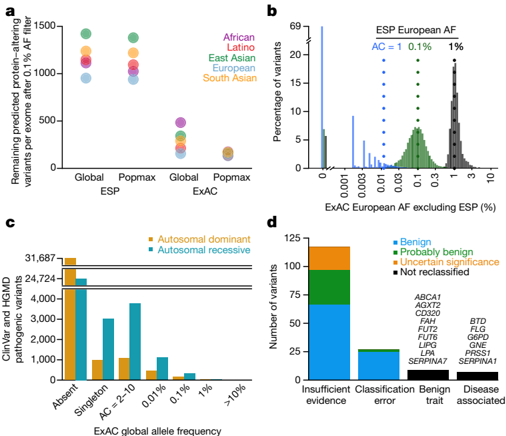
Large-scale reference data sets of human genetic variation are critical for the medical and functional interpretation of DNA sequence changes. Here we describe the aggregation and analysis of high-quality exome (protein-coding region) DNA sequence data for 60,706 individuals of diverse ancestries generated as part of the Exome Aggregation Consortium (ExAC). This catalogue of human genetic diversity contains an average of one variant every eight bases of the exome, and provides direct evidence for the presence of widespread mutational recurrence. We have used this catalogue to calculate objective metrics of pathogenicity for sequence variants, and to identify genes subject to strong selection against various classes of mutation; identifying 3,230 genes with near-complete depletion of predicted protein-truncating variants, with 72% of these genes having no currently established human disease phenotype. Finally, we demonstrate that these data can be used for the efficient filtering of candidate disease-causing variants, and for the discovery of human ‘knockout’ variants in protein-coding genes. Exome sequencing data from 60,706 people of diverse geographic ancestry is presented, providing insight into genetic variation across populations, and illuminating the relationship between DNA variants and human disease. As part of the Exome Aggregation Consortium (ExAC) project, Daniel MacArthur and colleagues report on the generation and analysis of high-quality exome sequencing data from 60,706 individuals of diverse ancestry. This provides the most comprehensive catalogue of human protein-coding genetic variation to date, yielding unprecedented resolution for the analysis of very rare variants across multiple human populations. The catalogue is freely accessible and provides a critical reference panel for the clinical interpretation of genetic variants and the discovery of disease-related genes.
Overview
The claims and statistics of this paper haven’t been checked yet.
Free: it reads the open-access text and checks the first 5 claims that cite a source we can check. Create a free account to check every claim.
Integrity signals
Registry
Cites
Statistics
Figures


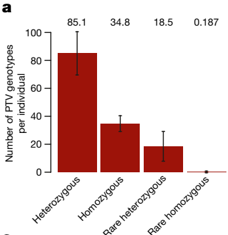
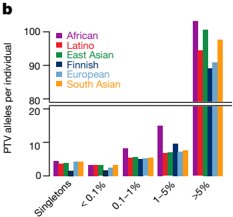
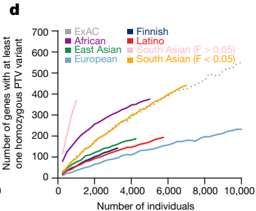
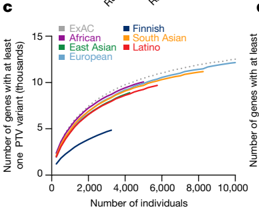
Verification
Claims the paper makes
The claims and statistics of this paper haven’t been checked yet.
Free: it reads the open-access text and checks the first 5 claims that cite a source we can check. Create a free account to check every claim.
Claims other papers make about this one
Each is checked against this paper’s own text: does it say what the citing paper says it does?
The source backs part of the claim, not all of it — or backs it for a different population, condition or comparison.
In the citing paper
“Variants in constrained genes (pLI ≥ 0.5)12 explain most of the burden of dnLGD variants and de novo D-mis variants (defined by an MPC score ≥2) in the affected offspring in our study”
From Exome sequencing of 457 autism families recruited online provides evidence for autism risk genes (2019) · cites this paper as [12]
Experimental — accuracy not yet measuredThe source backs part of the claim, not all of it — or backs it for a different population, condition or comparison.
In the citing paper
“Known dominant DD-associated genes are strongly enriched in the minority of genes that exhibit strong selective constraint on heterozygous PTVs7.”
From Evidence for 28 genetic disorders discovered by combining healthcare and research data (2020) · cites this paper as [7]
Experimental — accuracy not yet measuredThe source backs part of the claim, not all of it — or backs it for a different population, condition or comparison.
In the citing paper
“As expected, all ten genes are among the most constrained genes in the genome, with a substantial depletion of PTVs compared to chance expectation24.”
From Rare coding variants in ten genes confer substantial risk for schizophrenia (2022) · cites this paper as [24]
Experimental — accuracy not yet measuredThe source backs part of the claim, not all of it — or backs it for a different population, condition or comparison.
In the citing paper
“In our evolution-focused SNP-h2 enrichment analysis, we detected an overabundance of genic and LoF intolerant loci in both EAS and EUR, suggesting that functionally important regions of the genome contribute to SNP-h2 to a different extent compared to the other annotations tested [10, 33, 40, 44].”
From Denisovan and Neanderthal archaic introgression differentially impacted the genetics of complex traits in modern populations (2022) · cites this paper as [33]
Experimental — accuracy not yet measuredThe source backs part of the claim, not all of it — or backs it for a different population, condition or comparison.
In the citing paper
“In line with previous studies [10, 33], the strongest enrichments in both ancestry groups were observed for annotations related to genic and LoF intolerant regions.”
From Denisovan and Neanderthal archaic introgression differentially impacted the genetics of complex traits in modern populations (2022) · cites this paper as [33]
Experimental — accuracy not yet measured
9 more claims about this paper
Create a free account to see every claim other papers make about this one.
Self-check
Percentages, sums and reported differences re-computed from the paper’s own numbers.
The self-check needs the paper’s full text.
Citations
Cites
Richards, S., Aziz, N., Bale, S., Bick, D., Das, S., Gastier-Foster, J., Grody, W. W., Hegde, M., Lyon, E., Spector, E., et al. (2015) · Genetics in Medicine · doi:10.1038/gim.2015.30 · Cited by 32,594
A global reference for human genetic variation
The 1000 Genomes Project Consortium, authors, C., Auton, A., Abecasis, G. R., Steering committee, Altshuler, D. M., Durbin, R. M., Abecasis, G. R., Bentley, D. R., Chakravarti, A., et al. (2015) · Nature · doi:10.1038/nature15393 · Cited by 18,247
Self-citationA framework for variation discovery and genotyping using next-generation DNA sequencing data
DePristo, M. A., Banks, E., Poplin, R., Garimella, K. V., Maguire, J. R., Hartl, C., Philippakis, A. A., del Angel, G., Rivas, M. A., Hanna, M., et al. (2011) · Nature Genetics · doi:10.1038/ng.806 · Cited by 11,456
Self-citationLethality and centrality in protein networks
Jeong, H., Mason, S. P., Barabási, A.-L., & Oltvai, Z. N. (2001) · Nature · doi:10.1038/35075138 · Cited by 5,287
The Genotype-Tissue Expression (GTEx) pilot analysis: Multitissue gene regulation in humans
The GTEx Consortium, Ardlie, K. G., Deluca, D. S., Segrè, A. V., Sullivan, T. J., Young, T. R., Gelfand, E. T., Trowbridge, C. A., Maller, J. B., Tukiainen, T., et al. (2015) · Science · doi:10.1126/science.1262110 · Cited by 5,062
Self-citationGoh, K.-I., Cusick, M. E., Valle, D., Childs, B., Vidal, M., & Barabási, A.-L. (2007) · Proceedings of the National Academy of Sciences · doi:10.1073/pnas.0701361104 · Cited by 3,242
Inference of human population history from individual whole-genome sequences
Li, H., & Durbin, R. (2011) · Nature · doi:10.1038/nature10231 · Cited by 2,590
Exome sequencing as a tool for Mendelian disease gene discovery
Bamshad, M. J., Ng, S. B., Bigham, A. W., Tabor, H. K., Emond, M. J., Nickerson, D. A., & Shendure, J. (2011) · Nature Reviews Genetics · doi:10.1038/nrg3031 · Cited by 1,673
De novo mutations in schizophrenia implicate synaptic networks
Fromer, M., Pocklington, A. J., Kavanagh, D. H., Williams, H. J., Dwyer, S., Gormley, P., Georgieva, L., Rees, E., Palta, P., Ruderfer, D. M., et al. (2014) · Nature · doi:10.1038/nature12929 · Cited by 1,617
Self-citationEvolution and functional impact of rare coding variation from deep sequencing of human exomes
Tennessen, J. A., Bigham, A. W., O’Connor, T. D., Fu, W., Kenny, E. E., Gravel, S., McGee, S., Do, R., Liu, X., Jun, G., et al. (2012) · Science · doi:10.1126/science.1219240 · Cited by 1,613
Self-citation
Cited by
Items 801–900 of 1,198
Sequencing the CYP2D6 Gene: From Variant Allele Discovery to Clinical Pharmacogenetic Testing
Yang, Y., Botton, M. R., Scott, E. R., & Scott, S. A. (2017) · Pharmacogenomics · doi:10.2217/pgs-2017-0033 · Cited by 124
Intestinal Failure and Aberrant Lipid Metabolism in Patients With DGAT1 Deficiency
van Rijn, J. M., Ardy, R. C., Kuloğlu, Z., Härter, B., van Haaften-Visser, D. Y., van der Doef, H. P. J., van Hoesel, M., Kansu, A., van Vugt, A. H. M., Thian, M., et al. (2018) · Gastroenterology · doi:10.1053/j.gastro.2018.03.040 · Cited by 122
Thalamic Reticular Dysfunction as a Circuit Endophenotype in Neurodevelopmental Disorders
Krol, A., Wimmer, R. D., Halassa, M. M., & Feng, G. (2018) · Neuron · doi:10.1016/j.neuron.2018.03.021 · Cited by 121
“The potential significance of ERBB4 rare mutations is supported by highly significant under-representation of loss of function mutations in the very well powered EXAC cohort, a 60,000+ sample of exome sequenced control individuals (Lek et al., 2016).”
Snijders Blok, L., Rousseau, J., Twist, J., Ehresmann, S., Takaku, M., Venselaar, H., Rodan, L. H., Nowak, C. B., Douglas, J., Swoboda, K. J., et al. (2018) · Nature Communications · doi:10.1038/s41467-018-06014-6 · Cited by 120
Cardiac ryanodine receptor calcium release deficiency syndrome
Sun, B., Yao, J., Ni, M., Wei, J., Zhong, X., Guo, W., Zhang, L., Wang, R., Belke, D. D., Chen, Y.-X., et al. (2021) · Science Translational Medicine · doi:10.1126/scitranslmed.aba7287 · Cited by 129
Effective variant filtering and expected candidate variant yield in studies of rare human disease
Pedersen, B. S., Brown, J. M., Dashnow, H., Wallace, A. D., Velinder, M., Tristani-Firouzi, M., Schiffman, J. D., Tvrdik, T., Mao, R., Best, D. H., et al. (2021) · npj Genomic Medicine · doi:10.1038/s41525-021-00227-3 · Cited by 122
The Genomic Architecture of Hidradenitis Suppurativa—A Systematic Review
Pace, N. P., Mintoff, D., & Borg, I. (2022) · Frontiers in Genetics · doi:10.3389/fgene.2022.861241 · Cited by 123
“However, the presence of rare variants causative of late-onset disease in genomic databases can confound variant classification (Lek et al., 2016).”
BackgroundDESGESCO (Dementia Genetics Spanish Consortium), E. (. D. E. D. B., van der Lee, S. J., biobank), E. (. D. E. D., IFGC (International FTD-Genomics Consortium), I. (. I. P. D. G. C., IPDGC (The International Parkinson Disease Genomics Consortium), Dementia), R.-F. (. A. M. F. I. F.-T., (NBB), N. B. B., The GIFT (Genetic Investigation in Frontotemporal Dementia and Alzheimer’s Disease) Study Group, Conway, O. J., Jansen, I., et al. (2019) · Acta Neuropathologica · doi:10.1007/s00401-019-02026-8 · Cited by 120
Wang, S., Mandell, J. D., Kumar, Y., Sun, N., Morris, M. T., Arbelaez, J., Nasello, C., Dong, S., Duhn, C., Zhao, X., et al. (2018) · Cell Reports · doi:10.1016/j.celrep.2018.08.082 · Cited by 126
Self-citationGenome-wide identification of the genetic basis of amyotrophic lateral sclerosis
Zhang, S., Cooper-Knock, J., Weimer, A. K., Shi, M., Moll, T., Marshall, J. N. G., Harvey, C., Nezhad, H. G., Franklin, J., Souza, C. D. S., et al. (2022) · Neuron · doi:10.1016/j.neuron.2021.12.019 · Cited by 116
“Identification of rare deleterious variants and rare variant association testing For analysis of WGS data from 5,594 sporadic ALS patients and 2,238 controls (Project MinE ALS Sequencing Consortium, 2018), variants within promoter, enhancer and coding regions were determined to be rare if the minor allele frequency (M…”
Muona, M., Ishimura, R., Laari, A., Ichimura, Y., Linnankivi, T., Keski-Filppula, R., Herva, R., Rantala, H., Paetau, A., Pöyhönen, M., et al. (2016) · The American Journal of Human Genetics · doi:10.1016/j.ajhg.2016.06.020 · Cited by 119
Self-citationResistance to thyroid hormone beta: a focused review
Pappa, T., & Refetoff, S. (2021) · Frontiers in Endocrinology · doi:10.3389/fendo.2021.656551 · Cited by 119
“Within this region, 12 variants (P384L, G385R, L386V, E390D, R391K, D397G, S398G, N408S, H413D, V414M, K420R, and V425L) were reported in the gnomAD database without information regarding clinical phenotype (61).”
BackgroundBovijn, J., Krebs, K., Chen, C.-Y., Boxall, R., Censin, J. C., Ferreira, T., Pulit, S. L., Glastonbury, C. A., Laber, S., Millwood, I. Y., et al. (2020) · Science Translational Medicine · doi:10.1126/scitranslmed.aay6570 · Cited by 119
Self-citationWingo, T. S., Cutler, D. J., Wingo, A. P., Le, N.-A., Rabinovici, G. D., Miller, B. L., Lah, J. J., & Levey, A. I. (2019) · JAMA Neurology · doi:10.1001/jamaneurol.2019.0648 · Cited by 119
Molecular genetics of syndromic and non-syndromic forms of parathyroid carcinoma
Cardoso, L., Stevenson, M., & Thakker, R. V. (2017) · Human Mutation · doi:10.1002/humu.23337 · Cited by 128
Epilepsy genetics: Current knowledge, applications, and future directions
Myers, K. A., Johnstone, D. L., & Dyment, D. A. (2018) · Clinical Genetics · doi:10.1111/cge.13414 · Cited by 130
“54 The significance of EFHC1 was questioned after some variants published in early reports were subsequently found to be present in population databases without seizures such as the Genome Aggregation Database (gnomAD).(55) Despite these findings, a recent systematic review provided evidence that EFHC1 variants are in…”
ResultPitt, J. J., Riester, M., Zheng, Y., Yoshimatsu, T. F., Sanni, A., Oluwasola, O., Veloso, A., Labrot, E., Wang, S., Odetunde, A., et al. (2018) · Nature Communications · doi:10.1038/s41467-018-06616-0 · Cited by 162
Helbig, I., Lopez-Hernandez, T., Shor, O., Galer, P., Ganesan, S., Pendziwiat, M., Rademacher, A., Ellis, C. A., Hümpfer, N., Schwarz, N., et al. (2019) · The American Journal of Human Genetics · doi:10.1016/j.ajhg.2019.04.001 · Cited by 119
Self-citationInterpretable Clinical Genomics with a Likelihood Ratio Paradigm
Robinson, P. N., Ravanmehr, V., Jacobsen, J. O. B., Daniš, D., Zhang, X., Carmody, L., Gargano, M. A., Thaxton, C., Karlebach, G., Reese, J., et al. (2020) · The American Journal of Human Genetics · doi:10.1016/j.ajhg.2020.06.021 · Cited by 148
De novo variants in neurodevelopmental disorders—experiences from a tertiary care center
Brunet, T., Jech, R., Brügger, M., Kovacs, R., Alhaddad, B., Leszinski, G. S., Riedhammer, K. M., Westphal, D. S., Mahle, I., Mayerhanser, K., et al. (2021) · Clinical Genetics · doi:10.1111/cge.13946 · Cited by 130
“09 for missense variants as constraint threshold values.(26) 3 | RESULTS 3.”
An extended set of yeast-based functional assays accurately identifies human disease mutations
Sun, S., Yang, F., Tan, G., Costanzo, M., Oughtred, R., Hirschman, J., Theesfeld, C. L., Bansal, P., Sahni, N., Yi, S., et al. (2016) · Genome Research · doi:10.1101/gr.192526.115 · Cited by 118
Shi, H., Gazal, S., Kanai, M., Koch, E. M., Schoech, A. P., Siewert, K. M., Kim, S. S., Luo, Y., Amariuta, T., Huang, H., et al. (2021) · Nature Communications · doi:10.1038/s41467-021-21286-1 · Cited by 119
“We created 10 annotations based on genes in deciles of probability of being loss-of819 function intolerant (pLI) (see URLs), defined as the probability of assigning a gene into 820 haplosufficient regions, where protein-truncating variants are depleted.(56) Genes with high 821 pLI (e.”
MethodGenetics of schizophrenia in the South African Xhosa
Gulsuner, S., Stein, D. J., Susser, E. S., Sibeko, G., Pretorius, A., Walsh, T., Majara, L., Mndini, M. M., Mqulwana, S. G., Ntola, O. A., et al. (2020) · Science · doi:10.1126/science.aay8833 · Cited by 118
AMELIE speeds Mendelian diagnosis by matching patient phenotype and genotype to primary literature
Birgmeier, J., Haeussler, M., Deisseroth, C. A., Steinberg, E. H., Jagadeesh, K. A., Ratner, A. J., Guturu, H., Wenger, A. M., Diekhans, M. E., Stenson, P. D., et al. (2020) · Science Translational Medicine · doi:10.1126/scitranslmed.aau9113 · Cited by 118
Self-citationInferring gene regulatory networks from single-cell multiome data using atlas-scale external data
Yuan, Q., & Duren, Z. (2025) · Nature Biotechnology · doi:10.1038/s41587-024-02182-7 · Cited by 165
“To discern evolutionary distinctions between trans -dominant and cis -dominant genes, we compared their strength of selection using pLI, which is an estimate of the ‘probability of being loss of function intolerant’ 51 .”
Nutrigenomics in the modern era
Mathers, J. C. (2016) · Proceedings of The Nutrition Society · doi:10.1017/s002966511600080x · Cited by 126
Neandertal Introgression Sheds Light on Modern Human Endocranial Globularity
Gunz, P., Tilot, A. K., Wittfeld, K., Teumer, A., Shapland, C. Y., van Erp, T. G. M., Dannemann, M., Vernot, B., Neubauer, S., Guadalupe, T., et al. (2019) · Current Biology · doi:10.1016/j.cub.2018.10.065 · Cited by 117
Mutations in ATP6V1E1 or ATP6V1A Cause Autosomal-Recessive Cutis Laxa
Damme, T. V., Gardeitchik, T., Mohamed, M., Guerrero‐Castillo, S., Freisinger, P., Guillemyn, B., Kariminejad, A., Dalloyaux, D., van Kraaij, S. A. W., Lefeber, D. J., et al. (2017) · The American Journal of Human Genetics · doi:10.1016/j.ajhg.2016.12.010 · Cited by 123
Functional Selectivity in Cytokine Signaling Revealed Through a Pathogenic EPO Mutation
Kim, A. R., Ulirsch, J. C., Wilmes, S., Unal, E., Moraga, I., Karakukcu, M., Yuan, D., Kazerounian, S., Abdulhay, N. J., King, D. S., et al. (2017) · Cell · doi:10.1016/j.cell.2017.02.026 · Cited by 114
Self-citationLoss-of-activity-mutation in the cardiac chloride-bicarbonate exchanger AE3 causes short QT syndrome
Thorsen, K., Dam, V. S., Kjær-Sørensen, K., Pedersen, L. N., Skeberdis, V. A., Jurevičius, J., Treinys, R., Petersen, I. M. B. S., Nielsen, M. S., Oxvig, C., et al. (2017) · Nature Communications · doi:10.1038/s41467-017-01630-0 · Cited by 123
Inherited DNA-Repair Defects in Colorectal Cancer
AlDubayan, S. H., Giannakis, M., Moore, N. D., Han, G. C., Reardon, B. M., Hamada, T., Mu, X. J., Nishihara, R., Qian, Z., Liu, L., et al. (2018) · The American Journal of Human Genetics · doi:10.1016/j.ajhg.2018.01.018 · Cited by 134
Saldanha, R. G., Balka, K. R., Davidson, S., Wainstein, B. K., Wong, M., Macintosh, R., Loo, C. K. C., Weber, M. A., Kamath, V., CIRCA, et al. (2018) · Frontiers in Immunology · doi:10.3389/fimmu.2018.01535 · Cited by 114
“The variant was confirmed by Sanger sequencing, and is not present in the Exac database (11).”
BackgroundJensen, H. H., Brohus, M., Nyegaard, M., & Overgaard, M. T. (2018) · Frontiers in Molecular Neuroscience · doi:10.3389/fnmol.2018.00396 · Cited by 117
“Interestingly, a large exome sequencing study [Exome Aggregate Consortium (ExAC)] (Lek et al., 2016), found that CALM1 and CALM2 are intolerant to loss-of-function mutations (pLI = 0.”
BackgroundMolecular Analysis of Clinically Defined Subsets of High-Grade Serous Ovarian Cancer
Lee, S., Zhao, L., Rojas, C., Bateman, N. W., Yao, H., Lara, O. D., Celestino, J., Morgan, M., Nguyen, T., Conrads, K. A., et al. (2020) · Cell Reports · doi:10.1016/j.celrep.2020.03.066 · Cited by 130
Li, H., Sisoudiya, S. D., Martin‐Giacalone, B. A., Khayat, M. M., Dugan‐Perez, S., Marquez-Do, D. A., Scheurer, M. E., Muzny, D. M., Boerwinkle, E., Gibbs, R. A., et al. (2020) · JNCI Journal of the National Cancer Institute · doi:10.1093/jnci/djaa204 · Cited by 125
Homburger, J. R., Green, E. M., Caleshu, C., Sunitha, M. S., Taylor, R. E., Ruppel, K. M., Metpally, R. P. R., Colan, S. D., Michels, M., Day, S. M., et al. (2016) · Proceedings of the National Academy of Sciences · doi:10.1073/pnas.1606950113 · Cited by 118
“Here, we compare genetic data from the SHaRe, an international HCM registry (15), with variants identified in large-scale exome sequencing projects (13) to identify regions of enrichment for HCM-associated variation within preand poststroke structures of β-cardiac myosin.”
MethodOligogenic familial hypercholesterolemia, LDL cholesterol, and coronary artery disease
Tada, H., Kawashiri, M., Nomura, A., Teramoto, R., Hosomichi, K., Nohara, A., Inazu, A., Mabuchi, H., Tajima, A., & Yamagishi, M. (2018) · Journal of clinical lipidology · doi:10.1016/j.jacl.2018.08.006 · Cited by 128
Clinical application of next-generation sequencing to the practice of neurology
Rexach, J. E., Lee, H., Martínez-Agosto, J. A., Nemeth, A. H., & Fogel, B. L. (2019) · The Lancet Neurology · doi:10.1016/s1474-4422(19)30033-x · Cited by 128
Liu, Z., Zhu, L., Roberts, R. A., & Tong, W. (2019) · Trends in Genetics · doi:10.1016/j.tig.2019.08.006 · Cited by 129
“Aggregation Consortium [26] studied 60 706 individuals of diverse ancestries and found 3230 genes with near-complete depletion of predicted protein-truncating variants.”
BackgroundDelineation of a Human Mendelian Disorder of the DNA Demethylation Machinery: TET3 Deficiency
Beck, D. B., Petracovici, A., He, C., Moore, H. W., Louie, R. J., Ansar, M., Douzgou, S., Sithambaram, S., Cottrell, T., Santos‐Cortez, R. L. P., et al. (2020) · The American Journal of Human Genetics · doi:10.1016/j.ajhg.2019.12.007 · Cited by 121
Quetel, L., Meiller, C., Assié, J., Blum, Y., Imbeaud, S., Montagne, F., Tranchant, R., Wolf, J. D., Caruso, S., Copin, M., et al. (2020) · Molecular Oncology · doi:10.1002/1878-0261.12651 · Cited by 123
“1% (1000 Genomes Project Consortium et al., 2012; Lek et al., 2016); (c) Rare polymorphism: referenced in databases under 0.”
InfluentialHu, C., Polley, E. C., Yadav, S., Lilyquist, J., Shimelis, H., Na, J., Hart, S. N., Goldgar, D. E., Shah, S. H., Pesaran, T. F., et al. (2020) · JNCI Journal of the National Cancer Institute · doi:10.1093/jnci/djaa023 · Cited by 124
“Large genomic rearrangements were retained for mutation frequency and case-case comparisons but were excluded from case-control comparisons with Genome Aggregation Database (gnomAD) reference data (9,22).”
MethodJakubosky, D. A., D’Antonio, M., Bonder, M. J., Smail, C., Donovan, M. K. R., Greenwald, W. W. Y., Matsui, H., Bonder, M. J., Cai, N., Carcamo‐Orive, I., et al. (2020) · Nature Communications · doi:10.1038/s41467-020-16482-4 · Cited by 130
The genetic architecture of sporadic and multiple consecutive miscarriage
Laisk, T., Soares, A. L. G., Ferreira, T., Painter, J. N., Censin, J. C., Laber, S., Bacelis, J., Chen, C.-Y., Lepamets, M., Lin, K., et al. (2020) · Nature Communications · doi:10.1038/s41467-020-19742-5 · Cited by 111
“In order to re fi ne the list of candidate genes identi fi ed by eQTL and chromatin interaction mapping, we used constraint measures (pLI score 36 and observed/expected (oe) ratio) from gnomAD v2.”
BackgroundMethodInfluentialSelf-citationDiagnosis and Management of Sitosterolemia 2021
Tada, H., Nomura, A., Ogura, M., Ikewaki, K., Ishigaki, Y., Inagaki, K., Tsukamoto, K., Dobashi, K., Nakamura, K., Hori, M., et al. (2021) · Journal of Atherosclerosis and Thrombosis · doi:10.5551/jat.rv17052 · Cited by 127
Scott, R. A., Freitag, D. F., Li, L., Chu, A. Y., Surendran, P., Young, R., Grarup, N., Stancáková, A., Chen, Y., Varga, T. V., et al. (2016) · Science Translational Medicine · doi:10.1126/scitranslmed.aad3744 · Cited by 118
Self-citationA Syndromic Neurodevelopmental Disorder Caused by De Novo Variants in EBF3
Chao, H., Davids, M., Burke, E. A., Pappas, J., Rosenfeld, J. A., McCarty, A. J., Davis, T., Wolfe, L. A., Toro, C., Tifft, C. J., et al. (2016) · The American Journal of Human Genetics · doi:10.1016/j.ajhg.2016.11.018 · Cited by 124
International Parkinson’s Disease Genetics Consortium (IPGDC), Jansen, I. E., Ye, H., Heetveld, S., Lechler, M. C., Michels, H., Seinstra, R. I., Lubbe, S. J., Drouet, V., Lesage, S., et al. (2017) · Genome Biology · doi:10.1186/s13059-017-1147-9 · Cited by 117
“This variant is reported with a low frequency of 0.003% in ExAC.”
InfluentialFunctional significance of rare neuroligin 1 variants found in autism
Nakanishi, M., Nomura, J., Ji, X., Tamada, K., Arai, T., Takahashi, E., Bućan, M., & Takumi, T. (2017) · PLoS Genetics · doi:10.1371/journal.pgen.1006940 · Cited by 129
Lessard, S., Francioli, L., Alfoldi, J., Tardif, J.-C., Ellinor, P. T., MacArthur, D. G., Lettre, G., Orkin, S. H., & Canver, M. C. (2017) · Proceedings of the National Academy of Sciences · doi:10.1073/pnas.1714640114 · Cited by 112
Self-citationSlavin, T. P., Banks, K. C., Chudova, D., Oxnard, G. R., Odegaard, J. I., Nagy, R. J., Tsang, K. W. K., Neuhausen, S. L., Gray, S. W., Cristofanilli, M., et al. (2018) · Journal of Clinical Oncology · doi:10.1200/jco.18.00328 · Cited by 115
Multiple transmissions of de novo mutations in families
Jónsson, H., Sulem, P., Arnadottir, G. A., Pálsson, G., Eggertsson, H. P., Kristmundsdóttir, S., Zink, F., Kehr, B., Hjörleifsson, K. E., Jensson, B. Ö., et al. (2018) · Nature Genetics · doi:10.1038/s41588-018-0259-9 · Cited by 117
Widening the landscape of heritable pulmonary hypertension mutations in paediatric and adult cases
Eyries, M., Montani, D., Nadaud, S., Girerd, B., Lévy, M., BOURDIN, A. A., Trésorier, R., Chaouat, A., Cottin, V., Sanfiorenzo, C., et al. (2018) · European Respiratory Journal · doi:10.1183/13993003.01371-2018 · Cited by 122
Autism and developmental disability caused by KCNQ3 gain‐of‐function variants
Sands, T. T., Miceli, F., Lesca, G., Beck, A. E., Sadleir, L. G., Arrington, D. K., Schönewolf‐Greulich, B., Moutton, S., Lauritano, A., Nappi, P., et al. (2019) · Annals of Neurology · doi:10.1002/ana.25522 · Cited by 115
“R227Q, R230C, and R230S were absent from the population database gnomAD.(18) Interestingly, 1 of 122,950 individuals in the gnomAD dataset showed mosaic presence of R230H (45/145 reads, 31%, p = 2.”
BackgroundDeisseroth, C. A., Birgmeier, J., Bodle, E. E., Kohler, J. N., Matalon, D. R., Nazarenko, Y., Genetti, C. A., Brownstein, C. A., Schmitz-Abe, K., Schoch, K., et al. (2019) · Genetics in Medicine · doi:10.1038/s41436-018-0381-1 · Cited by 104
Molecular mechanisms of metabotropic GABA B receptor function
Shaye, H., Stauch, B., Gati, C., & Cherezov, V. (2021) · Science Advances · doi:10.1126/sciadv.abg3362 · Cited by 123
Sources of discordance among germ-line variant classifications in ClinVar
Yang, S., Lincoln, S. E., Kobayashi, Y., Nykamp, K., Nussbaum, R. L., & Topper, S. (2017) · Genetics in Medicine · doi:10.1038/gim.2017.60 · Cited by 127
Quesada, A. E., Routbort, M. J., DiNardo, C. D., Bueso‐Ramos, C. E., Kanagal‐Shamanna, R., Khoury, J. D., Thakral, B., Zuo, Z., Yin, C. C., Loghavi, S., et al. (2019) · American Journal of Hematology · doi:10.1002/ajh.25486 · Cited by 108
Bend, E. G., Aref‐Eshghi, E., Everman, D. B., Rogers, R. C., Cathey, S. S., Prijoles, E. J., Lyons, M. J., Davis, H., Clarkson, K., Gripp, K. W., et al. (2019) · Clinical Epigenetics · doi:10.1186/s13148-019-0658-5 · Cited by 124
Longitudinal tracking of 97 esophageal adenocarcinomas using liquid biopsy sampling
Ococks, E., Frankell, A. M., Masqué‐Soler, N., Grehan, N., Northrop, A., Coles, H., Redmond, A. M., Devonshire, G., Weaver, J. M. J., Hughes, C. D., et al. (2021) · Annals of Oncology · doi:10.1016/j.annonc.2020.12.010 · Cited by 123
KCNT1-related epilepsies and epileptic encephalopathies: phenotypic and mutational spectrum
Bonardi, C. M., Heyne, H. O., Fiannacca, M., Fitzgerald, M. P., Gardella, E., Gunning, B., Olofsson, K., Lesca, G., Verbeek, N., Stamberger, H., et al. (2021) · Brain · doi:10.1093/brain/awab219 · Cited by 106
Lehman, A., Thouta, S., Mancini, G. M. S., Naidu, S., van Slegtenhorst, M., McWalter, K. M., Person, R., Mwenifumbo, J. C., Salvarinova, R., Guella, I., et al. (2017) · The American Journal of Human Genetics · doi:10.1016/j.ajhg.2017.05.016 · Cited by 133
Mo, Z., Zhao, X., Liu, H., Hu, Q., Chen, X., Pham, J., Wei, N., Liu, Z., Zhou, J., Burgess, R. W., et al. (2018) · Nature Communications · doi:10.1038/s41467-018-03461-z · Cited by 116
Fewings, E., Larionov, A. A., Redman, J., Goldgraben, M. A., Scarth, J. A., Richardson, S., Brewer, C., Davidson, R., Ellis, I., Evans, D. G., et al. (2018) · The Lancet. Gastroenterology & hepatology · doi:10.1016/s2468-1253(18)30079-7 · Cited by 118
Hoefflin, R., Geißler, A.-L., Fritsch, R., Claus, R., Wehrle, J., Metzger, P., Reiser, M., Mehmed, L., Fauth, L., Heiland, D. H., et al. (2018) · JCO Precision Oncology · doi:10.1200/po.18.00105 · Cited by 124
“6) Age, years, median (range) 58 (1-85) Time interval from diagnosis to first MTB, months, median (range) 33.”
BackgroundHelleboid, P., Heusel, M., Duc, J., Piot, C., Thorball, C. W., Coluccio, A., Pontis, J., Imbeault, M., Turelli, P., Aebersold, R., et al. (2019) · The EMBO Journal · doi:10.15252/embj.2018101220 · Cited by 109
“0.2) for 123,136 and 15,496 individuals, respectively (Lek et al , 2016).”
InfluentialBai, J., Shi, J., Li, C., Wang, S., Zhang, T., Hua, X., Zhu, B., Koka, H., Wu, H., Song, L., et al. (2021) · Nature Communications · doi:10.1038/s41467-021-21026-5 · Cited by 127
Leveraging base-pair mammalian constraint to understand genetic variation and human disease
Sullivan, P. F., Meadows, J. R. S., Gazal, S., Phan, B. N., Li, X., Genereux, D. P., Dong, M. X., Bianchi, M., Andrews, G., Sakthikumar, S., et al. (2023) · Science · doi:10.1126/science.abn2937 · Cited by 120
Self-citationSynaptic UNC13A protein variant causes increased neurotransmission and dyskinetic movement disorder
Lipstein, N., Verhoeven-Duif, N. M., Michelassi, F. E., Calloway, N., van Hasselt, P. M., Pienkowska, K., van Haaften, G., van Haelst, M. M., van Empelen, R., Cuppen, I., et al. (2017) · Journal of Clinical Investigation · doi:10.1172/jci90259 · Cited by 114
“of the Exome Aggregation Consortium (ExAC) (50) and the Genome”
Conway, O. J., Carrasquillo, M. M., Wang, X., Bredenberg, J. M., Reddy, J. S., Strickland, S. L., Younkin, C. S., Burgess, J. D., Allen, M., Lincoln, S. J., et al. (2018) · Molecular Neurodegeneration · doi:10.1186/s13024-018-0289-x · Cited by 112
“010 for ABI3_rs616338-T and PLCG2_rs72824905-G (Table 2), closely emulating the reported gnomAD [29] frequencies in Non-Finnish Europeans of 0.”
BackgroundPinggera, A., Mackenroth, L., Rump, A., Schallner, J., Beleggia, F., Wollnik, B., & Striessnig, J. (2017) · Human Molecular Genetics · doi:10.1093/hmg/ddx175 · Cited by 112
Local ancestry at APOE modifies Alzheimer's disease risk in Caribbean Hispanics
Blue, E. E., Horimoto, A. R. V. R., Mukherjee, S., Wijsman, E. M., & Thornton, T. A. (2019) · Alzheimer's & Dementia · doi:10.1016/j.jalz.2019.07.016 · Cited by 112
“For example, the frequency of the two missense variants rs429358 and rs7412 defining the APOE E2/E3/E4 isoforms are clinal in Europe [21] and are more common in African populations and less common among Latinos [22].”
BackgroundKim, J., Shinde, D. N., Reijnders, M. R. F., Hauser, N. S., Belmonte, R. L., Wilson, G. R., Bosch, D. G. M., Bubulya, P. A., Shashi, V., Petrovski, S., et al. (2016) · The American Journal of Human Genetics · doi:10.1016/j.ajhg.2016.06.029 · Cited by 124
Self-citationThe genetics of obstructive sleep apnoea
Mukherjee, S., Saxena, R., & Palmer, L. J. (2018) · Respirology · doi:10.1111/resp.13212 · Cited by 106
Targetable vulnerabilities in T- and NK-cell lymphomas identified through preclinical models
Ng, S. Y., Yoshida, N., Christie, A. L., Ghandi, M., Dharia, N. V., Dempster, J., Murakami, M., Shigemori, K., Morrow, S. N., Van Scoyk, A., et al. (2018) · Nature Communications · doi:10.1038/s41467-018-04356-9 · Cited by 113
IRF2BPL Is Associated with Neurological Phenotypes
Marcogliese, P. C., Shashi, V., Spillmann, R. C., Stong, N., Rosenfeld, J. A., Koenig, M. K., Martínez-Agosto, J. A., Herzog, M. R., Chen, A. H., Dickson, P., et al. (2018) · The American Journal of Human Genetics · doi:10.1016/j.ajhg.2018.07.006 · Cited by 120
Germline variant burden in cancer genes correlates with age at diagnosis and somatic mutation burden
Qing, T., Mohsen, H., Marczyk, M., Ye, Y., O’Meara, T. A., Zhao, H., Townsend, J. P., Gerstein, M., Hatzis, C., Kluger, Y., et al. (2020) · Nature Communications · doi:10.1038/s41467-020-16293-7 · Cited by 125
Harms, P. W., Collie, A. M. B., Hovelson, D. H., Cani, A. K., Verhaegen, M. E., Patel, R. M., Fullen, D. R., Omata, K., Dlugosz, A. A., Tomlins, S. A., et al. (2016) · Modern Pathology · doi:10.1038/modpathol.2015.154 · Cited by 121
Witzel, M., Petersheim, D., Fan, Y., Bahrami, E., Racek, T., Rohlfs, M., Puchałka, J., Mertes, C., Gagneur, J., Ziegenhain, C., et al. (2017) · Nature Genetics · doi:10.1038/ng.3833 · Cited by 110
An autism spectrum disorder-related de novo mutation hotspot discovered in the GEF1 domain of Trio
Sadybekov, A., Tian, C., Arnesano, C., Katritch, V., & Herring, B. E. (2017) · Nature Communications · doi:10.1038/s41467-017-00472-0 · Cited by 112
DNM1 encephalopathy: A new disease of vesicle fission
von Spiczak, S., Helbig, K. L., Shinde, D. N., Huether, R., Pendziwiat, M., Lourenço, C., Nunes, M. E., Sarco, D. P., Kaplan, R. A., Dlugos, D. J., et al. (2017) · Neurology · doi:10.1212/wnl.0000000000004152 · Cited by 113
“Variants from the Exome Aggregation Consortium (ExAC) database included only missense changes with $2 alleles.(15)”
Mechanisms of Mendelian dominance
Veitia, R. A., Caburet, S., & Birchler, J. A. (2018) · Clinical Genetics · doi:10.1111/cge.13107 · Cited by 104
Ernst, C., Hahnen, E., Engel, C., Nothnagel, M., Weber, J., Schmutzler, R. K., & Hauke, J. (2018) · BMC Medical Genomics · doi:10.1186/s12920-018-0353-y · Cited by 133
Arnadottir, G. A., Norddahl, G. L., Guðmundsdóttir, S., Agustsdottir, A. B., Sigurðsson, S., Jensson, B. Ö., Bjarnadóttir, K., Theódórs, F., Benónísdóttir, S., Ivarsdottir, E. V., et al. (2018) · Nature Communications · doi:10.1038/s41467-018-06964-x · Cited by 117
A genome-wide survey of mutations in the Jurkat cell line
Gioia, L., Siddique, A., Head, S. R., Salomon, D. R., & Su, A. I. (2018) · BMC Genomics · doi:10.1186/s12864-018-4718-6 · Cited by 132
“001) in the Exome Aggregation Consortium (ExAC) dataset of over 60 thousand human samples [18].”
BackgroundIs ‘likely pathogenic’ really 90% likely? Reclassification data in ClinVar
Harrison, S. M., & Rehm, H. L. (2019) · Genome Medicine · doi:10.1186/s13073-019-0688-9 · Cited by 125
“Although new evidence, including the emergence of large-scale population databases such as ExAC [6] and gnomAD [7], presumably impacted the relatively high reclassification rate of variants assessed pre-2016, the reduction in reclassification rate also correlates with the release and implementation of the 2015 ACMG/AM…”
Human and mouse essentiality screens as a resource for disease gene discovery
Cacheiro, P., Muñoz-Fuentes, V., Murray, S. A., Dickinson, M. E., Bucan, M., Nutter, L. M. J., Peterson, K. A., Haselimashhadi, H., Flenniken, A. M., Morgan, H., et al. (2020) · Nature Communications · doi:10.1038/s41467-020-14284-2 · Cited by 106
“The probability of a gene being intolerant to LoF (pLI) 6 , with higher values indicating more intolerance, the o/e ratio of LoF with the corresponding upper bounds (LOEUF) the (o/e) ratio of missense and the (o/e) ratio of synonymous alleles, with lower values indicating more intolerance to…”
SAAMBE-3D: Predicting Effect of Mutations on Protein–Protein Interactions
Pahari, S., Li, G., Murthy, A. K., Liang, S., Fragoza, R., Yu, H., & Alexov, E. (2020) · International Journal of Molecular Sciences · doi:10.3390/ijms21072563 · Cited by 110
Seabrook, A., Harris, J. E., Velosa, S. B., Kim, E., McInerney-Leo, A. M., Dwight, T., Hockings, J. I., Hockings, N. G., Kirk, J., Leo, P. J., et al. (2020) · The Journal of Clinical Endocrinology & Metabolism · doi:10.1210/clinem/dgaa957 · Cited by 118
Zhang, P., Luo, H., Li, Y., Wang, Y., Wang, J., Zheng, Y., Niu, Y., Shi, Y., Zhou, H., Song, T., et al. (2021) · Cell Reports · doi:10.1016/j.celrep.2021.110017 · Cited by 139
Quantifying the impact of rare and ultra-rare coding variation across the phenotypic spectrum
Ganna, A., Satterstrom, F. K., Zekavat, S. M., Das, I., Kurki, M. I., Churchhouse, C., Alfoldi, J., Martin, A. R., Havulinna, A. S., Byrnes, A., et al. (2018) · The American Journal of Human Genetics · doi:10.1016/j.ajhg.2018.05.002 · Cited by 110
Self-citationKüry, S., Besnard, T., Ebstein, F., Khan, T. N., Gambin, T., Douglas, J., Bacino, C. A., Craigen, W. J., Sanders, S. J., Lehmann, A., et al. (2017) · The American Journal of Human Genetics · doi:10.1016/j.ajhg.2017.01.003 · Cited by 110
The UCL low-density lipoprotein receptor gene variant database: pathogenicity update
Leigh, S., Futema, M., Whittall, R., Taylor-Beadling, A., Williams, M., den Dunnen, J. T., & Humphries, S. E. (2017) · Journal of Medical Genetics · doi:10.1136/jmedgenet-2016-104054 · Cited by 88
Smith, E. D., Radtke, K., Rossi, M., Shinde, D. N., Darabi, S., El‐Khechen, D., Powis, Z., Helbig, K. L., Waller, K., Grange, D. K., et al. (2017) · Human Mutation · doi:10.1002/humu.23183 · Cited by 118
“Ofcasesthatreceivedanegativereclassificationreport,themajor-ity(five)wereduetoupdatedpopulationfrequenciesfromcontrol databases[Leketal.,2016].”
InfluentialGillis, E., Kumar, A. A., Luyckx, I., Preuß, C., Cannaerts, E., van de Beek, G., Wieschendorf, B., Alaerts, M., Bolar, N. A., Vandeweyer, G., et al. (2017) · Frontiers in Physiology · doi:10.3389/fphys.2017.00400 · Cited by 119
“…that fitted within at least one of the following three categories; unique variants [absent in the Exome Aggregation Consortium (ExAC) database (Lek et al., 2016)], variants with an ExAC Minor Allele Frequency (MAF) lower than 0.01% or variants with an ExAC MAF between 0.01% and 0.1% that had…”
BackgroundInfluentialHuman Disease Variation in the Light of Population Genomics
Prohaska, A., Racimo, F., Schork, A. J., Sikora, M., Stern, A. J., Ilardo, M. A., Allentoft, M. E., Folkersen, L., Buil, A., Moreno-Mayar, J. V., et al. (2019) · Cell · doi:10.1016/j.cell.2019.01.052 · Cited by 124
“CCR5-D32 frequency exhibits a north– south cline in Europe, West Asia, and North Africa (Libert et al., 1998).”
Precise therapeutic gene correction by a simple nuclease-induced double-stranded break
Iyer, S., Suresh, S., Guo, D., Daman, K., Chen, J. C. J., Liu, P., Zieger, M., Luk, K., Roscoe, B. P., Mueller, C., et al. (2019) · Nature · doi:10.1038/s41586-019-1076-8 · Cited by 111
How good are pathogenicity predictors in detecting benign variants?
Niroula, A., & Vihinen, M. (2019) · PLOS Computational Biology · doi:10.1371/journal.pcbi.1006481 · Cited by 107
The role of APOBEC3B in lung tumor evolution and targeted cancer therapy resistance
Caswell, D. R., Gui, P., Mayekar, M. K., Law, E. K., Pich, O., Bailey, C., Boumelha, J., Kerr, D. L., Blakely, C. M., Manabe, T., et al. (2023) · Nature Genetics · doi:10.1038/s41588-023-01592-8 · Cited by 123
“…rather than Strelka; deTiN was not performed and a common variant filter was applied to exclude variants present in the Exome Aggregation Consortium if at least ten alleles containing the variant were present across any subpopulation, unless they appeared in a list of known somatic sites 105,106 .”
Advancements and Prospects of Genome-Wide Association Studies (GWAS) in Maize
Sahito, J. H., Zhang, H., Gishkori, Z. G. N., Ma, C., Wang, Z., Ding, D., Zhang, X., & Tang, J. (2024) · International Journal of Molecular Sciences · doi:10.3390/ijms25031918 · Cited by 117
“Currently, WGS offers greater potential for resolving limitations and explaining missing heritability, especially with advances in genotyping technologies [48,55].”
Background
Metadata
- Authors
- Exome Aggregation Consortium, Lek, M., Karczewski, K. J., Minikel, E. V., Samocha, K. E., Banks, E., Fennell, T., O’Donnell-Luria, A. H., Ware, J. S., Hill, A. J., Cummings, B. B., Tukiainen, T., Birnbaum, D. P., Kosmicki, J. A., Duncan, L. E., Estrada, K., Zhao, F., Zou, J., Pierce-Hoffman, E., Berghout, J., Cooper, D. N., Deflaux, N., DePristo, M., Do, R., Flannick, J., Fromer, M., Gauthier, L., Goldstein, J., Gupta, N., Howrigan, D., Kiezun, A., Kurki, M. I., Moonshine, A. L., Natarajan, P., Orozco, L., Peloso, G. M., Poplin, R., Rivas, M. A., Ruano-Rubio, V., Rose, S. A., Ruderfer, D. M., Shakir, K., Stenson, P. D., Stevens, C., Thomas, B. P., Tiao, G., Tusie-Luna, M. T., Weisburd, B., Won, H.-H., Yu, D., Altshuler, D. M., Ardissino, D., Boehnke, M., Danesh, J., Donnelly, S., Elosua, R., Florez, J. C., Gabriel, S. B., Getz, G., Glatt, S. J., Hultman, C. M., Kathiresan, S., Laakso, M., McCarroll, S., McCarthy, M. I., McGovern, D., McPherson, R., Neale, B. M., Palotie, A., Purcell, S. M., Saleheen, D., Scharf, J. M., Sklar, P., Sullivan, P. F., Tuomilehto, J., Tsuang, M. T., Watkins, H. C., Wilson, J. G., Daly, M. J., & MacArthur, D. G.
- Affiliations
- Broad Institute (US)
- University of Arizona (US)
- Cardiff University (GB)
- Google (United States) (US)
- Icahn School of Medicine at Mount Sinai (US)
- National Institute of Genomic Medicine (MX)
- Instituto Nacional de Ciencias Médicas y Nutrición Salvador Zubirán (MX)
- Samsung Medical Center (KR)
- University of Michigan (US)
- University of Cambridge (GB)
- SUNY Upstate Medical University (US)
- Karolinska Institutet (SE)
- University of Eastern Finland (FI)
- Centre for Human Genetics (GB)
- Cedars-Sinai Medical Center (US)
- Ottawa Heart Institute (CA)
- Center for Non-Communicable Diseases (PK)
- University of North Carolina at Chapel Hill (US)
- University of Helsinki (FI)
- University of California San Diego (US)
- University of Mississippi Medical Center (US)
- Corresponding author
- MacArthur, Daniel G.
- ORCID
- Lek, Monkol
- Karczewski, Konrad J.
- Minikel, Eric V.
- Samocha, Kaitlin E.
- Banks, Eric
- Ware, James S.
- Cummings, Beryl B.
- Tukiainen, Taru
- Kosmicki, Jack A.
- Duncan, Laramie E.
- Estrada, Karol
- Zhao, Fengmei
- Zou, James
- Berghout, Joanne
- Cooper, David N.
- Deflaux, Nicole
- Do, Ron
- Flannick, Jason
- Fromer, Menachem
- Gupta, Namrata
- Howrigan, Daniel
- Kurki, Mitja I.
- Natarajan, Pradeep
- Orozco, Lorena
- Peloso, Gina M.
- Rivas, Manuel A.
- Rose, Samuel A.
- Ruderfer, Douglas M.
- Stevens, Christine
- Tiao, Grace
- Weisburd, Ben
- Won, Hong-Hee
- Yu, Dongmei
- Altshuler, David M.
- Ardissino, Diego
- Boehnke, Michael
- Danesh, John
- Donnelly, Stacey
- Gabriel, Stacey B.
- Getz, Gad
- Glatt, Stephen J.
- Hultman, Christina M.
- Kathiresan, Sekar
- Laakso, Markku
- McCarroll, Steven
- McCarthy, Mark I.
- McGovern, Dermot
- McPherson, Ruth
- Neale, Benjamin M.
- Palotie, Aarno
- Purcell, Shaun M.
- Saleheen, Danish
- Scharf, Jeremiah M.
- Sklar, Pamela
- Sullivan, Patrick F.
- Tuomilehto, Jaakko
- Tsuang, Ming T.
- Watkins, Hugh C.
- Wilson, James G.
- Daly, Mark J.
- MacArthur, Daniel G.
- Venue
- Nature
- Published
- 2016-08
- Volume
- 536
- Issue
- 7616
- Pages
- 285-291
- ISSN
- 0028-0836 (ISSN-L)
- 1476-4687
- PMC
- PMC5018207
- OpenAlex
- W2256016639
- Cited by
- 9,587
- References
- 41
- Citations by year
- 2026: 196 · 2025: 344 · 2024: 516 · 2023: 538 · 2022: 674 · 2021: 955 · 2020: 1390 · 2019: 1717 · 2018: 1664 · 2017: 1235 · 2016: 340
- FWCI
- 1334.22
- Type
- journal article
- Language
- en
- Open access
- hybrid
- doi.org
- Licence
- cc-by
- creativecommons.org/licenses/by/4.0 (tdm)
- Locations
- Nature (publishedVersion, cc-by)
- bioRxiv (Cold Spring Harbor Laboratory) (acceptedVersion, cc-by-nd)
- PubMed (publishedVersion)
- VU Research Portal (publishedVersion, other-oa)
- ORCA Online Research @Cardiff (Cardiff University) (acceptedVersion)
- PubMed Central (acceptedVersion)
- Apollo (University of Cambridge) (submittedVersion, cc-by)
- Digital Access to Scholarship at Harvard (DASH) (Harvard University) (submittedVersion, cc-by)
- RePEc: Research Papers in Economics (submittedVersion)
- eScholarship (California Digital Library) (submittedVersion)
- eScholarship (California Digital Library) (submittedVersion, cc-by)
- Työväentutkimus Vuosikirja (submittedVersion)
- The Mouseion at the JAXlibrary (Jackson Laboratory) (submittedVersion)
- Spiral (Imperial College London) (submittedVersion, cc-by)
- Data Archiving and Networked Services (DANS) (submittedVersion, other-oa)
- Apollo (cc-by)
- Funders
- ACMG Foundation for Genetic and Genomic Medicine
- Wellcome Trust (090367, 098381, 090532, 107469/Z/15/Z)
- National Institute for Health and Care Research (NF-SI-0507-10228, NF-SI-0611-10099, NF-SI-0611-10219, NF-SI-0514-10027, NF-SI-0513-10087)
- British Heart Foundation (FS/14/55/30806, CH/12/2/29428, RG/13/13/30194, RG/16/4/32218)
- European Commission (279143, 279233)
- Cambridge University Hospitals (3819-1516-29, BRC 2012-2017, 3819-1617-25, 146281)
- National Institutes of Health (5rc2dk088389-02, 5u01mh094432-04)
- U.S. Public Health Service (NIMHRC2MH089905)
- Pfizer Foundation
- Canadian Institutes of Health Research (MOP--82810, #MOP77682, MOP136936)
- Medical Research Council (MR/L003120/1, MR/L010305/1)
- National Health and Medical Research Council
- National Medical Research Council
- National Institute on Aging (P30AG038072)
- National Heart, Lung, and Blood Institute (HHSN268201300050C, HHSN268201300046C, R01HL024799, HHSN268201300048C, HHSN268201300049C, K01HL125751, HHSN268201300047C, R01HL24799, R01HL107816, T32HL007208)
- National Institute of Mental Health (R01MH077139, R01MH085521, U01 MH094432, MH094421, MH095034, P50MH066392, R01MH085560, RC2MH089905, U01MH094421, R01MH095034, MH077139, MH089905)
- National Human Genome Research Institute (U54HG003067, U41HG000330)
- National Institute of General Medical Sciences (F32GM115208, R01GM104371)
- National Institute of Diabetes and Digestive and Kidney Diseases (U01DK085526, U01DK085584, DK098032, U01DK085501, U01DK062370, U01DK085524, DK085545, RC2-DK088389, U01DK085545, 1RC2DK088389, DK088389, RC2F DK088389, R01DK098032, U54DK105566, P30DK020572, P30DK043351, R01DK062370)
- National Institute of Neurological Disorders and Stroke (U01 NS40024-09S1, K02NS085048, NS40024-09S1, U01NS040024, NS085048)
- Topics
- Life Sciences › Biochemistry, Genetics and Molecular Biology › Genetics › Genomics and Rare Diseases
- Life Sciences › Biochemistry, Genetics and Molecular Biology › Genetics › Genetic Associations and Epidemiology
- Life Sciences › Biochemistry, Genetics and Molecular Biology › Molecular Biology › Genomics and Phylogenetic Studies
- Keywords
- human genetic variation, ExAC, exome sequencing, rare variants, variant pathogenicity, truncating mutations, purifying selection, population genetic variation
- MeSH terms
- DNA Mutational Analysis, Humans, Phenotype, Genetic Variation, Sample Size, Proteome, Rare Diseases, Exome, Datasets as Topic
About these checks
Registry, retraction, Cites and statistics results are computed, not judged, with one exception: a printed reference that no index lists is read once by a model before it counts as a citation error. Claims are extracted by a model and kept only when their quote appears verbatim in the text; each cited source is then checked, with a model’s help, for whether it says what the claim relies on. Those verdicts can be wrong — read the claim’s quote and the cited source before relying on one.
Statistics and arithmetic are recomputed, not judged.
Confidence bands are shown only for fields calibrated on our annotated test set. None is calibrated yet, so no band is shown.
What counts as a claim ›How we measure confidence ›How we check this ›
Are you an author, or do you see a problem with this page? Request a review
Data sources
Bibliographic data: Semantic Scholar, OpenAlex, Crossref.
Contains information from the Semantic Scholar Academic Graph Datasets, made available under the ODC Attribution License (ODC-BY 1.0).
Semantic Scholar’s data is described in: Kinney, R., et al. (2023). The Semantic Scholar Open Data Platform. arXiv:2301.10140.
